



Lou Hennessy
-
Posts
326 -
Joined
-
Last visited
Content Type
Profiles
News
Minnesota Twins Videos
2026 Minnesota Twins Top Prospects Ranking
2022 Minnesota Twins Draft Picks
Minnesota Twins Free Agent & Trade Rumors, Notes, & Tidbits
Guides & Resources
2023 Minnesota Twins Draft Picks
The Minnesota Twins Players Project
2024 Minnesota Twins Draft Picks
2025 Minnesota Twins Draft Pick Tracker
2026 Minnesota Twins Draft Tracker: Picks & Bonuses
Forums
Blogs
Events
Store
Downloads
Gallery
Everything posted by Lou Hennessy
-
 The Twins have what looks to be much better depth in their starting pitching department this year. Surely some of their arms that start the year in the Triple-A rotation will make an impact in the big leagues this season. So how does this group of extra starters compare to the rest of the division? The Twins have what looks to be much better depth in their starting pitching department this year. Surely some of their arms that start the year in the Triple-A rotation will make an impact in the big leagues this season. So how does this group of extra starters compare to the rest of the division? While many would argue that the starting rotation that breaks camp in late March is still lacking a true bonafide ace, there’s no arguing that the Twins have a much deeper class of pitchers than in recent years. Take the 2022 season as an example. As the campaign opened, the big-league starting corps consisted of Sonny Gray, Joe Ryan, Chris Paddack, Bailey Ober, Dylan Bundy, and Chris Archer. Even with a six-man rotation, the depth was tested early on. When the calendar flipped to May, Gray, and Ober both found themselves on the IL, with Josh Winder getting the call to fill in on the now five-man rotation. Just two weeks later, Paddack succumbed to an elbow injury and was replaced by Devin Smeltzer. Just weeks after that, the Twins trotted out Cole Sands and Chi Chi Gonzalez to fill out an even more depleted staff. As you can see, things can go south rather quickly when nagging injuries rise to the surface. That’s why depth is a critical aspect of building a competitive team. And this year, the group looks much deeper on paper. Beyond their projected major-league rotation consisting of Gray, Ryan, Pablo Lopez, Tyler Mahle, and Kenta Maeda, they actually have a full staff of quality starter options stashed across the river in St. Paul. Rather than relying on the likes of Smeltzer, Gonzalez, or Sands when someone in the big-league rotation goes down, the Twins are on track to have a much stronger group of replacements. This includes top prospects Simeon Woods Richardson (No. 5 on Twins Daily’s prospect rankings), Louie Varland (No. 7) and hopefully a healthy Jordan Balazovic (No. 15). It would also presumably feature Ober and Winder, two exciting young arms that have shown flashes of belonging in the MLB despite notable injuries over the last two years. They could also look at Ronny Henriquez (No. 16) and Cole Sands in the Saints’ rotation, though both finished the 2022 campaign in the bullpen and may be best suited for that role going forward. After that collection, a group of non-roster invitees could theoretically stick around depending on what opportunities present themselves at the end of spring training. This class includes Jose De Leon, Randy Dobnak, and Dereck Rodriguez. None of these are expected to be big contributors to the big league roster, but then again, neither were Gonzalez, Sands and Aaron Sanchez in 2022. Nevertheless, this year’s crop of starting pitcher options at Triple-A looks better equipped to answer the call when the time comes. But how do they compare to the rest of the AL Central? The Cleveland Guardians have the best MLB rotation in the division thanks to staff aces Shane Bieber and Triston McKenzie, as well as mid-rotation types such as Cal Quantrill, Aaron Civale, and Zach Plesac. But what if one or more go down with an injury? They’d be looking at the likes of Triple-A starters Xzavion Curry (their No. 23 ranked prospect according to Fangraphs), Hunter Gaddis (No. 37), and Konnor Pilkington. Each has already had a taste of MLB action, but none inspire much confidence. Other options include non-roster invitee Touki Toussaint, as well as Logan Allen (No. 4), but he would need to be added to their 40-man roster. On paper, the Chicago White Sox also have a strong MLB rotation to start the year. They’ll rely on stalwarts such as Lucas Giolito, Lance Lynn, and Dylan Cease, with Michael Kopech and Mike Clevinger (maybe?) rounding out their staff, albeit with less certainty due to an extensive injury history or off-the-field issues, respectively. Long story short, they have a likely chance of needing some reinforcements early on, and that’s where things get dicey on the south side. Next in line would be Davis Martin, Jonathan Stiever, and recent waiver-claim A.J. Alexy, who was just claimed from the Twins. All three have seen MLB action, but none have the prospect pedigree to suggest a breakout is imminent. Beyond that, the Sox are pretty short-handed thanks to a depleted farm system. The Detroit Tigers have many holes in their boat as they try to stay afloat after another front-office regime change. Starting pitching depth is among their biggest challenges. Their MLB rotation will most likely consist of Eduardo Rodriguez, Matthew Boyd, Michael Lorenzen, Matt Manning, and Spencer Turnbull. That staff would look a lot stronger if it included former top prospects Casey Mize and Tarik Skubal, but both are unlikely to be ready by opening day after having Tommy John and flexor tendon repair surgeries, respectively, in the second half of last year. Their Triple-A rotation will likely consist of Joey Wentz, Beau Brieske, Zach Logue, and Alex Faedo, who have each seen MLB action in the past year. After that, there really aren’t any top prospects or former big leaguers that project to be studying presences when the injury bug inevitably bites them. The Kansas City Royals may still be a few years away from competing for the division crown, but their starting rotation options are plentiful for the time being. Their opening day staff will likely consist of Zack Greinke, Jordan Lyles, Brady Singer, Ryan Yarbrough, and Brad Keller, pushing their younger options to Triple-A. These young arms consist of mostly high draft picks, including four pitchers that were all taken in 2018 and have made their MLB debuts. This class includes Daniel Lynch, Jonathan Heasley, Kris Bubic, and Jackson Kowar. Between them, they have combined for 674 innings at the MLB level, so they should be set when the time comes. As you can see from the rundown of the rest of the division, the Twins probably have the deepest starting pitcher corps even if it lacks the height seen in Cleveland or Chicago. The Royals have a similarly deep group at Triple-A, but their on-paper MLB rotation lacks the upside that can be seen in the Twins’ rotation. Does that mean the Twins are guaranteed to have the best pitching staff in the division? Absolutely not. But they are certainly better equipped to withstand a few injuries than they were last year. What do you think? Let us know in the comments whether you think the Twins’ pitching depth will be an asset or a liability this year. View full article
- 30 replies
-
- 2
-

-
- sonny gray
- joe ryan
- (and 3 more)
-
Pablo Lopez's Elite Changeup Could Take Him to the Next Level
Lou Hennessy posted an article in Twins
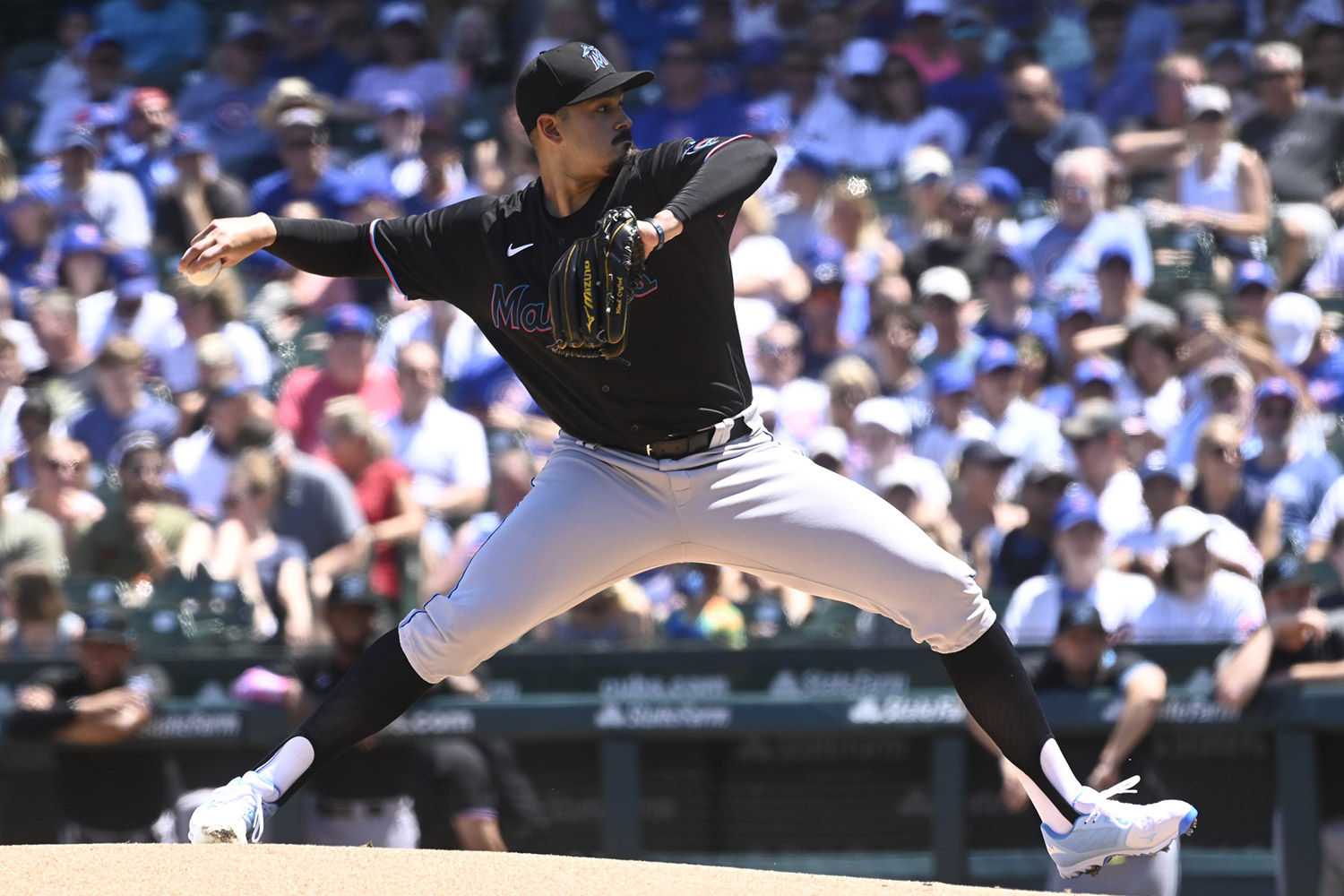 Pablo Lopez may be seen as a pitcher in a similar mold to his new rotation counterparts. He, Sonny Gray, Tyler Mahle, Kenta Maeda, and Joe Ryan are all seen as solid number two or three starters but are a rung short of landing on the ace level of the pitching ladder. Lopez, however, may have the best chance of taking his game to the next level if he can find a way to ride his already-lethal changeup. If the Twins can work with him to maintain the effectiveness of his off-speed offering while improving the shape and efficacy of his four-seam fastball, they could finally find their long-awaited ace. Hitters already had a hard time squaring him up last season, as evidenced by his overall chase rate (70th percentile) and Hard-Hit percentage (71st percentile). The changeup is a major part of that. In 2022, he threw that pitch 35.3% of the time and saw strong results. Opposing hitters batted just .220 (.233 expected) with a .374 slugging percentage (.366 expected) on his changeup, making it an ideal chase pitch when the count reached two strikes. When he got to that point in an at-bat, he threw his changeup 39% of the time, which is second-most among all qualified starters. There’s a good reason for that. Rylan Domingues of Tread Athletics pointed out that their grading program ranked Lopez’s changeup as being 16% better than an MLB average changeup when it comes to pure wStuff+. That uses pitch metrics such as movement, shape, and velocity without knowing the pitch location. Beyond that, Lopez’s changeup was elite when the location was considered. Tread Athletics rated it as an eye-popping 64% better than the league average based on wExecution+. Overall, they rated Lopez as having the fourth-best changeup in all baseball in 2022. It averaged 17.3 inches of horizontal break, which is 2.5 inches (19%) above average. No wonder he used it so much with two strikes. That’s got to have Twins fans rubbing their hands together and licking their lips. A legitimate, elite out pitch can be extremely hard to develop and maintain, but the club feels like Lopez has a chance to take it to the next level. To do that, Lopez will have to rework his four-seam fastball so it can be as effective as it was in the first half of the 2022 season. For the changeup to be most successful, it needs to deceive the batter into thinking that they’re getting a different pitch so that they either miss the ball entirely or make weak contact. Esteban Rivera of Fangraphs described the issues that Lopez’s fastball faced after a liner struck him on his right wrist in mid-June. From that point on, Lopez started using a slightly lower release point, which caused him to lose active spin on his heater. Was he pitching hurt, or was this a subconscious result after the injury? Either way, the event changed the shape of his fastball and, in turn, made it easier for hitters to identify the subtle differences between that pitch and his changeup. When he lost that deception, he lost the swing-and-miss stuff that made his off-speed so successful. If pitching coach Pete Maki can reestablish the proper release point on that fastball, or at least find a way to shape it so that it tunnels with the path of his changeup, they could rediscover what gave Lopez a sterling 2.86 ERA in the first half of last season. That ceiling has been seemingly absent in the last two seasons. Gray, Ryan, and the rest have shown the capability of being quality starters in that time, but they’ve stalled out before reaching that last rung of the ladder. Don’t be mistaken; their presence is incredibly valuable in a rotation. But Lopez’s changeup gives him greater reach when he stretches toward the top level. And if he can’t get there? Fans always have the option to watch those old Johan highlights.
 -
The great Johan Santana spoiled Twins fans in the mid-2000s, and they’ve been begging for another bonafide ace since he was traded to the New York Mets. While it’s unfair to compare anyone in the current rotation to peak-Johan, the newest member of the staff boasts a similar primary weapon. Image courtesy of © Matt Marton-USA TODAY Sports The great Johan Santana spoiled Twins fans in the mid-2000s, and they’ve been begging for another bonafide ace since he was traded to the New York Mets. While it’s unfair to compare anyone in the current rotation to peak-Johan, the newest member of the staff boasts a similar primary weapon. Pablo Lopez may be seen as a pitcher in a similar mold to his new rotation counterparts. He, Sonny Gray, Tyler Mahle, Kenta Maeda, and Joe Ryan are all seen as solid number two or three starters but are a rung short of landing on the ace level of the pitching ladder. Lopez, however, may have the best chance of taking his game to the next level if he can find a way to ride his already-lethal changeup. If the Twins can work with him to maintain the effectiveness of his off-speed offering while improving the shape and efficacy of his four-seam fastball, they could finally find their long-awaited ace. Hitters already had a hard time squaring him up last season, as evidenced by his overall chase rate (70th percentile) and Hard-Hit percentage (71st percentile). The changeup is a major part of that. In 2022, he threw that pitch 35.3% of the time and saw strong results. Opposing hitters batted just .220 (.233 expected) with a .374 slugging percentage (.366 expected) on his changeup, making it an ideal chase pitch when the count reached two strikes. When he got to that point in an at-bat, he threw his changeup 39% of the time, which is second-most among all qualified starters. There’s a good reason for that. Rylan Domingues of Tread Athletics pointed out that their grading program ranked Lopez’s changeup as being 16% better than an MLB average changeup when it comes to pure wStuff+. That uses pitch metrics such as movement, shape, and velocity without knowing the pitch location. Beyond that, Lopez’s changeup was elite when the location was considered. Tread Athletics rated it as an eye-popping 64% better than the league average based on wExecution+. Overall, they rated Lopez as having the fourth-best changeup in all baseball in 2022. It averaged 17.3 inches of horizontal break, which is 2.5 inches (19%) above average. No wonder he used it so much with two strikes. That’s got to have Twins fans rubbing their hands together and licking their lips. A legitimate, elite out pitch can be extremely hard to develop and maintain, but the club feels like Lopez has a chance to take it to the next level. To do that, Lopez will have to rework his four-seam fastball so it can be as effective as it was in the first half of the 2022 season. For the changeup to be most successful, it needs to deceive the batter into thinking that they’re getting a different pitch so that they either miss the ball entirely or make weak contact. Esteban Rivera of Fangraphs described the issues that Lopez’s fastball faced after a liner struck him on his right wrist in mid-June. From that point on, Lopez started using a slightly lower release point, which caused him to lose active spin on his heater. Was he pitching hurt, or was this a subconscious result after the injury? Either way, the event changed the shape of his fastball and, in turn, made it easier for hitters to identify the subtle differences between that pitch and his changeup. When he lost that deception, he lost the swing-and-miss stuff that made his off-speed so successful. If pitching coach Pete Maki can reestablish the proper release point on that fastball, or at least find a way to shape it so that it tunnels with the path of his changeup, they could rediscover what gave Lopez a sterling 2.86 ERA in the first half of last season. That ceiling has been seemingly absent in the last two seasons. Gray, Ryan, and the rest have shown the capability of being quality starters in that time, but they’ve stalled out before reaching that last rung of the ladder. Don’t be mistaken; their presence is incredibly valuable in a rotation. But Lopez’s changeup gives him greater reach when he stretches toward the top level. And if he can’t get there? Fans always have the option to watch those old Johan highlights. View full article
-
The Twins were able to maximize Matt Wisler in 2020 by tinkering with his pitch repertoire. Could they give one of their current pitchers that same treatment this season? Image courtesy of Peter Aiken-USA TODAY Sports The Twins were able to maximize Matt Wisler in 2020 by tinkering with his pitch repertoire. Could they give one of their current pitchers that same treatment this season? Ask any Twins fan what area of the current roster scares them the most, and the answer will surely be either the top of the starting rotation or in the bullpen. Despite a stronger group of starter candidates and some rosy projections for the relief staff, the fanbase isn’t going to believe it until they see it. A similar mindset was apparent heading into the 2020 season, and the Twins ended up having one of the best relief corps in the game. They ranked third in baseball with a combined 3.6 fWAR, sixth with a 3.62 ERA, and second with a stellar 77% strand rate. A surprising leader in this group was off-season waiver claim Matt Wisler, who finished the year with a glowing 1.07 ERA and 32.7% strikeout rate. He was seen as a relative project coming into camp that year, but the Twins’ decision makers saw something in him that gave them hope that he could turn into a weapon out of the bullpen, or someone that could at the very least provide value given their minimum salary. They didn’t know that their project would transform into a buzz saw by drastically changing his pitch repertoire. He completely ditched his seldom-used curveball and changeup and started throwing his slider over 80% of the time and mixed in a very occasional fastball. Flash forward to present day, and fans will probably want absolutely nothing to do with a project. As good as Wisler was, the results of the projects that followed were either disastrous or disappointing, to say the least. But could any of the current members in the Twins’ bullpen benefit from a change similar to Wisler’s in 2020? Danny Coulombe A minor-league deal signee, Coulombe represents an ideal candidate to tweak and tinker with if the Twins are looking for another project. Since coming to Minnesota in 2020, he’s actually been quite effective when healthy, based on his combined 2.92 ERA, 8.2 K/9 and 3.5 BB/9 across 49 innings pitched. For a low-leverage option out of the bullpen, you could certainly do much worse. But what happens if his strikeout rate improves with a change in pitch repertoire? That’s when things get interesting, as they did for Wisler. Coulombe has experimented with a slew of different pitches over his career, with his fastball, slider and curveball being constant throughout. His sinker and cutter, however, have seen mixed results. Notably, his fastball velocity went up last year (averaged 91.8 MPH compared to 90.6 MPH in 2021), and he used his curveball and slider significantly less (66.6% in 2022, 43.5% in 2021). He did this in an effort to reintroduce his changeup, which he used 19.6% of the time. He saw great surface results when healthy, with a sterling 1.46 ERA and an 81.3% strand rate in his 12 innings pitched. His slider, while used less-often in 2022, was still an above-average offering, and was his best pitch in 2021 (1.6 runs above average). It should remain in his mix, and he should eliminate his curveball. If Coulombe can stay healthy in 2023, continue to add/maintain good velocity on his fastball and up his usage of his slider, he could open some eyes. Maybe his rediscovered changeup can still play a factor against right-handed hitters and his slider is his weapon of choice against lefties. Either way, a more-refined balance in his repertoire could keep him effective as long as he remains healthy. Trevor Megill The tall right-hander debuted with the Twins in May and impressed with his blazing fastball right away. By the end of the season, Megill found himself in the 97th percentile for fastball velocity, 92nd percentile in fastball spin rate and the 85th percentile for curveball spin rate. These are enticing numbers under the hood, but he seemed to get a bad reputation after losing some gas starting in August. At one point, he gave up at least one earned run in seven of eight appearances, and lost the trust of frustrated Twins fans. While many were ready to see him removed from the roster, it would be foolish to give up on such an electric arm after struggling in their sophomore season. His fastball plays at the big league level. That much is certain. Can he get one of his breaking balls to be a true complementary offering? His curveball has the aforementioned spin rate that surely encouraged him to throw it 30.9% of the time in 2022. He only allowed two extra base hits on the yacker, but the average exit velocity on it was 94.1 MPH. Can Megill find a way to get better results on this pitch, or should he start to emphasize his slider more? The slide piece got knocked around a lot more in 2022 (.536 slugging percentage against), but it is by far his best offering in terms of getting swinging strikes (36.5% in 2022). If he can continue to get whiffs on this pitch while upping its usage, it could lead to more strikeouts at the risk of harder contact. For a project-type pitcher in lower-leverage (or even minor league) opportunities, this is a risk worth taking. Kenta Maeda It appears that the 2020 American League Cy Young award runner-up will get every opportunity to stick in the starting rotation after missing all of last season. That’s fine for the time being, but it would not be surprising to see him in the bullpen at some point in 2023. Tommy John surgery recovery can be unpredictable, especially for pitchers on the wrong side of 30. When push comes to shove, Maeda didn’t pitch any MLB innings last year, and only had 106 under his belt before succumbing to surgery in 2021. There’s no way to reasonably expect him to be a reliable starting pitcher for 30 starts this year. If he approaches an innings limit and the team decides to try him in the bullpen, it will be a facet of the game that Maeda is familiar with. Even if it isn’t his preference, he could be a welcome addition among the relief corps if he optimizes his repertoire like he has done in the past. In 2019, King Kenta pitched 17 innings out of the Los Angeles Dodgers bullpen down the stretch and had terrific results. He had a 3.24 ERA in relief, with a 11.9 K/9 and just 2.2 BB/9, and he left about 80% of baserunners stranded. So what happened when he made that move? In the month of September, his slider usage rose to 43.9% and he essentially dropped his curveball and sinker. He mainly used that slider, his 4-seam fastball and his splitter. Opponents hit a meager .164/.220/.382 against him that month. His simplified game plan paid off immensely, even if it was just temporary. If Maeda can rediscover that balance in his repertoire, and adjust it even further in the likelihood that his fastball loses velocity post-surgery, those results would play in a major way. But what do you think? Should the club try tinkering with these pitchers? Are there any other arms that come to mind? View full article
-
Which Twins Pitchers Could Benefit From a "Matt Wisler Special"
Lou Hennessy posted an article in Twins
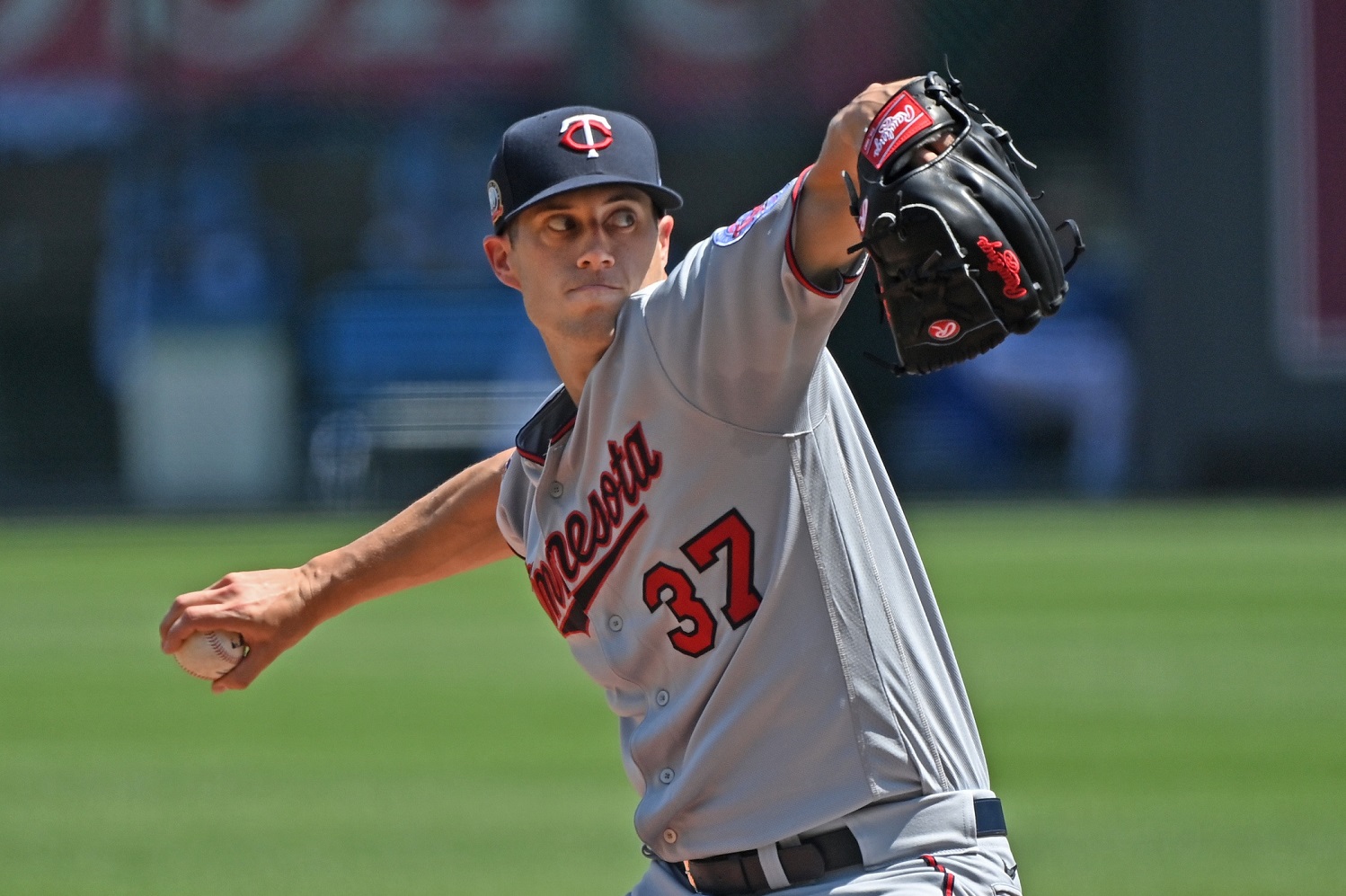 Ask any Twins fan what area of the current roster scares them the most, and the answer will surely be either the top of the starting rotation or in the bullpen. Despite a stronger group of starter candidates and some rosy projections for the relief staff, the fanbase isn’t going to believe it until they see it. A similar mindset was apparent heading into the 2020 season, and the Twins ended up having one of the best relief corps in the game. They ranked third in baseball with a combined 3.6 fWAR, sixth with a 3.62 ERA, and second with a stellar 77% strand rate. A surprising leader in this group was off-season waiver claim Matt Wisler, who finished the year with a glowing 1.07 ERA and 32.7% strikeout rate. He was seen as a relative project coming into camp that year, but the Twins’ decision makers saw something in him that gave them hope that he could turn into a weapon out of the bullpen, or someone that could at the very least provide value given their minimum salary. They didn’t know that their project would transform into a buzz saw by drastically changing his pitch repertoire. He completely ditched his seldom-used curveball and changeup and started throwing his slider over 80% of the time and mixed in a very occasional fastball. Flash forward to present day, and fans will probably want absolutely nothing to do with a project. As good as Wisler was, the results of the projects that followed were either disastrous or disappointing, to say the least. But could any of the current members in the Twins’ bullpen benefit from a change similar to Wisler’s in 2020? Danny Coulombe A minor-league deal signee, Coulombe represents an ideal candidate to tweak and tinker with if the Twins are looking for another project. Since coming to Minnesota in 2020, he’s actually been quite effective when healthy, based on his combined 2.92 ERA, 8.2 K/9 and 3.5 BB/9 across 49 innings pitched. For a low-leverage option out of the bullpen, you could certainly do much worse. But what happens if his strikeout rate improves with a change in pitch repertoire? That’s when things get interesting, as they did for Wisler. Coulombe has experimented with a slew of different pitches over his career, with his fastball, slider and curveball being constant throughout. His sinker and cutter, however, have seen mixed results. Notably, his fastball velocity went up last year (averaged 91.8 MPH compared to 90.6 MPH in 2021), and he used his curveball and slider significantly less (66.6% in 2022, 43.5% in 2021). He did this in an effort to reintroduce his changeup, which he used 19.6% of the time. He saw great surface results when healthy, with a sterling 1.46 ERA and an 81.3% strand rate in his 12 innings pitched. His slider, while used less-often in 2022, was still an above-average offering, and was his best pitch in 2021 (1.6 runs above average). It should remain in his mix, and he should eliminate his curveball. If Coulombe can stay healthy in 2023, continue to add/maintain good velocity on his fastball and up his usage of his slider, he could open some eyes. Maybe his rediscovered changeup can still play a factor against right-handed hitters and his slider is his weapon of choice against lefties. Either way, a more-refined balance in his repertoire could keep him effective as long as he remains healthy. Trevor Megill The tall right-hander debuted with the Twins in May and impressed with his blazing fastball right away. By the end of the season, Megill found himself in the 97th percentile for fastball velocity, 92nd percentile in fastball spin rate and the 85th percentile for curveball spin rate. These are enticing numbers under the hood, but he seemed to get a bad reputation after losing some gas starting in August. At one point, he gave up at least one earned run in seven of eight appearances, and lost the trust of frustrated Twins fans. While many were ready to see him removed from the roster, it would be foolish to give up on such an electric arm after struggling in their sophomore season. His fastball plays at the big league level. That much is certain. Can he get one of his breaking balls to be a true complementary offering? His curveball has the aforementioned spin rate that surely encouraged him to throw it 30.9% of the time in 2022. He only allowed two extra base hits on the yacker, but the average exit velocity on it was 94.1 MPH. Can Megill find a way to get better results on this pitch, or should he start to emphasize his slider more? The slide piece got knocked around a lot more in 2022 (.536 slugging percentage against), but it is by far his best offering in terms of getting swinging strikes (36.5% in 2022). If he can continue to get whiffs on this pitch while upping its usage, it could lead to more strikeouts at the risk of harder contact. For a project-type pitcher in lower-leverage (or even minor league) opportunities, this is a risk worth taking. Kenta Maeda It appears that the 2020 American League Cy Young award runner-up will get every opportunity to stick in the starting rotation after missing all of last season. That’s fine for the time being, but it would not be surprising to see him in the bullpen at some point in 2023. Tommy John surgery recovery can be unpredictable, especially for pitchers on the wrong side of 30. When push comes to shove, Maeda didn’t pitch any MLB innings last year, and only had 106 under his belt before succumbing to surgery in 2021. There’s no way to reasonably expect him to be a reliable starting pitcher for 30 starts this year. If he approaches an innings limit and the team decides to try him in the bullpen, it will be a facet of the game that Maeda is familiar with. Even if it isn’t his preference, he could be a welcome addition among the relief corps if he optimizes his repertoire like he has done in the past. In 2019, King Kenta pitched 17 innings out of the Los Angeles Dodgers bullpen down the stretch and had terrific results. He had a 3.24 ERA in relief, with a 11.9 K/9 and just 2.2 BB/9, and he left about 80% of baserunners stranded. So what happened when he made that move? In the month of September, his slider usage rose to 43.9% and he essentially dropped his curveball and sinker. He mainly used that slider, his 4-seam fastball and his splitter. Opponents hit a meager .164/.220/.382 against him that month. His simplified game plan paid off immensely, even if it was just temporary. If Maeda can rediscover that balance in his repertoire, and adjust it even further in the likelihood that his fastball loses velocity post-surgery, those results would play in a major way. But what do you think? Should the club try tinkering with these pitchers? Are there any other arms that come to mind?
 -
Correa's Deal was Six Years in the Making
Lou Hennessy posted a topic in Twins Daily Front Page News
The Carlos Correa signing was a long time coming. No, not just in terms of a lengthy off-season where he agreed to terms with two other teams. But rather, the entire tenure of this front office has led to this move. Image courtesy of © Jeffrey Becker-USA TODAY Sports The Carlos Correa signing was a long time coming. No, not just in terms of a lengthy off-season where he agreed to terms with two other teams. But rather, the entire tenure of this front office has led to this move. It’s easy to say that Carlos Correa fell onto the Twins’ laps, not once, but twice. But it’s worth examining the many roster developments that led to the club being able to have an opening on their lap to begin with. From dealing with a revolving door of stopgap shortstops, to injuries that dimmed the long-term outlook of the position and the creation of financial flexibility through trades and early extensions -- that long road led to this franchise-altering move. It’s the butterfly effect. If things had gone differently to the slightest degree, who knows if Correa and his family wind up in the Twin Cities on Wednesday, where the star shortstop signed a mega deal that will keep him in the fold for at least six more years. Each of the six seasons that led to Correa’s newly-signed contract followed a similar pattern with minor variations throughout. Finally, the front office’s efforts to create that financial flexibility aligned with the club’s needs and the availability of a star player. Let’s take a look at all the action (or inaction) that led to the Twins landing another franchise cornerstone. 2017 While Derek Falvey and Thad Levine officially took over as the heads of the Twins’ baseball operations department in the fall of 2016, this season was almost like a barometer for them. Instead of starting their tenures with a bang in free agency or via trade, they decided to mostly stand pat with minor or mostly-inconsequential moves. They also remained relatively quiet at the trade deadline. Maybe that’s due to a lack of confidence that an over-achieving team could make a serious run in the postseason, or maybe they genuinely didn’t like any of the offers they were getting for players like Brian Dozier, Byron Buxton , etc. The team miraculously made the playoffs but was taken down by the mighty New York Yankees yet again in a one-game play-in wild card game. While discouraged by how the season ended, spirits remained high and fans clamored for free agent reinforcements heading into the off-season. 2018 Again, the Twins’ front office decided to wait out the free agent market, signing Lance Lynn and Logan Morrison to cheaper, low-commitment deals. Then, in spring training, Jorge Polanco tested positive for a banned substance and was suspended for the first half of the season. It’s a big blow to the team, as Polanco’s numbers in the second half of 2017 throttled the team to contention (.870 OPS, 130 wRC+). Falvey and Levine decided to hold back. They didn’t overreact by acquiring a long-term replacement, despite the fan outcry. Instead, the team rolled with a combination of Ehire Adrianza and Gregorio Petit (remember him?) until Polanco could return in July. Sadly, the team took a major step back from a record standpoint. Falvey and Levine finally got to see some action at the trade deadline, but not in the way many Twins’ fans would have hoped for. They traded away popular players such as Eduardo Escobar and Ryan Pressly in an effort to acquire current-day contributors such as Jhoan Duran, Jorge Alcala and Gilberto Celestino . 2019 Once again, the Twins waited out the free agent market, establishing a pattern that they follow to this day. Instead, they focused their attention on locking up their young talent to team-friendly extensions. This included Polanco, Max Kepler and Miguel Sano , who each landed multi-year deals that included team options at the end of the contracts. When the calendar flipped to 2019, they signed veteran power hitter Nelson Cruz to a modest one-year contract with a club option for the 2020 season. Besides that, they once again mostly took a back seat in free agency. Polanco provided excellent value at shortstop and even made his first All Star game appearance as the starter for the American League. However, he started leaking oil from a defensive standpoint in the second half of the season. Perhaps it was due to lingering injuries in his surgically-repaired ankle, but this was when it started to become clear that he probably was not going to be a long-term option at shortstop. 2020 This off-season was defined by one move that they made, and a few notable ones that they held off on. Sure, their noted interest in Zach Wheeler fell short when he signed a five-year, $118 million deal with the Philadelphia Phillies. The club would certainly have had to pay far more to get him in a Twins uniform, but still, that contract looks rather enticing at the moment. Falvey and Levine also chose to hold back on a pursuit of Dallas Keuchel and Craig Kimbrel, who were popular names on Twins’ Twitter due to their availability as well as the club’s need for established arms. That decision to focus elsewhere proved to be wise, as Keuchel hit a wall in the second year of his eventual contract, and Kimbrel has been inconsistent. The Twins chose to instead wait and sign third baseman Josh Donaldson when his market didn’t develop as well as he hoped. The team went on to win the division but were once again swept from postseason play. The dagger ends up being a defensive error by Polanco at short, leading the team to fully transition him out of the shortstop position. 2021 The club made it clear that a new starting shortstop is the first item on their off-season shopping list. At one point, it looked like a three-horse race between free agents Andrelton Simmons, Marcus Semien and Didi Gregorius . They chose a one-year deal for Simmons, as not to block the heir apparent, Royce Lewis . Their top prospect, however, tore his ACL and had to sit out for the whole 2021 season, dimming the long-term outlook at the position. Simmons had a terrible season, and his tenure as a Twin is over after one year, just as planned. 2022 The Twins shipped Donaldson to the Yankees in an effort to unload a now-undesirable contract. Meanwhile, Correa remained unsigned coming out of the MLB lockout and the Twins still had an opening at short. In a move that took everyone by surprise, the Twins landed him on essentially a one-year deal with protections in case he gets injured. Once again, they waited out the market and this time the Twins got their biggest prize yet. Later on, Lewis re-tears his ACL in May, and Austin Martin starts getting more time at other positions due to doubts he can handle the shortstop position. The long-term outlook of the position is once again doubtful. At the culmination of the 2022 campaign, Correa opted out of his contract as expected. The Twins are left with a hole at shortstop, but now they have something they’ve worked to create for the better part of six years – financial flexibility. They are not bogged down by the contracts of yesteryear, and their team consists of young talent and older veterans that signed early extensions. Yet again, they wait out the market instead of springing for high-end players such as Dansby Swanson and Xander Bogaerts . When Correa’s deals with the San Francisco Giants and New York Mets fell through, that flexibility and patience led them to this tenure-defining transaction. View full article -
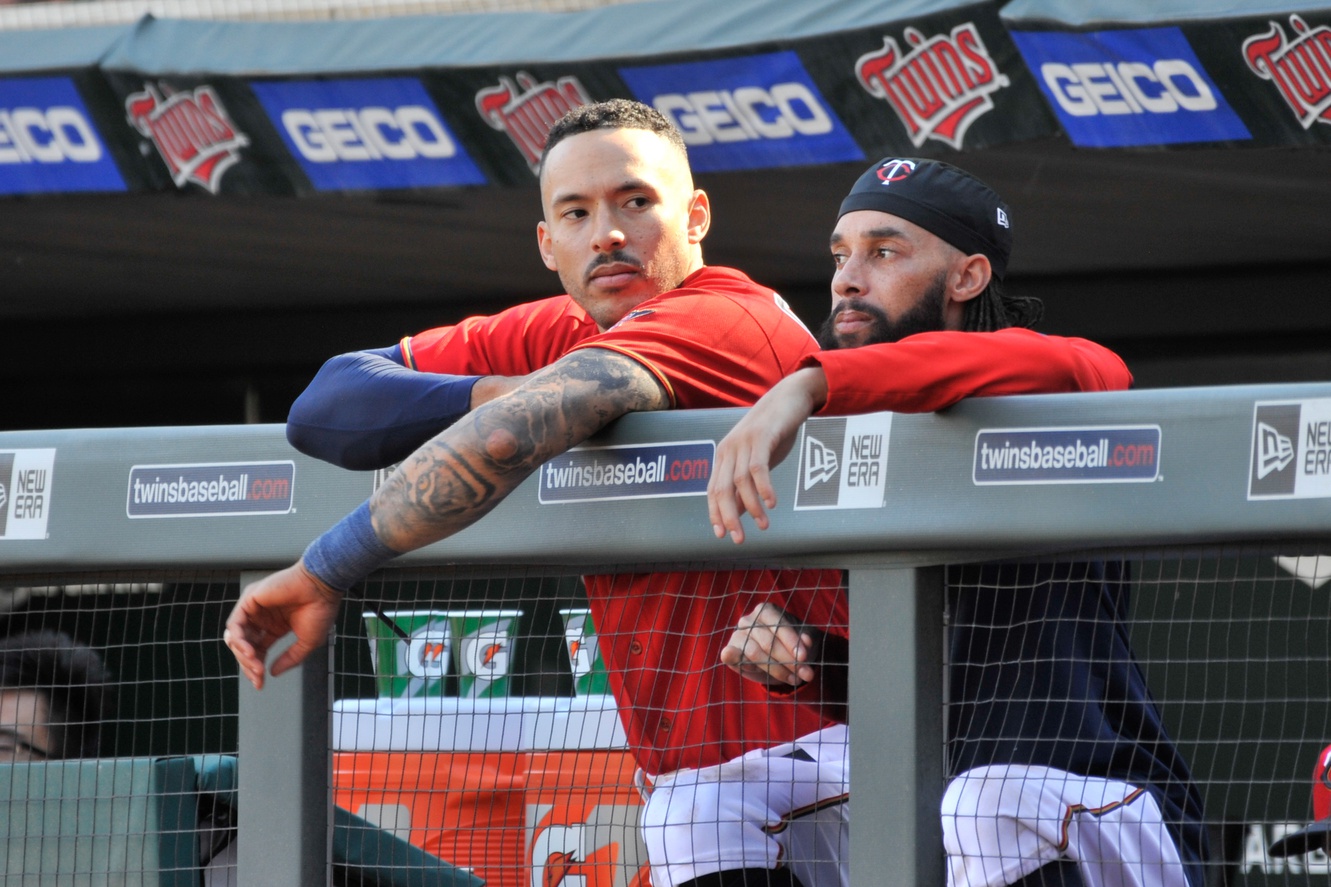 It’s easy to say that Carlos Correa fell onto the Twins’ laps, not once, but twice. But it’s worth examining the many roster developments that led to the club being able to have an opening on their lap to begin with. From dealing with a revolving door of stopgap shortstops, to injuries that dimmed the long-term outlook of the position and the creation of financial flexibility through trades and early extensions -- that long road led to this franchise-altering move. It’s the butterfly effect. If things had gone differently to the slightest degree, who knows if Correa and his family wind up in the Twin Cities on Wednesday, where the star shortstop signed a mega deal that will keep him in the fold for at least six more years. Each of the six seasons that led to Correa’s newly-signed contract followed a similar pattern with minor variations throughout. Finally, the front office’s efforts to create that financial flexibility aligned with the club’s needs and the availability of a star player. Let’s take a look at all the action (or inaction) that led to the Twins landing another franchise cornerstone. 2017 While Derek Falvey and Thad Levine officially took over as the heads of the Twins’ baseball operations department in the fall of 2016, this season was almost like a barometer for them. Instead of starting their tenures with a bang in free agency or via trade, they decided to mostly stand pat with minor or mostly-inconsequential moves. They also remained relatively quiet at the trade deadline. Maybe that’s due to a lack of confidence that an over-achieving team could make a serious run in the postseason, or maybe they genuinely didn’t like any of the offers they were getting for players like Brian Dozier, Byron Buxton , etc. The team miraculously made the playoffs but was taken down by the mighty New York Yankees yet again in a one-game play-in wild card game. While discouraged by how the season ended, spirits remained high and fans clamored for free agent reinforcements heading into the off-season. 2018 Again, the Twins’ front office decided to wait out the free agent market, signing Lance Lynn and Logan Morrison to cheaper, low-commitment deals. Then, in spring training, Jorge Polanco tested positive for a banned substance and was suspended for the first half of the season. It’s a big blow to the team, as Polanco’s numbers in the second half of 2017 throttled the team to contention (.870 OPS, 130 wRC+). Falvey and Levine decided to hold back. They didn’t overreact by acquiring a long-term replacement, despite the fan outcry. Instead, the team rolled with a combination of Ehire Adrianza and Gregorio Petit (remember him?) until Polanco could return in July. Sadly, the team took a major step back from a record standpoint. Falvey and Levine finally got to see some action at the trade deadline, but not in the way many Twins’ fans would have hoped for. They traded away popular players such as Eduardo Escobar and Ryan Pressly in an effort to acquire current-day contributors such as Jhoan Duran, Jorge Alcala and Gilberto Celestino . 2019 Once again, the Twins waited out the free agent market, establishing a pattern that they follow to this day. Instead, they focused their attention on locking up their young talent to team-friendly extensions. This included Polanco, Max Kepler and Miguel Sano , who each landed multi-year deals that included team options at the end of the contracts. When the calendar flipped to 2019, they signed veteran power hitter Nelson Cruz to a modest one-year contract with a club option for the 2020 season. Besides that, they once again mostly took a back seat in free agency. Polanco provided excellent value at shortstop and even made his first All Star game appearance as the starter for the American League. However, he started leaking oil from a defensive standpoint in the second half of the season. Perhaps it was due to lingering injuries in his surgically-repaired ankle, but this was when it started to become clear that he probably was not going to be a long-term option at shortstop. 2020 This off-season was defined by one move that they made, and a few notable ones that they held off on. Sure, their noted interest in Zach Wheeler fell short when he signed a five-year, $118 million deal with the Philadelphia Phillies. The club would certainly have had to pay far more to get him in a Twins uniform, but still, that contract looks rather enticing at the moment. Falvey and Levine also chose to hold back on a pursuit of Dallas Keuchel and Craig Kimbrel, who were popular names on Twins’ Twitter due to their availability as well as the club’s need for established arms. That decision to focus elsewhere proved to be wise, as Keuchel hit a wall in the second year of his eventual contract, and Kimbrel has been inconsistent. The Twins chose to instead wait and sign third baseman Josh Donaldson when his market didn’t develop as well as he hoped. The team went on to win the division but were once again swept from postseason play. The dagger ends up being a defensive error by Polanco at short, leading the team to fully transition him out of the shortstop position. 2021 The club made it clear that a new starting shortstop is the first item on their off-season shopping list. At one point, it looked like a three-horse race between free agents Andrelton Simmons, Marcus Semien and Didi Gregorius . They chose a one-year deal for Simmons, as not to block the heir apparent, Royce Lewis . Their top prospect, however, tore his ACL and had to sit out for the whole 2021 season, dimming the long-term outlook at the position. Simmons had a terrible season, and his tenure as a Twin is over after one year, just as planned. 2022 The Twins shipped Donaldson to the Yankees in an effort to unload a now-undesirable contract. Meanwhile, Correa remained unsigned coming out of the MLB lockout and the Twins still had an opening at short. In a move that took everyone by surprise, the Twins landed him on essentially a one-year deal with protections in case he gets injured. Once again, they waited out the market and this time the Twins got their biggest prize yet. Later on, Lewis re-tears his ACL in May, and Austin Martin starts getting more time at other positions due to doubts he can handle the shortstop position. The long-term outlook of the position is once again doubtful. At the culmination of the 2022 campaign, Correa opted out of his contract as expected. The Twins are left with a hole at shortstop, but now they have something they’ve worked to create for the better part of six years – financial flexibility. They are not bogged down by the contracts of yesteryear, and their team consists of young talent and older veterans that signed early extensions. Yet again, they wait out the market instead of springing for high-end players such as Dansby Swanson and Xander Bogaerts . When Correa’s deals with the San Francisco Giants and New York Mets fell through, that flexibility and patience led them to this tenure-defining transaction.
- 11 comments
-
- 5
-
-
- carlos correa
- jorge polanco
- (and 3 more)
-
Does Andrew McCutchen Do Anything For You?
Lou Hennessy replied to Lou Hennessy's topic in Twins Daily Front Page News
Not sure I'd call a four month stretch to finish a season "cherry picking" but your points are heard loud and clear. Like I said, I wouldn't expect him to carry the team, but he could marginally improve the lineup from the right side.- 35 replies
-
- 3
-
-
- andrew mccutchen
- kyle garlick
- (and 2 more)
-
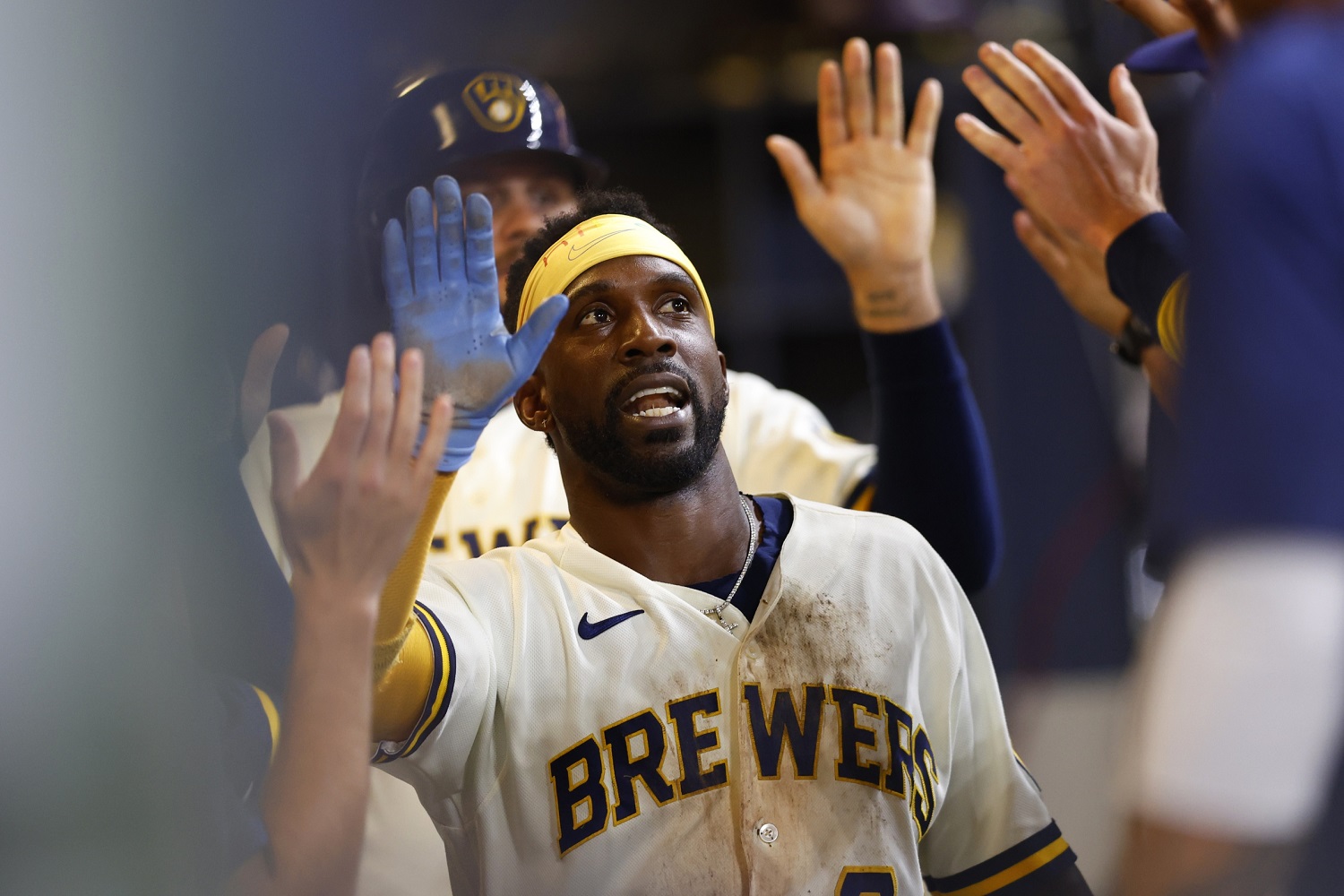 At the onset of the off-season, the Minnesota Twins were in dire need of a big, right-handed bat that could be penciled into the middle of the lineup for the 2023 season and beyond. Carlos Correa was their primary target, but all signs seem to indicate he is landing elsewhere. Not only that, but many of their fallback options to fit that role were signed by other teams in the meantime. While Joey Gallo is a solid, albeit misplaced addition from the left-handed side of the batter’s box, the club could still use a reinforcement on the other side of the plate. Enter Andrew McCutchen. He certainly fits this front office’s pattern of finding veteran hitters whose market isn’t developing as fruitfully as they’d like. But could the former MVP make a positive impact if he were to land with the Twins? His 2022 was rather unexciting, but he is only one year removed from a 27-home run season and has had a great clubhouse reputation throughout his career. Is that enough to make unsatisfied Twins fans forget about Correa? Of course not. But the former star shortstop is all but gone. As Ferris Buehler said: you’re still here? It’s over. Go home. The question isn’t whether McCutchen would be better than Correa. But rather, how much of an improvement would he be over their current fourth-outfielder options such as Gilberto Celestino and Kyle Garlick. These two are currently the only other right-handed outfield options beyond Byron Buxton. With the assumption that the star centerfielder will need to see some time at designated hitter and on the bench entirely, their backup plans need to be solidified. Gallo presents a solid defender in center field when that happens, but it would be prudent to have a capable right-handed hitter slide into a corner outfield spot should the opposing pitcher be a southpaw. McCutchen shouldn’t be counted on to hold a majority share of an outfield platoon. After all, he only saw 53 games in the field last season, with his remaining 82 games played coming from the designated hitter slot. However, it wouldn’t be unreasonable to count on him for spot starts in the field. Despite his -11 outs above average over the last three years, he still possessed speed in the 90th percentile in 2022. He may not be the show-stealing, defensive star that he once was, but maybe he could thrive in a supporting role if he’s willing to accept it at this stage of his career. Celestino presents a younger internal option that has had little success offensively so far in his major league career (.222/.292/.300, 71 wRC+) and has been relatively neutral on defense (0 OAA, -2.4 UZR). Those uninspiring numbers mixed with his lapses in judgment that became all too familiar in 2022 signify that he could use more seasoning at Triple-A. Garlick was rather great as a strict, right-handed platoon in the outfield (.243/.305/.500, 128 wRC+ vs. left-handed pitchers). But he too was limited by injuries in 2022, and was slightly worse than Celestino on defense (-3 OAA, -3.3 UZR). Again, McCutchen didn’t have his finest season in 2022, as made evident by his .237/.316/.384 (98 wRC+) slashline on the year. But that overall figure includes a disastrous first eight weeks of the season. From June 5th on, McCutchen had a stellar .252/.343/.427 (118 wRC+) and appeared in nearly every game for the Brewers. That line is spot-on when compared to his combined slashline of .244/.352/.436 (114 wRC+) from 2018-2021. His performance against lefties after getting back on track starting on June 6th was exactly what the Twins could use in 2023 and beyond. He hit a whopping .245/.345/.479 (131 wRC+) against southpaws from that point on. If the Twins could get that version to show up in a potentially more-limited role, it would be a huge boost to the offense. That’s a big if for a player going into their age-36 season. While he’s a fun player to root for with some upside, there’s still plenty of red flags when it comes to his fit with the Twins. Whether it’s his age, diminishing defensive metrics, his inability to hit sliders or lack of true star-level upside, McCutchen is far from a perfect player. Not to mention, the Twins decision-makers have a reputation for sticking with a struggling veteran for far too long in recent years, as was the case for players such as JA Happ, Matt Shoemaker and Andrelton Simmons. Would they be able to pull the plug if McCutchen got off to another horrid start? It’s clear that McCutchen won’t save the Twins after they lost out on re-signing Correa. It’s a huge task to replace a superstar shortstop in the prime of their career. He’s not the big bat that the Twins desperately needed when the off-season began. But there is certainly a lot that the former MVP could do to marginally improve the team on the field and in the clubhouse. Does he do anything for you?
- 35 comments
-
- 2
-
-
- andrew mccutchen
- kyle garlick
- (and 2 more)
-
The Twins failed to secure any of the top right-handed bats on the free agent market. Could they look to a former MVP to marginally improve their offense? He may not be the superstar that he once was, but Andrew McCutcheon does something that this front office loves: he raises the floor. Image courtesy of © Jeff Hanisch-USA TODAY Sports The Twins failed to secure any of the top right-handed bats on the free agent market. Could they look to a former MVP to marginally improve their offense? He may not be the superstar that he once was, but Andrew McCutcheon does something that this front office loves: he raises the floor. At the onset of the off-season, the Minnesota Twins were in dire need of a big, right-handed bat that could be penciled into the middle of the lineup for the 2023 season and beyond. Carlos Correa was their primary target, but all signs seem to indicate he is landing elsewhere. Not only that, but many of their fallback options to fit that role were signed by other teams in the meantime. While Joey Gallo is a solid, albeit misplaced addition from the left-handed side of the batter’s box, the club could still use a reinforcement on the other side of the plate. Enter Andrew McCutchen. He certainly fits this front office’s pattern of finding veteran hitters whose market isn’t developing as fruitfully as they’d like. But could the former MVP make a positive impact if he were to land with the Twins? His 2022 was rather unexciting, but he is only one year removed from a 27-home run season and has had a great clubhouse reputation throughout his career. Is that enough to make unsatisfied Twins fans forget about Correa? Of course not. But the former star shortstop is all but gone. As Ferris Buehler said: you’re still here? It’s over. Go home. The question isn’t whether McCutchen would be better than Correa. But rather, how much of an improvement would he be over their current fourth-outfielder options such as Gilberto Celestino and Kyle Garlick. These two are currently the only other right-handed outfield options beyond Byron Buxton. With the assumption that the star centerfielder will need to see some time at designated hitter and on the bench entirely, their backup plans need to be solidified. Gallo presents a solid defender in center field when that happens, but it would be prudent to have a capable right-handed hitter slide into a corner outfield spot should the opposing pitcher be a southpaw. McCutchen shouldn’t be counted on to hold a majority share of an outfield platoon. After all, he only saw 53 games in the field last season, with his remaining 82 games played coming from the designated hitter slot. However, it wouldn’t be unreasonable to count on him for spot starts in the field. Despite his -11 outs above average over the last three years, he still possessed speed in the 90th percentile in 2022. He may not be the show-stealing, defensive star that he once was, but maybe he could thrive in a supporting role if he’s willing to accept it at this stage of his career. Celestino presents a younger internal option that has had little success offensively so far in his major league career (.222/.292/.300, 71 wRC+) and has been relatively neutral on defense (0 OAA, -2.4 UZR). Those uninspiring numbers mixed with his lapses in judgment that became all too familiar in 2022 signify that he could use more seasoning at Triple-A. Garlick was rather great as a strict, right-handed platoon in the outfield (.243/.305/.500, 128 wRC+ vs. left-handed pitchers). But he too was limited by injuries in 2022, and was slightly worse than Celestino on defense (-3 OAA, -3.3 UZR). Again, McCutchen didn’t have his finest season in 2022, as made evident by his .237/.316/.384 (98 wRC+) slashline on the year. But that overall figure includes a disastrous first eight weeks of the season. From June 5th on, McCutchen had a stellar .252/.343/.427 (118 wRC+) and appeared in nearly every game for the Brewers. That line is spot-on when compared to his combined slashline of .244/.352/.436 (114 wRC+) from 2018-2021. His performance against lefties after getting back on track starting on June 6th was exactly what the Twins could use in 2023 and beyond. He hit a whopping .245/.345/.479 (131 wRC+) against southpaws from that point on. If the Twins could get that version to show up in a potentially more-limited role, it would be a huge boost to the offense. That’s a big if for a player going into their age-36 season. While he’s a fun player to root for with some upside, there’s still plenty of red flags when it comes to his fit with the Twins. Whether it’s his age, diminishing defensive metrics, his inability to hit sliders or lack of true star-level upside, McCutchen is far from a perfect player. Not to mention, the Twins decision-makers have a reputation for sticking with a struggling veteran for far too long in recent years, as was the case for players such as JA Happ, Matt Shoemaker and Andrelton Simmons. Would they be able to pull the plug if McCutchen got off to another horrid start? It’s clear that McCutchen won’t save the Twins after they lost out on re-signing Correa. It’s a huge task to replace a superstar shortstop in the prime of their career. He’s not the big bat that the Twins desperately needed when the off-season began. But there is certainly a lot that the former MVP could do to marginally improve the team on the field and in the clubhouse. Does he do anything for you? View full article
-
Twins fans find themselves anxiously waiting for a starting pitcher to truly break out and lead the team to success. While veterans that were acquired from outside the organization such as Sonny Gray, Tyler Mahle and Kenta Maeda all have the ability to carry a rotation, many are craving a breakthrough from an arm on the prospect level. Image courtesy of Lon Horwedel-USA TODAY Sports Twins fans find themselves anxiously waiting for a starting pitcher to truly break out and lead the team to success. While veterans that were acquired from outside the organization such as Sonny Gray, Tyler Mahle and Kenta Maeda all have the ability to carry a rotation, many are craving a breakthrough from an arm on the prospect level. When the Minnesota Twins hired Derek Falvey to lead their baseball operations department after the 2016 season, they were enticed by the successful pitching pipeline that he helped foster in Cleveland. His former team had just won the American League pennant on the backs of star pitchers Corey Kluber, Trevor Bauer, and Carlos Carrasco, as well as depth starters Mike Clevinger, Danny Salazar, and Josh Tomlin. Six years later, that type of pitching pipeline is still taking shape in Minnesota. Many expected to see that door fully opened heading into year number seven, but instead, it appears to be hanging off of two hinges. Those hinges are Simeon Woods Richardson (Twins Daily’s No. 5 prospect) and Louie Varland (No. 7 prospect). That doesn’t mean that the team will require two rookies to lead them to the World Series in order to be successful. But if they fall flat in 2023, or break down, the entire door comes down with them. Two factors work in the Twins’ favor when taking this into account. First, as of today, neither Woods Richardson nor Varland is penciled into the opening day starting rotation. The club isn’t relying on them to make an immediate impact, so they should be able to fine-tune their stuff in Triple-A St. Paul until the club deems them ready. However, there should be an expectation that they play an integral role with the big league club by the second half of the season if all goes well. Second, both pitchers are coming off of very successful and healthy seasons in 2022. Starting with Varland, expectations started to rise last off-season after he was named the organization’s Minor League Pitcher of the Year. He went on to dazzle at Double-A Wichita and Triple-A St. Paul, twirling 126 innings of 3.06 ERA ball before getting the call to the major leagues. With the Twins, he made five starts, most of which were quite promising. The lone hiccup was a five-inning effort against Cleveland where he allowed four earned runs on nine hits and two walks. The other four starts were enough to deem his debut cup of coffee as a very promising start to a hopefully long career with the Twins. Woods Richardson wasn’t the centerpiece of the trade that sent Jose Berrios to the Toronto Blue Jays at the 2021 trade deadline, but he was a significant selling point. Austin Martin had more prospect shine at the time, but Woods Richardson’s inclusion pushed the deal across the finish line. This past season was his first full campaign in the Twins’ organization, and he made a really solid impression with his new club. In 23 appearances (22 starts) between Double-A and Triple-A, the tall righty pitched 107 innings with a sterling 2.77 ERA and 115 strikeouts. That earned him a call to the major leagues in the season’s final week, where he allowed two earned runs across five innings in his MLB debut. So what are reasonable expectations for these promising young starters as we head into a pivotal season for this front-office regime? According to Baseball Savant, Varland’s pitches shared many of the same characteristics as Cleveland’s breakout starter, Cal Quantrill, albeit with a slightly adjusted repertoire. The Guardians’ righty had a terrific 3.38 ERA across 32 starts last year. Does that mean that Varland should be a lock for these results? Of course not. But it’s interesting to see the comparison to somebody currently producing at the end of the pitching pipeline that the Twins are trying to emulate. So in that same vein, is there another pitcher in the Cleveland rotation that could be a possible comparison for Woods Richardson? One of the biggest breakout pitchers in 2022 was Triston McKenzie, who dazzled in 30 starts, pitching to the tune of a 2.96 ERA across 191 innings. It’s hard to expect anything like that out of Woods Richardson in 2023, but he could continue to develop into that caliber of pitcher as his career progresses. Steamer projects him to have a 4.69 ERA, with a 7.6 K/9 and 3.6 BB/9 in 2023. His strikeout projection feels low seeing as he had a 9.6 K/9 in the minors just last year, but aside from that, this projection looks rather similar to McKenzie’s first full season at the MLB level in 2021. That year, he had a 4.95 ERA across 24 starts, with a 10.2 K/9 and 4.3 BB/9. While rather unexciting on the surface, that comp feels far more fitting for the 23-year-old rookie. Sure, the Quantrill and McKenzie comparisons are far from perfect, but if Varland and Woods Richardson can prove that they are in a similar mold, it could convince many that the door to an effective pitching pipeline still works. These two are hardly the only promising arms in the Twins’ system. Players such as Jordan Balazovic, David Festa, and Marco Raya all offer different levels of hope that they could turn into contributors at the big league level. But Varland and Woods Richardson are on the cusp of tightening the screws and solidifying themselves in the club’s pitching corps. If they fall flat or succumb to significant injuries much like Josh Winder and Bailey Ober, the door may just fall off the frame. View full article
-
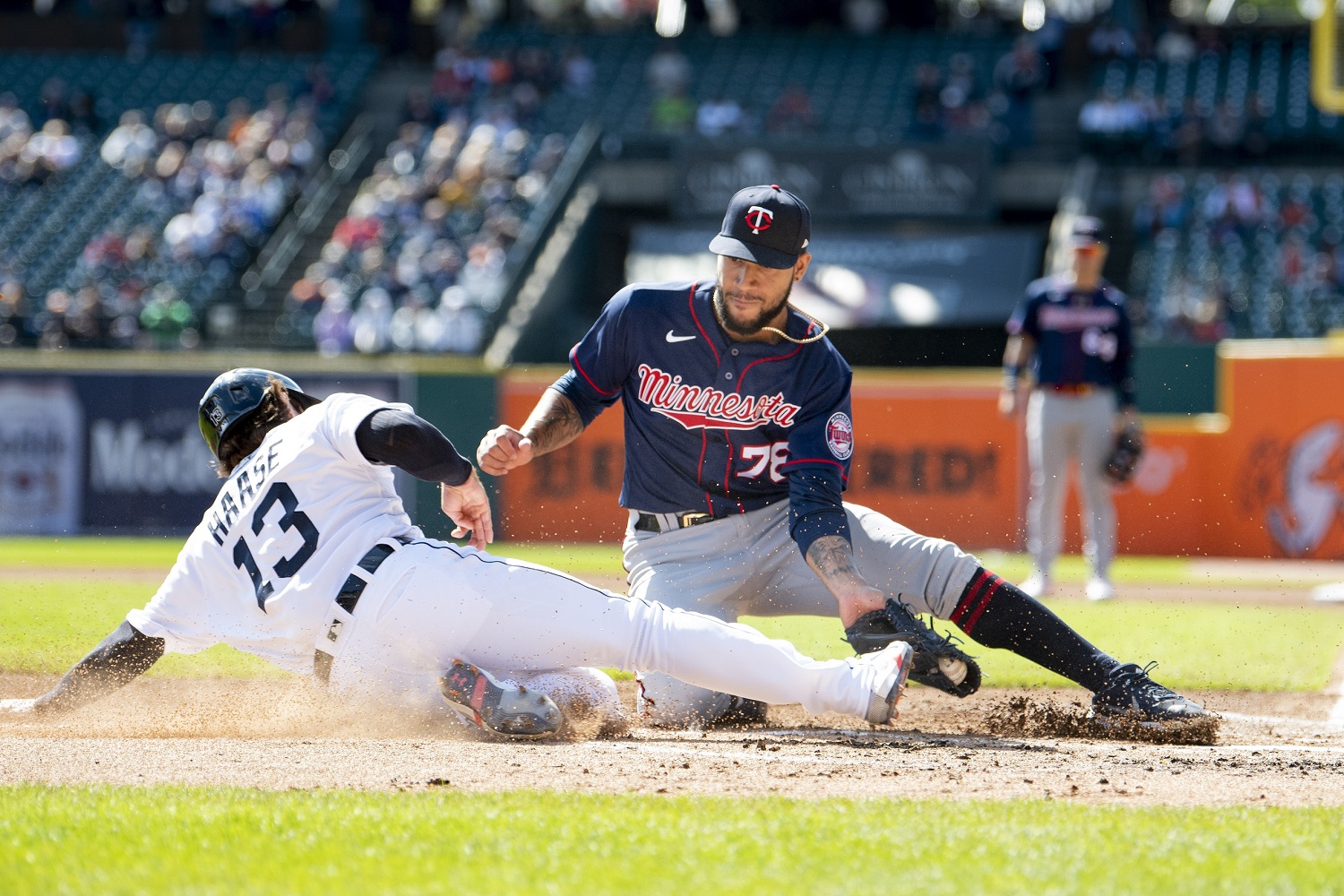 When the Minnesota Twins hired Derek Falvey to lead their baseball operations department after the 2016 season, they were enticed by the successful pitching pipeline that he helped foster in Cleveland. His former team had just won the American League pennant on the backs of star pitchers Corey Kluber, Trevor Bauer, and Carlos Carrasco, as well as depth starters Mike Clevinger, Danny Salazar, and Josh Tomlin. Six years later, that type of pitching pipeline is still taking shape in Minnesota. Many expected to see that door fully opened heading into year number seven, but instead, it appears to be hanging off of two hinges. Those hinges are Simeon Woods Richardson (Twins Daily’s No. 5 prospect) and Louie Varland (No. 7 prospect). That doesn’t mean that the team will require two rookies to lead them to the World Series in order to be successful. But if they fall flat in 2023, or break down, the entire door comes down with them. Two factors work in the Twins’ favor when taking this into account. First, as of today, neither Woods Richardson nor Varland is penciled into the opening day starting rotation. The club isn’t relying on them to make an immediate impact, so they should be able to fine-tune their stuff in Triple-A St. Paul until the club deems them ready. However, there should be an expectation that they play an integral role with the big league club by the second half of the season if all goes well. Second, both pitchers are coming off of very successful and healthy seasons in 2022. Starting with Varland, expectations started to rise last off-season after he was named the organization’s Minor League Pitcher of the Year. He went on to dazzle at Double-A Wichita and Triple-A St. Paul, twirling 126 innings of 3.06 ERA ball before getting the call to the major leagues. With the Twins, he made five starts, most of which were quite promising. The lone hiccup was a five-inning effort against Cleveland where he allowed four earned runs on nine hits and two walks. The other four starts were enough to deem his debut cup of coffee as a very promising start to a hopefully long career with the Twins. Woods Richardson wasn’t the centerpiece of the trade that sent Jose Berrios to the Toronto Blue Jays at the 2021 trade deadline, but he was a significant selling point. Austin Martin had more prospect shine at the time, but Woods Richardson’s inclusion pushed the deal across the finish line. This past season was his first full campaign in the Twins’ organization, and he made a really solid impression with his new club. In 23 appearances (22 starts) between Double-A and Triple-A, the tall righty pitched 107 innings with a sterling 2.77 ERA and 115 strikeouts. That earned him a call to the major leagues in the season’s final week, where he allowed two earned runs across five innings in his MLB debut. So what are reasonable expectations for these promising young starters as we head into a pivotal season for this front-office regime? According to Baseball Savant, Varland’s pitches shared many of the same characteristics as Cleveland’s breakout starter, Cal Quantrill, albeit with a slightly adjusted repertoire. The Guardians’ righty had a terrific 3.38 ERA across 32 starts last year. Does that mean that Varland should be a lock for these results? Of course not. But it’s interesting to see the comparison to somebody currently producing at the end of the pitching pipeline that the Twins are trying to emulate. So in that same vein, is there another pitcher in the Cleveland rotation that could be a possible comparison for Woods Richardson? One of the biggest breakout pitchers in 2022 was Triston McKenzie, who dazzled in 30 starts, pitching to the tune of a 2.96 ERA across 191 innings. It’s hard to expect anything like that out of Woods Richardson in 2023, but he could continue to develop into that caliber of pitcher as his career progresses. Steamer projects him to have a 4.69 ERA, with a 7.6 K/9 and 3.6 BB/9 in 2023. His strikeout projection feels low seeing as he had a 9.6 K/9 in the minors just last year, but aside from that, this projection looks rather similar to McKenzie’s first full season at the MLB level in 2021. That year, he had a 4.95 ERA across 24 starts, with a 10.2 K/9 and 4.3 BB/9. While rather unexciting on the surface, that comp feels far more fitting for the 23-year-old rookie. Sure, the Quantrill and McKenzie comparisons are far from perfect, but if Varland and Woods Richardson can prove that they are in a similar mold, it could convince many that the door to an effective pitching pipeline still works. These two are hardly the only promising arms in the Twins’ system. Players such as Jordan Balazovic, David Festa, and Marco Raya all offer different levels of hope that they could turn into contributors at the big league level. But Varland and Woods Richardson are on the cusp of tightening the screws and solidifying themselves in the club’s pitching corps. If they fall flat or succumb to significant injuries much like Josh Winder and Bailey Ober, the door may just fall off the frame.
