



Seth Stohs
-
Posts
25,909 -
Joined
-
Last visited
-
Days Won
109
Content Type
Profiles
News
Minnesota Twins Videos
2026 Minnesota Twins Top Prospects Ranking
2022 Minnesota Twins Draft Picks
Minnesota Twins Free Agent & Trade Rumors, Notes, & Tidbits
Guides & Resources
2023 Minnesota Twins Draft Picks
The Minnesota Twins Players Project
2024 Minnesota Twins Draft Picks
2025 Minnesota Twins Draft Pick Tracker
2026 Minnesota Twins Draft Tracker: Picks & Bonuses
Forums
Blogs
Events
Store
Downloads
Gallery
Everything posted by Seth Stohs
-
Twins Minor League Report (5/9): Dobnak, Enlow Start Strong
Seth Stohs posted an article in Minor Leagues
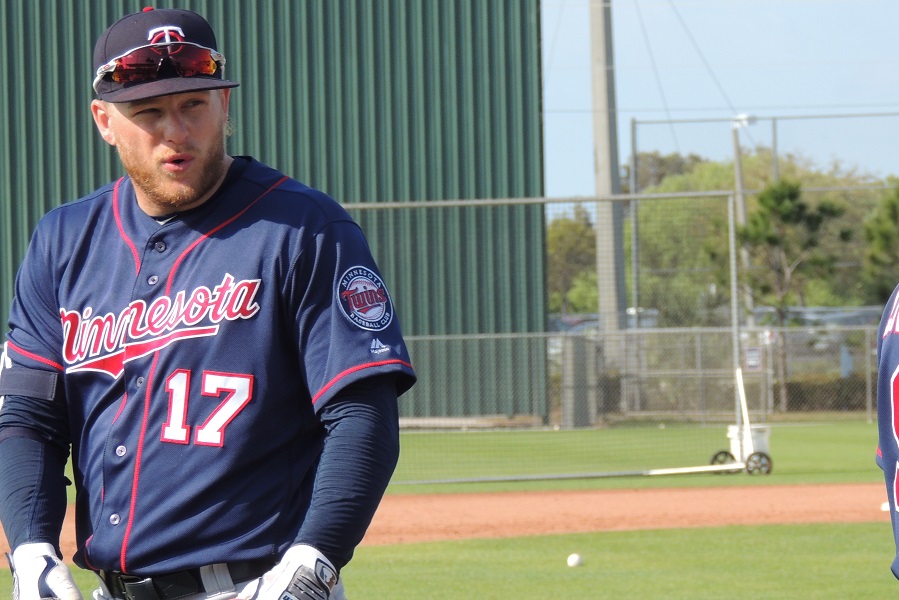 Find out everything that happened happened in the Twins system on Thursday, starting with the transactions of the day. TRANSACTIONS None. RED WINGS REPORT Rochester, Pawtucket Box Score Game postponed by rain. https://twitter.com/JoshWhetzel/status/1126641617849466880 BLUE WAHOO BITES Pensacola 4, Mississippi 0 Box Score Randy Dobnak went undrafted after four years of college. The Twins signed him in 2017. He spent all of 2018 in Cedar Rapids. After one month in Ft. Myers, he was promoted to Pensacola. On Thursday night, he made his second start for the Blue Wahoos. He threw six shutout innings. He gave up just one hit and walked one while striking out seven. Tyler Jay came on and struck out four batters in two scoreless innings. Alex Phillips threw a scoreless inning. Travis Blankenhorn led the offense. He went 3-for-4 and hit his third home run in 13 games since being promoted to the Wahoos. Mark Contreras went 1-for-2 with two walks. Luis Arraez was 1-for-3 with two walks. Miguel Sano went 0-for-5 in what is likely to be his final Double-A game before moving up to Rochester. MIRACLE MATTERS Ft. Myers, Tampa Box Score The game was postponed by rain. These teams will play a doubleheader on Friday. KERNELS NUGGETS Cedar Rapids 8, West Michigan 4 Box Score Blayne Enlow had a rough game in his previous outing, but he came back strong on Thursday night. The right-hander was charged with only an unearned run on four hits over six innings. He walked one and struck out six batters. Jose Martinez came in and gave up three runs in the seventh inning. Carlos Suniaga worked the final two innings. He struck out five batters in two scoreless innings. The Kernels got contributions from the middle of the lineup. Their second and third hitters, Gilberto Celestino and Chris Williams both went 2-for-6. Their fourth and fifth hitters, Gabe Snyder and David Banuelos, each went 2-for-5 with a walk. The biggest hit in the game came when their sixth hitter, Jacob Pearson, emptied the bases with a three-run double. Snyder and Celestino each had a double. Banuelos had two doubles in the game. The team’s sixth through ninth hitters showed good patience. Pearson, Andrew Bechtold, Estamy Urena and Yeltsin Encarnacion each walked twice. TWINS DAILY PLAYERS OF THE DAY Twins Daily Minor League Pitcher of the Day - Randy Dobnak, Pensacola Blue Wahoos Twins Daily Minor League Hitter of the Day – Travis Blankenhorn, Pensacola Blue Wahoos PROSPECT SUMMARY Here’s a look at how the Twins Daily Top 20 Twins Prospects performed: #1 - Royce Lewis (Ft. Myers) - Rained Out #2 - Alex Kirilloff (Pensacola) - 1-4, BB, 2 K #3 - Brusdar Graterol (Pensacola) - Did Not Pitch #4 - Trevor Larnach (Ft. Myers) - Rained Out. #5 - Wander Javier (EST) - Injured, early May return #6 - Brent Rooker (Rochester) - Rained Out #7 - Jhoan Duran (Ft. Myers) - Did Not Pitch #8 - Lewis Thorpe (Rochester) - Rained Out #9 - Blayne Enlow (Cedar Rapids) - 6 IP, 4 H, 1 R, 0 ER, 1 BB, 6 K (95 pitches, 61 strikes) #10 - Akil Baddoo (Ft. Myers) - Rained Out #11 - Nick Gordon (Rochester) - Rained Out #12 - Stephen Gonsalves (Rochester) - Injured List, late-May return possible #13 - Ryan Jeffers (Ft. Myers) - Rained Out #14 - Ben Rortvedt (Ft. Myers) - Rained Out #15 - Yunior Severino (Cedar Rapids) - Injured List #16 - Gilberto Celestino (Cedar Rapids) - 2-6, 2B(4), SB(5) #17 - Zack Littell (Rochester) - Did Not Pitch #18 - LaMonte Wade (Rochester) - Rained Out #19 - Jorge Alcala (Pensacola) - Did Not Pitch #20 - Jose Miranda (Ft. Myers) - Rained Out MONDAY’S PROBABLE STARTERS Durham @ Rochester (6:05 CST) - RHP Chase De Jong (0-3, 16.20 ERA). Pensacola @ Mississippi (6:35 CST) - RHP Griffin Jax (2-0, 0.53 ERA) Tampa @ Ft. Myers (2:30 CST) - LHP Tyler Watson (1-3, 5.06 ERA), LHP Charlie Barnes (2-2, 7.99 ERA) Cedar Rapids @ West Michigan (6:05 CST) - RHP Tyler Palm (1-2, 2.60 ERA) Please feel free to ask any questions and discuss Thursday’s games.
 -
Helfand: Venezuelan Twins have lots on their minds
Seth Stohs posted a topic in Minnesota Twins Talk
https://www.twincities.com/2019/05/09/venezuelan-twins-have-more-than-baseball-on-their-minds/ Betsy Helfand from the Pioneer Press wrote about the four Twins players and one Twins coach from Venezuela and how much the country is struggling. Those players worry about their families and friends. They worry about getting kidnapped, being robbed. -
I would think Alcala, just because he's spent the most time in AA and he's pitching really, really well this year. Poppen certain could. He did well in his spot start up there earlier in the year.
-
Which do happen in baseball so having Gordon ready at Rochester is a good thing. That's why I wouldn't even consider trading him at this point. So many more data points to come this year. (on both Gordon and Schoop)
-
http://m.mlb.com/prospects/2019?list=int MLB.com believes that the Twins are the favorites to land their #8 international prospect available this year after July 2nd. The left-handed outfielder is listed at 5-10 and 165 pounds. He turned 16 years old on February 28th. Learn more about him from the link above.
-
https://www.mlb.com/twins/news/mitch-garver-willians-astudillo-jason-castro-production Do-Hyoung Park wrote a strong article talking about how good the Twins catchers have been this year. All three of them have been productive with the bat, especially Garver, while also doing well behind the plate. Mitch Garver says he believes in this group but that they're just competitive... I like this point made by Baldelli about playing time.
-
I've essentially been told that there is nothing to worry about with Graterol. But they also just weren't going to take any chances either.
- 14 replies
-
- 8
-

-
- minnesota twins
- minor league
- (and 3 more)
-
Yeah, I mean, if there was someone ready to take his place, he's probably be let go. Gonsalves is probably 3-4 weeks out. So he's got a little time. But there's no need to get rid of him until they need to. There's potential there to be a good 6/7 starter. Tyler Wells' timeline is about the same as Gonsalves and he'll take a spot in Pensacola so someone could move up from there at that time.
- 14 replies
-
- 6
-
-
- minnesota twins
- minor league
- (and 3 more)
-
Article: Longest Tenured Minnesota Twins - 2019
Seth Stohs replied to Seth Stohs's topic in Twins Daily Front Page News
Sounds to me like a plan. 1.) Roster flexibility, nothing too long term for free agents, but try to get options in case things go well. 2.) Waves of talent... Player Development, spending, innovation, added coaches/coordinators, individualized plans. 3.) Try to lock in a young core at a price you're comfortable with. (if not, don't be afraid to go year to year). 4.) Pay players for what they are projected to do, not for what they have done in the past. 5.) People matter. While the stats/analytics matter and are a big part of it, so are the people, the communication, the collaboration. I mean, I could go on and on, but it's very clear that there is a plan, which, of course, if Derek Falvey's job... to have the big picture of the organization set to be good and competitive for a long time, and they're getting there.- 30 replies
-
- 1
-
-
- jorge polanco
- miguel sano
- (and 3 more)
-
Article: Longest Tenured Minnesota Twins - 2019
Seth Stohs replied to Seth Stohs's topic in Twins Daily Front Page News
I don't see him Rosario saying anything about what he tested positive for in that article. -
Article: Longest Tenured Minnesota Twins - 2019
Seth Stohs replied to Seth Stohs's topic in Twins Daily Front Page News
For minor leaguers, yes, they can be tested and if they fail for a drug of abuse in any state, they will be suspended (on their second offense) -
Article: Longest Tenured Minnesota Twins - 2019
Seth Stohs replied to Seth Stohs's topic in Twins Daily Front Page News
Maybe... -
Article: Longest Tenured Minnesota Twins - 2019
Seth Stohs replied to Seth Stohs's topic in Twins Daily Front Page News
Yeah, I was surprised to hear he was sent down to Chiba Lotte's minor league team on Monday. -
He was pretty good from 2012-2017... Also, in his first 25 games pitched last year, he had a 2.36 ERA and 27 strikeouts in 26 2/3 innings. Those came in the team's first 48 games. Overuse, or just lost it? Obviously that's still to be determined, but I like track record over his struggles for a month before going on the DL last year.
- 44 replies
-
- 4
-
-
- trevor larnach
- bryan sammons
- (and 3 more)
-
Luis Arraez is back in in the Blue Wahoos lineup this morning, so that's good.
- 44 replies
-
- 2
-
-
- trevor larnach
- bryan sammons
- (and 3 more)
-
Hearing that Javier could be in Cedar Rapids this week. That will help. But yes, aside from Cabbage (now moved up) and Chris Williams and Gabe Snyder, they just aren't getting much consistent offense. Arraez - I haven't heard specifics but told it was believed to be minor. Guessing whatever it is will be a day-to-day thing. When healthy Addison Reed has been one of the best, most consistent relieves in baseball in the last decade. Last year was the first year he got hurt. So if he is healthy and back to 100%, that is a guy who could be a strong 8th-9th inning guy. He was 0-for-11 and then 3-for-4 last night. That's four games. I would guess that he'll play 1-2 more with Pensacola before moving up. The Blue Wahoos have been in a series in Mississippi and then go to Chattanooga, so it's not like they need or want to make him wait until Pensacola gets home. Rochester is at home now and will remain home over the weekend. My point is that those things probably won't be a factor in that timing.
- 44 replies
-
- 4
-
-
- trevor larnach
- bryan sammons
- (and 3 more)
-
In the past year, some of the longest tenured players in the Twins organization have left. Joe Mauer retired. Brian Dozier was traded. Kennys Vargas is now playing in Japan, though that isn’t going real well. Those three players ranked one, two and three when this list came out a year ago. This list is always fun to compile. Some of the names are a little surprising because they haven’t spent a lot of time in the big leagues. This is not a ranking of longest tenured on the big league roster. If that was the case, Kyle Gibson would be at the top of the list. No, this is about which player has been in the organization the longest.Here you have it, a look at the ten longest-tenured players in the Minnesota Twins organization but first, a few honorable mentions. Honorable Mentions June 2013 - RHPs Kohl Stewart and Ryan Eades, LHP Stephen Gonsalves, Catchers Mitch Garver and Brian NavarretoDecember 2012 - RHP Williams RamirezDecember 6, 2012 - RHP Trevor May (trade with Phillies)Sept 2012 - RHP Johan QuezadaJuly 2012 - LHP Lewis ThorpeThe Top Ten Longest-Tenured Twins * all photos by Seth Stohs, Twins Daily #9/10 - The Twins signed their first picks from the 2012 draft and then focused their attention on some of the college pitchers that they signed including these two who have spent quite a bit of time in the big leagues. Tyler Duffey and Taylor Rogers both signed on June 17th, 2012. Tyler Duffey was the Twins 5th round pick out of Rice University where he was the Owl’s co-closer with JT Chargois. Duffey came up in 2015 as a starter and was the team’s best pitcher down the stretch that year. He hasn’t been able to replicate that success and has since moved to the bullpen. He has shown flashes at times of what can be a solid reliever. He is currently back in Rochester. Taylor Rogers, flatly, has become one of the best, most-reliable, most dominant relievers in baseball in the last year. The Twins 12th round pick out of Kentucky in 2012 rose through the ranks as a starting pitcher. In fact, he was the Twins Daily Minor League Starting Pitcher of the Year in 2013. When he came to the big leagues, however, it was as a reliever. It was a bit of a learning curve. He was pretty solid in the first half of 2017 and kind of hit a wall in the 2nd half. In 2018, he took off. #8 - The Twins lost Michael Cuddyer to free agency following the 2011 season. Because of that, they gained a supplemental draft pick after the first round. With the 32nd overall pick, the Twins selected a a right-handed pitcher from Puerto Rico named Jose Berrios. He signed on June 15th. Berrios pitched well in the minor leagues and was named the Twins Daily Minor League Starting Pitcher of the Year in 2014and 2015. He made his debut in 2016 and posted an 8.02 ERA in 14 starts. He returned in 2017 and went 14-11 with a 3.89 ERA. In 2018, he went 12-11 with a 3.84 ERA. He went to his first All Star game. With his win on Tuesday night, Berrios is now 6-1 with a 2.53 ERA in 2019. #7 - The Twins lost a lot of baseball games in 2011 to earn the second overall pick in the 2012 draft. The Astros selected shortstop Carlos Correa and the Twins selected Byron Buxton out of high school in Georgia. On June 13, 2012, he signed with the Twins. He played for the GCL Twins and Elizabethton Twins in 2012. He split the 2013 season between Cedar Rapids and Ft. Myers. He became the top prospect in baseball. He debuted with the Twins in 2015. In 2019, he is off to the best start of his career and currently leads MLB in doubles. In 2017, he received MVP votes, won his first Gold Glove and was also awarded the Platinum Glove as the best defensive player in the American League. Still just 25, his future is bright. #6 - In November 2011, the Twins signed a thick-built right-hander from the Dominican Republic, Fernando Romero. He came to the States for the 2013 season. In 45 innings in the GCL, he posted a 1.60 ERA and struck out 47 batters. He was also throwing a fastball in the upper-90s. In mid-May of 2014, he moved up to Cedar Rapids. Unfortunately, after three starts, he was injured and needed Tommy John surgery. He missed the rest of that season and the entire 2015 season. While rehabbing, he also needed knee surgery. He returned in 2016 after two years, and he has dominated since. In 2017, he pitched in Double A. In 2018, he split time between Triple-A Rochester and the big leagues. This spring, he was moved to the bullpen. He’s had his ups and downs in the adjustment, but he is now in the big leagues trying to figure out all out. #5 - June, 2010, Eddie Rosario was their fourth-round pick out of Guayana, Puerto Rico. In 2011, he was the Appalachian League MVP when he pounded 21 home runs (one more than Miguel Sano). He continued to rise through the system and played in the Arizona Fall league in 2013. Unfortunately, he had to miss the first 50 games of the 2014 season because of a “drug of abuse” suspension. Early in the 2015 season, he was called up to the Twins and had a strong rookie season. 2016 was more of a challenge, and he was sent down to the minor leagues for a month before returning. 2017 was Rosario’s breakout season. He hit .290 with 33 doubles and 27 home runs. He put up similar numbers in 2018. He hit .288 with 31 doubles and 24 homers, though that is due to missing much of the season’s final month. #4 – On October 9, 2009, the Twins were playing (another) playoff series against the Yankees, but the big news of the day came off the field. The Twins had signed the #1 ranked international free agent, Miguel Sano, to a $3.15 million signing bonus. Since then, he has been one of the top power hitting prospects in baseball. He looked ready to debut with the Twins in 2014. Unfortunately, he needed Tommy John surgery and missed the entire season. He returned to action in 2015. He struggled for the first month of the season but started hitting soon after. He made his MLB debut in July and played so well he was named the Twins MVP and Rookie of the Year. He finished third in AL Rookie of the Year voting. He mostly DHd as a rookie, and in 2016 he was moved out to the outfield (which didn’t go well) and he struggled with the bat too. He moved back to third base in 2017 and played the position adequately. He made his first All-Star Game and that year and finished second to Aaron Judge in the Home Run Derby. He was hurt and missed the final two months of the year. He had a titanium rod placed in his leg. 2018 was a forgettable season for Sano, and he came to spring training this year with a contusion on his leg that has cost him the start of his season. He is currently in AA working his way back and should return to the Twins lineup in the next 10-14 days. #3 – Within the final hour of the the final day that teams could sign their 2009 draft picks (August 15), the Twins and pitcher Kyle Gibson reached an agreement. He began his professional career with the Miracle in 2010 and got to AAA that season. He returned to Rochester but by midseason, he wasn’t pitching like himself. He had an elbow problem and months later, he had Tommy John surgery. He missed the entire 2012 season. He returned in 2013 and had a ten-start call up with the Twins. He has been in the Twins starting rotation the last three years. In 2015, he was named the Twins pitcher of the year. 2016 was injury-plagued for Gibson. Midway through the 2017 season, Gibson found himself in Rochester for a couple of stints. However, something clicked and Gibson was strong over his final dozen starts. That carried into 2018 when he had his best, most consistent, productive season yet. He went 10-13 despite a 3.63 ERA over 196 1/3 innings. A bout with E. Coli slowed his 2019 season, but he is getting close to 100% now. #2 – On July 11th, 2009, the Twins signed highly regarded German outfielder Max Kepler. Though Kepler was always blessed with great tools, it wasn’t until 2015 that everything came together for him. He has worked slowly up the system. He repeated Elizabethton and has moved up one level each year since. He was named the Southern League MVP and led the Chattanooga Lookouts to the league title. While his team was celebrating, Kepler learned that he was heading to the big leagues. On the season’s final day, he got his first MLB hit off of Johnny Cueto. He put up very similar numbers in 2016 through 2018. Last year, he hit .224 with 30 doubles and 20 homers. He signed a five-year contract extension for $35 million in the offseason. In 2019, he has been leading off. While his batting average has come down of late, he has increased his power production with seven home runs already. #1 – On July 2, 2009, the Twins signed highly-regarded defensive shortstop Jorge Polanco from the Dominican Republic. He was brought along slowly, spending two seasons in the GCL. He started hitting in 2012 in Elizabethton. He has been a good batting average and on-base hitter since. It’s on defense now where there are question marks. He received a couple of cups of coffee with the Twins in 2014 becoming the youngest player to debut with the Twins since Joe Mauer in 2004. Polanco played in Chattanooga and Rochester in 2015 with a couple more very short stints in the big leagues. He moved up and down between AAA and the big leagues in 2016 until the July trade of Eduardo Nunez when he came up and played shortstop most days the rest of that season. He struggled through the first four months of the 2017 season, but he was arguably the team’s best hitter over the final two months of the year. He missed the first 80 games of the 2018 season on a PED suspension but came back strong in the second half. He signed a five-year, $25 million contract extension. In 2019, he has been one of the best hitters in baseball. So there you have it, the players in the Twins organization who have been in the system the longest, consecutively. I’ll guess that at least a couple of the names may not surprise you. I’m certain that you wouldn’t have guessed everyone on this list. Feel free to leave your thoughts, or let me know if I forgot anyone. Click here to view the article
- 30 replies
-
- 1
-
-
- jorge polanco
- miguel sano
- (and 3 more)
-
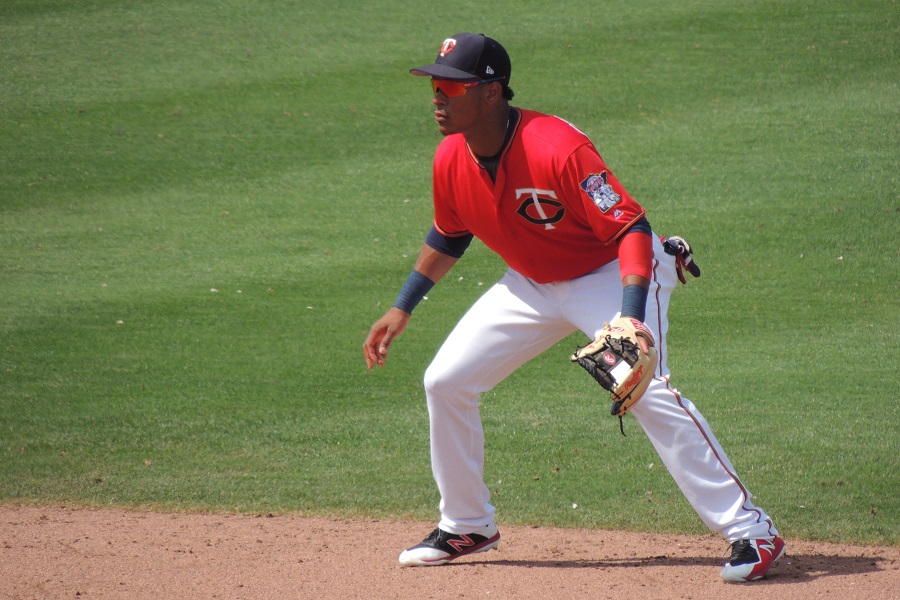 Here you have it, a look at the ten longest-tenured players in the Minnesota Twins organization but first, a few honorable mentions. Honorable Mentions June 2013 - RHPs Kohl Stewart and Ryan Eades, LHP Stephen Gonsalves, Catchers Mitch Garver and Brian Navarreto December 2012 - RHP Williams Ramirez December 6, 2012 - RHP Trevor May (trade with Phillies) Sept 2012 - RHP Johan Quezada July 2012 - LHP Lewis Thorpe The Top Ten Longest-Tenured Twins * all photos by Seth Stohs, Twins Daily #9/10 - The Twins signed their first picks from the 2012 draft and then focused their attention on some of the college pitchers that they signed including these two who have spent quite a bit of time in the big leagues. Tyler Duffey and Taylor Rogers both signed on June 17th, 2012. Tyler Duffey was the Twins 5th round pick out of Rice University where he was the Owl’s co-closer with JT Chargois. Duffey came up in 2015 as a starter and was the team’s best pitcher down the stretch that year. He hasn’t been able to replicate that success and has since moved to the bullpen. He has shown flashes at times of what can be a solid reliever. He is currently back in Rochester. Taylor Rogers, flatly, has become one of the best, most-reliable, most dominant relievers in baseball in the last year. The Twins 12th round pick out of Kentucky in 2012 rose through the ranks as a starting pitcher. In fact, he was the Twins Daily Minor League Starting Pitcher of the Year in 2013. When he came to the big leagues, however, it was as a reliever. It was a bit of a learning curve. He was pretty solid in the first half of 2017 and kind of hit a wall in the 2nd half. In 2018, he took off. #8 - The Twins lost Michael Cuddyer to free agency following the 2011 season. Because of that, they gained a supplemental draft pick after the first round. With the 32nd overall pick, the Twins selected a a right-handed pitcher from Puerto Rico named Jose Berrios. He signed on June 15th. Berrios pitched well in the minor leagues and was named the Twins Daily Minor League Starting Pitcher of the Year in 2014 and 2015. He made his debut in 2016 and posted an 8.02 ERA in 14 starts. He returned in 2017 and went 14-11 with a 3.89 ERA. In 2018, he went 12-11 with a 3.84 ERA. He went to his first All Star game. With his win on Tuesday night, Berrios is now 6-1 with a 2.53 ERA in 2019. #7 - The Twins lost a lot of baseball games in 2011 to earn the second overall pick in the 2012 draft. The Astros selected shortstop Carlos Correa and the Twins selected Byron Buxton out of high school in Georgia. On June 13, 2012, he signed with the Twins. He played for the GCL Twins and Elizabethton Twins in 2012. He split the 2013 season between Cedar Rapids and Ft. Myers. He became the top prospect in baseball. He debuted with the Twins in 2015. In 2019, he is off to the best start of his career and currently leads MLB in doubles. In 2017, he received MVP votes, won his first Gold Glove and was also awarded the Platinum Glove as the best defensive player in the American League. Still just 25, his future is bright. #6 - In November 2011, the Twins signed a thick-built right-hander from the Dominican Republic, Fernando Romero. He came to the States for the 2013 season. In 45 innings in the GCL, he posted a 1.60 ERA and struck out 47 batters. He was also throwing a fastball in the upper-90s. In mid-May of 2014, he moved up to Cedar Rapids. Unfortunately, after three starts, he was injured and needed Tommy John surgery. He missed the rest of that season and the entire 2015 season. While rehabbing, he also needed knee surgery. He returned in 2016 after two years, and he has dominated since. In 2017, he pitched in Double A. In 2018, he split time between Triple-A Rochester and the big leagues. This spring, he was moved to the bullpen. He’s had his ups and downs in the adjustment, but he is now in the big leagues trying to figure out all out. #5 - June, 2010, Eddie Rosario was their fourth-round pick out of Guayana, Puerto Rico. In 2011, he was the Appalachian League MVP when he pounded 21 home runs (one more than Miguel Sano). He continued to rise through the system and played in the Arizona Fall league in 2013. Unfortunately, he had to miss the first 50 games of the 2014 season because of a “drug of abuse” suspension. Early in the 2015 season, he was called up to the Twins and had a strong rookie season. 2016 was more of a challenge, and he was sent down to the minor leagues for a month before returning. 2017 was Rosario’s breakout season. He hit .290 with 33 doubles and 27 home runs. He put up similar numbers in 2018. He hit .288 with 31 doubles and 24 homers, though that is due to missing much of the season’s final month. #4 – On October 9, 2009, the Twins were playing (another) playoff series against the Yankees, but the big news of the day came off the field. The Twins had signed the #1 ranked international free agent, Miguel Sano, to a $3.15 million signing bonus. Since then, he has been one of the top power hitting prospects in baseball. He looked ready to debut with the Twins in 2014. Unfortunately, he needed Tommy John surgery and missed the entire season. He returned to action in 2015. He struggled for the first month of the season but started hitting soon after. He made his MLB debut in July and played so well he was named the Twins MVP and Rookie of the Year. He finished third in AL Rookie of the Year voting. He mostly DHd as a rookie, and in 2016 he was moved out to the outfield (which didn’t go well) and he struggled with the bat too. He moved back to third base in 2017 and played the position adequately. He made his first All-Star Game and that year and finished second to Aaron Judge in the Home Run Derby. He was hurt and missed the final two months of the year. He had a titanium rod placed in his leg. 2018 was a forgettable season for Sano, and he came to spring training this year with a contusion on his leg that has cost him the start of his season. He is currently in AA working his way back and should return to the Twins lineup in the next 10-14 days. #3 – Within the final hour of the the final day that teams could sign their 2009 draft picks (August 15), the Twins and pitcher Kyle Gibson reached an agreement. He began his professional career with the Miracle in 2010 and got to AAA that season. He returned to Rochester but by midseason, he wasn’t pitching like himself. He had an elbow problem and months later, he had Tommy John surgery. He missed the entire 2012 season. He returned in 2013 and had a ten-start call up with the Twins. He has been in the Twins starting rotation the last three years. In 2015, he was named the Twins pitcher of the year. 2016 was injury-plagued for Gibson. Midway through the 2017 season, Gibson found himself in Rochester for a couple of stints. However, something clicked and Gibson was strong over his final dozen starts. That carried into 2018 when he had his best, most consistent, productive season yet. He went 10-13 despite a 3.63 ERA over 196 1/3 innings. A bout with E. Coli slowed his 2019 season, but he is getting close to 100% now. #2 – On July 11th, 2009, the Twins signed highly regarded German outfielder Max Kepler. Though Kepler was always blessed with great tools, it wasn’t until 2015 that everything came together for him. He has worked slowly up the system. He repeated Elizabethton and has moved up one level each year since. He was named the Southern League MVP and led the Chattanooga Lookouts to the league title. While his team was celebrating, Kepler learned that he was heading to the big leagues. On the season’s final day, he got his first MLB hit off of Johnny Cueto. He put up very similar numbers in 2016 through 2018. Last year, he hit .224 with 30 doubles and 20 homers. He signed a five-year contract extension for $35 million in the offseason. In 2019, he has been leading off. While his batting average has come down of late, he has increased his power production with seven home runs already. #1 – On July 2, 2009, the Twins signed highly-regarded defensive shortstop Jorge Polanco from the Dominican Republic. He was brought along slowly, spending two seasons in the GCL. He started hitting in 2012 in Elizabethton. He has been a good batting average and on-base hitter since. It’s on defense now where there are question marks. He received a couple of cups of coffee with the Twins in 2014 becoming the youngest player to debut with the Twins since Joe Mauer in 2004. Polanco played in Chattanooga and Rochester in 2015 with a couple more very short stints in the big leagues. He moved up and down between AAA and the big leagues in 2016 until the July trade of Eduardo Nunez when he came up and played shortstop most days the rest of that season. He struggled through the first four months of the 2017 season, but he was arguably the team’s best hitter over the final two months of the year. He missed the first 80 games of the 2018 season on a PED suspension but came back strong in the second half. He signed a five-year, $25 million contract extension. In 2019, he has been one of the best hitters in baseball. So there you have it, the players in the Twins organization who have been in the system the longest, consecutively. I’ll guess that at least a couple of the names may not surprise you. I’m certain that you wouldn’t have guessed everyone on this list. Feel free to leave your thoughts, or let me know if I forgot anyone.
 -
I think if they think he can hit and help the team in August and September and October, they won't even hesitate to bring up Kirilloff...
- 53 replies
-
- 1
-
-
- alex kirilloff
- jose miranda
- (and 3 more)
-
Yeah, that has zero affect on Lewis's at bats, or at least how he approaches them. And Baddoo has always been a high on-base, high strikeout guy with power and speed potential. The lineup is based on big picture, not current stats. Baddoo is holding his own and should grow over the summer, like those other guys.
- 53 replies
-
- 2
-
-
- alex kirilloff
- jose miranda
- (and 3 more)
-
Kirilloff is the kind of guy that organizations make room for. ie - Twins trade All star catcher after 2003 to allow Mauer to take over. Kirilloff (and Buxton and Sano and the like) are guys that you make room for. Lewis will be the same thing. But... he's played 4 games above A ball, and he was playing in Cedar Rapids 11 months ago. Let's give him a little bit of time first. All that said, he is the best all-around, pure hitter I've seen since Jason Kubel. He is one of those guys who people say can wake up Christmas morning and go 3-4.
- 53 replies
-
- 1
-
-
- alex kirilloff
- jose miranda
- (and 3 more)
-
Service Time isn't a factor at this point. Another thing to remember is the whole Option situation too. If they call him up and send him down, that's an option year. He doesn't "need to" be added to the 40-man roster until after the 2020 season (though he'll almost certainly be up before then. Also, I would always contend that service time is less important during a Winning cycle.
- 53 replies
-
- 1
-
-
- alex kirilloff
- jose miranda
- (and 3 more)
-
Just in case anyone is worried about this... He's had 11 at bats in AA so far...
- 53 replies
-
- 3
-
-
- alex kirilloff
- jose miranda
- (and 3 more)
-
Edited to "No Game Scheduled." He's in the lineup tonight.
-
He was signed as a minor league free agent. We have never included those signings in the handbook... often they happen after we publish.
