



Nate Palmer
-
Posts
439 -
Joined
-
Last visited
Content Type
Profiles
News
Minnesota Twins Videos
2026 Minnesota Twins Top Prospects Ranking
2022 Minnesota Twins Draft Picks
Minnesota Twins Free Agent & Trade Rumors, Notes, & Tidbits
Guides & Resources
2023 Minnesota Twins Draft Picks
The Minnesota Twins Players Project
2024 Minnesota Twins Draft Picks
2025 Minnesota Twins Draft Pick Tracker
2026 Minnesota Twins Draft Tracker: Picks & Bonuses
Forums
Blogs
Events
Store
Downloads
Gallery
Everything posted by Nate Palmer
-
Over the weekend we learned of what some of the protocols will be as the MLB looks to start their season. What will be different as we hopefully get to watch our beloved Minnesota Twins play again in 2020?This past weekend two big events happened. First, we started to hear about elements of MLB’s 67-page document outlining the proposal for the league to begin its season via The Athletic. Secondly, we also saw other sports leagues such as NASCAR and Bundesliga Soccer begin live action again. Joining the KBO and UFC as some of the first to do so amidst the COVID-19 pandemic. I did watch some of the soccer action that took place this weekend and was reminded of what an impossible task restarting sports must feel like for those leading the charge. Many of the recommendations put forth by organizations like the CDC are impossible to hold to in mid competition. Which is why I chuckled when announcers pointed out the six-foot distance being held at the coin flip between captains and the official, even though within moments those three would likely find themselves shoulder to shoulder to someone else for much of the next 90 minutes of soccer play. As it was released to us what baseball will try to make work, my eye went to the provisions that would make the game look vastly different and the provisions that would seem difficult to keep up or implement. **Disclaimer: At no point should any of my observations be considered as criticisms on whether or not these provisions should be put in place. Health of everyone is a serious matter. It is an observation on how baseball will look different or me wondering how exactly it will work.** Gone is the Lineup Card Exchange This really is a small thing in the grand scheme of the game. It really feels like more of a thing of tradition than anything at this point. As this proposal suggests doing, it could have long ago transitioned to a digital exchange. At the same time, it is still a change that will be noticed by some. It may be one of the easiest changes to implement. I also guess this means that for 2020 the chance of this happening again goes to zero: Social Distancing During Dead Ball Periods Something else that is mentioned is an ask of players to retreat from one another when the ball is dead or no longer in play. Sounds like this must be trying to limit the proximity of players to each other especially when it comes to a first baseman holding a runner on the bag. I just wonder how logistically this will work. Will it be easy to tell when the ball is live again? Maybe to me the non-player it sounds like it has more potential for confusion than it actually will, but I wonder. A Big Loss of Camaraderie While this is minor in the scheme of a pandemic, it seems that players will lose a lot of those throughout the season bonding moments. Locker Rooms will be spread out and maybe even split up. Not everyone will be able to be in the dugout, only active players. So no injured La Tortuga to joke with. There was nothing in the outline that said this directly, but with all the changes to team meals it seems any dynamic of gathering around that time will be much different. Reading through what we have in front of us it seems most of the regular life, the extra lingering, “be together” moments will be discouraged. This also will include practice groups of five or less and the potential of needing to use multiple practice facilities to accomplish that. I wonder what effect that has on the cohesion of a team throughout an 82-game season. No Spitting, No High Fives Maybe baseball players just have better self control than I do, but I don’t know how someone doesn’t spit after running around the bases. As I listened to some commentary on the subject of these plans while I was on a run I immediately had the urge to spit. And yes, I did. I know the KBO has this in place. Hopefully that shows us this can be done and that baseball players are able to refrain from what seems like a natural reaction once you hit the baseball diamond. It will also just be strange to not see high fives and many other celebrations that normally occur. No more crazy sequences of hands slapping and bumping. Now my real question is, does the Twins outfield trio jumping into each other count? It isn’t technically a high five so we can keep that right? All around, I think Rod Carew’s words in an interview with Dany Hayes does encompass how we ultimately feel about and safety protocols and baseball returning, “I’m more concerned about the players’ health and their families because that’s what’s important...If you don’t have them, you don’t have baseball. I hope they’re not just rushing into it.” Weird and crazy times call for weird and crazy measures. That is where we find ourselves. So even if it feels strange, if this is how we keep players and others safe while letting them return to the field and in turn enjoy baseball again. Let's do it. Please share your thoughts in the comments below. Not registered? Click here to create an account. To stay up to date, follow Twins Daily on Twitter and Facebook. MORE FROM TWINS DAILY — Latest Twins coverage from our writers — Recent Twins discussion in our forums — Follow Twins Daily via Twitter, Facebook or email Click here to view the article
-
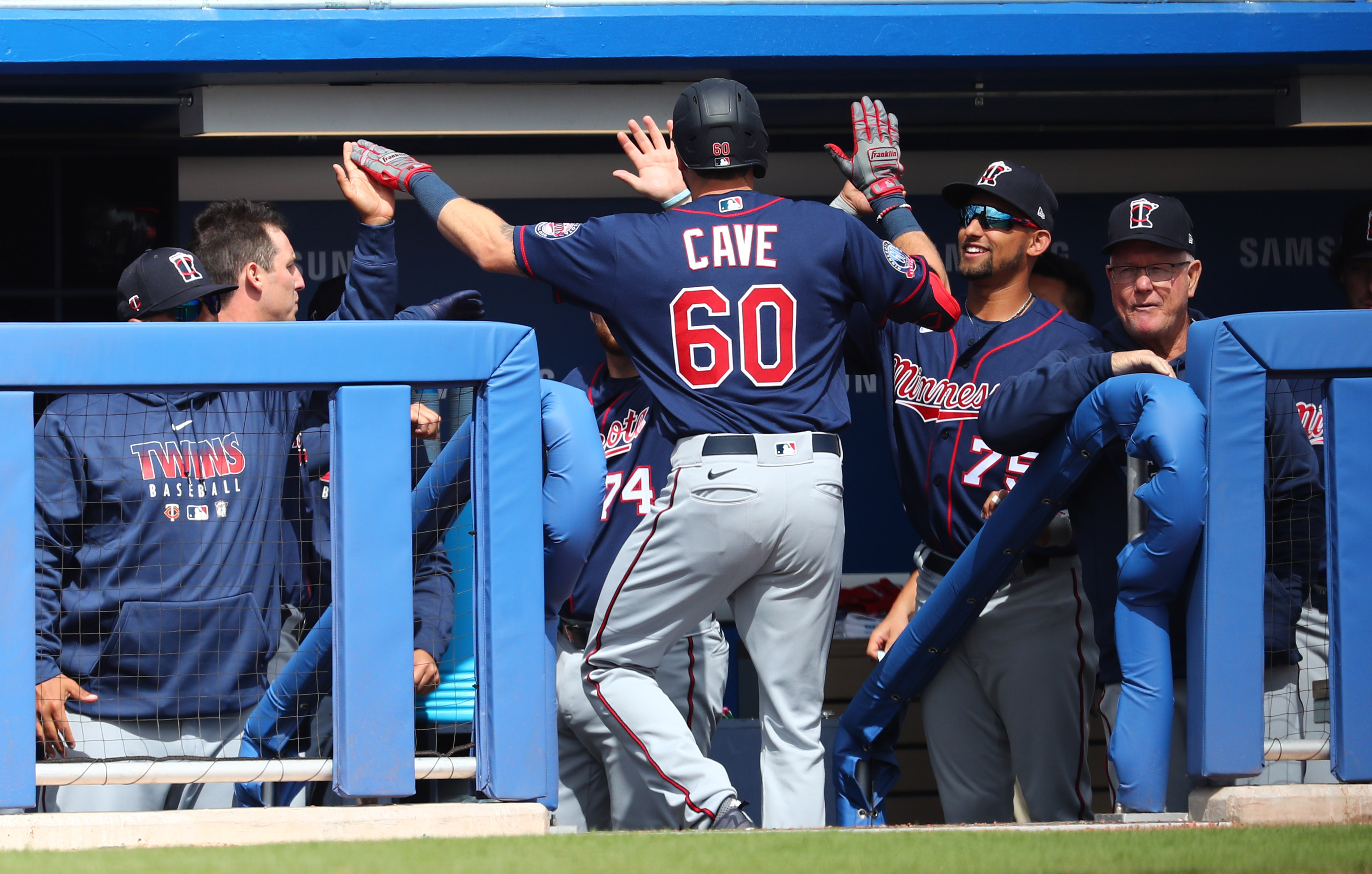 This past weekend two big events happened. First, we started to hear about elements of MLB’s 67-page document outlining the proposal for the league to begin its season via The Athletic. Secondly, we also saw other sports leagues such as NASCAR and Bundesliga Soccer begin live action again. Joining the KBO and UFC as some of the first to do so amidst the COVID-19 pandemic. I did watch some of the soccer action that took place this weekend and was reminded of what an impossible task restarting sports must feel like for those leading the charge. Many of the recommendations put forth by organizations like the CDC are impossible to hold to in mid competition. Which is why I chuckled when announcers pointed out the six-foot distance being held at the coin flip between captains and the official, even though within moments those three would likely find themselves shoulder to shoulder to someone else for much of the next 90 minutes of soccer play. As it was released to us what baseball will try to make work, my eye went to the provisions that would make the game look vastly different and the provisions that would seem difficult to keep up or implement. **Disclaimer: At no point should any of my observations be considered as criticisms on whether or not these provisions should be put in place. Health of everyone is a serious matter. It is an observation on how baseball will look different or me wondering how exactly it will work.** Gone is the Lineup Card Exchange This really is a small thing in the grand scheme of the game. It really feels like more of a thing of tradition than anything at this point. As this proposal suggests doing, it could have long ago transitioned to a digital exchange. At the same time, it is still a change that will be noticed by some. It may be one of the easiest changes to implement. I also guess this means that for 2020 the chance of this happening again goes to zero: Social Distancing During Dead Ball Periods Something else that is mentioned is an ask of players to retreat from one another when the ball is dead or no longer in play. Sounds like this must be trying to limit the proximity of players to each other especially when it comes to a first baseman holding a runner on the bag. I just wonder how logistically this will work. Will it be easy to tell when the ball is live again? Maybe to me the non-player it sounds like it has more potential for confusion than it actually will, but I wonder. A Big Loss of Camaraderie While this is minor in the scheme of a pandemic, it seems that players will lose a lot of those throughout the season bonding moments. Locker Rooms will be spread out and maybe even split up. Not everyone will be able to be in the dugout, only active players. So no injured La Tortuga to joke with. There was nothing in the outline that said this directly, but with all the changes to team meals it seems any dynamic of gathering around that time will be much different. Reading through what we have in front of us it seems most of the regular life, the extra lingering, “be together” moments will be discouraged. This also will include practice groups of five or less and the potential of needing to use multiple practice facilities to accomplish that. I wonder what effect that has on the cohesion of a team throughout an 82-game season. No Spitting, No High Fives Maybe baseball players just have better self control than I do, but I don’t know how someone doesn’t spit after running around the bases. As I listened to some commentary on the subject of these plans while I was on a run I immediately had the urge to spit. And yes, I did. I know the KBO has this in place. Hopefully that shows us this can be done and that baseball players are able to refrain from what seems like a natural reaction once you hit the baseball diamond. It will also just be strange to not see high fives and many other celebrations that normally occur. No more crazy sequences of hands slapping and bumping. Now my real question is, does the Twins outfield trio jumping into each other count? It isn’t technically a high five so we can keep that right? All around, I think Rod Carew’s words in an interview with Dany Hayes does encompass how we ultimately feel about and safety protocols and baseball returning, “I’m more concerned about the players’ health and their families because that’s what’s important...If you don’t have them, you don’t have baseball. I hope they’re not just rushing into it.” Weird and crazy times call for weird and crazy measures. That is where we find ourselves. So even if it feels strange, if this is how we keep players and others safe while letting them return to the field and in turn enjoy baseball again. Let's do it. Please share your thoughts in the comments below. Not registered? Click here to create an account. To stay up to date, follow Twins Daily on Twitter and Facebook. MORE FROM TWINS DAILY — Latest Twins coverage from our writers — Recent Twins discussion in our forums — Follow Twins Daily via Twitter, Facebook or email
 -
Which 1960's Minnesota Twins Team Was the Best?
Nate Palmer replied to Nate Palmer's topic in Twins Daily Front Page News
They did still filled out the 4-man from what I have understood reading back. That was where guys like Boswell and Merritt got some really good experience. -
The 1960's were a bit of a golden era for Twins baseball. They had just taken up residence in Minnesota and put together some competitive teams. Which of those teams was the best team?The 1960’s were quite the decade for Minnesotans as they welcomed the Twins into the state from Washington D.C. There were ups and downs but overall it was a good decade of baseball for the Twins. Amongst all that baseball it seems three seasons stand out above the rest (or are at least mentioned the most) as we reminisce about the days gone by. Those seasons are 1965, 1967, and 1969. 1965 resulted in a trip to the World Series, even if it was a loss to the Dodgers. In 1967, the Twins fell just short of the pennant and tied the Tigers for second in the American League. Then in 1969 the Twins participated in baseball's first postseason playoff but lost in the ALCS to Baltimore. Harmon Killebrew, Bob Allison, Tony Oliva, Jim Perry, and Jim Kaat formed the core of players that was the base for each of those rosters. That caused each roster to have a similar look to it in many ways, but there are always differences based on the performance in a given season and the players that filled in around that core. Is it possible for us to pick which roster was the best? Let's give it a shot. For starters, here is a table that takes a number of players from each roster with their bWAR next to them. As always, WAR is not the perfect metric but it gets us started in this conversation. Download attachment: Screen Shot 2020-05-11 at 7.41.23 PM.png In the graphic, the pink highlight represents a bWAR over 6.0. The golden/yellow coloring represents a bWAR between 4.0-5.9. In 1965 the Twins had five players at 4.0 bWAR or more, in 1967 six players, and in 1969 seven players. Of those players Zoilo Versalles had the best season in 1965 at 7.2 bWAR when he fittingly won the league MVP award. What stands out from those bWAR highlights is that it looks like the ‘65 squad was all bats. The ‘67 team wasn’t as extreme, but was almost the mirror and was heavy on pitching. Then in ‘69 there was a shift back to the bats. Last week I wrote an article asking “What Could Have Been?” in regards to injuries. The real “What if?” may be what could have been if the ‘67 rotation could have been paired up with one of the other two lineups. By the bWAR numbers listed it is hard not to lean towards the 1969 roster simply because it appears to have some of the bats to go with two over 4.0 bWAR pitchers and one that is almost there in Dave Boswell at 3.8 bWAR. What creates pause is that the 1965 bats were just so good it is hard to vote against them. To just test this out a bit more, I looked up the leaderboard for each season for qualified batters in the American League for OPS and home runs. In 1965, the Twins had four in the top 20 for OPS and five in the top 20 for home runs. In a bit of a shocker, the 1967 squad placed four in the top 20 for OPS and three in the top 20 for home runs. Then 1969 carried three for OPS and two for home runs in the top 20. So while the best case would be to Frankenstein these rosters together to get a great roster, it seems at the end of the day the ‘67 roster may have been the best even though it was unable to get in on any postseason play under that time’s format. What do you think? Which roster would you take? Please share your thoughts in the comments below. Not registered? Click here to create an account. To stay up to date, follow Twins Daily on Twitter and Facebook. MORE FROM TWINS DAILY — Latest Twins coverage from our writers — Recent Twins discussion in our forums — Follow Twins Daily via Twitter, Facebook or email Click here to view the article
-
 The 1960’s were quite the decade for Minnesotans as they welcomed the Twins into the state from Washington D.C. There were ups and downs but overall it was a good decade of baseball for the Twins. Amongst all that baseball it seems three seasons stand out above the rest (or are at least mentioned the most) as we reminisce about the days gone by. Those seasons are 1965, 1967, and 1969. 1965 resulted in a trip to the World Series, even if it was a loss to the Dodgers. In 1967, the Twins fell just short of the pennant and tied the Tigers for second in the American League. Then in 1969 the Twins participated in baseball's first postseason playoff but lost in the ALCS to Baltimore. Harmon Killebrew, Bob Allison, Tony Oliva, Jim Perry, and Jim Kaat formed the core of players that was the base for each of those rosters. That caused each roster to have a similar look to it in many ways, but there are always differences based on the performance in a given season and the players that filled in around that core. Is it possible for us to pick which roster was the best? Let's give it a shot. For starters, here is a table that takes a number of players from each roster with their bWAR next to them. As always, WAR is not the perfect metric but it gets us started in this conversation. In the graphic, the pink highlight represents a bWAR over 6.0. The golden/yellow coloring represents a bWAR between 4.0-5.9. In 1965 the Twins had five players at 4.0 bWAR or more, in 1967 six players, and in 1969 seven players. Of those players Zoilo Versalles had the best season in 1965 at 7.2 bWAR when he fittingly won the league MVP award. What stands out from those bWAR highlights is that it looks like the ‘65 squad was all bats. The ‘67 team wasn’t as extreme, but was almost the mirror and was heavy on pitching. Then in ‘69 there was a shift back to the bats. Last week I wrote an article asking “What Could Have Been?” in regards to injuries. The real “What if?” may be what could have been if the ‘67 rotation could have been paired up with one of the other two lineups. By the bWAR numbers listed it is hard not to lean towards the 1969 roster simply because it appears to have some of the bats to go with two over 4.0 bWAR pitchers and one that is almost there in Dave Boswell at 3.8 bWAR. What creates pause is that the 1965 bats were just so good it is hard to vote against them. To just test this out a bit more, I looked up the leaderboard for each season for qualified batters in the American League for OPS and home runs. In 1965, the Twins had four in the top 20 for OPS and five in the top 20 for home runs. In a bit of a shocker, the 1967 squad placed four in the top 20 for OPS and three in the top 20 for home runs. Then 1969 carried three for OPS and two for home runs in the top 20. So while the best case would be to Frankenstein these rosters together to get a great roster, it seems at the end of the day the ‘67 roster may have been the best even though it was unable to get in on any postseason play under that time’s format. What do you think? Which roster would you take? Please share your thoughts in the comments below. Not registered? Click here to create an account. To stay up to date, follow Twins Daily on Twitter and Facebook. MORE FROM TWINS DAILY — Latest Twins coverage from our writers — Recent Twins discussion in our forums — Follow Twins Daily via Twitter, Facebook or email
 -
1965 Minnesota Twins: What Could Have Been
Nate Palmer replied to Nate Palmer's topic in Twins Daily Front Page News
This is one of my personal, "Where were you when..." moments. My friend Dan's basement trying every "good luck" thing we could to will the Vikings to victory. -
1965 Minnesota Twins: What Could Have Been
Nate Palmer replied to Nate Palmer's topic in Twins Daily Front Page News
I just started comparing the '65, '67, and '69 rosters last week. That '67 rotation was not to be messed with! Imagining if the '65 or '69 lineup had been combined with the '67 rotation is something of magic. -
1965 Minnesota Twins: What Could Have Been
Nate Palmer posted a topic in Twins Daily Front Page News
Too often injuries to star players leave us asking "What could have been?" In 1965 the Minnesota Twins saw two such injuries to Harmon Killebrew and Camilo Pascual.In 2009 it felt like so much broke right for the Minnesota Twins. They stormed back in the division to force a game 163 and defeated the Detroit Tigers 6-5 to advance into the playoffs. Something that certainly took the wind out of their sails was that first baseman and All-Star Justin Morneau suffered a back injury which forced his 30 home runs to the bench. As a fan of Minnesota sports this seems to be too much the norm. Our teams seem to be right on target and then something happens. An injury occurs, a scandal emerges, a whole stadium deflates. 1965 was no different as two very important pieces of the team went down with injuries. Camilo Pascual Pascual was no stranger to missing stints of a season with shoulder discomfort. In ‘65 it would become a bit different as the pitcher would end up needing to have surgery on what was frayed muscles in his back/shoulder area (Thielman, 167). This was quite the blow to the Twins as Pascual was viewed as the Twins leader of the rotation entering the season. While the right-hander would be able to return to action come September after missing the month of August. It is fair to wonder exactly what sort of form Pascual was in after surgery. As a staff, the Twins also missed out on about 100 innings of what a healthy Pascual would normally have tossed for the Twins in a given season. When it came to the World Series against the Dodgers, Pascual did start game 3 of the series which would wind up being his only career postseason appearance. He threw 5 frames and allowed 3 runs in the 4-0 loss to the Dodgers. Harmon Killebrew While stretching to grab an off target throw to record an out at first base, Killebrew collided with Russ Snyder. It seems a bit too ironic that Morneau was referenced at the start of this post as it was a collision at second and a knee to the head that ended his 2010 campaign. Killebrew’s collision resulted in a dislocated elbow to the Twins offensive leader and arguably best player in team history to date. We may never know exactly how much of that elbow injury that Killebrew may have been able to play through. That is because the Twins had built such a lead in their race for the pennant that they could afford to let him continue to sit deep into September. Also while missing that time, it seemed every replacement player who in one way or another filled in for Killebrew seemed to get the hit when the team needed it. You just never truly replace a bat like his which in 103 games had produced a slash line of .278/.393/.507, .900 OPS, as well as 22 home runs. What is more impactful is we can continue to wonder how much of his groove at the plate Killebrew lost with his time away. In his 10 games to close the season he hit only .184/295/.447 with three home runs. Thankfully he would rebound come the postseason to hit .286/.444/.429 but with only one home run. We can only wonder if not missing that time would have allowed his bat to connect with more impact than it did that postseason. The silver lining here, as with almost any injury, is there is an opportunity for others to step up. The two that may have done that the most were pitchers Jim Merrit and Dave Boswell. While they wouldn’t start any World Series games with Pascual’s return, they did become vital parts of the ‘65 mix of pitchers and other Twins teams to come. Another positive was that both Pascual and Killebrew were at least active parts in the Twins 1965 postseason. Even if we will question just how sharp either was. Which hasn’t always been the case for injured Minnesota sports stars. Which “what could have been” moment from over the years stands out to you the most? Feel free to wander to other Minnesota franchises! Yes, we could be here all year with that topic. Thielman, Jim.Cool of the Evening: the 1965 Minnesota Twins. Minneapolis, MN: Kirk House Publishers, 2005. Please share your thoughts in the comments below. Not registered? Click here to create an account. To stay up to date, follow Twins Daily on Twitter and Facebook. MORE FROM TWINS DAILY — Latest Twins coverage from our writers — Recent Twins discussion in our forums — Follow Twins Daily via Twitter, Facebook or email Click here to view the article -
 In 2009 it felt like so much broke right for the Minnesota Twins. They stormed back in the division to force a game 163 and defeated the Detroit Tigers 6-5 to advance into the playoffs. Something that certainly took the wind out of their sails was that first baseman and All-Star Justin Morneau suffered a back injury which forced his 30 home runs to the bench. As a fan of Minnesota sports this seems to be too much the norm. Our teams seem to be right on target and then something happens. An injury occurs, a scandal emerges, a whole stadium deflates. 1965 was no different as two very important pieces of the team went down with injuries. Camilo Pascual Pascual was no stranger to missing stints of a season with shoulder discomfort. In ‘65 it would become a bit different as the pitcher would end up needing to have surgery on what was frayed muscles in his back/shoulder area (Thielman, 167). This was quite the blow to the Twins as Pascual was viewed as the Twins leader of the rotation entering the season. While the right-hander would be able to return to action come September after missing the month of August. It is fair to wonder exactly what sort of form Pascual was in after surgery. As a staff, the Twins also missed out on about 100 innings of what a healthy Pascual would normally have tossed for the Twins in a given season. When it came to the World Series against the Dodgers, Pascual did start game 3 of the series which would wind up being his only career postseason appearance. He threw 5 frames and allowed 3 runs in the 4-0 loss to the Dodgers. Harmon Killebrew While stretching to grab an off target throw to record an out at first base, Killebrew collided with Russ Snyder. It seems a bit too ironic that Morneau was referenced at the start of this post as it was a collision at second and a knee to the head that ended his 2010 campaign. Killebrew’s collision resulted in a dislocated elbow to the Twins offensive leader and arguably best player in team history to date. We may never know exactly how much of that elbow injury that Killebrew may have been able to play through. That is because the Twins had built such a lead in their race for the pennant that they could afford to let him continue to sit deep into September. Also while missing that time, it seemed every replacement player who in one way or another filled in for Killebrew seemed to get the hit when the team needed it. You just never truly replace a bat like his which in 103 games had produced a slash line of .278/.393/.507, .900 OPS, as well as 22 home runs. What is more impactful is we can continue to wonder how much of his groove at the plate Killebrew lost with his time away. In his 10 games to close the season he hit only .184/295/.447 with three home runs. Thankfully he would rebound come the postseason to hit .286/.444/.429 but with only one home run. We can only wonder if not missing that time would have allowed his bat to connect with more impact than it did that postseason. The silver lining here, as with almost any injury, is there is an opportunity for others to step up. The two that may have done that the most were pitchers Jim Merrit and Dave Boswell. While they wouldn’t start any World Series games with Pascual’s return, they did become vital parts of the ‘65 mix of pitchers and other Twins teams to come. Another positive was that both Pascual and Killebrew were at least active parts in the Twins 1965 postseason. Even if we will question just how sharp either was. Which hasn’t always been the case for injured Minnesota sports stars. Which “what could have been” moment from over the years stands out to you the most? Feel free to wander to other Minnesota franchises! Yes, we could be here all year with that topic. Thielman, Jim. Cool of the Evening: the 1965 Minnesota Twins. Minneapolis, MN: Kirk House Publishers, 2005. Please share your thoughts in the comments below. Not registered? Click here to create an account. To stay up to date, follow Twins Daily on Twitter and Facebook. MORE FROM TWINS DAILY — Latest Twins coverage from our writers — Recent Twins discussion in our forums — Follow Twins Daily via Twitter, Facebook or email
 -
If my memory is serving me correctly, the Giants situation involved someone positioned in the center field bleachers with binoculars relaying signs.
-
While Rob Manfred is currently trying to put together plans for when baseball might resume, the sign-stealing scandal is still a reality that is lingering out there. One former Minnesota Twin had the sort of conviction about cheating that caused him to speak out about sign stealing twice during his career.Rob Manfred and Major League Baseball will have coronavirus to thank when the 2020 MLB season isn’t marked only by the effects of the Astros and unresolved Red Sox sign-stealing sagas in history books. Even so, there is one player from baseball and Minnesota Twins history that the commissioner may want to clone and have his presence in each major league clubhouse in order to gain back the trust of fans. That man is right-handed pitcher Al Worthington. There are likely few reasons someone in 2020 that wasn’t living in the 50s and 60’s or spends potentially too much time on baseball reference would know about the Alabama native Worthington. For Twins Daily readers, he did finish the last six years of his major league career with the Twins so you may have come across his name because of that. Worthington was part of a great stretch of Twins teams from 1964-1969. After first coming over to the Twins and pitching as a reliever he appeared in 41 games, the first 20 without allowing a run, and finishing with a 1.37 ERA. Worthington had the best ERA of the ‘65 World Series roster of pitchers. Then in 1969, manager Billy Martin thought highly enough of him that he was able to get the right-hander to come out of retirement to join his squad’s bullpen. While Worthington isn’t getting confused for Sandy Koufax or even his teammates such as Jim Perry, Mudcat Grant, or Dean Chance, he was a solid part of all those competitive Twins teams. Before coming to the Twins, Worthington was nothing more than a journeyman. Traveling back and forth between the minor and majors with a sprinkling of pennant-winning baseball in there too. None of that is the reason why Manfred needs to consider clones of Worthington putting on each team's uniform. Worthington has a track record of calling out cheating, specifically sign stealing. He did it first as a member of the San Francisco Giants in 1959. Manager Bill Rigney in that occurrence chose to listen to Worthington and stop the practice. Which unfortunately for them led to losing three straight games at a critical point at the end of their season. The following season, after just being acquired by the White Sox from the Red Sox, Worthington again found out that there was cheating happening once again. He again approached his manager Al Lopez on the issue. This time it seems things did not go the way Worthington had hoped. He then chose to leave the team after pitching only 5 1/3 innings for his new team. We can only imagine how different the current state of sign stealing may have gone if someone on the rosters in question had chosen to stop it while it was happening. Mike Fiers deserves credit for shedding light on the issue, but it seems fair to wonder what reality we may be living in if someone had followed Worthington’s lead and stopped the practice while it was happening. So if Manfred really wants to make us feel secure again about the integrity of the game when it comes to sign stealing, cloning Worthington might be the best way to do just that. He has a track record of calling these practices out into the light. He also was not a fan of the spitball, calling it cheating as well. We will have to report back about his feelings on pitchers using pine tar. As I will recommend several times, at least until baseball starts, go read Cool of the Evening by Jim Thielman. It is where I first encountered this unique little side story to Worthington’s career. Thielman has done a good job of making each player I read about my new favorite of the team, Worthington now included. Thielman, Jim.Cool of the Evening: the 1965 Minnesota Twins. Minneapolis, MN: Kirk House Publishers, 2005. Please share your thoughts in the comments below. Not registered? Click here to create an account. To stay up to date, follow Twins Daily on Twitter and Facebook. MORE FROM TWINS DAILY — Latest Twins coverage from our writers — Recent Twins discussion in our forums — Follow Twins Daily via Twitter, Facebook or email Click here to view the article
-
The Player Rob Manfred Should Be Trying to Clone for each 2020 Roster
Nate Palmer posted an article in Twins
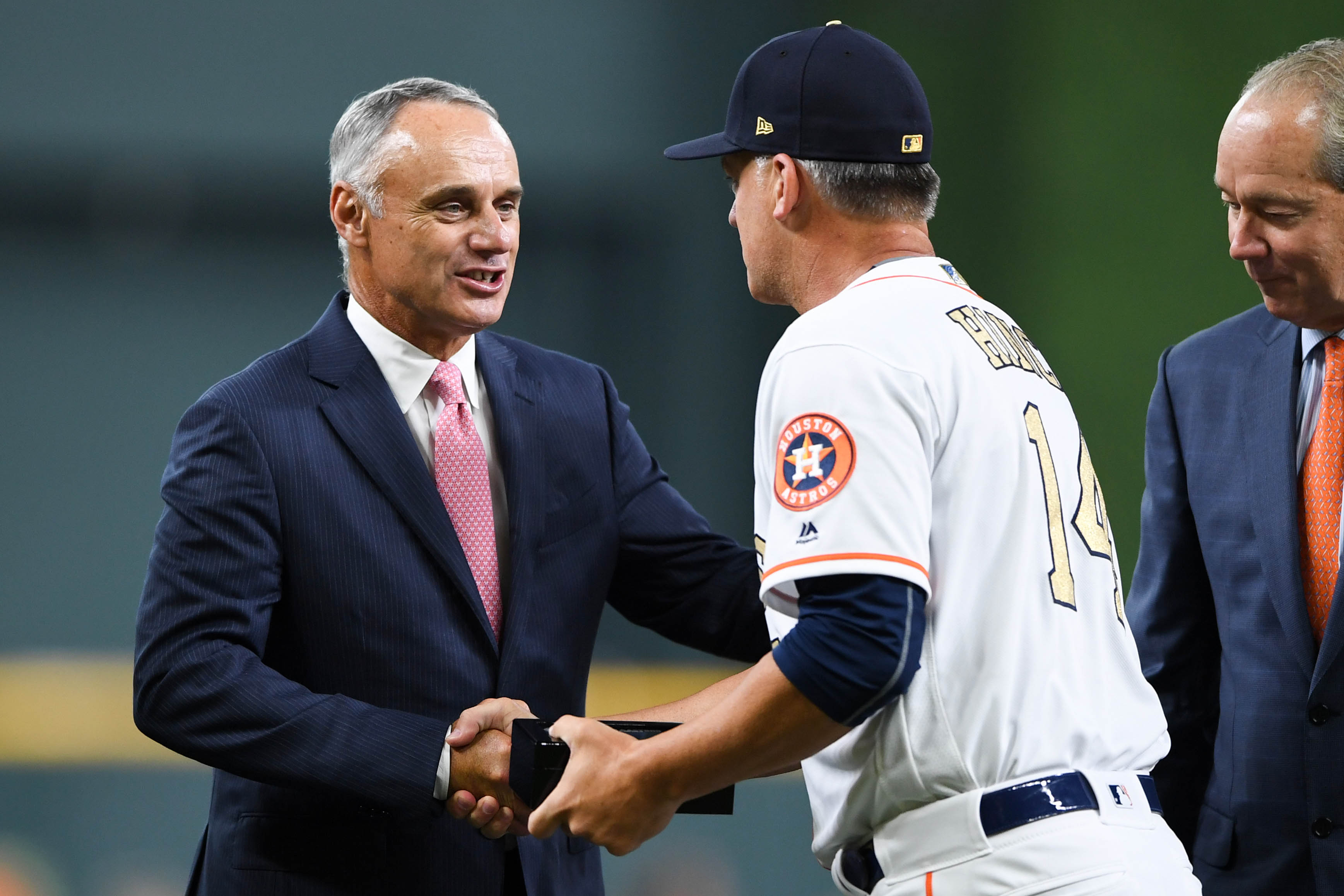 Rob Manfred and Major League Baseball will have coronavirus to thank when the 2020 MLB season isn’t marked only by the effects of the Astros and unresolved Red Sox sign-stealing sagas in history books. Even so, there is one player from baseball and Minnesota Twins history that the commissioner may want to clone and have his presence in each major league clubhouse in order to gain back the trust of fans. That man is right-handed pitcher Al Worthington. There are likely few reasons someone in 2020 that wasn’t living in the 50s and 60’s or spends potentially too much time on baseball reference would know about the Alabama native Worthington. For Twins Daily readers, he did finish the last six years of his major league career with the Twins so you may have come across his name because of that. Worthington was part of a great stretch of Twins teams from 1964-1969. After first coming over to the Twins and pitching as a reliever he appeared in 41 games, the first 20 without allowing a run, and finishing with a 1.37 ERA. Worthington had the best ERA of the ‘65 World Series roster of pitchers. Then in 1969, manager Billy Martin thought highly enough of him that he was able to get the right-hander to come out of retirement to join his squad’s bullpen. While Worthington isn’t getting confused for Sandy Koufax or even his teammates such as Jim Perry, Mudcat Grant, or Dean Chance, he was a solid part of all those competitive Twins teams. Before coming to the Twins, Worthington was nothing more than a journeyman. Traveling back and forth between the minor and majors with a sprinkling of pennant-winning baseball in there too. None of that is the reason why Manfred needs to consider clones of Worthington putting on each team's uniform. Worthington has a track record of calling out cheating, specifically sign stealing. He did it first as a member of the San Francisco Giants in 1959. Manager Bill Rigney in that occurrence chose to listen to Worthington and stop the practice. Which unfortunately for them led to losing three straight games at a critical point at the end of their season. The following season, after just being acquired by the White Sox from the Red Sox, Worthington again found out that there was cheating happening once again. He again approached his manager Al Lopez on the issue. This time it seems things did not go the way Worthington had hoped. He then chose to leave the team after pitching only 5 1/3 innings for his new team. We can only imagine how different the current state of sign stealing may have gone if someone on the rosters in question had chosen to stop it while it was happening. Mike Fiers deserves credit for shedding light on the issue, but it seems fair to wonder what reality we may be living in if someone had followed Worthington’s lead and stopped the practice while it was happening. So if Manfred really wants to make us feel secure again about the integrity of the game when it comes to sign stealing, cloning Worthington might be the best way to do just that. He has a track record of calling these practices out into the light. He also was not a fan of the spitball, calling it cheating as well. We will have to report back about his feelings on pitchers using pine tar. As I will recommend several times, at least until baseball starts, go read Cool of the Evening by Jim Thielman. It is where I first encountered this unique little side story to Worthington’s career. Thielman has done a good job of making each player I read about my new favorite of the team, Worthington now included. Thielman, Jim. Cool of the Evening: the 1965 Minnesota Twins. Minneapolis, MN: Kirk House Publishers, 2005. Please share your thoughts in the comments below. Not registered? Click here to create an account. To stay up to date, follow Twins Daily on Twitter and Facebook. MORE FROM TWINS DAILY — Latest Twins coverage from our writers — Recent Twins discussion in our forums — Follow Twins Daily via Twitter, Facebook or email
 -
Top 5 Minnesota Twins Trades that Built Contenders
Nate Palmer replied to Nate Palmer's topic in Twins Daily Front Page News
I came at this initially thinking that this trade didn't have enough impact on winning teams with Milton only seeing the one playoff run. Although that run did take them into a ALCS. That combined with the longevity of Guzman maybe required it getting a bit more attention than I gave it. -
Top 5 Minnesota Twins Trades that Built Contenders
Nate Palmer replied to Nate Palmer's topic in Twins Daily Front Page News
I forgot about the trading involved within the Rule 5 when Johan was selected. In my head was thinking of him as a pure selection which certainly made it one of the top 5 transactions, but not trade. You may have found the first big omission! And a BIG one at that! -
Top 5 Minnesota Twins Trades that Built Contenders
Nate Palmer replied to Nate Palmer's topic in Twins Daily Front Page News
Reardon was on the list. Just didn't make the cut ultimately for me, but certainly an important part of that championship team! -
Top 5 Minnesota Twins Trades that Built Contenders
Nate Palmer replied to Nate Palmer's topic in Twins Daily Front Page News
Got my wires crossed somewhere. It was '89! Thanks for the catch. -
There are many ways to build championship teams. One way is through the trade. Here is an attempt to rank the top 5 trades that helped to build contending Minnesota Twins teams throughout their history.In 1960, before the Minnesota Twins were that, the Washington Senators made a trade that sent Roy Sievers to the Chicago White Sox for 1B Don Mincher and C Earl Battey. At the time Sievers was viewed as the type of player that would hopefully push the White Sox over the top for the pennant. Griffith and the Senators really wanted Sammy Esposito with Battey but instead ended up with Mincher. Mincher may not have been a Hall of Famer but swung a quality bat and was good enough to help carry the 1965 Twins through Harmon Killebrew injuries. If it wasn’t for Joe Mauer, Battey would be in the conversation for best backstop in Twins history. Griffith and the Twins pulled off a series of instrumental trades leading up to winning the 1965 American League Pennant. With acquiring Mincher and Battey being one of them. That got me thinking, what trades have led directly to a Twins window of contention? Here are my top 5 trades that directly led to the Twins being playoff contenders over their history. 5. Received Shannon Stewart and PTBNL (Dave Gassner) for Bobby Kielty-- July 2003 At the close of July 13th games in 2003 the Twins were 44-49, in third place in the AL Central, and 7.5 games back of first place. The Twins decided to swing a trade with the Toronto Blue Jays that brought outfielder Stewart to Minnesota with the hopes that the outgoing Kielty would be able to help the fellow third place Blue Jays. After coming to the Twins, Stewart in part helped propel the Twins to a playoff berth as he in 65 games slashed .322/.384/.470 with an .854 OPS. As was all too common in the current era of Twins baseball the team would lose to the Yankees in the first round. Stewart would stick around Minnesota after signing as a free agent that winter and would go on to play through 2006 in Minnesota. He would hit .287/.347/.405 over those next three seasons and the Twins would be in the playoffs in 2 out of those 3 years. 4. Received Cesar Tovar for Gerry Arrigo--December 1964 Just prior to one of the best seasons in Twins history, the team sent left-handed pitcher Arrigo to the Cincinnati Reds. In exchange the Twins received 24-year-old Venezualan Cesar Tovar. Tovar didn’t figure in too much in that first season only appearing in 18 games. He would figure to be a fixture of many other good Twins teams through the rest of his tenure in Minnesota. Tovar played primarily as a second baseman but could be found all over the diamond and figured in regularly at the top of the Twins lineup beginning in ‘66 when he played in 134 games. In 1967, Tovar played every position for the Twins (all 9 in one game in fact). From 1965-1972 Tovar slashed .281/.337/.377 and was involved to some level in MVP voting from 1967-1971. He would be involved in the postseason for the Twins in both 1969 and 1970. While his postseason performance in ‘69 wasn’t great, he rebounded the next season collecting 5 hits in three games including a triple, run, and RBI. 3. Received Jim Perry for Jack Kralick--May 1963 When thinking through these trades, there was a time where it really felt like Perry vs. Mudcat Grant for this list. Ultimately, it was Perry’s longevity that got him on the list over Mudcat. Which is somewhat ironic since Mudcat would follow Perry from to Minnesota from Cleveland in a separate trade. Perry would pitch 10.1 innings for the Indians before the trade in 1963 and would finish out the season with the Twins with 168.1 innings and a 3.74 ERA. While in 1965, Perry would seem to take a backseat to Grant and Jim Kaat he would actually wind up with the highest bWAR of the trio at 2.6 WAR over 167.2 innings. Perry would go on to play for the Twins through the 1972 season appearing in two All-Star games, starting games in the 1969 and 1970 playoffs, and winning the Cy-Young in 1970. 2. Kevin Tapani, Rick Aguilera, Tim Drummond, David West, and PTBNL (Jack Savage) for Frank Viola--December 1987 In this trade the Twins got a bit of a haul of players as they traded away one legend of Twins World Series history in Viola to the New York Mets. In return they received two players who went on to have similar status as the team won the championship again in 1991 in Tapani and Aguilera. From 1989 to mid-1995 Tapani was with the Twins. He currently stands with the 8th best WAR (19.1) in team history. The Yooper (via Des Moines, IA) went on to start two games in the ‘91 World Series. One of which being his 8.0 inning two run start in the second game of the series. A game in which he gave way to none other than Aguilera. Minus a brief stint in 1995 with the Boston Red Sox, Aguilera was with the Twins for 1989-1999. He ranks 12th all-time in WAR for the Twins (15.5) and is second in saves (254) just behind Joe Nathan’s 260. Aguilera appeared in 4 games during the 1991 World Series. Including a 2.0 inning outing to get the win in Game 6. Both pitchers were very good for a long time for the Twins. That lumped in with some significant performances on the way to the World Series in 1991 puts them at number two on this list. In all honesty, as I type this maybe they deserved more credit for the number one spot. Speaking of which… 1. Joe Nathan, Francisco Liriano, and Boof Bonser for A.J. Pierzynski (November 2003) To make room for some up and coming catcher named Mauer, Pierzynski was moved to the San Francisco Giants in a trade that truly marks a generation of Twins fandom. Nathan came in as a relatively unknown converted pitcher from shortstop and would go on to be a face of the franchise. As stated above, he would eventually surpass Aguilera as the franchise saves leader. He locked down the backend of a bullpen that often seemed to buoy a starting rotation that outside of the top two or three spots felt weak for a contending team. Nathan also ranks 9th all-time in WAR for the club just behind Tapani. Liriano may be one of the biggest stories of “what could have been” but he helped provide some of the most exciting baseball I have seen with my own eyes next to this past season in 2019. While his tenure with the Twins seems marred by injuries and failed expectations, his rookie season in 2006 was one to remember. Paired with Johan Santana, Liriano held a 2.16 ERA, a 208 ERA+, made the All-Star roster, and was third in rookie of the year voting. Boof Bonser may not get any accolades, but he was as good as any third wheel could be. His 2006 season still provided some solid starts as he went 7-6 over 100.1 innings with a 4.22 ERA and a 106 ERA+. This trio did help add to a base of players that provided for some exciting teams in the early 2000s. Now it is your turn. What trades do you think influenced some runs at contention the most in Twins history? Have I romanticized my number one choice a little too much? I would love to hear what you think! Please share your thoughts in the comments below. Not registered? Click here to create an account. To stay up to date, follow Twins Daily on Twitter and Facebook. MORE FROM TWINS DAILY — Latest Twins coverage from our writers — Recent Twins discussion in our forums — Follow Twins Daily via Twitter, Facebook or email Click here to view the article
-
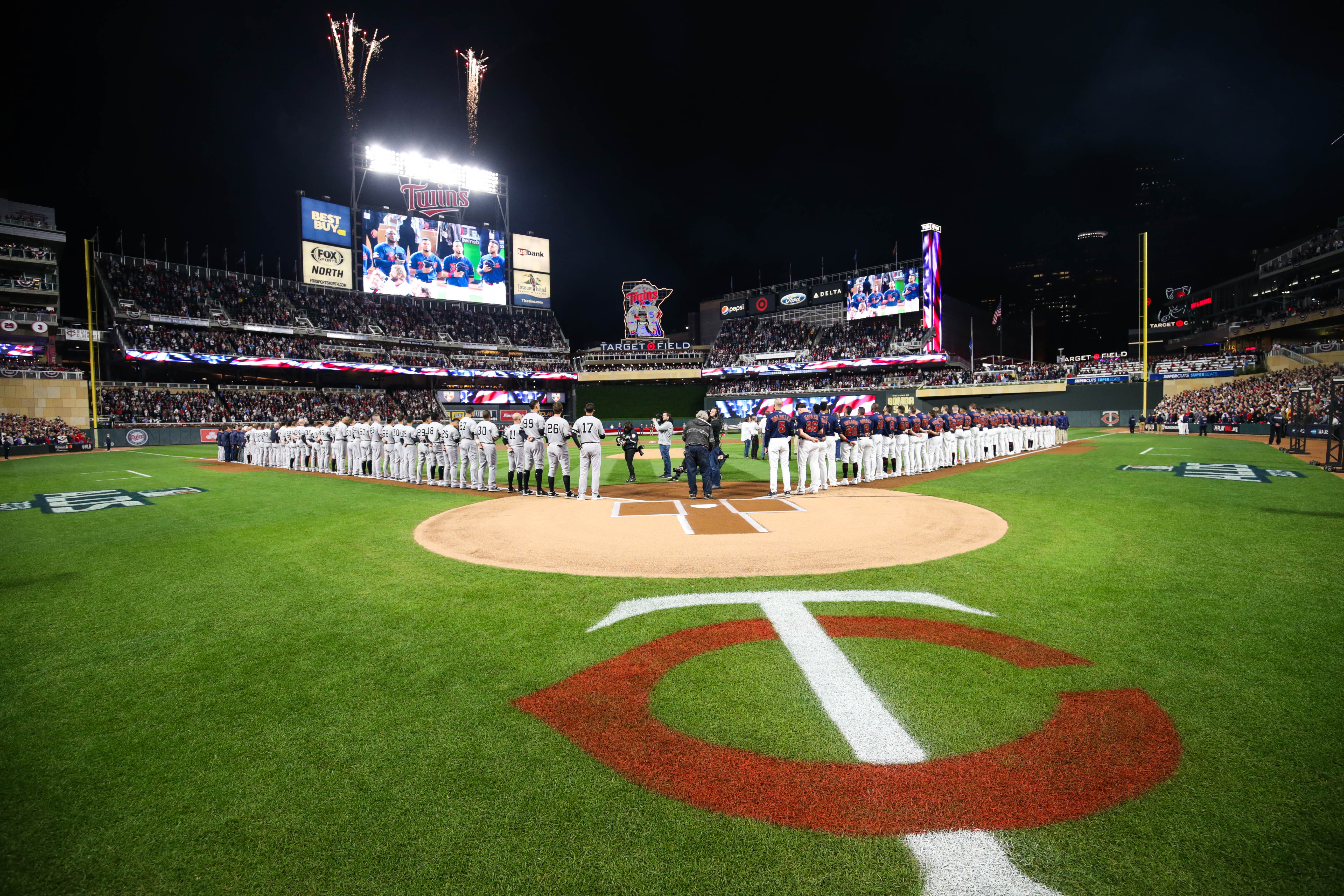 In 1960, before the Minnesota Twins were that, the Washington Senators made a trade that sent Roy Sievers to the Chicago White Sox for 1B Don Mincher and C Earl Battey. At the time Sievers was viewed as the type of player that would hopefully push the White Sox over the top for the pennant. Griffith and the Senators really wanted Sammy Esposito with Battey but instead ended up with Mincher. Mincher may not have been a Hall of Famer but swung a quality bat and was good enough to help carry the 1965 Twins through Harmon Killebrew injuries. If it wasn’t for Joe Mauer, Battey would be in the conversation for best backstop in Twins history. Griffith and the Twins pulled off a series of instrumental trades leading up to winning the 1965 American League Pennant. With acquiring Mincher and Battey being one of them. That got me thinking, what trades have led directly to a Twins window of contention? Here are my top 5 trades that directly led to the Twins being playoff contenders over their history. 5. Received Shannon Stewart and PTBNL (Dave Gassner) for Bobby Kielty-- July 2003 At the close of July 13th games in 2003 the Twins were 44-49, in third place in the AL Central, and 7.5 games back of first place. The Twins decided to swing a trade with the Toronto Blue Jays that brought outfielder Stewart to Minnesota with the hopes that the outgoing Kielty would be able to help the fellow third place Blue Jays. After coming to the Twins, Stewart in part helped propel the Twins to a playoff berth as he in 65 games slashed .322/.384/.470 with an .854 OPS. As was all too common in the current era of Twins baseball the team would lose to the Yankees in the first round. Stewart would stick around Minnesota after signing as a free agent that winter and would go on to play through 2006 in Minnesota. He would hit .287/.347/.405 over those next three seasons and the Twins would be in the playoffs in 2 out of those 3 years. 4. Received Cesar Tovar for Gerry Arrigo--December 1964 Just prior to one of the best seasons in Twins history, the team sent left-handed pitcher Arrigo to the Cincinnati Reds. In exchange the Twins received 24-year-old Venezualan Cesar Tovar. Tovar didn’t figure in too much in that first season only appearing in 18 games. He would figure to be a fixture of many other good Twins teams through the rest of his tenure in Minnesota. Tovar played primarily as a second baseman but could be found all over the diamond and figured in regularly at the top of the Twins lineup beginning in ‘66 when he played in 134 games. In 1967, Tovar played every position for the Twins (all 9 in one game in fact). From 1965-1972 Tovar slashed .281/.337/.377 and was involved to some level in MVP voting from 1967-1971. He would be involved in the postseason for the Twins in both 1969 and 1970. While his postseason performance in ‘69 wasn’t great, he rebounded the next season collecting 5 hits in three games including a triple, run, and RBI. 3. Received Jim Perry for Jack Kralick--May 1963 When thinking through these trades, there was a time where it really felt like Perry vs. Mudcat Grant for this list. Ultimately, it was Perry’s longevity that got him on the list over Mudcat. Which is somewhat ironic since Mudcat would follow Perry from to Minnesota from Cleveland in a separate trade. Perry would pitch 10.1 innings for the Indians before the trade in 1963 and would finish out the season with the Twins with 168.1 innings and a 3.74 ERA. While in 1965, Perry would seem to take a backseat to Grant and Jim Kaat he would actually wind up with the highest bWAR of the trio at 2.6 WAR over 167.2 innings. Perry would go on to play for the Twins through the 1972 season appearing in two All-Star games, starting games in the 1969 and 1970 playoffs, and winning the Cy-Young in 1970. 2. Kevin Tapani, Rick Aguilera, Tim Drummond, David West, and PTBNL (Jack Savage) for Frank Viola--December 1987 In this trade the Twins got a bit of a haul of players as they traded away one legend of Twins World Series history in Viola to the New York Mets. In return they received two players who went on to have similar status as the team won the championship again in 1991 in Tapani and Aguilera. From 1989 to mid-1995 Tapani was with the Twins. He currently stands with the 8th best WAR (19.1) in team history. The Yooper (via Des Moines, IA) went on to start two games in the ‘91 World Series. One of which being his 8.0 inning two run start in the second game of the series. A game in which he gave way to none other than Aguilera. Minus a brief stint in 1995 with the Boston Red Sox, Aguilera was with the Twins for 1989-1999. He ranks 12th all-time in WAR for the Twins (15.5) and is second in saves (254) just behind Joe Nathan’s 260. Aguilera appeared in 4 games during the 1991 World Series. Including a 2.0 inning outing to get the win in Game 6. Both pitchers were very good for a long time for the Twins. That lumped in with some significant performances on the way to the World Series in 1991 puts them at number two on this list. In all honesty, as I type this maybe they deserved more credit for the number one spot. Speaking of which… 1. Joe Nathan, Francisco Liriano, and Boof Bonser for A.J. Pierzynski (November 2003) To make room for some up and coming catcher named Mauer, Pierzynski was moved to the San Francisco Giants in a trade that truly marks a generation of Twins fandom. Nathan came in as a relatively unknown converted pitcher from shortstop and would go on to be a face of the franchise. As stated above, he would eventually surpass Aguilera as the franchise saves leader. He locked down the backend of a bullpen that often seemed to buoy a starting rotation that outside of the top two or three spots felt weak for a contending team. Nathan also ranks 9th all-time in WAR for the club just behind Tapani. Liriano may be one of the biggest stories of “what could have been” but he helped provide some of the most exciting baseball I have seen with my own eyes next to this past season in 2019. While his tenure with the Twins seems marred by injuries and failed expectations, his rookie season in 2006 was one to remember. Paired with Johan Santana, Liriano held a 2.16 ERA, a 208 ERA+, made the All-Star roster, and was third in rookie of the year voting. Boof Bonser may not get any accolades, but he was as good as any third wheel could be. His 2006 season still provided some solid starts as he went 7-6 over 100.1 innings with a 4.22 ERA and a 106 ERA+. This trio did help add to a base of players that provided for some exciting teams in the early 2000s. Now it is your turn. What trades do you think influenced some runs at contention the most in Twins history? Have I romanticized my number one choice a little too much? I would love to hear what you think! Please share your thoughts in the comments below. Not registered? Click here to create an account. To stay up to date, follow Twins Daily on Twitter and Facebook. MORE FROM TWINS DAILY — Latest Twins coverage from our writers — Recent Twins discussion in our forums — Follow Twins Daily via Twitter, Facebook or email
 -
In 2019 the Minnesota Twins won 101 games and saw great success in part due to the quality coaches they had in the clubhouse. The 1965 season wasn't much different, as Billy Martin and Johnny Sain gave a great boost to that club as well.The 2019 Minnesota Twins benefitted from having some very good coaches to help support Rocco Baldelli in his first season as the Twins manager. That benefit was noticed across the league as we saw James Rowson (Marlins), Jeremy Hefner (Mets), and Derek Shelton (Pirates) picked away by opposing clubs. That poaching from the major league club only highlights the high-quality coaches and positive effects for the Twins organization. As I have begun my journey into taking a much closer look than I had previously at the 1965 Twins, one thing quickly became apparent about that club. It greatly benefited from two spectacular coaches who supported manager Sam Mele. One is a name you will recognize and eventual Twins manager the other you may not, but these two were third base coach Billy Martin and pitching coach John Sain. Johnny Sain Sain came to the Twins from the hated New York Yankees. Calvin Griffith had to make him a very well paid coach to bring him to Minnesota, but it seems to have been worth every penny he spent to get him (roughly $20,000) to groom the ‘65 pitching staff. Sain would receive a lot of labels for the way he coached, including outspoken and playing favorites with his pitchers. Result-getter may be the best, as the Twins saw their ERA drop from 3.58 to 3.14 from ‘64 to ‘65. (Wolf, 19) Whatever the label, the one that mattered most was that his pitchers absolutely loved having him as a coach. One thing Sain did that would most certainly fit within the culture that the current Twins have developed is that he crafted pitching approaches individually for each player. He did not have a one-size fits all plan, Sain would find what each pitcher needed to succeed. (Thielman, 48) He was so highly regarded that Yankees third baseman Clete Boyer, when asked who he would vote for manager of the year during the 1965 season, responded that he would write in Sain (Thielman, 46). Twins pitcher Al Worthington said, “No man alive knows more about that little baseball and how to throw it than Johnny Sain.” Fellow Twin Mudcat Grant gave credit to Sain for making him a winner. (Wolf, 19) Billy Martin Martin had his own ties back to the Evil Empire but had recently closed out his playing career with the Twins in 1961. After hanging up his cleats, Martin joined the Twins front office as a scout before being brought in to coach in ‘65. Martin was his own sort of fiery and was seemingly brought in to counteract a much calmer Mele, or in the worst case scenario, take his job. Eventually Martin did become the Twins manager, but that was not be until 1969. In 1965, Martin’s greatest accomplishment was turning 25-year-old Zoilo Versalles into an everyday, cornerstone shortstop. Versalles was a key cog to the team's success and played in 160 games, slashed .273/.462/.781, had an MLB-leading 45 doubles, AL-leading 12 triples, was an All-Star, Gold Glove winner, and MVP. The influence on individual players didn’t stop with Versalles, as can be imagined when someone walks into a clubhouse with World Series accolades as a player that included a .333 batting average, five home runs, and 19 RBIs. As good as both Sain and Martin were, there wasn’t complete harmony amongst that ‘65 staff. Versalles helped put Mele and Martin in a mom-against-dad type feud before leaving spring training when the shortstop was removed from a game due to his sloppy defense. At one point in the season Sain’s relationship became so strained with the rest of the coaching staff he started dressing in the player’s portion of the locker room separate from the other coaches. Somehow, they still were able to put together one great team regardless! When it comes to assigning responsibility for wins and losses, players are still the ones who need to have the skills and the abilities to execute. There is no doubt that good coaching can find incremental improvements to move a team to another level of play. It appears that Shelton, Rowson, and Hefner have been recognized for that in 2019. Sain and Martin certainly did that in 1965. Now it is time to see if the new Twins hires (Mike Bell and Bob McClure) can jump in with the returning and promoted staff to do that for whenever the next baseball games are played. What are some of your favorite stories about Martin or Sain? How much will Rowson, Shelton, and Hefner be missed? Have the Twins filled their roles well? Would love to hear your thoughts on all those questions in the comments! Please share your thoughts in the comments below. Not registered? Click here to create an account. To stay up to date, follow Twins Daily on Twitter and Facebook. MORE FROM TWINS DAILY — Latest Twins coverage from our writers — Recent Twins discussion in our forums — Follow Twins Daily via Twitter, Facebook or email Resources Used: Thielman, Jim.Cool of the Evening: the 1965 Minnesota Twins. Minneapolis, MN: Kirk House Publishers, 2005. Wolf, GregoryThe Pennant for the Twin Cities: The 1965 Minnesota Twins (The SABR Digital Library Book 32) Phoenix, AZ: Society for American Baseball Research, Inc., Kindle edition. Click here to view the article
-
Now and Then: For the Minnesota Twins, Quality Coaches Matter
Nate Palmer posted an article in Twins
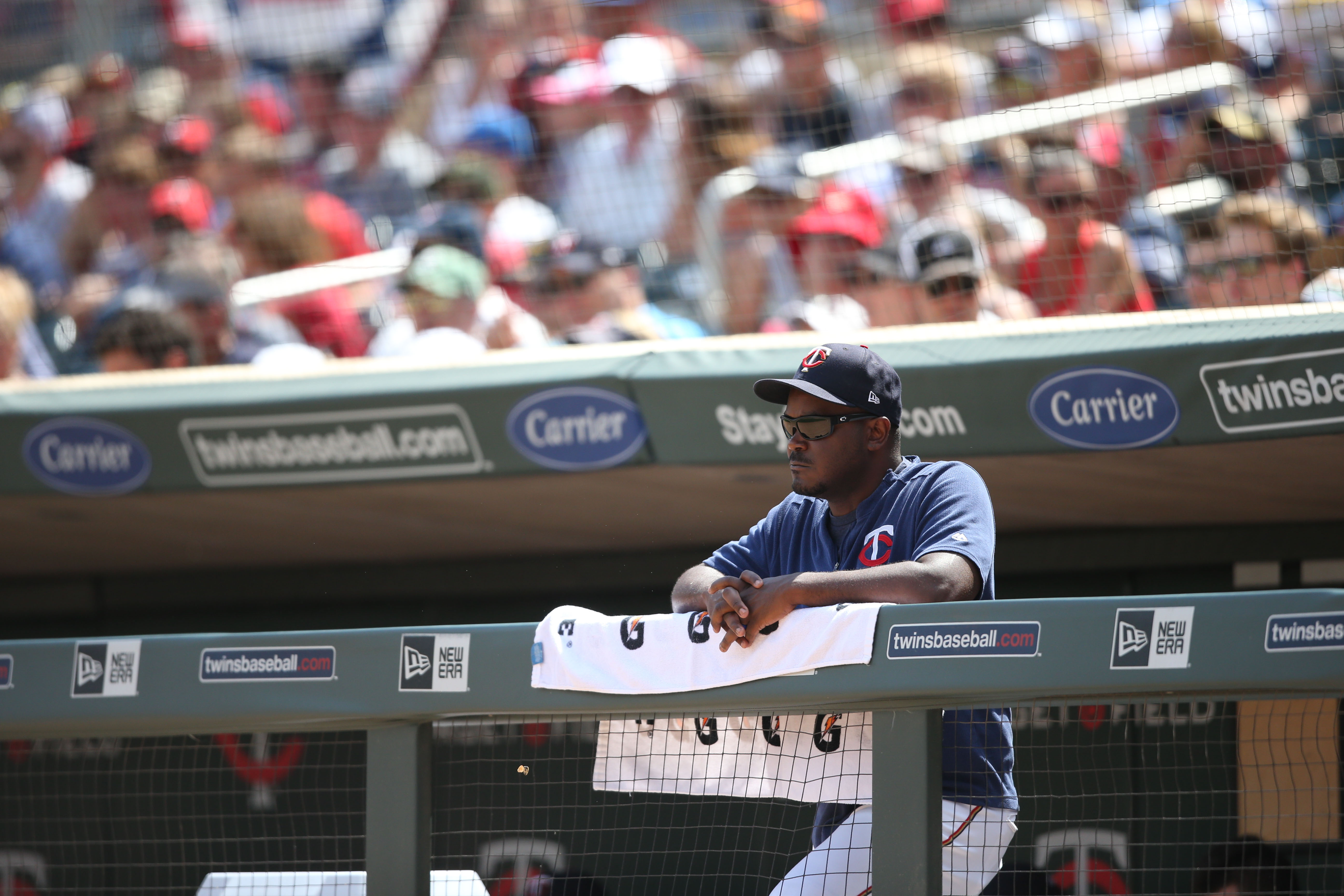 The 2019 Minnesota Twins benefitted from having some very good coaches to help support Rocco Baldelli in his first season as the Twins manager. That benefit was noticed across the league as we saw James Rowson (Marlins), Jeremy Hefner (Mets), and Derek Shelton (Pirates) picked away by opposing clubs. That poaching from the major league club only highlights the high-quality coaches and positive effects for the Twins organization. As I have begun my journey into taking a much closer look than I had previously at the 1965 Twins, one thing quickly became apparent about that club. It greatly benefited from two spectacular coaches who supported manager Sam Mele. One is a name you will recognize and eventual Twins manager the other you may not, but these two were third base coach Billy Martin and pitching coach John Sain. Johnny Sain Sain came to the Twins from the hated New York Yankees. Calvin Griffith had to make him a very well paid coach to bring him to Minnesota, but it seems to have been worth every penny he spent to get him (roughly $20,000) to groom the ‘65 pitching staff. Sain would receive a lot of labels for the way he coached, including outspoken and playing favorites with his pitchers. Result-getter may be the best, as the Twins saw their ERA drop from 3.58 to 3.14 from ‘64 to ‘65. (Wolf, 19) Whatever the label, the one that mattered most was that his pitchers absolutely loved having him as a coach. One thing Sain did that would most certainly fit within the culture that the current Twins have developed is that he crafted pitching approaches individually for each player. He did not have a one-size fits all plan, Sain would find what each pitcher needed to succeed. (Thielman, 48) He was so highly regarded that Yankees third baseman Clete Boyer, when asked who he would vote for manager of the year during the 1965 season, responded that he would write in Sain (Thielman, 46). Twins pitcher Al Worthington said, “No man alive knows more about that little baseball and how to throw it than Johnny Sain.” Fellow Twin Mudcat Grant gave credit to Sain for making him a winner. (Wolf, 19) Billy Martin Martin had his own ties back to the Evil Empire but had recently closed out his playing career with the Twins in 1961. After hanging up his cleats, Martin joined the Twins front office as a scout before being brought in to coach in ‘65. Martin was his own sort of fiery and was seemingly brought in to counteract a much calmer Mele, or in the worst case scenario, take his job. Eventually Martin did become the Twins manager, but that was not be until 1969. In 1965, Martin’s greatest accomplishment was turning 25-year-old Zoilo Versalles into an everyday, cornerstone shortstop. Versalles was a key cog to the team's success and played in 160 games, slashed .273/.462/.781, had an MLB-leading 45 doubles, AL-leading 12 triples, was an All-Star, Gold Glove winner, and MVP. The influence on individual players didn’t stop with Versalles, as can be imagined when someone walks into a clubhouse with World Series accolades as a player that included a .333 batting average, five home runs, and 19 RBIs. As good as both Sain and Martin were, there wasn’t complete harmony amongst that ‘65 staff. Versalles helped put Mele and Martin in a mom-against-dad type feud before leaving spring training when the shortstop was removed from a game due to his sloppy defense. At one point in the season Sain’s relationship became so strained with the rest of the coaching staff he started dressing in the player’s portion of the locker room separate from the other coaches. Somehow, they still were able to put together one great team regardless! When it comes to assigning responsibility for wins and losses, players are still the ones who need to have the skills and the abilities to execute. There is no doubt that good coaching can find incremental improvements to move a team to another level of play. It appears that Shelton, Rowson, and Hefner have been recognized for that in 2019. Sain and Martin certainly did that in 1965. Now it is time to see if the new Twins hires (Mike Bell and Bob McClure) can jump in with the returning and promoted staff to do that for whenever the next baseball games are played. What are some of your favorite stories about Martin or Sain? How much will Rowson, Shelton, and Hefner be missed? Have the Twins filled their roles well? Would love to hear your thoughts on all those questions in the comments! Please share your thoughts in the comments below. Not registered? Click here to create an account. To stay up to date, follow Twins Daily on Twitter and Facebook. MORE FROM TWINS DAILY — Latest Twins coverage from our writers — Recent Twins discussion in our forums — Follow Twins Daily via Twitter, Facebook or email Resources Used: Thielman, Jim. Cool of the Evening: the 1965 Minnesota Twins. Minneapolis, MN: Kirk House Publishers, 2005. Wolf, Gregory The Pennant for the Twin Cities: The 1965 Minnesota Twins (The SABR Digital Library Book 32) Phoenix, AZ: Society for American Baseball Research, Inc., Kindle edition.
 -
Choose Your MVP: Re-evaluating the 1965 MVP Race
Nate Palmer replied to Matthew Taylor's topic in Twins Daily Front Page News
From the reading I have been doing lately, it seems Versalles overtakes Oliva in large part due to his ability to field SS. Right now we live in an era of several very good offensive shortstops, that was not the case in '65. There was such a need for offensively capable middle infielders it seems that any life there made you an All-Star. That value of offensive capability at short seems to be represented in that 1.9 higher WAR for Versalles. -
1965 Minnesota Twins: The First 100-Win Team
Nate Palmer replied to Nate Palmer's topic in Twins Daily Front Page News
And if my Googling abilities aren't failing me, that manager would be eventual Twins manager Gene Mauch. At that time was managing the Phillies. -
The Minnesota Twins, 101 wins, and the 2019 season will be one that many of us will tell stories about to our children, grandchildren, and maybe even great grand-children if we are lucky or young enough. We will tell them about Bombas and Nelson Cruz naps. There may also be some sour-faced remarks about the New York Yankees.Twins fans before me, in an era before I was thought of (I was born the year of the Twins first World Series), would have spoken in a similar way we will about 2019 of the 1965 club. That season the Twins broke the 100 win mark for the first time on their way to 102 wins and a World Series appearance. Those were the days where there was no such thing as a playoff outside of the World Series so the Twins had to win the American League outright to make it to the championship. While 2019 era fans will have names like Max Kepler, Jorge Polanco, Jose Berrios, Taylor Rogers and others roll off our tongues. Fans who were around for 1965 would speak in similar tones of players like Zoilo Versalles, Bob Allison, Jim Kaat, Tony Oliva, and Harmon Killebrew. Looking back on that year, it was a pretty exciting group and we are only scratching the surface in our list here. In the organization's fifth season after moving to Minnesota from Washington, the Twins as they were led by their manager Sam Mele sent six players to the All-Star game. The six included Harmon Killebrew, Zoilo Versalles, Tony Oliva, Jimmie Hall, Earl Battey, and Mudcat Grant. The All-Stars didn’t have to travel far as the game was played in the Twins home ballpark, Metropolitan Stadium. This era of Twins baseball and specifically this ‘65 team has always been an interesting group to me personally. Now, since we do not have any live baseball to follow, it seemed as good a time as any to spend "social distancing" reading up on this historic group. It also feels to be a team we overlook as we mention the great teams of 1987 and 1991. The ‘65 team did miss out on that coveted ring which is the obvious reason they aren’t rattled off as often. From the point of dominating a league they deserve serious attention even half a century later. I hope you join me along this journey as I hope to continue to uncover fun bits of information about this team. Even maybe draw some connections between this 100-win club and the one we watched take the field this past season. Of course your favorite facts and memories about this team are always welcome. Maybe you even have something you are curious about that we could explore together. My hope is that as it is turning out to be for me, that the 1965 Twins may be able to fill part of the baseball void that the 2020 version can’t right now due to events bigger than baseball. Please share your thoughts in the comments below. Not registered? Click here to create an account. To stay up to date, follow Twins Daily on Twitter and Facebook. MORE FROM TWINS DAILY — Latest Twins coverage from our writers — Recent Twins discussion in our forums — Follow Twins Daily via Twitter, Facebook or email Click here to view the article
-
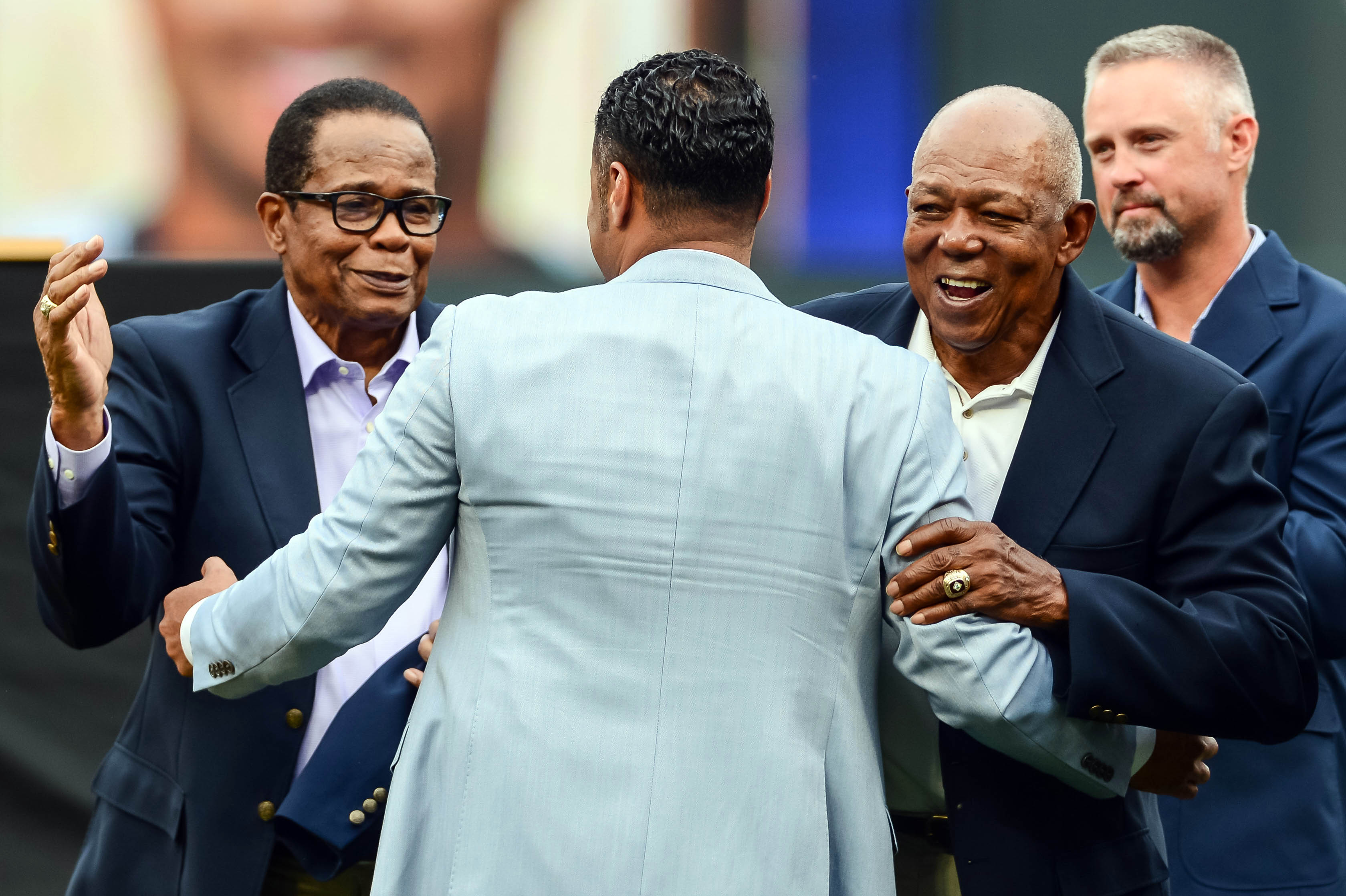 Twins fans before me, in an era before I was thought of (I was born the year of the Twins first World Series), would have spoken in a similar way we will about 2019 of the 1965 club. That season the Twins broke the 100 win mark for the first time on their way to 102 wins and a World Series appearance. Those were the days where there was no such thing as a playoff outside of the World Series so the Twins had to win the American League outright to make it to the championship. While 2019 era fans will have names like Max Kepler, Jorge Polanco, Jose Berrios, Taylor Rogers and others roll off our tongues. Fans who were around for 1965 would speak in similar tones of players like Zoilo Versalles, Bob Allison, Jim Kaat, Tony Oliva, and Harmon Killebrew. Looking back on that year, it was a pretty exciting group and we are only scratching the surface in our list here. In the organization's fifth season after moving to Minnesota from Washington, the Twins as they were led by their manager Sam Mele sent six players to the All-Star game. The six included Harmon Killebrew, Zoilo Versalles, Tony Oliva, Jimmie Hall, Earl Battey, and Mudcat Grant. The All-Stars didn’t have to travel far as the game was played in the Twins home ballpark, Metropolitan Stadium. This era of Twins baseball and specifically this ‘65 team has always been an interesting group to me personally. Now, since we do not have any live baseball to follow, it seemed as good a time as any to spend "social distancing" reading up on this historic group. It also feels to be a team we overlook as we mention the great teams of 1987 and 1991. The ‘65 team did miss out on that coveted ring which is the obvious reason they aren’t rattled off as often. From the point of dominating a league they deserve serious attention even half a century later. I hope you join me along this journey as I hope to continue to uncover fun bits of information about this team. Even maybe draw some connections between this 100-win club and the one we watched take the field this past season. Of course your favorite facts and memories about this team are always welcome. Maybe you even have something you are curious about that we could explore together. My hope is that as it is turning out to be for me, that the 1965 Twins may be able to fill part of the baseball void that the 2020 version can’t right now due to events bigger than baseball. Please share your thoughts in the comments below. Not registered? Click here to create an account. To stay up to date, follow Twins Daily on Twitter and Facebook. MORE FROM TWINS DAILY — Latest Twins coverage from our writers — Recent Twins discussion in our forums — Follow Twins Daily via Twitter, Facebook or email
 -
I do want to be clear that this isn't my idea or just from my brain. Stark found this as he spoke with a number of managers around how strategy will adjust with the three-batter rule. The question managers will ask if this plays out as outlined is do I prefer one of my best bats to potentially be walked or that he gets to hit with a potentially less favorable matchup. There is no certainty in how any of it will play out. Maybe managers will just ask their lefty to pitch to righty and see what happens. The Twins may be one of the better lineups assembled to absorb whatever comes their way, but teams with only one or two clear cut impact bats won't want that guy consistently skipped over in big moments. It ultimately sounds like enough managers are asking the question so we may see something come out of it this season.

