



Nate Palmer
-
Posts
439 -
Joined
-
Last visited
Content Type
Profiles
News
Minnesota Twins Videos
2026 Minnesota Twins Top Prospects Ranking
2022 Minnesota Twins Draft Picks
Minnesota Twins Free Agent & Trade Rumors, Notes, & Tidbits
Guides & Resources
2023 Minnesota Twins Draft Picks
The Minnesota Twins Players Project
2024 Minnesota Twins Draft Picks
2025 Minnesota Twins Draft Pick Tracker
2026 Minnesota Twins Draft Tracker: Picks & Bonuses
Forums
Blogs
Events
Store
Downloads
Gallery
Everything posted by Nate Palmer
-
The Minnesota Twins postponed Monday's series opener with the Boston Red Sox out of respect for the family of Daunte Wright and for the safety of fans.The Minnesota Twins were set to open their series against the Boston Red Sox Monday afternoon. While the weather wasn’t the best and a delay or postponement wasn’t out of the question, a postponement came for an entirely unrelated to weather reason. Approximately 10 minutes before game time, serious steam started to surround the idea of a postponement of Monday’s game due to a curfew and protests in response to the overnight shooting of Daunte Wright in Brooklyn Center by a police officer. The Minnesota Twins released the following official statement: “Out of respect for the tragic events that occurred yesterday in Brooklyn Center, and following the additional details in this evolving situation, the Minnesota Twins have decided it is in the best interests of our fans, staff, players and community to not play today’s game. The decision was made by the Minnesota Twins after consultation with Major League Baseball, and local and state officials. Information regarding the rescheduling of today’s game, and corresponding ticket details, will be released in the near future. The Minnesota Twins organization extends its sympathies to the family of Daunte Wright.” It goes without saying that it has been a trying year for the greater Twin Cities area when it comes to police and community relations. It feels strange that the call to postpone would come so late, but in the end it is the right call when it comes to the gesture being made to remember Wright and to keep safety of fans and others connected with the teams in consideration as well. Here's more from Twins President Dave St. Peter, via Dan Hayes of The Athletic: It is another, in what feels like a series, of reminders that as much as we as fans love baseball it is still a game. Wednesday Looking Like Donaldson’s Day to Return While clearly on a different level of importance than the game postponement. Some comments were released about Josh Donaldson’s time table to return. As Donaldson continues to struggle with muscle issues in his leg it seems clear the Twins do not want to mess with rain (or snow) as they work the Bringer of Rain back into the lineup. If Wednesday is the day, his bat will be very welcomed. While there is no game or game recap today, there is plenty of more Twins chatter and analysis here at Twins Daily. I encourage you to go check it out! MORE FROM TWINS DAILY Week in Review: Bang for Your Buck Can Andrelton Simmons Earn More MVP Votes? Breaking Down the 2021 Twins Walk-Up Songs Trust the Process, Not Early Results for Miguel Sanó Click here to view the article
-
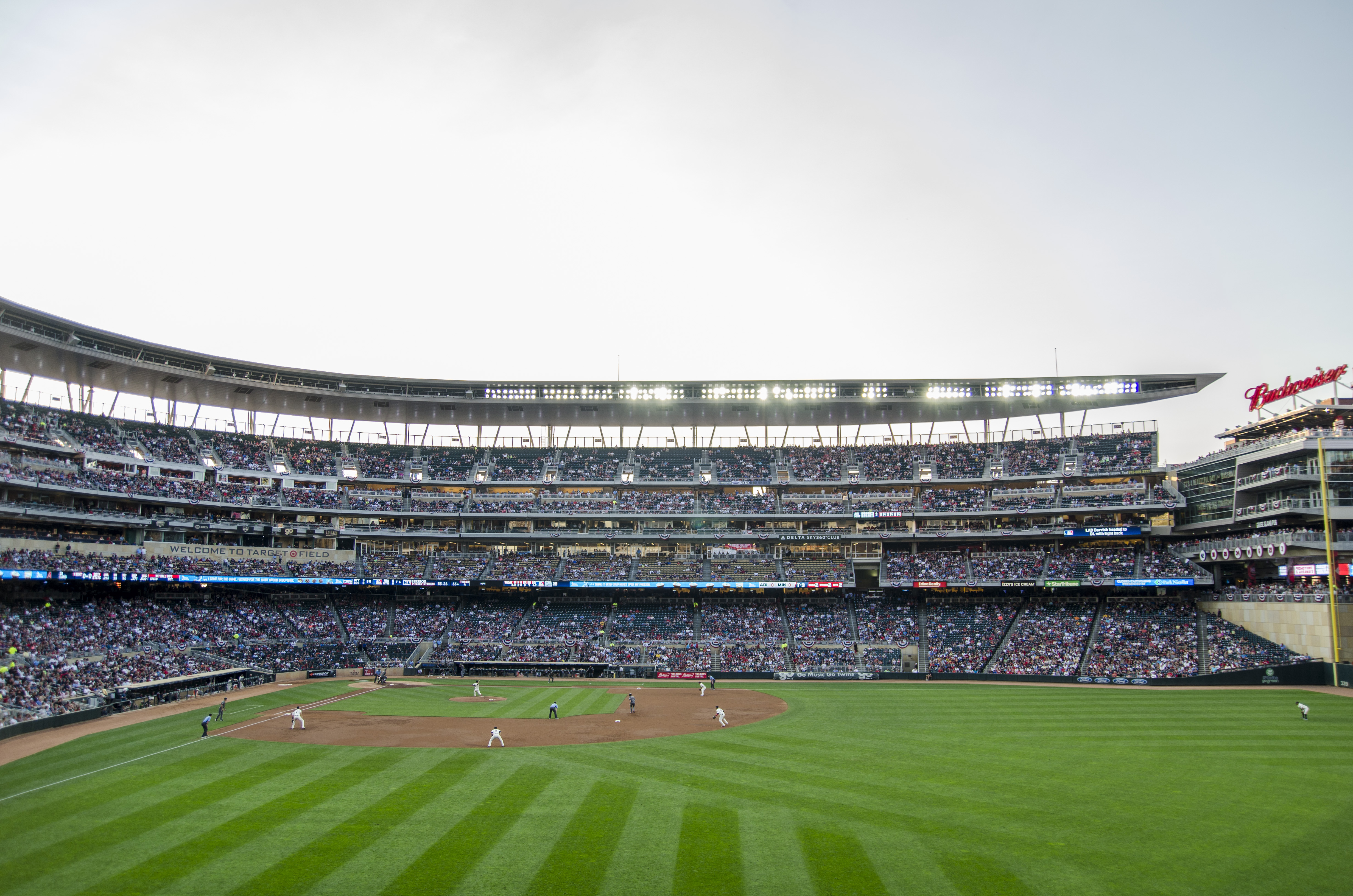 The Minnesota Twins were set to open their series against the Boston Red Sox Monday afternoon. While the weather wasn’t the best and a delay or postponement wasn’t out of the question, a postponement came for an entirely unrelated to weather reason. Approximately 10 minutes before game time, serious steam started to surround the idea of a postponement of Monday’s game due to a curfew and protests in response to the overnight shooting of Daunte Wright in Brooklyn Center by a police officer. The Minnesota Twins released the following official statement: “Out of respect for the tragic events that occurred yesterday in Brooklyn Center, and following the additional details in this evolving situation, the Minnesota Twins have decided it is in the best interests of our fans, staff, players and community to not play today’s game. The decision was made by the Minnesota Twins after consultation with Major League Baseball, and local and state officials. Information regarding the rescheduling of today’s game, and corresponding ticket details, will be released in the near future. The Minnesota Twins organization extends its sympathies to the family of Daunte Wright.” https://twitter.com/Twins/status/1381675819735597060 It goes without saying that it has been a trying year for the greater Twin Cities area when it comes to police and community relations. It feels strange that the call to postpone would come so late, but in the end it is the right call when it comes to the gesture being made to remember Wright and to keep safety of fans and others connected with the teams in consideration as well. https://twitter.com/dohyoungpark/status/1381682125490040834 Here's more from Twins President Dave St. Peter, via Dan Hayes of The Athletic: https://twitter.com/DanHayesMLB/status/1381686947773521920 It is another, in what feels like a series, of reminders that as much as we as fans love baseball it is still a game. Wednesday Looking Like Donaldson’s Day to Return While clearly on a different level of importance than the game postponement. Some comments were released about Josh Donaldson’s time table to return. https://twitter.com/dohyoungpark/status/1381643855330639874 As Donaldson continues to struggle with muscle issues in his leg it seems clear the Twins do not want to mess with rain (or snow) as they work the Bringer of Rain back into the lineup. If Wednesday is the day, his bat will be very welcomed. While there is no game or game recap today, there is plenty of more Twins chatter and analysis here at Twins Daily. I encourage you to go check it out! MORE FROM TWINS DAILY Week in Review: Bang for Your Buck Can Andrelton Simmons Earn More MVP Votes? Breaking Down the 2021 Twins Walk-Up Songs Trust the Process, Not Early Results for Miguel Sanó
 -
Nelson Cruz’s first start of 2021 was delayed due to the opening series being in an NL park, but the wait was worth it. Boomstick clobbered two home runs, one of them a grand slam, in the Twins 15-6 domination of Detroit Monday.Box Score Shoemaker: 6.0 IP, 3 H, 1 ER, 0 BB, 5 K Home Runs: Cruz 2 (2) Top 3 WPA: Cruz 184, Polanco .167, Shoemaker .135 Win Probability Chart (via FanGraphs): Download attachment: chart (1).png The Minnesota Twins brought the lumber into Detroit Monday scoring 15 runs as they took on a number of Twins alumni in the first game of their second series of the season. Nelson Cruz led the way with his 37th career multi-home run game. The first a grand-slam and his second a solo rocket that measured in with an exit velocity of 116.6 mph. Another Twin Exits Early Until the offense exploded, it was another Twin player leaving a game early that stole the headlines. Already down Josh Donaldson and Byron Buxton, Luis Arraez was replaced by Willians Astudillo in the bottom of the second. Arraez had already been his usual spark plug self. He hit a single in the first inning and would come around to score. Then even after pulling up mid-at-bat with the issue that eventually forced Arraez from the game, he reached on a walk in the second. We later learned that Arraez’ reason for leaving was similar (but also unrelated) to Buxton’s, upper GI discomfort. Rough Defensive Day for Tigers’ Ramos Speaking of that Arraez run, it came largely in part to events that happened around one of those Twins alumni, catcher Wilson Ramos. Starter José Ureña struggled with his command and his sinker sent Ramos into the dirt time after time. Arraez reached second on a pitch that got past Ramos and eventually scored after a throw from right-field also kicked past the catcher. Shoemaker Dazzles All the while, Matt Shoemaker made his Twins debut and added another great start to the teams short 2021 resume. The righty took a no-hitter into the 5th inning when he gave up his only run to Ramos on a solo shot over the left-field wall. Shoemaker would end his day after completing six innings and giving up three hits, no walks while striking out five Tiger batters on 92 pitches. Bench Depth Flexed While Cruz is clearly the MVP of the Twins game, Astudillo was right behind him. Even though La Tortuga didn’t get into the game until late he still notched three hits and drove in two runs. Kyle Garlick also got himself an RBI double in his first regular-season hit as a Twin. Even after maybe being looked over coming out of spring because of his defense, Brent Rooker turned in a spectacular catch in left-field while collecting his own RBI. Postgame with Cruz Bullpen Usage Spreadsheet Download attachment: Screenshot 2021-04-05 at 4.35.56 PM.png Click here to view the article
-
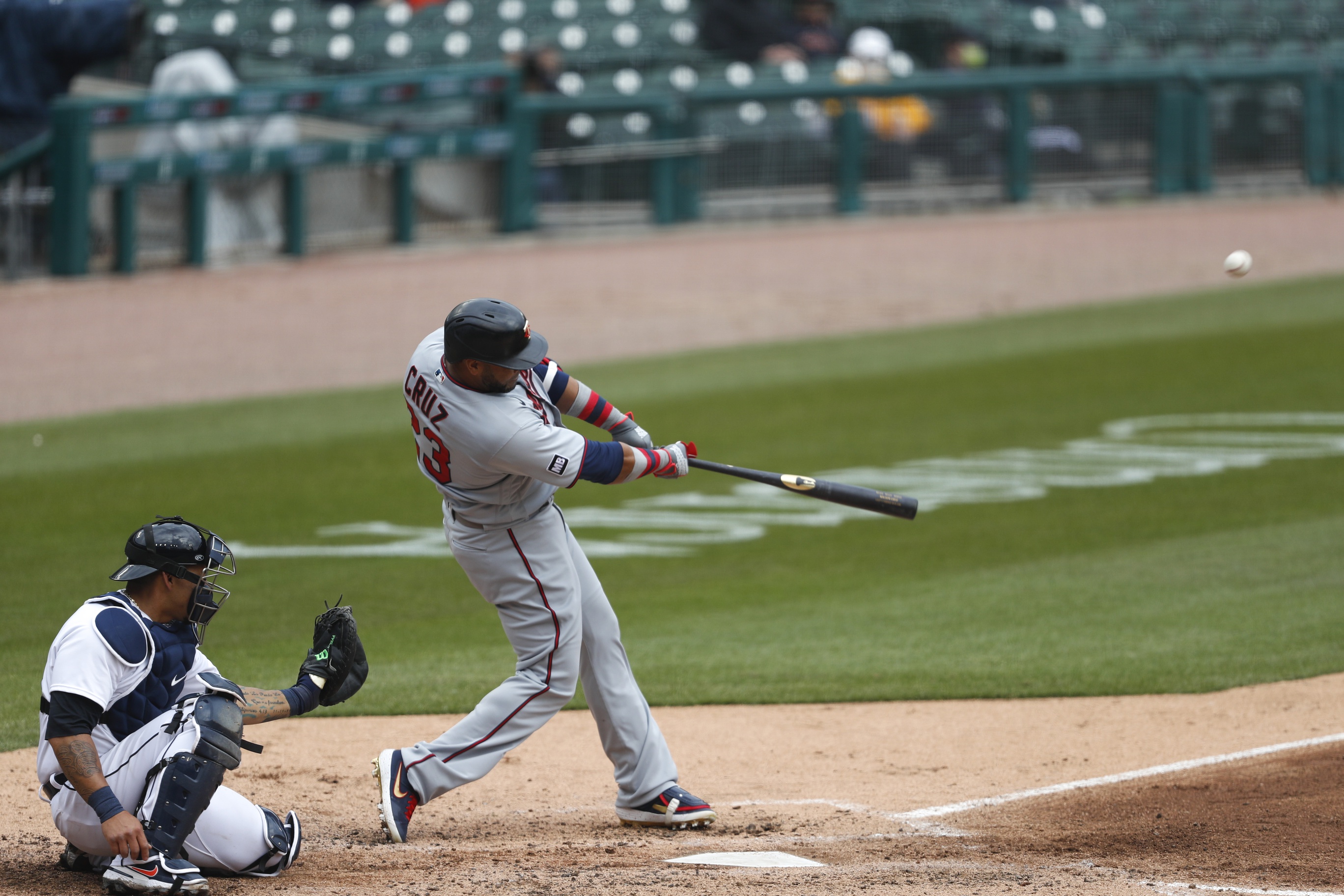 Box Score Shoemaker: 6.0 IP, 3 H, 1 ER, 0 BB, 5 K Home Runs: Cruz 2 (2) Top 3 WPA: Cruz 184, Polanco .167, Shoemaker .135 Win Probability Chart (via FanGraphs): The Minnesota Twins brought the lumber into Detroit Monday scoring 15 runs as they took on a number of Twins alumni in the first game of their second series of the season. Nelson Cruz led the way with his 37th career multi-home run game. The first a grand-slam and his second a solo rocket that measured in with an exit velocity of 116.6 mph. https://twitter.com/Twins/status/1379147874357833728 Another Twin Exits Early Until the offense exploded, it was another Twin player leaving a game early that stole the headlines. Already down Josh Donaldson and Byron Buxton, Luis Arraez was replaced by Willians Astudillo in the bottom of the second. Arraez had already been his usual spark plug self. He hit a single in the first inning and would come around to score. Then even after pulling up mid-at-bat with the issue that eventually forced Arraez from the game, he reached on a walk in the second. We later learned that Arraez’ reason for leaving was similar (but also unrelated) to Buxton’s, upper GI discomfort. https://twitter.com/MillerStrib/status/1379173971774562308 Rough Defensive Day for Tigers’ Ramos Speaking of that Arraez run, it came largely in part to events that happened around one of those Twins alumni, catcher Wilson Ramos. Starter José Ureña struggled with his command and his sinker sent Ramos into the dirt time after time. Arraez reached second on a pitch that got past Ramos and eventually scored after a throw from right-field also kicked past the catcher. Shoemaker Dazzles All the while, Matt Shoemaker made his Twins debut and added another great start to the teams short 2021 resume. The righty took a no-hitter into the 5th inning when he gave up his only run to Ramos on a solo shot over the left-field wall. Shoemaker would end his day after completing six innings and giving up three hits, no walks while striking out five Tiger batters on 92 pitches. https://twitter.com/TFTwins/status/1379138758516203520 Bench Depth Flexed While Cruz is clearly the MVP of the Twins game, Astudillo was right behind him. Even though La Tortuga didn’t get into the game until late he still notched three hits and drove in two runs. Kyle Garlick also got himself an RBI double in his first regular-season hit as a Twin. Even after maybe being looked over coming out of spring because of his defense, Brent Rooker turned in a spectacular catch in left-field while collecting his own RBI. Postgame with Cruz https://twitter.com/BallySportsNOR/status/1379190647668801546 Bullpen Usage Spreadsheet
 -
Twins Rotation Depth Could be Tested Early
Nate Palmer posted a topic in Twins Daily Front Page News
J.A. Happ is thankfully OK after recovering from COVID-19. His delay to join Spring Training could cause the Twins to have to test their starting pitching depth early in 2021.J.A. Happ has finally made it to Spring Training with the Minnesota Twins. After being delayed by 2 weeks due to testing positive for COVID-19. With Happ now in camp, it appears the team is ready to take a cautious approach to be sure not to rush him into Opening Day. Such an approach will certainly begin to test the Twins depth of starting pitchers early. Dan Hayes has written about pitching coach Wes Johnson's confidence in Happ’s ability to be ready for the start of the season because of his experience. There is no doubt that Happ knows how to prepare for a season and was able to work out on his own at home while he awaited the OK to step out of quarantine. On the other hand, we know that workouts at home are nothing like workouts at the team facilities. Not to mention workouts in front of the eyes of your new pitching coach. While Happ’s experience is a positive, that experience comes with the need to ready a 38-year-old body for a full season of baseball. Any of us who have felt our bodies age know that sometimes our muscles and joints should do one thing, but all of sudden one day they do the unimaginable. It seems the Twins leadership is already thinking through the reality that it may take Happ a bit longer than what remains of Spring Training to be at full strength for the 2021 regular season. To help Happ properly increase his workload into the regular season, some form of a 6-man rotation being used is at least on the table as an option. With Randy Dobnak as the 6th starter it would be very possible to run a traditional 6-man rotation with 6-days and 6 different starters. That would help add more rest and space out innings for all the Twins starters in the initial return to a full season. A season that has many wondering how pitcher’s arms will respond after 2020’s 60-game season. Piggybacking Dobnak with Happ may end up being a more effective option. It may ultimately give more rest to the bullpen as well. There is even an analytic advantage potentially to this set up as Happ is one of many pitchers who experiences a significant drop off in performance after his second time through the lineup. In 2019, Happ went from a OPS against of .781 the first two times through the order to .841 the third. Now the team has not seemed willing to use the piggybacking approach normally with other pitchers that had some similar time through the order tendencies such as Jake Odorizzi and Rich Hill. The last time they did use this method was in a similar sort of “health” related situation when Michael Pineda was making his way back from injury in 2019 and was paired with Martin Perez. Devin Smeltzer and Lewis Thorpe would both be able to handle a piggyback role. The only issue with the two of them is they are also left-handers. Usually in this approach you want to give a different look as the second pitcher enters the game making Dobnak much or likely, but it would seem foolish to fully overlook Smeltzer and Thorpe. Especially if Thorpe reaches any of the potential that we hope for. While Dobnak from a starting experience and handedness perspective is the most obvious piggyback option, there is still some reason for concern for the right-hander. The last we saw of Dobnak wasn’t great and if he is going to run into trouble it is early in his starts. Over his career he carries a .716 OPS the first time through the order compared to .549 the second. There is of course a chance that knowing this is his role it will change his approach and outcome. The positive is that (barring injury) a 6-man rotation will be a temporary reality. We will potentially get an answer to the question of whether or not the Twins did add enough (or the right) starting pitching depth this offseason. MORE FROM TWINS DAILY — Latest Twins coverage from our writers — Recent Twins discussion in our forums — Follow Twins Daily via Twitter, Facebook or email Click here to view the article -
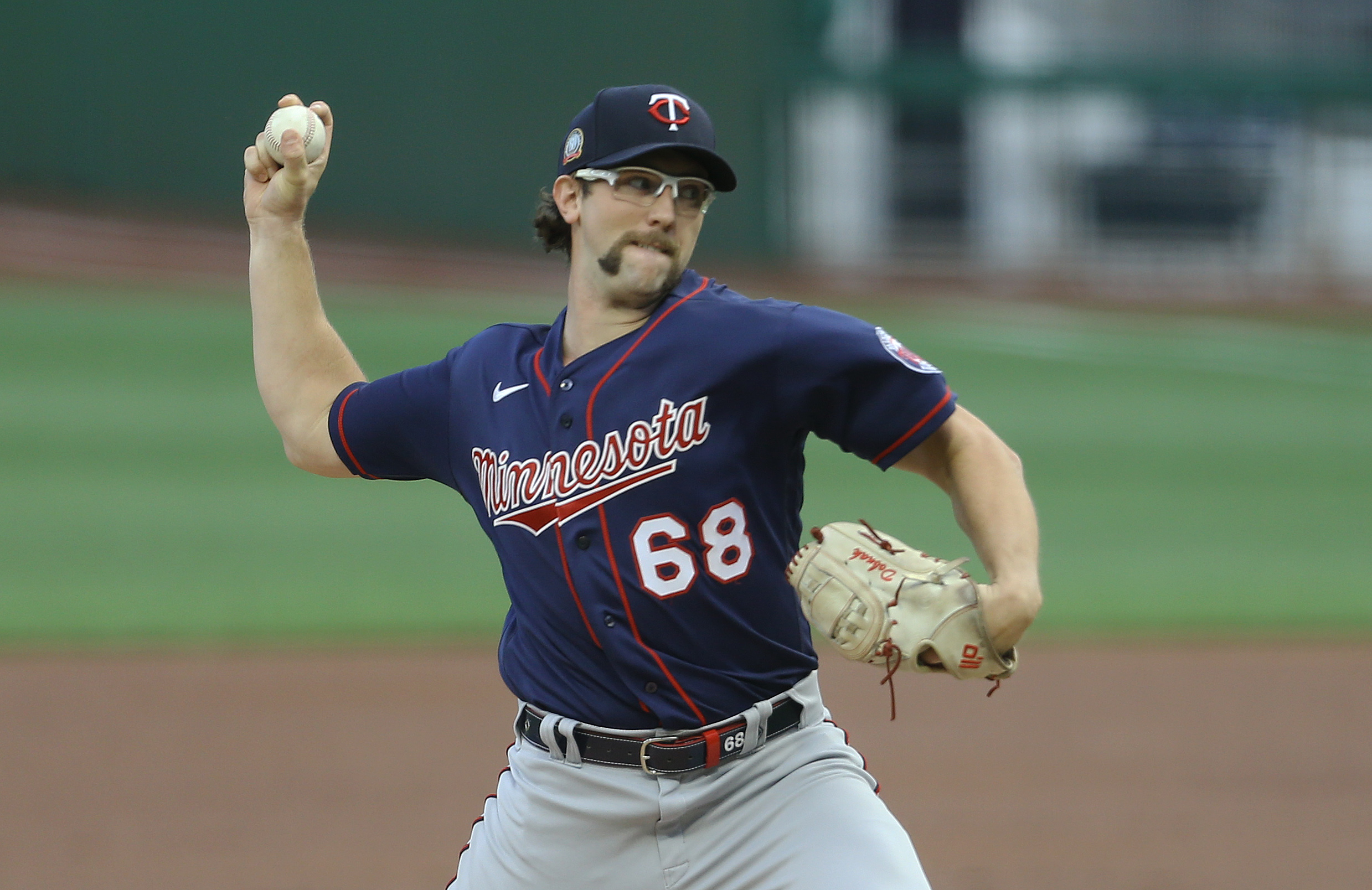 J.A. Happ has finally made it to Spring Training with the Minnesota Twins. After being delayed by 2 weeks due to testing positive for COVID-19. With Happ now in camp, it appears the team is ready to take a cautious approach to be sure not to rush him into Opening Day. Such an approach will certainly begin to test the Twins depth of starting pitchers early. Dan Hayes has written about pitching coach Wes Johnson's confidence in Happ’s ability to be ready for the start of the season because of his experience. There is no doubt that Happ knows how to prepare for a season and was able to work out on his own at home while he awaited the OK to step out of quarantine. On the other hand, we know that workouts at home are nothing like workouts at the team facilities. Not to mention workouts in front of the eyes of your new pitching coach. While Happ’s experience is a positive, that experience comes with the need to ready a 38-year-old body for a full season of baseball. Any of us who have felt our bodies age know that sometimes our muscles and joints should do one thing, but all of sudden one day they do the unimaginable. It seems the Twins leadership is already thinking through the reality that it may take Happ a bit longer than what remains of Spring Training to be at full strength for the 2021 regular season. To help Happ properly increase his workload into the regular season, some form of a 6-man rotation being used is at least on the table as an option. With Randy Dobnak as the 6th starter it would be very possible to run a traditional 6-man rotation with 6-days and 6 different starters. That would help add more rest and space out innings for all the Twins starters in the initial return to a full season. A season that has many wondering how pitcher’s arms will respond after 2020’s 60-game season. Piggybacking Dobnak with Happ may end up being a more effective option. It may ultimately give more rest to the bullpen as well. There is even an analytic advantage potentially to this set up as Happ is one of many pitchers who experiences a significant drop off in performance after his second time through the lineup. In 2019, Happ went from a OPS against of .781 the first two times through the order to .841 the third. Now the team has not seemed willing to use the piggybacking approach normally with other pitchers that had some similar time through the order tendencies such as Jake Odorizzi and Rich Hill. The last time they did use this method was in a similar sort of “health” related situation when Michael Pineda was making his way back from injury in 2019 and was paired with Martin Perez. Devin Smeltzer and Lewis Thorpe would both be able to handle a piggyback role. The only issue with the two of them is they are also left-handers. Usually in this approach you want to give a different look as the second pitcher enters the game making Dobnak much or likely, but it would seem foolish to fully overlook Smeltzer and Thorpe. Especially if Thorpe reaches any of the potential that we hope for. While Dobnak from a starting experience and handedness perspective is the most obvious piggyback option, there is still some reason for concern for the right-hander. The last we saw of Dobnak wasn’t great and if he is going to run into trouble it is early in his starts. Over his career he carries a .716 OPS the first time through the order compared to .549 the second. There is of course a chance that knowing this is his role it will change his approach and outcome. The positive is that (barring injury) a 6-man rotation will be a temporary reality. We will potentially get an answer to the question of whether or not the Twins did add enough (or the right) starting pitching depth this offseason. MORE FROM TWINS DAILY — Latest Twins coverage from our writers — Recent Twins discussion in our forums — Follow Twins Daily via Twitter, Facebook or email
 -
Corey Kluber may have ended up in Pinstripes, but there are more decorated free agent starters the Twins could help return to form.All the variables pointed to the Minnesota Twins being a very likely destination for Corey Kuber in 2021. The Cleveland connection with President Derek Falvey, the stated interest, and the Twins need to add quality depth behind their top three starters made it seem very possible. While Kluber has had a rough couple of seasons, the glimmer of upside made him an interesting option. All that meant nothing once Kluber agreed to sign on the dotted line with the Yankees for $11 million. Kluber not coming to the Twins seemed to cut deep for the fanbase. The reasons are likely many. Ranging from the continuation of a slow offseason, that it feels like yet another loss at the hands of the Yankees, or Kluber was viewed as someone who could really bolster this staff. If the reasoning is the final of those, the good news is there are other starters similar to Kluber still available in this season's market. Kluber isn’t the only one with accolades (two Cy-Young Awards, three All-Star appearances) and has sat around a matchable 26-28% K-rate and a 5-8% BB-rate for most of his career. What probably made those of us rooting for the Twins most excited about Kluber is we remember his second Cy-Young award winning season in 2017 when he turned in a 34.1% K-rate and a 4.6% BB-rate. Outside of that season, his performances are much more reachable by some other free agent starters looking to bounce back. James Paxton At 32, Paxton is one of many injury question marks that line the starting pitching free agent market. His performances when healthy were good enough to land him in New York via trade, but the injuries have prevented him from gaining the hardware like Kluber who now replaces him in the Bronx. Paxton generally sits at 92 mph with his fastball and has sat around 28-29% K-rate for his career and a 7-8% BB-rate. He is more of a flyball pitcher and can as evidenced in his K-rate get swings and misses with his four-seam fastball. Aside from injury concerns, it is worth wondering if the Twins want to add a struggling lefty into a league that is home to some of the best lineups at hitting left-handed pitching. If they chose too, he could be even more than a #4 in their rotation. Chris Archer Just how long now have we tried to match the two-time All Star Archer to the Twins? Out of all the names that will run in this list, Archer feels like the biggest lottery ticket. First, he is coming off of thoracic outlet syndrome surgery. Secondly, while he has put together some great statistical seasons back to his time with the Rays, his peripherals just haven’t told the same story. I personally am not a huge fan of Archer and you would know that if you want to subject yourself to my Twitter account. Archer has gotten hit harder as his career has gone on and has lost velocity as well. Two bad trends for a one time Cy-Young candidate. He still throws the hardest out of all the pitchers on this list at 94 mph and his fastball-slider mix makes him seem almost like a perfect match for the Twins and Wes Johnson. While I personally don’t like him, he does sort of seem like a match in Minnesota. Jake Arrieta Arrieta joins Kluber as the Cy-Young award winners mentioned in this post. Since arriving in Philadelphia in 2018, Arrieta hasn’t been the same pitcher that he was in Chicago. HIs K-rate dropped significantly and his HR/9 took a jump. Maybe a move to Minnesota could work some magic like his move from Baltimore to Chicago. This is all about reclamation, and if the Twins could help Arrieta return to a 23% K-rate (his best was two seasons of around 27% right after joining the Cubs) and like Kenta Maeda bring his BB% rate down. That would make Arrieta a much more respectable starter once again. And as Lucas Seehafer highlighted, there are some positive signs when exploring his spin rate. Cole Hamels After being a reliable starter through age 35, Hamels and age 36 did not get along well. Shoulder issues led to tricep tendonitis and ruined his chances to help the Atlanta Braves in their postseason run. Now looking at an age 37 season, Hamels is the oldest of this bunch but if he returns healthy is a strong bounce back candidate for 2021. Hamels is a 4-time All-Star and has the postseason experience with a World Series MVP to show for it. He doesn’t throw as hard as he once did and as of 2019 was settling into the 91-92 mph range. His K-rate has sat around 23-24 for his career and his BB-rate in the 7-9% range. Each of these starters first and foremost will battle health. If they hit the mound, they have the chance to help out their teams. If the Twins can help any of them improve like they did Maeda last season, even greater are the possibilities. If you would like an idea of where each of these pitchers sit when compared to the entirety of the starting pitching market check this out. MORE FROM TWINS DAILY — Latest Twins coverage from our writers — Recent Twins discussion in our forums — Follow Twins Daily via Twitter, Facebook or email Click here to view the article
-
 All the variables pointed to the Minnesota Twins being a very likely destination for Corey Kuber in 2021. The Cleveland connection with President Derek Falvey, the stated interest, and the Twins need to add quality depth behind their top three starters made it seem very possible. While Kluber has had a rough couple of seasons, the glimmer of upside made him an interesting option. All that meant nothing once Kluber agreed to sign on the dotted line with the Yankees for $11 million. Kluber not coming to the Twins seemed to cut deep for the fanbase. The reasons are likely many. Ranging from the continuation of a slow offseason, that it feels like yet another loss at the hands of the Yankees, or Kluber was viewed as someone who could really bolster this staff. If the reasoning is the final of those, the good news is there are other starters similar to Kluber still available in this season's market. Kluber isn’t the only one with accolades (two Cy-Young Awards, three All-Star appearances) and has sat around a matchable 26-28% K-rate and a 5-8% BB-rate for most of his career. What probably made those of us rooting for the Twins most excited about Kluber is we remember his second Cy-Young award winning season in 2017 when he turned in a 34.1% K-rate and a 4.6% BB-rate. Outside of that season, his performances are much more reachable by some other free agent starters looking to bounce back. James Paxton At 32, Paxton is one of many injury question marks that line the starting pitching free agent market. His performances when healthy were good enough to land him in New York via trade, but the injuries have prevented him from gaining the hardware like Kluber who now replaces him in the Bronx. Paxton generally sits at 92 mph with his fastball and has sat around 28-29% K-rate for his career and a 7-8% BB-rate. He is more of a flyball pitcher and can as evidenced in his K-rate get swings and misses with his four-seam fastball. Aside from injury concerns, it is worth wondering if the Twins want to add a struggling lefty into a league that is home to some of the best lineups at hitting left-handed pitching. If they chose too, he could be even more than a #4 in their rotation. Chris Archer Just how long now have we tried to match the two-time All Star Archer to the Twins? Out of all the names that will run in this list, Archer feels like the biggest lottery ticket. First, he is coming off of thoracic outlet syndrome surgery. Secondly, while he has put together some great statistical seasons back to his time with the Rays, his peripherals just haven’t told the same story. I personally am not a huge fan of Archer and you would know that if you want to subject yourself to my Twitter account. Archer has gotten hit harder as his career has gone on and has lost velocity as well. Two bad trends for a one time Cy-Young candidate. He still throws the hardest out of all the pitchers on this list at 94 mph and his fastball-slider mix makes him seem almost like a perfect match for the Twins and Wes Johnson. While I personally don’t like him, he does sort of seem like a match in Minnesota. Jake Arrieta Arrieta joins Kluber as the Cy-Young award winners mentioned in this post. Since arriving in Philadelphia in 2018, Arrieta hasn’t been the same pitcher that he was in Chicago. HIs K-rate dropped significantly and his HR/9 took a jump. Maybe a move to Minnesota could work some magic like his move from Baltimore to Chicago. This is all about reclamation, and if the Twins could help Arrieta return to a 23% K-rate (his best was two seasons of around 27% right after joining the Cubs) and like Kenta Maeda bring his BB% rate down. That would make Arrieta a much more respectable starter once again. And as Lucas Seehafer highlighted, there are some positive signs when exploring his spin rate. Cole Hamels After being a reliable starter through age 35, Hamels and age 36 did not get along well. Shoulder issues led to tricep tendonitis and ruined his chances to help the Atlanta Braves in their postseason run. Now looking at an age 37 season, Hamels is the oldest of this bunch but if he returns healthy is a strong bounce back candidate for 2021. Hamels is a 4-time All-Star and has the postseason experience with a World Series MVP to show for it. He doesn’t throw as hard as he once did and as of 2019 was settling into the 91-92 mph range. His K-rate has sat around 23-24 for his career and his BB-rate in the 7-9% range. Each of these starters first and foremost will battle health. If they hit the mound, they have the chance to help out their teams. If the Twins can help any of them improve like they did Maeda last season, even greater are the possibilities. If you would like an idea of where each of these pitchers sit when compared to the entirety of the starting pitching market check this out. MORE FROM TWINS DAILY — Latest Twins coverage from our writers — Recent Twins discussion in our forums — Follow Twins Daily via Twitter, Facebook or email
 -
On Winter Meetings Day 2 we learned the Twins did some checking in on Lance Lynn. Also, old friend Matt Wisler found a new home. Let's get caught up on things of interest to the Twins.Day 2 of the 2020 Virtual Winter Meetings was not only marked by Minnesota Twins third baseman Josh Donaldson’s birthday. It was also riddled with action around the AL Central. Just not with the Twins to this point. Matt Wisler signs with Giants The Twins' bullpen find from last season and surprise non-tender Matt Wisler will officially not be returning to Minnesota for 2021. Wisler signed a $1.15 million contract to join the San Francisco Giants. This seems like a clear signal that the Twins front office sees some performance reason, not just a money-saving effort, to not bring Wisler back for another go around. White Sox Add an Outfielder Late Monday night news broke that Lance Lynn was traded to the Chicago White Sox. They didn’t stop their moves into Tuesday, as they announced the signing of former outfielder Adam Eaton, a former White Sox player, to a one-year, $7 million contract with a club option. Eaton promptly reintroduced himself to the Chicago fan base by hanging up during a radio appearance. Twins Reportedly Checked in on Lance Lynn Dan Hayes tweeted out today that the Twins were at least having conversations with the Rangers about Lynn. The Rangers reportedly asked for Jordan Balazovic and Blayne Enlow. That package seems to be more valuable than the White Sox package and also feels like a lot for Lynn. Royals Add Potential Cruz Replacement It wasn’t necessarily a likely move, but the Royals added a player that could have made sense for the Twins if Cruz didn’t return. Kansas City signed Carlos Santana to a two-year, $17 million deal. The switch hitting 1B/DH is the latest in a series of what looks like some potentially sneaky smart moves that the Royals have made. They will either win a few more games or potentially have some good trade chips come the trade deadline once again this summer. Competitive Balance Picks Announced Competitive Balance picks were announced and the Twins have been given the 35th overall pick, the last pick in the Round A portion of the selections. These selections are awarded based on teams that fall in the bottom 10 of revenue or market size. A lot can happen with this pick as it can move depending on action around the Twins due to the ability for these picks to be traded or forfeited in the event of signing a player who rejected a qualifying offer. Old Friend Trevor Hildenberger Joins Trevor May It looks like Hildenberger will get another shot on a minor league deal with the Mets. Hildenberger was an incredibly valuable part of the Twins 2017 and 2018 bullpens. He appeared in 32 games in the second half of 2017 and 73 in 2018. That seemingly led to injury issues, and one can wonder if Paul Molitor hadn’t leaned on him so heavily those two seasons what may have come from Hildy in the Twins pen. MORE FROM TWINS DAILY — Latest Twins coverage from our writers — Recent Twins discussion in our forums — Follow Twins Daily via Twitter, Facebook or email Click here to view the article
-
Winter Meetings Day 2: Wisler Signs, Twins Checked in on Lynn
Nate Palmer posted an article in Twins
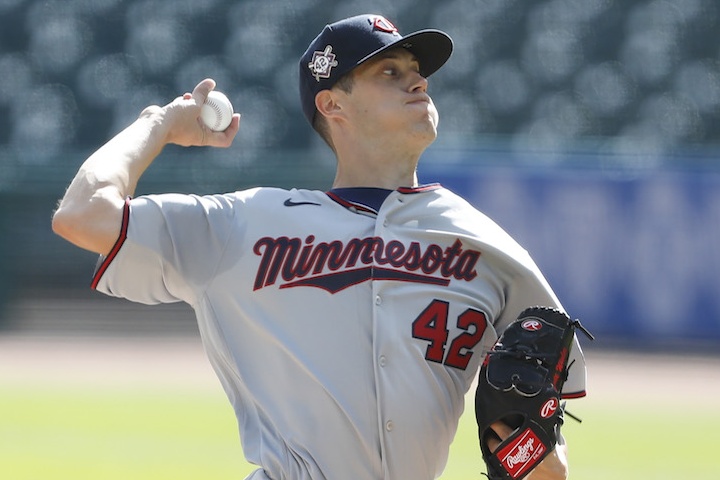 Day 2 of the 2020 Virtual Winter Meetings was not only marked by Minnesota Twins third baseman Josh Donaldson’s birthday. It was also riddled with action around the AL Central. Just not with the Twins to this point. Matt Wisler signs with Giants The Twins' bullpen find from last season and surprise non-tender Matt Wisler will officially not be returning to Minnesota for 2021. Wisler signed a $1.15 million contract to join the San Francisco Giants. This seems like a clear signal that the Twins front office sees some performance reason, not just a money-saving effort, to not bring Wisler back for another go around. https://twitter.com/Ken_Rosenthal/status/1336328779484909568 White Sox Add an Outfielder Late Monday night news broke that Lance Lynn was traded to the Chicago White Sox. They didn’t stop their moves into Tuesday, as they announced the signing of former outfielder Adam Eaton, a former White Sox player, to a one-year, $7 million contract with a club option. Eaton promptly reintroduced himself to the Chicago fan base by hanging up during a radio appearance. Twins Reportedly Checked in on Lance Lynn Dan Hayes tweeted out today that the Twins were at least having conversations with the Rangers about Lynn. The Rangers reportedly asked for Jordan Balazovic and Blayne Enlow. That package seems to be more valuable than the White Sox package and also feels like a lot for Lynn. Royals Add Potential Cruz Replacement It wasn’t necessarily a likely move, but the Royals added a player that could have made sense for the Twins if Cruz didn’t return. Kansas City signed Carlos Santana to a two-year, $17 million deal. The switch hitting 1B/DH is the latest in a series of what looks like some potentially sneaky smart moves that the Royals have made. They will either win a few more games or potentially have some good trade chips come the trade deadline once again this summer. Competitive Balance Picks Announced Competitive Balance picks were announced and the Twins have been given the 35th overall pick, the last pick in the Round A portion of the selections. These selections are awarded based on teams that fall in the bottom 10 of revenue or market size. A lot can happen with this pick as it can move depending on action around the Twins due to the ability for these picks to be traded or forfeited in the event of signing a player who rejected a qualifying offer. Old Friend Trevor Hildenberger Joins Trevor May It looks like Hildenberger will get another shot on a minor league deal with the Mets. Hildenberger was an incredibly valuable part of the Twins 2017 and 2018 bullpens. He appeared in 32 games in the second half of 2017 and 73 in 2018. That seemingly led to injury issues, and one can wonder if Paul Molitor hadn’t leaned on him so heavily those two seasons what may have come from Hildy in the Twins pen. MORE FROM TWINS DAILY — Latest Twins coverage from our writers — Recent Twins discussion in our forums — Follow Twins Daily via Twitter, Facebook or email
 -
Eddie Rosario was recently non-tendered by the Minnesota Twins. If Miguel Sano, Jorge Polanco, and Max Kepler weren't on long term deal how would they have fared?Eddie Rosario has been part of a Minnesota Twins core that helped lead the team to back to back AL Central championships. From his charismatic way of playing the game, coining the name “Bomba Squad”, and his play on the field he has contributed in significant ways to this era of the Twins. Unfortunately for Eddie, he does find himself as a free agent after being non-tendered earlier this week. While he has been important to the team, he was one of that core that came up together not on a team-friendly, long term deal. What might have happened to any of those other three who came up through the minors with Eddie if they found themselves still in arbitration? That is the question we will attempt to at least ponder, maybe answer, in what follows. First, as a base, here are some stats from each of the four over the past two seasons: Download attachment: NateNumbers.png Miguel Sano Sano is potentially one of the more interesting cases in this exercise. His contract number is already higher than what was Rosario’s projected arbitration (somewhere around $10 million) at $11 million. He also fills that heavy need of a right-handed power bat, but not without his own set of frustrations. Sano at his best is smashing home runs with incredible exit velocities. He also represents 30+ home runs per season with a ceiling that looks much higher. His downgrades are that his defensive position is viewed as easily replaceable and he continues to strike out at a high clip. Since Rosario is sort of our baseline here, when comparing the two directly, Sano still gets on base more due in part to his ability to still draw walks. If Sano was up for arbitration this season, his saving grace may be his potential and his handedness. Especially with Nelson Cruz potentially not coming back into the locker room next season. It very well seems possible that as good as Sano can be, a cheaper and more versatile player may be given the nod over Sano in order to save money to be used elsewhere. Jorge Polanco Polanco has shown the ability to be a plus offensive player at the prime position of shortstop. Although, his plus bat does come at the expense of some poor fielding. While his defense seems to be the biggest hit to Polanco’s resume, his ability to even be sub-par at shortstop is also his biggest plus. In the end, he can still line up at shortstop. There seems to still be faith in Polanco even after a bad offensive performance in 2020. Which may be chalked up to continued struggles with ankle injuries. His down 2020 would have certainly hindered any increased earning Polanco may have gained via this fictitious arbitration process. Even with a healthy increase, Polanco’s flexibility plus his bat would have helped him remain on the Twins roster. Best case in this scenario seems to be that Polanco would be tendered a contract and remain the Twins starting shortstop. Worst case may be something that is already being floated. Polanco is still tendered a contract and becomes the utility player for 2021. The Twins don’t have anyone readily available to replace what Polanco provides and are already trying to replace Marwin Gonzalez and Ehire Adrianza, so he would likely be safe. Max Kepler In light of Rosario’s non-tender, Kepler’s case becomes the most interesting. As you can see above, a lot of their offensive stats are pretty similar. Especially when it comes to some more traditional and counting stats. Rosario does find an edge in batting average and RBIs (although he was a cleanup hitter while Kepler was primarily leadoff), while Kepler takes that advantage in on-base percentage and walks. If the situations were reversed this year, and Rosario had the team friendly contract while Kepler was up for a $10 million arbitration figure, it would not be crazy to have his name floated as a non-tender candidate because of the guys coming up behind him. The aspect of his game that separates Kepler from Rosario is his defense and that his walks help him be an offensive asset even when he isn’t getting hits. Maybe I am letting my own preferences get in the way here, but Kepler seems like the sort of player a team like the Twins would want to hold on to. If the Twins didn’t in this made up scenario, it would truly be a sign of them needing to save money. Sano potentially out. Polanco and Kepler stay. How do you think the Twins would handle tendering or non-tendering this trio of core players? MORE FROM TWINS DAILY — Latest Twins coverage from our writers — Recent Twins discussion in our forums — Follow Twins Daily via Twitter, Facebook or email Click here to view the article
-
Alternate Universe: Would 3 Core Twins Survive the Non-Tender Deadline?
Nate Palmer posted an article in Twins
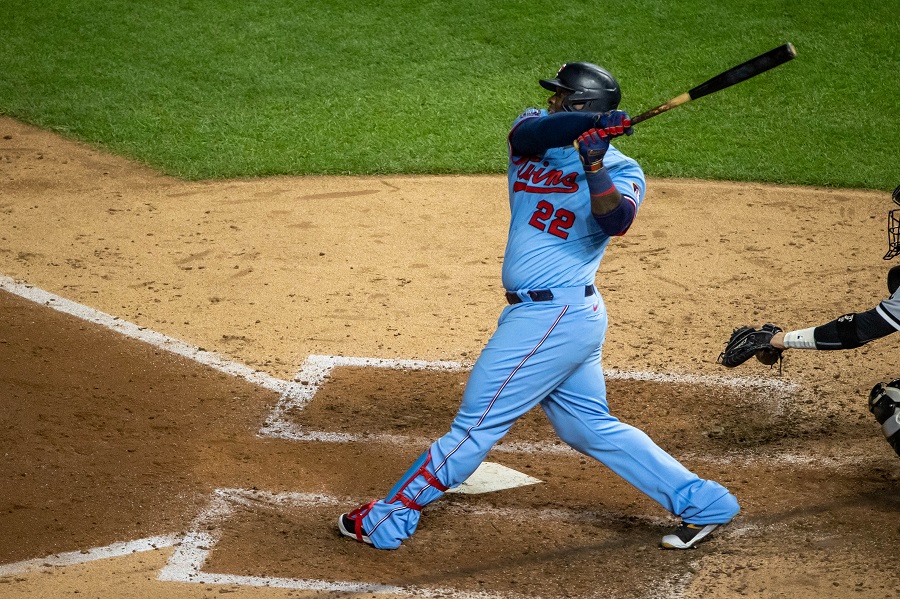 Eddie Rosario has been part of a Minnesota Twins core that helped lead the team to back to back AL Central championships. From his charismatic way of playing the game, coining the name “Bomba Squad”, and his play on the field he has contributed in significant ways to this era of the Twins. Unfortunately for Eddie, he does find himself as a free agent after being non-tendered earlier this week. While he has been important to the team, he was one of that core that came up together not on a team-friendly, long term deal. What might have happened to any of those other three who came up through the minors with Eddie if they found themselves still in arbitration? That is the question we will attempt to at least ponder, maybe answer, in what follows. First, as a base, here are some stats from each of the four over the past two seasons: Miguel Sano Sano is potentially one of the more interesting cases in this exercise. His contract number is already higher than what was Rosario’s projected arbitration (somewhere around $10 million) at $11 million. He also fills that heavy need of a right-handed power bat, but not without his own set of frustrations. Sano at his best is smashing home runs with incredible exit velocities. He also represents 30+ home runs per season with a ceiling that looks much higher. His downgrades are that his defensive position is viewed as easily replaceable and he continues to strike out at a high clip. Since Rosario is sort of our baseline here, when comparing the two directly, Sano still gets on base more due in part to his ability to still draw walks. If Sano was up for arbitration this season, his saving grace may be his potential and his handedness. Especially with Nelson Cruz potentially not coming back into the locker room next season. It very well seems possible that as good as Sano can be, a cheaper and more versatile player may be given the nod over Sano in order to save money to be used elsewhere. Jorge Polanco Polanco has shown the ability to be a plus offensive player at the prime position of shortstop. Although, his plus bat does come at the expense of some poor fielding. While his defense seems to be the biggest hit to Polanco’s resume, his ability to even be sub-par at shortstop is also his biggest plus. In the end, he can still line up at shortstop. There seems to still be faith in Polanco even after a bad offensive performance in 2020. Which may be chalked up to continued struggles with ankle injuries. His down 2020 would have certainly hindered any increased earning Polanco may have gained via this fictitious arbitration process. Even with a healthy increase, Polanco’s flexibility plus his bat would have helped him remain on the Twins roster. Best case in this scenario seems to be that Polanco would be tendered a contract and remain the Twins starting shortstop. Worst case may be something that is already being floated. Polanco is still tendered a contract and becomes the utility player for 2021. The Twins don’t have anyone readily available to replace what Polanco provides and are already trying to replace Marwin Gonzalez and Ehire Adrianza, so he would likely be safe. Max Kepler In light of Rosario’s non-tender, Kepler’s case becomes the most interesting. As you can see above, a lot of their offensive stats are pretty similar. Especially when it comes to some more traditional and counting stats. Rosario does find an edge in batting average and RBIs (although he was a cleanup hitter while Kepler was primarily leadoff), while Kepler takes that advantage in on-base percentage and walks. If the situations were reversed this year, and Rosario had the team friendly contract while Kepler was up for a $10 million arbitration figure, it would not be crazy to have his name floated as a non-tender candidate because of the guys coming up behind him. The aspect of his game that separates Kepler from Rosario is his defense and that his walks help him be an offensive asset even when he isn’t getting hits. Maybe I am letting my own preferences get in the way here, but Kepler seems like the sort of player a team like the Twins would want to hold on to. If the Twins didn’t in this made up scenario, it would truly be a sign of them needing to save money. Sano potentially out. Polanco and Kepler stay. How do you think the Twins would handle tendering or non-tendering this trio of core players? MORE FROM TWINS DAILY — Latest Twins coverage from our writers — Recent Twins discussion in our forums — Follow Twins Daily via Twitter, Facebook or email
 -
Eddie or Miguel or Byron or Max? You choose
Nate Palmer commented on mikelink45's blog entry in mikelink45's Blog
Very much enjoy this Mike. I have always held the opinion that Rosario isn't a bad player, the Twins just have a lot of players that can replace him when it comes to most numbers. At this point, the thing that may set Kepler and Sano apart from Rosario as far as how they will treated going forward is the contract situation. Although, in this offseason's market I also wouldn't be shocked if either of those two become trade assets likely changing the keep or let walk conversation with Rosario. As a fan, my internal struggle is I very much enjoy watching both Rosario and Cave. Eventually it will likely become difficult for both to exist on the roster with the young guys coming up behind them!- 21 comments
-
- 1
-

-
- miguel sano
- byron buxton
- (and 3 more)
-
Eddie Rosario is one of the hot discussion topics this offseason for the Minnesota Twins. The discussion surrounding him isn't necessarily a new one for the Twins organization. Following 2005, Terry Ryan and the Twins had a similar one surrounding outfielder Jacque Jones.While payroll discussions dominate every Minnesota Twins offseason. It seems Eddie Rosario comes in as a close second in recent years when it comes to offseason conversation starters. The Puerto Rican has the unique ability of polarizing the baseball traditionalists against the more analytic concerned fans like no other. While Rosario continues to be one of the most popular players on the Twins roster. He faces an offseason that could see him jettisoned in favor of a number of cheaper and younger outfielders. The crazy thing is, in a day before analytics, the Twins have had to essentially make this decision before. Was a popular, good hitting outfielder with some defensive limitations and a free swinging spirit worth the money it would take to keep him around? It was 2005 and the Terry Ryan led Twins had just finished 3rd in the AL Central after going 83-79. Jacque Jones was set to be a free agent. The Twins had to decide if the fan favorite was worth the money it would take to keep him around. That is the same question facing Falvey and Levine this offseason and the cases for both players is eerily similar. For starters, here are the two outfielders’ career numbers: Download attachment: Nate1.png Almost identical. Jones was slightly better at getting on base, while Rosario has displayed slightly more power. All in all, very similar. Both players also struggled to take walks until they both saw an uptick in their walk rates right before the offseason in question. Download attachment: Nate2.png Defensively, both could in theory play center field but had elite defensive center fielders lining up next to them (Torii Hunter and Byron Buxton). Ultimately, neither versions of the Twins would have wanted Rosario or Jones to line up in center too often. Their defensive WAR was very similar with Jones through his first seven seasons sitting at -1.3 and Rosario through his first six at -1.5 defensive WAR. Defensive analytics are alway a bit tricky to navigate. Interestingly, while the two are similar in defensive WAR, DRS favors Rosario considerably. Download attachment: Nate3.png In his pre-analytic world, Jones was beloved with little questioning of his abilities in comparison to the critiques that Rosario goes up against. Now it is worth mentioning that after the Twins decided not to offer more than a one year deal to Jones, his career took a considerable dip with the Cubs. Meanwhile the 2006 Twins were able to field a team that would go on to take first in the AL Central. They moved Michael Cuddyer more permanently to the outfield and weathered a Shannon Stewart injury by playing Lew Ford in left and giving Jason Kubel more DH at-bats. The 2006 team was able to find success and the 2021 Twins, even without any moves, looks much better prepared to withstand losing their veteran outfielder with all the young outfield talent seemingly waiting in the wings. If there is a case to signing Rosario that differentiates him from Jones it is his charisma. Rosario has that fire and energy that while the going is good seems to energize a squad. With Cruz potentially leaving and Josh Donaldson seemingly always a wrong step away from that calf acting up, maybe that charisma quality is worth enough to consider a different path for Rosario than the one taken with Jones. Should the Twins follow the Jones route with a similar player in Rosario or should it be a priority to tender or even extend Rosario this offseason? MORE FROM TWINS DAILY — Latest Twins coverage from our writers — Recent Twins discussion in our forums — Follow Twins Daily via Twitter, Facebook or email Click here to view the article
-
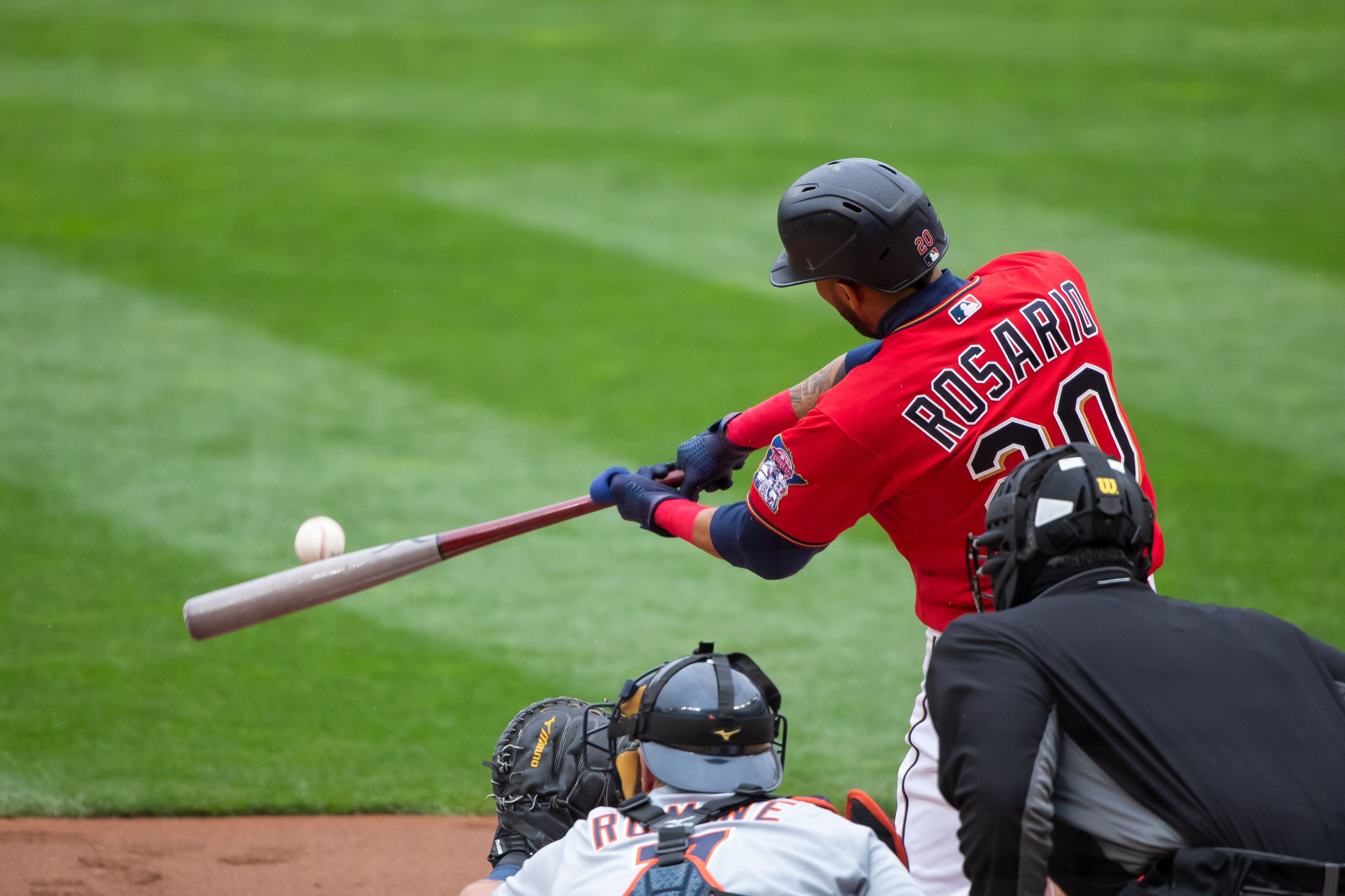 While payroll discussions dominate every Minnesota Twins offseason. It seems Eddie Rosario comes in as a close second in recent years when it comes to offseason conversation starters. The Puerto Rican has the unique ability of polarizing the baseball traditionalists against the more analytic concerned fans like no other. While Rosario continues to be one of the most popular players on the Twins roster. He faces an offseason that could see him jettisoned in favor of a number of cheaper and younger outfielders. The crazy thing is, in a day before analytics, the Twins have had to essentially make this decision before. Was a popular, good hitting outfielder with some defensive limitations and a free swinging spirit worth the money it would take to keep him around? It was 2005 and the Terry Ryan led Twins had just finished 3rd in the AL Central after going 83-79. Jacque Jones was set to be a free agent. The Twins had to decide if the fan favorite was worth the money it would take to keep him around. That is the same question facing Falvey and Levine this offseason and the cases for both players is eerily similar. For starters, here are the two outfielders’ career numbers: Almost identical. Jones was slightly better at getting on base, while Rosario has displayed slightly more power. All in all, very similar. Both players also struggled to take walks until they both saw an uptick in their walk rates right before the offseason in question. Defensively, both could in theory play center field but had elite defensive center fielders lining up next to them (Torii Hunter and Byron Buxton). Ultimately, neither versions of the Twins would have wanted Rosario or Jones to line up in center too often. Their defensive WAR was very similar with Jones through his first seven seasons sitting at -1.3 and Rosario through his first six at -1.5 defensive WAR. Defensive analytics are alway a bit tricky to navigate. Interestingly, while the two are similar in defensive WAR, DRS favors Rosario considerably. In his pre-analytic world, Jones was beloved with little questioning of his abilities in comparison to the critiques that Rosario goes up against. Now it is worth mentioning that after the Twins decided not to offer more than a one year deal to Jones, his career took a considerable dip with the Cubs. Meanwhile the 2006 Twins were able to field a team that would go on to take first in the AL Central. They moved Michael Cuddyer more permanently to the outfield and weathered a Shannon Stewart injury by playing Lew Ford in left and giving Jason Kubel more DH at-bats. The 2006 team was able to find success and the 2021 Twins, even without any moves, looks much better prepared to withstand losing their veteran outfielder with all the young outfield talent seemingly waiting in the wings. If there is a case to signing Rosario that differentiates him from Jones it is his charisma. Rosario has that fire and energy that while the going is good seems to energize a squad. With Cruz potentially leaving and Josh Donaldson seemingly always a wrong step away from that calf acting up, maybe that charisma quality is worth enough to consider a different path for Rosario than the one taken with Jones. Should the Twins follow the Jones route with a similar player in Rosario or should it be a priority to tender or even extend Rosario this offseason? MORE FROM TWINS DAILY — Latest Twins coverage from our writers — Recent Twins discussion in our forums — Follow Twins Daily via Twitter, Facebook or email
 -
My Twins 2020-21 Offseason Priorities
Nate Palmer commented on Nate Palmer's blog entry in Left Field Gap
I am personally nervous about Kluber, but there is a reason to be nervous about any of the available starting pitching options not named Trevor Bauer! If a team can get him on the right track it could be the steal of the offseason. -
My Twins 2020-21 Offseason Priorities
Nate Palmer commented on Nate Palmer's blog entry in Left Field Gap
This may not make a difference, but for clarity, that heading is supposed to read a 4th or 5th starter. One of those spots will maybe simply out of payroll necessity need to be a guy within. I want to give Dobnak a chance to bounce back, Smeltzer and Thorpe a chance, best case maybe is Duran or Balazovic push themselves onto the roster. I like one spot for one of or a rotation of those guys, but not for both open spots plus any injuries that may happen. Hopefully one day, the system will be more plug and play like the Indians and Dodgers where the Twins just call the next guy up every time! -
Recently I was on Twins Daily’s Offseason Live with John Bonnes and Ted Schwerzler and discussed the Minnesota Twins payroll outlook for 2021. Most years it has been relatively easy to make an estimation on the team’s payroll but a year of COVID-19 has made it anything but easy. While having payroll conversations, it became a quick reality that if the Twins need to at all cut payroll from a 2020 payroll just shy of 140 million, the dollars will be spent quickly. As that realization hit, I began to form my own list of priorities for the Twins this offseason and wanted to share those thoughts here. Find a 4th/5th Starter While the Twins farm system is better stocked with high level arms than in previous eras, it would seem foolish to go into 2021 assuming they would be ready to perform on a World Series contending team. With two starting rotation spots open next to Jose Berrios, Kenta Maeda, and Michael Pineda, the Twins need to sign another starter. That would leave a spot still open to someone like Randy Dobnak to fill for the duration of the season. Everyone is going to clamor for Trevor Bauer. While that would be great he will almost definitely cost too much for the Twins this offseason. If the Twins can bring in a starter somewhere in the $8-12 million range that would help raise the talent level of that group which will be important moving into 2021. A trade is also very possible here! Utility player with the ability to play shortstop I recently wrote in more detail about this move over at Twins Daily. With both Marwin Gonzalez and Ehire Adrianza hitting free agency, this will be an important role to fill. Especially with the injury question marks surrounding both Jorge Polanco and Josh Donaldson. I am on board with Adrianza returning to the Twins because of his ability to play shortstop. Other possibilities if they become available would be the likes of Kike Hernandez, Jurickson Profar, and Jose Iglesias. An even more drastic shuffling of the deck would be trying to supplant Polanco as the starting shortstop and move him into a utility role. I really doubt that the Twins would move Polanco into a utility role unless Royce Lewis is ready to make the jump to the big leagues. Today I think the most likely scenario for the Twins would be to make Travis Blankenhorn one of the utility players and then either resign Adrianza or trade for a somewhat blocked player on another roster. A trade scenario could be someone like Mason McCoy who finds himself somewhat blocked on the Baltimore Orioles organizational depth chart. He has made it to Triple-A but has two shortstop considered bigger prospects than him ahead of him in the organization. McCoy likely lacks the MLB experience the Twins may want if they bring someone in from outside the organization, but the situation fits the sort of player the Twins could pursue. Bullpen arm, preferably with some power. The Twins will be watching Trevor May, Tyler Clippard, and potentially Sergio Romo hit the free agent market. The Twins should try and bring in one more bullpen arm and preferably a power arm like May. If the Twins tender Matt Wisler and Caleb Thielbar in theory they will have an arm like Romo’s. That in mind gives freedom to the Twins to let Romo walk and not pick up his option. Bringing May back may be the most ideal, but if he gets too expensive there will be other routes to bolster the pen. Re-sign Nelson Cruz To be clear, I really want Cruz back in a Twins uniform. As the money slips away from the payroll it simply becomes hard to commit to. The Twins are also in theory much better prepared to replace a DH bat with Alex Kirilloff and Brent Rooker getting the MLB experience they did this season then they are to replace a spot in the rotation. Cruz was the steadying force in the lineup for much of the 2020 season. The reality is, even with Cruz, if the other Twins core players like Donaldson, Max Kepler, Byron Buxton, Polanco, etc don’t perform the team isn’t going to win the World Series anyways. This team will go as that core goes at the plate. I don’t mention Eddie Rosario in my priorities, because I really think the approximately $10 million that will be owed to him in arbitration will cause him to be non-tendered. With Jake Cave and Lamonte Wade already on the bench, Rooker and Kirilloff ready to challenge them for a spot, and money being a prime asset it will be time to non-tender Rosario. He has been a fun and integral part of this team so it will be hard to say good-bye. I will most definitely at a later date put together a more complete offseason blueprint, but that is the framework I will be working through. Would love to hear where you are ranking some of these moves as a priority for the Twins this offseason. Post can also be found at Left Field Gap
-
I hadn't even considered the speed tool into this equation. It would be interesting to ask if stolen bases aren't a regular part of the Twins attack because they lack the skill or if it is an approach that they have chosen to rely on getting hits versus "manufacturing runs." With that said, I wonder if Gordon or Lewis are your best route to more speed on the roster outside of a trade.
-
The Twins are set to lose two utility players this offseason in Marwin Gonzalez and Ehire Adrianza. Due to the injury history of the infield, the club would serve themselves well to give careful attention to this role. Putting high importance on finding a player that can backup at shortstop.The Minnesota Twins front office is tasked once again with finding the answer to the impossible question, how to win a playoff game? One move runs under the radar. It will not impact the Twins national image or even their MLB odds, but it could help them navigate the regular season better in 2021. The Twins need to fill their utility role for 2021 as both Marwin Gonzalez and Ehire Adrianza hit free agency. While neither Gonzalez (.211/.289/.320 in 53 games) or Adrianza (.191/.287/.270 in 44 games) performed very well in 2020, both were heavily relied on in the shortened 60 game season to help the team through injuries to Josh Donaldson, Luis Arraez, and others. Another injury that demands attention is Jorge Polanco’s ankle. Time and again we saw what seemed to be a much less aggressive approach at the plate. The results were less power with a drop in slugging percentage from .485 in 2019 to .354 in 2020. Also only 4 home runs in 2020 (adjusted to 10.8 rate over full season) after hitting 22 home runs in 2019. Health is always a concern over a 162 game season and especially could be with ongoing questions surrounding Donaldson and Polanco. Ideally, the Twins will find a utility player who can fill in at shortstop with confidence to let Polanco rest if his right ankle flares up again in 2021. What are the Internal Options? Internally, the Twins have some minor leaguers who are on the cusp of the majors. Travis Blankenhorn is certainly a player who can play all over the diamond and seems ready for the big leagues. That resulted in a 2020 call up. His shortfall is he wouldn’t be able to man shortstop. Although Nick Gordon has fallen from his spot of once top prospect. It seems possible that the Twins could decide to give him the chance to grab a utility role in 2021. While there have been questions about his defense, he certainly has experience at short. Lastly, is Twins current top prospect Royce Lewis. It would be a bit of a shock if he starts out 2021 on the Twins active roster. It would seem that either something would have happened to Buxton and Lewis ends up as a center fielder, or the Twins make a drastic move such as shifting Polanco to a utility role (as suggested in the Athletic) and Lewis supplants him as the starter. Free Agents The free agent market seems to be full of two sorts of players who can play short. Those seeking a starting role and those who wouldn’t serve as an upgrade. Guys like Didi Gregorious, Marcus Semien, Andrelton Simmons, and maybe even Freddy Galvis would all be a fun surplus, but will likely be seeking out starting roles. Then there is the likes of Joe Panik and Eric Sogard who are not an upgrade over anyone currently on the Twins roster. Jose Iglesias is the most intriguing name that pops up on MLB Trade Rumors Free Agent list. He has a $3.5 million club option which would seemingly be picked up after having a quality 2020 as he hit .373/.400/.556 and is proven as a good defensive shortstop. Even though he had a bit of a down year in the field for 2020 posting a -2 DRS. What to do? If I had a voice in the Twins front office I would suggest the Twins reserve a spot for one of their minor leaguers. Any one of them will be cheaper than the free agent options and that will be a trait plenty of teams will be seeking after COVID has hampered their revenue. There is also more upside in guys like Blankenhorn and Gordon than the free agent crop that would sign up for a utility role. My other suggestion would be to bring back Adrianza. This hinges on how many roster spots will be available for the utility role as the team puts together the roster. Adrianza can defensively handle short and seems to be one of the few available utility type players that can be said about. His offensive numbers should hopefully go up from 2020 based on past performances. What are your thoughts? Where would you like the Twins to turn as Marwin and Ehire exit to test free agency this offseason? MORE FROM TWINS DAILY — Latest Twins coverage from our writers — Recent Twins discussion in our forums — Follow Twins Daily via Twitter, Facebook or email Click here to view the article
-
 The Minnesota Twins front office is tasked once again with finding the answer to the impossible question, how to win a playoff game? One move runs under the radar. It will not impact the Twins national image or even their MLB odds, but it could help them navigate the regular season better in 2021. The Twins need to fill their utility role for 2021 as both Marwin Gonzalez and Ehire Adrianza hit free agency. While neither Gonzalez (.211/.289/.320 in 53 games) or Adrianza (.191/.287/.270 in 44 games) performed very well in 2020, both were heavily relied on in the shortened 60 game season to help the team through injuries to Josh Donaldson, Luis Arraez, and others. Another injury that demands attention is Jorge Polanco’s ankle. Time and again we saw what seemed to be a much less aggressive approach at the plate. The results were less power with a drop in slugging percentage from .485 in 2019 to .354 in 2020. Also only 4 home runs in 2020 (adjusted to 10.8 rate over full season) after hitting 22 home runs in 2019. Health is always a concern over a 162 game season and especially could be with ongoing questions surrounding Donaldson and Polanco. Ideally, the Twins will find a utility player who can fill in at shortstop with confidence to let Polanco rest if his right ankle flares up again in 2021. What are the Internal Options? Internally, the Twins have some minor leaguers who are on the cusp of the majors. Travis Blankenhorn is certainly a player who can play all over the diamond and seems ready for the big leagues. That resulted in a 2020 call up. His shortfall is he wouldn’t be able to man shortstop. Although Nick Gordon has fallen from his spot of once top prospect. It seems possible that the Twins could decide to give him the chance to grab a utility role in 2021. While there have been questions about his defense, he certainly has experience at short. Lastly, is Twins current top prospect Royce Lewis. It would be a bit of a shock if he starts out 2021 on the Twins active roster. It would seem that either something would have happened to Buxton and Lewis ends up as a center fielder, or the Twins make a drastic move such as shifting Polanco to a utility role (as suggested in the Athletic) and Lewis supplants him as the starter. Free Agents The free agent market seems to be full of two sorts of players who can play short. Those seeking a starting role and those who wouldn’t serve as an upgrade. Guys like Didi Gregorious, Marcus Semien, Andrelton Simmons, and maybe even Freddy Galvis would all be a fun surplus, but will likely be seeking out starting roles. Then there is the likes of Joe Panik and Eric Sogard who are not an upgrade over anyone currently on the Twins roster. Jose Iglesias is the most intriguing name that pops up on MLB Trade Rumors Free Agent list. He has a $3.5 million club option which would seemingly be picked up after having a quality 2020 as he hit .373/.400/.556 and is proven as a good defensive shortstop. Even though he had a bit of a down year in the field for 2020 posting a -2 DRS. What to do? If I had a voice in the Twins front office I would suggest the Twins reserve a spot for one of their minor leaguers. Any one of them will be cheaper than the free agent options and that will be a trait plenty of teams will be seeking after COVID has hampered their revenue. There is also more upside in guys like Blankenhorn and Gordon than the free agent crop that would sign up for a utility role. My other suggestion would be to bring back Adrianza. This hinges on how many roster spots will be available for the utility role as the team puts together the roster. Adrianza can defensively handle short and seems to be one of the few available utility type players that can be said about. His offensive numbers should hopefully go up from 2020 based on past performances. What are your thoughts? Where would you like the Twins to turn as Marwin and Ehire exit to test free agency this offseason? MORE FROM TWINS DAILY — Latest Twins coverage from our writers — Recent Twins discussion in our forums — Follow Twins Daily via Twitter, Facebook or email
 -
The Twins combined for eight hits and 10 walks, but managed to scratch across just one run. They were 2-for-16 with runners in scoring position and left 15 runners on base. The White Sox, who left 12 men on themselves, but got to Taylor Rogers for two runs in the eighth.Box Score Berríos: 5.0 IP, 6 H, 1 ER, 1 BB, 2 K Home Runs: None Bottom 3 WPA: Cruz -.392, Rogers -.351, Astudillo -.196 Win Probability Chart (via FanGraphs): Download attachment: Winchart.png It was early on that a theme developed to Monday night’s game. Stop me when you pick up on that theme. 1st inning: Lead off single, no runs. 2nd inning: Lead off double, no runs. 3rd inning: Lead off double, no runs. 4th inning: Lead off walk, no runs. Four straight innings with the lead off batter reaching and nothing but a goose egg to show for it. Not exactly the start to a series against the team you are chasing for the division title who has an equally potent lineup to your own. Berrios shaky, but still shuts down top offense Meanwhile, Jose Berrios took the mound for the Twins. The results of Berrios’ start weren't bad, but it was the journey to that result that was nerve wracking. The second inning especially caused Twins Territory to worry about where the game was headed. Berrios was able to get the White Sox to 2 outs relatively well with Yoan Moncada on second base. From there Berrios gave up a bloop single to Nick Madrigal which brought Moncada home to give the White Sox a 1-0 lead. From there Berrios gave up a line drive single to Tim Anderson and hit Yasmani Grandal with a pitch to load the bases. Nearly heroically, Berrios induced a grounder off the bat of MVP candidate Jose Abreu to end the inning. Berrios would make it 5 innings for the Twins. It wasn’t the most dominant of starts for the right-hander, but the results put the Twins in a position to win the game after only allowing one run and issuing one walk. Maybe most impressively, Berrios ended his start with a 1-2-3 5th while facing the White Sox 3-4-5 batters. The Theme Continues As the Twins began the top of the 5th inning Ehire Adrianza took a walk. Five innings, five straight times the lead off batter reaches base. This time the Twins fortune would change. While the inning was one that should have netted a few more runs, Jorge Polanco came through with a bloop single that drove in Adrianza to tie the game 1-1. 6th inning, another lead off batter reached. This time it was a Jake Cave double. This time the Twins would eventually load the bases and with 2 outs bring Nelson Cruz to the plate. The exact guy they would want right? Maybe not, this time Cruz would strike out and bring the Twins left on base total to 11 through 6 innings. Another loss with Rogers on the mound Taylor Rogers came in to get the bottom of the White Sox lineup out and keep the score tied going into the 9th so the Twins could try to take the lead then. Instead, Rogers opened the inning by walking two batters and eventually giving up a single to Adam Engel through a vacated shortstop position due to a defensive shift to score a White Sox run. Tim Anderson then followed up with a well hit double off the wall to put the White Sox up 3-1. That caused Rocco Baldelli to come out and pull Rogers from the game in favor of Jorge Alcala. It has been said many times before and I will say it again here. Rogers isn’t exactly getting dominated, but he is missing that shut down ability we became used to so the question has to be asked: What’s next with Rogers? Tonight may have been set up for a struggle for the Twins from the get go. No Miguel Sano, no Marwin Gonzalez, no Eddie Rosario, and of course still no Luis Arraez. While a lot of firepower was missing, the team still put a lot of guys on base for the bats in the line up to do some damage. Ehire Adrianza alone reached base four times out of the nine hole and came around to score the team’s only run. The Twins also battled Angel Hernandez behind home plate just as much as they battled the White Sox all night long. And somehow in the top of the 9th they were still in this game. Byron Buxton landed on second base after the most confusing reactions to a ground rule/inside the park on field reaction ever from Eloy Jimenez. In the end, Jake Cave would strike out and Alex Colome closed out the win for the White Sox. Tough loss to start the series. It will be interesting to see how the team rebounds for the rest of the series. Bullpen Usage Spreadsheet Download attachment: Bullpen.png Postgame Pint Download The Postgame Pint Podcast You can also listen to the Postgame Pint and never miss another one. Just head over to our iTunes page and subscribe. Every morning you'll have a new episode waiting for you. Or listen wherever you download your favorite podcasts. Click here to view the article
-
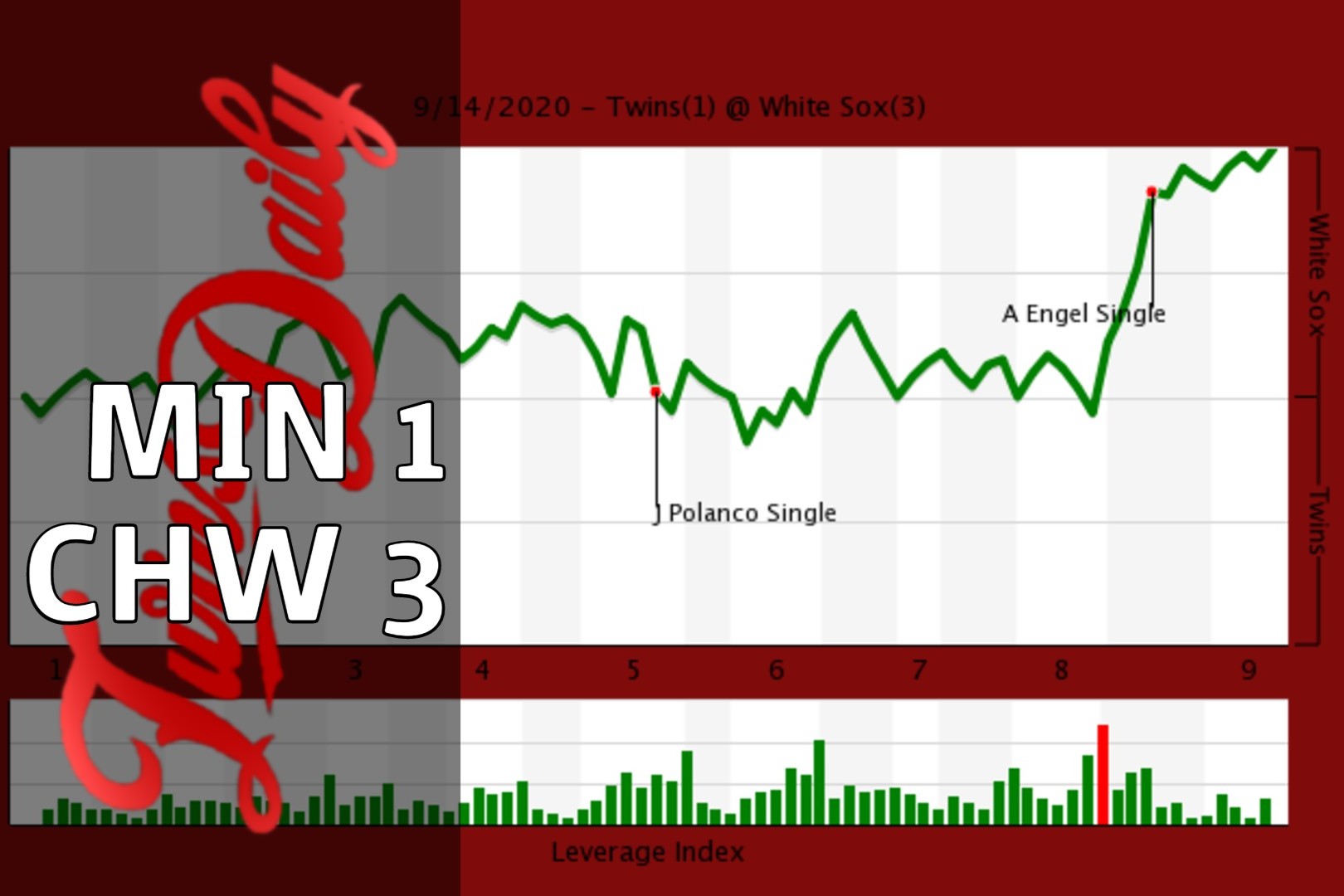 Box Score Berríos: 5.0 IP, 6 H, 1 ER, 1 BB, 2 K Home Runs: None Bottom 3 WPA: Cruz -.392, Rogers -.351, Astudillo -.196 Win Probability Chart (via FanGraphs): It was early on that a theme developed to Monday night’s game. Stop me when you pick up on that theme. 1st inning: Lead off single, no runs. 2nd inning: Lead off double, no runs. 3rd inning: Lead off double, no runs. 4th inning: Lead off walk, no runs. Four straight innings with the lead off batter reaching and nothing but a goose egg to show for it. Not exactly the start to a series against the team you are chasing for the division title who has an equally potent lineup to your own. Berrios shaky, but still shuts down top offense Meanwhile, Jose Berrios took the mound for the Twins. The results of Berrios’ start weren't bad, but it was the journey to that result that was nerve wracking. The second inning especially caused Twins Territory to worry about where the game was headed. Berrios was able to get the White Sox to 2 outs relatively well with Yoan Moncada on second base. From there Berrios gave up a bloop single to Nick Madrigal which brought Moncada home to give the White Sox a 1-0 lead. From there Berrios gave up a line drive single to Tim Anderson and hit Yasmani Grandal with a pitch to load the bases. Nearly heroically, Berrios induced a grounder off the bat of MVP candidate Jose Abreu to end the inning. Berrios would make it 5 innings for the Twins. It wasn’t the most dominant of starts for the right-hander, but the results put the Twins in a position to win the game after only allowing one run and issuing one walk. Maybe most impressively, Berrios ended his start with a 1-2-3 5th while facing the White Sox 3-4-5 batters. The Theme Continues As the Twins began the top of the 5th inning Ehire Adrianza took a walk. Five innings, five straight times the lead off batter reaches base. This time the Twins fortune would change. While the inning was one that should have netted a few more runs, Jorge Polanco came through with a bloop single that drove in Adrianza to tie the game 1-1. 6th inning, another lead off batter reached. This time it was a Jake Cave double. This time the Twins would eventually load the bases and with 2 outs bring Nelson Cruz to the plate. The exact guy they would want right? Maybe not, this time Cruz would strike out and bring the Twins left on base total to 11 through 6 innings. Another loss with Rogers on the mound Taylor Rogers came in to get the bottom of the White Sox lineup out and keep the score tied going into the 9th so the Twins could try to take the lead then. Instead, Rogers opened the inning by walking two batters and eventually giving up a single to Adam Engel through a vacated shortstop position due to a defensive shift to score a White Sox run. Tim Anderson then followed up with a well hit double off the wall to put the White Sox up 3-1. That caused Rocco Baldelli to come out and pull Rogers from the game in favor of Jorge Alcala. It has been said many times before and I will say it again here. Rogers isn’t exactly getting dominated, but he is missing that shut down ability we became used to so the question has to be asked: What’s next with Rogers? Tonight may have been set up for a struggle for the Twins from the get go. No Miguel Sano, no Marwin Gonzalez, no Eddie Rosario, and of course still no Luis Arraez. While a lot of firepower was missing, the team still put a lot of guys on base for the bats in the line up to do some damage. Ehire Adrianza alone reached base four times out of the nine hole and came around to score the team’s only run. The Twins also battled Angel Hernandez behind home plate just as much as they battled the White Sox all night long. And somehow in the top of the 9th they were still in this game. Byron Buxton landed on second base after the most confusing reactions to a ground rule/inside the park on field reaction ever from Eloy Jimenez. In the end, Jake Cave would strike out and Alex Colome closed out the win for the White Sox. Tough loss to start the series. It will be interesting to see how the team rebounds for the rest of the series. Bullpen Usage Spreadsheet Postgame Pint https://www.youtube.com/watch?v=m1G5igK-BgQ Download The Postgame Pint Podcast You can also listen to the Postgame Pint and never miss another one. Just head over to our iTunes page and subscribe. Every morning you'll have a new episode waiting for you. Or listen wherever you download your favorite podcasts.
 -
The trade deadline is upon us! While speculating who may come the Twins way, the question needs to be asked: Who could be leaving Minnesota?The trade deadline is just around the corner. While many of us thought it may ultimately be a quiet deadline there have already been some deals struck. Most notably may be Taijuan Walker being dealt to the Blue Jays from the Mariners. Across Twins Daily there have recently been several good write ups about some targets the Twins could try and acquire. Here I will explore the players who have value as trade chips for the Twins during trade talks. This year's trade deadline guidelines read that only players in the 60-man player pool can be traded. That has created speculation that the most traded player this deadline may be the “PTBNL” creating a loophole and expanding teams tradable assets. Simply for ease of speculation, here is a list of the five most valuable and/or tradable assets in the Twins 60-man player pool. Eddie Rosario Rosario’s name is no stranger to lists like these. There is also no denying that Rosario has been very valuable to the Twins in many ways this season. Time and time again we have seen him use his cannon to catch runners on the basepaths. He has also hit .241/.307/.457 with 7 home runs while bumping his walk rate up from 3.7% in 2019 to 8.7% in 2020. If the Twins want to go get someone of higher impact at the deadline they will need to give up something of value. Rosario may represent the most replaceable piece on this squad as it stands currently. He would also be available to the team receiving him through next season as long as they want to pay his arbitration number. Speaking of Rosario being replaceable... The Big 3 Prospect Bats: Alex Kiriloff, Trevor Larnach, Brent Rooker I am going to go ahead and treat these three prospects as a group. We as fans have already wondered out loud if Alex Kiriloff and Brent Rooker should be looked at to help jump start the Twins offense this season. They also represent players other teams would certainly be interested in. Because Larnach and Kiriloff are widely regarded as the better two prospects, Rooker is the player that would be the easiest from the Twins stand point to let go. That is not a knock on what he has done since last season at Rochester he hit .281/.398/.535 with a .933 OPS in 65 games. For the right return, I am guessing any of these three can at least be discussed. Lewis Thorpe Something has happened to Thorpe. After looking like someone heading on the right track and the pick by many to be a breakout candidate for 2020. Things have not gone well for Thorpe. In 14.2 innings this season, the Australian has a 6.14 ERA and has been hurt by the long ball boasting a 2.45 HR/9. While all the raw tools seem to be there for Thorpe there is just something missing and maybe another team sees the value and believes they can unlock it. While at the same time the Twins bolstering their roster for a playoff run. Edwar Colina I personally would be very shocked if Jhoan Duran or Jordan Balazovic (not in the 60-man pool) were traded at this deadline. Mainly because I just don’t know if there is going to be a big enough fish out there worth their value. Colina could be another arm that would entice teams. Not much unlike Brusdar Graterol this winter did. Colina is big and thick and can pump the ball into home plate with triple digit velocity. Ultimately I hope he sticks around, but his velocity along with his 2.96 ERA and 9.4 K/9 may be something other teams would like in a trade package come the deadline. Also, since he seems to be slated to be a relief pitcher it makes seeing him go a bit easier to absorb. The Back-end of the Roster Welcome to the “not so sexy” portion of the list. My personal feeling is that there will be more trades like this than anything throughout this year’s deadline. These are all guys that can simply fill out the end of a major league team’s bench. Of course that is also fully based on the Twins also being fully healthy. Ehire Adrianza has been valuable to the Twins over the past couple years, but with his ability to hit free agency coming up and with Marwin Gonzalez and Ildemaro Vargas on the roster if it fetches something he could be expendable. Nick Gordon has been in COVID limbo but he either could be one of the possible replacements for Adrianza on the Twins roster or even the trade market. Jake Cave would fit mold as well. Not much different than when the Twins acquired him, Cave represents good defense (even with some glaringly bad ones mixed in) with a bat that can get real hot real quick. Depending on how depleted rosters become I even wonder if AAAA guys like Juan Graterol and Drew Maggi could even get asked about in cash deals like the Twins when they acquired Vargas. What are some names you would be dangling that didn’t get mentioned? Do you even think the trade deadline will be an active one? Love to hear your thoughts and don’t forget to check out some of the pieces written about who the Twins could target. 4 Right-Handed Relievers to Target 4 Left-Handed Relievers to Target The Case For and Against Lance Lynn 3 Bats to Target Former Twins to look at Click here to view the article
-
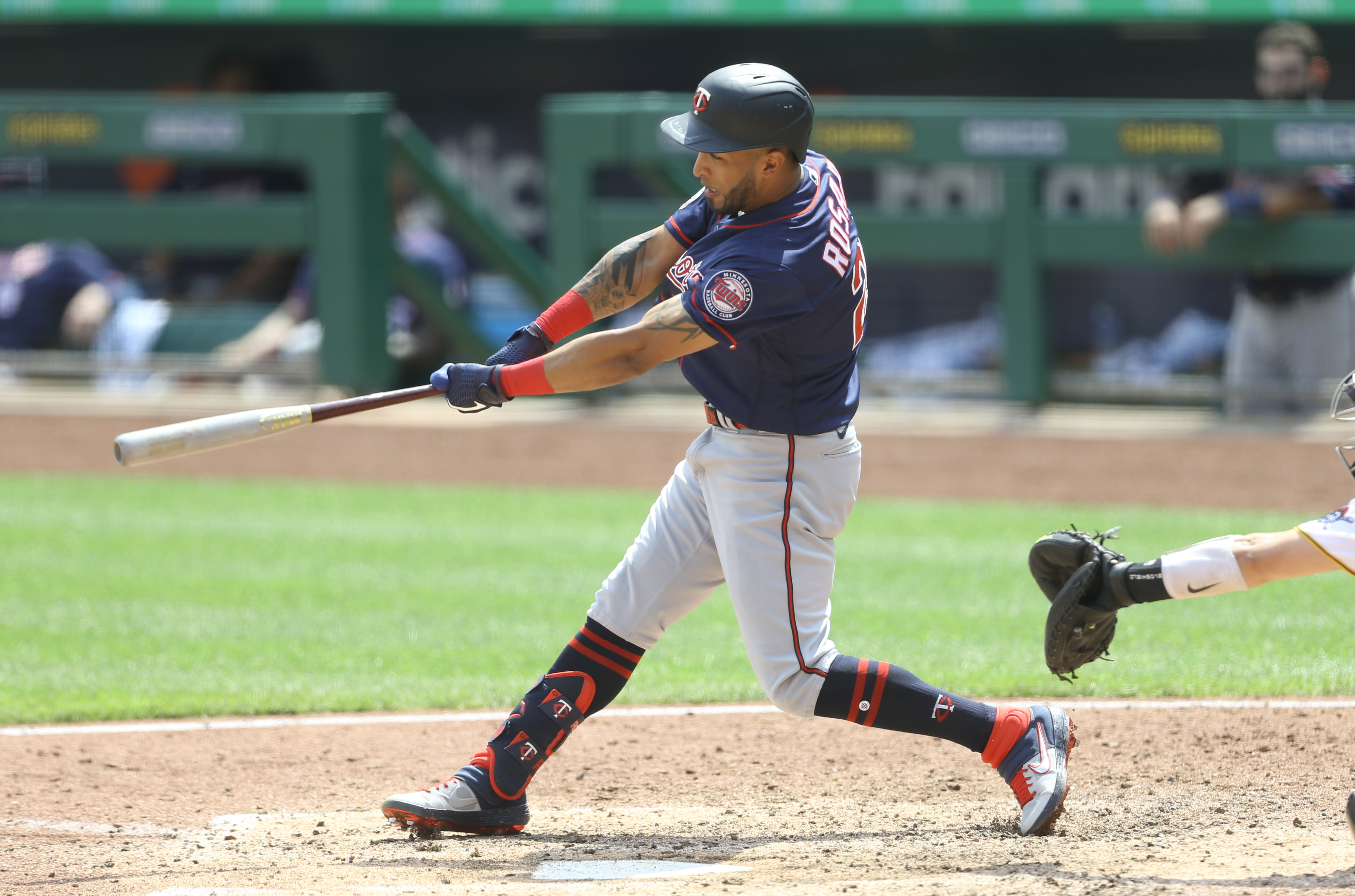 The trade deadline is just around the corner. While many of us thought it may ultimately be a quiet deadline there have already been some deals struck. Most notably may be Taijuan Walker being dealt to the Blue Jays from the Mariners. Across Twins Daily there have recently been several good write ups about some targets the Twins could try and acquire. Here I will explore the players who have value as trade chips for the Twins during trade talks. This year's trade deadline guidelines read that only players in the 60-man player pool can be traded. That has created speculation that the most traded player this deadline may be the “PTBNL” creating a loophole and expanding teams tradable assets. Simply for ease of speculation, here is a list of the five most valuable and/or tradable assets in the Twins 60-man player pool. Eddie Rosario Rosario’s name is no stranger to lists like these. There is also no denying that Rosario has been very valuable to the Twins in many ways this season. Time and time again we have seen him use his cannon to catch runners on the basepaths. He has also hit .241/.307/.457 with 7 home runs while bumping his walk rate up from 3.7% in 2019 to 8.7% in 2020. If the Twins want to go get someone of higher impact at the deadline they will need to give up something of value. Rosario may represent the most replaceable piece on this squad as it stands currently. He would also be available to the team receiving him through next season as long as they want to pay his arbitration number. Speaking of Rosario being replaceable... The Big 3 Prospect Bats: Alex Kiriloff, Trevor Larnach, Brent Rooker I am going to go ahead and treat these three prospects as a group. We as fans have already wondered out loud if Alex Kiriloff and Brent Rooker should be looked at to help jump start the Twins offense this season. They also represent players other teams would certainly be interested in. Because Larnach and Kiriloff are widely regarded as the better two prospects, Rooker is the player that would be the easiest from the Twins stand point to let go. That is not a knock on what he has done since last season at Rochester he hit .281/.398/.535 with a .933 OPS in 65 games. For the right return, I am guessing any of these three can at least be discussed. Lewis Thorpe Something has happened to Thorpe. After looking like someone heading on the right track and the pick by many to be a breakout candidate for 2020. Things have not gone well for Thorpe. In 14.2 innings this season, the Australian has a 6.14 ERA and has been hurt by the long ball boasting a 2.45 HR/9. While all the raw tools seem to be there for Thorpe there is just something missing and maybe another team sees the value and believes they can unlock it. While at the same time the Twins bolstering their roster for a playoff run. Edwar Colina I personally would be very shocked if Jhoan Duran or Jordan Balazovic (not in the 60-man pool) were traded at this deadline. Mainly because I just don’t know if there is going to be a big enough fish out there worth their value. Colina could be another arm that would entice teams. Not much unlike Brusdar Graterol this winter did. Colina is big and thick and can pump the ball into home plate with triple digit velocity. Ultimately I hope he sticks around, but his velocity along with his 2.96 ERA and 9.4 K/9 may be something other teams would like in a trade package come the deadline. Also, since he seems to be slated to be a relief pitcher it makes seeing him go a bit easier to absorb. The Back-end of the Roster Welcome to the “not so sexy” portion of the list. My personal feeling is that there will be more trades like this than anything throughout this year’s deadline. These are all guys that can simply fill out the end of a major league team’s bench. Of course that is also fully based on the Twins also being fully healthy. Ehire Adrianza has been valuable to the Twins over the past couple years, but with his ability to hit free agency coming up and with Marwin Gonzalez and Ildemaro Vargas on the roster if it fetches something he could be expendable. Nick Gordon has been in COVID limbo but he either could be one of the possible replacements for Adrianza on the Twins roster or even the trade market. Jake Cave would fit mold as well. Not much different than when the Twins acquired him, Cave represents good defense (even with some glaringly bad ones mixed in) with a bat that can get real hot real quick. Depending on how depleted rosters become I even wonder if AAAA guys like Juan Graterol and Drew Maggi could even get asked about in cash deals like the Twins when they acquired Vargas. What are some names you would be dangling that didn’t get mentioned? Do you even think the trade deadline will be an active one? Love to hear your thoughts and don’t forget to check out some of the pieces written about who the Twins could target. 4 Right-Handed Relievers to Target 4 Left-Handed Relievers to Target The Case For and Against Lance Lynn 3 Bats to Target Former Twins to look at

