



Nate Palmer
-
Posts
439 -
Joined
-
Last visited
Content Type
Profiles
News
Minnesota Twins Videos
2026 Minnesota Twins Top Prospects Ranking
2022 Minnesota Twins Draft Picks
Minnesota Twins Free Agent & Trade Rumors, Notes, & Tidbits
Guides & Resources
2023 Minnesota Twins Draft Picks
The Minnesota Twins Players Project
2024 Minnesota Twins Draft Picks
2025 Minnesota Twins Draft Pick Tracker
2026 Minnesota Twins Draft Tracker: Picks & Bonuses
Forums
Blogs
Events
Store
Downloads
Gallery
Everything posted by Nate Palmer
-
The Twins relief corps was in a tough spot after Sunday’s bullpen game, but they came right back to hold a lead over the final four innings Monday night. Caleb Thielbar, Trevor May, Sergio Romo and Taylor Rogers combined to give up seven hits, but executed when they had to, surrendering just one run.Box Score Maeda: 5.0 IP, 5 H, 1 ER, 1 BB, 7 K Home Runs: Cruz (11), Sanó (6) Top 3 WPA: Rogers .234, Maeda .193, Romo .157 Win Probability Chart (via FanGraphs): Download attachment: Winchart.png Kenta Maeda continues to look like the Minnesota Twins staff ace as Miguel Sano shows us once again that his early season slump is over. Maeda didn’t have to pitch with the pressure of a potential no-hitter as the Indians were the ones to strike first with a first inning home run by Cesar Hernandez. That didn’t stop Maeda from having another very good outing. He would go 5 innings in Monday night’s game and throw 83 pitches, but still was able to set the Twins up for success. The righty struck out seven batters while only allowing a single walk before turning the game over to the bullpen. The Twins offense had the challenge of facing off against Aaron Civale who came into the game having only issued three walks all season long. While Civale still limited walks issuing only one more and striking out eight Twins batters, the Twins were still able to get to him for two home runs. Those home runs came off the bats of none other than the duo of Sano and Nelson Cruz. Cruz tied the game up in the fourth inning with a solo shot. In the sixth inning, Sano put the Twins up by two by driving Eddie Rosario home on an opposite field shot that landed in a similar place to Cruz’s earlier in the game. This was a game where it certainly felt like the Twins were playing with fire most of the later innings. The pitching staff allowed 11 hits and each reliever besides Rogers had to reach back and fight their own little fire with a strikeout to get out of innings without giving up a run, or in the case of May any more runs. Certainly we would like to see some clean shutdown innings from the Twins bullpen, but they got the job done and that is what matters. In the ninth inning, all eyes shifted to Taylor Rogers as he was called on to get the save after a recent stretch struggling to be the shutdown closer we have become accustomed to. Rogers was able to redeem himself as he closed out the game against the top of the Indians lineup. He did allow a Francisco Lindor single, but struck out one and forced two pop ups to get the Twins the win. Tonight lands the Twins at the halfway point of their shortened 2020 season. The team sits at 20-10 and 2.5 games up of Clevaland and Chicago who are tied for second in the Central division. It seems strange that we would critique this team too much, but there are still concerns surrounding the Twins offense. Maybe it is just because we were so spoiled by 2019, but it feels like another game that was simply fueled by Cruz and Sano. Even though seven of the nine spots of the Twins produced hits leaving Marwin Gonzalez, Alex Avila, and Ehire Adrianza being the Twins not recording a hit. It is also important to remember that the Twins are playing a lot of bench players with the injuries they are dealing with. It doesn’t get any easier for the bats tomorrow night as the Twins get to shift their attention to Shane Bieber. The Twins will counter with Rich Hill who will look to rebound after a rough start his last time out. Bullpen Usage Spreadsheet Download attachment: Bullpen.png Postgame Pint Following last night's game, John Bonnes, Seth Stohs and Jeremy Nygaard discussed the Twins 3-2 win over Cleveland while slipping in a dozen baseball movie title references. Download The Postgame Pint Podcast You can also listen to the Postgame Pint and never miss another one. Just head over to our iTunes page and subscribe. Every morning you'll have a new episode waiting for you. Or listen wherever you download your favorite podcasts. Click here to view the article
-
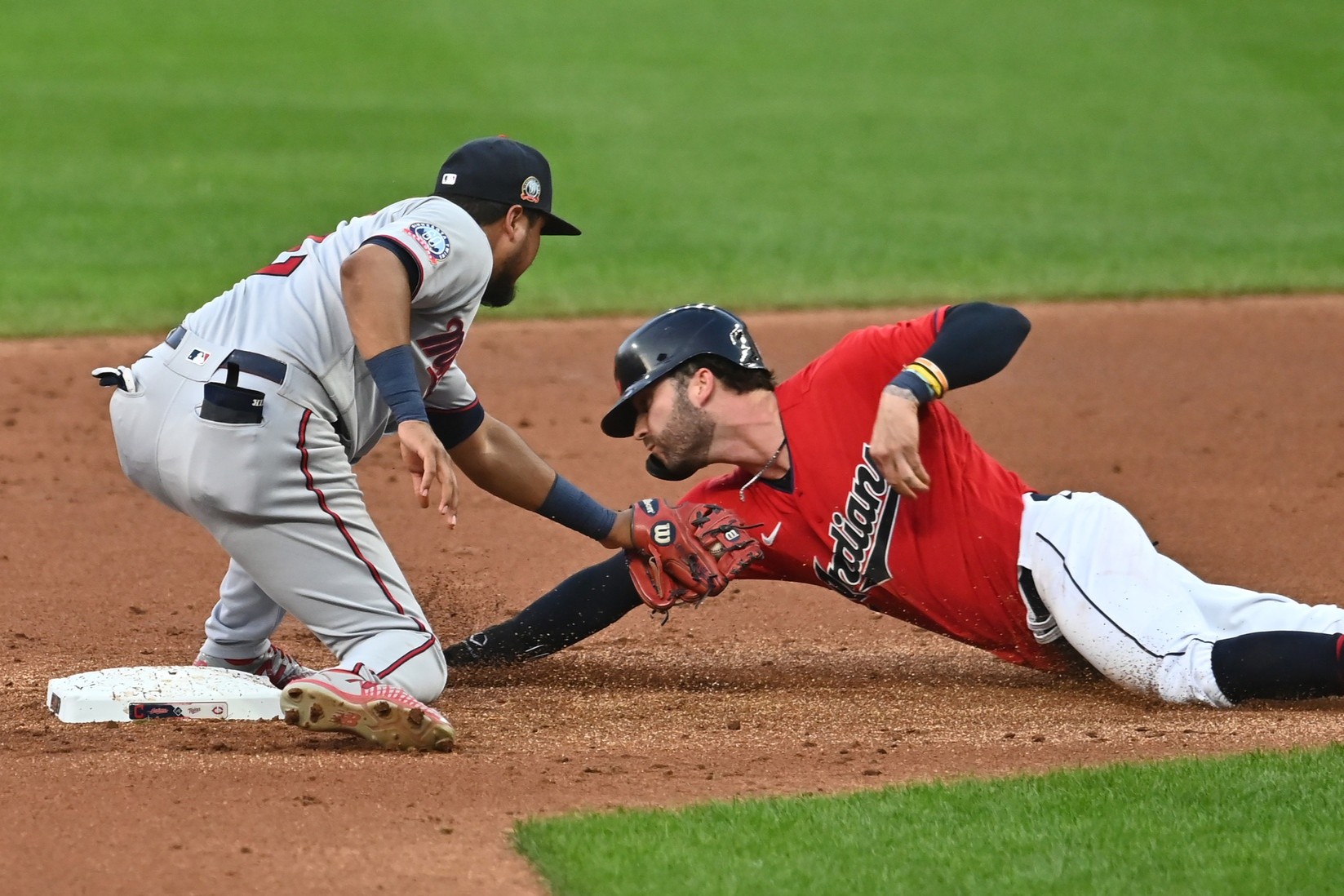 Box Score Maeda: 5.0 IP, 5 H, 1 ER, 1 BB, 7 K Home Runs: Cruz (11), Sanó (6) Top 3 WPA: Rogers .234, Maeda .193, Romo .157 Win Probability Chart (via FanGraphs): Kenta Maeda continues to look like the Minnesota Twins staff ace as Miguel Sano shows us once again that his early season slump is over. Maeda didn’t have to pitch with the pressure of a potential no-hitter as the Indians were the ones to strike first with a first inning home run by Cesar Hernandez. That didn’t stop Maeda from having another very good outing. He would go 5 innings in Monday night’s game and throw 83 pitches, but still was able to set the Twins up for success. The righty struck out seven batters while only allowing a single walk before turning the game over to the bullpen. The Twins offense had the challenge of facing off against Aaron Civale who came into the game having only issued three walks all season long. While Civale still limited walks issuing only one more and striking out eight Twins batters, the Twins were still able to get to him for two home runs. Those home runs came off the bats of none other than the duo of Sano and Nelson Cruz. Cruz tied the game up in the fourth inning with a solo shot. In the sixth inning, Sano put the Twins up by two by driving Eddie Rosario home on an opposite field shot that landed in a similar place to Cruz’s earlier in the game. This was a game where it certainly felt like the Twins were playing with fire most of the later innings. The pitching staff allowed 11 hits and each reliever besides Rogers had to reach back and fight their own little fire with a strikeout to get out of innings without giving up a run, or in the case of May any more runs. Certainly we would like to see some clean shutdown innings from the Twins bullpen, but they got the job done and that is what matters. In the ninth inning, all eyes shifted to Taylor Rogers as he was called on to get the save after a recent stretch struggling to be the shutdown closer we have become accustomed to. Rogers was able to redeem himself as he closed out the game against the top of the Indians lineup. He did allow a Francisco Lindor single, but struck out one and forced two pop ups to get the Twins the win. Tonight lands the Twins at the halfway point of their shortened 2020 season. The team sits at 20-10 and 2.5 games up of Clevaland and Chicago who are tied for second in the Central division. It seems strange that we would critique this team too much, but there are still concerns surrounding the Twins offense. Maybe it is just because we were so spoiled by 2019, but it feels like another game that was simply fueled by Cruz and Sano. Even though seven of the nine spots of the Twins produced hits leaving Marwin Gonzalez, Alex Avila, and Ehire Adrianza being the Twins not recording a hit. It is also important to remember that the Twins are playing a lot of bench players with the injuries they are dealing with. It doesn’t get any easier for the bats tomorrow night as the Twins get to shift their attention to Shane Bieber. The Twins will counter with Rich Hill who will look to rebound after a rough start his last time out. Bullpen Usage Spreadsheet Postgame Pint Following last night's game, John Bonnes, Seth Stohs and Jeremy Nygaard discussed the Twins 3-2 win over Cleveland while slipping in a dozen baseball movie title references. https://www.youtube.com/watch?v=p7RlYpOw_1c&feature=youtu.be Download The Postgame Pint Podcast You can also listen to the Postgame Pint and never miss another one. Just head over to our iTunes page and subscribe. Every morning you'll have a new episode waiting for you. Or listen wherever you download your favorite podcasts.
 -
Offense is down. The ball isn’t flying like it was last season. Nobody hits for power in their 40s. These are things somebody forgot to tell Nelson Cruz.Box Score Home Runs: Cruz 2 (8) Win Probability Chart (via Baseball Savant): Download attachment: Screenshot 2020-08-17 at 10.19.10 PM.png Nelson Cruz hit a pair of solo bombas tonight, giving him eight on the season. This was Nelson’s 23rd game played of 2020, it took him 37 games to hit eight homers last year. Sergio Romo, Mr. Excitement, managed to catch Cruz’s second home run in his cap. How fun is that? In addition to Cruz, both Jorge Polanco and Eddie Rosario both had two-hit nights. Cruz blasting baseballs is nothing new, but the Bomba Squad seems to be turning in a web gem every game so far in 2020. Tonight it was Rosario, who once again played a ball off the left field wall perfectly and threw a strike to second base to retire the runner. This was a bullpen game for the Twins, and they nearly turned in a shutout. Matt Wisler opened the game with two no-hit innings to lower his ERA on the season to 1.50. What a find he’s been so far. Devin Smeltzer was the primary pitcher, delivering 2 2/3 innings of scoreless ball while striking out three batters. From there, Tyler Clippard recorded four outs before Tyler Duffey and Trevor May each turned in a scoreless frame. Zack Littell gave up a solo homer in the ninth. All told, the Twins combined to give up seven hits and two walks while striking out nine batters. Speaking of bullpens, what’s going on here? The new rules regarding video weren’t made crystal clear before the start of this season — there were plenty of other rule changes to catch up on — but Kansas City is clearly trying to cover up the TV that’s playing video. Here’s what Sports Illustrated’s Tom Verducci wrote about the new regulations on July 21: “Every player and staff member will be assigned a personal tablet to use during games. In past years teams shared a few tablets. But the tablets are preloaded with information and video commonly associated with scouting reports and are “locked down” with no connectivity once the game starts. There is no capacity to review at-bats in the course of a game.” So it’s not clear to me whether the Royals were doing something wrong or not … but they sure looked like they were up to no good. Bullpen Usage Spreadsheet Download attachment: Bullpen.png Postgame Pint Immediatey following the game, John Bonnes, Nash Walker and Ted Schwerzler discuss the 4-1 win over the Royals and compete for the Postgame Pint Pooh-bah title. Download The Postgame Pint Podcast You can also listen to the Postgame Pint and never miss another one. Just head over to our iTunes page and subscribe. Every morning you'll have a new episode waiting for you. Or listen wherever you download your favorite podcasts. Click here to view the article
-
In 2019 the Minnesota Twins had great success against left-handed pitching. Something that up until Wednesday night against the Brewers hadn't been seen at the same level in 2020. Eric Lauer may have been just what the Twins needed to settle some fears before Thursdays off day.Wednesday night as the Minnesota Twins faced off against the Milwaukee Brewers the lineup went crazy! While it was great to see Miguel Sano blast a home run and Byron Buxton add two more to his total for the season as he continues his hot streak. It wasn’t one individual performance that created a breath of much needed optimism. The Twins lineup did exactly what we had grown accustomed to them doing in 2019, crush left-handed pitching. Up until Wednesday’s performance it wasn’t something we had seen a whole lot of. In 2019 the Twins numbers against lefties were .285/.351/.521 with a .872 OPS. That was up from a line of .264/.333/.484 and a .817 OPS when facing right-handed pitchers. The hard thing about any stat and analytic as we comment on this season is going to be sample size. While there have not been a lot of opportunities against lefties this season, the Twins have been held at bay against the lefties not named Gio Gonzalez up until their matchup with Eric Lauer at Miller Park. That lack of output very well could be chalked up to just a better than average level of left-handed starters that the Twins have seen this year. Dallas Keuchel and Danny Duffy are both former if not current No. 1’s in their team’s rotation. While the Twins were able to get to Duffy for four runs, Keuchel held the Twins to two runs, all on a Nelson Cruz home run. Wednesday night's performance may have been the perfectly timed outburst of offensive production to calm a multitude of questions as many of us were beginning to worry about the potency of the lineup. After a stretch where the Twins lost 5 of 6 and just couldn’t seem to consistently score runs through the entirety of the game, this was a good way to leave us before the day off on Thursday. While Wednesday wasn’t the power explosion with Lauer on the mound that we may be used to from 2019 when facing the lefties (With exception of Sano’s homer and a couple doubles). It was still some consistent offense over the duration of 3.2 innings against a side of the platoon they dominated last season. The Twins put up 9 hits, 7 runs, 2 walks against Lauer which would be something we would be happy with in a full game let alone 3.2 innings. Then from there, even after Lauer’s departure, the lineup didn’t stop hitting. While both sides of the team batting splits improved, the facing left-handed pitching numbers saw a significant increase and now sits at .253/.328/.370 and a .698 OPS. Still a ways away from the overall numbers of 2019, but good signs for an offense that felt slow to go even if the team has continued to put wins on the board. MORE FROM TWINS DAILY — Latest Twins coverage from our writers — Recent Twins discussion in our forums — Follow Twins Daily via Twitter, Facebook or email Click here to view the article
-
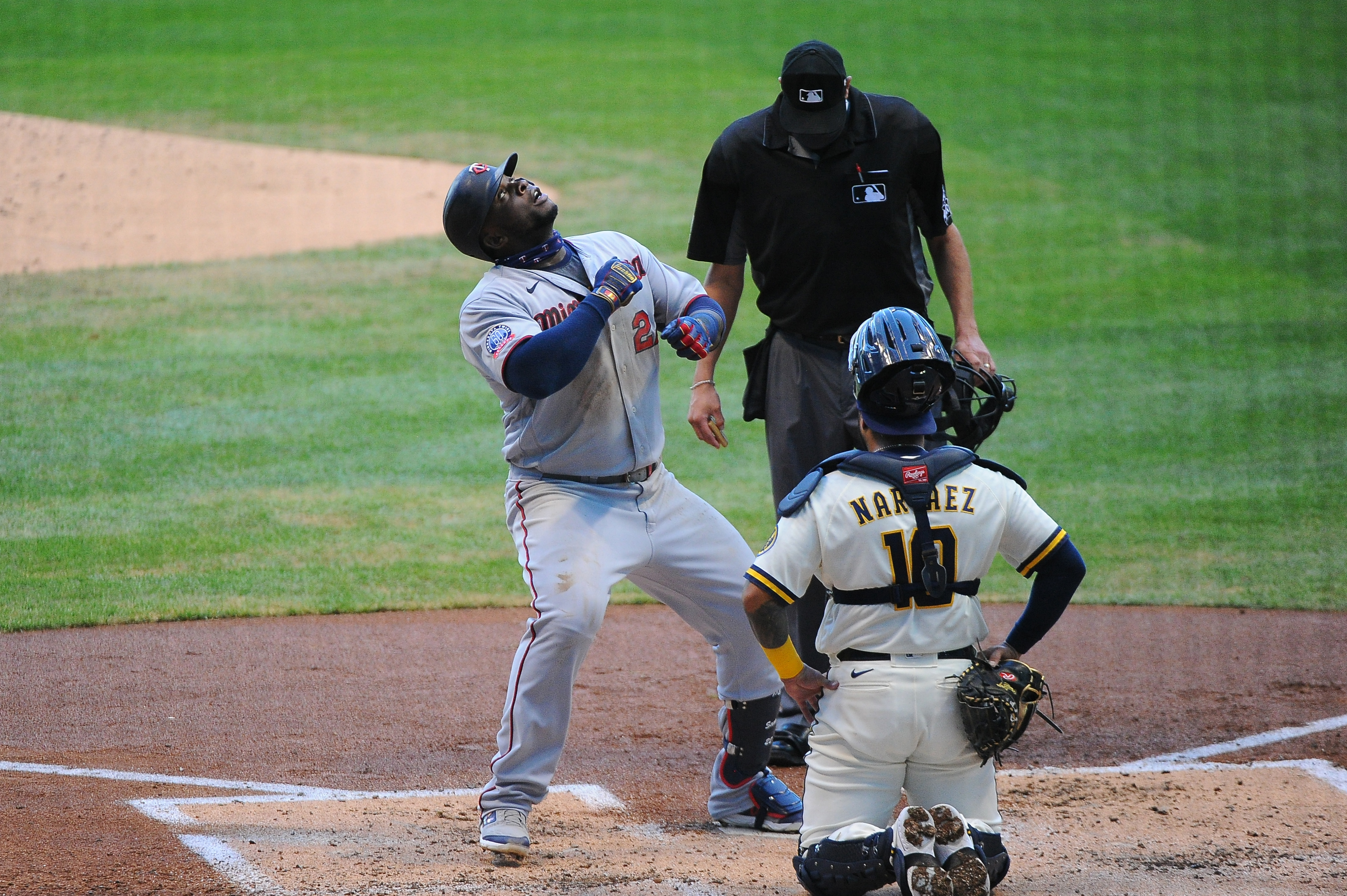 Wednesday night as the Minnesota Twins faced off against the Milwaukee Brewers the lineup went crazy! While it was great to see Miguel Sano blast a home run and Byron Buxton add two more to his total for the season as he continues his hot streak. It wasn’t one individual performance that created a breath of much needed optimism. The Twins lineup did exactly what we had grown accustomed to them doing in 2019, crush left-handed pitching. Up until Wednesday’s performance it wasn’t something we had seen a whole lot of. In 2019 the Twins numbers against lefties were .285/.351/.521 with a .872 OPS. That was up from a line of .264/.333/.484 and a .817 OPS when facing right-handed pitchers. The hard thing about any stat and analytic as we comment on this season is going to be sample size. While there have not been a lot of opportunities against lefties this season, the Twins have been held at bay against the lefties not named Gio Gonzalez up until their matchup with Eric Lauer at Miller Park. That lack of output very well could be chalked up to just a better than average level of left-handed starters that the Twins have seen this year. Dallas Keuchel and Danny Duffy are both former if not current No. 1’s in their team’s rotation. While the Twins were able to get to Duffy for four runs, Keuchel held the Twins to two runs, all on a Nelson Cruz home run. Wednesday night's performance may have been the perfectly timed outburst of offensive production to calm a multitude of questions as many of us were beginning to worry about the potency of the lineup. After a stretch where the Twins lost 5 of 6 and just couldn’t seem to consistently score runs through the entirety of the game, this was a good way to leave us before the day off on Thursday. While Wednesday wasn’t the power explosion with Lauer on the mound that we may be used to from 2019 when facing the lefties (With exception of Sano’s homer and a couple doubles). It was still some consistent offense over the duration of 3.2 innings against a side of the platoon they dominated last season. The Twins put up 9 hits, 7 runs, 2 walks against Lauer which would be something we would be happy with in a full game let alone 3.2 innings. Then from there, even after Lauer’s departure, the lineup didn’t stop hitting. While both sides of the team batting splits improved, the facing left-handed pitching numbers saw a significant increase and now sits at .253/.328/.370 and a .698 OPS. Still a ways away from the overall numbers of 2019, but good signs for an offense that felt slow to go even if the team has continued to put wins on the board. MORE FROM TWINS DAILY — Latest Twins coverage from our writers — Recent Twins discussion in our forums — Follow Twins Daily via Twitter, Facebook or email
 -
MIN 4, MIL 2: The Randy and Rosie Show
Nate Palmer replied to Nate Palmer's topic in Twins Daily Front Page News
Misplay may have been a poorly used word there. I didn't really mean to put as much fault on Rosie as that probably came off as. -
Randy Dobnak has been so good in 2020, he gave up one run over five innings tonight and his ERA actually went up. Eddie Rosario provided all the offense, hitting a grand slam in the third inning, as the Twins beat the Brewers 4-2.Box Score Dobnak: 5.0 IP, 4 H, 1 ER, 1 BB, 3 K Home Runs: Rosario (4) Top 3 WPA: Rosario .246, Dobnak .154, Rogers .099 Win Probability Chart (via FanGraphs): Download attachment: Winchart.png The start of the game between the Minnesota Twins and Milwaukee Brewers didn’t take off like we had hoped for Twins. It felt like the bats were going to struggle just like they had been over the weekend. So when Eddie Rosario narrowly missed a flyball at the wall off the bat of Orlando Arcia to put the Brewers up 1-0. Doom and gloom began to set in once again. All it took to get runs on the board and Dobnak cruising was a quirky third inning at the plate. Alex Avila led off with a solid single up the middle. Max Kepler reached on a swinging bunt towards shortstop. Polanco gained an extra life after Christian Yelich was ruled to drop a foul ball pop-up, and hit into a fielder's choice leaving runners on 1st and 3rd with one out. With Nelson Cruz at the plate, Adrian Hauser plunked him right on the elbow to load the bases for Rosario. The man who coined the name Bomba Squad hit what may end up being one of the more relief-giving Bombas of the season. One that more than made up for Rosario’s misplay in the field earlier in the game, putting the Twins up 4-1. Those 4 runs would be all it took to get the win in 4-2 fashion. The reason those runs were all that the Twins needed was because Randy Dobnak just continued to do Randy Dobnak things. The run surrendered in the second inning was only the second run given up by Dobnak this season. After that he really hit his stride and started to retire Brewer batter after Brewer batter. The current steadying force of the rotation finished with 5.0 innings pitched, 4 hits, 1 earned run, 3 strikeouts, and 1 walk. Oh and in case you wanted to think about how good he was just a bit more there is this fun little graphic. From the sixth inning on, the bullpen came in and did their job. The only hiccup was a solo homerun surrendered by Sergio Romo as he faced Keston Hiura. Tonight we got to see Trevor May, Tyler Duffey, and Taylor Rogers as well get on the mound and work the end of a game like we have grown used to seeing them do to close out a game. Even if Manny Pina reaching second base in the ninth caused a bit of a higher heart rate. While there is plenty to celebrate with this win that breaks the 4-game losing streak the Twins were on, there are still some reasons for concern for a team with a World Series in their sights. What may be looming largest is that the offense isn’t quite yet at the level we came to expect over 2019. That doesn’t mean that the Twins need to score 10 runs every game (but we wouldn’t complain). With 7 hits, once again the Twins needed to bunch together the right amount of hits to get the job done. On the other hand, that could be a win in itself, being the Twins played without Miguel Sano, Mitch Garver, and injured Josh Donaldson in the lineup. What stood out to you from tonight's Twins 4-2 win? Let us know below in the comments! Bullpen Usage Spreadsheet Download attachment: Bullpen.png Postgame Pint Download The Postgame Pint Podcast You can also listen to the Postgame Pint and never miss another one. Just head over to our iTunes page and subscribe. Every morning you'll have a new episode waiting for you. Or listen wherever you download your favorite podcasts. Click here to view the article
-
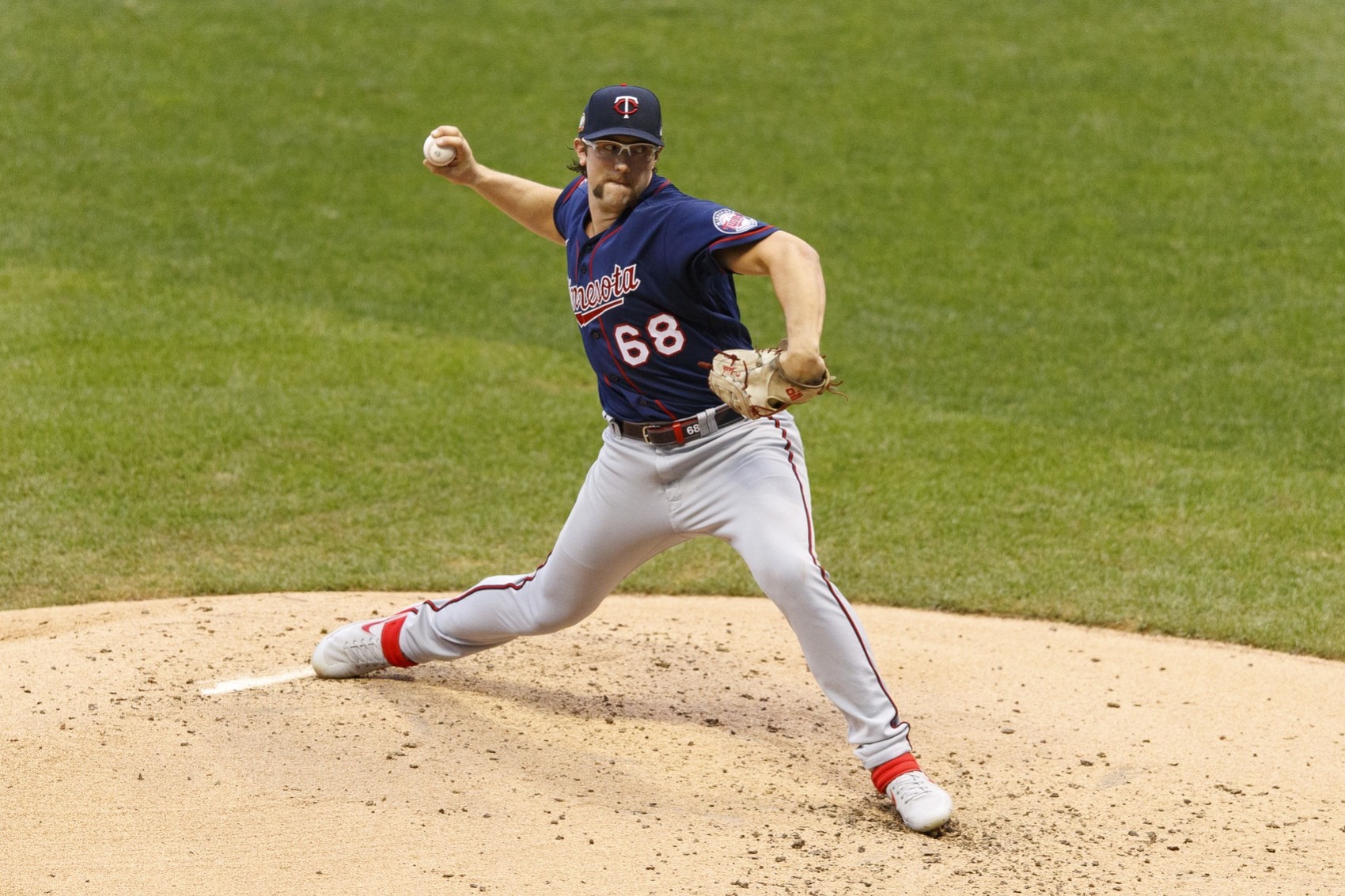 Box Score Dobnak: 5.0 IP, 4 H, 1 ER, 1 BB, 3 K Home Runs: Rosario (4) Top 3 WPA: Rosario .246, Dobnak .154, Rogers .099 Win Probability Chart (via FanGraphs): The start of the game between the Minnesota Twins and Milwaukee Brewers didn’t take off like we had hoped for Twins. It felt like the bats were going to struggle just like they had been over the weekend. So when Eddie Rosario narrowly missed a flyball at the wall off the bat of Orlando Arcia to put the Brewers up 1-0. Doom and gloom began to set in once again. All it took to get runs on the board and Dobnak cruising was a quirky third inning at the plate. Alex Avila led off with a solid single up the middle. Max Kepler reached on a swinging bunt towards shortstop. Polanco gained an extra life after Christian Yelich was ruled to drop a foul ball pop-up, and hit into a fielder's choice leaving runners on 1st and 3rd with one out. With Nelson Cruz at the plate, Adrian Hauser plunked him right on the elbow to load the bases for Rosario. The man who coined the name Bomba Squad hit what may end up being one of the more relief-giving Bombas of the season. One that more than made up for Rosario’s misplay in the field earlier in the game, putting the Twins up 4-1. Those 4 runs would be all it took to get the win in 4-2 fashion. The reason those runs were all that the Twins needed was because Randy Dobnak just continued to do Randy Dobnak things. The run surrendered in the second inning was only the second run given up by Dobnak this season. After that he really hit his stride and started to retire Brewer batter after Brewer batter. The current steadying force of the rotation finished with 5.0 innings pitched, 4 hits, 1 earned run, 3 strikeouts, and 1 walk. Oh and in case you wanted to think about how good he was just a bit more there is this fun little graphic. https://twitter.com/TFTwins/status/1293010112202907648 From the sixth inning on, the bullpen came in and did their job. The only hiccup was a solo homerun surrendered by Sergio Romo as he faced Keston Hiura. Tonight we got to see Trevor May, Tyler Duffey, and Taylor Rogers as well get on the mound and work the end of a game like we have grown used to seeing them do to close out a game. Even if Manny Pina reaching second base in the ninth caused a bit of a higher heart rate. While there is plenty to celebrate with this win that breaks the 4-game losing streak the Twins were on, there are still some reasons for concern for a team with a World Series in their sights. What may be looming largest is that the offense isn’t quite yet at the level we came to expect over 2019. That doesn’t mean that the Twins need to score 10 runs every game (but we wouldn’t complain). With 7 hits, once again the Twins needed to bunch together the right amount of hits to get the job done. On the other hand, that could be a win in itself, being the Twins played without Miguel Sano, Mitch Garver, and injured Josh Donaldson in the lineup. What stood out to you from tonight's Twins 4-2 win? Let us know below in the comments! Bullpen Usage Spreadsheet Postgame Pint https://www.youtube.com/watch?v=G5adT7mpyCU&feature=youtu.be Download The Postgame Pint Podcast You can also listen to the Postgame Pint and never miss another one. Just head over to our iTunes page and subscribe. Every morning you'll have a new episode waiting for you. Or listen wherever you download your favorite podcasts.
 -
The Detroit Tigers have started off 2020 hot. That start is in part to the credit of good starts from two former Twins. The question is, are the Tigers for real or is this no more than just a hot start?15.5%. That is the percentage of the Minnesota Twins 309 2019 home runs took their talents to Detroit. It did so in the form of 25 C.J. Cron home runs and 23 Jonathan Schoop home runs. While neither helped the Twins much down the stretch of 2019 due to injury (Cron) and young stud Luis Arraez getting his chance and taking it (Schoop), there is no denying both did their share of Bomba launching for the club. No matter what either did in 2019, there was the need to move on from both. Especially the minute Josh Donaldson entered the picture. Ironically enough, both ended up with “Twins East” in Detroit under the leadership of former Twins skipper Ron Gardenhire. While the season is certainly young, both players and the Tigers are making waves across Major League Baseball. Entering Sunday, Schoop had hit three home runs and Cron two as the Tigers joined the Cubs in a tie for the fourth-most home runs with 15 total. What is really the more surprising aspect of the Tigers performance is they are 5-5. Every pre-season projection had the Tigers and Royals very much on the outside looking in. The Tigers are doing their best to make those making those predictions look very wrong. The duo of former Twins, alongside a glimmer of power resurgence from the former regular Triple-Crown candidate Miguel Cabrera (three home runs) and a beginning season surge from young outfielder JaCoby Jones (.379 avg and three home runs) has the Tigers taking the place of the Chicago White Sox in Central Division contention. The real question remaining is will the Tigers be able to keep this performance level up? It wouldn’t be the first time a Gardenhire led team exceeded expectations. If Detroit does stick around the top of the Central the calls for the major league debut of top pitching prospect Casey Mize will certainly grow louder as well. For now Gardenhire and the Tigers are looking good. The Twins have some time before facing off against the Tigers. At that point we will know better if this is one of the new battles for the division crown or a simple “Hi” to some old friends. What we do know is Cron and Schoop have carried some of their 2019 into 2020 to begin the young season. So maybe, just maybe, once you are part of the Bomba Squad...always part of the Bomba Squad. MORE FROM TWINS DAILY — Latest Twins coverage from our writers — Recent Twins discussion in our forums — Follow Twins Daily via Twitter, Facebook or email Click here to view the article
-
 15.5%. That is the percentage of the Minnesota Twins 309 2019 home runs took their talents to Detroit. It did so in the form of 25 C.J. Cron home runs and 23 Jonathan Schoop home runs. While neither helped the Twins much down the stretch of 2019 due to injury (Cron) and young stud Luis Arraez getting his chance and taking it (Schoop), there is no denying both did their share of Bomba launching for the club. No matter what either did in 2019, there was the need to move on from both. Especially the minute Josh Donaldson entered the picture. Ironically enough, both ended up with “Twins East” in Detroit under the leadership of former Twins skipper Ron Gardenhire. While the season is certainly young, both players and the Tigers are making waves across Major League Baseball. Entering Sunday, Schoop had hit three home runs and Cron two as the Tigers joined the Cubs in a tie for the fourth-most home runs with 15 total. What is really the more surprising aspect of the Tigers performance is they are 5-5. Every pre-season projection had the Tigers and Royals very much on the outside looking in. The Tigers are doing their best to make those making those predictions look very wrong. The duo of former Twins, alongside a glimmer of power resurgence from the former regular Triple-Crown candidate Miguel Cabrera (three home runs) and a beginning season surge from young outfielder JaCoby Jones (.379 avg and three home runs) has the Tigers taking the place of the Chicago White Sox in Central Division contention. The real question remaining is will the Tigers be able to keep this performance level up? It wouldn’t be the first time a Gardenhire led team exceeded expectations. If Detroit does stick around the top of the Central the calls for the major league debut of top pitching prospect Casey Mize will certainly grow louder as well. For now Gardenhire and the Tigers are looking good. The Twins have some time before facing off against the Tigers. At that point we will know better if this is one of the new battles for the division crown or a simple “Hi” to some old friends. What we do know is Cron and Schoop have carried some of their 2019 into 2020 to begin the young season. So maybe, just maybe, once you are part of the Bomba Squad...always part of the Bomba Squad. MORE FROM TWINS DAILY — Latest Twins coverage from our writers — Recent Twins discussion in our forums — Follow Twins Daily via Twitter, Facebook or email
 -
The Twins lineup gave Kenta Maeda a wonderful welcoming present. Jake Cave hit a grand slam in the first inning before the Twins added five more runs in the second frame, making for a low-stress Twins debut for Maeda.Box Score Maeda: 5.0 IP, 4 H, 2 ER, 1 BB, 6 K Home Runs: Cave (1), Cruz 2 (3), Gonzalez (1) Top 3 WPA: Cave .283, Cruz .102, Maeda .055 Win Probability Chart (via FanGraphs): Download attachment: WinChart.png The Minnesota Twins took Sunday’s rubber match as an opportunity to declare that they are still the reigning AL Central Champs and don't plan on letting that change easily. That statement was fueled by a good debut by Kenta Maeda paired with an offensive explosion. The headliner being Nelson Cruz and his two home runs, two doubles, and seven RBIs were added to his already excellent numbers against the White Sox. The 1st inning looked to be headed to a non-exciting end as Josh Donaldson jogged out a bobbled ground ball to Tim Anderson which resulted in the second out of the inning. The Twins were not content with that and went on a 2-out rally to set up a Jake Cave Grand Slam to put the team up 4-0 early. After Maeda led the game by recording his first strike out as a Twin and going 1-2-3 in the first. The Twins loaded the bases again in the 2nd inning. This time it was Nelson Cruz with a bases clearing double that seemed to fully exercise any batting with the bases loaded demons that may have existed. Maeda was able to find a good groove after being spotted a four run lead before even toeing the rubber. Before giving way to Lewis Thorpe in the 6th inning, Maeda pitched to the tune of 5.0 IP, 4 hits, 2 earned runs, 1 walk, and 6 strikeouts. Really besides Luis Robert’s first career home run, Maeda kept the White Sox quiet throughout Sunday afternoon’s game. The story of the game feels like it begins and ends with Nelson Cruz’s performance. It is simply amazing and a joy to watch how good Cruz continues to be even after turning 40 as he now sits at three home runs on the young season. It also seems fitting to celebrate how big Jake Cave has been to begin the season. He has once again performed well in important at-bats and has driven in 6 runs as he fills in for Byron Buxton. While there is a lot to celebrate there are few developments that cause a level of concern. The Twins have to be hoping that with an off day on Monday that Josh Donaldson will be able to find his bat. It is too early to call this an absolutely bad start to his Twins career, but it would feel good to see that first big hit fly off of his bat. It was very hard to see Lewis Thorpe leave today’s game with an injury after pitching well and turning in a line of 2.2 IP, 1 hit, 2 walks, and no runs allowed. Hope to see him back out on the mound soon as he continues to be one of the bright young arms that could take a positive step forward in 2020. The first place Twins will have the day off tomorrow as they prepare to play their first game at home as they open up a series against the St. Louis Cardinals on Tuesday. The matchup for that first game is currently scheduled to be Carlos Martinez for the Cardinals and Homer Bailey for the Twins. Bullpen Usage Spreadsheet Download attachment: BullpenChart.png Highlights Click here to view the article
-
MIN 14, CHW 2: Lineup Flexes Early to Aid Maeda in Victorious Twins Debut
Nate Palmer posted an article in Twins
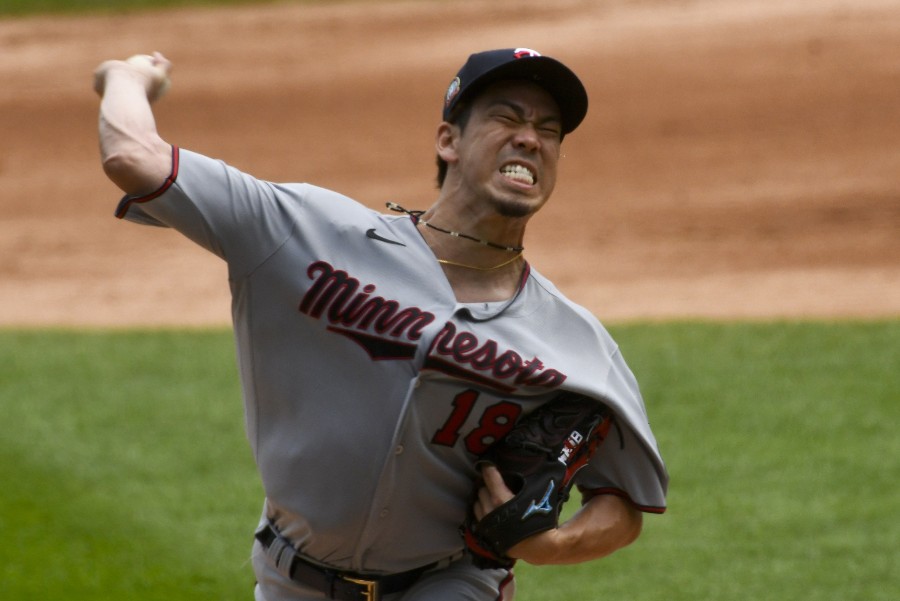 Box Score Maeda: 5.0 IP, 4 H, 2 ER, 1 BB, 6 K Home Runs: Cave (1), Cruz 2 (3), Gonzalez (1) Top 3 WPA: Cave .283, Cruz .102, Maeda .055 Win Probability Chart (via FanGraphs): The Minnesota Twins took Sunday’s rubber match as an opportunity to declare that they are still the reigning AL Central Champs and don't plan on letting that change easily. That statement was fueled by a good debut by Kenta Maeda paired with an offensive explosion. The headliner being Nelson Cruz and his two home runs, two doubles, and seven RBIs were added to his already excellent numbers against the White Sox. The 1st inning looked to be headed to a non-exciting end as Josh Donaldson jogged out a bobbled ground ball to Tim Anderson which resulted in the second out of the inning. The Twins were not content with that and went on a 2-out rally to set up a Jake Cave Grand Slam to put the team up 4-0 early. After Maeda led the game by recording his first strike out as a Twin and going 1-2-3 in the first. The Twins loaded the bases again in the 2nd inning. This time it was Nelson Cruz with a bases clearing double that seemed to fully exercise any batting with the bases loaded demons that may have existed. Maeda was able to find a good groove after being spotted a four run lead before even toeing the rubber. Before giving way to Lewis Thorpe in the 6th inning, Maeda pitched to the tune of 5.0 IP, 4 hits, 2 earned runs, 1 walk, and 6 strikeouts. Really besides Luis Robert’s first career home run, Maeda kept the White Sox quiet throughout Sunday afternoon’s game. The story of the game feels like it begins and ends with Nelson Cruz’s performance. It is simply amazing and a joy to watch how good Cruz continues to be even after turning 40 as he now sits at three home runs on the young season. https://twitter.com/ESPNStatsInfo/status/1287497129209069568 It also seems fitting to celebrate how big Jake Cave has been to begin the season. He has once again performed well in important at-bats and has driven in 6 runs as he fills in for Byron Buxton. While there is a lot to celebrate there are few developments that cause a level of concern. The Twins have to be hoping that with an off day on Monday that Josh Donaldson will be able to find his bat. It is too early to call this an absolutely bad start to his Twins career, but it would feel good to see that first big hit fly off of his bat. It was very hard to see Lewis Thorpe leave today’s game with an injury after pitching well and turning in a line of 2.2 IP, 1 hit, 2 walks, and no runs allowed. Hope to see him back out on the mound soon as he continues to be one of the bright young arms that could take a positive step forward in 2020. The first place Twins will have the day off tomorrow as they prepare to play their first game at home as they open up a series against the St. Louis Cardinals on Tuesday. The matchup for that first game is currently scheduled to be Carlos Martinez for the Cardinals and Homer Bailey for the Twins. Bullpen Usage Spreadsheet Highlights
 -
Recently MLB.com published an article titled “Hitters who could feast on rivals in 2020”breaking down some hitters that will especially succeed against one of their opponents in this upcoming sprint of a 60 game season. In that article, Josh Donaldson was one of the six choices as a candidate who should rake against the White Sox this season.While I agree Donaldson should absolutely be able to have success against the White Sox, there is another Twins hitter that I think will have even more success against the Southsiders. That caused me to wonder which Twin hitter is a candidate to especially have success against each of the teams opponents for the upcoming season. Chicago White Sox: Nelson Cruz Cruz holds a combined .930 OPS against all current White Sox pitchers. That includes an overall line of .287/.364/.566 with 11 home runs and 30 RBI’s. In 53 plate appearances against Dallas Keuchel the ageless wonder holds a 1.063 OPS and has collected five home runs. Cruz has also handled Giolito well. Adding another three home runs and posting a 1.583 OPS. Cleveland Indians: Marwin Gonzalez The problem in this exercise is small sample sizes and so we are only working with just over 50 plate appearances for Gonzalez, but he has success against some key Indian pitchers. In 11 plate appearances against Mike Clevinger he has slashed .333/.455/.333 and a .788 OPS. Better than that is his performance against Shane Bieber where in nine plate appearances Gonzalez has hit for a 1.889 OPS. Detroit Tigers: Mitch Garver Garver hasn’t had a whole lot of time to bat against the Tigers but he has made the most of it. Out of the pitchers he has faced from the fighting Gardenhire’s he has slashed .433/.500/1.067 with a 1.567 OPS and four home runs. Leading the way to pushing those numbers as high as they are is his head to head matchups with Matthew Boyd. In 15 plate appearances Garver has a double, triple, two home runs, and a 1.700 OPS against Boyd. Kansas City Royals: Josh Donaldson Technically Cruz should take this spot too, but in an attempt to not duplicate we will give this spot to Donaldson. Donaldson boasts a .903 OPS against the current Royals pitching staff and has specifically had success against Danny Duffy. In 17 plate appearances he has hit one home run and holds a 1.027 OPS. As we take a look at the National League opponents we get very small sample sizes. So be prepared for this to get a bit weird. Milwaukee Brewers: Alex Avila Avila is here mainly because of his success against the Brewers staff ace. Living within the confines of the cheese state, I have heard lots of love for Brandon Woodruff as we have waited for the 2020 season to begin. Avila has faced Woodruff seven times and has tagged him for a home run and three walks. Nothing too impressive, but again these NL teams give us very small sample sizes. Chicago Cubs: Jorge Polanco A majority of Polanco’s numbers against Cubs pitchers comes from Jose Quintana’s time with the White Sox. In 13 plate appearances he has collected five hits including a home run on his way to 1.128 OPS. That gives Polanco a .945 in all his appearances against the current Cubs staff. St. Louis Cardinals: Eddie Rosario With some good games against Miles Mikolas and Carlos Martinez, Rosario is the current Twins poised to perform the best against the Cardinals based on past experience. Three hits against both Marinez and Mikolas as well as another against Flaherty gives Rosario a .913 OPS in 23 plate appearances against current Cardinal pitchers. Cincinnati Reds: Max Kepler This one almost isn’t even fair. Kepler’s dominance of Trevor Bauer makes him the Twins leader when it comes to the current Reds’ pitching staff. Kepler’s five home runs and 1.211 OPS in 40 plate appearances against Bauer almost doesn’t make it fair. Kepler also has decent numbers against Sonny Gray with a slash line of .300/.364/.300 and a .664 OPS for an overall OPS of 1.043 against the Reds staff. Pittsburgh Pirates: Nelson Cruz I didn’t want to repeat a hitter but it was just hard going for anyone else against the Pirates. Cruz has performed well against Chris Archer (.931 OPS) and Keone Kela (1.750 OPS) with a home run against each of the Pirates pitchers. He will look to keep that streak going and improve his overall .981 OPS against their staff and make Derek Shelton wish he still had Cruz on his side. Please share your thoughts in the comments below. Not registered? Click here to create an account. To stay up to date, follow Twins Daily on Twitter and Facebook. MORE FROM TWINS DAILY — Latest Twins coverage from our writers — Recent Twins discussion in our forums — Follow Twins Daily via Twitter, Facebook or email Click here to view the article
-
Recently MLB.com published an article titled “Hitters who could feast on rivals in 2020”breaking down some hitters that will especially succeed against one of their opponents in this upcoming sprint of a 60 game season. In that article, Josh Donaldson was one of the six choices as a candidate who should rake against the White Sox this season.While I agree Donaldson should absolutely be able to have success against the White Sox, there is another Twins hitter that I think will have even more success against the Southsiders. That caused me to wonder which Twin hitter is a candidate to especially have success against each of the teams opponents for the upcoming season. Chicago White Sox: Nelson Cruz Cruz holds a combined .930 OPS against all current White Sox pitchers. That includes an overall line of .287/.364/.566 with 11 home runs and 30 RBI’s. In 53 plate appearances against Dallas Keuchel the ageless wonder holds a 1.063 OPS and has collected five home runs. Cruz has also handled Giolito well. Adding another three home runs and posting a 1.583 OPS. Cleveland Indians: Marwin Gonzalez The problem in this exercise is small sample sizes and so we are only working with just over 50 plate appearances for Gonzalez, but he has success against some key Indian pitchers. In 11 plate appearances against Mike Clevinger he has slashed .333/.455/.333 and a .788 OPS. Better than that is his performance against Shane Bieber where in nine plate appearances Gonzalez has hit for a 1.889 OPS. Detroit Tigers: Mitch Garver Garver hasn’t had a whole lot of time to bat against the Tigers but he has made the most of it. Out of the pitchers he has faced from the fighting Gardenhire’s he has slashed .433/.500/1.067 with a 1.567 OPS and four home runs. Leading the way to pushing those numbers as high as they are is his head to head matchups with Matthew Boyd. In 15 plate appearances Garver has a double, triple, two home runs, and a 1.700 OPS against Boyd. Kansas City Royals: Josh Donaldson Technically Cruz should take this spot too, but in an attempt to not duplicate we will give this spot to Donaldson. Donaldson boasts a .903 OPS against the current Royals pitching staff and has specifically had success against Danny Duffy. In 17 plate appearances he has hit one home run and holds a 1.027 OPS. As we take a look at the National League opponents we get very small sample sizes. So be prepared for this to get a bit weird. Milwaukee Brewers: Alex Avila Avila is here mainly because of his success against the Brewers staff ace. Living within the confines of the cheese state, I have heard lots of love for Brandon Woodruff as we have waited for the 2020 season to begin. Avila has faced Woodruff seven times and has tagged him for a home run and three walks. Nothing too impressive, but again these NL teams give us very small sample sizes. Chicago Cubs: Jorge Polanco A majority of Polanco’s numbers against Cubs pitchers comes from Jose Quintana’s time with the White Sox. In 13 plate appearances he has collected five hits including a home run on his way to 1.128 OPS. That gives Polanco a .945 in all his appearances against the current Cubs staff. St. Louis Cardinals: Eddie Rosario With some good games against Miles Mikolas and Carlos Martinez, Rosario is the current Twins poised to perform the best against the Cardinals based on past experience. Three hits against both Marinez and Mikolas as well as another against Flaherty gives Rosario a .913 OPS in 23 plate appearances against current Cardinal pitchers. Cincinnati Reds: Max Kepler This one almost isn’t even fair. Kepler’s dominance of Trevor Bauer makes him the Twins leader when it comes to the current Reds’ pitching staff. Kepler’s five home runs and 1.211 OPS in 40 plate appearances against Bauer almost doesn’t make it fair. Kepler also has decent numbers against Sonny Gray with a slash line of .300/.364/.300 and a .664 OPS for an overall OPS of 1.043 against the Reds staff. Pittsburgh Pirates: Nelson Cruz I didn’t want to repeat a hitter but it was just hard going for anyone else against the Pirates. Cruz has performed well against Chris Archer (.931 OPS) and Keone Kela (1.750 OPS) with a home run against each of the Pirates pitchers. He will look to keep that streak going and improve his overall .981 OPS against their staff and make Derek Shelton wish he still had Cruz on his side. Please share your thoughts in the comments below. Not registered? Click here to create an account. To stay up to date, follow Twins Daily on Twitter and Facebook. MORE FROM TWINS DAILY — Latest Twins coverage from our writers — Recent Twins discussion in our forums — Follow Twins Daily via Twitter, Facebook or email Click here to view the article
-
Who's the Most Likely Twins Hitter to Be a Thorn in Each Opponent's Side?
Nate Palmer posted an article in Twins
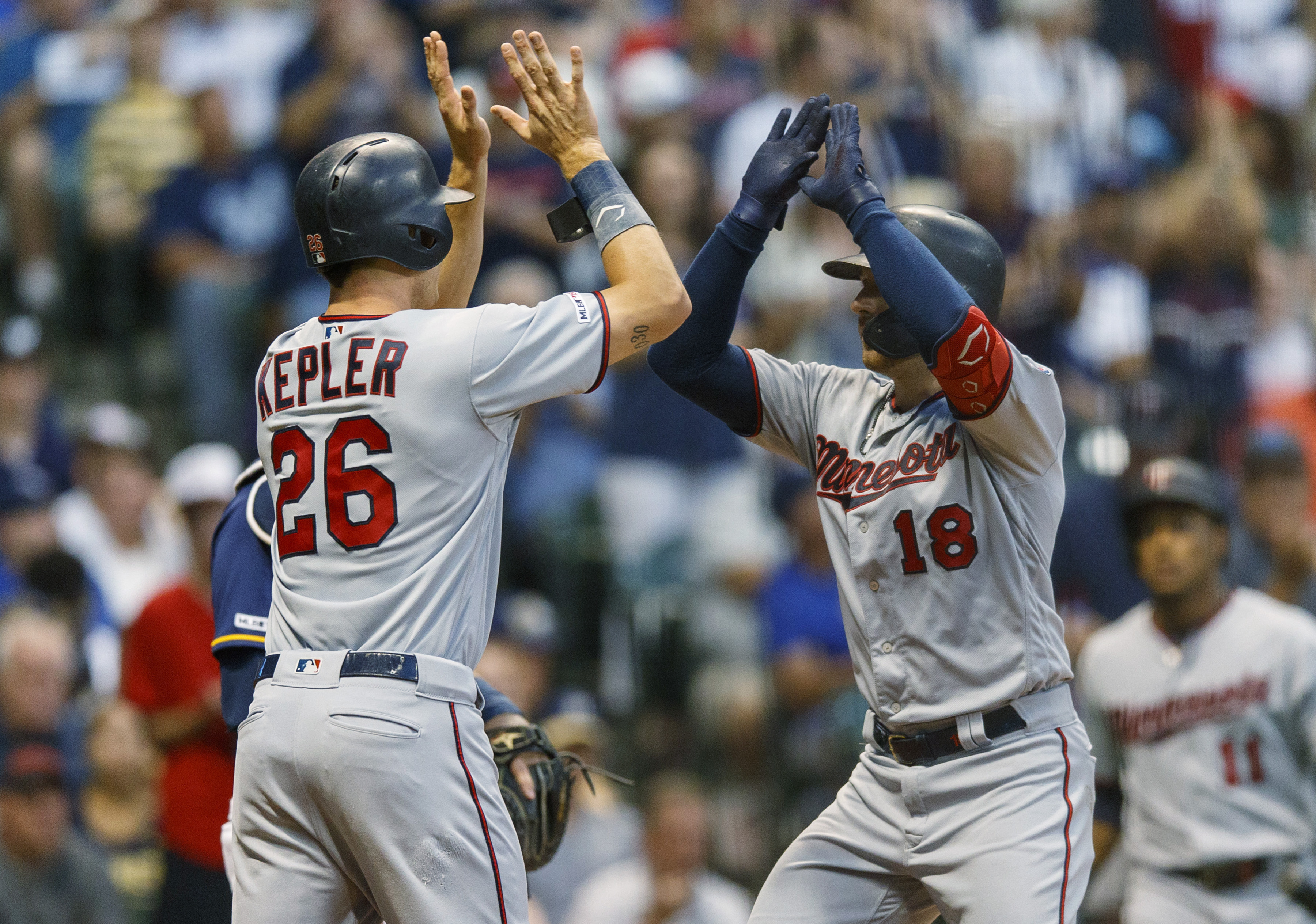 While I agree Donaldson should absolutely be able to have success against the White Sox, there is another Twins hitter that I think will have even more success against the Southsiders. That caused me to wonder which Twin hitter is a candidate to especially have success against each of the teams opponents for the upcoming season. Chicago White Sox: Nelson Cruz Cruz holds a combined .930 OPS against all current White Sox pitchers. That includes an overall line of .287/.364/.566 with 11 home runs and 30 RBI’s. In 53 plate appearances against Dallas Keuchel the ageless wonder holds a 1.063 OPS and has collected five home runs. Cruz has also handled Giolito well. Adding another three home runs and posting a 1.583 OPS. Cleveland Indians: Marwin Gonzalez The problem in this exercise is small sample sizes and so we are only working with just over 50 plate appearances for Gonzalez, but he has success against some key Indian pitchers. In 11 plate appearances against Mike Clevinger he has slashed .333/.455/.333 and a .788 OPS. Better than that is his performance against Shane Bieber where in nine plate appearances Gonzalez has hit for a 1.889 OPS. Detroit Tigers: Mitch Garver Garver hasn’t had a whole lot of time to bat against the Tigers but he has made the most of it. Out of the pitchers he has faced from the fighting Gardenhire’s he has slashed .433/.500/1.067 with a 1.567 OPS and four home runs. Leading the way to pushing those numbers as high as they are is his head to head matchups with Matthew Boyd. In 15 plate appearances Garver has a double, triple, two home runs, and a 1.700 OPS against Boyd. Kansas City Royals: Josh Donaldson Technically Cruz should take this spot too, but in an attempt to not duplicate we will give this spot to Donaldson. Donaldson boasts a .903 OPS against the current Royals pitching staff and has specifically had success against Danny Duffy. In 17 plate appearances he has hit one home run and holds a 1.027 OPS. As we take a look at the National League opponents we get very small sample sizes. So be prepared for this to get a bit weird. Milwaukee Brewers: Alex Avila Avila is here mainly because of his success against the Brewers staff ace. Living within the confines of the cheese state, I have heard lots of love for Brandon Woodruff as we have waited for the 2020 season to begin. Avila has faced Woodruff seven times and has tagged him for a home run and three walks. Nothing too impressive, but again these NL teams give us very small sample sizes. Chicago Cubs: Jorge Polanco A majority of Polanco’s numbers against Cubs pitchers comes from Jose Quintana’s time with the White Sox. In 13 plate appearances he has collected five hits including a home run on his way to 1.128 OPS. That gives Polanco a .945 in all his appearances against the current Cubs staff. St. Louis Cardinals: Eddie Rosario With some good games against Miles Mikolas and Carlos Martinez, Rosario is the current Twins poised to perform the best against the Cardinals based on past experience. Three hits against both Marinez and Mikolas as well as another against Flaherty gives Rosario a .913 OPS in 23 plate appearances against current Cardinal pitchers. Cincinnati Reds: Max Kepler This one almost isn’t even fair. Kepler’s dominance of Trevor Bauer makes him the Twins leader when it comes to the current Reds’ pitching staff. Kepler’s five home runs and 1.211 OPS in 40 plate appearances against Bauer almost doesn’t make it fair. Kepler also has decent numbers against Sonny Gray with a slash line of .300/.364/.300 and a .664 OPS for an overall OPS of 1.043 against the Reds staff. Pittsburgh Pirates: Nelson Cruz I didn’t want to repeat a hitter but it was just hard going for anyone else against the Pirates. Cruz has performed well against Chris Archer (.931 OPS) and Keone Kela (1.750 OPS) with a home run against each of the Pirates pitchers. He will look to keep that streak going and improve his overall .981 OPS against their staff and make Derek Shelton wish he still had Cruz on his side. Please share your thoughts in the comments below. Not registered? Click here to create an account. To stay up to date, follow Twins Daily on Twitter and Facebook. MORE FROM TWINS DAILY — Latest Twins coverage from our writers — Recent Twins discussion in our forums — Follow Twins Daily via Twitter, Facebook or email
 -
While the Minnesota Twins are still not playing games as MLB and the MLBPA continue to hammer away at negotiations, yet another baseball league has resumed play. This time it is Japan’s Nippon Professional Baseball League (NPB), which began play over the weekend.The NPB is widely considered to be the next best league behind the MLB in the world. Like we have seen in the KBO, there are a decent number of former MLB players that make their way to Japan with hopes of proving themselves again to major league teams. Adam Jones may qualify as the most recognizable name for most MLB fans on 2020 NPB rosters. Then there is the now 39-year-old, master of the gyro-ball, and former Red Sox pitcher Daisuke Matsuzaka. Among those MLB wide recognizable names are several former Twins who we can keep an eye on while we wait for baseball to resume stateside. JT Chargois (Tohoku Rakuten Golden Eagles) Chargois was a second-round draft pick by the Twins in 2012 and it wasn’t long ago that we were lamenting losing the right-handed flame thrower to the Los Angeles Dodgers on waivers. We saw him pitch in 25 games for the Twins in 2016, tossing 23 innings and posting a 4.70 ERA. After Chargois and his upper 90s fastball moved to LA, he put together a solid 2018 with 32 1/3 innings and a 3.34 ERA. A down 2019 has landed him in Japan for 2020. Alan Busenitz (Tohoku Rakuten Golden Eagles) There was a period of time where Busenitz looked like he was entrenching himself as a setup man for the Twins. In 2017, as the Twins made their impressive run to the playoffs, Busenitz performed very well, appearing in 28 games with a 1.99 ERA. Much like his NPB teammate, the wheels fell off the next season as Busenitz saw 23 games worth of action and saw his ERA skyrocket to 7.82. While the season is very young, Busenitz is already appearing on the NPB’s Top Setuppers list. Andrew Albers (Orix Buffaloes) Albers had two stints with the Twins in 2013 and 2016. The left-hander did pitch pretty well for the Twins in 2013, starting 10 games and going 60 innings with a 4.05 ERA. Albers will always have the great story of his first start where he loaded up his high 80s fastball to defeat the Kansas City Royals in what was the Twins longest start by any pitcher to that point in the season. In a season that meant little, Albers gave us something to cheer for. Tyler Austin (Yokohama DeNA BayStars) Austin came to the Twins in part of the package that sent Lance Lynn to the Yankees. His career may be marked most by all the potential for power that seemed to be in his bat, but the package just has not been put together at this point. In 2018, Austin saw action in 35 games and hit .236/.294/.488 with nine home runs. In 2019, Austin only appeared in two games for the Twins before being traded to the San Francisco Giants. Kris Johnson (Hiroshima Toyo Carp) If you remember anything from Johnson’s short career with Minnesota it would be his first start. He started the second game of a double header against the Dodgers and gave up no runs in 4 1/3 innings. It wasn’t the prettiest, as it took him 106 pitches and he had a lopsided six walks to his five strikeouts. Johnson only appeared in two more games for the Twins, bringing his totals to 13 1/3 innings and a 4.73 ERA in a Twins uniform before being released in the offseason. Please share your thoughts in the comments below. Not registered? Click here to create an account. To stay up to date, follow Twins Daily on Twitter and Facebook. MORE FROM TWINS DAILY — Latest Twins coverage from our writers — Recent Twins discussion in our forums — Follow Twins Daily via Twitter, Facebook or email Click here to view the article
-
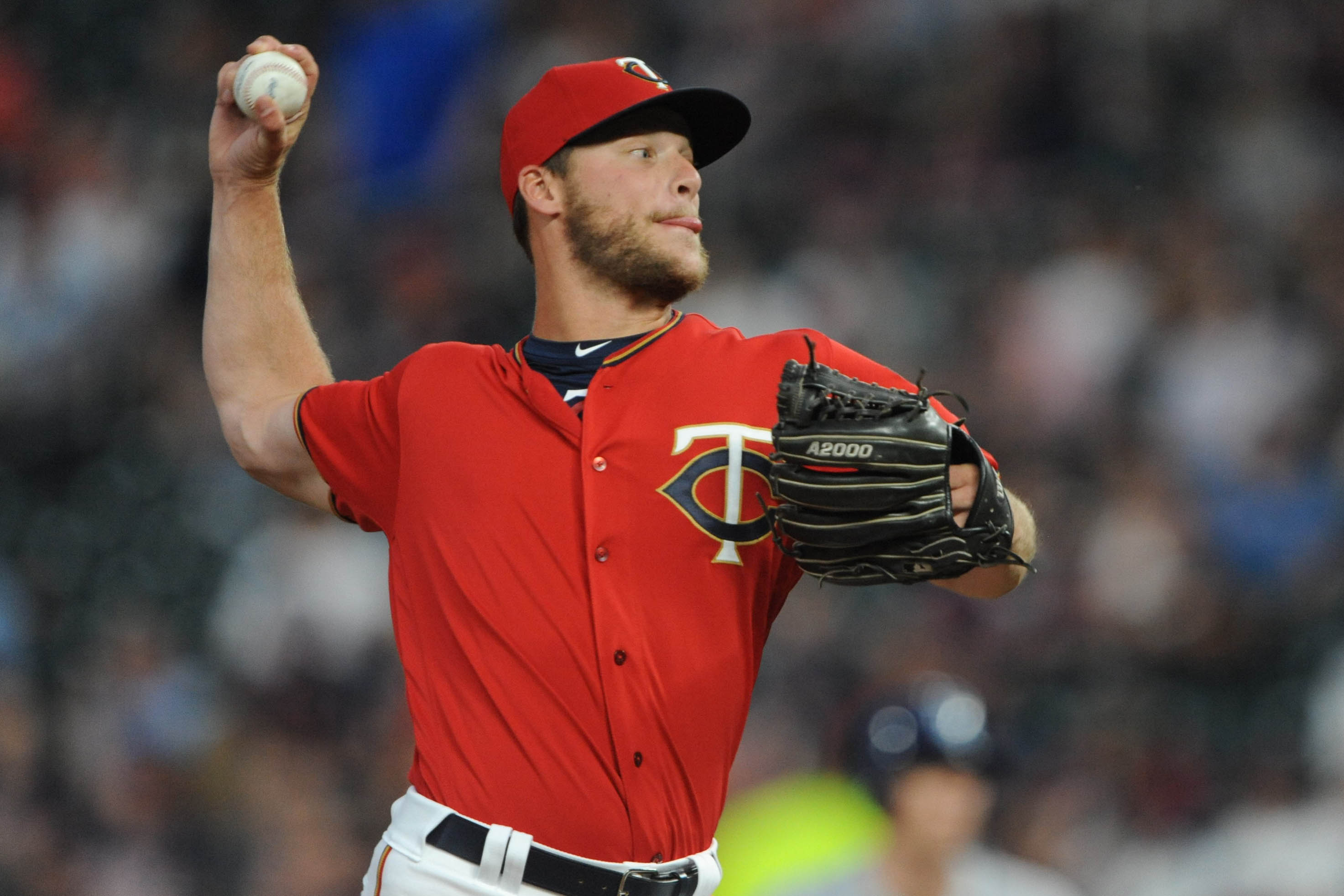 The NPB is widely considered to be the next best league behind the MLB in the world. Like we have seen in the KBO, there are a decent number of former MLB players that make their way to Japan with hopes of proving themselves again to major league teams. Adam Jones may qualify as the most recognizable name for most MLB fans on 2020 NPB rosters. Then there is the now 39-year-old, master of the gyro-ball, and former Red Sox pitcher Daisuke Matsuzaka. Among those MLB wide recognizable names are several former Twins who we can keep an eye on while we wait for baseball to resume stateside. JT Chargois (Tohoku Rakuten Golden Eagles) Chargois was a second-round draft pick by the Twins in 2012 and it wasn’t long ago that we were lamenting losing the right-handed flame thrower to the Los Angeles Dodgers on waivers. We saw him pitch in 25 games for the Twins in 2016, tossing 23 innings and posting a 4.70 ERA. After Chargois and his upper 90s fastball moved to LA, he put together a solid 2018 with 32 1/3 innings and a 3.34 ERA. A down 2019 has landed him in Japan for 2020. Alan Busenitz (Tohoku Rakuten Golden Eagles) There was a period of time where Busenitz looked like he was entrenching himself as a setup man for the Twins. In 2017, as the Twins made their impressive run to the playoffs, Busenitz performed very well, appearing in 28 games with a 1.99 ERA. Much like his NPB teammate, the wheels fell off the next season as Busenitz saw 23 games worth of action and saw his ERA skyrocket to 7.82. While the season is very young, Busenitz is already appearing on the NPB’s Top Setuppers list. Andrew Albers (Orix Buffaloes) Albers had two stints with the Twins in 2013 and 2016. The left-hander did pitch pretty well for the Twins in 2013, starting 10 games and going 60 innings with a 4.05 ERA. Albers will always have the great story of his first start where he loaded up his high 80s fastball to defeat the Kansas City Royals in what was the Twins longest start by any pitcher to that point in the season. In a season that meant little, Albers gave us something to cheer for. Tyler Austin (Yokohama DeNA BayStars) Austin came to the Twins in part of the package that sent Lance Lynn to the Yankees. His career may be marked most by all the potential for power that seemed to be in his bat, but the package just has not been put together at this point. In 2018, Austin saw action in 35 games and hit .236/.294/.488 with nine home runs. In 2019, Austin only appeared in two games for the Twins before being traded to the San Francisco Giants. Kris Johnson (Hiroshima Toyo Carp) If you remember anything from Johnson’s short career with Minnesota it would be his first start. He started the second game of a double header against the Dodgers and gave up no runs in 4 1/3 innings. It wasn’t the prettiest, as it took him 106 pitches and he had a lopsided six walks to his five strikeouts. Johnson only appeared in two more games for the Twins, bringing his totals to 13 1/3 innings and a 4.73 ERA in a Twins uniform before being released in the offseason. Please share your thoughts in the comments below. Not registered? Click here to create an account. To stay up to date, follow Twins Daily on Twitter and Facebook. MORE FROM TWINS DAILY — Latest Twins coverage from our writers — Recent Twins discussion in our forums — Follow Twins Daily via Twitter, Facebook or email
 -
So glad you wrote this Cody! Many of the reasons why I just haven't found a player to call my "favorite" since Span was traded.
-
I've discovered many great events and stories in my journey looking more closely at the 1965 Minnesota Twins, the type that makes you envious of those who actually got to watch that team with their own eyes. At the same time, there have been some other stories throughout Twins history that make you cringe.One event in particular makes you embarrassed to any way be associated with the person or organization that they represented. Until recently, I had always simply viewed the event as one of a couple links back to my hometown of Waseca, MN from the Twins. In the events of the last couple weeks, there is a different sort of embarrassment that accompanies reliving a statement made by Twins then owner, Calvin Griffith. The day was September 28, 1978 and Griffith was asked to speak at a Waseca Lions Club meeting. In the middle of a question and answer portion of the evening, Griffith was reported to make comments about race that would later be detailed by Minneapolis Tribune staffer Nick Coleman. Coleman wrote that after asking if there were "any blacks in the room" Griffith went on to say: “I’ll tell you why we came to Minnesota. It was when I found out you only had 15,000 blacks. Black people don’t go to ball games, but they’ll fill up a rassling ring and put up such a chant it’ll scare you to death. It’s unbelievable. We came here because you’ve got good, hardworking, white people here.” Griffith would also go on to specifically speak about Rod Carew’s contract and call him a “fool” for signing the contract that he did. As you can imagine, when Carew found out about Griffith’s comments he was not pleased. I have to assume saying “not pleased” is putting it very kindly. It was then and there Carew vowed to never sign another contract with Griffith and the Twins. We will never know if Carew would stick to his word, because he never had the chance to prove it. He was traded to the California Angels prior to 1979, the last season of the aforementioned contract. This looks to be one of the many examples of the sort of comments and actions that has led to where we see our country now. I know that all of us come to Twins Daily from a variety of backgrounds, and I don’t want to try and convince you to think or feel a certain way about what has happened surrounding George Floyd’s death. What I believe -- after not just what happened in Minneapolis, but hearing the stories of so many black men and women including some that I do have some connection to -- the root to what caused Griffith to make these racist comments does still exist in some form. I point that out that not to say any specific person is a racist, but we should all continue to look around us to see if we can see through the eyes of those crying for help. There is hope. I see hope even amongst the Carew-Griffith relationship. Based on Carew’s feelings toward Griffith on his way out of the Twins organization it seems impossible that Carew would make Griffith one of his first phone calls after being voted into the Hall of Fame, but that is exactly what happened. Carew even welcomed a statue in Griffith’s remembrance to be placed outside of the gate created in Carew’s honor, Gate 29, at Target Field. I haven’t seen an account of how Carew got from Griffith the bigot to Griffith the man he called and thanked (maybe there is a telling in Carew’s new book?), but I wonder if there is more we could all learn from their journey. Learning is sometimes a difficult journey. Empathy can be just as hard. I don’t know exactly what “getting it right” will look like, but I see hope in the Carew-Griffith relationship. Hopefully Minnesota can lead the way there. MORE FROM TWINS DAILY — Latest Twins coverage from our writers — Recent Twins discussion in our forums — Follow Twins Daily via Twitter, Facebook or email Click here to view the article
-
How My Hometown Became the Site of an Embarrassing Moment in Twins History
Nate Palmer posted an article in Twins
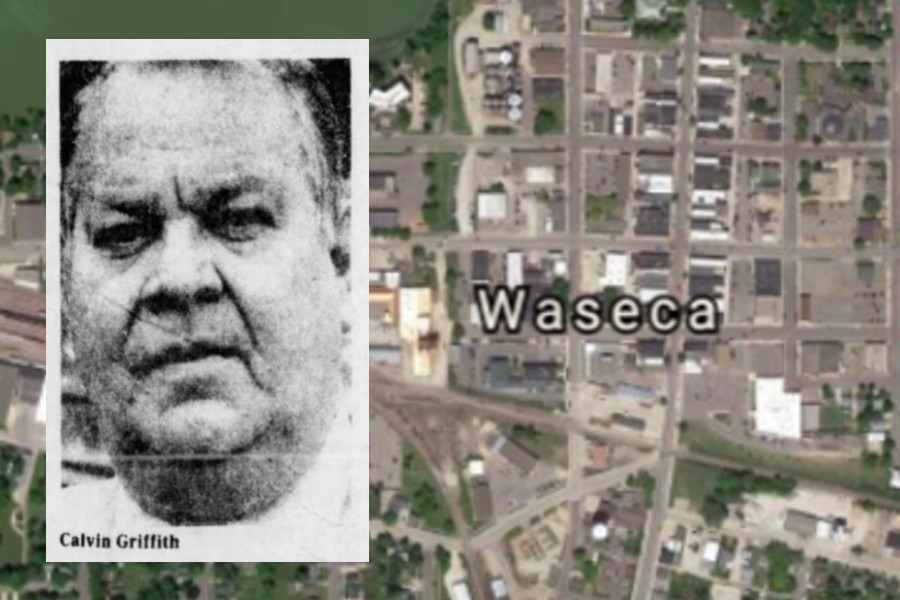 One event in particular makes you embarrassed to any way be associated with the person or organization that they represented. Until recently, I had always simply viewed the event as one of a couple links back to my hometown of Waseca, MN from the Twins. In the events of the last couple weeks, there is a different sort of embarrassment that accompanies reliving a statement made by Twins then owner, Calvin Griffith. The day was September 28, 1978 and Griffith was asked to speak at a Waseca Lions Club meeting. In the middle of a question and answer portion of the evening, Griffith was reported to make comments about race that would later be detailed by Minneapolis Tribune staffer Nick Coleman. Coleman wrote that after asking if there were "any blacks in the room" Griffith went on to say: “I’ll tell you why we came to Minnesota. It was when I found out you only had 15,000 blacks. Black people don’t go to ball games, but they’ll fill up a rassling ring and put up such a chant it’ll scare you to death. It’s unbelievable. We came here because you’ve got good, hardworking, white people here.” Griffith would also go on to specifically speak about Rod Carew’s contract and call him a “fool” for signing the contract that he did. As you can imagine, when Carew found out about Griffith’s comments he was not pleased. I have to assume saying “not pleased” is putting it very kindly. It was then and there Carew vowed to never sign another contract with Griffith and the Twins. We will never know if Carew would stick to his word, because he never had the chance to prove it. He was traded to the California Angels prior to 1979, the last season of the aforementioned contract. This looks to be one of the many examples of the sort of comments and actions that has led to where we see our country now. I know that all of us come to Twins Daily from a variety of backgrounds, and I don’t want to try and convince you to think or feel a certain way about what has happened surrounding George Floyd’s death. What I believe -- after not just what happened in Minneapolis, but hearing the stories of so many black men and women including some that I do have some connection to -- the root to what caused Griffith to make these racist comments does still exist in some form. I point that out that not to say any specific person is a racist, but we should all continue to look around us to see if we can see through the eyes of those crying for help. There is hope. I see hope even amongst the Carew-Griffith relationship. Based on Carew’s feelings toward Griffith on his way out of the Twins organization it seems impossible that Carew would make Griffith one of his first phone calls after being voted into the Hall of Fame, but that is exactly what happened. Carew even welcomed a statue in Griffith’s remembrance to be placed outside of the gate created in Carew’s honor, Gate 29, at Target Field. I haven’t seen an account of how Carew got from Griffith the bigot to Griffith the man he called and thanked (maybe there is a telling in Carew’s new book?), but I wonder if there is more we could all learn from their journey. Learning is sometimes a difficult journey. Empathy can be just as hard. I don’t know exactly what “getting it right” will look like, but I see hope in the Carew-Griffith relationship. Hopefully Minnesota can lead the way there. MORE FROM TWINS DAILY — Latest Twins coverage from our writers — Recent Twins discussion in our forums — Follow Twins Daily via Twitter, Facebook or email
 -
Benching a healthy All-Star during the World Series seems unfathomable at first glance. That is exactly what 1965 Minnesota Twins manager Sam Mele did to try to gain an edge to defeat a lefty-heavy Los Angeles Dodger rotation.Can you imagine a world where your favorite team finished the season in first place in their league? Not only first place, but made their way to the World Series? Then imagine that season boasted a ton of accolades to include sending six players to participate in the All-Star Game. Sounds pretty good until I share the strange fact that only five of those six All-Stars would play in the World Series. And not because of injury. Instead it was because all the information put in front of the manager pointed to a platoon in center field that sat more than played the All-Star at the position being the best route to winning a championship. By now many of you long-time Minnesota Twins fans know where this is going. In 1965, the Twins had on their roster center fielder Jimmie Hall who had just turned in a spectacular season for a player who only a few seasons ago almost didn’t survive spring cuts. As the Twins made their way to 102 wins, Hall hit .285/.347/.464, with a .820 OPS, 25 doubles, and 20 home runs. While the left-handed hitting Hall did lots of great things for the Twins throughout that ‘65 season, a glaring weakness in his game was coming to light. He struggled against left-handed pitching. His slash line dropped to .240/.272/.333 and he only hit one of those 20 home runs from that side of the plate in ‘65. And the season prior was worse, as he hit .190/.242/.281 with a single home run again when facing southpaws. With the Dodgers bringing not only left-hander Sandy Koufax but also Claude Osteen to their World Series rotation, manager Sam Mele decided he couldn’t continue to just run Hall out there to struggle. Instead of the All-Star Hall, the Twins would platoon him with utility man Joe Nossek. Nossek had seen action in 87 games that season. He hit a light .218/.250/.306 with two home runs. He saw most of his action in the outfield in ‘65 but also lined up for nine games at third. Later in his career he would also try out second base which was a testament to defense being his top attribute as a player with his bat always trailing as a question mark. What Nossek had going is he batted from the right side of the plate. Still, the decision to platoon, was a head-scratcher, as Nossek only batted .228/.262/.325 against lefties in ‘65. This may simply point to how much the Twins had begun to lose faith in Hall’s ability to have much if any success against the Dodger’s duo of lefties. Really, there were no hitters with success against lefties who could handle center field defensively. Since no one could both hit and field with a lefty on the mound, it looks like Mele went with the most well regarded defender of the group to hopefully get a plus out of the position on that side of the ball. That is how Nossek got the nod in five of the seven World Series games in 1965. While we like happy endings, by now you know this isn’t one of those. Along with the rest of the Twins lineup, Nossek did not hit well, slashing a unique .200/.200/.200. While as a headline this platoon sounds strange, I believe if we were covering the 1965 Twins in our current era of baseball many of us would stand in favor of Mele’s decision. It just joins the lineup of the ways in which the 1965 World Series didn’t go the Twins way. MORE FROM TWINS DAILY — Latest Twins coverage from our writers — Recent Twins discussion in our forums — Follow Twins Daily via Twitter, Facebook or email Click here to view the article
-
The Tale of How a 1st Place Club Platooned Its All-Star Center Fielder
Nate Palmer posted an article in Twins
 Can you imagine a world where your favorite team finished the season in first place in their league? Not only first place, but made their way to the World Series? Then imagine that season boasted a ton of accolades to include sending six players to participate in the All-Star Game. Sounds pretty good until I share the strange fact that only five of those six All-Stars would play in the World Series. And not because of injury. Instead it was because all the information put in front of the manager pointed to a platoon in center field that sat more than played the All-Star at the position being the best route to winning a championship. By now many of you long-time Minnesota Twins fans know where this is going. In 1965, the Twins had on their roster center fielder Jimmie Hall who had just turned in a spectacular season for a player who only a few seasons ago almost didn’t survive spring cuts. As the Twins made their way to 102 wins, Hall hit .285/.347/.464, with a .820 OPS, 25 doubles, and 20 home runs. While the left-handed hitting Hall did lots of great things for the Twins throughout that ‘65 season, a glaring weakness in his game was coming to light. He struggled against left-handed pitching. His slash line dropped to .240/.272/.333 and he only hit one of those 20 home runs from that side of the plate in ‘65. And the season prior was worse, as he hit .190/.242/.281 with a single home run again when facing southpaws. With the Dodgers bringing not only left-hander Sandy Koufax but also Claude Osteen to their World Series rotation, manager Sam Mele decided he couldn’t continue to just run Hall out there to struggle. Instead of the All-Star Hall, the Twins would platoon him with utility man Joe Nossek. Nossek had seen action in 87 games that season. He hit a light .218/.250/.306 with two home runs. He saw most of his action in the outfield in ‘65 but also lined up for nine games at third. Later in his career he would also try out second base which was a testament to defense being his top attribute as a player with his bat always trailing as a question mark. What Nossek had going is he batted from the right side of the plate. Still, the decision to platoon, was a head-scratcher, as Nossek only batted .228/.262/.325 against lefties in ‘65. This may simply point to how much the Twins had begun to lose faith in Hall’s ability to have much if any success against the Dodger’s duo of lefties. Really, there were no hitters with success against lefties who could handle center field defensively. Since no one could both hit and field with a lefty on the mound, it looks like Mele went with the most well regarded defender of the group to hopefully get a plus out of the position on that side of the ball. That is how Nossek got the nod in five of the seven World Series games in 1965. While we like happy endings, by now you know this isn’t one of those. Along with the rest of the Twins lineup, Nossek did not hit well, slashing a unique .200/.200/.200. While as a headline this platoon sounds strange, I believe if we were covering the 1965 Twins in our current era of baseball many of us would stand in favor of Mele’s decision. It just joins the lineup of the ways in which the 1965 World Series didn’t go the Twins way. MORE FROM TWINS DAILY — Latest Twins coverage from our writers — Recent Twins discussion in our forums — Follow Twins Daily via Twitter, Facebook or email
 -
Good point. I was thinking of the fact that Pascual was hurt and did not pitch for a good chunk of '65 which would have ramped up his innings. This is one of those hard parts of not being there to watch things unfold and Perry's usage could make my statement worthless.
-
The 1965 Minnesota Twins fell just short of taking home the World Series trophy. What current Twin would have pushed that team over the top to take down Sandy Koufax and the Los Angeles Dodgers?As we all know, the Minnesota Twins fell just short of winning the 1965 World Series. The final nail in the coffin on their season was at the hands of a remarkable performance by Dodger’s starter Sandy Koufax as he pitched a 10-strikeout shutout. It was no small feat to be able to silence a potent Twins lineup the way he did that day. We all are hoping that the 2020 Twins team will be every part as competitive as the 1965 club if they ever get the opportunity to take the field. With that in mind (and a big thanks to Cody Christie for the idea), what current Twin would have been able to help out the ‘65 Twins the most and possibly get them past the Dodgers to win the World Series? Jose Berrios and Taylor Rogers I am putting these two together simply because I find it the hardest to move pitchers between eras. What was asked of starting and relief pitchers is so different today than in the 60s. At the same time, any contending club can always use an extra arm or two. What is hard is Berrios isn’t likely making it as a starter in the 60s. His inning load just isn’t there. At the same time he isn’t being groomed and asked to do that today so it is hard to say that he would be incapable of doing so if he grew up in that era. Rogers on the other hand likely would fit well in ‘65 as he is capable of going multiple innings if needed. Just give him a day in between appearances, please. Luis Arraez From a positional standpoint, Arraez would give the ‘65 Twins quite the offensive upgrade at second base. One of the reasons Zoillo Versalles won the MVP that year was because of just how void of offense the middle infield was across the league. And the Twins were no exception at second. Jerry Kindall got the bulk of time at second slashing .196/.274/.289. Frank Quilici on the other hand got most of the run during the World Series and slashed .208/.289/.255. So moving Arraez and his .334/.399/.439 from 2019 or even his ZIPS of .309/.370/.403 would have boosted the lineup that much more. The real question may be if his defense would have convinced Sam Mele to let him in the lineup at all. Byron Buxton If I have to choose one player, a healthy Buxton is it. It is on one hand hard to pick him just because Jimmie Hall did a very good job for the team that year. He hit .285/.347/.464 and added 20 home runs. As I type this I almost want to highlight this all and hit delete. The thing is a healthy Buxton can obtain those numbers offensively. Also, Mele did opt to platoon Hall when it came to the World Series with Joe Nossek Plus you add Buxton’s defense in center between Tony Oliva and Bob Allison. And while the ‘65 pitching staff was pretty good it wasn’t all-world. We have seen how Buxton’s defense can push a pitching staff just that extra little notch and help them look that much better. If healthy of course. What about Koufax? Approaching this question, I did wonder for a moment if the question “who improves the team” should be focused on the entirety of the season or on that World Series specifically. The ‘65 Twins had no problem getting to the World Series, they just couldn’t win it. While the Twins took one game with Koufax as the starter it still feels like it was Sandy and his elite curveball that stood in the Twins way. Now Arraez fared pretty well against curveballs with a .258 average and .257 .wOBA. My pick Buxton in 2019 had only 17 at-bats where he went after a curveball but hit .412 with a .530 wOBA. If we go back to 2017 he comes down but hit a respectable .273 average and .360 wOBA. If I cheat just slightly and go away from “current Twin” to “2019 Twin” the guy that may have been able to push the ‘65 Twins over the top played a position of need for the '65 team and in 2019 hit for a .263 average, a .385 wOBA, with four home runs in 38 at-bats against curveballs. That guy is second baseman Jonathan Schoop. At the same time, many of those curveballs likely didn’t sniff the quality of Koufax’s curve. So I will stick with Buxton as my top pick with those others being my next up. What current Twin would you select to push the ‘65 squad over the top? Please share your thoughts in the comments below. Not registered? Click here to create an account. To stay up to date, follow Twins Daily on Twitter and Facebook. MORE FROM TWINS DAILY — Latest Twins coverage from our writers — Recent Twins discussion in our forums — Follow Twins Daily via Twitter, Facebook or email Click here to view the article
-
What Current Minnesota Twin Would Have Helped Win the 1965 World Series?
Nate Palmer posted an article in Twins
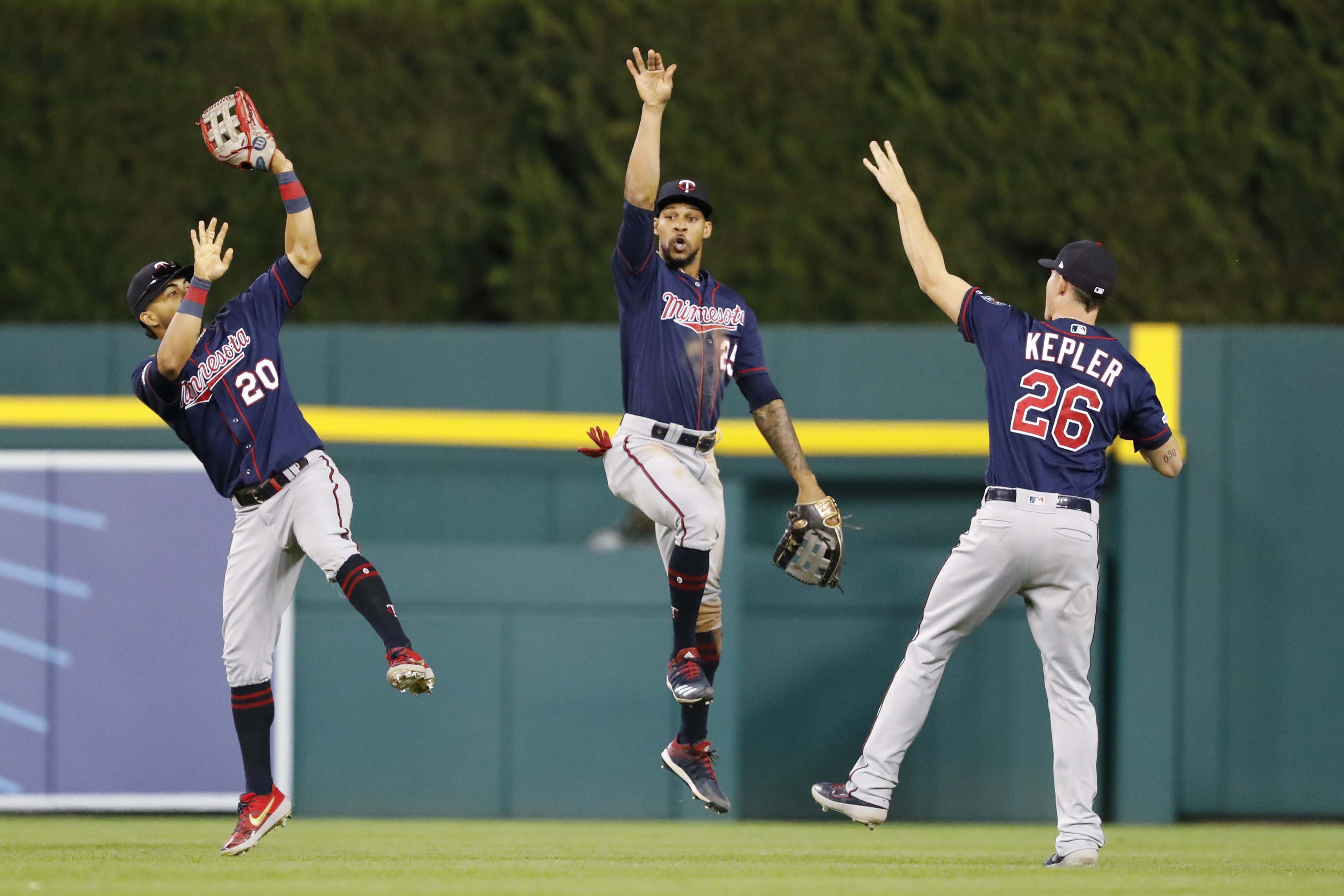 As we all know, the Minnesota Twins fell just short of winning the 1965 World Series. The final nail in the coffin on their season was at the hands of a remarkable performance by Dodger’s starter Sandy Koufax as he pitched a 10-strikeout shutout. It was no small feat to be able to silence a potent Twins lineup the way he did that day. We all are hoping that the 2020 Twins team will be every part as competitive as the 1965 club if they ever get the opportunity to take the field. With that in mind (and a big thanks to Cody Christie for the idea), what current Twin would have been able to help out the ‘65 Twins the most and possibly get them past the Dodgers to win the World Series? Jose Berrios and Taylor Rogers I am putting these two together simply because I find it the hardest to move pitchers between eras. What was asked of starting and relief pitchers is so different today than in the 60s. At the same time, any contending club can always use an extra arm or two. What is hard is Berrios isn’t likely making it as a starter in the 60s. His inning load just isn’t there. At the same time he isn’t being groomed and asked to do that today so it is hard to say that he would be incapable of doing so if he grew up in that era. Rogers on the other hand likely would fit well in ‘65 as he is capable of going multiple innings if needed. Just give him a day in between appearances, please. Luis Arraez From a positional standpoint, Arraez would give the ‘65 Twins quite the offensive upgrade at second base. One of the reasons Zoillo Versalles won the MVP that year was because of just how void of offense the middle infield was across the league. And the Twins were no exception at second. Jerry Kindall got the bulk of time at second slashing .196/.274/.289. Frank Quilici on the other hand got most of the run during the World Series and slashed .208/.289/.255. So moving Arraez and his .334/.399/.439 from 2019 or even his ZIPS of .309/.370/.403 would have boosted the lineup that much more. The real question may be if his defense would have convinced Sam Mele to let him in the lineup at all. Byron Buxton If I have to choose one player, a healthy Buxton is it. It is on one hand hard to pick him just because Jimmie Hall did a very good job for the team that year. He hit .285/.347/.464 and added 20 home runs. As I type this I almost want to highlight this all and hit delete. The thing is a healthy Buxton can obtain those numbers offensively. Also, Mele did opt to platoon Hall when it came to the World Series with Joe Nossek Plus you add Buxton’s defense in center between Tony Oliva and Bob Allison. And while the ‘65 pitching staff was pretty good it wasn’t all-world. We have seen how Buxton’s defense can push a pitching staff just that extra little notch and help them look that much better. If healthy of course. What about Koufax? Approaching this question, I did wonder for a moment if the question “who improves the team” should be focused on the entirety of the season or on that World Series specifically. The ‘65 Twins had no problem getting to the World Series, they just couldn’t win it. While the Twins took one game with Koufax as the starter it still feels like it was Sandy and his elite curveball that stood in the Twins way. Now Arraez fared pretty well against curveballs with a .258 average and .257 .wOBA. My pick Buxton in 2019 had only 17 at-bats where he went after a curveball but hit .412 with a .530 wOBA. If we go back to 2017 he comes down but hit a respectable .273 average and .360 wOBA. If I cheat just slightly and go away from “current Twin” to “2019 Twin” the guy that may have been able to push the ‘65 Twins over the top played a position of need for the '65 team and in 2019 hit for a .263 average, a .385 wOBA, with four home runs in 38 at-bats against curveballs. That guy is second baseman Jonathan Schoop. At the same time, many of those curveballs likely didn’t sniff the quality of Koufax’s curve. So I will stick with Buxton as my top pick with those others being my next up. What current Twin would you select to push the ‘65 squad over the top? Please share your thoughts in the comments below. Not registered? Click here to create an account. To stay up to date, follow Twins Daily on Twitter and Facebook. MORE FROM TWINS DAILY — Latest Twins coverage from our writers — Recent Twins discussion in our forums — Follow Twins Daily via Twitter, Facebook or email


