



Matthew Taylor
-
Posts
973 -
Joined
-
Last visited
Content Type
Profiles
News
Minnesota Twins Videos
2026 Minnesota Twins Top Prospects Ranking
2022 Minnesota Twins Draft Picks
Minnesota Twins Free Agent & Trade Rumors, Notes, & Tidbits
Guides & Resources
2023 Minnesota Twins Draft Picks
The Minnesota Twins Players Project
2024 Minnesota Twins Draft Picks
2025 Minnesota Twins Draft Pick Tracker
2026 Minnesota Twins Draft Tracker: Picks & Bonuses
Forums
Blogs
Events
Store
Downloads
Gallery
Everything posted by Matthew Taylor
-
 That's an awesome memory! Thanks for sharing.
 -
In a time when we have no live baseball, sometimes the best way to cope is by reliving special moments from the past. While the 2010s didn’t provide many special end results, there were still plenty of special moments along the way.In the decade of the 2010s, the Minnesota Twins hit a total of 19 walk-off home runs. Some of them were mired in the middle of a hopeless season, while others vaulted the club into a prime playoff position. Here are the top 5 Minnesota Twins walk-off home runs of the 2010s: 5. Eddie Rosario vs. San Diego Padres - September 13, 2017 The number five walk-off homerun in our countdown comes courtesy of Eddie Rosario, who blasted a two-run, two-out shot in the bottom of the 10th inning off of Padres pitcher, Phil Maton, to keep pace in the American League Wild Card race. At the point of this game, the Minnesota Twins were only two games up in the race for the second Wild Card spot, with every game having so much meaning. Rosario hugged the right field foul pole and blasted the walk-off right inside the Gate 34 entrance. This was Rosario’s first career walk-off home run, and allowed the Twins to maintain their two-game lead in the American League Wild Card race. 4. Byron Buxton vs. Toronto Blue Jays - September 14, 2017 The two-game stretch from September 13 and September 14 of the 2017 season has to be one of the most thrilling and stress-inducing stretches that the Minnesota Twins have ever had. After capping off the game with a walk-off home run the previous night, Byron Buxton helped the Twins put on an encore for the Target Field faithful, blasting a walk-off of his own against Luis Santos and the Toronto Blue Jays, yet again in extra innings. After Matt Belisle gave up a tying home run to Justin Smoak in the top of the 9th inning, Buxton hit his first career walk-off homerun to save his pitcher and increase the Twins’ lead in the American League Wild Card to 3.5 games. 3. Miguel Sanó vs. Atlanta Braves - August 5, 2019 That sound you’re hearing? That’s the sound of Miguel Sanó’s walk-off home run off of Chris Martin finally landing. Being called upon to pinch hit for Ehrie Adrianza, Sanó took a 1-0 cutter and blasted it 443 feet into center field, the 5th furthest ball he hit in 2019. The best part of this walk-off is that the moment Sanó made contact with the baseball, Ronald Acuña began jogging back to the dugout. Acuña was so sure that it was a homerun from the sound of the bat, that he didn’t even need to watch it, let alone chase it. This Sanó walk-off came at a time in the season where the Twins’ AL Central lead was down to just 3 games and every game was monumental. 2. Brian Dozier vs. Detroit Tigers - July 10, 2015 Arguably the greatest comeback in Minnesota Twins history, Brian Dozier’s walk-off home run off of Joakim Soria capped off a seven-run, 9th inning comeback for the Minnesota Twins over their division rival, Detroit Tigers. Entering the 9th inning of the game, the Minnesota Twins found themselves down 6-1 with a 0% win expectancy (per Baseball-Reference). After fighting back to make the game 6-5, Dozier stepped up to the plate with 2 men on and 1 man out. Dozier took the first pitch that he saw and launched it into the left field bleachers. Following the blast was an all-time call from Dick Bremer, “A drive to left field! Are you kidding me?!”. It was truly a memorable game for the Twins and earned the number 2 spot in our countdown of top walk-off home runs of the 2010s. 1. Jim Thome vs. Chicago White Sox - August 17, 2010 In their first ever AL Central pennant race at Target Field, this game was the first of a three-game series against the Chicago White Sox, over whom the Twins held just a 3-game lead in the AL Central. In a classic game that featured six different lead changes, Jim Thome stepped up to the plate in the bottom of the 10th inning with the Twins down 1 run. Facing a 1-0 count, Thome hit the ball so hard that it hit off the flagpole in the right field plaza, and gave the Minnesota Twins the walk-off victory. Not only was this the first ever walk-off home run for the Twins at Target Field, but it pushed the AL Central lead up to 4 games, and set the tone for what turned out to be a sweep of the White Sox and really cemented the Twins position in first place of the AL Central. Jim Thome will always hold a special place in the hearts of Twins fans, with this walk-off home run being the primary reason why. What was your favorite walk-off home run from the Minnesota Twins last decade? Did you witness any of them live? Leave a comment below and start the conversation. MORE FROM TWINS DAILY — Latest Twins coverage from our writers — Recent Twins discussion in our forums — Follow Twins Daily via Twitter, Facebook or email Click here to view the article
-
Ranking the Top 5 Minnesota Twins Walk-Off Home Runs of the 2010s
Matthew Taylor posted an article in Twins
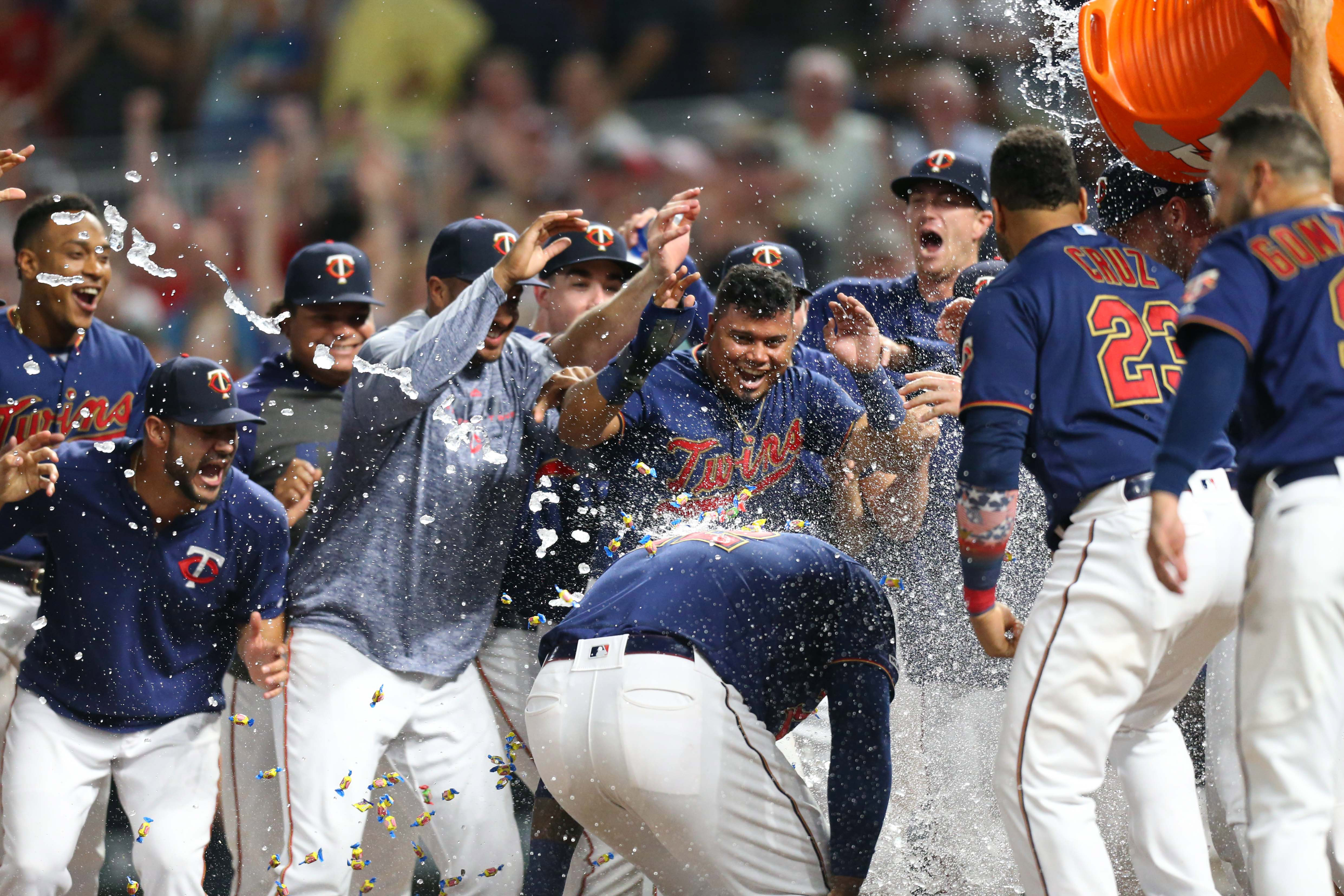 In the decade of the 2010s, the Minnesota Twins hit a total of 19 walk-off home runs. Some of them were mired in the middle of a hopeless season, while others vaulted the club into a prime playoff position. Here are the top 5 Minnesota Twins walk-off home runs of the 2010s: 5. Eddie Rosario vs. San Diego Padres - September 13, 2017 https://www.youtube.com/watch?v=TYnoZEWsIHw The number five walk-off homerun in our countdown comes courtesy of Eddie Rosario, who blasted a two-run, two-out shot in the bottom of the 10th inning off of Padres pitcher, Phil Maton, to keep pace in the American League Wild Card race. At the point of this game, the Minnesota Twins were only two games up in the race for the second Wild Card spot, with every game having so much meaning. Rosario hugged the right field foul pole and blasted the walk-off right inside the Gate 34 entrance. This was Rosario’s first career walk-off home run, and allowed the Twins to maintain their two-game lead in the American League Wild Card race. 4. Byron Buxton vs. Toronto Blue Jays - September 14, 2017 https://www.youtube.com/watch?v=GE-U5vIXkuo The two-game stretch from September 13 and September 14 of the 2017 season has to be one of the most thrilling and stress-inducing stretches that the Minnesota Twins have ever had. After capping off the game with a walk-off home run the previous night, Byron Buxton helped the Twins put on an encore for the Target Field faithful, blasting a walk-off of his own against Luis Santos and the Toronto Blue Jays, yet again in extra innings. After Matt Belisle gave up a tying home run to Justin Smoak in the top of the 9th inning, Buxton hit his first career walk-off homerun to save his pitcher and increase the Twins’ lead in the American League Wild Card to 3.5 games. 3. Miguel Sanó vs. Atlanta Braves - August 5, 2019 That sound you’re hearing? That’s the sound of Miguel Sanó’s walk-off home run off of Chris Martin finally landing. Being called upon to pinch hit for Ehrie Adrianza, Sanó took a 1-0 cutter and blasted it 443 feet into center field, the 5th furthest ball he hit in 2019. The best part of this walk-off is that the moment Sanó made contact with the baseball, Ronald Acuña began jogging back to the dugout. Acuña was so sure that it was a homerun from the sound of the bat, that he didn’t even need to watch it, let alone chase it. This Sanó walk-off came at a time in the season where the Twins’ AL Central lead was down to just 3 games and every game was monumental. 2. Brian Dozier vs. Detroit Tigers - July 10, 2015 Arguably the greatest comeback in Minnesota Twins history, Brian Dozier’s walk-off home run off of Joakim Soria capped off a seven-run, 9th inning comeback for the Minnesota Twins over their division rival, Detroit Tigers. Entering the 9th inning of the game, the Minnesota Twins found themselves down 6-1 with a 0% win expectancy (per Baseball-Reference). After fighting back to make the game 6-5, Dozier stepped up to the plate with 2 men on and 1 man out. Dozier took the first pitch that he saw and launched it into the left field bleachers. Following the blast was an all-time call from Dick Bremer, “A drive to left field! Are you kidding me?!”. It was truly a memorable game for the Twins and earned the number 2 spot in our countdown of top walk-off home runs of the 2010s. 1. Jim Thome vs. Chicago White Sox - August 17, 2010 In their first ever AL Central pennant race at Target Field, this game was the first of a three-game series against the Chicago White Sox, over whom the Twins held just a 3-game lead in the AL Central. In a classic game that featured six different lead changes, Jim Thome stepped up to the plate in the bottom of the 10th inning with the Twins down 1 run. Facing a 1-0 count, Thome hit the ball so hard that it hit off the flagpole in the right field plaza, and gave the Minnesota Twins the walk-off victory. Not only was this the first ever walk-off home run for the Twins at Target Field, but it pushed the AL Central lead up to 4 games, and set the tone for what turned out to be a sweep of the White Sox and really cemented the Twins position in first place of the AL Central. Jim Thome will always hold a special place in the hearts of Twins fans, with this walk-off home run being the primary reason why. What was your favorite walk-off home run from the Minnesota Twins last decade? Did you witness any of them live? Leave a comment below and start the conversation. MORE FROM TWINS DAILY — Latest Twins coverage from our writers — Recent Twins discussion in our forums — Follow Twins Daily via Twitter, Facebook or email
 -
Good one
-
When it was reported on Tuesday that Tom Brady had played his final game as a Patriot and would be joining the Tampa Bay Buccaneers, the first thought for many was just how bizarre Tom Brady was going to look in a Bucs uniform. Twins Territory is no stranger to its legends donning uniforms that just didn’t look right.The Seattle Mariners had Griffey on the White Sox. The Reds had Pete Rose on the Expos. Here are the three Minnesota Twins legends who wore uniforms that just looked wrong… 1. Harmon Killebrew on the Kansas City Royals After struggling through the 1974 season with a .222 batting average in 122 games in what turned out to be his final season with the Minnesota Twins, Killebrew was given an option to stay on with the Twins as a coach, or be released and join on with another team. Killebrew opted for the latter and was signed by the Kansas City Royals on a one-year deal where he would finish out his career. In his single season with the Royals, Killebrew struggled through 106 games, posting a .199 batting average with just a .692 OPS as a 39-year old. The fact that this season kept Killebrew from being a lifelong Twin, after playing the first 21 seasons of his career in the Minnesota Twins organization, is a bummer, and the image of him in a Royals uniform is something that will never look right. 2. Bert Blyleven on the Pittsburgh Pirates Although Blyleven played for five different organizations in his 25-year Major League Baseball career, the images of Blyleven on the Pirates have always looked the strangest to me. I’m not sure the exact reason for this, maybe because of the distinct yellow pants, maybe because it was the only National League team he played for in his career, but it will forever look strange to me. Blyleven played two seasons with the Pittsburgh Pirates in 1979 and 1980 before threatening to retire if he was not traded. In his two seasons as a Pirate, Blyleven posted a 108 and a 97 ERA+. 3. Torii Hunter on the Detroit Tigers It was definitely an adjustment to see Torii Hunter in red after signing with the Angels in 2007, but after playing in Anaheim for five seasons, the shock eventually wore off. What was the strangest sight, though, was when Hunter signed a two-year deal with the Detroit Tigers in 2012. Suddenly the long-time Twins legend became a rival that the Twins faced upwards of 20 times per season. In 2013 as a Detroit Tiger, Hunter was an All-Star, posted a .800 OPS and helped lead the Tigers to the ALCS. Thankfully, Hunter ended up returning to the Twins and playing his last MLB season at Target Field, because the images of Hunter in a Tigers uniform were just too odd. What Minnesota Twins legends wore uniforms that you think looked strange? Leave a comment below and start the conversation! MORE FROM TWINS DAILY — Latest Twins coverage from our writers — Recent Twins discussion in our forums — Follow Twins Daily via Twitter, Facebook or email Click here to view the article
-
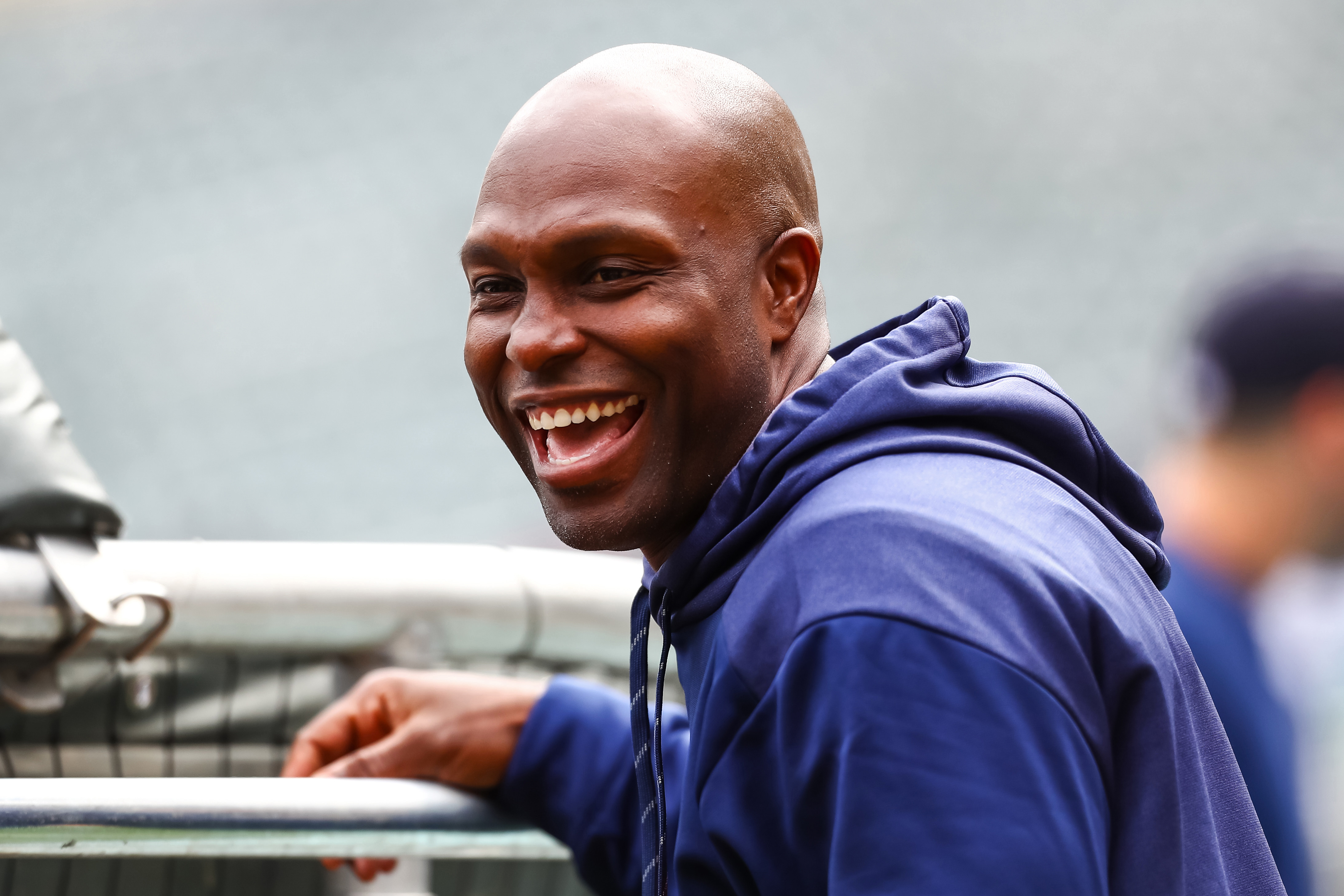 The Seattle Mariners had Griffey on the White Sox. The Reds had Pete Rose on the Expos. Here are the three Minnesota Twins legends who wore uniforms that just looked wrong… 1. Harmon Killebrew on the Kansas City Royals After struggling through the 1974 season with a .222 batting average in 122 games in what turned out to be his final season with the Minnesota Twins, Killebrew was given an option to stay on with the Twins as a coach, or be released and join on with another team. Killebrew opted for the latter and was signed by the Kansas City Royals on a one-year deal where he would finish out his career. In his single season with the Royals, Killebrew struggled through 106 games, posting a .199 batting average with just a .692 OPS as a 39-year old. The fact that this season kept Killebrew from being a lifelong Twin, after playing the first 21 seasons of his career in the Minnesota Twins organization, is a bummer, and the image of him in a Royals uniform is something that will never look right. 2. Bert Blyleven on the Pittsburgh Pirates Although Blyleven played for five different organizations in his 25-year Major League Baseball career, the images of Blyleven on the Pirates have always looked the strangest to me. I’m not sure the exact reason for this, maybe because of the distinct yellow pants, maybe because it was the only National League team he played for in his career, but it will forever look strange to me. Blyleven played two seasons with the Pittsburgh Pirates in 1979 and 1980 before threatening to retire if he was not traded. In his two seasons as a Pirate, Blyleven posted a 108 and a 97 ERA+. 3. Torii Hunter on the Detroit Tigers It was definitely an adjustment to see Torii Hunter in red after signing with the Angels in 2007, but after playing in Anaheim for five seasons, the shock eventually wore off. What was the strangest sight, though, was when Hunter signed a two-year deal with the Detroit Tigers in 2012. Suddenly the long-time Twins legend became a rival that the Twins faced upwards of 20 times per season. In 2013 as a Detroit Tiger, Hunter was an All-Star, posted a .800 OPS and helped lead the Tigers to the ALCS. Thankfully, Hunter ended up returning to the Twins and playing his last MLB season at Target Field, because the images of Hunter in a Tigers uniform were just too odd. What Minnesota Twins legends wore uniforms that you think looked strange? Leave a comment below and start the conversation! MORE FROM TWINS DAILY — Latest Twins coverage from our writers — Recent Twins discussion in our forums — Follow Twins Daily via Twitter, Facebook or email
 -
It has now been four days since the rapid spread of COVID-19 forced Major League Baseball to end spring training and delay the start of the regular season. While a necessary decision, the absence of the game has been undoubtedly challenging for baseball fans everywhere.Here are three ways to consume baseball in a time when we have none: 1. Game replays on YouTube Nothing quite beats the sights and sounds of baseball. Having spring training suspended and the start of the baseball season delayed means having to wait even longer to watch the game we all love. Thankfully, technology allows fans the ability to watch game replays and take in the sights and sounds of baseball by watching games from seasons past. The best way to watch game replays is on YouTube where thousands of games are available to stream in full. Some of the best YouTube channels that offer these baseball games are the official MLB channel, MLB Vault and Classic Twins. Here are some games you can watch in full on YouTube right now: 1991 World Series, Game 7: Braves @ Twins 2002 ALDS, Game 5: Twins @ Athletics 2009 AL Central Tie Breaker: Tigers @ Twins 2. MLB The Show 20 Watching game replays are great, but many Twins fans are excited to see what the 2020 Minnesota Twins are going to look like. Josh Donaldson and Kenta Maeda’s debuts have now been delayed, and fans are left to wait to see how those additions will add to an already great team. One way to get a feel for how the 2020 Minnesota Twins team will look is by playing MLB The Show 20, which was released on Friday to those who pre-ordered and will be widely released on Tuesday, March 17, exclusively on Playstation 4. Here are the overall rankings for the Minnesota Twins' projected 26-man roster: Download attachment: Screen Shot 2020-03-15 at 4.37.31 PM.png If you don’t own a Playstation 4, or if playing video games aren’t quite your thing, MLB the Show 20 is being streamed live on Twitch for anyone to watch. If you have never used Twitch before, it is a streaming platform where any gamer can stream their video games and any user can watch those streams. Another avenue for baseball fans to watch baseball, and see the new Nike uniforms, new rosters, and even minor league players, which were just added to the game for the first time. 3. Participate in conversation online Finally, a third way to consume baseball during this time is by participating in conversation online. We are lucky to be living in a time where there are so many online baseball outlets and so many platforms to be able to participate in online discussion during this baseball hiatus. There are so many great places to read about baseball and converse about it, but here are some excellent options that I would encourage you check out: Twins Daily (of course): You won’t find a Minnesota Twins website with more content posted and more discussion than Twins Daily. Every day on the front page there are consistently 3-5 new articles posted (even during the baseball hiatus), in the blog section, you can read articles that other baseball writers from across the internet have posted, or even start your own blog. Finally, in the forum section, you will see all kinds of daily discussion going on about the Minnesota Twins, baseball, or any other sport. Right now in the forums there is a discussion going on where members are recommending their favorite baseball books to consume during our time without baseball.Reddit: If you have never been on Reddit before, it is a social aggregation and discussion website with “subreddits” that are catered to specific interests. For baseball, some of my favorite subreddits are r/baseball, r/minnesotatwins, r/baseballcards, and r/sabermetrics.Facebook: On Facebook you can find different groups that are extremely active in discussing the Minnesota Twins. Some of the more active Minnesota Twins Facebook groups are “Minnesota Twins!” and “Minnesota Twins Territory”. Request to join these groups and participate in the always-ongoing conversation.Written content: There are so many great websites now to read (and comment) about baseball and the Minnesota Twins. Some of my favorites are: The Athletic, Fangraphs, Baseball Prospectus, and Baseball America.How will you be filling the void left by the baseball hiatus? Leave a comment below and start the conversation! MORE FROM TWINS DAILY — Latest Twins coverage from our writers — Recent Twins discussion in our forums — Follow Twins Daily via Twitter, Facebook or email Click here to view the article
-
 Here are three ways to consume baseball in a time when we have none: 1. Game replays on YouTube Nothing quite beats the sights and sounds of baseball. Having spring training suspended and the start of the baseball season delayed means having to wait even longer to watch the game we all love. Thankfully, technology allows fans the ability to watch game replays and take in the sights and sounds of baseball by watching games from seasons past. The best way to watch game replays is on YouTube where thousands of games are available to stream in full. Some of the best YouTube channels that offer these baseball games are the official MLB channel, MLB Vault and Classic Twins. Here are some games you can watch in full on YouTube right now: 1991 World Series, Game 7: Braves @ Twins 2002 ALDS, Game 5: Twins @ Athletics https://www.youtube.com/watch?v=PAVBXQoLQPE 2009 AL Central Tie Breaker: Tigers @ Twins 2. MLB The Show 20 Watching game replays are great, but many Twins fans are excited to see what the 2020 Minnesota Twins are going to look like. Josh Donaldson and Kenta Maeda’s debuts have now been delayed, and fans are left to wait to see how those additions will add to an already great team. One way to get a feel for how the 2020 Minnesota Twins team will look is by playing MLB The Show 20, which was released on Friday to those who pre-ordered and will be widely released on Tuesday, March 17, exclusively on Playstation 4. Here are the overall rankings for the Minnesota Twins' projected 26-man roster: If you don’t own a Playstation 4, or if playing video games aren’t quite your thing, MLB the Show 20 is being streamed live on Twitch for anyone to watch. If you have never used Twitch before, it is a streaming platform where any gamer can stream their video games and any user can watch those streams. Another avenue for baseball fans to watch baseball, and see the new Nike uniforms, new rosters, and even minor league players, which were just added to the game for the first time. 3. Participate in conversation online Finally, a third way to consume baseball during this time is by participating in conversation online. We are lucky to be living in a time where there are so many online baseball outlets and so many platforms to be able to participate in online discussion during this baseball hiatus. There are so many great places to read about baseball and converse about it, but here are some excellent options that I would encourage you check out: Twins Daily (of course): You won’t find a Minnesota Twins website with more content posted and more discussion than Twins Daily. Every day on the front page there are consistently 3-5 new articles posted (even during the baseball hiatus), in the blog section, you can read articles that other baseball writers from across the internet have posted, or even start your own blog. Finally, in the forum section, you will see all kinds of daily discussion going on about the Minnesota Twins, baseball, or any other sport. Right now in the forums there is a discussion going on where members are recommending their favorite baseball books to consume during our time without baseball. Reddit: If you have never been on Reddit before, it is a social aggregation and discussion website with “subreddits” that are catered to specific interests. For baseball, some of my favorite subreddits are r/baseball, r/minnesotatwins, r/baseballcards, and r/sabermetrics. Facebook: On Facebook you can find different groups that are extremely active in discussing the Minnesota Twins. Some of the more active Minnesota Twins Facebook groups are “Minnesota Twins!” and “Minnesota Twins Territory”. Request to join these groups and participate in the always-ongoing conversation. Written content: There are so many great websites now to read (and comment) about baseball and the Minnesota Twins. Some of my favorites are: The Athletic, Fangraphs, Baseball Prospectus, and Baseball America. How will you be filling the void left by the baseball hiatus? Leave a comment below and start the conversation! MORE FROM TWINS DAILY — Latest Twins coverage from our writers — Recent Twins discussion in our forums — Follow Twins Daily via Twitter, Facebook or email
 -
On March 5, the Chicago White Sox inked third baseman Yoan Moncada to a hefty, five-year contract extension. How does this extension compare to the five-year deals signed by Max Kepler and Jorge Polanco last offseason? Let’s dig in and take a closer look.The Money According to ESPN’s Jeff Passan, the White Sox and Yoan Moncada came to terms on a five-year contract worth $70M ($14M AAV), with a club option for a sixth year at $25M. While at their base, their contract lengths were equal to that of Moncada, the salary attached to Kepler and Polanco’s deals were significantly less. Last offseason, the Twins signed Max Kepler to a five-year, $35M deal ($7M AAV) with a club option for a sixth year at $10M. In turn, Polanco signed a five-year, $25.75M deal ($5.15M AAV) with a sixth and seventh year club option at $10.5M and $12M, respectively. Clearly, in terms of money, the Minnesota Twins came out ahead of the White Sox with these contracts. Even if you combined the total salaries from Kepler and Polanco’s extensions it would still equate to less than the total value of Yoan Moncada’s extension with the White Sox. The Timing Yoan Moncada is 24-years-old with just over two years of MLB service time under his belt. By signing his extension, the White Sox are buying out Moncada’s final year on his rookie deal as well as all three years of his arbitration. If the Sox pick up Moncada’s sixth-year option, this contract would also buy out the first two years of the third baseman’s free agency and allow him to become a free agent at the age of 30. At the signing of his contract extension, Max Kepler was 26-years-old and was arbitration eligible as a Super Two prospect. By extending Kepler, the Twins bought out his arbitration years as well as up to two years of his free agency. Polanco signed his extension as a 25-year-old in his last year of pre-arbitration and was put under team control for up to three free agent years. While each of the players were at a similar spot in terms of service time, what really separates the Moncada extension was the fact that he was signed at the absolute peak of his value, coming off of a season in which he posted career highs in BA, HR, RBI and OPS. Conversely, when Kepler and Polanco were signed to extensions, they were coming off of very disappointing seasons. In 2018, the season before signing their extensions, Kepler posted career lows in BA, SLG and OPS. Similarly disappointing, Polanco was coming off of a season in which he served an 80 game suspension. The timing of these contracts allowed the Twins to get their guys for an absolute bargain, while the White Sox had to pay a premium by signing Moncada off of a career year. The Players Coming off of a 2019 season in which he was worth 5.7 fWAR, one could argue that at 24-years-old, Yoan Moncada is already the best player among himself, Kepler and Polanco. In 2019, Yoan Moncada finished 10th in the American League with a .915 OPS along with an exit velocity which was seventh best in baseball. After posting strikeout percentages in the 30s in his first two full seasons in the majors, Mocada improved in his plate discipline and trimmed down his K%. Moncada had a great 2019 season at the dish, but with that came a good amount of luck as he posted an unheard of .406 BABIP, which was by far the highest in baseball. In the field, Moncada still has some area to improve, as he has posted a negative DRS in each of the past two seasons at third base. While he hasn’t put it all together in the field yet, Moncada has all the tools to be a great third baseman with his strong arm and great athleticism. The Verdict Yoan Moncada is an excellent player who just got handed a really good contract by the Chicago White Sox. Although the White Sox have to miss out on the bargain that is his arbitration years, they get to delay Moncada’s free agency by two years and keep him under team control through his peak seasons of speed and athleticism. The issue for the White Sox, and where the Minnesota Twins get to claim victory over signing the better extensions, is that they are paying a premium by extending Moncada after a career year. The Minnesota Twins were able to extend Polanco and Kepler before their breakouts and as a result were able to sign them to extremely team-friendly deals. Comparing that to the amount of money that the White Sox had to shell out to Moncada, you can see just how good of a deal the Twins got. How do you think the Kepler and Polanco extensions compare to the extension that Moncada just signed with the White Sox? Leave a comment below and start the conversation! MORE FROM TWINS DAILY — Latest Twins coverage from our writers — Recent Twins discussion in our forums — Follow Twins Daily via Twitter, Facebook or email Click here to view the article
-
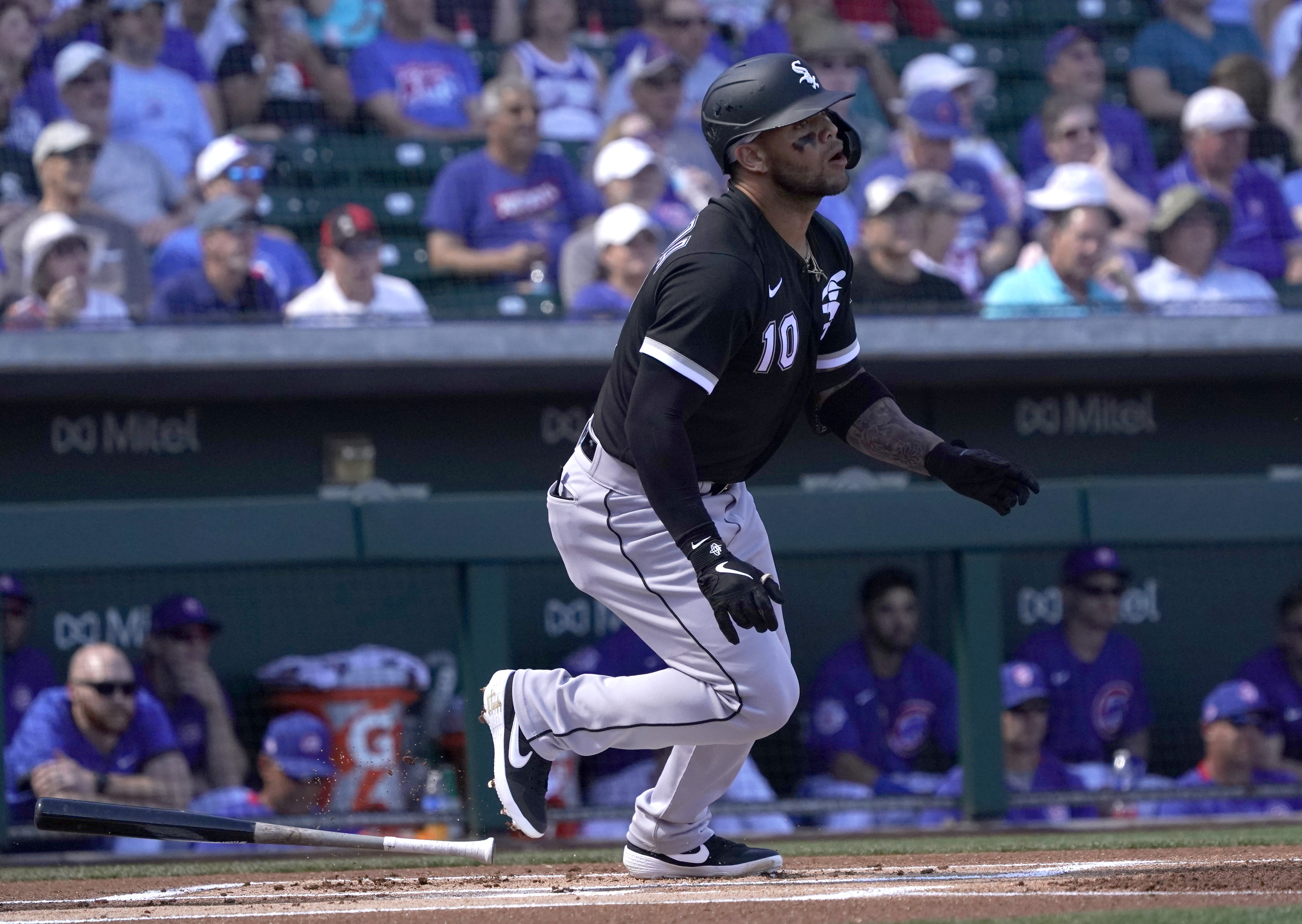 The Money According to ESPN’s Jeff Passan, the White Sox and Yoan Moncada came to terms on a five-year contract worth $70M ($14M AAV), with a club option for a sixth year at $25M. While at their base, their contract lengths were equal to that of Moncada, the salary attached to Kepler and Polanco’s deals were significantly less. Last offseason, the Twins signed Max Kepler to a five-year, $35M deal ($7M AAV) with a club option for a sixth year at $10M. In turn, Polanco signed a five-year, $25.75M deal ($5.15M AAV) with a sixth and seventh year club option at $10.5M and $12M, respectively. Clearly, in terms of money, the Minnesota Twins came out ahead of the White Sox with these contracts. Even if you combined the total salaries from Kepler and Polanco’s extensions it would still equate to less than the total value of Yoan Moncada’s extension with the White Sox. The Timing Yoan Moncada is 24-years-old with just over two years of MLB service time under his belt. By signing his extension, the White Sox are buying out Moncada’s final year on his rookie deal as well as all three years of his arbitration. If the Sox pick up Moncada’s sixth-year option, this contract would also buy out the first two years of the third baseman’s free agency and allow him to become a free agent at the age of 30. At the signing of his contract extension, Max Kepler was 26-years-old and was arbitration eligible as a Super Two prospect. By extending Kepler, the Twins bought out his arbitration years as well as up to two years of his free agency. Polanco signed his extension as a 25-year-old in his last year of pre-arbitration and was put under team control for up to three free agent years. While each of the players were at a similar spot in terms of service time, what really separates the Moncada extension was the fact that he was signed at the absolute peak of his value, coming off of a season in which he posted career highs in BA, HR, RBI and OPS. Conversely, when Kepler and Polanco were signed to extensions, they were coming off of very disappointing seasons. In 2018, the season before signing their extensions, Kepler posted career lows in BA, SLG and OPS. Similarly disappointing, Polanco was coming off of a season in which he served an 80 game suspension. The timing of these contracts allowed the Twins to get their guys for an absolute bargain, while the White Sox had to pay a premium by signing Moncada off of a career year. The Players Coming off of a 2019 season in which he was worth 5.7 fWAR, one could argue that at 24-years-old, Yoan Moncada is already the best player among himself, Kepler and Polanco. In 2019, Yoan Moncada finished 10th in the American League with a .915 OPS along with an exit velocity which was seventh best in baseball. After posting strikeout percentages in the 30s in his first two full seasons in the majors, Mocada improved in his plate discipline and trimmed down his K%. Moncada had a great 2019 season at the dish, but with that came a good amount of luck as he posted an unheard of .406 BABIP, which was by far the highest in baseball. In the field, Moncada still has some area to improve, as he has posted a negative DRS in each of the past two seasons at third base. While he hasn’t put it all together in the field yet, Moncada has all the tools to be a great third baseman with his strong arm and great athleticism. The Verdict Yoan Moncada is an excellent player who just got handed a really good contract by the Chicago White Sox. Although the White Sox have to miss out on the bargain that is his arbitration years, they get to delay Moncada’s free agency by two years and keep him under team control through his peak seasons of speed and athleticism. The issue for the White Sox, and where the Minnesota Twins get to claim victory over signing the better extensions, is that they are paying a premium by extending Moncada after a career year. The Minnesota Twins were able to extend Polanco and Kepler before their breakouts and as a result were able to sign them to extremely team-friendly deals. Comparing that to the amount of money that the White Sox had to shell out to Moncada, you can see just how good of a deal the Twins got. How do you think the Kepler and Polanco extensions compare to the extension that Moncada just signed with the White Sox? Leave a comment below and start the conversation! MORE FROM TWINS DAILY — Latest Twins coverage from our writers — Recent Twins discussion in our forums — Follow Twins Daily via Twitter, Facebook or email
 -
While he’s largely lauded for his offensive skills, Max Kepler has developed into an excellent fielder in his time with the Minnesota Twins. Now heading into a new decade of baseball, the German right fielder has a real chance at nabbing a Gold Glove in 2020.Since coming to the big leagues in 2015, Kepler has shown himself to be strong in the field, posting a positive UZR and DRS in each season he has been with the Twins. In fact, over the past two seasons, Max Kepler ranks fifth among all outfielders in defensive runs saved and third among all outfielders in ultimate zone rating. The further you dig into Keplers numbers, the more you realize just how special of a fielder he is. From his 92nd percentile outs above average , to his 92% success rate, to his ability to make difficult plays (13th in 4-star catches), Kepler lights up any outfield defense leaderboard. What really made Kepler so special in the field last season was his ability to take the most efficient routes to fly balls. In 2019, no outfielder took better fly ball routes than Max Kepler, according to Statcast. This was not an outlier either, as Kepler finished 8th and 11th in the metric in 2018 and 2017, respectively. By taking such efficient routes to the ball, Kepler is able to make up for his average reaction times that he has posted in each of the past four seasons. Download attachment: kepler jump.png Another area where Kepler has brought great value to the Minnesota Twins has been his ability to play center field. With Byron Buxton’s injury history, this has been something upon which the Twins have needed to rely on Kepler frequently over the past two seasons, shifting him to center field for 36% of his innings. In his time in center field, Kepler has played really well, producing above average numbers by any defensive metric. Kepler, though, lacks the top-end speed and athleticism that is required of a top-tier center fielder. Over the past two seasons, Kepler has posted a combined 17.6 UZR/150 in center, compared to a ridiculous 26.9 combined UZR/150 in right field. Being forced to leave his regular position of right field where he is one of the best in baseball in favor of center field, where he isn’t quite at that level, has limited his candidacy of being a Gold Glover. Heading into the 2020 season, Byron Buxton will hopefully enter the year healthy after receiving shoulder surgery in the offseason. The Minnesota Twins have been working with Buxton on his positioning and mindset as measures to keeping him healthy throughout the season. If Buxton can remain healthy for the 2020 season and Kepler is able to remain in the right field position where he has shown elite ability, a Gold Glove is certainly in play for Różycki. What do you think about Kepler’s chances at a Gold Glove in 2020? Do you think Buxton’s health is what will decide Kepler’s Gold Glove candidacy? Leave a comment below and start the conversation! MORE FROM TWINS DAILY — Latest Twins coverage from our writers — Recent Twins discussion in our forums — Follow Twins Daily via Twitter, Facebook or email Click here to view the article
-
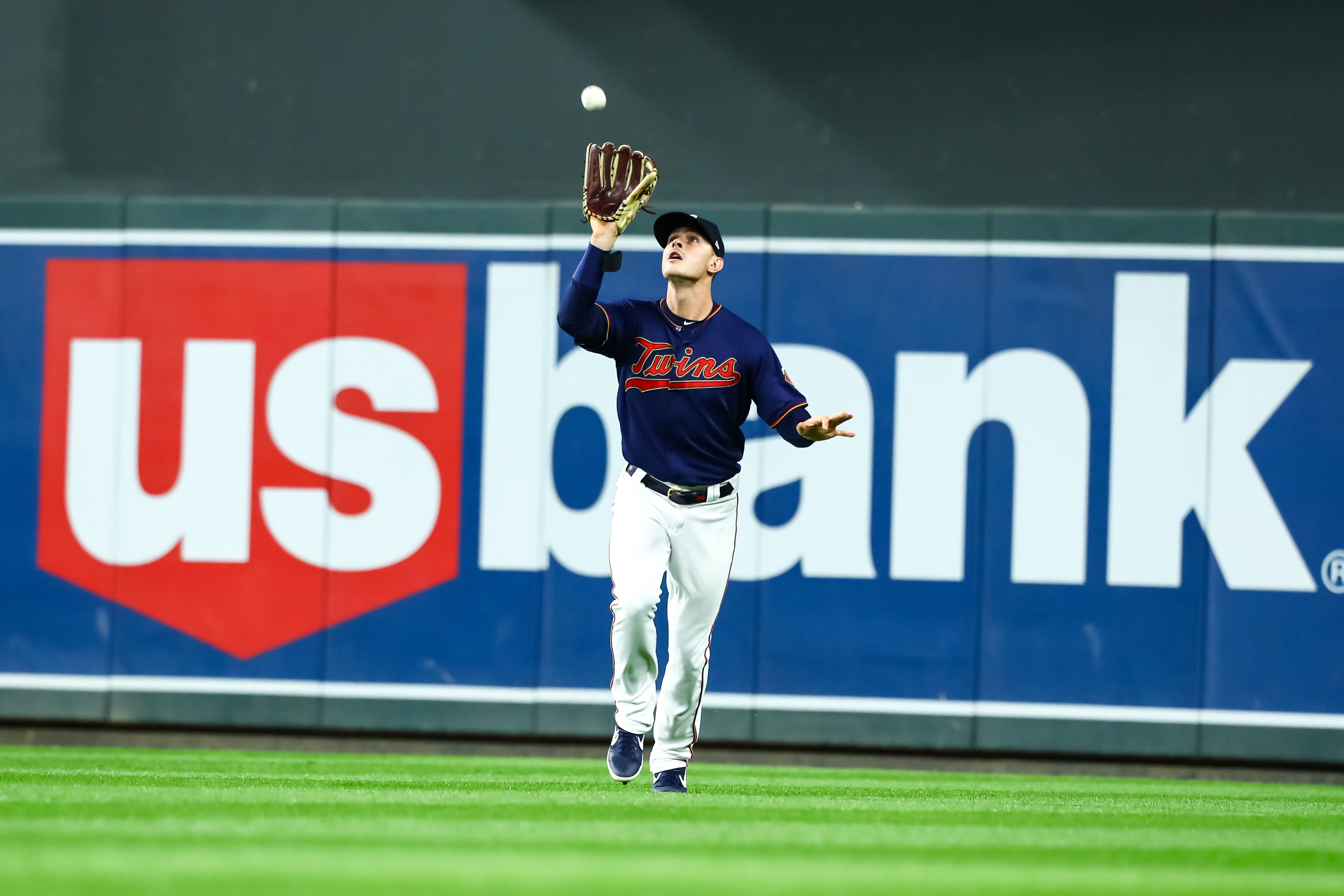 Since coming to the big leagues in 2015, Kepler has shown himself to be strong in the field, posting a positive UZR and DRS in each season he has been with the Twins. In fact, over the past two seasons, Max Kepler ranks fifth among all outfielders in defensive runs saved and third among all outfielders in ultimate zone rating. The further you dig into Keplers numbers, the more you realize just how special of a fielder he is. From his 92nd percentile outs above average , to his 92% success rate, to his ability to make difficult plays (13th in 4-star catches), Kepler lights up any outfield defense leaderboard. What really made Kepler so special in the field last season was his ability to take the most efficient routes to fly balls. In 2019, no outfielder took better fly ball routes than Max Kepler, according to Statcast. This was not an outlier either, as Kepler finished 8th and 11th in the metric in 2018 and 2017, respectively. By taking such efficient routes to the ball, Kepler is able to make up for his average reaction times that he has posted in each of the past four seasons. Another area where Kepler has brought great value to the Minnesota Twins has been his ability to play center field. With Byron Buxton’s injury history, this has been something upon which the Twins have needed to rely on Kepler frequently over the past two seasons, shifting him to center field for 36% of his innings. In his time in center field, Kepler has played really well, producing above average numbers by any defensive metric. Kepler, though, lacks the top-end speed and athleticism that is required of a top-tier center fielder. Over the past two seasons, Kepler has posted a combined 17.6 UZR/150 in center, compared to a ridiculous 26.9 combined UZR/150 in right field. Being forced to leave his regular position of right field where he is one of the best in baseball in favor of center field, where he isn’t quite at that level, has limited his candidacy of being a Gold Glover. Heading into the 2020 season, Byron Buxton will hopefully enter the year healthy after receiving shoulder surgery in the offseason. The Minnesota Twins have been working with Buxton on his positioning and mindset as measures to keeping him healthy throughout the season. If Buxton can remain healthy for the 2020 season and Kepler is able to remain in the right field position where he has shown elite ability, a Gold Glove is certainly in play for Różycki. What do you think about Kepler’s chances at a Gold Glove in 2020? Do you think Buxton’s health is what will decide Kepler’s Gold Glove candidacy? Leave a comment below and start the conversation! MORE FROM TWINS DAILY — Latest Twins coverage from our writers — Recent Twins discussion in our forums — Follow Twins Daily via Twitter, Facebook or email
 -
The Minnesota Twins surpassed expectations in 2019 by blazing out to a 40-18 start and finishing the season with 101 wins, second most in team history. The end result to their legacy was complicated after they were swept by the Yankees. What end result will signify success for the Minnesota Twins in 2020?For this article, I will be laying out the case for several different end results for the 2020 Minnesota Twins, and making a case for why each result would signify success for the Twins in 2020. Win the American League Central In baseball, there is still a ton of pride to be had in winning your division. Heck, at Target Field the Minnesota Twins fly pennants for each year that they won their division. Winning the division for a second year in a row and proving dominant over the four teams against which the Twins compete 76 times per year would definitely signify success. Additionally, playoff baseball is extremely random. Taking a 162-game season and parsing it down into a best-of-5 series isn’t the best way to determine superiority, and penalizing the Twins for losing such a short series in the playoffs would hardly be fair. Win a playoff series The Minnesota Twins have won the American League Central six times since 2002 without winning a playoff series. It’s time for the Twins to advance past simply making it into the tournament — they need to win a series. Every projection model has the Minnesota Twins winning the American League Central in 2020, but can they do more? If the Twins are able to get over the hump and win a playoff series after getting knocked out in the first round eight years in a row, that would show progress and signify a successful season for the Minnesota Twins in 2020. Win the American League pennant While winning a playoff series would be nice, expectations should be set higher for the Twins heading into 2020. The American League is already shaping up to be an easier road this year than it was last year, leaving the Twins with an opportunity. The Astros lost Gerrit Cole and are sure to be distracted by the controversy that will be surrounding them all season, and the Yankees have been plagued by injuries. With the waves parting for the Twins heading into next season, it’s their time to pounce, achieve real success, and win the pennant for the first time since 1991. Win the World Series The Minnesota Twins are entering the 2020 season with their highest payroll in team history. Their championship window will never be any wider than it is right now. Nelson Cruz is 39 years old and there’s no guarantee that he will be with the club next season. Jose Berrios is entering his prime age-26 season. Josh Donaldson and Kenta Maeda are on board and all of the chips are on the table. Anything short of a World Series championship would be a disappointment. Coaches and players are all talking about championship aspirations for this team, and following through on those aspirations would be the only thing that would signify success for the Minnesota Twins for the 2020 season. After reading the cases for each end result for the 2020 Twins, what result will signify a successful season to you? Leave a comment below and start the conversation! MORE FROM TWINS DAILY — Latest Twins coverage from our writers — Recent Twins discussion in our forums — Follow Twins Daily via Twitter, Facebook or email Click here to view the article
-
What End Result Will Signify Success for the Minnesota Twins in 2020?
Matthew Taylor posted an article in Twins
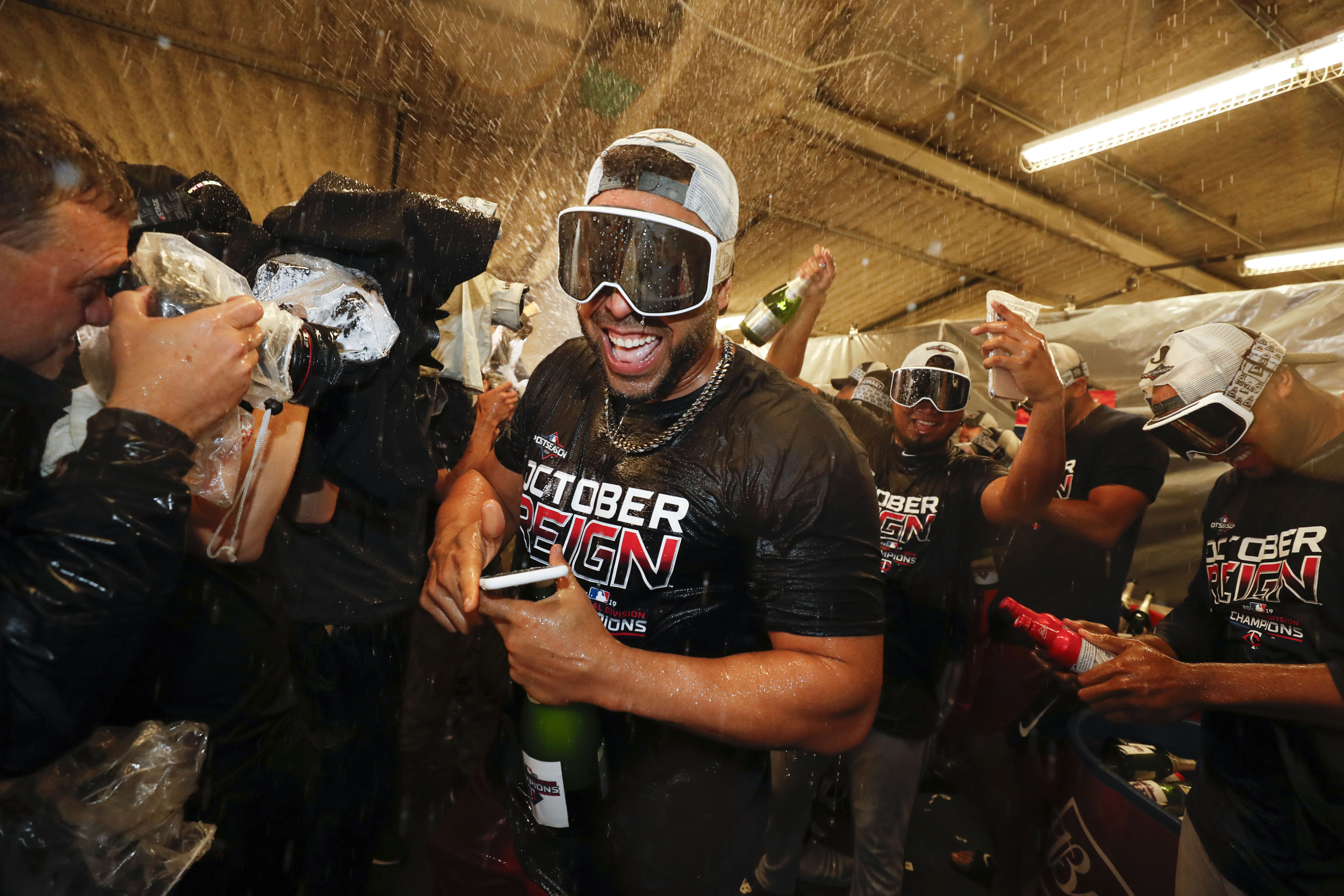 For this article, I will be laying out the case for several different end results for the 2020 Minnesota Twins, and making a case for why each result would signify success for the Twins in 2020. Win the American League Central In baseball, there is still a ton of pride to be had in winning your division. Heck, at Target Field the Minnesota Twins fly pennants for each year that they won their division. Winning the division for a second year in a row and proving dominant over the four teams against which the Twins compete 76 times per year would definitely signify success. Additionally, playoff baseball is extremely random. Taking a 162-game season and parsing it down into a best-of-5 series isn’t the best way to determine superiority, and penalizing the Twins for losing such a short series in the playoffs would hardly be fair. Win a playoff series The Minnesota Twins have won the American League Central six times since 2002 without winning a playoff series. It’s time for the Twins to advance past simply making it into the tournament — they need to win a series. Every projection model has the Minnesota Twins winning the American League Central in 2020, but can they do more? If the Twins are able to get over the hump and win a playoff series after getting knocked out in the first round eight years in a row, that would show progress and signify a successful season for the Minnesota Twins in 2020. Win the American League pennant While winning a playoff series would be nice, expectations should be set higher for the Twins heading into 2020. The American League is already shaping up to be an easier road this year than it was last year, leaving the Twins with an opportunity. The Astros lost Gerrit Cole and are sure to be distracted by the controversy that will be surrounding them all season, and the Yankees have been plagued by injuries. With the waves parting for the Twins heading into next season, it’s their time to pounce, achieve real success, and win the pennant for the first time since 1991. Win the World Series The Minnesota Twins are entering the 2020 season with their highest payroll in team history. Their championship window will never be any wider than it is right now. Nelson Cruz is 39 years old and there’s no guarantee that he will be with the club next season. Jose Berrios is entering his prime age-26 season. Josh Donaldson and Kenta Maeda are on board and all of the chips are on the table. Anything short of a World Series championship would be a disappointment. Coaches and players are all talking about championship aspirations for this team, and following through on those aspirations would be the only thing that would signify success for the Minnesota Twins for the 2020 season. After reading the cases for each end result for the 2020 Twins, what result will signify a successful season to you? Leave a comment below and start the conversation! MORE FROM TWINS DAILY — Latest Twins coverage from our writers — Recent Twins discussion in our forums — Follow Twins Daily via Twitter, Facebook or email
 -
Yes, that's exactly the point of the article. Maybe I wasn't clear enough in getting that point across, but you hit the nail on the head for the message I was trying to convey.
-
Luis Arráez just completed one of the most impressive rookie seasons in Minnesota Twins history. Given his slim build (5'10", 177 #) and elite bat-to-ball skills, it’s easy to put the second baseman into a box of just being a contact hitter, but Arráez has shown flashes that he can be so much more.Coming up through the Twins’ farm system, there was never any doubt about Arráez’s ability to put the bat on the ball. At every stop he made along his minor league journey, the left hander reliably posted a .300 batting average while piling up plenty of hits. What kept Arráez from being more highly ranked as a prospect was his perceived lack of power. While he is never going to be a 30-home run hitter, his rookie season with the Twins showed that he has more power than his slight build might suggest. In 2019, Arráez posted a .439 slugging percentage (.435 was league average) and hit for a 162-game pace of 35 doubles, which would have put him 30th in baseball. In baseball, power is made up of two different components, launch angle and exit velocity. For launch angle, Baseball Savant defines a baseball hit at a “good angle” to be one hit between 8 and 32 degrees, known as the “sweet spot”. In 2019, Luis Arráez was ranked fifth among all hitters in SweetSpot% with 42.0% of his batted balls being hit between 8 and 32 degrees of launch angle. While Arráez was toward the bottom of the league in exit velocity, his consistent sweet spot hitting allows him to capitalize on those at bats where he was able to connect with good velocity. Like this double that he hit off Mike Fiers in July: On this pitch, Arráez was able to sit on an offspeed pitch and get plenty of bat speed on the Fiers' changeup. Because of Arraez’s consistency in getting a good launch angle on the ball, Arraez was not only able to hit the ball hard (100.7 MPH), but he was able to put lift on the ball (29°) and smash it to right center for a double. Where Arráez generated the most power in 2019 was against fastballs, off of which he slugged .445. Against fastballs, Arraez generated an average exit velocity of 88 MPH and hit 14 of his 20 doubles and 2 of his four home runs. Like this absolute rocket off Adrian Sampson: When Arráez was able to get the fastball off Sampson that he was looking for and was able to generate good velocity on his swing (102.2 MPH), Arráez was, again, able to reliably connect with a “sweet spot” launch angle which resulted in him sending the ball out to the Target Field plaza. Another encouraging piece from Arráez’s hitting profile in 2019 was his ability to increase his Hard Hit % (percentage of balls hit 95+ MPH) as the season went on. Arráez improved his Hard Hit % in each month from June - September and capped off his 2019 campaign by posting a 27.6 Hard Hit% and 88.8 MPH average exit velocity in September. Numbers that didn’t lead the league by any means, but provide a glimpse of some power that Arráez possesses that nobody would have imagined he had when joining the club last May. According to Fangraphs’ ZiPS projection system, their number one player comparison for Luis Arráez is Dustin Pedroia. Pedroia was another second baseman who was smaller in stature (5'9", 175#) and came into the league viewed more as a contact hitter than anything else. Throughout his years in the league, though, Pedroia developed power and hit between 12-18 home runs each season throughout his career. Predicting a similar career path for Arráez isn’t far fetched at all. He has the patience and the launching skills to make good contact, and if he can add a few MPH to his exit velocity under the guidance of hitting coach Edgar Varela, we could be seeing a Pedroia-like power profile coming over the next handful of seasons. Do you agree that Luis Arráez is more than just a contact hitter? Do you think he has the ability to add more power in the coming years? Leave a comment below and start the conversation! MORE FROM TWINS DAILY — Latest Twins coverage from our writers — Recent Twins discussion in our forums — Follow Twins Daily via Twitter, Facebook or email Click here to view the article
-
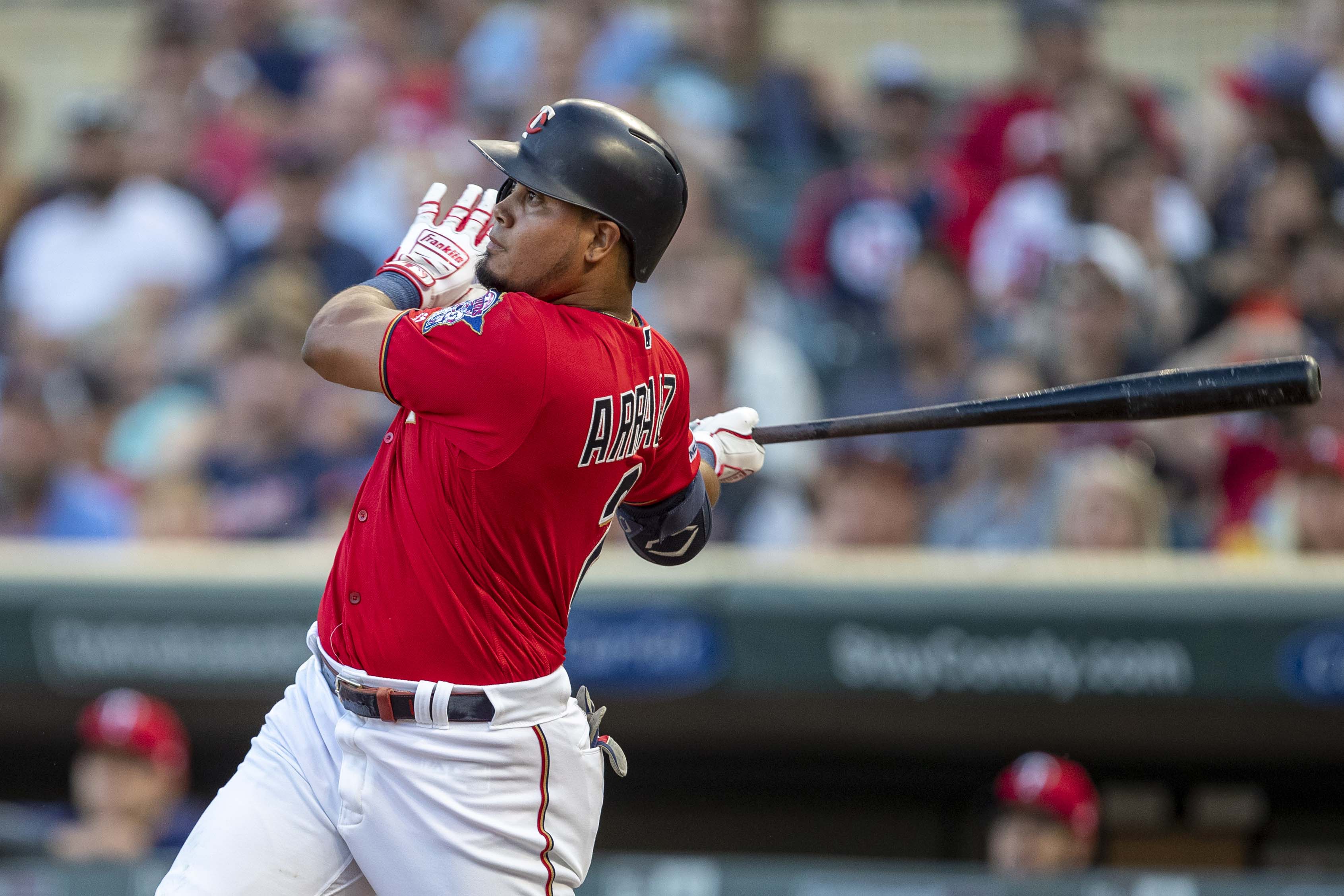 Coming up through the Twins’ farm system, there was never any doubt about Arráez’s ability to put the bat on the ball. At every stop he made along his minor league journey, the left hander reliably posted a .300 batting average while piling up plenty of hits. What kept Arráez from being more highly ranked as a prospect was his perceived lack of power. While he is never going to be a 30-home run hitter, his rookie season with the Twins showed that he has more power than his slight build might suggest. In 2019, Arráez posted a .439 slugging percentage (.435 was league average) and hit for a 162-game pace of 35 doubles, which would have put him 30th in baseball. In baseball, power is made up of two different components, launch angle and exit velocity. For launch angle, Baseball Savant defines a baseball hit at a “good angle” to be one hit between 8 and 32 degrees, known as the “sweet spot”. In 2019, Luis Arráez was ranked fifth among all hitters in SweetSpot% with 42.0% of his batted balls being hit between 8 and 32 degrees of launch angle. While Arráez was toward the bottom of the league in exit velocity, his consistent sweet spot hitting allows him to capitalize on those at bats where he was able to connect with good velocity. Like this double that he hit off Mike Fiers in July: https://twitter.com/MatthewTaylorMN/status/1233086027797016576?s=20 On this pitch, Arráez was able to sit on an offspeed pitch and get plenty of bat speed on the Fiers' changeup. Because of Arraez’s consistency in getting a good launch angle on the ball, Arraez was not only able to hit the ball hard (100.7 MPH), but he was able to put lift on the ball (29°) and smash it to right center for a double. Where Arráez generated the most power in 2019 was against fastballs, off of which he slugged .445. Against fastballs, Arraez generated an average exit velocity of 88 MPH and hit 14 of his 20 doubles and 2 of his four home runs. Like this absolute rocket off Adrian Sampson: https://twitter.com/MatthewTaylorMN/status/1233084829647982593 When Arráez was able to get the fastball off Sampson that he was looking for and was able to generate good velocity on his swing (102.2 MPH), Arráez was, again, able to reliably connect with a “sweet spot” launch angle which resulted in him sending the ball out to the Target Field plaza. Another encouraging piece from Arráez’s hitting profile in 2019 was his ability to increase his Hard Hit % (percentage of balls hit 95+ MPH) as the season went on. Arráez improved his Hard Hit % in each month from June - September and capped off his 2019 campaign by posting a 27.6 Hard Hit% and 88.8 MPH average exit velocity in September. Numbers that didn’t lead the league by any means, but provide a glimpse of some power that Arráez possesses that nobody would have imagined he had when joining the club last May. According to Fangraphs’ ZiPS projection system, their number one player comparison for Luis Arráez is Dustin Pedroia. Pedroia was another second baseman who was smaller in stature (5'9", 175#) and came into the league viewed more as a contact hitter than anything else. Throughout his years in the league, though, Pedroia developed power and hit between 12-18 home runs each season throughout his career. Predicting a similar career path for Arráez isn’t far fetched at all. He has the patience and the launching skills to make good contact, and if he can add a few MPH to his exit velocity under the guidance of hitting coach Edgar Varela, we could be seeing a Pedroia-like power profile coming over the next handful of seasons. Do you agree that Luis Arráez is more than just a contact hitter? Do you think he has the ability to add more power in the coming years? Leave a comment below and start the conversation! MORE FROM TWINS DAILY — Latest Twins coverage from our writers — Recent Twins discussion in our forums — Follow Twins Daily via Twitter, Facebook or email
 -
The Minnesota Twins finished their first weekend of spring training. While we need to be careful forming opinions from three spring training games, there were a few things we learned from the first weekend of Twins baseball in Fort Myers.1. Early returns on José Berríos are strong They say that first impressions can work wonders, and boy did Jose Berríos’s first impression work wonders today in his 2020 spring raining debut. In two innings today, Berríos faced the minimum six batters while striking out four. The right-hander was working all four of his pitches today, but what was most impressive was his fastball which struck out two and hit 95 MPH multiple times. In a quote from Betsy Helfand’s post-game piece, Baldelli said of Berríos, “José looked great. His fastball command was great,” Baldelli said. “He even reached back at the end of some of these at-bats and gave us something extra. But he looked very comfortable. He had a plan, and he executed well. Again, another start you would want to see from one of your guys to start spring training.” While the key for Berríos has never been his early season performance, seeing him look strong and in command to kick off his 2020 campaign after a rigourous offseason filled with tweaks and changes was certainly refreshing. 2. Bullpen looking to pick up where it left off in 2019 Only the Tampa Bay Rays posted a higher team fWAR from their bullpen than the Minnesota Twins in 2019. After adding Tyler Clippard this offseason, hopes are high for the Twins bullpen heading in to 2020, confirmed by Rocco Baldelli saying at the 2019 Diamond Awards, “I think we have the best bullpen in baseball”. While the first few games of spring training don’t mean much (let’s be real, they don’t mean anything), seeing the collection of arms pitch well in their first action of 2020 just reinforces the fact that hopes are high for the bullpen this season. Over the past two games, pitchers from the projected 2020 Twins bullpen (Zack Littell, Cody Stashak, Sergio Romo, Tyler Clippard, Taylor Rogers) put up a combined 5.0 IP, 0 ER, 1 H and 9 Ks. Expectations for the Twins bullpen in 2020 are high, and there’s been nothing from the Twins first weekend of spring training to change those expectations. 3. “Best shape of his life” may not be hyperbole for Miguel Sanó After seeing all of the tweets about Miguel Sanó being in “the best shape of his life”, Twins fans were intrigued to see what Sanó would actually look like out on the baseball diamond. After seeing him play today they should be nothing but impressed. He looked trim in his new white Nike uniform and made some plays with his feet that I’m not sure Miguel Sanó of days past would have made. In a sequence of events you don’t see often, the Twins’ first run of the game was generated solely by Miguel Sanó’s legs. In the second inning of Sunday’s game, Miguel Sanó ran out a bloop single to first base, moved to second base on an Adrianza single, and then advanced to third and home on consecutive sacrifice flies. While he didn’t have to make any difficult plays in his debut as a full time first-baseman, Sanó had a clean game and gave Twins fans a preview of what his connection with Josh Donaldson will look like when he cleanly snagged a throw from the Bringer of Rain off of a Brandon Drury grounder in the fourth inning of Sunday’s game. What did you take away from the Minnesota Twins’ first weekend of Spring Training? Leave a comment below and start the conversation! MORE FROM TWINS DAILY — Latest Twins coverage from our writers — Recent Twins discussion in our forums — Follow Twins Daily via Twitter, Facebook or email — Follow Matthew Taylor on Twitter here Click here to view the article
-
3 Takeaways from the Minnesota Twins' First Weekend of Spring Training
Matthew Taylor posted an article in Twins
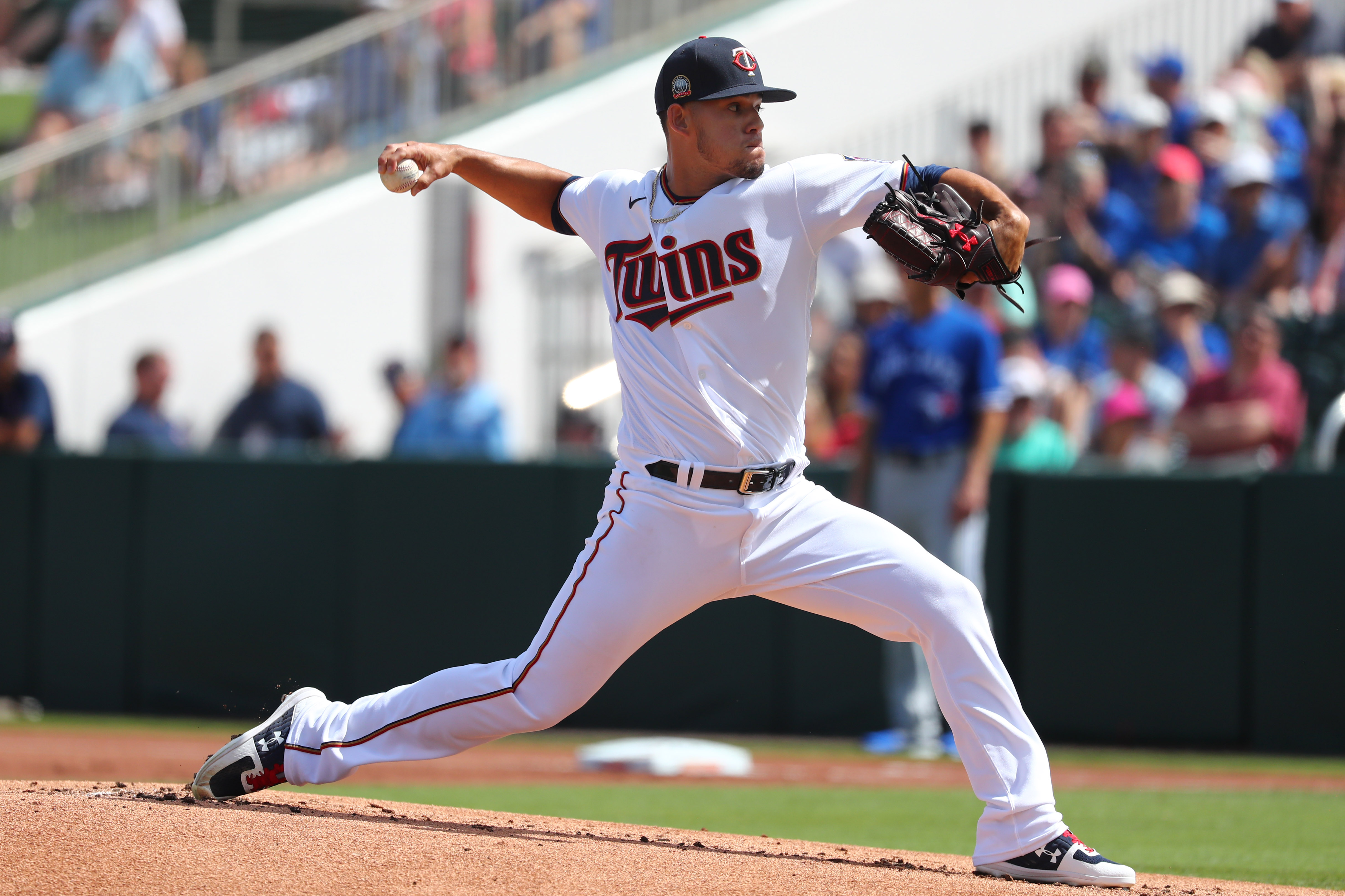 1. Early returns on José Berríos are strong They say that first impressions can work wonders, and boy did Jose Berríos’s first impression work wonders today in his 2020 spring raining debut. In two innings today, Berríos faced the minimum six batters while striking out four. The right-hander was working all four of his pitches today, but what was most impressive was his fastball which struck out two and hit 95 MPH multiple times. In a quote from Betsy Helfand’s post-game piece, Baldelli said of Berríos, “José looked great. His fastball command was great,” Baldelli said. “He even reached back at the end of some of these at-bats and gave us something extra. But he looked very comfortable. He had a plan, and he executed well. Again, another start you would want to see from one of your guys to start spring training.” While the key for Berríos has never been his early season performance, seeing him look strong and in command to kick off his 2020 campaign after a rigourous offseason filled with tweaks and changes was certainly refreshing. https://twitter.com/MatthewTaylorMN/status/1231699116306128901?s=20 2. Bullpen looking to pick up where it left off in 2019 Only the Tampa Bay Rays posted a higher team fWAR from their bullpen than the Minnesota Twins in 2019. After adding Tyler Clippard this offseason, hopes are high for the Twins bullpen heading in to 2020, confirmed by Rocco Baldelli saying at the 2019 Diamond Awards, “I think we have the best bullpen in baseball”. While the first few games of spring training don’t mean much (let’s be real, they don’t mean anything), seeing the collection of arms pitch well in their first action of 2020 just reinforces the fact that hopes are high for the bullpen this season. Over the past two games, pitchers from the projected 2020 Twins bullpen (Zack Littell, Cody Stashak, Sergio Romo, Tyler Clippard, Taylor Rogers) put up a combined 5.0 IP, 0 ER, 1 H and 9 Ks. Expectations for the Twins bullpen in 2020 are high, and there’s been nothing from the Twins first weekend of spring training to change those expectations. 3. “Best shape of his life” may not be hyperbole for Miguel Sanó After seeing all of the tweets about Miguel Sanó being in “the best shape of his life”, Twins fans were intrigued to see what Sanó would actually look like out on the baseball diamond. After seeing him play today they should be nothing but impressed. He looked trim in his new white Nike uniform and made some plays with his feet that I’m not sure Miguel Sanó of days past would have made. In a sequence of events you don’t see often, the Twins’ first run of the game was generated solely by Miguel Sanó’s legs. In the second inning of Sunday’s game, Miguel Sanó ran out a bloop single to first base, moved to second base on an Adrianza single, and then advanced to third and home on consecutive sacrifice flies. While he didn’t have to make any difficult plays in his debut as a full time first-baseman, Sanó had a clean game and gave Twins fans a preview of what his connection with Josh Donaldson will look like when he cleanly snagged a throw from the Bringer of Rain off of a Brandon Drury grounder in the fourth inning of Sunday’s game. What did you take away from the Minnesota Twins’ first weekend of Spring Training? Leave a comment below and start the conversation! MORE FROM TWINS DAILY — Latest Twins coverage from our writers — Recent Twins discussion in our forums — Follow Twins Daily via Twitter, Facebook or email — Follow Matthew Taylor on Twitter here
 -
From implementing a nap room to providing players with extra off-days, the Minnesota Twins under the Falvine and Baldelli regime have shown time and time again how much they value process over results. This spring training, the Twins are already showing that 2020 will feature that same mindset.Baseball, more than any other sport, is predicated on taking a long-view approach. In baseball, any team can win on any given day and even the best team in baseball loses a third of the time. The season is 162 games and the playoffs prove year after year that any team in the tournament can take home the Commissioner’s Trophy. It’s for those reasons that a “process over results” mindset is so important. Implement the right processes and your team will prove to be successful over such a long season and give your team a chance to win a World Series. Here are the three ways that the 2020 Minnesota Twins are embodying a process- over-results mindset: 1. Embracing Technology Last spring, Parker Hageman wrote a piece for Twins Daily about the new technologies that the Minnesota Twins brought to Fort Myers as a way to track performance and develop their players. This year, the Twins are building on that with the implementation of a new technology from NewtForce called force plates. These force plates are raised, sensor-filled plates/mounds that track the amount of force that pitchers and hitters are exerting onto the plate. These results then get displayed onto accompanying software where players and coaches can look at the data and tweak swings, leg kicks, pitching windups, etc. in order to remain consistent and efficient in their movements. In a piece from Derek Wetmore, Derek Falvey said of this new technology, “There’s new technology in all sports that you are aware generally, and I would say it’s not unlike anything else we’ve looked at. There are [already] different sensors and things you use to measure strength in the weight room, measure swings, measure arm path, measure all kinds of things. … [Force Plates are] another thing that you want to explore and see if it could potentially help you.” While the Minnesota Twins will never be able to match the Yankees and Dodgers in payroll, by investing in technology and player development, and getting their players to buy into the benefits from these technologies, they are staying ahead of the curve and finding other ways to gain an edge. 2. Embracing Advanced Statistics Advanced statistics is another area that baseball players have been historically slow to embrace and adopt into their vocabulary. In prior regimes of the Minnesota Twins, advanced statistics were often ignored in favor of “throwing strikes”, “advancing runners” and “working counts”. The new-era Minnesota Twins have turned advanced statistics into a part of their everyday vocabulary and in 2020 are once again embracing the stories that advanced statistics can tell. The newly added Josh Donaldson figures to only further the advanced statistic movement in the Twins’ clubhouse. By operating in a culture that supports and embraces advanced statistics, the Minnesota Twins are able to implement processes like launch angles and exit velocities that can lead to long term success. 3. Embracing Learning A few weeks ago I wrote an article for Twins Daily about how the Minnesota Twins are betting on older stars. A big benefit that comes in investing in aging veterans is the knowledge that they are able to provide to younger players. This is something that new Minnesota Twins slugger, Josh Donaldson, has already shown. From the moment he arrived at Hammond Stadium, Josh Donaldson has started working with Twins’ prospects on their swings, approaches, and mechanics. Josh Donaldson told The Athletic of his teaching session with the young guys, “I wanted to be able to help some of these younger guys develop and start understanding a little more about who they are and what they want to become — to see those guys develop long after I’m gone.” This is yet another example of the process over results mindset that exists in the Twins locker room. A “results” mindset would be Donaldson knowing he is a talented player and can hit 30 home runs to help the Twins win games. The process mindset, though, shows Donaldson putting in the time to pour into the younger players, so that when they are called upon, they’ll be ready. This mindset sets up the Twins to win in 2020 and sustain success for years to come. Minnesota Twins beat reporter Phil Miller reported that the Minnesota Twins organization were all given T-shirts that read “E+R = O”. Events plus response equals outcome. The Minnesota Twins won’t be able to control what comes their way this season (slumps, injuries, opponents), but by employing a process-over- results mindset, the Twins will be much better equipped to get through any turmoil that a season brings. What do you think about the Minnesota Twins process-over-results mindset? How well do you think the Twins are equipped to deal with turmoil that comes their way in 2020? Leave a comment below and start the conversation! MORE FROM TWINS DAILY — Latest Twins coverage from our writers — Recent Twins discussion in our forums — Follow Twins Daily via Twitter, Facebook or email — Follow Matthew Taylor on Twitter here Click here to view the article
-
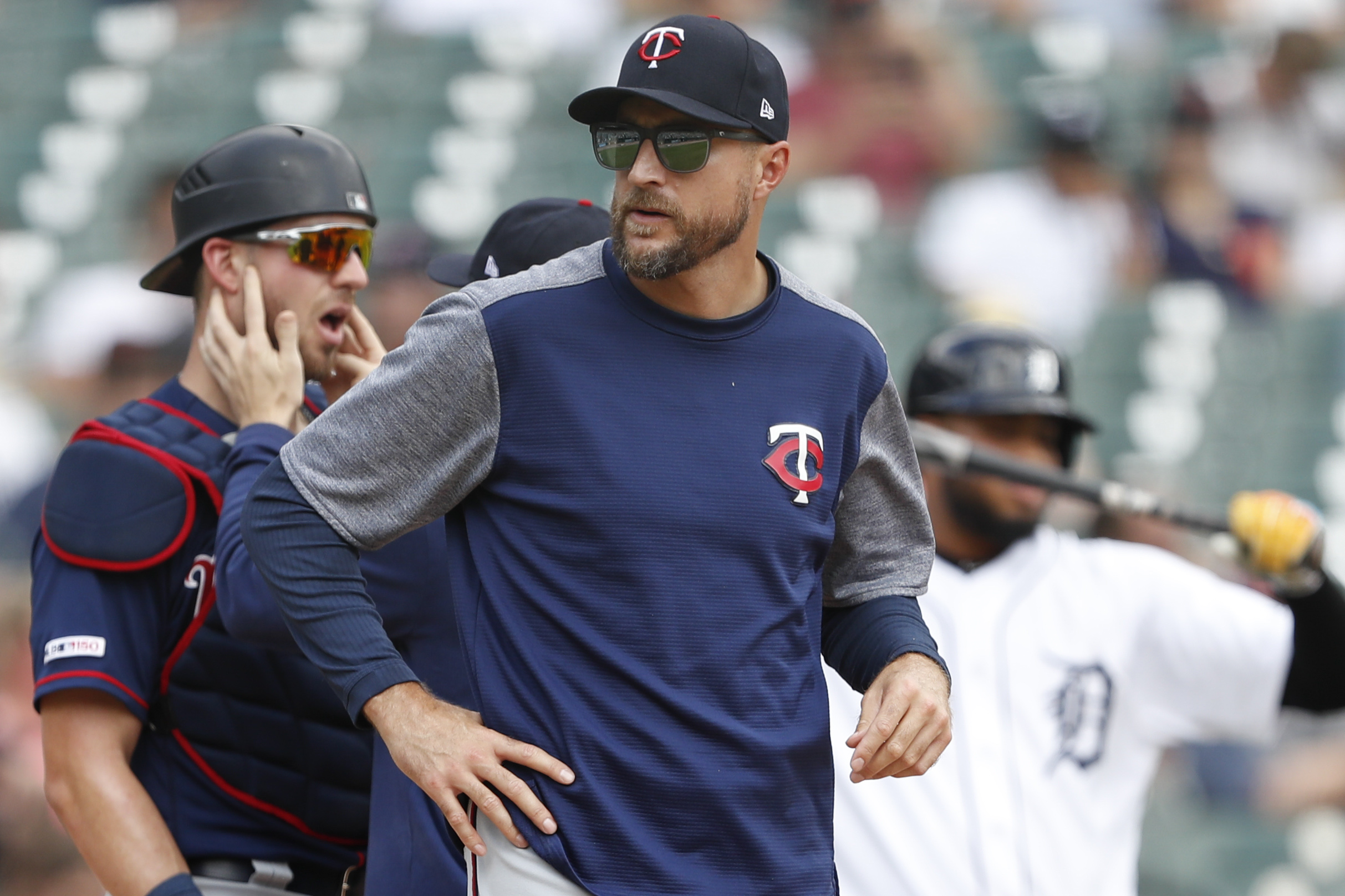 Baseball, more than any other sport, is predicated on taking a long-view approach. In baseball, any team can win on any given day and even the best team in baseball loses a third of the time. The season is 162 games and the playoffs prove year after year that any team in the tournament can take home the Commissioner’s Trophy. It’s for those reasons that a “process over results” mindset is so important. Implement the right processes and your team will prove to be successful over such a long season and give your team a chance to win a World Series. Here are the three ways that the 2020 Minnesota Twins are embodying a process- over-results mindset: 1. Embracing Technology Last spring, Parker Hageman wrote a piece for Twins Daily about the new technologies that the Minnesota Twins brought to Fort Myers as a way to track performance and develop their players. This year, the Twins are building on that with the implementation of a new technology from NewtForce called force plates. https://twitter.com/DerekWetmore/status/1227647823338000387?s=20 These force plates are raised, sensor-filled plates/mounds that track the amount of force that pitchers and hitters are exerting onto the plate. These results then get displayed onto accompanying software where players and coaches can look at the data and tweak swings, leg kicks, pitching windups, etc. in order to remain consistent and efficient in their movements. In a piece from Derek Wetmore, Derek Falvey said of this new technology, “There’s new technology in all sports that you are aware generally, and I would say it’s not unlike anything else we’ve looked at. There are [already] different sensors and things you use to measure strength in the weight room, measure swings, measure arm path, measure all kinds of things. … [Force Plates are] another thing that you want to explore and see if it could potentially help you.” While the Minnesota Twins will never be able to match the Yankees and Dodgers in payroll, by investing in technology and player development, and getting their players to buy into the benefits from these technologies, they are staying ahead of the curve and finding other ways to gain an edge. 2. Embracing Advanced Statistics Advanced statistics is another area that baseball players have been historically slow to embrace and adopt into their vocabulary. In prior regimes of the Minnesota Twins, advanced statistics were often ignored in favor of “throwing strikes”, “advancing runners” and “working counts”. The new-era Minnesota Twins have turned advanced statistics into a part of their everyday vocabulary and in 2020 are once again embracing the stories that advanced statistics can tell. The newly added Josh Donaldson figures to only further the advanced statistic movement in the Twins’ clubhouse. https://twitter.com/AaronGleeman/status/1229060328803196928?s=20 By operating in a culture that supports and embraces advanced statistics, the Minnesota Twins are able to implement processes like launch angles and exit velocities that can lead to long term success. 3. Embracing Learning A few weeks ago I wrote an article for Twins Daily about how the Minnesota Twins are betting on older stars. A big benefit that comes in investing in aging veterans is the knowledge that they are able to provide to younger players. This is something that new Minnesota Twins slugger, Josh Donaldson, has already shown. From the moment he arrived at Hammond Stadium, Josh Donaldson has started working with Twins’ prospects on their swings, approaches, and mechanics. https://twitter.com/DanHayesMLB/status/1228735766546788355?s=20 Josh Donaldson told The Athletic of his teaching session with the young guys, “I wanted to be able to help some of these younger guys develop and start understanding a little more about who they are and what they want to become — to see those guys develop long after I’m gone.” This is yet another example of the process over results mindset that exists in the Twins locker room. A “results” mindset would be Donaldson knowing he is a talented player and can hit 30 home runs to help the Twins win games. The process mindset, though, shows Donaldson putting in the time to pour into the younger players, so that when they are called upon, they’ll be ready. This mindset sets up the Twins to win in 2020 and sustain success for years to come. Minnesota Twins beat reporter Phil Miller reported that the Minnesota Twins organization were all given T-shirts that read “E+R = O”. Events plus response equals outcome. The Minnesota Twins won’t be able to control what comes their way this season (slumps, injuries, opponents), but by employing a process-over- results mindset, the Twins will be much better equipped to get through any turmoil that a season brings. What do you think about the Minnesota Twins process-over-results mindset? How well do you think the Twins are equipped to deal with turmoil that comes their way in 2020? Leave a comment below and start the conversation! MORE FROM TWINS DAILY — Latest Twins coverage from our writers — Recent Twins discussion in our forums — Follow Twins Daily via Twitter, Facebook or email — Follow Matthew Taylor on Twitter here
 -
Thanks, Nate! It's a great point, Kepler's ability to competently play CF is the reason that I had CF ahead of SS in terms of depth on this team. However, we saw last year just how big of an impact Buxton's absence was on the teams defense. Losing Buxton impacts two positions as Buxton to Kepler is a significant downgrade in CF and Kepler to Cave/Wade is a significant downgrade in RF. That dual position downgrade is why I have CF so low.
-
The Minnesota Twins have the top-end talent to compete for an American League pennant in 2020, but do they have the depth to hold up through a 162-game season? Let’s take a look by ranking the Minnesota Twins’ depth at each position.For this exercise I will be ranking the Minnesota Twins’ depth at each defensive position (excluding pitchers) by ranking them from 1 (most depth) to 7 (least depth). I will be looking at their depth in terms of names on the 40-man roster. 1. Corner Outfield Starters: Eddie Rosario & Max Kepler Depth: Jake Cave, Marwin Gonzalez, Lamonte Wade, Jr., Luis Arráez, Willians Astudillo, Ehrie Adrianza Corner outfield is undoubtedly the deepest position on the Minnesota Twins roster. It’s the reason they were so willing to part with Jaylin Davis in the Sam Dyson trade last year as well as Luke Raley in the Kenta Maeda trade this year. In 2019, Marwin Gonzalez saw the most depth appearances in the corner outfield spot, however I would expect Jake Cave to be the first depth man to appear should anything happen to Rosario or Kepler. Outside of Cave and Gonzalez, Lamonte Wade showed last year that he was a capable backup in the corner outfield, and even Arraez got some run in left field when Rosario was injured. 2. Third Base Starter: Josh Donaldson Depth: Ehrie Adrianza, Miguel Sanó, Luis Arráez, Marwin Gonzalez, Travis Blankenhorn The Twins were forced to show their depth at third base to start the 2019 season when Miguel Sanó entered the season injured and unable to play for the first 40 games. Marwin Gonzalez stepped in during this time and throughout the year and played well for the Twins at the hot corner, tallying up four defensive runs saved and a 2.6 UZR in 291 innings at third base in the 2019 season. After Gonzalez, the Minnesota Twins have Miguel Sanó as third base depth along with Arráez who played 130 innings at third base last season. 3. First Base Starter: Miguel Sanó Depth: Ehrie Adrianza, Marwin Gonzalez, Mitch Garver, Willians Astudillo The Twins are fairly well set up at first base with four different players on the 40-man roster able to provide solid first base defense. Mitch Garver was a guy who Twins fans were clamoring for getting time at first base last year, which didn’t come to fruition. If Baldelli can get Garver some reps at first base on his catching off days in 2020, their first base depth would skyrocket in potential. 4. Second Base Starter: Luis Arráez Depth: Ehrie Adrianza, Marwin Gonzalez, Nick Gordon, Travis Blankenhorn If we would have made this list at this same time last year, second base would have been towards the bottom as Luis Arráez was completely off the radar at that point. Going into 2020, the depth at the second base position looks promising with Adrianza and Gonzalez having already shown the ability to play the position well and two prospects in Gordon and Blankenhorn who could get the opportunity to come up and flash potential like Arráez did last year. In 2019, Nick Gordon played 250 innings at second base in AAA, hitting .298 with a .801 OPS. Blankenhorn reached as high as AA in 2019, playing 572 innings at second base and committing just eight errors. At the plate, Blankenhorn had his best season yet, hitting .278 and belting 18 home runs. 5. Catcher Starter: Mitch Garver Depth: Alex Avila, Willians Astudillo One of the first moves that the Minnesota Twins made this offseason was moving on from Jason Castro in favor of Alex Avila. Nick Nelson did a really good job analyzing the switch from Castro to Avila and categorized the move as “at worst lateral switch with with a bit more upside.” Defensively, Avila is known for having a very strong arm, but has also become an adept pitch framer. Offensively, Avila does well against right handers but really struggles to hit lefties (.617 career OPS against LHP). Should anything happen to Garver the Twins would be in a tough spot where they would either be forced to trot out Avila against lefties, or count on Astudillo who is not good defensively and has shown his bat is not what it appeared in 2018. There are some other catching options in the system (Jeffers, Telis), but in terms of the men on the 40-man roster, Garver proves invaluable. 6. Center Field Starter: Byron Buxton Depth: Max Kepler, Jake Cave, Lamonte Wade, Jr. The Minnesota Twins center field depth was put to the test in 2019, when Byron Buxton missed out on nearly half of the season due to injuries. While he was out, Baldelli tried to play Jake Cave (-19.2 UZR/150) and Lamonte Wade, Jr. (-34.7 UZR/150) in his stead, but the results showed that they just couldn’t get the job done. What Baldelli had to do, then, was play Kepler at center field. In this spot, Kepler performed well (9.5 UZR/150), but clearly below the capabilities of Buxton, and also left his right field position where he plays like a gold glover. Buxton’s value in center field is undeniable for the Twins and his health will be huge for the 2020 season. 7. Shortstop Starter: Jorge Polanco Depth: Ehrie Adrianza, Nick Gordon The Minnesota Twins should thank their lucky stars that Jorge Polanco was so durable in 2019, because the depth behind him at shortstop is pretty bare. The primary backup for shortstop for the Twins in 2019 was Ehrie Adrianza, who played 152 innings with a -14.1 UZR/150. Adrianza figures to be the primary backup shortstop for the Twins in 2020, but should something happen to Adrianza the only guy on the 40 man roster who could seemingly play the position with any sort of competence would be Nick Gordon. In 2019, Gordon played 322 2/3 innings at shortstop, committing eight errors. The wildcard option who the Twins could choose to go with at shortstop in 2020 would be Royce Lewis, who isn't listed because he is not on the 40-man roster. Shortstop is such a difficult position to play, and with such limited options behind him, Polanco figures to be the most indispensable player for the Minnesota Twins in 2020. Where do you think the Twins have the most and least positional depth heading into 2020? Leave a comment below and start the conversation! MORE FROM TWINS DAILY — Latest Twins coverage from our writers — Recent Twins discussion in our forums — Follow Twins Daily via Twitter, Facebook or email — Follow Matthew Taylor on Twitter here Click here to view the article
-
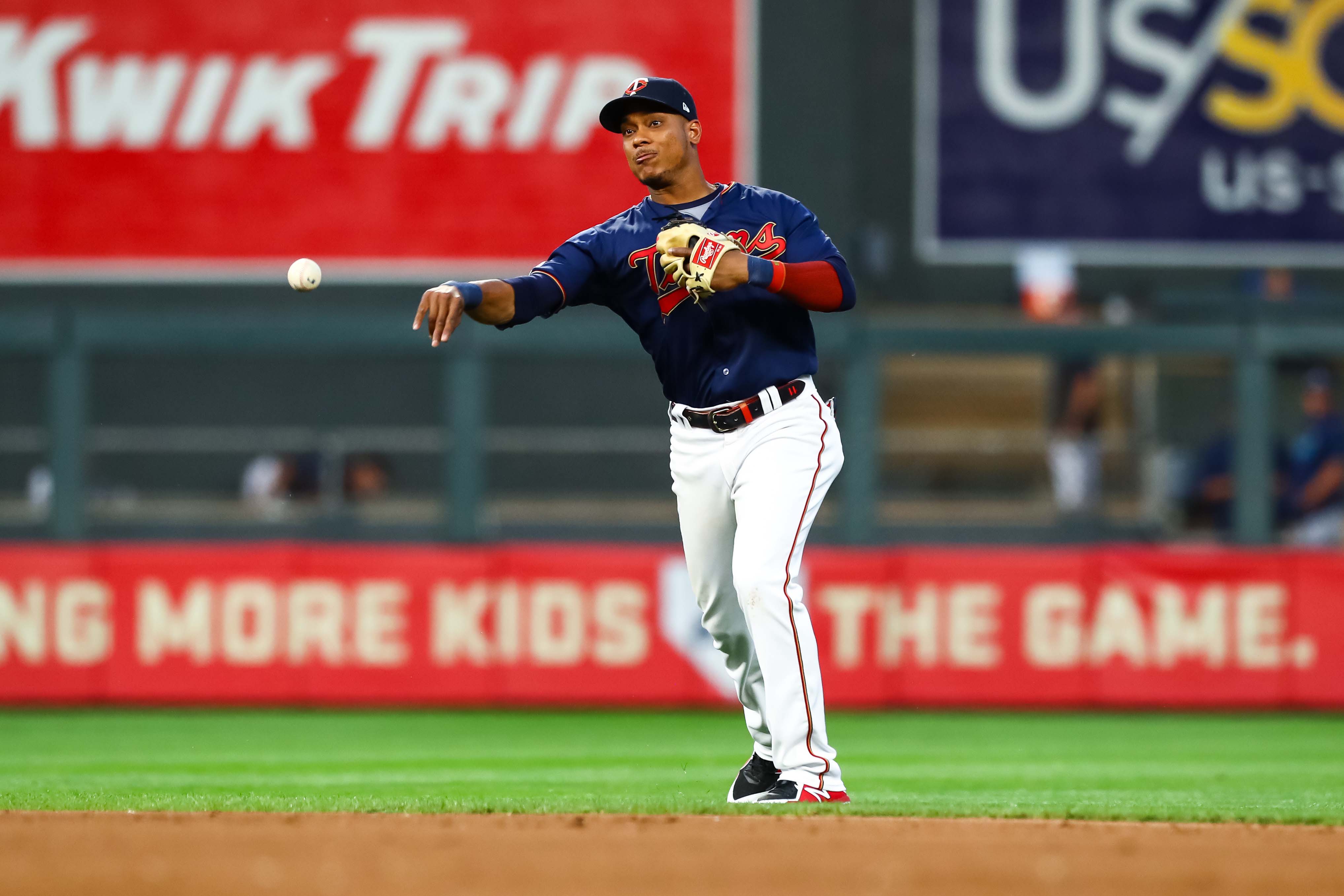 For this exercise I will be ranking the Minnesota Twins’ depth at each defensive position (excluding pitchers) by ranking them from 1 (most depth) to 7 (least depth). I will be looking at their depth in terms of names on the 40-man roster. 1. Corner Outfield Starters: Eddie Rosario & Max Kepler Depth: Jake Cave, Marwin Gonzalez, Lamonte Wade, Jr., Luis Arráez, Willians Astudillo, Ehrie Adrianza Corner outfield is undoubtedly the deepest position on the Minnesota Twins roster. It’s the reason they were so willing to part with Jaylin Davis in the Sam Dyson trade last year as well as Luke Raley in the Kenta Maeda trade this year. In 2019, Marwin Gonzalez saw the most depth appearances in the corner outfield spot, however I would expect Jake Cave to be the first depth man to appear should anything happen to Rosario or Kepler. Outside of Cave and Gonzalez, Lamonte Wade showed last year that he was a capable backup in the corner outfield, and even Arraez got some run in left field when Rosario was injured. 2. Third Base Starter: Josh Donaldson Depth: Ehrie Adrianza, Miguel Sanó, Luis Arráez, Marwin Gonzalez, Travis Blankenhorn The Twins were forced to show their depth at third base to start the 2019 season when Miguel Sanó entered the season injured and unable to play for the first 40 games. Marwin Gonzalez stepped in during this time and throughout the year and played well for the Twins at the hot corner, tallying up four defensive runs saved and a 2.6 UZR in 291 innings at third base in the 2019 season. After Gonzalez, the Minnesota Twins have Miguel Sanó as third base depth along with Arráez who played 130 innings at third base last season. 3. First Base Starter: Miguel Sanó Depth: Ehrie Adrianza, Marwin Gonzalez, Mitch Garver, Willians Astudillo The Twins are fairly well set up at first base with four different players on the 40-man roster able to provide solid first base defense. Mitch Garver was a guy who Twins fans were clamoring for getting time at first base last year, which didn’t come to fruition. If Baldelli can get Garver some reps at first base on his catching off days in 2020, their first base depth would skyrocket in potential. 4. Second Base Starter: Luis Arráez Depth: Ehrie Adrianza, Marwin Gonzalez, Nick Gordon, Travis Blankenhorn If we would have made this list at this same time last year, second base would have been towards the bottom as Luis Arráez was completely off the radar at that point. Going into 2020, the depth at the second base position looks promising with Adrianza and Gonzalez having already shown the ability to play the position well and two prospects in Gordon and Blankenhorn who could get the opportunity to come up and flash potential like Arráez did last year. In 2019, Nick Gordon played 250 innings at second base in AAA, hitting .298 with a .801 OPS. Blankenhorn reached as high as AA in 2019, playing 572 innings at second base and committing just eight errors. At the plate, Blankenhorn had his best season yet, hitting .278 and belting 18 home runs. 5. Catcher Starter: Mitch Garver Depth: Alex Avila, Willians Astudillo One of the first moves that the Minnesota Twins made this offseason was moving on from Jason Castro in favor of Alex Avila. Nick Nelson did a really good job analyzing the switch from Castro to Avila and categorized the move as “at worst lateral switch with with a bit more upside.” Defensively, Avila is known for having a very strong arm, but has also become an adept pitch framer. Offensively, Avila does well against right handers but really struggles to hit lefties (.617 career OPS against LHP). Should anything happen to Garver the Twins would be in a tough spot where they would either be forced to trot out Avila against lefties, or count on Astudillo who is not good defensively and has shown his bat is not what it appeared in 2018. There are some other catching options in the system (Jeffers, Telis), but in terms of the men on the 40-man roster, Garver proves invaluable. 6. Center Field Starter: Byron Buxton Depth: Max Kepler, Jake Cave, Lamonte Wade, Jr. The Minnesota Twins center field depth was put to the test in 2019, when Byron Buxton missed out on nearly half of the season due to injuries. While he was out, Baldelli tried to play Jake Cave (-19.2 UZR/150) and Lamonte Wade, Jr. (-34.7 UZR/150) in his stead, but the results showed that they just couldn’t get the job done. What Baldelli had to do, then, was play Kepler at center field. In this spot, Kepler performed well (9.5 UZR/150), but clearly below the capabilities of Buxton, and also left his right field position where he plays like a gold glover. Buxton’s value in center field is undeniable for the Twins and his health will be huge for the 2020 season. 7. Shortstop Starter: Jorge Polanco Depth: Ehrie Adrianza, Nick Gordon The Minnesota Twins should thank their lucky stars that Jorge Polanco was so durable in 2019, because the depth behind him at shortstop is pretty bare. The primary backup for shortstop for the Twins in 2019 was Ehrie Adrianza, who played 152 innings with a -14.1 UZR/150. Adrianza figures to be the primary backup shortstop for the Twins in 2020, but should something happen to Adrianza the only guy on the 40 man roster who could seemingly play the position with any sort of competence would be Nick Gordon. In 2019, Gordon played 322 2/3 innings at shortstop, committing eight errors. The wildcard option who the Twins could choose to go with at shortstop in 2020 would be Royce Lewis, who isn't listed because he is not on the 40-man roster. Shortstop is such a difficult position to play, and with such limited options behind him, Polanco figures to be the most indispensable player for the Minnesota Twins in 2020. Where do you think the Twins have the most and least positional depth heading into 2020? Leave a comment below and start the conversation! MORE FROM TWINS DAILY — Latest Twins coverage from our writers — Recent Twins discussion in our forums — Follow Twins Daily via Twitter, Facebook or email — Follow Matthew Taylor on Twitter here
 -
Kenta Maeda touched down in Fort Myers today and met with the media for the first time as a member of the Minnesota Twins. While Maeda noted that he is excited about his new club and new teammates, he made clear that he is most excited to finally have a clear and defined role with the Minnesota Twins.Regarding his position with his new team, Maeda stated through his interpreter, “It’s been discussed that (I’ll) be starting in the rotation, so (I’m) really glad to hear that.” For Maeda, the past three seasons in a Dodgers uniform have followed the same path. Each year he has started in the rotation, pitched well for 20-25 starts, until August when the team would transition him into a bullpen role and would use him as such in the playoffs as a setup man for Kenley Jansen. In his time in the bullpen, Maeda has been lights out, posting a 3.19 ERA with a 0.99 WHIP and an extraordinary 34.5 K%. In the postseason, his relief numbers have been even better, where he has put up a 1.62 ERA in 22 2/3 innings over the past three postseasons. While he has had tremendous success as a relief pitcher, and the Dodgers were extremely successful with him in this role, Maeda has been very vocal about his frustration with this pitching arrangement. In a piece from Andy McCullough of The Athletic, Maeda’s agent, Joel Wolfe, had to say of the pitching arrangement, “Kenta wants to make 30 starts, 32 starts during the season. He would prefer not to be constantly shuttled to the bullpen and back. He doesn’t like it.” Maeda has plenty of reason to desire a full-time starting pitcher role. For one, his contract heavily rewards him starting games and racking up innings pitched. By moving Maeda to the bullpen each of the past three years, Maeda has missed out on millions of dollars by missing out on contract incentives. Additionally, being a starting pitcher is a point of pride for the Japanese right-hander. In Japan, Maeda won the Sawamura Award, the Japanese equivalent to the Cy Young Award, twice for his performance as a starting pitcher. To now come to the United States and get his role shifted every year and lose that starting pitcher identity has been a big disappointment for Maeda. Fast forward to February of 2020, and Maeda now finds himself in a situation with the Minnesota Twins where he projects to be a key piece of the starting rotation for years to come. Derek Falvey confirmed as much when he spoke of Maeda's positional future with the Twins. "Our view is that he's going to come here and be in our starting rotation," Falvey said. Maeda provides the Twins with the top-end pitching that they had been seeking as well as the depth that they had been lacking. He will be relied upon heavily as a starting pitcher to get the Twins through the regular season and win them games in the postseason. “The family is really happy that the Twins needed (me) as a starting pitcher," Maeda said. "That’s the most important part. Both (my family and I) are really happy to hear this news.” Getting traded to the Minnesota Twins represents more to Maeda than a new city or a new uniform, it represents a new beginning. Maeda has been seeking an opportunity with a club that will allow him to showcase his skills as a starting pitcher for a full season, and the Minnesota Twins are finally giving him that opportunity. Twins Nation is surely looking forward to seeing what he does with this opportunity. What are your thoughts on Maeda’s comments this morning regarding his role with the Minnesota Twins? What expectations do you have from Maeda out of the rotation in 2020? Leave a comment below and start the conversation! MORE FROM TWINS DAILY — Latest Twins coverage from our writers — Recent Twins discussion in our forums — Follow Twins Daily via Twitter, Facebook or email — Follow Matthew on Twitter here Click here to view the article

