



Al from SoDak
-
Posts
274 -
Joined
-
Last visited
Content Type
Profiles
News
Minnesota Twins Videos
2026 Minnesota Twins Top Prospects Ranking
2022 Minnesota Twins Draft Picks
Minnesota Twins Free Agent & Trade Rumors, Notes, & Tidbits
Guides & Resources
2023 Minnesota Twins Draft Picks
The Minnesota Twins Players Project
2024 Minnesota Twins Draft Picks
2025 Minnesota Twins Draft Pick Tracker
2026 Minnesota Twins Draft Tracker: Picks & Bonuses
Forums
Blogs
Events
Store
Downloads
Gallery
Everything posted by Al from SoDak
-
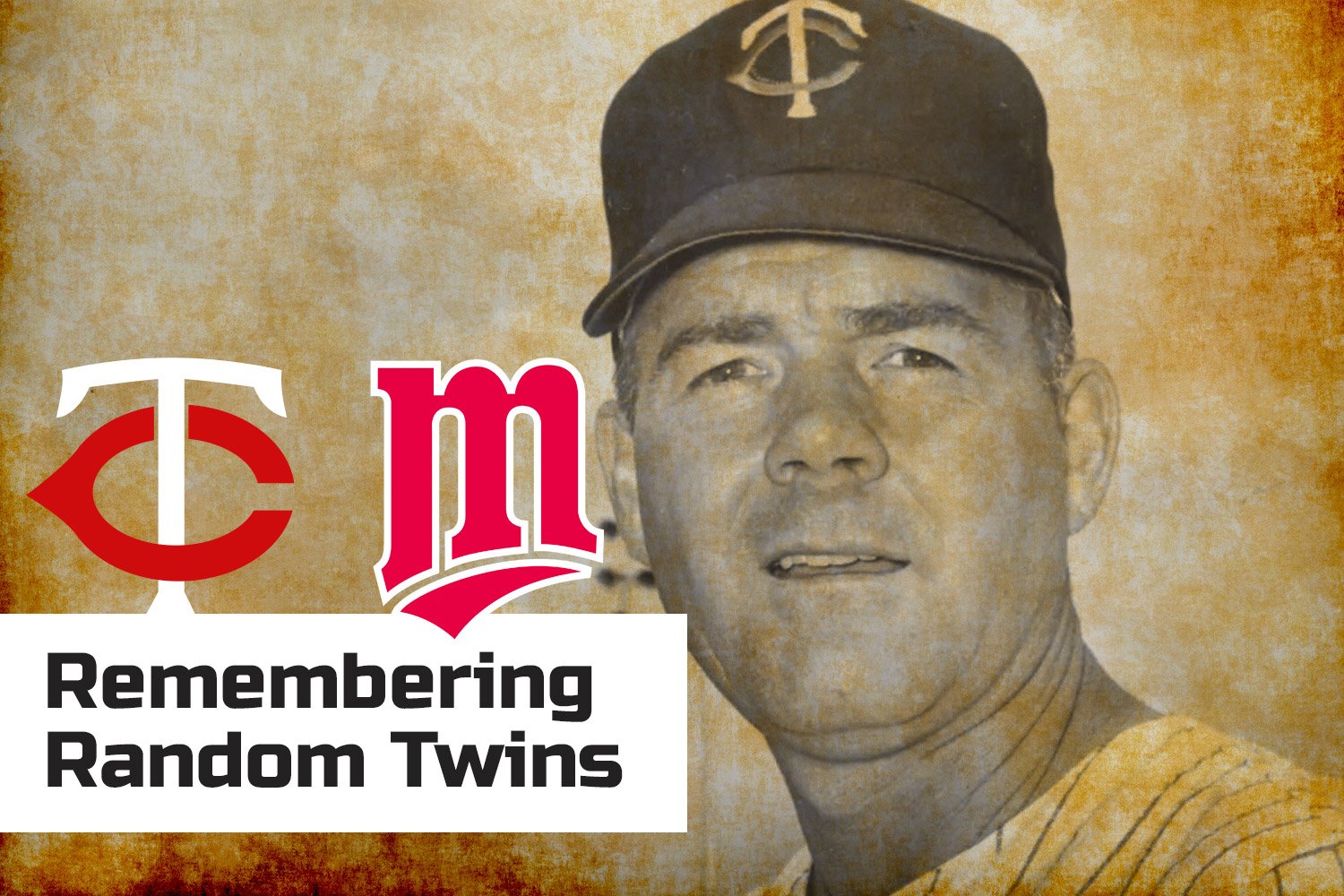 In my judgment, the Minnesota Twins have a tradition of good relief pitchers/closers. The Twins have had notable All-Stars closers such as Jeff Reardon, Rick Aguilera, Eddie Guardado, Joe Nathan, and Glen Perkins, plus perhaps less memorable All-Star relievers such as Doug Corbett, Brandon Kintzler, and Taylor Rogers. Maybe Al Worthington started the tradition of good relief pitchers for Minnesota. Allan Fulton Worthington was born on February 5, 1929, in Birmingham, Alabama. He stayed home and played college baseball first at Samford University in Homewood, Alabama, then at the University of Alabama, where he played football for the Crimson Tide. The lanky right-hander – 6 foot 2 inches and 195 pounds – was initially signed by the Chicago Cubs in 1951 but was soon sent to the New York Giants. After three seasons in the minor leagues (including with the Giants’ Double-A affiliate, the Minneapolis Millers), Worthington debuted in July of 1953 with the Giants, and wow, what a start it was. His first two games were excellent, each starting a complete-game shutout. Worthington’s consecutive shutouts in his first two appearances equaled a major league record that only three other pitchers had achieved. The first start was a two-hitter against the Philadelphia Phillies. Big Al allowed only four hits against the Brooklyn Dodgers during his second start. He was used almost exclusively as a starting pitcher during his first three seasons (but was also up and down frequently to Minneapolis, where his 19 wins led the league in 1955). He continued with the Giants when they moved to San Francisco in 1958 and was primarily a reliever by then. He never started another game after 1959. Before the 1960 season, Worthington was traded to the Red Sox, then later to the White Sox in August. His 1960 season was less than stellar, posting a 6.35 ERA in only 17.0 innings between the two teams. He was walking too many batters – 7.9 per nine innings during that single season. In 1961 and 1962, he was back in the minor leagues working on this control. Languishing for the White Sox Triple-A affiliate, the Cincinnati Reds saw an opportunity and acquired Worthington after the 1962 season via the Rule 5 Draft. He made the major league team and pitched all of 1963 with the Reds. He pitched well enough in 1963 and 1964 that the Twins saw something and moved to acquire the big right-hander. The Twins purchased the rights to Worthington on June 26, 1964, and thus began the best stretch of his career despite his advanced age of 35. By this point, Worthington was a pitcher with a good curveball (slider?) and sinker who threw from a somewhat sidearm angle. Worthington pitched 72.1 innings after coming to Minnesota in 1964. His ERA was a fantastic 1.37 (264 ERA+), and his walks were under control—only 3.5 per nine innings. His WHIP was 1.037. During the World Series season of 1965, Worthington was the top reliever on the team. He threw 80.1 innings with a 2.13 ERA, ten wins, and a career-high 21 saves. Worthington did not allow an earned run in four innings in the World Series. However, he was on the mound in Game 4 when the Dodgers broke open the game. Mudcat Grant gave up a walk and a hit to start the sixth inning. Runners were on second and third. Manager Sam Mele made the call to Worthington, but things deteriorated quickly from there. The first batter hit a ground ball single through the SS/3B hole, with both runners scoring and the batter advancing to second base on a throw home. The next batter bunted, but catcher Earl Battey threw wildly to first, allowing the runner from second to score. Worthington allowed no further damage, but a 3-2 deficit quickly escalated to 6-2. The Dodgers would ultimately win the game 7-2 and even the Series at two games apiece. Worthington’s second World Series appearance came in the Game Seven loss. He appeared early. The Dodgers scored two runs off Jim Kaat to begin the fourth inning. Mele immediately brought in Worthington, who got out of the inning with no further harm. Unfortunately for Twins fans, the damage already done was all the Dodgers needed as Sandy Koufax was masterful, shutting out the Twins. Koufax allowed only three hits and three walks in nine innings and struck out ten. The Dodgers won the game 2-0 and the Series 4-3. Worthington continued to provide steady excellence from the Twins bullpen through the end of the 1960s. From 1966-68, his ERA was under 2.84 all three years. His ERA+ was better than the league average – exceeding 116 in all three years. He pitched more than 90 innings twice. Big Al led the league in saves in 1968. 1969 was not quite as good for Worthington, but he was still an important piece in the bullpen for the first winners of the inaugural American League West division. The Orioles swept the three-game American League Championship Series. The first two games were close, decided by only one run. Worthington appeared only in Game Three, which ended with an Orioles rout. He entered the game in the fifth inning with the Twins trailing 5-1. He pitched a perfect inning but then got roughed up in the sixth. He allowed a double and two singles, resulting in one run, before being replaced by Joe Grzenda. The Orioles continued their scoring, winning 11-2 and the series 3-0. This appearance in the deciding game of the inaugural ALCS proved to be the final pitches Al Worthington threw in Major League Baseball. At 40 years of age, Worthington was finally done. Worthington’s final statistics showed a record of 78-82. His career WAR was 16.2, and his career ERA was 3.39 (110 ERA+). In 1,246.2 innings, he struck out 834 and walked 527. He finished with 111 saves. He was the Twins' career leader in saves (88) until he was passed by the great Ron Davis in 1985. Worthington had a lowly .137 average as a batter but did have a single home run, coming in the penultimate game of the 1956 season off future Hall of Famer Robin Roberts. Post-playing career, Worthington sold insurance for a couple of years before becoming the Twins’ pitching coach for 1972 and 1973. In 1974, being a devout Christian, Worthington reached out to Jerry Falwell and started a baseball program at Liberty University, the Christian school in Lynchburg, Virginia. Worthington coached the program until 1986 and had only one losing season – the first. Worthington also served as Liberty’s Athletic Director leading them in transition to the NCAA Division 1 level in 1988. He is in the Liberty University Athletics Hall of Fame and the Alabama Sports Hall of Fame. Worthington is now 95 years old and living in Alabama. Relief pitching was doubtless different in the 1960s than it is now. Relievers were frequently used for multiple innings in a single game, but maybe in fewer games than today. Certainly, they recorded fewer saves because starters often finished games when they were pitching well (i.e., winning). Any way you look at it – 1960s or today – Al Worthington is one of the best relief pitchers in Twins’ history. What do you think? Was Al Worthington a top relief pitcher? Was he prominent enough to merit a place in the Twins Hall of Fame? Please let us know your thoughts and start the discussion below. [Sources include www.baseball-reference.com, www.wikipedia.org, and www.sabr.org]
 -
 I wrote the article the way I did becuase I was sure Sid used to talk about 3 pitchers, lumping them together as if they were inseperable. Like you, I know Bumganer and Gasser were two of them. I think (hope, for the puirposes of this article) the third was Pittman. I know Willie Banks and Pat Mahomes were a little later. But my memory was always about three pitchers, none of whom made it. It's both fun and funny to look back.
- 7 replies
-
- 1
-

-
- steve gasser
- jeff bumgarner
- (and 2 more)
-
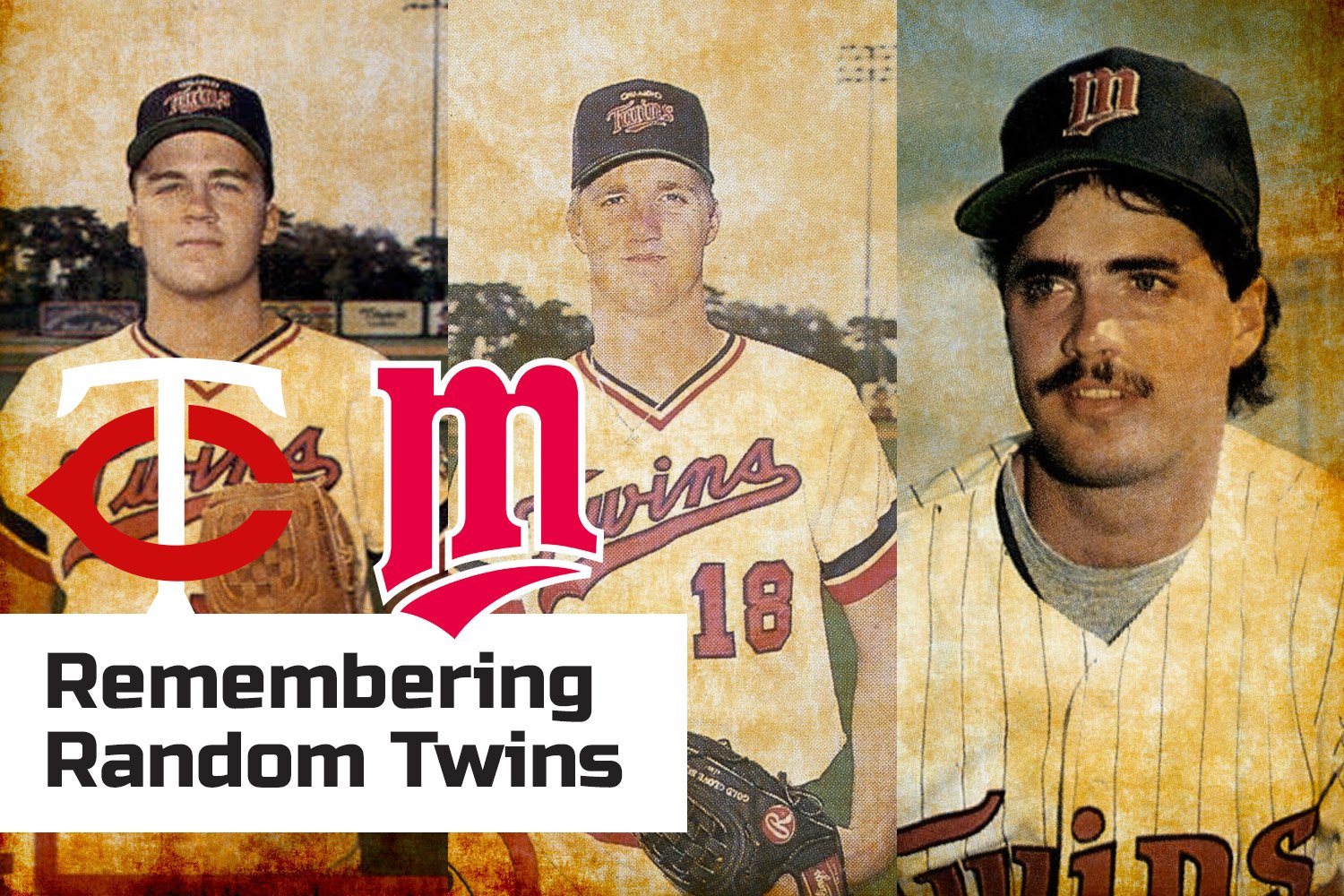 The late 1980s were when ranking Major League Baseball prospects was just beginning. Before that, I’m sure each team had opinions or unofficial rankings of their minor leaguers and other organizations’ potential top players. Still, the late 80s seem to be a time when publications started focusing on this category of baseball operations and development. Baseball America started ranking prospects in the mid-1980s and created its first Top 100 list in 1990. The Sporting News also came out with a Top 150 list in 1990. MLB.com got into the prospect ranking business later. MLB Pipeline, FanGraphs, ESPN, and others have gotten into ranking prospects. Devoted fans love looking ahead at what might be. When I was young, my dad always listened to WCCO. I mean always. Anyway, one of the segments I tolerated was the Sunday morning Sports Huddle with Sid Hartman and Dave Mona. I maybe even loved it. I don’t even know if I was a fan of Sid, but if nothing else, he was interesting, and Dave would keep Sid in check. Sid was a homer, optimist, and advocate for the home teams. I distinctly remember the trio listed above as being hyped by Sid and other local media in the mid to late 80s. My dad and I were convinced these guys would carry the team to the promised land. Then the hype continued, and it almost became a joke after a year or two that Gasser, Bumgarner, and Pittman would lead the franchise to untold success. Woohoo! (My italics mean sarcasm). And it wasn’t just Sid pumping these guys. I know other local sports writers and media talked about them. Even General Manager Andy MacPhail was convinced each would be something special. On August 1, 1987, the Star Tribune reported that the first-place Twins were trying to acquire veteran pitching for the stretch drive, but other teams were asking for one of the trio of top pitching prospects – Gasser, Bumgarner, or Pittman. The Twins stopped discussions at that point – those guys were off-limits. MacPhail wanted to improve the club without depleting its farm system. In the August 9, 1987, Star Tribune, MacPhail said of Gasser, Bumgarner, and Pittman, “We aren’t going to give up any one of those three in any type of trade.” On August 15, 1987, also from the Star Tribune, MacPhail was quoted, “The prospects we have left in our system are the very, very high-premium types. We aren’t going to give up prospects like…Park Pittman, Jeff Bumgarner, and Steve Gasser. Those are the types of kids you can’t make available unless you get a major contributing type of player with many years left.” The December 29, 1987, edition of the Star Tribune reported that Baseball America listed the Twins' top prospects in the following order: catcher Derek Parks, then pitchers Willie Banks, Steve Gasser, Jeff Bumgarner, and Park Pittman. This is to say that plenty of local media, national publications, and even team officials viewed this trio of pitchers as something special. What happened? How did they pan out? Steve Gasser Steve Gasser was a second-round draft pick of the Twins in the 1985 MLB June Amateur Draft. He was drafted as an 18-year-old straight out of high school in New Philadelphia, Ohio. Gasser stood 6’3” and was a right-hander who threw with some speed. In the minor leagues, he produced a high strikeout per inning pitched but also had a high WHIP and a losing record each season. Nevertheless, he marched up the minor league ladder to Class AAA Portland in 1987. Once there, he suddenly lost control, walking 16.1 per nine innings. He began the 1988 season back in class AA, started one game, walked all six batters he faced, got no outs, and that was the end of his season. He was simply unable to throw strikes. After the 1988 season, Gasser was traded to the Mets in a package with two other pitchers for second baseman Wally Backman and a pitcher, Mike Santiago, who never threw a pitch in the Twins system. Gasser went from being untouchable to being a part of a package for players without much left to offer. Backman was the Twins' main second basemen in 1989 but had a pathetic .591 OPS and was allowed to leave as a free agent in the offseason without the Twins putting up much of a fight. After being traded from the Twins, the big right-hander did not pitch in 1989. In 1990, Gasser appeared in 24 innings for Class A teams in the Mets and Braves systems. His combined ERA was 11.25, and his WHIP was 2.833. He was done. Jeff Bumgarner Jeff Bumgarner was drafted one round before Steve Gasser. Bumgarner was the Twins’ first-round draft pick in the 1985 MLB June Amateur Draft. Like Gasser, Bumgarner was drafted straight out of high school from Hanford High School in Richland, Washington. Bumgarner was even bigger at 6’6” and 210 pounds – a prototypical starting pitcher. This right-hander’s minor league statistics do not show much promise to me. His strikeout rate was low – only 5.5 per inning pitched. His walk rate was high at 4.8 per inning pitched. He also gave up a lot of hits at 9.5 per inning pitched. His ERA in the low minors was OK but ballooned at Class AA and AAA. He almost always had a losing record. He topped out at class AAA Portland with a 2.571 WHIP and a 7.71 ERA in 25.2 innings with the Twins organization. After the 1988 season, the former first-round pick and former untouchable was traded to the Mets in the same package as Gasser for Wally Backman. After being traded from the Twins, Bumgarner pitched four more seasons in the minor leagues, always at the A or AA level. He never again reached class AAA, let alone Major League Baseball. After 1992, he was out of baseball. Park Pittman Park Pittman stuck around the longest. The six-foot right-hander was still around in 1989 Spring Training. On August 1, 1987, Star Tribune, Twins Hall of Famer, and former Farm Director Jim Rantz said of Pittman, “He can throw it 90 miles an hour or more. He will be a winner for us someday.” The Twins drafted Pittman in the fourth round of the 1986 MLB June Amateur Draft. Unlike his cohorts above, Pittman was drafted from college – Ohio State University. He was immediately assigned to the rookie ball at Elizabethton. He showed a crazy high strikeout rate of 13.3 per 9 innings pitched. In hindsight, his walk rate of 4.7 per nine innings was high. But he finished the season with a 2.45 ERA. The following season, 1987, was at class A Visalia. His strikeout rate decreased to 11.0, and his walk rate increased to 7.7, which was not a good sign. This trend continued as he moved up the minor league hierarchy. By AAA Portland in 1990, he struck out only 7.0 per nine innings and walked 10.8. He threw only 28.1 innings in 1990, and that was it for his baseball career. So, there you go. These three guys have been stuck in my head since the mid-1980s. They were supposed to be phenomenal and lead the next generation of Twins’ pitchers to untold success. But all three failed miserably. They never even made the Major Leagues with the Twins or elsewhere – never pitched an inning. Looking back at the minor league statistics, I struggle even to see the hype. Each had a high WHIP, mostly high ERA, and poor record. They each must have had a big fastball with some sort of secondary pitches. But I don’t know; results should take precedence over hype. After researching their stats, none of them seemed particularly good. There’s been a lot of top prospects who turned into colossal failures. And there’s been plenty of under-the-radar prospects who turned into quality players. Prospecting is an inexact science. What do you all think? Who are some others who didn’t live up to the hype?
- 7 comments
-
- 2
-
-
- steve gasser
- jeff bumgarner
- (and 2 more)
-
I want to look back at a trio of hyped pitching prospects from the mid- to late-1980s for today's edition of Remembering Random Twins. I remember often hearing about them as if they were a package, practically joined at the hip. They would dominate and lead the starting rotation for years to come. Not one, but all three were destined for stardom. Their names were Steve Gasser, Jeff Bumgarner, and Park Pittman. The late 1980s were when ranking Major League Baseball prospects was just beginning. Before that, I’m sure each team had opinions or unofficial rankings of their minor leaguers and other organizations’ potential top players. Still, the late 80s seem to be a time when publications started focusing on this category of baseball operations and development. Baseball America started ranking prospects in the mid-1980s and created its first Top 100 list in 1990. The Sporting News also came out with a Top 150 list in 1990. MLB.com got into the prospect ranking business later. MLB Pipeline, FanGraphs, ESPN, and others have gotten into ranking prospects. Devoted fans love looking ahead at what might be. When I was young, my dad always listened to WCCO. I mean always. Anyway, one of the segments I tolerated was the Sunday morning Sports Huddle with Sid Hartman and Dave Mona. I maybe even loved it. I don’t even know if I was a fan of Sid, but if nothing else, he was interesting, and Dave would keep Sid in check. Sid was a homer, optimist, and advocate for the home teams. I distinctly remember the trio listed above as being hyped by Sid and other local media in the mid to late 80s. My dad and I were convinced these guys would carry the team to the promised land. Then the hype continued, and it almost became a joke after a year or two that Gasser, Bumgarner, and Pittman would lead the franchise to untold success. Woohoo! (My italics mean sarcasm). And it wasn’t just Sid pumping these guys. I know other local sports writers and media talked about them. Even General Manager Andy MacPhail was convinced each would be something special. On August 1, 1987, the Star Tribune reported that the first-place Twins were trying to acquire veteran pitching for the stretch drive, but other teams were asking for one of the trio of top pitching prospects – Gasser, Bumgarner, or Pittman. The Twins stopped discussions at that point – those guys were off-limits. MacPhail wanted to improve the club without depleting its farm system. In the August 9, 1987, Star Tribune, MacPhail said of Gasser, Bumgarner, and Pittman, “We aren’t going to give up any one of those three in any type of trade.” On August 15, 1987, also from the Star Tribune, MacPhail was quoted, “The prospects we have left in our system are the very, very high-premium types. We aren’t going to give up prospects like…Park Pittman, Jeff Bumgarner, and Steve Gasser. Those are the types of kids you can’t make available unless you get a major contributing type of player with many years left.” The December 29, 1987, edition of the Star Tribune reported that Baseball America listed the Twins' top prospects in the following order: catcher Derek Parks, then pitchers Willie Banks, Steve Gasser, Jeff Bumgarner, and Park Pittman. This is to say that plenty of local media, national publications, and even team officials viewed this trio of pitchers as something special. What happened? How did they pan out? Steve Gasser Steve Gasser was a second-round draft pick of the Twins in the 1985 MLB June Amateur Draft. He was drafted as an 18-year-old straight out of high school in New Philadelphia, Ohio. Gasser stood 6’3” and was a right-hander who threw with some speed. In the minor leagues, he produced a high strikeout per inning pitched but also had a high WHIP and a losing record each season. Nevertheless, he marched up the minor league ladder to Class AAA Portland in 1987. Once there, he suddenly lost control, walking 16.1 per nine innings. He began the 1988 season back in class AA, started one game, walked all six batters he faced, got no outs, and that was the end of his season. He was simply unable to throw strikes. After the 1988 season, Gasser was traded to the Mets in a package with two other pitchers for second baseman Wally Backman and a pitcher, Mike Santiago, who never threw a pitch in the Twins system. Gasser went from being untouchable to being a part of a package for players without much left to offer. Backman was the Twins' main second basemen in 1989 but had a pathetic .591 OPS and was allowed to leave as a free agent in the offseason without the Twins putting up much of a fight. After being traded from the Twins, the big right-hander did not pitch in 1989. In 1990, Gasser appeared in 24 innings for Class A teams in the Mets and Braves systems. His combined ERA was 11.25, and his WHIP was 2.833. He was done. Jeff Bumgarner Jeff Bumgarner was drafted one round before Steve Gasser. Bumgarner was the Twins’ first-round draft pick in the 1985 MLB June Amateur Draft. Like Gasser, Bumgarner was drafted straight out of high school from Hanford High School in Richland, Washington. Bumgarner was even bigger at 6’6” and 210 pounds – a prototypical starting pitcher. This right-hander’s minor league statistics do not show much promise to me. His strikeout rate was low – only 5.5 per inning pitched. His walk rate was high at 4.8 per inning pitched. He also gave up a lot of hits at 9.5 per inning pitched. His ERA in the low minors was OK but ballooned at Class AA and AAA. He almost always had a losing record. He topped out at class AAA Portland with a 2.571 WHIP and a 7.71 ERA in 25.2 innings with the Twins organization. After the 1988 season, the former first-round pick and former untouchable was traded to the Mets in the same package as Gasser for Wally Backman. After being traded from the Twins, Bumgarner pitched four more seasons in the minor leagues, always at the A or AA level. He never again reached class AAA, let alone Major League Baseball. After 1992, he was out of baseball. Park Pittman Park Pittman stuck around the longest. The six-foot right-hander was still around in 1989 Spring Training. On August 1, 1987, Star Tribune, Twins Hall of Famer, and former Farm Director Jim Rantz said of Pittman, “He can throw it 90 miles an hour or more. He will be a winner for us someday.” The Twins drafted Pittman in the fourth round of the 1986 MLB June Amateur Draft. Unlike his cohorts above, Pittman was drafted from college – Ohio State University. He was immediately assigned to the rookie ball at Elizabethton. He showed a crazy high strikeout rate of 13.3 per 9 innings pitched. In hindsight, his walk rate of 4.7 per nine innings was high. But he finished the season with a 2.45 ERA. The following season, 1987, was at class A Visalia. His strikeout rate decreased to 11.0, and his walk rate increased to 7.7, which was not a good sign. This trend continued as he moved up the minor league hierarchy. By AAA Portland in 1990, he struck out only 7.0 per nine innings and walked 10.8. He threw only 28.1 innings in 1990, and that was it for his baseball career. So, there you go. These three guys have been stuck in my head since the mid-1980s. They were supposed to be phenomenal and lead the next generation of Twins’ pitchers to untold success. But all three failed miserably. They never even made the Major Leagues with the Twins or elsewhere – never pitched an inning. Looking back at the minor league statistics, I struggle even to see the hype. Each had a high WHIP, mostly high ERA, and poor record. They each must have had a big fastball with some sort of secondary pitches. But I don’t know; results should take precedence over hype. After researching their stats, none of them seemed particularly good. There’s been a lot of top prospects who turned into colossal failures. And there’s been plenty of under-the-radar prospects who turned into quality players. Prospecting is an inexact science. What do you all think? Who are some others who didn’t live up to the hype? View full article
-
I have definitely thought about Cambria. It's facinating there were so many Cubans.
-
I wrote about Ramos, Pascual is on my list
-
Jim Lemon, A Pre-Killebrew Slugger For the Senators And Twins
Al from SoDak posted an article in History
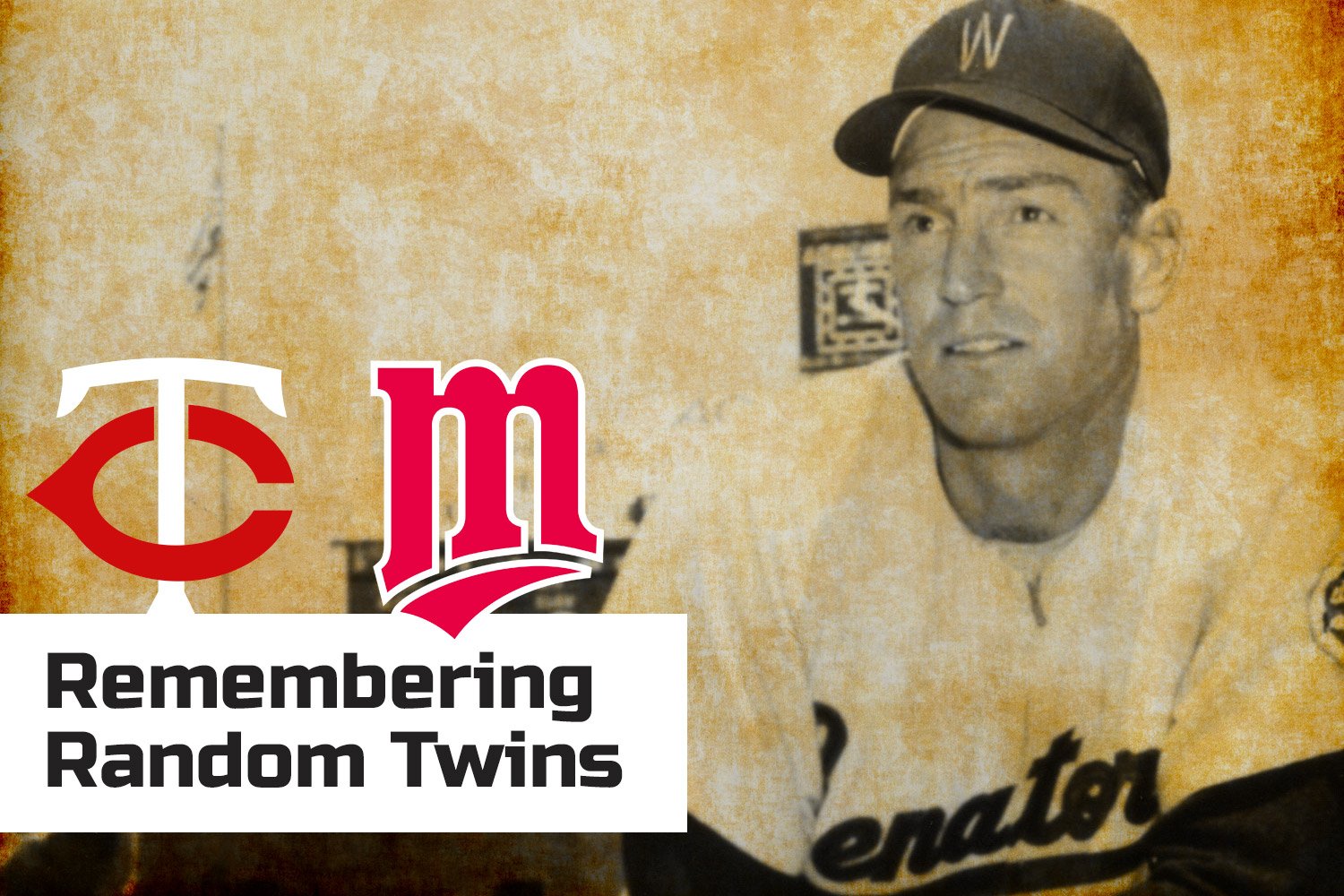 The Washington Senators moved to Minnesota prior to the 1961 season. The Senators came into existence in 1901 as a charter member of the American League and, for the most part, had a reputation as a lousy baseball club, prompting famed sportswriter Charley Dryden to joke: “Washington: First in war, first in peace, and last in the American League.” In their 60 years in Washington, the Senators finished in first place only three times and won only a single World Series, which was way back in 1924. From 1955-60, they finished last in the eight-team American League four times in six years. However, the cupboard was not completely bare when they moved to the Upper Midwest. In 1960, their record improved to 73-81, good enough for fifth place. They had a couple of decent young pitchers in Camilo Pascual and Pedro Ramos, but the power hitters had fans excited. There was a young All-Star in Harmon Killebrew, the 1959 Rookie of the Year in Bob Allison, and a promising young catcher in Earl Battey. Additionally, there was also another heralded power-hitting All-Star coming from Washington. His name was Jim Lemon. James Robert Lemon was born in Covington, Virginia, on March 23, 1928. Before the 1948 season, the Cleveland Indians signed Lemon. He grew up going by Bob, but after signing to play pro ball, he changed to Jim to avoid confusion with Hall of Fame pitcher Bob Lemon, who played his entire career with Cleveland from 1946-1958. Their MLB careers and time in Cleveland did overlap, and there most certainly would have been confusion. Jim Lemon, the tall, lanky outfielder, played parts of three minor league seasons before debuting in Major League Baseball on August 20, 1950, against the Chicago White Sox. The 6’4” outfielder batted third and went 1-4 with a sixth-inning single to left. He played in only 11 more games during that 1950 season, collecting six hits in 37 plate appearances. He had his first career home run on September 16 against Washington. In 1951 and 1952, Lemon, like many other MLB players of that era, served in the United States Army during those Korean War years. He was stationed primarily at Fort Meade, Maryland. When he returned to baseball, he played briefly for Cleveland in 1953 before being purchased by Washington early in the 1954 season. He spent most of the 1954 season in Class-A but did get 37 games in Washington. In 1955, he again started in the minors at Double-A. Lemon put up big numbers, batting .278/.387/.525 for a .912 OPS. He slugged 24 home runs, 32 doubles and 12 triples. He had 109 runs batted in. That was enough to prove that he was ready for the major leagues. The Senators called him up for good in September of 1955. Lemon hit his stride in 1956, starting an impressive five-year stretch. In those five seasons (1956-60), his OPS+ was never below 114; he topped 25 home runs four times, hit double-digit doubles each season, and led the league with 11 triples in 1956. Keep in mind, Griffith Stadium had a deep left field wall, which changed many times over the years from 408 feet at its longest to a reported distance of about 358 feet when Lemon played there (still deeper than most left fields throughout MLB). Center field appears to have always been a lengthy 421 feet. Despite the field dimensions, the right-handed slugger was still a top home run hitter. He hit prodigious home runs. Lemon also had over 90 runs batted in three times in those five years. He received MVP votes in 1959 and 1960 and went to both All-Star games in 1960 when he had his career high of 38 home runs, third to Mickey Mantle and Roger Maris. The enormous power hitter was also a free swinger who racked up a lot of strikeouts, leading the American League from 1956-58. But with Lemon, Killebrew, and Allison, Minnesota baseball fans could look forward to a power-hitting foundation as each of the three had topped 30 home runs at least once in their careers. Killebrew (25 years old) and Allison (26) were young up-and-comers in 1961 and would prove to be valuable building blocks in Minnesota. Unfortunately for Twins fans, Lemon was 32 and would start to show signs of decline almost immediately. Additionally, he missed part of the 1961 spring training in a contract dispute. Possibly because of age and the holdout, in 1961, Lemon played his fewest games (129) and hit his fewest home runs (14) since 1955. His best years were behind him. In 1962 and 1963, he played only 12 and seven games for the Twins. His last game with the Twins was April 30, 1963. He was batting only .118 with no extra-base hits. He then bounced around to Philadelphia and the White Sox to end 1963. He sustained a major shoulder injury on September 24, 1963, which ended his career at age 35. Lemon finished his career with a batting line of .262/.332/.460 for an OPS of .792. His career OPS+ was 114. He hit 164 home runs and had 529 RBI. He had four seasons in the top 10 of the American League in home runs. In one game in 1959, Lemon had two home runs and six RBI in one inning. Baseball Reference’s Bullpen page reports that he hit four (some sources say five) home runs in one minor league All-Star game in 1955. Lemon is in the Virginia Sports Hall of Fame. His 144 home runs are the second most to Roy Sievers (180) in the 60-year history of the original Senators. After his playing career, the humble Lemon remained in the game, serving as a coach for the Twins during two different installments – 1965-67 and 1981-84. In 1968, he returned to Washington and managed the expansion Washington Senators. Lemon was fired after a single season in which Washington finished last with a 65-96 record. He also served as a minor league coach and scout through the years. During and after his playing career, Lemon was also involved in the restaurant business. Jim Lemon passed away in 2006 at the age of 78. [Sources include Baseball in Minnesota by Stew Thornley.] Who was around in 1961? What was the expectation for Jim Lemon and the rest of the team?
 -
Before Bob Allison and Harmon Killebrew jolted into stardom, the Senators had Jim Lemon. The Washington Senators moved to Minnesota prior to the 1961 season. The Senators came into existence in 1901 as a charter member of the American League and, for the most part, had a reputation as a lousy baseball club, prompting famed sportswriter Charley Dryden to joke: “Washington: First in war, first in peace, and last in the American League.” In their 60 years in Washington, the Senators finished in first place only three times and won only a single World Series, which was way back in 1924. From 1955-60, they finished last in the eight-team American League four times in six years. However, the cupboard was not completely bare when they moved to the Upper Midwest. In 1960, their record improved to 73-81, good enough for fifth place. They had a couple of decent young pitchers in Camilo Pascual and Pedro Ramos, but the power hitters had fans excited. There was a young All-Star in Harmon Killebrew, the 1959 Rookie of the Year in Bob Allison, and a promising young catcher in Earl Battey. Additionally, there was also another heralded power-hitting All-Star coming from Washington. His name was Jim Lemon. James Robert Lemon was born in Covington, Virginia, on March 23, 1928. Before the 1948 season, the Cleveland Indians signed Lemon. He grew up going by Bob, but after signing to play pro ball, he changed to Jim to avoid confusion with Hall of Fame pitcher Bob Lemon, who played his entire career with Cleveland from 1946-1958. Their MLB careers and time in Cleveland did overlap, and there most certainly would have been confusion. Jim Lemon, the tall, lanky outfielder, played parts of three minor league seasons before debuting in Major League Baseball on August 20, 1950, against the Chicago White Sox. The 6’4” outfielder batted third and went 1-4 with a sixth-inning single to left. He played in only 11 more games during that 1950 season, collecting six hits in 37 plate appearances. He had his first career home run on September 16 against Washington. In 1951 and 1952, Lemon, like many other MLB players of that era, served in the United States Army during those Korean War years. He was stationed primarily at Fort Meade, Maryland. When he returned to baseball, he played briefly for Cleveland in 1953 before being purchased by Washington early in the 1954 season. He spent most of the 1954 season in Class-A but did get 37 games in Washington. In 1955, he again started in the minors at Double-A. Lemon put up big numbers, batting .278/.387/.525 for a .912 OPS. He slugged 24 home runs, 32 doubles and 12 triples. He had 109 runs batted in. That was enough to prove that he was ready for the major leagues. The Senators called him up for good in September of 1955. Lemon hit his stride in 1956, starting an impressive five-year stretch. In those five seasons (1956-60), his OPS+ was never below 114; he topped 25 home runs four times, hit double-digit doubles each season, and led the league with 11 triples in 1956. Keep in mind, Griffith Stadium had a deep left field wall, which changed many times over the years from 408 feet at its longest to a reported distance of about 358 feet when Lemon played there (still deeper than most left fields throughout MLB). Center field appears to have always been a lengthy 421 feet. Despite the field dimensions, the right-handed slugger was still a top home run hitter. He hit prodigious home runs. Lemon also had over 90 runs batted in three times in those five years. He received MVP votes in 1959 and 1960 and went to both All-Star games in 1960 when he had his career high of 38 home runs, third to Mickey Mantle and Roger Maris. The enormous power hitter was also a free swinger who racked up a lot of strikeouts, leading the American League from 1956-58. But with Lemon, Killebrew, and Allison, Minnesota baseball fans could look forward to a power-hitting foundation as each of the three had topped 30 home runs at least once in their careers. Killebrew (25 years old) and Allison (26) were young up-and-comers in 1961 and would prove to be valuable building blocks in Minnesota. Unfortunately for Twins fans, Lemon was 32 and would start to show signs of decline almost immediately. Additionally, he missed part of the 1961 spring training in a contract dispute. Possibly because of age and the holdout, in 1961, Lemon played his fewest games (129) and hit his fewest home runs (14) since 1955. His best years were behind him. In 1962 and 1963, he played only 12 and seven games for the Twins. His last game with the Twins was April 30, 1963. He was batting only .118 with no extra-base hits. He then bounced around to Philadelphia and the White Sox to end 1963. He sustained a major shoulder injury on September 24, 1963, which ended his career at age 35. Lemon finished his career with a batting line of .262/.332/.460 for an OPS of .792. His career OPS+ was 114. He hit 164 home runs and had 529 RBI. He had four seasons in the top 10 of the American League in home runs. In one game in 1959, Lemon had two home runs and six RBI in one inning. Baseball Reference’s Bullpen page reports that he hit four (some sources say five) home runs in one minor league All-Star game in 1955. Lemon is in the Virginia Sports Hall of Fame. His 144 home runs are the second most to Roy Sievers (180) in the 60-year history of the original Senators. After his playing career, the humble Lemon remained in the game, serving as a coach for the Twins during two different installments – 1965-67 and 1981-84. In 1968, he returned to Washington and managed the expansion Washington Senators. Lemon was fired after a single season in which Washington finished last with a 65-96 record. He also served as a minor league coach and scout through the years. During and after his playing career, Lemon was also involved in the restaurant business. Jim Lemon passed away in 2006 at the age of 78. [Sources include Baseball in Minnesota by Stew Thornley.] Who was around in 1961? What was the expectation for Jim Lemon and the rest of the team? View full article
-
Nobody would buy a baseball team just to keep up with inflation. If you assume 9-10% percent return on investment (which I certinaly expect from my 401K), their return would be $1.3B to $1.8 billion. Right in line with the expected sale price.
-
The Twins had three remarkably good starting pitchers on their 1991 World Series-winning team, each with exceptional seasons. The veteran leader, Jack Morris, came home and had one spectacular season capped by a tremendous 4-0 postseason and the infamous Game Seven 10-inning shutout. The rising youngster, Scott Erickson, debuted with little fanfare in 1990 for the last-place club but followed that by winning 20 games in 1991. I feel the third guy who led that team in ERA was perhaps a little overshadowed. Let’s take a closer look at Kevin Tapani. Kevin Tapani was born February 18, 1964, in Des Moines, Iowa, while his father, Ray, played minor league hockey there. Following Ray’s minor league hockey career and US Army career in Germany, the Tapani family returned to their roots in Michigan’s Upper Peninsula. Kevin Tapani would grow up in the UP and graduate from Escanaba High School. Kevin is one of only 14 Yoopers (people born or raised in Michigan’s Upper Peninsula) to have played Major League Baseball. Despite not playing high school baseball because of the UP’s long winters, Kevin would play college baseball at Central Michigan University. Kevin said he liked baseball the most but played it the least because he grew up in that climate. He achieved some notoriety as a state championship quarterback for Escanaba High School. Tapani was drafted twice: first by the Chicago Cubs in the ninth round of the 1985 MLB draft and then, a year later, by the Oakland Athletics in the second round of the 1986 draft. He signed with Oakland but was traded a year later as part of a complicated three-team trade that sent Tapani to the New York Mets. Tapani played in parts of three more seasons in the minor leagues before being summoned to the big leagues in 1989 and pitching parts of three games for the Mets. He was a mop-up pitcher who ate innings in those three games, all losses by the Mets. His debut came on Independence Day after a horrendous Bob Ojeda start. Ojeda had given up eight runs and did not get out of the first inning. Tapani came in and pitched 4.1 innings and allowed only one run. Amusingly, Tapani committed a balk to the first batter he ever faced in MLB, allowing a runner to score. But he got the next batter to end the inning. Tapani was probably excited to be part of a Mets team in second place in the tight National League East. Little did he know he would not be part of the pennant race. A mere 27 days after his Mets debut, Tapani was traded in a blockbuster that sent him and four others, including future All-Star reliever Rick Aguilera, to the Twins for reigning Cy Young Award winner Frank Viola. After six minor league starts in Portland, Tapani debuted for the Twins in September and, from then on out, took a regular turn as a starting rotation member. Averaging more than six innings per start, he looked like a young player the Twins could build around. In 1990, Tapani proved his worth and ability as a major league pitcher. He started 28 games and finished with a 12-8 record for a last-place team. He finished fifth in Rookie of the Year voting. By 1991, Kevin Tapani was at his peak. He started the season with a 7-hit shutout against the California Angels. Despite it being his best season, there were struggles. He had a stretch in May where he amazingly went 0-6. He gave up 23 earned runs in 38.2 innings – a 5.35 ERA. After that tough patch, he turned things around. After his ERA peaked (in a bad way) at the end of May, it went down almost every start for the rest of the season, finishing at a career-best 2.99 – the best of the Twins’ starting staff that season. He won American League Pitcher of the Month in August after going 5-0 and giving up only 14 earned runs in 48 innings, a 2.63 ERA. He won nine of his last 11 decisions to finish 16-9. The number of wins established his personal best in a Twins uniform. His 244.0 innings pitched were a career-high, and he was only 2.2 innings behind the workhorse Jack Morris. Tapani’s ERA+ of 143 was a career-best, as was his 1.086 WHIP. He finished seventh in voting for the Cy Young Award (Erickson finished second, and Morris finished fourth). The Twins were fortunate in that they clinched the American League West early and won the American League Championship Series quickly. This allowed the team to rest its starting pitchers and schedule them optimally. Tapani pitched Games Two and Five of both the ALCS and World Series. In Game Two of the ALCS against the Toronto Blue Jays, Tapani allowed four runs on eight hits and two walks over 6.1 innings. The Blue Jays jumped out front early with a run in the first inning and added two more in the third. Tapani would walk a batter in the eighth inning (who would come around to score) before being lifted for relief pitcher Steve Bedrosian. The Twins scored only two runs on five hits, as the Blue Jays won their only game of the series, 5-2. In Game Five, the Twins scored early with single runs in the first and second innings. However, the Blue Jays came back strongly, scoring a combined five runs over the fourth and fifth innings. Tapani was taken out after the fourth inning, allowing all five runs on eight hits and a walk. Tapani was replaced by another piece added from the Viola trade. David West came in and shut the Blue Jays down over three innings, while the Twins bats got to work, scoring three runs in the sixth inning and three more in the eighth. Rick Aguilera got the save as the Twins won the game 8-5 and the series 4-1. Next came the Atlanta Braves in the World Series. In Game Two, Tapani was excellent. He pitched eight innings, allowing two runs on seven hits and no walks. Throughout his career, Tapani was a good fielding pitcher. He posted a 1.000% fielding percentage over three seasons. That expertise came in handy during the third inning of Game Two, which ended with the famous Ron Gant/Kent Hrbek play (was it momentum or a pull?). Lonnie Smith was on first with two outs and was off with the pitch. Gant singled to left fielder Dan Gladden, who tried to throw out Smith at third. However, the throw was a little off, got by Scott Leius, but Tapani was backing up the play. Smith had slid into third and was not going anywhere, so Tapani immediately fired to first base, where the famous play occurred, resulting in an out for the Braves and the end of the inning. The game continued with little offense and was tied 2-2 after the top of the eighth inning. Leius led off the bottom of the eighth with the biggest hit of his life – a home run to left off future Hall of Famer Tom Glavine – to give the Twins a late lead. Aguilera again came in for the ninth and got the save for Tapani’s lone career playoff win. Game Five in Atlanta was a debacle, to say the least. Tapani kept the Braves off the scoreboard until the fourth inning, but it got ugly quickly as Tapani allowed the first six batters to reach base during a four-run inning. He finished the inning, but that was it for his night. The Braves would continue the pounding against the bullpen and ultimately won 14-5, taking a 3-2 series lead and sending it back to Minnesota for Games Six and Seven. We all know how those games turned out. So, Kevin Tapani was not especially good in his Minnesota postseason career. He started four games and pitched 22.1 innings to an ERA of 6.04. But he had one great game in Game Two of the World Series, an excellent regular season, and was a key piece to the 1991 championship season. Tapani would continue with good, steady, reliable pitching for the Twins for the next four seasons. He would never be as good as he was in 1991 (but hey, isn’t that how teams win championships, lots of guys having career seasons at once?), but he was nice and steady. The Twins as a team slowly deteriorated. Their win totals went from 95 in 1991 and dropped to 90 in 1992, 71 in 1993, and 53 in 113 games in 1994 (strike-shortened season). 1995 was ugly again. At the trade deadline on July 31, their record stood at 30-56. In July of 1995, Twins fans knew trades were coming. Several guys were on the last years of contracts; the team was bad and needed to be re-energized. I was almost excited thinking maybe the team could end up with a transformative trade that changes the team in the way the 1989 Viola trade seemed to be a turning point that culminated with the 1991 World Series. Boy, was I wrong. In July of 1995, the Twins traded Rick Aguilera, Scott Erickson, Kevin Tapani, and Mark Guthrie – all key members of the 1991 championship team. That should generate some talented players in return, right? Uh, no. The only player who proved to have any sort of value was Ron Coomer, one of four players received from the Dodgers for Tapani and Guthrie on July 31 (the others being José Parra, Greg Hansell, and Chris Latham). The Aguilera and Erickson trades were even worse. In my opinion, the trades made in July 1995 leading up to the deadline had a large effect on lengthening the team’s ineptitude through the late 1990s, delaying any possible resurgence until the early 2000s. With the 1995 trades, the Twins vastly screwed up the start of the rebuild. Kevin Tapani would pitch in MLB for six more seasons. He continued to be mostly good or average. He reached the postseason again with the Dodgers in 1995 and the Cubs in 1998. Unfortunately for Tapani, both teams were swept out of the playoffs. 2001 was Tapani’s final season. His career record finished at 143-125. His ERA (which spanned one of the higher-scoring periods of baseball) was 4.35. His ERA+ was 101. In 2,265 innings, he struck out 1482 batters. After retirement, Kevin returned to the Twin Cities and lives there with his wife. They have three children, one of whom, Ryan, was also a pitcher the Washington Nationals drafted in the 21st round of the 2018 draft. He did not reach MLB. Kevin has been inducted into the Upper Peninsula Sports Hall of Fame and the Central Michigan Athletics Hall of Fame. Kevin Tapani’s number of wins (75) and WAR (19.1) for his Twins career are both eighth-best since the team moved from Washington. Do you think he’ll be selected for induction into the Twins Hall of Fame? Add your opinion in the comments below. View full article
- 4 replies
-
- 1
-
-
- kevin tapani
- remembering random twins
- (and 3 more)
-
Kevin Tapani, Under-Appreciated Starter For The 1991 Twins
Al from SoDak posted an article in History
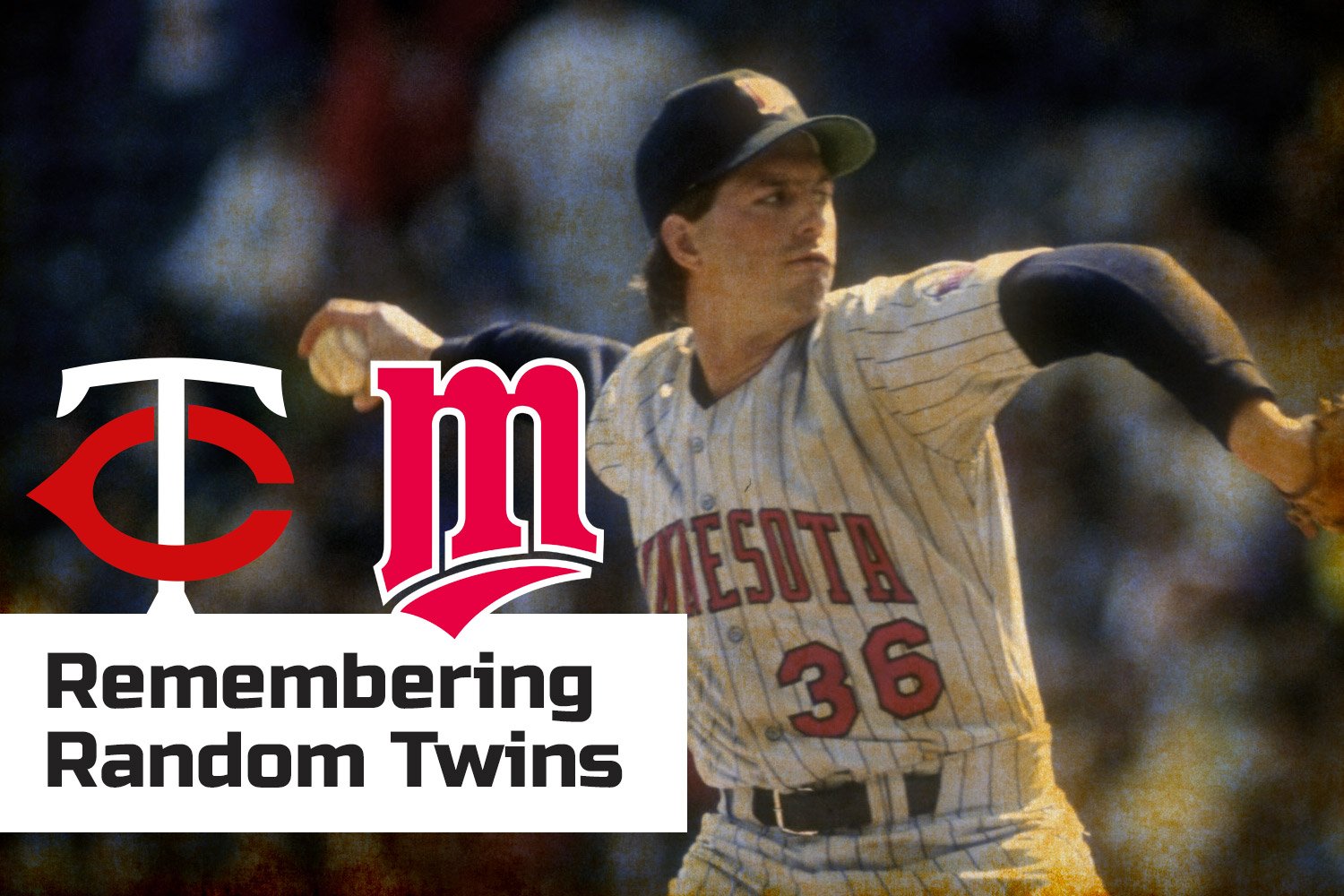 Kevin Tapani was born February 18, 1964, in Des Moines, Iowa, while his father, Ray, played minor league hockey there. Following Ray’s minor league hockey career and US Army career in Germany, the Tapani family returned to their roots in Michigan’s Upper Peninsula. Kevin Tapani would grow up in the UP and graduate from Escanaba High School. Kevin is one of only 14 Yoopers (people born or raised in Michigan’s Upper Peninsula) to have played Major League Baseball. Despite not playing high school baseball because of the UP’s long winters, Kevin would play college baseball at Central Michigan University. Kevin said he liked baseball the most but played it the least because he grew up in that climate. He achieved some notoriety as a state championship quarterback for Escanaba High School. Tapani was drafted twice: first by the Chicago Cubs in the ninth round of the 1985 MLB draft and then, a year later, by the Oakland Athletics in the second round of the 1986 draft. He signed with Oakland but was traded a year later as part of a complicated three-team trade that sent Tapani to the New York Mets. Tapani played in parts of three more seasons in the minor leagues before being summoned to the big leagues in 1989 and pitching parts of three games for the Mets. He was a mop-up pitcher who ate innings in those three games, all losses by the Mets. His debut came on Independence Day after a horrendous Bob Ojeda start. Ojeda had given up eight runs and did not get out of the first inning. Tapani came in and pitched 4.1 innings and allowed only one run. Amusingly, Tapani committed a balk to the first batter he ever faced in MLB, allowing a runner to score. But he got the next batter to end the inning. Tapani was probably excited to be part of a Mets team in second place in the tight National League East. Little did he know he would not be part of the pennant race. A mere 27 days after his Mets debut, Tapani was traded in a blockbuster that sent him and four others, including future All-Star reliever Rick Aguilera, to the Twins for reigning Cy Young Award winner Frank Viola. After six minor league starts in Portland, Tapani debuted for the Twins in September and, from then on out, took a regular turn as a starting rotation member. Averaging more than six innings per start, he looked like a young player the Twins could build around. In 1990, Tapani proved his worth and ability as a major league pitcher. He started 28 games and finished with a 12-8 record for a last-place team. He finished fifth in Rookie of the Year voting. By 1991, Kevin Tapani was at his peak. He started the season with a 7-hit shutout against the California Angels. Despite it being his best season, there were struggles. He had a stretch in May where he amazingly went 0-6. He gave up 23 earned runs in 38.2 innings – a 5.35 ERA. After that tough patch, he turned things around. After his ERA peaked (in a bad way) at the end of May, it went down almost every start for the rest of the season, finishing at a career-best 2.99 – the best of the Twins’ starting staff that season. He won American League Pitcher of the Month in August after going 5-0 and giving up only 14 earned runs in 48 innings, a 2.63 ERA. He won nine of his last 11 decisions to finish 16-9. The number of wins established his personal best in a Twins uniform. His 244.0 innings pitched were a career-high, and he was only 2.2 innings behind the workhorse Jack Morris. Tapani’s ERA+ of 143 was a career-best, as was his 1.086 WHIP. He finished seventh in voting for the Cy Young Award (Erickson finished second, and Morris finished fourth). The Twins were fortunate in that they clinched the American League West early and won the American League Championship Series quickly. This allowed the team to rest its starting pitchers and schedule them optimally. Tapani pitched Games Two and Five of both the ALCS and World Series. In Game Two of the ALCS against the Toronto Blue Jays, Tapani allowed four runs on eight hits and two walks over 6.1 innings. The Blue Jays jumped out front early with a run in the first inning and added two more in the third. Tapani would walk a batter in the eighth inning (who would come around to score) before being lifted for relief pitcher Steve Bedrosian. The Twins scored only two runs on five hits, as the Blue Jays won their only game of the series, 5-2. In Game Five, the Twins scored early with single runs in the first and second innings. However, the Blue Jays came back strongly, scoring a combined five runs over the fourth and fifth innings. Tapani was taken out after the fourth inning, allowing all five runs on eight hits and a walk. Tapani was replaced by another piece added from the Viola trade. David West came in and shut the Blue Jays down over three innings, while the Twins bats got to work, scoring three runs in the sixth inning and three more in the eighth. Rick Aguilera got the save as the Twins won the game 8-5 and the series 4-1. Next came the Atlanta Braves in the World Series. In Game Two, Tapani was excellent. He pitched eight innings, allowing two runs on seven hits and no walks. Throughout his career, Tapani was a good fielding pitcher. He posted a 1.000% fielding percentage over three seasons. That expertise came in handy during the third inning of Game Two, which ended with the famous Ron Gant/Kent Hrbek play (was it momentum or a pull?). Lonnie Smith was on first with two outs and was off with the pitch. Gant singled to left fielder Dan Gladden, who tried to throw out Smith at third. However, the throw was a little off, got by Scott Leius, but Tapani was backing up the play. Smith had slid into third and was not going anywhere, so Tapani immediately fired to first base, where the famous play occurred, resulting in an out for the Braves and the end of the inning. The game continued with little offense and was tied 2-2 after the top of the eighth inning. Leius led off the bottom of the eighth with the biggest hit of his life – a home run to left off future Hall of Famer Tom Glavine – to give the Twins a late lead. Aguilera again came in for the ninth and got the save for Tapani’s lone career playoff win. Game Five in Atlanta was a debacle, to say the least. Tapani kept the Braves off the scoreboard until the fourth inning, but it got ugly quickly as Tapani allowed the first six batters to reach base during a four-run inning. He finished the inning, but that was it for his night. The Braves would continue the pounding against the bullpen and ultimately won 14-5, taking a 3-2 series lead and sending it back to Minnesota for Games Six and Seven. We all know how those games turned out. So, Kevin Tapani was not especially good in his Minnesota postseason career. He started four games and pitched 22.1 innings to an ERA of 6.04. But he had one great game in Game Two of the World Series, an excellent regular season, and was a key piece to the 1991 championship season. Tapani would continue with good, steady, reliable pitching for the Twins for the next four seasons. He would never be as good as he was in 1991 (but hey, isn’t that how teams win championships, lots of guys having career seasons at once?), but he was nice and steady. The Twins as a team slowly deteriorated. Their win totals went from 95 in 1991 and dropped to 90 in 1992, 71 in 1993, and 53 in 113 games in 1994 (strike-shortened season). 1995 was ugly again. At the trade deadline on July 31, their record stood at 30-56. In July of 1995, Twins fans knew trades were coming. Several guys were on the last years of contracts; the team was bad and needed to be re-energized. I was almost excited thinking maybe the team could end up with a transformative trade that changes the team in the way the 1989 Viola trade seemed to be a turning point that culminated with the 1991 World Series. Boy, was I wrong. In July of 1995, the Twins traded Rick Aguilera, Scott Erickson, Kevin Tapani, and Mark Guthrie – all key members of the 1991 championship team. That should generate some talented players in return, right? Uh, no. The only player who proved to have any sort of value was Ron Coomer, one of four players received from the Dodgers for Tapani and Guthrie on July 31 (the others being José Parra, Greg Hansell, and Chris Latham). The Aguilera and Erickson trades were even worse. In my opinion, the trades made in July 1995 leading up to the deadline had a large effect on lengthening the team’s ineptitude through the late 1990s, delaying any possible resurgence until the early 2000s. With the 1995 trades, the Twins vastly screwed up the start of the rebuild. Kevin Tapani would pitch in MLB for six more seasons. He continued to be mostly good or average. He reached the postseason again with the Dodgers in 1995 and the Cubs in 1998. Unfortunately for Tapani, both teams were swept out of the playoffs. 2001 was Tapani’s final season. His career record finished at 143-125. His ERA (which spanned one of the higher-scoring periods of baseball) was 4.35. His ERA+ was 101. In 2,265 innings, he struck out 1482 batters. After retirement, Kevin returned to the Twin Cities and lives there with his wife. They have three children, one of whom, Ryan, was also a pitcher the Washington Nationals drafted in the 21st round of the 2018 draft. He did not reach MLB. Kevin has been inducted into the Upper Peninsula Sports Hall of Fame and the Central Michigan Athletics Hall of Fame. Kevin Tapani’s number of wins (75) and WAR (19.1) for his Twins career are both eighth-best since the team moved from Washington. Do you think he’ll be selected for induction into the Twins Hall of Fame? Add your opinion in the comments below.
- 4 comments
-
- 2
-
-
- kevin tapani
- remembering random twins
- (and 3 more)
-
The Twins shortstop battled leukemia while remaining a productive MLB player. Danny Thompson was a promising shortstop prospect in the 1970s who was drafted in the first round by two teams. Unfortunately, his baseball career never reached its full potential as he was afflicted with a deadly disease and passed away in what should have been the prime of his career. Danny Leon Thompson was born February 1, 1947, in Wichita, Kansas, and grew up down the road in Capron, Oklahoma. Thompson was a star at Capron High School. So much so that the New York Yankees drafted him in the second round of the 1965 Major League Baseball June Amateur Draft following his senior year. Instead of becoming professional, he attended Oklahoma State University, playing two seasons with the Cowboys. He was all-Big Eight both seasons and led the team to the College World Series. Thompson was later drafted in the fourth round of the 1967 draft by Cincinnati, then the first round of the January phase of the 1968 draft by the second incarnation of the Washington Senators, and finally by the Twins in the first round of the June 1968 draft. He signed with the Twins and immediately went to Class-A, St. Cloud, where he produced a solid hitting line of .282/.359/.461. He played the 1969 season for Double-A Charlotte and hit over .300; then in 1970, he advanced to Triple-A Evansville where he started well enough to earn a call-up to the Twins on June 25 to replace injured second baseman Rod Carew. Thompson collected his first two hits in his third career game. In the sixth inning, he singled to center and came around to score. He would collect another hit and his first RBI in the ninth inning in the Twins 9-1 win over the White Sox. Thompson was not a power hitter; he did not collect his first home run until two seasons later – the opener of the 1972 season – his 145th career game. It came in the first inning against Ken Holtzman of the Oakland A’s. By this point, the right-handed hitter was the Twins’ primary shortstop. He played every game of the strike-shortened 1972 season. That season proved to be the best season of Danny’s career, as he batted .276/.318/.674, achieved a WAR of 2.9 and finished 23rd in Most Valuable Player voting. The Twins finished in third place. Little did Thompson know, his world would soon change. During a standard preseason physical in 1973, Danny Thompson was found to have leukemia. Sid Hartman’s Minneapolis Tribune column on February 14, 1973, reported that Thompson’s doctors figured he would not feel the effects of the disease for five years. Thompson said, “I’m going to put the whole thing out of my mind and just think about baseball.” I don’t know how you do that, but true to his word, Thompson forged ahead, continuing as a Twins shortstop from 1973 to 1976. After the 1974 season, he was selected as Major League Baseball’s Hutch Award winner, which is given annually to an active MLB player who best exemplifies the fighting spirit and competitive desire of Fred Hutchinson by persevering through adversity. Hutchinson was a former MLB pitcher and manager who died of lung cancer in 1964. Danny Thompson continued in 1975 with a decent season with a batting average of .270. On June 1, 1976, Thompson was traded to Texas along with pitching ace Bert Blyleven for shortstop Roy Smalley, third baseman Mike Cubbage, and pitchers Jim Gideon and Bill Singer. After the trade, Sid Hartman reported in the Minneapolis Tribune that Thompson was elated. Since his diagnosis, team owner Calvin Griffith seemed to mumble a lot that the Twins needed a shortstop. Thompson, who never needed treatment for his ailment while playing with the Twins, said he was their guy – the Twins had a shortstop. And as always with Griffith, there was a salary question. Immediately after the trade, Texas signed Thompson to a salary increase to $38,000. Thompson called the trade “The biggest break of my baseball career.” It was a winning team, closer to his family in Oklahoma, and they wanted him to play. Thompson reported that it had been a struggle to play for the Twins since his diagnosis – that the Twins “Held it over his head.” Thompson had thought he might have been on his way out of professional baseball, stating, “The way Calvin put it to me is that nobody wanted me.” It’s easy to see why Thompson was eager and excited for a fresh start. Unfortunately, that fresh start was nowhere near long enough. I remember Bert Blyleven and Jim Kaat speaking highly of Danny Thompson in their broadcasting careers. Blyleven said of Thompson’s last at bat, a pinch-hitting appearance in the final game of the 1976 season, more than three and a half years after his leukemia diagnosis, “Shows the guts and determination he had to finish the season in 1976. He just wanted to keep playing. That was Danny, though. He was a battler.” Kaat added, “Always on an even keel. He never got emotionally high or low. Growing up the way I did in the Midwest, that's the way we expected people to conduct themselves. That's what Danny was.” In addition, local sports writing legend Patrick Reusse, who is not known to be liberal or effusive with praise or admiration, called Thompson “One of the greatest guys ever” in his book Tales from the Minnesota Sports Beat. Anecdotes such as those tell me Danny Thompson was a good and fine man. After the 1976 season, Thompson’s health turned for the worse. Forty-five days after that pinch-hitting appearance in the season finale, Thompson was admitted to the Mayo Clinic. He succumbed to the disease on December 10, 1976, at the early age of 29. Thompson was survived by his wife and two young daughters. In 1977, Harmon Killebrew founded the Danny Thompson Memorial Golf Tournament, played in Harmon’s home state of Idaho. That first year, President Gerald Ford and Yankees legend Mickey Mantle played. As a fundraiser for the University of Minnesota Cancer Center, the event became a tremendous success and is still going strong. The tournament is now known as the Killebrew-Thompson Memorial Golf Tournament (Killebrew died of esophageal cancer) and is held in both Maple Grove, Minnesota, and Sun Valley, Idaho. It is now considered one of the leading cancer research fundraisers of its kind. [Much of the information for this post comes from The Oklahoman. I would encourage you to read that retrospective.] View full article
-
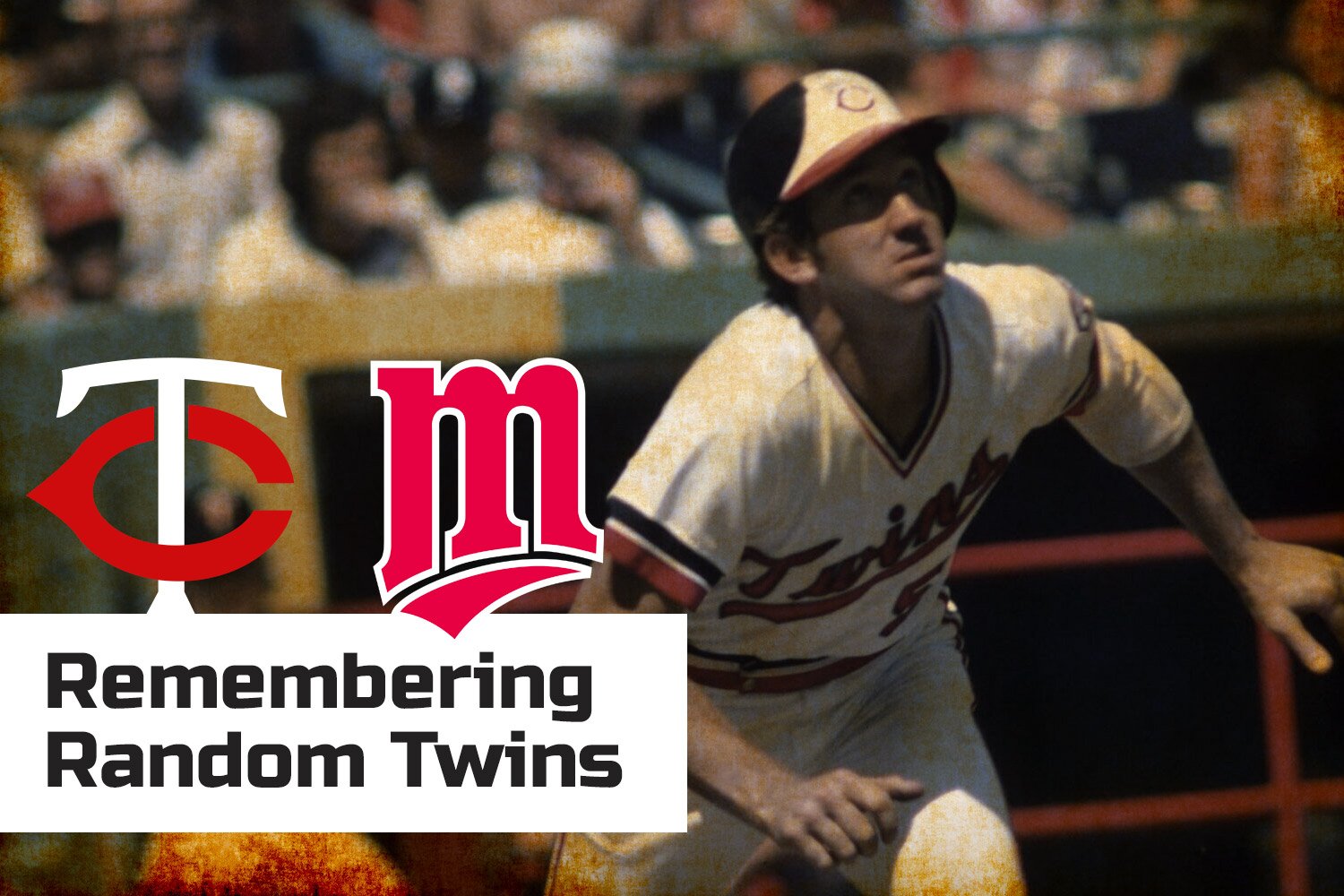 Danny Thompson was a promising shortstop prospect in the 1970s who was drafted in the first round by two teams. Unfortunately, his baseball career never reached its full potential as he was afflicted with a deadly disease and passed away in what should have been the prime of his career. Danny Leon Thompson was born February 1, 1947, in Wichita, Kansas, and grew up down the road in Capron, Oklahoma. Thompson was a star at Capron High School. So much so that the New York Yankees drafted him in the second round of the 1965 Major League Baseball June Amateur Draft following his senior year. Instead of becoming professional, he attended Oklahoma State University, playing two seasons with the Cowboys. He was all-Big Eight both seasons and led the team to the College World Series. Thompson was later drafted in the fourth round of the 1967 draft by Cincinnati, then the first round of the January phase of the 1968 draft by the second incarnation of the Washington Senators, and finally by the Twins in the first round of the June 1968 draft. He signed with the Twins and immediately went to Class-A, St. Cloud, where he produced a solid hitting line of .282/.359/.461. He played the 1969 season for Double-A Charlotte and hit over .300; then in 1970, he advanced to Triple-A Evansville where he started well enough to earn a call-up to the Twins on June 25 to replace injured second baseman Rod Carew. Thompson collected his first two hits in his third career game. In the sixth inning, he singled to center and came around to score. He would collect another hit and his first RBI in the ninth inning in the Twins 9-1 win over the White Sox. Thompson was not a power hitter; he did not collect his first home run until two seasons later – the opener of the 1972 season – his 145th career game. It came in the first inning against Ken Holtzman of the Oakland A’s. By this point, the right-handed hitter was the Twins’ primary shortstop. He played every game of the strike-shortened 1972 season. That season proved to be the best season of Danny’s career, as he batted .276/.318/.674, achieved a WAR of 2.9 and finished 23rd in Most Valuable Player voting. The Twins finished in third place. Little did Thompson know, his world would soon change. During a standard preseason physical in 1973, Danny Thompson was found to have leukemia. Sid Hartman’s Minneapolis Tribune column on February 14, 1973, reported that Thompson’s doctors figured he would not feel the effects of the disease for five years. Thompson said, “I’m going to put the whole thing out of my mind and just think about baseball.” I don’t know how you do that, but true to his word, Thompson forged ahead, continuing as a Twins shortstop from 1973 to 1976. After the 1974 season, he was selected as Major League Baseball’s Hutch Award winner, which is given annually to an active MLB player who best exemplifies the fighting spirit and competitive desire of Fred Hutchinson by persevering through adversity. Hutchinson was a former MLB pitcher and manager who died of lung cancer in 1964. Danny Thompson continued in 1975 with a decent season with a batting average of .270. On June 1, 1976, Thompson was traded to Texas along with pitching ace Bert Blyleven for shortstop Roy Smalley, third baseman Mike Cubbage, and pitchers Jim Gideon and Bill Singer. After the trade, Sid Hartman reported in the Minneapolis Tribune that Thompson was elated. Since his diagnosis, team owner Calvin Griffith seemed to mumble a lot that the Twins needed a shortstop. Thompson, who never needed treatment for his ailment while playing with the Twins, said he was their guy – the Twins had a shortstop. And as always with Griffith, there was a salary question. Immediately after the trade, Texas signed Thompson to a salary increase to $38,000. Thompson called the trade “The biggest break of my baseball career.” It was a winning team, closer to his family in Oklahoma, and they wanted him to play. Thompson reported that it had been a struggle to play for the Twins since his diagnosis – that the Twins “Held it over his head.” Thompson had thought he might have been on his way out of professional baseball, stating, “The way Calvin put it to me is that nobody wanted me.” It’s easy to see why Thompson was eager and excited for a fresh start. Unfortunately, that fresh start was nowhere near long enough. I remember Bert Blyleven and Jim Kaat speaking highly of Danny Thompson in their broadcasting careers. Blyleven said of Thompson’s last at bat, a pinch-hitting appearance in the final game of the 1976 season, more than three and a half years after his leukemia diagnosis, “Shows the guts and determination he had to finish the season in 1976. He just wanted to keep playing. That was Danny, though. He was a battler.” Kaat added, “Always on an even keel. He never got emotionally high or low. Growing up the way I did in the Midwest, that's the way we expected people to conduct themselves. That's what Danny was.” In addition, local sports writing legend Patrick Reusse, who is not known to be liberal or effusive with praise or admiration, called Thompson “One of the greatest guys ever” in his book Tales from the Minnesota Sports Beat. Anecdotes such as those tell me Danny Thompson was a good and fine man. After the 1976 season, Thompson’s health turned for the worse. Forty-five days after that pinch-hitting appearance in the season finale, Thompson was admitted to the Mayo Clinic. He succumbed to the disease on December 10, 1976, at the early age of 29. Thompson was survived by his wife and two young daughters. In 1977, Harmon Killebrew founded the Danny Thompson Memorial Golf Tournament, played in Harmon’s home state of Idaho. That first year, President Gerald Ford and Yankees legend Mickey Mantle played. As a fundraiser for the University of Minnesota Cancer Center, the event became a tremendous success and is still going strong. The tournament is now known as the Killebrew-Thompson Memorial Golf Tournament (Killebrew died of esophageal cancer) and is held in both Maple Grove, Minnesota, and Sun Valley, Idaho. It is now considered one of the leading cancer research fundraisers of its kind. [Much of the information for this post comes from The Oklahoman. I would encourage you to read that retrospective.]
- 5 comments
-
- 2
-
-
- danny thompson
- remembering random twins
- (and 2 more)
-
You bring up some valid points to think about. Thanks for reading.
-
Whoopsie! Thanks for catching that.
-
You are 100% correct. He was 1-2 with two walks. Just a total brain fart on my part.
-
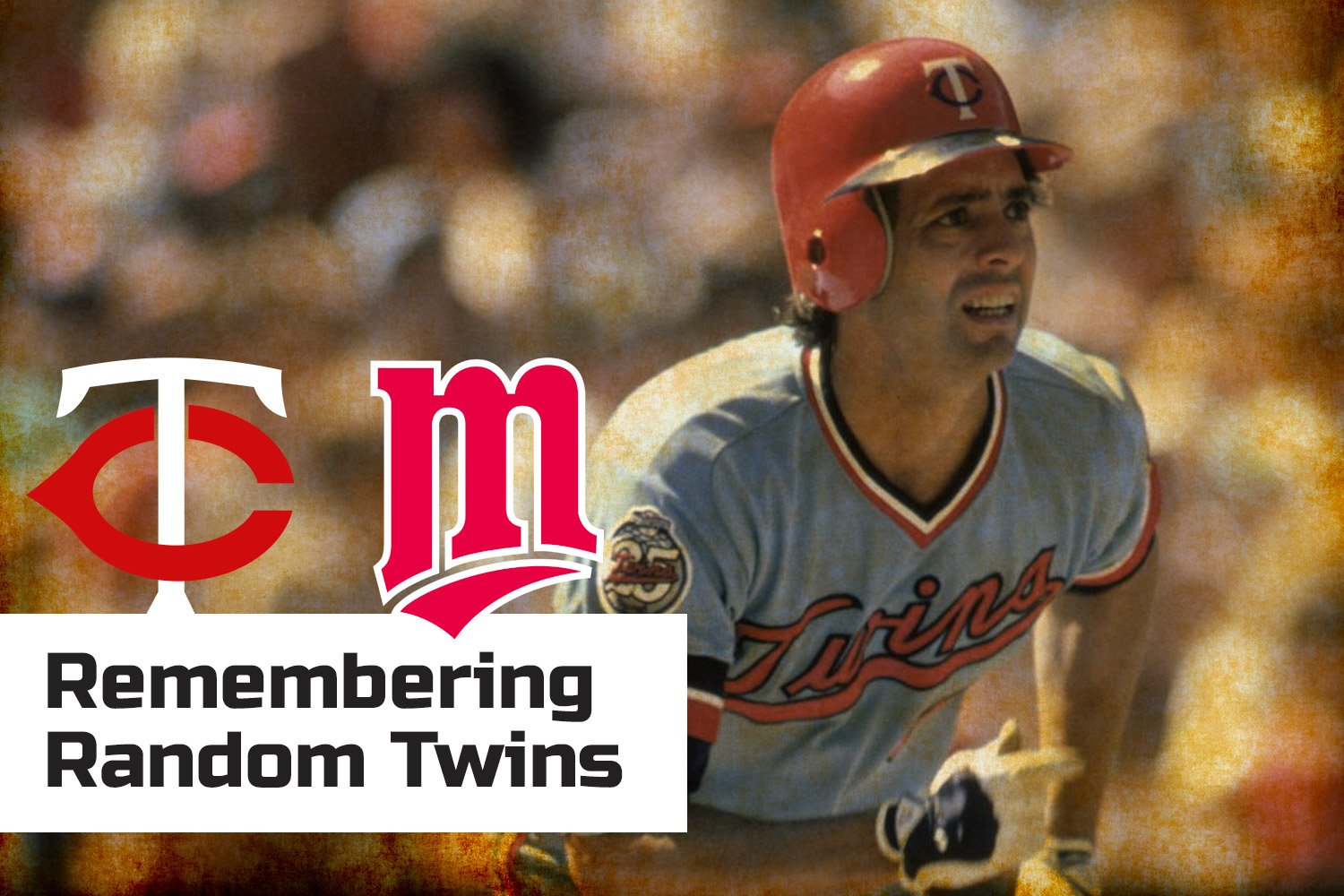 Roy Frederick Smalley III (Roy Smalley) was born October 25, 1952, in Los Angeles, into a baseball family. His father, Roy Smalley, Jr., was a major league shortstop, as was his uncle, Gene Mauch, who also later managed 26 seasons, five with the Twins. Roy Federick Smalley, Jr. played 11 seasons from 1948 to 1958 with the Chicago Cubs (where he preceded Ernie Banks), Milwaukee Braves, and Philadelphia Phillies. He batted .227/.300/.360 with 61 home runs and 305 runs batted in during his career. He was known for his strong but wild throwing arm. Roy was a teammate of second baseman Wayne Terwilliger with the Cubs from 1949-1951. Many will remember the beloved “Twig,” who served as a Twins coach from 1986 to 1994, and one of the players he coached was his former double-play partner’s son, Roy III. With the MLB pedigree, Roy was brought up in a baseball household and became very good, easily getting the attention of scouts. So much so that he was drafted five times. The first time was after high school, but instead, he chose to attend college, first at Los Angeles City College, then at the University of Southern California. He played two seasons with USC, where he was an All-American and a key piece on back-to-back national championship teams. Following his junior season, he was selected in the first round of the MLB draft by the Texas Rangers. This time, he decided to turn pro and signed with the Rangers. Smalley played parts of two seasons in the minor leagues before debuting with the Rangers on April 30, 1975, as a 22-year-old. He came in during the fourth inning to replace Toby Harrah, who had been hit by a pitch. Smalley got up to bat three times, did not record a hit, but did get an RBI with a fielder’s choice. The Rangers beat the White Sox 8-2. The following day, Smalley started and got his first two hits, both singles, in another Texas win over the Sox. Those first two hits came off former Twin and future Hall of Famer Jim Kaat. Smalley’s first home run would come on May 11 at Detroit. Smalley hit the home run in the ninth inning of an 11-7 win for the Rangers. In Smalley’s second season, unbeknownst to him, trouble was brewing in Minnesota. Star pitcher Bert Blyleven had requested a trade over an intense salary dispute with the Twins. His relationship with new manager Gene Mauch, Smalley’s uncle, was also contentious. Owner Calvin Griffith had previously turned down multiple trade offers. Still, finally, on June 1, 1976, Blyleven and shortstop Danny Thompson (who was battling leukemia) were traded to Texas for Smalley, pitchers Bill Singer and Jim Gideon, and third baseman Mike Cubbage. Losing Blyleven was inevitable. He had the salary dispute (as many Twins did in the 1970s), the new manager, and was just frustrated and unhappy. The Twins did well in dealing with him for the package they received from Texas. Blyleven pitched very well in parts of only two seasons in Texas, while Smalley would be the Twins starting shortstop for most of the next seven seasons. The Twins also got five useful seasons from Cubbage. Tragically, Danny Thompson succumbed to his ailment and passed away after the 1976 season (I don’t know what more to say about this; he deserves his write-up about his life and career). During what would turn out to be his first stint in Minnesota, Smalley hit .263 with 70 home runs and 349 runs batted in, and this period included Smalley’s incredible first half in 1979 when he was selected as the starting shortstop for the All-Star Game. Smalley’s statistics in the first half 1979 included a slash line of .341/.424/.535 for a .959 OPS. He had 15 home runs at the break, with 65 runs batted in. In the All-Star Game, Smalley batted leadoff for the American League. He went 0-3 and was walked intentionally in the American League’s 7-6 loss to the National League. He cooled off in the second half of the season but still finished 16th in Most Valuable Player voting. Smalley continued as a good-hitting shortstop in 1980 and 1981 but battled injuries (and a strike), playing only 133 and 56 games, respectively. By 1982, the Twins were tearing down the roster and rebuilding with rookies all over the field. Smalley saw the writing on the wall, and just four games into the 1982 season, the Twins traded him to the New York Yankees for Paul Boris, Ron Davis, and Greg Gagne. Smalley was worth 6.1 WAR with the Yankees. Despite the abysmal Ron Davis, the Twins still won that trade because Gagne became an essential piece of their 1987 and 1991 World Series championship teams. Gagne was a great fielder and had a little pop with the bat, hitting 111 home runs in his career. Gagne alone achieved a 17.9 WAR with the Twins. In Tales from the Minnesota Twins Dugout, Kent Hrbek said, “Getting Gagne made it one of the best trades in Twins History.” Smalley played parts of three seasons in New York. While he had been almost exclusively a shortstop with the Twins, the Yankees began using him at third base and shortstop. He became more of a utility player. He hit .261/.340/.426 for the Yankees with 45 home runs and 155 runs batted in. He was traded to the White Sox in July of 1984. His half-season in Chicago was, is it too harsh to say, a disaster. He hit only .170 with an OPS of .574. Just before the 1985 season, Smalley was traded back to Minnesota for Ron Scheer and Randy Johnson. I call this trade a win for the Twins again – the third winning trade involving Smalley. While Smalley’s career was winding down, he still provided 2.1 WAR. He was a valuable backup infielder, designated hitter, and pinch hitter on the 1987 World Series team. Scheer never made it to MLB. Randy Johnson, who had played parts of two MLB seasons, never played at the major league level after the trade. Smalley did not play in the 1987 American League Championship Series; however, he did appear in four World Series games – each time being used as a pinch hitter. He was 1-4 with a double and two walks – an impressive .750 on-base percentage. His pinch-hit walk in the sixth inning of the deciding Game Seven came when the game was tied. Smalley’s walk filled the bases. Two batters later, Greg Gagne’s infield single drove in what proved to be the winning run. That was Smalley’s final game. He retired that offseason. For his career, Roy Smalley III hit .257/.345/.395. His OPS+ was 103. He hit 163 home runs and had 694 runs batted in – all good numbers for a shortstop of his era. After finishing his playing career, Smalley has been a financial advisor and has been involved in various businesses. He has served on the Board of Directors for Pitch in for Baseball & Softball, a non-profit dedicated to collecting and distributing new and gently used baseball and softball equipment. Roy Smalley has been part of the Twins' television broadcasts for 22 years. He has been an analyst during games and on their pre-and post-game shows. Smalley is in the USC Athletic Hall of Fame and the College Baseball Hall of Fame. Roy Smalley’s Major League Baseball career resembles a roller coaster. First-round draft pick, traded four times, was an All-Star on bad teams, a veteran player jettisoned on a rebuilding team, and a part-time player on a World Series-winning team. But after all the ups and downs, what a way to finish!
 -
Roy Smalley has a significant place in Minnesota Twins history as an All-Star shortstop in the 1970s, a utility player on a 1980s championship team, and a broadcaster into the 2020s. He was a focal point in a couple of blockbuster trades, both coming to and leaving the Twins. His Twins playing career started in 1976, and he is still here 48 years later as a broadcaster. Roy Frederick Smalley III (Roy Smalley) was born October 25, 1952, in Los Angeles, into a baseball family. His father, Roy Smalley, Jr., was a major league shortstop, as was his uncle, Gene Mauch, who also later managed 26 seasons, five with the Twins. Roy Federick Smalley, Jr. played 11 seasons from 1948 to 1958 with the Chicago Cubs (where he preceded Ernie Banks), Milwaukee Braves, and Philadelphia Phillies. He batted .227/.300/.360 with 61 home runs and 305 runs batted in during his career. He was known for his strong but wild throwing arm. Roy was a teammate of second baseman Wayne Terwilliger with the Cubs from 1949-1951. Many will remember the beloved “Twig,” who served as a Twins coach from 1986 to 1994, and one of the players he coached was his former double-play partner’s son, Roy III. With the MLB pedigree, Roy was brought up in a baseball household and became very good, easily getting the attention of scouts. So much so that he was drafted five times. The first time was after high school, but instead, he chose to attend college, first at Los Angeles City College, then at the University of Southern California. He played two seasons with USC, where he was an All-American and a key piece on back-to-back national championship teams. Following his junior season, he was selected in the first round of the MLB draft by the Texas Rangers. This time, he decided to turn pro and signed with the Rangers. Smalley played parts of two seasons in the minor leagues before debuting with the Rangers on April 30, 1975, as a 22-year-old. He came in during the fourth inning to replace Toby Harrah, who had been hit by a pitch. Smalley got up to bat three times, did not record a hit, but did get an RBI with a fielder’s choice. The Rangers beat the White Sox 8-2. The following day, Smalley started and got his first two hits, both singles, in another Texas win over the Sox. Those first two hits came off former Twin and future Hall of Famer Jim Kaat. Smalley’s first home run would come on May 11 at Detroit. Smalley hit the home run in the ninth inning of an 11-7 win for the Rangers. In Smalley’s second season, unbeknownst to him, trouble was brewing in Minnesota. Star pitcher Bert Blyleven had requested a trade over an intense salary dispute with the Twins. His relationship with new manager Gene Mauch, Smalley’s uncle, was also contentious. Owner Calvin Griffith had previously turned down multiple trade offers. Still, finally, on June 1, 1976, Blyleven and shortstop Danny Thompson (who was battling leukemia) were traded to Texas for Smalley, pitchers Bill Singer and Jim Gideon, and third baseman Mike Cubbage. Losing Blyleven was inevitable. He had the salary dispute (as many Twins did in the 1970s), the new manager, and was just frustrated and unhappy. The Twins did well in dealing with him for the package they received from Texas. Blyleven pitched very well in parts of only two seasons in Texas, while Smalley would be the Twins starting shortstop for most of the next seven seasons. The Twins also got five useful seasons from Cubbage. Tragically, Danny Thompson succumbed to his ailment and passed away after the 1976 season (I don’t know what more to say about this; he deserves his write-up about his life and career). During what would turn out to be his first stint in Minnesota, Smalley hit .263 with 70 home runs and 349 runs batted in, and this period included Smalley’s incredible first half in 1979 when he was selected as the starting shortstop for the All-Star Game. Smalley’s statistics in the first half 1979 included a slash line of .341/.424/.535 for a .959 OPS. He had 15 home runs at the break, with 65 runs batted in. In the All-Star Game, Smalley batted leadoff for the American League. He went 0-3 and was walked intentionally in the American League’s 7-6 loss to the National League. He cooled off in the second half of the season but still finished 16th in Most Valuable Player voting. Smalley continued as a good-hitting shortstop in 1980 and 1981 but battled injuries (and a strike), playing only 133 and 56 games, respectively. By 1982, the Twins were tearing down the roster and rebuilding with rookies all over the field. Smalley saw the writing on the wall, and just four games into the 1982 season, the Twins traded him to the New York Yankees for Paul Boris, Ron Davis, and Greg Gagne. Smalley was worth 6.1 WAR with the Yankees. Despite the abysmal Ron Davis, the Twins still won that trade because Gagne became an essential piece of their 1987 and 1991 World Series championship teams. Gagne was a great fielder and had a little pop with the bat, hitting 111 home runs in his career. Gagne alone achieved a 17.9 WAR with the Twins. In Tales from the Minnesota Twins Dugout, Kent Hrbek said, “Getting Gagne made it one of the best trades in Twins History.” Smalley played parts of three seasons in New York. While he had been almost exclusively a shortstop with the Twins, the Yankees began using him at third base and shortstop. He became more of a utility player. He hit .261/.340/.426 for the Yankees with 45 home runs and 155 runs batted in. He was traded to the White Sox in July of 1984. His half-season in Chicago was, is it too harsh to say, a disaster. He hit only .170 with an OPS of .574. Just before the 1985 season, Smalley was traded back to Minnesota for Ron Scheer and Randy Johnson. I call this trade a win for the Twins again – the third winning trade involving Smalley. While Smalley’s career was winding down, he still provided 2.1 WAR. He was a valuable backup infielder, designated hitter, and pinch hitter on the 1987 World Series team. Scheer never made it to MLB. Randy Johnson, who had played parts of two MLB seasons, never played at the major league level after the trade. Smalley did not play in the 1987 American League Championship Series; however, he did appear in four World Series games – each time being used as a pinch hitter. He was 1-4 with a double and two walks – an impressive .750 on-base percentage. His pinch-hit walk in the sixth inning of the deciding Game Seven came when the game was tied. Smalley’s walk filled the bases. Two batters later, Greg Gagne’s infield single drove in what proved to be the winning run. That was Smalley’s final game. He retired that offseason. For his career, Roy Smalley III hit .257/.345/.395. His OPS+ was 103. He hit 163 home runs and had 694 runs batted in – all good numbers for a shortstop of his era. After finishing his playing career, Smalley has been a financial advisor and has been involved in various businesses. He has served on the Board of Directors for Pitch in for Baseball & Softball, a non-profit dedicated to collecting and distributing new and gently used baseball and softball equipment. Roy Smalley has been part of the Twins' television broadcasts for 22 years. He has been an analyst during games and on their pre-and post-game shows. Smalley is in the USC Athletic Hall of Fame and the College Baseball Hall of Fame. Roy Smalley’s Major League Baseball career resembles a roller coaster. First-round draft pick, traded four times, was an All-Star on bad teams, a veteran player jettisoned on a rebuilding team, and a part-time player on a World Series-winning team. But after all the ups and downs, what a way to finish! View full article
-
Pedro Ramos, The First Minnesota Twin To Ever Toe The Rubber
Al from SoDak posted an article in History
 Pedro Ramos was born on April 28, 1935, in Pinar del Rio, Cuba, the same hometown as Tony Oliva. As a teenager, he worked on his father’s tobacco farm. Pedro also made himself known on the local ballfields as a talented pitcher. Ramos was nicknamed “Pete” or “Pistol Pete.” That latter being a telling moniker related not only to his pitching and propensity to challenge hitters but also his interest in American movie westerns and his love of western wear. He watched western movies to help him learn English. Pistol Pete was also a literal nickname, and Ramos was frequently known to carry a pistol during his playing days. After his baseball career, his affection for firearms would get him into trouble with the law. At 17, he was signed with the Washington Senators by Joe Cambria, the famous scout who secured most of the Senators’ Cuban talent in that era. The reported signing bonus was a paltry $150. He was soon sent to Tennessee with little to no English but promising baseball talent. Ramos debuted as a pinch runner on April 11, 1955, just before his 20th birthday. (Ramos’ sprint speed was exceptional to the point that he was frequently used as a late-inning pinch-runner throughout much of his career). His first mound action came on April 30, 1955, against the Detroit Tigers. He pitched one scoreless inning of relief in a loss. Ramos was a durable starting pitcher surrounded by a less-than-stellar team through his years with the Senators. He would lose double-digit games in each of his six seasons in Washington. Ramos started the final game of the Washington Senators' existence, a 2-1 loss to Baltimore. He pitched a complete game, allowing only four hits and two walks. A late home run he allowed to Orioles centerfielder Jackie Brandt proved to be the difference in the loss. Pedro Ramos came to Minnesota when the team was relocated from Washington. Ramos played for the Twins in only one season – their initial season in 1961. He was the first-ever starting pitcher for the newly-christened Minnesota Twins on April 11, 1961. That day, he threw a complete game shutout against the defending American League Champion New York Yankees, allowing only three hits and one walk. The Twins won 6-0. Ramos also had one hit and 2 RBI in the batter’s box. During that lone season in Minnesota, Ramos was 11-20 with a 3.95 ERA (107 ERA+) and 174 strikeouts in 264.1 innings. Pedro Ramos was traded to Cleveland before the 1962 season for Vic Power and Nimrod, Minnesota native Dick Stigman. He pitched parts of three nondescript seasons with Cleveland. In September 1964, he was traded to the New York Yankees, where he pitched 13 games in relief with a 1.25 ERA, helping clinch the American League pennant. Unfortunately for Ramos, he was ineligible to pitch in the World Series against the St. Louis Cardinals because he was acquired after September 1st. The Yankees lost the series four games to three. But the late-season stint in New York’s bullpen opened a door for Ramos as he served as a closer for the Yankees for a couple more seasons. Pistol Pete was a gunslinger on the mound, often challenging hitters with fastballs. Maybe he should have tried something else, but he lived the gunslinger mentality. Ramos gave up home runs at a considerable rate. He allowed the most home runs in the American League in three different seasons. Ramos gave up home runs at the rate of one home run allowed for every 7.86 innings pitched. It has been reported that this is the highest rate in MLB history. In addition to the frequency, there are numerous tales of prodigious home runs allowed by Ramos, including a reported 500-footer to Mickey Mantle that nearly exited Yankee Stadium. Ramos’ baseball abilities were not limited to pitching or pinch running. He had a little power with the bat. The switch hitter hit 15 home runs in 770 plate appearances, including twice hitting two home runs in one game. (For context, recent Twin Nick Gordon had 15 home runs in 752 plate appearances with the club, and current Twin José Miranda had 21 home runs in 635 plate appearances coming into the 2024 season.) In a 1963 game for Cleveland, he was one of the four batters to hit four consecutive home runs. Despite having a little pop in his bat, he was not considered a good-hitting pitcher. He batted .155/.182/.240 for his career. Ramos pitched 15 years in Major League Baseball for the Senators, Twins, Indians, Yankees, Phillies, Pirates, and Reds before finishing his career in 1970 with the second incarnation of the Washington Senators. He was durable, having led the American League in games started twice and innings pitched once. Ramos finished with a career record of 117-160, an ERA of 4.08, and an ERA+ of 95. He had 1,305 strikeouts in 2,355.2 innings. He was an all-star in 1959 with Washington. After his Major League Baseball career, Ramos continued pitching in the American minor leagues and the Mexican League. He served briefly as a scout and then opened a cigar business in his adopted hometown of Miami, Florida. About that time, Pistol Pete’s gunslinger persona went too far. He was arrested four times on various drugs and weapons charges. The first three times, he avoided serious punishment, but after the fourth arrest, he served three years in federal prison. Pedro Ramos came to America and experienced the success of being a Major League Baseball player but was an ignominious criminal after his playing career. Hopefully, he has turned his life around. He has largely disappeared from the public eye. It is presumed he is still alive, but little is known of his whereabouts. [The Society for American Baseball Research provided details for parts of this article. I would encourage those interested in more of Ramos’ story to read that recounting.] Who remembers Pistol Pete? Who knows what happened to Ramos after his incarceration? Leave a comment and start the discussion.
 -
In the early years of the Minnesota Twins, they employed a considerable number of Cuban players. Tony Oliva, Zoilo Versalles, Camilo Pascual, and Julio Becquer are just a few. Starting Pitcher Pedro Ramos was the first to contribute and did so in a big way on opening day, 1961. Pedro Ramos was born on April 28, 1935, in Pinar del Rio, Cuba, the same hometown as Tony Oliva. As a teenager, he worked on his father’s tobacco farm. Pedro also made himself known on the local ballfields as a talented pitcher. Ramos was nicknamed “Pete” or “Pistol Pete.” That latter being a telling moniker related not only to his pitching and propensity to challenge hitters but also his interest in American movie westerns and his love of western wear. He watched western movies to help him learn English. Pistol Pete was also a literal nickname, and Ramos was frequently known to carry a pistol during his playing days. After his baseball career, his affection for firearms would get him into trouble with the law. At 17, he was signed with the Washington Senators by Joe Cambria, the famous scout who secured most of the Senators’ Cuban talent in that era. The reported signing bonus was a paltry $150. He was soon sent to Tennessee with little to no English but promising baseball talent. Ramos debuted as a pinch runner on April 11, 1955, just before his 20th birthday. (Ramos’ sprint speed was exceptional to the point that he was frequently used as a late-inning pinch-runner throughout much of his career). His first mound action came on April 30, 1955, against the Detroit Tigers. He pitched one scoreless inning of relief in a loss. Ramos was a durable starting pitcher surrounded by a less-than-stellar team through his years with the Senators. He would lose double-digit games in each of his six seasons in Washington. Ramos started the final game of the Washington Senators' existence, a 2-1 loss to Baltimore. He pitched a complete game, allowing only four hits and two walks. A late home run he allowed to Orioles centerfielder Jackie Brandt proved to be the difference in the loss. Pedro Ramos came to Minnesota when the team was relocated from Washington. Ramos played for the Twins in only one season – their initial season in 1961. He was the first-ever starting pitcher for the newly-christened Minnesota Twins on April 11, 1961. That day, he threw a complete game shutout against the defending American League Champion New York Yankees, allowing only three hits and one walk. The Twins won 6-0. Ramos also had one hit and 2 RBI in the batter’s box. During that lone season in Minnesota, Ramos was 11-20 with a 3.95 ERA (107 ERA+) and 174 strikeouts in 264.1 innings. Pedro Ramos was traded to Cleveland before the 1962 season for Vic Power and Nimrod, Minnesota native Dick Stigman. He pitched parts of three nondescript seasons with Cleveland. In September 1964, he was traded to the New York Yankees, where he pitched 13 games in relief with a 1.25 ERA, helping clinch the American League pennant. Unfortunately for Ramos, he was ineligible to pitch in the World Series against the St. Louis Cardinals because he was acquired after September 1st. The Yankees lost the series four games to three. But the late-season stint in New York’s bullpen opened a door for Ramos as he served as a closer for the Yankees for a couple more seasons. Pistol Pete was a gunslinger on the mound, often challenging hitters with fastballs. Maybe he should have tried something else, but he lived the gunslinger mentality. Ramos gave up home runs at a considerable rate. He allowed the most home runs in the American League in three different seasons. Ramos gave up home runs at the rate of one home run allowed for every 7.86 innings pitched. It has been reported that this is the highest rate in MLB history. In addition to the frequency, there are numerous tales of prodigious home runs allowed by Ramos, including a reported 500-footer to Mickey Mantle that nearly exited Yankee Stadium. Ramos’ baseball abilities were not limited to pitching or pinch running. He had a little power with the bat. The switch hitter hit 15 home runs in 770 plate appearances, including twice hitting two home runs in one game. (For context, recent Twin Nick Gordon had 15 home runs in 752 plate appearances with the club, and current Twin José Miranda had 21 home runs in 635 plate appearances coming into the 2024 season.) In a 1963 game for Cleveland, he was one of the four batters to hit four consecutive home runs. Despite having a little pop in his bat, he was not considered a good-hitting pitcher. He batted .155/.182/.240 for his career. Ramos pitched 15 years in Major League Baseball for the Senators, Twins, Indians, Yankees, Phillies, Pirates, and Reds before finishing his career in 1970 with the second incarnation of the Washington Senators. He was durable, having led the American League in games started twice and innings pitched once. Ramos finished with a career record of 117-160, an ERA of 4.08, and an ERA+ of 95. He had 1,305 strikeouts in 2,355.2 innings. He was an all-star in 1959 with Washington. After his Major League Baseball career, Ramos continued pitching in the American minor leagues and the Mexican League. He served briefly as a scout and then opened a cigar business in his adopted hometown of Miami, Florida. About that time, Pistol Pete’s gunslinger persona went too far. He was arrested four times on various drugs and weapons charges. The first three times, he avoided serious punishment, but after the fourth arrest, he served three years in federal prison. Pedro Ramos came to America and experienced the success of being a Major League Baseball player but was an ignominious criminal after his playing career. Hopefully, he has turned his life around. He has largely disappeared from the public eye. It is presumed he is still alive, but little is known of his whereabouts. [The Society for American Baseball Research provided details for parts of this article. I would encourage those interested in more of Ramos’ story to read that recounting.] Who remembers Pistol Pete? Who knows what happened to Ramos after his incarceration? Leave a comment and start the discussion. View full article
-
Thanks. Who's next? I have a list of potential ideas, but would also be open to suggestions from everyone. Linus in the comments said check out some Cubans and their stories. That seems promising.
-
I love this idea of checking out some of the Cuban and their stories. Thanks for the suggestion.
- 13 replies
-
- 1
-
-
- bernie allen
- camilo pascual
- (and 1 more)
-
Tony Oliva wasn't the only Twins player to have his career derailed by knee injury. Lesser-known Bernie Allen could have been so much more than he was in Major League Baseball. You must be a tremendous athlete to play Major League Baseball. In the history of MLB, many athletes are remarkable enough to play two sports and have done so. Four players came to me immediately: Bo Jackson, Deion Sanders, Brian Jordan, and Danny Ainge. But there are plenty of others. Hall of Fame pitcher Bob Gibson also played one year for the Harlem Globetrotters. Who remembers that former Vikings running back DJ Dozier made it to MLB with the Mets in 1992? The Twins famously employed Hall of Famers Dave Winfield and Joe Mauer, who had tremendous ability in other sports. Today, I want to remember former Twins second baseman Bernie Allen, who also played another sport at a very high level. Bernard Keith Allen was born in East Liverpool, Ohio, on April 16, 1939. Like Winfield and Mauer, Allen was a three-sport star in high school. He always wanted to be a professional baseball player, but he also wanted to get an education. So, he considered playing football to get a scholarship because baseball scholarships in that era were rare. Being from Ohio, he visited Ohio State University on a football recruiting visit, but legendary coach Woody Hayes thought Allen was too small – 6’0” and 180 pounds – to play Big Ten football. Purdue University thought otherwise, and he went there to play football. In those days, freshmen were ineligible for varsity sports. In his sophomore season (1958), he started the season as a defensive back but was playing quarterback by the end of the year. In 1959, Allen began the football season as the backup quarterback, but the starter broke his collar bone in the second game, so Bernie Allen started the remainder of his junior season and all of his senior season. In that senior season of 1960, Allen, the team’s kicker and punter, kicked the winning field goal against the heavily favored Buckeyes and Woody Hayes. Later that season, Allen led the Boilermakers to another upset, this time against the number one team in the country who would be voted the national champs. Sports fans of this era won’t believe it, but that number one team was, yes, your Minnesota Gophers! After college, Allen had no interest in professional football; he had always wanted to be a baseball player. In this era, before the Major League Baseball Draft, players signed with whichever team they wanted. Allen’s decision came down to Minnesota, the soon-to-be New York Mets, the Detroit Tigers, and others. Allen says one of the reasons he signed with the Twins was that the Minnesota fans were so gracious and complimentary after his Boilermakers had upset the football Gophers in 1960. The Twins signed Bernie Allen before the 1961 season as an amateur free agent. He played a single year in the minor leagues with the Twins class-A affiliate in Charlotte. In 80 games, he hit .241/.327/.320 with little power but played excellent defense. The Twins had an opening at second base in 1962. In 1961, future Twins managers Billy Martin and Billy Gardner had received the lion’s share of the playing time at second base, but both had careers winding down at that point. So, despite Allen’s relatively low production in the minor leagues, the Twins saw enough to make him the opening-day second baseman in 1962. They were impressed with his defense and thought he would hit. Allen stayed in the lineup all year. Little-known Jim Snyder was the only other player to receive plate appearances as a second baseman in 1962. Snyder had one hit in ten at-bats. Allen’s first career hit, an RBI triple, came in his first game against Ed Rakow of the Kansas City Athletics. Unfortunately, the Twins lost 4-2. Bernie’s first home run came later that April in a 9-7 win over the Angels against Jim Donohue. Bernie Allen had a promising rookie year in 1962, batting .269/.338/.403 with 12 home runs and 64 runs batted in. He posted career highs in every single offensive category except walks and on-base percentage. It was probably his best year in Minnesota. He was impressed enough to finish third in the Rookie of the Year voting and received one first-place vote. (Tom Tresh of the Yankees won the award.) The 1962 season was the only time he had more than 500 at-bats in his career. In 1964, Allen suffered a severe injury in a collision at second base when an aggressive Don Zimmer (another former manager!) took out Allen with a hard slide. Allen did not know it immediately, but he had torn multiple knee ligaments in his left knee. In those days, before modern surgical techniques, this type of injury could end a career, but Allen tried to continue. In 1965, he was still injured, started the season on the disabled list, played only 19 games, and did not appear on the World Series roster. After the 1965 season, Allen was seen by the Vikings’ orthopedic surgeon, who found both the MCL and ACL ligaments had been torn in the 1964 injury. He finally had surgery but would never be the same player. On December 3, 1966, the Twins traded Allen and Camilo Pascual to the new Washington Senators for Ron Kline. That trade did not turn out as the Twins would have hoped. Allen played five years for the Senators, with numbers remarkably similar to his five seasons with the Twins. Pascual was an average starting pitcher for three years with these new Senators. Kline was a relief pitcher with a below-average 93 ERA+ in a single season with Minnesota before being traded to Pittsburgh for Bob Oliver, who never played a single game for the Twins. Later in his career, Allen played two more seasons – first with the Yankees and then finished his career with the Montreal Expos. Bernie Allen’s career statistics are .239/.314/.357 for an OPS of .671. His OPS+ was 91. He had 73 home runs and 352 RBI. He was the stereotypical second baseman with a good glove and a little pop in his bat. Bernie Allen strikes me as the player who should have had a better career. He was unlucky. He started so strong in 1962, and he had that football career. He was, without a doubt, a good athlete. But he never replicated his first-year numbers, largely because of the knee injury. He has said the knee still bothers him to this day, especially in cold weather. Despite the injury, he was able to carve out a 12-year career in Major League Baseball, which is more than most can say. After his playing career, Bernie had multiple businesses in Florida and the Midwest. He has been selected to the East Liverpool High School Hall of Fame, the Purdue Intercollegiate Athletics Hall of Fame (where he earned six varsity letters for football and baseball), and the Indiana Baseball Hall of Fame. He currently resides in Indiana. [The Society for American Baseball Research provided detail for parts of this article, especially regarding Allen’s football prowess.] Who are some other multi-sport athletes who have played for the Twins? Leave a comment and start the discussion. View full article
-
 You must be a tremendous athlete to play Major League Baseball. In the history of MLB, many athletes are remarkable enough to play two sports and have done so. Four players came to me immediately: Bo Jackson, Deion Sanders, Brian Jordan, and Danny Ainge. But there are plenty of others. Hall of Fame pitcher Bob Gibson also played one year for the Harlem Globetrotters. Who remembers that former Vikings running back DJ Dozier made it to MLB with the Mets in 1992? The Twins famously employed Hall of Famers Dave Winfield and Joe Mauer, who had tremendous ability in other sports. Today, I want to remember former Twins second baseman Bernie Allen, who also played another sport at a very high level. Bernard Keith Allen was born in East Liverpool, Ohio, on April 16, 1939. Like Winfield and Mauer, Allen was a three-sport star in high school. He always wanted to be a professional baseball player, but he also wanted to get an education. So, he considered playing football to get a scholarship because baseball scholarships in that era were rare. Being from Ohio, he visited Ohio State University on a football recruiting visit, but legendary coach Woody Hayes thought Allen was too small – 6’0” and 180 pounds – to play Big Ten football. Purdue University thought otherwise, and he went there to play football. In those days, freshmen were ineligible for varsity sports. In his sophomore season (1958), he started the season as a defensive back but was playing quarterback by the end of the year. In 1959, Allen began the football season as the backup quarterback, but the starter broke his collar bone in the second game, so Bernie Allen started the remainder of his junior season and all of his senior season. In that senior season of 1960, Allen, the team’s kicker and punter, kicked the winning field goal against the heavily favored Buckeyes and Woody Hayes. Later that season, Allen led the Boilermakers to another upset, this time against the number one team in the country who would be voted the national champs. Sports fans of this era won’t believe it, but that number one team was, yes, your Minnesota Gophers! After college, Allen had no interest in professional football; he had always wanted to be a baseball player. In this era, before the Major League Baseball Draft, players signed with whichever team they wanted. Allen’s decision came down to Minnesota, the soon-to-be New York Mets, the Detroit Tigers, and others. Allen says one of the reasons he signed with the Twins was that the Minnesota fans were so gracious and complimentary after his Boilermakers had upset the football Gophers in 1960. The Twins signed Bernie Allen before the 1961 season as an amateur free agent. He played a single year in the minor leagues with the Twins class-A affiliate in Charlotte. In 80 games, he hit .241/.327/.320 with little power but played excellent defense. The Twins had an opening at second base in 1962. In 1961, future Twins managers Billy Martin and Billy Gardner had received the lion’s share of the playing time at second base, but both had careers winding down at that point. So, despite Allen’s relatively low production in the minor leagues, the Twins saw enough to make him the opening-day second baseman in 1962. They were impressed with his defense and thought he would hit. Allen stayed in the lineup all year. Little-known Jim Snyder was the only other player to receive plate appearances as a second baseman in 1962. Snyder had one hit in ten at-bats. Allen’s first career hit, an RBI triple, came in his first game against Ed Rakow of the Kansas City Athletics. Unfortunately, the Twins lost 4-2. Bernie’s first home run came later that April in a 9-7 win over the Angels against Jim Donohue. Bernie Allen had a promising rookie year in 1962, batting .269/.338/.403 with 12 home runs and 64 runs batted in. He posted career highs in every single offensive category except walks and on-base percentage. It was probably his best year in Minnesota. He was impressed enough to finish third in the Rookie of the Year voting and received one first-place vote. (Tom Tresh of the Yankees won the award.) The 1962 season was the only time he had more than 500 at-bats in his career. In 1964, Allen suffered a severe injury in a collision at second base when an aggressive Don Zimmer (another former manager!) took out Allen with a hard slide. Allen did not know it immediately, but he had torn multiple knee ligaments in his left knee. In those days, before modern surgical techniques, this type of injury could end a career, but Allen tried to continue. In 1965, he was still injured, started the season on the disabled list, played only 19 games, and did not appear on the World Series roster. After the 1965 season, Allen was seen by the Vikings’ orthopedic surgeon, who found both the MCL and ACL ligaments had been torn in the 1964 injury. He finally had surgery but would never be the same player. On December 3, 1966, the Twins traded Allen and Camilo Pascual to the new Washington Senators for Ron Kline. That trade did not turn out as the Twins would have hoped. Allen played five years for the Senators, with numbers remarkably similar to his five seasons with the Twins. Pascual was an average starting pitcher for three years with these new Senators. Kline was a relief pitcher with a below-average 93 ERA+ in a single season with Minnesota before being traded to Pittsburgh for Bob Oliver, who never played a single game for the Twins. Later in his career, Allen played two more seasons – first with the Yankees and then finished his career with the Montreal Expos. Bernie Allen’s career statistics are .239/.314/.357 for an OPS of .671. His OPS+ was 91. He had 73 home runs and 352 RBI. He was the stereotypical second baseman with a good glove and a little pop in his bat. Bernie Allen strikes me as the player who should have had a better career. He was unlucky. He started so strong in 1962, and he had that football career. He was, without a doubt, a good athlete. But he never replicated his first-year numbers, largely because of the knee injury. He has said the knee still bothers him to this day, especially in cold weather. Despite the injury, he was able to carve out a 12-year career in Major League Baseball, which is more than most can say. After his playing career, Bernie had multiple businesses in Florida and the Midwest. He has been selected to the East Liverpool High School Hall of Fame, the Purdue Intercollegiate Athletics Hall of Fame (where he earned six varsity letters for football and baseball), and the Indiana Baseball Hall of Fame. He currently resides in Indiana. [The Society for American Baseball Research provided detail for parts of this article, especially regarding Allen’s football prowess.] Who are some other multi-sport athletes who have played for the Twins? Leave a comment and start the discussion.
- 13 comments
-
- 7
-

-
-
- bernie allen
- camilo pascual
- (and 1 more)
