


Twins Video
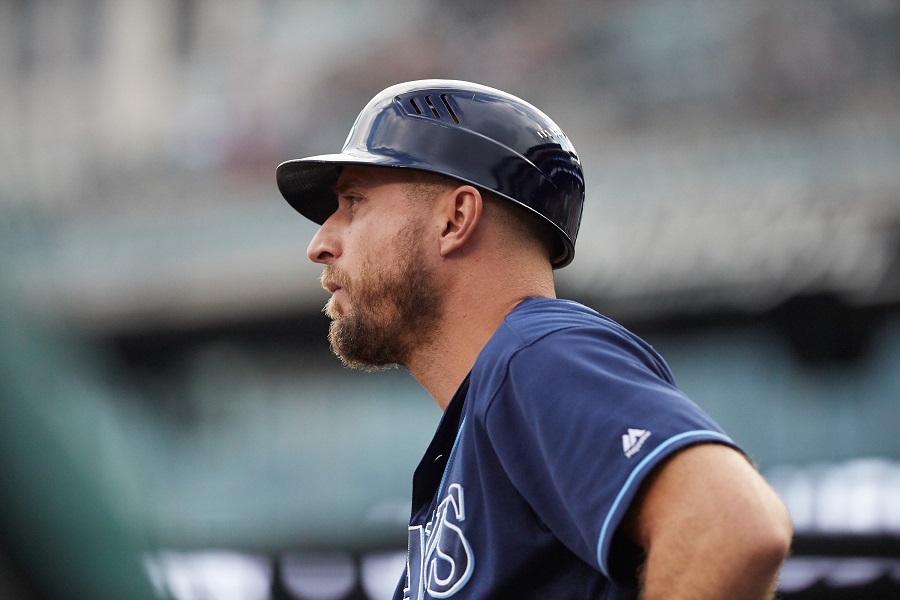
After being told to stick with Paul Molitor upon their hiring Derek Falvey and Thad Levine now get to usher in their guy. Rocco Baldelli becomes the first manager hired without ties to the Twins organization since Ray Miller back in 1985. He takes over at 37 years of age, with no managerial experience, and following three guys who all held the position for at least four seasons (two of which lasted a decade-plus).
Without having heard information from the interview process there’s some obvious traits Minnesota’s front office must have liked. Baldelli’s youth likely plays as a form of relatability to a team needing to connect. Coming from the Tampa Bay Rays organization, like Derek Shelton and Josh Kalk before him, analytics and the application of statistical advantages likely runs strong. Having retired less than a decade ago, Baldelli is still plenty connected to the current game, and having been a former top prospect himself, he succeeded at a high level.
Arguably the most interesting position Baldelli has held was the previous role with the Rays organization. In 2017 he acted as their major league field coordinator. His focus was on studying and dissecting opposing hitters, player positioning, and implementation of defensive strategies. This is an important note as the Twins utilized shifts as often as any team in baseball last year. Fangraphs recently introduced a “shift runs saved” statistic and Minnesota’s 31 from 2018 ranked 3rd in all of baseball. They seem to have added a new asset to that initiative as well.
So, with plenty to like about Baldelli, how do we go about understand his value and evaluating his effectiveness?
First and foremost, I expect to see the collaboration that Falvey and Levine so often preach. I don’t think Paul Molitor did anything wrong in 2018, and the season certainly wasn’t solely his fault. However, I do think there’s a disconnect between being open to ideas, or embracing them, as compared to the idea of championing them.
Following their latest loss, New York Giants head football coach Pat Shurmur talked about going for two points late in the game, and the probability of success. Rather than discussing how he was told that the plan may be good, or what the numbers say, he had a grasp of them, executed a plan, and had drawn it up himself. That moment was one that clicked for me, in relation to the Twins and believing this was the mindset the front office is looking for. Baldelli already has a wealth of information on his own and being able to mesh it with the front office and proactively execute on the field, is something that should help an organization striving for every possible statistical advantage.
From there the next most integral part of this undertaking is connecting with the cornerstones of the clubhouse. It’s a very real possibility that should the Twins take another dive, Falvey and Levine won’t be around to see the fruits of their drafting labor. Royce Lewis and Alex Kirilloff could be organization altering prospects, but there’s already two of those guys at the big-league level that are more important at the current juncture.
Both Miguel Sano and Byron Buxton have failed to live up to their potential for different reasons. Baldelli will be tasked with getting their complete buy in and figuring out how to unlock all they have to offer. Regardless of the level of blame should be placed on Molitor, the reality is that those players didn’t blossom under his leadership. Rocco must figure out a way to have both producing like the superstars that the Twins have counted on. 2019 isn’t a rebuild for the Twins and generating significant production from the internal talent will only allow the acquisitions to further supplement what is taking place at target field.
We can certainly dissect Baldelli’s managing style throughout the course of the 2019 season. Wondering how he will manage a bullpen, set a lineup, execute in-game situations, or attack the opposition are all key factors for the manager. On a nightly basis they may, and added together, have a not insignificant impact in the final win tally. I’m comfortable in saying however, that all those things pale in comparison to the aforementioned focuses.
Gone are the days of needing managerial experience, a proven name, or some sort of track record. Alex Cora inherited a very talented Boston Red Sox team and pulled the right strings to have them staring down a World Series championship during his first season at the helm. Those heights would be near unfathomable for Baldelli next year, but collaborating with the front office to produce the best results in all phases, while generating the best from his inherited cornerstones would be an optimal place to start.
This offseason was and is going to be of vast importance for the organization, and ultimately the legacy of the current front office. Falvey and Levine have now selected a leader they believe in, and it’s time for everyone to get to work.





Recommended Comments
Create an account or sign in to comment
You need to be a member in order to leave a comment
Create an account
Sign up for a new account in our community. It's easy!
Register a new accountSign in
Already have an account? Sign in here.
Sign In Now