



Tom Froemming
-
Posts
5,260 -
Joined
-
Last visited
-
Days Won
22
Content Type
Profiles
News
Minnesota Twins Videos
2026 Minnesota Twins Top Prospects Ranking
2022 Minnesota Twins Draft Picks
Minnesota Twins Free Agent & Trade Rumors, Notes, & Tidbits
Guides & Resources
2023 Minnesota Twins Draft Picks
The Minnesota Twins Players Project
2024 Minnesota Twins Draft Picks
2025 Minnesota Twins Draft Pick Tracker
2026 Minnesota Twins Draft Tracker: Picks & Bonuses
Forums
Blogs
Events
Store
Downloads
Gallery
Everything posted by Tom Froemming
-
Reacting to Twins Minor League Realignment
Tom Froemming replied to Tom Froemming's topic in Twins Daily Front Page News
Fixed, lol. Must have been thinking about their roided out mascot as I typed that -
Reacting to Twins Minor League Realignment
Tom Froemming replied to Tom Froemming's topic in Twins Daily Front Page News
I think I read somewhere the people of Wichita actually started a petition to try to get the team to change its name. -
While there hasn’t technically been an official announcement yet, La Velle E. Neal III of the Star Tribune reported a series of changes to the Twins minor league structure that had been rumored for months. The big headline is the St. Paul Saints becoming an affiliate, but there are changes to all four top levels.Triple A: St. Paul Saints Here’s where I’m going to be a wet blanket. As exciting it is to be able to have a minor league affiliate so close, this is probably bad for baseball as a whole. Minor league baseball helps get some of the best players in the world in front of a lot of fans who otherwise don’t have access to that level of the game. Let’s be honest, the Twin Cities doesn’t need both a major league team and a Triple-A club (in addition to all the great other baseball options we’re spoiled with). Like I imagine a lot of other people, I was first exposed to the Saints in the wake of MLB’s strike in 1994. Beyond all the extra fun, it was nice to have the option of watching a high-level of baseball played aside from MLB. Let’s revisit this topic after next season, when the current collective bargaining agreement expires. The Saints are the crown jewel of independent baseball. I have concerns about the American Association being able to survive without them. The fewer indy league teams, the less likely it is guys like Caleb Thielbar, Randy Dobnak and even Rich Hill (Long Island Ducks, 2015) keep their careers alive. Having the Triple-A team basically at arm’s length will obviously benefit the Twins, so that’s great, but something to keep in mind is the best prospects don’t actually spend a lot of time at the top level of the minors. Miguel Sanó, Byron Buxton, Max Kepler and Jorge Polanco all played for the Twins before they appeared in Triple A. It’s going to be cool to have a Twins affiliate so close, I’m still excited about it, but there are some things that feel problematic about the whole thing. Double A: Wichita Wind Surge I was very happy with the relationship between the Twins and the Pensacola Blue Wahoos, but getting an affiliate here that was gearing up to host a Triple-A club is likely going to work out nicely. They were supposed to be the Miami Marlins’ top minor league affiliate before all of this realignment started. This moves the Twins Double-A affiliate from the Southern League to the Texas League, which typically has the higher run-scoring environment. We’re not sure how Wichita’s Riverfront Stadium will play yet because 2020 was supposed to be its inaugural season. It appears to be a beautiful ballpark, and you’d have to imagine the amenities for the players are state-of-the-art. It's difficult to imagine an upgrade from Pensacola, but that may turn out to be exactly what this is. High A: Cedar Rapids Kernels Cedar Rapids and Fort Myers swap places here, and the big win is for any hitters moving up the chain. Previously, they had to both adjust to tougher pitchers and a challenging scoring environment when making the leap from Low-A to High-A. A lot of things were up in the air during the time all these changes were just rumors, and there seemed to be some uncertainty surrounding the Midwest League, and potentially this franchise. I’m happy to see that not only will they remain a Twins affiliate, but they’re getting an upgrade in terms of level. Among these changes, I think this is the biggest “feel-good” story. Low A: Fort Myers Mighty Mussels Yes, that is really their name now. This year was supposed to be the first season of the change from Miracle to Mighty Muscles. Here’s where I believe flipping these affiliates will greatly benefit development. Possibly the biggest jump the average player makes in his journey through the minors is from short-season to full-season ball. Being in a familiar setting should help lower the degree of difficulty in that jump. Players spend a lot of time early in their careers at the team’s complex in Fort Myers. The Rookie-level Gulf Coast League Twins play their games here, instructs are conducted here and, of course, Spring Training. It makes a lot more sense for players to break into full-season ball here, then “go out into the world” than it does to have them go to Cedar Rapids and then come back. Elizabethton: Left out in the cold MLB is contracting more than 40 affiliated minor league teams, one of which is the E-Twins. This was announced a couple months ago, but the Appalachian League will operate as a college summer league. E-Town had been a Twins affiliate since 1974. That’s a lot of Twins players whose careers went through Elizabethton, Tenn. over the years. Just two years ago, the Elizabethton City Council approved a ballpark renovation project aimed at keeping the Twins there that came in somewhere between $1.5 and $2 million. This is a town with a population of around 14,000, mind you. Here’s hoping the new college summer league works out for them. For Seth's thoughts on the minor league realignment, check out his Nine Innings article today. MORE FROM TWINS DAILY — Latest Twins coverage from our writers — Recent Twins discussion in our forums — Follow Twins Daily via Twitter, Facebook or email Click here to view the article
-
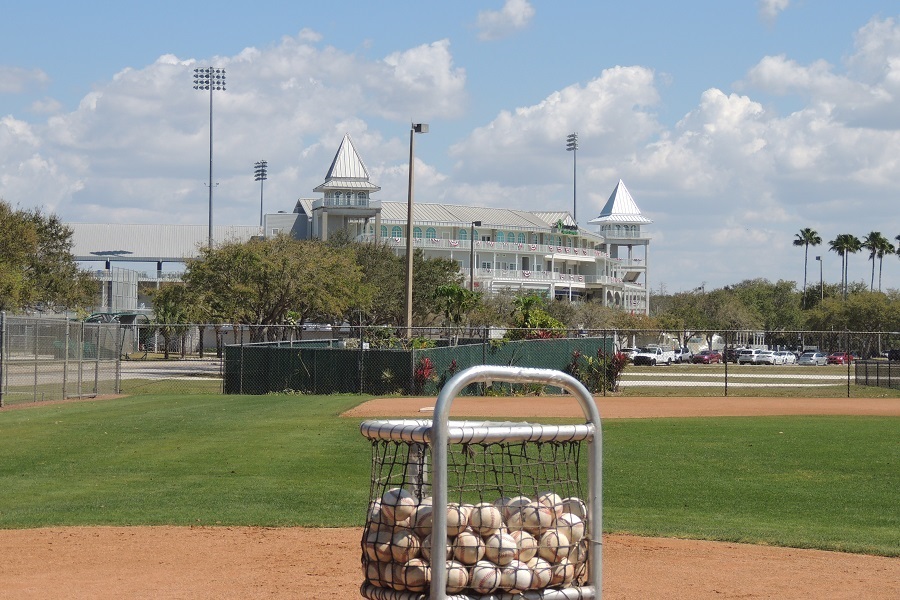 Triple A: St. Paul Saints Here’s where I’m going to be a wet blanket. As exciting it is to be able to have a minor league affiliate so close, this is probably bad for baseball as a whole. Minor league baseball helps get some of the best players in the world in front of a lot of fans who otherwise don’t have access to that level of the game. Let’s be honest, the Twin Cities doesn’t need both a major league team and a Triple-A club (in addition to all the great other baseball options we’re spoiled with). Like I imagine a lot of other people, I was first exposed to the Saints in the wake of MLB’s strike in 1994. Beyond all the extra fun, it was nice to have the option of watching a high-level of baseball played aside from MLB. Let’s revisit this topic after next season, when the current collective bargaining agreement expires. The Saints are the crown jewel of independent baseball. I have concerns about the American Association being able to survive without them. The fewer indy league teams, the less likely it is guys like Caleb Thielbar, Randy Dobnak and even Rich Hill (Long Island Ducks, 2015) keep their careers alive. Having the Triple-A team basically at arm’s length will obviously benefit the Twins, so that’s great, but something to keep in mind is the best prospects don’t actually spend a lot of time at the top level of the minors. Miguel Sanó, Byron Buxton, Max Kepler and Jorge Polanco all played for the Twins before they appeared in Triple A. It’s going to be cool to have a Twins affiliate so close, I’m still excited about it, but there are some things that feel problematic about the whole thing. Double A: Wichita Wind Surge I was very happy with the relationship between the Twins and the Pensacola Blue Wahoos, but getting an affiliate here that was gearing up to host a Triple-A club is likely going to work out nicely. They were supposed to be the Miami Marlins’ top minor league affiliate before all of this realignment started. This moves the Twins Double-A affiliate from the Southern League to the Texas League, which typically has the higher run-scoring environment. We’re not sure how Wichita’s Riverfront Stadium will play yet because 2020 was supposed to be its inaugural season. It appears to be a beautiful ballpark, and you’d have to imagine the amenities for the players are state-of-the-art. It's difficult to imagine an upgrade from Pensacola, but that may turn out to be exactly what this is. High A: Cedar Rapids Kernels Cedar Rapids and Fort Myers swap places here, and the big win is for any hitters moving up the chain. Previously, they had to both adjust to tougher pitchers and a challenging scoring environment when making the leap from Low-A to High-A. A lot of things were up in the air during the time all these changes were just rumors, and there seemed to be some uncertainty surrounding the Midwest League, and potentially this franchise. I’m happy to see that not only will they remain a Twins affiliate, but they’re getting an upgrade in terms of level. Among these changes, I think this is the biggest “feel-good” story. Low A: Fort Myers Mighty Mussels Yes, that is really their name now. This year was supposed to be the first season of the change from Miracle to Mighty Muscles. Here’s where I believe flipping these affiliates will greatly benefit development. Possibly the biggest jump the average player makes in his journey through the minors is from short-season to full-season ball. Being in a familiar setting should help lower the degree of difficulty in that jump. Players spend a lot of time early in their careers at the team’s complex in Fort Myers. The Rookie-level Gulf Coast League Twins play their games here, instructs are conducted here and, of course, Spring Training. It makes a lot more sense for players to break into full-season ball here, then “go out into the world” than it does to have them go to Cedar Rapids and then come back. Elizabethton: Left out in the cold MLB is contracting more than 40 affiliated minor league teams, one of which is the E-Twins. This was announced a couple months ago, but the Appalachian League will operate as a college summer league. E-Town had been a Twins affiliate since 1974. That’s a lot of Twins players whose careers went through Elizabethton, Tenn. over the years. Just two years ago, the Elizabethton City Council approved a ballpark renovation project aimed at keeping the Twins there that came in somewhere between $1.5 and $2 million. This is a town with a population of around 14,000, mind you. Here’s hoping the new college summer league works out for them. For Seth's thoughts on the minor league realignment, check out his Nine Innings article today. MORE FROM TWINS DAILY — Latest Twins coverage from our writers — Recent Twins discussion in our forums — Follow Twins Daily via Twitter, Facebook or email
 -
Thanks for checking it out. I wrote something that should be published soon about how, despite being used more than ever, bullpens arm appear to be being valued less than ever on the free agent market. That deal for Hendriks seems reasonable to me too, but that was what both MLB TR and FanGraphs predicted he'd get. We'll see.
-
In this video, I take a look at which of the free-agent contracts predicted by the staff of MLB Trade Rumors would make the most sense for the Twins.Predicting what’s going to happen on the MLB free-agent market is always difficult, but there seems to be additional uncertainty this year. There are a few different flavors of forecasts out there for this offseason, but let’s focus on those from MLB Trade Rumors. Here are my picks for the top-10 Twins targets based on their projections. The only other caveat is I decided not to include anyone on the 2020 Twins for consideration on this list. The video below is 23 minutes, but the entire list is unveiled in the first six minutes. The rest is additional analysis and discussion. Again, it's incredibly hard to predict what's going to happen in free agency. These figures from MLB Trade Rumors are most definitely open to debate, however, I still found this exercise fun. Let me know what you think of this list and who your favorite targets are in the context of these projections. MORE FROM TWINS DAILY — Latest Twins coverage from our writers — Recent Twins discussion in our forums — Follow Twins Daily via Twitter, Facebook or email Click here to view the article
-
Which of These Free-Agent Contracts Makes Most Sense for the Twins?
Tom Froemming posted an article in Twins
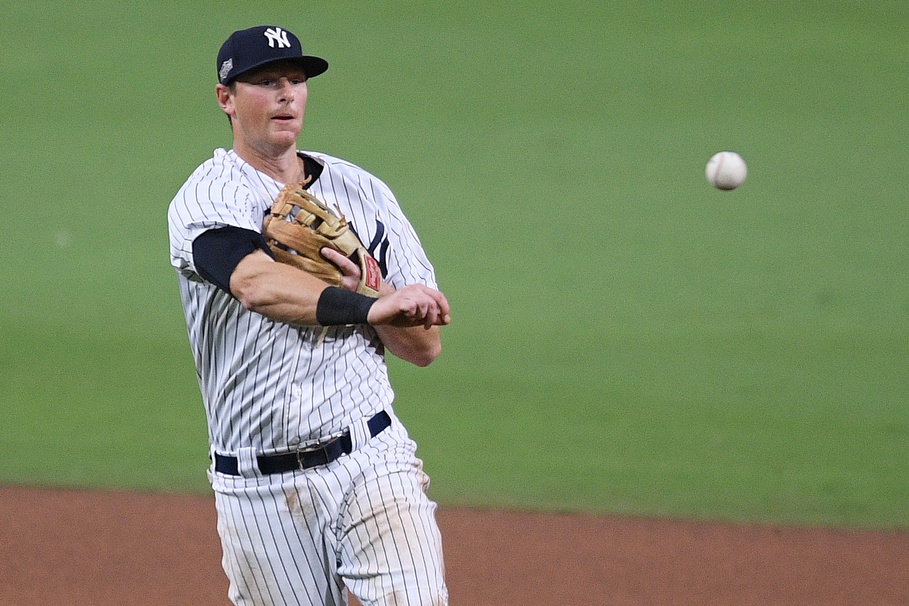 Predicting what’s going to happen on the MLB free-agent market is always difficult, but there seems to be additional uncertainty this year. There are a few different flavors of forecasts out there for this offseason, but let’s focus on those from MLB Trade Rumors. Here are my picks for the top-10 Twins targets based on their projections. The only other caveat is I decided not to include anyone on the 2020 Twins for consideration on this list. The video below is 23 minutes, but the entire list is unveiled in the first six minutes. The rest is additional analysis and discussion. Again, it's incredibly hard to predict what's going to happen in free agency. These figures from MLB Trade Rumors are most definitely open to debate, however, I still found this exercise fun. Let me know what you think of this list and who your favorite targets are in the context of these projections. MORE FROM TWINS DAILY — Latest Twins coverage from our writers — Recent Twins discussion in our forums — Follow Twins Daily via Twitter, Facebook or email
 -
Now that the deadline for teams to add players to their 40-man rosters in order to protect them from the Rule 5 Draft has passed, the next significant date on the MLB offseason calendar is Dec. 2’s non-tender deadline. Are we sure it’s a slam dunk that Eddie Rosario won’t be on the 2021 Twins?If it truly is a foregone conclusion that Rosario won’t be apart of the Twins next season, what is the team waiting for? We saw some other arbitration-eligible players get designated for assignment Friday, including Hunter Renfroe of Tampa Bay and Renato Nunez of Baltimore. It’s fair to note, however, both those teams filled up their rosters and needed to clear some space, unlike the Twins who still have three open spots. Nobody’s quite sure how things are going to play out in the arbitration process since this 60-game season complicates things. MLB Trade Rumors has three different projection models. The lowest has Rosie projected at $8.6 million, the middle at $9.6 and the highest at $12.9 million. That’s essentially a range from “in the realm of possibility” to “completely insane.” Even the average of those three figures, $10.4 million, seems awfully high. An x-factor in this discussion is what Rosario’s agency would project him to get on the open market, and how that may factor into this process. Over the past two seasons, Rosario and Robbie Grossman have the exact same fWAR (2.1) and xwOBA (.327). Craig Edwards of FanGraphs predicted Grossman would get a one-year, $6 million contract this offseason. Many of the other metrics, and even the early 2021 projections, paint a much rosier picture (pun very much intended), but that comp could be enough reason for the Rosario camp to welcome contract discussions toward the low-end of his projected arbitration salary. The tricky thing is the Twins won’t necessarily know what number Rosario’s agency plans on filing for at the time they’re required to make a decision to tender him a contract or not. If tendered a contract, he’s getting paid one way or another. Both sides would have until mid-January to negotiate a salary, but if they can’t they would go to a hearing. The team files at one number, the player another, and there is no middle ground. One side wins, one side loses. It’s important to note that a player’s arbitration salary really has nothing to do with estimating his value on the open market. Instead, everything is based on precedent. The people on these arbitration panels aren’t baseball analysts or anything like that, these are judges and other non-baseball people. Counting stats weigh heavily in determining a player’s value, which is good news for Rosario. Rosario has 5.120 years of service time. A comp I found for him at a similar time was Corey Dickerson, who avoided a hearing by agreeing to an $8.5 million salary in his final year of arbitration eligibility prior to the 2019 season. Dickerson had much better rate stats (.824 OPS vs. .788), but Rosario has him beat in counting stats. Rosario has the advantage over Dickerson by 16 homers, 77 RBIs, 58 runs, 41 hits and 51 total bases over their respective six-year stretches. Still, I’d say that’s pretty darn close considering the window we’re looking at. If we want to find a comp in an instance that went to a hearing, take a look at Joc Pederson. Entering this season, he filed for $9.5 million, but the Dodgers beat him in the hearing with their mark of $7.75 million. Pre-2020 Pederson holds the advantage in OPS over present-day Rosario .813 to .788, and Joc even had four more homers then than Eddie does now. Everything else trends strongly toward Rosie, however, as he has Pederson beat in RBIs by 101, runs by 76, hits by 265 and total bases by 309. That’s the cost of being platooned. Either way, I still find it very difficult to imagine Rosario’s team building a case for him anywhere near that high-end projection of $12.9 million. Circling back to Grossman, he agreed to a meager $3.275 million salary in his final season of arbitration eligibility last year. Gotta hit tanks to make bank, kids. I still doubt the Twins will tender Rosario a contract if it comes down to Dec. 2. I do think, however, there is a potential avenue for these two sides to reach an agreement between now and then. What is the magic number? There has to be a point at which the Twins have interest in retaining Rosario on a one-year contract. It's most definitely not $12.9 million, or even $10.4 million. It probably isn't even $9.6 million. Is it crazy to think Rosario would be open to coming back at $8 million? I don’t see much incentive for Rosario to want to hit the open market. Bringing him back would give the Twins additional certainty and some leverage as it relates to Nelson Cruz. They could just move on from Cruz altogether. Yes, there are still internal corner outfield options waiting for opportunities, but they’re mostly unproven. The Twins could always use one of them as a trade chip to acquire an established arm, building even more certainty into the 2021 roster. The smart bet is most definitely on this ending in Eddie Rosario being non-tendered. Still, there are a lot of options on the table to explore between now and the Dec. 2 deadline. This isn’t simply a decision between offering Rosario $10.4 million or cutting him loose. MORE FROM TWINS DAILY — Latest Twins coverage from our writers — Recent Twins discussion in our forums — Follow Twins Daily via Twitter, Facebook or email Click here to view the article
-
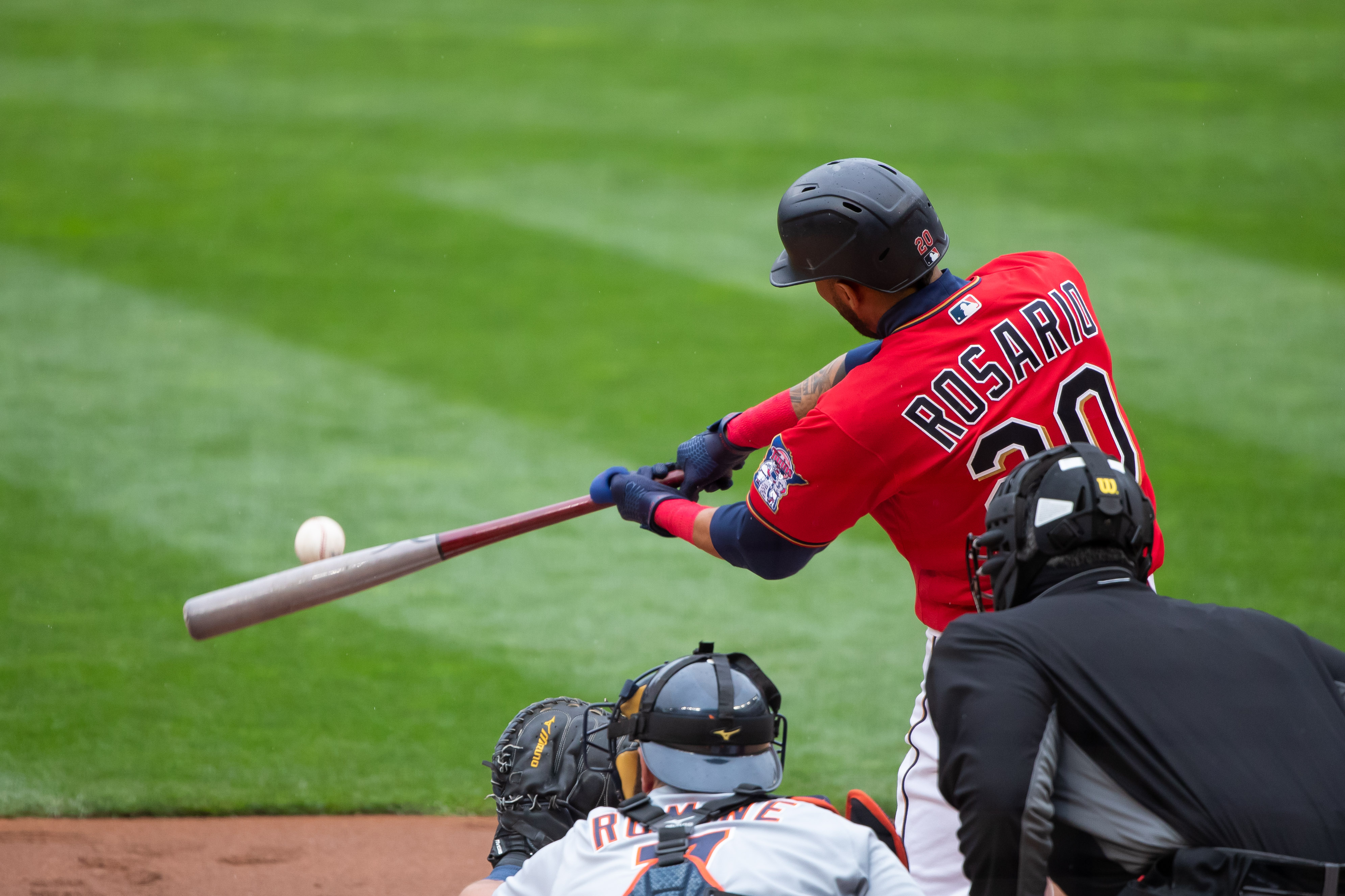 If it truly is a foregone conclusion that Rosario won’t be apart of the Twins next season, what is the team waiting for? We saw some other arbitration-eligible players get designated for assignment Friday, including Hunter Renfroe of Tampa Bay and Renato Nunez of Baltimore. It’s fair to note, however, both those teams filled up their rosters and needed to clear some space, unlike the Twins who still have three open spots. Nobody’s quite sure how things are going to play out in the arbitration process since this 60-game season complicates things. MLB Trade Rumors has three different projection models. The lowest has Rosie projected at $8.6 million, the middle at $9.6 and the highest at $12.9 million. That’s essentially a range from “in the realm of possibility” to “completely insane.” Even the average of those three figures, $10.4 million, seems awfully high. An x-factor in this discussion is what Rosario’s agency would project him to get on the open market, and how that may factor into this process. Over the past two seasons, Rosario and Robbie Grossman have the exact same fWAR (2.1) and xwOBA (.327). Craig Edwards of FanGraphs predicted Grossman would get a one-year, $6 million contract this offseason. Many of the other metrics, and even the early 2021 projections, paint a much rosier picture (pun very much intended), but that comp could be enough reason for the Rosario camp to welcome contract discussions toward the low-end of his projected arbitration salary. The tricky thing is the Twins won’t necessarily know what number Rosario’s agency plans on filing for at the time they’re required to make a decision to tender him a contract or not. If tendered a contract, he’s getting paid one way or another. Both sides would have until mid-January to negotiate a salary, but if they can’t they would go to a hearing. The team files at one number, the player another, and there is no middle ground. One side wins, one side loses. It’s important to note that a player’s arbitration salary really has nothing to do with estimating his value on the open market. Instead, everything is based on precedent. The people on these arbitration panels aren’t baseball analysts or anything like that, these are judges and other non-baseball people. Counting stats weigh heavily in determining a player’s value, which is good news for Rosario. Rosario has 5.120 years of service time. A comp I found for him at a similar time was Corey Dickerson, who avoided a hearing by agreeing to an $8.5 million salary in his final year of arbitration eligibility prior to the 2019 season. Dickerson had much better rate stats (.824 OPS vs. .788), but Rosario has him beat in counting stats. Rosario has the advantage over Dickerson by 16 homers, 77 RBIs, 58 runs, 41 hits and 51 total bases over their respective six-year stretches. Still, I’d say that’s pretty darn close considering the window we’re looking at. If we want to find a comp in an instance that went to a hearing, take a look at Joc Pederson. Entering this season, he filed for $9.5 million, but the Dodgers beat him in the hearing with their mark of $7.75 million. Pre-2020 Pederson holds the advantage in OPS over present-day Rosario .813 to .788, and Joc even had four more homers then than Eddie does now. Everything else trends strongly toward Rosie, however, as he has Pederson beat in RBIs by 101, runs by 76, hits by 265 and total bases by 309. That’s the cost of being platooned. Either way, I still find it very difficult to imagine Rosario’s team building a case for him anywhere near that high-end projection of $12.9 million. Circling back to Grossman, he agreed to a meager $3.275 million salary in his final season of arbitration eligibility last year. Gotta hit tanks to make bank, kids. I still doubt the Twins will tender Rosario a contract if it comes down to Dec. 2. I do think, however, there is a potential avenue for these two sides to reach an agreement between now and then. What is the magic number? There has to be a point at which the Twins have interest in retaining Rosario on a one-year contract. It's most definitely not $12.9 million, or even $10.4 million. It probably isn't even $9.6 million. Is it crazy to think Rosario would be open to coming back at $8 million? I don’t see much incentive for Rosario to want to hit the open market. Bringing him back would give the Twins additional certainty and some leverage as it relates to Nelson Cruz. They could just move on from Cruz altogether. Yes, there are still internal corner outfield options waiting for opportunities, but they’re mostly unproven. The Twins could always use one of them as a trade chip to acquire an established arm, building even more certainty into the 2021 roster. The smart bet is most definitely on this ending in Eddie Rosario being non-tendered. Still, there are a lot of options on the table to explore between now and the Dec. 2 deadline. This isn’t simply a decision between offering Rosario $10.4 million or cutting him loose. MORE FROM TWINS DAILY — Latest Twins coverage from our writers — Recent Twins discussion in our forums — Follow Twins Daily via Twitter, Facebook or email
 -
Anybody who pays close attention to our rankings knows I love Ben Rortvedt. I've had him ranked 11th, 12th and 13th in the system over the last three handbooks. Didn't get to see him at all this year, obviously, but I've always been a big believer in his defense and the way he carries himself as a leader/manager of the pitching staff. There's never been any question about whether he'd stick behind the plate or not. His physique is proof enough of his work ethic. The dude is jacked. He had a solid .745 OPS vs. RHP in 2018 and a .763 OPS against them in '19. Keep in mind 43% of his plate appearances over that span came in the FSL, where hardly anybody hits, let alone 20/21 year old catchers. Speaking of which, he was also facing pitchers who were older than him in 94% of his plate appearances over that same stretch. He didn't face the stiffest competition in high school, being from Wisconsin, so squaring off against these more advanced pitchers had to have been a huge learning experience. The overall offensive numbers aren't great, and he's really struggled against lefties, but I still think there's a lot to like. He knows how to work an at-bat. In 2019 he was starting to show a little opposite-field power, as four of his seven homers went out to left field. All that being said, is he ready? Probably not. Might another team have found room for him? There are a handful of teams with incredibly bad catching situations right now. I would not have been shocked to see him selected. I also think some teams may have found him interesting in terms of the potential to extract the secrets of Tanner Swanson's (former Twins catching coordinator who was hired away by the Yankees) crazy half-split/pretzel crouch framing techniques that Rortvedt, Garver and Jeffers all do.
- 25 replies
-
- 4
-

-
- jordan balazovic
- akil baddoo
- (and 3 more)
-
Starting Pitching Market Beginning to Develop
Tom Froemming replied to Tom Froemming's topic in Twins Daily Front Page News
One guy who intrigues me is Garret Richards. The problem is he's rarely healthy, but I think the Twins are well-suited to take on a high-risk, potentially high-reward pitcher like that. I mean, as well-suited as any team can be. But, the Twins definitely have the prospects to make another strong deal if they go the trade route. May need to overpay for pitching, but this franchise is in a position to deal unproven pieces for MLB talent. -
Starting Pitching Market Beginning to Develop
Tom Froemming replied to Tom Froemming's topic in Twins Daily Front Page News
I hear ya, this does not look like a great overall SP class. Bauer was going to get paid regardless, but the lack of similar options at the top mean he's really in a great spot to get big bucks. -
Last week, Matthew Taylor wrote about how Odorizzi needed to become a priority in the Twins’ offseason plans. That piece is still very much relevant, but yesterday we were presented another data point on how the market may turn out this winter.The Atlanta Braves signed Drew Smyly to a one-year, $11 million contract yesterday. While Smyly did post some eye-popping numbers for the Giants this season, which was accompanied by a nice uptick in velocity, he’s also struggled to stay healthy and productive over his career. Below is a discussion on the market, how Odorizzi stacks up against Smyly and how much Odorizzi may get in his next contract. So with Smyly's signing we have one less free agent on the market, and another pitcher with a less than impressive overall resume walking away with a nice paycheck. Odorizzi figures to do quite nicely for himself. Per ESPN’s Buster Olney, the Blue Jays, Giants, Mets and Twins have all shown interest in Odorizzi. All of this early activity has left the starting pitching market thin, which should help Odorizzi find even more suitors. Here are the top-10 free agent pitchers remaining with their current ages: 1. Trevor Bauer (29) 2. Masahiro Tanaka (32) 3. James Paxton (32) 4. Jake Odorizzi (30) 5. Charlie Morton (37) 6. Taijuan Walker (28) 7. José Quintana (31) 8. Garrett Richards (32) 9. Mike Minor (32) 10. Corey Kluber (34) This list is based on the rankings from FanGraphs and MLB Trade Rumors. I slotted in Morton at my own discretion, since he was not a free agent at the time the FanGraphs list was published. The top remaining names from there include Adam Wainwright, J.A. Happ, Rick Porcello, Matt Shoemaker, Jon Lester, Cole Hamels, Chris Archer and Anthony DeSclafani, among others. It’s not exactly an inspiring group of arms. Perhaps the Twins were always more likely to acquire a starter via trade anyway, as they did with Odorizzi and more recently Kenta Maeda. This lack of supply on the open market, however, could result in trade demands increasing. This front office has been pretty passive in the free agent market. Here’s a look back: Dec, 13, 2017: Michael Pineda two years, $10 million March 12, 2018: Lance Lynn one year $12 million Jan. 30, 2019: Martin Perez (ended up being one year, $4.4 million) Nov. 14, 2019: Jake Odorizzi one year, $17.8 million (qualifying offer) Dec. 10, 2019: Michael Pineda two years, $20 million Dec. 31, 2019: Homer Bailey one year, $7 million Dec. 31, 2019: Rich Hill one year, $3 million Since Derek Falvey took over the Twins in October of 2016, the largest deal they’ve signed a free agent starter to was Pineda’s two-year, $20 million deal last December. I decided to include Odorizzi on this list, but I suppose a player accepting a qualifying offer is different from a true free agent signing. The earliest this front office has signed a starting pitcher on the open market was, again, Pineda’s deal last December. SEE ALSO Re-Signing Jake Odorizzi Needs to be a Priority for the Minnesota Twins Gleeman & The Geek, Ep 501: Free Agent Starting Pitchers A Low-Tech Tool In A High-Tech Baseball World How Will the Twins Address the Bullpen This Offseason? Click here to view the article
-
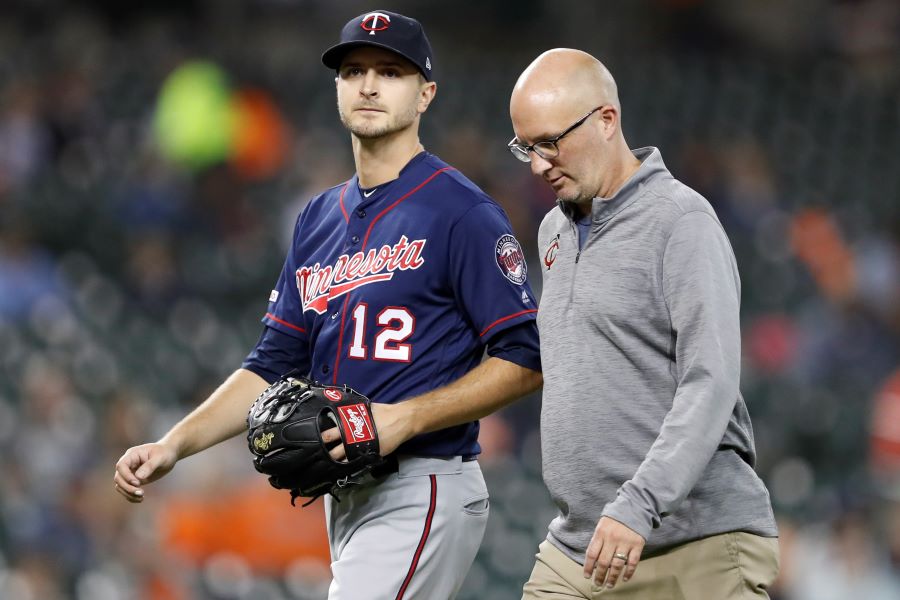 The Atlanta Braves signed Drew Smyly to a one-year, $11 million contract yesterday. While Smyly did post some eye-popping numbers for the Giants this season, which was accompanied by a nice uptick in velocity, he’s also struggled to stay healthy and productive over his career. Below is a discussion on the market, how Odorizzi stacks up against Smyly and how much Odorizzi may get in his next contract. So with Smyly's signing we have one less free agent on the market, and another pitcher with a less than impressive overall resume walking away with a nice paycheck. Odorizzi figures to do quite nicely for himself. Per ESPN’s Buster Olney, the Blue Jays, Giants, Mets and Twins have all shown interest in Odorizzi. All of this early activity has left the starting pitching market thin, which should help Odorizzi find even more suitors. Here are the top-10 free agent pitchers remaining with their current ages: 1. Trevor Bauer (29) 2. Masahiro Tanaka (32) 3. James Paxton (32) 4. Jake Odorizzi (30) 5. Charlie Morton (37) 6. Taijuan Walker (28) 7. José Quintana (31) 8. Garrett Richards (32) 9. Mike Minor (32) 10. Corey Kluber (34) This list is based on the rankings from FanGraphs and MLB Trade Rumors. I slotted in Morton at my own discretion, since he was not a free agent at the time the FanGraphs list was published. The top remaining names from there include Adam Wainwright, J.A. Happ, Rick Porcello, Matt Shoemaker, Jon Lester, Cole Hamels, Chris Archer and Anthony DeSclafani, among others. It’s not exactly an inspiring group of arms. Perhaps the Twins were always more likely to acquire a starter via trade anyway, as they did with Odorizzi and more recently Kenta Maeda. This lack of supply on the open market, however, could result in trade demands increasing. This front office has been pretty passive in the free agent market. Here’s a look back: Dec, 13, 2017: Michael Pineda two years, $10 million March 12, 2018: Lance Lynn one year $12 million Jan. 30, 2019: Martin Perez (ended up being one year, $4.4 million) Nov. 14, 2019: Jake Odorizzi one year, $17.8 million (qualifying offer) Dec. 10, 2019: Michael Pineda two years, $20 million Dec. 31, 2019: Homer Bailey one year, $7 million Dec. 31, 2019: Rich Hill one year, $3 million Since Derek Falvey took over the Twins in October of 2016, the largest deal they’ve signed a free agent starter to was Pineda’s two-year, $20 million deal last December. I decided to include Odorizzi on this list, but I suppose a player accepting a qualifying offer is different from a true free agent signing. The earliest this front office has signed a starting pitcher on the open market was, again, Pineda’s deal last December. SEE ALSO Re-Signing Jake Odorizzi Needs to be a Priority for the Minnesota Twins Gleeman & The Geek, Ep 501: Free Agent Starting Pitchers A Low-Tech Tool In A High-Tech Baseball World How Will the Twins Address the Bullpen This Offseason?
 -
I loved this for NES, had no idea they made a Super Nintendo version of it!!!
-
MVP 2005 was incredible. So cool that they included minor league teams. Here are some of my other personal favorites: 3rd Gen: Baseball Stars for NES 4th Gen: Tony La Russa Baseball for Sega Genesis 5th Gen: MLB ‘99 for Playstation 7th Gen: MLB Power Pros 2008 for Wii
-
The offseason is usually a time in which teams aim to address their weaknesses, but let’s take a moment to reflect on a current Twins strength. This amount of outfield talent in the org right now is insane, as illustrated by the fact that Alex Kirilloff and Trevor Larnach are still waiting in the wings.Alex Kirilloff became a part of history when he made his MLB debut in the postseason. That puts him much more at the forefront of our minds, but fellow former first-round pick Trevor Larnach is hot on his heels. These two started this year by putting on an absolute show in spring training before everything shut down. Kirilloff hit .429/.455/.810 (1.264 OPS) in 22 plate appearances in Fort Myers while Larnach hit .333/.467/.708 (1.175 OPS) in 30 PAs. As if it wasn’t already easy to be incredibly excited about the future of these two mashers, these spring training performances really added some fuel to that fire. Unfortunately, we didn’t get to enjoy following what these two did at the alternative site in St. Paul like we would have had there been a minor league season. Still, I could think of few better ways to spend my cold November Sunday than talking about these two budding sluggers. I ran through some of the numbers and scouting grades out there for Kirilloff and Larnach in the video below, which is just over seven minutes. Here are the spray charts I shared early in that video, via Prospects Live’s Minor Graphs. First up is Kirilloff: Download attachment: Kirilloff.png And here’s Larnach’s: Download attachment: Larnach.png The Twins turning to Kirilloff for a postseason boost against the Astros is a clear indication they think he’s ready for the first chance, but let’s not lose sight that Larnach is a prospect of very similar value who is also at or near ready for MLB action. SEE ALSO Twins Daily 2020 Top Prospects: #2 Alex Kirilloff Twins Daily 2020 Top Prospects: #3 Trevor Larnach Cruisin' With Kirilloff 3 Models for a Twins Blockbuster Trade This Winter Click here to view the article
-
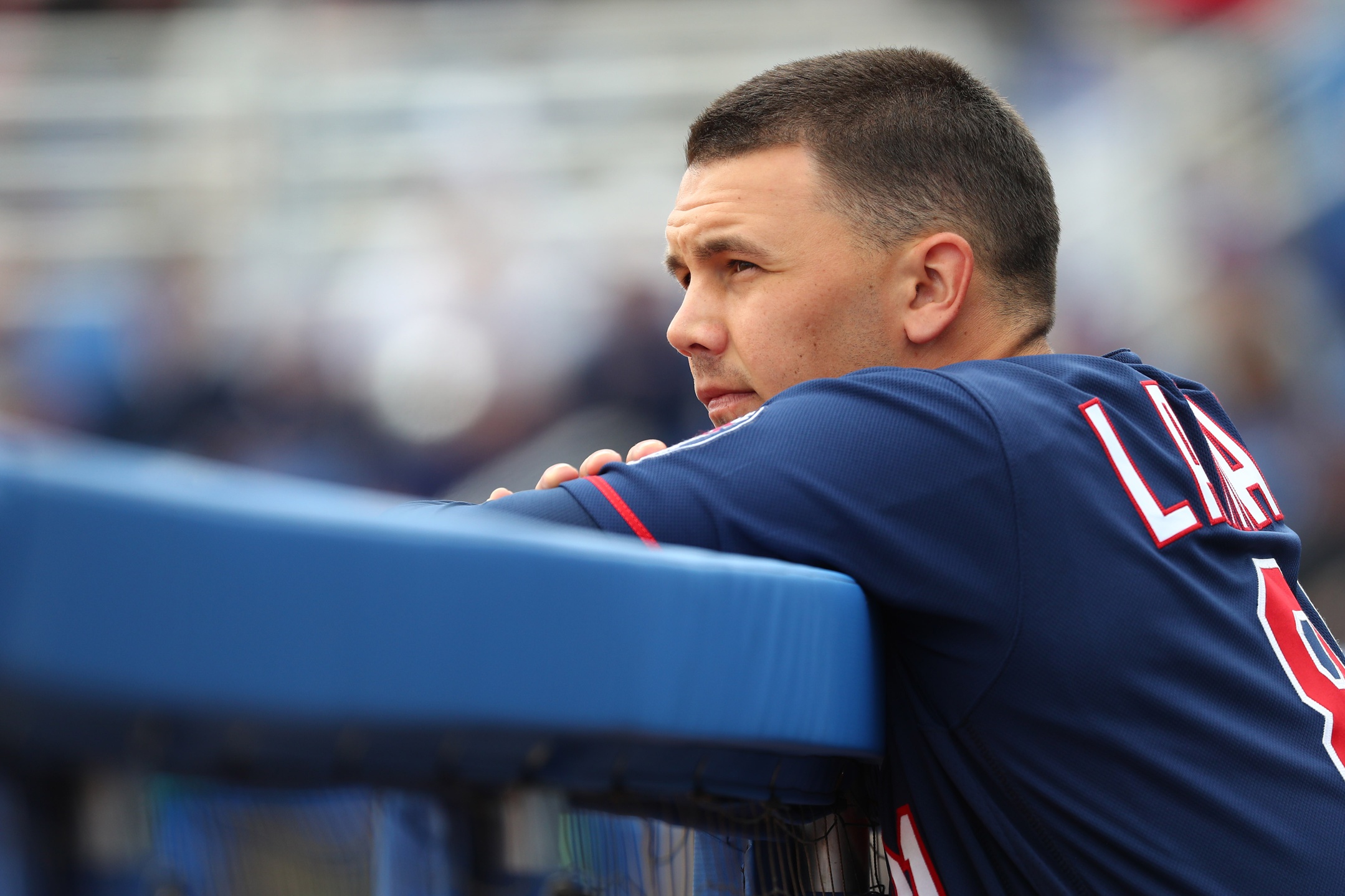 Alex Kirilloff became a part of history when he made his MLB debut in the postseason. That puts him much more at the forefront of our minds, but fellow former first-round pick Trevor Larnach is hot on his heels. These two started this year by putting on an absolute show in spring training before everything shut down. Kirilloff hit .429/.455/.810 (1.264 OPS) in 22 plate appearances in Fort Myers while Larnach hit .333/.467/.708 (1.175 OPS) in 30 PAs. As if it wasn’t already easy to be incredibly excited about the future of these two mashers, these spring training performances really added some fuel to that fire. Unfortunately, we didn’t get to enjoy following what these two did at the alternative site in St. Paul like we would have had there been a minor league season. Still, I could think of few better ways to spend my cold November Sunday than talking about these two budding sluggers. I ran through some of the numbers and scouting grades out there for Kirilloff and Larnach in the video below, which is just over seven minutes. Here are the spray charts I shared early in that video, via Prospects Live’s Minor Graphs. First up is Kirilloff: And here’s Larnach’s: The Twins turning to Kirilloff for a postseason boost against the Astros is a clear indication they think he’s ready for the first chance, but let’s not lose sight that Larnach is a prospect of very similar value who is also at or near ready for MLB action. SEE ALSO Twins Daily 2020 Top Prospects: #2 Alex Kirilloff Twins Daily 2020 Top Prospects: #3 Trevor Larnach Cruisin' With Kirilloff 3 Models for a Twins Blockbuster Trade This Winter
 -
La Velle E. Neal III of the Star Tribune reported the Twins officially informed the Rochester Red Wings they will no longer be the team’s Triple-A affiliate, and that the St. Paul Saints could become their replacement. Do the Twins need the Saints more than the Saints need the Twins?The part of La Velle’s article (which I encourage you to read because it includes much more detail than what we’re going to go into here) that really struck me is that the Saints would have to pay to become a Twins affiliate. Perhaps as much as $20 million! La Velle did mention the Twins could ultimately pitch in to cover at least part of that cost. This payment would go to Minor League Baseball, and is standard for new franchises, but this is not a typical franchise. The Saints represent outlaw baseball. Behind owners Mike Veeck and Bill Murray, they established a quirky brand of minor league baseball and entertainment that has since been universally adopted across all levels of the minors. In addition to helping ballplayers continue their professional careers, they’ve even served as an opportunity for some amatures to stick it to Major League Baseball (most famously J.D. Drew in 1997). The Saints also represented an opportunity for fans to stick it to MLB. Established in 1993, the Saints were well-positioned to embrace baseball fans who turned bitter from the 1994 strike. It also didn’t hurt that the Twins were terrible in the mid-90s. It may be difficult to capture the original spirit surrounding the Saints these days, seeing as the team is such an established entity in the Minnesota baseball scene and plays in a gorgeous state-of-the-art ballpark in lowertown St. Paul. There’s nothing that really screams “outlaw” about that. Things have changed, and for the better. Midway Stadium (pictured above) definitely has its charms, but CHS Field is a gem. Their brand of baseball and entertainment has always made the Saints a strong draw, but the new ballpark has really created a boom. In 2019, the Saints' average attendance was 8,061. Can you guess how many of the 160 affiliated minor league baseball teams beat that mark? Just seven. Taking a look at the Twins’ top two affiliates, the Red Wings averaged 6,846 fans and the Pensacola Blue Wahoos, despite a jaw-droppingly beautiful stadium, averaged 4,354. These numbers are all from the excellent resource Ballpark Digest (affiliated attendance here, independent attendance here). While the Saints are one of the most popular minor league baseball teams, most of their independent counterparts don’t have as much to boast about. Of the 40 indy league teams that operated in 2019, only five others attracted even half of the Saints’ average attendance, and four of those five play in a different league. There’s no question the St. Paul Saints can stand on their own, but what about the rest of their current league? Will enough teams survive COVID-19 to keep the American Association afloat? I believe this will be among the biggest determining factors in whether or not the Saints will be interested in becoming an affiliate of the Twins, or any other MLB team for that matter. At the same time, I’m not certain the American Association, which is based out of Moorhead, can survive without the Saints. Veeck has expressed an openness to work with MLB, but is also keen to the fact that it may not be popular with some of their current base. Here’s what he told the Pioneer Press’ John Shipley in July: “I think it would be fascinating to know, what do the fans think? Obviously, I would love to know the answer. What if you did a poll and said to the fans and said, ‘Would being a major league affiliate, aside from it being the Twins – with it just being a Double-A or Triple-A team – would it enhance the Saints or would it detract?’” Outside of the fan perspective, I can’t imagine indy teams are looking at what MLB is doing to its current affiliates and thinking “gosh, I’d really like to go into business with them.” It all comes down to money, of course, but watching MLB ruthlessly cut 40 minor league teams out of affiliated ball has to make indy teams uneasy about aligning with them. From the Twins’ perspective, this makes all the sense in the world. Having a minor league affiliate so close would be a great relief in terms of travel and transactions, and CHS Field has been lauded not only for the facility itself but also the playing surface. That may not sound like a big deal, but when you have guys on rehab assignments you don’t want to send them somewhere that has a sub-par field. Aligning with the Saints would also effectively eliminate them as competition. You may not think of it this way, but the Twins and Saints are competing for attention from a similar fanbase in the same market. This is another thing that may be difficult to comprehend today, but it was definitely a factor in the mid-90s. Personally, I’d love to have the opportunity to watch a Twins minor league affiliate without having to travel so far. I’m getting excited just thinking about it, to be honest. At the same time, I have to imagine things wouldn’t quite be the same with the Saints being an affiliated team. At the very least, they wouldn’t be able to do promotions like this one. MORE FROM TWINS DAILY — Latest Twins coverage from our writers — Recent Twins discussion in our forums — Follow Twins Daily via Twitter, Facebook or email Click here to view the article
-
Will St. Paul Saints Pay to Become Minnesota Twins Affiliate?
Tom Froemming posted an article in Twins
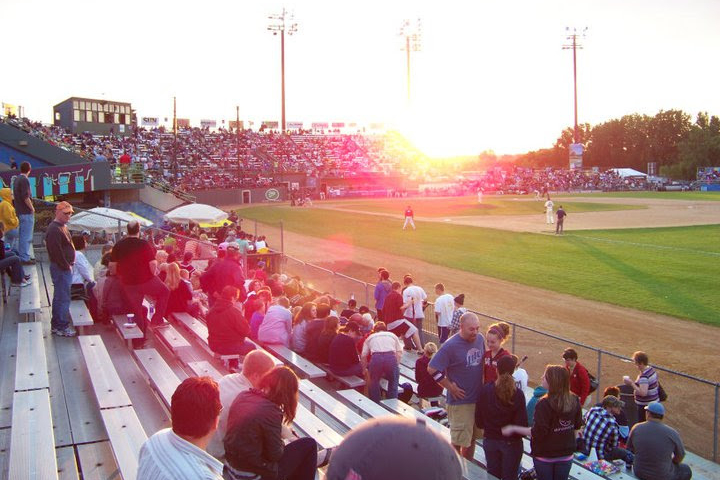 The part of La Velle’s article (which I encourage you to read because it includes much more detail than what we’re going to go into here) that really struck me is that the Saints would have to pay to become a Twins affiliate. Perhaps as much as $20 million! La Velle did mention the Twins could ultimately pitch in to cover at least part of that cost. This payment would go to Minor League Baseball, and is standard for new franchises, but this is not a typical franchise. The Saints represent outlaw baseball. Behind owners Mike Veeck and Bill Murray, they established a quirky brand of minor league baseball and entertainment that has since been universally adopted across all levels of the minors. In addition to helping ballplayers continue their professional careers, they’ve even served as an opportunity for some amatures to stick it to Major League Baseball (most famously J.D. Drew in 1997). The Saints also represented an opportunity for fans to stick it to MLB. Established in 1993, the Saints were well-positioned to embrace baseball fans who turned bitter from the 1994 strike. It also didn’t hurt that the Twins were terrible in the mid-90s. It may be difficult to capture the original spirit surrounding the Saints these days, seeing as the team is such an established entity in the Minnesota baseball scene and plays in a gorgeous state-of-the-art ballpark in lowertown St. Paul. There’s nothing that really screams “outlaw” about that. Things have changed, and for the better. Midway Stadium (pictured above) definitely has its charms, but CHS Field is a gem. Their brand of baseball and entertainment has always made the Saints a strong draw, but the new ballpark has really created a boom. In 2019, the Saints' average attendance was 8,061. Can you guess how many of the 160 affiliated minor league baseball teams beat that mark? Just seven. Taking a look at the Twins’ top two affiliates, the Red Wings averaged 6,846 fans and the Pensacola Blue Wahoos, despite a jaw-droppingly beautiful stadium, averaged 4,354. These numbers are all from the excellent resource Ballpark Digest (affiliated attendance here, independent attendance here). While the Saints are one of the most popular minor league baseball teams, most of their independent counterparts don’t have as much to boast about. Of the 40 indy league teams that operated in 2019, only five others attracted even half of the Saints’ average attendance, and four of those five play in a different league. There’s no question the St. Paul Saints can stand on their own, but what about the rest of their current league? Will enough teams survive COVID-19 to keep the American Association afloat? I believe this will be among the biggest determining factors in whether or not the Saints will be interested in becoming an affiliate of the Twins, or any other MLB team for that matter. At the same time, I’m not certain the American Association, which is based out of Moorhead, can survive without the Saints. Veeck has expressed an openness to work with MLB, but is also keen to the fact that it may not be popular with some of their current base. Here’s what he told the Pioneer Press’ John Shipley in July: “I think it would be fascinating to know, what do the fans think? Obviously, I would love to know the answer. What if you did a poll and said to the fans and said, ‘Would being a major league affiliate, aside from it being the Twins – with it just being a Double-A or Triple-A team – would it enhance the Saints or would it detract?’” Outside of the fan perspective, I can’t imagine indy teams are looking at what MLB is doing to its current affiliates and thinking “gosh, I’d really like to go into business with them.” It all comes down to money, of course, but watching MLB ruthlessly cut 40 minor league teams out of affiliated ball has to make indy teams uneasy about aligning with them. From the Twins’ perspective, this makes all the sense in the world. Having a minor league affiliate so close would be a great relief in terms of travel and transactions, and CHS Field has been lauded not only for the facility itself but also the playing surface. That may not sound like a big deal, but when you have guys on rehab assignments you don’t want to send them somewhere that has a sub-par field. Aligning with the Saints would also effectively eliminate them as competition. You may not think of it this way, but the Twins and Saints are competing for attention from a similar fanbase in the same market. This is another thing that may be difficult to comprehend today, but it was definitely a factor in the mid-90s. Personally, I’d love to have the opportunity to watch a Twins minor league affiliate without having to travel so far. I’m getting excited just thinking about it, to be honest. At the same time, I have to imagine things wouldn’t quite be the same with the Saints being an affiliated team. At the very least, they wouldn’t be able to do promotions like this one. MORE FROM TWINS DAILY — Latest Twins coverage from our writers — Recent Twins discussion in our forums — Follow Twins Daily via Twitter, Facebook or email
 -
In case you missed it, Nick Nelson, Matt Baun and myself had a fun discussion about some relievers available on the free agent market we feel could fit into the Twins’ plan for 2021. One of the main takeaways was that this is a significant area of concern at the moment.Trevor May, Tyler Clippard and Sergio Romo are all free agents. Those three also happened to be the team’s leaders in appearances this season. And it’s not as if this bullpen unit was exactly in need of a refresh. The Twins ranked sixth in bullpen ERA and were tied with the Rays for the best bullpen WAR, per FanGraphs. Top of the Relief Market This year’s free agent relief pitcher class may not be especially flashy as far as top-end talent goes, but another topic we discussed on the live stream was its depth. If we combine the free agent rankings at FanGraphs and MLB Trade Rumors, here’s what we come up with for the top-10 relievers on this year’s market: 1. Liam Hendriks 2a. Trevor May 2b. Brad Hand 4. Blake Treinen 5. Trevor Rosenthal 6. Alex Colome 7. Mark Melancon 8. Kirby Yates 9. Joakim Soria 10. Greg Holland Hendriks is definitely the No. 1 guy, but after that things aren’t so clear. In the second spot, FanGraphs preferred May (21 as opposed to Hand’s 23) while MLB TR had Hand higher (26 vs. May at 28). There are plenty of other rankings out there, but I wanted to stick with the ones that aren’t behind paywalls for the purpose of this discussion. It’s also worth pointing out there may be many more intriguing names that become available. The non-tender deadline, which is Dec. 2. It seems likely that more names of intrigue will be added to the free agent bullpen picture between now and then. The Twins’ front office already made a couple of moves to add to the bullpen when they claimed Ian Gibaut and Brandon Waddell off waivers, but those two seem to more fit the mold of guys you hope may be able to contribute rather than those you’re really counting on to produce. Falvey-Levine History Here’s a look at the deals the Twins have signed free agent relievers to since Derek Falvey and Thad Levine took over the front office: 2016-17 Offseason Feb. 3: Matt Belisle signed for one year, $2.05 million 2017-18 Offseason Dec. 15: Fernando Rodney signed for one year, $4.5 million plus an option Dec. 26: Zach Duke signed for one year, $2.15 million Jan. 15: Addison Reed signed for two years, $16.75 million 2018-19 Offseason Jan. 14: Blake Parker signed for one year, $1.8 million 2019-20 Offseason Dec. 20: Sergio Romo signed for one year, $5 million plus an option Dec. 20: Tyler Clippard signed for one year, $2.75 million That’s seven relievers they’ve signed to major league deals for a combined $35 million. By far the biggest commitment went to Reed, who pitched to a 4.50 ERA over 55 games in 2018 and released in 2019. Of those seven relievers signed, four were from mid to late December and the other three on into the new year. Reed was also the youngest of the bunch, as he was entering his age 29 season. The other six were all entering their ages 34 seasons or later. What Will They Do This Offseason? If the Twins end up non-tendering Taylor Rogers, that likely changes this conversation quite a bit, however, I am firmly of the belief Rogers will be back with the Twins in 2021. While his ERA jumped, Rogers actually had a (ever so) slightly better FIP this season than he did in 2019. He also served as the team’s MLBPA rep, which speaks to the respect Rogers commands in the clubhouse. The potential loss of May, Clippard and Romo is a definite blow, but with Rogers back in the fold, the Twins would still have a nice bullpen foundation. Tyler Duffey backed up a breakout with another strong season while Matt Wisler, Caleb Thielbar, Jorge Alcala and Cody Stashak will look to further establish themselves. How will the front office supplement that group? I’d expect more of the same. I’m willing to speculate the front office is going to wait for the market to come to them. It also seems like a good bet the Twins’ biggest bullpen addition via free agency will probably be on a one-year deal that tops out at $5 million. That may not sound very inspiring, but I do believe that will get you more in this offseason than it would in previous years. MORE FROM TWINS DAILY — Latest Twins coverage from our writers — Recent Twins discussion in our forums — Follow Twins Daily via Twitter, Facebook or email Click here to view the article
-
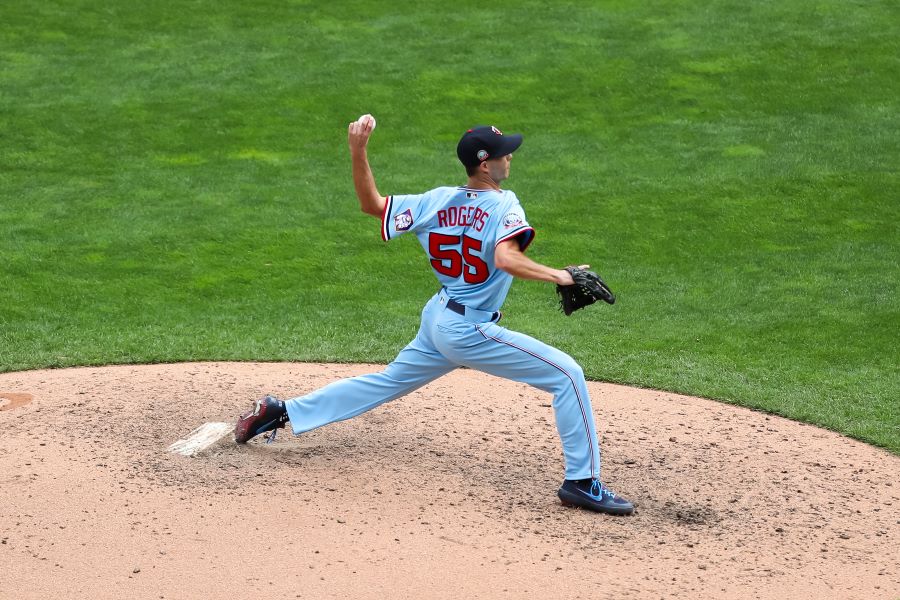 Trevor May, Tyler Clippard and Sergio Romo are all free agents. Those three also happened to be the team’s leaders in appearances this season. And it’s not as if this bullpen unit was exactly in need of a refresh. The Twins ranked sixth in bullpen ERA and were tied with the Rays for the best bullpen WAR, per FanGraphs. Top of the Relief Market This year’s free agent relief pitcher class may not be especially flashy as far as top-end talent goes, but another topic we discussed on the live stream was its depth. If we combine the free agent rankings at FanGraphs and MLB Trade Rumors, here’s what we come up with for the top-10 relievers on this year’s market: 1. Liam Hendriks 2a. Trevor May 2b. Brad Hand 4. Blake Treinen 5. Trevor Rosenthal 6. Alex Colome 7. Mark Melancon 8. Kirby Yates 9. Joakim Soria 10. Greg Holland Hendriks is definitely the No. 1 guy, but after that things aren’t so clear. In the second spot, FanGraphs preferred May (21 as opposed to Hand’s 23) while MLB TR had Hand higher (26 vs. May at 28). There are plenty of other rankings out there, but I wanted to stick with the ones that aren’t behind paywalls for the purpose of this discussion. It’s also worth pointing out there may be many more intriguing names that become available. The non-tender deadline, which is Dec. 2. It seems likely that more names of intrigue will be added to the free agent bullpen picture between now and then. The Twins’ front office already made a couple of moves to add to the bullpen when they claimed Ian Gibaut and Brandon Waddell off waivers, but those two seem to more fit the mold of guys you hope may be able to contribute rather than those you’re really counting on to produce. Falvey-Levine History Here’s a look at the deals the Twins have signed free agent relievers to since Derek Falvey and Thad Levine took over the front office: 2016-17 Offseason Feb. 3: Matt Belisle signed for one year, $2.05 million 2017-18 Offseason Dec. 15: Fernando Rodney signed for one year, $4.5 million plus an option Dec. 26: Zach Duke signed for one year, $2.15 million Jan. 15: Addison Reed signed for two years, $16.75 million 2018-19 Offseason Jan. 14: Blake Parker signed for one year, $1.8 million 2019-20 Offseason Dec. 20: Sergio Romo signed for one year, $5 million plus an option Dec. 20: Tyler Clippard signed for one year, $2.75 million That’s seven relievers they’ve signed to major league deals for a combined $35 million. By far the biggest commitment went to Reed, who pitched to a 4.50 ERA over 55 games in 2018 and released in 2019. Of those seven relievers signed, four were from mid to late December and the other three on into the new year. Reed was also the youngest of the bunch, as he was entering his age 29 season. The other six were all entering their ages 34 seasons or later. What Will They Do This Offseason? If the Twins end up non-tendering Taylor Rogers, that likely changes this conversation quite a bit, however, I am firmly of the belief Rogers will be back with the Twins in 2021. While his ERA jumped, Rogers actually had a (ever so) slightly better FIP this season than he did in 2019. He also served as the team’s MLBPA rep, which speaks to the respect Rogers commands in the clubhouse. The potential loss of May, Clippard and Romo is a definite blow, but with Rogers back in the fold, the Twins would still have a nice bullpen foundation. Tyler Duffey backed up a breakout with another strong season while Matt Wisler, Caleb Thielbar, Jorge Alcala and Cody Stashak will look to further establish themselves. How will the front office supplement that group? I’d expect more of the same. I’m willing to speculate the front office is going to wait for the market to come to them. It also seems like a good bet the Twins’ biggest bullpen addition via free agency will probably be on a one-year deal that tops out at $5 million. That may not sound very inspiring, but I do believe that will get you more in this offseason than it would in previous years. MORE FROM TWINS DAILY — Latest Twins coverage from our writers — Recent Twins discussion in our forums — Follow Twins Daily via Twitter, Facebook or email
 -

From the album: Uncategorized
-
Other stuff
-
-
I'll go ahead and chip my two cents into that same pot as well.


