Ted Schwerzler
-
Posts
5,149 -
Joined
-
Last visited
Content Type
Profiles
News
Minnesota Twins Videos
2026 Minnesota Twins Top Prospects Ranking
2022 Minnesota Twins Draft Picks
Minnesota Twins Free Agent & Trade Rumors, Notes, & Tidbits
Guides & Resources
2023 Minnesota Twins Draft Picks
The Minnesota Twins Players Project
2024 Minnesota Twins Draft Picks
2025 Minnesota Twins Draft Pick Tracker
2026 Minnesota Twins Draft Tracker: Picks & Bonuses
Forums
Blogs
Events
Store
Downloads
Gallery
Everything posted by Ted Schwerzler
-
It’s not necessarily what has happened this week that makes it the most pivotal for CBA negotiations, but it is what’s to come. Rob Manfred hosted a joke of a press conference but revealed the owners would make another proposal on Saturday. From there, we’ll know how close we are to having baseball. The owners spent the week in sunny Orlando, Florida, meeting over the course of a few days. After failing to offer a proposal to the union and requesting the help of a federal mediator last week, it seems they have hammered out the framework of a new deal. It was never anything more than a hollow PR ploy when Rob Manfred and Major League Baseball asked for the assistance of a federal mediator. The owners went back on their decision to make a proposal to the union, and it’s also been their side that has failed to do much in the form of negotiating at all. Labor secretary Marty Walsh did have recent conversations with both sides, however, and hopefully, the plan here is less about Manfred and the owners trying to “win” than it is working towards a mutually beneficial resolution. Like the owners, the players met in Arizona with Tony Clark and Dan Halem this week. Gerrit Cole tweeted out a similar sentiment to the ones we have seen on social media in recent weeks. The players are unified in their goals, and while they’ll bend and make certain concessions, it’s apparent they are focused on establishing the future of the game. During Manfred’s press conference Thursday, the most preposterous statement was one that indicated owning a Major League Baseball team isn’t all that profitable. It’s a bald-faced lie, but one that Manfred has a platform to spew, and with hopes it’s believed by many. He concluded by suggesting that the owners would put forth a new proposal on Saturday and that “it’s a good one.” We’ll have to wait for that to be determined. In the interim, we have some new agreed-upon rules for the future. The universal DH is now here to stay. That means Joe Ryan is the last Twins pitcher to ever take an at-bat, and Kenta Maeda is the last to record a hit. We also have a draft pick lottery system and, maybe most importantly, the removal of draft pick compensation tied to players that turn down the qualifying offer. Understandably it’s the designated hitter change that has received headlines, but it’s the elimination of draft pick compensation that Minnesota should be most excited about. Not having to worry about losing an important pick to sign a top free agent should bring the playing field to a more level place. Again, this week was all about the talk, and everything hinges on what we find out Saturday. MORE FROM TWINS DAILY — Latest Twins coverage from our writers — Recent Twins discussion in our forums — Follow Twins Daily via Twitter, Facebook or email View full article
-
February is Black History Month, and over the coming weeks, Twins Daily will have a series of articles on African Americans in Minnesota Twins history. There have been award winners, All Stars, and even a couple of Hall of Famers. Today we feature a guy whose resume more than speaks for itself. On October 3, 1951, Dave Winfield was born in St. Paul, MN. He honed his skills at St. Paul Central High School, and it was as a senior he truly burst onto the scene. Going to the hometown Minnesota Gophers on a full baseball scholarship, Winfield also played basketball. He was part of the 1972 Gophers team that won a Big Ten conference championship on the hardwood, and he more than held his own. After being named an All-American and the College World Series MVP in 1973, Winfield was drafted by four teams in three different sports. The San Diego Padres made Winfield their first-round pick (4th overall) in the 1973 MLB draft as a pitcher. Despite that designation, he never appeared on the mound. The Atlanta Hawks picked Winfield in the NBA draft, with the Utah Stars drafting him for the ABA. Despite not having played football in college, the Minnesota Vikings also selected Winfield in the 17th round of the NFL draft. He’s one of only three athletes to be selected by four different leagues. Obviously, it was on the diamond where Winfield shined brightest, and his career was one of utter dominance. Spending his first 15 years with the Padres and New York Yankees, Winfield debuted at 21 years old and blasted 357 homers in his first 2,269 games. His .839 OPS pushed him to seven All-Star game appearances. In 1979, as a 27-year-old, Winfield drove in a league-best 118 runs. Playing well into his 40s, in 1993, Dave Winfield came home. Following a World Series victory with the Toronto Blue Jays in 1992, Winfield joined the Twins for his age 41 and 42 seasons. He hit another 31 homers for his hometown nine, and the .760 OPS was more than impressive at this stage of his career. On September 16, 1993, Dave Winfield joined the 3,000 hit club with a single off of Oakland Athletics reliever Dennis Eckersley. While Winfield wasn’t the same player at this stage, seeing him don the Minnesota pinstripes and return to his roots was a treat for Twins fans. Since his playing career ended, it’s been nothing but accolades in droves for the St. Paul native. San Diego retired his number 31, and he was inducted into the Baseball Hall of Fame alongside another Twins great in 2001. Kirby Puckett was the star of those Minnesota lineups that Winfield was in, and for them to be enshrined together will forever be among the highlights of Minnesota history. Winfield has served in differing roles around baseball and has worked as an analyst. Now 70-years-old and living in sunny California, Winfield gets to enjoy being a living legend of the sport. Keep checking back to Twins Daily throughout Black History Month as we hope to share several more stories about African Americans to don a Twins uniform over the past 62 seasons. View full article
- 8 replies
-
- 1
-

-
- dave winfield
- kirby puckett
- (and 1 more)
-
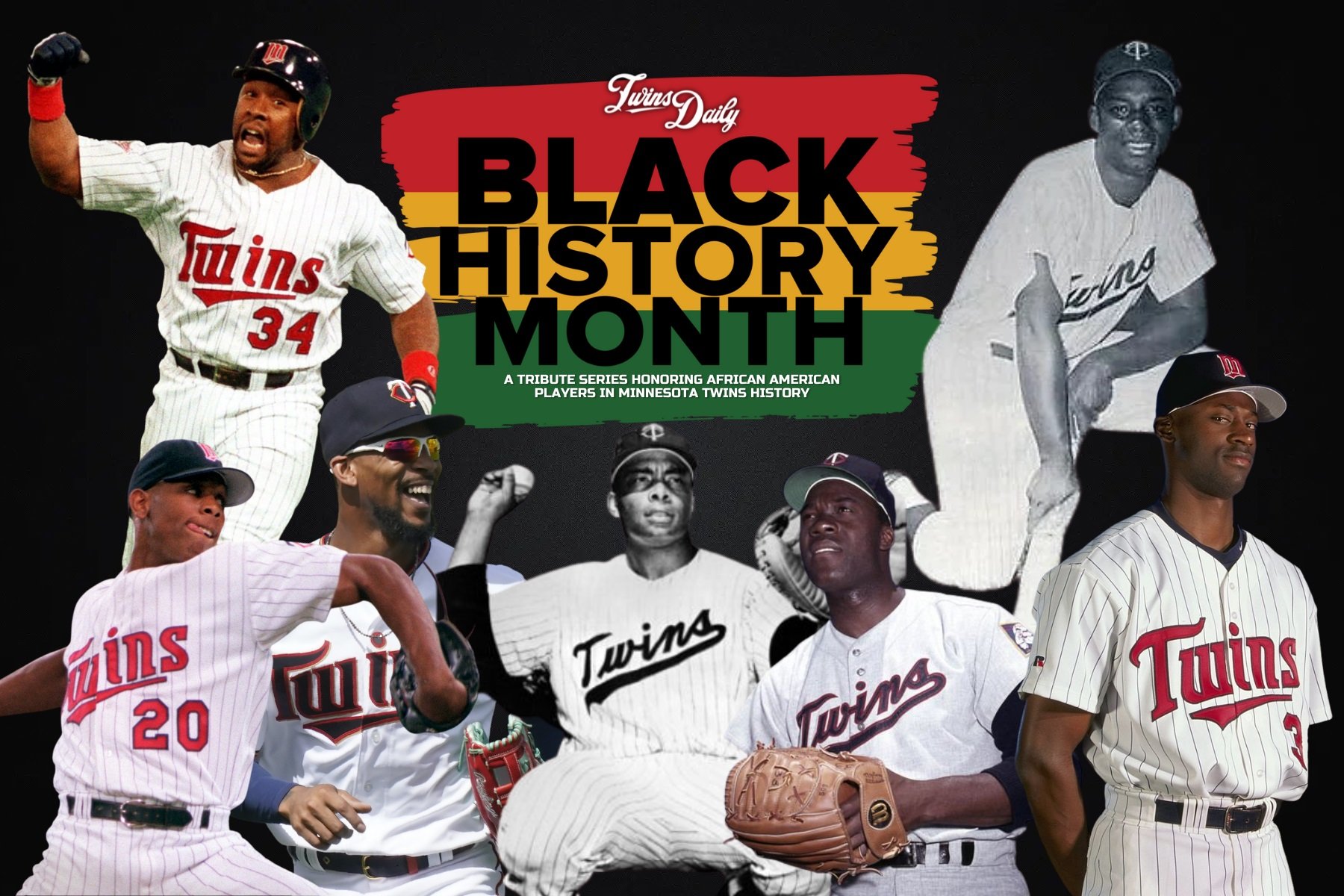 On October 3, 1951, Dave Winfield was born in St. Paul, MN. He honed his skills at St. Paul Central High School, and it was as a senior he truly burst onto the scene. Going to the hometown Minnesota Gophers on a full baseball scholarship, Winfield also played basketball. He was part of the 1972 Gophers team that won a Big Ten conference championship on the hardwood, and he more than held his own. After being named an All-American and the College World Series MVP in 1973, Winfield was drafted by four teams in three different sports. The San Diego Padres made Winfield their first-round pick (4th overall) in the 1973 MLB draft as a pitcher. Despite that designation, he never appeared on the mound. The Atlanta Hawks picked Winfield in the NBA draft, with the Utah Stars drafting him for the ABA. Despite not having played football in college, the Minnesota Vikings also selected Winfield in the 17th round of the NFL draft. He’s one of only three athletes to be selected by four different leagues. Obviously, it was on the diamond where Winfield shined brightest, and his career was one of utter dominance. Spending his first 15 years with the Padres and New York Yankees, Winfield debuted at 21 years old and blasted 357 homers in his first 2,269 games. His .839 OPS pushed him to seven All-Star game appearances. In 1979, as a 27-year-old, Winfield drove in a league-best 118 runs. Playing well into his 40s, in 1993, Dave Winfield came home. Following a World Series victory with the Toronto Blue Jays in 1992, Winfield joined the Twins for his age 41 and 42 seasons. He hit another 31 homers for his hometown nine, and the .760 OPS was more than impressive at this stage of his career. On September 16, 1993, Dave Winfield joined the 3,000 hit club with a single off of Oakland Athletics reliever Dennis Eckersley. While Winfield wasn’t the same player at this stage, seeing him don the Minnesota pinstripes and return to his roots was a treat for Twins fans. Since his playing career ended, it’s been nothing but accolades in droves for the St. Paul native. San Diego retired his number 31, and he was inducted into the Baseball Hall of Fame alongside another Twins great in 2001. Kirby Puckett was the star of those Minnesota lineups that Winfield was in, and for them to be enshrined together will forever be among the highlights of Minnesota history. Winfield has served in differing roles around baseball and has worked as an analyst. Now 70-years-old and living in sunny California, Winfield gets to enjoy being a living legend of the sport. Keep checking back to Twins Daily throughout Black History Month as we hope to share several more stories about African Americans to don a Twins uniform over the past 62 seasons.
- 8 comments
-
- 5
-
-
- dave winfield
- kirby puckett
- (and 1 more)
-
While Major League Baseball has decided to lock out the players and freeze big-league transactions, Minnesota has continued making minor league moves. Daniel Robertson and Tim Beckham were signed recently and could be depth fits for the 26-man roster, but what if this club already has a utility player in the form of a new piranha? Back in 2014, the Minnesota Twins used their first-round pick, 5th overall, on Nick Gordon. Brother of Dee and son of Tom, Gordon had plenty of baseball running through his bloodlines. A speedy shortstop with a quick bat, he spent seven years in the minors before making his big league debut last season. Gordon isn’t the shiny top-100 prospect he once was, but it’s hard to look at his production last season and not see a future benefit. I don’t think you’ll ever be able to make a strong argument that Gordon is a starting shortstop at the Major League level. His arm strength is questionable there, and while he has speed, that caveat also limits his range. What he can do is be a swiss army knife that allowed the organization to put him where they wanted last season. What’s also interesting is that Gordon has a track record of finding more success in year two at every given level. Looking at Gordon’s Baseball-Reference page through 2019, we can see a pattern of advancement the second time through each of the upper-minors levels. His .906 OPS at Double-A Chattanooga was over 150 points higher than the year before, and that trend was repeated when he improved to the tune of 250 points at Triple-A Rochester. Following the season off due to the pandemic, in which Gordon dealt with his own health issues, he returned to post a strong .774 OPS at Triple-A St. Paul. For the Twins, Gordon slashed just .240/.292/.355 (.647). That’s not a line deserving of offensive consideration, but there’s a path forward here. Gordon needs to reign it in at the plate. A 39.5% chase rate and 25.9% CSW will not play with the rest of his peripherals. However, if he can follow down the established learning path and get closer to a 30% chase rate with a 16% CSW, the offensive production should be expected to level into the .750 OPS range. That becomes valuable for a guy who can also play a handful of infield positions and three outfield roles. Baseball has changed a lot since Ron Gardenhire employed the likes of Jason Bartlett, Nick Punto, and Luis Castillo, but Gordon could fit in as a throwback to those types. His skills are speed-focused, and he can be a menace on the bases. While bunting is an art, I’m all for staying lost, he’s a guy that can probably drop them down for hits occasionally too. If Minnesota wants something they haven’t had in recent years from a utility player, the best version of Nick Gordon could give them that. MORE FROM TWINS DAILY — Latest Twins coverage from our writers — Recent Twins discussion in our forums — Follow Twins Daily via Twitter, Facebook or email View full article
-
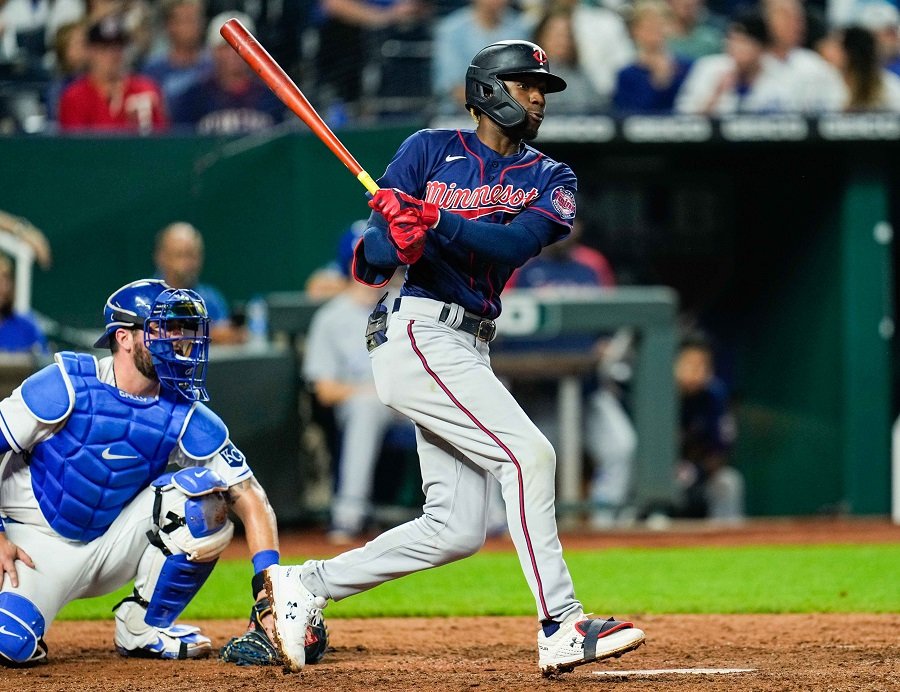 Back in 2014, the Minnesota Twins used their first-round pick, 5th overall, on Nick Gordon. Brother of Dee and son of Tom, Gordon had plenty of baseball running through his bloodlines. A speedy shortstop with a quick bat, he spent seven years in the minors before making his big league debut last season. Gordon isn’t the shiny top-100 prospect he once was, but it’s hard to look at his production last season and not see a future benefit. I don’t think you’ll ever be able to make a strong argument that Gordon is a starting shortstop at the Major League level. His arm strength is questionable there, and while he has speed, that caveat also limits his range. What he can do is be a swiss army knife that allowed the organization to put him where they wanted last season. What’s also interesting is that Gordon has a track record of finding more success in year two at every given level. Looking at Gordon’s Baseball-Reference page through 2019, we can see a pattern of advancement the second time through each of the upper-minors levels. His .906 OPS at Double-A Chattanooga was over 150 points higher than the year before, and that trend was repeated when he improved to the tune of 250 points at Triple-A Rochester. Following the season off due to the pandemic, in which Gordon dealt with his own health issues, he returned to post a strong .774 OPS at Triple-A St. Paul. For the Twins, Gordon slashed just .240/.292/.355 (.647). That’s not a line deserving of offensive consideration, but there’s a path forward here. Gordon needs to reign it in at the plate. A 39.5% chase rate and 25.9% CSW will not play with the rest of his peripherals. However, if he can follow down the established learning path and get closer to a 30% chase rate with a 16% CSW, the offensive production should be expected to level into the .750 OPS range. That becomes valuable for a guy who can also play a handful of infield positions and three outfield roles. Baseball has changed a lot since Ron Gardenhire employed the likes of Jason Bartlett, Nick Punto, and Luis Castillo, but Gordon could fit in as a throwback to those types. His skills are speed-focused, and he can be a menace on the bases. While bunting is an art, I’m all for staying lost, he’s a guy that can probably drop them down for hits occasionally too. If Minnesota wants something they haven’t had in recent years from a utility player, the best version of Nick Gordon could give them that. MORE FROM TWINS DAILY — Latest Twins coverage from our writers — Recent Twins discussion in our forums — Follow Twins Daily via Twitter, Facebook or email
- 9 comments
-
- 4
-
-
- nick gordon
- tim beckham
- (and 3 more)
-
As things have dragged on and MLB continues to insist on keeping its players locked out, it’s becoming increasingly likely that we won’t have baseball as scheduled. Spring Training is almost assuredly not happening next week, but which Twins are hurt most by this reality? With the lockout impacting only Major League Baseball, the minor-league baseball season can go off without a hitch. It was recently announced that Triple-A teams will play 150 games after adding six more to their schedule. Many minor leaguers are already down in Fort Myers, preparing for the 2022 season. Unfortunately, a handful of top prospects will start the year on the farm but can’t join their teammates. In my opinion, the guys hurt most by Major League Baseball’s lockout are those recently-added to the 40-man roster but not yet big-league mainstays. Not only do they not get a traditional Spring Training, but they can’t start the minor league season on time and are not allowed access to club facilities either. For Minnesota, that group includes some pretty big names: Jordan Balazovic Balazovic is currently the Twins top pitching prospect. He was at Double-A in 2021 and should be expected to reach Triple-A this season quickly. He’s a hard thrower that can push 97-mph and has the chops to be a top-of-the-rotation arm. Balazovic missed time last year due to injury so being delayed out of the gate is sub-optimal. Cole Sands Like Balazovic above, Sands missed time on the Injured List in 2021. He was dominant at Double-A and should jump up to Triple-A quickly. He still needs to reign in the walks, but this is a rotation arm with plenty of strikeout ability. Sands will be 25 midway through the 2022 campaign. Drew Strotman Half of the return in the Nelson Cruz trade, Strotman spent all season at Triple-A. He walked way too many batters, and the ERA is a testament to that, but he’s got strikeout ability and should be an option for the Twins shortly. Continued acclimation to the new organization and a spring training showing on the big league side would’ve been ideal. Chris Vallimont Arguably the pitcher needing the most refinement from this group, Vallimont has massive strikeout stuff with significant command issues. Working on the big-league side during a traditional spring training would have been invaluable. He’s probably a relief arm, but it would have been great to see what he could have done in March. Josh Winder Maybe Minnesota’s most slept-on pitching prospect, Winder looks the part of a difference-maker. He doesn’t give up free passes, and he mows down plenty of batters. Home runs burnt him in three of four starts at Triple-A, but he too should settle in as a nice option for the Twins soon. Jose Miranda Last season’s prospect darling, Miranda went from off-the-radar to top-100 prospect in the blink of an eye. He crushed at Double-A and then continued doing so at Triple-A. He’s probably sniffing a roster spot on Opening Day, but that gets much tougher without a traditional spring training and lack of runway to make his case. Royce Lewis After missing two seasons of games due to Covid and a torn ACL, Lewis not being able to immediately be back on the diamond isn’t good. Having him prove it in game action is where all parties want him to be, so sitting idle on the 40-man is disappointing. This is a big year for the former top prospect, and getting him going quickly is a must. Trevor Larnach Dealing with injury last season, Larnach found himself struggling and sent back to Triple-A. He was soon hurt, prematurely ending his season He should be a significant contributor in Minnesota’s lineup this year, but we’ll have to wait on what a healthy version looks like. It’s disappointing that these guys, and a few others with youth on their side, won’t get to hit the ground running in 2022. We all want baseball back, and I’m sure they’re itching for it the most. MORE FROM TWINS DAILY — Latest Twins coverage from our writers — Recent Twins discussion in our forums — Follow Twins Daily via Twitter, Facebook, or email View full article
- 13 replies
-
- 1
-
-
- royce lewis
- jordan balazovic
- (and 3 more)
-
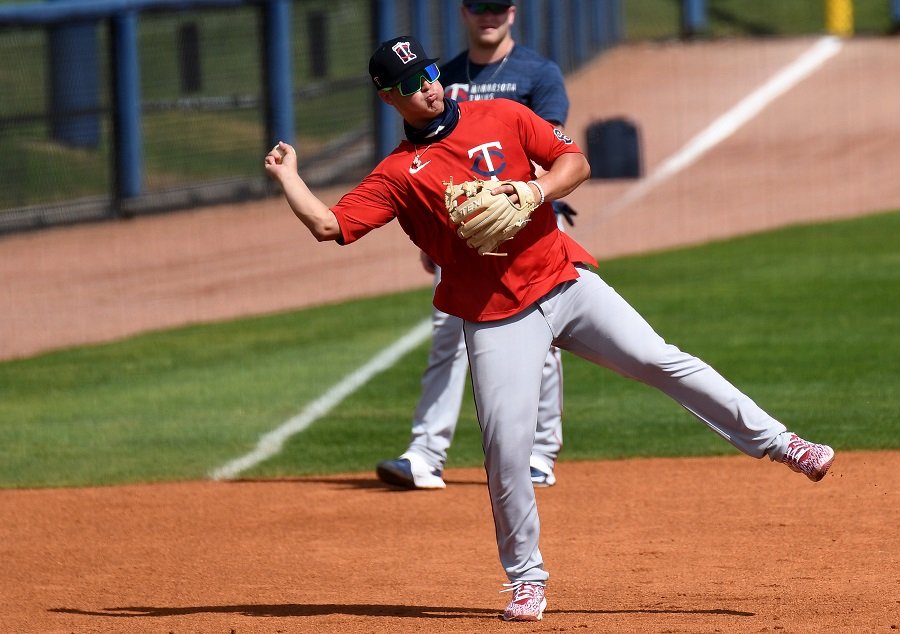 With the lockout impacting only Major League Baseball, the minor-league baseball season can go off without a hitch. It was recently announced that Triple-A teams will play 150 games after adding six more to their schedule. Many minor leaguers are already down in Fort Myers, preparing for the 2022 season. Unfortunately, a handful of top prospects will start the year on the farm but can’t join their teammates. In my opinion, the guys hurt most by Major League Baseball’s lockout are those recently-added to the 40-man roster but not yet big-league mainstays. Not only do they not get a traditional Spring Training, but they can’t start the minor league season on time and are not allowed access to club facilities either. For Minnesota, that group includes some pretty big names: Jordan Balazovic Balazovic is currently the Twins top pitching prospect. He was at Double-A in 2021 and should be expected to reach Triple-A this season quickly. He’s a hard thrower that can push 97-mph and has the chops to be a top-of-the-rotation arm. Balazovic missed time last year due to injury so being delayed out of the gate is sub-optimal. Cole Sands Like Balazovic above, Sands missed time on the Injured List in 2021. He was dominant at Double-A and should jump up to Triple-A quickly. He still needs to reign in the walks, but this is a rotation arm with plenty of strikeout ability. Sands will be 25 midway through the 2022 campaign. Drew Strotman Half of the return in the Nelson Cruz trade, Strotman spent all season at Triple-A. He walked way too many batters, and the ERA is a testament to that, but he’s got strikeout ability and should be an option for the Twins shortly. Continued acclimation to the new organization and a spring training showing on the big league side would’ve been ideal. Chris Vallimont Arguably the pitcher needing the most refinement from this group, Vallimont has massive strikeout stuff with significant command issues. Working on the big-league side during a traditional spring training would have been invaluable. He’s probably a relief arm, but it would have been great to see what he could have done in March. Josh Winder Maybe Minnesota’s most slept-on pitching prospect, Winder looks the part of a difference-maker. He doesn’t give up free passes, and he mows down plenty of batters. Home runs burnt him in three of four starts at Triple-A, but he too should settle in as a nice option for the Twins soon. Jose Miranda Last season’s prospect darling, Miranda went from off-the-radar to top-100 prospect in the blink of an eye. He crushed at Double-A and then continued doing so at Triple-A. He’s probably sniffing a roster spot on Opening Day, but that gets much tougher without a traditional spring training and lack of runway to make his case. Royce Lewis After missing two seasons of games due to Covid and a torn ACL, Lewis not being able to immediately be back on the diamond isn’t good. Having him prove it in game action is where all parties want him to be, so sitting idle on the 40-man is disappointing. This is a big year for the former top prospect, and getting him going quickly is a must. Trevor Larnach Dealing with injury last season, Larnach found himself struggling and sent back to Triple-A. He was soon hurt, prematurely ending his season He should be a significant contributor in Minnesota’s lineup this year, but we’ll have to wait on what a healthy version looks like. It’s disappointing that these guys, and a few others with youth on their side, won’t get to hit the ground running in 2022. We all want baseball back, and I’m sure they’re itching for it the most. MORE FROM TWINS DAILY — Latest Twins coverage from our writers — Recent Twins discussion in our forums — Follow Twins Daily via Twitter, Facebook, or email
- 13 comments
-
- 2
-
-
- royce lewis
- jordan balazovic
- (and 3 more)
-
In 2008, the Tampa Bay Rays selected Tim Beckham with the first overall pick in the Major League Baseball draft out of Griffin High School in Georgia. Today the Minnesota Twins signed the now-32-year-old Beckham to a minor league deal with an invite to Spring Training. A top 100 prospect back in 2010, Beckham has played 472 Major League games for three teams over six seasons. He was most recently at the big-league level with the Seattle Mariners in 2019, spending 88 games with them as a utility player. His .753 OPS was largely power-focused as he posted a .461 slugging percentage on the back of 15 homers and 21 doubles. For the Mariners, Beckham had carved out a niche as a swiss army knife. He played five different positions before being shelved. In August of 2019 Beckham received an 80 game suspension after testing positive for the performance-enhancing drug Stanozolol. With his suspension intact and no minor league season, Beckham went unsigned in 2020. Last season the Chicago White Sox gave Beckham an opportunity as he played in 45 games for their Triple-A club at the age of 31. Posting a .279/.330/.546 line, it was easily the best offensive stretch of his professional career. For Triple-A Charlotte, he spent time at first, second, third, and shortstop with shortstop being his primary home. The signing is interesting when looking at the context of the Minnesota Twins. Jorge Polanco is not viewed as a shortstop and sliding him back over after the big 2021 at second base would be odd. Royce Lewis and Austin Martin aren’t yet ready for Major League action, and while signing someone like Trevor Story would be a big splash, it’s probably a longshot. There’s also the reality that Minnesota needs depth at St. Paul. With the lockout impacting all players on the 40 man roster, plenty of talent that would play at Triple-A won’t be eligible to start the season. Derek Falvey suggested the Twins were not rebuilding and intended to be competitive in 2022. They aren’t going to be able to spend handsomely in every spot, especially with a need for pitching, but Beckham seems somewhat like a punt at a key spot if he’s given the reigns. In 2,200 innings at shortstop he’s been worth -25 defensive runs saved and the -10.4 UZR don’t paint a pretty picture when it comes to range. He’s never had a season in which he’s posted a positive DRS tally at the position. There are certainly concessions worth being made when a guy brings one specific aspect to the table as we saw last season with Andrelton Simmons. Beckham, though, isn’t a good defender and the only thing that says he can hit is a 45 game stretch at Triple-A from a season ago. As a utility player, there are questions too. Nick Gordon can likely be penciled into that role as things sit now, and brings an outfield ability as well as speed. Gordon isn’t a fit at short and that hurts his chances, but giving Minnesota that quickness off the bench is something the roster has been void of in recent seasons. It’s certainly nice that a move of substance was made today given the state of the lockout and Major League Baseball. It’d be less than inspiring however if Tim Beckham is trotted out by Rocco Baldelli on Opening Day for the Twins. What do you think? Is Tim Beckham here as depth, or because he’s seen as a frontrunner for a starting role? View full article
-
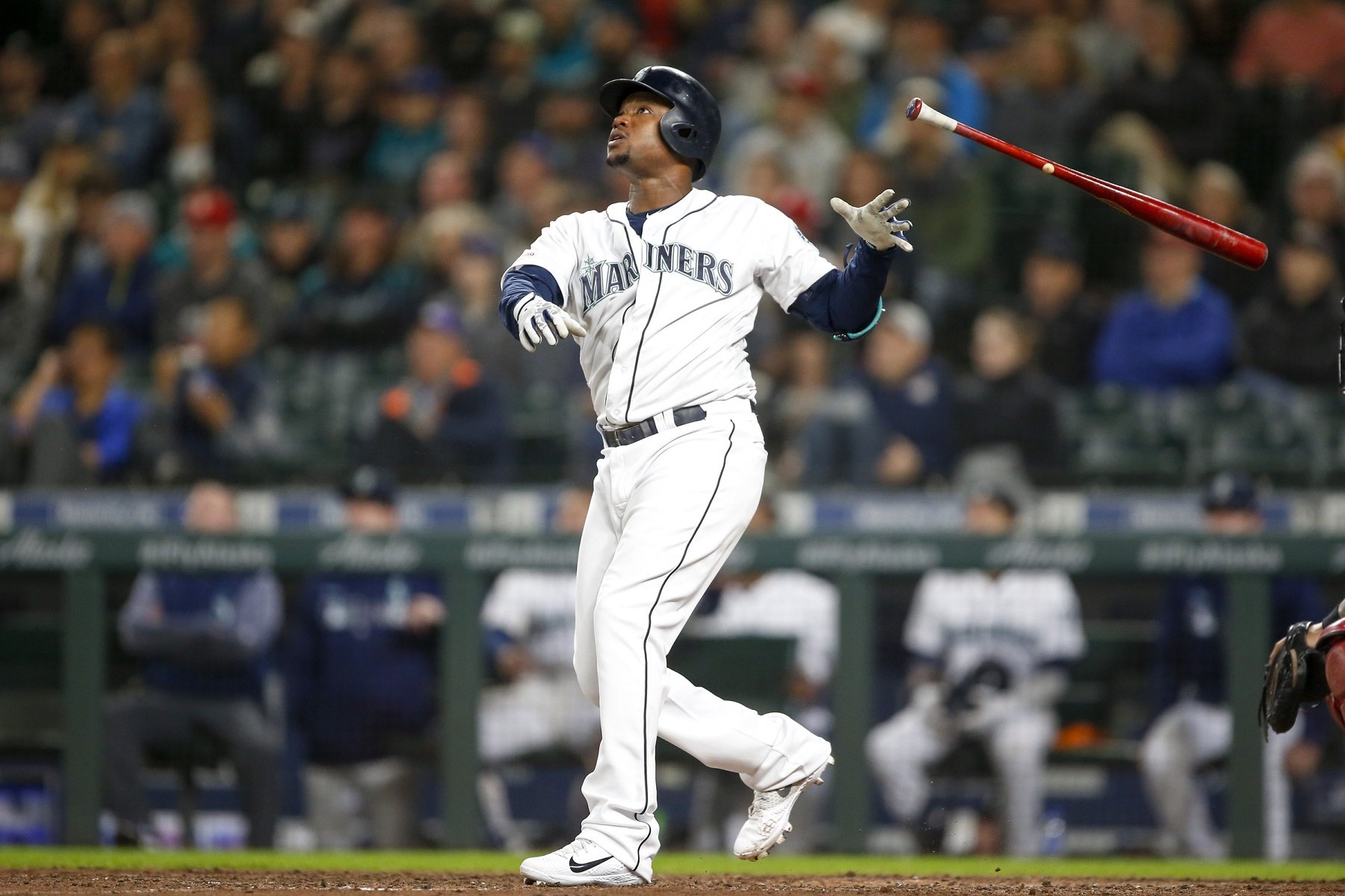 A top 100 prospect back in 2010, Beckham has played 472 Major League games for three teams over six seasons. He was most recently at the big-league level with the Seattle Mariners in 2019, spending 88 games with them as a utility player. His .753 OPS was largely power-focused as he posted a .461 slugging percentage on the back of 15 homers and 21 doubles. For the Mariners, Beckham had carved out a niche as a swiss army knife. He played five different positions before being shelved. In August of 2019 Beckham received an 80 game suspension after testing positive for the performance-enhancing drug Stanozolol. With his suspension intact and no minor league season, Beckham went unsigned in 2020. Last season the Chicago White Sox gave Beckham an opportunity as he played in 45 games for their Triple-A club at the age of 31. Posting a .279/.330/.546 line, it was easily the best offensive stretch of his professional career. For Triple-A Charlotte, he spent time at first, second, third, and shortstop with shortstop being his primary home. The signing is interesting when looking at the context of the Minnesota Twins. Jorge Polanco is not viewed as a shortstop and sliding him back over after the big 2021 at second base would be odd. Royce Lewis and Austin Martin aren’t yet ready for Major League action, and while signing someone like Trevor Story would be a big splash, it’s probably a longshot. There’s also the reality that Minnesota needs depth at St. Paul. With the lockout impacting all players on the 40 man roster, plenty of talent that would play at Triple-A won’t be eligible to start the season. Derek Falvey suggested the Twins were not rebuilding and intended to be competitive in 2022. They aren’t going to be able to spend handsomely in every spot, especially with a need for pitching, but Beckham seems somewhat like a punt at a key spot if he’s given the reigns. In 2,200 innings at shortstop he’s been worth -25 defensive runs saved and the -10.4 UZR don’t paint a pretty picture when it comes to range. He’s never had a season in which he’s posted a positive DRS tally at the position. There are certainly concessions worth being made when a guy brings one specific aspect to the table as we saw last season with Andrelton Simmons. Beckham, though, isn’t a good defender and the only thing that says he can hit is a 45 game stretch at Triple-A from a season ago. As a utility player, there are questions too. Nick Gordon can likely be penciled into that role as things sit now, and brings an outfield ability as well as speed. Gordon isn’t a fit at short and that hurts his chances, but giving Minnesota that quickness off the bench is something the roster has been void of in recent seasons. It’s certainly nice that a move of substance was made today given the state of the lockout and Major League Baseball. It’d be less than inspiring however if Tim Beckham is trotted out by Rocco Baldelli on Opening Day for the Twins. What do you think? Is Tim Beckham here as depth, or because he’s seen as a frontrunner for a starting role?
 -
Tear another week off the calendar, and we might be further from baseball than we were a week ago. Major League Baseball and the Players Union met earlier this week. Talks got heated, the meeting lasted about 90 minutes, and things have gone off the rails since. If you recalled from the update last week, it’s the Union that has made significant concessions. They also bent more this week after dropping their free agency timeline and revenue sharing requests. The discussions surrounding service time manipulation were shelved, and the pre-arbitration bonus pool also saw a $5 million decrease. Washington Post writer Chelsea Janes shared that the Union has started distributing funds to players. Those funds have been held over time to pay players through a work stoppage. While some of baseball’s best are compensated handsomely, many are at the league minimum. Also of note here, if and when games are ultimately lost, stadium workers for Spring Training and in regular-season homes will be unfairly impacted. Baseball Prospectus Editor in Chief Craig Goldstein brought up a relevant point on Tuesday. With new TV money being shelled out to organizations, there’s no team in the sport that won’t come into 2022 handsomely. Despite economic impacts from the Covid shortened 2020 season, the reality has always been that revenues were decreased, but no one went in the red. Owners are making money at a rate higher than anything the stock market can produce, and the players are looking to simply be in line with the inflation rate. On Wednesday, Jon Heyman, who works for MLB Network (obviously owned by Major League Baseball), suggested the league would restart talks at the end of the week or early next week. Something like 24 hours later, Jeff Passan dropped the bomb that Major League Baseball requested the help of a federal mediator. This comes on the heels of MLB, as reported by The Athletic’s Evan Drellich, telling the Union it won’t make a counter proposal after previously saying they would. There’s a lot to unpack in the past 24 hours, but it boils down to this. The move for federal mediation is nothing more than a public relations move to make it appear as though the owners are struggling to negotiate with the Union. With the league deciding it won’t offer a counter-proposal, the owners have effectively said they want the players to negotiate against their most recent proposal, and the league is stepping away from the bargaining table. It’s hard to look at the state of things and suggest that MLB has negotiated in good faith during any point of this process. They took over 40 days to resume talks following the lockout, have made next to no concessions, and are looking to win a game of public relations chess rather than actively working towards resumption. Pitchers and catchers are supposed to report in two weeks. That’s not going to happen. Spring Training will be delayed; there’s no denying it at this point. It’s looking likely that Major League Baseball will lose games this season. This is the worst possible outcome on the heels of a pandemic-influenced season just two years ago. Rob Manfred’s leadership is in question, and as baseball fans, we all lose. Growing the sport isn’t going to be accomplished through rule changes, and this is the scenario that tears it down the most. Here are a few players to drop the mic on this. The Union has also now formally rejected the proposal for federal mediation. In this circumstance it does little to help the discussions and Major League Baseball actively bargaining would be a better step forward. View full article
-
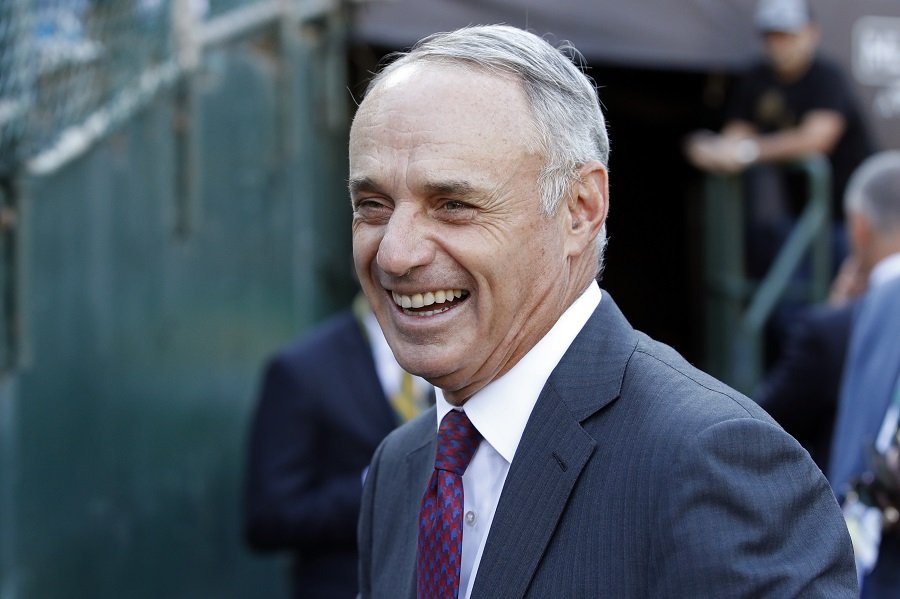 If you recalled from the update last week, it’s the Union that has made significant concessions. They also bent more this week after dropping their free agency timeline and revenue sharing requests. The discussions surrounding service time manipulation were shelved, and the pre-arbitration bonus pool also saw a $5 million decrease. Washington Post writer Chelsea Janes shared that the Union has started distributing funds to players. Those funds have been held over time to pay players through a work stoppage. While some of baseball’s best are compensated handsomely, many are at the league minimum. Also of note here, if and when games are ultimately lost, stadium workers for Spring Training and in regular-season homes will be unfairly impacted. Baseball Prospectus Editor in Chief Craig Goldstein brought up a relevant point on Tuesday. With new TV money being shelled out to organizations, there’s no team in the sport that won’t come into 2022 handsomely. Despite economic impacts from the Covid shortened 2020 season, the reality has always been that revenues were decreased, but no one went in the red. Owners are making money at a rate higher than anything the stock market can produce, and the players are looking to simply be in line with the inflation rate. On Wednesday, Jon Heyman, who works for MLB Network (obviously owned by Major League Baseball), suggested the league would restart talks at the end of the week or early next week. Something like 24 hours later, Jeff Passan dropped the bomb that Major League Baseball requested the help of a federal mediator. This comes on the heels of MLB, as reported by The Athletic’s Evan Drellich, telling the Union it won’t make a counter proposal after previously saying they would. There’s a lot to unpack in the past 24 hours, but it boils down to this. The move for federal mediation is nothing more than a public relations move to make it appear as though the owners are struggling to negotiate with the Union. With the league deciding it won’t offer a counter-proposal, the owners have effectively said they want the players to negotiate against their most recent proposal, and the league is stepping away from the bargaining table. It’s hard to look at the state of things and suggest that MLB has negotiated in good faith during any point of this process. They took over 40 days to resume talks following the lockout, have made next to no concessions, and are looking to win a game of public relations chess rather than actively working towards resumption. Pitchers and catchers are supposed to report in two weeks. That’s not going to happen. Spring Training will be delayed; there’s no denying it at this point. It’s looking likely that Major League Baseball will lose games this season. This is the worst possible outcome on the heels of a pandemic-influenced season just two years ago. Rob Manfred’s leadership is in question, and as baseball fans, we all lose. Growing the sport isn’t going to be accomplished through rule changes, and this is the scenario that tears it down the most. Here are a few players to drop the mic on this. The Union has also now formally rejected the proposal for federal mediation. In this circumstance it does little to help the discussions and Major League Baseball actively bargaining would be a better step forward.
 -
The Chicago White Sox have been the talk of the AL Central for each of the past two years now. Despite the Minnesota Twins winning the division in 2020, the up and comers drew excitement. Now needing someone to knock them off, the first ZiPS projections suggest a competitive group. Last season, the AL Central was a case of the haves and have nots. Both Chicago and Minnesota were expected to contend while Cleveland sat in no man's land, and Detroit and Kansas City floundered. It was easy to see that the Tigers were building something under A.J. Hinch, and the Royals have a glut of exciting talent ready to help at the big-league level. Because baseball is locked out and transactions are frozen, we don’t know how rosters will finalize, but there’s plenty to draw off now. ZiPS sees the White Sox as the cream of the crop again, which should be expected. The 88 win total is a good spot, given the projection system. With room to fluctuate on both sides, it’s fair to assess the AL Central Division winner will again come in with a win total in the low-90s. From there, every other team is within four games of each other, and no one has a win total of fewer than 74 games. How these clubs are constructed currently is what makes this interesting. Chicago might have already spent on most of their additions in adding Kendall Graveman and re-signing Leury Garcia. They will actively look to shop Craig Kimbrel, but the return doesn’t likely make them a better team. It’s anyone’s guess what the Guardians do as they haven’t spent money and are going the wrong way. Detroit made their big splash in paying for Javier Baez, and the Royals will probably rely more internally than anything. That leads us to the Twins. Minnesota is currently projected for 75 wins, and that’s with at least two openings in the rotation and a shortstop needing to be addressed. I think it’s a good bet to plan on Derek Falvey acquiring a starter via trade, and then signing someone like Michael Pineda, Zack Greinke, or another veteran presence is a good step forward. Minnesota still has $50 million or more to spend, and being valued as such with the present roster is a testament to the lineup. There’s no denying that the Twins should hit. They have one of the better lineups in baseball when things are clicking, and adding a healthy Alex Kirilloff and Trevor Larnach should only help cement that reality. Rocco Baldelli’s club will go as far as the pitching staff allows it to, and that group will be as capable as the dollars or acquisition cost is stretched towards. A year ago, the AL Central might have been the weakest division in baseball, but in 2022 it may wind up being the group with the most parity. Some of those teams on the bottom have strong farm systems ready to bear fruit, and that’s only going to ratchet up their overall competitiveness. Right now, the Twins are in a good place that allows them to put 2021 in the rearview mirror, but they must be committed to making that season little more than a blip on the radar. Transactions will come quickly once the lockout is lifted, but how many wins the Twins can add from them will directly correlate to the quality of each move. View full article
-
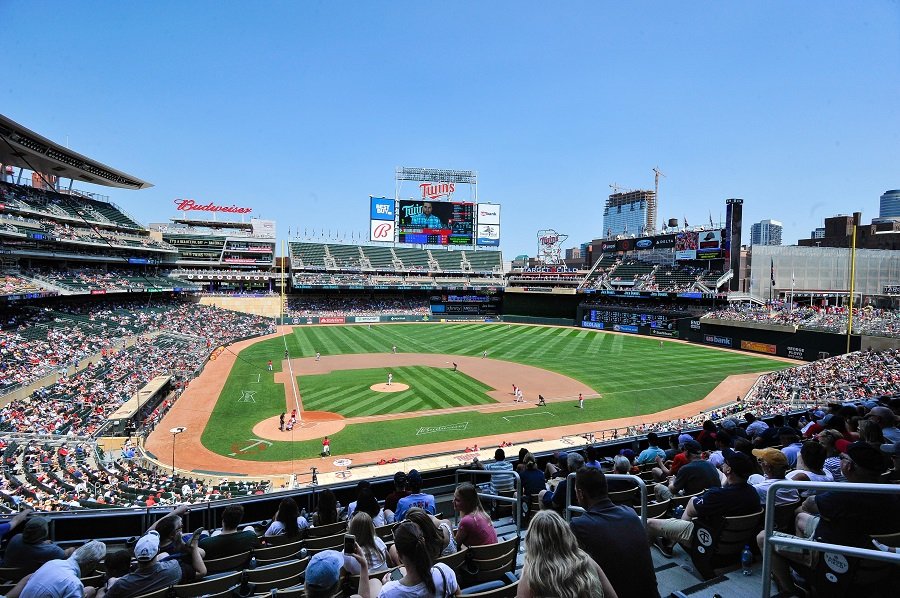 Last season, the AL Central was a case of the haves and have nots. Both Chicago and Minnesota were expected to contend while Cleveland sat in no man's land, and Detroit and Kansas City floundered. It was easy to see that the Tigers were building something under A.J. Hinch, and the Royals have a glut of exciting talent ready to help at the big-league level. Because baseball is locked out and transactions are frozen, we don’t know how rosters will finalize, but there’s plenty to draw off now. ZiPS sees the White Sox as the cream of the crop again, which should be expected. The 88 win total is a good spot, given the projection system. With room to fluctuate on both sides, it’s fair to assess the AL Central Division winner will again come in with a win total in the low-90s. From there, every other team is within four games of each other, and no one has a win total of fewer than 74 games. How these clubs are constructed currently is what makes this interesting. Chicago might have already spent on most of their additions in adding Kendall Graveman and re-signing Leury Garcia. They will actively look to shop Craig Kimbrel, but the return doesn’t likely make them a better team. It’s anyone’s guess what the Guardians do as they haven’t spent money and are going the wrong way. Detroit made their big splash in paying for Javier Baez, and the Royals will probably rely more internally than anything. That leads us to the Twins. Minnesota is currently projected for 75 wins, and that’s with at least two openings in the rotation and a shortstop needing to be addressed. I think it’s a good bet to plan on Derek Falvey acquiring a starter via trade, and then signing someone like Michael Pineda, Zack Greinke, or another veteran presence is a good step forward. Minnesota still has $50 million or more to spend, and being valued as such with the present roster is a testament to the lineup. There’s no denying that the Twins should hit. They have one of the better lineups in baseball when things are clicking, and adding a healthy Alex Kirilloff and Trevor Larnach should only help cement that reality. Rocco Baldelli’s club will go as far as the pitching staff allows it to, and that group will be as capable as the dollars or acquisition cost is stretched towards. A year ago, the AL Central might have been the weakest division in baseball, but in 2022 it may wind up being the group with the most parity. Some of those teams on the bottom have strong farm systems ready to bear fruit, and that’s only going to ratchet up their overall competitiveness. Right now, the Twins are in a good place that allows them to put 2021 in the rearview mirror, but they must be committed to making that season little more than a blip on the radar. Transactions will come quickly once the lockout is lifted, but how many wins the Twins can add from them will directly correlate to the quality of each move.
- 4 comments
-
- 2
-
-
- derek falvey
- thad levine
- (and 1 more)
-
In December, I wrote about Kris Bryant and what his bat may bring to the Minnesota Twins lineup. Not long after, Matthew Taylor wondered about the club going all-in on offense. Nick Nelson recently wrote about the Twins simple solution at shortstop, but it comes with pitfalls. Why not imagine Trevor Story in Minnesota? The first fact we’re dealing with is that Rocco Baldelli needs a shortstop. As The Athletic’s Dan Hayes pointed out, Jorge Polanco would not appear to be a desirable choice. Even if it weren’t for the ankle injury concerns, there’s the reality that he’s just simply not good defensively at the position. Taking him from a place of strength at second base and causing a step backward in the field at two spots (when inserting Luis Arraez) would be suboptimal. The second fact is that waiting on prospects is a very tricky proposition. I believe Royce Lewis will return in 2022 and make the time missed look like a minor speed bump. That said, I’m still not convinced he’s a shortstop at the Major League level, and I think it’s fair to assess that Minnesota believes Austin Martin isn’t ticketed for that role either. In that scenario, both of the Twins top prospects up the middle would be looking at the outfield or elsewhere when it comes to playing time. Prospects can force a club’s hand and work their way in, but holding a position for them isn’t always the best path towards success. The third fact is that while Derek Falvey has money to spend, it will not be enough for Carlos Correa. Even before joining forces with Scott Boras this offseason, the former Astros shortstop was said to be looking for a $300 million deal. The New York Yankees need a shortstop, and Correa’s price tag immediately makes them a logical fit. As the premier option on the open market, it makes sense that he’d go where the highest payday can be achieved. So, what about Story then? ESPN’s Bradford Doolittle ranked the fits for Trevor Story back at the end of December and called the Twins a “two-star fit.” His two caveats to spending on the spot are Lewis’ return and the need to spend on starting pitching. We discussed Lewis above, and shy of spending for Carlos Rodon, Minnesota isn’t going to be able to spend on pitching through free agency. As Matthew Braun recently pointed out, Minnesota has largely failed Josh Donaldson. After inking him to a franchise-record deal, there’s been little done to supplement that talent throughout his contract. With two years left, signing Story to a five-year pact would be the right foot forward in terms of that narrative. After becoming a two-time All-Star in 2019, Story has seen declining offensive numbers each of the past two seasons. He was barely above league average in 2021, posting a 103 OPS+, and he failed to eclipse the 30 homer plateau. Every time you play your home games at Coors Field, you’ll warrant talk about splits, and it’s fair to note Story’s .752 OPS on the road is well below the .972 OPS at home. However, as a righty, the left-field line at Target Field could play to his pull tendencies. The slight decline could also lend itself to a more manageable number on the dotted line. I don’t think Story is a must for Minnesota, but there’s no denying the shortstop position is integral amongst the infield. I’d bank on the Twins trading for their frontline starter, which will eat up some capital, but spending still will fall short. Rather than taking the risk on an expensive arm, being more calculated while throwing dollars at a 29-year-old offensive star seems to fit well. I don’t want to see Polanco relocated across the diamond, and I’m out on Andrelton Simmons or Jose Iglesias even at the lowest dollar amount. Do something to move the needle. Adding Story would accomplish that. Where are you at on Trevor Story? If Minnesota can't spend on pitching, how interested are you in the dollars going to a shortstop? Comment below. MORE FROM TWINS DAILY — Order the Offseason Handbook — Latest Twins coverage from our writers — Recent Twins discussion in our forums — Follow Twins Daily via Twitter, Facebook, or email View full article
-
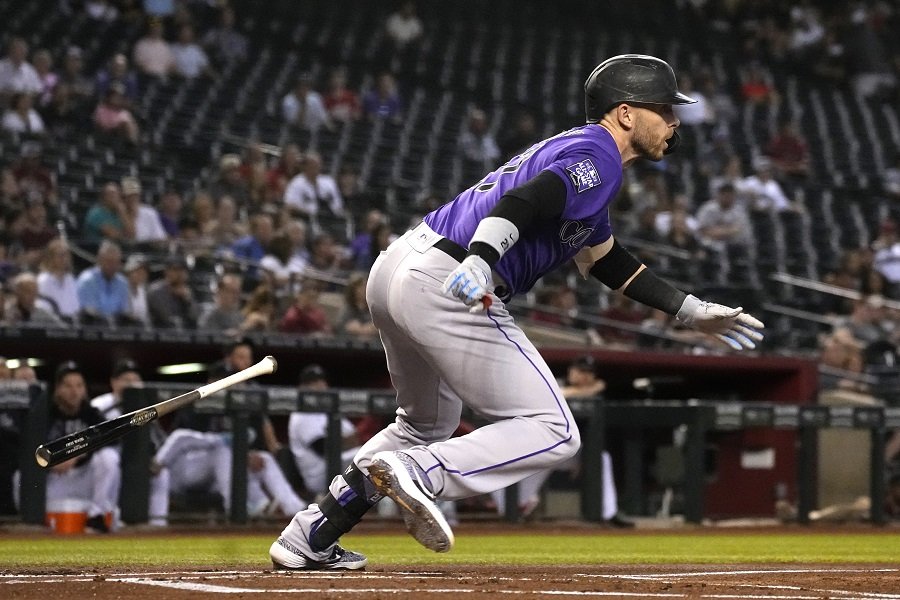 The first fact we’re dealing with is that Rocco Baldelli needs a shortstop. As The Athletic’s Dan Hayes pointed out, Jorge Polanco would not appear to be a desirable choice. Even if it weren’t for the ankle injury concerns, there’s the reality that he’s just simply not good defensively at the position. Taking him from a place of strength at second base and causing a step backward in the field at two spots (when inserting Luis Arraez) would be suboptimal. The second fact is that waiting on prospects is a very tricky proposition. I believe Royce Lewis will return in 2022 and make the time missed look like a minor speed bump. That said, I’m still not convinced he’s a shortstop at the Major League level, and I think it’s fair to assess that Minnesota believes Austin Martin isn’t ticketed for that role either. In that scenario, both of the Twins top prospects up the middle would be looking at the outfield or elsewhere when it comes to playing time. Prospects can force a club’s hand and work their way in, but holding a position for them isn’t always the best path towards success. The third fact is that while Derek Falvey has money to spend, it will not be enough for Carlos Correa. Even before joining forces with Scott Boras this offseason, the former Astros shortstop was said to be looking for a $300 million deal. The New York Yankees need a shortstop, and Correa’s price tag immediately makes them a logical fit. As the premier option on the open market, it makes sense that he’d go where the highest payday can be achieved. So, what about Story then? ESPN’s Bradford Doolittle ranked the fits for Trevor Story back at the end of December and called the Twins a “two-star fit.” His two caveats to spending on the spot are Lewis’ return and the need to spend on starting pitching. We discussed Lewis above, and shy of spending for Carlos Rodon, Minnesota isn’t going to be able to spend on pitching through free agency. As Matthew Braun recently pointed out, Minnesota has largely failed Josh Donaldson. After inking him to a franchise-record deal, there’s been little done to supplement that talent throughout his contract. With two years left, signing Story to a five-year pact would be the right foot forward in terms of that narrative. After becoming a two-time All-Star in 2019, Story has seen declining offensive numbers each of the past two seasons. He was barely above league average in 2021, posting a 103 OPS+, and he failed to eclipse the 30 homer plateau. Every time you play your home games at Coors Field, you’ll warrant talk about splits, and it’s fair to note Story’s .752 OPS on the road is well below the .972 OPS at home. However, as a righty, the left-field line at Target Field could play to his pull tendencies. The slight decline could also lend itself to a more manageable number on the dotted line. I don’t think Story is a must for Minnesota, but there’s no denying the shortstop position is integral amongst the infield. I’d bank on the Twins trading for their frontline starter, which will eat up some capital, but spending still will fall short. Rather than taking the risk on an expensive arm, being more calculated while throwing dollars at a 29-year-old offensive star seems to fit well. I don’t want to see Polanco relocated across the diamond, and I’m out on Andrelton Simmons or Jose Iglesias even at the lowest dollar amount. Do something to move the needle. Adding Story would accomplish that. Where are you at on Trevor Story? If Minnesota can't spend on pitching, how interested are you in the dollars going to a shortstop? Comment below. MORE FROM TWINS DAILY — Order the Offseason Handbook — Latest Twins coverage from our writers — Recent Twins discussion in our forums — Follow Twins Daily via Twitter, Facebook, or email
 -
Excitement is Coming, but is it Enough?
Ted Schwerzler replied to Ted Schwerzler 's topic in Twins Daily Front Page News
Fortunately, we're at a stage where the big names are largely gone so the Twins should be active. -
Excitement is Coming, but is it Enough?
Ted Schwerzler posted a topic in Twins Daily Front Page News
Major League Baseball locked out its players on December 2nd. Since then, we have had virtually no baseball news and very little progress regarding the resumption of activity. Before that, though, there was madness. Eventually, we’ll get that madness again, but is it enough? If you’ve followed Major League Baseball for any period, you’re well aware that things get done within the funnel of time constraints. The trade deadline is when players get moved, like the day of, not weeks before. Free-agent signings happen during the Winter Meetings or as Spring Training begins. Even with this lockout, the owners went 40-plus days while offering nothing, and the only reason wheels are creaking is because games (exhibition at this point, but still) are threatened to be lost. That’s why the point at which teams raced to spend dollars and acquire talent before December 1st was amazing. Baseball fans were treated to utter madness. Clubs spent over $1 billion in contracts, and big-name stars were headed all over the baseball landscape. It was a breakneck pace, and the only question was whether Jon Heyman, Ken Rosenthal, or Jeff Passan would send the tweets out first. In something truly unparalleled for baseball fans, there was a free agent frenzy. If there’s a silver lining to this current lockout, it’s that we should get it again. Another acquisition frenzy has to be coming, and it will be time influenced once again. Whether regular-season games are lost or not, the reality is pitchers and catchers were originally intended to report within two weeks. We’re about two months from Opening Day, and ramp-up time is needed on top of relocation and adjustment periods. Add in the fact that there are hundreds of players still waiting to see which team they’ll get deals from in 2022, and it’s going to be crazy. For Minnesota specifically, the rotation remains bare, a shortstop is not currently on the roster, and there’s something like $50 million to be handed out. Assuming the Twins go the trade route, they’ll need to make those intentions known quickly and follow up on any conversations they were having pre-lockout. The 40-man roster has room to improve, and the 26-man isn’t constructed in a manner that would be competitive per the suggestion from the front office. So yes, again, time and the calendar suggest this will happen. The question is will it matter? You, the reader here at Twins Daily, will probably care. You’re invested enough to be reading about your favorite team, and interest remains during the offseason or through a lockout. For the casual fan, the league might have lost. Rather than capitalizing on the opportunity and momentum from early December, they’ll now be competing with an NBA season at its peak, an NHL season coming full circle, and trying to distance from an NFL postseason that has truly stolen the show. While the offseason certainly isn’t for everyone, a complete shutdown as instituted by Rob Manfred isn’t going to make the league any more relevant. I don’t know how baseball will handle free agency in the future, but it’s clear that turning it into an event like its competition makes things exciting. We experienced that in December and will again soon, but in terms of growing the sport and wanting those on the fringes to come back, this probably isn’t going to move the needle. View full article -
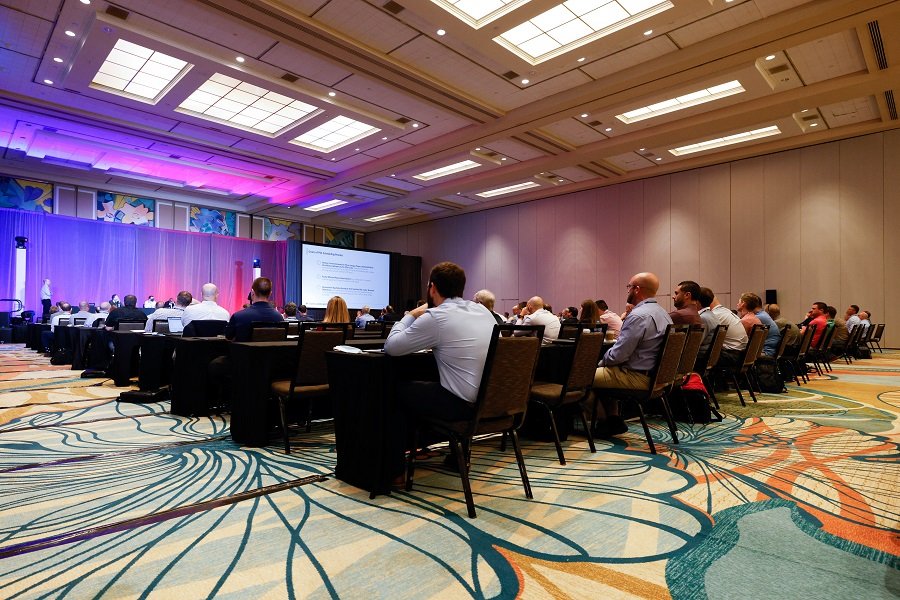 If you’ve followed Major League Baseball for any period, you’re well aware that things get done within the funnel of time constraints. The trade deadline is when players get moved, like the day of, not weeks before. Free-agent signings happen during the Winter Meetings or as Spring Training begins. Even with this lockout, the owners went 40-plus days while offering nothing, and the only reason wheels are creaking is because games (exhibition at this point, but still) are threatened to be lost. That’s why the point at which teams raced to spend dollars and acquire talent before December 1st was amazing. Baseball fans were treated to utter madness. Clubs spent over $1 billion in contracts, and big-name stars were headed all over the baseball landscape. It was a breakneck pace, and the only question was whether Jon Heyman, Ken Rosenthal, or Jeff Passan would send the tweets out first. In something truly unparalleled for baseball fans, there was a free agent frenzy. If there’s a silver lining to this current lockout, it’s that we should get it again. Another acquisition frenzy has to be coming, and it will be time influenced once again. Whether regular-season games are lost or not, the reality is pitchers and catchers were originally intended to report within two weeks. We’re about two months from Opening Day, and ramp-up time is needed on top of relocation and adjustment periods. Add in the fact that there are hundreds of players still waiting to see which team they’ll get deals from in 2022, and it’s going to be crazy. For Minnesota specifically, the rotation remains bare, a shortstop is not currently on the roster, and there’s something like $50 million to be handed out. Assuming the Twins go the trade route, they’ll need to make those intentions known quickly and follow up on any conversations they were having pre-lockout. The 40-man roster has room to improve, and the 26-man isn’t constructed in a manner that would be competitive per the suggestion from the front office. So yes, again, time and the calendar suggest this will happen. The question is will it matter? You, the reader here at Twins Daily, will probably care. You’re invested enough to be reading about your favorite team, and interest remains during the offseason or through a lockout. For the casual fan, the league might have lost. Rather than capitalizing on the opportunity and momentum from early December, they’ll now be competing with an NBA season at its peak, an NHL season coming full circle, and trying to distance from an NFL postseason that has truly stolen the show. While the offseason certainly isn’t for everyone, a complete shutdown as instituted by Rob Manfred isn’t going to make the league any more relevant. I don’t know how baseball will handle free agency in the future, but it’s clear that turning it into an event like its competition makes things exciting. We experienced that in December and will again soon, but in terms of growing the sport and wanting those on the fringes to come back, this probably isn’t going to move the needle.
 -
Another week of progress, and we’re ending January on a better note than we entered it. Major League Baseball met twice with the union this week, and while the results may not have been substantial, at least they’re going through the motions. After meeting for less than 10 minutes before locking out the players back in December and then spending more than 40 days before issuing a proposal, it’s noteworthy that the league engaged the union on consecutive days this week. The meeting results aren’t exactly heartwarming, but there’s a blueprint towards a path forward. The most drastic change in negotiations the past week came from the players' side. Wanting to reach free agency sooner, they desired to shorten team control. During Monday’s meeting with the league, the union removed their request for an age-based free agency system. This signaled a substantial concession on their side and should be used as a powerful bargaining chip when discussing the idea of give and take during future topics. Unfortunately, per The Athletic’s Evan Drellich, MLB Deputy Commissioner Dan Halem said the league was “willing to lose games over outstanding issues” in the same meeting. Britt Ghiroli, who was previously featured here at Twins Daily in a “Women in Baseball” piece, wrote a great article on the state of the lockout. A takeaway for me was this comment, “Whether this painfully slow sparring between baseball and its players is necessary isn’t the question. It’s why those with the longest-term investment in the game are seemingly unconcerned with prioritizing the quality of the product, treating fans like a steady constant instead of something that the sport has to sustain, grow and develop to stay viable.” Former General Manager Jim Bowden made a point to contend that the players' concession was a large one, and the league needed to follow suit. Unfortunately, when the two sides met a second day, Major League Baseball did little to uphold their side on Tuesday. Jeff Passan outlined the changes, and while the league agreed on salary raises and pre-arbitration bonus pools, the extent they’re willing to go was laughable at best. In a piece from The Score’s Travis Sawchik, we see how far baseball lags regarding the minimum salary. The bump of $15k is so negligible that it fails to keep up with the inflation rate from the time it was last adjusted. The focal economics point from the union side has been in helping young players get paid. The reality is that very few major leaguers make significant sums of money, and a career can be incredibly short. Searching for an avenue that immediately and adequately compensates talent is important. As of right now, it’s not something the league is too concerned about. From an ownership standpoint, slight raises to the minimum should be considered inconsequential, but remaining tight on the issue is as shortsighted as the unwillingness to compensate minor leaguers fairly. One quote from Monday’s meetings grabbed headlines and came from Colorado Rockies owner Dick Monfort. His franchise has largely been a dumpster fire of financial peril for quite some time. He poured gasoline on the situation, complaining some owners have trouble affording their teams and the additional costs Covid-19 has created. In short, a billionaire wants us to feel sorry for the lack of egregious revenues regarding something only one-percenters will ever experience. As you can expect, it wasn’t received positively. Let’s dig in for another week of this charade. Pitchers and catchers are supposed to report for Spring Training just over two weeks from now. View full article
-
 After meeting for less than 10 minutes before locking out the players back in December and then spending more than 40 days before issuing a proposal, it’s noteworthy that the league engaged the union on consecutive days this week. The meeting results aren’t exactly heartwarming, but there’s a blueprint towards a path forward. The most drastic change in negotiations the past week came from the players' side. Wanting to reach free agency sooner, they desired to shorten team control. During Monday’s meeting with the league, the union removed their request for an age-based free agency system. This signaled a substantial concession on their side and should be used as a powerful bargaining chip when discussing the idea of give and take during future topics. Unfortunately, per The Athletic’s Evan Drellich, MLB Deputy Commissioner Dan Halem said the league was “willing to lose games over outstanding issues” in the same meeting. Britt Ghiroli, who was previously featured here at Twins Daily in a “Women in Baseball” piece, wrote a great article on the state of the lockout. A takeaway for me was this comment, “Whether this painfully slow sparring between baseball and its players is necessary isn’t the question. It’s why those with the longest-term investment in the game are seemingly unconcerned with prioritizing the quality of the product, treating fans like a steady constant instead of something that the sport has to sustain, grow and develop to stay viable.” Former General Manager Jim Bowden made a point to contend that the players' concession was a large one, and the league needed to follow suit. Unfortunately, when the two sides met a second day, Major League Baseball did little to uphold their side on Tuesday. Jeff Passan outlined the changes, and while the league agreed on salary raises and pre-arbitration bonus pools, the extent they’re willing to go was laughable at best. In a piece from The Score’s Travis Sawchik, we see how far baseball lags regarding the minimum salary. The bump of $15k is so negligible that it fails to keep up with the inflation rate from the time it was last adjusted. The focal economics point from the union side has been in helping young players get paid. The reality is that very few major leaguers make significant sums of money, and a career can be incredibly short. Searching for an avenue that immediately and adequately compensates talent is important. As of right now, it’s not something the league is too concerned about. From an ownership standpoint, slight raises to the minimum should be considered inconsequential, but remaining tight on the issue is as shortsighted as the unwillingness to compensate minor leaguers fairly. One quote from Monday’s meetings grabbed headlines and came from Colorado Rockies owner Dick Monfort. His franchise has largely been a dumpster fire of financial peril for quite some time. He poured gasoline on the situation, complaining some owners have trouble affording their teams and the additional costs Covid-19 has created. In short, a billionaire wants us to feel sorry for the lack of egregious revenues regarding something only one-percenters will ever experience. As you can expect, it wasn’t received positively. Let’s dig in for another week of this charade. Pitchers and catchers are supposed to report for Spring Training just over two weeks from now.
 -
 As we trudge through this ugly lockout and look forward to the Twins revamping their 2022 roster, I found myself thinking back to some of the guys that could have been. Maybe they were fan-favorites we had hoped for more from, or perhaps a flash in the pan never extended. At any rate, these were some names that immediately came to mind. Oswaldo Arcia Arcia had a decently-long career with the Twins playing in 251 games. He was a top 100 prospect in 2013 and owned a career .901 OPS in the minors. The body type just suggested he should be able to rake even if he was a poor defender. The problem was that he couldn’t make contact. The strikeout rates were egregious, and the on-base ability was non-existent. I held out hope for quite a while, but it became evident he didn’t have it. At 30, Arcia did tear up the Venezuelan Winter League this year. ByungHo Park If there’s a What Could Have Been in recent memory, it’s Park for me. On top of acclimating to new teammates in a new country, Park dealt with a wrist injury in 2016 that he played through for most of the season. The .684 OPS was indicative of a guy who lost his power bat, and even the .823 mark at Triple-A Rochester didn’t afford him another opportunity. After playing in 2017 at Triple-A, he returned to the KBO and immediately posted a 1.175 OPS. Now 35, he’s at the tail end of his career, but there was a productive player here had circumstances worked out differently. Fernando Romero Probably the last pitching prospect Twins fans dreamed on before this current crop, Romero was supposed to be an impact arm. He was a top 100 prospect as recently as 2018 and owned a 3.57 ERA at Triple-A that year. The strikeouts never came, and his command got completely lost after transitioning to the bullpen. Visa issues kept him from being an option for Minnesota in 2020, and he’s since gone to Japan trying to find it again as a 27-year-old. Kennys Vargas Debuting for Twins fans at Target Field during the Futures Game alongside Jose Berrios, Vargas drew plenty of fanfare. He was seen as a David Ortiz protégé, and that’s a comparison no Minnesotan will ever turn away from. The 115 OPS+ in his debut season was a positive sign, but a .626 OPS the next year fell flat. Vargas seemed to come into his own for 47 games during 2016, where he posted an .833 OPS, but that was the height of his abilities. Vargas has been out of affiliated baseball since 2018 but did post strong numbers in Mexico and Puerto Rico this past season. At 31, though, it’s unlikely another chance is coming. Alex Burnett After posting a 1.85 ERA at Single and Double-A in 2009, it was hard not to get excited about Burnett pitching out of the pen. Making his debut in 2010, Burnett compiled a 5.40 ERA across 98 and 1/3 innings the next two seasons. He had mediocre defensive help, but his FIP still sat at just 4.60. He did manage a smoke-and-mirrors level of success with a 3.52 ERA in 2012 despite a 36/26 K/BB in 71 2/3 innings. It wasn’t ever that the ceiling was incredibly high, but I wanted to believe there was more for whatever reason. Max Kepler It’s understandably an egregious ask to put Kepler here, but given his ceiling, it also seems to make sense. Kepler has played 722 games for the Twins and posted just a .756 OPS. His .855 OPS in 2019 looked like a solid response to a contract extension, but it hasn’t been touched since. Kepler is an extraordinary defender, but the bat has always profiled as so much more, and a guy who deservedly flashed as a former top 100 prospect has largely failed to substantiate his ceiling. What other Twins players do you wish would have worked out? Are there some prospects you consistently expected to be great?
- 25 comments
-
- 2
-
-
- byungho park
- oswaldo arcia
- (and 2 more)
-
There’s certainly been more than a handful of promising Twins players that just haven’t worked out for one reason or another. Maybe the prospect status wasn’t there, or perhaps the realization of talent never happened. No matter the situation, there’s more than a handful of guys that we had always wished would pan out. As we trudge through this ugly lockout and look forward to the Twins revamping their 2022 roster, I found myself thinking back to some of the guys that could have been. Maybe they were fan-favorites we had hoped for more from, or perhaps a flash in the pan never extended. At any rate, these were some names that immediately came to mind. Oswaldo Arcia Arcia had a decently-long career with the Twins playing in 251 games. He was a top 100 prospect in 2013 and owned a career .901 OPS in the minors. The body type just suggested he should be able to rake even if he was a poor defender. The problem was that he couldn’t make contact. The strikeout rates were egregious, and the on-base ability was non-existent. I held out hope for quite a while, but it became evident he didn’t have it. At 30, Arcia did tear up the Venezuelan Winter League this year. ByungHo Park If there’s a What Could Have Been in recent memory, it’s Park for me. On top of acclimating to new teammates in a new country, Park dealt with a wrist injury in 2016 that he played through for most of the season. The .684 OPS was indicative of a guy who lost his power bat, and even the .823 mark at Triple-A Rochester didn’t afford him another opportunity. After playing in 2017 at Triple-A, he returned to the KBO and immediately posted a 1.175 OPS. Now 35, he’s at the tail end of his career, but there was a productive player here had circumstances worked out differently. Fernando Romero Probably the last pitching prospect Twins fans dreamed on before this current crop, Romero was supposed to be an impact arm. He was a top 100 prospect as recently as 2018 and owned a 3.57 ERA at Triple-A that year. The strikeouts never came, and his command got completely lost after transitioning to the bullpen. Visa issues kept him from being an option for Minnesota in 2020, and he’s since gone to Japan trying to find it again as a 27-year-old. Kennys Vargas Debuting for Twins fans at Target Field during the Futures Game alongside Jose Berrios, Vargas drew plenty of fanfare. He was seen as a David Ortiz protégé, and that’s a comparison no Minnesotan will ever turn away from. The 115 OPS+ in his debut season was a positive sign, but a .626 OPS the next year fell flat. Vargas seemed to come into his own for 47 games during 2016, where he posted an .833 OPS, but that was the height of his abilities. Vargas has been out of affiliated baseball since 2018 but did post strong numbers in Mexico and Puerto Rico this past season. At 31, though, it’s unlikely another chance is coming. Alex Burnett After posting a 1.85 ERA at Single and Double-A in 2009, it was hard not to get excited about Burnett pitching out of the pen. Making his debut in 2010, Burnett compiled a 5.40 ERA across 98 and 1/3 innings the next two seasons. He had mediocre defensive help, but his FIP still sat at just 4.60. He did manage a smoke-and-mirrors level of success with a 3.52 ERA in 2012 despite a 36/26 K/BB in 71 2/3 innings. It wasn’t ever that the ceiling was incredibly high, but I wanted to believe there was more for whatever reason. Max Kepler It’s understandably an egregious ask to put Kepler here, but given his ceiling, it also seems to make sense. Kepler has played 722 games for the Twins and posted just a .756 OPS. His .855 OPS in 2019 looked like a solid response to a contract extension, but it hasn’t been touched since. Kepler is an extraordinary defender, but the bat has always profiled as so much more, and a guy who deservedly flashed as a former top 100 prospect has largely failed to substantiate his ceiling. What other Twins players do you wish would have worked out? Are there some prospects you consistently expected to be great? View full article
-
While the Minnesota Twins have been pretty good since Derek Falvey and Thad Levine took over the front office, we’re not far off from those awful Twins teams of a decade or so ago. I found myself scratching my head thinking, “remember these guys?” This isn’t intended to be a space where the thought process derives from guys being bad or otherwise unproductive, but more about remembering that these players wore a Twins uniform. Some of them were very brief, and some were in games that didn’t count, but they were there and going through the motions nonetheless. Here are a few of the more obscure ones I could come up with: Carlos Quentin This one may be my favorite and is where this idea came from. Remember Quentin being a two-time All-Star for the Chicago White Sox and San Diego Padres? He had a pretty good career posting an .831 OPS and 154 homers. He retired in 2014, though, until he didn’t. In February of 2016, Minnesota signed Quentin to a minor league deal. He played 15 games for the Twins in Spring Training and posted an .833 OPS. However, instead of bringing him north, the Twins opted to play Miguel Sano in right field and asked Quentin to go to Rochester. He chose to be released instead. That Twins club lost 103 games. Jason Bartlett You remember the piranha Jason Bartlett, a scrappy shortstop for Ron Gardenhire clubs in the early 2000s. This is about the 34-year-old Bartlett that came back in 2014 and was all of a sudden a left fielder. In over 7,400 Major League innings, Bartlett had never played the outfield, but he acted as a defensive replacement for Gardy. That role lasted just two games and seven innings. It didn’t go well, and he hasn’t played since. Sean Burroughs Another former Padres player that had some name recognition. Burroughs played in 440 games at the Major League level from 2002 to 2006. He then didn’t resurface until 2011 with the Arizona Diamondbacks. Coming to camp with the Twins in 2012, he played in 10 games compiling a .343 OPS before being released. John Ryan Murphy Minnesota acquired Murphy from the Yankees in exchange for Aaron Hicks. Both guys looked like they needed a fresh start, and after Murphy took star closer Glen Perkins deep at Target Field, apparently the Twins decided they needed to be that place. He played in just 26 games for Minnesota, posting a .413 OPS. Somehow, despite a .591 OPS in 143 Major League games since, Murphy was still getting big league jobs until 2020. Vance Worley One guy that will never forget his time with the Twins is Vance Worley. Ask him to sign a Minnesota baseball card, and he’d rather shred it. Acquired in the Ben Revere trade alongside Trevor May, Worley was the club’s Opening Day starter in 2013. He was beaten to a 7.21 ERA in just over 48 innings and never pitched with the club again. It was May who Minnesota wanted most in the Phillies deal, but the Major League-ready arm certainly didn’t work out. Sam Fuld One of my favorite acquisition stories in Twins history, Terry Ryan worked a laugher in Sam Fuld. Claiming him a couple of weeks into the season from Oakland, Fuld played 52 games for Minnesota before the Athletics needed his services back. In the deal, Tommy Milone was acquired by Minnesota and went on to pitch in 49 games for the Twins. Just the idea of flipping Oakland their asset back and gaining something in the ordeal was incredible. David Murphy Murphy’s Baseball Reference page ends at Triple-A in 2016, and that’s because he never actually played for the Twins. Needing outfield help, he was signed to Triple-A Rochester and played ten games before Minnesota needed his services. The 2016 Twins were an abomination, losing 103 games, and rather than accept his promotion to the big leagues, a 34-year-old Murphy called it quits. What are some players you remember being involved in weird Twins roster decisions? View full article
- 24 replies
-
- 1
-
-
- carlos quentin
- david murphy
- (and 3 more)
-
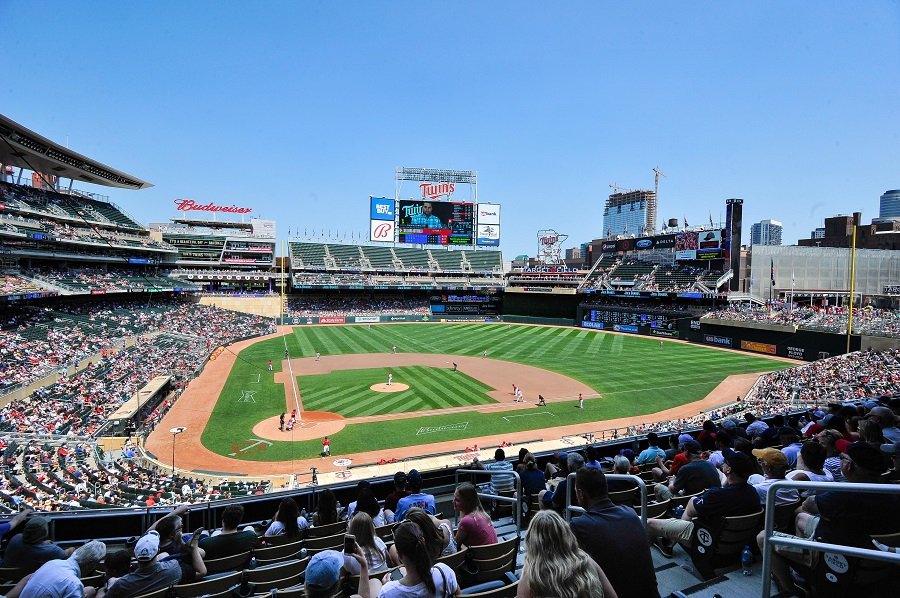 This isn’t intended to be a space where the thought process derives from guys being bad or otherwise unproductive, but more about remembering that these players wore a Twins uniform. Some of them were very brief, and some were in games that didn’t count, but they were there and going through the motions nonetheless. Here are a few of the more obscure ones I could come up with: Carlos Quentin This one may be my favorite and is where this idea came from. Remember Quentin being a two-time All-Star for the Chicago White Sox and San Diego Padres? He had a pretty good career posting an .831 OPS and 154 homers. He retired in 2014, though, until he didn’t. In February of 2016, Minnesota signed Quentin to a minor league deal. He played 15 games for the Twins in Spring Training and posted an .833 OPS. However, instead of bringing him north, the Twins opted to play Miguel Sano in right field and asked Quentin to go to Rochester. He chose to be released instead. That Twins club lost 103 games. Jason Bartlett You remember the piranha Jason Bartlett, a scrappy shortstop for Ron Gardenhire clubs in the early 2000s. This is about the 34-year-old Bartlett that came back in 2014 and was all of a sudden a left fielder. In over 7,400 Major League innings, Bartlett had never played the outfield, but he acted as a defensive replacement for Gardy. That role lasted just two games and seven innings. It didn’t go well, and he hasn’t played since. Sean Burroughs Another former Padres player that had some name recognition. Burroughs played in 440 games at the Major League level from 2002 to 2006. He then didn’t resurface until 2011 with the Arizona Diamondbacks. Coming to camp with the Twins in 2012, he played in 10 games compiling a .343 OPS before being released. John Ryan Murphy Minnesota acquired Murphy from the Yankees in exchange for Aaron Hicks. Both guys looked like they needed a fresh start, and after Murphy took star closer Glen Perkins deep at Target Field, apparently the Twins decided they needed to be that place. He played in just 26 games for Minnesota, posting a .413 OPS. Somehow, despite a .591 OPS in 143 Major League games since, Murphy was still getting big league jobs until 2020. Vance Worley One guy that will never forget his time with the Twins is Vance Worley. Ask him to sign a Minnesota baseball card, and he’d rather shred it. Acquired in the Ben Revere trade alongside Trevor May, Worley was the club’s Opening Day starter in 2013. He was beaten to a 7.21 ERA in just over 48 innings and never pitched with the club again. It was May who Minnesota wanted most in the Phillies deal, but the Major League-ready arm certainly didn’t work out. Sam Fuld One of my favorite acquisition stories in Twins history, Terry Ryan worked a laugher in Sam Fuld. Claiming him a couple of weeks into the season from Oakland, Fuld played 52 games for Minnesota before the Athletics needed his services back. In the deal, Tommy Milone was acquired by Minnesota and went on to pitch in 49 games for the Twins. Just the idea of flipping Oakland their asset back and gaining something in the ordeal was incredible. David Murphy Murphy’s Baseball Reference page ends at Triple-A in 2016, and that’s because he never actually played for the Twins. Needing outfield help, he was signed to Triple-A Rochester and played ten games before Minnesota needed his services. The 2016 Twins were an abomination, losing 103 games, and rather than accept his promotion to the big leagues, a 34-year-old Murphy called it quits. What are some players you remember being involved in weird Twins roster decisions?
- 24 comments
-
- 3
-
-
- carlos quentin
- david murphy
- (and 3 more)
-
After last week when we saw the Major League Baseball owners propose an updated CBA to the union, we’ve seen virtually nothing take place this week. Another seven days have gone by, and Spring Training isn’t getting any further away. Or, maybe it is... The players were disappointed in what the league presented to them a week ago, especially after taking more than a month to do so. The sides have not met at all this week, but the latest reports have them getting together in person on Monday, January 24. That meeting will take place over a week since the last proposal, and no counter-proposal is necessarily set to come from it. The Athletic’s Ken Rosenthal wrote a scathing piece the other day that started with the sentence, “Not a single game should be lost.” He’s not wrong, but I fear that won’t be reality. After being let go from MLB Network because Rob Manfred thought the reporter was too critical, Rosenthal comes out firing in this one. As Rosenthal notes, this is Rob Manfred’s legacy at stake. He represents the owners but seemingly gets in his own way when trying to put a PR spin out for fans. Stephen Nesbitt penned another piece for The Athletic that highlighted fan responses from more than 11,000 respondents across a handful of subjects. Not entirely labor or CBA related, there was plenty that did intersect, however. Just 2.8% of fans responded they were happy with the current overall state of MLB, with another 9.4% being indifferent. The rest all responded with being either angry, hopeful, or disappointed. Over 66% of fans blame the owners for the lockout, with both sides sharing blame at a 33% clip. 92.1% of fans think that this mess will impact Spring Training, with respondents being virtually split on regular-season games being lost. It’s a great look at the state of affairs for the league and not a glowing one in any sense. Just yesterday, Evan Drellich wrote that the “owners are testing the players,” which is the last thing fans want to hear. Billionaires are playing a game of chicken with the players while we all suffer because of it. Major League Baseball has made only minor concessions in their proposals, and they’ve hardly addressed each key area in one fell swoop. Drellich notes that this is by design, and the owners are looking to see whether players are willing to lose paychecks. As time dwindles, the hope from MLB is that players will cave and return to the field without having the majority of their demands met. Manfred’s goal is to find a way forward that has owners giving in to the least amount of change. We’ve crossed the one-month mark until pitchers and catchers are supposed to report for Spring Training. That’s not going to happen on time, and we spent these last seven days without any meaningful progress. View full article