



John Bonnes
-
Posts
6,791 -
Joined
-
Last visited
-
Days Won
4
Content Type
Profiles
News
Minnesota Twins Videos
2026 Minnesota Twins Top Prospects Ranking
2022 Minnesota Twins Draft Picks
Minnesota Twins Free Agent & Trade Rumors, Notes, & Tidbits
Guides & Resources
2023 Minnesota Twins Draft Picks
The Minnesota Twins Players Project
2024 Minnesota Twins Draft Picks
2025 Minnesota Twins Draft Pick Tracker
2026 Minnesota Twins Draft Tracker: Picks & Bonuses
Forums
Blogs
Events
Store
Downloads
Gallery
Everything posted by John Bonnes
-
Gleeman & the Geek: Pablo López's Injury and 2026 vs. 2027 decisions
John Bonnes posted an article in Podcasts
 You can listen by downloading us from iTunes, Spotify, YouTube, iHeartRadio, Stitcher, GleemanAndTheGeek.com, click this link or you can listen to it or watch it below.
 -
Image courtesy of © Jeff Curry-Imagn Images FORT MYERS—There are spring training games that invite a little extra, lineup-driven pageantry, and the first Grapefruit League game on Saturday afternoon is one of them. It’s not uncommon to see most of the likely Opening Day roster, in front of an amped-up ballpark and a Twins.TV audience. So, it should come as no surprise that we learned Joe Ryan will take the mound that day. Ryan was one of the few steady pillars of the Twins’ 2025 season, earning an All-Star nod and finishing with a 13-10 record, a 3.42 ERA, 171 innings, and 194 strikeouts (with a 1.04 WHIP), while also being the subject of trade rumors even into the offseason. For a 2026 club that will rely on its rotation, he’s the clear remaining ace-like pitcher on the roster. Go Gophers! Go Zebby! Saturday is the first Grapefruit League game, but the Twins’ first game of the year comes Friday against the University of Minnesota Golden Gophers, and it’s also on Twins.TV. It’s scheduled as a seven-inning exhibition, so tune in early (5:05 p.m. CT) You’ll see Zebby Matthews on the mound. He was the talk of spring training last year at this time, thanks to some newfound velocity. But his 2025 results (5.56 ERA) didn’t live up to the excitement. When manager Rocco Baldelli was asked about Matthews’s struggles last year, he kept coming back to the same word: consistency. In camp yesterday, Matthews talked about that, too — while also acknowledging he still has only about a year of big-league experience, and that the success can come with time. View full article
-
Report From The Fort: Gophers Day, Opening Day, and ... Shiny Belt Day?
John Bonnes posted an article in Twins
.jpg.084b1e2350d1b63db84d6c27a9f25f28.jpg) FORT MYERS—There are spring training games that invite a little extra, lineup-driven pageantry, and the first Grapefruit League game on Saturday afternoon is one of them. It’s not uncommon to see most of the likely Opening Day roster, in front of an amped-up ballpark and a Twins.TV audience. So, it should come as no surprise that we learned Joe Ryan will take the mound that day. Ryan was one of the few steady pillars of the Twins’ 2025 season, earning an All-Star nod and finishing with a 13-10 record, a 3.42 ERA, 171 innings, and 194 strikeouts (with a 1.04 WHIP), while also being the subject of trade rumors even into the offseason. For a 2026 club that will rely on its rotation, he’s the clear remaining ace-like pitcher on the roster. Go Gophers! Go Zebby! Saturday is the first Grapefruit League game, but the Twins’ first game of the year comes Friday against the University of Minnesota Golden Gophers, and it’s also on Twins.TV. It’s scheduled as a seven-inning exhibition, so tune in early (5:05 p.m. CT) You’ll see Zebby Matthews on the mound. He was the talk of spring training last year at this time, thanks to some newfound velocity. But his 2025 results (5.56 ERA) didn’t live up to the excitement. When manager Rocco Baldelli was asked about Matthews’s struggles last year, he kept coming back to the same word: consistency. In camp yesterday, Matthews talked about that, too — while also acknowledging he still has only about a year of big-league experience, and that the success can come with time.
FORT MYERS—There are spring training games that invite a little extra, lineup-driven pageantry, and the first Grapefruit League game on Saturday afternoon is one of them. It’s not uncommon to see most of the likely Opening Day roster, in front of an amped-up ballpark and a Twins.TV audience. So, it should come as no surprise that we learned Joe Ryan will take the mound that day. Ryan was one of the few steady pillars of the Twins’ 2025 season, earning an All-Star nod and finishing with a 13-10 record, a 3.42 ERA, 171 innings, and 194 strikeouts (with a 1.04 WHIP), while also being the subject of trade rumors even into the offseason. For a 2026 club that will rely on its rotation, he’s the clear remaining ace-like pitcher on the roster. Go Gophers! Go Zebby! Saturday is the first Grapefruit League game, but the Twins’ first game of the year comes Friday against the University of Minnesota Golden Gophers, and it’s also on Twins.TV. It’s scheduled as a seven-inning exhibition, so tune in early (5:05 p.m. CT) You’ll see Zebby Matthews on the mound. He was the talk of spring training last year at this time, thanks to some newfound velocity. But his 2025 results (5.56 ERA) didn’t live up to the excitement. When manager Rocco Baldelli was asked about Matthews’s struggles last year, he kept coming back to the same word: consistency. In camp yesterday, Matthews talked about that, too — while also acknowledging he still has only about a year of big-league experience, and that the success can come with time. -
Spring training has a funny way of rewarding the prepared. I’m not suggesting you pack your Type A personality on your trip to Fort Myers, but you also don’t want to miss the big stuff. Like eating. Or finding shade. Or seeing your favorite ballplayers up close. That’s why Twins Daily created our Ultimate Minnesota Twins Spring Training Guide, and that’s why we just updated it. Consider it your 2026-ready field manual—tightened, refreshed, and upgraded with the stuff you only learn by being there, because we want you to love Twins spring training as much as we do. The biggest change is that we leaned into specifics for the 2026 season. No more needing to Google when the Hammond Stadium Open House or “Minnesota Day” is: you’ve got the specifics. Also, since 2026 includes the World Baseball Classic, we’ve provided additional tips on the best time to visit. We still have other activities you can do in Fort Myers, besides attending Twins games, and we now have additional tips on baseball-related activities when the Twins are out of town, including which road games are the easiest trips. But maybe even better, we’ve added tips about the best ways to watch your favorite players when they aren’t on the road trips. Of course, that also means updating our favorite restaurants and haunts away from the ballpark, especially in downtown Fort Myers, which is experiencing a bit of a revival. Since many of our readers are craft beer lovers, we are also keeping tabs on our favorite breweries, including the release of a new Twins D-Ale-y Pale Ale and “Beers with Beat Writers” event at Palm City Brewing on February 27th. Best of all, the updates won’t stop today. Like our favorite baseball team, we’re committed to improving over the next few weeks. So check back often and leave your comments so we can get into Major League shape. See you in Fort Myers. Check out the Ultimate Spring Training Guide! View full article
-
Our Ultimate Minnesota Twins Spring Training Guide Is Ready For You!
John Bonnes posted an article in Twins
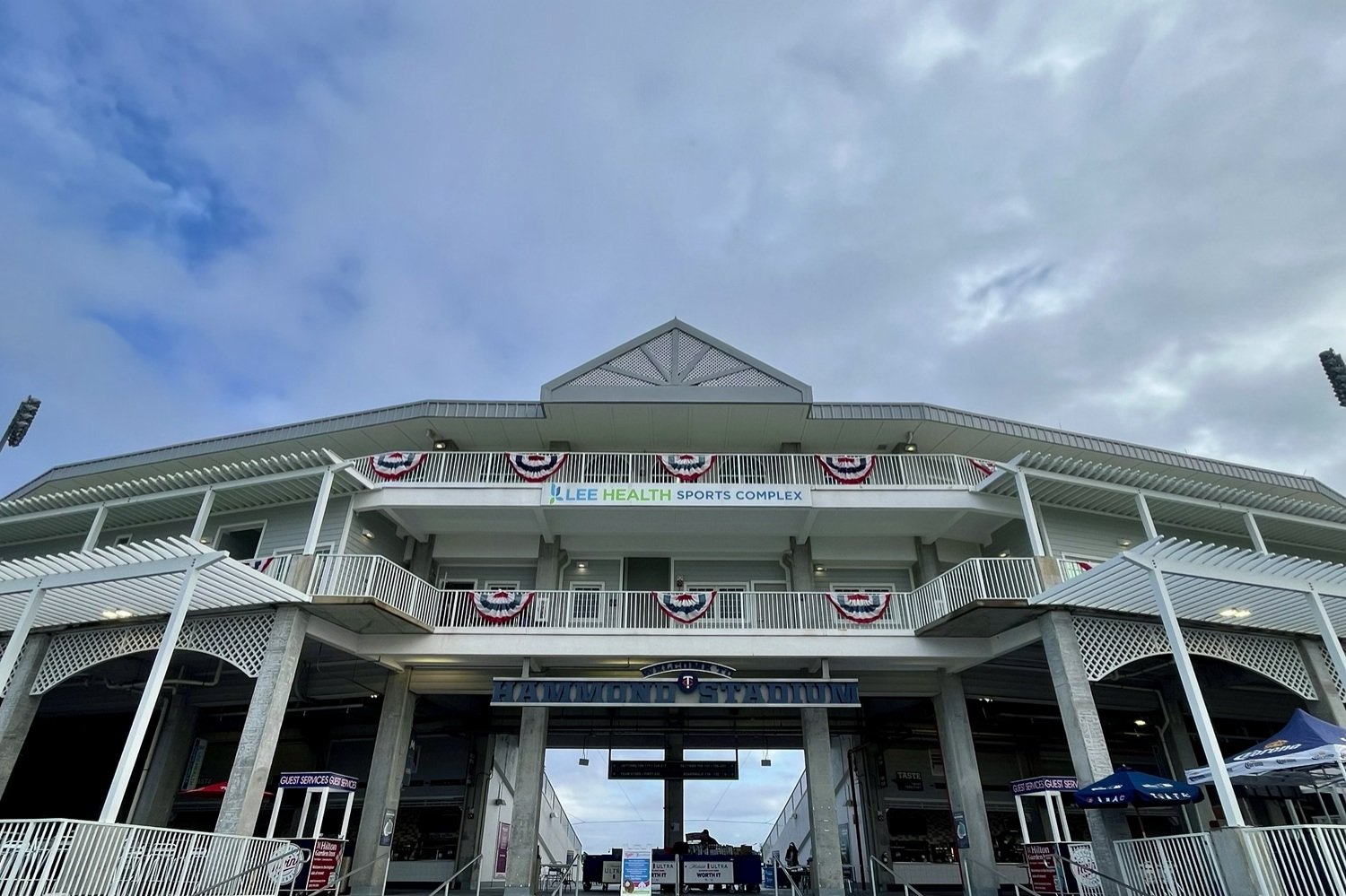 Spring training has a funny way of rewarding the prepared. I’m not suggesting you pack your Type A personality on your trip to Fort Myers, but you also don’t want to miss the big stuff. Like eating. Or finding shade. Or seeing your favorite ballplayers up close. That’s why Twins Daily created our Ultimate Minnesota Twins Spring Training Guide, and that’s why we just updated it. Consider it your 2026-ready field manual—tightened, refreshed, and upgraded with the stuff you only learn by being there, because we want you to love Twins spring training as much as we do. The biggest change is that we leaned into specifics for the 2026 season. No more needing to Google when the Hammond Stadium Open House or “Minnesota Day” is: you’ve got the specifics. Also, since 2026 includes the World Baseball Classic, we’ve provided additional tips on the best time to visit. We still have other activities you can do in Fort Myers, besides attending Twins games, and we now have additional tips on baseball-related activities when the Twins are out of town, including which road games are the easiest trips. But maybe even better, we’ve added tips about the best ways to watch your favorite players when they aren’t on the road trips. Of course, that also means updating our favorite restaurants and haunts away from the ballpark, especially in downtown Fort Myers, which is experiencing a bit of a revival. Since many of our readers are craft beer lovers, we are also keeping tabs on our favorite breweries, including the release of a new Twins D-Ale-y Pale Ale and “Beers with Beat Writers” event at Palm City Brewing on February 27th. Best of all, the updates won’t stop today. Like our favorite baseball team, we’re committed to improving over the next few weeks. So check back often and leave your comments so we can get into Major League shape. See you in Fort Myers. Check out the Ultimate Spring Training Guide!
 -
.jpg.7638128671993385bf62e5e6f8ca7a2e.jpg) On Finding Success “When you’re healthy, a lot of things start to come your way.” - Byron Buxton, reflecting on the steps he has taken over the last two years that have resulted in him playing for Team USA in the World Baseball Classic. “24 was rough… I forgot that I had the power to say no…” - Mick Abel, who took big steps forward in 2025 after struggling with his control in 2024. He was candid about last year's improvement being mostly mental, and how simplifying freed him up mechanically and mentally. “I wanted to quit so many times [hitting] right-handed, even in pro ball…” - Brooks Lee about how surprising it’s been that his right-handed swing found more success than his left-handed swing last year. On The New Coaching Staff
On Finding Success “When you’re healthy, a lot of things start to come your way.” - Byron Buxton, reflecting on the steps he has taken over the last two years that have resulted in him playing for Team USA in the World Baseball Classic. “24 was rough… I forgot that I had the power to say no…” - Mick Abel, who took big steps forward in 2025 after struggling with his control in 2024. He was candid about last year's improvement being mostly mental, and how simplifying freed him up mechanically and mentally. “I wanted to quit so many times [hitting] right-handed, even in pro ball…” - Brooks Lee about how surprising it’s been that his right-handed swing found more success than his left-handed swing last year. On The New Coaching Staff -
Image courtesy of © Denny Medley-Imagn Images On Finding Success “When you’re healthy, a lot of things start to come your way.” - Byron Buxton, reflecting on the steps he has taken over the last two years that have resulted in him playing for Team USA in the World Baseball Classic. “24 was rough… I forgot that I had the power to say no…” - Mick Abel, who took big steps forward in 2025 after struggling with his control in 2024. He was candid about last year's improvement being mostly mental, and how simplifying freed him up mechanically and mentally. “I wanted to quit so many times [hitting] right-handed, even in pro ball…” - Brooks Lee about how surprising it’s been that his right-handed swing found more success than his left-handed swing last year. On The New Coaching Staff View full article
-
Image courtesy of © Matt Blewett-Imagn Images We’re still a week from Grapefruit League games, but that’s not too early to start talking about what we want to watch. Any value in watching spring training games isn’t in looking at players’ stats. Partly, that’s because it’s just such a small sample size. But on top of that, players are testing out new pitches and swings, which can produce results that will never make it into an actual game. No, if there is any value, it’s in looking at what players or coaches are trying to do, and reacting to success or failure. For instance: Brooks Lee’s Lateral Movement Brooks Lee spent the offseason working on two things, and one of them was getting more explosive lateral movement as a shortstop. “It's kind of like an obvious thing,” said Lee when asked about his offseason focus. “You know, balls hit to me, I'll make the play, but it's the ones I don't get to.” Lee’s range and whether he can handle the defensive workload of a shortstop are major questions for the Twins. So watch how often he gets to balls “in the hole” to his right, or on the other side of second base to his left. Brooks Lee’s Left-handed Opposite Field Swing The second thing he worked on was his left-handed swing, specifically hitting the ball to the opposite field. Coming up through the minors, Lee’s strong side was hitting for a high average, especially left-handed. Instead, last year he hit better (.266 BA) right-handed than left-handed (.220). View full article
-
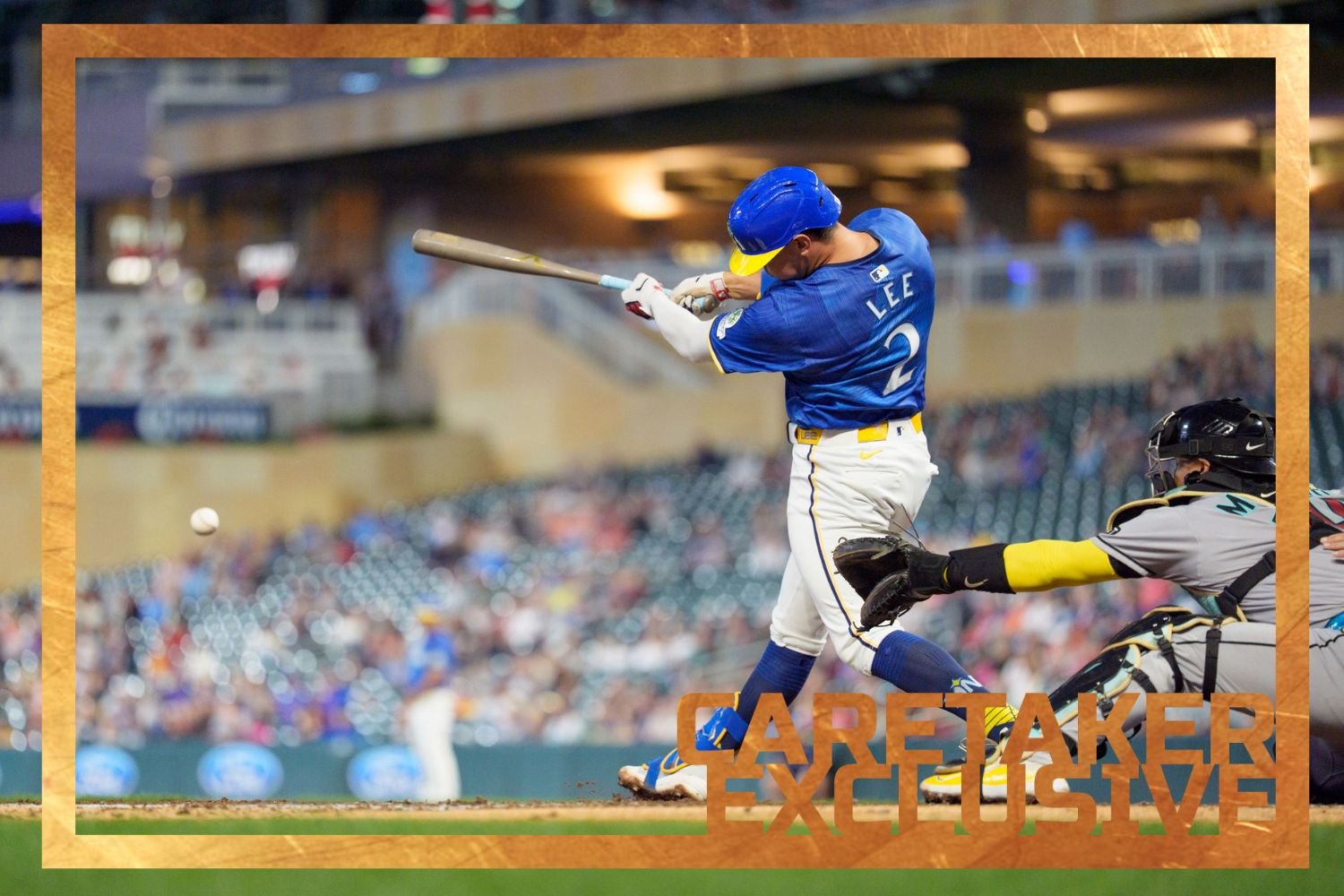 We’re still a week from Grapefruit League games, but that’s not too early to start talking about what we want to watch. Any value in watching spring training games isn’t in looking at players’ stats. Partly, that’s because it’s just such a small sample size. But on top of that, players are testing out new pitches and swings, which can produce results that will never make it into an actual game. No, if there is any value, it’s in looking at what players or coaches are trying to do, and reacting to success or failure. For instance: Brooks Lee’s Lateral Movement Brooks Lee spent the offseason working on two things, and one of them was getting more explosive lateral movement as a shortstop. “It's kind of like an obvious thing,” said Lee when asked about his offseason focus. “You know, balls hit to me, I'll make the play, but it's the ones I don't get to.” Lee’s range and whether he can handle the defensive workload of a shortstop are major questions for the Twins. So watch how often he gets to balls “in the hole” to his right, or on the other side of second base to his left. Brooks Lee’s Left-handed Opposite Field Swing The second thing he worked on was his left-handed swing, specifically hitting the ball to the opposite field. Coming up through the minors, Lee’s strong side was hitting for a high average, especially left-handed. Instead, last year he hit better (.266 BA) right-handed than left-handed (.220).
 -
Image courtesy of © Mike Watters-Imagn Images FORT MYERS—There’s a festivity to the day that pitchers and catchers report. It’s not just empty romanticism. The vast majority of the people who have dedicated their lives’ labor to baseball—players, coaches, staff, and yes, even beat writers—love the game, and its return lifts spirits. But it’s also an opportunity to set a tone. The tone new Twins manager Derek Shelton wanted to set was one of intentionality—specifically, intentionally doing the little things, because he’s seen them matter in the biggest moments. He demonstrated that to his players. “Shelton mainly focused on two plays that happened in the playoffs this past year: [pitching defensive plays] that didn’t get done,” pitcher Bailey Ober said when asked about Shelton’s message to the pitchers. “Basically said this can decide games. Here's two examples, on the highest stakes. We’re going to treat Day One and the days going forward like that’s what’s on the line when we’re out there getting outs and fielding our position.” If that sounds old-school, well, that was certainly part of the inspiration. “I had a very strong conversation with a guy whose number is retired at my press conference," said Shelton when asked why he chose to emphasize it on the first day. "It really impacted me. I’m talking about TK [former Twins manager Tom Kelly]. Making sure it was highlighted from the first meeting, the first conversation, the first practice—yeah, I think that kind of took me over the edge. Honestly, I’d be crazy not to take advice that was passionate and heartfelt from someone who loves the Twins, so I kind of took it to heart.” Shelton doesn’t come across as a fire-and-brimstone type. He’s more friendly uncle than drill sergeant. But he also has enough experience to know that over these next few weeks, he has a chance that may not come again: to establish a culture that can lead to success. “I think overall the way we want our culture to be set up—the intentionality—which goes back to the point of how we go about our work,” Shelton said. It’s clear he, at least, is being intentional about this opportunity and his work. New Bullpen Pieces All season long—really, since last season's trade deadline—fans have wondered what the Twins would do to supplement their bullpen. Over the last two days, the Twins have added two experienced veterans to their bullpen picture. On Wednesday, they signed Liam Hendriks, a former All-Star closer coming back from elbow issues, to a minor-league contract. He should arrive in a couple of days, and the Twins say he’s healthy and ready to go. “Everything’s been positive,” Shelton said. “He’s healthy, and he’s in a situation where he’s coming into camp to compete.” Hendriks is also part of Australia’s World Baseball Classic team. They also made a trade Thursday for veteran left-handed reliever Anthony Banda. He likely slots in as the second left-hander in the Twins bullpen, behind Taylor Rogers but ahead of Kody Funderburk. To make room for Banda, the Twins designated Jackson Kowar for assignment. Kowar spoke Thursday morning about how much he liked the situation in camp, especially because his spring-training locker sat next to Ober’s, a friend dating back to high school. Now, the Twins hope he’ll clear waivers and remain in the organization, giving them a chance to see whether a second year removed from Tommy John surgery helps him rediscover the feel for his changeup. Mick Abel’s Control Pitcher Mick Abel, whom the Twins acquired at last year’s trade deadline as part of the Jhoan Duran deal, reestablished himself as a prospect by tackling his biggest issue: command. In 2024, his walk rate was an ugly 5.2 BB/9. Last year, he cut that to 3.7—still a bit high, but playable with his electric stuff. As a result, his ERA dropped from 4.13 to 2.20 over the same span. So what adjustments did he make? Abel insists it was more about the adjustments he didn’t make. “I think a lot of it was confidence-based,” he said. “They just kind of let me loose, and they’re like, ‘Hey, do whatever you need to do. We’re not going to do anything mechanical. We’re not going to do anything with pitches.’ And being able to go through a full offseason of work and not having to think about where my arm is at in my arm motion—I’m like, ‘All right, screw that.’ That’s very gracious. Let me do that, and it’s how it should be.” His plan this year is similar. If he can consistently pitch like he did late last season, including a final start in which he threw six scoreless innings and struck out nine against those same Phillies. there’s at least one rotation spot in camp that is legitimately up for grabs. If You're Here.... If you're lucky and/or smart enough to be attending spring training, one of the Twins' better events is coming up on Monday. On President's Day every year, the Twins open up Hammond Stadium for fans the same day that the hitters show up for spring training. There is a health fair (i.e a chance to get a lot of swag), but it's also a chance to watch the team up close. Kids can play in the outfield in the afternoon. This year, the healthcare fair has a new offering: free EKGs for kids, because Florida now requires them for kids playing athletics. Of course, if you have read Twins Daily's Ultimate Spring Traiing Guide, you already know all about this, as well as the best time to visit, how to interact with the players, and the best breweries in town. Hope to see you here soon. View full article
-
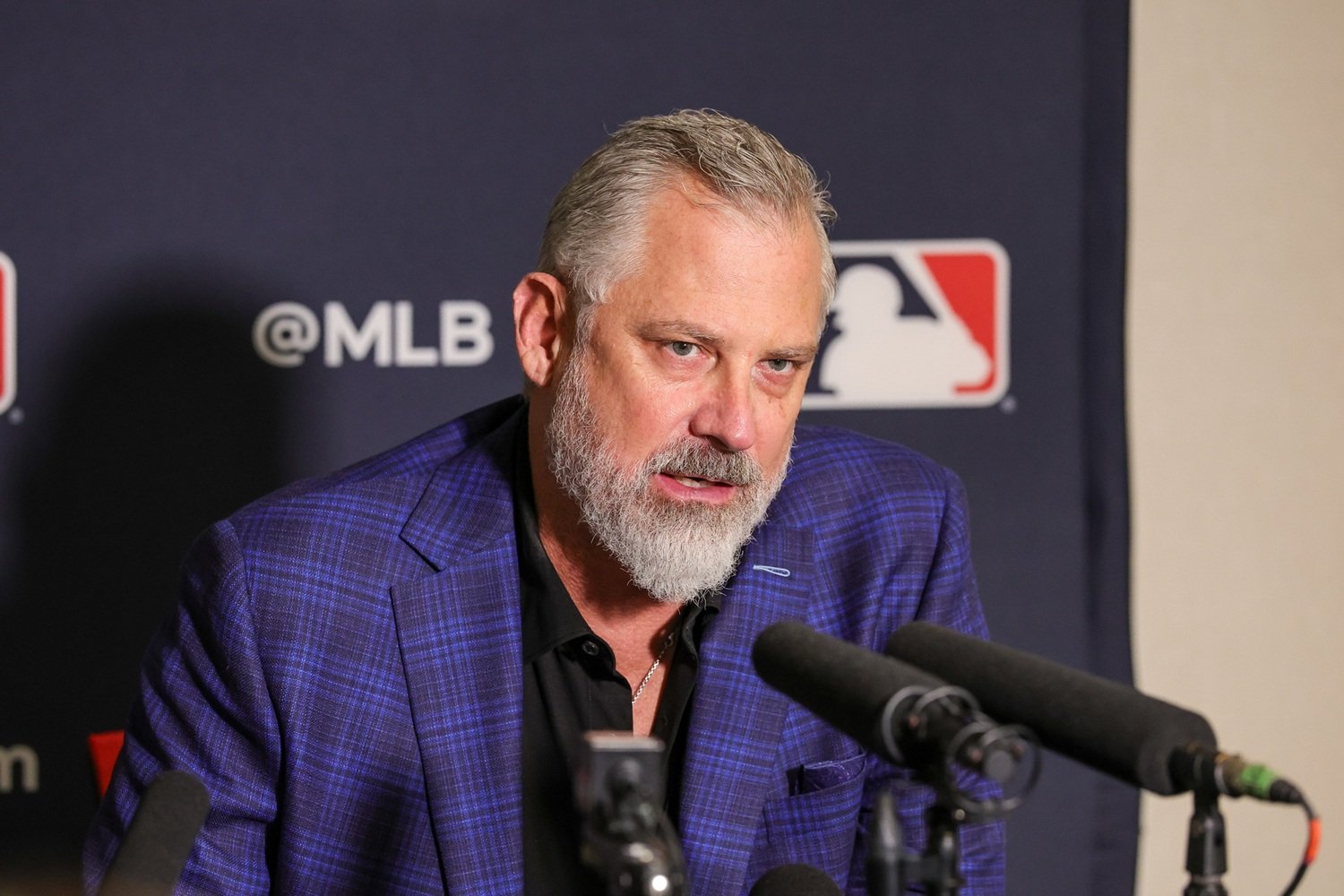 FORT MYERS—There’s a festivity to the day that pitchers and catchers report. It’s not just empty romanticism. The vast majority of the people who have dedicated their lives’ labor to baseball—players, coaches, staff, and yes, even beat writers—love the game, and its return lifts spirits. But it’s also an opportunity to set a tone. The tone new Twins manager Derek Shelton wanted to set was one of intentionality—specifically, intentionally doing the little things, because he’s seen them matter in the biggest moments. He demonstrated that to his players. “Shelton mainly focused on two plays that happened in the playoffs this past year: [pitching defensive plays] that didn’t get done,” pitcher Bailey Ober said when asked about Shelton’s message to the pitchers. “Basically said this can decide games. Here's two examples, on the highest stakes. We’re going to treat Day One and the days going forward like that’s what’s on the line when we’re out there getting outs and fielding our position.” If that sounds old-school, well, that was certainly part of the inspiration. “I had a very strong conversation with a guy whose number is retired at my press conference," said Shelton when asked why he chose to emphasize it on the first day. "It really impacted me. I’m talking about TK [former Twins manager Tom Kelly]. Making sure it was highlighted from the first meeting, the first conversation, the first practice—yeah, I think that kind of took me over the edge. Honestly, I’d be crazy not to take advice that was passionate and heartfelt from someone who loves the Twins, so I kind of took it to heart.” Shelton doesn’t come across as a fire-and-brimstone type. He’s more friendly uncle than drill sergeant. But he also has enough experience to know that over these next few weeks, he has a chance that may not come again: to establish a culture that can lead to success. “I think overall the way we want our culture to be set up—the intentionality—which goes back to the point of how we go about our work,” Shelton said. It’s clear he, at least, is being intentional about this opportunity and his work. New Bullpen Pieces All season long—really, since last season's trade deadline—fans have wondered what the Twins would do to supplement their bullpen. Over the last two days, the Twins have added two experienced veterans to their bullpen picture. On Wednesday, they signed Liam Hendriks, a former All-Star closer coming back from elbow issues, to a minor-league contract. He should arrive in a couple of days, and the Twins say he’s healthy and ready to go. “Everything’s been positive,” Shelton said. “He’s healthy, and he’s in a situation where he’s coming into camp to compete.” Hendriks is also part of Australia’s World Baseball Classic team. They also made a trade Thursday for veteran left-handed reliever Anthony Banda. He likely slots in as the second left-hander in the Twins bullpen, behind Taylor Rogers but ahead of Kody Funderburk. To make room for Banda, the Twins designated Jackson Kowar for assignment. Kowar spoke Thursday morning about how much he liked the situation in camp, especially because his spring-training locker sat next to Ober’s, a friend dating back to high school. Now, the Twins hope he’ll clear waivers and remain in the organization, giving them a chance to see whether a second year removed from Tommy John surgery helps him rediscover the feel for his changeup. Mick Abel’s Control Pitcher Mick Abel, whom the Twins acquired at last year’s trade deadline as part of the Jhoan Duran deal, reestablished himself as a prospect by tackling his biggest issue: command. In 2024, his walk rate was an ugly 5.2 BB/9. Last year, he cut that to 3.7—still a bit high, but playable with his electric stuff. As a result, his ERA dropped from 4.13 to 2.20 over the same span. So what adjustments did he make? Abel insists it was more about the adjustments he didn’t make. “I think a lot of it was confidence-based,” he said. “They just kind of let me loose, and they’re like, ‘Hey, do whatever you need to do. We’re not going to do anything mechanical. We’re not going to do anything with pitches.’ And being able to go through a full offseason of work and not having to think about where my arm is at in my arm motion—I’m like, ‘All right, screw that.’ That’s very gracious. Let me do that, and it’s how it should be.” His plan this year is similar. If he can consistently pitch like he did late last season, including a final start in which he threw six scoreless innings and struck out nine against those same Phillies. there’s at least one rotation spot in camp that is legitimately up for grabs. If You're Here.... If you're lucky and/or smart enough to be attending spring training, one of the Twins' better events is coming up on Monday. On President's Day every year, the Twins open up Hammond Stadium for fans the same day that the hitters show up for spring training. There is a health fair (i.e a chance to get a lot of swag), but it's also a chance to watch the team up close. Kids can play in the outfield in the afternoon. This year, the healthcare fair has a new offering: free EKGs for kids, because Florida now requires them for kids playing athletics. Of course, if you have read Twins Daily's Ultimate Spring Traiing Guide, you already know all about this, as well as the best time to visit, how to interact with the players, and the best breweries in town. Hope to see you here soon.
- 19 comments
-
- 11
-

-

-
FORT MYERS—Four little words make our hearts soar: Pitchers and catchers report We took last year's gut punch, but come back for more. Pitchers and catchers report The fire sale came; we watched stars depart Felt like someone was stealing our heart But hope’s a disease, and we'll do our part Pitchers and catchers report Debt was reduced, papers were filed Pitchers and catchers report New partners joined (The guy from the Wild?!) Pitchers and catchers report Minority owners now in the mix A new set of suits with their “synergies” tricks We’ll take it, if somehow this lineup they'll fix Pitchers and catchers report They added some bats, the offense to pump Pitchers and catchers report Caratini to catch, Josh Bell adds some thump Pitchers and catchers report Rogers returned, four years gone, now he's back We hope that his left arm has not lost its knack Now get us the closer we somehow still lack. Pitchers and catchers report Joe's out, Tom's in the Executive Chair Pitchers and catchers report Then the BIG change: “Mutual,” they swear Pitchers and catchers report Falvey walks out as the waters get rough "Relentless" Tom chants, as if that's enough Now prove it and fund a 'pen that's not fluff. Pitchers and catchers report Finally, you take your turn as poet Pitchers and catchers report Channel your winter frustration and show it Pitchers and catchers report The comments below are a great place to bleat Two tens and three ‘levens provide you the beat (But add words wherever, if, like me, you cheat). Pitchers and catchers report View full article
-
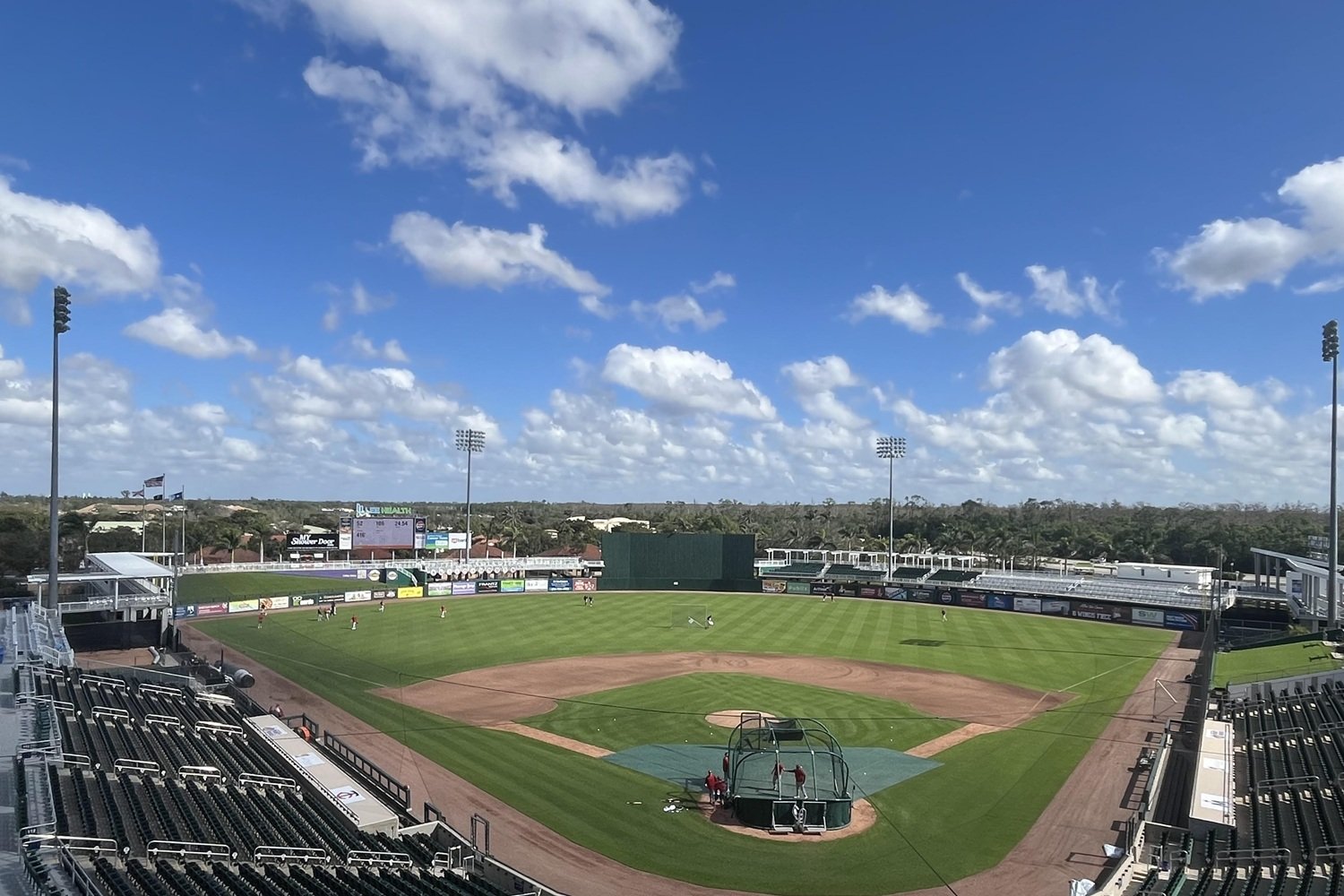 FORT MYERS—Four little words make our hearts soar: Pitchers and catchers report We took last year's gut punch, but come back for more. Pitchers and catchers report The fire sale came; we watched stars depart Felt like someone was stealing our heart But hope’s a disease, and we'll do our part Pitchers and catchers report Debt was reduced, papers were filed Pitchers and catchers report New partners joined (The guy from the Wild?!) Pitchers and catchers report Minority owners now in the mix A new set of suits with their “synergies” tricks We’ll take it, if somehow this lineup they'll fix Pitchers and catchers report They added some bats, the offense to pump Pitchers and catchers report Caratini to catch, Josh Bell adds some thump Pitchers and catchers report Rogers returned, four years gone, now he's back We hope that his left arm has not lost its knack Now get us the closer we somehow still lack. Pitchers and catchers report Joe's out, Tom's in the Executive Chair Pitchers and catchers report Then the BIG change: “Mutual,” they swear Pitchers and catchers report Falvey walks out as the waters get rough "Relentless" Tom chants, as if that's enough Now prove it and fund a 'pen that's not fluff. Pitchers and catchers report Finally, you take your turn as poet Pitchers and catchers report Channel your winter frustration and show it Pitchers and catchers report The comments below are a great place to bleat Two tens and three ‘levens provide you the beat (But add words wherever, if, like me, you cheat). Pitchers and catchers report
- 15 comments
-
- 12
-
-
-
You can listen by downloading us from iTunes, Spotify, YouTube, iHeartRadio, Stitcher, GleemanAndTheGeek.com, click this link or you can listen to it or watch it below. View full article
-
Gleeman & The Geek: Twins and Derek Falvey Break Up After Nine Years
John Bonnes posted an article in Podcasts
 You can listen by downloading us from iTunes, Spotify, YouTube, iHeartRadio, Stitcher, GleemanAndTheGeek.com, click this link or you can listen to it or watch it below.
 -
You can listen by downloading us from iTunes, Spotify, YouTube, iHeartRadio, Stitcher, GleemanAndTheGeek.com, click this link or you can listen to it or watch it below. View full article
-
Gleeman & the Geek: Signing Taylor Rogers and Notes From TwinsFest
John Bonnes posted an article in Podcasts
 You can listen by downloading us from iTunes, Spotify, YouTube, iHeartRadio, Stitcher, GleemanAndTheGeek.com, click this link or you can listen to it or watch it below.
 -
Gleeman & The Geek: Victor Caratini and the Twins' Roster Puzzle
John Bonnes posted an article in Podcasts
 You can listen by downloading us from iTunes, Spotify, YouTube, iHeartRadio, Stitcher, GleemanAndTheGeek.com, click this link or you can listen to it or watch it below.
 -
You can listen by downloading us from iTunes, Spotify, YouTube, iHeartRadio, Stitcher, GleemanAndTheGeek.com, click this link or you can listen to it or watch it below. View full article
-
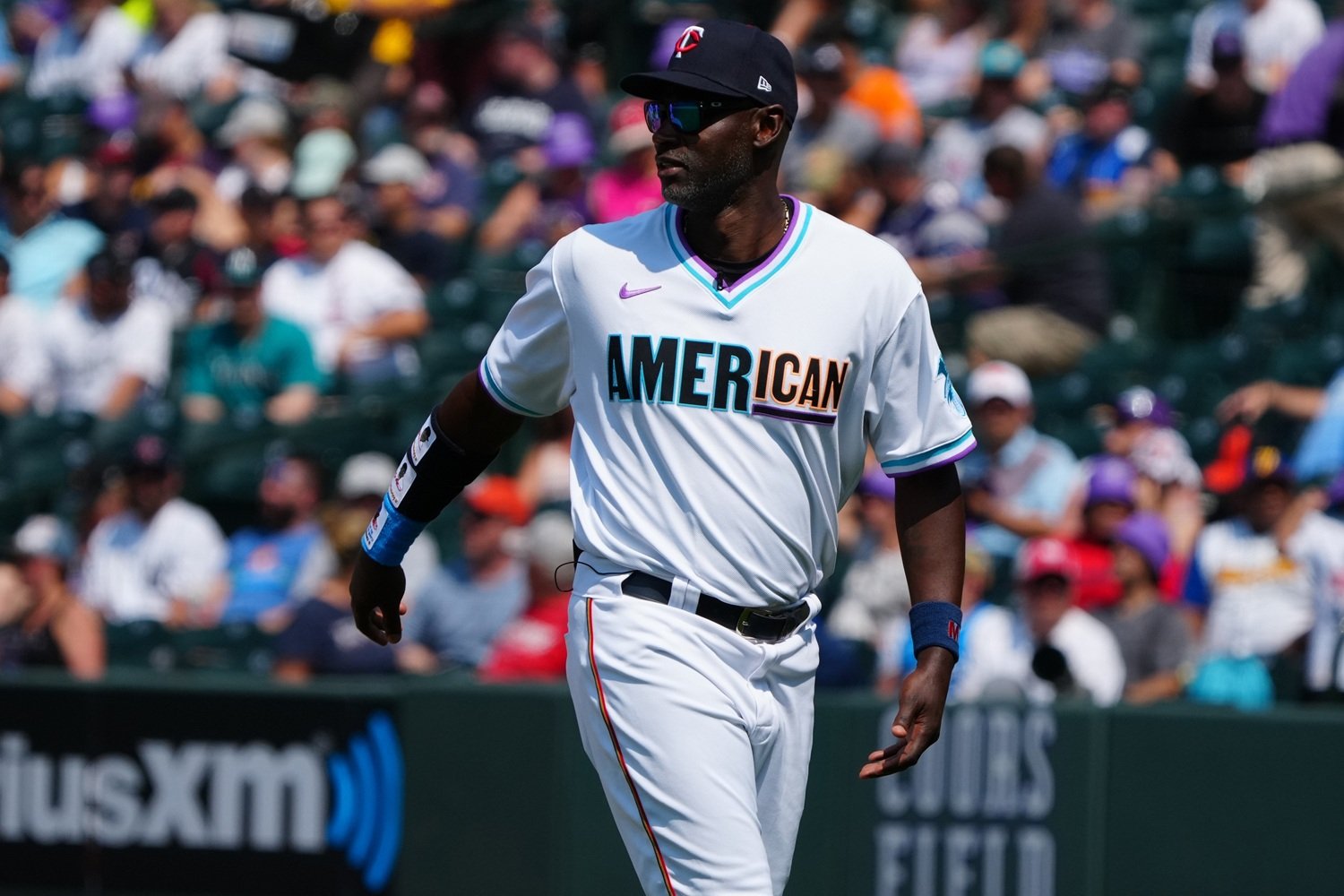
Image courtesy of © Ron Chenoy-Imagn Images As Twins Daily's Winter Meltdown has grown in the public consciousness, it's also grown in the number of guests. Today, we're thrilled to announce LaTroy Hawkins will be joining our party, where he'll be interviewed by Aaron Gleeman and John Bonnes, participate in some activities, and stick around to meet our caretakers and their friends. (Sorry, absolutely no autographs.) Plus, we'll reveal our second guest tomorrow! "Hawk" spent over two decades in Major League Baseball, but the core of his career came with the Minnesota Twins. Drafted by the team in 1991, Hawkins worked his way through the organization and made his major league debut in 1995. The Twins used him in a wide range of roles: starter, long reliever, setup man, and eventually closer. That flexibility made him a regular presence on the pitching staff throughout the late 1990s and early 2000s, a period when Minnesota was moving from one contending generation to another. Hawkins’ best-known seasons came during his time in the bullpen. Hawkins was a key contributor in the 2002 and 2003 division-winning teams, frequently asked to pitch in high-leverage situations late in games. Hawkins ended up pitching in 366 Twins games over nine years, finishing his Minnesota tenure as one of the team’s all-time leaders in relief appearances and innings pitched by a reliever. He developed from a do-anything contributor to an overpowering reliever who showed up consistently and handled whatever role was assigned to him. After leaving Minnesota, Hawkins went on to pitch for ten(!) more major league teams over the next 12 years, extending his career into his early forties and becoming one of the most widely traveled pitchers in MLB history. Still, his longest stay and most recognizable stretch came with the Twins, where he established himself as a dependable arm and team leader for an organization rediscovering its mojo. After his playing career, he rejoined the franchise, joining the organization as a special assistant in 2016, and will be the team’s bullpen coach this upcoming year under new manager Derek Shelton. We would love for you to get to know him better. It's not too late to get tickets, but you can't just buy them. We hoped to sell some for $60, but we're limited to just 250 tickets, and we need to prioritize our Caretakers, so we can't release them to the general public. But you can become a Caretaker for as little as $4/month, and that gets you a free ticket, AND you can bring up to three more guests for just $20 apiece. Become a Caretaker here! If you are already a Caretaker, THANK YOU. But please do not delay in buying your ticket. We will likely sell out, even limiting them to Caretakers and their friends. So grab them now. Each ticket includes: Two complimentary craft beers An exclusive Winter Meltdown 2026 pint glass Automatic entry into door prize raffles Five hours of premium Hot Stove hangouts with your people Live on-stage interviews hosted by Aaron Gleeman & John Bonnes Face time with special guests who mingle with the Twins Daily community Event Details Date: Saturday, January 24 Time: 4:00 – 9:00 PM Location: Smorgie’s, 508 N 1st Ave, Minneapolis With the Winter Meltdown falling on the same weekend as TwinsFest, the day will be a full, perfectly sequenced celebration of baseball. Spend the afternoon at Target Field soaking in TwinsFest, then make the easy trip over to Smorgie’s to keep the energy rolling – the ideal way to transition from daytime fan fest to an evening surrounded by fellow diehards, cold drinks, and great conversation. And join us tomorrow when we announce our final guest! He’ll be a “first” for Twins Daily’s Winter Meltdown! View full article
-
 As Twins Daily's Winter Meltdown has grown in the public consciousness, it's also grown in the number of guests. Today, we're thrilled to announce LaTroy Hawkins will be joining our party, where he'll be interviewed by Aaron Gleeman and John Bonnes, participate in some activities, and stick around to meet our caretakers and their friends. (Sorry, absolutely no autographs.) Plus, we'll reveal our second guest tomorrow! "Hawk" spent over two decades in Major League Baseball, but the core of his career came with the Minnesota Twins. Drafted by the team in 1991, Hawkins worked his way through the organization and made his major league debut in 1995. The Twins used him in a wide range of roles: starter, long reliever, setup man, and eventually closer. That flexibility made him a regular presence on the pitching staff throughout the late 1990s and early 2000s, a period when Minnesota was moving from one contending generation to another. Hawkins’ best-known seasons came during his time in the bullpen. Hawkins was a key contributor in the 2002 and 2003 division-winning teams, frequently asked to pitch in high-leverage situations late in games. Hawkins ended up pitching in 366 Twins games over nine years, finishing his Minnesota tenure as one of the team’s all-time leaders in relief appearances and innings pitched by a reliever. He developed from a do-anything contributor to an overpowering reliever who showed up consistently and handled whatever role was assigned to him. After leaving Minnesota, Hawkins went on to pitch for ten(!) more major league teams over the next 12 years, extending his career into his early forties and becoming one of the most widely traveled pitchers in MLB history. Still, his longest stay and most recognizable stretch came with the Twins, where he established himself as a dependable arm and team leader for an organization rediscovering its mojo. After his playing career, he rejoined the franchise, joining the organization as a special assistant in 2016, and will be the team’s bullpen coach this upcoming year under new manager Derek Shelton. We would love for you to get to know him better. It's not too late to get tickets, but you can't just buy them. We hoped to sell some for $60, but we're limited to just 250 tickets, and we need to prioritize our Caretakers, so we can't release them to the general public. But you can become a Caretaker for as little as $4/month, and that gets you a free ticket, AND you can bring up to three more guests for just $20 apiece. Become a Caretaker here! If you are already a Caretaker, THANK YOU. But please do not delay in buying your ticket. We will likely sell out, even limiting them to Caretakers and their friends. So grab them now. Each ticket includes: Two complimentary craft beers An exclusive Winter Meltdown 2026 pint glass Automatic entry into door prize raffles Five hours of premium Hot Stove hangouts with your people Live on-stage interviews hosted by Aaron Gleeman & John Bonnes Face time with special guests who mingle with the Twins Daily community Event Details Date: Saturday, January 24 Time: 4:00 – 9:00 PM Location: Smorgie’s, 508 N 1st Ave, Minneapolis With the Winter Meltdown falling on the same weekend as TwinsFest, the day will be a full, perfectly sequenced celebration of baseball. Spend the afternoon at Target Field soaking in TwinsFest, then make the easy trip over to Smorgie’s to keep the energy rolling – the ideal way to transition from daytime fan fest to an evening surrounded by fellow diehards, cold drinks, and great conversation. And join us tomorrow when we announce our final guest! He’ll be a “first” for Twins Daily’s Winter Meltdown!
 -
 Tomorrow we'll reveal this year's Winter Meltdown pint glass, available only at the year's Winter Meltdown. It will be the 12th pint glass Brock Beauchamp has designed, and I thought it might be fun to look at the first 11 and how they related to the history of the Winter Meltdown. 2014 - Year One - A New Idea The first year's pint glass is unique - because we had no idea what we were doing. But we knew what had happened the year before, which we now refer to as Year 0 of the Meltdown. We had purchased a keg at Hubert's across the street from the Metrodome, and invited anyone who read Twins Daily to stop by and have a beer on us after Twins Fest. We were swamped. Well over 100 people showed up, and we recognized that all those digital eyeballs that we had seen on Google Analytics belonged to real eyeballs that wanted to connect. So in 2014, we planned ahead a bit. We booked Scott Erickson and Dave St. Peter, Brock designed a pint glass based on a memorable Twins’ moment, 612 Brew provided the beer, and most of us (including Erickson) stayed way too late in the night talking Twins. A tradition had started. 2015-2020 - Years Two Through Seven - The Baseball Years We kept going strong, getting more and more attendees and more prominent guests over the next six years. Alumni like Joe Nathan, Michael Cuddyer, and Kent Hrbek joined us, and we had over 400-600 people attend a few of these events. We decided we wanted different designs for the pint glasses every year, and there were only so many iconic moments that we could capture, so the pint glasses switched their designs to the old-timey Twins playing winter baseball. They captured the Meltdown’s vibe: a mix of winter and fun, which seems quaint given what came next. 2021-2022 Year Eight and ??? - COVID Hits COVID meant no events for the next two years, but the first year we leaned into it with a special isolation-themed pint glass that you could order online, and the proceeds went to charity. The second year we ... didn't. And it looked like the Winter Meltdown might be doomed. 2023 - 2025 Years Eight Through Eleven - Pint Glasses for the Fans But we did not going to go gently into that good night. We bounced back with Glen Perkins and Patrick Reusse in 2023, and started including current players the next year when Minnesotans Matt Wallner and Louis Varland joined us. Since we had already broken the ice on the pint glasses reflecting the mood of the fan base, we kept going down that path, too: the 2022 season ended amid a slew of injuries the 2023 season ended with the Twins breaking the playoff loss streak the 2024 season ended with the team for sale. Which brings us to the 2025 season, a season that ended with a fan base trying to process just what the hell happened to their beloved franchise. We'll reveal that design tomrrow, but you're welcome to give your thoughts below. Or better yet, make sure you get your glass by becoming a Twins Daily caretaker and getting your free tickets, and grabbing up to three more tickets for your crew. See you on Friday for the reveal!
 -
Tomorrow we'll reveal this year's Winter Meltdown pint glass, available only at the year's Winter Meltdown. It will be the 12th pint glass Brock Beauchamp has designed, and I thought it might be fun to look at the first 11 and how they related to the history of the Winter Meltdown. 2014 - Year One - A New Idea The first year's pint glass is unique - because we had no idea what we were doing. But we knew what had happened the year before, which we now refer to as Year 0 of the Meltdown. We had purchased a keg at Hubert's across the street from the Metrodome, and invited anyone who read Twins Daily to stop by and have a beer on us after Twins Fest. We were swamped. Well over 100 people showed up, and we recognized that all those digital eyeballs that we had seen on Google Analytics belonged to real eyeballs that wanted to connect. So in 2014, we planned ahead a bit. We booked Scott Erickson and Dave St. Peter, Brock designed a pint glass based on a memorable Twins’ moment, 612 Brew provided the beer, and most of us (including Erickson) stayed way too late in the night talking Twins. A tradition had started. 2015-2020 - Years Two Through Seven - The Baseball Years We kept going strong, getting more and more attendees and more prominent guests over the next six years. Alumni like Joe Nathan, Michael Cuddyer, and Kent Hrbek joined us, and we had over 400-600 people attend a few of these events. We decided we wanted different designs for the pint glasses every year, and there were only so many iconic moments that we could capture, so the pint glasses switched their designs to the old-timey Twins playing winter baseball. They captured the Meltdown’s vibe: a mix of winter and fun, which seems quaint given what came next. 2021-2022 Year Eight and ??? - COVID Hits COVID meant no events for the next two years, but the first year we leaned into it with a special isolation-themed pint glass that you could order online, and the proceeds went to charity. The second year we ... didn't. And it looked like the Winter Meltdown might be doomed. 2023 - 2025 Years Eight Through Eleven - Pint Glasses for the Fans But we did not going to go gently into that good night. We bounced back with Glen Perkins and Patrick Reusse in 2023, and started including current players the next year when Minnesotans Matt Wallner and Louis Varland joined us. Since we had already broken the ice on the pint glasses reflecting the mood of the fan base, we kept going down that path, too: the 2022 season ended amid a slew of injuries the 2023 season ended with the Twins breaking the playoff loss streak the 2024 season ended with the team for sale. Which brings us to the 2025 season, a season that ended with a fan base trying to process just what the hell happened to their beloved franchise. We'll reveal that design tomrrow, but you're welcome to give your thoughts below. Or better yet, make sure you get your glass by becoming a Twins Daily caretaker and getting your free tickets, and grabbing up to three more tickets for your crew. See you on Friday for the reveal! View full article
-
The Winter Meltdown Is Back! Clear Your Calendar for January 24.
John Bonnes posted an article in Twins Daily
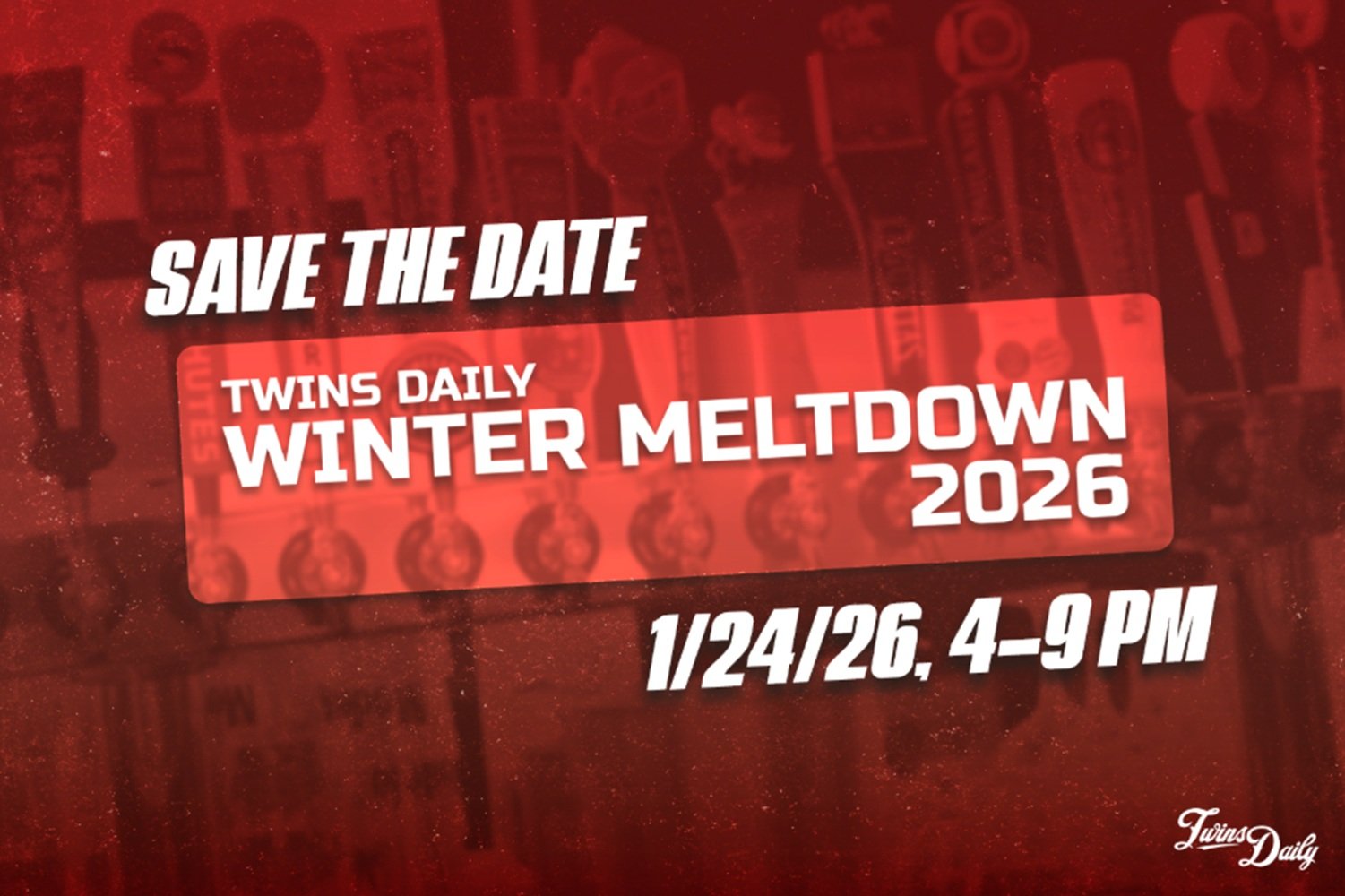 The Winter Meltdown returns bigger and better than ever. New venue. New surprises. New 2026 pint glass. Same electric Twins Daily energy you look forward to every year. This is the offseason celebration built by fans, for fans — and you’ll want to be there when it all melts down (in the best way possible). Fresh details will drop soon right here on Twins Daily. Consider this your official heads-up: mark your calendar now. Sign up to take care of Twins Daily. Tickets sell fast. Memories last forever. When & Where Date: Saturday, January 24 Time: 4:00 – 9:00 PM Location: A brand-new spot in downtown Minneapolis — just blocks from Target Field. And yes, it’s the same weekend as TwinsFest. That means you can soak up the full fan experience at Target Field, then stroll over to the Meltdown to top off the day with the ultimate afterparty. Each ticket includes: Two complimentary craft beers An exclusive Winter Meltdown 2026 pint glass Automatic entry into door prize raffles Five hours of premium Hot Stove hangouts with your people Live on-stage interviews hosted by Aaron Gleeman & John Bonnes Face time with special guests who mingle with the Twins Daily community Past guests have included Kent Hrbek, Trevor Plouffe, Joe Nathan, Michael Cuddyer, LaTroy Hawkins, John Bonnes, Aaron Gleeman, and more — plus rising stars like Simeon Woods Richardson and fan-favorite voice Cory Provus. Who’s stepping to the mic this year? Stay tuned. How/Tickets Hundreds of people have previously wanted to attend this exclusive event, but this year, we only have 250 tickets available. You will likely need to become (or know) a Twins Daily Caretaker to get a ticket. Each caretaker gets a free ticket to the Meltdown. Caretakers can buy up to three additional tickets for just $20 The Caretakers take care of Twins Daily, and we want to take care of them, so to give them the best chance, we're limiting the tickets to them, at least for now. If you want to join Twins Daily's Caretakers, you can do so for as low as $4/month. You get exclusive content, other benefits, and support from our hard-working writers, moderators, and tech guys. We would LOVE to have you join us. Can I Just Buy A Ticket? Maybe? If our Caretakers don't sell this thing out, we'll offer general admission tickets the week of the event. Last year we couldn't. But if we can, they'll be $60 apiece. Become a Caretaker here! If you're already a Caretaker, THANK YOU. We’ll get you your special link soon. But once we do, please don't delay in buying your ticket. We'll likely sell out, even limiting them to Caretakers and their friends. Looking for more details? Great! We'll reveal more about the Meltdown as it approaches, including our guests, special brewery, giveaways, and other sponsors. We'll soon reveal our new location, closer to TwinsFest and Target Field than ever before. You won't want to miss it! So follow us on Twitter, Facebook, Instagram, YouTube, or Bluesky for more news as it's released. Plus, stop by all week as we reveal details.
 -
The Winter Meltdown returns bigger and better than ever. New venue. New surprises. New 2026 pint glass. Same electric Twins Daily energy you look forward to every year. This is the offseason celebration built by fans, for fans — and you’ll want to be there when it all melts down (in the best way possible). Fresh details will drop soon right here on Twins Daily. Consider this your official heads-up: mark your calendar now. Sign up to take care of Twins Daily. Tickets sell fast. Memories last forever. When & Where Date: Saturday, January 24 Time: 4:00 – 9:00 PM Location: A brand-new spot in downtown Minneapolis — just blocks from Target Field. And yes, it’s the same weekend as TwinsFest. That means you can soak up the full fan experience at Target Field, then stroll over to the Meltdown to top off the day with the ultimate afterparty. Each ticket includes: Two complimentary craft beers An exclusive Winter Meltdown 2026 pint glass Automatic entry into door prize raffles Five hours of premium Hot Stove hangouts with your people Live on-stage interviews hosted by Aaron Gleeman & John Bonnes Face time with special guests who mingle with the Twins Daily community Past guests have included Kent Hrbek, Trevor Plouffe, Joe Nathan, Michael Cuddyer, LaTroy Hawkins, John Bonnes, Aaron Gleeman, and more — plus rising stars like Simeon Woods Richardson and fan-favorite voice Cory Provus. Who’s stepping to the mic this year? Stay tuned. How/Tickets Hundreds of people have previously wanted to attend this exclusive event, but this year, we only have 250 tickets available. You will likely need to become (or know) a Twins Daily Caretaker to get a ticket. Each caretaker gets a free ticket to the Meltdown. Caretakers can buy up to three additional tickets for just $20 The Caretakers take care of Twins Daily, and we want to take care of them, so to give them the best chance, we're limiting the tickets to them, at least for now. If you want to join Twins Daily's Caretakers, you can do so for as low as $4/month. You get exclusive content, other benefits, and support from our hard-working writers, moderators, and tech guys. We would LOVE to have you join us. Can I Just Buy A Ticket? Maybe? If our Caretakers don't sell this thing out, we'll offer general admission tickets the week of the event. Last year we couldn't. But if we can, they'll be $60 apiece. Become a Caretaker here! If you're already a Caretaker, THANK YOU. We’ll get you your special link soon. But once we do, please don't delay in buying your ticket. We'll likely sell out, even limiting them to Caretakers and their friends. Looking for more details? Great! We'll reveal more about the Meltdown as it approaches, including our guests, special brewery, giveaways, and other sponsors. We'll soon reveal our new location, closer to TwinsFest and Target Field than ever before. You won't want to miss it! So follow us on Twitter, Facebook, Instagram, YouTube, or Bluesky for more news as it's released. Plus, stop by all week as we reveal details. View full article
- 1 reply
-
- 1
-
.jpg.084b1e2350d1b63db84d6c27a9f25f28.jpg)
.jpg.7638128671993385bf62e5e6f8ca7a2e.jpg)

