


.png.7846f23ff7308bd0a60773982c8c4137.png)
William Malone
-
Posts
786 -
Joined
-
Last visited
Content Type
Profiles
News
Minnesota Twins Videos
2026 Minnesota Twins Top Prospects Ranking
2022 Minnesota Twins Draft Picks
Minnesota Twins Free Agent & Trade Rumors, Notes, & Tidbits
Guides & Resources
2023 Minnesota Twins Draft Picks
The Minnesota Twins Players Project
2024 Minnesota Twins Draft Picks
2025 Minnesota Twins Draft Pick Tracker
2026 Minnesota Twins Draft Tracker: Picks & Bonuses
Forums
Blogs
Events
Store
Downloads
Gallery
Everything posted by William Malone
-
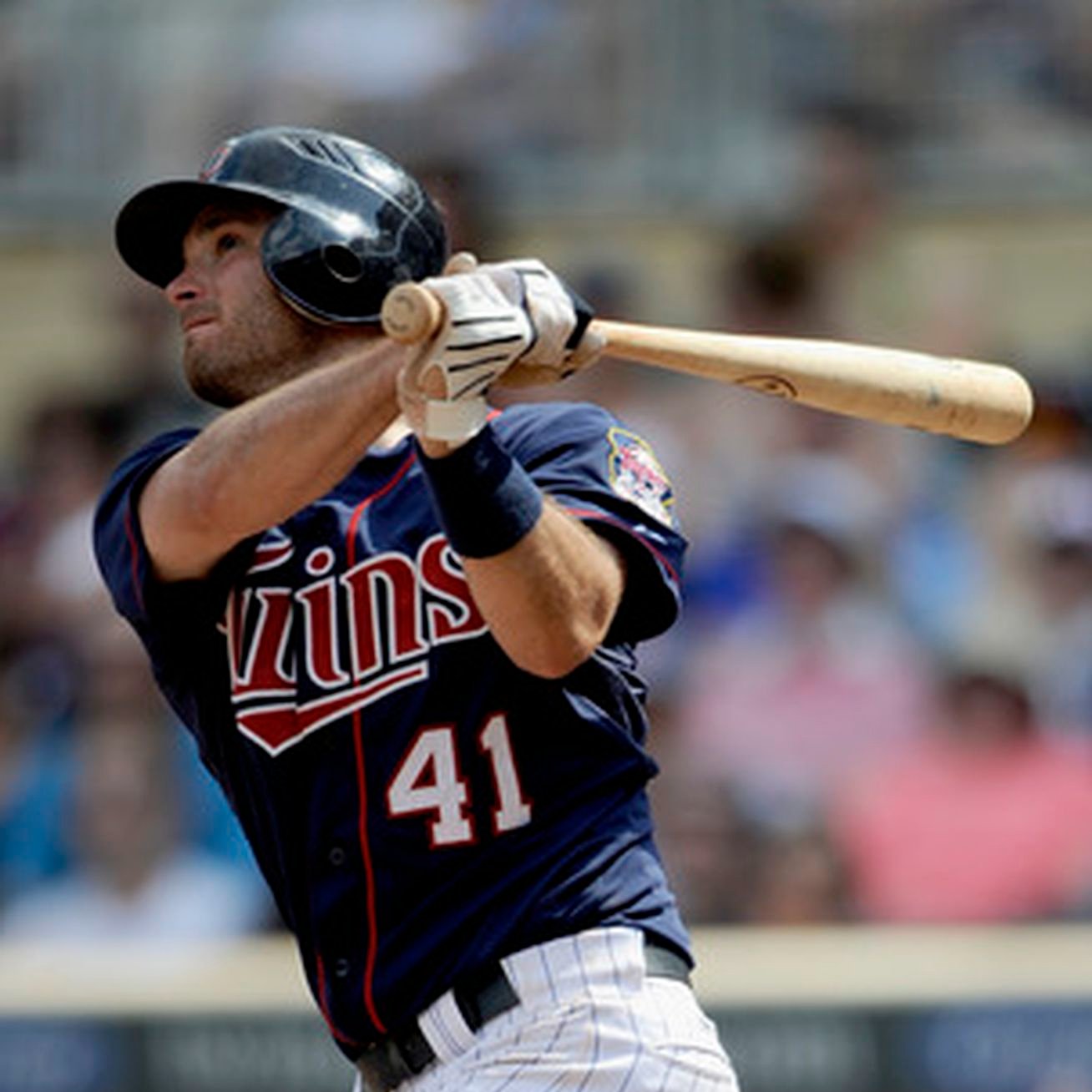 Andrew Edward Butera was born on August 9, 1983 in Evansville, Indiana. The New York Mets selected him in round five of the 2005 MLB Draft. He was traded to the Minnesota Twins for veteran second baseman Luis Castillo at the deadline in 2007. Butera made his Major League debut in 2010, making the Opening Day roster after projected back-up catcher José Morales got injured during spring training. He slashed .197/.237/.296 (.533) in 49 games as a rookie. His first big league home run came in dramatic fashion on June 19th against the Philadelphia Phillies. Butera launched a tenth inning, tie breaking home run while pinch hitting for Matt Guerrier in a game played under National League rules. Minnesota won the game 13-10. He returned to the Twins in 2011, seeing an increase in playing time after Joe Mauer was forced out of action due to bilateral leg weakness. His offensive numbers got even worse from the year prior, finishing with a .167/.210/.239 slash line over 93 games. Butera caught Franciaco Liriano's no-hitter against the Chicago White Sox on May 3, 2011. He delivered a walk-off single against the San Diego Padres on June 19, 2011. Minnesota signed free agent catcher Ryan Doumit ahead of the 2012 campaign, and Butera began that season in Triple-A. Doumit got a lot of playing time as a corner outfielder and designated hitter, causing the Twins to occasionally call up Butera to serve as a third catcher. He appeared in 42 games that season, slashing .198/.270/.297 with one home run and five RBI. Butera spent most of 2013 in Triple-A, appearing in only two Major League games for the Twins. He was traded to the Los Angeles Dodgers at the deadline. The rest of his career was spent as a journeyman backup catcher. Butera played for the Dodgers (2013-14), Los Angeles Angels (2015 and 2021), Kansas City Royals (2015-18) and Colorado Rockies (2018-20). He won a World Series with the Royals in 2015 as the backup catcher to Salvador Perez, appearing in three games off the bench that October. Butera played for Team Italy in the 2013 and 2017 World Baseball Classic. His father, Sal Butera, won a World Series with the Twins in 1987. As of 2025, he is on the Major League coaching staff for the Chicago White Sox. Butera had previously been on the Los Angeles Angels coaching staff in 2022 and 2023.
 -
Andrew Edward Butera was born on August 9, 1983 in Evansville, Indiana. The New York Mets selected him in round five of the 2005 MLB Draft. He was traded to the Minnesota Twins for veteran second baseman Luis Castillo at the deadline in 2007. Butera made his Major League debut in 2010, making the Opening Day roster after projected back-up catcher José Morales got injured during spring training. He slashed .197/.237/.296 (.533) in 49 games as a rookie. His first big league home run came in dramatic fashion on June 19th against the Philadelphia Phillies. Butera launched a tenth inning, tie breaking home run while pinch hitting for Matt Guerrier in a game played under National League rules. Minnesota won the game 13-10. He returned to the Twins in 2011, seeing an increase in playing time after Joe Mauer was forced out of action due to bilateral leg weakness. His offensive numbers got even worse from the year prior, finishing with a .167/.210/.239 slash line over 93 games. Butera caught Franciaco Liriano's no-hitter against the Chicago White Sox on May 3, 2011. He delivered a walk-off single against the San Diego Padres on June 19, 2011. Minnesota signed free agent catcher Ryan Doumit ahead of the 2012 campaign, and Butera began that season in Triple-A. Doumit got a lot of playing time as a corner outfielder and designated hitter, causing the Twins to occasionally call up Butera to serve as a third catcher. He appeared in 42 games that season, slashing .198/.270/.297 with one home run and five RBI. Butera spent most of 2013 in Triple-A, appearing in only two Major League games for the Twins. He was traded to the Los Angeles Dodgers at the deadline. The rest of his career was spent as a journeyman backup catcher. Butera played for the Dodgers (2013-14), Los Angeles Angels (2015 and 2021), Kansas City Royals (2015-18) and Colorado Rockies (2018-20). He won a World Series with the Royals in 2015 as the backup catcher to Salvador Perez, appearing in three games off the bench that October. Butera played for Team Italy in the 2013 and 2017 World Baseball Classic. His father, Sal Butera, won a World Series with the Twins in 1987. As of 2025, he is on the Major League coaching staff for the Chicago White Sox. Butera had previously been on the Los Angeles Angels coaching staff in 2022 and 2023. View full player
-
.thumb.png.131fdf97b843dfc7f73f4f987002a0f8.png)
Be careful what you wish for with owners
William Malone commented on William Malone's blog entry in William Malone IV blogs about Twins
What is your basis for saying they play in a "tough" division? Maybe it was tough in 2023. It was a bad division last year. Worse than the AL Central. -
Be careful what you wish for with owners
William Malone commented on William Malone's blog entry in William Malone IV blogs about Twins
Having a rebuild doesn’t mean they rebuilt correctly. What if they’re just like the White Sox? Everybody got all excited for their future. They made the playoffs and 2020 and 2021. That was as good as it got. What has their front office ever shown your to make you confident they rebuilt correctly? -
Be careful what you wish for with owners
William Malone commented on William Malone's blog entry in William Malone IV blogs about Twins
But if we start making it about the front office and not ownership, you can’t just cherry pick “last three years.” I don’t think the division matters. The AL central was better than the AL East last year. It’s also better this year. you can’t just sit back on the Yankees. They are just 1/5th of their division. just like how the White Sox are only 1/5th of their division. The twins right now are in a tougher division if you look at the entire divisions. -
Be careful what you wish for with owners
William Malone commented on William Malone's blog entry in William Malone IV blogs about Twins
So if it's not the owners then they're just stupid? Is it a bad front office? That's an argument I'm open to. Because they don't seem to be spending money well, and a lot of their "top prospects" were top 50 draft picks. Anyone can draft in the top 50. Can you find a Bailey Ober in round 12 or a Griffin Jax in round five? Even Joe Ryan was a lower draft pick who wasn't even that highly touted when the Cruz trade happened. Never really rose to being a top five prospect in Rays system or a top 100 guy league wide. Twins just saw something and got the most out of it. -
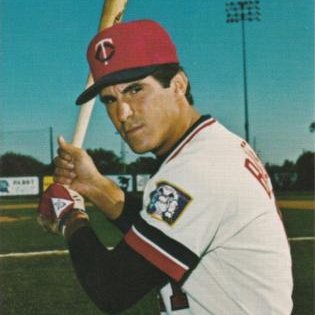 Salvatore Philip Butera was born on September 25, 1952 in New York City, New York. The Chicago White Sox signed him as an undrafted free agent in 1972. He spent 1973 in the New York Yankees farm system, and joined the Minnesota Twins organization in 1974. Butera made his long awaited Major League debut in 1980 at the age of 27. He spent three seasons with the Twins as a backup catcher, batting .251 with 28 RBI over 150 games between 1980 and 1982. Minnesota traded Butera to the Detroit Tigers during spring training in 1983. He also spent time with the Montreal Expos and Cincinnati Reds, before finally making his way back to Minnesota in 1987. The Twins were crowded World Series champions that fall. Butera was 2-for-3 in the playoffs, backing up starting catcher Tim Laudner. He had hit just .171 during the regular season. The Toronto Blue Jays signed Butera the following season. He played just 23 games, and retired after spending the 1989 campaign in Triple-A. Butera has had several coaching, scouting and front office roles for the Blue Jays since retiring. He is the father of former Major League catcher Drew Butera, who also played for the Twins.
 -
Salvatore Philip Butera was born on September 25, 1952 in New York City, New York. The Chicago White Sox signed him as an undrafted free agent in 1972. He spent 1973 in the New York Yankees farm system, and joined the Minnesota Twins organization in 1974. Butera made his long awaited Major League debut in 1980 at the age of 27. He spent three seasons with the Twins as a backup catcher, batting .251 with 28 RBI over 150 games between 1980 and 1982. Minnesota traded Butera to the Detroit Tigers during spring training in 1983. He also spent time with the Montreal Expos and Cincinnati Reds, before finally making his way back to Minnesota in 1987. The Twins were crowded World Series champions that fall. Butera was 2-for-3 in the playoffs, backing up starting catcher Tim Laudner. He had hit just .171 during the regular season. The Toronto Blue Jays signed Butera the following season. He played just 23 games, and retired after spending the 1989 campaign in Triple-A. Butera has had several coaching, scouting and front office roles for the Blue Jays since retiring. He is the father of former Major League catcher Drew Butera, who also played for the Twins. View full player
-
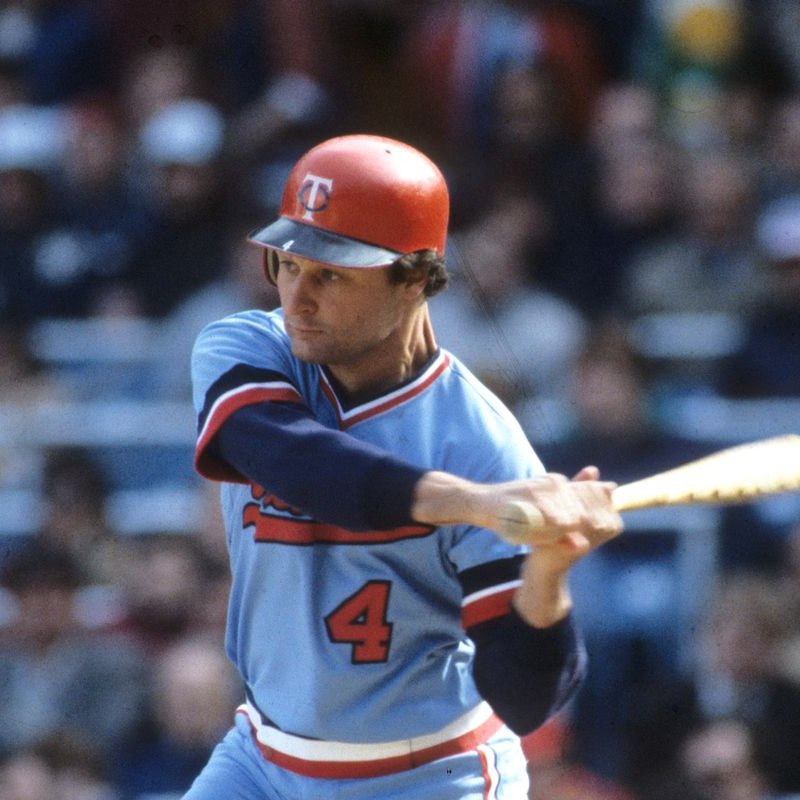 James Michael Eisenreich was born on April 18, 1959 in St. Cloud, Minnesota. The Minnesota Twins selected him in round 16 of the 1980 MLB Draft. He made their Opening Day roster in 1982, and got off to a fast start. Eisenreich was hitting .302 with two home runs and nine RBI through 34 games, but he began suffering from frequent panic attacks. During a road trip in Boston, local papers wrote a story about some of his episodes. This caused fans at Fenway Park to frequently taunt Eisenreich throughout the game. He was removed after he began hyperventilating during the third inning. Things only got worse from there. He was eventually hospitalized in mid-May, ending a rookie campaign that had started with so much promise. Twins manager Billy Gardner penciled in Eisenreich as his starting center fielder on Opening Day in 1983. He went 2-for-7 with a walk and a double through the team's first two games, but then chose to retire. Eisenreich went home to St. Cloud, and spent the summer playing men's league softball. The Twins convinced him to report to spring training in 1984, with Gardner claiming Eisenreich would be worth "ten additional victories" if he was a regular in their lineup. But Eisenreich retired again after appearing in just 34 games. He worked as a painter in St. Cloud for the next two years. During that time, he was formally diagnosed with Tourette syndrome. Having a better grasp on his condition, Eisenreich launched a comeback attempt with the Kansas City Royals in 1987. This reunited him with Gardner, who had since been fired by the Twins and subsequently landed on his feet in Kansas City. Eisenreich had a successful six year tenure with the Royals, slashing .277/.320/.390 over 650 games with them. The Philadelphia Phillies signed him as a free agent in 1993. Eisenreich slashed .324/.381/.453 in four seasons with the Phillies, reaching the World Series in 1993. He won a World Series with the Florida Marlins in 1997, batting .280 during the regular season and .364 during the playoffs. His final big league season was in 1998, splitting it with the Marlins and Los Angeles Dodgers. Eisenreich currently lives in Kansas City with his wife and four kids. He runs a foundation to support children with Tourette syndrome, and travels the country as a motivational speaker.
 -
James Michael Eisenreich was born on April 18, 1959 in St. Cloud, Minnesota. The Minnesota Twins selected him in round 16 of the 1980 MLB Draft. He made their Opening Day roster in 1982, and got off to a fast start. Eisenreich was hitting .302 with two home runs and nine RBI through 34 games, but he began suffering from frequent panic attacks. During a road trip in Boston, local papers wrote a story about some of his episodes. This caused fans at Fenway Park to frequently taunt Eisenreich throughout the game. He was removed after he began hyperventilating during the third inning. Things only got worse from there. He was eventually hospitalized in mid-May, ending a rookie campaign that had started with so much promise. Twins manager Billy Gardner penciled in Eisenreich as his starting center fielder on Opening Day in 1983. He went 2-for-7 with a walk and a double through the team's first two games, but then chose to retire. Eisenreich went home to St. Cloud, and spent the summer playing men's league softball. The Twins convinced him to report to spring training in 1984, with Gardner claiming Eisenreich would be worth "ten additional victories" if he was a regular in their lineup. But Eisenreich retired again after appearing in just 34 games. He worked as a painter in St. Cloud for the next two years. During that time, he was formally diagnosed with Tourette syndrome. Having a better grasp on his condition, Eisenreich launched a comeback attempt with the Kansas City Royals in 1987. This reunited him with Gardner, who had since been fired by the Twins and subsequently landed on his feet in Kansas City. Eisenreich had a successful six year tenure with the Royals, slashing .277/.320/.390 over 650 games with them. The Philadelphia Phillies signed him as a free agent in 1993. Eisenreich slashed .324/.381/.453 in four seasons with the Phillies, reaching the World Series in 1993. He won a World Series with the Florida Marlins in 1997, batting .280 during the regular season and .364 during the playoffs. His final big league season was in 1998, splitting it with the Marlins and Los Angeles Dodgers. Eisenreich currently lives in Kansas City with his wife and four kids. He runs a foundation to support children with Tourette syndrome, and travels the country as a motivational speaker. View full player
-
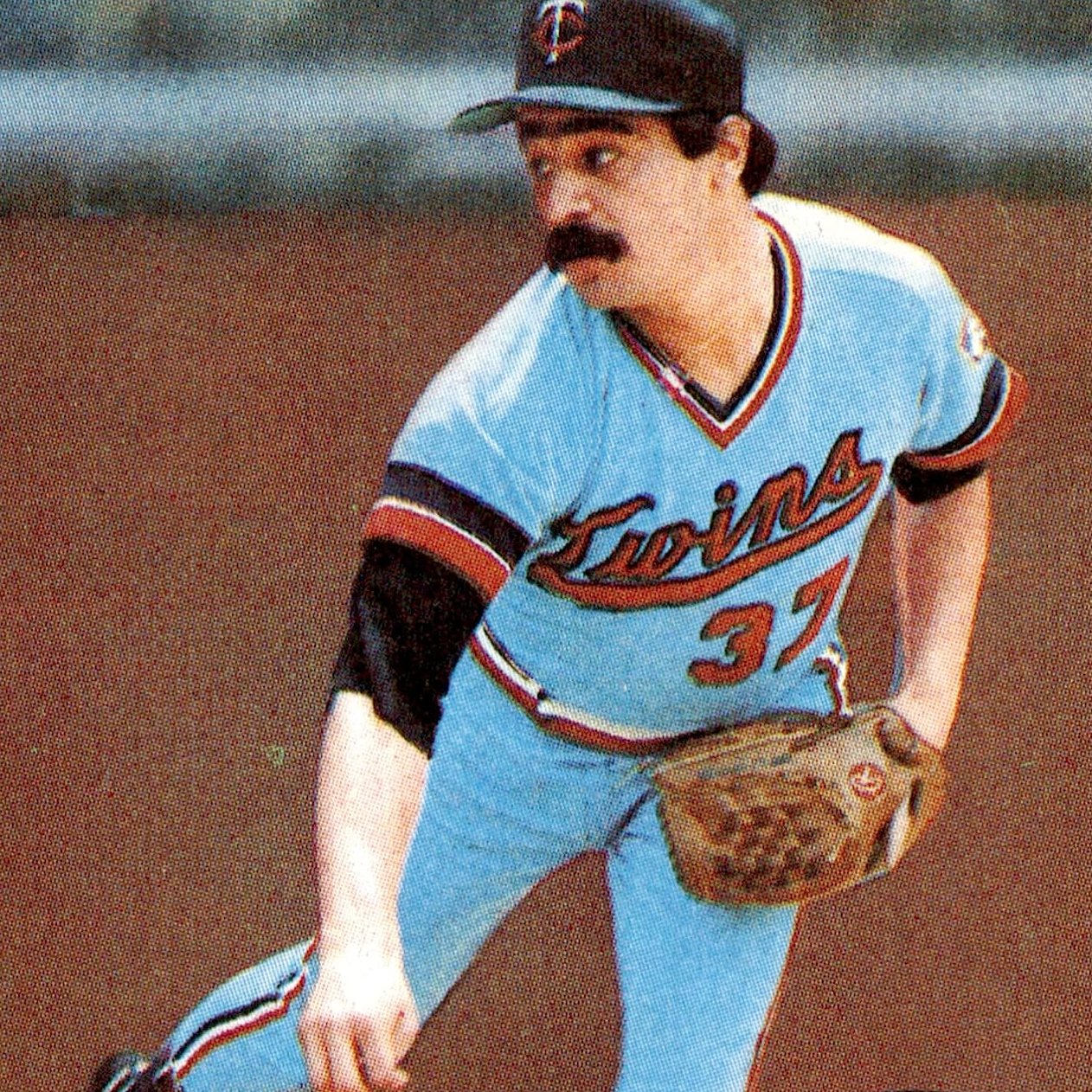 Robert Ernie Castillo Jr. was born on April 18, 1955 in Los Angeles, California. The Kansas City Royals took him in round six of the 1974 MLB Draft. He was traded to the Los Angeles Dodgers for cash in 1977, and made his Major League debut later that year as a September call-up. Castillo spent five seasons in the Dodgers bullpen, going 13-14 with 18 saves and a 3.42 ERA. He made two relief appearances during the 1981 postseason, helping Los Angeles win the World Series. Castillo was traded to the Minnesota Twins shortly after the World Series. His time in Minnesota didn't start off well, allowing five runs in an Opening Day relief appearance. He also allowed four runs in another outing just six days later. Things settled down after that, and the Twins moved him to the rotation in late May with several starters either struggling or injured. Castillo finished the year with a 13-11 record and a 3.66 ERA, pitching 218.2 innings across 25 starts and 15 relief appearances. He hurled six complete games, including a four hit shutout against the Kansas City Royals on September 10th. This success made him a rare bright spot for the 102 loss Twins. He went 8-12 with a 4.77 ERA in 1983, making 25 starts and two relief appearances. Various injuries limited him to 25.1 innings over ten appearances in 1984, but he was 2-1 with a 1.78 ERA when on the mound. Castillo went back to the Dodgers as a free agent that winter, but was very ineffective out of their bullpen in 1985. This was his final season in the Majors, but he continued to pitch professionally through 1987. Castillo passed away from cancer in 2014.
 -
Robert Ernie Castillo Jr. was born on April 18, 1955 in Los Angeles, California. The Kansas City Royals took him in round six of the 1974 MLB Draft. He was traded to the Los Angeles Dodgers for cash in 1977, and made his Major League debut later that year as a September call-up. Castillo spent five seasons in the Dodgers bullpen, going 13-14 with 18 saves and a 3.42 ERA. He made two relief appearances during the 1981 postseason, helping Los Angeles win the World Series. Castillo was traded to the Minnesota Twins shortly after the World Series. His time in Minnesota didn't start off well, allowing five runs in an Opening Day relief appearance. He also allowed four runs in another outing just six days later. Things settled down after that, and the Twins moved him to the rotation in late May with several starters either struggling or injured. Castillo finished the year with a 13-11 record and a 3.66 ERA, pitching 218.2 innings across 25 starts and 15 relief appearances. He hurled six complete games, including a four hit shutout against the Kansas City Royals on September 10th. This success made him a rare bright spot for the 102 loss Twins. He went 8-12 with a 4.77 ERA in 1983, making 25 starts and two relief appearances. Various injuries limited him to 25.1 innings over ten appearances in 1984, but he was 2-1 with a 1.78 ERA when on the mound. Castillo went back to the Dodgers as a free agent that winter, but was very ineffective out of their bullpen in 1985. This was his final season in the Majors, but he continued to pitch professionally through 1987. Castillo passed away from cancer in 2014. View full player
-
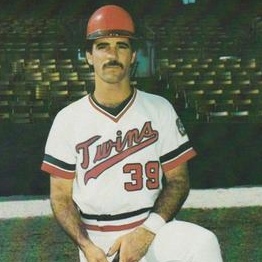 Jesús Anthony Vega Morales was born on October 14, 1955 in Puerto Rico. The Milwaukee Brewers signed him as an amateur free agent in 1975. He was acquired by the Minnesota Twins during the 1977 minor league draft, reaching the Majors as a September call-up in 1979. Vega played sparingly at the big league level of the next few seasons, appearing in just 16 games for the Twins between 1979 and 1981. He became more of a regular in 1981, platooning at designated hitter with Randy Johnson. Vega slashed .266/.289/.372 with five home runs and 29 RBI across 71 games that season. It was his final year in the big leagues. He continued to play professionally through 1985.
 -
Jesús Anthony Vega Morales was born on October 14, 1955 in Puerto Rico. The Milwaukee Brewers signed him as an amateur free agent in 1975. He was acquired by the Minnesota Twins during the 1977 minor league draft, reaching the Majors as a September call-up in 1979. Vega played sparingly at the big league level of the next few seasons, appearing in just 16 games for the Twins between 1979 and 1981. He became more of a regular in 1981, platooning at designated hitter with Randy Johnson. Vega slashed .266/.289/.372 with five home runs and 29 RBI across 71 games that season. It was his final year in the big leagues. He continued to play professionally through 1985. View full player
-
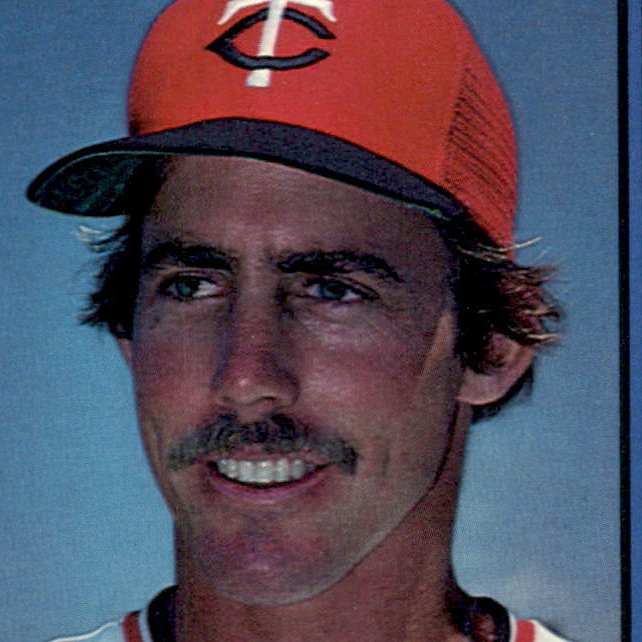 Randy Stuart Johnson was born on August 15, 1958 in Miami, Florida. The Chicago White Sox selected him in round three of the 1979 MLB Draft. He played 12 games for them in 1980, going 4-for-20 (.200) with three RBI and two walks. Johnson spent all of 1981 in the minor leagues. He was part of a three player package sent to the Minnesota Twins at the deadline that year for veteran starting pitcher Jerry Koosman. Minnesota gave Johnson regular playing time in 1982, platooning him at designated hitter with Jesús Vega. Johnson got off to a fast start, batting .393 with six doubles and five home runs in April. He cooled off after that first month, batting .197 with four doubles and five home runs in 72 games of action after May 1st. Johnson finished the season with a .248 average over 89 games, driving in 33 runs. He spent the entire 1983 campaign in Triple-A, and was released by the Twins early in 1984. Johnson returned to the White Sox organization on a minor league deal, but never reached the Majors again. His last professional season was in 1985.
 -
Randy Stuart Johnson was born on August 15, 1958 in Miami, Florida. The Chicago White Sox selected him in round three of the 1979 MLB Draft. He played 12 games for them in 1980, going 4-for-20 (.200) with three RBI and two walks. Johnson spent all of 1981 in the minor leagues. He was part of a three player package sent to the Minnesota Twins at the deadline that year for veteran starting pitcher Jerry Koosman. Minnesota gave Johnson regular playing time in 1982, platooning him at designated hitter with Jesús Vega. Johnson got off to a fast start, batting .393 with six doubles and five home runs in April. He cooled off after that first month, batting .197 with four doubles and five home runs in 72 games of action after May 1st. Johnson finished the season with a .248 average over 89 games, driving in 33 runs. He spent the entire 1983 campaign in Triple-A, and was released by the Twins early in 1984. Johnson returned to the White Sox organization on a minor league deal, but never reached the Majors again. His last professional season was in 1985. View full player
-
Be careful what you wish for with owners
William Malone commented on William Malone's blog entry in William Malone IV blogs about Twins
Corbin Burned also signed in December. where did the money they offered him go? Twins have on occasion been accused of making fake offers for PR. What if they knew after having Burnes for a year that his heart was out west, so they made a big offer to look cool. But never planned on actually spending that cash -
Be careful what you wish for with owners
William Malone commented on William Malone's blog entry in William Malone IV blogs about Twins
That’s cool that they offered more. But why was the pivot Kyle Gibson? A dude who isn’t even on same level of Chris Paddack. I’m not saying they needed to go get another proven stud. Look at how the big money Mets filled out rotation with Griffin Canning and career reliever Clay Holmes. Both incredibly better options than Kyle Gibson and neither costs that much -
Be careful what you wish for with owners
William Malone commented on William Malone's blog entry in William Malone IV blogs about Twins
But the Orioles replaced Burnes with Kyle Gibson. Love the guy, but at this point of his career he’s not even close to Chris Paddack. Even if you lose Burnes, there are dozens of better guys out there. And their brand new owners set the budget to replace Burnes at 38 year old Gibby -
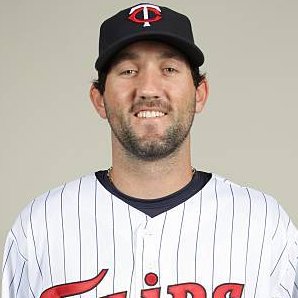 Jason Orville Pridie was born on October 9, 1983 in Phoenix, Arizona. The Tampa Bay Devil Rays selected him in round two of the 2002 MLB Draft. He was selected by the Minnesota Twins in the 2005 Rule 5 Draft, but was returned to Tampa Bay after failing to make the Opening Day roster. Pridie was eventually traded to the Twins two years later, coming over with Delmon Young and Brendan Harris for Jason Bartlett and Matt Garza. His big league debut came as a September call-up in 2008. Pridie entered as a pinch runner for Delmon Young in the seventh inning of a game against the Toronto Blue Jays, scoring the go-ahead run on a Joe Mauer double. However, he later committed a crucial defensive error in the ninth inning that forced the game into extra innings. Minnesota lost in 11 innings. Twins manager Ron Gardenhire was primarily used Pridie as a pinch runner down the stretch. He appeared in ten games with no starts, going hitless in four at-bats. Pridie hit .265 with 53 RBI and 25 stolen bases for the Rochester Red Wings (AAA) in 2009. His only Major League action came as a pinch runner on June 20th against the Houston Astros. Minnesota waived him after the season, and he was claimed by the New York Mets. The rest of his big league career was 122 games over five seasons with five different clubs. 101 of those games came with the Mets in 2011, where he hit .231 with 20 RBI and seven stolen bases.
 -
Jason Orville Pridie was born on October 9, 1983 in Phoenix, Arizona. The Tampa Bay Devil Rays selected him in round two of the 2002 MLB Draft. He was selected by the Minnesota Twins in the 2005 Rule 5 Draft, but was returned to Tampa Bay after failing to make the Opening Day roster. Pridie was eventually traded to the Twins two years later, coming over with Delmon Young and Brendan Harris for Jason Bartlett and Matt Garza. His big league debut came as a September call-up in 2008. Pridie entered as a pinch runner for Delmon Young in the seventh inning of a game against the Toronto Blue Jays, scoring the go-ahead run on a Joe Mauer double. However, he later committed a crucial defensive error in the ninth inning that forced the game into extra innings. Minnesota lost in 11 innings. Twins manager Ron Gardenhire was primarily used Pridie as a pinch runner down the stretch. He appeared in ten games with no starts, going hitless in four at-bats. Pridie hit .265 with 53 RBI and 25 stolen bases for the Rochester Red Wings (AAA) in 2009. His only Major League action came as a pinch runner on June 20th against the Houston Astros. Minnesota waived him after the season, and he was claimed by the New York Mets. The rest of his big league career was 122 games over five seasons with five different clubs. 101 of those games came with the Mets in 2011, where he hit .231 with 20 RBI and seven stolen bases. View full player
-
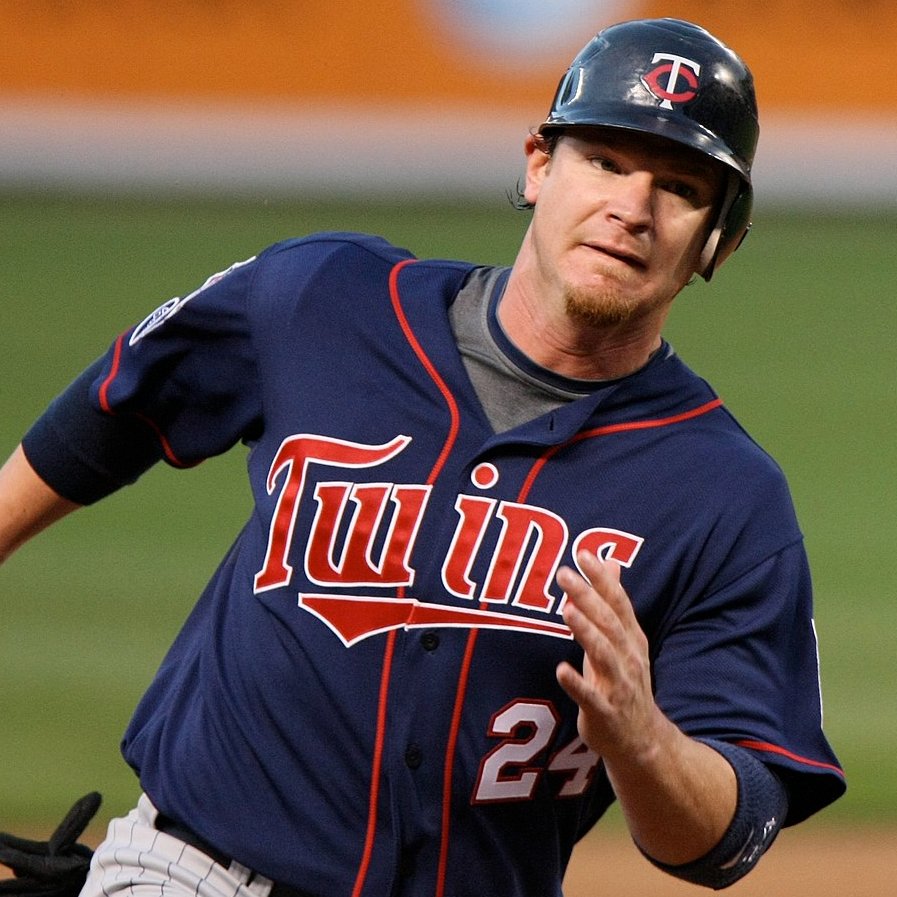 Joseph Taylor Crede was born on April 26, 1978 in Jefferson City, Missouri. The Chicago White Sox selected him in round five of the 1996 MLB Draft. He made his Major League debut for them in 2000, and spent nine years with the White Sox. Crede won a Silver Slugger in 2006, and was named an All-Star in 2008. His .949 OPS during the 2005 postseason led the White Sox, who wound up winning the World Series that fall. Several back injuries limited Crede during his tenure in Chicago. He had a second career back surgery following the 2008 season, and signed an incentive heavy one year deal with the Minnesota Twins. It came with a base salary of $2.5 million, but was worth up to $9 million. Crede started off strong, hitting nine home runs with a .797 OPS through the end of May. Four of those home runs came against his old White Sox club. He also hit a walk-off grand slam against the Detroit Tigers on May 13th. However, his back problems began to resurface and Crede cooled off, and wound up slashing .225/.289/.414 with 15 home runs and 48 RBI over just 90 games. He played only 22 games after the All-Star break, hitting .198 and finishing things out on the disabled list. Crede had his third back surgery in three years that off-season, and sat out the entire 2010 season while recovering. He signed a minor league deal with the Colorado Rockies in 2011, but decided to retire on the day players were expected to report to camp.
 -
Joseph Taylor Crede was born on April 26, 1978 in Jefferson City, Missouri. The Chicago White Sox selected him in round five of the 1996 MLB Draft. He made his Major League debut for them in 2000, and spent nine years with the White Sox. Crede won a Silver Slugger in 2006, and was named an All-Star in 2008. His .949 OPS during the 2005 postseason led the White Sox, who wound up winning the World Series that fall. Several back injuries limited Crede during his tenure in Chicago. He had a second career back surgery following the 2008 season, and signed an incentive heavy one year deal with the Minnesota Twins. It came with a base salary of $2.5 million, but was worth up to $9 million. Crede started off strong, hitting nine home runs with a .797 OPS through the end of May. Four of those home runs came against his old White Sox club. He also hit a walk-off grand slam against the Detroit Tigers on May 13th. However, his back problems began to resurface and Crede cooled off, and wound up slashing .225/.289/.414 with 15 home runs and 48 RBI over just 90 games. He played only 22 games after the All-Star break, hitting .198 and finishing things out on the disabled list. Crede had his third back surgery in three years that off-season, and sat out the entire 2010 season while recovering. He signed a minor league deal with the Colorado Rockies in 2011, but decided to retire on the day players were expected to report to camp. View full player
-
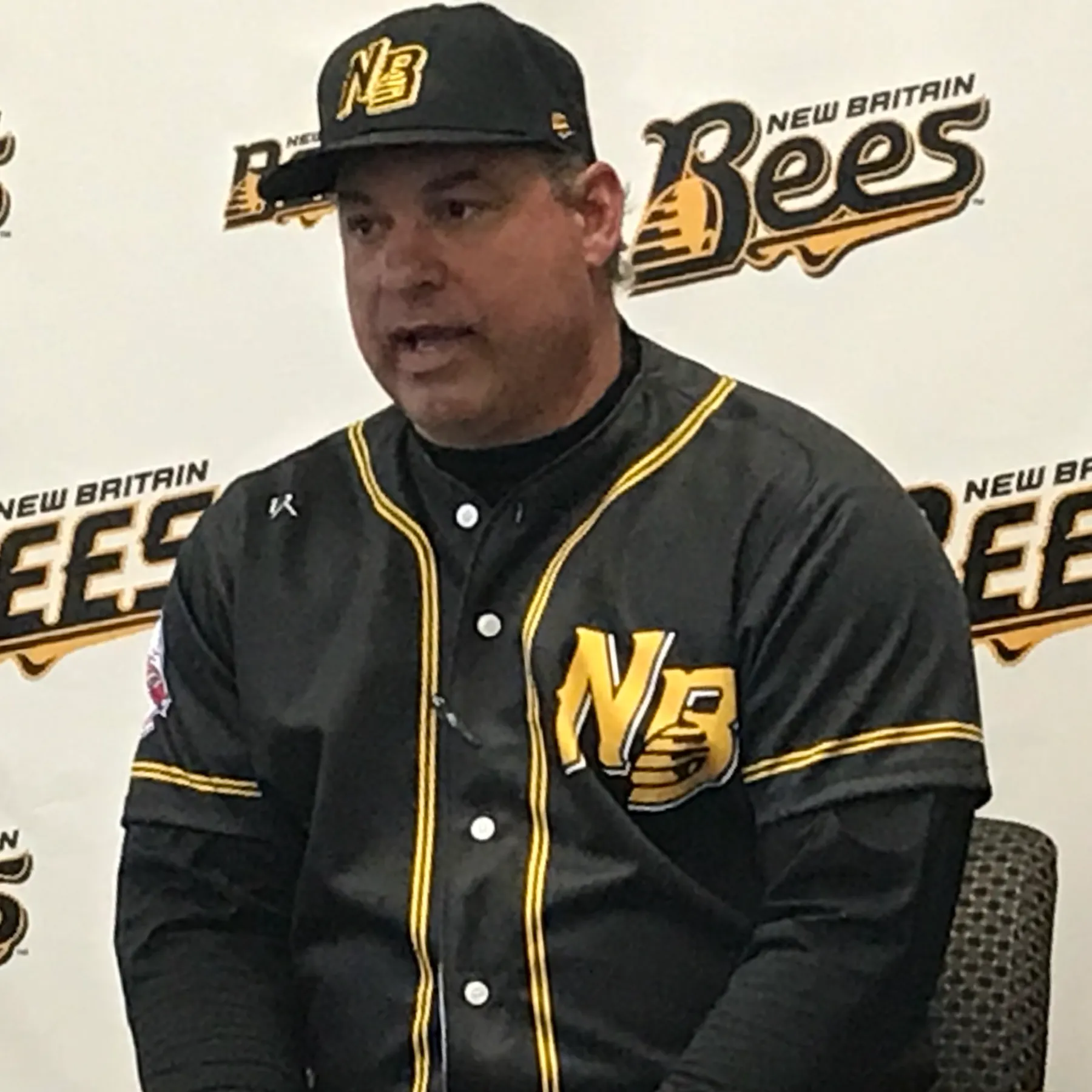 Mauro Paul Gozzo was born on March 7, 1966 in New Britain, Connecticut. The New York Mets selected him in round 13 of the 1984 MLB Draft. He was traded twice while still a prospect, and made his Major League debut for the Toronto Blue Jays in 1989, Gozzo had a 4.83 ERA over 31.2 innings for the Blue Jays as a rookie, making three starts and six relief appearances. They traded him to the Cleveland Indians in 1990, where he pitched 7.2 innings over parts of two seasons. Gozzo signed a minor league with the Minnesota Twins in 1992. He played out the entire Triple-A schedule, going 10-9 with a 3.53 ERA in 19 starts and 16 relief outings. Gozzo then joined the Twins as a September call-up, allowing five runs over 1.2 innings out of their bullpen. He became a free agent after the season, and signed a minor league deal with the Mets. Gozzo was 3-6 with one save in 83.0 innings for New York over parts of two seasons. He spent 1995 in the Cubs minor league system, and then went into coaching. After years of coaching AAU baseball, he took to the professional ranks. The New Britain Bees of the Atlantic League named Gozzo as their pitching coach in 2018, and promoted him to manager the following year. Gozzo was hired to manage the Gastoina Honey Hunters, also of the Atlantic League, in 2021. They folded after the 2023 season, but were replaced in the Atlantic League by a brand new team called the Gastonia Ghost Peppers. Gozzo stayed in the city to manage the new club. As of 2025, he is still their manager.
 -
Mauro Paul Gozzo was born on March 7, 1966 in New Britain, Connecticut. The New York Mets selected him in round 13 of the 1984 MLB Draft. He was traded twice while still a prospect, and made his Major League debut for the Toronto Blue Jays in 1989, Gozzo had a 4.83 ERA over 31.2 innings for the Blue Jays as a rookie, making three starts and six relief appearances. They traded him to the Cleveland Indians in 1990, where he pitched 7.2 innings over parts of two seasons. Gozzo signed a minor league with the Minnesota Twins in 1992. He played out the entire Triple-A schedule, going 10-9 with a 3.53 ERA in 19 starts and 16 relief outings. Gozzo then joined the Twins as a September call-up, allowing five runs over 1.2 innings out of their bullpen. He became a free agent after the season, and signed a minor league deal with the Mets. Gozzo was 3-6 with one save in 83.0 innings for New York over parts of two seasons. He spent 1995 in the Cubs minor league system, and then went into coaching. After years of coaching AAU baseball, he took to the professional ranks. The New Britain Bees of the Atlantic League named Gozzo as their pitching coach in 2018, and promoted him to manager the following year. Gozzo was hired to manage the Gastoina Honey Hunters, also of the Atlantic League, in 2021. They folded after the 2023 season, but were replaced in the Atlantic League by a brand new team called the Gastonia Ghost Peppers. Gozzo stayed in the city to manage the new club. As of 2025, he is still their manager. View full player
.thumb.png.131fdf97b843dfc7f73f4f987002a0f8.png)
