



Theodore Tollefson
-
Posts
495 -
Joined
-
Last visited
Content Type
Profiles
News
Minnesota Twins Videos
2026 Minnesota Twins Top Prospects Ranking
2022 Minnesota Twins Draft Picks
Minnesota Twins Free Agent & Trade Rumors, Notes, & Tidbits
Guides & Resources
2023 Minnesota Twins Draft Picks
The Minnesota Twins Players Project
2024 Minnesota Twins Draft Picks
2025 Minnesota Twins Draft Pick Tracker
2026 Minnesota Twins Draft Tracker: Picks & Bonuses
Forums
Blogs
Events
Store
Downloads
Gallery
Everything posted by Theodore Tollefson
-
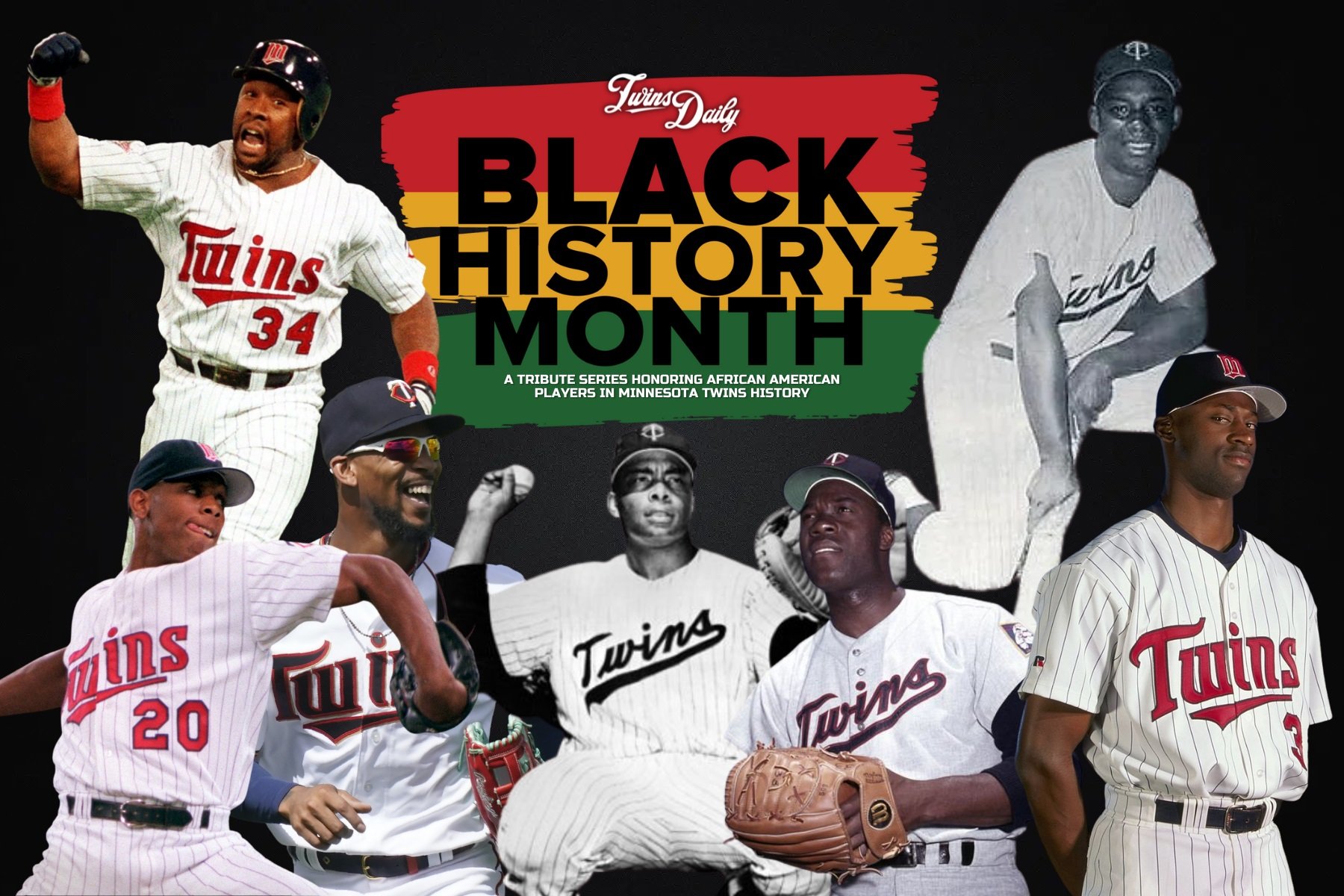 Powell was born in Selma, Alabama, on May 14, 1955, during the height of racial segregation in the South. Powell did not receive much attention from Major League scouts until he attended Chipola College in Marianna, Florida, a junior college that would later produce future MLB all-stars Jose Bautista, Patrick Corbin, Russell Martin, and future Minnesota Twins outfielder Rene Tosoni. While at Chipola College, Powell was first drafted by the Pittsburgh Pirates in the first round of the 1975 MLB January Draft-Regular Phase but declined to sign with the Pirates. Powell played one more season with Chipola, then was selected by the Twins in June 1975 draft, signing with the team as a 20-year-old athlete. Powell broke into MLB with the Twins in 1978 as a 23-year-old rookie and made his debut on Opening Day against the Seattle Mariners as the Twins leadoff hitter. The Twins suffered a 3-2 loss that day, but Powell at least recorded his first hit in the majors. The 1978 season was a decent start to Powell's MLB career. He hit .247 with 20 doubles in 121 games. He stole 11 bases. Powell's promise as a hitter was never that of the modern, power hitter. Like many Twins in the mid-to-late 70s, Powell was brought on for his contact-hitting abilities as he had batting averages of .329, .345, and .326 in his first three professional seasons. In 1979, Powell's hitting showed some improvement. Although Powell played fewer games (104) than the previous year, his numbers showed tremendous success during his sophomore season. He had a .293 batting average, a .360 on-base percentage, and a career-high .739 OPS. He had 17 doubles and drove in 36 runs. As the decade turned to the '80s, Powell remained the Twins' everyday right fielder for the next two seasons. Powell's production in the 1980 season would be one of his better seasons. He played in a career-high 137 games and had a career-high 127 hits, 14 stolen bases, and 58 runs scored. Powell hit .262. Powell's final season with the Twins was in 1981 during the strike-shortened season when the Twins and other teams only played around 110 games. Powell played in 80 games that season for the Twins, splitting playing time with Twins rookie Dave Engle. 1981 was the worst of Powell's four seasons, with the Twins posting a .239 batting average, with 25 runs batted in, and a .612 OPS. Following the conclusion of the season, Powell was traded to the Toronto Blue Jays for a player to be named later that would be Greg Wells, a first baseman who only played 15 games for the Twins in 1982. Powell regained his success with Toronto in 1982 and found a successful role as a backup outfielder with the team. 1983 was his final season in the big leagues. Powell only played in 40 games with the Blue Jays and was released by them in July. Powell tried to make his way back into the big leagues in the Brewers minor league system in 1984 but never received the call. He also played in the Mexican League in 1985, his final season in professional baseball. Powell's time with the Twins and in MLB was short-lived, and he never panned out to the top of the lineup as the contact hitter the team had drafted him as. Still, Powell was a reliable player in the Twins lineup who finished out the everyday right fielder role in the 70s.
 -
Following Bobby Darwin’s trade to the Milwaukee Brewers for John Briggs, the second successor to Tony Oliva’s primary position in right field arrived. “Disco” Dan Ford broke into MLB in 1975 with the Twins and showcased himself as a fan favorite in Twins Territory for years to come. Only two MLB players in history have earned the nickname "Disco." One is active with the San Francisco Giants, Anthony DeSclafani, and the other was the right fielder for the Twins from 1975-1978, “Disco” Dan Ford. One has earned the nickname simply as a play on their last name. The other was a man who couldn’t do his pre-game warm-ups without the sounds of Parliament or Funkadelic to get the juices flowing. Ford broke into MLB in 1975 with the Twins as a rookie at the age of 23. The early-season struggles of Darwin allowed Ford to play every day alongside another Twins rookie sensation Lyman Bostock. Although Ford did not attract the attention of American League writers to earn Rookie of the Year voting in 1975, he quickly became a fan favorite for Twins fans. The only players in the American League that received any rookie of the year voting were Fred Lynn and Jim Rice, both outfielders on the American League Champion Red Sox. Ford’s breakout rookie numbers included a .280 batting average, 15 home runs, 59 runs batted in, and a .767 OPS in 130 games. Ford had a great start to his career and carried that into his sophomore season. There was no such thing as a sophomore slump for Ford in 1976. It turned out to be his best season with the Twins. In 145 games that season, Ford hit a .267 batting average, 20 home runs, 86 runs batted in, and a .781 OPS. Ford did lead the Twins in home runs that season as it was one of the lower power-hitting eras in Twins history following the departure and retirement of Harmon Killebrew. The Twins were competitive in the AL West in 1976, finishing third with an 85-77, two-and-a-half games behind the Oakland A’s for second place and five games behind the Kansas City Royals for the AL West title. During Rod Carew’s MVP 1977 season, Ford saw a slight dip in his numbers. Ford’s average plateaued at .267 again. He hit 11 home runs with 60 runs batted in, and a .764 OPS. Ford’s numbers may have declined, however, his all-star teammates Carew and Larry Hisle helped carry the Twins to an 84-77 record finishing fourth in the West. And although he wasn’t an all-star that season, Ford played alongside the rising stars in baseball for his last season with the Twins. Bostock’s best season of his short career came in 1977 with Ford next to him daily in right field. As Bostock departed from the Twins in the 1977-78 offseason for the California Angels, Ford would find himself in his final season with the Twins in 1978 alongside Carew. Ford’s 1978 was an uptick from 1977 as he had a .274 batting average, 11 home runs, 82 runs batted in, ten triples, and a .756 OPS. Ford’s RBI totals led the Twins that season, and he was second in home runs to Roy Smalley’s 19. Following the offseason of 1978, Ford was traded by the Twins to the California Angels for Ron Jackson and Danny Goodwin. Later that offseason, Rod Carew would join his Twins teammate with the Angels, leading Ford to his first career postseason appearance in 1979 with the AL West champion Angels. In a 3-1 series loss, Ford’s Angels came up short in the AL Championship Series to the Baltimore Orioles. Ford’s playing time would decline after the 1979 season as he only played 162 games between 1980 and 1981. After the 1981 season, the Angels again traded Ford to the Orioles to get another chance to make it to the World Series. The 1983 Baltimore Orioles gave Ford that chance to get his first World Series championship. Ford hit .280/.328/.768 in 103 games with the Orioles that season. When the Orioles faced the Phillies in the World Series, Ford played in all five games of the 4-1 series victory against the Phillies, hitting a home run to get his one and only World Series ring. Ford would play 20 games over the 1984 and 1985 seasons before retiring at 33 following the 1985 season. Ford’s career spanned over a decade, and he was one of the more underrated outfielders of his time. His most prosperous time in MLB was with the Twins playing a supporting role in the outfield and lineup to stars that brought Twins fans into the seats. MORE FROM TWINS DAILY — Latest Twins coverage from our writers — Recent Twins discussion in our forums — Follow Twins Daily via Twitter, Facebook or email View full article
-
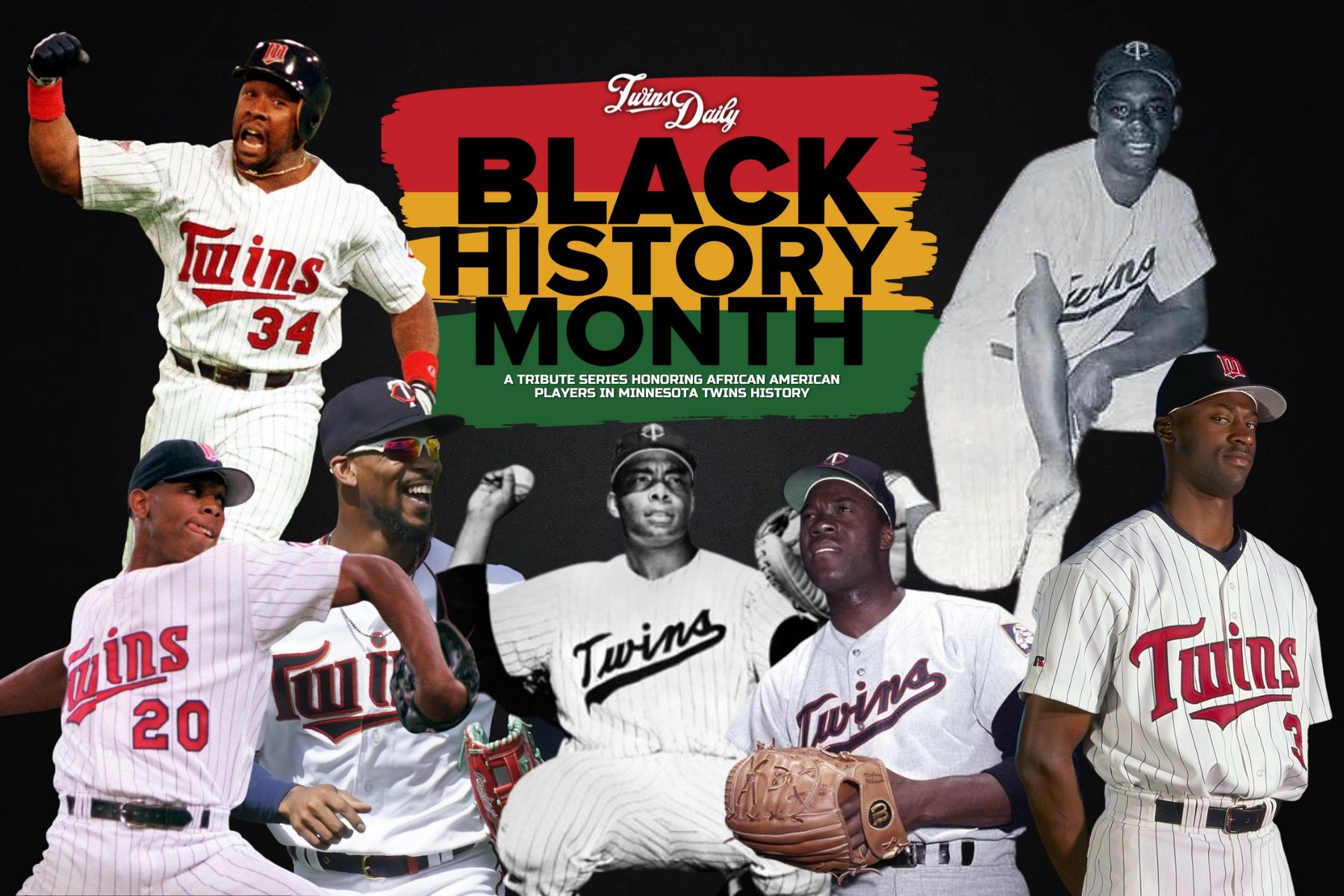 Only two MLB players in history have earned the nickname "Disco." One is active with the San Francisco Giants, Anthony DeSclafani, and the other was the right fielder for the Twins from 1975-1978, “Disco” Dan Ford. One has earned the nickname simply as a play on their last name. The other was a man who couldn’t do his pre-game warm-ups without the sounds of Parliament or Funkadelic to get the juices flowing. Ford broke into MLB in 1975 with the Twins as a rookie at the age of 23. The early-season struggles of Darwin allowed Ford to play every day alongside another Twins rookie sensation Lyman Bostock. Although Ford did not attract the attention of American League writers to earn Rookie of the Year voting in 1975, he quickly became a fan favorite for Twins fans. The only players in the American League that received any rookie of the year voting were Fred Lynn and Jim Rice, both outfielders on the American League Champion Red Sox. Ford’s breakout rookie numbers included a .280 batting average, 15 home runs, 59 runs batted in, and a .767 OPS in 130 games. Ford had a great start to his career and carried that into his sophomore season. There was no such thing as a sophomore slump for Ford in 1976. It turned out to be his best season with the Twins. In 145 games that season, Ford hit a .267 batting average, 20 home runs, 86 runs batted in, and a .781 OPS. Ford did lead the Twins in home runs that season as it was one of the lower power-hitting eras in Twins history following the departure and retirement of Harmon Killebrew. The Twins were competitive in the AL West in 1976, finishing third with an 85-77, two-and-a-half games behind the Oakland A’s for second place and five games behind the Kansas City Royals for the AL West title. During Rod Carew’s MVP 1977 season, Ford saw a slight dip in his numbers. Ford’s average plateaued at .267 again. He hit 11 home runs with 60 runs batted in, and a .764 OPS. Ford’s numbers may have declined, however, his all-star teammates Carew and Larry Hisle helped carry the Twins to an 84-77 record finishing fourth in the West. And although he wasn’t an all-star that season, Ford played alongside the rising stars in baseball for his last season with the Twins. Bostock’s best season of his short career came in 1977 with Ford next to him daily in right field. As Bostock departed from the Twins in the 1977-78 offseason for the California Angels, Ford would find himself in his final season with the Twins in 1978 alongside Carew. Ford’s 1978 was an uptick from 1977 as he had a .274 batting average, 11 home runs, 82 runs batted in, ten triples, and a .756 OPS. Ford’s RBI totals led the Twins that season, and he was second in home runs to Roy Smalley’s 19. Following the offseason of 1978, Ford was traded by the Twins to the California Angels for Ron Jackson and Danny Goodwin. Later that offseason, Rod Carew would join his Twins teammate with the Angels, leading Ford to his first career postseason appearance in 1979 with the AL West champion Angels. In a 3-1 series loss, Ford’s Angels came up short in the AL Championship Series to the Baltimore Orioles. Ford’s playing time would decline after the 1979 season as he only played 162 games between 1980 and 1981. After the 1981 season, the Angels again traded Ford to the Orioles to get another chance to make it to the World Series. The 1983 Baltimore Orioles gave Ford that chance to get his first World Series championship. Ford hit .280/.328/.768 in 103 games with the Orioles that season. When the Orioles faced the Phillies in the World Series, Ford played in all five games of the 4-1 series victory against the Phillies, hitting a home run to get his one and only World Series ring. Ford would play 20 games over the 1984 and 1985 seasons before retiring at 33 following the 1985 season. Ford’s career spanned over a decade, and he was one of the more underrated outfielders of his time. His most prosperous time in MLB was with the Twins playing a supporting role in the outfield and lineup to stars that brought Twins fans into the seats. MORE FROM TWINS DAILY — Latest Twins coverage from our writers — Recent Twins discussion in our forums — Follow Twins Daily via Twitter, Facebook or email
 -
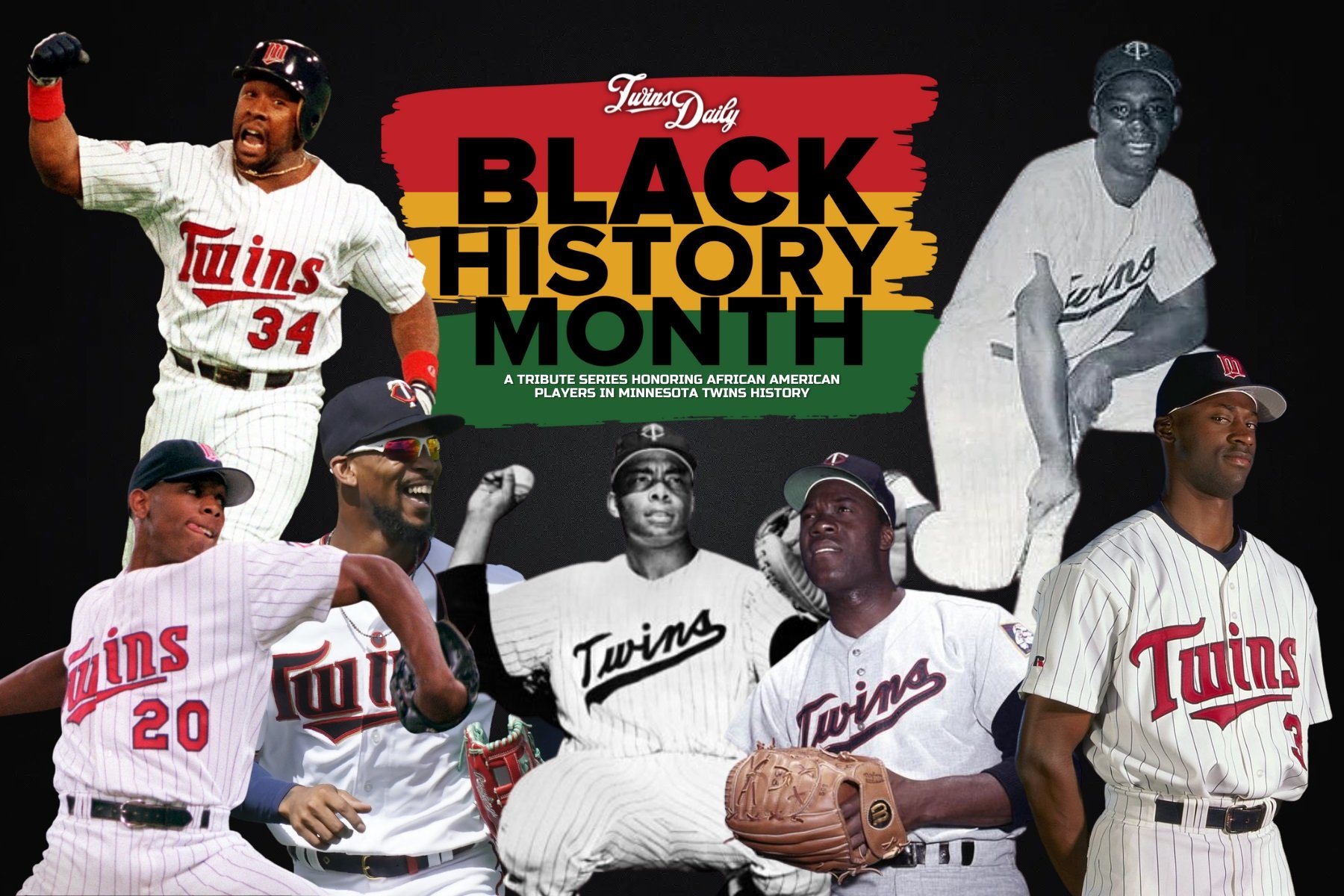 Bobby Darwin was the first of these successors to Tony Oliva, having his breakout season with the Twins in 1972. Darwin was initially signed as a pitcher to start his professional career. Born and raised in Los Angeles, Darwin lucked out being born in 1943 as he was at the ripe age of 18 when the newly-formed Los Angeles Angels expansion team entered MLB in 1961. Shortly after signing a contract with the Angels before the 1962 season, Darwin made his MLB debut on September 30, 1962, starting the game for the Halos. His first MLB start was not how Darwin likely wanted to break into the big leagues at 19 years old, only going 3 1/3 innings and giving up four runs on eight hits and four walks to Cleveland. His pitching woes continued throughout the 1960s. He had some success and several struggles on the mound. Consistency was certainly an issue in the minor leagues. Darwin returned to the majors briefly in 1969, seven years after his debut, for six games. It went so well that in 1970 he became a full-time outfielder in the Dodgers system. He had always been a good hitter for a pitcher, so it was worth trying. In 86 games that year in the minor leagues, he hit .297 with 23 home runs and 70 RBI. In 91 games in 1971 in the minors, he hit .293/.342/.517 (.859) with 17 homers and 55 RBI. He returned to the big leagues for 11 more games. He went 5-for-20 (.250) a homer in 11 games. Darwin landed in Twins territory following that 1971 season in a trade with the Dodgers for center field prospect Paul Powell. The newfound success for Darwin in the minor leagues as an outfielder was enough for the Twins to give him a chance for his first entire MLB season in 1972. Darwin didn’t miss a beat on that opportunity. Now 29, 1972 was Bobby Darwin’s breakout season. Twins manager Bill Rigney found a way to get Darwin in the lineup almost every day, leading the team in games played with 145 (out of 154 games). Darwin hit .267/.326/.442 (.769) with 20 doubles, 22 homers, and 80 RBI. He also struck out 145 times which remained the Twins single-season record until Brian Dozier struck out 148 times in his All-Star 2015 season. A year later, Miguel Sano struck out 178 times, and last season he topped that mark with 183 strikeouts. In 1973, Darwin again played in 145 games. He hit .252/.309/.391 (.701) with 20 doubles, 18 homers, and 90 RBI. Despite 52 more plate appearances, Darwin struck out 137 times. For the third straight season, Bobby Darwin led the Twins in strikeouts, this time with 127 strikeouts in 630 plate appearances. In 152 games in 1974, he hit .264/.322/.442 (.764) with 13 doubles, seven triples, 25 homers, and 94 RBI. Only Rod Carew played in more games than Darwin, and he played in 153 games. He began the 1975 season with the Twins. In 48 games, he hit .219/.307/.343 (650) with six doubles and five homers in 48 games. He was traded to the Milwaukee Brewers in mid-June for outfielder Johnny Briggs. The quick three-season peak of his career was entering its decline in those 48 games, but Darwin turned his season around with his chance in Milwaukee. Following the 1975 season, Darwin split time his final two seasons between the Brewers, Cubs, and Red Sox, retiring after the conclusion of the 1977 season. Darwin was one of the fortunate Twins from 1970 to 1972 that had the chance to be teammates with five future Hall of Famers; Harmon Killebrew, Rod Carew, Bert Blyleven, Tony Oliva, and Jim Kaat. Darwin found himself as the successor to Oliva and started a lineage that would see an African-American player starting in right field for the Twins almost every day from 1972-1980. Those at Twins Daily would also like to wish Bobby Darwin a happy 79th birthday today!
- 5 comments
-
- 6
-

-
- bobby darwin
- bill rigney
- (and 2 more)
-
Following Tony Oliva’s full-time move to the designated hitter role for the Twins in 1973, he was succeeded in right field by three players to finish out the 1970s. All three of these men were African-American athletes that took on their roles as right fielders quite successfully following in the footsteps of a future hall of famer. Bobby Darwin was the first of these successors to Tony Oliva, having his breakout season with the Twins in 1972. Darwin was initially signed as a pitcher to start his professional career. Born and raised in Los Angeles, Darwin lucked out being born in 1943 as he was at the ripe age of 18 when the newly-formed Los Angeles Angels expansion team entered MLB in 1961. Shortly after signing a contract with the Angels before the 1962 season, Darwin made his MLB debut on September 30, 1962, starting the game for the Halos. His first MLB start was not how Darwin likely wanted to break into the big leagues at 19 years old, only going 3 1/3 innings and giving up four runs on eight hits and four walks to Cleveland. His pitching woes continued throughout the 1960s. He had some success and several struggles on the mound. Consistency was certainly an issue in the minor leagues. Darwin returned to the majors briefly in 1969, seven years after his debut, for six games. It went so well that in 1970 he became a full-time outfielder in the Dodgers system. He had always been a good hitter for a pitcher, so it was worth trying. In 86 games that year in the minor leagues, he hit .297 with 23 home runs and 70 RBI. In 91 games in 1971 in the minors, he hit .293/.342/.517 (.859) with 17 homers and 55 RBI. He returned to the big leagues for 11 more games. He went 5-for-20 (.250) a homer in 11 games. Darwin landed in Twins territory following that 1971 season in a trade with the Dodgers for center field prospect Paul Powell. The newfound success for Darwin in the minor leagues as an outfielder was enough for the Twins to give him a chance for his first entire MLB season in 1972. Darwin didn’t miss a beat on that opportunity. Now 29, 1972 was Bobby Darwin’s breakout season. Twins manager Bill Rigney found a way to get Darwin in the lineup almost every day, leading the team in games played with 145 (out of 154 games). Darwin hit .267/.326/.442 (.769) with 20 doubles, 22 homers, and 80 RBI. He also struck out 145 times which remained the Twins single-season record until Brian Dozier struck out 148 times in his All-Star 2015 season. A year later, Miguel Sano struck out 178 times, and last season he topped that mark with 183 strikeouts. In 1973, Darwin again played in 145 games. He hit .252/.309/.391 (.701) with 20 doubles, 18 homers, and 90 RBI. Despite 52 more plate appearances, Darwin struck out 137 times. For the third straight season, Bobby Darwin led the Twins in strikeouts, this time with 127 strikeouts in 630 plate appearances. In 152 games in 1974, he hit .264/.322/.442 (.764) with 13 doubles, seven triples, 25 homers, and 94 RBI. Only Rod Carew played in more games than Darwin, and he played in 153 games. He began the 1975 season with the Twins. In 48 games, he hit .219/.307/.343 (650) with six doubles and five homers in 48 games. He was traded to the Milwaukee Brewers in mid-June for outfielder Johnny Briggs. The quick three-season peak of his career was entering its decline in those 48 games, but Darwin turned his season around with his chance in Milwaukee. Following the 1975 season, Darwin split time his final two seasons between the Brewers, Cubs, and Red Sox, retiring after the conclusion of the 1977 season. Darwin was one of the fortunate Twins from 1970 to 1972 that had the chance to be teammates with five future Hall of Famers; Harmon Killebrew, Rod Carew, Bert Blyleven, Tony Oliva, and Jim Kaat. Darwin found himself as the successor to Oliva and started a lineage that would see an African-American player starting in right field for the Twins almost every day from 1972-1980. Those at Twins Daily would also like to wish Bobby Darwin a happy 79th birthday today! View full article
-
Max Kepler has been a mainstay in the Twins lineup since 2016. Over that time, he has become one of the popular heartthrob faces on the Twins and a clutch power hitter among many. Still, 2021 was a down year for Kepler. What can he prove in 2022 to show his performance from last year was only a fluke? Kepler’s role in the Twins lineup had become established in his 2019 campaign. A power-hitting corner outfielder can lead off a game with power and play strong defense in the right field. 2021 was Kepler’s worst season since becoming a full-time Major Leaguer in 2016. He only posted a .211 batting average, a.306 on-base percentage, and a .719 OPS ( 98 OPS+), all numbers below or even well-below league average. Kepler also missed 41 games in 2021, having spent time on the COVID list and IL with an adductor strain that carried over from 2020. As long as the Twins do not trade Kepler once the MLB lockout lifts, his spot in the right field is guaranteed, assuming he is healthy. The bigger question lingering over Kepler for 2022 is, can he prove that he can get his triple slash at or above league average if playing every day? In 2019, Max Kepler had the best season of his career. He hit .252/.335/.519 (.855), 32 doubles, 36 home runs, and 90 runs batted in. His .855 OPS was 23 percent above league average that season. At this point, Kepler has shown he will not be a contact hitter in the Majors as he was in the minors. Twins fans have come to expect more power in his bat than anything when he makes contact at the plate. Kepler’s most considerable improvement to make for 2022 is his ability to hit off left-handed pitchers. His career numbers off lefties (.209/.282/.350 with a .632 OPS) dip significantly compared to right-hand pitchers (.242/.330/.472 with a .802 OPS). 2021 brought his numbers against lefties down considerably as Kepler only hit .157/.248/.261 with a .509 OPS against left-handers. For Kepler, 2022 needs to see a triple-slash above the Mendoza line and bring his OPS against lefties closer to the high .600’s. One thing that could help Kepler become a more consistent player at the plate is finding a regular spot in the lineup card every day. Not to say he will play anywhere aside from right field or center, but where he ends up hitting. Kepler bounced around to every spot in the lineup 1-9 in 2021, finding the most plate appearances leading off with 137. A significant drop from his 2019 plate appearances led off with 496 in 2019. With the drop in his triple slash in 2021, Kepler will likely see less time hitting lead-off. In a more traditional sense, Kepler makes much more sense as a guy hitting in the fifth or sixth spot in the lineup because of his power and lower contact rate. And if Rocco Baldelli is more committed to keeping Kepler in a traditional spot where his bat makes sense, it may help him to prove the 2021 drop-off was just a fluke and not an early career decline. Kepler turns 29 later this month and will still be under contract with the Twins for two more seasons. The two remaining seasons for Kepler with the Twins still have him at an age where he has yet to reach his peak. If Kepler can improve himself in 2022 compared to his on-field performance in 2021, then he perhaps will not hit his peak sometime in the next two seasons while he remains a Twin. What is your confidence level in Max Kepler getting back, or at least getting closer to his 2019 form? Leave a COMMENT and start the discussion. MORE FROM TWINS DAILY — Latest Twins coverage from our writers — Recent Twins discussion in our forums — Follow Twins Daily via Twitter, Facebook or emai View full article
-
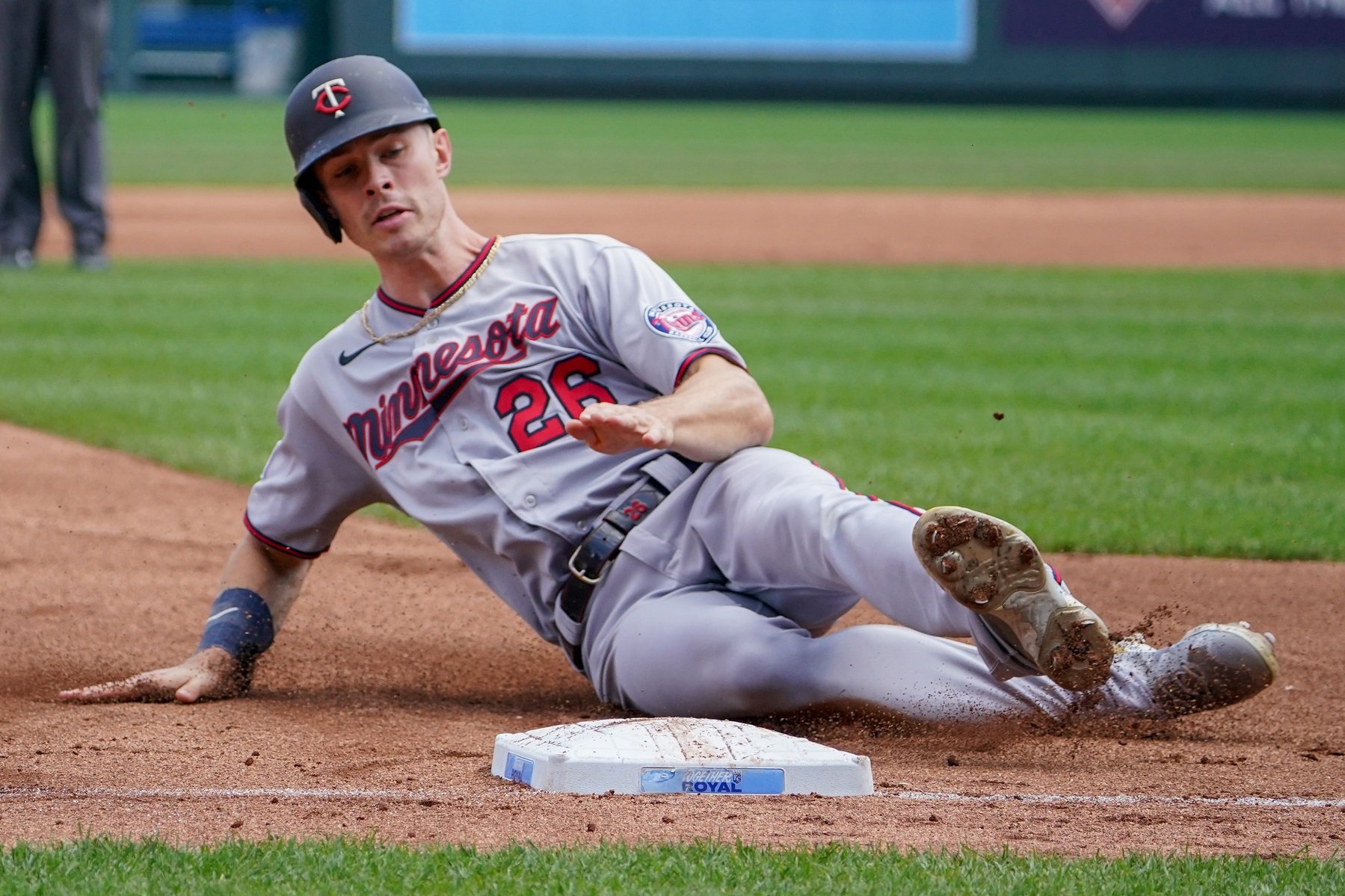 Kepler’s role in the Twins lineup had become established in his 2019 campaign. A power-hitting corner outfielder can lead off a game with power and play strong defense in the right field. 2021 was Kepler’s worst season since becoming a full-time Major Leaguer in 2016. He only posted a .211 batting average, a.306 on-base percentage, and a .719 OPS ( 98 OPS+), all numbers below or even well-below league average. Kepler also missed 41 games in 2021, having spent time on the COVID list and IL with an adductor strain that carried over from 2020. As long as the Twins do not trade Kepler once the MLB lockout lifts, his spot in the right field is guaranteed, assuming he is healthy. The bigger question lingering over Kepler for 2022 is, can he prove that he can get his triple slash at or above league average if playing every day? In 2019, Max Kepler had the best season of his career. He hit .252/.335/.519 (.855), 32 doubles, 36 home runs, and 90 runs batted in. His .855 OPS was 23 percent above league average that season. At this point, Kepler has shown he will not be a contact hitter in the Majors as he was in the minors. Twins fans have come to expect more power in his bat than anything when he makes contact at the plate. Kepler’s most considerable improvement to make for 2022 is his ability to hit off left-handed pitchers. His career numbers off lefties (.209/.282/.350 with a .632 OPS) dip significantly compared to right-hand pitchers (.242/.330/.472 with a .802 OPS). 2021 brought his numbers against lefties down considerably as Kepler only hit .157/.248/.261 with a .509 OPS against left-handers. For Kepler, 2022 needs to see a triple-slash above the Mendoza line and bring his OPS against lefties closer to the high .600’s. One thing that could help Kepler become a more consistent player at the plate is finding a regular spot in the lineup card every day. Not to say he will play anywhere aside from right field or center, but where he ends up hitting. Kepler bounced around to every spot in the lineup 1-9 in 2021, finding the most plate appearances leading off with 137. A significant drop from his 2019 plate appearances led off with 496 in 2019. With the drop in his triple slash in 2021, Kepler will likely see less time hitting lead-off. In a more traditional sense, Kepler makes much more sense as a guy hitting in the fifth or sixth spot in the lineup because of his power and lower contact rate. And if Rocco Baldelli is more committed to keeping Kepler in a traditional spot where his bat makes sense, it may help him to prove the 2021 drop-off was just a fluke and not an early career decline. Kepler turns 29 later this month and will still be under contract with the Twins for two more seasons. The two remaining seasons for Kepler with the Twins still have him at an age where he has yet to reach his peak. If Kepler can improve himself in 2022 compared to his on-field performance in 2021, then he perhaps will not hit his peak sometime in the next two seasons while he remains a Twin. What is your confidence level in Max Kepler getting back, or at least getting closer to his 2019 form? Leave a COMMENT and start the discussion. MORE FROM TWINS DAILY — Latest Twins coverage from our writers — Recent Twins discussion in our forums — Follow Twins Daily via Twitter, Facebook or emai
 -
Twins Add RHP Brandon Lawson on Minor League Deal
Theodore Tollefson posted an article in Minor Leagues
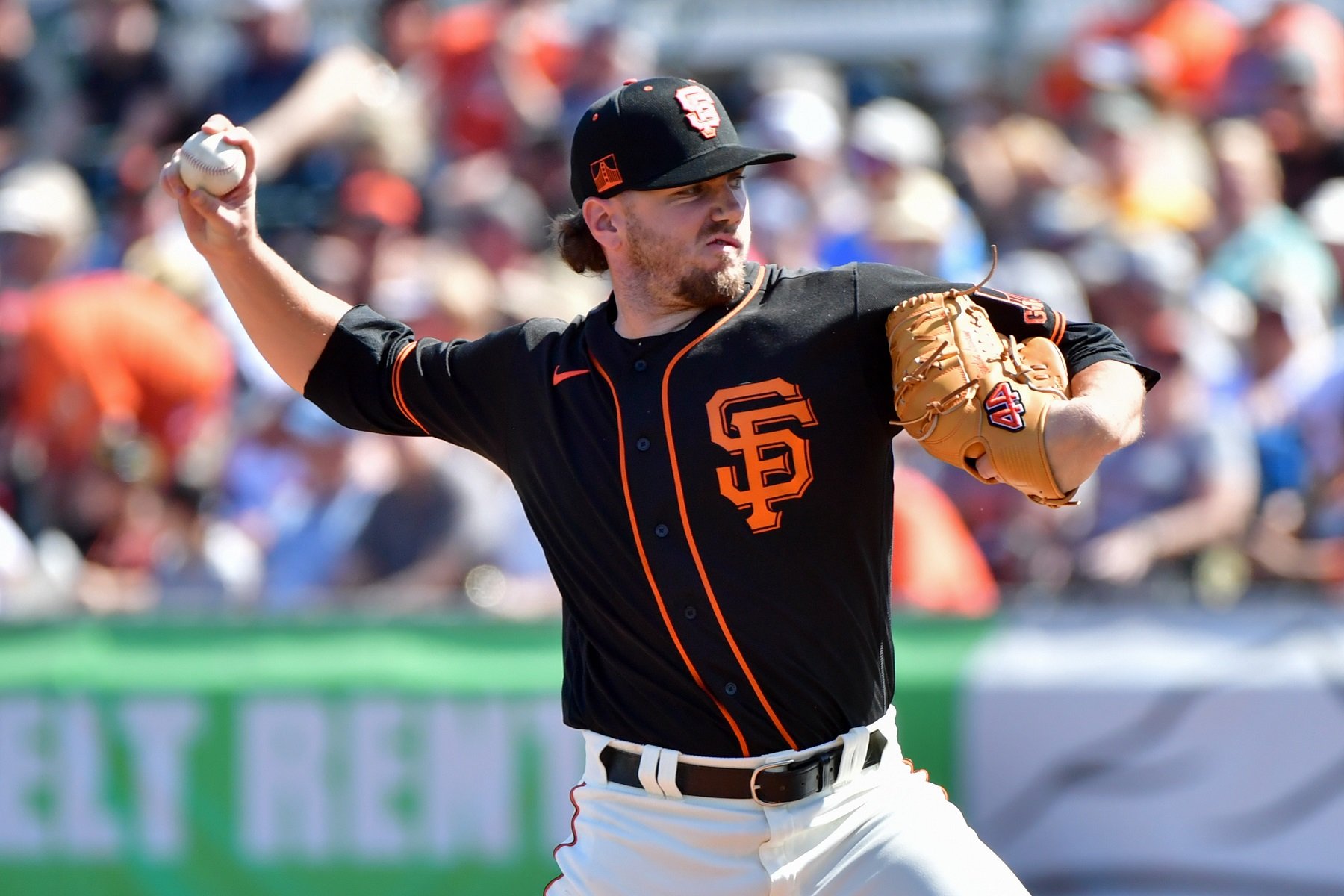 The Brandon Lawson signing was first announced on Twitter by Lawson’s agent, Nello Gamberdino (who also represents Twins RHP prospect Louie Varland), on Thursday morning. Soon after, Darren Wolfson of KSTP quote-tweeted it with more information. 27-year-old Brandon Lawson spent the 2021 season in the Houston Astros system splitting time as a starter and reliever at their Double-A affiliate. In his 25 games, Lawson posted a 4.15 ERA, a .254 Opponent batting average, a 1.22 WHIP, and 75 strikeouts in 95 1/3 innings pitched (7.1 K/9). He also had a complete game shutout in one of his ten starts with Corpus Christi Hooks. This winter, Lawson pitched in the Dominican Winter League with the Tigres del Licey. Lawson made three starts in the league and posted a 2.13 ERA and 4.3 K/9 in 12 2/3 innings pitched. Lawson was originally drafted out of the University of South Florida in the 12th round (360th overall) of the 2016 draft by the Tampa Bay Rays. He was a teammate of shortstop Jermaine Palacios with fellow Twins minor-league signing Jake Faria. In his first two minor league seasons, the Rays primarily developed him as a reliever and tested him as a starter during the 2018 minor league season. He went to the Arizona Fall League after that season, but the Rays released him soon after. He began the 2019 season in the independent Atlantic League, but by late April, he was signed by the San Francisco Giants, Lawson became a full-time starter and spent the full season at Double-A. That was Lawson’s best professional season, by far. He posted a 3.70 ERA, 1.42 WHIP, 5.8 K per 9, and 83 strikeouts in 129 innings pitched. Lawson stands 6-3 and just over 200 pounds. He is primarily a sinker ball pitcher and gets a ton of ground balls. His sinker sits between 91 and 93 mph. He also throws a four-seam fastball that comes in a little faster than the sinker. A five-pitch pitcher, Lawson also throws a low-80s changeup, a mid-80s slider, and a mid-70s curveball. Lawson has yet to make his MLB debut or even pitch above Double-A. He could have the opportunity to pitch for the Twins this season. Whether it will be as a starter or reliever is yet to be determined, but even as MLB transactions are at a halt with the MLB lockout, the Twins are finding players to add to their pitching depth at St. Paul or Wichita that could potentially help the Major League roster in 2022.
 -
Unable to sign major-league free agents, the Twins have signed another pitcher to a minor-league deal today. Learn some more about right-hander Brandon Lawson. The Brandon Lawson signing was first announced on Twitter by Lawson’s agent, Nello Gamberdino (who also represents Twins RHP prospect Louie Varland), on Thursday morning. Soon after, Darren Wolfson of KSTP quote-tweeted it with more information. 27-year-old Brandon Lawson spent the 2021 season in the Houston Astros system splitting time as a starter and reliever at their Double-A affiliate. In his 25 games, Lawson posted a 4.15 ERA, a .254 Opponent batting average, a 1.22 WHIP, and 75 strikeouts in 95 1/3 innings pitched (7.1 K/9). He also had a complete game shutout in one of his ten starts with Corpus Christi Hooks. This winter, Lawson pitched in the Dominican Winter League with the Tigres del Licey. Lawson made three starts in the league and posted a 2.13 ERA and 4.3 K/9 in 12 2/3 innings pitched. Lawson was originally drafted out of the University of South Florida in the 12th round (360th overall) of the 2016 draft by the Tampa Bay Rays. He was a teammate of shortstop Jermaine Palacios with fellow Twins minor-league signing Jake Faria. In his first two minor league seasons, the Rays primarily developed him as a reliever and tested him as a starter during the 2018 minor league season. He went to the Arizona Fall League after that season, but the Rays released him soon after. He began the 2019 season in the independent Atlantic League, but by late April, he was signed by the San Francisco Giants, Lawson became a full-time starter and spent the full season at Double-A. That was Lawson’s best professional season, by far. He posted a 3.70 ERA, 1.42 WHIP, 5.8 K per 9, and 83 strikeouts in 129 innings pitched. Lawson stands 6-3 and just over 200 pounds. He is primarily a sinker ball pitcher and gets a ton of ground balls. His sinker sits between 91 and 93 mph. He also throws a four-seam fastball that comes in a little faster than the sinker. A five-pitch pitcher, Lawson also throws a low-80s changeup, a mid-80s slider, and a mid-70s curveball. Lawson has yet to make his MLB debut or even pitch above Double-A. He could have the opportunity to pitch for the Twins this season. Whether it will be as a starter or reliever is yet to be determined, but even as MLB transactions are at a halt with the MLB lockout, the Twins are finding players to add to their pitching depth at St. Paul or Wichita that could potentially help the Major League roster in 2022. View full article
-
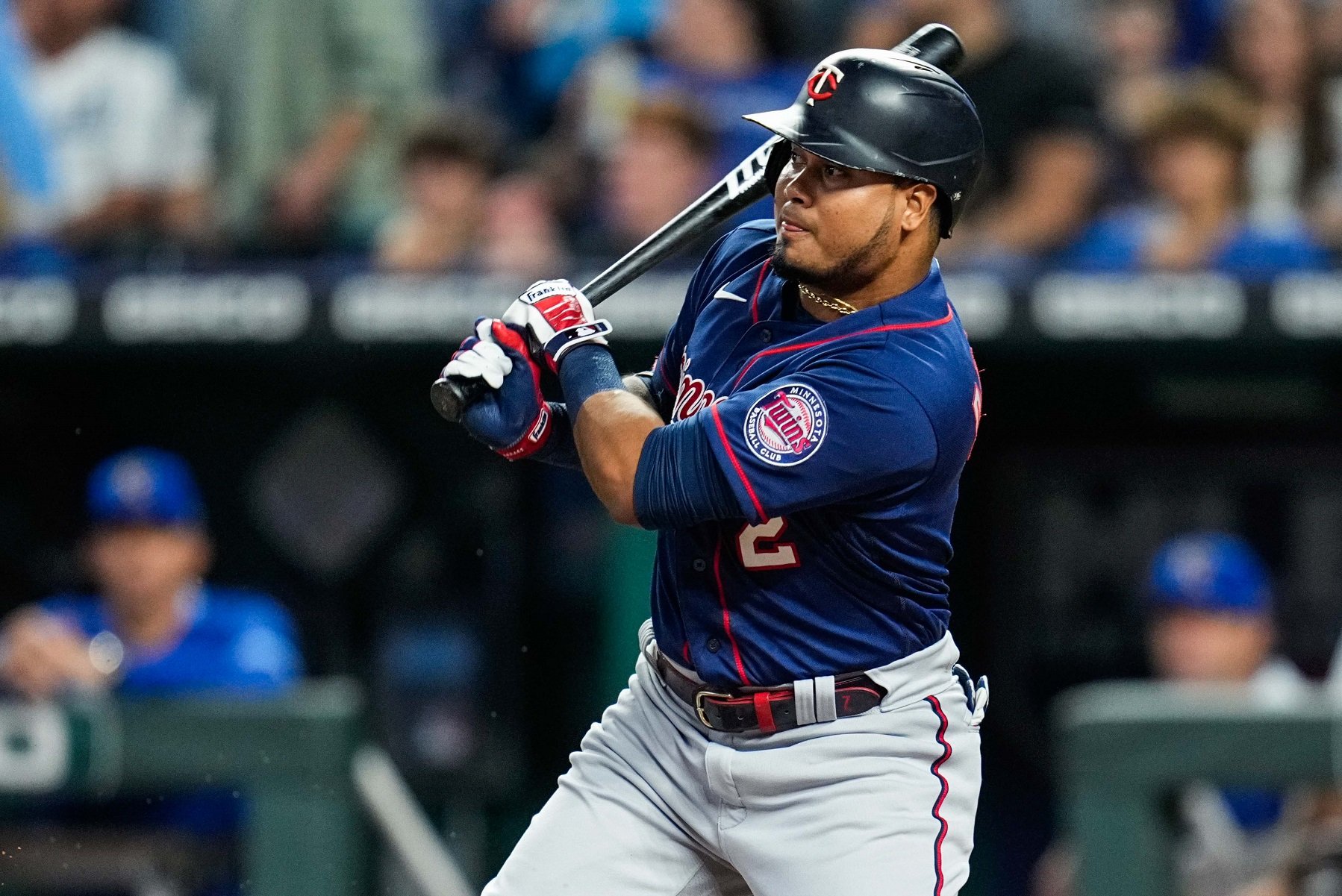 One of the significant speculations among Twins fans and beat writers is that the Twins will likely consider trading utility man Luis Arraez to a team to receive quality starting pitching in return. The main reason for this common speculation is because Arraez does not have a position he can currently play every day with Jorge Polanco at second base and Josh Donaldson at third. Not to mention the likelihood of Jose Miranda being called up to receive more playing time at third if the Twins decide to have Donaldson move into the DH role more often. That leaves left field the last place where Arraez plays comfortably, where he could be penned into the lineup each day. However, two players are everyday outfielders that the Twins hope to give more playing time to in Trevor Larnach and Alex Kirilloff and see improvements from their 2021 season in 2022 in left field. Could the Twins possibly consider playing Arraez at shortstop if they don't end up trading him to start the 2022 season? No. Only if they have everyone else who can play shortstop, injured, or unavailable on a given day. Arraez has only started at shortstop three times and totaled eight games at the position at the Major League level. All of these games took place in 2019 during his rookie season. The Twins may not be willing to take that gamble of starting Arraez at short every day if they believe they can sign one of the everyday shortstops remaining on the market or see a massive breakthrough from Royce Lewis and Austin Martin in the minors this season. That leaves the only possible option of trading Arraez to give him the playing time he deserves with another team. Yet the Twins should not consider Arraez as a trade option to start pitching. He has become one of the best contact hitters in the game over the first three seasons of his career and a valuable asset to the clubhouse culture that started in 2019. But the number one reason why the Twins should not trade Arraez is to keep him around to fill infield voids that could come from player injuries. Every fan or writer knows injuries will happen each season, but there is always the hope going into spring training that their team will be 100 percent healthy for as long as possible. No one likes to predict player injuries at any point in any sports season, but injuries in MLB are more common than ever each season than they ever have been in the history of the sport. Based on the injury history of Donaldson, most Twins fans would expect to see him on the IL at some point during the 2022 season if that does happen. Even though this writer does not hope it will, that will free up more playing time for Arraez at third or DH. Still, Arraez himself has a skeptical injury history, too, with his knees going into his age 25 season. That problem will follow him wherever he is for the longevity of his career, whether it's with the Twins or another team. Without Arraez, the Twins may not have another player who can consistently hit over .300 throughout the season. However, contact hitting is undervalued now in modern MLB, where three true outcome hitting is king. There will be a time again when teams need a player or two they can consistently count on for hitting over .300 and having a high on-base percentage to go along with it without having to hit home runs. Arraez is that guy for the Twins right now, and it's hard to say if they will have another .300 hitter in their lineup for 2022 if they end up trading him. The Twins may not have a position they can play Arraez at consistently right now, but that could change throughout the 2022 season. And even if the likes of Martin and Miranda are raking in the minors to start 2022, who's to say their performance will pan out equally in the majors right away? There is still another reality for the Twins in 2022, where Polanco and Donaldson are relatively healthy all season. If they keep Arraez, his playing time will become secondary to their own. And maybe Miranda if he repeats his 2021 success with the Saints in 2022 in the Bigs. If the Twins do not trade Arraez and the above reality plays out, they will likely rotate Arraez at 2B and 3B a couple of times a week to give either Donaldson or Polanco a day off at their position or time at DH. Arraez will likely be the DH for the Twins on Opening Day if they keep him. With the team's current appearance, that is likely the best spot to pen him in until Miranda arrives. Potential injuries, prospects not panning out in MLB right away, and the need for a .300 hitter in the lineup are undoubtedly good reasons for the Twins to hold off on trading Arraez for the 2022 season, possibly. Arraez could undoubtedly bring back a good starter if the right trade partner is found, but his bat and clubhouse presence might be worth holding onto to see if the Twins can pull together a winning 2022 season.
 -
Whenever the time comes for the MLB lockout to end, a flood of transactions will occur from almost every team across MLB. The Twins may not be the most active team with little time remaining on the Hot Stove market, but they will undoubtedly make a few moves when that time comes. One of the significant speculations among Twins fans and beat writers is that the Twins will likely consider trading utility man Luis Arraez to a team to receive quality starting pitching in return. The main reason for this common speculation is because Arraez does not have a position he can currently play every day with Jorge Polanco at second base and Josh Donaldson at third. Not to mention the likelihood of Jose Miranda being called up to receive more playing time at third if the Twins decide to have Donaldson move into the DH role more often. That leaves left field the last place where Arraez plays comfortably, where he could be penned into the lineup each day. However, two players are everyday outfielders that the Twins hope to give more playing time to in Trevor Larnach and Alex Kirilloff and see improvements from their 2021 season in 2022 in left field. Could the Twins possibly consider playing Arraez at shortstop if they don't end up trading him to start the 2022 season? No. Only if they have everyone else who can play shortstop, injured, or unavailable on a given day. Arraez has only started at shortstop three times and totaled eight games at the position at the Major League level. All of these games took place in 2019 during his rookie season. The Twins may not be willing to take that gamble of starting Arraez at short every day if they believe they can sign one of the everyday shortstops remaining on the market or see a massive breakthrough from Royce Lewis and Austin Martin in the minors this season. That leaves the only possible option of trading Arraez to give him the playing time he deserves with another team. Yet the Twins should not consider Arraez as a trade option to start pitching. He has become one of the best contact hitters in the game over the first three seasons of his career and a valuable asset to the clubhouse culture that started in 2019. But the number one reason why the Twins should not trade Arraez is to keep him around to fill infield voids that could come from player injuries. Every fan or writer knows injuries will happen each season, but there is always the hope going into spring training that their team will be 100 percent healthy for as long as possible. No one likes to predict player injuries at any point in any sports season, but injuries in MLB are more common than ever each season than they ever have been in the history of the sport. Based on the injury history of Donaldson, most Twins fans would expect to see him on the IL at some point during the 2022 season if that does happen. Even though this writer does not hope it will, that will free up more playing time for Arraez at third or DH. Still, Arraez himself has a skeptical injury history, too, with his knees going into his age 25 season. That problem will follow him wherever he is for the longevity of his career, whether it's with the Twins or another team. Without Arraez, the Twins may not have another player who can consistently hit over .300 throughout the season. However, contact hitting is undervalued now in modern MLB, where three true outcome hitting is king. There will be a time again when teams need a player or two they can consistently count on for hitting over .300 and having a high on-base percentage to go along with it without having to hit home runs. Arraez is that guy for the Twins right now, and it's hard to say if they will have another .300 hitter in their lineup for 2022 if they end up trading him. The Twins may not have a position they can play Arraez at consistently right now, but that could change throughout the 2022 season. And even if the likes of Martin and Miranda are raking in the minors to start 2022, who's to say their performance will pan out equally in the majors right away? There is still another reality for the Twins in 2022, where Polanco and Donaldson are relatively healthy all season. If they keep Arraez, his playing time will become secondary to their own. And maybe Miranda if he repeats his 2021 success with the Saints in 2022 in the Bigs. If the Twins do not trade Arraez and the above reality plays out, they will likely rotate Arraez at 2B and 3B a couple of times a week to give either Donaldson or Polanco a day off at their position or time at DH. Arraez will likely be the DH for the Twins on Opening Day if they keep him. With the team's current appearance, that is likely the best spot to pen him in until Miranda arrives. Potential injuries, prospects not panning out in MLB right away, and the need for a .300 hitter in the lineup are undoubtedly good reasons for the Twins to hold off on trading Arraez for the 2022 season, possibly. Arraez could undoubtedly bring back a good starter if the right trade partner is found, but his bat and clubhouse presence might be worth holding onto to see if the Twins can pull together a winning 2022 season. View full article
-
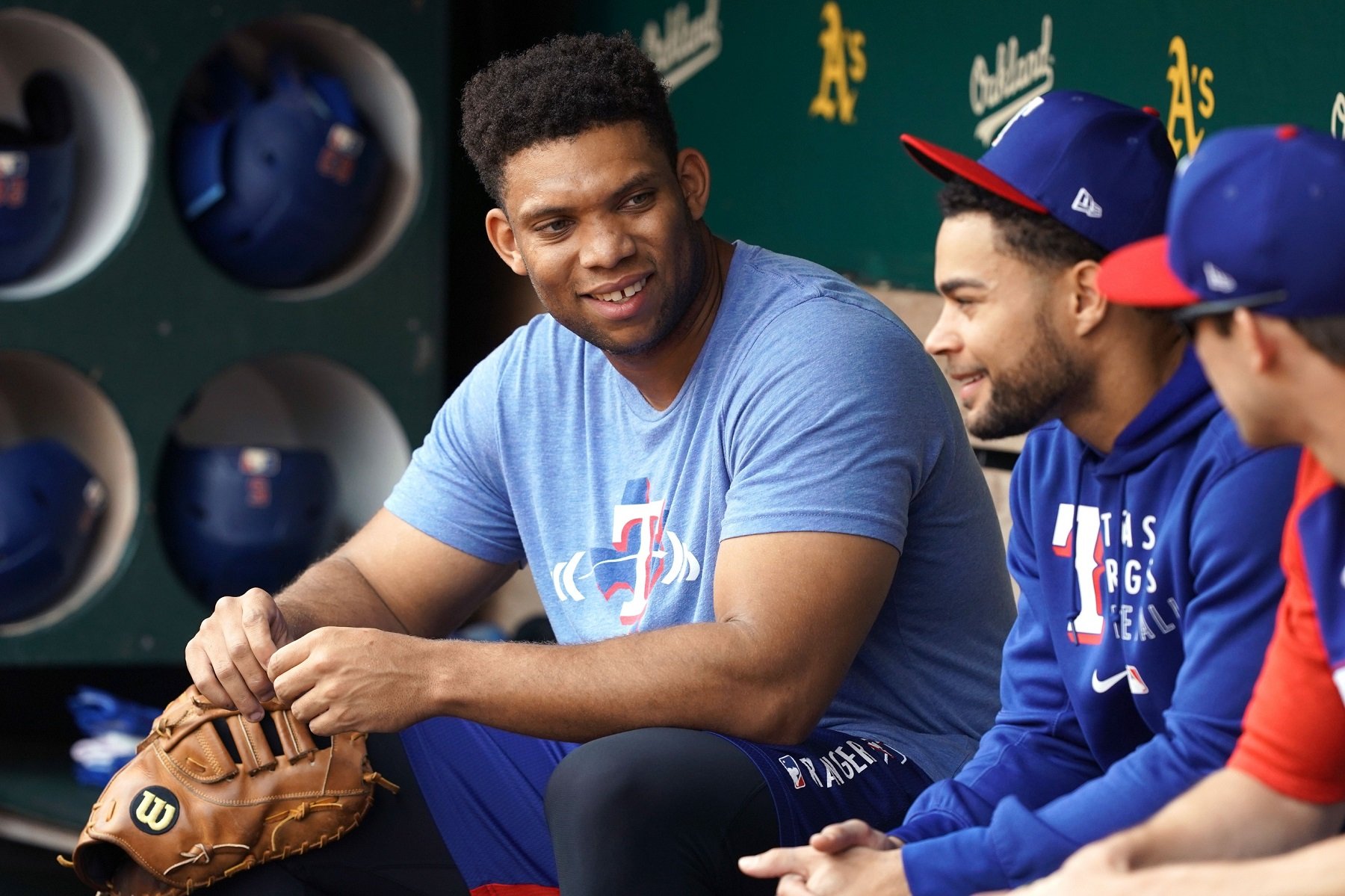 Curtis Terry, 25, has spent his entire professional career to this point in the Texas Rangers organization. He was drafted in the 13th round (378th overall) of the 2015 draft out of Archer High School in Lawrenceville, Georgia. Terry made his MLB debut with the Rangers in July of 2021 and then played another dozen games.. Although Terry’s numbers in his first 13 MLB games do not stand out (4 hits, 45 at-bats), he had a solid 2021 season in the minors. He hit .275 with 22 home runs and 75 RBI with the Triple-A Round Rock Express. Terry’s best season in the minors came in 2019 when he hit .293 with an OPS of .899. He hit 25 home runs and drove in 80 runs in 129 games between the Rangers' High-A and Low-A affiliates. As of now, Terry is the only infielder listed on the St. Paul Saints roster on their website. That, of course, means very little at this point in the offseason. Terry will likely see plenty of playing time during the start of the minor league season at first base. Last year, the Saints used players like Tomas Telis and Damek Tomscha at first base, and Jose Miranda played there at times in the second half. Along with Miranda, first base in Wichita was manned by Roy Morales and Andrew Bechtold. He will likely be a good player for the Twins to have only 15 minutes away from Target Field if the injury bug finds Miguel Sano this season. Terry’s primary positions are similar to that of Sano’s, and if Alex Kirilloff is seeing more time in the outfield than first base, will allow for Terry to potentially see more playing time in MLB with the Twins than he did with the Rangers. But the Twins signed Curtis Terry for his bat. Also, he will be just 25 years old throughout the entire 2022 season. He's young. He has upside. He has a ton of power potential. He is built like Miguel Sano, though it appears that Sano is the much better athlete. The Twins clearly see potential with Terry in their 2022 plans at some point in the season. Hopefully Terry will repeat his success in the minors in 2021 with the Saints and possibly the Twins in 2022.
 -
Back in November, the Twins signed first baseman Curtis Terry to a minor league deal and added him onto the St. Paul Saints roster. Could he provide some insurance for the Twins offense in 2022? Curtis Terry, 25, has spent his entire professional career to this point in the Texas Rangers organization. He was drafted in the 13th round (378th overall) of the 2015 draft out of Archer High School in Lawrenceville, Georgia. Terry made his MLB debut with the Rangers in July of 2021 and then played another dozen games.. Although Terry’s numbers in his first 13 MLB games do not stand out (4 hits, 45 at-bats), he had a solid 2021 season in the minors. He hit .275 with 22 home runs and 75 RBI with the Triple-A Round Rock Express. Terry’s best season in the minors came in 2019 when he hit .293 with an OPS of .899. He hit 25 home runs and drove in 80 runs in 129 games between the Rangers' High-A and Low-A affiliates. As of now, Terry is the only infielder listed on the St. Paul Saints roster on their website. That, of course, means very little at this point in the offseason. Terry will likely see plenty of playing time during the start of the minor league season at first base. Last year, the Saints used players like Tomas Telis and Damek Tomscha at first base, and Jose Miranda played there at times in the second half. Along with Miranda, first base in Wichita was manned by Roy Morales and Andrew Bechtold. He will likely be a good player for the Twins to have only 15 minutes away from Target Field if the injury bug finds Miguel Sano this season. Terry’s primary positions are similar to that of Sano’s, and if Alex Kirilloff is seeing more time in the outfield than first base, will allow for Terry to potentially see more playing time in MLB with the Twins than he did with the Rangers. But the Twins signed Curtis Terry for his bat. Also, he will be just 25 years old throughout the entire 2022 season. He's young. He has upside. He has a ton of power potential. He is built like Miguel Sano, though it appears that Sano is the much better athlete. The Twins clearly see potential with Terry in their 2022 plans at some point in the season. Hopefully Terry will repeat his success in the minors in 2021 with the Saints and possibly the Twins in 2022. View full article
-
Thank you for the kind feedback! I'm glad I could help you find another Minnesota born professional ballplayer to root for. I am excited to see what Joey does for 2022 in the Red Sox organization.
-
Minnesota baseball is a strong community where everyone who gets the chance to play professionally is cheered on by fans all across the state; especially those from the smaller high schools. One of the newest professional ballplayers is from St. John's Prep in Collegeville, Minnesota. His name is Joey Stock, and he is a pitcher in the Red Sox minor league system. Get to know more about him. Everything was ready to go for Joey Stock to move from Cold Spring, Minnesota, to Wisconsin on August 27, 2020. He was set to begin the fall semester at the University of Wisconsin-Milwaukee to start working on his master's degree in Business Communications . This was the day before he would be taking a seven-hour drive to further his career in higher education and have a chance to play with the UW-Milwaukee baseball team in the spring. Then the Boston Red Sox gave Stock a call that day and offered him a deal to become a professional athlete. "I remember like it was yesterday. It's something I'll probably never forget," recalled Stock. The news was not as surprising as the timing of the call from the Red Sox. A week prior, once the Northwoods League's 2020 season concluded, Stock had been given notice by his manager for the St. Cloud Rox that the Red Sox still saw talent in him worth signing. "As I'm literally driving off from the ballpark, my manager stopped me and asked, 'Hey, are you still entertaining any big league contracts? And I said, 'Yeah, I probably would,' and he told me that Boston's interested and to keep my phone nearby. Sure enough, a couple of days later, their head scout called me saying, 'Hey, we like you. We like what we see. We want to fly you out here to Boston to do some physicals and just make sure everything's okay.'” A couple of days after flying to Boston where the Red Sox had made their signing of Stock official, the news spread quickly across Central Minnesota. "That was one of the coolest days of my life. With all of the congratulatory text messages, phone calls, Facebook, Snapchat, and Instagram messages, that I got from people. Some I hadn't seen in 10 years that somehow found out. It just spread like wildfire. I didn't put my phone down. I'm answering emails, phone calls, texts, voicemails. The support that I got from the entire central Minnesota community was freakin' unbelievable," said Stock. Prior to graduating from St. John's University in Collegeville, Minnesota, in May of 2020. Stock had received a couple of offers from MLB teams but turned them down, wanting to complete his undergraduate degree before taking a chance as a professional ballplayer. Even before the COVID-19 pandemic began in March of 2020, Stock had been scouted by the Red Sox as the Johnnie's baseball team prepared for the 2020 season. Stock shared that the team was set up to be one of the best he ever played on but couldn't get the season rolling due to the pandemic. "We had a really good team at St. John's, my senior class. Seven of the nine guys that started on the field, including myself, were seniors. We had an unbelievably good freshman class coming in with pitchers; we had a lot of talent, a lot of experience, and a lot of depth. We were ranked in the top 25 that year to start, and we took that as kind of an insult. We thought we were a heck of a lot better than that. We were ready to prove ourselves to the league, then we never got to play," said Stock. Stock had recently reunited with a good number of his former teammates at St. John's, and they had the chance to reminisce on what could have happened if they had a full season of college ball in 2020. "All of us still haven't really gotten over not being able to play. We put St John's on the map because we truly knew what we had, and we were ready to prove it to the entire country, and we just never got the chance to. That's why I turned down opportunities to sign before graduating, and I don't regret that at all," said Stock. Having signed with the Red Sox in late August of 2020, Stock could not join any of the Minor League teams or camps with the minor-league baseball season canceled by their parent, Major League Baseball. Stock arrived at the Red Sox spring training complex in Fort Myers in February of 2021, and when he did, the reality of starting his professional career hit him almost immediately. “When I got to Fort Myers, the feeling that hit me was overwhelming. I'll be honest. You're around so many talented guys, and they all know what's going on.” Stock continued , "A lot of them have been through at least one instructional league where they have been brought into what spring training is going to be like. I'm coming in wide-eyed. I didn't know about the facility. I didn't know where all the other fields were outside of the facility. I didn't really know a whole lot. Luckily for me, I had a roommate that had been around professional baseball for a very long time. I was able to bounce ideas off of him and just get his stories on spring training experiences because he had been to plenty of them." Stock's spring training roommate Zach Kelly began his professional career in 2017 with the Oakland Athletics organization and spent the 2018 and 2019 seasons in the Los Angeles Angels organization. Kelly, like Stock, entered his first spring training with the Red Sox in 2021 but quickly became one of many mentors to Stock to help him adjust to the minor-league baseball lifestyle. Stock spoke more on Kelly, "He is a Division II guy from South Carolina and didn't sign for very much money. I'm a Division III guy. We were both undrafted free agents, and so he's a guy that you definitely want to root for. He had a great year. He was in Portland with the Sea Dogs. Then halfway through the summer, Zach got called up to Triple AAA, and from there, he's a phone call away from the Red Sox." The organization was welcoming and helpful for Stock's adjustment into professional baseball. Coaches and players at all levels of the organization and additional staff were very approachable for Stock whenever he had any questions, comments, or concerns. The first day in the clubhouse for Spring Training was another surreal moment for Stock of realizing where he was. He was taking his first steps into becoming a major-league pitcher, and when the Red Sox jersey with his name on the back was given to him, it topped many moments for him in 2021. "One of my favorite moments was seeing my jersey and my last name on it. You know, whether you're Chris Sale, Ryan Brasier, or myself, you're wearing the same jersey for Spring Training. That was really cool. And then again, to be able to see Stock right there with the Boston Red Sox font on the back of your jersey, it was really freaking cool," said Stock. Appropriately, Stock's professional debut was against his home state's FCL affiliate, the Twins. Although his debut was not how he hoped it would go, it was still an excellent experience for Stock to start his career against the affiliate of a team he often watched growing up. Stock and his older brother Jake, along with their cousins who also lived in Cold Spring as kids, did not grow up with cable in their households. This made their grandma Joyce and grandpa Dick Stock’s house the place to go to watch Joey’s favorite Twins growing up, Torii Hunter and Joe Nathan. One of Stock’s favorite memories from watching Twins games at grandma and grandpa Stock’s was the iconic game 163 of 2009 when the Twins beat the Tigers in extra innings to win the division. “I got to stay up really late watching that one in my grandparents' house. That was a fun game watching Alexi Casilla hit the walk off to win it for the Twins,” recalled Stock. Going into 2022, Stock has a few goals for himself. He currently has two pitches in his arsenal that may be close to being Major League ready; his fastball and curveball. Stock says that a third pitch will need to come into plan sometime this year but wants to build more speed into his fastball and command with his curveball before adding that third pitch. "I'd say the biggest goal for me right now is to get to Double-A as soon as possible. Obviously, the goal is to play at its highest level, but you gotta take it in stride. What I'm shooting for this season is Greenville, South Carolina, which is our High A affiliate. From what I've seen with professional baseball, especially with the Red Sox, the jump from Single-A to Double-A is the biggest jump in the minors. My goal is to get to Greenville this year, spend the whole year there and continue to strive and continue to keep doing what I did where our pitching staff, including myself, is just throwing strikes. We're not pitching to contact. We're tunneling our pitches and just making the most of our opportunities," said Stock. Stock isn't the first professional athlete from Cold Spring, Minnesota. Eric Decker played in the NFL for eight seasons from 2010-2017. He was drafted by the Twins but wen to the University of Minnesota where he played baseball and football. Some may remember shortstop Steve Huls who played for the Gophers and then spend five seasons in the Twins minor leagues. Justin Stommes played basketball at East Carolina before playing professional basketball in Europe. Stock hopes to become the first MLB player from his hometown, and to represent Minnesota baseball well as he journeys through the minors during 2022. With the mentorship and great organizational care the Red Sox show to their minor leaguers, Stock is confident he is with the right team currently to make that dream come true. View full article
-
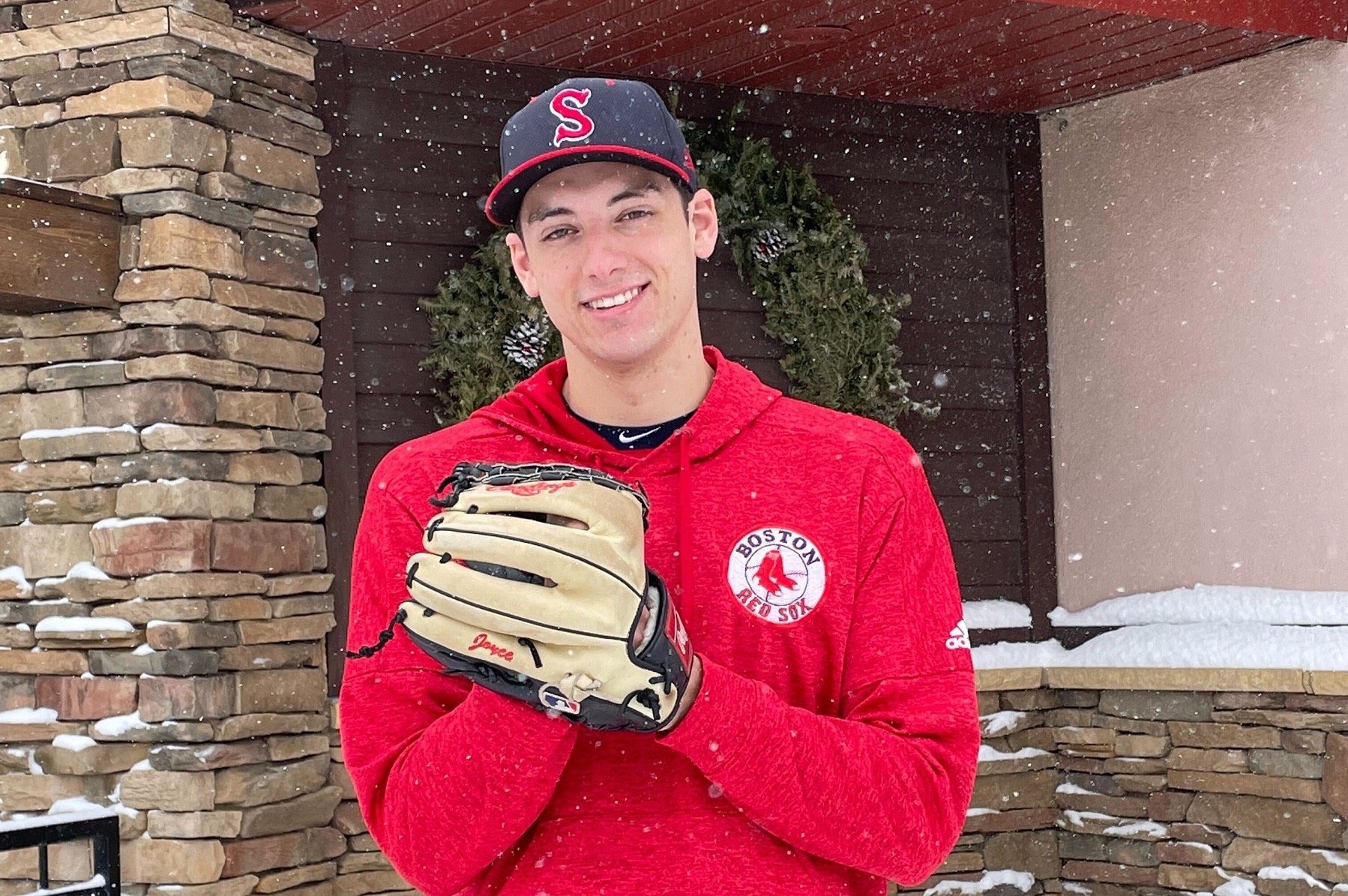 Everything was ready to go for Joey Stock to move from Cold Spring, Minnesota, to Wisconsin on August 27, 2020. He was set to begin the fall semester at the University of Wisconsin-Milwaukee to start working on his master's degree in Business Communications . This was the day before he would be taking a seven-hour drive to further his career in higher education and have a chance to play with the UW-Milwaukee baseball team in the spring. Then the Boston Red Sox gave Stock a call that day and offered him a deal to become a professional athlete. "I remember like it was yesterday. It's something I'll probably never forget," recalled Stock. The news was not as surprising as the timing of the call from the Red Sox. A week prior, once the Northwoods League's 2020 season concluded, Stock had been given notice by his manager for the St. Cloud Rox that the Red Sox still saw talent in him worth signing. "As I'm literally driving off from the ballpark, my manager stopped me and asked, 'Hey, are you still entertaining any big league contracts? And I said, 'Yeah, I probably would,' and he told me that Boston's interested and to keep my phone nearby. Sure enough, a couple of days later, their head scout called me saying, 'Hey, we like you. We like what we see. We want to fly you out here to Boston to do some physicals and just make sure everything's okay.'” A couple of days after flying to Boston where the Red Sox had made their signing of Stock official, the news spread quickly across Central Minnesota. "That was one of the coolest days of my life. With all of the congratulatory text messages, phone calls, Facebook, Snapchat, and Instagram messages, that I got from people. Some I hadn't seen in 10 years that somehow found out. It just spread like wildfire. I didn't put my phone down. I'm answering emails, phone calls, texts, voicemails. The support that I got from the entire central Minnesota community was freakin' unbelievable," said Stock. Prior to graduating from St. John's University in Collegeville, Minnesota, in May of 2020. Stock had received a couple of offers from MLB teams but turned them down, wanting to complete his undergraduate degree before taking a chance as a professional ballplayer. Even before the COVID-19 pandemic began in March of 2020, Stock had been scouted by the Red Sox as the Johnnie's baseball team prepared for the 2020 season. Stock shared that the team was set up to be one of the best he ever played on but couldn't get the season rolling due to the pandemic. "We had a really good team at St. John's, my senior class. Seven of the nine guys that started on the field, including myself, were seniors. We had an unbelievably good freshman class coming in with pitchers; we had a lot of talent, a lot of experience, and a lot of depth. We were ranked in the top 25 that year to start, and we took that as kind of an insult. We thought we were a heck of a lot better than that. We were ready to prove ourselves to the league, then we never got to play," said Stock. Stock had recently reunited with a good number of his former teammates at St. John's, and they had the chance to reminisce on what could have happened if they had a full season of college ball in 2020. "All of us still haven't really gotten over not being able to play. We put St John's on the map because we truly knew what we had, and we were ready to prove it to the entire country, and we just never got the chance to. That's why I turned down opportunities to sign before graduating, and I don't regret that at all," said Stock. Having signed with the Red Sox in late August of 2020, Stock could not join any of the Minor League teams or camps with the minor-league baseball season canceled by their parent, Major League Baseball. Stock arrived at the Red Sox spring training complex in Fort Myers in February of 2021, and when he did, the reality of starting his professional career hit him almost immediately. “When I got to Fort Myers, the feeling that hit me was overwhelming. I'll be honest. You're around so many talented guys, and they all know what's going on.” Stock continued , "A lot of them have been through at least one instructional league where they have been brought into what spring training is going to be like. I'm coming in wide-eyed. I didn't know about the facility. I didn't know where all the other fields were outside of the facility. I didn't really know a whole lot. Luckily for me, I had a roommate that had been around professional baseball for a very long time. I was able to bounce ideas off of him and just get his stories on spring training experiences because he had been to plenty of them." Stock's spring training roommate Zach Kelly began his professional career in 2017 with the Oakland Athletics organization and spent the 2018 and 2019 seasons in the Los Angeles Angels organization. Kelly, like Stock, entered his first spring training with the Red Sox in 2021 but quickly became one of many mentors to Stock to help him adjust to the minor-league baseball lifestyle. Stock spoke more on Kelly, "He is a Division II guy from South Carolina and didn't sign for very much money. I'm a Division III guy. We were both undrafted free agents, and so he's a guy that you definitely want to root for. He had a great year. He was in Portland with the Sea Dogs. Then halfway through the summer, Zach got called up to Triple AAA, and from there, he's a phone call away from the Red Sox." The organization was welcoming and helpful for Stock's adjustment into professional baseball. Coaches and players at all levels of the organization and additional staff were very approachable for Stock whenever he had any questions, comments, or concerns. The first day in the clubhouse for Spring Training was another surreal moment for Stock of realizing where he was. He was taking his first steps into becoming a major-league pitcher, and when the Red Sox jersey with his name on the back was given to him, it topped many moments for him in 2021. "One of my favorite moments was seeing my jersey and my last name on it. You know, whether you're Chris Sale, Ryan Brasier, or myself, you're wearing the same jersey for Spring Training. That was really cool. And then again, to be able to see Stock right there with the Boston Red Sox font on the back of your jersey, it was really freaking cool," said Stock. Appropriately, Stock's professional debut was against his home state's FCL affiliate, the Twins. Although his debut was not how he hoped it would go, it was still an excellent experience for Stock to start his career against the affiliate of a team he often watched growing up. Stock and his older brother Jake, along with their cousins who also lived in Cold Spring as kids, did not grow up with cable in their households. This made their grandma Joyce and grandpa Dick Stock’s house the place to go to watch Joey’s favorite Twins growing up, Torii Hunter and Joe Nathan. One of Stock’s favorite memories from watching Twins games at grandma and grandpa Stock’s was the iconic game 163 of 2009 when the Twins beat the Tigers in extra innings to win the division. “I got to stay up really late watching that one in my grandparents' house. That was a fun game watching Alexi Casilla hit the walk off to win it for the Twins,” recalled Stock. Going into 2022, Stock has a few goals for himself. He currently has two pitches in his arsenal that may be close to being Major League ready; his fastball and curveball. Stock says that a third pitch will need to come into plan sometime this year but wants to build more speed into his fastball and command with his curveball before adding that third pitch. "I'd say the biggest goal for me right now is to get to Double-A as soon as possible. Obviously, the goal is to play at its highest level, but you gotta take it in stride. What I'm shooting for this season is Greenville, South Carolina, which is our High A affiliate. From what I've seen with professional baseball, especially with the Red Sox, the jump from Single-A to Double-A is the biggest jump in the minors. My goal is to get to Greenville this year, spend the whole year there and continue to strive and continue to keep doing what I did where our pitching staff, including myself, is just throwing strikes. We're not pitching to contact. We're tunneling our pitches and just making the most of our opportunities," said Stock. Stock isn't the first professional athlete from Cold Spring, Minnesota. Eric Decker played in the NFL for eight seasons from 2010-2017. He was drafted by the Twins but wen to the University of Minnesota where he played baseball and football. Some may remember shortstop Steve Huls who played for the Gophers and then spend five seasons in the Twins minor leagues. Justin Stommes played basketball at East Carolina before playing professional basketball in Europe. Stock hopes to become the first MLB player from his hometown, and to represent Minnesota baseball well as he journeys through the minors during 2022. With the mentorship and great organizational care the Red Sox show to their minor leaguers, Stock is confident he is with the right team currently to make that dream come true.
 -
I’ll be honest, I completely forgot about Moran while writing this piece. That mistake is on me. Stashak on the other hand, I honestly just see him running out of options before he can really reestablish himself as a reliever and getting DFA’d
- 16 replies
-
- 2
-
-
- taylor rogers
- tyler duffey
- (and 3 more)
-
There is no doubt that bullpens get much more usage in recent years, and that is true of the Twins as well. If the season started today, who would be in the Twins bullpen, and could they be successful? Bullpens have become the most overworked position in baseball in the last five years, and the Twins bullpen was a perfect example of overworked relievers in 2021. Of the 1,419 1/3 innings pitched from the Twins pitching staff in 2021, Twins relievers pitched approximately 617 2/3 innings pitched, or 43.5% of innings pitched. Relief pitchers making up around 40% of an MLB team's innings pitched is not uncommon in baseball today. However, it depends on who is in each team's bullpen which sets the postseason competitors, the tanking teams, and those in-between apart. The 2021 Twins bullpen falls into the in-between category, and how the front office decides to gear up the bullpen for 2022 post-lockout may be a deciding factor for how they sit in the AL Central for 2022. The Closer The Twins bullpen is far from being the worst in baseball. They have an all-star high-leverage reliever with Taylor Rogers. Rogers did miss the final two months of the season due to his finger injury in August, but he expects to be ready to go by the season's start (whenever that may be). Rogers was not the consistent closer for the Twins last season, as many remember the shuffling between him, Alex Colome, and Hansel Robles. Before his thumb injury, Rogers was beginning to see more save opportunities in games than he had earlier in the season, having three of them in his final six appearances. Suppose the Twins front office does not intend to check in on free-agent closers, such as Ian Kennedy or Richard Rodriguez, after the lockout then Rogers will likely get the nod to be the closer again in 2022. Reliable Veterans The Twins had two reliable veteran relievers in 2021 that will carry over into the same roles for 2022. Those pitchers are Tyler Duffey and Caleb Thielbar. Both Duffey and Thielbar posted solid numbers in 2021, even with some shaky outings at the start of the season. Duffey ended the season with a 3.18 ERA, .216 opponents batting average, and 8.8 K per 9. Going into his age-31 season, Duffey still looks to be one of the primary setup men for the Twins bullpen to start the 2022 season. Thielbar was the most reliable left-handed reliever for the Twins throughout the 2021 season and will likely maintain that role alongside Rogers for 2022. Thielbar's return to the big leagues full-time in 2020 was one of the best feel-good stories in a season that was really needed in the year that was. And thanks to his 3.23 ERA, 10.8 K per 9, and 1.17 WHIP from 2021.Thielbar will likely be the go-to lefty for the Twins bullpen in 2022 depending on Rogers’ role.. Bounceback Players If there's one Twins pitcher who would like to put 2021 behind him above all the rest, it would be Randy Dobnak. Dobnak's injuries throughout 2021 were already keeping him off the field. And when he was healthy, Dobnak was not the same pitcher Twins fans became accustomed to seeing from their homes in 2020. As the Twins rotation currently sits, Dobnak is more likely to see time as a starter than a reliever with only one rotation addition in Dylan Bundy. Still, Dobnak could see some time in the bullpen whether the Twins decided to add another starter or not. If he does, it's not only a matter of getting more appearances out of the bullpen when healthy but also proving his 2021 numbers were a temporary fork in the road. Dobnak is not the only pitcher in the Twins bullpen looking for a bounceback in 2022. One of the Twins' new additions, Jharel Cotton, fits into this category too. Cotton returned to the Majors for the first time since 2017, getting time with the Texas Rangers in 2021. Cotton had not pitched back-to-back seasons professionally since 2016-17 because he had Tommy John surgery in 2018 and missed all of 2020 with no minor league season. Cotton's return to MLB in 2021 was not too bad. Cotton posted a 3.52 ERA and 8.8 K/9 in 23 relief appearances with the Rangers. The big question is if he can repeat and improve upon his 2021 numbers in 2022? The Twins claimed him off waivers, believing that he can, and willing to provide him the opportunity. Young Faces Wanting to Prove Themselves Two younger relievers in the Twins bullpen are still wanting to prove themselves as big-league relievers. They are Jorge Alcala and Ralph Garza Jr. Alcala has accumulated just over two years of MLB service time . In that time, he has pitched in 77 games over parts of three seasons. 2021 was Alcala's first full season, and he was streaky. There were times when Alcala was an excellent option for the Twins, and there were others where he struggled. At season’s end, Alcala had 9.2 K/9, a .214 opponents batting average, and 0.97 WHIP. Alcala has the talent to improve in 2022 to become one of the more reliable Twins relievers. Garza Jr. was an unexpected contributor last season who showed moments when he could be a reliable option for the Twins as the 2021 season dwindled. He had nine relief appearances with the Astros before the Twins claimed him off waivers on August 4th. Garza totaled 18 relief appearances as a Twin, putting together a 3.26 ERA, a .186 opponents batting average, and a 1.03 WHIP. Garza Jr. hopes to have his first full season in the majors for 2022 and show that his brief time with the Twins so far won't just be a flash in the pan. Minor League Options Three notable players signed to minor league deals with the Twins are likely to be seen in their bullpen sometime in 2022. Those three players are Danny Coulombe, Jake Faria, and Trevor Megill. All three have an invitation to spring training with the hopes of making the Twins Opening Day roster. If Coulombe pitches in a game for them in 2022, it will be his third season in a row with appearances for the Twins. Coulombe had two relief appearances in 2020 and made 29 more in 2021. He posted a 3.67 ERA and 8.7 K/9 in 2021.. Hours before the lockout, the Twins signed Jake Faria. Faria missed the 2020 season and pitched for the Arizona Diamondbacks in 2021, making three starts and 20 relief appearances. In 2021, he had a 5.51 ERA, 1.59 WHIP, and 2.46 K/BB ratio. However, Faria is still a no-risk, high-rewarded signing for the Twins. Finally, there's Trevor Megill. Megill's time with the Twins started oddly as the Twins released him hours after claiming him off waivers from the Chicago Cubs. A few days later, on Megill's birthday, the Twins re-signed him to a minor-league deal. The burly right-hander made his MLB debut in 2021 and struggled in his 28 relief appearances. Megill is big and strong. He throws hard and has a good slider. The Twins will work with him, presumably, on his mechanics and possibly his pitch mix and hope he can make a breakthrough in 2022. How does the Twins Bullpen Stand as of today for 2022? Grading the Twins bullpen as it is right now, they are an average bullpen, and that is assuming health and that generally everyone in their bullpen will be at their peak performance in 2022. Realistically, they're more of a C- bullpen without any further additions after the lockout. As mentioned earlier and in other Twins Daily articles, Richard Rodriguez would be a fine addition to the Twins bullpen. Other names in the reliever free-agent market that might be worth pursuing include Brad Boxberger, Joe Smith, and Joe Kelly. Any reliever who has had postseason experience would be a great addition for the Twins, even if they don't compete in 2022. But having another reliever with that experience with a different to mentor Twins relievers who will be around after 2022 will pay off for the future. So if the season started today, how do you think the Twins bullpen as currently constructed? View full article
-
How do the Twins look with their current relief core for 2022?
Theodore Tollefson posted an article in Twins
 Bullpens have become the most overworked position in baseball in the last five years, and the Twins bullpen was a perfect example of overworked relievers in 2021. Of the 1,419 1/3 innings pitched from the Twins pitching staff in 2021, Twins relievers pitched approximately 617 2/3 innings pitched, or 43.5% of innings pitched. Relief pitchers making up around 40% of an MLB team's innings pitched is not uncommon in baseball today. However, it depends on who is in each team's bullpen which sets the postseason competitors, the tanking teams, and those in-between apart. The 2021 Twins bullpen falls into the in-between category, and how the front office decides to gear up the bullpen for 2022 post-lockout may be a deciding factor for how they sit in the AL Central for 2022. The Closer The Twins bullpen is far from being the worst in baseball. They have an all-star high-leverage reliever with Taylor Rogers. Rogers did miss the final two months of the season due to his finger injury in August, but he expects to be ready to go by the season's start (whenever that may be). Rogers was not the consistent closer for the Twins last season, as many remember the shuffling between him, Alex Colome, and Hansel Robles. Before his thumb injury, Rogers was beginning to see more save opportunities in games than he had earlier in the season, having three of them in his final six appearances. Suppose the Twins front office does not intend to check in on free-agent closers, such as Ian Kennedy or Richard Rodriguez, after the lockout then Rogers will likely get the nod to be the closer again in 2022. Reliable Veterans The Twins had two reliable veteran relievers in 2021 that will carry over into the same roles for 2022. Those pitchers are Tyler Duffey and Caleb Thielbar. Both Duffey and Thielbar posted solid numbers in 2021, even with some shaky outings at the start of the season. Duffey ended the season with a 3.18 ERA, .216 opponents batting average, and 8.8 K per 9. Going into his age-31 season, Duffey still looks to be one of the primary setup men for the Twins bullpen to start the 2022 season. Thielbar was the most reliable left-handed reliever for the Twins throughout the 2021 season and will likely maintain that role alongside Rogers for 2022. Thielbar's return to the big leagues full-time in 2020 was one of the best feel-good stories in a season that was really needed in the year that was. And thanks to his 3.23 ERA, 10.8 K per 9, and 1.17 WHIP from 2021.Thielbar will likely be the go-to lefty for the Twins bullpen in 2022 depending on Rogers’ role.. Bounceback Players If there's one Twins pitcher who would like to put 2021 behind him above all the rest, it would be Randy Dobnak. Dobnak's injuries throughout 2021 were already keeping him off the field. And when he was healthy, Dobnak was not the same pitcher Twins fans became accustomed to seeing from their homes in 2020. As the Twins rotation currently sits, Dobnak is more likely to see time as a starter than a reliever with only one rotation addition in Dylan Bundy. Still, Dobnak could see some time in the bullpen whether the Twins decided to add another starter or not. If he does, it's not only a matter of getting more appearances out of the bullpen when healthy but also proving his 2021 numbers were a temporary fork in the road. Dobnak is not the only pitcher in the Twins bullpen looking for a bounceback in 2022. One of the Twins' new additions, Jharel Cotton, fits into this category too. Cotton returned to the Majors for the first time since 2017, getting time with the Texas Rangers in 2021. Cotton had not pitched back-to-back seasons professionally since 2016-17 because he had Tommy John surgery in 2018 and missed all of 2020 with no minor league season. Cotton's return to MLB in 2021 was not too bad. Cotton posted a 3.52 ERA and 8.8 K/9 in 23 relief appearances with the Rangers. The big question is if he can repeat and improve upon his 2021 numbers in 2022? The Twins claimed him off waivers, believing that he can, and willing to provide him the opportunity. Young Faces Wanting to Prove Themselves Two younger relievers in the Twins bullpen are still wanting to prove themselves as big-league relievers. They are Jorge Alcala and Ralph Garza Jr. Alcala has accumulated just over two years of MLB service time . In that time, he has pitched in 77 games over parts of three seasons. 2021 was Alcala's first full season, and he was streaky. There were times when Alcala was an excellent option for the Twins, and there were others where he struggled. At season’s end, Alcala had 9.2 K/9, a .214 opponents batting average, and 0.97 WHIP. Alcala has the talent to improve in 2022 to become one of the more reliable Twins relievers. Garza Jr. was an unexpected contributor last season who showed moments when he could be a reliable option for the Twins as the 2021 season dwindled. He had nine relief appearances with the Astros before the Twins claimed him off waivers on August 4th. Garza totaled 18 relief appearances as a Twin, putting together a 3.26 ERA, a .186 opponents batting average, and a 1.03 WHIP. Garza Jr. hopes to have his first full season in the majors for 2022 and show that his brief time with the Twins so far won't just be a flash in the pan. Minor League Options Three notable players signed to minor league deals with the Twins are likely to be seen in their bullpen sometime in 2022. Those three players are Danny Coulombe, Jake Faria, and Trevor Megill. All three have an invitation to spring training with the hopes of making the Twins Opening Day roster. If Coulombe pitches in a game for them in 2022, it will be his third season in a row with appearances for the Twins. Coulombe had two relief appearances in 2020 and made 29 more in 2021. He posted a 3.67 ERA and 8.7 K/9 in 2021.. Hours before the lockout, the Twins signed Jake Faria. Faria missed the 2020 season and pitched for the Arizona Diamondbacks in 2021, making three starts and 20 relief appearances. In 2021, he had a 5.51 ERA, 1.59 WHIP, and 2.46 K/BB ratio. However, Faria is still a no-risk, high-rewarded signing for the Twins. Finally, there's Trevor Megill. Megill's time with the Twins started oddly as the Twins released him hours after claiming him off waivers from the Chicago Cubs. A few days later, on Megill's birthday, the Twins re-signed him to a minor-league deal. The burly right-hander made his MLB debut in 2021 and struggled in his 28 relief appearances. Megill is big and strong. He throws hard and has a good slider. The Twins will work with him, presumably, on his mechanics and possibly his pitch mix and hope he can make a breakthrough in 2022. How does the Twins Bullpen Stand as of today for 2022? Grading the Twins bullpen as it is right now, they are an average bullpen, and that is assuming health and that generally everyone in their bullpen will be at their peak performance in 2022. Realistically, they're more of a C- bullpen without any further additions after the lockout. As mentioned earlier and in other Twins Daily articles, Richard Rodriguez would be a fine addition to the Twins bullpen. Other names in the reliever free-agent market that might be worth pursuing include Brad Boxberger, Joe Smith, and Joe Kelly. Any reliever who has had postseason experience would be a great addition for the Twins, even if they don't compete in 2022. But having another reliever with that experience with a different to mentor Twins relievers who will be around after 2022 will pay off for the future. So if the season started today, how do you think the Twins bullpen as currently constructed?
 -
Thanks for the feedback! You're certainly right on the legends I missed out on becoming the standard modern day players, I use a lot of legends from the 60s and 70s for that standard. Considering we're still going to be in a lockout with MLB for a while, I may just have to write my own top five hitters and pitchers in franchise history piece.
-
Tony Oliva's Hall of Fame Induction is a meaningful moment for Twins fans of every generation. Theo Tollefson shares how it is a meaningful moment for him even though he was too young to see the Twins great both play and coach for the Twins. Tony Oliva is finally a Hall of Famer, something Minnesota Twins fans have been waiting to see officially since 1982. By the time I was born, Oliva’s best chance of getting into the hall of fame was the same way he got in this last week, through the veteran’s committee vote. I was born too late to see Oliva play, let alone even coach for the Twins. However, like many Twins fans of all ages, his Baseball Hall of Fame election is a meaningful moment for us all. 2006 was the year when I really began to grasp what Major League Baseball was. Seven years old, just completing first grade the spring before, and the Minnesota Twins were fielding one of their best teams in franchise history to that point. It was either an early Friday or Saturday evening in mid-August outside the Metrodome when the Twins were hosting a pregame autograph session with one of the franchise legends, Tony Oliva. My mom rushed ourselves over into the autograph line while my sister and dad headed inside the Dome for the game. I wasn’t fully aware of what was happening at the time, only that my dad had pointed out the autograph line to us and knew it would be a good story to have my first pro athlete autograph ever be Oliva. My family and I arrived unprepared with autograph material that day, so the best thing to have Oliva sign was my kiddie sized glove that I had used for the first two seasons of t-ball. As my mom and I stood in line waiting, the clock was winding down on the time left available to get Oliva’s autograph. Then when there were only a few people left in front of us, two older boys in their teens cut in front of us to get Oliva’s autograph. Tony-O noticed this and refused to sign anything for them for doing so. Then just as he was deciding to stop signing altogether, get up, and head into the Dome to watch the game, my mom asked politely if he could sign one more just for me, as I had never received an autograph before. Oliva’s response to that was, “Okay. One more.” He became the first to sign my glove, the first of many Twins legends to do so. Following that, I rushed into the Dome with my mom to meet up with the rest of my family to share the good news and show off the autograph. Since that day, like so many other Twins fans' experiences with Tony O, they have always been positive. Whether it's been an encounter at the State Fair, TwinsFest, or passing ways in a random location throughout the Twin Cities. It’s always been good to be in Oliva’s presence. Now as I have already mentioned, I was born too late to watch any part of Tony Oliva’s career while it happened. Thanks to being a kid who grew up with the internet, it was easy to find the highlight footage compiled by MLB-affiliated websites and YouTube to understand just how talented Oliva was in his day when my dad, uncle and grandpa talked about him. Like so many other Twins fans would say, Oliva is a Top 5 Twins player of all time. (Also on my list would be two of his former teammates, Rod Carew and Harmon Killebrew, as well as Kirby Puckett and Joe Mauer.) Only one of these top five has not been elected to be in Cooperstown, and hopefully in two years' time, Mauer’s Hall of Fame case will get him in. When it comes to Tony Oliva’s legacy in Twins history, he will always be enshrined as one of the best both on and off the field in Twins Territory. For those of us who were born in the 70s or later, our memories of Oliva will always be that of his community engagement throughout the decades. For this Twins fan, the encounters with Oliva will be memories of a leader, a giver, and a first autograph experience that will be enshrined in my memory forever. MORE FROM TWINS DAILY — Order the Offseason Handbook — Latest Twins coverage from our writers — Recent Twins discussion in our forums — Follow Twins Daily via Twitter, Facebook or email View full article
-
 Tony Oliva is finally a Hall of Famer, something Minnesota Twins fans have been waiting to see officially since 1982. By the time I was born, Oliva’s best chance of getting into the hall of fame was the same way he got in this last week, through the veteran’s committee vote. I was born too late to see Oliva play, let alone even coach for the Twins. However, like many Twins fans of all ages, his Baseball Hall of Fame election is a meaningful moment for us all. 2006 was the year when I really began to grasp what Major League Baseball was. Seven years old, just completing first grade the spring before, and the Minnesota Twins were fielding one of their best teams in franchise history to that point. It was either an early Friday or Saturday evening in mid-August outside the Metrodome when the Twins were hosting a pregame autograph session with one of the franchise legends, Tony Oliva. My mom rushed ourselves over into the autograph line while my sister and dad headed inside the Dome for the game. I wasn’t fully aware of what was happening at the time, only that my dad had pointed out the autograph line to us and knew it would be a good story to have my first pro athlete autograph ever be Oliva. My family and I arrived unprepared with autograph material that day, so the best thing to have Oliva sign was my kiddie sized glove that I had used for the first two seasons of t-ball. As my mom and I stood in line waiting, the clock was winding down on the time left available to get Oliva’s autograph. Then when there were only a few people left in front of us, two older boys in their teens cut in front of us to get Oliva’s autograph. Tony-O noticed this and refused to sign anything for them for doing so. Then just as he was deciding to stop signing altogether, get up, and head into the Dome to watch the game, my mom asked politely if he could sign one more just for me, as I had never received an autograph before. Oliva’s response to that was, “Okay. One more.” He became the first to sign my glove, the first of many Twins legends to do so. Following that, I rushed into the Dome with my mom to meet up with the rest of my family to share the good news and show off the autograph. Since that day, like so many other Twins fans' experiences with Tony O, they have always been positive. Whether it's been an encounter at the State Fair, TwinsFest, or passing ways in a random location throughout the Twin Cities. It’s always been good to be in Oliva’s presence. Now as I have already mentioned, I was born too late to watch any part of Tony Oliva’s career while it happened. Thanks to being a kid who grew up with the internet, it was easy to find the highlight footage compiled by MLB-affiliated websites and YouTube to understand just how talented Oliva was in his day when my dad, uncle and grandpa talked about him. Like so many other Twins fans would say, Oliva is a Top 5 Twins player of all time. (Also on my list would be two of his former teammates, Rod Carew and Harmon Killebrew, as well as Kirby Puckett and Joe Mauer.) Only one of these top five has not been elected to be in Cooperstown, and hopefully in two years' time, Mauer’s Hall of Fame case will get him in. When it comes to Tony Oliva’s legacy in Twins history, he will always be enshrined as one of the best both on and off the field in Twins Territory. For those of us who were born in the 70s or later, our memories of Oliva will always be that of his community engagement throughout the decades. For this Twins fan, the encounters with Oliva will be memories of a leader, a giver, and a first autograph experience that will be enshrined in my memory forever. MORE FROM TWINS DAILY — Order the Offseason Handbook — Latest Twins coverage from our writers — Recent Twins discussion in our forums — Follow Twins Daily via Twitter, Facebook or email
 -
Who Will Be Buxton’s Backup in 2022?
Theodore Tollefson replied to Theodore Tollefson's topic in Twins Daily Front Page News
I know I left Gordon out of this article when considering him as a back up and that is because with Cave likely to be on the MLB roster Opening Day, I don't see Gordon as the main back up in center. I still see him more as an infielder than an outfielder, but I would not rule him out at all as still seeing playing time in center if needed. -
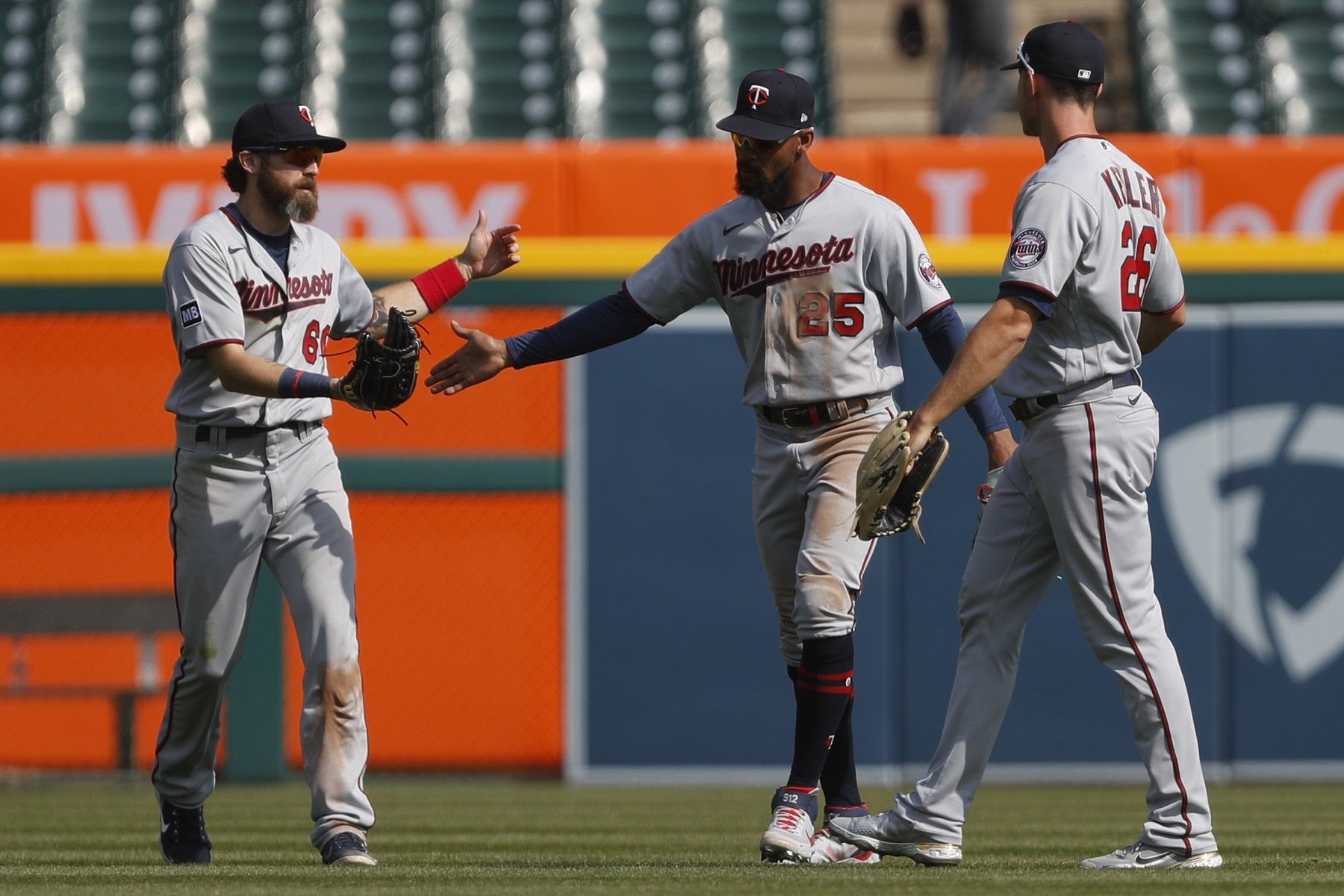 Twins Territory can finally take a sigh of relief as late Sunday afternoon multiple sources announced Byron Buxton’s seven-year, $100 million extension with the Minnesota Twins. Buxton’s extension ensures that the Twins will not have to worry about pursuing a new starting center fielder for a long time. However, there is still the likelihood Buxton could miss playing time with an injury in 2022. With Buxton’s injury history still a concern for many, even after this contract extension, the Twins will be weighing their options on who will get the most playing time in centerfield when Buxton is not playing. Right now the Twins have three possible internal choices to back up Buxton when he is not playing in centerfield whether due to injury or a day off from the field. The first option is Max Kepler. Kepler has totaled 84 games in centerfield since 2019 and both he and the Twins front office are looking for him to spend less time in center and more time at his primary position, right field. This does not rule out that Kepler won’t play center field at all in 2022. It’s just more likely that another player will be seen there more often. The next likely player to see playing time in center field behind Buxton is Jake Cave. The majority of Cave’s 281 career games have been played in center field and now that the Twins have signed him to a Major League contract for the 2022 season, there could be an increase in his playing time. Cave’s 2021 season was abysmal at best and one that both he and Twins fans want to put behind them. It is likely, at this time, that Cave will be the primary backup to Buxton in centerfield to start 2022. One other option within the Twins organization, and on the 40-man roster, that could see playing time in center field for the team in 2022 is Gilberto Celestino. Celestino’s brief time with the Twins in 2021 did help the team defensively in Buxton’s absence. Yet Celestino showed he is not ready to face major-league pitching. In his time with the club last season, he had eight hits in just 59 at-bats. Celestino will still need time to develop his hitting with the St. Paul Saints in 2022. If his hitting continues to improve, as it did in Triple-A in 2021, it could provide another chance for him to play in center for the Twins in 2022. There is a fourth option currently in the Twins minor league system that is hopeful to make his MLB debut in 2022 and could see playing time in center field if he does get called up. That is Austin Martin. The timeframe on when the Twins second-best prospect could make his MLB debut is still uncertain. Martin split time between center field and shortstop following his trade to the Twins organization near the July deadline. He played 46 games in center and 43 at short for the Wichita Wind Surge. Martin’s primary position may be tweaked by the Twins following the Buxton extension, but if he does get called up in 2022, that won’t rule out any playing time he could see in center field with the Twins. Buxton’s extension with the Twins doesn’t dismiss the fact that the Twins won’t try to add more depth to the outfield either. A utility player like Danny Santana or super-utility player such as Chris Taylor could be options for the Twins to still pursue. Taylor and Santana are examples of players who aren’t primarily center fielders yet can still fill in holes for the Twins at other positions where they’re needed such as shortstop. Taylor would be the perfect fit for the Twins because he can play shortstop and back up Buxton in center. Santana, not so much. Santana has only played 12 games at shortstop since the start of the 2016 season and many more games at almost every other position, including center field. The great take away from the Buxton extension is that the Twins organization can be comfortable with a star centerfielder once again playing out his career with the Twins. Buxton’s injury history does warrant a need to have depth in center field. The Twins have solid options to work within the organization, but they could still pursue options outside their system to help ensure Buxton has the right players supporting him in center field when he isn’t playing.
 -
Byron Buxton is officially locked up in a Twins uniform for the next seven seasons. As exciting as the news is, there is still the question on who will be Buxton's back up to start this extension year in 2022 as his injury history will still have to be considered each season. Twins Territory can finally take a sigh of relief as late Sunday afternoon multiple sources announced Byron Buxton’s seven-year, $100 million extension with the Minnesota Twins. Buxton’s extension ensures that the Twins will not have to worry about pursuing a new starting center fielder for a long time. However, there is still the likelihood Buxton could miss playing time with an injury in 2022. With Buxton’s injury history still a concern for many, even after this contract extension, the Twins will be weighing their options on who will get the most playing time in centerfield when Buxton is not playing. Right now the Twins have three possible internal choices to back up Buxton when he is not playing in centerfield whether due to injury or a day off from the field. The first option is Max Kepler. Kepler has totaled 84 games in centerfield since 2019 and both he and the Twins front office are looking for him to spend less time in center and more time at his primary position, right field. This does not rule out that Kepler won’t play center field at all in 2022. It’s just more likely that another player will be seen there more often. The next likely player to see playing time in center field behind Buxton is Jake Cave. The majority of Cave’s 281 career games have been played in center field and now that the Twins have signed him to a Major League contract for the 2022 season, there could be an increase in his playing time. Cave’s 2021 season was abysmal at best and one that both he and Twins fans want to put behind them. It is likely, at this time, that Cave will be the primary backup to Buxton in centerfield to start 2022. One other option within the Twins organization, and on the 40-man roster, that could see playing time in center field for the team in 2022 is Gilberto Celestino. Celestino’s brief time with the Twins in 2021 did help the team defensively in Buxton’s absence. Yet Celestino showed he is not ready to face major-league pitching. In his time with the club last season, he had eight hits in just 59 at-bats. Celestino will still need time to develop his hitting with the St. Paul Saints in 2022. If his hitting continues to improve, as it did in Triple-A in 2021, it could provide another chance for him to play in center for the Twins in 2022. There is a fourth option currently in the Twins minor league system that is hopeful to make his MLB debut in 2022 and could see playing time in center field if he does get called up. That is Austin Martin. The timeframe on when the Twins second-best prospect could make his MLB debut is still uncertain. Martin split time between center field and shortstop following his trade to the Twins organization near the July deadline. He played 46 games in center and 43 at short for the Wichita Wind Surge. Martin’s primary position may be tweaked by the Twins following the Buxton extension, but if he does get called up in 2022, that won’t rule out any playing time he could see in center field with the Twins. Buxton’s extension with the Twins doesn’t dismiss the fact that the Twins won’t try to add more depth to the outfield either. A utility player like Danny Santana or super-utility player such as Chris Taylor could be options for the Twins to still pursue. Taylor and Santana are examples of players who aren’t primarily center fielders yet can still fill in holes for the Twins at other positions where they’re needed such as shortstop. Taylor would be the perfect fit for the Twins because he can play shortstop and back up Buxton in center. Santana, not so much. Santana has only played 12 games at shortstop since the start of the 2016 season and many more games at almost every other position, including center field. The great take away from the Buxton extension is that the Twins organization can be comfortable with a star centerfielder once again playing out his career with the Twins. Buxton’s injury history does warrant a need to have depth in center field. The Twins have solid options to work within the organization, but they could still pursue options outside their system to help ensure Buxton has the right players supporting him in center field when he isn’t playing. View full article
