



Seth Stohs
-
Posts
25,912 -
Joined
-
Last visited
-
Days Won
109
Content Type
Profiles
News
Minnesota Twins Videos
2026 Minnesota Twins Top Prospects Ranking
2022 Minnesota Twins Draft Picks
Minnesota Twins Free Agent & Trade Rumors, Notes, & Tidbits
Guides & Resources
2023 Minnesota Twins Draft Picks
The Minnesota Twins Players Project
2024 Minnesota Twins Draft Picks
2025 Minnesota Twins Draft Pick Tracker
2026 Minnesota Twins Draft Tracker: Picks & Bonuses
Forums
Blogs
Events
Store
Downloads
Gallery
Everything posted by Seth Stohs
-

Twins Minor League Report (8/1): Gibbons' Big Day
Seth Stohs replied to Seth Stohs's topic in Twins Daily Front Page News
I was told that he did NOT leave with an injury, so I'm encouraged. -
Twins Minor League Report (8/1): Gibbons' Big Day
Seth Stohs replied to Seth Stohs's topic in Twins Daily Front Page News
English is really good defensively. He's not tall, but he can cover a lot of ground! Strong arm too. -
Twins Minor League Report (8/1): Gibbons' Big Day
Seth Stohs replied to Seth Stohs's topic in Twins Daily Front Page News
I'm feeling pretty good about the chances of Duffey being called up. May be nothing after all, but there is plenty of reason for speculation.- 15 replies
-
- 1
-

-
- jermaine palacios
- sam gibbons
- (and 3 more)
-
What a win for the Twins in comeback, walk-off fashion. The story in the minor leagues was the complete game shutout of Sam Gibbons. Very impressive. Also of note, Tyler Duffey leaving the game after just two innings. There may be more to come. Image courtesy of Seth Stohs (photo of Sam Gibbons) What a win for the Twins in comeback, walk-off fashion. The story in the minor leagues was the complete game shutout of Sam Gibbons. Very impressive. Also of note, Tyler Duffey leaving the game after just two innings. There may be more to come. All that and more can be found as you work your way through today’s minor league report. First, a little injury update. I ran into Trey Vavra at Target Field tonight. He was in a walking boot. He said that he met with Twins doctors a while ago and then had surgery. He'll be in the boot for another three weeks before heading off to Florida to begin rehab. He was clearly disappointed but remains very positive. Looking forward to just being able to play. However, his 2015 season, at least the minor league season, is done. RED WINGS REPORT Rochester 4, Syracuse 10 Box Score The Red Wings scored some runs, but unfortunately, this one got out of hand early. Not too early though. Tyler Duffey started. He gave up one run on three hits and a walk in two innings. He struck out five. However, it is intriguing that he left the game after just two innings and 36 pitches. I’m sure we’ll learn more soon. The Twins did not announce anything following their win. In Rochester, manager Mike Quade was "cryptic" to Rochester Democrat and Chronicle beat writer Kevin Oklobzija following the game. Speculation remains that he could be joining the Twins, but there has been nothing to confirm that at this time. Logan Darnell came on to replace Duffey. He gave up six runs on eight hits over three innings. Alex Meyer threw two scoreless innings with four strikeouts, but he left after loading the bases to start his third inning, the eighth. He thought he had a strikeout then and argued with the ump. Manager Mike Quade stood up for his pitcher and was ejected. Cole Johnson came on. He gave up two hits in that inning, allowing Meyer's three runners to score, but gave up no runs of his own over the final two innings. He struck out two. James Beresford went 3-4. Reynado Rodriguez went 2-4 with his 26th double. Xavier Avery was 1-17 in his first four games with the Red Wings. He was moved from the leadoff spot to sixth in the order. .He went 3-4. CHATTANOOGA CHATTER Chattanooga 1, Pensacola 8 Box Score The Lookouts had just one hit through seven innings and by then, they were already down big. David Hurlbut started. The lefty gave up five runs (four earned) on 11 hits in 4.2 innings. He walked one and struck out three. Alex Wimmers came on and went the next 1.1 innings. He gave up three runs on three hits. He walked two and struck out two. Adrian Salcedo returned from his 80-game suspension. He walked one in a scoreless inning. Jorge Polanco played his first game with the Lookouts since June 9. He drove in the team’s run on a single. He drove in Stephen Wickens who had walked. MIRACLE MATTERS Ft. Myers, Daytona Box Score This game was postponed by rain. The teams will try to play a doubleheader on Sunday. KERNELS NUGGETS Cedar Rapids 7, Kane County 0 Box Score The story in this game was the pitching performance of 21-year-old Australian right-hander Sam Gibbons. He went all nine innings and did not allow a run. You may call that a complete game shutout, if you like! In fact, he gave up just four hits, walked one and struck out a season-high nine batters. The outing increased his consecutive scoreless innings streak to 21.2 innings. Alex Real led the way. He went 2-4 with two doubles. He has seven on the year. Rafael Valera went 2-4. Tanner English hit his 16th double. Nick Gordon had a single and walked once. E-TOWN E-NOTES Elizabethton 12, Burlington 5 Box Score Terry Ryan is on his way to Elizabethton to check out the E-Twins. Hopefully he can see several games like this one. Dereck Rodriguez improved to 4-1 on the season. He gave up four runs, albeit just one was earned, though the error was his own, on four hits and two walks in six innings. He struck out seven. CK Irby pitched the final three innings to pick up his second save. He gave up one run on three hits. He struck out four. The Twins had 12 runs on 12 hits and five walks. Burlington also committed four errors to help. Jermaine Palacios continues to impress. After going 3-5 in his Appy League debut on Friday night, he went 3-5 again on Saturday. He added his first double. Chris Paul also went 3-5. Daniel Kihle went 2-3 with a walk and his second triple. GCL TWINS TAKES GCL Twins, GCL Red Sox Box Score Game postponed due to wet grounds. TWINS DAILY PLAYERS OF THE DAY Twins Daily Minor League Pitcher of the Day – Sam Gibbons, Cedar Rapids Kernels Twins Daily Minor League Hitter of the Day – Jermaine Palacios, Elizabethton Twins SUNDAY’S PROBABLE STARTERS Syracuse @ Rochester (12:35 CST) – LHP Pat Dean Chattanooga @ Jackson (6:05 CST) – TBD Ft. Myers @ Daytona (DH @ 3:05 CST) – RHP Aaron Slegers, TBD Cedar Rapids @ Kane County (1:00 CST) – LHP Luke Westphal Burlington @ Elizabethton (5:00 CST) – TBD GCL Twins – No Game Scheduled Feel free to leave any questions or comments below View full article
-
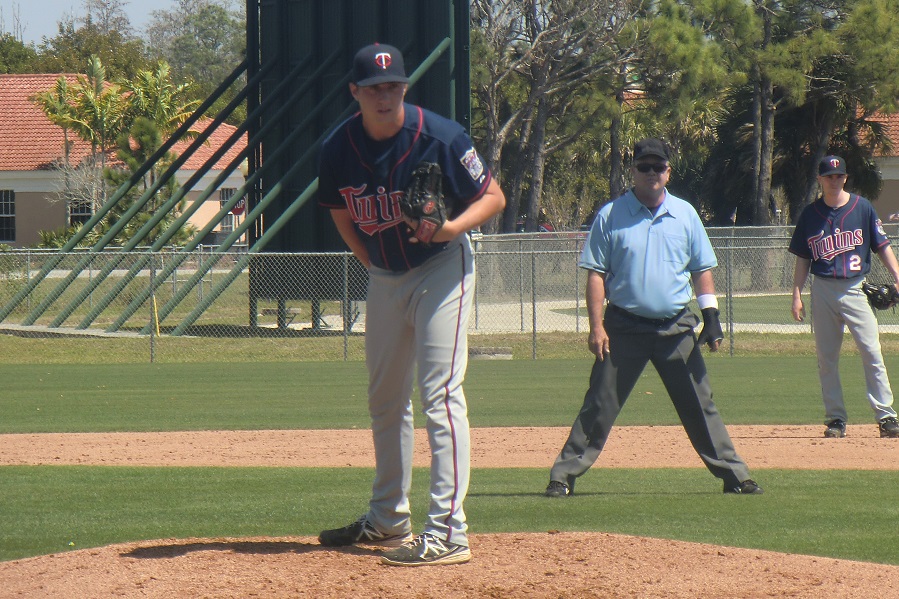 All that and more can be found as you work your way through today’s minor league report. First, a little injury update. I ran into Trey Vavra at Target Field tonight. He was in a walking boot. He said that he met with Twins doctors a while ago and then had surgery. He'll be in the boot for another three weeks before heading off to Florida to begin rehab. He was clearly disappointed but remains very positive. Looking forward to just being able to play. However, his 2015 season, at least the minor league season, is done. RED WINGS REPORT Rochester 4, Syracuse 10 Box Score The Red Wings scored some runs, but unfortunately, this one got out of hand early. Not too early though. Tyler Duffey started. He gave up one run on three hits and a walk in two innings. He struck out five. However, it is intriguing that he left the game after just two innings and 36 pitches. I’m sure we’ll learn more soon. The Twins did not announce anything following their win. In Rochester, manager Mike Quade was "cryptic" to Rochester Democrat and Chronicle beat writer Kevin Oklobzija following the game. Speculation remains that he could be joining the Twins, but there has been nothing to confirm that at this time. Logan Darnell came on to replace Duffey. He gave up six runs on eight hits over three innings. Alex Meyer threw two scoreless innings with four strikeouts, but he left after loading the bases to start his third inning, the eighth. He thought he had a strikeout then and argued with the ump. Manager Mike Quade stood up for his pitcher and was ejected. Cole Johnson came on. He gave up two hits in that inning, allowing Meyer's three runners to score, but gave up no runs of his own over the final two innings. He struck out two. James Beresford went 3-4. Reynado Rodriguez went 2-4 with his 26th double. Xavier Avery was 1-17 in his first four games with the Red Wings. He was moved from the leadoff spot to sixth in the order. .He went 3-4. CHATTANOOGA CHATTER Chattanooga 1, Pensacola 8 Box Score The Lookouts had just one hit through seven innings and by then, they were already down big. David Hurlbut started. The lefty gave up five runs (four earned) on 11 hits in 4.2 innings. He walked one and struck out three. Alex Wimmers came on and went the next 1.1 innings. He gave up three runs on three hits. He walked two and struck out two. Adrian Salcedo returned from his 80-game suspension. He walked one in a scoreless inning. Jorge Polanco played his first game with the Lookouts since June 9. He drove in the team’s run on a single. He drove in Stephen Wickens who had walked. MIRACLE MATTERS Ft. Myers, Daytona Box Score This game was postponed by rain. The teams will try to play a doubleheader on Sunday. KERNELS NUGGETS Cedar Rapids 7, Kane County 0 Box Score The story in this game was the pitching performance of 21-year-old Australian right-hander Sam Gibbons. He went all nine innings and did not allow a run. You may call that a complete game shutout, if you like! In fact, he gave up just four hits, walked one and struck out a season-high nine batters. The outing increased his consecutive scoreless innings streak to 21.2 innings. Alex Real led the way. He went 2-4 with two doubles. He has seven on the year. Rafael Valera went 2-4. Tanner English hit his 16th double. Nick Gordon had a single and walked once. E-TOWN E-NOTES Elizabethton 12, Burlington 5 Box Score Terry Ryan is on his way to Elizabethton to check out the E-Twins. Hopefully he can see several games like this one. Dereck Rodriguez improved to 4-1 on the season. He gave up four runs, albeit just one was earned, though the error was his own, on four hits and two walks in six innings. He struck out seven. CK Irby pitched the final three innings to pick up his second save. He gave up one run on three hits. He struck out four. The Twins had 12 runs on 12 hits and five walks. Burlington also committed four errors to help. Jermaine Palacios continues to impress. After going 3-5 in his Appy League debut on Friday night, he went 3-5 again on Saturday. He added his first double. Chris Paul also went 3-5. Daniel Kihle went 2-3 with a walk and his second triple. GCL TWINS TAKES GCL Twins, GCL Red Sox Box Score Game postponed due to wet grounds. TWINS DAILY PLAYERS OF THE DAY Twins Daily Minor League Pitcher of the Day – Sam Gibbons, Cedar Rapids Kernels Twins Daily Minor League Hitter of the Day – Jermaine Palacios, Elizabethton Twins SUNDAY’S PROBABLE STARTERS Syracuse @ Rochester (12:35 CST) – LHP Pat Dean Chattanooga @ Jackson (6:05 CST) – TBD Ft. Myers @ Daytona (DH @ 3:05 CST) – RHP Aaron Slegers, TBD Cedar Rapids @ Kane County (1:00 CST) – LHP Luke Westphal Burlington @ Elizabethton (5:00 CST) – TBD GCL Twins – No Game Scheduled Feel free to leave any questions or comments below
 -
I'd just throw him right in to it. Sounds like that's the plan too. They have enough history on him to know what he is and can be. I'd throw him right into the 7th or even the 8th inning. He's got pretty good stuff.
-
The Red Wings won, and the GCL Twins split a doubleheader. Other than that, it was a night of tough losses in the Twins minor league system. The Twins made a trade that affected a couple of players in the Twins farm system as well, but there was another well-earned promotion. Image courtesy of Seth Stohs (photo of Reynaldo Rodriguez) The Red Wings won, and the GCL Twins split a doubleheader. Other than that, it was a night of tough losses in the Twins minor league system. The Twins made a trade that affected a couple of players in the Twins farm system as well, but there was another well-earned promotion. All that and more can be found as you work your way through today’s minor league report. TRANSACTIONS The trade deadline came and passed on Friday afternoon, and the Twins minor league system was affected. The Twins acquired RH RP Kevin Jepsen from the Tampa Bay Rays in exchange for RHP Chih-Wei Hu and RHP Alexis Tapia. With Jepsen joining the Twins on Saturday, along with the return of Trevor Plouffe from the paternity list, the Twins needed to take two players off of the 25-man roster. Danny Santana has been optioned to Rochester and Jorge Polanco has been optioned to Chattanooga. Also, hot-hitting GCL shortstop Jermaine Palacios was promoted to Elizabethton. So was catcher Brian Olson. Infielder Ariel Montesino was sent down to the GCL Twins. Also, a week ago, the Twins signed outfielder Christian Cavaness. He was an NAIA All-American and Lindenwood University-Belleville player but went undrafted. He was playing for the Bend Elk in the college West Coast League and after a tryout, signed with the Twins. Two years ago, the Twins signed LHP Cameron Booser from the same team as a non-drafted free agent. Cavaness came on as a pinch runner on Saturday, his first pro appearance. RED WINGS REPORT Rochester 8, Syracuse 3 Box Score Taylor Rogers evened his season record at 8-8 on Friday night. The southpaw gave up three runs on four hits over six innings. He walked two and struck out eight. Mark Hamburger struck out two over two perfect innings. Aaron Thompson walked one in a scoreless ninth. The Red Wings got a lot of contributions in this win. James Beresford went 2-5 with his 18th double. Reynaldo Rodriguez was 2-5 with his 25th double and 12th home run. Danny Ortiz had two hits, including his 26th double. Chris Herrmann went 2-3 with his first home run. He also stole his second base. Argenis Diaz was 2-3 with a walk. CHATTANOOGA CHATTER Chattanooga 1, Pensacola 4 Box Score Greg Peavey made his first start since returning from Rochester. He gave up two runs (1 earned) on five hits in 6.1 innings. He walked two and struck out four. Jake Reed pitched an inning. He gave up two runs on one hit and three walks. DJ Johnson got the final five outs. The Lookouts managed just five hits in the game. Max Kepler’s tenth triple drove in the team’s lone run. Shannon Wilkerson hit his fourth double. MIRACLE MATTERS Ft. Myers 1, Daytona 8 Box Score Kohl Stewart spent the last several days reading rumors that he might have been traded. His start was pushed back a day to occur after the trade deadline. Finally able to focus on pitching, Stewart had a rough one. He gave up seven runs on seven hits, a walk and two hit batters in 5.1 innings. He struck out one. Zack Jones struck out three of the five batters that he faced. Tyler Jay gave up one run on one hit and a walk in his inning. The Miracle mustered just three hits. Engelb Vielma hit his ninth double. Ryan Walker hit his third double. KERNELS NUGGETS Cedar Rapids 1, Kane County 6 Box Score The Kernels had nine hits, but 13 strikeouts ended several threats. Edgar Corcino and Brett Doe each went 2-4. Tanner English hit his 15th double. Randy Rosario started and was charged with four runs on six hits. He gave up nine hits, walked one and struck out four. Mike Theofanopoulos gave up one run on two hits in two innings. He struck out two. E-TOWN E-NOTES Elizabethton 6, Burlington 12 Box Score After hitting .421/.472/.589 (1.061) in 26 GCL games, Jermaine Palacios was promoted to Elizabethton. He started out with a bang. He went 3-5 with a three-run homer and added another RBI. Of course, it wasn’t all great. He had two errors at shortstop in the game. Amaurys Minier went 2-4 with his seventh and eight doubles. Travis Blankenhorn went 2-3 with a walk and his third double. Brad Hartong hit his second double. Cody Stashak started and gave up three runs on five hits in just three innings. He struck out three. Anthony Mciver came on and gave up four runs on six hits and a walk in just 1.2 innings. He struck out one. Tyler Stirewalt gave up two runs (1 earned) on three hits in three innings. He struck out two. Josh Guyer went the final 1.1 innings. He gave up three runs (two earned) on three hits and a walk in 1.1 innings. GCL TWINS TAKES Game 1 – GCL Twins 0, GCL Red Sox 1 Box Score Williams Ramirez takes the loss in this one, though he continues to pitch great. He gave up one run on two hits in five innings. He walked three and struck out eight. His falls to 3-1 with a 0.57 ERA in 31.1 innings. Again, he will turn 23 in one week, so I asked about him. Turns out that he is a converted third baseman who had done almost no pitching growing up. He has a strong arm and good feel for his secondary pitches, but he’s still quite raw. He’s certainly making a strong impression. Johan Quezada, another strong-armed right hander, came on and struck out two (and walked one) in two innings. Unfortunately in the first game, the GCL Twins – like the big league club – managed just one hit, a Ruar Verkerk single. In some good news, infielder Blake Schmidt returned to the field. He went 0-1 with a walk in his first game since he was hit in the face with a pitch in Cedar Rapids. He required surgery and has been working to come back for a month. Game 2 – GCL Twins 10, GCL Red Sox 2 Box Score After getting just one hit in the first game, the Twins put up ten runs. They had eight hits but were also helped by 10 walks. Luis Arraez went 2-4 with two RBI. Kolton Kendrick went 1-2 with three walks. Robert Molina and Ariel Montesino each walked twice as well. Jose Martinez started and gave up only an unearned run on two hits in five innings. He walked two and struck out two. John Curtiss continues to rehab. He threw two perfect innings. TWINS DAILY PLAYERS OF THE DAY Twins Daily Minor League Pitcher of the Day – Jose Martinez, GCL Twins Twins Daily Minor League Hitter of the Day – Jermaine Palacios, Elizabethton Twins SATURDAY’S PROBABLE STARTERS Syracuse @ Rochester (6:05 CST) – RHP Tyler Duffey Pensacola @ Chattanooga (6:15 CST) – RHP Alex Wimmers Ft. Myers @ Daytona (6:05 CST) – RHP Aaron Slegers Cedar Rapids @ Kane County (6:30 CST) – RHP Sam Gibbons Burlington @ Elizabethton (5:00 CST) – RHP Dereck Rodriguez GCL Twins @ GCL Red Sox (9:00am CST) – TBD Feel free to leave any questions or comments below View full article
-
Twins Minor League Report (7/31): Palacios Continues To Crush
Seth Stohs posted an article in Minor Leagues
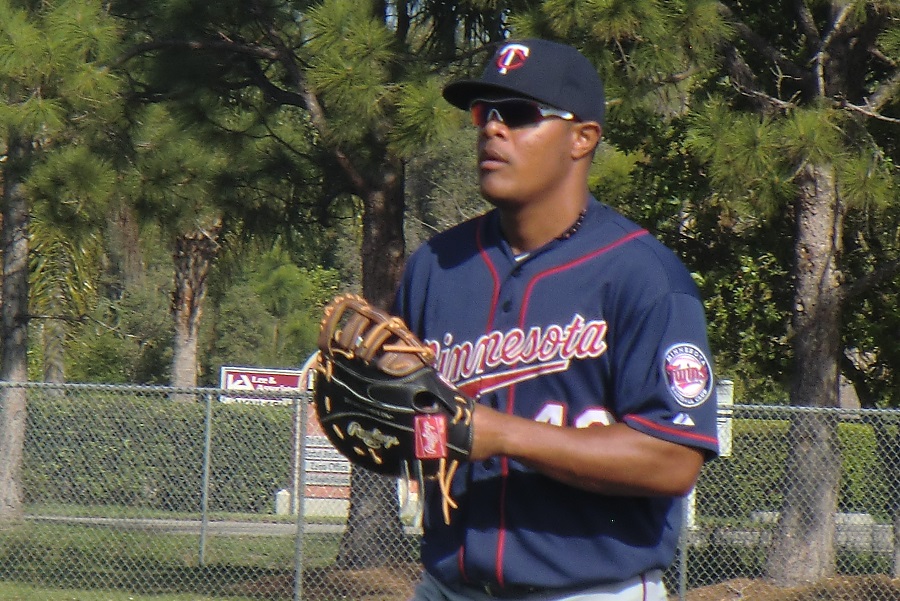 All that and more can be found as you work your way through today’s minor league report. TRANSACTIONS The trade deadline came and passed on Friday afternoon, and the Twins minor league system was affected. The Twins acquired RH RP Kevin Jepsen from the Tampa Bay Rays in exchange for RHP Chih-Wei Hu and RHP Alexis Tapia. With Jepsen joining the Twins on Saturday, along with the return of Trevor Plouffe from the paternity list, the Twins needed to take two players off of the 25-man roster. Danny Santana has been optioned to Rochester and Jorge Polanco has been optioned to Chattanooga. Also, hot-hitting GCL shortstop Jermaine Palacios was promoted to Elizabethton. So was catcher Brian Olson. Infielder Ariel Montesino was sent down to the GCL Twins. Also, a week ago, the Twins signed outfielder Christian Cavaness. He was an NAIA All-American and Lindenwood University-Belleville player but went undrafted. He was playing for the Bend Elk in the college West Coast League and after a tryout, signed with the Twins. Two years ago, the Twins signed LHP Cameron Booser from the same team as a non-drafted free agent. Cavaness came on as a pinch runner on Saturday, his first pro appearance. RED WINGS REPORT Rochester 8, Syracuse 3 Box Score Taylor Rogers evened his season record at 8-8 on Friday night. The southpaw gave up three runs on four hits over six innings. He walked two and struck out eight. Mark Hamburger struck out two over two perfect innings. Aaron Thompson walked one in a scoreless ninth. The Red Wings got a lot of contributions in this win. James Beresford went 2-5 with his 18th double. Reynaldo Rodriguez was 2-5 with his 25th double and 12th home run. Danny Ortiz had two hits, including his 26th double. Chris Herrmann went 2-3 with his first home run. He also stole his second base. Argenis Diaz was 2-3 with a walk. CHATTANOOGA CHATTER Chattanooga 1, Pensacola 4 Box Score Greg Peavey made his first start since returning from Rochester. He gave up two runs (1 earned) on five hits in 6.1 innings. He walked two and struck out four. Jake Reed pitched an inning. He gave up two runs on one hit and three walks. DJ Johnson got the final five outs. The Lookouts managed just five hits in the game. Max Kepler’s tenth triple drove in the team’s lone run. Shannon Wilkerson hit his fourth double. MIRACLE MATTERS Ft. Myers 1, Daytona 8 Box Score Kohl Stewart spent the last several days reading rumors that he might have been traded. His start was pushed back a day to occur after the trade deadline. Finally able to focus on pitching, Stewart had a rough one. He gave up seven runs on seven hits, a walk and two hit batters in 5.1 innings. He struck out one. Zack Jones struck out three of the five batters that he faced. Tyler Jay gave up one run on one hit and a walk in his inning. The Miracle mustered just three hits. Engelb Vielma hit his ninth double. Ryan Walker hit his third double. KERNELS NUGGETS Cedar Rapids 1, Kane County 6 Box Score The Kernels had nine hits, but 13 strikeouts ended several threats. Edgar Corcino and Brett Doe each went 2-4. Tanner English hit his 15th double. Randy Rosario started and was charged with four runs on six hits. He gave up nine hits, walked one and struck out four. Mike Theofanopoulos gave up one run on two hits in two innings. He struck out two. E-TOWN E-NOTES Elizabethton 6, Burlington 12 Box Score After hitting .421/.472/.589 (1.061) in 26 GCL games, Jermaine Palacios was promoted to Elizabethton. He started out with a bang. He went 3-5 with a three-run homer and added another RBI. Of course, it wasn’t all great. He had two errors at shortstop in the game. Amaurys Minier went 2-4 with his seventh and eight doubles. Travis Blankenhorn went 2-3 with a walk and his third double. Brad Hartong hit his second double. Cody Stashak started and gave up three runs on five hits in just three innings. He struck out three. Anthony Mciver came on and gave up four runs on six hits and a walk in just 1.2 innings. He struck out one. Tyler Stirewalt gave up two runs (1 earned) on three hits in three innings. He struck out two. Josh Guyer went the final 1.1 innings. He gave up three runs (two earned) on three hits and a walk in 1.1 innings. GCL TWINS TAKES Game 1 – GCL Twins 0, GCL Red Sox 1 Box Score Williams Ramirez takes the loss in this one, though he continues to pitch great. He gave up one run on two hits in five innings. He walked three and struck out eight. His falls to 3-1 with a 0.57 ERA in 31.1 innings. Again, he will turn 23 in one week, so I asked about him. Turns out that he is a converted third baseman who had done almost no pitching growing up. He has a strong arm and good feel for his secondary pitches, but he’s still quite raw. He’s certainly making a strong impression. Johan Quezada, another strong-armed right hander, came on and struck out two (and walked one) in two innings. Unfortunately in the first game, the GCL Twins – like the big league club – managed just one hit, a Ruar Verkerk single. In some good news, infielder Blake Schmidt returned to the field. He went 0-1 with a walk in his first game since he was hit in the face with a pitch in Cedar Rapids. He required surgery and has been working to come back for a month. Game 2 – GCL Twins 10, GCL Red Sox 2 Box Score After getting just one hit in the first game, the Twins put up ten runs. They had eight hits but were also helped by 10 walks. Luis Arraez went 2-4 with two RBI. Kolton Kendrick went 1-2 with three walks. Robert Molina and Ariel Montesino each walked twice as well. Jose Martinez started and gave up only an unearned run on two hits in five innings. He walked two and struck out two. John Curtiss continues to rehab. He threw two perfect innings. TWINS DAILY PLAYERS OF THE DAY Twins Daily Minor League Pitcher of the Day – Jose Martinez, GCL Twins Twins Daily Minor League Hitter of the Day – Jermaine Palacios, Elizabethton Twins SATURDAY’S PROBABLE STARTERS Syracuse @ Rochester (6:05 CST) – RHP Tyler Duffey Pensacola @ Chattanooga (6:15 CST) – RHP Alex Wimmers Ft. Myers @ Daytona (6:05 CST) – RHP Aaron Slegers Cedar Rapids @ Kane County (6:30 CST) – RHP Sam Gibbons Burlington @ Elizabethton (5:00 CST) – RHP Dereck Rodriguez GCL Twins @ GCL Red Sox (9:00am CST) – TBD Feel free to leave any questions or comments below
 -
With Trevor Plouffe coming off the DL and the addition of Kevin Jepsen, Danny Santana was optioned to Rochester and Jorge Polanco was optioned to Chattanooga.
-
Brandon Warne just tweeted:
-
Twins Acquire Kevin Jepsen From Rays
Seth Stohs replied to Nick Nelson's topic in Twins Daily Front Page News
The Twins are a better team right now than they were. Jepsen could be pretty good and he'll be around for a couple of years. I odn't like giving up Hu, he's a Top 15 guy for me... Tapia probably Top 30 for me. I feel it's too much, but that is the nature of July 31. -
There are certain days in a baseball season that people just know, just remember. Opening Day is obviously a big one. At Twins Daily, the days of the MLB Draft are very busy and warrant their own thread. The July 31 Non-Waivers Trade Deadline is another one of those days. This article can be used to discuss any trades and rumors that happen up until the 3:00 deadline. Image courtesy of Linwood Ferguson (Max Kepler, Kohl Stewart) There are certain days in a baseball season that people just know, just remember. Opening Day is obviously a big one. At Twins Daily, the days of the MLB Draft are very busy and warrant their own thread. The July 31 Non-Waivers Trade Deadline is another one of those days. This article can be used to discuss any trades and rumors that happen up until the 3:00 deadline. Rumors certainly ran rampant throughout the day on Thursday. Things were fairly quiet on the Twins front, though talk picked up later in the evening regarding the San Diego Padres. Are the Padres going to sell? It certainly seems like it. Who are they looking to trade? Could Justin Upton really be of interest to the Twins, and if so, what would they have to give up to get him? Joaquin Benoit and Shawn Kelley are probably available. Which would the Twins prefer? Can, as Jeremy asked a couple of days ago, they really be interested in James Shields? Could they rid themselves of Ricky Nolasco’s contract at the same time? Now it sounds like the Padres and Astros (who have been busy this past week) are talking about relievers, so there will be competition for their players. The Yankees are reportedly now interested in Craig Kimbrel. My sense is that GM AJ Preller and the Padres will be quite busy on Friday. The Twins certainly have some trade chips. Buxton, Sano and Berrios are likely untouchable, but could Max Kepler be in play? If so, getting three hits (including two home runs) on Thursday night likely improves his value. He is now hitting .337/.418/.553 (.971) with 25 doubles, nine triples and six home runs in 77 games with the Lookouts. He has very good speed as evidenced by his nine triples but also his 13 stolen bases. He can play all three outfield positions and first base. If he is traded, the Twins had better get a nice haul for him! He’s certainly demanding people’s attention around baseball circles. Jorge Polanco played well in his start at shortstop on Thursday night, collecting two hits and getting on base three times. Would the Twins consider trading him, or would they prefer to deal Danny Santana? Would teams be interested in him? It was certainly noteworthy that the Twins flip-flopped LHP Stephen Gonsalves with RHP Kohl Stewart in the Ft. Myers rotation. Stewart had his scheduled start pushed from Thursday (before deadline) to Friday (after deadline). Could it be that they just felt Stewart needed a day off? Sure. Could it be that the Twins didn’t want to risk an injury to Stewart so that he could be traded? It sure could. Stewart’s name has popped up in rumors. Now, we know that the Twins typically are not huge players at the trade deadline. They aren’t typically a team that is going to give up a ton of high-quality prospects for elite talents. That said, they have been an active team most years at the deadline. Here’s a quick look at Twins moves in late July in recent years: July 24, 2014 – Traded DH Kendrys Morales to Seattle for RHP Stephen Pryor. July 31, 2014 – Traded OF Sam Fuld to Oakland for LHP Tommy Milone. July 31, 2013 – Traded C Drew Butera to the LA Dodgers for a PTBNL (Miguel Sulburan). July 28, 2012 – Traded LHP Francisco Liriano to the Chicago White Sox for IF Eduardo Escobar & LHP Pedro Hernandez. July 29, 2010 – Traded LHP Joe Testa and C Wilson Ramos to Washington for RHP Matt Capps. July 31, 2009 – Traded SS Tyler Ladendorf to Oakland for SS Orlando Cabrera. July 31, 2007 – Traded 2B Luis Castillo to the NY Mets for OF Dustin Martin and C Drew Butera. July 31, 2006 – Traded RHP Kyle Lohse to Cincinnati for RHP Zach Ward. July 31, 2004 – Traded 1B Doug Mientkiewicz to Boston in a four-team traded, received LHP Justin Jones from the Cubs. July 16, 2003 – Traded OF Bobby Kielty to Toronto for OF Shannon Stewart and a PTBNL (LHP Dave Gassner). July 12, 2002 – Traded OF Brian Buchanan to San Diego for SS Jason Bartlett. July 28, 2001 – Traded LHP Mark Redman to Detroit for RHP Todd Jones. July 30, 2001 – Traded OF Matt Lawton to NY Mets for RHP Rick Reed. July 15, 2000 – Traded OF Butch Huskey and 2B Todd Walker to Colorado for 1B Todd Sears. July 31, 2000 – Traded 1B/OF Mario Valdez to Oakland for C Danny Ardoin. July 31, 1998 – Traded OF Orlando Merced and LHP Greg Swindell to Boston for RHP Matt Kinney, OF John Barnes and LHP Joe Thomas. July 6, 1995 – Traded RHP Rick Aguilera to Boston for RHP Frankie Rodriguez and PTBNL (OF JJ Johnson) July 7, 1995 – Traded RHP Scott Erickson to Baltimore for RHP Scott Klingenbeck and PTBNL (OF Kimera Bartee) July 31, 1995 – Traded LHP Mark Guthrie and RHP Kevin Tapani to LA Dodgers for IF Ron Coomer, RHP Greg Hansell, RHP Jose Parra and PTBNL (OF Chris Latham). July 31, 1989 – Traded LHP Frank Viola to the NY Mets for RHP Rick Aguilera, RHP Kevin Tapani., LHP David West, RHP Tim Drummond and PTBNL (RHP Jack Savage). July 31, 1987 – Traded PTBNL (RHP Jeff Perry) to Cleveland for LHP Steve Carlton. There is certainly a mix of good trades, bad trades and forgettable trades. The trade deadline this year has been surprising. There haven't been a lot of minor trades. There have been a lot of big names traded all over. Just five teams (including the Twins and the Padres) have yet to make a single move this month as we approach these final hours. I’d expect both of them to make moves on Friday. On Thursday, there was a crazy 13-player, three-team trade between the Dodgers, the Braves and the Marlins. Carlos Gomez thought he was going from Milwaukee to the Mets on Wednesday night. That trade was called off, and on Thursday he (and Mike Fiers) were dealt to Houston. After getting Troy Tulowitzki earlier in the week, the Blue Jays gave up LHP Daniel Norris and more to get David Price for the rest of this season. In case you missed it late on Wednesday night, the Rangers sent five prospects to the Phillies for Cole Hamels. It’s been a very interesting deadline and now we are on the actual day of the deadline. Sure, things will happen in August too, but it should be a very exciting day. Feel free to use this thread to discuss moves and rumors throughout the day, particularly those regarding the Minnesota Twins. Twins Daily will attempt to keep up with everything and if the team does make a deal, check back for even more coverage. View full article
-
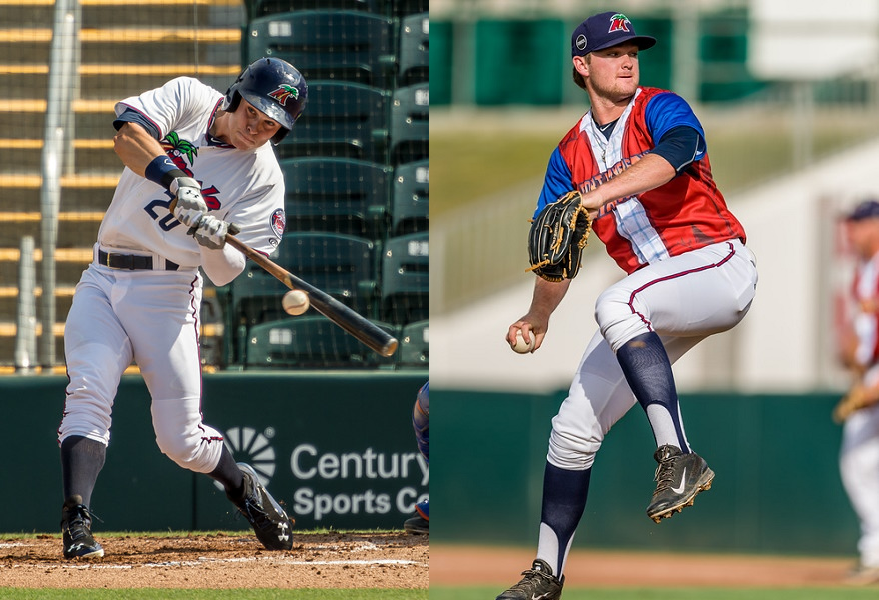 Rumors certainly ran rampant throughout the day on Thursday. Things were fairly quiet on the Twins front, though talk picked up later in the evening regarding the San Diego Padres. Are the Padres going to sell? It certainly seems like it. Who are they looking to trade? Could Justin Upton really be of interest to the Twins, and if so, what would they have to give up to get him? Joaquin Benoit and Shawn Kelley are probably available. Which would the Twins prefer? Can, as Jeremy asked a couple of days ago, they really be interested in James Shields? Could they rid themselves of Ricky Nolasco’s contract at the same time? Now it sounds like the Padres and Astros (who have been busy this past week) are talking about relievers, so there will be competition for their players. The Yankees are reportedly now interested in Craig Kimbrel. My sense is that GM AJ Preller and the Padres will be quite busy on Friday. The Twins certainly have some trade chips. Buxton, Sano and Berrios are likely untouchable, but could Max Kepler be in play? If so, getting three hits (including two home runs) on Thursday night likely improves his value. He is now hitting .337/.418/.553 (.971) with 25 doubles, nine triples and six home runs in 77 games with the Lookouts. He has very good speed as evidenced by his nine triples but also his 13 stolen bases. He can play all three outfield positions and first base. If he is traded, the Twins had better get a nice haul for him! He’s certainly demanding people’s attention around baseball circles. Jorge Polanco played well in his start at shortstop on Thursday night, collecting two hits and getting on base three times. Would the Twins consider trading him, or would they prefer to deal Danny Santana? Would teams be interested in him? It was certainly noteworthy that the Twins flip-flopped LHP Stephen Gonsalves with RHP Kohl Stewart in the Ft. Myers rotation. Stewart had his scheduled start pushed from Thursday (before deadline) to Friday (after deadline). Could it be that they just felt Stewart needed a day off? Sure. Could it be that the Twins didn’t want to risk an injury to Stewart so that he could be traded? It sure could. Stewart’s name has popped up in rumors. Now, we know that the Twins typically are not huge players at the trade deadline. They aren’t typically a team that is going to give up a ton of high-quality prospects for elite talents. That said, they have been an active team most years at the deadline. Here’s a quick look at Twins moves in late July in recent years: July 24, 2014 – Traded DH Kendrys Morales to Seattle for RHP Stephen Pryor. July 31, 2014 – Traded OF Sam Fuld to Oakland for LHP Tommy Milone. July 31, 2013 – Traded C Drew Butera to the LA Dodgers for a PTBNL (Miguel Sulburan). July 28, 2012 – Traded LHP Francisco Liriano to the Chicago White Sox for IF Eduardo Escobar & LHP Pedro Hernandez. July 29, 2010 – Traded LHP Joe Testa and C Wilson Ramos to Washington for RHP Matt Capps. July 31, 2009 – Traded SS Tyler Ladendorf to Oakland for SS Orlando Cabrera. July 31, 2007 – Traded 2B Luis Castillo to the NY Mets for OF Dustin Martin and C Drew Butera. July 31, 2006 – Traded RHP Kyle Lohse to Cincinnati for RHP Zach Ward. July 31, 2004 – Traded 1B Doug Mientkiewicz to Boston in a four-team traded, received LHP Justin Jones from the Cubs. July 16, 2003 – Traded OF Bobby Kielty to Toronto for OF Shannon Stewart and a PTBNL (LHP Dave Gassner). July 12, 2002 – Traded OF Brian Buchanan to San Diego for SS Jason Bartlett. July 28, 2001 – Traded LHP Mark Redman to Detroit for RHP Todd Jones. July 30, 2001 – Traded OF Matt Lawton to NY Mets for RHP Rick Reed. July 15, 2000 – Traded OF Butch Huskey and 2B Todd Walker to Colorado for 1B Todd Sears. July 31, 2000 – Traded 1B/OF Mario Valdez to Oakland for C Danny Ardoin. July 31, 1998 – Traded OF Orlando Merced and LHP Greg Swindell to Boston for RHP Matt Kinney, OF John Barnes and LHP Joe Thomas. July 6, 1995 – Traded RHP Rick Aguilera to Boston for RHP Frankie Rodriguez and PTBNL (OF JJ Johnson) July 7, 1995 – Traded RHP Scott Erickson to Baltimore for RHP Scott Klingenbeck and PTBNL (OF Kimera Bartee) July 31, 1995 – Traded LHP Mark Guthrie and RHP Kevin Tapani to LA Dodgers for IF Ron Coomer, RHP Greg Hansell, RHP Jose Parra and PTBNL (OF Chris Latham). July 31, 1989 – Traded LHP Frank Viola to the NY Mets for RHP Rick Aguilera, RHP Kevin Tapani., LHP David West, RHP Tim Drummond and PTBNL (RHP Jack Savage). July 31, 1987 – Traded PTBNL (RHP Jeff Perry) to Cleveland for LHP Steve Carlton. There is certainly a mix of good trades, bad trades and forgettable trades. The trade deadline this year has been surprising. There haven't been a lot of minor trades. There have been a lot of big names traded all over. Just five teams (including the Twins and the Padres) have yet to make a single move this month as we approach these final hours. I’d expect both of them to make moves on Friday. On Thursday, there was a crazy 13-player, three-team trade between the Dodgers, the Braves and the Marlins. Carlos Gomez thought he was going from Milwaukee to the Mets on Wednesday night. That trade was called off, and on Thursday he (and Mike Fiers) were dealt to Houston. After getting Troy Tulowitzki earlier in the week, the Blue Jays gave up LHP Daniel Norris and more to get David Price for the rest of this season. In case you missed it late on Wednesday night, the Rangers sent five prospects to the Phillies for Cole Hamels. It’s been a very interesting deadline and now we are on the actual day of the deadline. Sure, things will happen in August too, but it should be a very exciting day. Feel free to use this thread to discuss moves and rumors throughout the day, particularly those regarding the Minnesota Twins. Twins Daily will attempt to keep up with everything and if the team does make a deal, check back for even more coverage.
 -
I think whether you're 17 or 18 or 19, you're pretty young. Correct me if I'm wrong, but I think Cabbage got a bigger signing bonus (well over slot) than Blankenhorn (who went quite a bit under slot) even though Cabbage was taken in the 4th round and Blankenhorn in the 3rd. Gordon has been terrific since about May 22. He really struggled for a month from mid-April through mid-May... I think the miss is Kepler being too low...
-
That's a good point. I should have mentioned him probably. I believe that MLB.com had an article saying he was probably the most likely to be traded. I don't think that's the case, but it's certainly possible.
-
Have they ever been a playoff contender in Terry 2.0 era?
- 68 replies
-
- 1
-
-
- jorge polanco
- oswaldo arcia
- (and 3 more)
-
Friday at 3:00 central time is the non-waiver trade deadline. In other words, it’s getting close. Today, I wanted to spend just a couple of minutes talking about the chips that the Twins could use in potential trades. Jeremy Nygaard has kept us updated on which teams the Twins have had discussions with, though it is likely true if you were to just assume that Terry Ryan has had at least cursory conversations with at least 25 other GMs around the league. Image courtesy of Jesse Johnson, USA Today Friday at 3:00 central time is the non-waiver trade deadline. In other words, it’s getting close. Today, I wanted to spend just a couple of minutes talking about the chips that the Twins could use in potential trades. Jeremy Nygaard has kept us updated on which teams the Twins have had discussions with, though it is likely true if you were to just assume that Terry Ryan has had at least cursory conversations with at least 25 other GMs around the league. The Untouchables I am of the opinion that unless someone like Mike Trout or Bryce Harper is available, Byron Buxton and Miguel Sano are completely untouchable. I think it’s also fair to assume that JO Berrios would also be untouchable unless the Twins were offered something that is incredibly unlikely. Untouchable, But…? I realize that is an awkward heading, but it does seem appropriate. I think Max Kepler is a guy that the Twins would really rather not trade. I think they have and should tell teams that he is untouchable. However, he is also someone who teams will really, really want and may be the piece that gets them a top player, someone who could make a difference this year and going forward. Shortstops Jorge Polanco is the name that most assume is most likely to be dealt. He is playing shortstop, but most think that his best position would be second base. His error totals at shortstop have really mounted up. The Twins also have a second baseman who is pretty good in All-Star Brian Dozier. If the Twins don’t believe that Polanco has the arm or the ability to be at least a solid major league shortstop, they should deal him. Teams are always looking for middle-of-the-diamond players and they are tough to fine. If they can find a team that sees him as a shortstop, they could get a lot for him. His bat is probably big league ready now. However, I am sure that other teams are also inquiring about the availability of Danny Santana, and maybe even Eduardo Escobar. Both are still young. Santana has 2014. Escobar has 2014 and terrific versatility. I don’t think the Twins would (or should) want to trade Escobar. Outfielders The goal should never be to sell low. However, that is probably where the Twins are with Oswaldo Arcia. The problem is that not only has he really struggled making consistent contact in the big leagues, his stint in the minor leagues has really shown that he isn’t figuring it out. He’ll always struggle against left-handers, most likely. He is striking out a ton and he is very undisciplined at the plate. And there there is the perceived attitude. Teams around the league talk. Teams are aware of the issues that Arcia presents. The Twins probably can’t get a ton for him, but if I’m another team, I take a shot on his power potential. Eddie Rosario has come up and done a nice job, especially defensively (minus Wednesday, of course). He hasn’t looked overwhelmed at the plate either. That said, his walk to strikeout rate isn’t good, and it is consistent with what it has been in the upper levels of the minor leagues. It might be a sell-high time on Rosario. Pitchers Everyone is looking for pitching. Right now, the name we are hearing most is Kohl Stewart. There are reports, including Jeremy’s, saying that the Twins have let it be known that Stewart is available. Though he has struggled to stay healthy and isn’t racking up strikeout numbers, he is still an elite talent and the Twins could get a significant piece if they’re willing to get rid of him. Stephen Gonsalves is another guy who has jumped into Top 10 Twins prospect lists with great numbers this year. He’s left-handed and has the world of potential. I think the Twins would want to keep him, and I haven’t heard his name in any trade rumors at this point. I only bring it up because he could fetch a very good player in return. Also, he is from San Diego, so if there is one team that I would feel good for him being traded to, it would be the Padres. We don’t know if or when Terry Ryan will make a trade. I think we can all assume they will make at least one deal by tomorrow’s deadline. If not, it will 1.) be scary continuing to watch this bullpen, and 2.) possible to make deals in August under the waiver rules. There always seems to be one more minor leaguer added to a trade that no one anticipated. Here at Twins Daily, we’ll be following closely and ready to report on any Twins trades. View full article
- 68 replies
-
- 2
-
-
- jorge polanco
- oswaldo arcia
- (and 3 more)
-
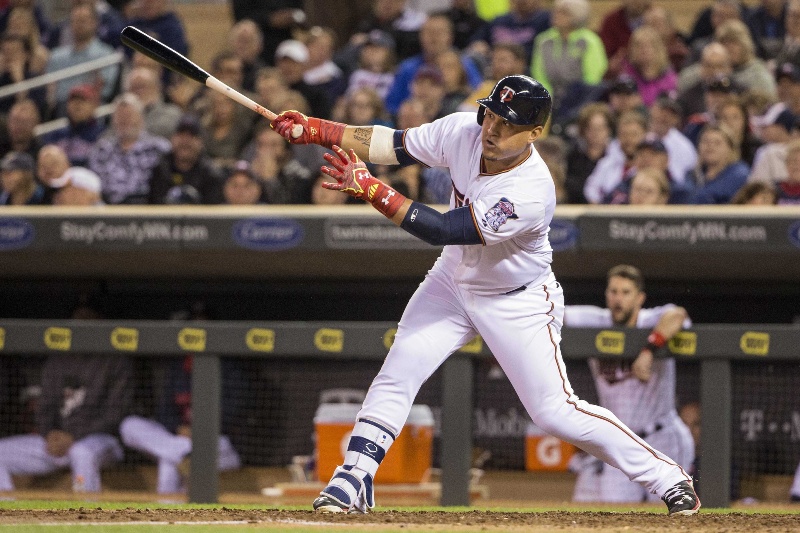 The Untouchables I am of the opinion that unless someone like Mike Trout or Bryce Harper is available, Byron Buxton and Miguel Sano are completely untouchable. I think it’s also fair to assume that JO Berrios would also be untouchable unless the Twins were offered something that is incredibly unlikely. Untouchable, But…? I realize that is an awkward heading, but it does seem appropriate. I think Max Kepler is a guy that the Twins would really rather not trade. I think they have and should tell teams that he is untouchable. However, he is also someone who teams will really, really want and may be the piece that gets them a top player, someone who could make a difference this year and going forward. Shortstops Jorge Polanco is the name that most assume is most likely to be dealt. He is playing shortstop, but most think that his best position would be second base. His error totals at shortstop have really mounted up. The Twins also have a second baseman who is pretty good in All-Star Brian Dozier. If the Twins don’t believe that Polanco has the arm or the ability to be at least a solid major league shortstop, they should deal him. Teams are always looking for middle-of-the-diamond players and they are tough to fine. If they can find a team that sees him as a shortstop, they could get a lot for him. His bat is probably big league ready now. However, I am sure that other teams are also inquiring about the availability of Danny Santana, and maybe even Eduardo Escobar. Both are still young. Santana has 2014. Escobar has 2014 and terrific versatility. I don’t think the Twins would (or should) want to trade Escobar. Outfielders The goal should never be to sell low. However, that is probably where the Twins are with Oswaldo Arcia. The problem is that not only has he really struggled making consistent contact in the big leagues, his stint in the minor leagues has really shown that he isn’t figuring it out. He’ll always struggle against left-handers, most likely. He is striking out a ton and he is very undisciplined at the plate. And there there is the perceived attitude. Teams around the league talk. Teams are aware of the issues that Arcia presents. The Twins probably can’t get a ton for him, but if I’m another team, I take a shot on his power potential. Eddie Rosario has come up and done a nice job, especially defensively (minus Wednesday, of course). He hasn’t looked overwhelmed at the plate either. That said, his walk to strikeout rate isn’t good, and it is consistent with what it has been in the upper levels of the minor leagues. It might be a sell-high time on Rosario. Pitchers Everyone is looking for pitching. Right now, the name we are hearing most is Kohl Stewart. There are reports, including Jeremy’s, saying that the Twins have let it be known that Stewart is available. Though he has struggled to stay healthy and isn’t racking up strikeout numbers, he is still an elite talent and the Twins could get a significant piece if they’re willing to get rid of him. Stephen Gonsalves is another guy who has jumped into Top 10 Twins prospect lists with great numbers this year. He’s left-handed and has the world of potential. I think the Twins would want to keep him, and I haven’t heard his name in any trade rumors at this point. I only bring it up because he could fetch a very good player in return. Also, he is from San Diego, so if there is one team that I would feel good for him being traded to, it would be the Padres. We don’t know if or when Terry Ryan will make a trade. I think we can all assume they will make at least one deal by tomorrow’s deadline. If not, it will 1.) be scary continuing to watch this bullpen, and 2.) possible to make deals in August under the waiver rules. There always seems to be one more minor leaguer added to a trade that no one anticipated. Here at Twins Daily, we’ll be following closely and ready to report on any Twins trades.
 -
Of course not. It can't be done in MLB.
-
Is the farm system as deep as we thought?
Seth Stohs replied to Boom Boom's topic in Minnesota Twins Talk
Yeah, anyone can do it... -
Is the farm system as deep as we thought?
Seth Stohs replied to Boom Boom's topic in Minnesota Twins Talk
I think Kepler fits into the Buxton, Sano, Berrios list of untouchables, and he should. Polanco would if he could play SS. Gordon is untouchable at this point. With Buxton and Sano up, that's a big hit from the prospects lists. It puts them more in the middle of the pack. They did have six guys show up in the mlb.com Top 100, so they're fine. I also think they do have good depth in various places. I mean that in terms of guys who will make the big leagues and be solid to good, not superstars. That's a good thing. -
I may not be right, but we are still 47 hours from the trade deadline, right?
- 264 replies
-
- 11
-
-
Pat-Man Begins, Chapter 3
Seth Stohs commented on HowStellasGotHerGleeBack's blog entry in The Pat-Man Saga
Ah man, this is getting intense!! -
Dalton Hicks back up to Chattanooga. Marcus Knecht back down to Ft. Myers.
