



Seth Stohs
-
Posts
25,912 -
Joined
-
Last visited
-
Days Won
109
Content Type
Profiles
News
Minnesota Twins Videos
2026 Minnesota Twins Top Prospects Ranking
2022 Minnesota Twins Draft Picks
Minnesota Twins Free Agent & Trade Rumors, Notes, & Tidbits
Guides & Resources
2023 Minnesota Twins Draft Picks
The Minnesota Twins Players Project
2024 Minnesota Twins Draft Picks
2025 Minnesota Twins Draft Pick Tracker
2026 Minnesota Twins Draft Tracker: Picks & Bonuses
Forums
Blogs
Events
Store
Downloads
Gallery
Everything posted by Seth Stohs
-

How The Twins Drafts Stack Up
Seth Stohs replied to Seth Stohs's topic in Twins Daily Front Page News
I think that 2012 draft presents a couple of guys (one hitter and one pitcher... and who knows, maybe a bullpen arm) who could reach 10 bWAR as well. -
How The Twins Drafts Stack Up
Seth Stohs replied to Seth Stohs's topic in Twins Daily Front Page News
I should probably point out that the only area where the Twins would be discounted if I only included players that the signed would be the AFTER the 5th round group. They have been really good at signing their top 5 (And usually their top 10-12) in the draft. Very few early-round picks that they don't sign.- 73 replies
-
- 2
-

-
- brian dozier
- byron buxton
- (and 3 more)
-
Last week, the Minnesota Twins announced two promotions in their Scouting Department. Long-time scouting director Deron Johnson was promoted to Senior Advisor of the Scouting Department. Sean Johnson, who had been West Coast Supervisor, is now taking over the reins as Director of Scouting. His job, according to the team’s press release, will be responsibility for “the strategic preparation of the Amateur Draft, and he will be charged with developing the 27-man amateur scouting staff.” The move created some discussion in our forums and even on the radio. I was listening to Phil Mackey and Judd Zulgad on 1500 ESPN early last week following the announcement, and Phil mentioned how few impact players the Twins had drafted between 2003 and 2012. Specifically, he looked at the first five rounds of those drafts to see how many players the Twins drafted that had some impact. He noted that he didn’t know how that compared to other organizations, so immediately, I had the thought that I was going to find out. It’s something I’ve been curious about, so why not find out what the data tells us. Image courtesy of Kim Klement, USA Today Last week, the Minnesota Twins announced two promotions in their Scouting Department. Long-time scouting director Deron Johnson was promoted to Senior Advisor of the Scouting Department. Sean Johnson, who had been West Coast Supervisor, is now taking over the reins as Director of Scouting. His job, according to the team’s press release, will be responsibility for “the strategic preparation of the Amateur Draft, and he will be charged with developing the 27-man amateur scouting staff.” The move created some discussion in our forums and even on the radio. I was listening to Phil Mackey and Judd Zulgad on 1500 ESPN early last week following the announcement, and Phil mentioned how few impact players the Twins had drafted between 2003 and 2012. Specifically, he looked at the first five rounds of those drafts to see how many players the Twins drafted that had some impact. He noted that he didn’t know how that compared to other organizations, so immediately, I had the thought that I was going to find out. It’s something I’ve been curious about, so why not find out what the data tells us. I went to old reliable, Baseball-Reference, and used their draft page to do some digging. I looked at the 2003 through 2012 drafts, a ten year period, and broke out the data in several ways. >2 bWAR: It’s hard to get to the big leagues, so to be able to find players who get there and have some positive impact on a team is terrific. This isn’t a high threshold, but it gives a good look at the scouting to be able to find big leaguers. This includes some non-closing relievers who have been good for a couple of years. This includes Byron Buxton, the Twins top pick in 2012, and a guy who certainly should rack up bWAR in the next decade and be on much higher bWAR lists. >6 bWAR: Mackey mentioned Brian Duensing as a guy who sits on the borderline of impact type of player. He’s had a nice, solid, long-lasting MLB career as mostly a middle reliever. He has 6.4 bWAR accumulated to this point, so I thought I’d find out how many have hit that level. >10 bWAR: Now we’re getting to some guys who have had really solid careers. They’ve either been solid for several years or they have had a major impact pretty quickly. >20 bWAR: If you’re past 20 bWAR you’ve had a really good career. Sure, that’s two Mike Trout seasons… or it’s a nice, solid, steady career like Aaron Hill or Chase Headley. >8 bWAR but drafted AFTER the 5th round. The MLB draft is more than five rounds. It is now 40 (and used to be 50). In reality, if scouts find guys after the 5th round that get to AAA, that should give them bonus points. But a lot of diamonds in the rough can be found in these late rounds. To be honest we should probably count any and all post-5th round draft picks who make it to the big leagues as wins. Also, please note that I am including players even if they did not sign with the team at that time. For instance, the Angels drafted Matt Harvey in the third round out of high school. He went to North Carolina instead of signing and then the Mets made him a top pick three years later. In my mind, the Angels and their scouts get credit for that too. GREATER THAN TWO bWAR (First Five Rounds) 15 - Blue Jays, Diamondbacks 14 - Reds 13 - Red Sox, Padres, Nationals 12 - Braves 11 - Twins, Royals, Rockies, Orioles, Rays, Cardinals, A’s, Angels 10 - Pirates 9 - White Sox, Marlins, Mariners, Cleveland, Brewers, Astros 8 - Cubs, Dodgers 7 - Yankees, Tigers, Mets, Giants 4 - Phillies, Rangers So, the Twins are basically tied for 8th in MLB in number of players drafted who have achieved two bWAR. I’ll have some summary comments at the end. GREATER THAN 6 bWAR (First Five Rounds) 9 - Nationals, Red Sox, Reds 8 - A’s, Blue Jays, Braves, Diamondbacks 7 - Angels, Brewers 6 - Twins, Rays, Mariners, Orioles, Pirates, Royals 5 - Astros, Cardinals, Giants, Cleveland, Marlins, Padres, Rockies, Tigers, Yankees. 4 - Cubs, Dodgers 3 - Mets, Phillies, Rangers 2 - White Sox The Twins are tied with five other teams for tenth. As happened with the two bWAR data, that tie pushed right to 15, so they are just above the halfway point among the 30 MLB teams. The Twins that made the list of 6 bWAR: Scott Baker, Trevor Plouffe, Glen Perkins, Matt Garza, Brian Duensing, Ben Revere. GREATER THAN 10 bWAR (First Five Rounds) 6 - Nationals, Red Sox 5 - A’s, Brewers, Braves, Diamondbacks, Giants, Orioles 4 - Cubs, Marlins, Mariners, Padres, Reds, Rockies, Royals, Tigers 3 - Angels, Astros, Blue Jays, Cardinals, Rays, Cleveland, Pirates, Yankees 2 - Twins, Dodgers, Mets, Phillies, Rangers, White Sox This is where the Twins can be faulted. They have not had many big impact draft picks from that decade (yet). The two Twins that made this list were Scott Baker (15.7) and Matt Garza (12.5). GREATER THAN 20 bWAR (First Five Rounds) Another group that I looked at was the players over 20 bWAR. As you can see above, the Twins did not have any. Most teams have just one. The Atlanta Braves have four, Jason Heyward, Freddie Freeman, Yunel Escobar and Andrelton Simmons. The Red Sox had three, Jonathan Papelbon, Dustin Pedroia and Jacoby Ellsbury. The Nationals had Ryan Zimmerman, Jordan Zimmerman and Bryce Harper. The Mets and Cardinals joined the Twins with zero, which may surprise many as the Cardinals are generally looked at as one of the top drafting teams in baseball. Their highest bWAR player for that time frame is Colby Rasmus at 18.7. GREATER THAN 8 bWAR AFTER THE FIFTH ROUND (players over 10 bWAR in parentheses) Angels: 7 (Chris Davis, Buster Posey, Kole Calhoun) Astros: 2 (Dallas Keuchel, JD Martinez) A’s: 1 (Mike Leake) Blue Jays: 2 (Kris Bryant) Braves: 4 (Craig Kimbrel, Anthony Rendon) Brewers: 3 (Lorenzo Cain, Michael Brantley, Jake Arrieta) Cardinals: 5 (Brendan Ryan, Ian Kennedy, Max Scherzer, Matt Carpenter) Cubs: 4 (Tim Lincecum, Josh Harrison) Rays: 5 (John Jaso, Desmond Jennings, Kevin Kiermeier) Diamondbacks: 3 (Paul Goldschmidt, Adam Eaton) Dodgers: 4 (Matt Kemp, David Price, Paul Goldschmidt) Giants: 2 (Doug Fister) Cleveland: 2 (Desmond Jennings, Tim Lincecum) Mariners: 1 (Doug Fister) Marlins: 2 Mets: 3 (Daniel Murphy, Jacob DeGrom) Nationals: 1 (Marco Estrada) Orioles: 3 (Wil Venable) Padres: 3 (Wil Venable, David Friese, Mat Latos) Phillies: 1 (Brad Ziegler) Pirates: 2 Rangers: 6 (Ian Kinsler, Derek Holland, Tanner Roark) Red Sox: 7 (Brandon Belt, Josh Reddick, Anthony Rizzo) Reds: 2 (Jake Arrieta, Justin Turner) Rockies: 3 (Dexter Fowler, Todd Frazier, Chris Sale) Royals: 2 (Jarrod Dyson, Greg Holland) Tigers: 3 (Matt Joyce, Alex Avila, DJ LeMahieu) White Sox: 0 Yankees: 8 (Tyler Clippard, Chris Davis, Doug Fister, Austin Jackson, Justin Turner, David Robertson) Twins: 4 (JD Martinez, George Springer, Brian Dozier) SUMMARY NOTES I won’t sit here and tell you that this is a perfect analysis of the draft or the drafting abilities of the Twins or any other clubs. To get a 40 bWAR player requires a lot of luck and timing and such.The Twins have a lot of very good scouts, guys who have found talent in the lower rounds. Here are some additional notes: Note all first-round picks are made the same. The year the Twins took Levi Michael in the first round, they had the 30th overall pick. Also of note, the Pirates took Gerrit Cole with the first overall pick. The Mariners then took Danny Hultzen with the second overall pick. Also of note, Keith Law ranked Michael in his top 15 players for the draft, so there is no magic formula to this. The Twins highest draft pick (other than Byron Buxton in 2012) was the 14th overall pick in 2008. For the most part, the Twins were in the playoffs during this run and making picks 20 or later in the first round. There is little certainty in top 5 picks many times, much less when you get into the 20s. The first six picks of the 2003 draft were: Delmon Young (2.5), Rickie Weeks (11.4), Kyle Sleeth (No MLB), Tim Stauffer (3.5), Chris Lubanski (No MLB), Ryan Harvey (no MLB). That year, the Twins picked Matt Moses with the 21st overall pick. The Twins did pretty well for themselves in 2004. Trevor Plouffe (8.1) and Glen Perkins (8.8) were the 20th and 22nd overall picks that year in the draft. The 23rd pick was Phil Hughes. In 2005, the Twins got Matt Garza (12.5) with the 25th overall pick, which was good for 10th (so far) in that draft’s first round. Chris Parmelee was the 20th overall pick in the 2006 draft. In the 2007 draft, Ben Revere’s 6.1 bWAR ranks 7th among the 30 first-round picks. He was taken with the 28th pick. Aaron Hicks was the 14th pick in the 2008 draft. His 1.9 bWAR to date ranks 14th of the 30 picks. Kyle Gibson missed at least one year (and probably closer to two years) of time due to Tommy John surgery. He has posted 5.0 bWAR so far in his career. That ranks ninth of the 30 first-round picks in 2009s draft. He was taken with the 22nd pick. The Twins top pick in 2010 also had Tommy John surgery. Alex Wimmers was the 21st overall pick for the Twins. He is right at 0 bWAR, but he made the big leagues, something eight players selected ahead of him can’t say yet. As we already mentioned, Levi Michael was the 30th pick in the 2011 draft. Byron Buxton was the #2 overall pick in the 2012 draft, following Carlos Correa. Buxton’s injury-plagued 2014 season likely slowed his path to the big leagues. He also has struggled early in his career. He’s accumulated 2.1 bWAR. He had a strong September, but defense is also where he will rack up a lot of WAR. Corey Seager and Addison Russell are the two high school picks from that season, along with Correa, who have more big league success so far than Buxton. I believe the odds of Buxton accumulating 20+ bWAR in his career are quite high. I also think there’s a high likelihood that Jose Berrios will improve dramatically over his -1.6 bWAR performance in 2016. Also, Mason Melotakis, JT Chargois and Taylor Rogers come from the 2012 draft and could all achieve at least 6 bWAR if things go well. I guess the information presented above shows that the Twins did a “Good” job of drafting for that decade of years. I guess I would say they’ve been pretty middle-of-the-pack, not great (for sure), but certainly not terrible either. I think they’ve done a good job of finding some guys that have the potential to be big leaguers. I would say that, for whatever reason, they haven’t had the luck in finding those big impact players that we’d all like to see. Perkins was a three-time All Star which I would say is pretty impactful, even if bWAR says it's "only" worth 8.8. Scott Baker was better than most people thought at the time. Buxton and Berrios certainly give us hope that they can be those types of players. The draft is just one way for teams to accumulate players and talent. The Twins consider themselves a mid-market team, however, and the draft becomes more important in that it is where you can find players at low salary and you can keep under control for six years. The Twins have the #1 overall pick in the 2017 draft. It’s a huge pick for the organization. There are a lot of very talented very young players who are just getting to the big leagues or just about to get to the big leagues. Having an elite talent who will be ready in three or four years will help keep that coming and help Derek Falvey toward that long-term, sustainable, championship-caliber organization that he wants to build. View full article
- 73 replies
-
- 8
-
-
- brian dozier
- byron buxton
- (and 3 more)
-
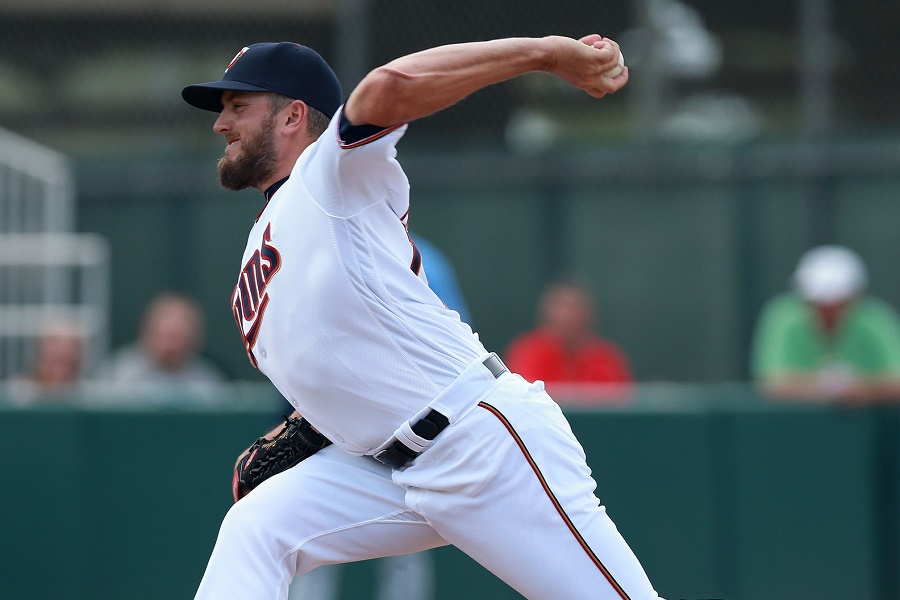 I went to old reliable, Baseball-Reference, and used their draft page to do some digging. I looked at the 2003 through 2012 drafts, a ten year period, and broke out the data in several ways. >2 bWAR: It’s hard to get to the big leagues, so to be able to find players who get there and have some positive impact on a team is terrific. This isn’t a high threshold, but it gives a good look at the scouting to be able to find big leaguers. This includes some non-closing relievers who have been good for a couple of years. This includes Byron Buxton, the Twins top pick in 2012, and a guy who certainly should rack up bWAR in the next decade and be on much higher bWAR lists. >6 bWAR: Mackey mentioned Brian Duensing as a guy who sits on the borderline of impact type of player. He’s had a nice, solid, long-lasting MLB career as mostly a middle reliever. He has 6.4 bWAR accumulated to this point, so I thought I’d find out how many have hit that level. >10 bWAR: Now we’re getting to some guys who have had really solid careers. They’ve either been solid for several years or they have had a major impact pretty quickly. >20 bWAR: If you’re past 20 bWAR you’ve had a really good career. Sure, that’s two Mike Trout seasons… or it’s a nice, solid, steady career like Aaron Hill or Chase Headley. >8 bWAR but drafted AFTER the 5th round. The MLB draft is more than five rounds. It is now 40 (and used to be 50). In reality, if scouts find guys after the 5th round that get to AAA, that should give them bonus points. But a lot of diamonds in the rough can be found in these late rounds. To be honest we should probably count any and all post-5th round draft picks who make it to the big leagues as wins. Also, please note that I am including players even if they did not sign with the team at that time. For instance, the Angels drafted Matt Harvey in the third round out of high school. He went to North Carolina instead of signing and then the Mets made him a top pick three years later. In my mind, the Angels and their scouts get credit for that too. GREATER THAN TWO bWAR (First Five Rounds) 15 - Blue Jays, Diamondbacks 14 - Reds 13 - Red Sox, Padres, Nationals 12 - Braves 11 - Twins, Royals, Rockies, Orioles, Rays, Cardinals, A’s, Angels 10 - Pirates 9 - White Sox, Marlins, Mariners, Cleveland, Brewers, Astros 8 - Cubs, Dodgers 7 - Yankees, Tigers, Mets, Giants 4 - Phillies, Rangers So, the Twins are basically tied for 8th in MLB in number of players drafted who have achieved two bWAR. I’ll have some summary comments at the end. GREATER THAN 6 bWAR (First Five Rounds) 9 - Nationals, Red Sox, Reds 8 - A’s, Blue Jays, Braves, Diamondbacks 7 - Angels, Brewers 6 - Twins, Rays, Mariners, Orioles, Pirates, Royals 5 - Astros, Cardinals, Giants, Cleveland, Marlins, Padres, Rockies, Tigers, Yankees. 4 - Cubs, Dodgers 3 - Mets, Phillies, Rangers 2 - White Sox The Twins are tied with five other teams for tenth. As happened with the two bWAR data, that tie pushed right to 15, so they are just above the halfway point among the 30 MLB teams. The Twins that made the list of 6 bWAR: Scott Baker, Trevor Plouffe, Glen Perkins, Matt Garza, Brian Duensing, Ben Revere. GREATER THAN 10 bWAR (First Five Rounds) 6 - Nationals, Red Sox 5 - A’s, Brewers, Braves, Diamondbacks, Giants, Orioles 4 - Cubs, Marlins, Mariners, Padres, Reds, Rockies, Royals, Tigers 3 - Angels, Astros, Blue Jays, Cardinals, Rays, Cleveland, Pirates, Yankees 2 - Twins, Dodgers, Mets, Phillies, Rangers, White Sox This is where the Twins can be faulted. They have not had many big impact draft picks from that decade (yet). The two Twins that made this list were Scott Baker (15.7) and Matt Garza (12.5). GREATER THAN 20 bWAR (First Five Rounds) Another group that I looked at was the players over 20 bWAR. As you can see above, the Twins did not have any. Most teams have just one. The Atlanta Braves have four, Jason Heyward, Freddie Freeman, Yunel Escobar and Andrelton Simmons. The Red Sox had three, Jonathan Papelbon, Dustin Pedroia and Jacoby Ellsbury. The Nationals had Ryan Zimmerman, Jordan Zimmerman and Bryce Harper. The Mets and Cardinals joined the Twins with zero, which may surprise many as the Cardinals are generally looked at as one of the top drafting teams in baseball. Their highest bWAR player for that time frame is Colby Rasmus at 18.7. GREATER THAN 8 bWAR AFTER THE FIFTH ROUND (players over 10 bWAR in parentheses) Angels: 7 (Chris Davis, Buster Posey, Kole Calhoun) Astros: 2 (Dallas Keuchel, JD Martinez) A’s: 1 (Mike Leake) Blue Jays: 2 (Kris Bryant) Braves: 4 (Craig Kimbrel, Anthony Rendon) Brewers: 3 (Lorenzo Cain, Michael Brantley, Jake Arrieta) Cardinals: 5 (Brendan Ryan, Ian Kennedy, Max Scherzer, Matt Carpenter) Cubs: 4 (Tim Lincecum, Josh Harrison) Rays: 5 (John Jaso, Desmond Jennings, Kevin Kiermeier) Diamondbacks: 3 (Paul Goldschmidt, Adam Eaton) Dodgers: 4 (Matt Kemp, David Price, Paul Goldschmidt) Giants: 2 (Doug Fister) Cleveland: 2 (Desmond Jennings, Tim Lincecum) Mariners: 1 (Doug Fister) Marlins: 2 Mets: 3 (Daniel Murphy, Jacob DeGrom) Nationals: 1 (Marco Estrada) Orioles: 3 (Wil Venable) Padres: 3 (Wil Venable, David Friese, Mat Latos) Phillies: 1 (Brad Ziegler) Pirates: 2 Rangers: 6 (Ian Kinsler, Derek Holland, Tanner Roark) Red Sox: 7 (Brandon Belt, Josh Reddick, Anthony Rizzo) Reds: 2 (Jake Arrieta, Justin Turner) Rockies: 3 (Dexter Fowler, Todd Frazier, Chris Sale) Royals: 2 (Jarrod Dyson, Greg Holland) Tigers: 3 (Matt Joyce, Alex Avila, DJ LeMahieu) White Sox: 0 Yankees: 8 (Tyler Clippard, Chris Davis, Doug Fister, Austin Jackson, Justin Turner, David Robertson) Twins: 4 (JD Martinez, George Springer, Brian Dozier) SUMMARY NOTES I won’t sit here and tell you that this is a perfect analysis of the draft or the drafting abilities of the Twins or any other clubs. To get a 40 bWAR player requires a lot of luck and timing and such.The Twins have a lot of very good scouts, guys who have found talent in the lower rounds. Here are some additional notes: Note all first-round picks are made the same. The year the Twins took Levi Michael in the first round, they had the 30th overall pick. Also of note, the Pirates took Gerrit Cole with the first overall pick. The Mariners then took Danny Hultzen with the second overall pick. Also of note, Keith Law ranked Michael in his top 15 players for the draft, so there is no magic formula to this. The Twins highest draft pick (other than Byron Buxton in 2012) was the 14th overall pick in 2008. For the most part, the Twins were in the playoffs during this run and making picks 20 or later in the first round. There is little certainty in top 5 picks many times, much less when you get into the 20s. The first six picks of the 2003 draft were: Delmon Young (2.5), Rickie Weeks (11.4), Kyle Sleeth (No MLB), Tim Stauffer (3.5), Chris Lubanski (No MLB), Ryan Harvey (no MLB). That year, the Twins picked Matt Moses with the 21st overall pick. The Twins did pretty well for themselves in 2004. Trevor Plouffe (8.1) and Glen Perkins (8.8) were the 20th and 22nd overall picks that year in the draft. The 23rd pick was Phil Hughes. In 2005, the Twins got Matt Garza (12.5) with the 25th overall pick, which was good for 10th (so far) in that draft’s first round. Chris Parmelee was the 20th overall pick in the 2006 draft. In the 2007 draft, Ben Revere’s 6.1 bWAR ranks 7th among the 30 first-round picks. He was taken with the 28th pick. Aaron Hicks was the 14th pick in the 2008 draft. His 1.9 bWAR to date ranks 14th of the 30 picks. Kyle Gibson missed at least one year (and probably closer to two years) of time due to Tommy John surgery. He has posted 5.0 bWAR so far in his career. That ranks ninth of the 30 first-round picks in 2009s draft. He was taken with the 22nd pick. The Twins top pick in 2010 also had Tommy John surgery. Alex Wimmers was the 21st overall pick for the Twins. He is right at 0 bWAR, but he made the big leagues, something eight players selected ahead of him can’t say yet. As we already mentioned, Levi Michael was the 30th pick in the 2011 draft. Byron Buxton was the #2 overall pick in the 2012 draft, following Carlos Correa. Buxton’s injury-plagued 2014 season likely slowed his path to the big leagues. He also has struggled early in his career. He’s accumulated 2.1 bWAR. He had a strong September, but defense is also where he will rack up a lot of WAR. Corey Seager and Addison Russell are the two high school picks from that season, along with Correa, who have more big league success so far than Buxton. I believe the odds of Buxton accumulating 20+ bWAR in his career are quite high. I also think there’s a high likelihood that Jose Berrios will improve dramatically over his -1.6 bWAR performance in 2016. Also, Mason Melotakis, JT Chargois and Taylor Rogers come from the 2012 draft and could all achieve at least 6 bWAR if things go well. I guess the information presented above shows that the Twins did a “Good” job of drafting for that decade of years. I guess I would say they’ve been pretty middle-of-the-pack, not great (for sure), but certainly not terrible either. I think they’ve done a good job of finding some guys that have the potential to be big leaguers. I would say that, for whatever reason, they haven’t had the luck in finding those big impact players that we’d all like to see. Perkins was a three-time All Star which I would say is pretty impactful, even if bWAR says it's "only" worth 8.8. Scott Baker was better than most people thought at the time. Buxton and Berrios certainly give us hope that they can be those types of players. The draft is just one way for teams to accumulate players and talent. The Twins consider themselves a mid-market team, however, and the draft becomes more important in that it is where you can find players at low salary and you can keep under control for six years. The Twins have the #1 overall pick in the 2017 draft. It’s a huge pick for the organization. There are a lot of very talented very young players who are just getting to the big leagues or just about to get to the big leagues. Having an elite talent who will be ready in three or four years will help keep that coming and help Derek Falvey toward that long-term, sustainable, championship-caliber organization that he wants to build.
 -
Probably depends on who else they bring in.
-
There are 40 on the roster. I added 12 non-roster guys currently in the organization. I missed Ben Paulsen, so that would be 13. Most teams usually have 60-62 guys to start spring training, so I would think there'll be at least eight more minor league signings with invites to spring.
-
John makes a good point. Most here appreciate everything the moderators do, even if we don't say it often enough. So, thank you for making the forums run smoothly throughout the year, even in this difficult season.
-
We'll try to keep track of minor league signings here... http://twinsdaily.com/topic/24263-2016-twins-minor-league-free-agents/ Internally, I would guess: Niko Goodrum, Dan Rohlfing & Alex Wimmers (since they've signed) Stephen Gonsalves Kohl Stewart Nick Gordon Tanner English Brian Navarreto AJ Murray Jake Reed Nick Burdi Trevor Hildenberger That might be about it.
-
First, it's not realistic that he face zero right-handed batters and only lefties. Second, he's added some pitches and 2016 was the right time to work on them against lefties and righties. 2016.... pitching wasn't good... they needed guys to sometimes pitch in roles they wouldn't when things are going well. In 2017 hopefully they have SP who will go 6-7 innings more often and relievers can fit into roles that are better for them and the team.
-
2016 Twins Minor League Free Agents
Seth Stohs replied to Seth Stohs's topic in Twins Minor League Talk
Catcher Dan Rohlfing announced on social media this afternoon that he will be returning to the #MNTwins organization, the team that drafted him in the 2007 draft. He's spent the last two seasons with the Mets and then the Diamondbacks. https://twitter.com/DanRohlfing/status/808034768755507202 -
In his hometown newspaper, the Worcester Telegram, there is a very nice article on Twins LH RP Ryan O'Rourke. It starts by talking about his DFA early in the 2016 season and how that is often a very bad thing for players in-season. But O'Rourke went about his business and came back to the Twins in August. He also talked a little about the atmosphere in the clubhouse in 2016 compared to 2015 as well as his time in Venezuelan League. http://www.telegram.com/sports/20161210/worcesters-ryan-orourke-pitches-way-back-to-majors-with-twins
-
In some horrible Saturday morning news, we have learned the Twins minor league pitcher Yorman Landa has passed away. He was involved in a traffic incident early this morning outside of Caracas, Venezuela. Image courtesy of Kim Klement, USA Today (Yorman Landa) In some horrible Saturday morning news, we have learned the Twins minor league pitcher Yorman Landa has passed away. He was involved in a traffic incident early this morning outside of Caracas, Venezuela. Yorman Landa signed with the Twins in September of 2010. He slowly worked up the system. In recent years, he fought through some shoulder issues to become a very good bullpen option. Following the 2015 season, he was added to the 40 man roster. He and his triple-digit fasball spent the season in Ft. Myers where he was an All Star. His season came to an end in July with another shoulder issue. The Twins took him off of the 40 man roster this fall, but last week, he re-signed with the Twins. The car accident occurred on the Francisco de Miranda freeway near the Caracas airport. He was taken to the Domingo Luciani Hospital, but doctors were unable to revive him. According to his agent, via Mike Berardino's article, Landa was in the passenger seat of a vehicle, driven by his father. Their car hit a downed tree in the rain. Landa was the only one of four or five passengers to pass away. Our thoughts go out to the friends and family of Yorman Landa. Over his six seasons in the Twins organization, he developed a lot of friendships. So we also extend our sympathies to all of his teammates who got to know him. In a statement from Derek Falvey for the Twins, he said "The Minnesota Twins are deeply saddened by the heartbreaking loss of Yorman Landa early this morning in Venezuela. On behalf of the entire baseball community, we send our sincerest condolences to the Landa family as well as Yorman’s many friends, coaches and teammates." Twins Minor League Director Brad Steil added, "Yorman was a really good guy and was always looking to help out younger players. We will miss him." His teammates and former teammate have taken to social media to share their thoughts on and share tributes to Yorman Landa: https://twitter.com/Jorge_Polanco1/status/807746254411362304 https://twitter.com/TheDoof13/status/807633609280651266 https://twitter.com/JOLaMaKina/status/807634887989665796 https://twitter.com/JaredDWilson/status/807642397920243712 https://twitter.com/cal_pearce_51/status/807650406801244160 https://twitter.com/ayyy_itsBerto14/status/807650645675220992 https://twitter.com/RyanO_Rourke/status/807625051780616193 https://twitter.com/kellypat9/status/807621578729078784 https://twitter.com/Jack_Zones04/status/807616371374706689 https://twitter.com/BrettDoe/status/807615669189668864 https://twitter.com/TheSGonsalves/status/807612001446989824 https://twitter.com/t_hildy/status/807611331142676481 https://twitter.com/TyJay_11/status/807609707103973378 https://twitter.com/cwhu1993/status/807609539696570368 https://twitter.com/DiemPiece22/status/807605231387222016 https://twitter.com/JakeyReed5/status/807602547946967040 https://twitter.com/DaneHutcheon/status/807602496449421312 https://twitter.com/Bgilly1s/status/807601924392554496 https://twitter.com/AndroCutura3/status/807599573455826944 https://twitter.com/ZackLarson24/status/807593052441366528 https://twitter.com/toddvs35/status/807589880716935168 https://twitter.com/JohnCurtiss43/status/807654672475574276 https://twitter.com/ivanarteaga/status/807663103064293377 https://twitter.com/ChrisMazza10/status/807719795806220290 https://twitter.com/ldarnell15/status/807727019740004352 View full article
-
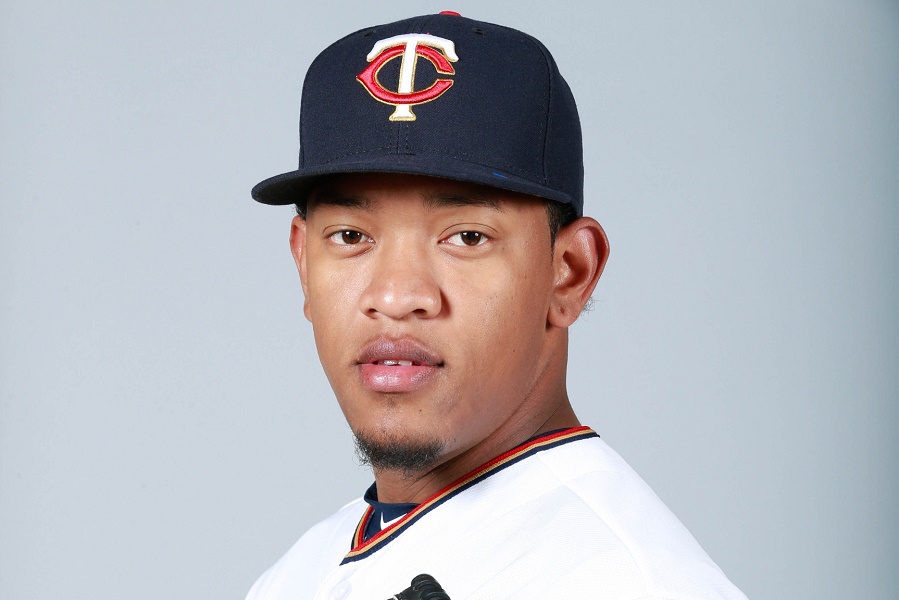 Yorman Landa signed with the Twins in September of 2010. He slowly worked up the system. In recent years, he fought through some shoulder issues to become a very good bullpen option. Following the 2015 season, he was added to the 40 man roster. He and his triple-digit fasball spent the season in Ft. Myers where he was an All Star. His season came to an end in July with another shoulder issue. The Twins took him off of the 40 man roster this fall, but last week, he re-signed with the Twins. The car accident occurred on the Francisco de Miranda freeway near the Caracas airport. He was taken to the Domingo Luciani Hospital, but doctors were unable to revive him. According to his agent, via Mike Berardino's article, Landa was in the passenger seat of a vehicle, driven by his father. Their car hit a downed tree in the rain. Landa was the only one of four or five passengers to pass away. Our thoughts go out to the friends and family of Yorman Landa. Over his six seasons in the Twins organization, he developed a lot of friendships. So we also extend our sympathies to all of his teammates who got to know him. In a statement from Derek Falvey for the Twins, he said "The Minnesota Twins are deeply saddened by the heartbreaking loss of Yorman Landa early this morning in Venezuela. On behalf of the entire baseball community, we send our sincerest condolences to the Landa family as well as Yorman’s many friends, coaches and teammates." Twins Minor League Director Brad Steil added, "Yorman was a really good guy and was always looking to help out younger players. We will miss him." His teammates and former teammate have taken to social media to share their thoughts on and share tributes to Yorman Landa: https://twitter.com/Jorge_Polanco1/status/807746254411362304 https://twitter.com/TheDoof13/status/807633609280651266 https://twitter.com/JOLaMaKina/status/807634887989665796 https://twitter.com/JaredDWilson/status/807642397920243712 https://twitter.com/cal_pearce_51/status/807650406801244160 https://twitter.com/ayyy_itsBerto14/status/807650645675220992 https://twitter.com/RyanO_Rourke/status/807625051780616193 https://twitter.com/kellypat9/status/807621578729078784 https://twitter.com/Jack_Zones04/status/807616371374706689 https://twitter.com/BrettDoe/status/807615669189668864 https://twitter.com/TheSGonsalves/status/807612001446989824 https://twitter.com/t_hildy/status/807611331142676481 https://twitter.com/TyJay_11/status/807609707103973378 https://twitter.com/cwhu1993/status/807609539696570368 https://twitter.com/DiemPiece22/status/807605231387222016 https://twitter.com/JakeyReed5/status/807602547946967040 https://twitter.com/DaneHutcheon/status/807602496449421312 https://twitter.com/Bgilly1s/status/807601924392554496 https://twitter.com/AndroCutura3/status/807599573455826944 https://twitter.com/ZackLarson24/status/807593052441366528 https://twitter.com/toddvs35/status/807589880716935168 https://twitter.com/JohnCurtiss43/status/807654672475574276 https://twitter.com/ivanarteaga/status/807663103064293377 https://twitter.com/ChrisMazza10/status/807719795806220290 https://twitter.com/ldarnell15/status/807727019740004352
 -
Let's turn this discussion into some positive. Who are your favorite Twins beat writers (Rank them if you want)? Who are your favorite columnists? Who are your favorite sports radio personalities, particularly as it relates to baseball knowledge and discussion? And finally, who are your favorite Twitter follows among Twins writers?
-
Approaching 50 pages...
-
Man, if LaVelle writes too much about prospects, what do I do? Sorry, man!
-
Welcome aboard, John!! Hope you enjoy it!!
-
Go "Behind the Voice" with Sean Aronson
Seth Stohs replied to Sarah's topic in Twins Daily Front Page News
https://thevoicebtv.libsyn.com/page/1/size/15 A couple of my favorites are the Cory Provus and Dick Bremer interviews. I also liked the Jack Michaels one, in large part because I do radio with him in Fargo from time to time. I encourage people to take a look at the link and see if any of them might be interesting to you. -
2016 Twins Minor League Free Agents
Seth Stohs replied to Seth Stohs's topic in Twins Minor League Talk
He's been a reliever for the last year and a half or more, so I'm sure that's his role. -
Haley Trade Carries Shades Of Old And New
Seth Stohs replied to Nick Nelson's topic in Twins Daily Front Page News
When you know you can get him and get more back, why not? The Twins reportedly had a lot of teams contacting them about the #1 pick. They used it to their advantage, as they should. -
Haley Trade Carries Shades Of Old And New
Seth Stohs replied to Nick Nelson's topic in Twins Daily Front Page News
Getting a guy who some believe has a chance to be a starter in the Rule 5 is pretty unusual. I get that people don't like to read about guys that top out at 92, but that is where a large percentage of starting pitchers in teh big leagues are. If he can even be a back-end of the rotation guy, this is a huge win. If not, he's a normal Rule 5 guy who goes back to his original team. We forget that Scott Diamond and Ryan Pressly are Rule 5 successes.. -
Haley Trade Carries Shades Of Old And New
Seth Stohs replied to Nick Nelson's topic in Twins Daily Front Page News
They're almost always cash. -
The Reds drafted two hitters in the Rule 5 draft, so it would have been hard to imagine both making it. But they traded their 1st round Rule 5 pick to the Padres. So, there's a shot.
- 8 replies
-
- 1
-
-
- mitch garver
- stuart turner
- (and 3 more)
-
Haley Trade Carries Shades Of Old And New
Seth Stohs replied to Nick Nelson's topic in Twins Daily Front Page News
Two things: 1.) I think that we are going to find that most GMs make a lot of very similar moves. Teams with the biggest budgets can do a few more things, take more risks because money doesn't matter as much. Teams with low budgets need to be creative, but they have to deal players earlier for financial reasons. Sometimes those trade work, sometimes they don't. 2.) I think we can know that Falvey and Levine are going to use many more data points to have come to those decisions. Those data points will include all forms of analytics, reaching out to scouts, coaches and several others in the organization. It's going to be interest to evaluate each transaction, but i'll be important to know that a ton of information will have gone into those decisions. -
This thread has 19 pages of comments... soon 20. That is all.
