



Seth Stohs
-
Posts
25,912 -
Joined
-
Last visited
-
Days Won
109
Content Type
Profiles
News
Minnesota Twins Videos
2026 Minnesota Twins Top Prospects Ranking
2022 Minnesota Twins Draft Picks
Minnesota Twins Free Agent & Trade Rumors, Notes, & Tidbits
Guides & Resources
2023 Minnesota Twins Draft Picks
The Minnesota Twins Players Project
2024 Minnesota Twins Draft Picks
2025 Minnesota Twins Draft Pick Tracker
2026 Minnesota Twins Draft Tracker: Picks & Bonuses
Forums
Blogs
Events
Store
Downloads
Gallery
Everything posted by Seth Stohs
-
 Rain won the day at Target Field on Wednesday. All four Twins minor league affiliates played, and there were some wild games. There was a very impressive pitching performance, and there were some big offensive showings. Two hitters were a triple away from the cycle. However, we start today with a very sad news in the Twins minor league report. We learned today from the San Diego Tribune-Union that Henry Sanchez died due to synovial sarcoma, a rare form of cancer. Sanchez was a supplemental first-round pick of the Twins in 2005, known for his tremendous power. He struggled on and off the field and was let go shortly into the 2009 season. Image courtesy of Seth Stohs, Twins Daily (photo of Lachlan Wells, Jermaine Palacios in background) Rain won the day at Target Field on Wednesday. All four Twins minor league affiliates played, and there were some wild games. There was a very impressive pitching performance, and there were some big offensive showings. Two hitters were a triple away from the cycle. However, we start today with a very sad news in the Twins minor league report. We learned today from the San Diego Tribune-Union that Henry Sanchez died due to synovial sarcoma, a rare form of cancer. Sanchez was a supplemental first-round pick of the Twins in 2005, known for his tremendous power. He struggled on and off the field and was let go shortly into the 2009 season. Find out everything and more that happened happened in the Twins system on Wednesday night, starting with the transactions of the day. TRANSACTIONS Check out the transactions through the minor league system on Wednesday: Chattanooga placed RHP Todd Van Steensel on the disabled list with a groin strain. Taking his place is RHP Alex Wimmers (who had been sent to extended spring training on Monday from Rochester). Because of the doubleheader Thursday, the Twins are able to call up a 26th man. That player will be RHP Drew Rucinski. RED WINGS REPORT Rochester 8, Lehigh Valley 11 (11 innings) Box Score In his first four starts this season, lefty David Hurlbut gave up a total of four runs in 22.1 innings. He had his first clunker of 2017 on Wednesday night. He was charged with seven runs on nine hits (two homers) and a walk in just 3.2 innings. Alan Busenitz came on and was terrific. The hard-throwing right-hander gave up just one hit over 3.1 scoreless innings. He struck out five without issuing a walk. Michael Tonkin came in for the 8th inning, protecting a one-run lead. He gave up a solo homer to tie the game, but he then worked scoreless innings in the ninth and 10th innings. Kevin Chapman came in for the 11th frame. He gave up three runs (two earned) on three hits in the inning to take the loss. The offense provided plenty of support. Byungho Park went 3-4 with his fourth double. JB Shuck was 3-4 with a walk and his fifth double. John Ryan Murphy went 2-5 with his third homer, a three-run shot. Matt Hague and Daniel Palka each went 2-5 with a double. It was Palka’s fifth and Matt Hague’s third. In the bottom of the 10th, the Red Wings got to go through the Pat Venditte Experience. Venditte is the ambidextrous pitcher who has moved up and down from AAA to the big leagues the last few seasons. The bases were loaded, but John Ryan Murphy grounded into a double play to end the threat to end the game. For Lehigh Valley, old friend Pedro Florimon went 5-5 with a double and is hitting .349 on the season. CHATTANOOGA CHATTER Chattanooga 6 Birmingham 8 Box Score It was an early start on Wednesday for the Lookouts. Their fifth and final game of a home series against Birmingham began at 11:15 local time. Following the game, the Lookouts headed to Biloxi for their next five-game series. Down 2-0 in the third inning, TJ White, Ryan Strausborger and Nick Gordon hit doubles to tie the score at two. Then in the bottom of the fourth inning, Levi Michael added a two-run homer to put the Lookouts on top. It was his first homer of the season. They added two more on an Edgar Corcino single. But that was it for the offense. In fact, after that fourth inning, they didn’t have another hit. The one base runner reached on a walk and was erased immediately by a double play. Felix Jorge was strong through six innings. He gave up an early two-run homer, but that was it. Until the seventh inning. He started the inning with a strikeout, but then he loaded the bases with a walk, a single and another walk. That’s when Mason Melotakis came in. Melotakis gave up a pinch-hit, grand slam and the game was tied. After recording the inning’s second out, he gave up a single which was followed by another home run. That gave the Kernels their 8-6 deficit that ended up being the final score. Melotakis worked a scoreless eighth frame. John Curtiss did pitch the ninth inning as well. He has now pitched 13 games this season, and in 14.2 innings, he is yet to allow a run. He has 19 strikeouts. However, he’s also given up nine walks to go with nine hits. TJ White was the lone Lookouts hitter with more than one hit. He went 2-4 with his first double. MIRACLE MATTERS Ft. Myers 3, Clearwater 1 Box Score Complete games are a rarity in minor league baseball. Pitch counts are more tightly monitored, and especially in the lower levels, the pitchers are young and will be taken care of. However, on Wednesday night, lefty Lachlan Wells delivered a complete game in a Miracle win. Wells gave up a double to lead off the game. After a sacrifice bunt, the run scored on a ground ball. After that, it was eight straight shutout innings. In fact, only one more runner the whole game reached second base. He gave up the one run on four hits and two walks. He struck out four. Most important, he needed just 92 pitches (67 strikes) to complete the game and win his second game of the season and reduce his ERA to 3.51. No surprise. It was the first complete game of his career. Offensively, the Miracle offense waited an inning to do their scoring. In the bottom of the second inning, Daniel Kihle launched a three-run homer, his third of the season. That was it for the Miracle offense, at least in terms of runs scored. After hitting a walk-off home run the night before, Chris Paul added two hits on Wednesday. Rafael Valera walked twice. KERNELS NUGGETS Cedar Rapids 7, Peoria 4 Box Score It looked as if Wednesday’s Kernels game had the potential to be a long one. Through two innings, a combined ten runs had already been scored. However, just one more run was scored the rest of the game. The Kernels got a two-run homer from Lewin Diaz in the bottom of the first inning, his fifth of the season. Sean Poppen gave up three runs in the top of the second frame, but the Kernels put up a five-spot in the bottom of the second inning. Aaron Whitefield drove in a run with a single before Jermaine Palacios launched a three-run homer, his fourth of the year. Two batters later, Mitchell Kranson hit his third homer of the year, a solo shot. Palacios had been in a bit of a slump, seeing his average drop from .398 to .326 over the past 13 games during which he hit .196. However, on this day, he went 3-5 with his eighth double, fourth homer and he stole his sixth base. Mitchell Kranson went 3-4 with his 12th double and third home run. That’s two guys who ended the day a triple shy of the cycle. Brandon Lopez went 3-4 with his second double. Aaron Whitefield went 3-5. Ben Rortvedt went 2-4 in the game. Sean Poppen made the start. The right-hander from Harvard gave up three runs (two earned) on five hits and a walk in six innings. He struck out five. He has completed six innings in all seven of his starts this season. Zach Tillery came on for his first appearance of the year and in a year. He gave up a run on three walks in his inning. It was his first appearance since May 7, 2016, with the Kernels. He missed the year with a shoulder injury. Alex Robinson recorded his second save with two shutout innings. He struck out four. TWINS DAILY PLAYERS OF THE DAY Twins Daily Minor League Pitcher of the Day – Lachlan Wells, Ft. Myers Miracle Twins Daily Minor League Hitter of the Day – Jermaine Palacios/Mitchell Kranson, Cedar Rapids Kernels THURSDAY’S PROBABLE STARTERS Lehigh Valley @ Rochester (12:35 CST) - LHP Jason Wheeler Chattanooga @ Biloxi (6:35 CST) - RHP Fernando Romero Clearwater @ Ft. Myers (5:35 CST) - RHP Brady Anderson Cedar Rapids @ Wisconsin (6:35 CST) - LHP Domenic Carlini IV Please feel free to ask any questions and discuss Wednesday’s games. View full article
- 12 replies
-
- 1
-

-
- lachlan wells
- jermaine palacios
- (and 3 more)
-
Twins Minor League Report (5/17): Wells Tosses Complete Game
Seth Stohs posted an article in Minor Leagues
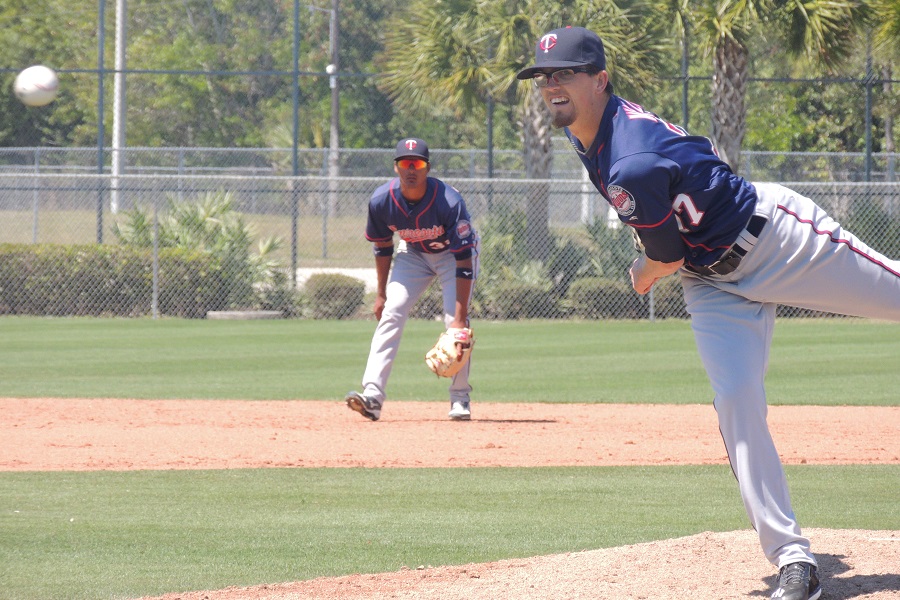 Find out everything and more that happened happened in the Twins system on Wednesday night, starting with the transactions of the day. TRANSACTIONS Check out the transactions through the minor league system on Wednesday: Chattanooga placed RHP Todd Van Steensel on the disabled list with a groin strain. Taking his place is RHP Alex Wimmers (who had been sent to extended spring training on Monday from Rochester). Because of the doubleheader Thursday, the Twins are able to call up a 26th man. That player will be RHP Drew Rucinski. RED WINGS REPORT Rochester 8, Lehigh Valley 11 (11 innings) Box Score In his first four starts this season, lefty David Hurlbut gave up a total of four runs in 22.1 innings. He had his first clunker of 2017 on Wednesday night. He was charged with seven runs on nine hits (two homers) and a walk in just 3.2 innings. Alan Busenitz came on and was terrific. The hard-throwing right-hander gave up just one hit over 3.1 scoreless innings. He struck out five without issuing a walk. Michael Tonkin came in for the 8th inning, protecting a one-run lead. He gave up a solo homer to tie the game, but he then worked scoreless innings in the ninth and 10th innings. Kevin Chapman came in for the 11th frame. He gave up three runs (two earned) on three hits in the inning to take the loss. The offense provided plenty of support. Byungho Park went 3-4 with his fourth double. JB Shuck was 3-4 with a walk and his fifth double. John Ryan Murphy went 2-5 with his third homer, a three-run shot. Matt Hague and Daniel Palka each went 2-5 with a double. It was Palka’s fifth and Matt Hague’s third. In the bottom of the 10th, the Red Wings got to go through the Pat Venditte Experience. Venditte is the ambidextrous pitcher who has moved up and down from AAA to the big leagues the last few seasons. The bases were loaded, but John Ryan Murphy grounded into a double play to end the threat to end the game. For Lehigh Valley, old friend Pedro Florimon went 5-5 with a double and is hitting .349 on the season. CHATTANOOGA CHATTER Chattanooga 6 Birmingham 8 Box Score It was an early start on Wednesday for the Lookouts. Their fifth and final game of a home series against Birmingham began at 11:15 local time. Following the game, the Lookouts headed to Biloxi for their next five-game series. Down 2-0 in the third inning, TJ White, Ryan Strausborger and Nick Gordon hit doubles to tie the score at two. Then in the bottom of the fourth inning, Levi Michael added a two-run homer to put the Lookouts on top. It was his first homer of the season. They added two more on an Edgar Corcino single. But that was it for the offense. In fact, after that fourth inning, they didn’t have another hit. The one base runner reached on a walk and was erased immediately by a double play. Felix Jorge was strong through six innings. He gave up an early two-run homer, but that was it. Until the seventh inning. He started the inning with a strikeout, but then he loaded the bases with a walk, a single and another walk. That’s when Mason Melotakis came in. Melotakis gave up a pinch-hit, grand slam and the game was tied. After recording the inning’s second out, he gave up a single which was followed by another home run. That gave the Kernels their 8-6 deficit that ended up being the final score. Melotakis worked a scoreless eighth frame. John Curtiss did pitch the ninth inning as well. He has now pitched 13 games this season, and in 14.2 innings, he is yet to allow a run. He has 19 strikeouts. However, he’s also given up nine walks to go with nine hits. TJ White was the lone Lookouts hitter with more than one hit. He went 2-4 with his first double. MIRACLE MATTERS Ft. Myers 3, Clearwater 1 Box Score Complete games are a rarity in minor league baseball. Pitch counts are more tightly monitored, and especially in the lower levels, the pitchers are young and will be taken care of. However, on Wednesday night, lefty Lachlan Wells delivered a complete game in a Miracle win. Wells gave up a double to lead off the game. After a sacrifice bunt, the run scored on a ground ball. After that, it was eight straight shutout innings. In fact, only one more runner the whole game reached second base. He gave up the one run on four hits and two walks. He struck out four. Most important, he needed just 92 pitches (67 strikes) to complete the game and win his second game of the season and reduce his ERA to 3.51. No surprise. It was the first complete game of his career. Offensively, the Miracle offense waited an inning to do their scoring. In the bottom of the second inning, Daniel Kihle launched a three-run homer, his third of the season. That was it for the Miracle offense, at least in terms of runs scored. After hitting a walk-off home run the night before, Chris Paul added two hits on Wednesday. Rafael Valera walked twice. KERNELS NUGGETS Cedar Rapids 7, Peoria 4 Box Score It looked as if Wednesday’s Kernels game had the potential to be a long one. Through two innings, a combined ten runs had already been scored. However, just one more run was scored the rest of the game. The Kernels got a two-run homer from Lewin Diaz in the bottom of the first inning, his fifth of the season. Sean Poppen gave up three runs in the top of the second frame, but the Kernels put up a five-spot in the bottom of the second inning. Aaron Whitefield drove in a run with a single before Jermaine Palacios launched a three-run homer, his fourth of the year. Two batters later, Mitchell Kranson hit his third homer of the year, a solo shot. Palacios had been in a bit of a slump, seeing his average drop from .398 to .326 over the past 13 games during which he hit .196. However, on this day, he went 3-5 with his eighth double, fourth homer and he stole his sixth base. Mitchell Kranson went 3-4 with his 12th double and third home run. That’s two guys who ended the day a triple shy of the cycle. Brandon Lopez went 3-4 with his second double. Aaron Whitefield went 3-5. Ben Rortvedt went 2-4 in the game. Sean Poppen made the start. The right-hander from Harvard gave up three runs (two earned) on five hits and a walk in six innings. He struck out five. He has completed six innings in all seven of his starts this season. Zach Tillery came on for his first appearance of the year and in a year. He gave up a run on three walks in his inning. It was his first appearance since May 7, 2016, with the Kernels. He missed the year with a shoulder injury. Alex Robinson recorded his second save with two shutout innings. He struck out four. TWINS DAILY PLAYERS OF THE DAY Twins Daily Minor League Pitcher of the Day – Lachlan Wells, Ft. Myers Miracle Twins Daily Minor League Hitter of the Day – Jermaine Palacios/Mitchell Kranson, Cedar Rapids Kernels THURSDAY’S PROBABLE STARTERS Lehigh Valley @ Rochester (12:35 CST) - LHP Jason Wheeler Chattanooga @ Biloxi (6:35 CST) - RHP Fernando Romero Clearwater @ Ft. Myers (5:35 CST) - RHP Brady Anderson Cedar Rapids @ Wisconsin (6:35 CST) - LHP Domenic Carlini IV Please feel free to ask any questions and discuss Wednesday’s games.
-
In the third installment of my conversation with ESPN’s Keith Law, he and I discuss the Twins minor league system. Law’s work in scouting as well as his knowledge of analytics make him a very good resource for this topic. He posts his Top 100 Prospect reports, and as we’ll mention a little later, he came out with this Top 25 Under 25 rankings. Of course, we also want to remind you that Keith Law will be participating in a book reading, baseball discussion and signing at Moon Palace Books in Southeast Minneapolis Thursday night at 6:30. If you are able to go, you will want to. And, if you haven’t already, be sure to pick up your copy of Law’s recently-released book, Smart Baseball. In Part 1, Law discussed his book, why he wrote it, the process, and some of his thoughts on the analytics of the game today. Part 2 with Law was a discussion of Derek Falvey and the 2017 Twins, specifically the youth of the Twins roster. He noted that regardless of the win-loss record at the end of the year, it is most important that the right players are playing, getting innings and at-bats. He specifically talked of the patience shown with Byron Buxton and how we all hope that he takes off soon offensively. Image courtesy of Seth Stohs, Twins Daily (photo of Travis Blankenhorn) In the third installment of my conversation with ESPN’s Keith Law, he and I discuss the Twins minor league system. Law’s work in scouting as well as his knowledge of analytics make him a very good resource for this topic. He posts his Top 100 Prospect reports, and as we’ll mention a little later, he came out with this Top 25 Under 25 rankings. Of course, we also want to remind you that Keith Law will be participating in a book reading, baseball discussion and signing at Moon Palace Books in Southeast Minneapolis Thursday night at 6:30. If you are able to go, you will want to. And, if you haven’t already, be sure to pick up your copy of Law’s recently-released book, Smart Baseball. In Part 1, Law discussed his book, why he wrote it, the process, and some of his thoughts on the analytics of the game today. Part 2 with Law was a discussion of Derek Falvey and the 2017 Twins, specifically the youth of the Twins roster. He noted that regardless of the win-loss record at the end of the year, it is most important that the right players are playing, getting innings and at-bats. He specifically talked of the patience shown with Byron Buxton and how we all hope that he takes off soon offensively. This week, Law posted his Top 25 Under 25 at ESPN.com. Two members of the Minnesota Twins organization appear, Byron Buxton (#8) and Miguel Sano (#21). In addition to those two, Max Kepler, Jorge Polanco, Jose Berrios and Eddie Rosario are 25 and under and getting the most reps at their positions (obviously Berrios will only pitch every fifth day). Adalberto Mejia may soon be back. The future is exciting as these guys continue to get playing time. There is reason for optimism in the minor leagues too. Although Nick Gordon is really the only consensus Top 100 prospect in the organization, that is not necessarily an indication of a weak system, especially with that young core in the big leagues. According to Law, “There are plenty of guys in the system that aren’t Top 100, but they may be in the next 50. They are prospects of value. They will be effective major leaguers in some role.” The key for fans is not to put too much stake in whether a guy is a Top 100 player. The Twins have had Top 100 prospects. Each of those “core” players mentioned above has appeared in Top 100 lists. Nick Gordon could be added to that core group. But just because a player isn’t a Top 100 guy doesn’t mean he can’t be a solid major league player in a role. Who knows? Several stars never appeared on Top 100 lists. Brian Dozier never did. Law noted, “A lot of people get hung up on the Top 100/Non-Top 100 distinction. I try to emphasize this every year because I get the same reactions every year. Just because I don’t put a guy in my Top 100 doesn’t mean I don’t think they’re any good players or won’t be any good players. Plenty of great big leaguers have not been on my Top 100. Paul Goldschmidt was on nobody’s top 100 ever, ever. He’s turned out OK.” We talked about a few players in our brief conversation. “Tyler Jay, I really wish they hadn’t moved him to the bullpen, but OK. If that’s going to be his role, it’s going to be his role. Stephen Gonsalves. These guys are going to be big leaguers, as long as they stay healthy, they’ll be good big leaguers.” He continued, “There are guys like Lewis Thorpe somewhere out in the ether. Lewin Diaz, there’s value there. Travis Blankenhorn. I saw him one game in spring training. He’s pretty exciting. I’d like to see a full season of good contact rates and consistent performance, but he could be really good. For a big guy, he is big, that’s a big person, he moved really well at third base. He got off his feet fine, he’s got plenty of arm. It was good. And the contact was impressive.” Of course, Law also acknowledged the elephant in the room as it relates to Twins minor leaguers and their adjustment to the big leagues. Jeff Pickler was brought in as a new Twins coach this year, and part of his responsibility is to work on players' transitions from the minor leagues to the major leagues. “A lot of those guys haven’t gotten over the developmental hump. And that’s probably a whole other conversation, why they haven’t gotten guys over that hump, but there’s talent in the system. I think they’ve drafted OK, they just haven’t been able to convert enough of those guys into the big leaguers commensurate with the expectations of where they were drafted.” Speaking of the draft, the Twins have a great opportunity in another month when they will have the #1 overall pick in the draft. That is what we will discuss in Part 4 of our conversation with ESPN’s Keith Law. If you have a chance, pick up his new book Smart Baseball and meet Law at Moon Palace Books on Thursday night at 6:30 p.m. View full article
- 14 replies
-
- 2
-
-
- tyler jay
- nick gordon
- (and 3 more)
-
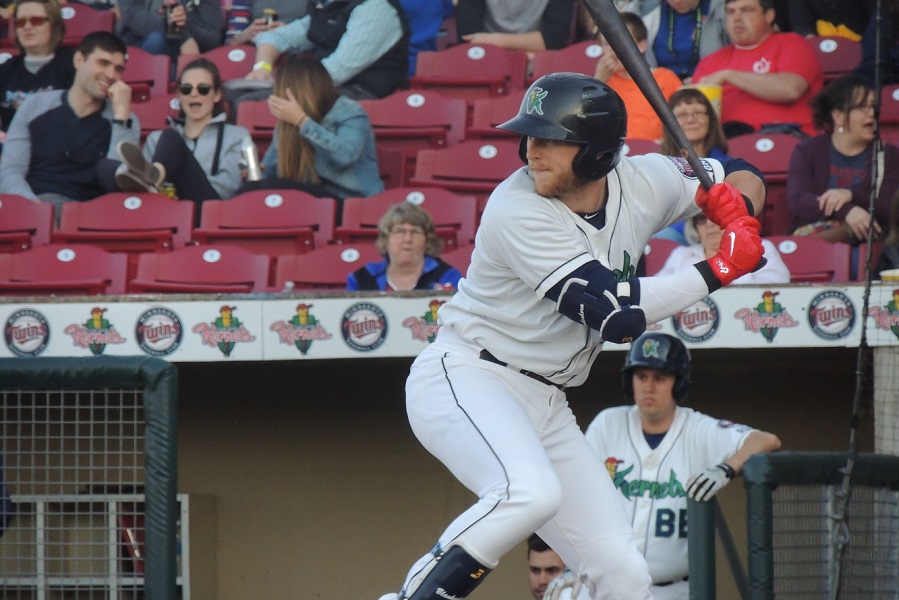 This week, Law posted his Top 25 Under 25 at ESPN.com. Two members of the Minnesota Twins organization appear, Byron Buxton (#8) and Miguel Sano (#21). In addition to those two, Max Kepler, Jorge Polanco, Jose Berrios and Eddie Rosario are 25 and under and getting the most reps at their positions (obviously Berrios will only pitch every fifth day). Adalberto Mejia may soon be back. The future is exciting as these guys continue to get playing time. There is reason for optimism in the minor leagues too. Although Nick Gordon is really the only consensus Top 100 prospect in the organization, that is not necessarily an indication of a weak system, especially with that young core in the big leagues. According to Law, “There are plenty of guys in the system that aren’t Top 100, but they may be in the next 50. They are prospects of value. They will be effective major leaguers in some role.” The key for fans is not to put too much stake in whether a guy is a Top 100 player. The Twins have had Top 100 prospects. Each of those “core” players mentioned above has appeared in Top 100 lists. Nick Gordon could be added to that core group. But just because a player isn’t a Top 100 guy doesn’t mean he can’t be a solid major league player in a role. Who knows? Several stars never appeared on Top 100 lists. Brian Dozier never did. Law noted, “A lot of people get hung up on the Top 100/Non-Top 100 distinction. I try to emphasize this every year because I get the same reactions every year. Just because I don’t put a guy in my Top 100 doesn’t mean I don’t think they’re any good players or won’t be any good players. Plenty of great big leaguers have not been on my Top 100. Paul Goldschmidt was on nobody’s top 100 ever, ever. He’s turned out OK.” We talked about a few players in our brief conversation. “Tyler Jay, I really wish they hadn’t moved him to the bullpen, but OK. If that’s going to be his role, it’s going to be his role. Stephen Gonsalves. These guys are going to be big leaguers, as long as they stay healthy, they’ll be good big leaguers.” He continued, “There are guys like Lewis Thorpe somewhere out in the ether. Lewin Diaz, there’s value there. Travis Blankenhorn. I saw him one game in spring training. He’s pretty exciting. I’d like to see a full season of good contact rates and consistent performance, but he could be really good. For a big guy, he is big, that’s a big person, he moved really well at third base. He got off his feet fine, he’s got plenty of arm. It was good. And the contact was impressive.” Of course, Law also acknowledged the elephant in the room as it relates to Twins minor leaguers and their adjustment to the big leagues. Jeff Pickler was brought in as a new Twins coach this year, and part of his responsibility is to work on players' transitions from the minor leagues to the major leagues. “A lot of those guys haven’t gotten over the developmental hump. And that’s probably a whole other conversation, why they haven’t gotten guys over that hump, but there’s talent in the system. I think they’ve drafted OK, they just haven’t been able to convert enough of those guys into the big leaguers commensurate with the expectations of where they were drafted.” Speaking of the draft, the Twins have a great opportunity in another month when they will have the #1 overall pick in the draft. That is what we will discuss in Part 4 of our conversation with ESPN’s Keith Law. If you have a chance, pick up his new book Smart Baseball and meet Law at Moon Palace Books on Thursday night at 6:30 p.m.
-
ESPN’s Keith Law will be at Moon Palace Books in Minneapolis at 6:30 p.m. on Thursday night. He’ll be part of a reading, discussion and signing his new book, Smart Baseball. We discussed the book with Law previously, but he was kind enough to discuss some Twins topics as well. We’ll share some of those thoughts in the next day or so. In this installment, Law discussed his thoughts on the quality start of the 2017 Twins season, and what he believes Derek Falvey’s needs might be. Image courtesy of Seth Stohs, Twins Daily ESPN’s Keith Law will be at Moon Palace Books in Minneapolis at 6:30 p.m. on Thursday night. He’ll be part of a reading, discussion and signing his new book, Smart Baseball. We discussed the book with Law previously, but he was kind enough to discuss some Twins topics as well. We’ll share some of those thoughts in the next day or so. In this installment, Law discussed his thoughts on the quality start of the 2017 Twins season, and what he believes Derek Falvey’s needs might be. The Twins are off to a solid start this season. Entering play on Wednesday, the team is 19-16 and remains a ½ game ahead of Cleveland in the AL Central (admittedly with 127 more games to play). So, I asked Keith Law what his thoughts are on the Twins start and the team’s new front office regime. How would Derek Falvey and Thad Levine rank according to other front office leaders? Can we tell anything yet? According to Law, “I would say it’s probably too early.” The reality is that the Twins were a ways behind most of the competition when it comes to analytical staffing and such. They’ve come into the system that, despite all the great work from Jack Goin and his group, had some catching up to do. “They're certainly behind in terms of time. They were one of the last two teams to fully commit to having an analytics presence in the front office in terms of an actual department. I think everybody had one or two guys who were there to do numbers, even the Diamondbacks did. Dave Stewart would apparently say hi to them every once in awhile, and that would be the extent of it.” Yes, that one literally made me laugh out loud over the phone. Law continued, “(The Diamondbacks) have an analytics department. The Twins have an analytic department.” While the Twins did little in the offseason as far as on the field, Falvey talked a lot about building up the infrastructure of the organization. That can be done in all the departments, but especially in the analytics area. That comes with challenges that most fans probably never even thought of. “When I spoke to Matt Klentak of the Phillies while researching the book, he talked about the first year of having an analytics department was just set up, building the architecture to handle things like Statcast data to be able to integrate analytics output with the scouting department’s output. Obviously scouting reports are in a system somewhere. Well, that system has to be able to talk to the stats system. Once he said it, I thought it was obvious, but I’d never taken the time to think that this is months of work, not to mention a lot of money, to set up all the software and hardware required to handle this job. If Derek Falvey walked in and they had nothing in place - the Twins had a couple of people doing stuff, they didn’t have a full-fledged department with a budget committed to this - there probably had to be a point where they had to say, ‘What do we have to buy? We need servers and architecture, physical and software to be able to do this.’ And it takes so much time. If I was in Falvey’s shoes right now, that would be one of the things keeping me up at night. We’re just behind because they started last.” The Twins added a couple of veteran catchers who scored well in terms of defensive value and leadership in Jason Castro and Chris Gimenez. A few other small moves were made, but for the most part, there were not a lot of player personnel changes. So what are Keith Law’s thoughts on the Twins 2017 season? “They’ve still been outscored on the season (fact check: Twins have scored 158 runs, allowed 165 runs). I’m expecting them to finish below .500 on the season. Improving the situation behind the plate was critical. It took a lot of people by surprise that they chose to make that investment. But once you look at the players involved, who they got and who they replaced, and what the actual impact could be of having a good framer, a better game-caller back there. They’re going to ask him (Castro) to work with some young pitchers now and in the future. There’s some pretty clear value there.” But what else should the Twins do as the 2017 season plays out? “I would be fine with them not playing great the rest of the year if that’s because they are playing the right players. Remember two weeks into the season people were writing post mortems for Byron Buxton? I think they gave him one day off at one point, and whatever they did, whatever they said to him, whatever he’s decided to do himself, he’s looked pretty darn good these last three weeks or so. I was going through his game logs, and if you cut off at the day off, and I think he’s had exactly 50 plate appearances since then, that player with plus, elite level defense in center, is a star.” Law continued, “They could have just given up. I think a lot of organizations would have said, ‘Oh no, we rushed him. Let’s get him back to AAA. Maybe we need to bench him.’ They didn’t panic, and that’s a recognition too.” Under Derek Falvey and Thad Levine, Law sees a plan. “This organization is now building, and it’s going to take some time, but there is a lot of young talent in this system. I’m glad now you’ve got a situation that’s probably from ownership on down that’s willing to be patient too. And if that means you’re going to wait on a Byron Buxton a little bit longer, that’s OK. That’s how you run a team that's trying to build for the long term as opposed to having it both ways. I do think they got a little too much in that mode the last maybe two years or so.” The Twins do have a young team. Six of their regulars are 25 or under. Jose Berrios is now up, and Adalberto Mejia is likely to return this weekend to join Ervin Santana in the rotation. Keith Law finds that very important for a building team and illustrated with an example of the opposite. “The fact that the major league team is young is extremely important. I was doing a bit on a Bay Area radio station yesterday. They pointed out that the A’s are supposed to be a young team, but I look at their roster and they’re really not very young. He was right. They have two regular position players out of nine that are under 30. And Khris Davis is 29 years old. That team is not young. They may be unknown, but they are not young. And, the Twins obviously are saying they’re young, and they are absolutely young ,and they are giving the playing time to young players.” In past years, as the team waited for the Byron Buxton, Miguel Sano, Max Kepler, Jorge Polanco, Jose Berrios group to get to the big leagues and take their lumps, the Twins had a lot of stop gap veteran-type players. They were building toward becoming a young team by being a little bit older. At the same time, it was clear that the plan was to bring those guys up when they were ready. As a reminder, ESPN’s Keith Law will be at Moon Palace Books in Minneapolis at 6:30 p.m. on Thursday night. If you can make it, you'll have a great time. We’ll continue our conversation with Keith Law in one or two more installments. We’ll get his thoughts on the Twins farm system as well as his thoughts and philosophies on what the Twins should do as they think about the #1 pick in June’s draft. View full article
- 30 replies
-
- 5
-
-
- keith law
- byron buxton
- (and 2 more)
-
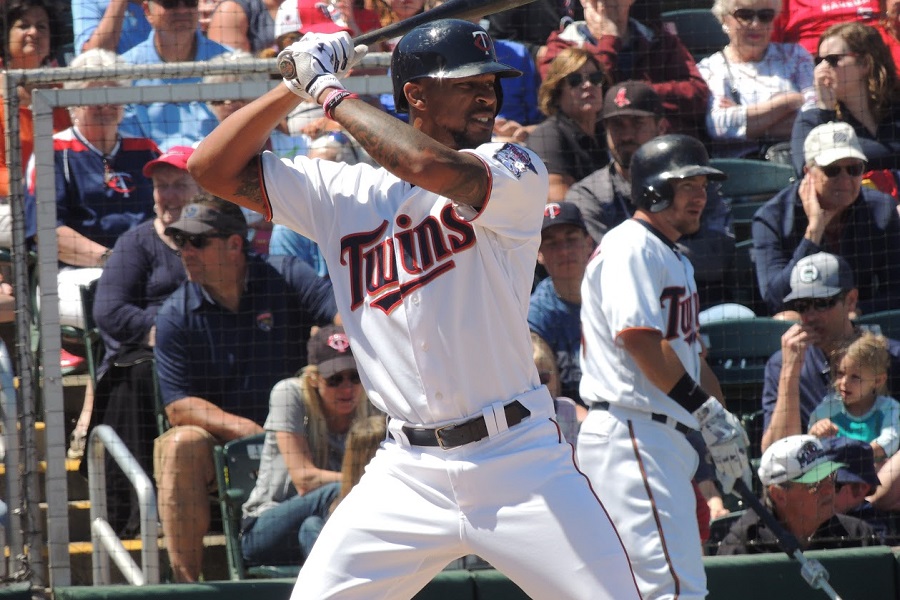 The Twins are off to a solid start this season. Entering play on Wednesday, the team is 19-16 and remains a ½ game ahead of Cleveland in the AL Central (admittedly with 127 more games to play). So, I asked Keith Law what his thoughts are on the Twins start and the team’s new front office regime. How would Derek Falvey and Thad Levine rank according to other front office leaders? Can we tell anything yet? According to Law, “I would say it’s probably too early.” The reality is that the Twins were a ways behind most of the competition when it comes to analytical staffing and such. They’ve come into the system that, despite all the great work from Jack Goin and his group, had some catching up to do. “They're certainly behind in terms of time. They were one of the last two teams to fully commit to having an analytics presence in the front office in terms of an actual department. I think everybody had one or two guys who were there to do numbers, even the Diamondbacks did. Dave Stewart would apparently say hi to them every once in awhile, and that would be the extent of it.” Yes, that one literally made me laugh out loud over the phone. Law continued, “(The Diamondbacks) have an analytics department. The Twins have an analytic department.” While the Twins did little in the offseason as far as on the field, Falvey talked a lot about building up the infrastructure of the organization. That can be done in all the departments, but especially in the analytics area. That comes with challenges that most fans probably never even thought of. “When I spoke to Matt Klentak of the Phillies while researching the book, he talked about the first year of having an analytics department was just set up, building the architecture to handle things like Statcast data to be able to integrate analytics output with the scouting department’s output. Obviously scouting reports are in a system somewhere. Well, that system has to be able to talk to the stats system. Once he said it, I thought it was obvious, but I’d never taken the time to think that this is months of work, not to mention a lot of money, to set up all the software and hardware required to handle this job. If Derek Falvey walked in and they had nothing in place - the Twins had a couple of people doing stuff, they didn’t have a full-fledged department with a budget committed to this - there probably had to be a point where they had to say, ‘What do we have to buy? We need servers and architecture, physical and software to be able to do this.’ And it takes so much time. If I was in Falvey’s shoes right now, that would be one of the things keeping me up at night. We’re just behind because they started last.” The Twins added a couple of veteran catchers who scored well in terms of defensive value and leadership in Jason Castro and Chris Gimenez. A few other small moves were made, but for the most part, there were not a lot of player personnel changes. So what are Keith Law’s thoughts on the Twins 2017 season? “They’ve still been outscored on the season (fact check: Twins have scored 158 runs, allowed 165 runs). I’m expecting them to finish below .500 on the season. Improving the situation behind the plate was critical. It took a lot of people by surprise that they chose to make that investment. But once you look at the players involved, who they got and who they replaced, and what the actual impact could be of having a good framer, a better game-caller back there. They’re going to ask him (Castro) to work with some young pitchers now and in the future. There’s some pretty clear value there.” But what else should the Twins do as the 2017 season plays out? “I would be fine with them not playing great the rest of the year if that’s because they are playing the right players. Remember two weeks into the season people were writing post mortems for Byron Buxton? I think they gave him one day off at one point, and whatever they did, whatever they said to him, whatever he’s decided to do himself, he’s looked pretty darn good these last three weeks or so. I was going through his game logs, and if you cut off at the day off, and I think he’s had exactly 50 plate appearances since then, that player with plus, elite level defense in center, is a star.” Law continued, “They could have just given up. I think a lot of organizations would have said, ‘Oh no, we rushed him. Let’s get him back to AAA. Maybe we need to bench him.’ They didn’t panic, and that’s a recognition too.” Under Derek Falvey and Thad Levine, Law sees a plan. “This organization is now building, and it’s going to take some time, but there is a lot of young talent in this system. I’m glad now you’ve got a situation that’s probably from ownership on down that’s willing to be patient too. And if that means you’re going to wait on a Byron Buxton a little bit longer, that’s OK. That’s how you run a team that's trying to build for the long term as opposed to having it both ways. I do think they got a little too much in that mode the last maybe two years or so.” The Twins do have a young team. Six of their regulars are 25 or under. Jose Berrios is now up, and Adalberto Mejia is likely to return this weekend to join Ervin Santana in the rotation. Keith Law finds that very important for a building team and illustrated with an example of the opposite. “The fact that the major league team is young is extremely important. I was doing a bit on a Bay Area radio station yesterday. They pointed out that the A’s are supposed to be a young team, but I look at their roster and they’re really not very young. He was right. They have two regular position players out of nine that are under 30. And Khris Davis is 29 years old. That team is not young. They may be unknown, but they are not young. And, the Twins obviously are saying they’re young, and they are absolutely young ,and they are giving the playing time to young players.” In past years, as the team waited for the Byron Buxton, Miguel Sano, Max Kepler, Jorge Polanco, Jose Berrios group to get to the big leagues and take their lumps, the Twins had a lot of stop gap veteran-type players. They were building toward becoming a young team by being a little bit older. At the same time, it was clear that the plan was to bring those guys up when they were ready. As a reminder, ESPN’s Keith Law will be at Moon Palace Books in Minneapolis at 6:30 p.m. on Thursday night. If you can make it, you'll have a great time. We’ll continue our conversation with Keith Law in one or two more installments. We’ll get his thoughts on the Twins farm system as well as his thoughts and philosophies on what the Twins should do as they think about the #1 pick in June’s draft.
-
This is a good article... Good guy. Went to Appy State but got hurt his junior year. As Radcliff said in the article, he would have easily been drafted in the top ten rounds, before the injury. Twins took him and let him rehab the rest of the year. Got off to a monster start at ETown last year and quickly moved up to Cedar Rapids, where he did alright. He's not a huge guy, but very strong. Good guy. Just so I don't type too much and let others add more (and he'd be a good guy for the Adopt-A-Prospect)... here is a Q&A we did with him in November. http://twinsdaily.com/_/minnesota-twins-news/minnesota-twins-minor-leagues/get-to-know-kernels-outfielder-jaylin-davis-r5199
-
I'd also add that we shouldn't give up on the power potential either. I'm not saying a 20+ HR guy, but he is strong and can turn on a ball sometime.
-
Struggled with control and keeping the ball in the ballpark. By the way, today he was assigned to Chattanooga.
-
OK... so yeah... splitting time with Jeremy Giambi...
-
Oh good, this dumb subject again... Heard it yesterday with the whole memoir coming out... To reiterate: Ortiz played just fine as a Twin.He couldn't stay healthy.Former teammates of his have said that he never would have lasted at the Metrodome.Tom Kelly didn't tell him to slap the ball the other way, just to use the whole field. See Miguel Sano... when you're that strong, it's not a bad thign.Ortiz hit a lot of balls off the Monster in Fenway.Ortiz can be upset that the Twins let him go, but oh well... you ended up going to Boston to be a backup to Jeremy Giambi, but Giambi was so bad that you got a chance.You won World Series and become a folk hero in a huge city, becoming one of the most popular players in the league because of going there. It clearly didn't hurt your profile to go there.Get over it, Papi...Oh, and that PED stuff that because you had the good guy image, you've inexplicably been able to avoid... Uggh!
-
Two homers to dead center and one to the right of center a bit... Impressive! http://www.milb.com/multimedia/vpp.jsp?sid=milb&content_id=1397259783 Turley might have made some changes since the Yankees released him a few years ago. Maybe a new pitch or better control or stuff from working in the indy leagues. Mejia... I mean, I know he wasn't hurt... As I said on Twitter last night, let the speculation. Because of that, I'll be very surprised if he doesn't start for the Twins on Saturday.
-
I don't think there's any question about that... Not sure that means a lot, but it is a fact.
-
At what age do you start to discount prospects?
Seth Stohs replied to AZTwin's topic in Other Baseball
this is an interesting topic, and there are so many possible answers and no givens... It depends on things Brock mentioned, like whether they went to college or signed as a 17 or 18 year old. Injuries clearly can effect that. And for me, what I expect their role to be in the big leagues. I think if a guy has the potential to be a role player on an MLB team, I'm not giving up on him. For me, I try to look at it fairly though, when doing prospect rankings and stuff... Guy drafted out of high school... Draft year: GCL (18) First Full year - Elizabethton (19) Then Cedar Rapids (20) Then Ft. Myers (21) Then Chattanooga (22) - this is when they're eligible for the Rule 5. Then Rochester and on the verge. (23) Guy drafted out of college... (junior year... a senior is going to be immediately one year older, yet still on this schedule, and that's OK) Draft year: E-Town (21) First full year: Cedar Rapids (22) Second full year: Ft. Myers (23) Third year: Chattanooga (24) - this is when they're rule 5 eligible. Fourth year: Rochester and on the verge (25) Both of these scenarios are pretty quick plans... but a first-round pick could be thought to move a little more quickly, but not necessarily... After the first round or two, the above schedule is very quick. And, even if they're a year or two beyond those ages, doesn't mean they can't be big leaguers... just more likely that if they are, it's in a smaller role, but again, not always. Consider Nick Gordon: Draft year: 18 - Etown First full year: 19 - CR Second full year: 20 - Ft. Myers Third full year: 21 - Chattanooga... and another solid half season, he's on the verge already. Brian Dozier went to college for four years, and he debuted less than two years after being drafted, at 24. He stuck at 25... some say he was always too old for the level, but he was pushed really quickly through. fun topic... no wrong answers! -
Most of the Twins Daily readership is fully aware of the name Keith Law. He is the senior baseball writer at ESPN and can also often be seen on TV. His ESPN Insider articles often create some great discussion in our forums. On Thursday night in Minneapolis, you have the opportunity to rub elbows with and listen to baseball talk from Keith Law. You can even get a copy of his new book, Smart Baseball, signed. Most of the Twins Daily readership is fully aware of the name Keith Law. He is the senior baseball writer at ESPN and can also often be seen on TV. His ESPN Insider articles often create some great discussion in our forums. On Thursday night in Minneapolis, you have the opportunity to rub elbows with and listen to baseball talk from Keith Law. You can even get a copy of his new book, Smart Baseball, signed. Keith Law will be one of three baseball authors on Thursday night at Moon Palace Books (3260 South Minnehaha Avenue) in Minneapolis. The event begins at 6:30 p.m. Law will be joined by Michael Fallon (author of Dodgerland: Decadent Los Angeles and the 1977-1978 Dodgers), and Peter Schilling Jr. (author of the novel The End of Baseball). I started the conversation with Keith Law by reading the full title of his book. "Smart Baseball: The Story Behind the Old Stats That Are Ruining the Game, the New Ones That Are Running It, and the Right Way to Think About Baseball.” My first question? “Can we just call it Smart Baseball for the rest of this interview?” “You can stick with that.” Uffdah! So why did Law write this book at this time? In his role on ESPN and through social media, he receives a ton of questions, and this book is a great way for him to answer many of them. “Readers had been asking me for years to recommend a book like this. What can I read to understand these new stats, to get up to speed on SABRmetrics?” Law continued, “There was never a book written for the lay audience that explains this stuff in plain English, without a lot of math or charts. I didn’t want to assume anything on the part of the reader. It doesn’t matter if you come into this with limited math or baseball background, you should be able to follow the stuff I’m saying.” The book itself came together quite quickly, however. “For years, the questions just kept coming. In the summer of 2015, I decided to put together a pitch and was very lucky. We put it out there, and Harper Collins bought it almost immediately. I started writing in March of 2016, wrote the last new content before the editing process between the Winter Meetings and Christmas of 2016. Then we put it to bed around Valentine’s Day this year, and two months later, it’s out.” The release of the book has made life pretty interesting for Law. Never a dull moment. “It’s go-go-go-go-go. Stop! Nothing for eight weeks, and then the book comes out and your life is never your own. The two weeks around the actual release was absolute insanity.” In fact, on Tuesday night, he was at an event in Atlanta. He will get to spend one day with his family before heading to Minneapolis for Thursday’s event at Moon Palace Books. So why Minnesota? How did this event come together? Well, based on his reasoning for writing the book, it came down to being asked a question by one of his readers. Law explains, “A reader of mine reached out on Facebook and said, ‘Come to Minnesota and do a signing.’ I said, ‘If you’ve got a book store there that does signings and is interested, I always have reasons to come to Minnesota for work anyway. Have the bookstore contact the publicist.’ “Linus” is the reader’s name. He made this happen. He got on the book store and stayed with them and kept in touch with me. They reached out, got everything arranged, found a date that worked for everybody. Moon Palace did a lot of work too. They got two other authors that will be there as well.” It should be a very fun event for any baseball fan, particularly fans of analytics, history and other baseball topics. The response to Smart Baseball has generally been very positive. “I know so many people in the industry at this point. People have reached out and told me they would recommend it to fans.” He noted specifically that Susan Slusser, beat writer for the Oakland A’s reached out and told him and said now she has a book to suggest for people who ask the question, ‘Are there any books you would recommend to help explain these statistics? Law noted, “That’s what we’re trying to do with the book.” While Law is well versed in the analytic part of the game, he also has a lot of experience as a scout and bringing the two together is an important piece for any front office. “I try to (blend stats and scouting). I don’t think you can discuss players without doing both. I think the blend varies by level.” Statistical analysis in baseball is certainly not new. Going back to the first box scores in the late 1800s, statistics have been a big deal in the game. Bill James is often considered the pioneer of advanced statistics. Moneyball, the book, is less than 15 years old. Law said that Moneyball played a role, but there were certainly other reasons that analytics took off in baseball, and probably one was more important than the rest. “Everyone says the publication of Moneyball was the big shift. That definitely raised the awareness in other front offices and among ownership groups. But I think just as much of a spur was with the Red Sox. When Theo Epstein took over, he was extremely public in his embrace of analytics. And then they won two World Series in the next five seasons. That has an effect. To have an old, old franchise, with plenty of money say we’re going to use this stuff and then go out and execute and build a world-class baseball operations department.” Law continued, speaking to the effect it had on other organizations. “I think that was just as much of a spur to every other team, that we have to at least consider this. This has to be part of our thought process. It took a long time for all 30 teams to get there, as you well know. But we’re there now. Everyone is doing it. Everyone at least has some sort of in-house analytics department. They're collecting data, the torrent of StatCast data right now. I don’t know that we know what that all means.” The industry had shifted. There has been a lot of change in the game and how it is analyzed and evaluated. But what’s next? What will the next big area of analytics be? According to Law, “The next advances are more likely to come out of Statcast information. Much of it may not be public, at least not at first. But when I spoke to executives for the last two chapters of my book - one is on Statcast specifically and the last is on what comes next - it was really about applications or insights from looking at Statcast data.” Law provided an example of what could come analytically, “Can we find that pitchers are fatigued in the data before they are actually hurt. His spin rate. His velocity is dropping. But he’s not hurt. He’s not reporting any soreness. But we can see his stuff is objectively not the same. That’s information that we simply never had before. I throw it out there in the book as a hypothetical, but if I could tell you that the Twins could save one DL stint for a starter every year using that data, what’s that worth to them? It’s probably worth seven figures a year.” So at this stage, we all realize that pitcher “wins” tend to be a pretty meaningless, overrated statistic. We understand better that batting average is not as important as on-base percentage. So when I asked Keith Law for an example of a stat that is ruining the game, he quickly responded. “‘Saves’ is the one that’s doing the most damage to the game. My guess is you know why. You could probably make the argument without reading the chapter in the book, and I’m guessing a lot of your readers too. If you watched the postseason last year, we know that too. Zach Britton not getting into the wild card game. You saw Andrew MIller being used very differently. People acted like Terry Francona’s usage of Andrew Miller was like Einstein discovering the theories of relativity. Teams used to do this all the time. I’m not taking any credit from Francona, but this is old and new. It’s new because it’s novel, but it’s not like no manager has ever done this before. Managers used to do this all the time before the save stat. So, that’s the one I always give when people ask me for a stat that’s really ruining the game of baseball. That’s the best general example.” There is another grouping of stats that Law mentions, “There’s a number of times in the book where I talk about the run expectancy table. In trying to allow readers, again without doing a lot of math, to get readers to understand the idea of tradeoffs. This idea that you’re going to try to steal second, but if you fail, there is a real cost here. So think about "What do I gain if I succeed?" What do I lose if I fail? I talk about bunts in that context. I talk about intentional walks in that context. That’s one where, it’s not so much a single stat that’s ruining the game but it’s an older way of thinking. The way that just thinks, "Well, I got the runner to second, that’s a good thing, right?" No… It’s not a good thing, but it took data to actually prove that to people.” And those examples let us know why this can be such an important book for baseball fans. We all have those friends that will say something like so-and-so wasn’t very good last year because he only hit .245, not noting that the same hitter got on base 35% of the time and hit 25 homers while playing Gold Glove caliber defense at an important defensive position. “We’re still fighting an uphill battle with the public. I think teams know this stuff if not all of it, but there’s still a big portion of baseball fandom that isn’t used to thinking about the game this way and I want to reach those people and reach them on their terms and in their language, not ours.” And now we have a book to help us with our arguments and increase the intelligent conversations with those friends. Smart Baseball is available in most bookstores and on the online bookstores. Pick up your copy(ies) today. ------------------------------------------------------------------- But for those of you near Minneapolis, consider joining Keith Law and several other Twins and baseball fans at 6:30 p.m. at Moon Palace Books in Minneapolis. You’ll be able to listen to some interesting baseball discussion, pick up some new reading material and ask Keith Law to sign your copy of Smart Baseball. -------------------------------------------------------------------- Over the next few days, I'll share more from my conversation with Keith Law on topics such as the new Twins regime, the Twins farm system and the upcoming MLB draft. Be sure to check back often. View full article
- 5 replies
-
- 1
-
-
- keith law
- theo epstein
- (and 2 more)
-
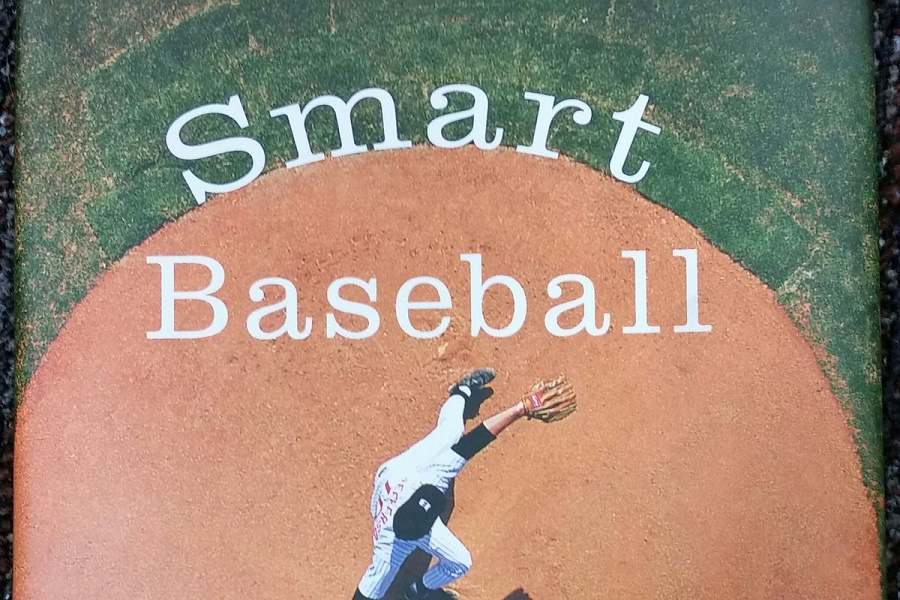 Keith Law will be one of three baseball authors on Thursday night at Moon Palace Books (3260 South Minnehaha Avenue) in Minneapolis. The event begins at 6:30 p.m. Law will be joined by Michael Fallon (author of Dodgerland: Decadent Los Angeles and the 1977-1978 Dodgers), and Peter Schilling Jr. (author of the novel The End of Baseball). I started the conversation with Keith Law by reading the full title of his book. "Smart Baseball: The Story Behind the Old Stats That Are Ruining the Game, the New Ones That Are Running It, and the Right Way to Think About Baseball.” My first question? “Can we just call it Smart Baseball for the rest of this interview?” “You can stick with that.” Uffdah! So why did Law write this book at this time? In his role on ESPN and through social media, he receives a ton of questions, and this book is a great way for him to answer many of them. “Readers had been asking me for years to recommend a book like this. What can I read to understand these new stats, to get up to speed on SABRmetrics?” Law continued, “There was never a book written for the lay audience that explains this stuff in plain English, without a lot of math or charts. I didn’t want to assume anything on the part of the reader. It doesn’t matter if you come into this with limited math or baseball background, you should be able to follow the stuff I’m saying.” The book itself came together quite quickly, however. “For years, the questions just kept coming. In the summer of 2015, I decided to put together a pitch and was very lucky. We put it out there, and Harper Collins bought it almost immediately. I started writing in March of 2016, wrote the last new content before the editing process between the Winter Meetings and Christmas of 2016. Then we put it to bed around Valentine’s Day this year, and two months later, it’s out.” The release of the book has made life pretty interesting for Law. Never a dull moment. “It’s go-go-go-go-go. Stop! Nothing for eight weeks, and then the book comes out and your life is never your own. The two weeks around the actual release was absolute insanity.” In fact, on Tuesday night, he was at an event in Atlanta. He will get to spend one day with his family before heading to Minneapolis for Thursday’s event at Moon Palace Books. So why Minnesota? How did this event come together? Well, based on his reasoning for writing the book, it came down to being asked a question by one of his readers. Law explains, “A reader of mine reached out on Facebook and said, ‘Come to Minnesota and do a signing.’ I said, ‘If you’ve got a book store there that does signings and is interested, I always have reasons to come to Minnesota for work anyway. Have the bookstore contact the publicist.’ “Linus” is the reader’s name. He made this happen. He got on the book store and stayed with them and kept in touch with me. They reached out, got everything arranged, found a date that worked for everybody. Moon Palace did a lot of work too. They got two other authors that will be there as well.” It should be a very fun event for any baseball fan, particularly fans of analytics, history and other baseball topics. The response to Smart Baseball has generally been very positive. “I know so many people in the industry at this point. People have reached out and told me they would recommend it to fans.” He noted specifically that Susan Slusser, beat writer for the Oakland A’s reached out and told him and said now she has a book to suggest for people who ask the question, ‘Are there any books you would recommend to help explain these statistics? Law noted, “That’s what we’re trying to do with the book.” While Law is well versed in the analytic part of the game, he also has a lot of experience as a scout and bringing the two together is an important piece for any front office. “I try to (blend stats and scouting). I don’t think you can discuss players without doing both. I think the blend varies by level.” Statistical analysis in baseball is certainly not new. Going back to the first box scores in the late 1800s, statistics have been a big deal in the game. Bill James is often considered the pioneer of advanced statistics. Moneyball, the book, is less than 15 years old. Law said that Moneyball played a role, but there were certainly other reasons that analytics took off in baseball, and probably one was more important than the rest. “Everyone says the publication of Moneyball was the big shift. That definitely raised the awareness in other front offices and among ownership groups. But I think just as much of a spur was with the Red Sox. When Theo Epstein took over, he was extremely public in his embrace of analytics. And then they won two World Series in the next five seasons. That has an effect. To have an old, old franchise, with plenty of money say we’re going to use this stuff and then go out and execute and build a world-class baseball operations department.” Law continued, speaking to the effect it had on other organizations. “I think that was just as much of a spur to every other team, that we have to at least consider this. This has to be part of our thought process. It took a long time for all 30 teams to get there, as you well know. But we’re there now. Everyone is doing it. Everyone at least has some sort of in-house analytics department. They're collecting data, the torrent of StatCast data right now. I don’t know that we know what that all means.” The industry had shifted. There has been a lot of change in the game and how it is analyzed and evaluated. But what’s next? What will the next big area of analytics be? According to Law, “The next advances are more likely to come out of Statcast information. Much of it may not be public, at least not at first. But when I spoke to executives for the last two chapters of my book - one is on Statcast specifically and the last is on what comes next - it was really about applications or insights from looking at Statcast data.” Law provided an example of what could come analytically, “Can we find that pitchers are fatigued in the data before they are actually hurt. His spin rate. His velocity is dropping. But he’s not hurt. He’s not reporting any soreness. But we can see his stuff is objectively not the same. That’s information that we simply never had before. I throw it out there in the book as a hypothetical, but if I could tell you that the Twins could save one DL stint for a starter every year using that data, what’s that worth to them? It’s probably worth seven figures a year.” So at this stage, we all realize that pitcher “wins” tend to be a pretty meaningless, overrated statistic. We understand better that batting average is not as important as on-base percentage. So when I asked Keith Law for an example of a stat that is ruining the game, he quickly responded. “‘Saves’ is the one that’s doing the most damage to the game. My guess is you know why. You could probably make the argument without reading the chapter in the book, and I’m guessing a lot of your readers too. If you watched the postseason last year, we know that too. Zach Britton not getting into the wild card game. You saw Andrew MIller being used very differently. People acted like Terry Francona’s usage of Andrew Miller was like Einstein discovering the theories of relativity. Teams used to do this all the time. I’m not taking any credit from Francona, but this is old and new. It’s new because it’s novel, but it’s not like no manager has ever done this before. Managers used to do this all the time before the save stat. So, that’s the one I always give when people ask me for a stat that’s really ruining the game of baseball. That’s the best general example.” There is another grouping of stats that Law mentions, “There’s a number of times in the book where I talk about the run expectancy table. In trying to allow readers, again without doing a lot of math, to get readers to understand the idea of tradeoffs. This idea that you’re going to try to steal second, but if you fail, there is a real cost here. So think about "What do I gain if I succeed?" What do I lose if I fail? I talk about bunts in that context. I talk about intentional walks in that context. That’s one where, it’s not so much a single stat that’s ruining the game but it’s an older way of thinking. The way that just thinks, "Well, I got the runner to second, that’s a good thing, right?" No… It’s not a good thing, but it took data to actually prove that to people.” And those examples let us know why this can be such an important book for baseball fans. We all have those friends that will say something like so-and-so wasn’t very good last year because he only hit .245, not noting that the same hitter got on base 35% of the time and hit 25 homers while playing Gold Glove caliber defense at an important defensive position. “We’re still fighting an uphill battle with the public. I think teams know this stuff if not all of it, but there’s still a big portion of baseball fandom that isn’t used to thinking about the game this way and I want to reach those people and reach them on their terms and in their language, not ours.” And now we have a book to help us with our arguments and increase the intelligent conversations with those friends. Smart Baseball is available in most bookstores and on the online bookstores. Pick up your copy(ies) today. ------------------------------------------------------------------- But for those of you near Minneapolis, consider joining Keith Law and several other Twins and baseball fans at 6:30 p.m. at Moon Palace Books in Minneapolis. You’ll be able to listen to some interesting baseball discussion, pick up some new reading material and ask Keith Law to sign your copy of Smart Baseball. -------------------------------------------------------------------- Over the next few days, I'll share more from my conversation with Keith Law on topics such as the new Twins regime, the Twins farm system and the upcoming MLB draft. Be sure to check back often.
-
Keith Law To Speak In Mpls 5/18
Seth Stohs replied to John Bonnes's topic in Twins Minor League Talk
Just chatted with Keith (first name basis, we have a vibe)... Was a fun chat. Over the phone, he was a great guy. But, I'd encourage people to read the book, and I also wish I could be there on Thursday night for the signing. Would be a lot of fun. -
Michael Baumann from The Ringer wrote an article with a fun title... Twins Fans, it's ok to freak out over Jose Berrios. There are lots of charts and graphs. https://theringer.com/mlb-minnesota-twins-jose-berrios-starting-pitcher-prospect-2db8fed8254c
-
Keith Law posted his annual Top 25 under 25 rankings... Two Twins players made the list. http://insider.espn.com/blog/keith-law/insider/post?id=7090 (subscription required) Byron Buxton came in at #8, and Miguel Sano ranked 21st.
-
Anthony Castrovince, who I believe used to be an MLB.com beat writer for Cleveland and now writes nationally (I believe), wrote about what improvements the Twins have made since last year. Since there haven't been a lot of player changes, he was curious. It sounds like the improved catching situation along with much better analytical information and scouting reports are also helping out the pitchers. There is a lot of good information in here, quotes from Neil Allen about more of the differences. http://m.twins.mlb.com/news/article/230443054/twins-relying-on-improved-pitching-analytics/ (Fixed URL)
-
In Baseball America's transactions page this week, it shows the Twins: Signed RHP Kam Mickolio (See more here: http://twinsdaily.com/topic/25946-twins-signed-kam-mickolio/) Also, 2016 draft pick, RHP Quin Grogan was released. Chattanooga just announced that RHP Paul Clemens is going on the DL with a right shoulder impingement, and Nik Turley has been assigned to the Lookouts (And will start tonight).
-
He is a guy that I feel good about making starts if the Twins were to make the playoffs. That's all that matters to me. Do I see him as an "Ace?" No. But he's clearly the Twins ace, and he's been a good pitcher for a decade, minus a couple of seasons...
- 55 replies
-
- 4
-
-
- ervin santana
- johan santana
- (and 3 more)
-
Twins Minor League Report (5/15): Gibson Ks 10
Seth Stohs replied to Jeremy Nygaard's topic in Twins Daily Front Page News
Vielma was in Chattanooga all of last season and has been hitting well this year. Now they can both play more SS. -
The Scouting Skinny: Kyle Wright
Seth Stohs replied to Jeremy Nygaard's topic in Twins Daily Front Page News
Was throwing 87-90 (touching 91, 92)... Of course, that doesn't mean he can't become the next Bumgarner or Buehle of Cliff Lee, velocity isn't mandatory, but I prefer the harder throwers at 1-1. -
According to Matt Eddy's Minor League Transactions (at Baseball America), the Twins have signed 33-year-old Kam Mickolio. He hasn't played in MLB since 2011. He had a short stint in Baltimore a couple of years before that. But he's been playing in Japan most of the past 5 years. He's put up solid ERAs (lower than 3), though his K-Rate isn't high (though I think it's still considered not a good thing in Japan to strike out, so that may have less meaning than it does here). http://www.baseballamerica.com/minors/minor-league-transactions-may-6-12/#XrwvSpodLD0bLGEG.97 Obviously they signed him fairly recently. Presumably he'd head to Ft. Myers and work at Extended Spring Training and see how it goes.
