



Seth Stohs
-
Posts
25,911 -
Joined
-
Last visited
-
Days Won
109
Content Type
Profiles
News
Minnesota Twins Videos
2026 Minnesota Twins Top Prospects Ranking
2022 Minnesota Twins Draft Picks
Minnesota Twins Free Agent & Trade Rumors, Notes, & Tidbits
Guides & Resources
2023 Minnesota Twins Draft Picks
The Minnesota Twins Players Project
2024 Minnesota Twins Draft Picks
2025 Minnesota Twins Draft Pick Tracker
2026 Minnesota Twins Draft Tracker: Picks & Bonuses
Forums
Blogs
Events
Store
Downloads
Gallery
Everything posted by Seth Stohs
-
The Twins announced this morning that 27-year-old Jeremy Zoll as their new Director of Minor Leagues. He takes over for Brad Steil, who received a promotion (legit promotion). Zoll graduated from Haverford, 19 years after Thad Levine graduated from the school. He has worked with the Angels and was most recently the Senior Manager of Player Development for the Los Angeles Dodgers, working under Gabe Kapler. It will be interesting to learn more about him. Here is an interview he did a year or so ago... http://www.thinkbluela.com/2016/05/an-interview-with-dodgers-sr-manager-of-player-development-jeremy-zoll/
-
The Twins are airing video of the Paul Molitor Press Conference. Here is the link on their facebook site. https://www.facebook.com/Twins/videos/10155758259189841/
-

Twins Daily Awards 2017: Rookie Of The Year
Seth Stohs replied to Seth Stohs's topic in Twins Daily Front Page News
Correct... but all of them 'could' play in 2018 and there's no way to know what will happen for sure.- 16 replies
-
- 1
-

-
- trevor hildenberger
- alan busenitz
- (and 2 more)
-
top 300 Twins of all time-one man's opinion
Seth Stohs replied to Nate Tubbs Rules's topic in Minnesota Twins Talk
If anyone wants, I'm going to use this Top 300 as a basis for voting for a Top 10 or Top 20 or Top 50 or whatever voters want to vote for on Twitter... I'll use this list... with each vote, obviously the top vote-getter will get the spot. If someone gets under 5%, they'll come off the list and be replaced by the next on this list for at least one round. Feedback welcomed. Here's the always fun vote for #1... -
Twins Daily Awards 2017: Rookie Of The Year
Seth Stohs replied to Seth Stohs's topic in Twins Daily Front Page News
"Unsung" as in not top 100 guys, but both Dozier was a TD Minor League hitter of the year and I wrote about him a lot, and Hildenberger's name has been mentioned on this site a lot in the last three years... Hopefully Twins fans weren't too surprised to see either come up and succeed. Though no one was expecting this level of success from Dozier, even after he was our hitter of the year. Ha!- 16 replies
-
- 2
-
-
- trevor hildenberger
- alan busenitz
- (and 2 more)
-
Twins Daily Awards 2017: Rookie Of The Year
Seth Stohs replied to Seth Stohs's topic in Twins Daily Front Page News
I can only speak for myself... but it was the situations that Hildenberger was put into. He was the top reliever for the final too months. He was given very high leverage situations and for the most part did quite well. That's not a knock on Busenitz who was very good and the last 3-4 weeks, he too was being put into the secondary leverage situations and even some high leverage and performed.- 16 replies
-
- 3
-
-
- trevor hildenberger
- alan busenitz
- (and 2 more)
-
Twins Daily Awards 2017: Rookie Of The Year
Seth Stohs replied to Seth Stohs's topic in Twins Daily Front Page News
Potential candidates for 2018 Twins Rookie of the Year: JT Chargois John Curtiss Zack Granite Mitch Garver Stephen Gonsalves Felix Jorge Jake Reed Fernando Romero Aaron Slegers- 16 replies
-
- 3
-
-
- trevor hildenberger
- alan busenitz
- (and 2 more)
-
Twins Daily Awards 2017: Rookie Of The Year
Seth Stohs posted a topic in Twins Daily Front Page News
The 2017 season will be remembered as a year of great improvement for the Minnesota Twins, as evidenced by their 26-game jump. Yesterday, Twins Daily named Byron Buxton the 2017 Most Improved Player, an award that could have gone to a number of deserving players. Today, we are announcing the Twins Daily 2017 Rookie of the Year winner. In 2017, 19 rookies spent at least some time with the Minnesota Twins. Fourteen players made their major-league debuts for the Twins in 2017. So, there were a lot of names to pick from, but in the end, the choice was clear. He is also someone who has quite a bit of (virtual) Twins Daily hardware around his home. Congratulations, Trevor Hildenberger. Image courtesy of Rick Osentoski, USA Today The 2017 season will be remembered as a year of great improvement for the Minnesota Twins, as evidenced by their 26-game jump. Yesterday, Twins Daily named Byron Buxton the 2017 Most Improved Player, an award that could have gone to a number of deserving players. Today, we are announcing the Twins Daily 2017 Rookie of the Year winner. In 2017, 19 rookies spent at least some time with the Minnesota Twins. Fourteen players made their major-league debuts for the Twins in 2017. So, there were a lot of names to pick from, but in the end, the choice was clear. He is also someone who has quite a bit of (virtual) Twins Daily hardware around his home. Congratulations, Trevor Hildenberger. In 2015, Trevor Hildenberger was the Twins Daily choice for Minor League Relief Pitcher of the Year. In 2016, he repeated as the Twins Daily Relief Pitcher of the Year. During each of those seasons, he gathered several Twins Daily Minor League Relief Pitcher of the Month awards too. But our guess is that Hildenberger is just fine with not winning a third straight Minor League Reliever of the Year award. In fact, it’s probably a bit of a relief. True to his humble self, Hildenberger said, “There is some relief there. Hopefully the same is true next year.” Based on the fact that Hildenberger became manager Paul Molitor’s most reliable bullpen choice during the final two months of the season, it would appear quite unlikely that Hildenberger will see time in the minor leagues in 2018. The right-hander began the 2017 season with the Rochester Red Wings. He was having a Hildenbergesque (let’s make this a word, Twins fans) season with the Red Wings. He was 2-1 with a 2.05 ERA and a 1.14 WHIP. In 30.2 innings to that point, he had just eight walks and 35 strikeouts. On June 21st, he recorded a five-out save. In his previous two outings, Hildenberger had recorded two-inning saves. The next day, he got the message that every baseball player dreams of. In his words… “Our Rochester manager, Mike Quade, called me in his office after the game on June 22nd. He started asking me about pace of play and to speed up my rhythm on the mound. I was a little thrown off until he told me I would have a chance to work on it in the big leagues because I’m getting called up.” He left his manager’s office, received congratulations from teammates and stepped outside the visitor’s clubhouse in Buffalo. Standing there were his parents, visiting from California. Hildenberger added, “It was very special to be able to tell my parents in person, both questioned whether I was serious for a split second, but I think that was just shock.” They didn’t have to travel far to see their son’s first game in the big leagues. Instead of flying home, they got in their rental car and drove to Cleveland where the Twins were playing. The very next day, June 23rd, the Twins had a 5-0 lead going into the bottom of the ninth. Paul Molitor summoned the side-winding righty in from the bullpen. The first batter Hildenberger faced was catcher Roberto Perez. Perez struck out on five pitches. Bradley Zimmer doubled, but Jason Kipnis and Jose Ramirez both grounded out to end the game. Hildy even made his debut on FSN with a post-game interview with Kevin Gorg. https://www.youtube.com/watch?v=H0Np8Hj08qQ He was used sporadically until July 7 when in his fourth outing he worked 2.1 innings to record his first big league win against the Orioles. At that point, he started working more often, and it wasn’t long before he started being used in high-leverage situations. Of his final 24 outings, only twice did he come in before the seventh inning and those were big sixth-inning moments in New York and Cleveland. At one point in mid-to-late August, Molitor used Hildenberger in six out of seven Twins games. At the time, Molitor said, “Hildenberger has been invaluable to us." Hildenberger pitched in high-leverage situations throughout his minor league league time, but pitching high-leverage situations in the big leagues in August and September for a team in a playoff push is something different. It was something that Hildenberger thrived upon and really enjoyed. He recently told Twins Daily, “Being able to pitch in high-leverage situations is great, it’s what you want as a reliever. You want to be the guy they run out there in a jam we need to get out of two, three, four days in a row. I think it’s earned on an outing to outing basis. You’ve got to keep earning it and keep doing your job. It’s invaluable experience to be able to throw in some big spots in big games down the stretch.” Hildenberger wasn’t heavily recruited out of high school. He went to Cal-Berkeley and barely pitched for the first three seasons. In 2012, he started throwing sidearm and it altered the trajectory of his baseball-playing career. He was the Twins' 22nd round pick in 2014 after five years in college. He spent that summer in the GCL. He split 2015 between Cedar Rapids and Ft. Myers. He went to the Arizona Fall League following the season and pitched well. In 2016, he split the year between Chattanooga and Rochester. The long, windy road to the big leagues proved well worth it for Hildenberger. It was full of positives, lessons learned and a lot of fun. According to Hildenberger, “Winning down the stretch with such a great group of guys in that clubhouse was the best time of my life. I’ll never forget the lessons I learned in my short 3 months from everyone in the organization. There’s nothing better than winning at the highest level, just getting a taste of success will only motivate us for years to come.” Congratulations to the Twins Daily 2017 Twins Rookie of the Year, Trevor Hildenberger! CANDIDATES Adalberto Mejia made 21 starts for the Twins in 2017. He made the Opening Day rotation and made his starts until a midseason injury. He came back for two starts at the end of the season. He went 4-7 with a 4.50 ERA and a 1.57 WHIP. In 98 innings, he struck out 85 batters. Alan Busenitz was promoted about a week before Hildenberger. He moved up and down over the next month, but by season’s end, Molitor was also not afraid to put him into key situations. He responded by posting a 1.99 ERA and a 0.98 WHIP. Zack Granite played well for a few weeks when Byron Buxton went on the Disabled List. Aaron Slegers and Felix Jorge both had a good start for the Twins in key situations. THE BALLOTS Here's a look at the ballots from each of our nine voters. Seth Stohs: 1) Trevor Hildenberger, 2) Adalberto Mejia, 3) Alan Busenitz Nick Nelson: 1) Trevor Hildenberger, 2) Adalberto Mejia, 3) Alan Busenitz Parker Hageman: 1) Adalberto Mejia, 2) Trevor Hildenberger, 3) Zack Granite John Bonnes: 1) Trevor Hildenberger, 2) Adalberto Mejia, 3) Alan Busenitz Jeremy Nygaard: 1) Trevor Hildenberger, 2) Adalberto Mejia, 3) Alan Busenitz Cody Christie: 1) Adalberto Mejia, 2) Trevor Hildenberger, 3) Alan Busenitz Steve Lien: 1) Trevor Hildenberger, 2) Alan Busenitz, 3) Zack Granite Tom Froemming: 1) Adalberto Mejia, 2) Trevor Hildenberger, 3) Alan Busenitz Ted Schwerzler: 1) Trevor Hildenberger, 2) Adalberto Mejia, 3) Alan Busenitz POINTS Trevor Hildenberger: 24 Adalberto Mejia: 19 Alan Busenitz: 9 Zack Granite: 2 Do you agree with our committee's pick? Who would be your choice for Twins Rookie of the Year and why? PREVIOUS TWINS DAILY ROOKIE OF THE YEAR 2015: Miguel Sano 2016: Max Kepler 2017 TWINS DAILY AWARDS 2017 Most Improved: Byron Buxton 2017 Rookie of the Year: Trevor Hildenberger 2017 Pitcher of the Year: Wednesday 2017 Most Valuable Player: Thursday View full article -
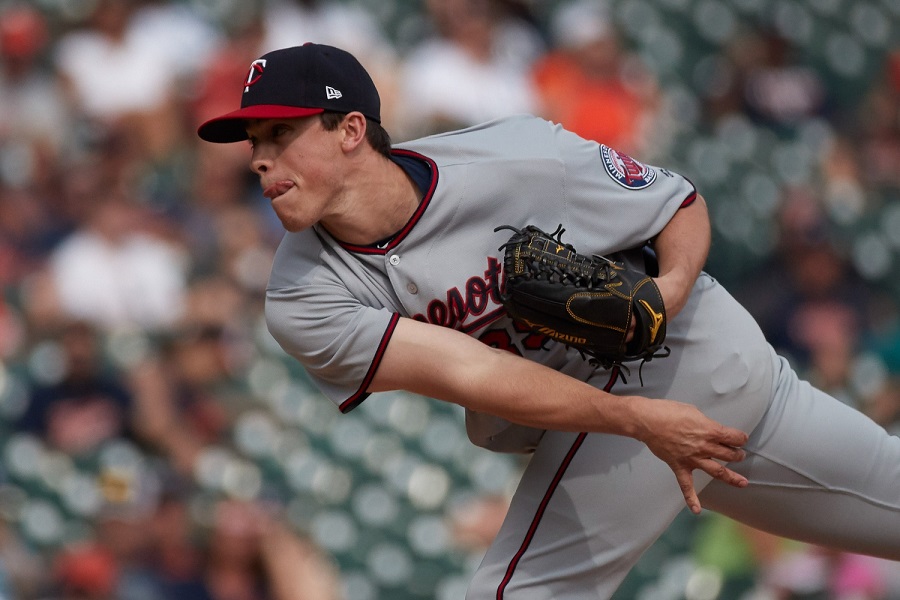 In 2015, Trevor Hildenberger was the Twins Daily choice for Minor League Relief Pitcher of the Year. In 2016, he repeated as the Twins Daily Relief Pitcher of the Year. During each of those seasons, he gathered several Twins Daily Minor League Relief Pitcher of the Month awards too. But our guess is that Hildenberger is just fine with not winning a third straight Minor League Reliever of the Year award. In fact, it’s probably a bit of a relief. True to his humble self, Hildenberger said, “There is some relief there. Hopefully the same is true next year.” Based on the fact that Hildenberger became manager Paul Molitor’s most reliable bullpen choice during the final two months of the season, it would appear quite unlikely that Hildenberger will see time in the minor leagues in 2018. The right-hander began the 2017 season with the Rochester Red Wings. He was having a Hildenbergesque (let’s make this a word, Twins fans) season with the Red Wings. He was 2-1 with a 2.05 ERA and a 1.14 WHIP. In 30.2 innings to that point, he had just eight walks and 35 strikeouts. On June 21st, he recorded a five-out save. In his previous two outings, Hildenberger had recorded two-inning saves. The next day, he got the message that every baseball player dreams of. In his words… “Our Rochester manager, Mike Quade, called me in his office after the game on June 22nd. He started asking me about pace of play and to speed up my rhythm on the mound. I was a little thrown off until he told me I would have a chance to work on it in the big leagues because I’m getting called up.” He left his manager’s office, received congratulations from teammates and stepped outside the visitor’s clubhouse in Buffalo. Standing there were his parents, visiting from California. Hildenberger added, “It was very special to be able to tell my parents in person, both questioned whether I was serious for a split second, but I think that was just shock.” They didn’t have to travel far to see their son’s first game in the big leagues. Instead of flying home, they got in their rental car and drove to Cleveland where the Twins were playing. The very next day, June 23rd, the Twins had a 5-0 lead going into the bottom of the ninth. Paul Molitor summoned the side-winding righty in from the bullpen. The first batter Hildenberger faced was catcher Roberto Perez. Perez struck out on five pitches. Bradley Zimmer doubled, but Jason Kipnis and Jose Ramirez both grounded out to end the game. Hildy even made his debut on FSN with a post-game interview with Kevin Gorg. https://www.youtube.com/watch?v=H0Np8Hj08qQ He was used sporadically until July 7 when in his fourth outing he worked 2.1 innings to record his first big league win against the Orioles. At that point, he started working more often, and it wasn’t long before he started being used in high-leverage situations. Of his final 24 outings, only twice did he come in before the seventh inning and those were big sixth-inning moments in New York and Cleveland. At one point in mid-to-late August, Molitor used Hildenberger in six out of seven Twins games. At the time, Molitor said, “Hildenberger has been invaluable to us." Hildenberger pitched in high-leverage situations throughout his minor league league time, but pitching high-leverage situations in the big leagues in August and September for a team in a playoff push is something different. It was something that Hildenberger thrived upon and really enjoyed. He recently told Twins Daily, “Being able to pitch in high-leverage situations is great, it’s what you want as a reliever. You want to be the guy they run out there in a jam we need to get out of two, three, four days in a row. I think it’s earned on an outing to outing basis. You’ve got to keep earning it and keep doing your job. It’s invaluable experience to be able to throw in some big spots in big games down the stretch.” Hildenberger wasn’t heavily recruited out of high school. He went to Cal-Berkeley and barely pitched for the first three seasons. In 2012, he started throwing sidearm and it altered the trajectory of his baseball-playing career. He was the Twins' 22nd round pick in 2014 after five years in college. He spent that summer in the GCL. He split 2015 between Cedar Rapids and Ft. Myers. He went to the Arizona Fall League following the season and pitched well. In 2016, he split the year between Chattanooga and Rochester. The long, windy road to the big leagues proved well worth it for Hildenberger. It was full of positives, lessons learned and a lot of fun. According to Hildenberger, “Winning down the stretch with such a great group of guys in that clubhouse was the best time of my life. I’ll never forget the lessons I learned in my short 3 months from everyone in the organization. There’s nothing better than winning at the highest level, just getting a taste of success will only motivate us for years to come.” Congratulations to the Twins Daily 2017 Twins Rookie of the Year, Trevor Hildenberger! CANDIDATES Adalberto Mejia made 21 starts for the Twins in 2017. He made the Opening Day rotation and made his starts until a midseason injury. He came back for two starts at the end of the season. He went 4-7 with a 4.50 ERA and a 1.57 WHIP. In 98 innings, he struck out 85 batters. Alan Busenitz was promoted about a week before Hildenberger. He moved up and down over the next month, but by season’s end, Molitor was also not afraid to put him into key situations. He responded by posting a 1.99 ERA and a 0.98 WHIP. Zack Granite played well for a few weeks when Byron Buxton went on the Disabled List. Aaron Slegers and Felix Jorge both had a good start for the Twins in key situations. THE BALLOTS Here's a look at the ballots from each of our nine voters. Seth Stohs: 1) Trevor Hildenberger, 2) Adalberto Mejia, 3) Alan Busenitz Nick Nelson: 1) Trevor Hildenberger, 2) Adalberto Mejia, 3) Alan Busenitz Parker Hageman: 1) Adalberto Mejia, 2) Trevor Hildenberger, 3) Zack Granite John Bonnes: 1) Trevor Hildenberger, 2) Adalberto Mejia, 3) Alan Busenitz Jeremy Nygaard: 1) Trevor Hildenberger, 2) Adalberto Mejia, 3) Alan Busenitz Cody Christie: 1) Adalberto Mejia, 2) Trevor Hildenberger, 3) Alan Busenitz Steve Lien: 1) Trevor Hildenberger, 2) Alan Busenitz, 3) Zack Granite Tom Froemming: 1) Adalberto Mejia, 2) Trevor Hildenberger, 3) Alan Busenitz Ted Schwerzler: 1) Trevor Hildenberger, 2) Adalberto Mejia, 3) Alan Busenitz POINTS Trevor Hildenberger: 24 Adalberto Mejia: 19 Alan Busenitz: 9 Zack Granite: 2 Do you agree with our committee's pick? Who would be your choice for Twins Rookie of the Year and why? PREVIOUS TWINS DAILY ROOKIE OF THE YEAR 2015: Miguel Sano 2016: Max Kepler 2017 TWINS DAILY AWARDS 2017 Most Improved: Byron Buxton 2017 Rookie of the Year: Trevor Hildenberger 2017 Pitcher of the Year: Wednesday 2017 Most Valuable Player: Thursday
 -
The Star Tribune contacted Twins pitching coach Neil Allen at his home. Allen acknowledged that he had learned that he was fired. He thanked Paul Molitor for being good to work with and Terry Ryan for being there for him in his tough times. While he won't be given much credit for his three years with the Twins, he helped the Twins pitchers move up to 19th in pitching in two of the three seasons (which isn't great, but much better than we've seen). Here is the Strib article. http://www.startribune.com/twins-fire-pitching-coach-neil-allen-after-three-years/450155373/
-
The Minnesota Twins announced today that they have reached a three-year contract extension with manager Paul Molitor. In his three seasons since becoming the Twins manager, Molitor is 227-259. That includes two seasons in which they were above .500. They were 83-79 in 2015, and this year's squad went 85-77. Of course, we also have to mention the 103-loss 2016 season in his resume. Image courtesy of Mark J. Rebilas, USA Today The Minnesota Twins announced today that they have reached a three-year contract extension with manager Paul Molitor. In his three seasons since becoming the Twins manager, Molitor is 227-259. That includes two seasons in which they were above .500. They were 83-79 in 2015, and this year's squad went 85-77. Of course, we also have to mention the 103-loss 2016 season in his resume. Molitor's three-year contract extension will give him the opportunity to be the team's manager through the 2020 season. In the coming weeks, we will find out if Molitor will be named the 2017 American League Manager of the Year. His competition would appear to be Cleveland manager Terry Francona and Houston manager AJ Hinch. We know that at least most of the players are going to be excited about the move. So, what do you think about the Twins inking their skipper for three more years. The next decisions are likely to involve his coaching staff. How many will return? Derek Falvey and Thad Levine spent the first year of their tenures doing a lot of evaluation. Some moves have been made. Expect more to come. View full article
- 77 replies
-
- 1
-
-
- paul molitor
- derek falvey
- (and 1 more)
-
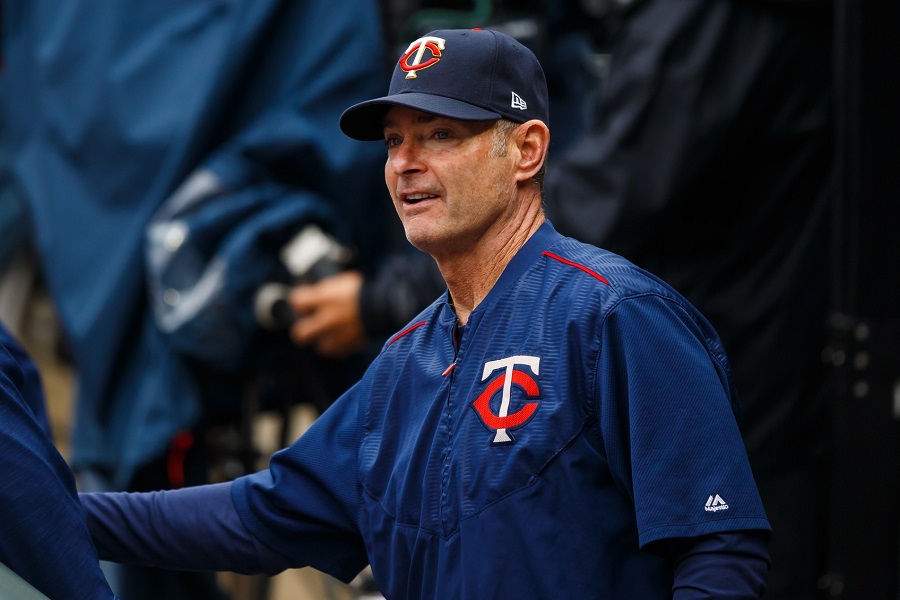 Molitor's three-year contract extension will give him the opportunity to be the team's manager through the 2020 season. In the coming weeks, we will find out if Molitor will be named the 2017 American League Manager of the Year. His competition would appear to be Cleveland manager Terry Francona and Houston manager AJ Hinch. We know that at least most of the players are going to be excited about the move. So, what do you think about the Twins inking their skipper for three more years. The next decisions are likely to involve his coaching staff. How many will return? Derek Falvey and Thad Levine spent the first year of their tenures doing a lot of evaluation. Some moves have been made. Expect more to come.
 -
Twins Daily Awards 2017: Most Improved
Seth Stohs replied to Nick Nelson's topic in Twins Daily Front Page News
My dad and I were chatting this weekend, and he suggested that Mauer could be the American League comeback player of the year this year. I couldn't argue with that. I still went with Rosario, who I think made tremendous strides, and I hope he can continue to build from there. -
Knowing and talking with Doogie, he isn't going to put something out there without knowledge from someone who knows. He doesn't need to give up his sources, but he's one of the most reliable people in the market for this stuff... someone told him that there is a concern that he may need surgery.
-
The last few years, I have done preseason predictions in March. The last couple of years, I thought it would be fun to take a look back at those predictions and compare them to what actually happened. While I tend to be optimistic, my 2016 predictions were generally way too optimistic. I have no problem admitting my mistakes! Keep on reading to see if I was over-optimistic again in 2017 or if my predictions proved fairly accurate. Be sure to click into each player’s projection page and see if you left any comments with your predictions to see how you did at the time. Image courtesy of Daniel Mick The last few years, I have done preseason predictions in March. The last couple of years, I thought it would be fun to take a look back at those predictions and compare them to what actually happened. While I tend to be optimistic, my 2016 predictions were generally way too optimistic. I have no problem admitting my mistakes! Keep on reading to see if I was over-optimistic again in 2017 or if my predictions proved fairly accurate. Be sure to click into each player’s projection page and see if you left any comments with your predictions to see how you did at the time. For each player below, I will provide the link to their prediction article as well as the statistical predictions. Below that, I will share that player’s actual 2017 statistics and some notes on the player’s season. Again, last year when I did this, I pretty much looked like an idiot. I was overly optimistic on most everyone. This year, I think that my predictions much more closely aligned with what happened. Jason Castro Predictions: 390 at-bats, .228/.302/.372 (.674), 20 doubles, 0 triples, 12 home runs. Actual Stats: 356 at-bats, .242/.333/.378 (.720), 22 doubles, 0 triples, 10 home runs. Notes: While a .720 OPS isn’t exactly exciting, Castro’s OPS and OPS+ (93) were his best since his All Star 2013 season. His home run on the season’s final day gave him double-digit homers for the fifth straight year. According to Baseball Reference’s Similarity Scores, his #4 most similar player is none other than Tim Laudner. So, I was a little low in my prediction. I was a little shy on batting average and a little more on his solid OBP. Combined with his pitch framing stats, it was a successful first season for Castro in a Twins uniform. Joe Mauer Predictions: 381 at-bats, .281/.350/.404 (.754), 19 doubles, 2 triples, 9 home runs. Actual Stats: 525 at-bats, .305/.384/.417 (.801), 36 doubles, 1 triple, 7 home runs. Notes: One of the best things about the Twins 2017 was the return of Joe Mauer to near-Mauer numbers. The home runs were down a little, but he led the team in doubles with 36 which was always his forte. And, he got back above .300. Easily his best season since 2013’s concussion. Many thought I was a bit over-optimistic in predicting a .754 OPS after three straight seasons where he didn’t hit that mark. However, in 2016, he had an .801 OPS until mid-August when he hurt his quads but kept playing. We talked a lot about how he needed more days off to stay fresh and if those days off were strategically determined - meaning mostly against lefties - he could put up decent numbers. He played in 141 games and was healthy the whole season minus a quick DL stint that was coordinated with the All-Star break. His .801 OPS was 16% higher than average and he deserves to become just the third player in MLB history to earn a Gold Glove at multiple positions (Darin Erstad and Placido Polanco). Brian Dozier Predictions: 574 at-bats, .261/.328/.458 (.786), 37 doubles, 2 triples, 24 home runs. Actual Stats: 617 at-bats, .269/.357/.496 (.853), 30 doubles, 4 triples, 34 home runs. Notes: I predicted that Dozier would be given a few extra days off in 2017. I predicted he’d play 152 games, and he played in 152 games. Sure, we all assumed he’d regress a bit from his 42-homer 2016 season, he still hit 34 homers. In 2016, he was pretty well bad for the first two months of the season before taking off. In 2017, he was much more consistent through the first half before again taking off in the second half. He hit .301/.391/.587 (.978) with 21 homers in the 2nd half. My prediction for Dozier in 2017 was a bit more regression, but he kept his batting average up, improved his walk percentage and continued to produce a ton of extra- base hits. Still leading off for whatever reason, he scored over 100 runs for the fourth straight season. His OPS was 26% higher than average. Miguel Sano Predictions: 553 at-bats, .253/.346/.506 (.852), 32 doubles, 3 triples, 34 home runs. Actual Stats: 424 at-bats, .264/.352/.507 (.859), 15 doubles, 2 triples, 28 home runs. Notes: Sano was on pace to put up some fantastic season numbers until he fouled a ball off of his shin in mid-August and missed the season’s final six weeks. It limited him to just 114 games on the season. When he played, he provided power. As you can see from the numbers above, his rate stats were very close to my predictions. Had he played those final six weeks, he probably would have out-homered my prediction, though he didn’t have as many doubles as I guessed. Of course had he not missed the final six weeks, it’s very possible, maybe likely, that he would have crushed the MLB single-season strikeout record. His .859 OPS was 27% above average. Jorge Polanco Predictions: 456 at-bats, .287/.333/.436 (.769), 23 doubles, 6 triples, 11 home runs. Actual Stats: 488 at-bats, .256/.313/.410 (.723), 30 doubles, 3 triples, 13 home runs. Notes: While he didn’t hit for the batting average that I thought he might, Polanco had a terrific season. Consider where he was at the end of July. He was actually benched for four games. It was really the first time in his career that he fought that kind of struggle. When he started to play again, he took off. So yeah, his 93 OPS+ isn’t that impressive for the season, but over his final 55 games, he hit .316/.377/.553 (.931) with 15 doubles and ten homers. He became the team’s third hitter and thrived in the role. Eddie Rosario Predictions: 516 at-bats, .274/.306/.452 (.749), 29 doubles, 6 triples, 17 home runs. Actual Stats: 542 at-bats, .290/.328/.507 (.836), 33-doubles, 2 triples, 27 home runs. Notes: Sometimes even a little improvement goes a long ways. While you can still see that he doesn’t like to walk, it’s important to note that he walked more in 2017 than he did in 2015 and 2016 combined. In finding a way to swing at fewer pitches outside the zone, Rosario was able to contribute much more consistently throughout the year. It allowed his talent to shine through and he responded in a big way. He set career highs in doubles, homers and RBI. He was a big threat in the lineup. His platoon splits again show he was fine from both sides. His OPS was 20% above league average. Fair to say that I didn’t see this kind of breakout season coming! Byron Buxton Predictions: 553 at-bats, .266/.316/.463 (.779), 31 doubles, 12 triples, 18 home runs. Actual Stats: 462 at-bats, .253/.314/.413 (.728), 14 doubles, 6 triples, 16 home runs. Notes: Buxton’s season OPS was 6% below average which may seem disappointing until you remember how rough his start was. On April 20, he was hitting .082/.135/.122 (.257). From then on, in 125 games, he hit .274/.335/.448 (.783). Factoring in his defense and his base running, that is a remarkably valuable player. More exciting, through August 4th, he was hitting .216/.290/.309 (.598). From then on, over his final 52 games, he hit .306/.349/.560 (.909), 6-2B, 5-3B, 11-HR. If he puts those kind of numbers up, he’s an MVP candidate. He should win his first of many Gold Glove awards this season, and he went 29-30 in stolen base attempts. Max Kepler Predictions: 577 at-bats, .273/.336/.458 (.794), 29 doubles, 5 triples, 18 home runs. Actual Stats: 568 at-bats, .243/.312/.425 (.737), 32 doubles, 2 triples, 19 home runs. Notes: Kepler’s season OPS was 4% below league average. I predicted that Kepler would take a step forward in 2017, but instead he basically stayed the same. That’s far from a bad thing for a 24-year-old. I’ll take 32 doubles and 19 home runs every day. His biggest struggle, as we all know, was a complete inability to hit left-handed pitching. He hit just .152/.213/.240 (.453) with six extra-base hits off of southpaws, and his two home runs both came late. He did hit left-handers well in his final AA season, so we can hope that he’ll make some major improvements in 2018. If not, he may be the primary right fielder in a strict platoon. Kepler has the size, strength and speed to become an all-star. Robbie Grossman Predictions: 259 at-bats, .262/.329/.347 (.676), 13 doubles, 1 triples, 7 home runs Actual Stats: 382 at-bats, .246/.361/.380 (.741), 22 doubles, 1 triple, 9 home runs. Notes: While he isn’t a prototypical DH, Grossman provides value for his ability to get on base. He was well better than my predictions, though much of that involved others taking more at-bats from him. He hit for a little lower average than I expected, but he kept his on-base percentage high all season, and he provided 31 extra-base hits. His OPS was right on league average. He was obviously better when he was playing nearly every day, but had a productive all-around season. It will be interesting to see what his role will be next season. . Byungho Park Predictions: 466 at-bats, .242/.314/.487 (.801), 20 doubles, 1 triples, 24 home runs. Actual Stats: Zero time in MLB. Notes: Yeah, maybe I bought into his spring training a bit too much. Park began the season in Rochester and he wasn’t able to keep his strong spring showing going because he got hurt right away. He struggled when he returned. He ended strong, although he didn’t show the kind of power we had all hoped. It sounds as though he’ll stay in the organization again in 2018. Kennys Vargas Predictions: 213 at-bats, .216/.295/.352 (.647), 8 doubles, 0 triples, 7 home runs. Actual Stats: 241 at-bats, .253/.314/.444 (.758), 13 doubles, 0 triples, 11 home runs. Notes: Vargas significantly outperformed my admittedly low expectations. At this stage, it’s clear that we’re not talking about the second coming of David Ortiz, but Vargas can have a role in the big leagues. He’s all about power potential. He’ll strike out. He won’t hit for much average. He can be a part-time DH and a pinch-hitting option, but his 2017 stats do show that there is a role for him in the big leagues. He’ll be out of options in 2018, so he’ll either have to fill that role with the Twins or potentially be lost via waivers. Predictions versus actual. Predictions are fun because they are meaningless. They’re an opportunity for us to try to look smart, and generally we don’t go back and review them so if they’re awful, most will forget. I don’t mind being wrong about predictions because even the experts get them wrong. They’re fun for discussion before the season starts. They’re fun at the end of the season to see who performed up to expectations (or hopes) or not. Feel free to discuss my predictions, who I was right about, and who I was wrong about. Look back at those original articles and see how others predicted these guys would do in the comments. View full article
- 19 replies
-
- 3
-
-
- brian dozier
- byron buxton
- (and 3 more)
-
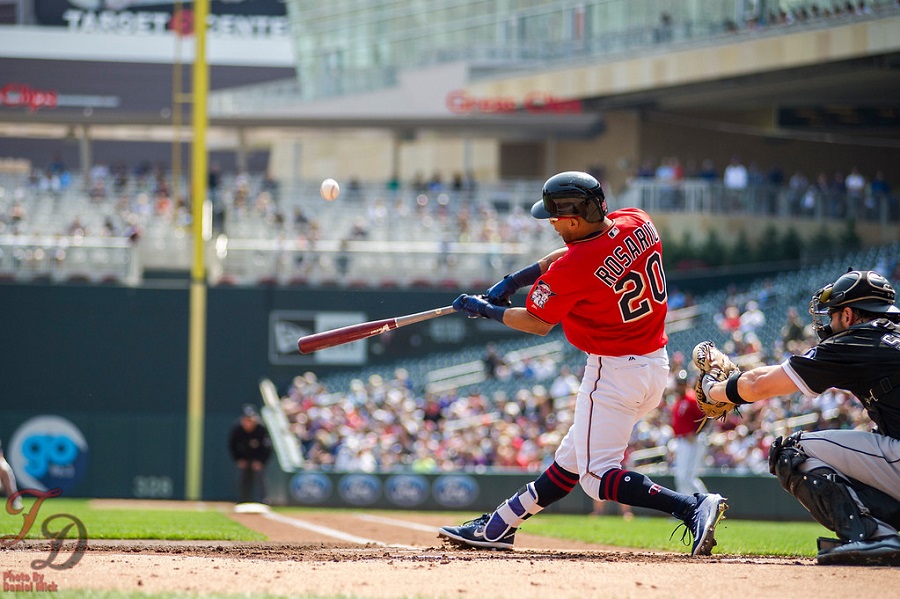 For each player below, I will provide the link to their prediction article as well as the statistical predictions. Below that, I will share that player’s actual 2017 statistics and some notes on the player’s season. Again, last year when I did this, I pretty much looked like an idiot. I was overly optimistic on most everyone. This year, I think that my predictions much more closely aligned with what happened. Jason Castro Predictions: 390 at-bats, .228/.302/.372 (.674), 20 doubles, 0 triples, 12 home runs. Actual Stats: 356 at-bats, .242/.333/.378 (.720), 22 doubles, 0 triples, 10 home runs. Notes: While a .720 OPS isn’t exactly exciting, Castro’s OPS and OPS+ (93) were his best since his All Star 2013 season. His home run on the season’s final day gave him double-digit homers for the fifth straight year. According to Baseball Reference’s Similarity Scores, his #4 most similar player is none other than Tim Laudner. So, I was a little low in my prediction. I was a little shy on batting average and a little more on his solid OBP. Combined with his pitch framing stats, it was a successful first season for Castro in a Twins uniform. Joe Mauer Predictions: 381 at-bats, .281/.350/.404 (.754), 19 doubles, 2 triples, 9 home runs. Actual Stats: 525 at-bats, .305/.384/.417 (.801), 36 doubles, 1 triple, 7 home runs. Notes: One of the best things about the Twins 2017 was the return of Joe Mauer to near-Mauer numbers. The home runs were down a little, but he led the team in doubles with 36 which was always his forte. And, he got back above .300. Easily his best season since 2013’s concussion. Many thought I was a bit over-optimistic in predicting a .754 OPS after three straight seasons where he didn’t hit that mark. However, in 2016, he had an .801 OPS until mid-August when he hurt his quads but kept playing. We talked a lot about how he needed more days off to stay fresh and if those days off were strategically determined - meaning mostly against lefties - he could put up decent numbers. He played in 141 games and was healthy the whole season minus a quick DL stint that was coordinated with the All-Star break. His .801 OPS was 16% higher than average and he deserves to become just the third player in MLB history to earn a Gold Glove at multiple positions (Darin Erstad and Placido Polanco). Brian Dozier Predictions: 574 at-bats, .261/.328/.458 (.786), 37 doubles, 2 triples, 24 home runs. Actual Stats: 617 at-bats, .269/.357/.496 (.853), 30 doubles, 4 triples, 34 home runs. Notes: I predicted that Dozier would be given a few extra days off in 2017. I predicted he’d play 152 games, and he played in 152 games. Sure, we all assumed he’d regress a bit from his 42-homer 2016 season, he still hit 34 homers. In 2016, he was pretty well bad for the first two months of the season before taking off. In 2017, he was much more consistent through the first half before again taking off in the second half. He hit .301/.391/.587 (.978) with 21 homers in the 2nd half. My prediction for Dozier in 2017 was a bit more regression, but he kept his batting average up, improved his walk percentage and continued to produce a ton of extra- base hits. Still leading off for whatever reason, he scored over 100 runs for the fourth straight season. His OPS was 26% higher than average. Miguel Sano Predictions: 553 at-bats, .253/.346/.506 (.852), 32 doubles, 3 triples, 34 home runs. Actual Stats: 424 at-bats, .264/.352/.507 (.859), 15 doubles, 2 triples, 28 home runs. Notes: Sano was on pace to put up some fantastic season numbers until he fouled a ball off of his shin in mid-August and missed the season’s final six weeks. It limited him to just 114 games on the season. When he played, he provided power. As you can see from the numbers above, his rate stats were very close to my predictions. Had he played those final six weeks, he probably would have out-homered my prediction, though he didn’t have as many doubles as I guessed. Of course had he not missed the final six weeks, it’s very possible, maybe likely, that he would have crushed the MLB single-season strikeout record. His .859 OPS was 27% above average. Jorge Polanco Predictions: 456 at-bats, .287/.333/.436 (.769), 23 doubles, 6 triples, 11 home runs. Actual Stats: 488 at-bats, .256/.313/.410 (.723), 30 doubles, 3 triples, 13 home runs. Notes: While he didn’t hit for the batting average that I thought he might, Polanco had a terrific season. Consider where he was at the end of July. He was actually benched for four games. It was really the first time in his career that he fought that kind of struggle. When he started to play again, he took off. So yeah, his 93 OPS+ isn’t that impressive for the season, but over his final 55 games, he hit .316/.377/.553 (.931) with 15 doubles and ten homers. He became the team’s third hitter and thrived in the role. Eddie Rosario Predictions: 516 at-bats, .274/.306/.452 (.749), 29 doubles, 6 triples, 17 home runs. Actual Stats: 542 at-bats, .290/.328/.507 (.836), 33-doubles, 2 triples, 27 home runs. Notes: Sometimes even a little improvement goes a long ways. While you can still see that he doesn’t like to walk, it’s important to note that he walked more in 2017 than he did in 2015 and 2016 combined. In finding a way to swing at fewer pitches outside the zone, Rosario was able to contribute much more consistently throughout the year. It allowed his talent to shine through and he responded in a big way. He set career highs in doubles, homers and RBI. He was a big threat in the lineup. His platoon splits again show he was fine from both sides. His OPS was 20% above league average. Fair to say that I didn’t see this kind of breakout season coming! Byron Buxton Predictions: 553 at-bats, .266/.316/.463 (.779), 31 doubles, 12 triples, 18 home runs. Actual Stats: 462 at-bats, .253/.314/.413 (.728), 14 doubles, 6 triples, 16 home runs. Notes: Buxton’s season OPS was 6% below average which may seem disappointing until you remember how rough his start was. On April 20, he was hitting .082/.135/.122 (.257). From then on, in 125 games, he hit .274/.335/.448 (.783). Factoring in his defense and his base running, that is a remarkably valuable player. More exciting, through August 4th, he was hitting .216/.290/.309 (.598). From then on, over his final 52 games, he hit .306/.349/.560 (.909), 6-2B, 5-3B, 11-HR. If he puts those kind of numbers up, he’s an MVP candidate. He should win his first of many Gold Glove awards this season, and he went 29-30 in stolen base attempts. Max Kepler Predictions: 577 at-bats, .273/.336/.458 (.794), 29 doubles, 5 triples, 18 home runs. Actual Stats: 568 at-bats, .243/.312/.425 (.737), 32 doubles, 2 triples, 19 home runs. Notes: Kepler’s season OPS was 4% below league average. I predicted that Kepler would take a step forward in 2017, but instead he basically stayed the same. That’s far from a bad thing for a 24-year-old. I’ll take 32 doubles and 19 home runs every day. His biggest struggle, as we all know, was a complete inability to hit left-handed pitching. He hit just .152/.213/.240 (.453) with six extra-base hits off of southpaws, and his two home runs both came late. He did hit left-handers well in his final AA season, so we can hope that he’ll make some major improvements in 2018. If not, he may be the primary right fielder in a strict platoon. Kepler has the size, strength and speed to become an all-star. Robbie Grossman Predictions: 259 at-bats, .262/.329/.347 (.676), 13 doubles, 1 triples, 7 home runs Actual Stats: 382 at-bats, .246/.361/.380 (.741), 22 doubles, 1 triple, 9 home runs. Notes: While he isn’t a prototypical DH, Grossman provides value for his ability to get on base. He was well better than my predictions, though much of that involved others taking more at-bats from him. He hit for a little lower average than I expected, but he kept his on-base percentage high all season, and he provided 31 extra-base hits. His OPS was right on league average. He was obviously better when he was playing nearly every day, but had a productive all-around season. It will be interesting to see what his role will be next season. . Byungho Park Predictions: 466 at-bats, .242/.314/.487 (.801), 20 doubles, 1 triples, 24 home runs. Actual Stats: Zero time in MLB. Notes: Yeah, maybe I bought into his spring training a bit too much. Park began the season in Rochester and he wasn’t able to keep his strong spring showing going because he got hurt right away. He struggled when he returned. He ended strong, although he didn’t show the kind of power we had all hoped. It sounds as though he’ll stay in the organization again in 2018. Kennys Vargas Predictions: 213 at-bats, .216/.295/.352 (.647), 8 doubles, 0 triples, 7 home runs. Actual Stats: 241 at-bats, .253/.314/.444 (.758), 13 doubles, 0 triples, 11 home runs. Notes: Vargas significantly outperformed my admittedly low expectations. At this stage, it’s clear that we’re not talking about the second coming of David Ortiz, but Vargas can have a role in the big leagues. He’s all about power potential. He’ll strike out. He won’t hit for much average. He can be a part-time DH and a pinch-hitting option, but his 2017 stats do show that there is a role for him in the big leagues. He’ll be out of options in 2018, so he’ll either have to fill that role with the Twins or potentially be lost via waivers. Predictions versus actual. Predictions are fun because they are meaningless. They’re an opportunity for us to try to look smart, and generally we don’t go back and review them so if they’re awful, most will forget. I don’t mind being wrong about predictions because even the experts get them wrong. They’re fun for discussion before the season starts. They’re fun at the end of the season to see who performed up to expectations (or hopes) or not. Feel free to discuss my predictions, who I was right about, and who I was wrong about. Look back at those original articles and see how others predicted these guys would do in the comments.
 -
Give me a healthy Ryan O'Rourke...
-
Decision On Paul Molitor Looming
Seth Stohs replied to Seth Stohs's topic in Twins Daily Front Page News
Yeah, I don't think anyone in baseball would agree with that. He's a very smart man, and a very smart baseball man. I think it's just a matter of aligning "smartness" with Falvey's vision... and we know they worked together nearly everyday this year, so you have to think that's been developed, at least to some extent.- 129 replies
-
- 2
-
-
- paul molitor
- thad levine
- (and 2 more)
-
UPDATE (5:30 p.m. on Thursday) - According to Charley Walters (former Twins pitcher and Pioneer Press writer), Paul Molitor WILL return to the Twins under a new contract. A tweet from Mike Berardino said 'I'm told Paul Molitor has indeed been invited back for 2018, but source w/direct knowledge says 'nothing has been decided or agreed to' yet. ------------------------------------------------------------------------- When Paul Molitor was hired as the Twins manager, he was given a three-year contract. His contract ran through this season, so he is technically approaching free agency. The legend from St. Paul has been in the Twins organization for most of the nearly 20 years since he retired from his Hall of Fame career. Derek Falvey and Thad Levine took the helm of their new positions with the understanding that Paul Molitor would be the manager for at least the 2017 season, finishing his contract. That season is now over and the front office must decide whether they want to keep Molitor as manager or bring in their own choice for skipper. Image courtesy of Daniel Mick UPDATE (5:30 p.m. on Thursday) - According to Charley Walters (former Twins pitcher and Pioneer Press writer), Paul Molitor WILL return to the Twins under a new contract. A tweet from Mike Berardino said 'I'm told Paul Molitor has indeed been invited back for 2018, but source w/direct knowledge says 'nothing has been decided or agreed to' yet. ------------------------------------------------------------------------- When Paul Molitor was hired as the Twins manager, he was given a three-year contract. His contract ran through this season, so he is technically approaching free agency. The legend from St. Paul has been in the Twins organization for most of the nearly 20 years since he retired from his Hall of Fame career. Derek Falvey and Thad Levine took the helm of their new positions with the understanding that Paul Molitor would be the manager for at least the 2017 season, finishing his contract. That season is now over and the front office must decide whether they want to keep Molitor as manager or bring in their own choice for skipper. In the very near future, the Twins organization will make a decision on Paul Molitor. They will either sign him to another multi-year deal, or they will tell him that they are not going to renew his contract and a search will begin. One of the reasons given for letting Doug Mientkiewicz know right away that he was not going to be brought back as a minor league manager was so that he would have time to look for and potentially obtain another job. Managers and coaches are generally fired or let go within days of the end of the season so that the team can start its search right away. So the big question that the Twins have to answer in the very near future is whether or not to bring back Paul Molitor as the team’s manager. By all indications, Molitor would like to come back and continue the progress made this season. Darren Wolfson reiterated on 1500ESPN’s Wild Card post game show Tuesday night that as of very recently, Molitor had not yet been approached about an extension. So should the Twins bring back Paul Molitor, or should Derek Falvey and Thad Levine move forward with their own managerial choice? There are many ways to look at it, so I did a little research to try to find out what makes a good manager. While it’s easier to think of what makes a good baseball manager, some principals required for a good manager in the business world should also be considered. The front office has said on several occasions that they hope to bring in people and ideas from a variety of disciplines in an attempt to obtain new ideas and new ways of thinking. So here are a few characteristics that make a good manager in business or on the baseball field. As you read them, think about which Molitor may or may not fully meet the requirements of. Here’s the reality, however. Much of what makes a good manager in any business can not be seen by outside observers.Much of what makes Paul Molitor a good manager (or not, if that's the thought) happens behind closed doors. I am fortunate to have spent some time in the clubhouse during spring training and a couple of times each year at Target Field. I see a cohesive group. I see a manager who has the respect of his players. I talk to players who speak very highly of their manager. But we see and hear only a small part. What happens in the clubhouse or on the phone or when no media is present and no fans are around is where much leadership tends to happen. So as much as we hear and as much as I may present below, it is only a small part of what makes a good manager or leader. #1 - Goals and Results Oriented In the “real” world, companies set goals for sales, revenues, safety and more. Often managers are judged by how their groups perform relative to those goals. A performance review may have categories such as Doesn’t Meet Expectations, Meets Expectations and Exceeds Expectations. While Twins players, Molitor and the front office often said that they didn’t want to set any sort of Wins expectations or limitations for the season, you have to think that Molitor and the Twins exceeded expectations in 2017. You can also say that they didn’t meet expectations in 2016, and that they met expectations in 2015 when they were in playoff contention until the final weekend. What we don’t know in this category is what goals and results and expectations were presented by Falvey and Levine to Molitor. Wins and losses are ultimately what matter in the big leagues, but the front office may have other metrics or data points that it will factor into their decision. Talent level factors in as well. Clearly the big picture goal as laid out by the front office from the time they were hired and introduced is a sustainable, championship-caliber team and organization. Derek Falvey and Thad Levine need to determine if it is Paul Molitor who can take them there. #2 - Assertiveness Does a manager have to be assertive? I guess there can be several levels of assertiveness, but in the end the key is that everyone knows that the manager is in charge. While Molitor generally exudes a quiet, calm demeanor, his players understand that he’s in charge. He has clearly gained confidence leading this team, and the team responded. On the other side, Molitor certainly is aware of who his bosses are and works well with them too. #3 - Delegation While the manager has to understand and pass on the organization’s goals while being in charge, he also has to delegate responsibilities. The Twins brought in a few new coaches in 2017, and Molitor certainly seems to have allowed them to do their jobs. There appeared to be clear responsibilities for each coach. There appeared to be more communication. We read and heard about how Molitor worked closely each day with the front office and his coaches in developing game plans, understanding the advanced statistics and how to implement. The challenges have been taking the numbers, making them meaningful and figuring out how to present them to the players to make them usable. Sure, the global vision for the organization now comes from Derek Falvey. There was a lot of oversight and evaluation in his first season. How that vision was forwarded to Molitor and from him to the players is how Molitor’s delegation abilities will likely be evaluated. #4 Leadership It’s a very broad term and ties to the areas above, but Molitor was the leader. He seemed to understand the strengths of his players and coaches and worked with them individually to bring out their best. He showed good patience through player struggles, delegated work to his coaches and motivated the players. Several players had tough stretches and yet look at how many Twins players had breakout years or returned to form. Any worker will respond best to a boss who they believe is real, is authentic. They need to believe that their boss has their back and truly cares about them. They need to know that their boss has been where they are. They need to believe that their boss (manager) is working as hard at his craft and understanding the game and preparing as they are. They want to know that he has a passion for what he does and a will to be great. ------------------------------------------------------------------------------- Those four characteristics are filled with things that we as fans can’t know. We don’t know how Molitor would grade in these categories. We see pieces of them when FSN shows him in the dugout. We get snippets of Molitor’s personality and thought-process from his post-game interviews or the quotes he provides to the media before and after the games. We can’t see what is happening behind the scenes, but we do see what happens in a game, at least on the field. We can see the lineups every day. Obviously. But that gives us 162 (and with the Wild Card game, 163) data points. While we aren’t going to agree with every spot in every lineup, there can be trends. Brian Dozier stayed in the leadoff role. Joe Mauer was primarily batting second. After that, it would change from month to month, week to week and sometimes game by game. Molitor was clearly developing and showing a willingness to go with the hot hand, to play matchups, to break up lefties, to use platoon splits and more. He gave Jorge Polanco four games off and had him working on things ,and when he returned to the lineup, he took off. By season’s end, he often had Polanco, Rosario, Escobar and Buxton hitting 3-6. Think about that. That’s a willingness to adapt. Of course there are several unknowns that go into it, such as family situations, minor illnesses, who is taking great rounds of batting practice or impressing the coaches with extra work. Bunting… yes, we all hate bunting. At least we hate bunting in most situations. The Twins bunted as much as (OK, more than) any team in baseball. How did the front office feel about that? Obviously Falvey, Levine, that analytics folks, Jeff Pickler were involved in those daily discussions, and I’m certain it would have come up in discussions, yet Molitor continued to bunt quite often. Does that mean that the front office approved of that strategy, or they could use it as a negative data point for Molitor? And even if it is, relative to everything else, how important is it? Many question Molitor’s bullpen usage, much as they questioned Ron Gardenhire’s bullpen usage. I wonder if Tom Kelly’s bullpen usage (or Sam Mele’s) would have been questioned to this extent had Twitter and other social media been around in those years. That’s pretty normal. To be fair, there were not a lot of givens in the Twins bullpen this year. Brandon Kintzler earned his closer’s role and did well. Taylor Rogers was fantastic against lefties and righties in a great first half. He probably was used too much, but things were going so well. It took Molitor a few too many outings to realize that his splits against right-handers caught up to the mean, but that’s also understandable. Molitor stood behind Matt Belisle through his early-season struggles and that paid off. He didn’t use Trevor Hildenberger or Alan Busenitz in high-leverage situations for a while, but as they got the job done in low-leverage situations, Molitor trusted them more and they responded well. Over 162 games, it’s going to be impossible for any manager to use a bullpen in an ideal manner. And, how much of a role does (or should) the pitching coach have in bullpen assignments? These are just some of the in-game decisions that a manager can be judged upon, and even for each of them we don’t necessarily understand the full picture. So, Derek Falvey and Thad Levine have a tough decision to make. Or maybe they don’t. What do you think? Should Paul Molitor be brought back? Should Paul Molitor be brought back? Will he? At this point, only Falvey and Levine know, but the rest of us will learn soon. If there’s one thing I know, it’s that the Twins front office has given it more thought and likely had many more data points than we do. View full article
- 129 replies
-
- 4
-
-
- paul molitor
- thad levine
- (and 2 more)
-
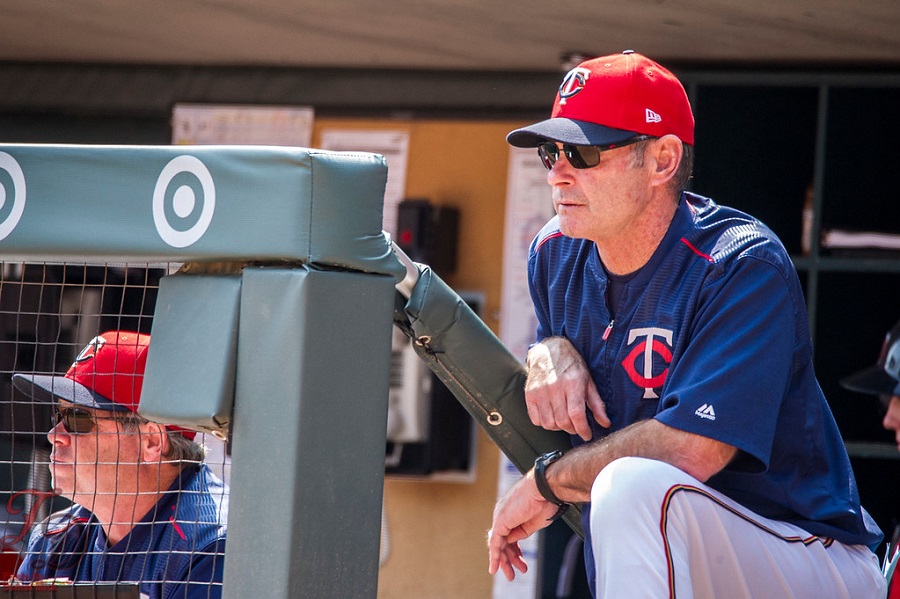 In the very near future, the Twins organization will make a decision on Paul Molitor. They will either sign him to another multi-year deal, or they will tell him that they are not going to renew his contract and a search will begin. One of the reasons given for letting Doug Mientkiewicz know right away that he was not going to be brought back as a minor league manager was so that he would have time to look for and potentially obtain another job. Managers and coaches are generally fired or let go within days of the end of the season so that the team can start its search right away. So the big question that the Twins have to answer in the very near future is whether or not to bring back Paul Molitor as the team’s manager. By all indications, Molitor would like to come back and continue the progress made this season. Darren Wolfson reiterated on 1500ESPN’s Wild Card post game show Tuesday night that as of very recently, Molitor had not yet been approached about an extension. So should the Twins bring back Paul Molitor, or should Derek Falvey and Thad Levine move forward with their own managerial choice? There are many ways to look at it, so I did a little research to try to find out what makes a good manager. While it’s easier to think of what makes a good baseball manager, some principals required for a good manager in the business world should also be considered. The front office has said on several occasions that they hope to bring in people and ideas from a variety of disciplines in an attempt to obtain new ideas and new ways of thinking. So here are a few characteristics that make a good manager in business or on the baseball field. As you read them, think about which Molitor may or may not fully meet the requirements of. Here’s the reality, however. Much of what makes a good manager in any business can not be seen by outside observers.Much of what makes Paul Molitor a good manager (or not, if that's the thought) happens behind closed doors. I am fortunate to have spent some time in the clubhouse during spring training and a couple of times each year at Target Field. I see a cohesive group. I see a manager who has the respect of his players. I talk to players who speak very highly of their manager. But we see and hear only a small part. What happens in the clubhouse or on the phone or when no media is present and no fans are around is where much leadership tends to happen. So as much as we hear and as much as I may present below, it is only a small part of what makes a good manager or leader. #1 - Goals and Results Oriented In the “real” world, companies set goals for sales, revenues, safety and more. Often managers are judged by how their groups perform relative to those goals. A performance review may have categories such as Doesn’t Meet Expectations, Meets Expectations and Exceeds Expectations. While Twins players, Molitor and the front office often said that they didn’t want to set any sort of Wins expectations or limitations for the season, you have to think that Molitor and the Twins exceeded expectations in 2017. You can also say that they didn’t meet expectations in 2016, and that they met expectations in 2015 when they were in playoff contention until the final weekend. What we don’t know in this category is what goals and results and expectations were presented by Falvey and Levine to Molitor. Wins and losses are ultimately what matter in the big leagues, but the front office may have other metrics or data points that it will factor into their decision. Talent level factors in as well. Clearly the big picture goal as laid out by the front office from the time they were hired and introduced is a sustainable, championship-caliber team and organization. Derek Falvey and Thad Levine need to determine if it is Paul Molitor who can take them there. #2 - Assertiveness Does a manager have to be assertive? I guess there can be several levels of assertiveness, but in the end the key is that everyone knows that the manager is in charge. While Molitor generally exudes a quiet, calm demeanor, his players understand that he’s in charge. He has clearly gained confidence leading this team, and the team responded. On the other side, Molitor certainly is aware of who his bosses are and works well with them too. #3 - Delegation While the manager has to understand and pass on the organization’s goals while being in charge, he also has to delegate responsibilities. The Twins brought in a few new coaches in 2017, and Molitor certainly seems to have allowed them to do their jobs. There appeared to be clear responsibilities for each coach. There appeared to be more communication. We read and heard about how Molitor worked closely each day with the front office and his coaches in developing game plans, understanding the advanced statistics and how to implement. The challenges have been taking the numbers, making them meaningful and figuring out how to present them to the players to make them usable. Sure, the global vision for the organization now comes from Derek Falvey. There was a lot of oversight and evaluation in his first season. How that vision was forwarded to Molitor and from him to the players is how Molitor’s delegation abilities will likely be evaluated. #4 Leadership It’s a very broad term and ties to the areas above, but Molitor was the leader. He seemed to understand the strengths of his players and coaches and worked with them individually to bring out their best. He showed good patience through player struggles, delegated work to his coaches and motivated the players. Several players had tough stretches and yet look at how many Twins players had breakout years or returned to form. Any worker will respond best to a boss who they believe is real, is authentic. They need to believe that their boss has their back and truly cares about them. They need to know that their boss has been where they are. They need to believe that their boss (manager) is working as hard at his craft and understanding the game and preparing as they are. They want to know that he has a passion for what he does and a will to be great. ------------------------------------------------------------------------------- Those four characteristics are filled with things that we as fans can’t know. We don’t know how Molitor would grade in these categories. We see pieces of them when FSN shows him in the dugout. We get snippets of Molitor’s personality and thought-process from his post-game interviews or the quotes he provides to the media before and after the games. We can’t see what is happening behind the scenes, but we do see what happens in a game, at least on the field. We can see the lineups every day. Obviously. But that gives us 162 (and with the Wild Card game, 163) data points. While we aren’t going to agree with every spot in every lineup, there can be trends. Brian Dozier stayed in the leadoff role. Joe Mauer was primarily batting second. After that, it would change from month to month, week to week and sometimes game by game. Molitor was clearly developing and showing a willingness to go with the hot hand, to play matchups, to break up lefties, to use platoon splits and more. He gave Jorge Polanco four games off and had him working on things ,and when he returned to the lineup, he took off. By season’s end, he often had Polanco, Rosario, Escobar and Buxton hitting 3-6. Think about that. That’s a willingness to adapt. Of course there are several unknowns that go into it, such as family situations, minor illnesses, who is taking great rounds of batting practice or impressing the coaches with extra work. Bunting… yes, we all hate bunting. At least we hate bunting in most situations. The Twins bunted as much as (OK, more than) any team in baseball. How did the front office feel about that? Obviously Falvey, Levine, that analytics folks, Jeff Pickler were involved in those daily discussions, and I’m certain it would have come up in discussions, yet Molitor continued to bunt quite often. Does that mean that the front office approved of that strategy, or they could use it as a negative data point for Molitor? And even if it is, relative to everything else, how important is it? Many question Molitor’s bullpen usage, much as they questioned Ron Gardenhire’s bullpen usage. I wonder if Tom Kelly’s bullpen usage (or Sam Mele’s) would have been questioned to this extent had Twitter and other social media been around in those years. That’s pretty normal. To be fair, there were not a lot of givens in the Twins bullpen this year. Brandon Kintzler earned his closer’s role and did well. Taylor Rogers was fantastic against lefties and righties in a great first half. He probably was used too much, but things were going so well. It took Molitor a few too many outings to realize that his splits against right-handers caught up to the mean, but that’s also understandable. Molitor stood behind Matt Belisle through his early-season struggles and that paid off. He didn’t use Trevor Hildenberger or Alan Busenitz in high-leverage situations for a while, but as they got the job done in low-leverage situations, Molitor trusted them more and they responded well. Over 162 games, it’s going to be impossible for any manager to use a bullpen in an ideal manner. And, how much of a role does (or should) the pitching coach have in bullpen assignments? These are just some of the in-game decisions that a manager can be judged upon, and even for each of them we don’t necessarily understand the full picture. So, Derek Falvey and Thad Levine have a tough decision to make. Or maybe they don’t. What do you think? Should Paul Molitor be brought back? Should Paul Molitor be brought back? Will he? At this point, only Falvey and Levine know, but the rest of us will learn soon. If there’s one thing I know, it’s that the Twins front office has given it more thought and likely had many more data points than we do.
 -
When Tom pitched this idea to me, I had just one comment for him. I told him it needed to be something different than what they can get elsewhere.It needed to provide information to the Twins Daily readers that they don't get elsewhere. Tom took it from there. I like the tweets being added with highlights. I really liked the play-by-play win probability chart. And I found the bullpen usage piece really, really valuable...
- 13 replies
-
- 12
-
-
- byron buxton
- ervin santana
- (and 3 more)
-
Granite isn't afraid of playing the Yankees... I guarantee that.
-
Agreed... I get keeping Adrianza in there. Granite's smart and talented. He knew what he did, and it'll obviously never happen again. I don't know what the lesson is in it.
-
The Molitor decision has to come quickly, no? ***Poll added***
Seth Stohs replied to Doubles's topic in Minnesota Twins Talk
Falvey and Levine, when asked about their approach to analytical decision-making have always (at least often) said that they will use several data points. Some of those are statistical. Others are various opinions... Player opinions are another data point... It should be a factor. -
The Molitor decision has to come quickly, no? ***Poll added***
Seth Stohs replied to Doubles's topic in Minnesota Twins Talk
I posted this on Twitter this morning: Then I posted two polls... WILL Molitor be back and SHOULD Molitor be back? Will be interesting to see what people think for those two very different questions.
