



Seth Stohs
-
Posts
25,910 -
Joined
-
Last visited
-
Days Won
109
Content Type
Profiles
News
Minnesota Twins Videos
2026 Minnesota Twins Top Prospects Ranking
2022 Minnesota Twins Draft Picks
Minnesota Twins Free Agent & Trade Rumors, Notes, & Tidbits
Guides & Resources
2023 Minnesota Twins Draft Picks
The Minnesota Twins Players Project
2024 Minnesota Twins Draft Picks
2025 Minnesota Twins Draft Pick Tracker
2026 Minnesota Twins Draft Tracker: Picks & Bonuses
Forums
Blogs
Events
Store
Downloads
Gallery
Everything posted by Seth Stohs
-
Reed Is All In On The Super Bullpen Strategy
Seth Stohs replied to Ted Schwerzler 's topic in Twins Daily Front Page News
Favorite quote, "“I haven’t cared about saves….I’ll tell you this, I’m glad I got some saves before arbitration." That made me laugh... Some nice quotes you got from him... He was a terrific signing.- 9 replies
-
- 7
-

-
- minnesota twins
- addison reed
- (and 2 more)
-
BAL 3, MIN 2: Opening D’oh!
Seth Stohs replied to Tom Froemming's topic in Twins Daily Front Page News
The offense will be fine. One game gives me zero concern...- 109 replies
-
- 4
-
-
- jake odorizzi
- zach duke
- (and 3 more)
-
I don’t think it will surprise any of our readers that Joe Mauer is the longest-tenured Minnesota Twins player. On Thursday in Baltimore, he was on his 15th Twins Opening Day roster, and it was his 14th start on Opening Day, surpassing Harmon Killebrew on that list. The only time he was on the Opening Day roster and didn’t start was in 2009 when he was on the disabled list. Of course, he returned a month later and ended up posting arguably the greatest season in Twins history. We often think only of big-league time when measuring tenure, so I think it’s important to highlight players who have been in the organization for a long time, even if much of that time was spent in the minor leagues. Considering that Joe Mauer was drafted in 2001, this is his 18th season in the Twins organization. Today’s article is meant to highlight Mauer and others who have been in the Twins organization for a long time! Image courtesy of Seth Stohs, Twins Daily I don’t think it will surprise any of our readers that Joe Mauer is the longest-tenured Minnesota Twins player. On Thursday in Baltimore, he was on his 15th Twins Opening Day roster, and it was his 14th start on Opening Day, surpassing Harmon Killebrew on that list. The only time he was on the Opening Day roster and didn’t start was in 2009 when he was on the disabled list. Of course, he returned a month later and ended up posting arguably the greatest season in Twins history. We often think only of big-league time when measuring tenure, so I think it’s important to highlight players who have been in the organization for a long time, even if much of that time was spent in the minor leagues. Considering that Joe Mauer was drafted in 2001, this is his 18th season in the Twins organization. Today’s article is meant to highlight Mauer and others who have been in the Twins organization for a long time! Here you have it, a look at the ten longest-tenured players in the Minnesota Twins organization but first, a few honorable mentions. Honorable Mentions December 2012 - RHP Williams Ramirez Sept 2012 - RHP Johan Quezada July 2012 - C Rainis Silva July 2012 - LHP Lewis Thorpe June 2012 draft - OF Byron Buxton, RHP Jose Berrios, LHP Mason Melotakis, RHP Zack Jones, RHP Tyler Duffey, LHP Taylor Rogers, RHP DJ Baxendale The Top Ten Longest-Tenured Twins * all photos by Seth Stohs, Twins Daily #10 - In November 2011, the Twins signed a thick-built right-hander from the Dominican Republic, Fernando Romero. He came to the States for the 2013 season. In 45 innings in the GCL, he posted a 1.60 ERA and struck out 47 batters. He was also throwing a fastball in the upper-90s. In mid-May of 2014, he moved up to Cedar Rapids. Unfortunately, after three starts, he was injured and needed Tommy John surgery. He missed the rest of that season and the entire 2015 season. While rehabbing, he also needed knee surgery. He returned in 2016 after two years, and he has dominated since. In 2017, he went 11-9 with a 3.53 ERA in AA Chattanooga. In 125 innings, he struck out 120. This spring, he worked eight no-hit innings in big league camp. He’ll likely begin the 2018 season in the AAA Rochester rotation. #9 - In February of 2011, the Twins signed slender right-hander Felix Jorge from the Dominican Republic. He spent that summer in the DSL before spending the 2012 season in the GCL. He moved up to E-Town in 2013 and then began 2014 in Cedar Rapids. But he really struggled and when sent down, he went on to become the Appy League’s Pitcher of the Year. Upon returning to the Kernels in 2015, Jorge made adjustments and has been as consistent as any pitcher in the Twins minor leagues. Following a strong 2015 in Cedar Rapids, he was left unprotected, but he was not taken in the Rule 5 draft. In 2016, he split the year between Ft. Myers and Chattanooga, posting a combined 2.49 ERA. This time, the Twins did add him to the 40-man roster. He spent most of 2017 in Chattanooga. In July, he made two starts for the Twins and recorded his first win in the first game. He ended the season with a couple of Red Wings starts. He’ll start 2018 with the Lookouts. #8 - June, 2010, Eddie Rosario was their fourth-round pick out of Guayana, Puerto Rico. In 2011, he was the Appalachian League MVP when he pounded 21 home runs (one more than Miguel Sano). He continued to rise through the system and played in the Arizona Fall league in 2013. Unfortunately, he had to miss the first 50 games of the 2014 season because of a “drug of abuse” suspension. Early in the 2015 season, he was called up to the Twins and had a strong rookie season. 2016 was more of a challenge, and he was sent down to the minor leagues for a month before returning. 2017 was Rosario’s breakout season. He started swinging at a few fewer pitches outside of the strike zone and hit .290 with 33 doubles and 27 home runs. The Twins will hope for more of the same in 2018. #7 – On October 9, 2009, the Twins were playing (another) playoff series against the Yankees, but the big news of the day came off the field. The Twins had signed the #1 ranked international free agent, Miguel Sano, to a $3.15 million signing bonus. Since then, he has been one of the top power hitting prospects in baseball. He looked ready to debut with the Twins in 2014. Unfortunately, he needed Tommy John surgery and missed the entire season. He returned to action in 2015. He struggled for the first month of the season but started hitting soon after. He made his MLB debut in July and played so well he was named the Twins MVP and Rookie of the Year. He finished third in AL Rookie of the Year voting. He mostly DHd as a rookie, and in 2016 he was moved out to the outfield (which didn’t go well) and he struggled with the bat too. He moved back to third base in 2017 and played the position adequately. He made his first All-Star Game in 2017 and finished second to Aaron Judge in the Home Run Derby. He was hurt and missed the final two months of the year. He had surgery, and also dealt with off-field issues, but he’s ready for Opening Day and should be a force in the middle of the lineup. #6 – Within the final hour of the the final day that teams could sign their 2009 draft picks (August 15), the Twins and pitcher Kyle Gibson reached an agreement. He began his professional career with the Miracle in 2010 and got to AAA that season. He returned to Rochester but by midseason, he wasn’t pitching like himself. He had an elbow problem and months later, he had Tommy John surgery. He missed the entire 2012 season. He returned in 2013 and had a ten-start call up with the Twins. He has been in the Twins starting rotation the last three years. In 2015, he was named the Twins pitcher of the year. 2016 was injury-plagued for Gibson. Midway through the 2017 season, Gibson found himself in Rochester for a couple of stints. However, something clicked and Gibson was strong over his final dozen starts. He returns in 2018 with hopes of continuing the positive progress. #5 – On July 11th, 2009, the Twins signed highly regarded German outfielder Max Kepler. Though Kepler was always blessed with great tools, it wasn’t until 2015 that everything came together for him. He has worked slowly up the system. He repeated Elizabethton and has moved up one level each year since. He was named the Southern League MVP and led the Chattanooga Lookouts to the league title. While his team was celebrating, Kepler learned that he was heading to the big leagues. On the season’s final day, he got his first MLB hit off of Johnny Cueto. He began 2016 in Rochester and was called up quickly. He played little. He went back down but when he came up in late May, he played nearly every day and held his own. In fact, we all remember the series in Cleveland where he hit four homers, including three in one game. He put up very similar numbers in 2017 as he did during his rookie season despite struggles against left-handers. The hope is that Kepler will take a step forward in 2018. #4 – On July 2, 2009, the Twins signed highly-regarded defensive shortstop Jorge Polanco from the Dominican Republic. He was brought along slowly, spending two seasons in the GCL. He started hitting in 2012 in Elizabethton. He has been a good batting average and on-base hitter since. It’s on defense now where there are question marks. He received a couple of cups of coffee with the Twins in 2014 becoming the youngest player to debut with the Twins since Joe Mauer in 2004. Polanco played in Chattanooga and Rochester in 2015 with a couple more very short stints in the big leagues. He moved up and down between AAA and the big leagues in 2016 until the July trade of Eduardo Nunez when he came up and played shortstop most days the rest of that season. He struggled through the first four months of the 2017 season, but he was arguably the team’s best hitter over the final two months of the year. Scheduled to be the team’s shortstop again in 2018, Polanco was suspended for the first 80 games of the season due to a failed PED test. He’ll return to the Twins lineup around the first of July. #3 – The Twins drafted and signed shortstop Brian Dozier in the eighth round of the 2009 draft after four seasons at Southern Mississippi. He was the Twins Minor League Hitter of the Year in 2011 at AA. Days before his 25th birthday he debuted for the Twins in 2012. He really struggled that year. In 2013, he moved to second base and has been a power hitter since. He participated in the Home Run Derby at Target Field in 2014. In 2015, he made the All-Star team and homered in the game. In 2016, he had one of the most impressive seasons in Twins history. He became the first Twins player not named Harmon Killebrew to hit 40 home runs and ended with 42 homers. He was the subject of rumors throughout that whole offseason, but he remained with the team and had another terrific offensive season. He also won his first Gold Glove award. He could become a free agent after the 2018 season. #2 – Yes, I’m taking some liberties here. I say that the player has to be with the team consecutively, so in 2015 I didn’t include Torii Hunter because he had been gone for eight years. Sure, Kennys Vargas spent about a week as technically a member of the Cincinnati Reds organization, but he was on waivers most of that too, so when the Twins reclaimed him, I quickly made the decision to keep him on this list. Kennys Vargas went undrafted out of high school in Puerto Rico in 2008. In February of 2009, the Twins signed him as an undrafted free agent. He had a 50-game suspension before reaching a full-season team. He worked his way up the system. He was the Twins choice for Minor League Hitter of the Year in 2014 when he played primarily at AA. However on August 1st, his 24th birthday, he was promoted directly to the Twins. He had a nice 53-game showing in 2014. In the three seasons since then, he has struggled with consistency though to be fair he moved from Minnesota to Rochester and back and forth several times.. He got a fourth option season for 2018, so the Twins started him in Rochester (in large part because of his time spent with Team Puerto Rico in the WBC). This spring has likely been a whirlwind for him since the Logan Morrison signing, but he does remain in the organization and will start the season with the Red Wings. #1 – Joe Mauer remains the longest-tenured Twins player, having signed in 2001 after being the #1 overall pick in the draft. That makes 2018 his 18th season with his hometown organization. It will be his 15th in the big leagues. No need to get into all of his accolades, like his AL MVP, the three batting titles, the Gold Glove Awards, the Silver Sluggers, etc. He moved to first base in 2014 after his Hall of Fame-caliber first decade in a Twins uniform at catcher. He’s struggled offensively the next three years. Last year, he returned to form after a slow start. He hit over .300. He got on base over 38% of the time. He should have won a Gold Glove. Early in 2018, he’ll reach the 2,000 hit mark for his career. His long-term contract comes to an end following the 2018 season. If healthy, he should keep coming back. So there it is, the players in the Twins organization who have been in the system the longest, consecutively. I’ll guess that at least a couple of the names may not surprise you. I’m certain that you wouldn’t have guessed everyone on this list. Feel free to leave your thoughts, or let me know if I forgot anyone. View full article
-
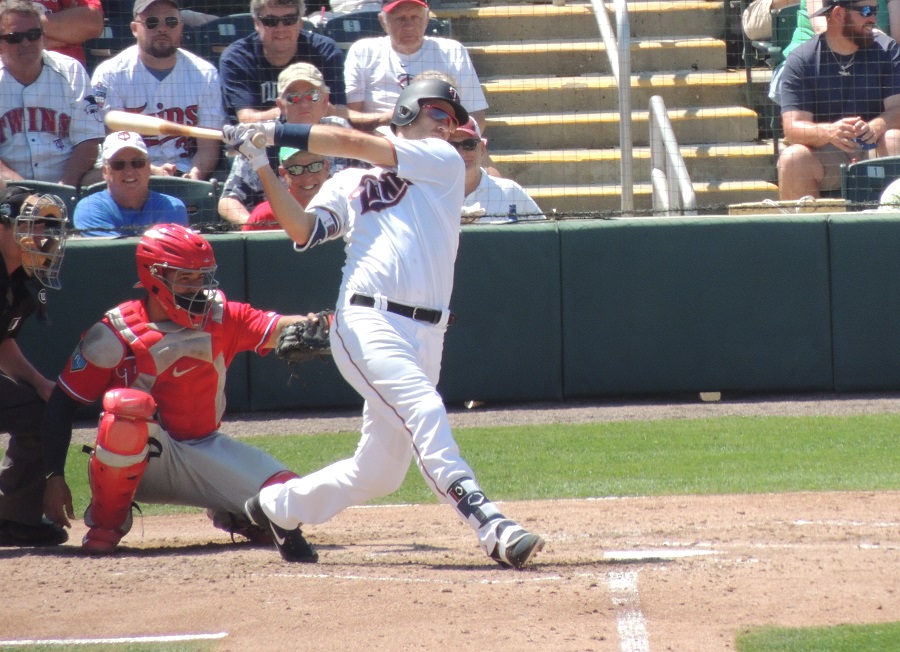 Here you have it, a look at the ten longest-tenured players in the Minnesota Twins organization but first, a few honorable mentions. Honorable Mentions December 2012 - RHP Williams Ramirez Sept 2012 - RHP Johan Quezada July 2012 - C Rainis Silva July 2012 - LHP Lewis Thorpe June 2012 draft - OF Byron Buxton, RHP Jose Berrios, LHP Mason Melotakis, RHP Zack Jones, RHP Tyler Duffey, LHP Taylor Rogers, RHP DJ Baxendale The Top Ten Longest-Tenured Twins * all photos by Seth Stohs, Twins Daily #10 - In November 2011, the Twins signed a thick-built right-hander from the Dominican Republic, Fernando Romero. He came to the States for the 2013 season. In 45 innings in the GCL, he posted a 1.60 ERA and struck out 47 batters. He was also throwing a fastball in the upper-90s. In mid-May of 2014, he moved up to Cedar Rapids. Unfortunately, after three starts, he was injured and needed Tommy John surgery. He missed the rest of that season and the entire 2015 season. While rehabbing, he also needed knee surgery. He returned in 2016 after two years, and he has dominated since. In 2017, he went 11-9 with a 3.53 ERA in AA Chattanooga. In 125 innings, he struck out 120. This spring, he worked eight no-hit innings in big league camp. He’ll likely begin the 2018 season in the AAA Rochester rotation. #9 - In February of 2011, the Twins signed slender right-hander Felix Jorge from the Dominican Republic. He spent that summer in the DSL before spending the 2012 season in the GCL. He moved up to E-Town in 2013 and then began 2014 in Cedar Rapids. But he really struggled and when sent down, he went on to become the Appy League’s Pitcher of the Year. Upon returning to the Kernels in 2015, Jorge made adjustments and has been as consistent as any pitcher in the Twins minor leagues. Following a strong 2015 in Cedar Rapids, he was left unprotected, but he was not taken in the Rule 5 draft. In 2016, he split the year between Ft. Myers and Chattanooga, posting a combined 2.49 ERA. This time, the Twins did add him to the 40-man roster. He spent most of 2017 in Chattanooga. In July, he made two starts for the Twins and recorded his first win in the first game. He ended the season with a couple of Red Wings starts. He’ll start 2018 with the Lookouts. #8 - June, 2010, Eddie Rosario was their fourth-round pick out of Guayana, Puerto Rico. In 2011, he was the Appalachian League MVP when he pounded 21 home runs (one more than Miguel Sano). He continued to rise through the system and played in the Arizona Fall league in 2013. Unfortunately, he had to miss the first 50 games of the 2014 season because of a “drug of abuse” suspension. Early in the 2015 season, he was called up to the Twins and had a strong rookie season. 2016 was more of a challenge, and he was sent down to the minor leagues for a month before returning. 2017 was Rosario’s breakout season. He started swinging at a few fewer pitches outside of the strike zone and hit .290 with 33 doubles and 27 home runs. The Twins will hope for more of the same in 2018. #7 – On October 9, 2009, the Twins were playing (another) playoff series against the Yankees, but the big news of the day came off the field. The Twins had signed the #1 ranked international free agent, Miguel Sano, to a $3.15 million signing bonus. Since then, he has been one of the top power hitting prospects in baseball. He looked ready to debut with the Twins in 2014. Unfortunately, he needed Tommy John surgery and missed the entire season. He returned to action in 2015. He struggled for the first month of the season but started hitting soon after. He made his MLB debut in July and played so well he was named the Twins MVP and Rookie of the Year. He finished third in AL Rookie of the Year voting. He mostly DHd as a rookie, and in 2016 he was moved out to the outfield (which didn’t go well) and he struggled with the bat too. He moved back to third base in 2017 and played the position adequately. He made his first All-Star Game in 2017 and finished second to Aaron Judge in the Home Run Derby. He was hurt and missed the final two months of the year. He had surgery, and also dealt with off-field issues, but he’s ready for Opening Day and should be a force in the middle of the lineup. #6 – Within the final hour of the the final day that teams could sign their 2009 draft picks (August 15), the Twins and pitcher Kyle Gibson reached an agreement. He began his professional career with the Miracle in 2010 and got to AAA that season. He returned to Rochester but by midseason, he wasn’t pitching like himself. He had an elbow problem and months later, he had Tommy John surgery. He missed the entire 2012 season. He returned in 2013 and had a ten-start call up with the Twins. He has been in the Twins starting rotation the last three years. In 2015, he was named the Twins pitcher of the year. 2016 was injury-plagued for Gibson. Midway through the 2017 season, Gibson found himself in Rochester for a couple of stints. However, something clicked and Gibson was strong over his final dozen starts. He returns in 2018 with hopes of continuing the positive progress. #5 – On July 11th, 2009, the Twins signed highly regarded German outfielder Max Kepler. Though Kepler was always blessed with great tools, it wasn’t until 2015 that everything came together for him. He has worked slowly up the system. He repeated Elizabethton and has moved up one level each year since. He was named the Southern League MVP and led the Chattanooga Lookouts to the league title. While his team was celebrating, Kepler learned that he was heading to the big leagues. On the season’s final day, he got his first MLB hit off of Johnny Cueto. He began 2016 in Rochester and was called up quickly. He played little. He went back down but when he came up in late May, he played nearly every day and held his own. In fact, we all remember the series in Cleveland where he hit four homers, including three in one game. He put up very similar numbers in 2017 as he did during his rookie season despite struggles against left-handers. The hope is that Kepler will take a step forward in 2018. #4 – On July 2, 2009, the Twins signed highly-regarded defensive shortstop Jorge Polanco from the Dominican Republic. He was brought along slowly, spending two seasons in the GCL. He started hitting in 2012 in Elizabethton. He has been a good batting average and on-base hitter since. It’s on defense now where there are question marks. He received a couple of cups of coffee with the Twins in 2014 becoming the youngest player to debut with the Twins since Joe Mauer in 2004. Polanco played in Chattanooga and Rochester in 2015 with a couple more very short stints in the big leagues. He moved up and down between AAA and the big leagues in 2016 until the July trade of Eduardo Nunez when he came up and played shortstop most days the rest of that season. He struggled through the first four months of the 2017 season, but he was arguably the team’s best hitter over the final two months of the year. Scheduled to be the team’s shortstop again in 2018, Polanco was suspended for the first 80 games of the season due to a failed PED test. He’ll return to the Twins lineup around the first of July. #3 – The Twins drafted and signed shortstop Brian Dozier in the eighth round of the 2009 draft after four seasons at Southern Mississippi. He was the Twins Minor League Hitter of the Year in 2011 at AA. Days before his 25th birthday he debuted for the Twins in 2012. He really struggled that year. In 2013, he moved to second base and has been a power hitter since. He participated in the Home Run Derby at Target Field in 2014. In 2015, he made the All-Star team and homered in the game. In 2016, he had one of the most impressive seasons in Twins history. He became the first Twins player not named Harmon Killebrew to hit 40 home runs and ended with 42 homers. He was the subject of rumors throughout that whole offseason, but he remained with the team and had another terrific offensive season. He also won his first Gold Glove award. He could become a free agent after the 2018 season. #2 – Yes, I’m taking some liberties here. I say that the player has to be with the team consecutively, so in 2015 I didn’t include Torii Hunter because he had been gone for eight years. Sure, Kennys Vargas spent about a week as technically a member of the Cincinnati Reds organization, but he was on waivers most of that too, so when the Twins reclaimed him, I quickly made the decision to keep him on this list. Kennys Vargas went undrafted out of high school in Puerto Rico in 2008. In February of 2009, the Twins signed him as an undrafted free agent. He had a 50-game suspension before reaching a full-season team. He worked his way up the system. He was the Twins choice for Minor League Hitter of the Year in 2014 when he played primarily at AA. However on August 1st, his 24th birthday, he was promoted directly to the Twins. He had a nice 53-game showing in 2014. In the three seasons since then, he has struggled with consistency though to be fair he moved from Minnesota to Rochester and back and forth several times.. He got a fourth option season for 2018, so the Twins started him in Rochester (in large part because of his time spent with Team Puerto Rico in the WBC). This spring has likely been a whirlwind for him since the Logan Morrison signing, but he does remain in the organization and will start the season with the Red Wings. #1 – Joe Mauer remains the longest-tenured Twins player, having signed in 2001 after being the #1 overall pick in the draft. That makes 2018 his 18th season with his hometown organization. It will be his 15th in the big leagues. No need to get into all of his accolades, like his AL MVP, the three batting titles, the Gold Glove Awards, the Silver Sluggers, etc. He moved to first base in 2014 after his Hall of Fame-caliber first decade in a Twins uniform at catcher. He’s struggled offensively the next three years. Last year, he returned to form after a slow start. He hit over .300. He got on base over 38% of the time. He should have won a Gold Glove. Early in 2018, he’ll reach the 2,000 hit mark for his career. His long-term contract comes to an end following the 2018 season. If healthy, he should keep coming back. So there it is, the players in the Twins organization who have been in the system the longest, consecutively. I’ll guess that at least a couple of the names may not surprise you. I’m certain that you wouldn’t have guessed everyone on this list. Feel free to leave your thoughts, or let me know if I forgot anyone.
 -
BAL 3, MIN 2: Opening D’oh!
Seth Stohs replied to Tom Froemming's topic in Twins Daily Front Page News
Odorizzi was terrific. Duke was actually fine. He actually had reverse splits last year. I just would have liked to see him go to Reed to face Joseph mainly because Duke was already at 20+ pitches in the inning. Reed was fantastic. Rodney got an unlikely job done in the 10th, and honestly, I have no problem with him throwing a first-pitch strike in the 11th... Jones was just ready for it. I truly don't have much problem with the game. Frankly, the offense just didn't show up until the 9th inning. Rosario looked good. Got robbed. Kepler had the one really good PA (walk) and a single. But the offense will be fine. Nothing really to worry about based on this game.- 109 replies
-
- 22
-
-
- jake odorizzi
- zach duke
- (and 3 more)
-
Happy Opening Day, Minnesota Twins Fans! As the Minnesota Twins and Baltimore Orioles are set to play their Opening Day game at 2:05 (central time), another season begins. And if there is one thing that is needed at the beginning of every season, it’s some good old fashioned predictions. The pieces are in place for what should be a very entertaining season for the Twins and their fans. Today, the Twins Daily owners and writers share their predictions for the Twins 2018 season. Image courtesy of Daniel Mick (Daniel Mick Creative) Happy Opening Day, Minnesota Twins Fans! As the Minnesota Twins and Baltimore Orioles are set to play their Opening Day game at 2:05 (central time), another season begins. And if there is one thing that is needed at the beginning of every season, it’s some good old fashioned predictions. The pieces are in place for what should be a very entertaining season for the Twins and their fans. Today, the Twins Daily owners and writers share their predictions for the Twins 2018 season. Here is how our Twins Daily staff thinks 2018 will go for the Minnesota Twins. Be sure to share your predictions for these categories (or more) below in the comment section. And of course in October or November, we’ll be sure to go through these and see how we all did. Seth Stohs: Minnesota Twins 88-74 (Second in AL Central behind Cleveland, Will Card #2) Offensive Player of the Year: Brian Dozier Most Home Runs: Max Kepler Starting Pitcher of the Year: Jake Odorizzi Relief Pitcher of the Year: Addison Reed Twins Rookie of the Year: Mitch Garver Nick Nelson: Minnesota Twins 92-70 (Second in AL Central, Wild Card #1) Offensive Player of the Year: Brian Dozier Most Home Runs: Miguel Sano Starting Pitcher of the Year: Jose Berrios Relief Pitcher of the Year: Addison Reed Twins Rookie of the Year: Fernando Romero Parker Hageman: Minnesota Twins 90-72 (Second in AL Central) Offensive Player of the Year: Logan Morrison Most Home Runs: Miguel Sano Starting Pitcher of the Year: Lance Lynn Relief Pitcher of the Year: Taylor Rogers Twins Rookie of the Year: Gabriel Moya John Bonnes: Minnesota Twins 87-76 (Second in AL Central, win Game 163 for Wild Card #2) Offensive Player of the Year: Miguel Sano Most Home Runs: Miguel Sano Starting Pitcher of the Year: Jake Odorizzi Relief Pitcher of the Year: Addison Reed Twins Rookie of the Year: Fernando Romero Brock Beauchamp: Minnesota Twins 88-74 (Second in AL Central, Wild Card #2) Offensive Player of the Year: Brian Dozier Most Home Runs: Brian Dozier Starting Pitcher of the Year: Jose Berrios Relief Pitcher of the Year: Trevor Hildenberger Twins Rookie of the Year: Nick Gordon Tom Froemming: Minnesota Twins 87-75 (Second in AL Central, Wild Card #2) Offensive Player of the Year: Brian Dozier Most Home Runs: Logan Morrison Starting Pitcher of the Year: Jose Berrios Relief Pitcher of the Year: Addison Reed Twins Rookie of the Year: Mitch Garver Cody Christie: Minnesota Twins 90-72 (Second in AL Central, Wild Card #2) Offensive Player of the Year: Brian Dozier Most Home Runs: Miguel Sano Starting Pitcher of the Year: Jose Berrios Relief Pitcher of the Year: Trevor Hildenberger Twins Rookie of the Year: Stephen Gonsalves Ted Schwerzler: Minnesota Twins 91-71 (Second in AL Central. Wild Card #2) Offensive Player of the Year: Miguel Sano Most Home Runs: Miguel Sano Starting Pitcher of the Year: Jose Berrios Relief Pitcher of the Year: Addison Reed Twins Rookie of the Year: Mitch Garver Jeremy Nygaard: Minnesota Twins 83-79 (2nd in AL Central. Miss playoffs) Offensive Player of the Year: Byron Buxton Most Home Runs: Logan Morrison Starting Pitcher of the Year: Lance Lynn Relief Pitcher of the Year: Addison Reed Twins Rookie of the Year: Mitch Garver Steve Lein: Minnesota Twins 89-73 (2nd in AL Central, Wild Card #2) Offensive Player of the Year: Brian Dozier Most Home Runs: Miguel Sano Starting Pitcher of the Year: Jose Berrios Relief Pitcher of the Year: Trevor Hildenberger Twins Rookie of the Year: Mitch Garver Andrew Thares: Minnesota Twins 87-75 (#2 Wild Card) Offensive Player of the Year: Byron Buxton Most Home Runs: Logan Morrison Starting Pitcher of the Year: Jose Berrios Relief Pitcher of the Year: Trevor Hildenberger Twins Rookie of the Year: Mitch Garver JD Cameron: Minnesota Twins 90-72 (2nd in the AL Central, #1 Wild Card) Offensive Player of the Year: Brian Dozier Most Home Runs: Miguel Sano Starting Pitcher of the Year: Jose Berrios Relief Pitcher of the Year: Addison Reed Twins Rookie of the Year: Gabriel Moya Now it’s your turn. Post your predictions in the comments below. ~~~ This is setting up to be a truly exciting season. Make sure you're following along with Twins Daily all summer by following us on Twitter and Facebook, as well as entering your email address below to receive our newsletter! View full article
-
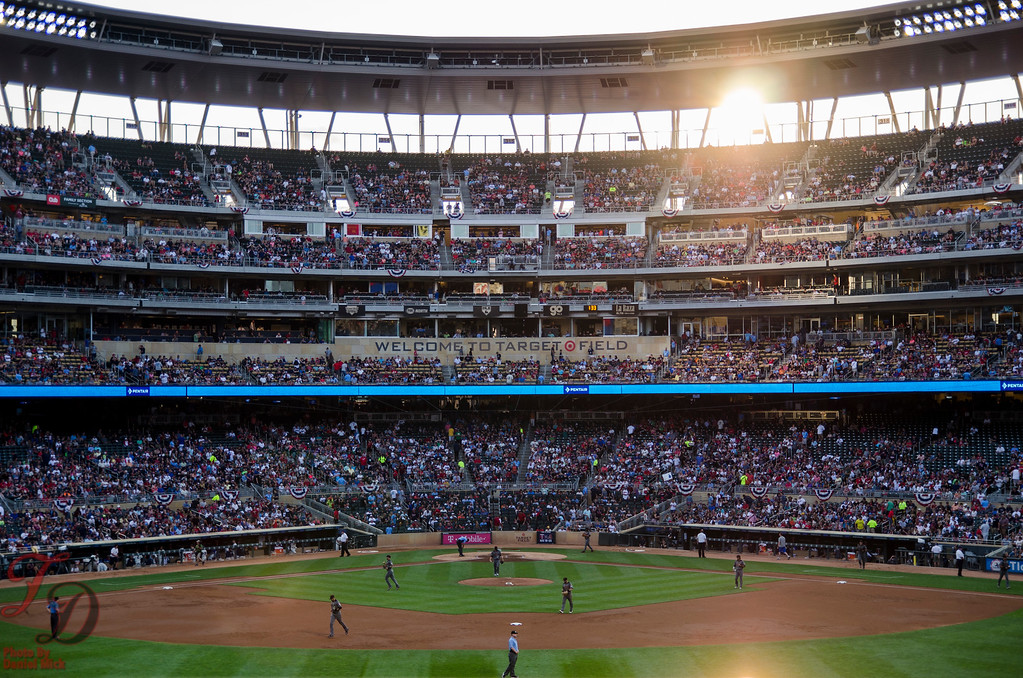 Here is how our Twins Daily staff thinks 2018 will go for the Minnesota Twins. Be sure to share your predictions for these categories (or more) below in the comment section. And of course in October or November, we’ll be sure to go through these and see how we all did. Seth Stohs: Minnesota Twins 88-74 (Second in AL Central behind Cleveland, Will Card #2) Offensive Player of the Year: Brian Dozier Most Home Runs: Max Kepler Starting Pitcher of the Year: Jake Odorizzi Relief Pitcher of the Year: Addison Reed Twins Rookie of the Year: Mitch Garver Nick Nelson: Minnesota Twins 92-70 (Second in AL Central, Wild Card #1) Offensive Player of the Year: Brian Dozier Most Home Runs: Miguel Sano Starting Pitcher of the Year: Jose Berrios Relief Pitcher of the Year: Addison Reed Twins Rookie of the Year: Fernando Romero Parker Hageman: Minnesota Twins 90-72 (Second in AL Central) Offensive Player of the Year: Logan Morrison Most Home Runs: Miguel Sano Starting Pitcher of the Year: Lance Lynn Relief Pitcher of the Year: Taylor Rogers Twins Rookie of the Year: Gabriel Moya John Bonnes: Minnesota Twins 87-76 (Second in AL Central, win Game 163 for Wild Card #2) Offensive Player of the Year: Miguel Sano Most Home Runs: Miguel Sano Starting Pitcher of the Year: Jake Odorizzi Relief Pitcher of the Year: Addison Reed Twins Rookie of the Year: Fernando Romero Brock Beauchamp: Minnesota Twins 88-74 (Second in AL Central, Wild Card #2) Offensive Player of the Year: Brian Dozier Most Home Runs: Brian Dozier Starting Pitcher of the Year: Jose Berrios Relief Pitcher of the Year: Trevor Hildenberger Twins Rookie of the Year: Nick Gordon Tom Froemming: Minnesota Twins 87-75 (Second in AL Central, Wild Card #2) Offensive Player of the Year: Brian Dozier Most Home Runs: Logan Morrison Starting Pitcher of the Year: Jose Berrios Relief Pitcher of the Year: Addison Reed Twins Rookie of the Year: Mitch Garver Cody Christie: Minnesota Twins 90-72 (Second in AL Central, Wild Card #2) Offensive Player of the Year: Brian Dozier Most Home Runs: Miguel Sano Starting Pitcher of the Year: Jose Berrios Relief Pitcher of the Year: Trevor Hildenberger Twins Rookie of the Year: Stephen Gonsalves Ted Schwerzler: Minnesota Twins 91-71 (Second in AL Central. Wild Card #2) Offensive Player of the Year: Miguel Sano Most Home Runs: Miguel Sano Starting Pitcher of the Year: Jose Berrios Relief Pitcher of the Year: Addison Reed Twins Rookie of the Year: Mitch Garver Jeremy Nygaard: Minnesota Twins 83-79 (2nd in AL Central. Miss playoffs) Offensive Player of the Year: Byron Buxton Most Home Runs: Logan Morrison Starting Pitcher of the Year: Lance Lynn Relief Pitcher of the Year: Addison Reed Twins Rookie of the Year: Mitch Garver Steve Lein: Minnesota Twins 89-73 (2nd in AL Central, Wild Card #2) Offensive Player of the Year: Brian Dozier Most Home Runs: Miguel Sano Starting Pitcher of the Year: Jose Berrios Relief Pitcher of the Year: Trevor Hildenberger Twins Rookie of the Year: Mitch Garver Andrew Thares: Minnesota Twins 87-75 (#2 Wild Card) Offensive Player of the Year: Byron Buxton Most Home Runs: Logan Morrison Starting Pitcher of the Year: Jose Berrios Relief Pitcher of the Year: Trevor Hildenberger Twins Rookie of the Year: Mitch Garver JD Cameron: Minnesota Twins 90-72 (2nd in the AL Central, #1 Wild Card) Offensive Player of the Year: Brian Dozier Most Home Runs: Miguel Sano Starting Pitcher of the Year: Jose Berrios Relief Pitcher of the Year: Addison Reed Twins Rookie of the Year: Gabriel Moya Now it’s your turn. Post your predictions in the comments below. ~~~ This is setting up to be a truly exciting season. Make sure you're following along with Twins Daily all summer by following us on Twitter and Facebook, as well as entering your email address below to receive our newsletter!
 -
Fort Myers Miracle 2018 Florida State League Champions?
Seth Stohs commented on Travis M's blog entry in Travis M's Blog
This was the spring training work groups when this article was written,, not a projected roster. This was just who was with the Miracle work group at the time. As most know by now, the rosters are closer now and most of this roster is now on the Cedar Rapids roster. -
And that's fair too because a lot of people think they could both wind up in the bullpen. Of course, the Twins are going to try to develop them as starters, ,but they both have such powerful arms.
-
If you want a Must-Win game lineup, wouldn't you stack the lineup with AA and AAA guys, not necessarily the top prospects.
-
Twins Finalize Opening Day 25-Man Roster
Seth Stohs replied to Cody Christie's topic in Twins Daily Front Page News
It's just a 10-day DL,, so Phil Hughes could come off of it April 11th and still make that start.. In the meanwhile, he can stay back in Ft. Myers and work every fifth day to get to the 90-100 pitch count and building his strength and such. That may make more sense than having him be a long-reliever who pitches rarely, can't throw too big of bullpens in case he's needed and then isn''t ready to start on the 11th.- 41 replies
-
- 3
-
-
- ryan lamarre
- tyler kinley
- (and 3 more)
-
Twins Finalize Opening Day 25-Man Roster
Seth Stohs replied to Cody Christie's topic in Twins Daily Front Page News
I mean, Aybar was deemed not able to play SS because he's lost a step. Taylor Featherston and Gregorio Petit were the last two guys sent to minor league camp. They both CAN play shortstop. So while they don't have Aybar's track record, they're probably better for the role. -
Ryan LaMarre Just Might Make Twins Opening Day Roster
Seth Stohs replied to Seth Stohs's topic in Twins Daily Front Page News
I'm guessing Service Time has pretty much zero impact on this decision. -
Ryan LaMarre Just Might Make Twins Opening Day Roster
Seth Stohs replied to Seth Stohs's topic in Twins Daily Front Page News
In my opinion, the answer is because if one of the three starters get hurt, Granite takes over as the starter and Lamarre remains the 4th OF. -
Ryan LaMarre Just Might Make Twins Opening Day Roster
Seth Stohs replied to Seth Stohs's topic in Twins Daily Front Page News
Yup, and then DFA him and hope he can join Vargas (and Granite and Wade and Buss) in Rochester. -
The Minnesota Twins have a trio of very athletic outfielders. All three are 26 and under. All three have good speed. All three came up as prospects of the Twins, each reaching into Top 100 rankings (Buxton near the top, Rosario and Kepler appearing briefly). All three hit in the minor leagues, and all three have had their moments in the big leagues already. Most important, all three still have the potential to be even better with just a few improvements. Image courtesy of Nick Turchiaro, USA Today The Minnesota Twins have a trio of very athletic outfielders. All three are 26 and under. All three have good speed. All three came up as prospects of the Twins, each reaching into Top 100 rankings (Buxton near the top, Rosario and Kepler appearing briefly). All three hit in the minor leagues, and all three have had their moments in the big leagues already. Most important, all three still have the potential to be even better with just a few improvements. Today, I want to highlight the three starting Twins outfielders by pointing to one statistic, one theme, or one area of improvement that could help them take the next step in their careers. Kepler Versus Lefties There is no question that Max Kepler has really struggled during his two seasons in the big leagues against left-handed pitching. Here are the numbers: 2016 (133 PA): .203/.273/.322 (.595) - .792 OPS vs RHP 2017 (137 PA): .152/.213/.240 (.453) - .828 OPS vs RHP Kepler took a step backwards in 2017 against same-sided pitchers. Some may believe that there is enough of a sample size to suggest a strict platoon in right field. Others (this writer included) believe that because he will be just 25-years-old throughout the 2018 season, he needs to get more opportunities. If you are looking for more reason for optimism, look back to 2015. After several years as a very raw prospect, Kepler had his breakout season in 2015 in which he was named the Twins Minor League Player of the Year. While he posted a .935 OPS against right-handers in AA, he also hit .319/.390/.473 (.863) against southpaws. Of course, there is a difference between AA pitching and big league pitching, but that is enough to keep me optimistic for some success against left-handers. While we shouldn’t expect Kepler to increase his OPS vs LHP to the .800 level, if he could just get that number to the .650 range, it would be a dramatic improvement and help his overall numbers look just a little better. That said, if he has another season with an OPS vs LHP near the .450 range, then the team will have to consider platoon options in right field for a playoff run and in the future. Fast Start For Buxton Byron Buxton is really fast. Unfortunately, his bat has started out very slowly in each of his three seasons in the big leagues. He’s proven to be very valuable just because of his defense, but we’ve also seen just how much he can bring to the table when he is being a force with the bat and the glove. In my opinion, one of the biggest keys to a strong 2018 Twins season might just be the bat of the best defensive player in the game in April. Here is a quick look at the stats of Byron Buxton in his first 15 games in each of his first three seasons: 2015 (61 PA): .207/.233/.276 (.507) 2016 (40 PA): .162/.205/.297 (.502) 2017 (52 PA): .082/.135/.122 (.287) His start in 2017 was dreadful, but as we saw over the course of the season, he made several adjustments and by season’s end, he looked like a new hitter. Consider that after really struggling those first 15 games in 2017, he hit .274/.335/.448 (.783) the rest of the year. As Yogi Berra famously said, “Half of baseball is 90% mental.” Imagine the confidence that Buxton could gain by getting off to a fast start. It is the kind of thing that could thrust him into superstardom and MVP discussions. Rosario Shows Zone Judgment Eddie Rosario enjoyed a breakout season in 2017 when he hit .290/.328/.507 (.836) with 33 doubles and 27 home runs. There is little question what the biggest key was for Eddie Rosario. He didn’t swing at as many pitches outside the zone. According to FanGraphs, here are his Outside-the-Zone Swing Percentages during his three MLB seasons: 2015: 45.6% 2016: 41.7% 2017: 37.6% In short, he has quit swinging at quite so many pitches outside of the strike zone. In theory, by making the pitcher throw a few more strikes, and with Rosario’s still-aggressive approach, he is hitting better pitches. Rosario has such quick hands, and he makes contact at such a high percentage. By swinging at fewer bad pitches, he is giving himself a better chance. If Rosario can continue the trend, he should continue to put up really strong numbers. As nice as the improvement was in 2017, check out where Rosario ranks among Twins regulars last year at swinging at pitches out of the zone. (and I included Logan Morrison just for fun). Robbie Grossman 18.2% Joe Mauer 20.5% Jason Castro 21.7% Brian Dozier 23.4% Jorge Polanco 26.9% Logan Morrison 27.7% Max Kepler 28.5% Miguel Sano 29.1% Byron Buxton 31.1% Eduardo Escobar 35.7% Eddie Rosario 37.6% In other words, there is much room for improvement. However, if he can put up his 2017 numbers while swinging at 37.6% of pitches outside the zone, imagine what type of numbers he might put up is he can get that number down to 32%, or even lower? So there are three key numbers for three key contributors to a successful 2018 season for the Twins. “Nothing Falls But Raindrops” was the motto for the 2017 Twins outfielders. Each has good range at his outfield position, and each has a ton of potential remaining with his bat as well. The aforementioned statistics will be key for each of them. What do you think? View full article
- 27 replies
-
- 1
-
-
- eddie rosario
- max kepler
- (and 1 more)
-
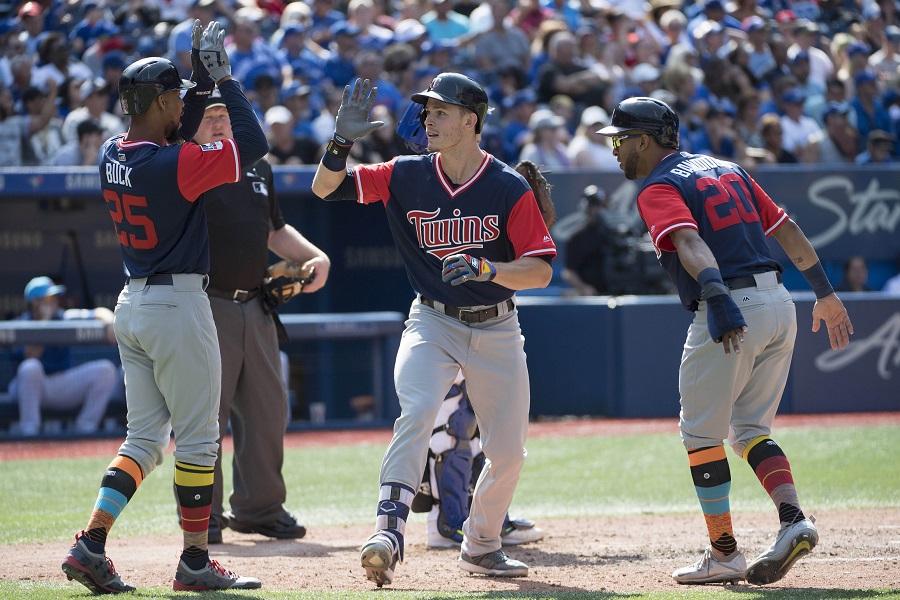 Today, I want to highlight the three starting Twins outfielders by pointing to one statistic, one theme, or one area of improvement that could help them take the next step in their careers. Kepler Versus Lefties There is no question that Max Kepler has really struggled during his two seasons in the big leagues against left-handed pitching. Here are the numbers: 2016 (133 PA): .203/.273/.322 (.595) - .792 OPS vs RHP 2017 (137 PA): .152/.213/.240 (.453) - .828 OPS vs RHP Kepler took a step backwards in 2017 against same-sided pitchers. Some may believe that there is enough of a sample size to suggest a strict platoon in right field. Others (this writer included) believe that because he will be just 25-years-old throughout the 2018 season, he needs to get more opportunities. If you are looking for more reason for optimism, look back to 2015. After several years as a very raw prospect, Kepler had his breakout season in 2015 in which he was named the Twins Minor League Player of the Year. While he posted a .935 OPS against right-handers in AA, he also hit .319/.390/.473 (.863) against southpaws. Of course, there is a difference between AA pitching and big league pitching, but that is enough to keep me optimistic for some success against left-handers. While we shouldn’t expect Kepler to increase his OPS vs LHP to the .800 level, if he could just get that number to the .650 range, it would be a dramatic improvement and help his overall numbers look just a little better. That said, if he has another season with an OPS vs LHP near the .450 range, then the team will have to consider platoon options in right field for a playoff run and in the future. Fast Start For Buxton Byron Buxton is really fast. Unfortunately, his bat has started out very slowly in each of his three seasons in the big leagues. He’s proven to be very valuable just because of his defense, but we’ve also seen just how much he can bring to the table when he is being a force with the bat and the glove. In my opinion, one of the biggest keys to a strong 2018 Twins season might just be the bat of the best defensive player in the game in April. Here is a quick look at the stats of Byron Buxton in his first 15 games in each of his first three seasons: 2015 (61 PA): .207/.233/.276 (.507) 2016 (40 PA): .162/.205/.297 (.502) 2017 (52 PA): .082/.135/.122 (.287) His start in 2017 was dreadful, but as we saw over the course of the season, he made several adjustments and by season’s end, he looked like a new hitter. Consider that after really struggling those first 15 games in 2017, he hit .274/.335/.448 (.783) the rest of the year. As Yogi Berra famously said, “Half of baseball is 90% mental.” Imagine the confidence that Buxton could gain by getting off to a fast start. It is the kind of thing that could thrust him into superstardom and MVP discussions. Rosario Shows Zone Judgment Eddie Rosario enjoyed a breakout season in 2017 when he hit .290/.328/.507 (.836) with 33 doubles and 27 home runs. There is little question what the biggest key was for Eddie Rosario. He didn’t swing at as many pitches outside the zone. According to FanGraphs, here are his Outside-the-Zone Swing Percentages during his three MLB seasons: 2015: 45.6% 2016: 41.7% 2017: 37.6% In short, he has quit swinging at quite so many pitches outside of the strike zone. In theory, by making the pitcher throw a few more strikes, and with Rosario’s still-aggressive approach, he is hitting better pitches. Rosario has such quick hands, and he makes contact at such a high percentage. By swinging at fewer bad pitches, he is giving himself a better chance. If Rosario can continue the trend, he should continue to put up really strong numbers. As nice as the improvement was in 2017, check out where Rosario ranks among Twins regulars last year at swinging at pitches out of the zone. (and I included Logan Morrison just for fun). Robbie Grossman 18.2% Joe Mauer 20.5% Jason Castro 21.7% Brian Dozier 23.4% Jorge Polanco 26.9% Logan Morrison 27.7% Max Kepler 28.5% Miguel Sano 29.1% Byron Buxton 31.1% Eduardo Escobar 35.7% Eddie Rosario 37.6% In other words, there is much room for improvement. However, if he can put up his 2017 numbers while swinging at 37.6% of pitches outside the zone, imagine what type of numbers he might put up is he can get that number down to 32%, or even lower? So there are three key numbers for three key contributors to a successful 2018 season for the Twins. “Nothing Falls But Raindrops” was the motto for the 2017 Twins outfielders. Each has good range at his outfield position, and each has a ton of potential remaining with his bat as well. The aforementioned statistics will be key for each of them. What do you think?
 -
Ryan LaMarre Just Might Make Twins Opening Day Roster
Seth Stohs replied to Seth Stohs's topic in Twins Daily Front Page News
It's a nice story, but with this roster and this team, there is no reason to believe that he would make the roster because it's a nice story. Do people really think the manage and the front office would make decisions because of that? If they feel like they can make the roster better if he's on it, then they're going to. If not, he won't be. I'll trust their judgment. If nothing else, this front office has shown it isn't afraid to "make mistakes." -
Ryan LaMarre Just Might Make Twins Opening Day Roster
Seth Stohs replied to Seth Stohs's topic in Twins Daily Front Page News
Why would they want Lamonte Wade to play once or twice a week. And he's left-handed, so it doesn't work with the platoon. LaMarre bats right handed at least. -
Ryan LaMarre Just Might Make Twins Opening Day Roster
Seth Stohs replied to Seth Stohs's topic in Twins Daily Front Page News
Well, that's fun... -
Ryan LaMarre Just Might Make Twins Opening Day Roster
Seth Stohs replied to Seth Stohs's topic in Twins Daily Front Page News
Granite may (or may not) wind up on the DL with his shoulder contusion. Vargas may be put right back on waivers in hopes of getting him to Rochester. Lamarre may still end up in Rochester. -
FORT MYERS - When the Twins signed outfielder Ryan LaMarre in late November, it was a ho-hum minor league signing. A quick look at his Baseball-Reference page shows that he’s a solid outfielder who has had a couple of brief cups of coffee in the big leagues. But he’s one of many similar players who sign minor league contracts each offseason. Yet here we are, less than a week from Opening Day and Ryan LaMarre is still in camp. After going 2-4 on Saturday night in Sarasota, LaMarre is hitting a robust .487 with a 1.307 OPS. Image courtesy of Seth Stohs, Twins Daily FORT MYERS - When the Twins signed outfielder Ryan LaMarre in late November, it was a ho-hum minor league signing. A quick look at his Baseball-Reference page shows that he’s a solid outfielder who has had a couple of brief cups of coffee in the big leagues. But he’s one of many similar players who sign minor league contracts each offseason. Yet here we are, less than a week from Opening Day and Ryan LaMarre is still in camp. After going 2-4 on Saturday night in Sarasota, LaMarre is hitting a robust .487 with a 1.307 OPS. The Twins outfield appears set. In reality, it’s been set for about two years. Ryan LaMarre knew that when he signed. But after a conversation with Twins minor league director Jeremy Zoll, he felt that this was the right place for him to sign. “I talked to Jeremy Zoll. He had some great things to say in terms of where he saw me fitting in, what he thought I could bring to the table. Obviously we’ve got Buck (Byron Buxton), Eddie (Rosario) and (Max) Kepler, so that’s pretty much set. Then Robbie (Grossman) and (Zack) Granite behind them, but behind them there wasn’t as much. So it was an opportunity to come in here and show what you can do.” LaMarre continued, “Also as you know, they use a lot of players throughout the year. There’s always going to be that opportunity. But I just really liked what he said about where I fit in, especially coming off of the injury I had last year, so it seemed like a good opportunity.” Ryan LaMarre is not a star. The 29-year-old knows that. He understands that if he were to make the Twins roster, be it for Opening Day or later in the season, it will be as a backup. That’s just fine with him. By definition, Ryan LaMarre is a journeyman. He has played for three MLB clubs (and four organizations) in the last three years. In 2018, he joins his fifth organization, the Twins. --------------------------------------------------------------------------------------- LaMarre was the second-round draft choice of the Cincinnati Reds in 2010 out of the University of Michigan. He worked his way up the ladder. He never hit over .300, but he always showed a good approach at the plate and a little bit of pop. He also plays strong defense. In August of 2015, he finally received the call he’d be waiting for his whole life. The story of his first big league call up is pretty entertaining. LaMarre explains: “I was with Cincinnati. I was in AAA. We were in Gwinnett, the Braves AAA team. I was having a decent year, but they were losing a lot of games. I was hot for about the last three weeks leading up to the series. Billy Hamilton was injured. They ended up calling up someone else on the team.” Lamarre was disappointed, but got a motivational chat from his manager, “I was pretty close to the manager. I had played for him for two or three years. He called me in and said ‘Don’t worry. Just keep playing hard. September’s right around the corner. I know they didn’t call you up right here, but just keep playing.’ LaMarre went out onto the field to stretch, and as he tells it, “Within an hour, he (the manager) came running out to the field and said, ‘You’re going up! It’s four o'clock. I don’t have time to explain. You’ve got to pack your bag. You’ve got to go. You have a six o'clock flight out of Atlanta.’” Imagine the excitement of getting that news, but now needing to leave the AAA ballpark, pack up your belonging from the hotel and rush to the airport to catch a flight that is less than two hours away. “It was rush hour. I packed my bag and grabbed a bat boy who drove me to the airport. I didn’t even get there until an hour after it left, So I missed my flight. I remember calling the guy from the Reds and I was like, if this is it, I’ll rent a car. I’ll be there by the 8th or 9th inning somehow. They said ‘No, no, no. Just take it easy. It was so last minute, we understand. We’ll just get you a flight tomorrow morning. If you miss that, don’t even bother showing up.’ A positive message, yet also pretty direct. LaMarre heard it, “So I stayed that night at the airport, and then I got on a flight the next day.” It was an exciting time Ryan LaMarre and those close to him. “My family was super excited. My wife was my girlfriend at the time. She was very excited. They were all excited. They came into Cincinnati for the weekend. It was fun.” LaMarre played in 21 games over the season’s final six weeks. He was used primarily as a defensive replacement and got just 25 at-bats. Following the season, he was DFAd and signed a minor league free agent contract with the Boston Red Sox. In late June of 2016, he was called up and got five at-bats (no hits) in five games played. He actually played in one more game, on July 2nd. The Red Sox were losing 21-3 to the Angels, and LaMarre threw a scoreless ninth inning. He gave up two hits, but the final out of the inning came off the bat of Gregorio Petit who also remains on the Twins spring training roster. Following the 2016 season, LaMarre was let go by the Red Sox and signed a minor league deal with the Angels. In late April, he was traded to Oakland. He was immediately called up to the A’s and played in three games (0-7) before being sent down. He remained in AAA until a mid-June injury cost him the rest of his season. The Twins signed LaMarre in late November, 2017. He began to rehab last July and was cleared in October. About that same time, he was getting married to his wife Whitney who is a Minnesota native. Because of his injury and rehab, they spent the majority of their offseason in Florida, but he says he could see himself living in the Twin Cities. He noted with a smile, “That wouldn’t be a bad place to play for awhile.” It might be even more cool for his wife and her family for LaMarre to make the Twins roster in 2018. “It would be amazing. She obviously represents her family. Her parents are from Minneapolis. Her dad was down here and he got to meet Rod (Carew) and Tony (Oliva), and for him, those were the guys he looked up to as a kid. So it would be special. It’d be a fun time.” LaMarre’s big league track record hasn’t been strong, but it’s also been a very small sample size. Paul Molitor was asked how he takes past history into account with spring success. “You try to know these guys’ history, but you hear about swing changes and other things he’s been doing. He’s had a nice camp. He can play around the outfield. I think he plays the outfield well. He’s been taking good at-bats all spring. He’ll swing and miss some, but he’s got that opposite field power that we’ve seen more than once. He’s got a little bit of that hockey player mentality.” Makes sense since LaMarre played hockey in his younger years. Another reason it makes sense for Ryan LaMarre to make the Twins roster in 2018, is to be part of the State of Hockey. And, with the hopes and expectations of the Twins and their fans for 2018, maybe he can help make it more of a State of Baseball again. For LaMarre, he’s happy to be a part of this year’s Twins organization and sees it as a special place. “It’s been fun. It’s an awesome group of guys. The coaches are amazing. The manager. The hitting coach. Everyone’s pulling in the right direction. This is a good place to be right now.” And on Thursday, Baltimore would be a great place for Ryan LaMarre to be for his first Opening Day. The odds were long six weeks ago (even two weeks ago), but it just might happen. View full article
-
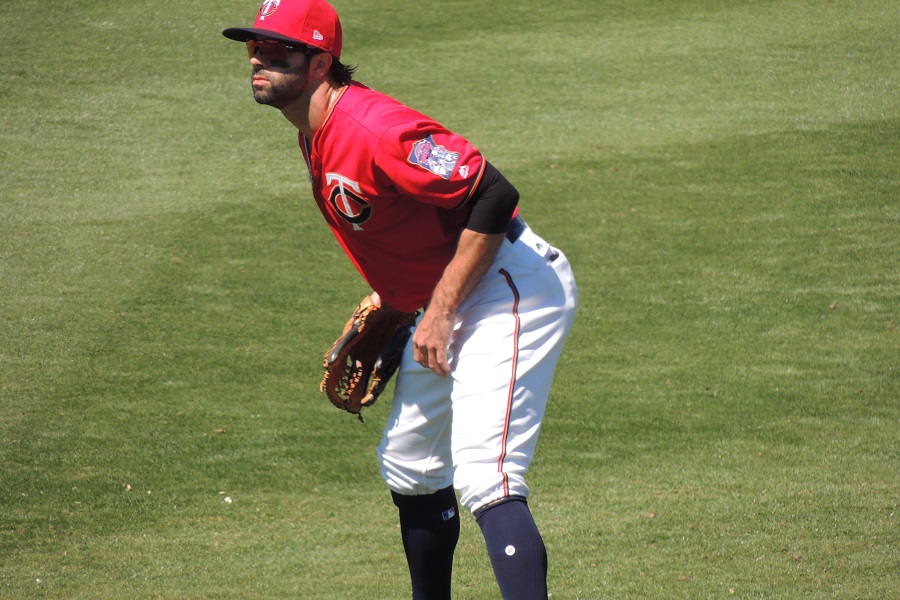 The Twins outfield appears set. In reality, it’s been set for about two years. Ryan LaMarre knew that when he signed. But after a conversation with Twins minor league director Jeremy Zoll, he felt that this was the right place for him to sign. “I talked to Jeremy Zoll. He had some great things to say in terms of where he saw me fitting in, what he thought I could bring to the table. Obviously we’ve got Buck (Byron Buxton), Eddie (Rosario) and (Max) Kepler, so that’s pretty much set. Then Robbie (Grossman) and (Zack) Granite behind them, but behind them there wasn’t as much. So it was an opportunity to come in here and show what you can do.” LaMarre continued, “Also as you know, they use a lot of players throughout the year. There’s always going to be that opportunity. But I just really liked what he said about where I fit in, especially coming off of the injury I had last year, so it seemed like a good opportunity.” Ryan LaMarre is not a star. The 29-year-old knows that. He understands that if he were to make the Twins roster, be it for Opening Day or later in the season, it will be as a backup. That’s just fine with him. By definition, Ryan LaMarre is a journeyman. He has played for three MLB clubs (and four organizations) in the last three years. In 2018, he joins his fifth organization, the Twins. --------------------------------------------------------------------------------------- LaMarre was the second-round draft choice of the Cincinnati Reds in 2010 out of the University of Michigan. He worked his way up the ladder. He never hit over .300, but he always showed a good approach at the plate and a little bit of pop. He also plays strong defense. In August of 2015, he finally received the call he’d be waiting for his whole life. The story of his first big league call up is pretty entertaining. LaMarre explains: “I was with Cincinnati. I was in AAA. We were in Gwinnett, the Braves AAA team. I was having a decent year, but they were losing a lot of games. I was hot for about the last three weeks leading up to the series. Billy Hamilton was injured. They ended up calling up someone else on the team.” Lamarre was disappointed, but got a motivational chat from his manager, “I was pretty close to the manager. I had played for him for two or three years. He called me in and said ‘Don’t worry. Just keep playing hard. September’s right around the corner. I know they didn’t call you up right here, but just keep playing.’ LaMarre went out onto the field to stretch, and as he tells it, “Within an hour, he (the manager) came running out to the field and said, ‘You’re going up! It’s four o'clock. I don’t have time to explain. You’ve got to pack your bag. You’ve got to go. You have a six o'clock flight out of Atlanta.’” Imagine the excitement of getting that news, but now needing to leave the AAA ballpark, pack up your belonging from the hotel and rush to the airport to catch a flight that is less than two hours away. “It was rush hour. I packed my bag and grabbed a bat boy who drove me to the airport. I didn’t even get there until an hour after it left, So I missed my flight. I remember calling the guy from the Reds and I was like, if this is it, I’ll rent a car. I’ll be there by the 8th or 9th inning somehow. They said ‘No, no, no. Just take it easy. It was so last minute, we understand. We’ll just get you a flight tomorrow morning. If you miss that, don’t even bother showing up.’ A positive message, yet also pretty direct. LaMarre heard it, “So I stayed that night at the airport, and then I got on a flight the next day.” It was an exciting time Ryan LaMarre and those close to him. “My family was super excited. My wife was my girlfriend at the time. She was very excited. They were all excited. They came into Cincinnati for the weekend. It was fun.” LaMarre played in 21 games over the season’s final six weeks. He was used primarily as a defensive replacement and got just 25 at-bats. Following the season, he was DFAd and signed a minor league free agent contract with the Boston Red Sox. In late June of 2016, he was called up and got five at-bats (no hits) in five games played. He actually played in one more game, on July 2nd. The Red Sox were losing 21-3 to the Angels, and LaMarre threw a scoreless ninth inning. He gave up two hits, but the final out of the inning came off the bat of Gregorio Petit who also remains on the Twins spring training roster. Following the 2016 season, LaMarre was let go by the Red Sox and signed a minor league deal with the Angels. In late April, he was traded to Oakland. He was immediately called up to the A’s and played in three games (0-7) before being sent down. He remained in AAA until a mid-June injury cost him the rest of his season. The Twins signed LaMarre in late November, 2017. He began to rehab last July and was cleared in October. About that same time, he was getting married to his wife Whitney who is a Minnesota native. Because of his injury and rehab, they spent the majority of their offseason in Florida, but he says he could see himself living in the Twin Cities. He noted with a smile, “That wouldn’t be a bad place to play for awhile.” It might be even more cool for his wife and her family for LaMarre to make the Twins roster in 2018. “It would be amazing. She obviously represents her family. Her parents are from Minneapolis. Her dad was down here and he got to meet Rod (Carew) and Tony (Oliva), and for him, those were the guys he looked up to as a kid. So it would be special. It’d be a fun time.” LaMarre’s big league track record hasn’t been strong, but it’s also been a very small sample size. Paul Molitor was asked how he takes past history into account with spring success. “You try to know these guys’ history, but you hear about swing changes and other things he’s been doing. He’s had a nice camp. He can play around the outfield. I think he plays the outfield well. He’s been taking good at-bats all spring. He’ll swing and miss some, but he’s got that opposite field power that we’ve seen more than once. He’s got a little bit of that hockey player mentality.” Makes sense since LaMarre played hockey in his younger years. Another reason it makes sense for Ryan LaMarre to make the Twins roster in 2018, is to be part of the State of Hockey. And, with the hopes and expectations of the Twins and their fans for 2018, maybe he can help make it more of a State of Baseball again. For LaMarre, he’s happy to be a part of this year’s Twins organization and sees it as a special place. “It’s been fun. It’s an awesome group of guys. The coaches are amazing. The manager. The hitting coach. Everyone’s pulling in the right direction. This is a good place to be right now.” And on Thursday, Baltimore would be a great place for Ryan LaMarre to be for his first Opening Day. The odds were long six weeks ago (even two weeks ago), but it just might happen.
 -
Nightly Wrap: No Suspension, Roster Notes And More
Seth Stohs replied to Seth Stohs's topic in Twins Daily Front Page News
sorry, wasn't on the computer since early this morning. I just updated the link... if anyone is still interested. -
FORT MYERS - Seth discusses the last day or so at Twins spring training. Topics include Miguel Sano not being suspended, the roster moves, Erick Aybar, Ryan Lamarre, Tanner English's big blast and some notes from minor league spring training, including a couple of transactions there too. You can listen to it here, or better yet, subscribe to it on your smartphone using the directions below. FORT MYERS - Seth discusses the last day or so at Twins spring training. Topics include Miguel Sano not being suspended, the roster moves, Erick Aybar, Ryan Lamarre, Tanner English's big blast and some notes from minor league spring training, including a couple of transactions there too. You can listen to it here, or better yet, subscribe to it on your smartphone using the directions below. To add this podcast to your iPhone podcast app, do the following: 1. Open up this page in your iphone and copy this link: http://twinsdaily.libsyn.com/rss 2. Go into your iPhone podcast app and click on the "Library" tab at the bottom and then click on "Edit" in the upper right-hand corner: 3. Click on "Add a Podcast by URL..." 4. Paste the link you just copied into the dialog box and click on 'Subscribe'. Now you'll get every episode delivered to your phone to listen to whenever you want View full article
