



Seth Stohs
-
Posts
25,909 -
Joined
-
Last visited
-
Days Won
109
Content Type
Profiles
News
Minnesota Twins Videos
2026 Minnesota Twins Top Prospects Ranking
2022 Minnesota Twins Draft Picks
Minnesota Twins Free Agent & Trade Rumors, Notes, & Tidbits
Guides & Resources
2023 Minnesota Twins Draft Picks
The Minnesota Twins Players Project
2024 Minnesota Twins Draft Picks
2025 Minnesota Twins Draft Pick Tracker
2026 Minnesota Twins Draft Tracker: Picks & Bonuses
Forums
Blogs
Events
Store
Downloads
Gallery
Everything posted by Seth Stohs
-
 I put Arraez ahead of Gordon this time for the first time... Prospect ranking isn't easy and as we all know it isn't a perfect science. Tools-wise, Gordon is certainly much higher. I don't think I've ever really changed my opinion on what Arraez can be. I think I've always pointed out that he can flat-out hit singles. Saw him in Cedar Rapids and almost immediately started loving the approach, plate discipline, strike zone knowledge, willingness to battle and foul off tough pitches, etc. And if a player is able to carry those things up as they continue to move up, their rankings should move up as well, and Arraez'a has. But again, when players are younger, it's all about the tools. Arraez has one tool, the hit tool. There isn't much power. The defense is improved but still not good. The arm is average to below average. Speed, very limited (as we saw on his diving catch in Thursday afternoon's game). But once in awhile, a guy has that one tool is elite. And maybe... just maybe... Arraez is going to turn into Rod Carew or Wade Boggs and let one tool carry them into the Hall of Fame. (two tools if, like with Arraez, you believe in six tools and plate discipline/approach is one of them). Maybe Arraez is that. Obviously he's got to do it for more than 20 games. I mean, if it could be determined in just 20 games, we'd still be watching Parmelee and Pinto playing. I do still believe in Gordon. But as with all prospects, as they move up, their warts come to light. That's how it works for all prospects. There are a lot of 5-tool prospects in Low A ball... There aren't many anymore in AAA and there are just a few in the big leagues. I have them close, but I have Arraez ahead of Gordon because of his approach... not at all because of the results... Though ultimately, it will come down to the results in the big leagues. I
- 54 replies
-
- 8
-

-
- matt wallner
- luis arraez
- (and 3 more)
-
Over the past week, we have counted from 40 down to 16 and today you will find out who our choices for Twins prospects 11-15 are. The depth in the organization is clear, and as we’ve seen of late, it has been necessary to help the big league club. And, obviously prospects can help the big league club over the next month or so should the Twins be active in the trade market. As has seemed to be the case throughout this series, this group provides a range of prospects. There are a couple of long-time minor leaguers who have worked up to the highest levels of the minor leagues. There is a guy who has recently made his major-league debut. And there is a recent draft pick who has a ton of potential. And, could there be a Mitch Garver clone?Continue reading, and then discussing, the Twins Daily choices for the 11th through 15th ranked Twins prospects of the Minnesota Twins below. 15. Matt Wallner - OF Age: 21 ETA: 2022 2019 Stats (College): .323/.446/.681 (1.127 OPS), 12 2B, 0 3B 23 HR, 50 K, 48 BB. 2019 Stats (Rookie-Adv): .286/.400/.286 (.686 OPS), 0 2B, 0 3B 0 HR, 8 K, 1 BB. 2019 Preseason Ranking: NR Seth: 18 | Tom: 8 | Cody: 22 | Ted: 12 | Steve: 16 Wallner grew up in Forest Lake (MN) which is where he went to high school. As a prep, he was Mr. Baseball and the Twins drafted him in the 32nd round three years ago. He was set to go to the University of North Dakota, but when the school dropped baseball, Wallner went to Southern Mississippi where he became a two-way star. Matching incredible power with an upper-90s fastball, his name was on the map. So when the Twins were able to get him with the 39th overall pick, they were thrilled. He fits the mold of recent draft picks like Brent Rooker and Trevor Larnach, an advanced bat with good power potential. 14. Luis Arraez - IF Age: 22 ETA: 2019 2019 Stats (MLB): .452/.538/.595 (1.134), 3 2B, 0 3B, 1 HR, 9 BB, 2 K 2019 MILB Stats (AA/AAA): .344/.409/.401 (.810), 10 2B, 1 3B, 0 HR, 24 BB, 15 K 2019 Ranking: NR Seth: 14 | Tom: 20 | Cody: 11 | Ted: 16 | Steve: 19 Luis Arraez can flat-out hit. He’s done it ever since signing as illustrated by a career minor league batting average over .330. But as we have seen from his brief time in the big leagues, Arraez has the things you look for in a strong top of the order hitter. Arraez knows the strike zone and doesn’t often swing at pitches outside of it. In fact, if it’s not a strike, he will shake his had from side to side to let us all know it’s not a strike. And when he does see a strike, he has incredible bat control and does a great job of hitting line drives all over the field. He is still very young, but he would appear to be the leader in the current race for Twins starting second baseman in 2020. 13. Ryan Jeffers - C Age: 22 ETA: 2021 2019 Stats (A+):.272/.339/.447 (.786), 9 2B, 0 3B, 9 HR, 47 K, 20 BB 2019 Preseason Ranking: 13 Seth: 10 | Tom: 18 | Cody: 13 | Ted: 22 | Steve: 21 The Twins surprised many when they made Ryan Jeffers their second-round draft pick in 2018 out of UNC-Wilmington. And ever since, he has put up big numbers with the bat. After a slow start in Ft. Myers, Jeffers has hit for average and power for the Miracle. There are mixed reports on his defense. Some point out solid pitch framing numbers. Others point out that they wonder if Jeffers can continue to be a catcher moving forward. It’s a wide range in opinions. To be honest, it’s pretty similar to what was said about Mitch Garver as he was working his way up the organizational ladder. It will be Jeffers' bat, however, that propels him to the big leagues. 12. Nick Gordon - SS Age: 23 ETA: 2020 2019 Stats (AAA): .271/.310/.426 (.735 OPS), 14 2B, 2 3B, 2 HR, 38 K, 9 BB. 2019 Preseason Ranking: 11 Seth: 16 | Tom: 12 | Cody: 19 | Ted: 13 | Steve: 12 Gordon has been talked about since even before the Twins made him the fifth overall pick in the 2014 draft out of high school in Orlando. He kept moving up, one year at a time until 2018 when he started where he left off in 2017, in Chattanooga. He increased his power production and moved up to AAA Rochester where he really struggled for an extended period for the first time in his career. This spring, he started the season on the IL with a stomach ailment. But he has hit well since returning to the Red Wings lineup. Questions remain about his ability to play shortstop, though with all of the shifting done in the organization, it is probably less important now than it may have been in the past. 11. Lewis Thorpe - LHP ETA: 2019 Age: 23 2019 Stats (Low-A): 5.71 ERA, 1.37 WHIP, 11.4 K/9, 2.7 BB/9, 4.2 K/BB 2019 Ranking: 8 Seth: 15 | Tom: 11 | Cody: 12 | Ted: 9 | Steve: 9 2019 has been an up-and-down season for the Australian left-hander. In his first six starts, he posted an 8.19 ERA and opponents hit .287 off of him with an OPS of .851. His next six starts were much better. He had an era of 2.87 and opponents hit just .223 off him with a .634 OPS. The entire time he has shown the ability to miss bats while throwing a lot of strikes. Signed in 2011 out of Melbourne, he quickly reached prospect status with an impressive showing in the GCL. Unfortunately, he missed two seasons after needing Tommy John surgery and dealing with an illness. Once back on the mound, however, he regained his prospect status. He is in his second option year and at Triple-A, and that puts him just one call away. That's it for now. Next week we will jump into our 2019 Midseason Top Ten Twins Prospects! Feel free to ask questions and leave comments below. Twins Daily 2019 Midseason Prospect Rankings Prospects 36-40 Prospects 31-35 Prospects 26-30 Prospects 21-25 Prospects 16-20 Prospects 11-15 Prospects 6-10 (Coming Next Week!) Click here to view the article
- 54 replies
-
- 2
-
-
- matt wallner
- luis arraez
- (and 3 more)
-
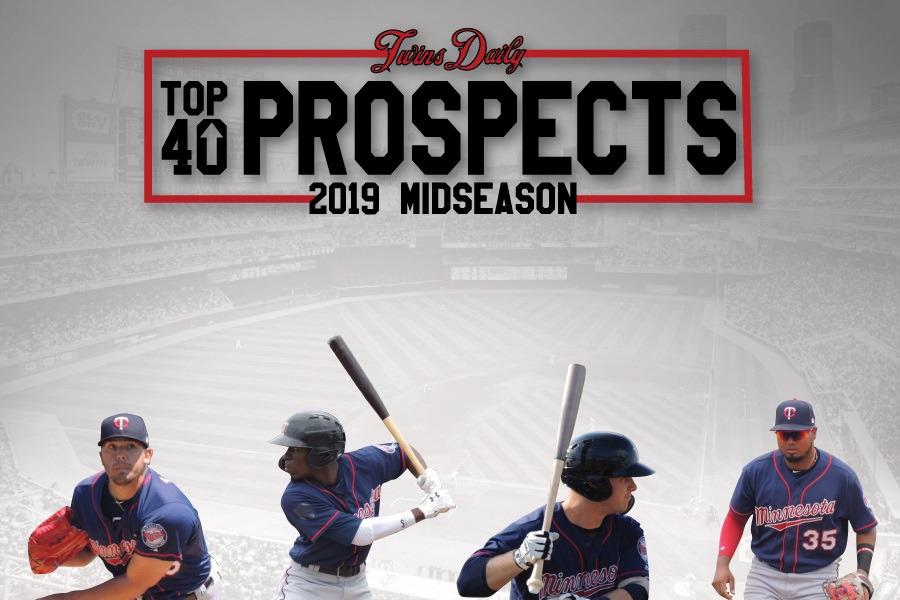 Continue reading, and then discussing, the Twins Daily choices for the 11th through 15th ranked Twins prospects of the Minnesota Twins below. 15. Matt Wallner - OF Age: 21 ETA: 2022 2019 Stats (College): .323/.446/.681 (1.127 OPS), 12 2B, 0 3B 23 HR, 50 K, 48 BB. 2019 Stats (Rookie-Adv): .286/.400/.286 (.686 OPS), 0 2B, 0 3B 0 HR, 8 K, 1 BB. 2019 Preseason Ranking: NR Seth: 18 | Tom: 8 | Cody: 22 | Ted: 12 | Steve: 16 Wallner grew up in Forest Lake (MN) which is where he went to high school. As a prep, he was Mr. Baseball and the Twins drafted him in the 32nd round three years ago. He was set to go to the University of North Dakota, but when the school dropped baseball, Wallner went to Southern Mississippi where he became a two-way star. Matching incredible power with an upper-90s fastball, his name was on the map. So when the Twins were able to get him with the 39th overall pick, they were thrilled. He fits the mold of recent draft picks like Brent Rooker and Trevor Larnach, an advanced bat with good power potential. 14. Luis Arraez - IF Age: 22 ETA: 2019 2019 Stats (MLB): .452/.538/.595 (1.134), 3 2B, 0 3B, 1 HR, 9 BB, 2 K 2019 MILB Stats (AA/AAA): .344/.409/.401 (.810), 10 2B, 1 3B, 0 HR, 24 BB, 15 K 2019 Ranking: NR Seth: 14 | Tom: 20 | Cody: 11 | Ted: 16 | Steve: 19 Luis Arraez can flat-out hit. He’s done it ever since signing as illustrated by a career minor league batting average over .330. But as we have seen from his brief time in the big leagues, Arraez has the things you look for in a strong top of the order hitter. Arraez knows the strike zone and doesn’t often swing at pitches outside of it. In fact, if it’s not a strike, he will shake his had from side to side to let us all know it’s not a strike. And when he does see a strike, he has incredible bat control and does a great job of hitting line drives all over the field. He is still very young, but he would appear to be the leader in the current race for Twins starting second baseman in 2020. 13. Ryan Jeffers - C Age: 22 ETA: 2021 2019 Stats (A+):.272/.339/.447 (.786), 9 2B, 0 3B, 9 HR, 47 K, 20 BB 2019 Preseason Ranking: 13 Seth: 10 | Tom: 18 | Cody: 13 | Ted: 22 | Steve: 21 The Twins surprised many when they made Ryan Jeffers their second-round draft pick in 2018 out of UNC-Wilmington. And ever since, he has put up big numbers with the bat. After a slow start in Ft. Myers, Jeffers has hit for average and power for the Miracle. There are mixed reports on his defense. Some point out solid pitch framing numbers. Others point out that they wonder if Jeffers can continue to be a catcher moving forward. It’s a wide range in opinions. To be honest, it’s pretty similar to what was said about Mitch Garver as he was working his way up the organizational ladder. It will be Jeffers' bat, however, that propels him to the big leagues. 12. Nick Gordon - SS Age: 23 ETA: 2020 2019 Stats (AAA): .271/.310/.426 (.735 OPS), 14 2B, 2 3B, 2 HR, 38 K, 9 BB. 2019 Preseason Ranking: 11 Seth: 16 | Tom: 12 | Cody: 19 | Ted: 13 | Steve: 12 Gordon has been talked about since even before the Twins made him the fifth overall pick in the 2014 draft out of high school in Orlando. He kept moving up, one year at a time until 2018 when he started where he left off in 2017, in Chattanooga. He increased his power production and moved up to AAA Rochester where he really struggled for an extended period for the first time in his career. This spring, he started the season on the IL with a stomach ailment. But he has hit well since returning to the Red Wings lineup. Questions remain about his ability to play shortstop, though with all of the shifting done in the organization, it is probably less important now than it may have been in the past. 11. Lewis Thorpe - LHP ETA: 2019 Age: 23 2019 Stats (Low-A): 5.71 ERA, 1.37 WHIP, 11.4 K/9, 2.7 BB/9, 4.2 K/BB 2019 Ranking: 8 Seth: 15 | Tom: 11 | Cody: 12 | Ted: 9 | Steve: 9 2019 has been an up-and-down season for the Australian left-hander. In his first six starts, he posted an 8.19 ERA and opponents hit .287 off of him with an OPS of .851. His next six starts were much better. He had an era of 2.87 and opponents hit just .223 off him with a .634 OPS. The entire time he has shown the ability to miss bats while throwing a lot of strikes. Signed in 2011 out of Melbourne, he quickly reached prospect status with an impressive showing in the GCL. Unfortunately, he missed two seasons after needing Tommy John surgery and dealing with an illness. Once back on the mound, however, he regained his prospect status. He is in his second option year and at Triple-A, and that puts him just one call away. That's it for now. Next week we will jump into our 2019 Midseason Top Ten Twins Prospects! Feel free to ask questions and leave comments below. Twins Daily 2019 Midseason Prospect Rankings Prospects 36-40 Prospects 31-35 Prospects 26-30 Prospects 21-25 Prospects 16-20 Prospects 11-15 Prospects 6-10 (Coming Next Week!)
 -
LaMonte Wade Called up-La Tortuga to the IL
Seth Stohs replied to goulik's topic in Minnesota Twins Talk
I think he can impress over time. His time here will likely be fairly short as hopefully Buxton, Kepler and Rosario are back at full strength soon. Hopefully just getting his feet wet will be a positive in his career. And you're right... he is the anti-Tortuga (which is why I'm so high on him)... Wade takes really great at bats and is willing to walk. He also plays defense. -
LaMonte Wade Called up-La Tortuga to the IL
Seth Stohs replied to goulik's topic in Minnesota Twins Talk
Kepler is in CF today. Arraez is in LF... Wade is on the bench, probably because he was likely on that 5:30 a.m. flight from Rochester to Minneapolis and won't get there much before game time. -
I'm sure everyone saw them, but a couple more transactions, with links to their forums: - Twins reportedly signed RH RP Carlos Torres. - Gabriel Moya was DFAd. - Oh, and Willians Astudillo was NOT optioned on Monday...
- 12 replies
-
- 4
-
-
- jaylin davis
- lewin diaz
- (and 3 more)
-
Depends on a number of things... but he'll have work to put in to see if he can even pitch there.
-
That is an interesting question... I'm not totally sure... I don't think that the Olympics is really a factor. I think that baseball being in the Olympics allows for him to play baseball.
- 25 replies
-
- 1
-
-
- jaylin davis
- keoni cavaco
- (and 3 more)
-
Haven't heard Brubaker's deal. I would guess it would be close to the $125K number.
-
He's only made a couple of starts since returning from the IL. But yes, he's pitched well. I just think that with him the age doesn't matter. They're going to take their time with him. No need to worry about whether he debuts at 25 or 26.
-
I choose to think that he's put himself in position to be added to the Twins 40-man roster after the season.
-
I never would have guessed that he is the 17th player drafted from the school.
-
Generally speaking, we mostly highlight homers and multi-hit games... and don't really talk about the bad games. Davis is a good player... and maybe he can be a utility type. Not really a CF option, but he can play the corners. The numbers game will affect him though.
-
Per Dustin Morse of the Twins, the team has activated IF Ronald Torreyes from the restricted list and DFAd LHP Gabriel Moya. Moya was hurt in spring training. He rehabbed and returned to the Red Wings but has an ERA over 7.
-
Might have to do that just to get to know them myself.
- 25 replies
-
- 1
-
-
- jaylin davis
- keoni cavaco
- (and 3 more)
-
It's hard to speak to what our writers voted based on. We use the five writers votes and each of those writers are subject to their opinions. Raley - I moved him up about 10 spots in my personal rankings, and if he wouldn't have been hurt, maybe he would keep going. He was playing very well. I will also say that Rooker has been incredible. He's got an OPS in AAA of nearly 1.000 and that's after a very slow start. That is what he is capable of, and that's why I still have him higher than Raley. Smeltzer/Gonsalves - I think he'll find that these rankings are closer than you might think. Again, several opinions. Some may depend on the severity of his injury. Celestino is all about tools and potential at this point. The numbers for a 20 year old in Cedar Rapids aren't as important as a 23 year old in Cedar Rapids or Ft. Myers. Rankings are different for everyone. Some make it just about upside. Some about level of play, proximity to the big leagues... Hopefully when we get done with the rankings, lots of others will start putting their top 20 or top 30 rankings into the blogs or our comments.
- 21 replies
-
- 2
-
-
- matt canterino
- devin smeltzer
- (and 3 more)
-
Three Twins affiliates did not play on Monday, but the three teams that did provided a lot of highlights. Keoni Cavaco and the 2019 GCL Twins played their first professional games. A couple of talented lefties made rehab appearances. Rochester powered their way to a win. Two Red Wings hit their first Triple-A homer. Sean Poppen made his first Red Wings start since his MLB debut. Griffin Jax was terrific. And Travis Blankenhorn kept raking. The Twins signed another draft pick, and we know where Cody Allen has been assigned.Find out everything that happened happened in the Twins system on Thursday, starting with the transactions of the day. TRANSACTIONS RHP Kohl Stewart returned to Rochester.OF Jimmy Kerrigan returned to Pensacola.LHP Andrew Vasquez and LHP Lachlan Wells began rehab assignments with the GCL Twins.Cody Allen will be assigned to Double-A Pensacola to start his minor league assignment. (he appears on the Blue Wahoos roster)In the GCL, Landon Leach and Seth Pinkerton were added to the 7 Day IL. Also, Zach Featherstone, Danny Moreno, Luis Gomez, Michael Montero, Sean Mooney, Jon Olsen and Fredderi Soto were placed on the 60 Day IL.RHP and 2019 draft pick Tyler Beck returned to the GCL Twins after his one appearance with the Ft. Myers Miracle.11th-round pick Tanner Brubaker has signed. That means that the Twins have signed 16 of their first 17 draft picks so far. Darren Wolfson tweeted that fifth-round pick Will Holland (Auburn) is expected to come to Target Field this week and sign. For more on the Twins draft pick signings, click here. Davis wasn’t the only Red Wings player to hit his first AAA home run on Monday night. Brian Schales hit his homer an inning earlier. Earlier in the game, Wilin Rosario hit his eighth home run of the season. Zander Wiel went 2-for-4. Schales was 2-for-3 with a walk. Wynston Sawyer went 3-for-4 with his 11th double. Sean Poppen made his first start for the Red Wings since his MLB debut last week. He struck out seven batters over 5 2/3 innings. He gave up three runs on six hits and two walks. Adam Bray came on and gave up two runs on four hits and a walk in 1 1/3 innings. DJ Baxendale struck out two batters in his inning. Krol gave up the solo homer and a walk in the ninth. BLUE WAHOO BITES Pensacola 2, Jacksonville 4 Box Score Griffin Jax put together arguably his best start of the season, but on this night the bullpen was unable to hold the lead. Jax started and threw seven shutout innings. He gave up just two hits, walked none and struck out five. He needed just 72 pitches to go seven innings and 56 of them were strikes. In the eighth inning, Jeff Ames came on. He faced three batters and gave up two hits and a walk. Still leading 2-1, Sam Clay was brought in with two runners on. Three hits later, the two inherited runners and one more scored. The Blue Wahoos were not able to generate much offense. Mark Contreras hit a fifth-inning homer, his third of the year. Travis Blankenhorn led off the game with his 13th home run with the Blue Wahoos, and 14th overall. Blankenhorn now has hits in 18 of his last 19 games. MIRACLE MATTERS Ft. Myers Box Score The Miracle had the day off. KERNELS NUGGETS Cedar Rapids Box Score No game scheduled for the Kernels. E-TWINS E-NOTES E-Twins Box Score Elizabethton had their first day off since their season began a week ago. GCL TWINS TAKES GCL Twins 3, GCL Pirates 4 Box Score There are a lot of storylines in the GCL Twins opening game to their 2019 season. So let’s start with the game itself. The Twins fell behind 4-0. They attempted a comeback in the top of the ninth inning, but it fell just short. One big story is the return of LHP Lachlan wells to a game mound. It was the first time he has pitched in a regular season game since September 2, 2017. He had Tommy John surgery last May. In this game, he started with four scoreless innings, but he was charged with three runs in the fifth inning. He gave up six hits, walked none and struck out nine batters. Following the game, the still-22-year-old Wells told Twins Daily, “It felt awesome to be back out there competing again. Can’t wait for the rest of the season.” After Wells’ day was done, LHP Andrew Vasquez came on. He has been on the IL since June 4th with a left shoulder strain. He worked two hitless innings. He walked one and struck out six batters. German right-hander Niklas Rimmel pitched the eighth inning. He gave up one run on one hit and one walk. The other big story of the game was the professional debut of Keoni Cavaco. He played shortstop and batted second in the order. He flew out to center field the first two times to bat. He then grounded out to third base. In his final at bat, he singled to left. Bryon Gandy, the Twins 32nd-round pick out of Lurleen B Wallace St JC this year, went 2-for-3 in the game. Parker Phillips (27th round, Austin Peay) had a single and an RBI. Jake Hirabayashi (39th round, UCLA) also had a single and an RBI. For each, the hits were their first in pro baseball. TWINS DAILY PLAYERS OF THE DAY Twins Daily Minor League Pitcher of the Day - Griffin Jax, Pensacola Blue Wahoos Twins Daily Minor League Hitter of the Day – Jaylin Davis, Rochester Red Wings PROSPECT SUMMARY Here’s a look at how the Twins Daily Top 20 Twins Prospects performed: #2 - Alex Kirilloff (Pensacola) - 1-4, 3K #6 - Brent Rooker (Rochester) - 0-3, BB, K #11 - Nick Gordon (Rochester) - 0-5, R, K #18 - LaMonte Wade (Rochester) - 1-4, 2B(10), R, RBI, K TUESDAY’S PROBABLE STARTERS Scranton/Wilkes Barre @ Rochester (11:35 am CST) - RHP Kohl Stewart (5-3, 4.76 ERA) Biloxi @ Pensacola (6:35 CST) - LHP Bryan Sammons (1-1, 5.70 ERA) Ft. Myers @ Charlotte (5:30 CST) - RHP Jhoan Duran (1-6, 3.15 ERA) Wisconsin @ Cedar Rapids (6:35 CST) - RHP Kai-Wei Teng (2-0, 2.57 ERA) Bristol @ Elizabethton (5:30 CST) - TBD GCL Pirates @ GCL Twins (11:00 CST) - TBD Please feel free to ask any questions and discuss the Monday games or any other minor league topics you would like. Click here to view the article
- 25 replies
-
- 1
-
-
- jaylin davis
- keoni cavaco
- (and 3 more)
-
Twins Minor League Report (6/24): Davis Delivers For Red Wings
Seth Stohs posted an article in Minor Leagues
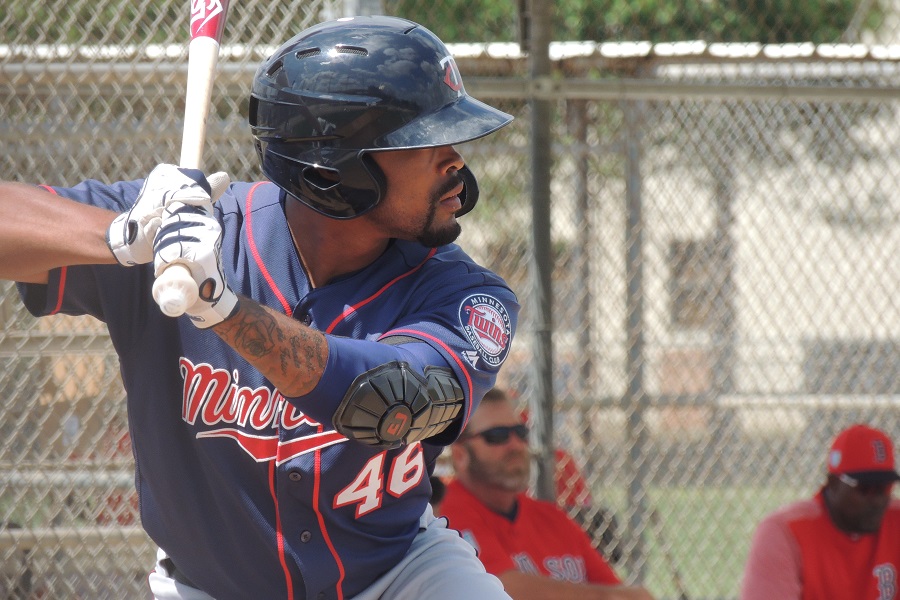 Find out everything that happened happened in the Twins system on Thursday, starting with the transactions of the day. TRANSACTIONS RHP Kohl Stewart returned to Rochester. OF Jimmy Kerrigan returned to Pensacola. LHP Andrew Vasquez and LHP Lachlan Wells began rehab assignments with the GCL Twins. Cody Allen will be assigned to Double-A Pensacola to start his minor league assignment. (he appears on the Blue Wahoos roster) In the GCL, Landon Leach and Seth Pinkerton were added to the 7 Day IL. Also, Zach Featherstone, Danny Moreno, Luis Gomez, Michael Montero, Sean Mooney, Jon Olsen and Fredderi Soto were placed on the 60 Day IL. RHP and 2019 draft pick Tyler Beck returned to the GCL Twins after his one appearance with the Ft. Myers Miracle. 11th-round pick Tanner Brubaker has signed. That means that the Twins have signed 16 of their first 17 draft picks so far. Darren Wolfson tweeted that fifth-round pick Will Holland (Auburn) is expected to come to Target Field this week and sign. For more on the Twins draft pick signings, click here. https://twitter.com/DWolfsonKSTP/status/1143274767471935488 RED WINGS REPORT Rochester 8, Scranton/Wilkes Barre 6 Box Score The score was tied 3-3 after six innings, and then 5-5 after seven innings. Jaylin Davis came to the plate in the bottom of the eighth inning with two runners on and knocked his first AAA home run to give the team an 8-5 lead. Ian Krol came on for the ninth inning and gave up a solo homer but recorded his second save since joining the Red Wings. https://twitter.com/MorrieSilver8/status/1143343716754763776 Davis also threw out a runner at home. https://twitter.com/RocRedWings/status/1143331831913361408 Davis wasn’t the only Red Wings player to hit his first AAA home run on Monday night. Brian Schales hit his homer an inning earlier. Earlier in the game, Wilin Rosario hit his eighth home run of the season. Zander Wiel went 2-for-4. Schales was 2-for-3 with a walk. Wynston Sawyer went 3-for-4 with his 11th double. Sean Poppen made his first start for the Red Wings since his MLB debut last week. He struck out seven batters over 5 2/3 innings. He gave up three runs on six hits and two walks. Adam Bray came on and gave up two runs on four hits and a walk in 1 1/3 innings. DJ Baxendale struck out two batters in his inning. Krol gave up the solo homer and a walk in the ninth. BLUE WAHOO BITES Pensacola 2, Jacksonville 4 Box Score Griffin Jax put together arguably his best start of the season, but on this night the bullpen was unable to hold the lead. Jax started and threw seven shutout innings. He gave up just two hits, walked none and struck out five. He needed just 72 pitches to go seven innings and 56 of them were strikes. In the eighth inning, Jeff Ames came on. He faced three batters and gave up two hits and a walk. Still leading 2-1, Sam Clay was brought in with two runners on. Three hits later, the two inherited runners and one more scored. The Blue Wahoos were not able to generate much offense. Mark Contreras hit a fifth-inning homer, his third of the year. Travis Blankenhorn led off the game with his 13th home run with the Blue Wahoos, and 14th overall. Blankenhorn now has hits in 18 of his last 19 games. MIRACLE MATTERS Ft. Myers Box Score The Miracle had the day off. KERNELS NUGGETS Cedar Rapids Box Score No game scheduled for the Kernels. E-TWINS E-NOTES E-Twins Box Score Elizabethton had their first day off since their season began a week ago. GCL TWINS TAKES GCL Twins 3, GCL Pirates 4 Box Score There are a lot of storylines in the GCL Twins opening game to their 2019 season. So let’s start with the game itself. The Twins fell behind 4-0. They attempted a comeback in the top of the ninth inning, but it fell just short. One big story is the return of LHP Lachlan wells to a game mound. It was the first time he has pitched in a regular season game since September 2, 2017. He had Tommy John surgery last May. In this game, he started with four scoreless innings, but he was charged with three runs in the fifth inning. He gave up six hits, walked none and struck out nine batters. Following the game, the still-22-year-old Wells told Twins Daily, “It felt awesome to be back out there competing again. Can’t wait for the rest of the season.” After Wells’ day was done, LHP Andrew Vasquez came on. He has been on the IL since June 4th with a left shoulder strain. He worked two hitless innings. He walked one and struck out six batters. German right-hander Niklas Rimmel pitched the eighth inning. He gave up one run on one hit and one walk. The other big story of the game was the professional debut of Keoni Cavaco. He played shortstop and batted second in the order. He flew out to center field the first two times to bat. He then grounded out to third base. In his final at bat, he singled to left. Bryon Gandy, the Twins 32nd-round pick out of Lurleen B Wallace St JC this year, went 2-for-3 in the game. Parker Phillips (27th round, Austin Peay) had a single and an RBI. Jake Hirabayashi (39th round, UCLA) also had a single and an RBI. For each, the hits were their first in pro baseball. TWINS DAILY PLAYERS OF THE DAY Twins Daily Minor League Pitcher of the Day - Griffin Jax, Pensacola Blue Wahoos Twins Daily Minor League Hitter of the Day – Jaylin Davis, Rochester Red Wings PROSPECT SUMMARY Here’s a look at how the Twins Daily Top 20 Twins Prospects performed: #2 - Alex Kirilloff (Pensacola) - 1-4, 3K #6 - Brent Rooker (Rochester) - 0-3, BB, K #11 - Nick Gordon (Rochester) - 0-5, R, K #18 - LaMonte Wade (Rochester) - 1-4, 2B(10), R, RBI, K TUESDAY’S PROBABLE STARTERS Scranton/Wilkes Barre @ Rochester (11:35 am CST) - RHP Kohl Stewart (5-3, 4.76 ERA) Biloxi @ Pensacola (6:35 CST) - LHP Bryan Sammons (1-1, 5.70 ERA) Ft. Myers @ Charlotte (5:30 CST) - RHP Jhoan Duran (1-6, 3.15 ERA) Wisconsin @ Cedar Rapids (6:35 CST) - RHP Kai-Wei Teng (2-0, 2.57 ERA) Bristol @ Elizabethton (5:30 CST) - TBD GCL Pirates @ GCL Twins (11:00 CST) - TBD Please feel free to ask any questions and discuss the Monday games or any other minor league topics you would like.
 -
Last week, we began revealing the Twins Daily Midseason Top 40 Prospects rankings with our choices for prospects 31-40 (Part 1, Part 2). This week, we jump into our Top 30 prospects. These “lower” rankings help illustrate the prospect depth in the Twins organization. Two guys in the 31-40 range have already played in the big leagues. This group reminds us of how quickly talent can be accumulated via trade and the draft. Several of our minor league writers provided player rankings. They were consolidated and our rankings are set. In this set, there are a couple of high-potential players who could quickly rise, and all of them are very capable of playing and contributing in the big leagues. Or, as July approaches, they are candidates to possibly be traded. In fact, 60% of today’s prospects were acquired by the Twins in a trade.Continue reading, and then discussing, the Twins Daily choices for 26th through 30th prospects of the Minnesota Twins below. 30. Lewin Diaz - 1B Age: 22 ETA: Late 2020 2019 Stats (High-A/AA): .303/.343/.541 (.884 OPS), 14 2B, 1 3B, 13 HR, 44 K, 14 BB. 2019 Preseason Ranking: NR Seth: 25 | Tom: 25 | Cody: 39 | Ted: NR | Steve: 18 Diaz was a big prospect when the Twins signed him for $1.4 million in July 2013. He was the Twins Daily short-season Minor League Hitter of the Year in 2016 when he had a strong season at Elizabethton. He was quite productive in Cedar Rapids in 2017. Last year, he struggled in the first half in Ft. Myers and his season ended with wrist surgery. He came to spring training much lighter in 2017 and lighter yet in 2018 and his hard work really paid off. He was red hot in May and selected the Twins Daily Minor League Hitter of the Month when he hit 10 home runs. He was promoted to Pensacola last week and started out hot there. 29. Devin Smeltzer - LHP Age: 23 ETA: 2019 2019 Stats (AAA/MLB): . MLB: 12.1 IP, 3.65 ERA, 0.89 WHIP, 6.6 K/9, 2.2 BB/9, 3.0 K/BB MILB: 70.0 IP, 1.80 ERA, 0.93 WHIP, 9.4 K/9, 1.5 BB/9, 6.1 K/BB 2019 Ranking: NR Seth: 31 | Tom: 31 | Cody: 21 | Ted: NR | Steve: NR When the Twins acquired Smeltzer (and Luke Raley) from the Dodgers last July for Brian Dozier, few knew much about the left-hander. And if anything, it was more about his story than his pitching. He had been moved to the bullpen by the Dodgers and pitched in that role in Chattanooga and in the Arizona Fall League. But this offseason, the decision was made for him to return to starting, and he has been terrific. He started in Pensacola where he gave up just two earned runs in 30 innings (five starts). He moved up to Rochester and started with 15 scoreless innings. He came up to the Twins and worked six shutout innings against the Brewers and made one more start. Smeltzer is a good reminder that command for pitchers is key. He tops out at about 92 but he mixes all of his pitches really well and he’s able to miss bats without issuing walks. 28. Matt Canterino - RHP Age: 21 ETA: 2022 2019 Stats (College): 99.1 IP, 2.81 ERA, 0.97 WHIP, 11.0 K/9, 2.1 BB/9, 5.3 K/BB 2019 Ranking: NR Seth: 32 | Tom: 29 | Cody: 28 | Ted: 18 | Steve: 22 It is likely we won’t actually see Canterino pitch in 2019, and if he does, it will be with very limited innings in the low minor leagues. Just 21, he has a lot of pitching experience and innings under his belt, so I expect he will be shut down until spring. He has pitched for Rice University the last three years. He is one of just two college pitchers who has over 100 strikeouts in each of the past three seasons. He spent a summer with Team USA. He spent last summer in the Cape Cod League. He throws a fastball that sits in the 92-94 range but he can crank it up into the upper 90s. He’s got a good mid-80s slider and a spike curveball. 27. Luke Raley - OF Age: 24 ETA: 2020 2019 Stats (AAA): .302/.362/.516 (.878 OPS), 6 2B, 0 3B, 7 HR, 42 K, 7 BB. 2019 Preseason Ranking: Seth: 19 | Tom: 23 | Cody: 46 | Ted: 15 | Steve: 28 Raley has kind of always been an overlooked player. He had a really good high school career, yet he ended up going to Division II Lake Erie College. He dominated at that level but was a seventh-round pick of the Dodgers in 2016. He has put up a lot of power since then while never being considered a top prospect. We continue that trend with these rankings. When Raley’s season came to an abrupt stop with an ankle injury, he was playing well and just starting to display some big power for that Red Wings offense. He has a ton of power, and he’s also got enough speed that he played quite a bit in center field. People tout his high-energy level and willingness to work, along with his power potential. 26. Gilberto Celestino - OF ETA: 2018 Age: 20 2019 Stats (Low-A): .217/.298/.314 (.612 OPS), 11 2B, 1 3B, 4 HR, 51 K, 28 BB. 2019 Ranking: 16 Seth: 27 | Tom: 26 | Cody: 27 | Ted: 24 | Steve: 29 The Twins acquired Celestino, along with RHP Jorge Alcala, late last July from the Houston Astros in exchange for RHP Ryan Pressly. Celestino was a big international signing when he was a 16-year-old. He is a very good athlete. He’s not tall, but he is built strong and has really good speed. Some scouting reports indicate that he a very good defensive center fielder with a strong arm and room to continue to improve. Offensively, he works counts and is willing to take walks, though that has led to a lot of strikeouts to this point. He’s very young for the Midwest League and has not been over-matched. That's it for now. The prospect rankings will continue tomorrow. Feel free to ask questions and leave comments below. Twins Daily 2019 Midseason Prospect Rankings Prospects 36-40 Prospects 31-35 Prospects 26-30 Prospects 21-25 (Coming Soon) Click here to view the article
- 21 replies
-
- 4
-
-
- matt canterino
- devin smeltzer
- (and 3 more)
-
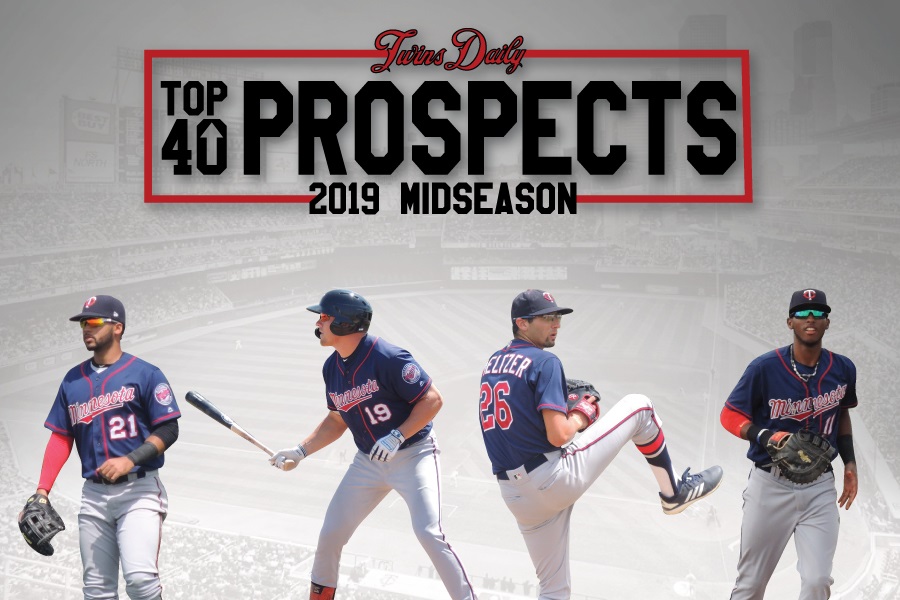 Continue reading, and then discussing, the Twins Daily choices for 26th through 30th prospects of the Minnesota Twins below. 30. Lewin Diaz - 1B Age: 22 ETA: Late 2020 2019 Stats (High-A/AA): .303/.343/.541 (.884 OPS), 14 2B, 1 3B, 13 HR, 44 K, 14 BB. 2019 Preseason Ranking: NR Seth: 25 | Tom: 25 | Cody: 39 | Ted: NR | Steve: 18 Diaz was a big prospect when the Twins signed him for $1.4 million in July 2013. He was the Twins Daily short-season Minor League Hitter of the Year in 2016 when he had a strong season at Elizabethton. He was quite productive in Cedar Rapids in 2017. Last year, he struggled in the first half in Ft. Myers and his season ended with wrist surgery. He came to spring training much lighter in 2017 and lighter yet in 2018 and his hard work really paid off. He was red hot in May and selected the Twins Daily Minor League Hitter of the Month when he hit 10 home runs. He was promoted to Pensacola last week and started out hot there. 29. Devin Smeltzer - LHP Age: 23 ETA: 2019 2019 Stats (AAA/MLB): . MLB: 12.1 IP, 3.65 ERA, 0.89 WHIP, 6.6 K/9, 2.2 BB/9, 3.0 K/BB MILB: 70.0 IP, 1.80 ERA, 0.93 WHIP, 9.4 K/9, 1.5 BB/9, 6.1 K/BB 2019 Ranking: NR Seth: 31 | Tom: 31 | Cody: 21 | Ted: NR | Steve: NR When the Twins acquired Smeltzer (and Luke Raley) from the Dodgers last July for Brian Dozier, few knew much about the left-hander. And if anything, it was more about his story than his pitching. He had been moved to the bullpen by the Dodgers and pitched in that role in Chattanooga and in the Arizona Fall League. But this offseason, the decision was made for him to return to starting, and he has been terrific. He started in Pensacola where he gave up just two earned runs in 30 innings (five starts). He moved up to Rochester and started with 15 scoreless innings. He came up to the Twins and worked six shutout innings against the Brewers and made one more start. Smeltzer is a good reminder that command for pitchers is key. He tops out at about 92 but he mixes all of his pitches really well and he’s able to miss bats without issuing walks. http://traffic.libsyn.com/sethstohs/Get_To_Know_Em_Eps_4_Devin_Smeltzer_Final.mp3 28. Matt Canterino - RHP Age: 21 ETA: 2022 2019 Stats (College): 99.1 IP, 2.81 ERA, 0.97 WHIP, 11.0 K/9, 2.1 BB/9, 5.3 K/BB 2019 Ranking: NR Seth: 32 | Tom: 29 | Cody: 28 | Ted: 18 | Steve: 22 It is likely we won’t actually see Canterino pitch in 2019, and if he does, it will be with very limited innings in the low minor leagues. Just 21, he has a lot of pitching experience and innings under his belt, so I expect he will be shut down until spring. He has pitched for Rice University the last three years. He is one of just two college pitchers who has over 100 strikeouts in each of the past three seasons. He spent a summer with Team USA. He spent last summer in the Cape Cod League. He throws a fastball that sits in the 92-94 range but he can crank it up into the upper 90s. He’s got a good mid-80s slider and a spike curveball. https://twitter.com/DWolfsonKSTP/status/1135753743826395136 27. Luke Raley - OF Age: 24 ETA: 2020 2019 Stats (AAA): .302/.362/.516 (.878 OPS), 6 2B, 0 3B, 7 HR, 42 K, 7 BB. 2019 Preseason Ranking: Seth: 19 | Tom: 23 | Cody: 46 | Ted: 15 | Steve: 28 Raley has kind of always been an overlooked player. He had a really good high school career, yet he ended up going to Division II Lake Erie College. He dominated at that level but was a seventh-round pick of the Dodgers in 2016. He has put up a lot of power since then while never being considered a top prospect. We continue that trend with these rankings. When Raley’s season came to an abrupt stop with an ankle injury, he was playing well and just starting to display some big power for that Red Wings offense. He has a ton of power, and he’s also got enough speed that he played quite a bit in center field. People tout his high-energy level and willingness to work, along with his power potential. 26. Gilberto Celestino - OF ETA: 2018 Age: 20 2019 Stats (Low-A): .217/.298/.314 (.612 OPS), 11 2B, 1 3B, 4 HR, 51 K, 28 BB. 2019 Ranking: 16 Seth: 27 | Tom: 26 | Cody: 27 | Ted: 24 | Steve: 29 The Twins acquired Celestino, along with RHP Jorge Alcala, late last July from the Houston Astros in exchange for RHP Ryan Pressly. Celestino was a big international signing when he was a 16-year-old. He is a very good athlete. He’s not tall, but he is built strong and has really good speed. Some scouting reports indicate that he a very good defensive center fielder with a strong arm and room to continue to improve. Offensively, he works counts and is willing to take walks, though that has led to a lot of strikeouts to this point. He’s very young for the Midwest League and has not been over-matched. That's it for now. The prospect rankings will continue tomorrow. Feel free to ask questions and leave comments below. Twins Daily 2019 Midseason Prospect Rankings Prospects 36-40 Prospects 31-35 Prospects 26-30 Prospects 21-25 (Coming Soon)
 -
Allen will likely work with the pitching coach at whichever affiliate they send him to... He may start by just spending a few weeks in Ft. Myers and see what's going on. That said, Wes Johnson will definitely be involved. Maybe Allen will travel with the team for a bit. Presumably he'll be at Target Field for the upcoming homestand and throw a couple of bullpens with Johnson and develop an individualized plan for him (as they do for every player in the system).
- 38 replies
-
- 7
-
-
- cody allen
- derek falvey
- (and 1 more)
-
I like getting vegetables at the grocery store, but I also like to buy a steak every once in awhile... It is possible to do both... but you can't avoid opportunities like this just because you want bigger moves.
- 38 replies
-
- 8
-
-
- cody allen
- derek falvey
- (and 1 more)
-
In the offseason, many Twins fans assumed that the team would sign RHP Cody Allen to its bullpen. He signed with the Angels. They released him and now reports indicate that the Twins have signed the veteran.Cody Allen had a few really good years in Cleveland. Many assumed that his connection with Twins CBO Derek Falvey made him a realistic offseason target for the Twins. Instead he signed with the Angels. Things did not go well for Allen in Anaheim. He was designated for assignment before being given his outright release last week. In 25 games for the Halos, he posted a 6.26 ERA and a 1.91 WHIP. In just 23 innings, he had 29 strikeouts but also walked 20 batters. From 2013 to 2017 (five seasons), he never posted an ERA over 2.99. He was Cleveland's closer a couple of those years and a key late-inning reliever. He posted 145 saves for them Jon Heyman was the first to tweet the news. "There is no timeline." The Twins don't have to push him to the big leagues to see value. "They want to get their hands on him." Derek Falvey came to the Twins with a reputation as being a pitcher guru from his days in Cleveland. Wes Johnson is being given a lot of credit for the Twins pitching successes in 2019. It will be interesting to see when Allen arrives with a Twins affiliate and which affiliate that is. How quickly will he get to Rochester? And, the strikeouts certainly indicate that there is some stuff remaining for the still-just-30-year-old. As with RHP Drew Hutchinson, who signed a minor league deal with the Twins on Friday, signing Allen to a minor league deal is a no-risk, potentially good reward deal. If he never finds his velocity and isn't good in the minors, the Twins are not obligated to call him up. If he finds his stuff again, the Twins could have added a low-cost late inning reliever for the season's final weeks. Click here to view the article
-
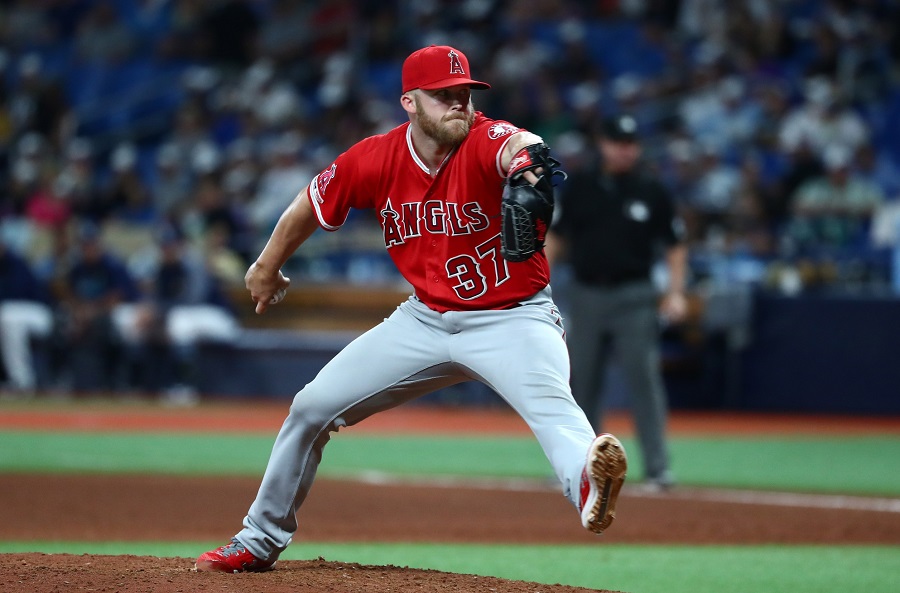 Cody Allen had a few really good years in Cleveland. Many assumed that his connection with Twins CBO Derek Falvey made him a realistic offseason target for the Twins. Instead he signed with the Angels. Things did not go well for Allen in Anaheim. He was designated for assignment before being given his outright release last week. In 25 games for the Halos, he posted a 6.26 ERA and a 1.91 WHIP. In just 23 innings, he had 29 strikeouts but also walked 20 batters. From 2013 to 2017 (five seasons), he never posted an ERA over 2.99. He was Cleveland's closer a couple of those years and a key late-inning reliever. He posted 145 saves for them Jon Heyman was the first to tweet the news. Dan Hayes posts an update with a good reason for the signing. "There is no timeline." The Twins don't have to push him to the big leagues to see value. "They want to get their hands on him." Derek Falvey came to the Twins with a reputation as being a pitcher guru from his days in Cleveland. Wes Johnson is being given a lot of credit for the Twins pitching successes in 2019. It will be interesting to see when Allen arrives with a Twins affiliate and which affiliate that is. How quickly will he get to Rochester? And, the strikeouts certainly indicate that there is some stuff remaining for the still-just-30-year-old. As with RHP Drew Hutchinson, who signed a minor league deal with the Twins on Friday, signing Allen to a minor league deal is a no-risk, potentially good reward deal. If he never finds his velocity and isn't good in the minors, the Twins are not obligated to call him up. If he finds his stuff again, the Twins could have added a low-cost late inning reliever for the season's final weeks.
