



Nash Walker
-
Posts
898 -
Joined
-
Last visited
-
Days Won
1
Content Type
Profiles
News
Minnesota Twins Videos
2026 Minnesota Twins Top Prospects Ranking
2022 Minnesota Twins Draft Picks
Minnesota Twins Free Agent & Trade Rumors, Notes, & Tidbits
Guides & Resources
2023 Minnesota Twins Draft Picks
The Minnesota Twins Players Project
2024 Minnesota Twins Draft Picks
2025 Minnesota Twins Draft Pick Tracker
2026 Minnesota Twins Draft Tracker: Picks & Bonuses
Forums
Blogs
Events
Store
Downloads
Gallery
Everything posted by Nash Walker
-
 Trade season is fast approaching. The Twins have only eight more games until the deadline, and they must improve the club if they want to find success in the second half and into the postseason. This five-point scoring system runs on five factors: player, projection, availability, expected cost, and viability: higher score = a better target for the Twins. THE FIVE FACTORS PLAYER: How has the player performed? How much of a difference would they make for the Twins? PROJECTION: Is there an upside with this player? Is there team control beyond this year? Are there injury concerns? AVAILABILITY: Is the player actually on the trade block? EXPECTED COST: What will it take to acquire this player, in prospect capital and dollars? VIABILITY: What’s the leaguewide desire for this player? Would the Twins have a chance in a bidding war? Let’s move on to a former ace in Angels’ starter Noah Syndergaard. PLAYER Syndergaard, 29, was a popular trade target for Twins fans at the 2019 deadline when the team was in winning position and needed quality starters. The situation is the same in 2022, but Syndergaard isn’t. Once a firebreather, Syndergaard’s velocity is way down after Tommy John surgery. He’s primarily sinker/slider against righties, with his fastball averaging 94 mph and his slider 83. The stuff is down, but righties are hitting just .232/.282/.369 off him this year. He can still get outs. Syndergaard is not a surefire game-one starter he once was. He may not even be a playoff-caliber starter, with a 4.00 ERA and 19% strikeout rate. He could provide stability to the Twins’ rotation and slot in as a solid No. 3 or 4 who could eat up innings. PLAYER SCORE: 2 PROJECTION It feels like the upside on Syndergaard is limited. It’s unlikely he regains his velocity in the second half of a season coming off arm surgery, and he’ll probably need workload maintenance. He’s on a one-year deal, so any value the Twins get will be in his handful of starts after the deadline. If there were a sense Syndergaard was returning to prior form, he would be a much more intriguing target. His average fastball velocity in July is 93.4 mph, down over a tick from his average of 94.6 in April. It’s a similar story with his slider, where he’s lost nearly two MPH on its average velocity since the opening month. Syndergaard knows how to pitch and has reinvented himself with diminished stuff. You can probably count on a league-average ERA if he's healthy. That doesn’t entirely move the needle, but his projection down the stretch is fairly gloomy. PROJECTION SCORE: 1 AVAILABILITY Poor Angels fans. Once again, with two of the best players in MLB history, the Angels are an embarrassment. They signed Syndergaard to a one-year, $21 million deal to compete. Instead, they’re likely to sell at the deadline. The Angels don’t have many clear trade candidates. They constantly operate as a contender but fail to play like one. Ryan Tepera may become available, or even someone like Jared Walsh, but their most likely trade involves Syndergaard. AVAILABILITY SCORE: 5 EXPECTED COST Unlike Luis Castillo or Frankie Montas, Syndergaard will cost more money than he will in prospects. Any acquiring team should assume the remaining ~$10 million on Syndergaard’s 2022 contract. There’s quite simply no reason for the Angels to keep him. Finding a buyer’s market on a starting pitcher is out of the ordinary, but I believe that’s the case with Syndergaard. Given his health concerns, mediocre performance, and remaining salary, one could wonder how many teams will be interested. Syndergaard was once one of the premier starters in the game. Teams would’ve lined up to trade for him just a few years ago. Now, you can probably get him for a medium-level prospect. COST SCORE: 5 VIABILITY This feels like a Twins move. It’s a buy-low opportunity that won’t cost the farm. If the Twins choose a mid-level approach, where they acquire a few relievers and mid-rotation starter, Syndergaard fits that mold. We have yet to see this Twins regime sell out for anybody at the deadline. Top-of-the-line contenders like the Yankees and Astros will likely look elsewhere. That could provide an opportunity for the Twins to scoop up Syndergaard for very little in prospect capital. Of course, Syndergaard is not close to the level of Castillo, Montas, or Tyler Mahle. VIABILITY SCORE: 4 Syndergaard is far from flashy, and he's not a guarantee to remain healthy and effective down the stretch, With the Twins' shaky rotation, he may be worth the low risk. FINAL SCORE: 17 What do you think about Noah Syndergaard? Comment below! View full article
 -
The Twins need quality innings in their starting rotation. Noah Syndergaard, once an ace, could at least provide some stability in the second half. Let's discuss his fit with the Twins. View full video
-
The Twins need quality innings in their starting rotation. Noah Syndergaard, once an ace, could at least provide some stability in the second half. Let's discuss his fit with the Twins.
-
Trade season is fast approaching. The Twins have only eight more games until the deadline, and they must improve the club if they want to find success in the second half and into the postseason. This five-point scoring system runs on five factors: player, projection, availability, expected cost, and viability: higher score = a better target for the Twins. THE FIVE FACTORS PLAYER: How has the player performed? How much of a difference would they make for the Twins? PROJECTION: Is there an upside with this player? Is there team control beyond this year? Are there injury concerns? AVAILABILITY: Is the player actually on the trade block? EXPECTED COST: What will it take to acquire this player, in prospect capital and dollars? VIABILITY: What’s the leaguewide desire for this player? Would the Twins have a chance in a bidding war? There’s been a considerable buzz with Oakland Athletics’ starter Frankie Montas over the last six months. Does a trade still make sense for the Twins? Let’s break it down. PLAYER Montas, 29, has become a high-quality workhorse. He’s thrown 283 2/3 innings since the start of last year with an ERA that’s 18% better than the league average. Montas has struck out 26% of batters in that span, with a 7% walk rate and 3.35 FIP. He’s rock solid. Thankfully, Montas has cut down on his sinker usage from a year ago. The pitch continues to get crushed, but he’s finally throwing it less and relying more on two, plus offspeed pitches. His four-seam fastball averages 96 mph and is a weapon when he pumps it up in the zone. Montas’ best pitch is a swing-and-miss splitter, but his slider has strong characteristics with a 40% whiff rate in 2022. The big right-hander has a complete array of weapons, and there’s room for upside with a few more tweaks. PLAYER SCORE: 4 PROJECTION Any team that acquires Montas assumes the risk of his latest shoulder problem, which may or may not be a red flag. Encouragingly, he expects to log multiple starts before the trade deadline. He’s under team control through 2023. Montas has an electric arm, one that has ace potential. He’s not quite there yet, but a few tweaks could unlock a true star. I believe an acquiring team would encourage him to drop his sinker usage from 22% to 0%. The sooner Montas is a three-pitch pitcher, the better. His four-seamer has good spin and works best off his splitter and slider. Montas throws his sinker and four-seamer an identical 24.6% of the time against lefties. Against the sinker, they’re hitting .353 with a .647 slugging percentage. Against the four-seamer, they’re hitting .216 with a .297 slugging percentage. Easy fixes if Montas buys in. PROJECTION SCORE: 3 AVAILABILITY The A’s have shopped Montas for months as they embark on a complete rebuild. They traded Matt Olson, Matt Chapman, Chris Bassitt, and Sean Manaea but interestingly held onto Montas. It’s conceivable they were encouraged when the Twins received (at the time) a hefty package for 1.5 years of José Berríos. Montas’ health could be a significant enough deterrent that the A’s hold onto him until the winter. It’s hard to imagine a scenario where they receive more for him this offseason, though, which makes it highly likely he’s traded at the deadline. Still, these are the A’s, and you never really know. AVAILABILITY SCORE: 4 EXPECTED COST Montas is the second-best starter on the market behind only Luis Castillo. If he showcases his health and teams feel comfortable enough, Montas should command at least one top-100 prospect and multiple more top prospects from a contender’s system. Montas’ contract should attract the Twins, given that they expect to compete again in 2023. On the flip side, his team control for next year significantly increases his price. The A’s have reportedly been interested in Spencer Steer, which is at least interesting. According to MLB Trade Simulator, a deal including Spencer Steer and Josh Winder would get it done. The tool is far from perfect, but that’s a package very similar to what the Twins got for Berríos last year. EXPECTED COST: 2 VIABILITY The Twins’ interest in Montas is well-documented. He’s a good, young, controllable starter with upside. It’d be odd if they didn’t have interest in him. There will be many teams in the running. Montas’ shoulder questions could allow the Twins to jump the market, but a few healthy starts may be enough to convince teams he’s worth the risk. There are plenty of suitors, making it reasonably unlikely the Twins will outbid to acquire him. VIABILITY SCORE: 2 The Montas situation has changed a few ways, specifically with his health. The Twins would be taking a risk on him while losing multiple top prospects. He is a game-one starter, but is he worth it? Comment below! OVERALL SCORE: 15 View full article
-
.jpg.9d845752459d0c7e0c9340b17b7e8a66.jpg) This five-point scoring system runs on five factors: player, projection, availability, expected cost, and viability: higher score = a better target for the Twins. THE FIVE FACTORS PLAYER: How has the player performed? How much of a difference would they make for the Twins? PROJECTION: Is there an upside with this player? Is there team control beyond this year? Are there injury concerns? AVAILABILITY: Is the player actually on the trade block? EXPECTED COST: What will it take to acquire this player, in prospect capital and dollars? VIABILITY: What’s the leaguewide desire for this player? Would the Twins have a chance in a bidding war? There’s been a considerable buzz with Oakland Athletics’ starter Frankie Montas over the last six months. Does a trade still make sense for the Twins? Let’s break it down. PLAYER Montas, 29, has become a high-quality workhorse. He’s thrown 283 2/3 innings since the start of last year with an ERA that’s 18% better than the league average. Montas has struck out 26% of batters in that span, with a 7% walk rate and 3.35 FIP. He’s rock solid. Thankfully, Montas has cut down on his sinker usage from a year ago. The pitch continues to get crushed, but he’s finally throwing it less and relying more on two, plus offspeed pitches. His four-seam fastball averages 96 mph and is a weapon when he pumps it up in the zone. Montas’ best pitch is a swing-and-miss splitter, but his slider has strong characteristics with a 40% whiff rate in 2022. The big right-hander has a complete array of weapons, and there’s room for upside with a few more tweaks. PLAYER SCORE: 4 PROJECTION Any team that acquires Montas assumes the risk of his latest shoulder problem, which may or may not be a red flag. Encouragingly, he expects to log multiple starts before the trade deadline. He’s under team control through 2023. Montas has an electric arm, one that has ace potential. He’s not quite there yet, but a few tweaks could unlock a true star. I believe an acquiring team would encourage him to drop his sinker usage from 22% to 0%. The sooner Montas is a three-pitch pitcher, the better. His four-seamer has good spin and works best off his splitter and slider. Montas throws his sinker and four-seamer an identical 24.6% of the time against lefties. Against the sinker, they’re hitting .353 with a .647 slugging percentage. Against the four-seamer, they’re hitting .216 with a .297 slugging percentage. Easy fixes if Montas buys in. PROJECTION SCORE: 3 AVAILABILITY The A’s have shopped Montas for months as they embark on a complete rebuild. They traded Matt Olson, Matt Chapman, Chris Bassitt, and Sean Manaea but interestingly held onto Montas. It’s conceivable they were encouraged when the Twins received (at the time) a hefty package for 1.5 years of José Berríos. Montas’ health could be a significant enough deterrent that the A’s hold onto him until the winter. It’s hard to imagine a scenario where they receive more for him this offseason, though, which makes it highly likely he’s traded at the deadline. Still, these are the A’s, and you never really know. AVAILABILITY SCORE: 4 EXPECTED COST Montas is the second-best starter on the market behind only Luis Castillo. If he showcases his health and teams feel comfortable enough, Montas should command at least one top-100 prospect and multiple more top prospects from a contender’s system. Montas’ contract should attract the Twins, given that they expect to compete again in 2023. On the flip side, his team control for next year significantly increases his price. The A’s have reportedly been interested in Spencer Steer, which is at least interesting. According to MLB Trade Simulator, a deal including Spencer Steer and Josh Winder would get it done. The tool is far from perfect, but that’s a package very similar to what the Twins got for Berríos last year. EXPECTED COST: 2 VIABILITY The Twins’ interest in Montas is well-documented. He’s a good, young, controllable starter with upside. It’d be odd if they didn’t have interest in him. There will be many teams in the running. Montas’ shoulder questions could allow the Twins to jump the market, but a few healthy starts may be enough to convince teams he’s worth the risk. There are plenty of suitors, making it reasonably unlikely the Twins will outbid to acquire him. VIABILITY SCORE: 2 The Montas situation has changed a few ways, specifically with his health. The Twins would be taking a risk on him while losing multiple top prospects. He is a game-one starter, but is he worth it? Comment below! OVERALL SCORE: 15
This five-point scoring system runs on five factors: player, projection, availability, expected cost, and viability: higher score = a better target for the Twins. THE FIVE FACTORS PLAYER: How has the player performed? How much of a difference would they make for the Twins? PROJECTION: Is there an upside with this player? Is there team control beyond this year? Are there injury concerns? AVAILABILITY: Is the player actually on the trade block? EXPECTED COST: What will it take to acquire this player, in prospect capital and dollars? VIABILITY: What’s the leaguewide desire for this player? Would the Twins have a chance in a bidding war? There’s been a considerable buzz with Oakland Athletics’ starter Frankie Montas over the last six months. Does a trade still make sense for the Twins? Let’s break it down. PLAYER Montas, 29, has become a high-quality workhorse. He’s thrown 283 2/3 innings since the start of last year with an ERA that’s 18% better than the league average. Montas has struck out 26% of batters in that span, with a 7% walk rate and 3.35 FIP. He’s rock solid. Thankfully, Montas has cut down on his sinker usage from a year ago. The pitch continues to get crushed, but he’s finally throwing it less and relying more on two, plus offspeed pitches. His four-seam fastball averages 96 mph and is a weapon when he pumps it up in the zone. Montas’ best pitch is a swing-and-miss splitter, but his slider has strong characteristics with a 40% whiff rate in 2022. The big right-hander has a complete array of weapons, and there’s room for upside with a few more tweaks. PLAYER SCORE: 4 PROJECTION Any team that acquires Montas assumes the risk of his latest shoulder problem, which may or may not be a red flag. Encouragingly, he expects to log multiple starts before the trade deadline. He’s under team control through 2023. Montas has an electric arm, one that has ace potential. He’s not quite there yet, but a few tweaks could unlock a true star. I believe an acquiring team would encourage him to drop his sinker usage from 22% to 0%. The sooner Montas is a three-pitch pitcher, the better. His four-seamer has good spin and works best off his splitter and slider. Montas throws his sinker and four-seamer an identical 24.6% of the time against lefties. Against the sinker, they’re hitting .353 with a .647 slugging percentage. Against the four-seamer, they’re hitting .216 with a .297 slugging percentage. Easy fixes if Montas buys in. PROJECTION SCORE: 3 AVAILABILITY The A’s have shopped Montas for months as they embark on a complete rebuild. They traded Matt Olson, Matt Chapman, Chris Bassitt, and Sean Manaea but interestingly held onto Montas. It’s conceivable they were encouraged when the Twins received (at the time) a hefty package for 1.5 years of José Berríos. Montas’ health could be a significant enough deterrent that the A’s hold onto him until the winter. It’s hard to imagine a scenario where they receive more for him this offseason, though, which makes it highly likely he’s traded at the deadline. Still, these are the A’s, and you never really know. AVAILABILITY SCORE: 4 EXPECTED COST Montas is the second-best starter on the market behind only Luis Castillo. If he showcases his health and teams feel comfortable enough, Montas should command at least one top-100 prospect and multiple more top prospects from a contender’s system. Montas’ contract should attract the Twins, given that they expect to compete again in 2023. On the flip side, his team control for next year significantly increases his price. The A’s have reportedly been interested in Spencer Steer, which is at least interesting. According to MLB Trade Simulator, a deal including Spencer Steer and Josh Winder would get it done. The tool is far from perfect, but that’s a package very similar to what the Twins got for Berríos last year. EXPECTED COST: 2 VIABILITY The Twins’ interest in Montas is well-documented. He’s a good, young, controllable starter with upside. It’d be odd if they didn’t have interest in him. There will be many teams in the running. Montas’ shoulder questions could allow the Twins to jump the market, but a few healthy starts may be enough to convince teams he’s worth the risk. There are plenty of suitors, making it reasonably unlikely the Twins will outbid to acquire him. VIABILITY SCORE: 2 The Montas situation has changed a few ways, specifically with his health. The Twins would be taking a risk on him while losing multiple top prospects. He is a game-one starter, but is he worth it? Comment below! OVERALL SCORE: 15 -
Twins fans have heard a lot about Frankie Montas over the last six months. Now that the Twins are in first place and hopefully looking to improve at the deadline, does a trade for Montas still make sense? View full video
-
Twins fans have heard a lot about Frankie Montas over the last six months. Now that the Twins are in first place and hopefully looking to improve at the deadline, does a trade for Montas still make sense?
-
Minor League Report (7/21): FCL Twins, DSL Twins Return to Action
Nash Walker posted an article in Twins
 COMPLEX CHRONICLES FCL Twins 3, FCL Rays 7 Starting pitcher: Juan Rojas - 3 IP, 4 H, R/ER, 0 BB, 3 K Multi-hit games: None 2B: Jair Camargo (1) The FCL Twins fell below .500 in their first game back after four days off. The FCL Rays scored seven runs on 13 hits, jumping on the Twins’ bullpen. Twins’ starter Juan Rojas was solid in three innings of work, allowing only one run and striking out three. Danny De Andrade gave the Twins a first-inning 2-0 lead on a two-run single before the Rays scored three unanswered. The game was tied after five following an RBI single from Ernie Yake. Jair Camargo was thrown out at home on the play, and would’ve scored the go-ahead run. The Rays rallied in the seventh and never looked back, securing a four-run victory and improving to 22-9 on the season. The Twins will host the Red Sox Friday. DOMINICAN DAILIES DSL Twins 0, DSL Giants (Black) 0 (GAME SUSPENDED - TOP 2) Suspended in the top of the second due to rain, the DSL Twins and DSL Giants are tied at zero. The Twins went 0-for-4 with a strikeout in their first four plate appearances. Twins’ starter Roger Duran threw one scoreless innings, walking one and striking out one. The DSL Twins are scheduled to play the DSL Astros (Orange) Friday morning.
- 3 comments
-
- 1
-

-
- juan rojas
- ernie yake
- (and 2 more)
-
The Saints, Wind Surge, Kernels, and Mighty Mussels return to play on Friday, but the Florida Coast League Twins completed a game, and the Dominican Summer League Twins started a game Thursday. COMPLEX CHRONICLES FCL Twins 3, FCL Rays 7 Starting pitcher: Juan Rojas - 3 IP, 4 H, R/ER, 0 BB, 3 K Multi-hit games: None 2B: Jair Camargo (1) The FCL Twins fell below .500 in their first game back after four days off. The FCL Rays scored seven runs on 13 hits, jumping on the Twins’ bullpen. Twins’ starter Juan Rojas was solid in three innings of work, allowing only one run and striking out three. Danny De Andrade gave the Twins a first-inning 2-0 lead on a two-run single before the Rays scored three unanswered. The game was tied after five following an RBI single from Ernie Yake. Jair Camargo was thrown out at home on the play, and would’ve scored the go-ahead run. The Rays rallied in the seventh and never looked back, securing a four-run victory and improving to 22-9 on the season. The Twins will host the Red Sox Friday. DOMINICAN DAILIES DSL Twins 0, DSL Giants (Black) 0 (GAME SUSPENDED - TOP 2) Suspended in the top of the second due to rain, the DSL Twins and DSL Giants are tied at zero. The Twins went 0-for-4 with a strikeout in their first four plate appearances. Twins’ starter Roger Duran threw one scoreless innings, walking one and striking out one. The DSL Twins are scheduled to play the DSL Astros (Orange) Friday morning. View full article
-
Trade season is fast approaching. The Twins have only eight more games until the deadline, and they must improve the club if they want to find success in the second half and into the postseason. This five-point scoring system runs on five factors: player, projection, availability, expected cost, and viability: a higher score = a better target for the Twins. THE FIVE FACTORS: PLAYER: How has the player performed? How much of a difference would they make for the Twins? PROJECTION: Is there an upside with this player? Is there team control beyond this year? Are there injury concerns? AVAILABILITY: Is the player actually on the trade block? EXPECTED COST: What will it take to acquire this player, in prospect capital and dollars? VIABILITY: What’s the leaguewide desire for this player? Would the Twins have a chance in a bidding war? Next up in our series is Reds’ starter Tyler Mahle, an intriguing option. PLAYER Flying under the radar because of his electric rotation mate Luis Castillo, Mahle has quietly posted similar numbers over his last three seasons. Mahle, 27, owns a 3.94 ERA and 3.74 FIP in 320 innings since 2020. He’s struck out 372 batters during that span, tied for the 12th most in baseball. Mahle coughed up 33 runs in his first 47 innings this season, but his ERA is 2.58 in seven starts since then. Mahle gets swings and misses with a mid-90s fastball and a hard, high-spin slider. Mahle consistently spots his fastball up in the zone, producing whiffs and setting up his slider and splitter, a good pitch he’s thrown more often in 2022. Mahle is a flyball pitcher, which has undoubtedly hurt him at the hitter-friendly Great American Ballpark. Mahle has a 2.30 road ERA since 2020, giving up just five homers in over 100 innings. Mahle has a 5.63 ERA at home in that same span, allowing 19 homers in 78 ⅓ innings. He’s a prime candidate to break out with a change of scenery. PLAYER SCORE: 4 PROJECTION Unfortunately for Mahle and the Reds, he recently went on the injured list for a shoulder strain in early July. An MRI showed no structural damage, and Mahle expects to return right after the All-Star break. Still, shoulder problems are always scary, and it’s a key consideration for any team looking to trade for Mahle. Mahle has shockingly stark platoon splits over the last three seasons, with lefties posting a .573 OPS compared to an .835 OPS for righties. Unsurprisingly, righties have slugged .578 against Mahle at home during that span, with a .334 mark on the road. How would Mahle fare pitching his home games at the pitcher-friendly Target Field? Well, his expected ERA of 3.20 could be part of the answer. Any evaluation of Mahle (or Castillo, for that matter) has to include the impacts of The Great American Bandbox. PROJECTION SCORE: 4 AVAILABILITY The Reds have some crucial decisions to make. They already dealt Sonny Gray to the Twins this offseason and hold the keys to two of the best starting pitchers on the trade market. Castillo and Mahle have 1.5 years of team control, meaning any acquiring club would also have them under contract for 2023. It could benefit the Reds to allow Mahle to showcase his health in the second half, then deal him this offseason. It hasn’t been a particularly great season for him, yet his 3.55 FIP shows that bad luck has been a significant factor. It isn’t easy to envision a team giving up *more* for Mahle in the winter unless he has a crazy-good second half. It’s very likely the Reds will deal both their frontline starters in different deals, loading up their system and looking toward the future. AVAILABILITY SCORE: 5 EXPECTED COST Mahle should cost less than Castillo, but don’t assume it’ll be drastic. The Reds know Mahle’s underlying numbers are solid, and this is once again a seller’s market on the starting pitching front. Any deal for Mahle likely includes at least one top-100 prospect. MLB Trade Simulator pegs Mahle at a median value of 21.2, well below Castillo (41.2). An example package that would suffice the tool is Austin Martin, Matt Wallner, and Simeon Woods Richardson. It takes value to get value, and the Twins would have to feel more confident in Mahle’s metrics than his surface numbers in 2022. Is that a price you’re willing to pay? EXPECTED COST: 3 VIABILITY Given the Dodgers (and Yankees) known interest in Castillo, he’s probably a far-fetched get for the Twins. Mahle feels much more viable. He would presumably join Kenta Maeda, Joe Ryan, Bailey Ober, and his former teammate Sonny Gray in the 2023 rotation while helping the Twins down the stretch this summer and into the fall. The Twins have yet to make a blockbuster move at the trade deadline under the Derek Falvey/Thad Levine regime. Mahle wouldn’t quite qualify as that, but he’d hopefully provide stability to a rotation in need. Acquiring Mahle may also give the Twins more flexibility in a different deal, knowing they wouldn’t trade the entire farm for Castillo. VIABILITY SCORE: 3 I believe Mahle fits the Twins. He’s a good mix between talent and cost, with enough risk to hurt but also enough upside to impact. What do you think about Tyler Mahle? Comment below! FINAL SCORE: 19 View full article
-
.jpg.f08070a0328862c146b3b4048aa80534.jpg) This five-point scoring system runs on five factors: player, projection, availability, expected cost, and viability: a higher score = a better target for the Twins. THE FIVE FACTORS: PLAYER: How has the player performed? How much of a difference would they make for the Twins? PROJECTION: Is there an upside with this player? Is there team control beyond this year? Are there injury concerns? AVAILABILITY: Is the player actually on the trade block? EXPECTED COST: What will it take to acquire this player, in prospect capital and dollars? VIABILITY: What’s the leaguewide desire for this player? Would the Twins have a chance in a bidding war? Next up in our series is Reds’ starter Tyler Mahle, an intriguing option. PLAYER Flying under the radar because of his electric rotation mate Luis Castillo, Mahle has quietly posted similar numbers over his last three seasons. Mahle, 27, owns a 3.94 ERA and 3.74 FIP in 320 innings since 2020. He’s struck out 372 batters during that span, tied for the 12th most in baseball. Mahle coughed up 33 runs in his first 47 innings this season, but his ERA is 2.58 in seven starts since then. Mahle gets swings and misses with a mid-90s fastball and a hard, high-spin slider. Mahle consistently spots his fastball up in the zone, producing whiffs and setting up his slider and splitter, a good pitch he’s thrown more often in 2022. Mahle is a flyball pitcher, which has undoubtedly hurt him at the hitter-friendly Great American Ballpark. Mahle has a 2.30 road ERA since 2020, giving up just five homers in over 100 innings. Mahle has a 5.63 ERA at home in that same span, allowing 19 homers in 78 ⅓ innings. He’s a prime candidate to break out with a change of scenery. PLAYER SCORE: 4 PROJECTION Unfortunately for Mahle and the Reds, he recently went on the injured list for a shoulder strain in early July. An MRI showed no structural damage, and Mahle expects to return right after the All-Star break. Still, shoulder problems are always scary, and it’s a key consideration for any team looking to trade for Mahle. Mahle has shockingly stark platoon splits over the last three seasons, with lefties posting a .573 OPS compared to an .835 OPS for righties. Unsurprisingly, righties have slugged .578 against Mahle at home during that span, with a .334 mark on the road. How would Mahle fare pitching his home games at the pitcher-friendly Target Field? Well, his expected ERA of 3.20 could be part of the answer. Any evaluation of Mahle (or Castillo, for that matter) has to include the impacts of The Great American Bandbox. PROJECTION SCORE: 4 AVAILABILITY The Reds have some crucial decisions to make. They already dealt Sonny Gray to the Twins this offseason and hold the keys to two of the best starting pitchers on the trade market. Castillo and Mahle have 1.5 years of team control, meaning any acquiring club would also have them under contract for 2023. It could benefit the Reds to allow Mahle to showcase his health in the second half, then deal him this offseason. It hasn’t been a particularly great season for him, yet his 3.55 FIP shows that bad luck has been a significant factor. It isn’t easy to envision a team giving up *more* for Mahle in the winter unless he has a crazy-good second half. It’s very likely the Reds will deal both their frontline starters in different deals, loading up their system and looking toward the future. AVAILABILITY SCORE: 5 EXPECTED COST Mahle should cost less than Castillo, but don’t assume it’ll be drastic. The Reds know Mahle’s underlying numbers are solid, and this is once again a seller’s market on the starting pitching front. Any deal for Mahle likely includes at least one top-100 prospect. MLB Trade Simulator pegs Mahle at a median value of 21.2, well below Castillo (41.2). An example package that would suffice the tool is Austin Martin, Matt Wallner, and Simeon Woods Richardson. It takes value to get value, and the Twins would have to feel more confident in Mahle’s metrics than his surface numbers in 2022. Is that a price you’re willing to pay? EXPECTED COST: 3 VIABILITY Given the Dodgers (and Yankees) known interest in Castillo, he’s probably a far-fetched get for the Twins. Mahle feels much more viable. He would presumably join Kenta Maeda, Joe Ryan, Bailey Ober, and his former teammate Sonny Gray in the 2023 rotation while helping the Twins down the stretch this summer and into the fall. The Twins have yet to make a blockbuster move at the trade deadline under the Derek Falvey/Thad Levine regime. Mahle wouldn’t quite qualify as that, but he’d hopefully provide stability to a rotation in need. Acquiring Mahle may also give the Twins more flexibility in a different deal, knowing they wouldn’t trade the entire farm for Castillo. VIABILITY SCORE: 3 I believe Mahle fits the Twins. He’s a good mix between talent and cost, with enough risk to hurt but also enough upside to impact. What do you think about Tyler Mahle? Comment below! FINAL SCORE: 19
This five-point scoring system runs on five factors: player, projection, availability, expected cost, and viability: a higher score = a better target for the Twins. THE FIVE FACTORS: PLAYER: How has the player performed? How much of a difference would they make for the Twins? PROJECTION: Is there an upside with this player? Is there team control beyond this year? Are there injury concerns? AVAILABILITY: Is the player actually on the trade block? EXPECTED COST: What will it take to acquire this player, in prospect capital and dollars? VIABILITY: What’s the leaguewide desire for this player? Would the Twins have a chance in a bidding war? Next up in our series is Reds’ starter Tyler Mahle, an intriguing option. PLAYER Flying under the radar because of his electric rotation mate Luis Castillo, Mahle has quietly posted similar numbers over his last three seasons. Mahle, 27, owns a 3.94 ERA and 3.74 FIP in 320 innings since 2020. He’s struck out 372 batters during that span, tied for the 12th most in baseball. Mahle coughed up 33 runs in his first 47 innings this season, but his ERA is 2.58 in seven starts since then. Mahle gets swings and misses with a mid-90s fastball and a hard, high-spin slider. Mahle consistently spots his fastball up in the zone, producing whiffs and setting up his slider and splitter, a good pitch he’s thrown more often in 2022. Mahle is a flyball pitcher, which has undoubtedly hurt him at the hitter-friendly Great American Ballpark. Mahle has a 2.30 road ERA since 2020, giving up just five homers in over 100 innings. Mahle has a 5.63 ERA at home in that same span, allowing 19 homers in 78 ⅓ innings. He’s a prime candidate to break out with a change of scenery. PLAYER SCORE: 4 PROJECTION Unfortunately for Mahle and the Reds, he recently went on the injured list for a shoulder strain in early July. An MRI showed no structural damage, and Mahle expects to return right after the All-Star break. Still, shoulder problems are always scary, and it’s a key consideration for any team looking to trade for Mahle. Mahle has shockingly stark platoon splits over the last three seasons, with lefties posting a .573 OPS compared to an .835 OPS for righties. Unsurprisingly, righties have slugged .578 against Mahle at home during that span, with a .334 mark on the road. How would Mahle fare pitching his home games at the pitcher-friendly Target Field? Well, his expected ERA of 3.20 could be part of the answer. Any evaluation of Mahle (or Castillo, for that matter) has to include the impacts of The Great American Bandbox. PROJECTION SCORE: 4 AVAILABILITY The Reds have some crucial decisions to make. They already dealt Sonny Gray to the Twins this offseason and hold the keys to two of the best starting pitchers on the trade market. Castillo and Mahle have 1.5 years of team control, meaning any acquiring club would also have them under contract for 2023. It could benefit the Reds to allow Mahle to showcase his health in the second half, then deal him this offseason. It hasn’t been a particularly great season for him, yet his 3.55 FIP shows that bad luck has been a significant factor. It isn’t easy to envision a team giving up *more* for Mahle in the winter unless he has a crazy-good second half. It’s very likely the Reds will deal both their frontline starters in different deals, loading up their system and looking toward the future. AVAILABILITY SCORE: 5 EXPECTED COST Mahle should cost less than Castillo, but don’t assume it’ll be drastic. The Reds know Mahle’s underlying numbers are solid, and this is once again a seller’s market on the starting pitching front. Any deal for Mahle likely includes at least one top-100 prospect. MLB Trade Simulator pegs Mahle at a median value of 21.2, well below Castillo (41.2). An example package that would suffice the tool is Austin Martin, Matt Wallner, and Simeon Woods Richardson. It takes value to get value, and the Twins would have to feel more confident in Mahle’s metrics than his surface numbers in 2022. Is that a price you’re willing to pay? EXPECTED COST: 3 VIABILITY Given the Dodgers (and Yankees) known interest in Castillo, he’s probably a far-fetched get for the Twins. Mahle feels much more viable. He would presumably join Kenta Maeda, Joe Ryan, Bailey Ober, and his former teammate Sonny Gray in the 2023 rotation while helping the Twins down the stretch this summer and into the fall. The Twins have yet to make a blockbuster move at the trade deadline under the Derek Falvey/Thad Levine regime. Mahle wouldn’t quite qualify as that, but he’d hopefully provide stability to a rotation in need. Acquiring Mahle may also give the Twins more flexibility in a different deal, knowing they wouldn’t trade the entire farm for Castillo. VIABILITY SCORE: 3 I believe Mahle fits the Twins. He’s a good mix between talent and cost, with enough risk to hurt but also enough upside to impact. What do you think about Tyler Mahle? Comment below! FINAL SCORE: 19 -
VIDEO: Tracking Trade Targets: Tyler Mahle
Nash Walker posted a topic in Twins Daily Front Page News
Combining talent, impact, cost, and viability, Tyler Mahle may be the best target on the board for the Twins at the upcoming deadline. View full video -
Combining talent, impact, cost, and viability, Tyler Mahle may be the best target on the board for the Twins at the upcoming deadline.
-
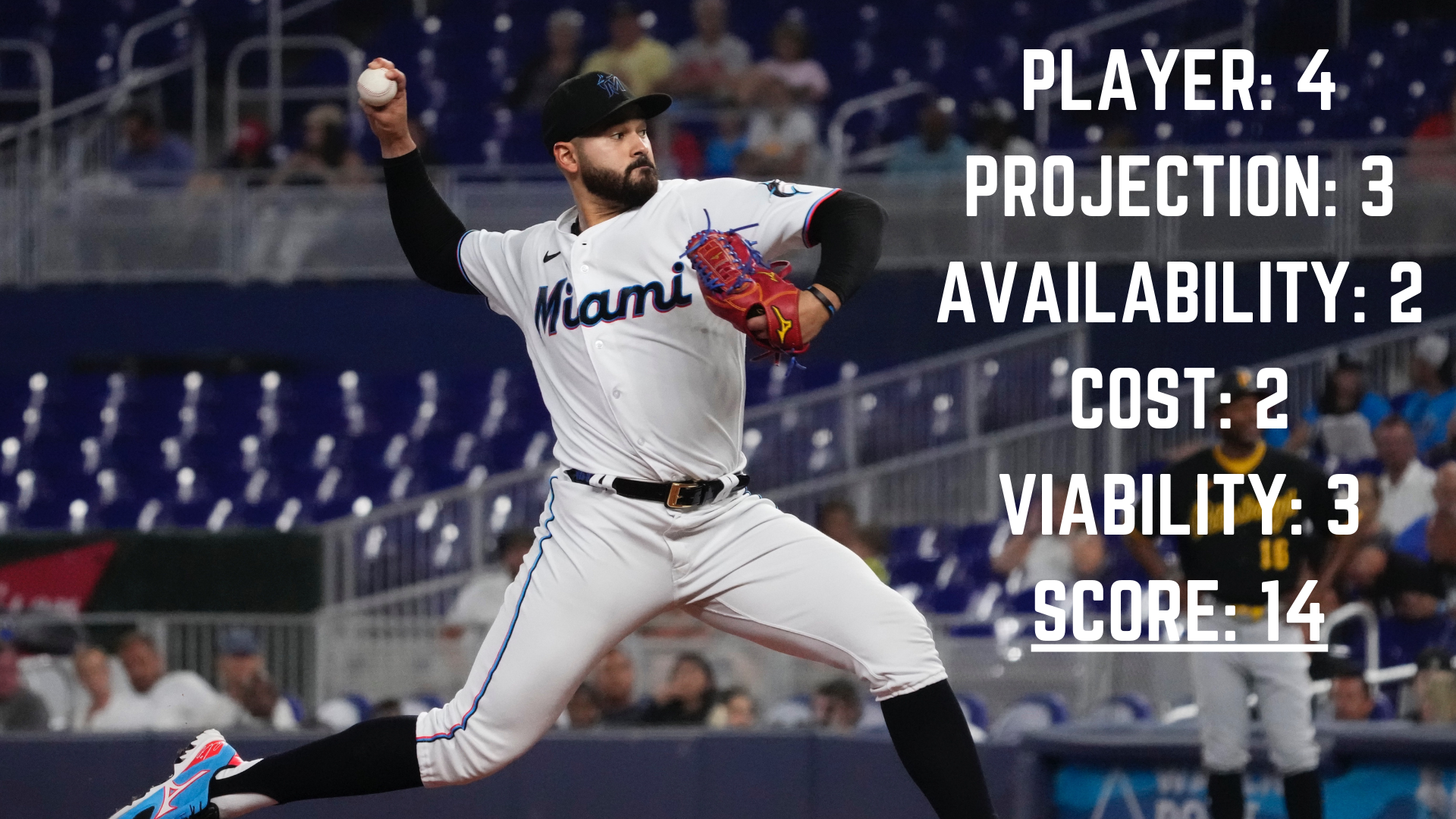 This five-point scoring system is built on five factors: player, projection, availability, expected cost, and viability: a higher score = a better target for the Twins. THE FIVE FACTORS PLAYER: How has the player performed? How much of a difference would they make for the Twins? PROJECTION: Is there upside with this player? Is there team control beyond this year? Are there injury concerns? AVAILABILITY: Is the player actually on the trade block? EXPECTED COST: What will it take to acquire this player, in prospect capital and dollars? VIABILITY: What’s the leaguewide desire for this player? Would the Twins have a chance in a bidding war? We start with RHP Pablo López, a standout starter for the Miami Marlins. PLAYER López, 26, has been tremendous over the last two seasons, posting a 2.96 ERA in 38 starts for the Marlins. Among 78 starters who’ve thrown at least 200 innings since 2021, López ranks 17th in ERA, 20th in xFIP (3.44), 22nd in FIP (3.47), and 29th in opponent OPS (.666). López throws five pitches but relies primarily on his four-seamer (38%) and changeup (37%) to get outs. His fastball isn’t overly firm, averaging just under 93 mph with below-average spin. López’s profile looks a lot like Chris Paddack’s; Average-ish fastball, good changeup, weaker breaking ball. A 13.3% swinging-strike rate places López 10th among qualified starters this year, ahead of Zack Wheeler (12.1%), Justin Verlander (11.5%), and Joe Musgrove (11.4%). Opponents swing at 36% of López's pitches out of the zone, a higher rate than aces Gerrit Cole (35.8%) and Shane McClanahan (35.5%), and on-par with 2021 AL Cy Young winner Robbie Ray. PLAYER SCORE: 4 PROJECTION If the Twins choose to part with high-end prospects, you’d think they want more than a rental in return. López isn’t a free agent until after the 2024 campaign, taking him through his age-28 season. His peripherals, specifically an expected ERA of 3.84 this season, match his less-than-spectacular stuff. While López has performed at a high level over the last two years, his health hasn’t been particularly great. He’s dealt with numerous shoulder problems, and his career-high workload was in 2019 when he threw 111 ⅓ innings. He’s already at 104 this year, so maybe he’s sidestepped the injury bug for now. PROJECTION: 3 AVAILABILITY The Marlins are 43-48, 14 games back in the NL East, and 5.5 games back of the third and final wild-card spot. They’re unlikely to make the playoffs despite a top-10 rotation in MLB by ERA (3.62). The offense is weak, and their division is quietly tough. Miami doesn’t *need* to trade López now, as he’s under cheap team control for two more full seasons. This might be the best time to move him, though, as he’s healthy and thriving. It’s hard to pinpoint their desire to sell the young right-hander. AVAILABILITY: 2 EXPECTED COST Trading López now would be a prime example of selling high. Given his performance and contract, it would likely take a significant package to pry him away. Teams are often reluctant to trade strong, controllable starting pitchers. Per MLB Trade Simulators, López’s median value is 45.7, the fifth-highest on the Marlins. Miami needs young bats, and the simulator says a package of Trevor Larnach and Spencer Steer would suffice. Is that a price you’d be willing to pay? EXPECTED COST: 2 VIABILITY It feels like contenders will lock in on the top of the market, for starters known to be available in Luis Castillo and Frankie Montas. A deal for López could fly below the radar, much like the Twins’ trade for Kenta Maeda in February 2020. If the Marlins make López available, there’s no doubt many clubs will be interested. It’s also possible teams will be scared off by his injury history and pricetag, allowing the Twins to take advantage. VIABILITY: 3 OVERALL SCORE: 14 López looks like someone this Twins regime may target. He’s an under-the-radar trade candidate with one outstanding pitch (changeup), may have fewer suitors because of his injury history, and there’s room for growth with his breaking ball. However, the Marlins don’t have to trade him; if they do, he may cost just as much as Frankie Montas or Tyler Mahle. What do you think about Pablo López? Comment below!
 -
Trade season is fast approaching. The Twins have only eight more games until the deadline, and it’s imperative they improve the club if they want to find success in the second half and into the postseason. This five-point scoring system is built on five factors: player, projection, availability, expected cost, and viability: a higher score = a better target for the Twins. THE FIVE FACTORS PLAYER: How has the player performed? How much of a difference would they make for the Twins? PROJECTION: Is there upside with this player? Is there team control beyond this year? Are there injury concerns? AVAILABILITY: Is the player actually on the trade block? EXPECTED COST: What will it take to acquire this player, in prospect capital and dollars? VIABILITY: What’s the leaguewide desire for this player? Would the Twins have a chance in a bidding war? We start with RHP Pablo López, a standout starter for the Miami Marlins. PLAYER López, 26, has been tremendous over the last two seasons, posting a 2.96 ERA in 38 starts for the Marlins. Among 78 starters who’ve thrown at least 200 innings since 2021, López ranks 17th in ERA, 20th in xFIP (3.44), 22nd in FIP (3.47), and 29th in opponent OPS (.666). López throws five pitches but relies primarily on his four-seamer (38%) and changeup (37%) to get outs. His fastball isn’t overly firm, averaging just under 93 mph with below-average spin. López’s profile looks a lot like Chris Paddack’s; Average-ish fastball, good changeup, weaker breaking ball. A 13.3% swinging-strike rate places López 10th among qualified starters this year, ahead of Zack Wheeler (12.1%), Justin Verlander (11.5%), and Joe Musgrove (11.4%). Opponents swing at 36% of López's pitches out of the zone, a higher rate than aces Gerrit Cole (35.8%) and Shane McClanahan (35.5%), and on-par with 2021 AL Cy Young winner Robbie Ray. PLAYER SCORE: 4 PROJECTION If the Twins choose to part with high-end prospects, you’d think they want more than a rental in return. López isn’t a free agent until after the 2024 campaign, taking him through his age-28 season. His peripherals, specifically an expected ERA of 3.84 this season, match his less-than-spectacular stuff. While López has performed at a high level over the last two years, his health hasn’t been particularly great. He’s dealt with numerous shoulder problems, and his career-high workload was in 2019 when he threw 111 ⅓ innings. He’s already at 104 this year, so maybe he’s sidestepped the injury bug for now. PROJECTION: 3 AVAILABILITY The Marlins are 43-48, 14 games back in the NL East, and 5.5 games back of the third and final wild-card spot. They’re unlikely to make the playoffs despite a top-10 rotation in MLB by ERA (3.62). The offense is weak, and their division is quietly tough. Miami doesn’t *need* to trade López now, as he’s under cheap team control for two more full seasons. This might be the best time to move him, though, as he’s healthy and thriving. It’s hard to pinpoint their desire to sell the young right-hander. AVAILABILITY: 2 EXPECTED COST Trading López now would be a prime example of selling high. Given his performance and contract, it would likely take a significant package to pry him away. Teams are often reluctant to trade strong, controllable starting pitchers. Per MLB Trade Simulators, López’s median value is 45.7, the fifth-highest on the Marlins. Miami needs young bats, and the simulator says a package of Trevor Larnach and Spencer Steer would suffice. Is that a price you’d be willing to pay? EXPECTED COST: 2 VIABILITY It feels like contenders will lock in on the top of the market, for starters known to be available in Luis Castillo and Frankie Montas. A deal for López could fly below the radar, much like the Twins’ trade for Kenta Maeda in February 2020. If the Marlins make López available, there’s no doubt many clubs will be interested. It’s also possible teams will be scared off by his injury history and pricetag, allowing the Twins to take advantage. VIABILITY: 3 OVERALL SCORE: 14 López looks like someone this Twins regime may target. He’s an under-the-radar trade candidate with one outstanding pitch (changeup), may have fewer suitors because of his injury history, and there’s room for growth with his breaking ball. However, the Marlins don’t have to trade him; if they do, he may cost just as much as Frankie Montas or Tyler Mahle. What do you think about Pablo López? Comment below! View full article
-
The Twins need to make some additions if they want to reach and advance in the Postseason. Could Miami Marlins starter Pablo López thread the needle of production and talent?
-
The Twins need to make some additions if they want to reach and advance in the Postseason. Could Miami Marlins starter Pablo López thread the needle of production and talent? View full video
-
In an interesting development, Bovada lists the Minnesota Twins as the betting favorite to land Frankie Montas and Josh Bell if traded at the deadline. It's worth noting that these odds are built to draw action, and shouldn't be taken as gospel. Still, it's worth discussing the viability of both options. Where Frankie? The Twins have been linked to Oakland Athletics starter Frankie Montas since shortly after the lockout, with reports emerging that the sides have been in contact for quite some time. Montas, 29, is a premier target. Montas owns a 3.33 ERA and 3.35 FIP over his last 49 starts, working with an upper-90s fastball and an elite splitter. He's under team control through 2023, which is undoubtedly attractive for a Twins club expecting to compete again next summer. Montas was sporting a 2.80 ERA over his last 45 innings before his July 3rd start in Seattle, where he lasted just one inning. Montas exited with shoulder tightness and hasn't started since, with Ken Rosenthal reporting that he won't pitch in a game until after the All-Star Break. Athletics' reporter Martín Gallegos tweeted Tuesday that Montas threw a successful, 25-pitch bullpen session. His shoulder is a concern, but Montas will have an opportunity to showcase his health for a few weeks before the break. According to Bovada, Montas will likely remain in Oakland (-145). If he's moved, the Twins are the favorite at +325, followed by the Mets (+350), Cardinals (+450), Dodgers (+900), and Red Sox (+1200). Montas would instantly front the Twins' rotation if healthy, giving them a legitimate Game 1 starter. The question is straightforward: is he worth the risk? Another Bopper? Given their interest before the season, it's not shocking to see the Twins as a viable destination for Montas. It's hard to say the same for Washington Nationals' first baseman Josh Bell. If the Nats move Bell, Bovada lists the Twins as a distinct betting favorite to land him at +275. The following closest teams are the Padres and Blue Jays at a distant +600. It's jarring to see, especially considering the Twins' logjam at first base and designated hitter. Bell, 29, is hitting .300/.380/.488 with 19 doubles, two triples, and 13 home runs. He swings from both sides of the plate, hitting for average, power and striking out at a meager rate for a burly first baseman. Bell is a rental for any club, meaning he'll be a free agent after this season, but he's undoubtedly a middle-of-the-order force. For mostly any other contending team, he makes a ton of sense. For the Twins? Maybe not so much. The emergences of José Miranda and Alex Kirilloff have created logjams in the corners. Gio Urshela plays a solid third base (at least by the eye test), and the Twins have an All-Star at first in Luis Arraez. Byron Buxton continues to draw starts at DH and will likely need to do so in the second half. First baseman Miguel Sanó is trying to force himself back into the mix. After adding an everyday player in Bell, It would take some severe gymnastics to get everyone their at-bats. The Twins got wild after the lockout so it's possible they do so again at the trade deadline. What if they traded for Bell, making Miranda, Kirilloff, Urshela, and Sanó expendable in another deal for a starting pitcher or reliever? We could see some intense shifting, and nothing is out of the question for this front office. What do you think about these latest odds at Bovada? Comment below! View full article
-
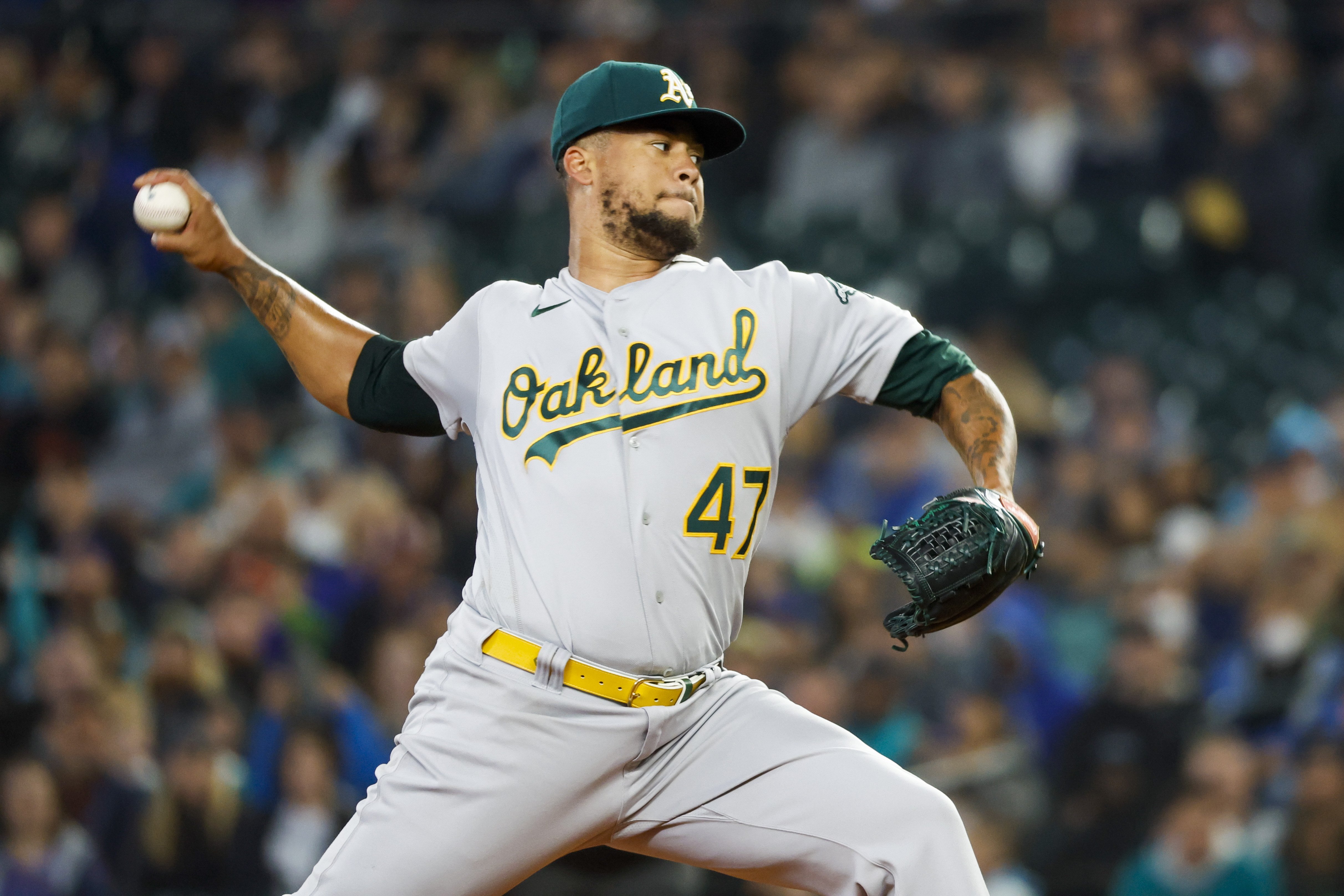 Where Frankie? The Twins have been linked to Oakland Athletics starter Frankie Montas since shortly after the lockout, with reports emerging that the sides have been in contact for quite some time. Montas, 29, is a premier target. Montas owns a 3.33 ERA and 3.35 FIP over his last 49 starts, working with an upper-90s fastball and an elite splitter. He's under team control through 2023, which is undoubtedly attractive for a Twins club expecting to compete again next summer. Montas was sporting a 2.80 ERA over his last 45 innings before his July 3rd start in Seattle, where he lasted just one inning. Montas exited with shoulder tightness and hasn't started since, with Ken Rosenthal reporting that he won't pitch in a game until after the All-Star Break. Athletics' reporter Martín Gallegos tweeted Tuesday that Montas threw a successful, 25-pitch bullpen session. His shoulder is a concern, but Montas will have an opportunity to showcase his health for a few weeks before the break. According to Bovada, Montas will likely remain in Oakland (-145). If he's moved, the Twins are the favorite at +325, followed by the Mets (+350), Cardinals (+450), Dodgers (+900), and Red Sox (+1200). Montas would instantly front the Twins' rotation if healthy, giving them a legitimate Game 1 starter. The question is straightforward: is he worth the risk? Another Bopper? Given their interest before the season, it's not shocking to see the Twins as a viable destination for Montas. It's hard to say the same for Washington Nationals' first baseman Josh Bell. If the Nats move Bell, Bovada lists the Twins as a distinct betting favorite to land him at +275. The following closest teams are the Padres and Blue Jays at a distant +600. It's jarring to see, especially considering the Twins' logjam at first base and designated hitter. Bell, 29, is hitting .300/.380/.488 with 19 doubles, two triples, and 13 home runs. He swings from both sides of the plate, hitting for average, power and striking out at a meager rate for a burly first baseman. Bell is a rental for any club, meaning he'll be a free agent after this season, but he's undoubtedly a middle-of-the-order force. For mostly any other contending team, he makes a ton of sense. For the Twins? Maybe not so much. The emergences of José Miranda and Alex Kirilloff have created logjams in the corners. Gio Urshela plays a solid third base (at least by the eye test), and the Twins have an All-Star at first in Luis Arraez. Byron Buxton continues to draw starts at DH and will likely need to do so in the second half. First baseman Miguel Sanó is trying to force himself back into the mix. After adding an everyday player in Bell, It would take some severe gymnastics to get everyone their at-bats. The Twins got wild after the lockout so it's possible they do so again at the trade deadline. What if they traded for Bell, making Miranda, Kirilloff, Urshela, and Sanó expendable in another deal for a starting pitcher or reliever? We could see some intense shifting, and nothing is out of the question for this front office. What do you think about these latest odds at Bovada? Comment below!
 -
We’ve heard about the relief rentals, who will likely be available at the August 2nd deadline. What if the Twins change their ways and shoot for a controllable reliever or someone under control beyond 2022? Here are three who make sense. RHP Dennis Santana, Texas Rangers Dennis Santana, 26, is enjoying a breakout season for the Rangers. Traded at the 2021 deadline, Santana had posted a horrifying 6.42 ERA in 40 2/3 innings as a member of the Dodgers. They DFA’ed him and then dealt him to Texas, where he’s finally learned to harness his now upper-90s fastball. Santana, 26, owns a 2.41 ERA in 33 2/3 innings, mostly setting up for a solid Rangers bullpen. Santana’s walk rate is below 7%, a career-low, and he’s throwing harder than ever. Santana is a master at limiting hard contact and has yet to allow a homer in 2022. Santana has held righties to a measly .190 average and .476 OPS. Lefties haven’t fared much better, hitting .182 with a .510 OPS. Working primarily with a mid-90s turbo sinker and a hard, swing-and-miss slider, Santana induces a ton of groundballs. He just turned 26 and is under team control through 2025. The Rangers have expressed a desire to hold onto their young players, but if the right package of prospects comes along, it’s unlikely they’d cling too hard to the flier they took on Santana last summer. RHP Tanner Rainey, Washington Nationals Things haven’t gone well for the Nationals. They’re likely to sell, and it’s fair to wonder when they’ll compete again. Their current closer, Tanner Rainey, seems like a prime trade candidate. Rainey, 29, started his season with eight scoreless outings. He’s allowed 11 runs in 20 innings since, coughing up five homers in the process. The surface numbers don’t pop out for Rainey, who owns a 5.52 career ERA, but there are reasons for hope. His fastball averages just under 97 MPH with a high spin rate, and righties have whiffed on 56% of swings on his slider. His stuff is nasty, evidenced by nearly 13 strikeouts per nine innings in his career. Rainey is under team control through 2025, so if the Twins can help clean up his 11% walk rate, there’s long-term value here. He has closing experience, is right-handed, and would fit nicely alongside Jhoan Duran. Rainey isn’t a surefire bet to pay off, and his results are lukewarm, but he has a great arm and would likely cost less than Santana or someone like Jorge López. The question is whether he can be trusted more than Tyler Duffey or Trevor Megill. Even if the answer is no, the Twins could use any bullpen help they can get. RHP Alexis Díaz, Cincinnati Reds Drafted in the 12th round in 2015, Alexis Díaz settled into a relief role in the Reds’ Minor League system, working his way up to a set-up role in the 2022 Major League bullpen. Díaz, 25, has a 2.32 ERA on the season, holding opponents to a .506 OPS in 31 innings. He’s walked too many, but Díaz is a prototypical late-inning reliever, just like his brother Edwin. Díaz throws a mid-90s fastball with a great slider. and right-handed hitters are 5-for-52 (.096) with one extra-base hit against him. The Twins and Reds worked out a trade post-lockout, and rumors are that the sides have been in contact about Luis Castillo. Díaz is a rookie and under control through 2027, so the Reds may be disinclined to trade him now. It’s fun to dream of a scenario where the Twins acquire Castillo and Díaz in the same deal, bolstering two units at once. That trade would likely cost multiple top prospects, especially since Castillo is one of the only frontline starters known to be available. The Bottom Line The most likely route for the Twins is a trade or two for a rental reliever. It may benefit them, though, to explore deals for players under contract beyond 2022. The bullpen picture is murky, and controllable relievers could give the Twins the luxury of keeping Matt Canterino, Josh Winder, and other top-pitching prospects as starters. Of course, that could come at a more significant cost. What do you think? Comment below! View full article
-
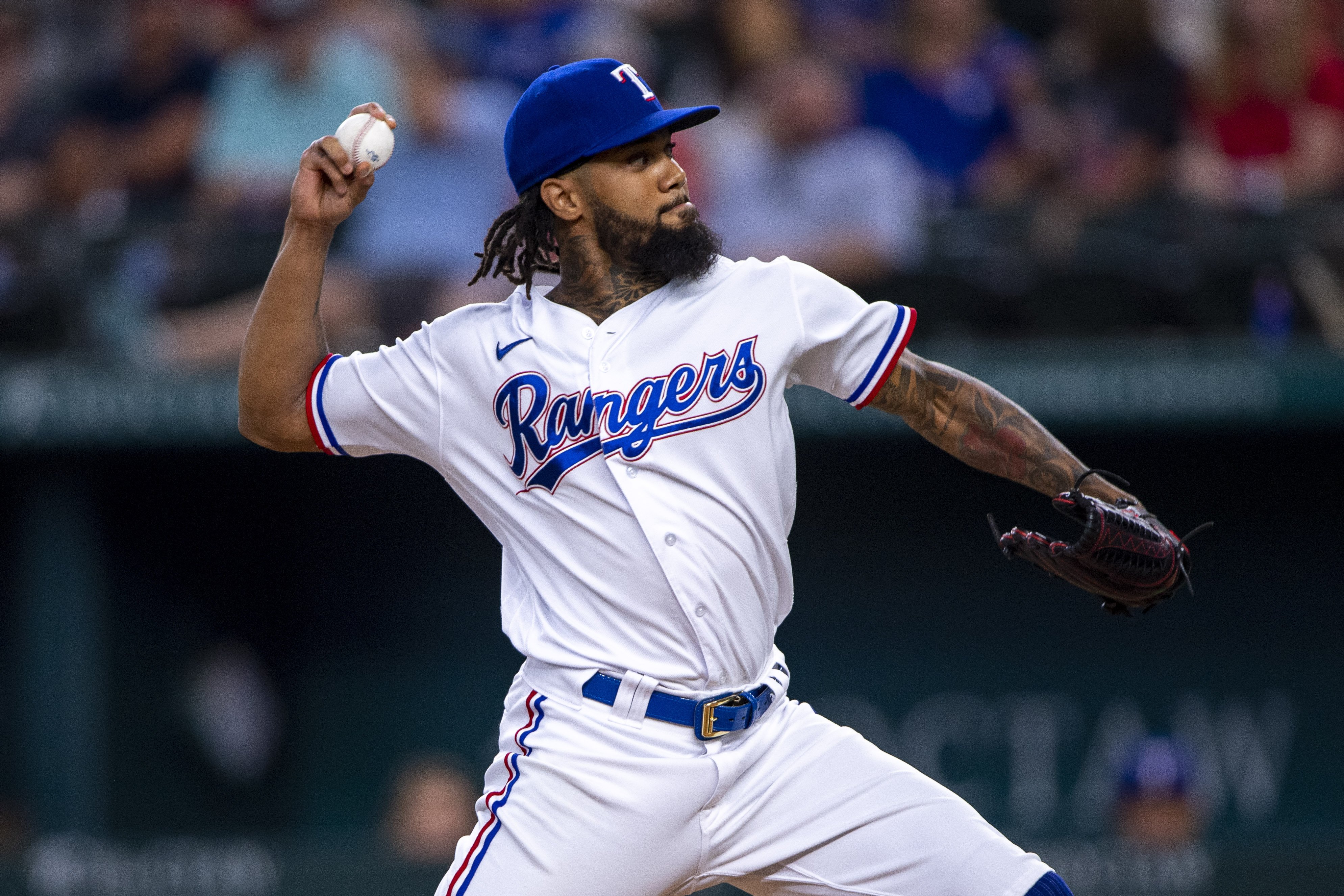 RHP Dennis Santana, Texas Rangers Dennis Santana, 26, is enjoying a breakout season for the Rangers. Traded at the 2021 deadline, Santana had posted a horrifying 6.42 ERA in 40 2/3 innings as a member of the Dodgers. They DFA’ed him and then dealt him to Texas, where he’s finally learned to harness his now upper-90s fastball. Santana, 26, owns a 2.41 ERA in 33 2/3 innings, mostly setting up for a solid Rangers bullpen. Santana’s walk rate is below 7%, a career-low, and he’s throwing harder than ever. Santana is a master at limiting hard contact and has yet to allow a homer in 2022. Santana has held righties to a measly .190 average and .476 OPS. Lefties haven’t fared much better, hitting .182 with a .510 OPS. Working primarily with a mid-90s turbo sinker and a hard, swing-and-miss slider, Santana induces a ton of groundballs. He just turned 26 and is under team control through 2025. The Rangers have expressed a desire to hold onto their young players, but if the right package of prospects comes along, it’s unlikely they’d cling too hard to the flier they took on Santana last summer. RHP Tanner Rainey, Washington Nationals Things haven’t gone well for the Nationals. They’re likely to sell, and it’s fair to wonder when they’ll compete again. Their current closer, Tanner Rainey, seems like a prime trade candidate. Rainey, 29, started his season with eight scoreless outings. He’s allowed 11 runs in 20 innings since, coughing up five homers in the process. The surface numbers don’t pop out for Rainey, who owns a 5.52 career ERA, but there are reasons for hope. His fastball averages just under 97 MPH with a high spin rate, and righties have whiffed on 56% of swings on his slider. His stuff is nasty, evidenced by nearly 13 strikeouts per nine innings in his career. Rainey is under team control through 2025, so if the Twins can help clean up his 11% walk rate, there’s long-term value here. He has closing experience, is right-handed, and would fit nicely alongside Jhoan Duran. Rainey isn’t a surefire bet to pay off, and his results are lukewarm, but he has a great arm and would likely cost less than Santana or someone like Jorge López. The question is whether he can be trusted more than Tyler Duffey or Trevor Megill. Even if the answer is no, the Twins could use any bullpen help they can get. RHP Alexis Díaz, Cincinnati Reds Drafted in the 12th round in 2015, Alexis Díaz settled into a relief role in the Reds’ Minor League system, working his way up to a set-up role in the 2022 Major League bullpen. Díaz, 25, has a 2.32 ERA on the season, holding opponents to a .506 OPS in 31 innings. He’s walked too many, but Díaz is a prototypical late-inning reliever, just like his brother Edwin. Díaz throws a mid-90s fastball with a great slider. and right-handed hitters are 5-for-52 (.096) with one extra-base hit against him. The Twins and Reds worked out a trade post-lockout, and rumors are that the sides have been in contact about Luis Castillo. Díaz is a rookie and under control through 2027, so the Reds may be disinclined to trade him now. It’s fun to dream of a scenario where the Twins acquire Castillo and Díaz in the same deal, bolstering two units at once. That trade would likely cost multiple top prospects, especially since Castillo is one of the only frontline starters known to be available. The Bottom Line The most likely route for the Twins is a trade or two for a rental reliever. It may benefit them, though, to explore deals for players under contract beyond 2022. The bullpen picture is murky, and controllable relievers could give the Twins the luxury of keeping Matt Canterino, Josh Winder, and other top-pitching prospects as starters. Of course, that could come at a more significant cost. What do you think? Comment below!
 -
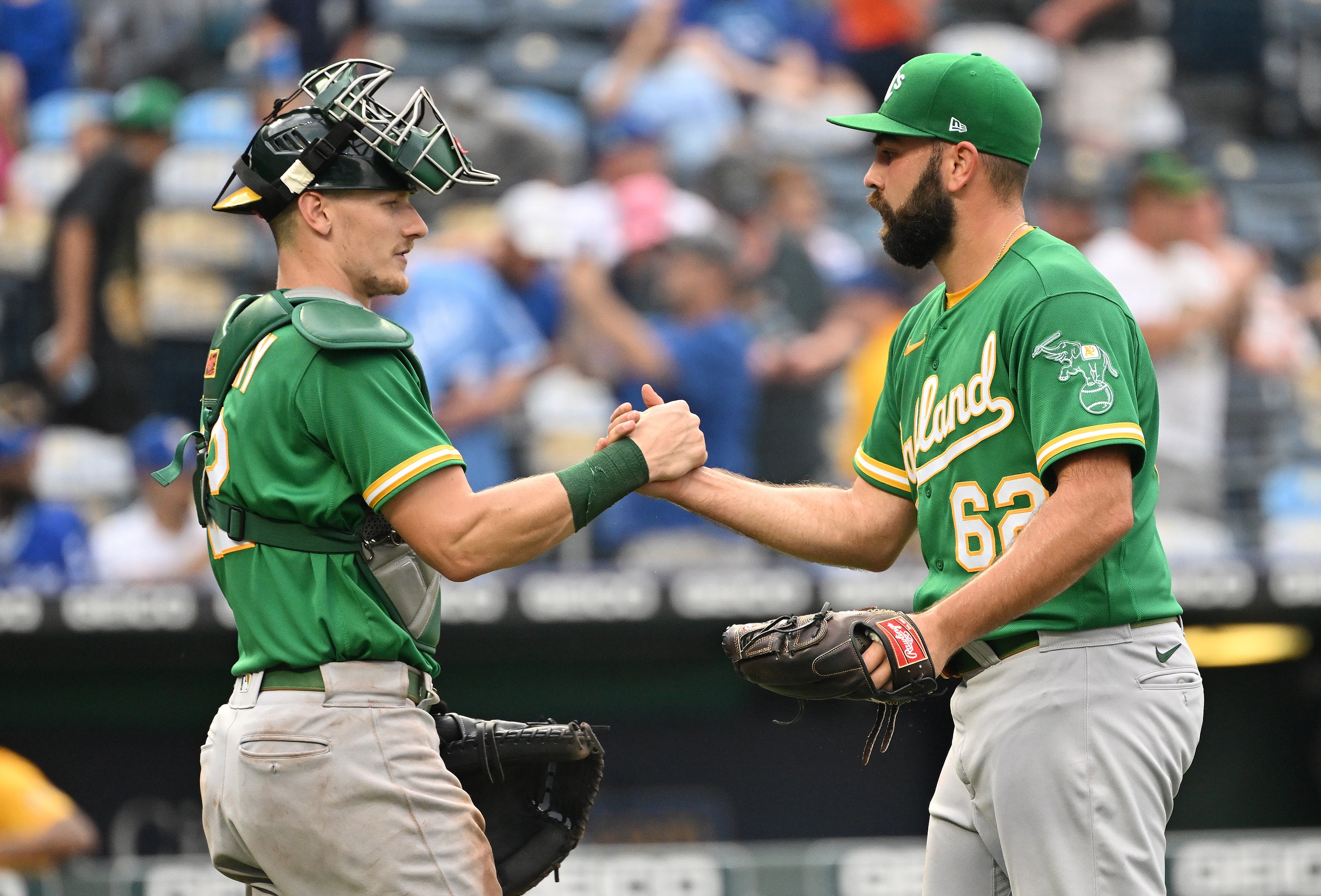 Under Derek Falvey and Thad Levine, the Twins have given a reliever approximately one guaranteed multi-year deal. It was to Addison Reed, who posted a 4.50 ERA in 55 outings. They don’t believe in spending heavily on a bullpen, evidenced by their highest-paid reliever in 2022 (it’s Padres closer Taylor Rogers). It’s explicitly not a value or focus, and due to the up-and-down nature of a bullpen arm, it probably serves them right in most cases. The Twins also love pitcher reclamation projects or just pitcher projects in general. Maybe that will change with the departure of Wes Johnson, but it’s been a calling card since this front office took over in 2017. The list is long and features some success stories (Matt Wisler) and misses (Shaun Anderson), and it doesn’t feel like it’s going away anytime soon. Jharel Cotton is among this year’s projects, as is Trevor Megill. It’s what they do. Combining what we know, it’s unlikely the Twins will trade for someone like Jorge López, who is under team control through 2024 and is having a career year. His cost will be high, and it’s not like this front office to meet those demands. It’s much more likely they’ll target someone at a lower cost. Oakland Athletics reliever Lou Trivino, 30, is having a horrific season, at least on the surface. His ERA is a robust 7.52, and he’s given up 30 hits in 20 1/3 innings. While these numbers don’t scream “bullpen solution,” Trivino is having some of the worst luck of his career. His FIP, or Fielding Independent Pitching, is 2.87. Among relievers with at least 20 innings thrown, Trivino has the largest gap between his FIP and ERA (4.65 runs). He’s one of only five relievers striking out over 14 batters per nine innings. His walk rate is a career-low 9.9%. Trivino’s essentially doing his part, while his defense isn’t. Trivino throws in the mid-to-upper 90s and has held right-handed hitters to a .618 OPS in his career. He throws his sinker too much and his slider too little, another feature the Twins favor in a reclamation project. He added the slider this year, and the results are outstanding. Opponents are hitting .125 with a 58% whiff rate against the pitch, with even better expected numbers. Nobody will clammer for a guy with a horrible ERA on a lousy team, but Trivino fits the Twins' bill. Trivino is also under team control through 2024, so there’s real upside beyond 2022. The Athletics’ return probably wouldn’t hold a ton of risk. The risk is if Trivino pitches to his surface numbers and blows multiple games in the second half. The upside? That a better defense and luck help Trivino pitch to his peripherals. He’s the Twins’ type. What do you think about Lou Trivino? Comment below!
 -
As the Twins continue their journey through the 2022 season, it’s become clear that the team could use at least one high-powered, high-leverage reliever to pair with rookie sensation Jhoan Duran in the bullpen. Here’s an option who may not cost much but could provide massive value. Under Derek Falvey and Thad Levine, the Twins have given a reliever approximately one guaranteed multi-year deal. It was to Addison Reed, who posted a 4.50 ERA in 55 outings. They don’t believe in spending heavily on a bullpen, evidenced by their highest-paid reliever in 2022 (it’s Padres closer Taylor Rogers). It’s explicitly not a value or focus, and due to the up-and-down nature of a bullpen arm, it probably serves them right in most cases. The Twins also love pitcher reclamation projects or just pitcher projects in general. Maybe that will change with the departure of Wes Johnson, but it’s been a calling card since this front office took over in 2017. The list is long and features some success stories (Matt Wisler) and misses (Shaun Anderson), and it doesn’t feel like it’s going away anytime soon. Jharel Cotton is among this year’s projects, as is Trevor Megill. It’s what they do. Combining what we know, it’s unlikely the Twins will trade for someone like Jorge López, who is under team control through 2024 and is having a career year. His cost will be high, and it’s not like this front office to meet those demands. It’s much more likely they’ll target someone at a lower cost. Oakland Athletics reliever Lou Trivino, 30, is having a horrific season, at least on the surface. His ERA is a robust 7.52, and he’s given up 30 hits in 20 1/3 innings. While these numbers don’t scream “bullpen solution,” Trivino is having some of the worst luck of his career. His FIP, or Fielding Independent Pitching, is 2.87. Among relievers with at least 20 innings thrown, Trivino has the largest gap between his FIP and ERA (4.65 runs). He’s one of only five relievers striking out over 14 batters per nine innings. His walk rate is a career-low 9.9%. Trivino’s essentially doing his part, while his defense isn’t. Trivino throws in the mid-to-upper 90s and has held right-handed hitters to a .618 OPS in his career. He throws his sinker too much and his slider too little, another feature the Twins favor in a reclamation project. He added the slider this year, and the results are outstanding. Opponents are hitting .125 with a 58% whiff rate against the pitch, with even better expected numbers. Nobody will clammer for a guy with a horrible ERA on a lousy team, but Trivino fits the Twins' bill. Trivino is also under team control through 2024, so there’s real upside beyond 2022. The Athletics’ return probably wouldn’t hold a ton of risk. The risk is if Trivino pitches to his surface numbers and blows multiple games in the second half. The upside? That a better defense and luck help Trivino pitch to his peripherals. He’s the Twins’ type. What do you think about Lou Trivino? Comment below! View full article
-
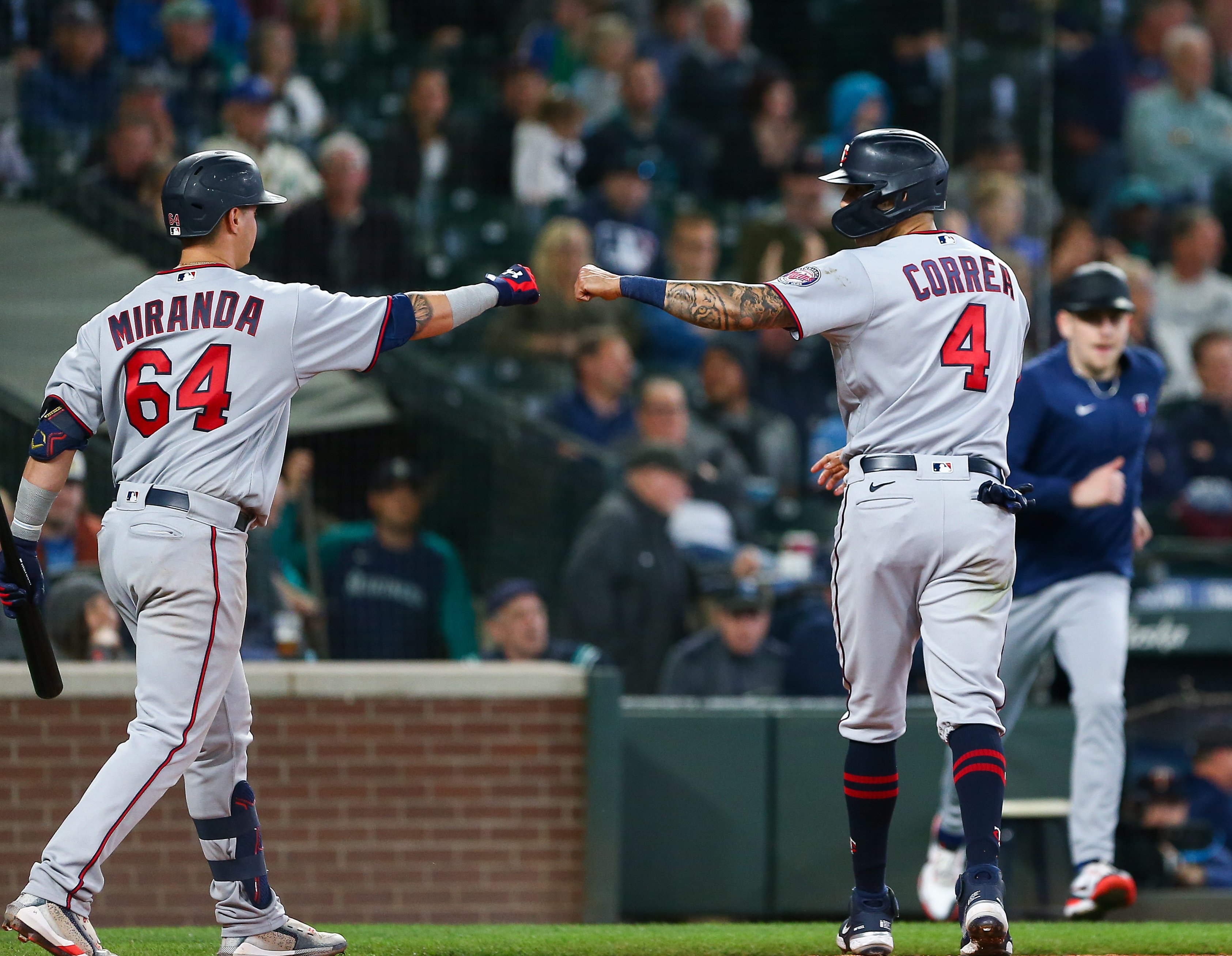 José Miranda put together one of the best Minor League seasons in Twins history in 2021, hitting a ridiculous .344/.401/.572 with 30 homers in 127 games. Miranda, 23, emerged as a future building block for the Twins, an unbelievable development after he hit just .252/.302/.369 with eight homers in 2019. Miranda deserved an opportunity to join the Twins last September, but his debut waited until May 2nd in Baltimore. Over his first 14 MLB games, Miranda hit a paltry .094 with a .332 OPS. He didn’t belong, and many wondered how he was so successful in the high minors. Since then, Miranda has hit .318/.339/.556, showing off his contact skills and tremendous power. His defense at third and first base has certainly been an adventure, but he's a talented hitter adapting to the highest level. The Twins’ infield outlook is much murkier than it was a few weeks ago. Royce Lewis is out for the year (and into 2023), and Carlos Correa will likely opt out and enter free agency. Gio Urshela has provided stability at third and is under team control through 2023, and it’s fair to wonder whether the Twins will want to pay him close to $10 million through arbitration. One thing’s for sure: the Twins are in first place with a roster that can make noise with reinforcements. With so much unknown, the time to invest is now. Austin Martin and Jordan Balazovic have struggled to open the season, making it difficult to project their value in a trade. It’s unlikely the Twins would sell low on arguably their top two prospects, and it’s equally unlikely a team would be willing to part with highly sought-after players for two guys with significant question marks. Miranda is at least a step ahead of both of them. Could he be the Twins’ most valuable trade chip? The Twins have helped more than just Miranda tap into his power. Spencer Steer is hitting .273/.371/.649 at Triple-A, providing similar defensive versatility. Then there’s Martin, who hasn’t had the same development but still projects as a future regular, just not at shortstop. Lewis will need a spot upon his return as well. There’s potential redundancy here. While the Twins made multiple additions to improve their 2022 roster, the one that could potentially hurt their long-term future was the trade for Sonny Gray. Chase Petty has a chance to be an ace, but he’s many years away, and the Twins took the immediate impact in Gray, who is under team control through 2023. The trade for Chris Paddack cost Taylor Rogers, who will enter free agency following this season. Trading Miranda would be the first real hit on the short and long-term future. It takes money to make money, of course. The Twins had a chance to reinforce their roster at the 2019 deadline. They took a mid-level approach, trading for Sergio Romo and Sam Dyson. This time around, the Twins should be in on Frankie Montas, Luis Castillo, and any other frontline starter who is made available. They should be willing to part with top prospects. They should take opportunities to improve the roster. It’s time to end the dreadful Postseason losing streak, even if it means taking a massive risk. I’m a big believer in Jose Miranda. I think he can be a true middle-of-the-order bat for the next half-decade. I’m also a believer in the 2022 Twins. With Correa and Byron Buxton in the fold, the Twins have real upside in the tournament. A trade for Montas and a high-leverage reliever could be enough to vault them as a real threat. The American League is shockingly shallow. The Yankees are a force, as are the Astros. Behind them, the Twins can viably compete with anybody. They took two of three games from the Blue Jays in Toronto, won four of six from the Rays, and split with the Red Sox at Fenway. It's completely plausible that with the right moves, the Twins could create problems for the cream of the American League. Win the division, earn home field, and take your chances in October. The Twins have put themselves in a strong position. It’s time to take advantage in any way you can. Moving Miranda could provide that. What do you think? Could Miranda be the key piece in a trade to bring in impact players? Comment below!
 -
If the post-lockout Twins taught us anything, it’s to expect the unexpected. The team is now in first place and in need of reinforcements to make a push in October. Could they move their 2021 breakout prospect? José Miranda put together one of the best Minor League seasons in Twins history in 2021, hitting a ridiculous .344/.401/.572 with 30 homers in 127 games. Miranda, 23, emerged as a future building block for the Twins, an unbelievable development after he hit just .252/.302/.369 with eight homers in 2019. Miranda deserved an opportunity to join the Twins last September, but his debut waited until May 2nd in Baltimore. Over his first 14 MLB games, Miranda hit a paltry .094 with a .332 OPS. He didn’t belong, and many wondered how he was so successful in the high minors. Since then, Miranda has hit .318/.339/.556, showing off his contact skills and tremendous power. His defense at third and first base has certainly been an adventure, but he's a talented hitter adapting to the highest level. The Twins’ infield outlook is much murkier than it was a few weeks ago. Royce Lewis is out for the year (and into 2023), and Carlos Correa will likely opt out and enter free agency. Gio Urshela has provided stability at third and is under team control through 2023, and it’s fair to wonder whether the Twins will want to pay him close to $10 million through arbitration. One thing’s for sure: the Twins are in first place with a roster that can make noise with reinforcements. With so much unknown, the time to invest is now. Austin Martin and Jordan Balazovic have struggled to open the season, making it difficult to project their value in a trade. It’s unlikely the Twins would sell low on arguably their top two prospects, and it’s equally unlikely a team would be willing to part with highly sought-after players for two guys with significant question marks. Miranda is at least a step ahead of both of them. Could he be the Twins’ most valuable trade chip? The Twins have helped more than just Miranda tap into his power. Spencer Steer is hitting .273/.371/.649 at Triple-A, providing similar defensive versatility. Then there’s Martin, who hasn’t had the same development but still projects as a future regular, just not at shortstop. Lewis will need a spot upon his return as well. There’s potential redundancy here. While the Twins made multiple additions to improve their 2022 roster, the one that could potentially hurt their long-term future was the trade for Sonny Gray. Chase Petty has a chance to be an ace, but he’s many years away, and the Twins took the immediate impact in Gray, who is under team control through 2023. The trade for Chris Paddack cost Taylor Rogers, who will enter free agency following this season. Trading Miranda would be the first real hit on the short and long-term future. It takes money to make money, of course. The Twins had a chance to reinforce their roster at the 2019 deadline. They took a mid-level approach, trading for Sergio Romo and Sam Dyson. This time around, the Twins should be in on Frankie Montas, Luis Castillo, and any other frontline starter who is made available. They should be willing to part with top prospects. They should take opportunities to improve the roster. It’s time to end the dreadful Postseason losing streak, even if it means taking a massive risk. I’m a big believer in Jose Miranda. I think he can be a true middle-of-the-order bat for the next half-decade. I’m also a believer in the 2022 Twins. With Correa and Byron Buxton in the fold, the Twins have real upside in the tournament. A trade for Montas and a high-leverage reliever could be enough to vault them as a real threat. The American League is shockingly shallow. The Yankees are a force, as are the Astros. Behind them, the Twins can viably compete with anybody. They took two of three games from the Blue Jays in Toronto, won four of six from the Rays, and split with the Red Sox at Fenway. It's completely plausible that with the right moves, the Twins could create problems for the cream of the American League. Win the division, earn home field, and take your chances in October. The Twins have put themselves in a strong position. It’s time to take advantage in any way you can. Moving Miranda could provide that. What do you think? Could Miranda be the key piece in a trade to bring in impact players? Comment below! View full article
.jpg.9d845752459d0c7e0c9340b17b7e8a66.jpg)
.jpg.f08070a0328862c146b3b4048aa80534.jpg)
