



Patrick Wozniak
-
Posts
383 -
Joined
-
Last visited
-
Days Won
1
Content Type
Profiles
News
Minnesota Twins Videos
2026 Minnesota Twins Top Prospects Ranking
2022 Minnesota Twins Draft Picks
Minnesota Twins Free Agent & Trade Rumors, Notes, & Tidbits
Guides & Resources
2023 Minnesota Twins Draft Picks
The Minnesota Twins Players Project
2024 Minnesota Twins Draft Picks
2025 Minnesota Twins Draft Pick Tracker
2026 Minnesota Twins Draft Tracker: Picks & Bonuses
Forums
Blogs
Events
Store
Downloads
Gallery
Everything posted by Patrick Wozniak
-
Let’s Wait to Declare the Offseason a Failure for the Minnesota Twins
Patrick Wozniak posted an article in Twins
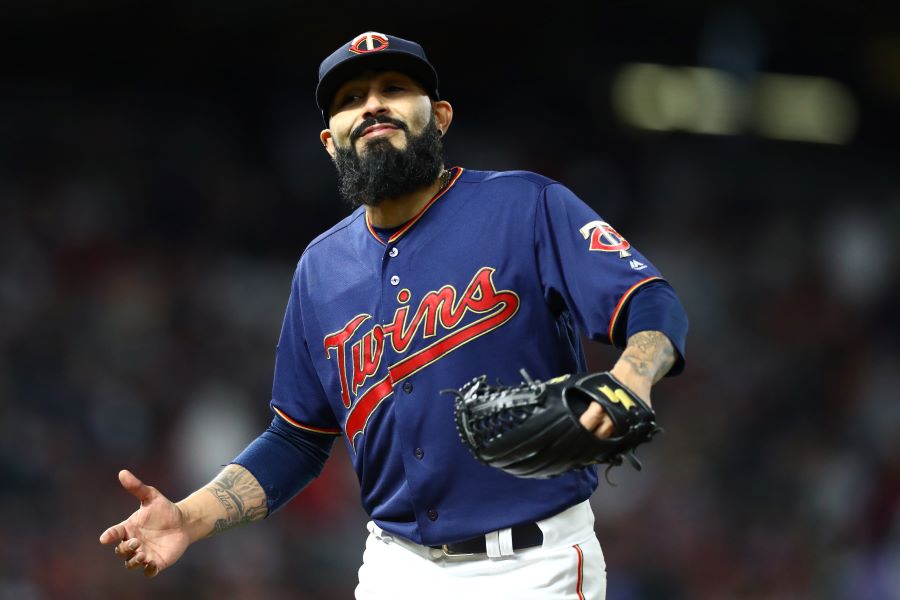 It’s easy to look at the offseason as a failure simply due to the fact that the Twins “failed” to secure what is viewed as one of the top free-agent starters. However, to already call the offseason a failure is short-sighted. The truth is that whatever grades or assessments we attach to the acquisitions, or lack thereof, that the Twins have made thus far, what ultimately matters is what happens when the Twins actually play games. Now we can look back at the World Series and point out how important impact pitching really is. It’s true that both Washington and Houston’s rotations were filled with stars. All things being equal, it would obviously be nice for the Twins to have someone like Stephen Strasberg or Gerrit Cole, but that was never going to happen. Given the fact that they had four rotation spots to fill, Minnesota did well to bring back two starters who were really effective for the Twins in 2019 and two new faces that at least offer some degree of upside. Minnesota seems to be more interested in building a long-term winner and now has the infrastructure, personnel, and prospects in place to make that a reality. While some may argue that it’s better to go all in now, Thieres Rabelo recently wrote a great piece arguing that Minnesota is putting itself in the position for long-term success as the Los Angeles Dodgers have done. Of course, the current regime in L.A. has yet to win it all, but they’ve come close, and putting your team in a position to go all the way year after year should be any front office’s objective. The truth is that we don’t know what will happen in 2020 and it makes little sense to call the offseason a failure at this point. As human beings we tend to experience a result and then go back and retroactively create a narrative to fit whatever happened. In reality we probably don’t have a great idea of what causes bring about the end results but we’re destined to assign some explanation to fill in the blanks. Now that the “impact pitching” narrative has been put in place it will be easy to fall back on, but it’s hard to know exactly what effect adding one of the top free agents would have made (it’s also possible that Minnesota actually did sign some of the most impactful starters of the bunch). Imagine an alternate reality where Milwaukee bull-penned their way around Washington in the NL Wildcard and Tampa Bay squeaked past Houston in ALDS (or, God forbid, if the Yankees had prevailed with their superb bullpen). More of us around Twins Daily would undoubtedly be clamoring for the Twins to add a few impact relievers to complete a super bullpen (which, to some degree, the Twins did do by signing Sergio Romo and Tyler Clippard). Of course, if the Twins should go on to win the World Series in 2020, or if they win it a few years down the road due to the rise of internal options, the offseason "failure" will likely be erased from our memory and we’ll be praising the FO for not mortgaging the future and letting things play out. It seems a bit odd that so much resentment has come the way of the Twins front office after winning over 100 games in 2019. Maybe some of it is deserved due to their own choice of words, but shouldn’t they be given the benefit of the doubt due to level of success and improvement the Twins have shown in just three seasons? Let’s at least let the season play out before we write the narrative. MORE FROM TWINS DAILY — Latest Twins coverage from our writers — Recent Twins discussion in our forums — Follow Twins Daily via Twitter, Facebook or email
 -
But who can do that? If the Twins are able to sign Donaldson, great, but outside of him I'd rather just slide Sano over to first than sign any of the other remaining options. Minnesota still would have a really good lineup and Gonzalez's bat should be around league average. As the season moves on someone like Kirilloff (1b) or Lewis (3B) could emerge and send Gonzalez back to a utility role anyway.
- 9 comments
-
- 1
-

-
- minnesota twins
- marwin gonzalez
- (and 3 more)
-
MLB Statcast recently unveiled its Outs Above Average (OAA) rankings for MLB infielders (it was previously only available for outfielders) and the numbers make a compelling case for Marwin Gonzalez. With Gonzalez rated as Minnesota’s best defensive infielder and a current need to fill in C.J. Cron’s place at first base, moving Miguel Sano to first and slotting Gonzalez into the everyday third base role may be the Twins best move going forward. According to MLB’s Baseball Savant site (where Statcast is featured), “Outs Above Average (OAA) is the cumulative effect of all individual plays a fielder has been credited or debited with, making it a range-based metric of fielding skill that accounts for the number of plays made and the difficulty of them.” OAA measures the distance and time it takes a fielder to reach the ball, how far the fielder is from the base the ball will be thrown to, and how fast the baserunner is. Based on OAA, Gonzalez is far and away the Twin’s best returning infield option. In 2019 he was good for a 7 OAA, meaning he was seven outs above the average infielder. That may not seem like a lot, but it places Gonzalez as the 19th best infielder in all of baseball (Javier Baez led all of baseball with a 19 OAA). Of the returning Twins infielders, Gonzalez is the only one who posted an above-average ranking (Jonathan Scope was second with a 5 OAA, but will be replaced by Luis Arraez’s -6 OAA). He successfully completed 93% of the plays he was involved in with just an 88% estimated success rate, meaning that he made 5% more plays than he was expected to. Placing Gonzalez at third would push Sano to first, which may not be such a bad thing. Sano finished 2019 with a -5 OAA, which, while not terrible is significantly below average. Sano is likely to move off third sooner or later, and with Gonzalez as the superior defensive option, now may be a good time. Sano has some experience playing first base and seems athletic enough to be at least an average defender once he settles in. His 137 wRC+ in 2019 ensures that his bat is certain to fit in at first. Moving Gonzalez into the everyday third base role does raise a few concerns. The first being Gonzalez’s bat. Gonzalez got off to a notoriously slow start in 2019 after signing late and missing most of spring training, and finished the year as a below average hitter with a 93 wRC+. However, his numbers were much better after April (he had just a 33 wRC+ in Mar./Apr.) and he has been a slightly above average hitter over the course of his career. With above-average defense and an average bat he would be a net positive at third. Minnesota also has a stacked lineup, so having one position filled with an average hitter isn’t really an issue. The other concern would be the utility role with Gonzalez moving to third full time. Gonzalez’s ability to fill in anywhere was huge in Minnesota’s injury-plagued 2019 and not having him available for that role in 2020 would seem a detriment. However, Minnesota has another great option for the utility role in Ehire Adrianza. Adrianza rates as the Twins second best returning infielder with a -1 OAA and has the ability to play all around the infield, including shortstop. He also had a really good offensive year in 2019 (relative to being a utility infielder), with a 102 wRC+. Plus, the need for Gonzalez to fill in in the outfield is mitigated by the depth of Jake Cave, Lamonte Wade, and near-ready prospects like Alex Kirilloff, Brent Rooker, Luke Raley, and Trevor Larnach. There are legitimate concerns with Minnesota’s infield defense coming into the 2020 season, and moving Sano to first and letting Gonzalez take over third should help some. Additionally, with Adrianza in the main utility role, his ability to play average defense would give the Twins an occasional defensive upgrade over Arraez at second or Jorge Polanco at short, who had a team-worst -16 OAA in 2019 (read Twerk Twonk Twin’s recent blog post for a great breakdown of Polanco’s defense). With Minnesota unlikely to sign Josh Donaldson, and really only Mitch Moreland left on the first base free-agent market, moving Gonzalez to third seems to be the best option for 2020. If someone like Alex Kirilloff emerges and Minnesota decides to put him at first, Gonzalez can always slide back into the utility role, but Gonzalez’s presence at third with an increased utility role for Adrianza at least gives the infield defense some hope. MORE FROM TWINS DAILY — Latest Twins coverage from our writers — Recent Twins discussion in our forums — Follow Twins Daily via Twitter, Facebook or email
- 9 comments
-
- 3
-
-
- minnesota twins
- marwin gonzalez
- (and 3 more)
-

From the album: Gonzalez
© © Bruce Kluckhohn - USA TODAY Sports
-
-
-
Yeah, I wouldn't have guessed that he'd lead the group in Pit/PA (would've guessed Arraez).
-
For the sake of clubhouse chemistry, I hope Bailey and Hill don't smell like fish.
-
Thanks!
-
In 2019 the Twins used a variety of hitters who each brought a slightly different approach to the plate. Today we will take a look at a group of five batters who have varying levels of experience as leadoff hitters, but all have a case to start things off in 2020.When considering what makes a good leadoff hitter the most important factor should be the players ability to get on base. However, once the table is set, it’s also nice to have someone without lead feet on the basepaths, therefore baserunning ability should be considered as well. With that in mind here are the candidates and some of their relative stats from 2019: Download attachment: Leading Off Table pic.png Now let’s consider the players one by one. Luis Arraez Arraez is impressive across the board. He takes pitches, has great at bats, and got on base at a .399 clip. That’ll work. He doesn’t possess the thump of some of the other hitters on the list, but the job of the leadoff hitter is to set the table, not clear it. Also, despite not having great wheels, Arraez rates out as one of the Twins best baserunners, so he checks all the boxes. Unlike his peers on this list, Arraez also has the ability to get on base against both lefties and righties, he just does it in different ways. He’s patient and takes his walks against lefties and he crushes righties, but his OBP remained the same (.398/.399 respectively). At this point it seems the only downside to Arraez may be his lack of experience and the smallness of his sample size, but this seems rather minimal. Byron Buxton Buxton would undoubtedly be the most exciting hitter to put in the leadoff spot. He’s one of the fastest runners in all of baseball and is an elite baserunner. Additionally, having him hit leadoff might encourage him to attempt more stolen bases, which seems like a good idea since he has such a high rate of success (60/68 career). Holding Buxton back is his inability to get on base. He also makes sense in the nine-hole and the Twins may not want to immediately put extra pressure on Buxton, as he struggled in the past when he was asked to hit third. Jorge Polanco Polanco took a big step forward in 2019 and also gained some experience leading off, as he was second only to Kepler in appearances. Like Arraez, he checks a lot of boxes by getting on base, being a good baserunner and having the second fastest sprint time next to Buxton. One thing that Polanco did not do well last season was hit lefties. His walk rate went down to just 4.7% and he was a below average overall player from the right side with an 88 wRC+. Max Kepler Kepler also chose 2019 as his breakout season and led the team in appearances leading off. Kepler had reverse splits, as he actually hit lefties better (.356 OBP, 130 wRC+) than righties (.328 OBP, 118 wRC+), but that wasn’t the case prior to 2019. It’s unclear which way his splits will go in 2020 and having Kepler leadoff against lefties may feel counterintuitive. And while it’s always fun to lead the game off with a home run, Kepler’s power surge would probably fit better somewhere closer to the middle of the order. Mitch Garver Of all the breakouts in 2019, none were larger than Garver’s. Although a far cry from a traditional leadoff hitter, Garver also saw some action leading off. He absolutely destroyed left-handed pitching to a 198 wRC+ and managed to get on base at a .434 clip against southpaws. Although Garver has the best walk rate of the group, like Kepler, it seems better to utilize his power with runners on base. He is also the slowest of the group, and also like Kepler, an overall negative on the base paths. Overall, I believe that Arraez is currently the best option to lead things off in 2020. Although he has the least experience of the group and it’s fun to dream of Buxton’s speed or some platoon combination of the others, I love the idea of an Arraez at-bat to start the game. He’s a difficult out and starting the game facing Arraez would be headache-inducing for opposing pitchers. We’ll likely continue to see some variation in the leadoff spot, but regardless of how the lineup is constructed, it will be a fun and exciting bunch of hitters to watch and lead us into 2020 and beyond. Now it’s your turn. Who would you have leadoff if you were managing the Twins? MORE FROM TWINS DAILY — Latest Twins coverage from our writers — Recent Twins discussion in our forums — Follow Twins Daily via Twitter, Facebook or email Click here to view the article
-
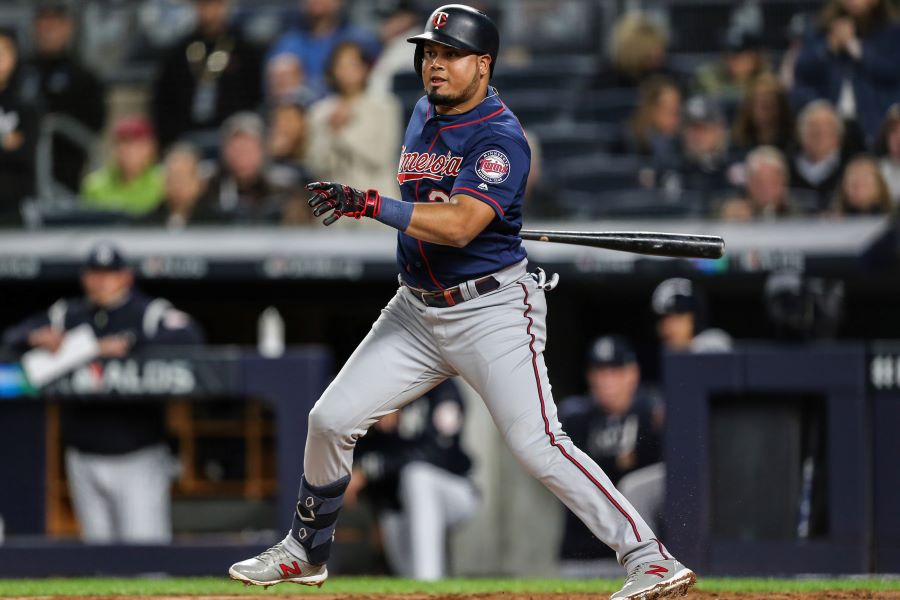 When considering what makes a good leadoff hitter the most important factor should be the players ability to get on base. However, once the table is set, it’s also nice to have someone without lead feet on the basepaths, therefore baserunning ability should be considered as well. With that in mind here are the candidates and some of their relative stats from 2019: Now let’s consider the players one by one. Luis Arraez Arraez is impressive across the board. He takes pitches, has great at bats, and got on base at a .399 clip. That’ll work. He doesn’t possess the thump of some of the other hitters on the list, but the job of the leadoff hitter is to set the table, not clear it. Also, despite not having great wheels, Arraez rates out as one of the Twins best baserunners, so he checks all the boxes. Unlike his peers on this list, Arraez also has the ability to get on base against both lefties and righties, he just does it in different ways. He’s patient and takes his walks against lefties and he crushes righties, but his OBP remained the same (.398/.399 respectively). At this point it seems the only downside to Arraez may be his lack of experience and the smallness of his sample size, but this seems rather minimal. Byron Buxton Buxton would undoubtedly be the most exciting hitter to put in the leadoff spot. He’s one of the fastest runners in all of baseball and is an elite baserunner. Additionally, having him hit leadoff might encourage him to attempt more stolen bases, which seems like a good idea since he has such a high rate of success (60/68 career). Holding Buxton back is his inability to get on base. He also makes sense in the nine-hole and the Twins may not want to immediately put extra pressure on Buxton, as he struggled in the past when he was asked to hit third. Jorge Polanco Polanco took a big step forward in 2019 and also gained some experience leading off, as he was second only to Kepler in appearances. Like Arraez, he checks a lot of boxes by getting on base, being a good baserunner and having the second fastest sprint time next to Buxton. One thing that Polanco did not do well last season was hit lefties. His walk rate went down to just 4.7% and he was a below average overall player from the right side with an 88 wRC+. Max Kepler Kepler also chose 2019 as his breakout season and led the team in appearances leading off. Kepler had reverse splits, as he actually hit lefties better (.356 OBP, 130 wRC+) than righties (.328 OBP, 118 wRC+), but that wasn’t the case prior to 2019. It’s unclear which way his splits will go in 2020 and having Kepler leadoff against lefties may feel counterintuitive. And while it’s always fun to lead the game off with a home run, Kepler’s power surge would probably fit better somewhere closer to the middle of the order. Mitch Garver Of all the breakouts in 2019, none were larger than Garver’s. Although a far cry from a traditional leadoff hitter, Garver also saw some action leading off. He absolutely destroyed left-handed pitching to a 198 wRC+ and managed to get on base at a .434 clip against southpaws. Although Garver has the best walk rate of the group, like Kepler, it seems better to utilize his power with runners on base. He is also the slowest of the group, and also like Kepler, an overall negative on the base paths. Overall, I believe that Arraez is currently the best option to lead things off in 2020. Although he has the least experience of the group and it’s fun to dream of Buxton’s speed or some platoon combination of the others, I love the idea of an Arraez at-bat to start the game. He’s a difficult out and starting the game facing Arraez would be headache-inducing for opposing pitchers. We’ll likely continue to see some variation in the leadoff spot, but regardless of how the lineup is constructed, it will be a fun and exciting bunch of hitters to watch and lead us into 2020 and beyond. Now it’s your turn. Who would you have leadoff if you were managing the Twins? MORE FROM TWINS DAILY — Latest Twins coverage from our writers — Recent Twins discussion in our forums — Follow Twins Daily via Twitter, Facebook or email
 -
I'm pretty content with these moves. If Hill makes it back he should be fun to watch and at least Bailey finished the year strong so there's some hope. Mix in all the young starters and the Twins do have some depth and upside (especially in the 2nd half). I would love for them to sign/trade for one more starter and get Donaldson. If they do that, despite not getting one of the top FA pitchers, I would consider the off season a success.
-
With all of the potential “impact” starters off the board with Madison Bumgarner and Hyun-Jin Ryu now signed, Minnesota needs to get creative to fill the rotation. Trading for a starter is a definite possibility, but far from a certainty. Might the Twins be best served by snapping up a lottery ticket or three?While the crop of free-agent pitchers has been pretty well picked through, Minnesota might come closest to obtaining impact pitching by taking on a trifecta of often-injured but high-upside starters. Specifically, Taijuan Walker, Alex Wood, and Rich Hill. This might sound a bit crazy, but hear me out. Yes, the Twins already have all but two of their 40-man spots filled in and they are likely to add a corner infielder as well. Yes, Walker, Wood, and Hill combined to pitch all of 95 1/3 innings in 2019. But solving the 40-man issue could be as easy as saying goodbye to Ryne Harper and Matt Wisler. And although there is high risk with the aforementioned trio, there is also plenty of upside. Let’s start with Walker. He is a former top 100 prospect with the Seattle Mariners and was traded to the Arizona Diamondbacks where he pitched very well in 2017 (157.1 IP, 3.49 ERA, 4.04 FIP). Unfortunately, he has pitched just 14 innings since then while recovering from Tommy John surgery. The good news is that he is just 27-years-old, has pretty good stuff and velocity, and it would be intriguing to see what he could become under Wes Johnson tutelage. He should come fairly cheap on a one or two-year deal. Like Walker, Alex Wood has struggled with injuries, but is still fairly young (he will turn 29 in January) and has been good in the past. He’s had four seasons of over 150 IP with ERA’s of 2.78, 3.84, 2.72, and 3.69. After pitching well for the Dodgers in 2018, 2019 was an injury-filled affair the Cincinnati Reds (35 2/3 IP, 5.80 ERA). He’s not far removed from success and if healthy would be a solid addition to the rotation. Unlike Walker and Wood, Rich Hill is not young. Like yours truly, he will turn 40 before the season starts. But when he’s been on the field, he’s thrown really well. In 2019 he pitched to a 2.45 ERA with just over 11 K/9 in just 58.2 innings. Prior to that, he threw for over 130 innings in both 2017 and 2018 with good numbers, but that would be a lot to expect at this point. However, he would make sense as an opener or in a role that wouldn’t require him to pitch deep into games. Plus, his curve ball is a thing of beauty. The beauty of this plan is in the depth and flexibility it would bring to Minnesota’s rotation. Assuming all three make it through spring training in good health, the rotation would be filled until Michael Pineda’s return. If one or more of the trio is injured or ineffective before Pineda’s return, the Twins can turn to any of Randy Dobnak, Lewis Thorpe, Devin Smetzler, or even Brusdar Graterol (who the Twins could piggy back with Hill to limit both pitcher’s innings). Of course, if all three all pitching well when Pineda returns, we can thank the heavens and potentially move Hill to the bullpen where he would seem a good fit. Obviously, the odds of all three pitchers (or the rest of the rotation for that matter) making it through the whole season injury free are very low. But again, Minnesota has plenty of young pitchers who would slot in nicely, and would have the luxury of calling up the hot hand. In addition to last year’s rookies, prospects such as Jhoan Duran, Jordan Balazovic, or even Cole Sands could emerge later in the season. The rotation would be pretty stuffed for 2020 but none of the three targeted pitchers would likely command more than a year or two at most, so any young arms that emerge would likely have a slot to land in in 2021 if not sooner. Obviously, this isn’t the type of plan that Minnesota set out with, nor is it a plan that the fan base would be particularly thrilled with, but it might be crazy enough to work. While none of the three currently fit the “impact” mold, they at least have some potential to do so. And the Twins would still have the potential to land the coveted “impact pitcher” prior to the trade deadline. What do you think? Is this plan too crazy to succeed? Would it be preferable to go the trade route or stick with the in-house options? Please leave your comments below. MORE FROM TWINS DAILY — Latest Twins coverage from our writers — Recent Twins discussion in our forums — Follow Twins Daily via Twitter, Facebook or email Click here to view the article
-
Starting Pitching Plan B: Snatching Lottery Tickets in Bulk
Patrick Wozniak posted an article in Twins
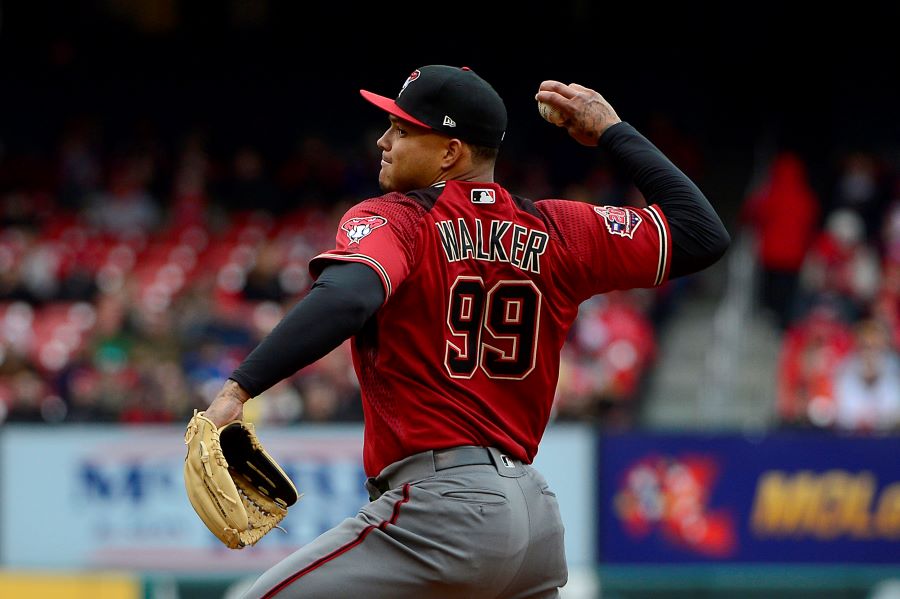 While the crop of free-agent pitchers has been pretty well picked through, Minnesota might come closest to obtaining impact pitching by taking on a trifecta of often-injured but high-upside starters. Specifically, Taijuan Walker, Alex Wood, and Rich Hill. This might sound a bit crazy, but hear me out. Yes, the Twins already have all but two of their 40-man spots filled in and they are likely to add a corner infielder as well. Yes, Walker, Wood, and Hill combined to pitch all of 95 1/3 innings in 2019. But solving the 40-man issue could be as easy as saying goodbye to Ryne Harper and Matt Wisler. And although there is high risk with the aforementioned trio, there is also plenty of upside. Let’s start with Walker. He is a former top 100 prospect with the Seattle Mariners and was traded to the Arizona Diamondbacks where he pitched very well in 2017 (157.1 IP, 3.49 ERA, 4.04 FIP). Unfortunately, he has pitched just 14 innings since then while recovering from Tommy John surgery. The good news is that he is just 27-years-old, has pretty good stuff and velocity, and it would be intriguing to see what he could become under Wes Johnson tutelage. He should come fairly cheap on a one or two-year deal. Like Walker, Alex Wood has struggled with injuries, but is still fairly young (he will turn 29 in January) and has been good in the past. He’s had four seasons of over 150 IP with ERA’s of 2.78, 3.84, 2.72, and 3.69. After pitching well for the Dodgers in 2018, 2019 was an injury-filled affair the Cincinnati Reds (35 2/3 IP, 5.80 ERA). He’s not far removed from success and if healthy would be a solid addition to the rotation. Unlike Walker and Wood, Rich Hill is not young. Like yours truly, he will turn 40 before the season starts. But when he’s been on the field, he’s thrown really well. In 2019 he pitched to a 2.45 ERA with just over 11 K/9 in just 58.2 innings. Prior to that, he threw for over 130 innings in both 2017 and 2018 with good numbers, but that would be a lot to expect at this point. However, he would make sense as an opener or in a role that wouldn’t require him to pitch deep into games. Plus, his curve ball is a thing of beauty. The beauty of this plan is in the depth and flexibility it would bring to Minnesota’s rotation. Assuming all three make it through spring training in good health, the rotation would be filled until Michael Pineda’s return. If one or more of the trio is injured or ineffective before Pineda’s return, the Twins can turn to any of Randy Dobnak, Lewis Thorpe, Devin Smetzler, or even Brusdar Graterol (who the Twins could piggy back with Hill to limit both pitcher’s innings). Of course, if all three all pitching well when Pineda returns, we can thank the heavens and potentially move Hill to the bullpen where he would seem a good fit. Obviously, the odds of all three pitchers (or the rest of the rotation for that matter) making it through the whole season injury free are very low. But again, Minnesota has plenty of young pitchers who would slot in nicely, and would have the luxury of calling up the hot hand. In addition to last year’s rookies, prospects such as Jhoan Duran, Jordan Balazovic, or even Cole Sands could emerge later in the season. The rotation would be pretty stuffed for 2020 but none of the three targeted pitchers would likely command more than a year or two at most, so any young arms that emerge would likely have a slot to land in in 2021 if not sooner. Obviously, this isn’t the type of plan that Minnesota set out with, nor is it a plan that the fan base would be particularly thrilled with, but it might be crazy enough to work. While none of the three currently fit the “impact” mold, they at least have some potential to do so. And the Twins would still have the potential to land the coveted “impact pitcher” prior to the trade deadline. What do you think? Is this plan too crazy to succeed? Would it be preferable to go the trade route or stick with the in-house options? Please leave your comments below. MORE FROM TWINS DAILY — Latest Twins coverage from our writers — Recent Twins discussion in our forums — Follow Twins Daily via Twitter, Facebook or email
 -
Yeah, I agree that Anderson is much more likely to regress and I don’t really expect Moncada to have a “down year.” He hits the ball hard (unlike Anderson) but with a BABIP that high I do expect his numbers to come down a bit.
-
Definitely some room for regression in Moncada and Anderson as they BABIPed .406 and .399 respectively.
-
Ha! Sorry...but at least it brought some very brief excitement to the offseason!
-
Happy Holidays Twins fans! Maybe you’re a bit down this year due to the team’s inability to land any big names this offseason? Worry not, you’ve been good this year so today I give you the gift of any player you want from another AL Central club.What is the point of this exercise? The hot stove has cooled considerably and I’m bored…plus, this might be fun! So, let’s grab any player of our choice from another AL Central roster, with the only stipulation being that we only get (and pay) the player for the remainder of their current contract (and the fact that this isn’t real). ‘Tis the Season! Option 1: The Star - Francisco Lindor 2019 stats: 143 Games, 4.4 fWAR, .284/.335/.518 Contract status: 2 years, arbitration Lindor is one of, if not the best, shortstop in all of baseball. Not only is he great offensively, but defensively he would be a significant upgrade over Jorge Polanco and allow Minnesota to move Miguel Sano to first and shift Polanco or Luis Arraez to third. The only downside would be that Lindor would only be hanging around for the next two seasons (or may not be around at all if he’s traded to the Dodgers). Option 2: Someone to cover third - Jose Ramirez 2019 stats: 129 Games, 3.3 fWAR, .255/.327/.479 Contract status: 5 years, $26M (2017-21), 2022-23 club options Like his teammate, Ramirez gives Minnesota an upgrade defensively at third and a powerful bat as well. Sano once again shifts to first, but the rest of the infield remains intact. Unlike Lindor, Ramirez signed a cheap extension and would potentially be with the Twins through 2023. 2019 was a bit of a down year but he was good for 8 fWAR and a 146 wRC+ in 2018 and has a good track record. I’d be remiss not to mention Yoán Moncada of the White Sox. Like Ramirez he can play second or third and put up big numbers in 2019 – 5.7 fWAR and a 141 wRC+. He’ll be arbitration eligible for the next three years. Option 3: The impact starter Heard anything about Minnesota needing to add an impact starter this offseason? Well, here are three options that would make about any Twins fan giddy. Mike Clevinger 2019 stats: 126 IP, 4.5 fWAR, 2.49 FIP Contract status: 3 years, arbitration Although he’s had some injury setbacks, Clevinger has emerged as one of the better pitchers in all of baseball. He was nasty in 2019 and would give Minnesota the top of the rotation starter that we all want. Shane Bieber 2019 stats: 214.1 IP, 5.6 fWAR, 3.32 FIP Contract status: 4 years, arbitration Like Clevinger, Bieber would immediately slot into the top of the Twins rotation. He took a giant step forward in 2019 and it is certainly debatable as to whether he or his rotation mate would be most desirable. Lucas Giolotto 2019 stats: 176.2 IP, 5.1 fWAR, 3.43 FIP Contract status: 3 years, arbitration We finally leave Cleveland. Giolotto finally became the pitcher that Chicago dreamed of when he was obtained in the Adam Eaton trade with Washington. Giolotto doesn’t have quite the track record of Clevinger, but he was a really good pitcher in 2019. Option 4: The catcher - Yasmani Grandal 2019 stats: 153 Games, 5.2 fWAR, .246/.380/.468 Contract status: 4 years, $73 million I was hoping the Twins would sign Grandal, but that didn’t happen. Worse yet, he signed with the White Sox. The good news is that it makes him available for our rather frivolous exercise. Grandal would render Alex Avilla superfluous, but would make an exciting backstop duo with Mitch Garver, and the duo could cover first base as well. Option 5: The slugger - Jorge Soler 2019 stats: 162 Games, 3.6 fWAR, .265/.354/.569 Contract status: 9 years, $30M (2012-20) The record-setting bomba squad would add the league-leader in home runs. Soler came out of nowhere to hit 48 dingers in 2019 and he gives me an excuse to add a Royal to this list. Soler would allow Minnesota to trade Rosario but he would only be with the team for one season. Option 6: The Prospects With all bad teams in the division came a lot of top draft picks. The advantage to choosing a prospect would be a high ceiling and six years of team control. Luis Robert (CWS) - OF 2019 stats: .328/.376/.624 (A+, AA, AAA) Robert is one of the top prospects in all of baseball and the 22-year-old had a monster year in 2019, making it all the way to AAA. He should be MLB ready this year so the Twins would have to make room for him in the outfield. Casey Mize (Det) – RHP 2019 stats: 109.1 IP, 2.55 ERA, 0.94 WHIP (A+, AA) Detroit took Mize with the number one overall pick in 2018, and like Robert, is one of the top prospects in baseball. Unlike Robert, he is a pitcher. He pitched great in 2019, finishing in AA, and should be ready soon. There are plenty of other top prospects to be considered, including, but not limited to, Matt Manning (RHP, Det) and Nick Madrigal (2B, CHW). There you have it. Who’s your pick? Initially, I thought I would go Clevinger who I think is the best pitcher and definitely has the best hair. However, Ramirez is also very tempting as a borderline superstar with a ridiculously team friendly contract that would leave a lot of financial flexibility (I can hear you laughing) but unfortunately isn’t an “impact” starter. I guess I’ll leave it to Santa. Enjoy your imaginary gift (no returns) and have a safe and happy holiday! MORE FROM TWINS DAILY — Latest Twins coverage from our writers — Recent Twins discussion in our forums — Follow Twins Daily via Twitter, Facebook or email Click here to view the article
-
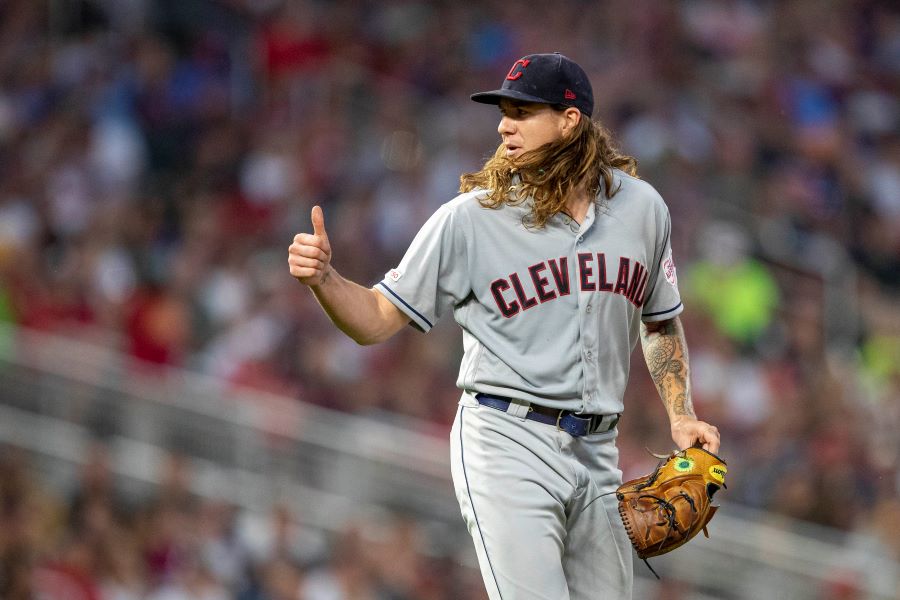 What is the point of this exercise? The hot stove has cooled considerably and I’m bored…plus, this might be fun! So, let’s grab any player of our choice from another AL Central roster, with the only stipulation being that we only get (and pay) the player for the remainder of their current contract (and the fact that this isn’t real). ‘Tis the Season! Option 1: The Star - Francisco Lindor 2019 stats: 143 Games, 4.4 fWAR, .284/.335/.518 Contract status: 2 years, arbitration Lindor is one of, if not the best, shortstop in all of baseball. Not only is he great offensively, but defensively he would be a significant upgrade over Jorge Polanco and allow Minnesota to move Miguel Sano to first and shift Polanco or Luis Arraez to third. The only downside would be that Lindor would only be hanging around for the next two seasons (or may not be around at all if he’s traded to the Dodgers). Option 2: Someone to cover third - Jose Ramirez 2019 stats: 129 Games, 3.3 fWAR, .255/.327/.479 Contract status: 5 years, $26M (2017-21), 2022-23 club options Like his teammate, Ramirez gives Minnesota an upgrade defensively at third and a powerful bat as well. Sano once again shifts to first, but the rest of the infield remains intact. Unlike Lindor, Ramirez signed a cheap extension and would potentially be with the Twins through 2023. 2019 was a bit of a down year but he was good for 8 fWAR and a 146 wRC+ in 2018 and has a good track record. I’d be remiss not to mention Yoán Moncada of the White Sox. Like Ramirez he can play second or third and put up big numbers in 2019 – 5.7 fWAR and a 141 wRC+. He’ll be arbitration eligible for the next three years. Option 3: The impact starter Heard anything about Minnesota needing to add an impact starter this offseason? Well, here are three options that would make about any Twins fan giddy. Mike Clevinger 2019 stats: 126 IP, 4.5 fWAR, 2.49 FIP Contract status: 3 years, arbitration Although he’s had some injury setbacks, Clevinger has emerged as one of the better pitchers in all of baseball. He was nasty in 2019 and would give Minnesota the top of the rotation starter that we all want. Shane Bieber 2019 stats: 214.1 IP, 5.6 fWAR, 3.32 FIP Contract status: 4 years, arbitration Like Clevinger, Bieber would immediately slot into the top of the Twins rotation. He took a giant step forward in 2019 and it is certainly debatable as to whether he or his rotation mate would be most desirable. Lucas Giolotto 2019 stats: 176.2 IP, 5.1 fWAR, 3.43 FIP Contract status: 3 years, arbitration We finally leave Cleveland. Giolotto finally became the pitcher that Chicago dreamed of when he was obtained in the Adam Eaton trade with Washington. Giolotto doesn’t have quite the track record of Clevinger, but he was a really good pitcher in 2019. Option 4: The catcher - Yasmani Grandal 2019 stats: 153 Games, 5.2 fWAR, .246/.380/.468 Contract status: 4 years, $73 million I was hoping the Twins would sign Grandal, but that didn’t happen. Worse yet, he signed with the White Sox. The good news is that it makes him available for our rather frivolous exercise. Grandal would render Alex Avilla superfluous, but would make an exciting backstop duo with Mitch Garver, and the duo could cover first base as well. Option 5: The slugger - Jorge Soler 2019 stats: 162 Games, 3.6 fWAR, .265/.354/.569 Contract status: 9 years, $30M (2012-20) The record-setting bomba squad would add the league-leader in home runs. Soler came out of nowhere to hit 48 dingers in 2019 and he gives me an excuse to add a Royal to this list. Soler would allow Minnesota to trade Rosario but he would only be with the team for one season. Option 6: The Prospects With all bad teams in the division came a lot of top draft picks. The advantage to choosing a prospect would be a high ceiling and six years of team control. Luis Robert (CWS) - OF 2019 stats: .328/.376/.624 (A+, AA, AAA) Robert is one of the top prospects in all of baseball and the 22-year-old had a monster year in 2019, making it all the way to AAA. He should be MLB ready this year so the Twins would have to make room for him in the outfield. Casey Mize (Det) – RHP 2019 stats: 109.1 IP, 2.55 ERA, 0.94 WHIP (A+, AA) Detroit took Mize with the number one overall pick in 2018, and like Robert, is one of the top prospects in baseball. Unlike Robert, he is a pitcher. He pitched great in 2019, finishing in AA, and should be ready soon. There are plenty of other top prospects to be considered, including, but not limited to, Matt Manning (RHP, Det) and Nick Madrigal (2B, CHW). There you have it. Who’s your pick? Initially, I thought I would go Clevinger who I think is the best pitcher and definitely has the best hair. However, Ramirez is also very tempting as a borderline superstar with a ridiculously team friendly contract that would leave a lot of financial flexibility (I can hear you laughing) but unfortunately isn’t an “impact” starter. I guess I’ll leave it to Santa. Enjoy your imaginary gift (no returns) and have a safe and happy holiday! MORE FROM TWINS DAILY — Latest Twins coverage from our writers — Recent Twins discussion in our forums — Follow Twins Daily via Twitter, Facebook or email
 -
A combination of geography and a rebounding free agency market seem to be conspiring against Minnesota’s chances of acquiring a top-of-the-rotation starter this offseason. Most of the top starters don’t seem keen on pitching in Minnesota and the higher-than-expected contract dollars and length are not playing in the Twins favor.First, the most realistic and highly-coveted starter in Minnesota’s crosshairs, Zack Wheeler, signed a larger than expected $118 million deal with Philadelphia and turned down an even higher offer from the White Sox because he wanted to remain near his fiance’s home in New Jersey. And although the Twins never appeared to have a realistic chance of signing Gerrit Cole or Stephen Strasburg, their record-setting contracts have proved beyond a doubt that this is a pitcher’s market. Of the starter’s left, Madison Bumgarner, Hyun-Jin Ryu, and Dallas Keuchel have been linked with the Twins. Bumgarner and Keuchel were once both considered “aces” but are probably more mid-rotation starters at this point. Ryu was great in 2019 but has significant injury concerns and is already 32-years-old. Keuchel is a ground ball pitcher who may want a better infield defense backing him up. Of course, no one wants to hear excuses at this time of year, but the fact that all three of these pitchers have their warts, may not want to pitch in Minnesota, and could end up getting paid significantly more than they are worth, point to a very realistic chance that the Twins will not end up with a “top-of-the-rotation” starter. Trading for a starter is another possibility that has been floating around, but this presents some problems as well. For one, as the size of contracts being handed out right now points to, teams are willing to pay a heavy price for front-end starters. This could make a trade more expensive in terms of prospects, and the front office seems unlikely to pay a heavy price. Plus, the veteran starters being brought up in the rumor mill are expensive and far from sure things. Guys like David Price and Yu Darvish are expensive and haven’t been all that effective, and Chris Sale had a down year and was injured (he’s also expensive). All are getting older and may not be worth the risk. A trade for a young starter would be great, but teams are generally loath to give up young pitching, so again, easier said than done. Additionally, with so many teams interested, the price will also likely be high. Luckily, Minnesota already got two of the best pitching values this offseason. Michael Pineda was a steal at two years and $20 million, and the Twins were very fortunate that Jake Odorizzi agreed to forgo the market and accept the $17.8 million qualifying offer. The way the market has heated up, he surely could have done better. Although they are retreads, they have the potential to be the best signings outside of Strasburg and Cole (For more on Pineda’s upside, checkout Nick Nelson’s recent article). While Minnesota in unlikely to be finished adding starting pitching this offseason, it’s looking more and more likely that whoever is added won’t be anyone fans are dreaming of. It has been a surprisingly robust market and things have not conspired in the Twins favor. However, like life, baseball is full of uncertainty. A year from now, we may be thankful that Bumgarner, Ryu, and Keuchel are not donning Twins jerseys (or unhappy that they are). And hey, there’s always the trade deadline! MORE FROM TWINS DAILY — Latest Twins coverage from our writers — Recent Twins discussion in our forums — Follow Twins Daily via Twitter, Facebook or email Click here to view the article
-
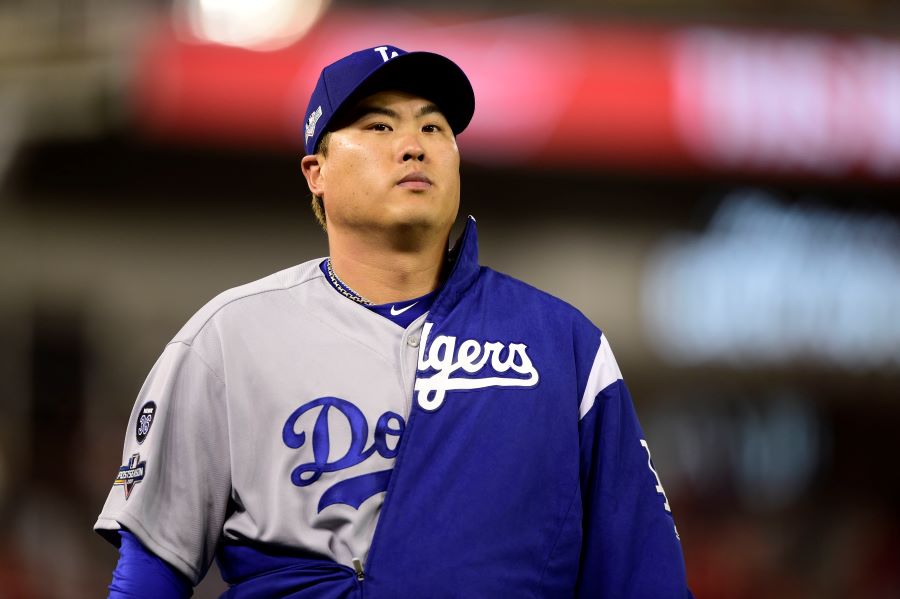 First, the most realistic and highly-coveted starter in Minnesota’s crosshairs, Zack Wheeler, signed a larger than expected $118 million deal with Philadelphia and turned down an even higher offer from the White Sox because he wanted to remain near his fiance’s home in New Jersey. And although the Twins never appeared to have a realistic chance of signing Gerrit Cole or Stephen Strasburg, their record-setting contracts have proved beyond a doubt that this is a pitcher’s market. Of the starter’s left, Madison Bumgarner, Hyun-Jin Ryu, and Dallas Keuchel have been linked with the Twins. Bumgarner and Keuchel were once both considered “aces” but are probably more mid-rotation starters at this point. Ryu was great in 2019 but has significant injury concerns and is already 32-years-old. Keuchel is a ground ball pitcher who may want a better infield defense backing him up. Of course, no one wants to hear excuses at this time of year, but the fact that all three of these pitchers have their warts, may not want to pitch in Minnesota, and could end up getting paid significantly more than they are worth, point to a very realistic chance that the Twins will not end up with a “top-of-the-rotation” starter. Trading for a starter is another possibility that has been floating around, but this presents some problems as well. For one, as the size of contracts being handed out right now points to, teams are willing to pay a heavy price for front-end starters. This could make a trade more expensive in terms of prospects, and the front office seems unlikely to pay a heavy price. Plus, the veteran starters being brought up in the rumor mill are expensive and far from sure things. Guys like David Price and Yu Darvish are expensive and haven’t been all that effective, and Chris Sale had a down year and was injured (he’s also expensive). All are getting older and may not be worth the risk. A trade for a young starter would be great, but teams are generally loath to give up young pitching, so again, easier said than done. Additionally, with so many teams interested, the price will also likely be high. Luckily, Minnesota already got two of the best pitching values this offseason. Michael Pineda was a steal at two years and $20 million, and the Twins were very fortunate that Jake Odorizzi agreed to forgo the market and accept the $17.8 million qualifying offer. The way the market has heated up, he surely could have done better. Although they are retreads, they have the potential to be the best signings outside of Strasburg and Cole (For more on Pineda’s upside, checkout Nick Nelson’s recent article). While Minnesota in unlikely to be finished adding starting pitching this offseason, it’s looking more and more likely that whoever is added won’t be anyone fans are dreaming of. It has been a surprisingly robust market and things have not conspired in the Twins favor. However, like life, baseball is full of uncertainty. A year from now, we may be thankful that Bumgarner, Ryu, and Keuchel are not donning Twins jerseys (or unhappy that they are). And hey, there’s always the trade deadline! MORE FROM TWINS DAILY — Latest Twins coverage from our writers — Recent Twins discussion in our forums — Follow Twins Daily via Twitter, Facebook or email
 -
How the Twins Can Improve on 2019 Without Adding A Stud Starting Pitcher
Patrick Wozniak commented on scottz's blog entry in Catching Some Zs
Thanks Scottz - this made me giggle uncontrollably! -
Would love to get Alcantara and see what magic Johnson could work. I did read somewhere that the Marlins are hesitant to move him. I also don't know why they would be interested in moving young, cheap, and team-controlled pitching for Eddie Rosario but I guess they are the Marlins!
-
I don't disagree with you, but Avila really fell off as well - 40.7% K and 69 wRC+ in the 2nd half. With his age, it's a bit concerning.
-
Great news! I'm also really glad Odorizzi took the QO - he has to be regretting it at this point.
-
I just haven't heard anything linking him to Minnesota and feel like he will probably end up back in LA. But I'd be happy to be wrong!

