



Jeremy Nygaard
-
Posts
4,552 -
Joined
-
Last visited
Content Type
Profiles
News
Minnesota Twins Videos
2026 Minnesota Twins Top Prospects Ranking
2022 Minnesota Twins Draft Picks
Minnesota Twins Free Agent & Trade Rumors, Notes, & Tidbits
Guides & Resources
2023 Minnesota Twins Draft Picks
The Minnesota Twins Players Project
2024 Minnesota Twins Draft Picks
2025 Minnesota Twins Draft Pick Tracker
2026 Minnesota Twins Draft Tracker: Picks & Bonuses
Forums
Blogs
Events
Store
Downloads
Gallery
Everything posted by Jeremy Nygaard
-
 The Starting Rotation All along the general consensus was that Tyler Duffey would be in the Twins rotation. Based on how he performed down the stretch last year, why wouldn’t he be? MLB might as well be short for “What have you done for me lately?” because, lately, Tyler Duffey hasn’t done much. He’s gone from “it’s going to take a disaster to not be in the rotation” to “well his name is written in pencil, not ink” to “well we can’t send Nolasco down, so….”. The trend line is pointing solidly to Tommy Milone as being the lone lefty in the rotation. And after Nolasco’s strong performance Wednesday - coupled with Duffey not pitching well against minor leaguers - it appears Nolasco has regained the lead in the quest for the fifth and final rotation spot. That could leave Duffey out in the cold (of Rochester). Trending up, on the other hand, is the Red Wings starting rotation which will include Jose Berrios, Alex Meyer and Tyler Duffey. Taylor Rogers, though, will start the season in the bullpen. The Bullpen The group of Glen Perkins, Kevin Jepsen, Trevor May and Casey Fien will form an average (or better) back end. Non-roster lefty Fernando Abad is expected to join them. When Duffey appeared poised for the rotation, that forced Nolasco to take up one of the two remaining bullpen spots. But now with that race tightening up, there could be two spots available in the bullpen. J.R. Graham was optioned to Rochester on Wednesday. Michael Tonkin finally had a decent showing on Tuesday after giving up runs in each of his last three outings, including two runs in each of his last two one-inning appearances. Tonkin might get a longer look (i.e. into the season) just because he is out of options, but he’s been trending the wrong direction all spring. Some other names to keep an eye on are Dan Runzler, a lefty who has allowed seven men on base in eight innings, and potential LOOGY Ryan O’Rourke, who has been lights-out in his 5 ⅔ innings this spring. Both of those men are trending in the right direction. (Edit: Yes, Ryan Pressly should absolutely be considered for the bullpen and is probably a favorite to secure the spot if there is only one opening. If there are two spots open, Pressly has to be considered a near-lock.) Another name that popped up this afternoon, thanks to Steve Lein, is Tyler Duffey. If he’s not in the rotation, how dominant could he be in the bullpen (a la Trevor May)? You also have the insurance built in that he doesn’t need to be the sixth starter in the organization (Berrios). It’s kinda crazy - and not a move I would make this season - but definitely something that could be worth considering as the roster continues to take shape (and you believe the best 25 should go north). The Bench Danny Santana missed seven days of games due to a sore wrist within the last two weeks but has started to hit (5 for 11) in his last three games. He’s been playing a variety of positions, which gives him a little value. The reality is that Santana, another out-of-options player, is going to be on the 25-man whether he hits or not. The hope here, though, is that Molitor can avoid using him as anything but a late-innings pinch-runner when it’s absolutely necessary. I’d still consider him to be trending down, but the slope isn’t as steep as it was ten days ago. Oswaldo Arcia is in a very similar place. Only Arcia’s (potential) value is in his bat and not his versatility. Arcia teased us in 2014 and frustrated us in 2015. He’s now being pushed by the old knees of the recently unretired Carlos Quentin. Yet it’s still hard to believe that the club will decide to keep Quentin, who has no defensive value compared to even Arcia. But if it’s bat we’re looking for and spring training we’re watching, we still see Arcia’s OPS of .528 next to Quentin’s OPS of .931 in the 15 games they’ve each played and wonder, “What to do with Ozzie?” Smart money is on him taking up a bench spot early in the season. What do you think? What would you do?
 -

Article: Trending (March 10)
Jeremy Nygaard replied to Jeremy Nygaard's topic in Twins Daily Front Page News
I agree with the bold part 100%. I don't think we'll ever agree on the "priority" though. My personal opinion is that teams know enough to make it not appear suspicious or they'll have the union (or Scott Boras) up their behind. There are plenty of grievances filed over service time. (I don't remember the particulars, but Perkins filed one against the Twins early in his career.) On occasion, players are awarded extra days (which I think just happened with a Mets player.) -
Article: Trending (March 10)
Jeremy Nygaard replied to Jeremy Nygaard's topic in Twins Daily Front Page News
It cost them 31 starts! Pitchers are different in that they have innings limits and only play every 5 days. Do I think Berrios will get called up after 12 days? Not immediately, but baseball is all about "control" and if you willingly give up a year for a single start, in my opinion, you're messing up. You bring up a lot of Rays examples - Longo, Moore, Archer - they all signed long-term deals very early in their careers. Why? Control at a defined cost. Another thing to consider too, is that if a guy is on the 40-man, he has to be held down for 20 days to get an additional year. -
Article: Trending (March 10)
Jeremy Nygaard replied to Jeremy Nygaard's topic in Twins Daily Front Page News
I'm not going to go through the work of researching it, but it's guess there's little to no difference between pitchers and hitters and their debuts. -
Article: Trending (March 10)
Jeremy Nygaard replied to Jeremy Nygaard's topic in Twins Daily Front Page News
Then call Berrios a "special case" because they had two other guys that they were looking to give a shot to. There's literally no other reason to have Rodon not start the year with the White Sox. -
Article: Trending (March 10)
Jeremy Nygaard replied to Jeremy Nygaard's topic in Twins Daily Front Page News
I don't think that's true at all. I looked up BA's Top 100 prospects from 2013 and looked at the debut dates for the Top 13 pitchers (before I felt I could prove my point). Only Fernandez and Archie Bradley debuted in April. Two debuted in May, four in June, one in July and the rest in August and September. Bradley was optioned and didn't lose a year of service. (He also wasn't very good.) I think service-time manipulation has always happened, but the Kris Bryant situation (and Twitter) made it explode. In fact, there were 34 players who made their MLB debut between 4/6 and 4/16 (the day before Bryant). Only three were Top 100 prospects (Bradley, Iglesias and Tomas) and two of those guys (the Cubans) were already on MLB deals. Over the next week FOUR Top 100 prospects made their debut including a pitcher. (Bryant, Russell, Rodon and Plawecki). So it's always happening... and the Twins should do the same. -
Article: Trending (March 10)
Jeremy Nygaard replied to Jeremy Nygaard's topic in Twins Daily Front Page News
The rotation WILL consist of those five early in the year. But it shouldn't start like that. Don't trade 12 days of service for a full year. The Marlins traded Jose Fernandez's age-26 season for five innings on the seventh day of the 2013 season. (He made his second start on the 13th day of the season; they lost the game.) Had he made his first start on the 13th day of the season, the Marlins would control him through 2019. If TR does bring Berrios up for the first 12 days, that would be roster mismanagement. -
Article: Trending (March 10)
Jeremy Nygaard replied to Jeremy Nygaard's topic in Twins Daily Front Page News
If we go by that, Hughes has thrown 16 pitches in five innings. Read. -
Article: Trending (March 10)
Jeremy Nygaard replied to Jeremy Nygaard's topic in Twins Daily Front Page News
From what I've seen, the radar hasn't been on/accurate at either of his starts. He's been so efficient that he's needed to finish his "outings" by throwing more pitches in the bullpen. -
Every Thursday morning, you can count on coming here to get a snapshot of which players are trending up or trending down within the organization. Obviously statistics will play a part, but a week is a small sample and spring training stats are… well, pretty pointless. Anecdotal and observational accounts will also help shape this segment. Here’s a look at five players whom you may have changed your tune about since seven days ago. Phil Hughes, starting pitcher Since joining the Twins in 2014, Phil Hughes has set an all-time baseball record (11.63 SO/BB - only 16 walks - in 2014), signed an expensive extension and then turned around and led the league in home runs allowed the following year. Everyone who follows the Twins and even Hughes himself would admit that last year was a bad year. Hughes missed seven starts due to various hip and back ailments. The velocity on Hughes’ fastball dropped from 92.0 to 90.7. He swing-and-miss percent dropped from 8.9% to 5.5%. Recognizing that he needed to get back to his 2014 form, Hughes reported to camp 15 pounds lighter than when he left last October. The dividends appear to be paying off already. Through two spring training starts, Hughes has pitched five innings, surrendering only one hit (which was erased by a double-play). He’s thrown 45 pitches*, with 29 of them reaching the strike zone. This percentage (64.4%) is almost a 10% decrease from his 2014 season, but it’s early in the season and the sample is admittedly tiny. Though he hasn’t recorded a swing-and-miss pitch to this point, he’s passed the “eye-test” through two brief appearances. That’s progress over anything that Hughes did in 2015. Trending: Up (and toward the Opening Day nod?) Tyler Duffey, starting pitcher It was going to take something “fairly significant” for Duffey to work his way out of the rotation. His first start was OK, though he did walk a batter which is slightly out of character. The start he made against Toronto on Tuesday was significantly worse: a five-run first inning that included a walk and a home run. He settled down and finished his outing with a 1-2-3 seven-pitch third inning. But not before issuing his second walk of the day in the second inning. I’m as big of a Duffey supporter as anyone and I believe he’ll still end up in the rotation, but a string of poor starts, coupled with dominant outings by the other members of the rotation competition, could make heading to Rochester more likely. At this point, though, let’s just chalk it up as one bad inning. Trending: Slightly down Oswaldo Arcia, outfield 2015 was an abysmal year for Ozzie. After starting the year as the Opening Day right-fielder, he fell so far that he finished it with a sub.-200 batting average in the minor leagues. Arcia spent his winter in Fort Myers working his skills and his body back into shape. So far, the work is paying off. After drawing only four walks in 65 plate appearances with the Twins in 2015, Arcia drew three walks on Monday and showed some defensive chops in both right field on Sunday and left field on Monday. The out-of-options Venezuelan will need to stick as a left-handed bench bat and he appears to be on his way to earning that spot. Trending: Slightly up Miguel Sano, right fielder We know about the big bat and the big arm. What we’re not sure about is the outfield glove on his left paw and the mobility to use it productively. Don’t get me wrong, Sano is athletic enough to play the outfield. But will the experiment work? He’s turned a semi-routine line out in a double. (Sorry, Ricky.) He’s quadruple-skipped a throw to the cut-off man. But he’s made all of the clearly routine plays and threw out Troy Tulowitzki trying to leg out a double on Tuesday. Oh, and he also hit his first spring training home run as well. Trending: Steady (but better than expected) Byung Ho Park, designated hitter Well, those two blasts certainly helps you forget about all the early swings and misses, doesn’t it? Trending: Up (up and out of here) BONUS BATTLE: Ricky Nolasco vs Tommy Milone, starting rotation Both have pitched well in their most recent outing, but there’s really only room for one in the rotation. Milone isn’t built for a bullpen success and is making $4.5 million; Nolasco, could be successful in the bullpen, and has two years and $25 million left on his deal. Oh, and Nolasco isn’t going to be too happy if he has to go to the bullpen. He probably isn’t alone in feeling the way he does, but not every player (or his agent) publicly states how they feel. Regardless of how this plays out, Nolasco is going to get his money. The Twins could remove Nolasco from the roster, but he would have to consent to a minor-league assignment. If he won’t go to the bullpen, there’s no reason to think he’d go to Rochester. So the question that remains, will he earn his money as a team player (in the bullpen) or will he force the Twins to make a move? (Call the Dodgers.) Trending: Towards Tommy Obviously, those are only five players out of a number that could be mentioned. (Both good and not-so-good.) Who do you have trending one way or the other? * Spring Training stats are much more difficult to come by, so these stats are based on what Mike Berardino of the St. Paul Pioneer Press has reported on Twitter. Click here to view the article
-
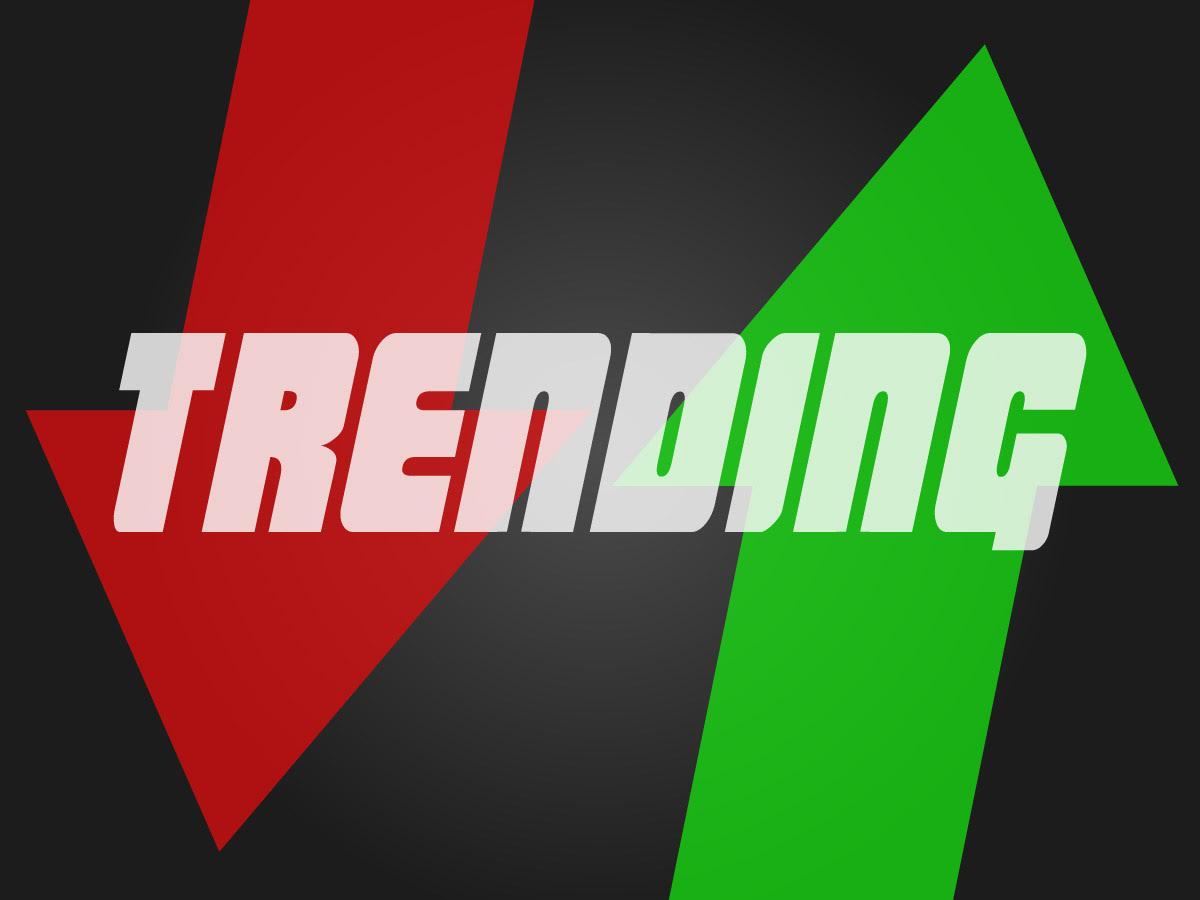 Phil Hughes, starting pitcher Since joining the Twins in 2014, Phil Hughes has set an all-time baseball record (11.63 SO/BB - only 16 walks - in 2014), signed an expensive extension and then turned around and led the league in home runs allowed the following year. Everyone who follows the Twins and even Hughes himself would admit that last year was a bad year. Hughes missed seven starts due to various hip and back ailments. The velocity on Hughes’ fastball dropped from 92.0 to 90.7. He swing-and-miss percent dropped from 8.9% to 5.5%. Recognizing that he needed to get back to his 2014 form, Hughes reported to camp 15 pounds lighter than when he left last October. The dividends appear to be paying off already. Through two spring training starts, Hughes has pitched five innings, surrendering only one hit (which was erased by a double-play). He’s thrown 45 pitches*, with 29 of them reaching the strike zone. This percentage (64.4%) is almost a 10% decrease from his 2014 season, but it’s early in the season and the sample is admittedly tiny. Though he hasn’t recorded a swing-and-miss pitch to this point, he’s passed the “eye-test” through two brief appearances. That’s progress over anything that Hughes did in 2015. Trending: Up (and toward the Opening Day nod?) Tyler Duffey, starting pitcher It was going to take something “fairly significant” for Duffey to work his way out of the rotation. His first start was OK, though he did walk a batter which is slightly out of character. The start he made against Toronto on Tuesday was significantly worse: a five-run first inning that included a walk and a home run. He settled down and finished his outing with a 1-2-3 seven-pitch third inning. But not before issuing his second walk of the day in the second inning. I’m as big of a Duffey supporter as anyone and I believe he’ll still end up in the rotation, but a string of poor starts, coupled with dominant outings by the other members of the rotation competition, could make heading to Rochester more likely. At this point, though, let’s just chalk it up as one bad inning. Trending: Slightly down Oswaldo Arcia, outfield 2015 was an abysmal year for Ozzie. After starting the year as the Opening Day right-fielder, he fell so far that he finished it with a sub.-200 batting average in the minor leagues. Arcia spent his winter in Fort Myers working his skills and his body back into shape. So far, the work is paying off. After drawing only four walks in 65 plate appearances with the Twins in 2015, Arcia drew three walks on Monday and showed some defensive chops in both right field on Sunday and left field on Monday. The out-of-options Venezuelan will need to stick as a left-handed bench bat and he appears to be on his way to earning that spot. Trending: Slightly up Miguel Sano, right fielder We know about the big bat and the big arm. What we’re not sure about is the outfield glove on his left paw and the mobility to use it productively. Don’t get me wrong, Sano is athletic enough to play the outfield. But will the experiment work? He’s turned a semi-routine line out in a double. (Sorry, Ricky.) He’s quadruple-skipped a throw to the cut-off man. But he’s made all of the clearly routine plays and threw out Troy Tulowitzki trying to leg out a double on Tuesday. Oh, and he also hit his first spring training home run as well. Trending: Steady (but better than expected) Byung Ho Park, designated hitter Well, those two blasts certainly helps you forget about all the early swings and misses, doesn’t it? Trending: Up (up and out of here) BONUS BATTLE: Ricky Nolasco vs Tommy Milone, starting rotation Both have pitched well in their most recent outing, but there’s really only room for one in the rotation. Milone isn’t built for a bullpen success and is making $4.5 million; Nolasco, could be successful in the bullpen, and has two years and $25 million left on his deal. Oh, and Nolasco isn’t going to be too happy if he has to go to the bullpen. He probably isn’t alone in feeling the way he does, but not every player (or his agent) publicly states how they feel. Regardless of how this plays out, Nolasco is going to get his money. The Twins could remove Nolasco from the roster, but he would have to consent to a minor-league assignment. If he won’t go to the bullpen, there’s no reason to think he’d go to Rochester. So the question that remains, will he earn his money as a team player (in the bullpen) or will he force the Twins to make a move? (Call the Dodgers.) Trending: Towards Tommy Obviously, those are only five players out of a number that could be mentioned. (Both good and not-so-good.) Who do you have trending one way or the other? * Spring Training stats are much more difficult to come by, so these stats are based on what Mike Berardino of the St. Paul Pioneer Press has reported on Twitter.
 -
I think it was Radcliff that mentioned it last year as well.
-
Thanks. I think we can all agree not all of these guys are viable extension candidates. But - for me anyway - it's a fun exercise to consider what potential deals might look like.
-
Over the last handful of days, we’ve looked at basically every player that is projected to be on the Opening Day roster - with the exception of those that have multi-year deals or have very little service time - and examined what a potential extension would look like and if the club (or player) would have interest. In most cases, extensions just wouldn’t make sense at this point. Many players just aren’t good candidates to extend because the team already controls their rights anyway. Today we’re going to look at the final two players whom the team could consider extending.2) Trevor Plouffe, third baseman There was absolutely no way the 2016 season was going to kick off with anyone but Miguel Sano manning the hot corner, right? Right, we all assumed. Well, you know what happens when you assume. The Twins have held their hand strong and called every bet. And if you’re going to do that until the end, don’t your final words have to be, “All in”? Here we are, entering the second-to-last year of control of Trevor Plouffe. He’s set to earn $7.25 million. If he goes to arbitration again next winter, he’ll head towards a raise that will put him in line to make in excess of $9 million. What are the chances the Twins will continue to retain him? The best time to sign a multi-year deal would have been while negotiating the deal to avoid arbitration. It appears that neither side was interested enough to make that happen. Personally, I still think the Twins fold their hand and trade Plouffe. Since it doesn’t appear to be happening now, it will happen next offseason. But only because I think Jorge Polanco becomes the next everyday third baseman. Just a hunch. 1) Kyle Gibson, starting pitcher So far, this list has been void of starting pitchers. Part of that has to do with two of them being signed to long-term deals already. Part of that has to do with my affinity for not wanting to guarantee money when every pitcher is just one pitch away from being useless for 18 months. For me, Gibson is different. In fact, of the nine players previously profiled, I can’t say with strong conviction that I would go long-term with any of them. I’d be most inclined to lock up Sano. I’d consider the same with Rosario, given how I know the Twins feel about him. But he still has a lot to prove. So does Buxton. I’d go long-term with Gibson. And I’d model it after two extensions that were signed in the spring of 2012 (so I know the numbers would have to be a little bit more). The Mets deal with Jon Niese and the Rangers deal with Derek Holland. Both signed their deals entering their final season before arbitration. Gibson already has a deal for that season (this season at $587,500). Niese’s three arbitration years were bought out for $15 million ($3/$5/$7) where Holland got $16 million ($3.2/$5.4/$7.4). Given inflation, Gibson could fairly ask for $18 million. 2017 (3+): $4 million 2018 (4+): $6 million 2019 (5+): $8 million I don’t think anyone would have any qualms about that. Those terms are completely fair. As I’ve said on numerous occasions, in exchange for guaranteed salaries, the team needs to get the benefit of having the option to buy out free agency. In Gibson’s case, I’d want two more years. This would put him through his age-33 season. 2020 (6+): $11 million The first free agency year is worth $11 million. Also in line with Niese’s and Holland’s deals. But instead of going with a straight guarantee or straight team option for 2021, we’re going to ask for the “Lackey Clause.” As you may recall, John Lackey signed a lucrative deal in December of 2009 with the Red Sox with the stipulation that if he missed a year due to Tommy John surgery, the team could keep him for an extra year at league minimum. 2021 (7+): $13 million with a $1.5 million buy-out OR becomes a club option for league minimum if he misses a year with his second Tommy John surgery. The entire deal essentially is a four-year extension with a guarantee of $29.5 million (if he has arm issues) or four years at $30.5 million (if he doesn’t). That’s a deal that could and should be made this spring. Of all the 10 players profiled (or ones that weren’t), whom would you sign long-term? Click here to view the article
-
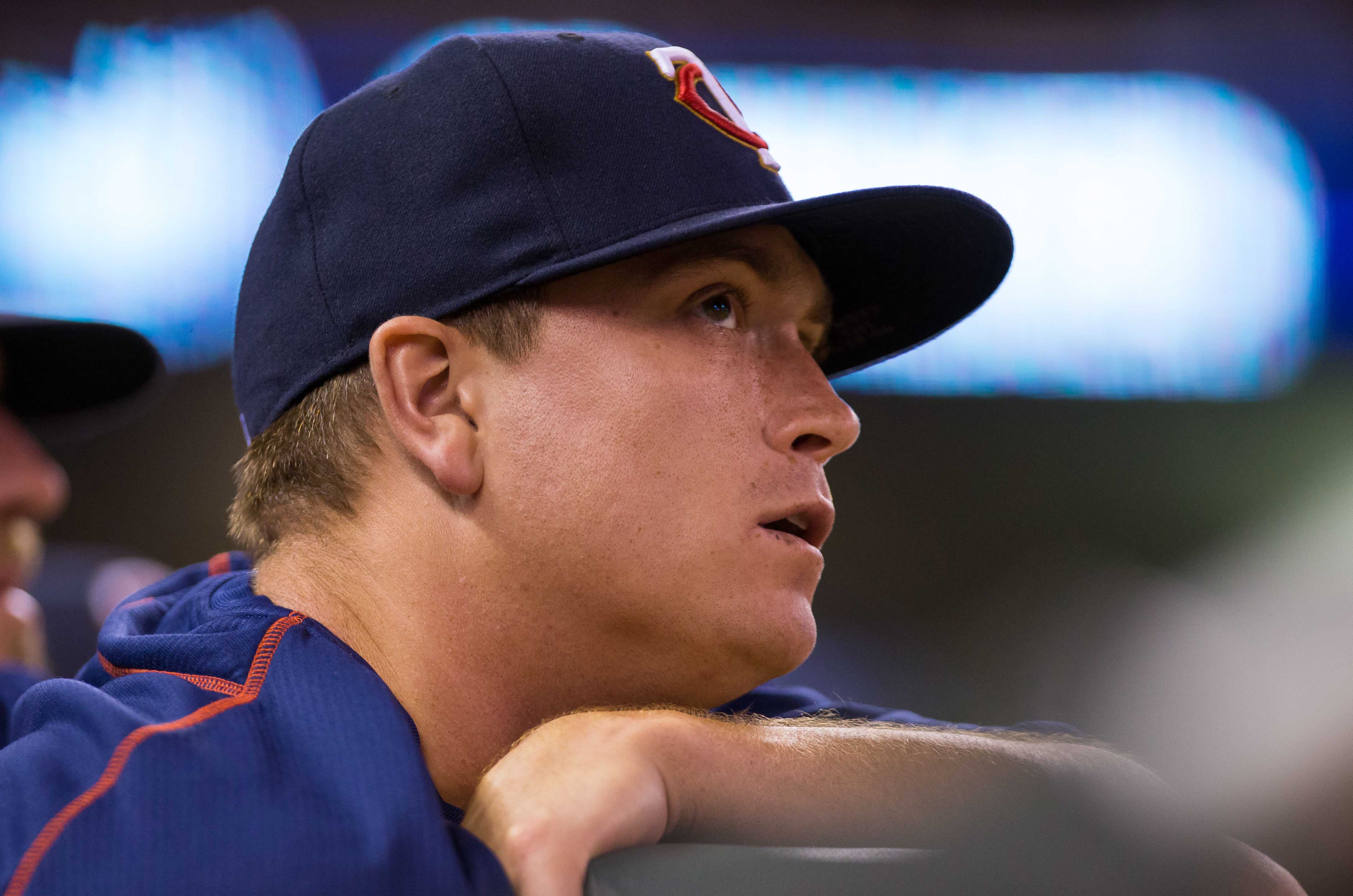 2) Trevor Plouffe, third baseman There was absolutely no way the 2016 season was going to kick off with anyone but Miguel Sano manning the hot corner, right? Right, we all assumed. Well, you know what happens when you assume. The Twins have held their hand strong and called every bet. And if you’re going to do that until the end, don’t your final words have to be, “All in”? Here we are, entering the second-to-last year of control of Trevor Plouffe. He’s set to earn $7.25 million. If he goes to arbitration again next winter, he’ll head towards a raise that will put him in line to make in excess of $9 million. What are the chances the Twins will continue to retain him? The best time to sign a multi-year deal would have been while negotiating the deal to avoid arbitration. It appears that neither side was interested enough to make that happen. Personally, I still think the Twins fold their hand and trade Plouffe. Since it doesn’t appear to be happening now, it will happen next offseason. But only because I think Jorge Polanco becomes the next everyday third baseman. Just a hunch. 1) Kyle Gibson, starting pitcher So far, this list has been void of starting pitchers. Part of that has to do with two of them being signed to long-term deals already. Part of that has to do with my affinity for not wanting to guarantee money when every pitcher is just one pitch away from being useless for 18 months. For me, Gibson is different. In fact, of the nine players previously profiled, I can’t say with strong conviction that I would go long-term with any of them. I’d be most inclined to lock up Sano. I’d consider the same with Rosario, given how I know the Twins feel about him. But he still has a lot to prove. So does Buxton. I’d go long-term with Gibson. And I’d model it after two extensions that were signed in the spring of 2012 (so I know the numbers would have to be a little bit more). The Mets deal with Jon Niese and the Rangers deal with Derek Holland. Both signed their deals entering their final season before arbitration. Gibson already has a deal for that season (this season at $587,500). Niese’s three arbitration years were bought out for $15 million ($3/$5/$7) where Holland got $16 million ($3.2/$5.4/$7.4). Given inflation, Gibson could fairly ask for $18 million. 2017 (3+): $4 million 2018 (4+): $6 million 2019 (5+): $8 million I don’t think anyone would have any qualms about that. Those terms are completely fair. As I’ve said on numerous occasions, in exchange for guaranteed salaries, the team needs to get the benefit of having the option to buy out free agency. In Gibson’s case, I’d want two more years. This would put him through his age-33 season. 2020 (6+): $11 million The first free agency year is worth $11 million. Also in line with Niese’s and Holland’s deals. But instead of going with a straight guarantee or straight team option for 2021, we’re going to ask for the “Lackey Clause.” As you may recall, John Lackey signed a lucrative deal in December of 2009 with the Red Sox with the stipulation that if he missed a year due to Tommy John surgery, the team could keep him for an extra year at league minimum. 2021 (7+): $13 million with a $1.5 million buy-out OR becomes a club option for league minimum if he misses a year with his second Tommy John surgery. The entire deal essentially is a four-year extension with a guarantee of $29.5 million (if he has arm issues) or four years at $30.5 million (if he doesn’t). That’s a deal that could and should be made this spring. Of all the 10 players profiled (or ones that weren’t), whom would you sign long-term?
 -
Right. It depends on how much you value cost-certainty. My point all along is that the Twins shouldn't have bothered with the Dozier extension because that was ALL they got. They, as an organization, obviously do value it. And those are the glasses I tried to look through as I wrote these pieces.
-
I don't know that the money is the thing so much. I mean, bottom line... yes, the money is the thing. But with a new CBA coming, more revenue than ever before, etc. It's going to be all about the opt-outs. Guaranteed money is and should always be an incentive for the players. The uberprospects aren't guaranteed anything past the half million they have coming this year... being guaranteed something counts for a lot.
-
The proposed contract would pay him to be a really good 4th OF. If he sticks as a starter, he gets paid like one... or becomes cost-controlled trade bait.
-
It's true for everyone except guys that come over from other countries, basically. Not always the case. Park won't go to arbitration, Cespedes had a clause that he couldn't. Same as Iwakuma. I believe Jose Iglesias didn't have a clause. But as far as any American/player who entered the league through the draft, it's always the case: you don't hit free agency til after you have six years of service unless you're released/non-tendered. But if another team picks you up on a one-year deal and you still have less than six years, no free agency. (Take Abad, for example. If he plays for the Twins all year after signing a milb deal, he'll have 5.073 years of service and go to arbitration next year.)
-
Over the past few days, we’ve looked at a variety of potential extensions for a half-dozen players. Remember, these aren’t necessarily players that deserve extensions, nor that I would sign to extensions. Today, we’ll take a closer look at two other players. Two players that are on different ends of the spectrum.4) Kevin Jepsen, relief pitcher Jepsen reached an agreement with the Twins to avoid arbitration. Jepsen sought $5.4 million, the Twins offered $5.05 million and the team settled at $5,312,500. While it was taking a few extra weeks to come to an agreement, it seemed there was a possibility that the Twins might be interested in securing an extra year of Jepsen’s services - the first year of Jepsen’s free agency. After coming over to the Twins in a deadline deal with Tampa Bay, Jepsen filled in as the club’s closer, saving 10 games and finishing seven others in his 29 appearances. He’s likely to be the set-up man in the 2016 bullpen and be the back-up closer. The Twins did make a similar deal with Jared Burton in the winter of 2012. Burton struggled after an impressive first year and the club chose to buy out the team’s option. Coincidentally enough, when you visit Kevin Jepsen’s Baseball Reference page, Burton shows up as the player most similar to Jepsen. Maybe that’s reason enough to play the year out. It would have been best - if the parties involved were interested - to agree to an extension when the sides were negotiating for 2016. When a player is this close to free agency for the first time, tacking on a year probably isn’t very appealing. And once the 2016 contract was signed, free agency is only one step away. Could the Twins consider an in-season deal? I wouldn’t call it an impossibility, but at any rate, there would have to be some incentives that pay Jepsen extra if he assumes the closer role. Incentives that, by rule, would have to pay him for “games finished” in addition to another incentive that is likely to be included for “games pitched.” 3) Miguel Sano, monster playing right field There’s literally no way to start thinking about signing Sano to an extension without considering the record contract that Giancarlo Stanton signed 16 months ago with Miami. The difference, or course, is that Stanton had over four years of service when he signed his deal and Sano is still short of a full year. Another notable difference is that Stanton is in Miami and Sano, represented by CAA and Roc Nation, is in flyover country. If I were representing Sano, my advice would be: Play out these next few years and enormous bags of money will be awaiting you in New York or wherever it is you’d like to make hundreds of millions of dollars. That doesn’t mean that there’s no risk for Sano to go year-to-year with the Twins. He’s already missed a year of baseball after undergoing Tommy John surgery. He’s in the midst of a positional move that many around baseball are questioning whether he can handle. And if you can’t play defense, you’re limited to the American League (for now). My belief is ALWAYS that if a team is willing to guarantee money, that the return should be at least a year of free agency. Though I’m not picky enough to say it needs to include or not include a team option. At a minimum we’re talking about a seven-year deal. If we were going year-to-year, I’d renew Sano’s deal for $530,000 in 2016. In the event of a long-term deal, I’d be willing to bump that up. The increase for his 1+ and 2+ seasons will make Stanton’s raises (a total of $121,000) look tiny as I’d be comfortable hitting $1 million in 2018. In comparison, Stanton made only $537,000 in his season before hitting arbitration (though that was without an extension). 2016 (0+): $550,000 2017 (1+): $775,000 2018 (2+): $1 million Arbitration is where it gets tricky. Stanton avoided his first year of arbitration by agreeing to a deal worth $5.5 million. And he’ll get a total of $22 million for his three arbitration years. By comparison, Mike Trout signed a deal that guarantees him nearly $20 million in his third year of arbitration alone. Josh Donaldson signed a two-year deal that will pay him $17 million in his third (of four) years of arbitration. (He was a Super 2.) Prince Fielder was awarded $15.5 in his final arbitration year… in 2011. The point is not that Sano is Mike Trout or Josh Donaldson or Prince Fielder, but instead how expensive arbitration can be going year-by-year or by an extension. So let’s enter in the extension signed by Anthony Rizzo. Another player who had four years of arbitration in front of him, Rizzo agreed to be paid $5 million for the first two and $7 million for the last two. Getting a guy to sign early - Rizzo signed his deal as a 1+ player - locks him in at a significantly lower price. 2019 (3+): $5 million 2020 (4+): $8 million 2021 (5+): $11 million That puts Sano’s arbitration years about 10% higher than what Stanton earned. Rizzo has escalators in his deal that increase his salary based on MVP finishes. Sano can have those too. If he wins an MVP or finishes Top 5 in the voting twice any time between 2016 and 2020, all ensuing salaries and options increase by $1 million. We’ll even tack on an extra $2 million for a second MVP or a third Top 5 finish. This particular proposal buys out one free agency year guaranteed and adds a team option for the 2023 season. 2022 (6+): $14.5 million 2023 (7+): $17.5 million ($1.75 million buyout) The seven-year, $42.575 million pact eclipses Rizzo’s $41 million deal, could grow to be over $65 million and guarantees that Sano hits free agency at age 30. While there’s certainly risk for both parties involved, would this be a deal that both sides could/would agree on? Click here to view the article
-
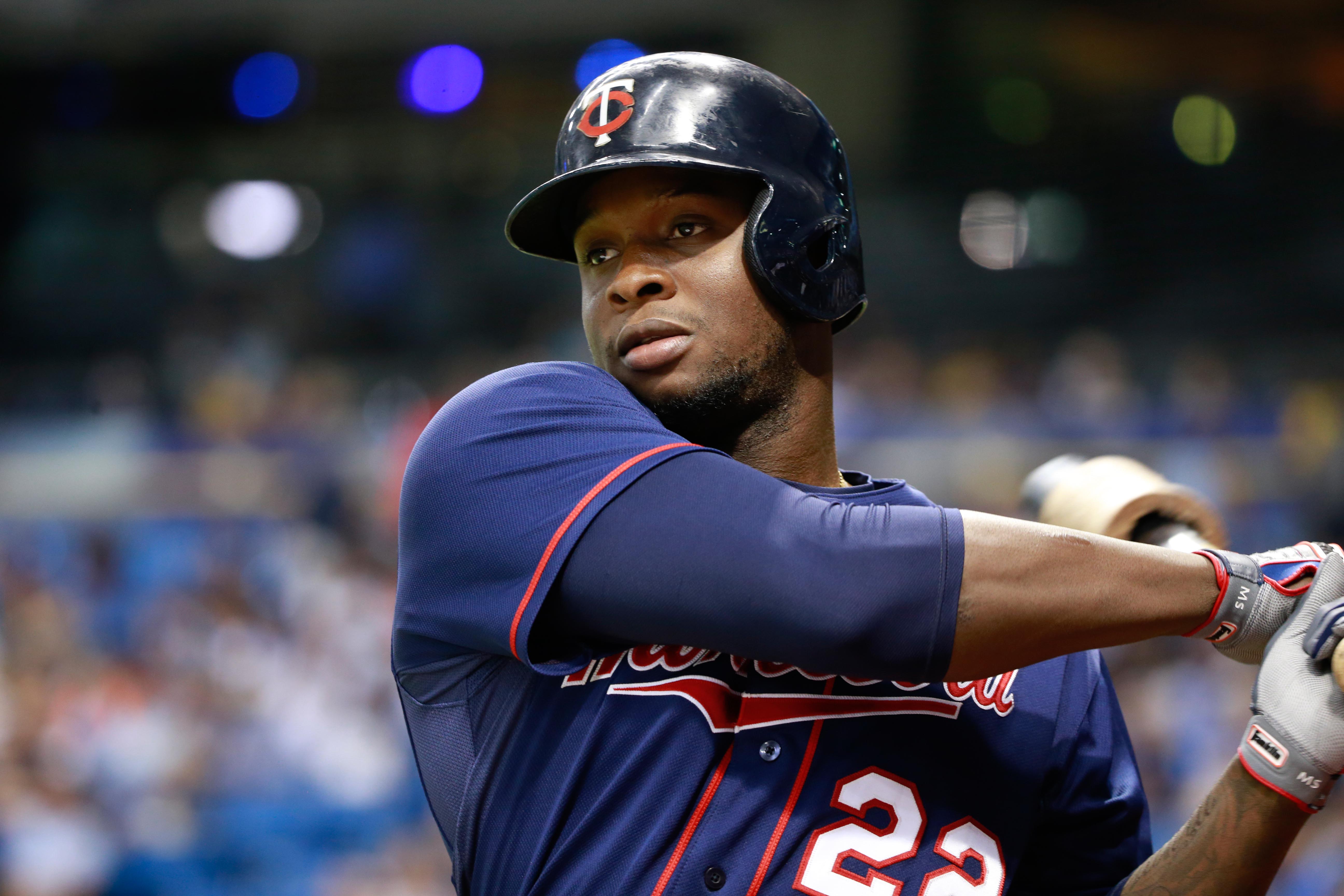 4) Kevin Jepsen, relief pitcher Jepsen reached an agreement with the Twins to avoid arbitration. Jepsen sought $5.4 million, the Twins offered $5.05 million and the team settled at $5,312,500. While it was taking a few extra weeks to come to an agreement, it seemed there was a possibility that the Twins might be interested in securing an extra year of Jepsen’s services - the first year of Jepsen’s free agency. After coming over to the Twins in a deadline deal with Tampa Bay, Jepsen filled in as the club’s closer, saving 10 games and finishing seven others in his 29 appearances. He’s likely to be the set-up man in the 2016 bullpen and be the back-up closer. The Twins did make a similar deal with Jared Burton in the winter of 2012. Burton struggled after an impressive first year and the club chose to buy out the team’s option. Coincidentally enough, when you visit Kevin Jepsen’s Baseball Reference page, Burton shows up as the player most similar to Jepsen. Maybe that’s reason enough to play the year out. It would have been best - if the parties involved were interested - to agree to an extension when the sides were negotiating for 2016. When a player is this close to free agency for the first time, tacking on a year probably isn’t very appealing. And once the 2016 contract was signed, free agency is only one step away. Could the Twins consider an in-season deal? I wouldn’t call it an impossibility, but at any rate, there would have to be some incentives that pay Jepsen extra if he assumes the closer role. Incentives that, by rule, would have to pay him for “games finished” in addition to another incentive that is likely to be included for “games pitched.” 3) Miguel Sano, monster playing right field There’s literally no way to start thinking about signing Sano to an extension without considering the record contract that Giancarlo Stanton signed 16 months ago with Miami. The difference, or course, is that Stanton had over four years of service when he signed his deal and Sano is still short of a full year. Another notable difference is that Stanton is in Miami and Sano, represented by CAA and Roc Nation, is in flyover country. If I were representing Sano, my advice would be: Play out these next few years and enormous bags of money will be awaiting you in New York or wherever it is you’d like to make hundreds of millions of dollars. That doesn’t mean that there’s no risk for Sano to go year-to-year with the Twins. He’s already missed a year of baseball after undergoing Tommy John surgery. He’s in the midst of a positional move that many around baseball are questioning whether he can handle. And if you can’t play defense, you’re limited to the American League (for now). My belief is ALWAYS that if a team is willing to guarantee money, that the return should be at least a year of free agency. Though I’m not picky enough to say it needs to include or not include a team option. At a minimum we’re talking about a seven-year deal. If we were going year-to-year, I’d renew Sano’s deal for $530,000 in 2016. In the event of a long-term deal, I’d be willing to bump that up. The increase for his 1+ and 2+ seasons will make Stanton’s raises (a total of $121,000) look tiny as I’d be comfortable hitting $1 million in 2018. In comparison, Stanton made only $537,000 in his season before hitting arbitration (though that was without an extension). 2016 (0+): $550,000 2017 (1+): $775,000 2018 (2+): $1 million Arbitration is where it gets tricky. Stanton avoided his first year of arbitration by agreeing to a deal worth $5.5 million. And he’ll get a total of $22 million for his three arbitration years. By comparison, Mike Trout signed a deal that guarantees him nearly $20 million in his third year of arbitration alone. Josh Donaldson signed a two-year deal that will pay him $17 million in his third (of four) years of arbitration. (He was a Super 2.) Prince Fielder was awarded $15.5 in his final arbitration year… in 2011. The point is not that Sano is Mike Trout or Josh Donaldson or Prince Fielder, but instead how expensive arbitration can be going year-by-year or by an extension. So let’s enter in the extension signed by Anthony Rizzo. Another player who had four years of arbitration in front of him, Rizzo agreed to be paid $5 million for the first two and $7 million for the last two. Getting a guy to sign early - Rizzo signed his deal as a 1+ player - locks him in at a significantly lower price. 2019 (3+): $5 million 2020 (4+): $8 million 2021 (5+): $11 million That puts Sano’s arbitration years about 10% higher than what Stanton earned. Rizzo has escalators in his deal that increase his salary based on MVP finishes. Sano can have those too. If he wins an MVP or finishes Top 5 in the voting twice any time between 2016 and 2020, all ensuing salaries and options increase by $1 million. We’ll even tack on an extra $2 million for a second MVP or a third Top 5 finish. This particular proposal buys out one free agency year guaranteed and adds a team option for the 2023 season. 2022 (6+): $14.5 million 2023 (7+): $17.5 million ($1.75 million buyout) The seven-year, $42.575 million pact eclipses Rizzo’s $41 million deal, could grow to be over $65 million and guarantees that Sano hits free agency at age 30. While there’s certainly risk for both parties involved, would this be a deal that both sides could/would agree on?
 -
If Rosario opted out of the potential deal with less than six years if service, he'd still have to go through the arbitration process.
-
I'd be less inclined to sign a guy like that. I thought he'd be an excellent trade candidate. However, there are so many in the organization that absolutely love him. It's amazing really. I'm not saying that means they'll extend him, but I really feel like he's a guy the Twins believe in and want to have around for the long haul.
-
He wasn't omitted. He was mentioned twice.
-
Earlier in this series we looked at what unlikely extensions could look like for Kurt Suzuki and Brian Dozier, realized that Glen Perkins makes uncommon baseball decisions and examined the parameters for a potential long-term deal for Byron Buxton. Today’s installment involves two players who are both in the early parts of their careers, one who just entered arbitration and another who is a few years away from it.6) Eduardo Escobar, shortstop Personally, I feel like the time to extend Escobar has passed. There are a couple of reasons for that. When he narrowly missed the Super 2 deadline after the 2014 season, the Twins could have given him an extra bump in 2015 in return for a guarantee in 2016. Even as a utility-type player, Escobar brought lots of value to the roster. Amid rumors that the Twins were dangling him for a relief pitcher though, it shouldn’t be surprising he wasn’t extended. Secondly, while negotiating his salary as a first-time arbitration-eligible player, the Twins could have rewarded their new shortstop by guaranteeing his second year. Basically a “You’re our shortstop, we believe in you, now stop looking over your shoulder” contract. Essentially the same type of ill-fated deal the team made with Brendan Harris a few years back. A contract, too, that doesn’t damage your payroll even if Escobar returns to a utility-role. Escobar has earned the starting shortstop position to begin 2016. It’s hard to see Jorge Polanco wrestling it away from him as many believe he’s not equipped to handle that position long-term. So who in the organization is? Defensively Engelb Vielma is, but his bat has a ways to go and he hasn’t even played at AA yet. Nick Gordon is a better all-around player, but he’s only likely to make his Fort Myers debut this year. The reality is that the Twins, for the first time in a long time, have middle infield options. Brian Dozier is one of the best second baseman in the American League. Polanco is a legitimate prospect. Vielma and Gordon are down the line and Jermaine Palacios and bonus-baby Wander Javier are even further down the line. Oh, Danny Santana, despite the “position change” this offseason, and Eduardo Nunez could still remain options as well. There are some big-sticker prices on the arbitration years of bought-out shortstops, but then there’s also the deal the Royals signed Alcides Escobar to. A deal that agreed to pay the shortstop $3 million in EACH of his three arbitration years. If there’s a deal like that out there to be had, that’s one worth considering. 5) Eddie Rosario, outfielder The unlikelihood of signing a player with less than one year of service was discussed during the potential Buxton extension. Rosario falls into that category. But there is a deal that was signed a handful of years ago that could provide a nice framework for a Rosario deal; A deal signed by then-Pirates outfielder Jose Tabata. Yes, Tabata turned out to be a bust, but the investment for six years of Tabata ($15 million) pales in comparison to the nearly $25 million invested in Byung Ho Park, a complete unknown. There is going to be pretty significant difference between Tabata and Rosario, though, and that is because Rosario is in line to be a Super 2 player after the 2017 season. So while the framework remains the same, an extra year of arbitration, inflation over the 2011 Tabata deal and some incentives that will reward Rosario if he continues to remain a regular will increase the value of this deal. At a minimum, Rosario will always provide defensive value and has a floor of a fourth outfielder. The initial contract would pay him, at worst, as a fourth outfielder. The proposal: 2016 (0+): $540,000 2017 (1+): $760,000 2018 (Super 2): $2 million 2019 (3+): $3.5 million 2020 (4+): $4.5 million 2021 (5+): $5.7 million 2022 (6+): $7 million option or $.5 million buyout 2023 (7+): $8 million option or $.5 million buyout 2024 (8+): $9 million option or $.5 million buyout All told, the guarantee is over six years at the price of $17.5 million. Some other caveats: Starting in 2018, Rosario will earn an additional $500,000 in any year he exceeds 550 plate appearances. His salary for each ensuing year will also increase by $500,000 and his buyouts will increase by $100,000. An additional security for Rosario is that starting with that 2019 season, each time he exceeds the aforementioned 550 plate appearances, he can opt out of the remainder of his contract. Rosario’s maximum contract, if he reached 550 plate appearances each year and never opted out, would look as follows: 2016 (0+): $540,000 2017 (1+): $760,000 2018 (Super 2): $2.5 million 2019 (3+): $4.5 million 2020 (4+): $6 million 2021 (5+): $7.7 million 2022 (6+): $9.5 million option or $1 million buyout 2023 (7+): $11 million option or $1.1 million buyout 2024 (8+): $12.5 million option or $1.2 million buyout The contract becomes a six year, $23 million deal with a maximum value of $55 million over eight years, a fair-market contract for an everyday, but not an All-Star, outfielder. What do you think? #ExtendEitherEddie? Click here to view the article

