



Cody Christie
-
Posts
7,515 -
Joined
-
Last visited
-
Days Won
5
Content Type
Profiles
News
Minnesota Twins Videos
2026 Minnesota Twins Top Prospects Ranking
2022 Minnesota Twins Draft Picks
Minnesota Twins Free Agent & Trade Rumors, Notes, & Tidbits
Guides & Resources
2023 Minnesota Twins Draft Picks
The Minnesota Twins Players Project
2024 Minnesota Twins Draft Picks
2025 Minnesota Twins Draft Pick Tracker
2026 Minnesota Twins Draft Tracker: Picks & Bonuses
Forums
Blogs
Events
Store
Downloads
Gallery
Everything posted by Cody Christie
-
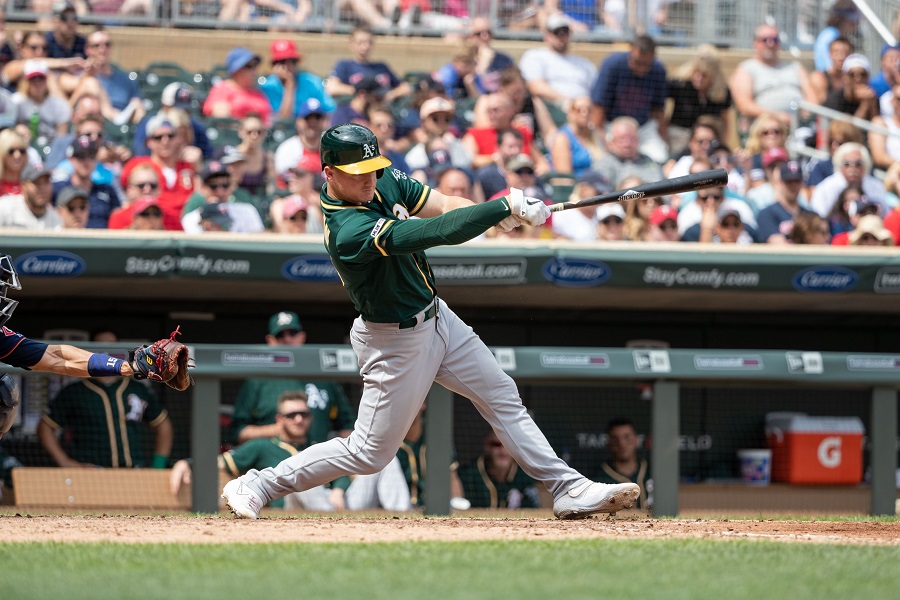 What would it take to get Chapman? Chapman was an All-Star in 2019 while hitting 36 home runs and 36 doubles with an .848 OPS. He won his second Gold Glove Award at third base and it might not have been close. Chapman is in a close conversation with Nolan Arenado as the best defensive third baseman in all of baseball and Chapman could be in the discussion as one of the league’s best overall defenders. Minnesota also has one of the league’s best defenders, but he has been injured over the last couple seasons. Byron Buxton won the Platinum Glove back in 2017, but injuries have kept him off the field over parts of the last two seasons. Could the giant Oakland outfield be a better home for the budding superstar? He has more service time than Chapman and he can be a free agent in 2023. Chapman is nearly a year older than Buxton, but they have nearly the same amount of games played at the big-league level thanks to Buxton’s DL stints. Chapman might fit with the Twins, but it will take more than Buxton to land Chapman in a Twins uniform. Minnesota would likely need to add a prospect or two to the equation to get Oakland to consider a deal. Minnesota’s Line-Up Ramifications Adding Chapman to the line-up would mean Miguel Sano would no longer be needed at third base. This would allow the Twins to shift him to first base and designated hitter on a more permanent rotation. Nelson Cruz and Marwin Gonzalez would continue to get at-bats at those positions next season, but this would allow for some positional depth at all those spots, especially since none of those players played a full-season last year. If Buxton was out of the equation, Max Kepler would continue to play center field during the 2020 campaign. Then in 2021, Royce Lewis would be given the opportunity to play there and Kepler could slide back to a corner outfield role. Lewis’ defensive future has been in question over the last couple offseasons and this year’s Arizona Fall League only brought that more to the forefront. One of Minnesota’s biggest defensive weaknesses this offseason might be third base. Adding Chapman would take away from an area of strength and add to an area of weakness. The cost of adding Chapman might be steep, but the Twins would have him for multiple years with the opportunity to offer him an extension. What do you think Chapman would be worth in a trade? Leave a COMMENT and start the discussion.
 -
 July’s trade deadline is one way for clubs to bolster their roster to make a deep playoff run. However, the biggest trade in Twins history took place in the off-season, not at the trade deadline. Minnesota need to make way for Joe Mauer to take over as the team’s everyday catcher and the team was able to acquire three very good pieces that would help the Twins to multiple division titles. Here’s a look back at one of the greatest trades in Twins history.Mauer’s Presence In the 2003-04 off-season, Mauer was coming off a tremendous minor league season. Between High- and Double-A, he hit .338/.398/.434 (.832) with 37 extra-base hits in 135 games. Baseball America awarded him the Minor League Player of the Year and he would be named the number one prospect that off-season. St. Paul’s hometown boy seemed destined to take his place behind the plate at the Metrodome. Blocking Mauer was Minnesota’s starting catcher in 2003, AJ Pierzynski, and he was coming off a strong season himself. He had an All-Star season in 2002, but the 2003 campaign might have been his best in a Twins uniform. He slashed .312/.360/.464 (.824) with 49 extra-base hits in 137 games. He would only have one other season with a higher OPS in his entire 19-year career. Minnesota was ready to hand the reins to Mauer, which left Pierzynski as a tradeable commodity. Trade Time From the Giants perspective, the trade didn’t look that bad on paper. Pierzynski was in the prime of his career as a 26-year old catcher that was coming off a 4.5 WAR season. To top it off, he had three years of arbitration left, so he wasn’t just a rental player. Regardless of his attitude problems, he was a very good player at a tough position that should have gotten quite the return. From the Twins perspective, well… it’s tough to know what they were thinking at the time. Joe Nathan was a 28-year old reliever that was coming off his first decent season in the bullpen. There had been previous concerns about his shoulder and the possibility of those things lingering. Liriano hadn’t pitched more than 80 innings in any season of his professional career and he had injury concerns of his own. Boof Bonser saw his strikeout rate and velocity drop in the year before the trade. At the time of the trade it looked like San Francisco had fleeced the Twins, but baseball is a funny game. Hindsight is 20-20 Twins fans know what happened after the trade. AJ Pierzynski played one season in San Francisco and hit .272/.319/.410 with 41 extra-base hits. He was worth 0.3 WAR that season. Even though, he could have been arbitration eligible for two more seasons, he had caused so many headaches for the Giants that they let him go at season’s end. He ended up in Chicago and helped the White Sox to the 2005 World Series title. Minnesota got quite the value from their cast-off pitching trio. Nathan would turn into one of the best relievers in the game and accumulate 18.4 WAR during his seven years with the Twins. Liriano exploded onto the scene in 2006 and it looked like the Twins would be unstoppable with a Johan Santana and Liriano combo. Tommy John surgery stopped that dream from becoming a reality, but Liriano was still able to accumulate 9.3 WAR in his Twins tenure. Bonser pitched over 390 innings for the Twins, including one playoff start, and was worth -0.3 WAR. Terry Ryan and Minnesota’s scouting department must have known what they were getting in Nathan, Liriano, and Bonser. They also knew what they were giving up in Pierzynski. What do you remember about this trade? Leave a COMMENT and start the discussion. Click here to view the article
 -
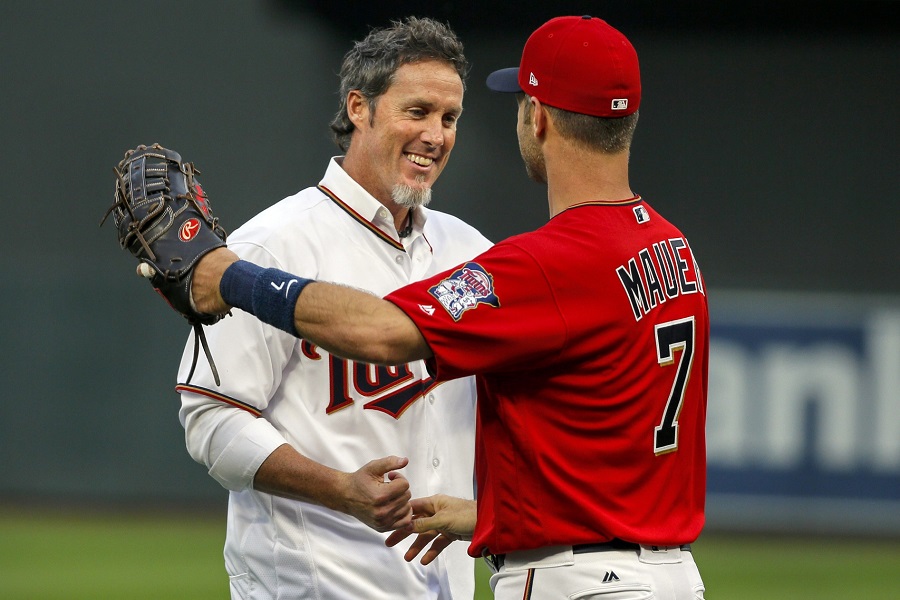 Mauer’s Presence In the 2003-04 off-season, Mauer was coming off a tremendous minor league season. Between High- and Double-A, he hit .338/.398/.434 (.832) with 37 extra-base hits in 135 games. Baseball America awarded him the Minor League Player of the Year and he would be named the number one prospect that off-season. St. Paul’s hometown boy seemed destined to take his place behind the plate at the Metrodome. Blocking Mauer was Minnesota’s starting catcher in 2003, AJ Pierzynski, and he was coming off a strong season himself. He had an All-Star season in 2002, but the 2003 campaign might have been his best in a Twins uniform. He slashed .312/.360/.464 (.824) with 49 extra-base hits in 137 games. He would only have one other season with a higher OPS in his entire 19-year career. Minnesota was ready to hand the reins to Mauer, which left Pierzynski as a tradeable commodity. Trade Time From the Giants perspective, the trade didn’t look that bad on paper. Pierzynski was in the prime of his career as a 26-year old catcher that was coming off a 4.5 WAR season. To top it off, he had three years of arbitration left, so he wasn’t just a rental player. Regardless of his attitude problems, he was a very good player at a tough position that should have gotten quite the return. From the Twins perspective, well… it’s tough to know what they were thinking at the time. Joe Nathan was a 28-year old reliever that was coming off his first decent season in the bullpen. There had been previous concerns about his shoulder and the possibility of those things lingering. Liriano hadn’t pitched more than 80 innings in any season of his professional career and he had injury concerns of his own. Boof Bonser saw his strikeout rate and velocity drop in the year before the trade. At the time of the trade it looked like San Francisco had fleeced the Twins, but baseball is a funny game. Hindsight is 20-20 Twins fans know what happened after the trade. AJ Pierzynski played one season in San Francisco and hit .272/.319/.410 with 41 extra-base hits. He was worth 0.3 WAR that season. Even though, he could have been arbitration eligible for two more seasons, he had caused so many headaches for the Giants that they let him go at season’s end. He ended up in Chicago and helped the White Sox to the 2005 World Series title. Minnesota got quite the value from their cast-off pitching trio. Nathan would turn into one of the best relievers in the game and accumulate 18.4 WAR during his seven years with the Twins. Liriano exploded onto the scene in 2006 and it looked like the Twins would be unstoppable with a Johan Santana and Liriano combo. Tommy John surgery stopped that dream from becoming a reality, but Liriano was still able to accumulate 9.3 WAR in his Twins tenure. Bonser pitched over 390 innings for the Twins, including one playoff start, and was worth -0.3 WAR. Terry Ryan and Minnesota’s scouting department must have known what they were getting in Nathan, Liriano, and Bonser. They also knew what they were giving up in Pierzynski. What do you remember about this trade? Leave a COMMENT and start the discussion.
 -
Baseball and the Baseball Writers’ Association of America can spur plenty of debate, especially when it comes to candidates for the Hall of Fame. Last year saw four inductees from the BWAA ballot including Roy Halladay, Edgar Martinez, Mike Mussina, and Mariano Rivera. Rivera became the first unanimous selection and another Yankee looks to follow in his footsteps this season.There may be some unclogging of ballots after multiple years where some writers felt there were more than 10 worthy candidates. This season could allow writers to consider the resumes of some of the other top candidates that have been held over from previous years. If I were lucky enough to have a ballot, this is how I would vote: Class of 2020 Derek Jeter: Jeter’s resume is undeniable. He was part of five World Series teams and a critical component in bringing the Yankees franchise back after struggling through the 1980s. He has played in the most postseason series all-time and he hit .308 in the playoffs. He ranks in the all-time top-30 for games played, total bases, and runs scored while finishing in the top-10 for hits and at-bats. Twice he led the AL in hits, and he had more than 200-hits in eight seasons. He did all of this while playing shortstop where he played the second most games at that position. The only question remaining is if he will tie Rivera and become the second player to be a unanimous selection. Future Inductees Omar Vizquel: I’m a big Ozzie Smith fan and Vizquel follows in the same mold as Smith. Both players provided almost all their value on the defensive side of the ball. Also, their longevity at one of baseball’s most important positions is something to be commended. Smith has the most Gold Gloves all-time among shortstops, but Vizquel is only two behind him and his 11 total awards are nothing to scoff at. He received 42.8% of the vote in 2019, so I don’t think there is much of a chance for him to make the big jump to 75%. May Never Get In (But Still on My Ballot) Barry Bonds, Roger Clemens, Andrew Jones, Todd Helton, Larry Walker Bonds and Clemens are two of the best players I will ever see play the game. Unfortunately, they made some poor decisions during the height of the steroid era. I think both players would have been inducted into Cooperstown even without using steroids and that’s why I continue to have them on my ballot. Andrew Jones was a freak in the outfield and his career .823 OPS shows that he was more than able to hold his own. He only got 32 votes last season, so he has a long way to go. Helton and Walker are both very intriguing players. Walker is in his last year of eligibility and he finished the last voting period being named on 42.8%. I truly believe he is a Hall of Famer, but I think he will have to be elected through one of the other committee votes. Helton has only been on one ballot, but I see him taking a very similar path to Walker. He will make subtle gains in the years ahead but it seems unlikely for the writers to elect him. To be transparent, little has changed on my ballot from last year to this year. I correctly predicted three of the four players who would be elected last year (Holladay, Martinez, and Rivera) while having Mussina on my future inductions list. I have only added one player to this year’s ballot with Jeter being a lock to make the Hall. To see the full 2020 BBWAA Hall of Fame Ballot CLICK HERE. On January 21, the BBWAA will announce the results of the 2020 Hall of Fame balloting. Any players chosen will be inducted during Hall of Fame Weekend starting on Sunday, July 26 at 12:30 pm CST. Who makes your ballot? Leave a COMMENT and start the discussion. Click here to view the article
-
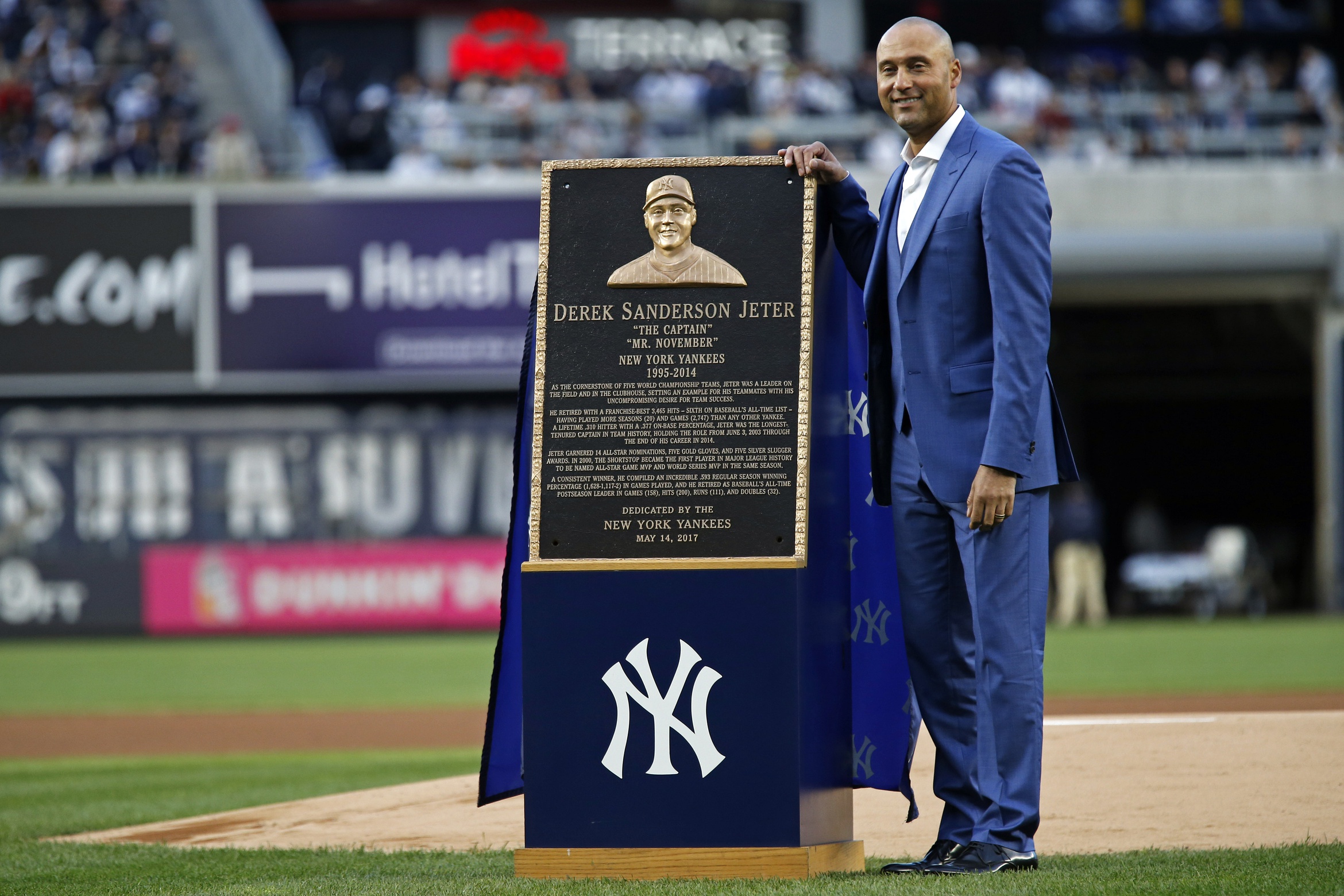 There may be some unclogging of ballots after multiple years where some writers felt there were more than 10 worthy candidates. This season could allow writers to consider the resumes of some of the other top candidates that have been held over from previous years. If I were lucky enough to have a ballot, this is how I would vote: Class of 2020 Derek Jeter: Jeter’s resume is undeniable. He was part of five World Series teams and a critical component in bringing the Yankees franchise back after struggling through the 1980s. He has played in the most postseason series all-time and he hit .308 in the playoffs. He ranks in the all-time top-30 for games played, total bases, and runs scored while finishing in the top-10 for hits and at-bats. Twice he led the AL in hits, and he had more than 200-hits in eight seasons. He did all of this while playing shortstop where he played the second most games at that position. The only question remaining is if he will tie Rivera and become the second player to be a unanimous selection. Future Inductees Omar Vizquel: I’m a big Ozzie Smith fan and Vizquel follows in the same mold as Smith. Both players provided almost all their value on the defensive side of the ball. Also, their longevity at one of baseball’s most important positions is something to be commended. Smith has the most Gold Gloves all-time among shortstops, but Vizquel is only two behind him and his 11 total awards are nothing to scoff at. He received 42.8% of the vote in 2019, so I don’t think there is much of a chance for him to make the big jump to 75%. May Never Get In (But Still on My Ballot) Barry Bonds, Roger Clemens, Andrew Jones, Todd Helton, Larry Walker Bonds and Clemens are two of the best players I will ever see play the game. Unfortunately, they made some poor decisions during the height of the steroid era. I think both players would have been inducted into Cooperstown even without using steroids and that’s why I continue to have them on my ballot. Andrew Jones was a freak in the outfield and his career .823 OPS shows that he was more than able to hold his own. He only got 32 votes last season, so he has a long way to go. Helton and Walker are both very intriguing players. Walker is in his last year of eligibility and he finished the last voting period being named on 42.8%. I truly believe he is a Hall of Famer, but I think he will have to be elected through one of the other committee votes. Helton has only been on one ballot, but I see him taking a very similar path to Walker. He will make subtle gains in the years ahead but it seems unlikely for the writers to elect him. To be transparent, little has changed on my ballot from last year to this year. I correctly predicted three of the four players who would be elected last year (Holladay, Martinez, and Rivera) while having Mussina on my future inductions list. I have only added one player to this year’s ballot with Jeter being a lock to make the Hall. To see the full 2020 BBWAA Hall of Fame Ballot CLICK HERE. On January 21, the BBWAA will announce the results of the 2020 Hall of Fame balloting. Any players chosen will be inducted during Hall of Fame Weekend starting on Sunday, July 26 at 12:30 pm CST. Who makes your ballot? Leave a COMMENT and start the discussion.
 -
Derek Falvey and Thad Levine did a good job identifying some underrated free agents last off-season. Nelson Cruz had a monster season and Marwin Gonzalez and Jonathan Schoop also provided value. This off-season there will be plenty of other undervalued free agents, so could any of these names wind up in Minnesota?Richard Justice of MLB.com identified the following eight players as being underrated. With multiple outfielders and corner infield options, only a few of the names would be a fit with the Twins. 1. Howie Kendrick, UTIL, Nationals Kendrick helped the Nationals to their first World Series title, and he was an offensive threat the entire season. According to Baseball Savant, he ranked in the 92nd percentile or higher in exit velocity, xBA, Hard Hit %, xwOBA, and xSLG. He will turn 37 next season and he seems more valuable to a team that could use him as a designated hitter. The Twins have multiple players for that role. Twins Fit: No 2. Marcell Ozuna, OF, Cardinals Ozuna never really lived up to expectations after being traded to the Cardinals. His last season in Miami saw him accumulate a .924 OPS and his two years in St. Louis resulted in a .779 OPS. His Exit Velocity and Hard Hit % were both above the 92nd percentile. He will be 29-years old throughout next season so there might be some room for him to continue to grow. That being said, the Twins outfield is pretty full unless the team makes a trade. Twins Fit: No 3. Rich Hill, LHP, Dodgers Hill is coming off an injury-plagued season that limited him to 13 starts. This isn’t exactly promising for a player set to turn 40 in March. Over the last three seasons, Hill has amassed a 3.30 ERA, a 1.11 WHIP, and a 3.89 FIP while averaging almost 110 innings per season. Minnesota needs as many rotation arms as possible so taking a flyer on a veteran pitcher could help to shore-up the rotation until some of the younger arms are ready to step-in. Twins Fit: Yes 4. Ryan Zimmerman, 1B, Nationals Zimmerman had to deal with plenty of regular season and playoff woes before finally seeing the Nationals raise the World Series trophy. It feels weird to think of him outside of a Nationals uniform and he hasn’t played in over 85 games since 2017, his last All-Star season. With limited defensive flexibility and an aging body, Zimmerman likely won’t be calling the Twin Cities home. Twins Fit: No 5. Hunter Pence, OF, Rangers Pence was an All-Star last season at the ripe age of 36. He was forced to sign a minor league deal and earn his spot on the Rangers roster. A back issue limited him to 83 games, but he posted a .910 OPS when he was on the field. Plenty of rebuilding clubs could take a flyer on Pence, but Minnesota likely wouldn’t have a need for him unless an injury were to arise. Twins Fit: No 6. Eric Thames, 1B, Brewers Thames came back from Korea three seasons ago and he reestablished himself as a very good power hitter on some strong Milwaukee teams. Like many others on this list, he has little defensive value and that could make his free agent market disappear quickly. His Exit Velocity and Hard Hit % were both in the 80th percentile, but Minnesota has multiple corner infield options at this point. Twins Fit: No 7. Alex Avila, C, Diamondbacks I’m in love with the idea of a catching duo of Alex Avila and Mitch Garver. Avila will turn 33 this winter and he could fall into a similar role as Jason Castro this season. Avila showed some of the best catch framing skills in all of baseball last season and that fits what the Twins were looking for when they signed Castro a few seasons ago. Garver could also start to see some time at first base when Avila would be behind the plate. I want the Twins to make this signing yesterday. Twins Fit: Yes 8. Tyler Clippard, RHP, Indians Clippard had quite the bounce-back season in Cleveland last year as he posted a sub-3.00 ERA for the first time since 2015. Taylor Rogers was relied on heavily in Minnesota’s bullpen and Clippard could help to add a late-inning arm from the right side. Minnesota did little to address their bullpen issues last off-season and I think the club will sign at least one veteran arm in the weeks ahead. Twins Fit: Yes If you were running the Twins, would you sign Avila? What about Clippard or Hill? Leave a COMMENT and start the discussion. Click here to view the article
- 21 replies
-
- 2
-

-
- alex avila
- rich hill
- (and 3 more)
-
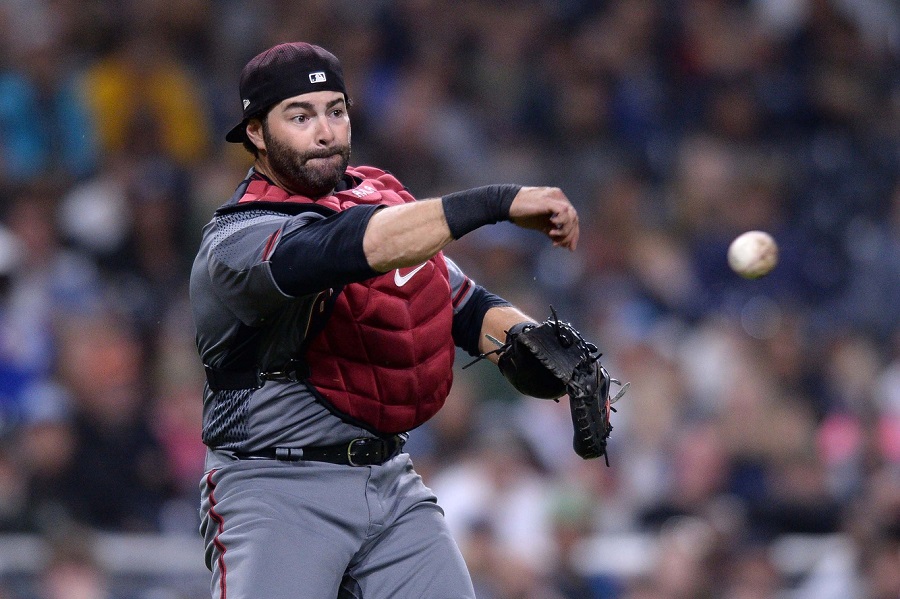 Richard Justice of MLB.com identified the following eight players as being underrated. With multiple outfielders and corner infield options, only a few of the names would be a fit with the Twins. 1. Howie Kendrick, UTIL, Nationals Kendrick helped the Nationals to their first World Series title, and he was an offensive threat the entire season. According to Baseball Savant, he ranked in the 92nd percentile or higher in exit velocity, xBA, Hard Hit %, xwOBA, and xSLG. He will turn 37 next season and he seems more valuable to a team that could use him as a designated hitter. The Twins have multiple players for that role. Twins Fit: No 2. Marcell Ozuna, OF, Cardinals Ozuna never really lived up to expectations after being traded to the Cardinals. His last season in Miami saw him accumulate a .924 OPS and his two years in St. Louis resulted in a .779 OPS. His Exit Velocity and Hard Hit % were both above the 92nd percentile. He will be 29-years old throughout next season so there might be some room for him to continue to grow. That being said, the Twins outfield is pretty full unless the team makes a trade. Twins Fit: No 3. Rich Hill, LHP, Dodgers Hill is coming off an injury-plagued season that limited him to 13 starts. This isn’t exactly promising for a player set to turn 40 in March. Over the last three seasons, Hill has amassed a 3.30 ERA, a 1.11 WHIP, and a 3.89 FIP while averaging almost 110 innings per season. Minnesota needs as many rotation arms as possible so taking a flyer on a veteran pitcher could help to shore-up the rotation until some of the younger arms are ready to step-in. Twins Fit: Yes 4. Ryan Zimmerman, 1B, Nationals Zimmerman had to deal with plenty of regular season and playoff woes before finally seeing the Nationals raise the World Series trophy. It feels weird to think of him outside of a Nationals uniform and he hasn’t played in over 85 games since 2017, his last All-Star season. With limited defensive flexibility and an aging body, Zimmerman likely won’t be calling the Twin Cities home. Twins Fit: No 5. Hunter Pence, OF, Rangers Pence was an All-Star last season at the ripe age of 36. He was forced to sign a minor league deal and earn his spot on the Rangers roster. A back issue limited him to 83 games, but he posted a .910 OPS when he was on the field. Plenty of rebuilding clubs could take a flyer on Pence, but Minnesota likely wouldn’t have a need for him unless an injury were to arise. Twins Fit: No 6. Eric Thames, 1B, Brewers Thames came back from Korea three seasons ago and he reestablished himself as a very good power hitter on some strong Milwaukee teams. Like many others on this list, he has little defensive value and that could make his free agent market disappear quickly. His Exit Velocity and Hard Hit % were both in the 80th percentile, but Minnesota has multiple corner infield options at this point. Twins Fit: No 7. Alex Avila, C, Diamondbacks I’m in love with the idea of a catching duo of Alex Avila and Mitch Garver. Avila will turn 33 this winter and he could fall into a similar role as Jason Castro this season. Avila showed some of the best catch framing skills in all of baseball last season and that fits what the Twins were looking for when they signed Castro a few seasons ago. Garver could also start to see some time at first base when Avila would be behind the plate. I want the Twins to make this signing yesterday. Twins Fit: Yes 8. Tyler Clippard, RHP, Indians Clippard had quite the bounce-back season in Cleveland last year as he posted a sub-3.00 ERA for the first time since 2015. Taylor Rogers was relied on heavily in Minnesota’s bullpen and Clippard could help to add a late-inning arm from the right side. Minnesota did little to address their bullpen issues last off-season and I think the club will sign at least one veteran arm in the weeks ahead. Twins Fit: Yes If you were running the Twins, would you sign Avila? What about Clippard or Hill? Leave a COMMENT and start the discussion.
 -
Zack Wheeler is one of the most sought after free agents this off-season and there will be not shortage of teams interested in his services. Minnesota has been connected to Wheeler, but there is no guarantee that he will wind up in a Twins uniform. Let’s dive into the Wheeler market and see what could separate the Twins from his other offers.Minnesota’s Advantages The Twins certainly seem to be on the cusp of something big with a rising young core and other supplemental veteran pieces. Last season, the team had a historically good offense and better pitching could have been the difference between a first-round exit and a long playoff run. Minnesota has Jose Berrios and Jake Odorizzi penciled into the rotation and this could be intriguing to perspective pitchers. Wheeler could view the Twins as launching point for the rest of his career. He could sign a short-term deal for a significant amount of money to help build his value. He won’t turn 30 until next May and some pitchers continue pitch well into their mid- to late-30s. Wheeler could improve himself in Minnesota before moving onto another club. Other Team’s Advantages Minnesota hasn’t made it out of the first round of the playoff since 2002 so a pitcher might want to sign on with a different team to have the opportunity move further into the playoffs. Also, the Twins don’t exactly have a lot of starting pitching depth at this point. There are plenty of minor league pitchers that earned opportunities last season, but there weren’t any pitchers that proved they should be guaranteed a rotation spot. The American League Central Division is also at a crossroads after dominating years from the Cleveland Indians. Cleveland won three consecutive division titles on the heels of a Kansas City World Series title and four straight Detroit division titles. Minnesota had been irrelevant for most of the decade and this might not exactly attract free agent arms to the Twin Cities. Free Agent Fit There are much bigger names on the free agent market like Gerrit Cole and Stephen Strasburg. While the other teams are fighting over those two pitchers, the Twins could sweep in and sign Wheeler. Cole and Strasburg are coming off historically good seasons and they will get paid like front-line starters. However, Wheeler might not be seen as on the same level and this could allow other teams to sign him for a lesser value. According to reports, the Twins have already begun discussions with Wheeler and his camp. Wheeler averaged a career-high 96.1 mph with his fastball, and this helped him to collect nearly 200 strikeouts and a career-high 3.9 strikeout-to-walk ratio. With the help of Minnesota’s coaches, he might be able to make the next step and become an All-Star caliber pitcher. His strikeout percentage was lower than pitchers like Jose Berrios, Zack Greinke, and Hyun-Jin Ryu, but all of those players made an All-Star appearance. Fangraphs believes his fastball has more potential because of its horizontal break and his slider is also has room to grown. The potential is there for Wheeler to become the ace of a staff or at minimum, supplement the other pitchers that are already at the top of a rotation. Is Wheeler someone the Twins like well enough to outbid other teams? Would Wheeler be willing to come to Minnesota? Leave a COMMENT and start the discussion. Click here to view the article
-
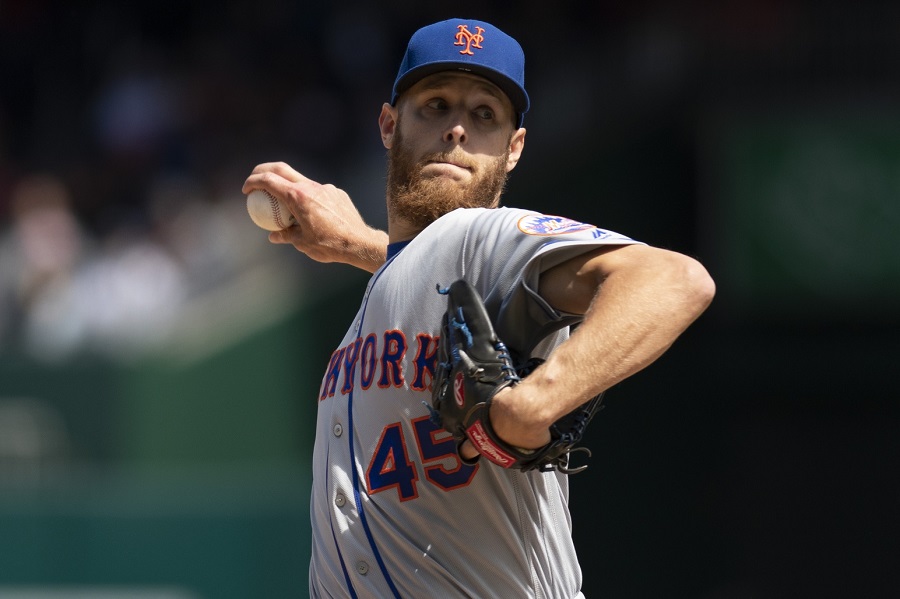 Minnesota’s Advantages The Twins certainly seem to be on the cusp of something big with a rising young core and other supplemental veteran pieces. Last season, the team had a historically good offense and better pitching could have been the difference between a first-round exit and a long playoff run. Minnesota has Jose Berrios and Jake Odorizzi penciled into the rotation and this could be intriguing to perspective pitchers. Wheeler could view the Twins as launching point for the rest of his career. He could sign a short-term deal for a significant amount of money to help build his value. He won’t turn 30 until next May and some pitchers continue pitch well into their mid- to late-30s. Wheeler could improve himself in Minnesota before moving onto another club. Other Team’s Advantages Minnesota hasn’t made it out of the first round of the playoff since 2002 so a pitcher might want to sign on with a different team to have the opportunity move further into the playoffs. Also, the Twins don’t exactly have a lot of starting pitching depth at this point. There are plenty of minor league pitchers that earned opportunities last season, but there weren’t any pitchers that proved they should be guaranteed a rotation spot. The American League Central Division is also at a crossroads after dominating years from the Cleveland Indians. Cleveland won three consecutive division titles on the heels of a Kansas City World Series title and four straight Detroit division titles. Minnesota had been irrelevant for most of the decade and this might not exactly attract free agent arms to the Twin Cities. Free Agent Fit There are much bigger names on the free agent market like Gerrit Cole and Stephen Strasburg. While the other teams are fighting over those two pitchers, the Twins could sweep in and sign Wheeler. Cole and Strasburg are coming off historically good seasons and they will get paid like front-line starters. However, Wheeler might not be seen as on the same level and this could allow other teams to sign him for a lesser value. According to reports, the Twins have already begun discussions with Wheeler and his camp. Wheeler averaged a career-high 96.1 mph with his fastball, and this helped him to collect nearly 200 strikeouts and a career-high 3.9 strikeout-to-walk ratio. With the help of Minnesota’s coaches, he might be able to make the next step and become an All-Star caliber pitcher. His strikeout percentage was lower than pitchers like Jose Berrios, Zack Greinke, and Hyun-Jin Ryu, but all of those players made an All-Star appearance. Fangraphs believes his fastball has more potential because of its horizontal break and his slider is also has room to grown. The potential is there for Wheeler to become the ace of a staff or at minimum, supplement the other pitchers that are already at the top of a rotation. Is Wheeler someone the Twins like well enough to outbid other teams? Would Wheeler be willing to come to Minnesota? Leave a COMMENT and start the discussion.
 -
While we debate Eddie Rosario's trade value, he's far from the only asset the Twins might dangle in front of other teams. The Twins have a loaded farm system and also have several young players of interest to other teams. Who else could the Twins trade in the weeks ahead?Outfielders While Twins Daily has had plenty of Rosario trade discussion, MLB.com even identified him as a potential trade candidate. Minnesota’s other outfielders, Max Kepler and Byron Buxton, could be in play. Kepler is coming off a career-best season and the Twins signed him to a team-friendly contract last season. Could this make him more susceptible to a trade this year? It seems more likely for the Twins to allow him to continue to develop at the top of their line-up. Byron Buxton seemed to be on track for the best season of his career before being injured last season. He has been the league’s best defensive player and he showed some offensive promise last season before being sidelined for the year. Another organization could see some higher value in him and this might allow a trade to occur. Infielders Miguel Sano struggled through parts of the last two seasons, but he certainly ended last season in a flurry. In the second half of 2019, he posted a .939 OPS with 21 home runs and 55 RBI in 65 games played. He seemed to hit some of the team's biggest home runs as the team went on to win division title. Sano certainly isn’t perfect, but other teams might see significant value in him. As a 25-year old, Jorge Polanco was one of the American League’s most valuable players. He was named the AL’s starting shortstop and finished the year with a .356 OBP and an .841 OPS. Like Kepler, the Twins signed him to a team friendly deal prior to last season. This might make him more valuable next season, but the eventual appearance of top prospect Royce Lewis could make him expendable. Prospects The Twins will have few pitchers available to trade so the organization might have to dip into the minor leagues to find other options on the trading market. Fans wanted the organization to trade for more starting pitching at the trade deadline and this would likely have meant including top prospects Royce Lewis and/or Alex Kirilloff. Both players had up and down 2019 seasons, so their value might not be at the highest point. Top pitching prospects like Brusdar Graterol and Jordan Balazovic seem more valuable to the Twins than to other teams. Minnesota needs to fill holes in their rotation and both of these players could offer long-term solutions to the team’s pitching woes. Digging deeper into the minors for pitchers like Jhoan Duran, Lewis Thorpe, and Blayne Enlow would probably produce little in trade value. Who do you think the Twins could trade this off-season? Leave a COMMENT and start the discussion. Click here to view the article
- 43 replies
-
- 2
-
-
- eddie rosario
- max kepler
- (and 3 more)
-
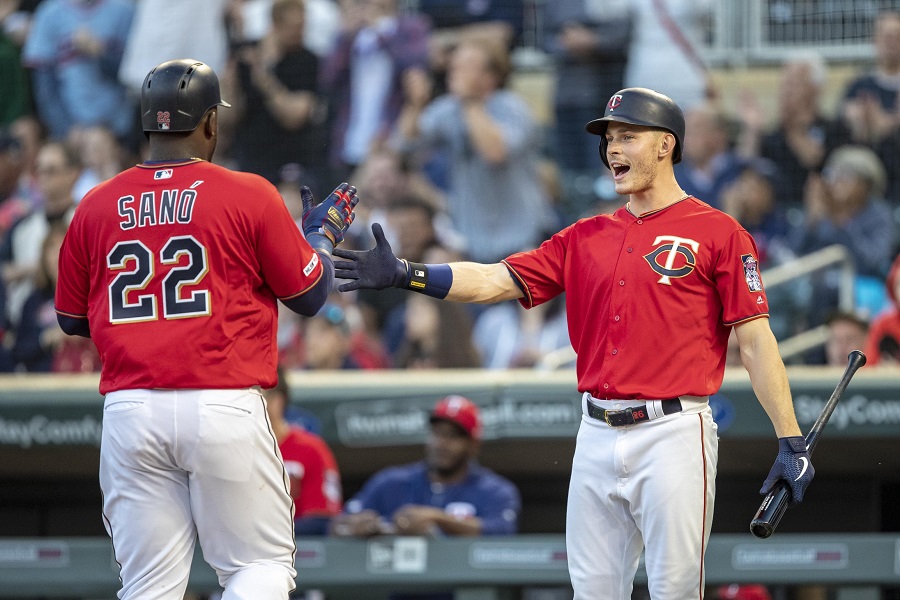 Outfielders While Twins Daily has had plenty of Rosario trade discussion, MLB.com even identified him as a potential trade candidate. Minnesota’s other outfielders, Max Kepler and Byron Buxton, could be in play. Kepler is coming off a career-best season and the Twins signed him to a team-friendly contract last season. Could this make him more susceptible to a trade this year? It seems more likely for the Twins to allow him to continue to develop at the top of their line-up. Byron Buxton seemed to be on track for the best season of his career before being injured last season. He has been the league’s best defensive player and he showed some offensive promise last season before being sidelined for the year. Another organization could see some higher value in him and this might allow a trade to occur. Infielders Miguel Sano struggled through parts of the last two seasons, but he certainly ended last season in a flurry. In the second half of 2019, he posted a .939 OPS with 21 home runs and 55 RBI in 65 games played. He seemed to hit some of the team's biggest home runs as the team went on to win division title. Sano certainly isn’t perfect, but other teams might see significant value in him. As a 25-year old, Jorge Polanco was one of the American League’s most valuable players. He was named the AL’s starting shortstop and finished the year with a .356 OBP and an .841 OPS. Like Kepler, the Twins signed him to a team friendly deal prior to last season. This might make him more valuable next season, but the eventual appearance of top prospect Royce Lewis could make him expendable. Prospects The Twins will have few pitchers available to trade so the organization might have to dip into the minor leagues to find other options on the trading market. Fans wanted the organization to trade for more starting pitching at the trade deadline and this would likely have meant including top prospects Royce Lewis and/or Alex Kirilloff. Both players had up and down 2019 seasons, so their value might not be at the highest point. Top pitching prospects like Brusdar Graterol and Jordan Balazovic seem more valuable to the Twins than to other teams. Minnesota needs to fill holes in their rotation and both of these players could offer long-term solutions to the team’s pitching woes. Digging deeper into the minors for pitchers like Jhoan Duran, Lewis Thorpe, and Blayne Enlow would probably produce little in trade value. Who do you think the Twins could trade this off-season? Leave a COMMENT and start the discussion.
 -
There’s no question Kyle Gibson struggled this season. However, those struggles might be attributed to him trying to fight through ulcerative colitis throughout most of last season. He posted a sub-3.85 ERA in two of the last five seasons and now he is a free agent. Multiple teams are already interested adding Gibson, so does that mean the Twins should be interested?Over the weekend, MLB Network Insider Jon Heyman reported that as many as 10 teams were interested in Gibson. He reported that the Cleveland Clinic is treating his colitis and there are no lingering effects. This could certainly alter the Gibson market and his value could rise with increased interest. Taking out last year’s injury-ridden season, Gibson pitched to a 4.31 ERA from 2015 through 2018. During that stretch, he posted a 549 to 259 strikeout to walk ratio while closing in on 700 innings. He’s never been what a person would deem an “ace,” but he has put together some respectable numbers while pitching for some very bad teams. During the 2018 campaign, Gibson put himself in elite territory as his ERA, games started, innings pitched, hits, runs and base on balls all ranked in the top-20. Even while dealing with health issues this season, he ranked in the top-20 in wins, hits, runs and earned runs. He will be entering his age-32 season and there might be something left to coax out of Gibson’s right-arm. Gibson’s groundball percentage is one thing that might be attractive to other organizations. A team with the right defensive infield could feast off the groundballs produced by Gibson. Minnesota projects to have Miguel Sano, Jorge Polanco, Luis Arraez, and C.J. Cron in the infield and that’s not exactly a top-notch defensive line-up. Gibson could be better served by finding a better defensive line-up. At this point in his career, there’s little that points to him being a front-line starter. With that being said, not every team is looking for a pitcher to lead their rotation. Gibson has served the Twins organization well and he deserves his chance at testing the free agent waters. From there, he might be able to find a team that meets his style, while paying him the salary he has earned. Gibson is getting noticed even in a market that includes multiple top-notch pitchers. He will make some money in the weeks ahead, but the question remains if Minnesota will be offering a contract. He could find greener pastures in another organization. However, Minnesota needs starting pitching and Gibson offers a familiar face with some potential up-side in the years to come. Do you think the Twins should resign Kyle Gibson? Leave a COMMENT and star the discussion. Click here to view the article
-
Multiple Teams Are Interested in Kyle Gibson. Should the Twins Be?
Cody Christie posted an article in Twins
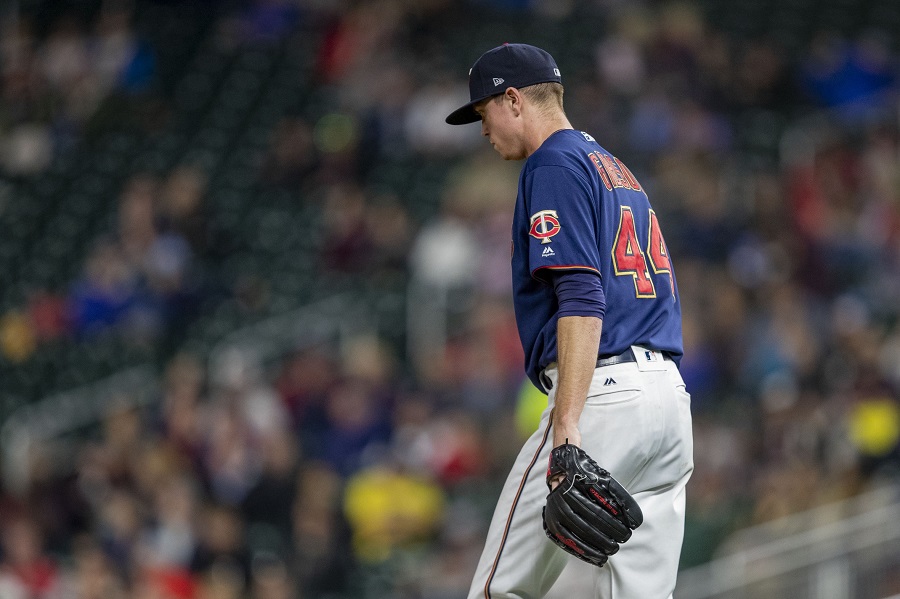 Over the weekend, MLB Network Insider Jon Heyman reported that as many as 10 teams were interested in Gibson. He reported that the Cleveland Clinic is treating his colitis and there are no lingering effects. This could certainly alter the Gibson market and his value could rise with increased interest. https://twitter.com/JonHeyman/status/1194062750244229120?s=20 Taking out last year’s injury-ridden season, Gibson pitched to a 4.31 ERA from 2015 through 2018. During that stretch, he posted a 549 to 259 strikeout to walk ratio while closing in on 700 innings. He’s never been what a person would deem an “ace,” but he has put together some respectable numbers while pitching for some very bad teams. During the 2018 campaign, Gibson put himself in elite territory as his ERA, games started, innings pitched, hits, runs and base on balls all ranked in the top-20. Even while dealing with health issues this season, he ranked in the top-20 in wins, hits, runs and earned runs. He will be entering his age-32 season and there might be something left to coax out of Gibson’s right-arm. Gibson’s groundball percentage is one thing that might be attractive to other organizations. A team with the right defensive infield could feast off the groundballs produced by Gibson. Minnesota projects to have Miguel Sano, Jorge Polanco, Luis Arraez, and C.J. Cron in the infield and that’s not exactly a top-notch defensive line-up. Gibson could be better served by finding a better defensive line-up. At this point in his career, there’s little that points to him being a front-line starter. With that being said, not every team is looking for a pitcher to lead their rotation. Gibson has served the Twins organization well and he deserves his chance at testing the free agent waters. From there, he might be able to find a team that meets his style, while paying him the salary he has earned. Gibson is getting noticed even in a market that includes multiple top-notch pitchers. He will make some money in the weeks ahead, but the question remains if Minnesota will be offering a contract. He could find greener pastures in another organization. However, Minnesota needs starting pitching and Gibson offers a familiar face with some potential up-side in the years to come. Do you think the Twins should resign Kyle Gibson? Leave a COMMENT and star the discussion.
 -
Minnesota surprised much of the baseball world on their way to a 101-win season and an MLB-record 307 home runs. Plenty of players had breakout seasons, including a young core of Jorge Polanco, Max Kepler, and Luis Arraez. It seems unlikely for the Twins to break the home run record in back-to-back seasons, so what players are likely to see some regression during the upcoming season?Max Kepler 2019 Stats: .252 BA, .244 BABIP, .336 OBP, .855 OPS Few Twins fans knew what to expect when Kepler was named the Twins lead-off hitter during spring training. He actually was a bit unlucky when looking at his batting average and his BABIP, but it also doesn’t seem likely for him to approach 35+ home runs two seasons in a row. Baseball Reference projects him for 26 home runs and a .795 OPS. This is a slight decline from 2019 and it seems like an reasonable projection for the coming year. Luis Arraez 2019 Stats: .334 BA, .355 BABIP, .399 OBP, .833 OPS Arraez had one of the best rookie seasons in recent memory for the Twins, but few people saw this coming. He has been able to hit at every professional level, but it makes sense for teams to figure out his tendencies and take advantage of them with more repetitions. For next season, there seems little chance that his OPS stays above .800. Arraez has the offensive tools to be an above-average second baseman but the Twins will have to use him correctly in the years ahead. Mitch Garver 2019 Stats: .273 BA, .267 BABIP, .365 OBP, .995 OPS Garver won a Silver Slugger in his first season of playing on a semi-regular basis but Jason Castro won’t be there as a safety blanket next year. Garver might be forced to take on a more regular role. What will that do to his production? He might have been a little lucky with a BABIP that was lower than his actually batting average. It seems more likely for him to be around 20 home runs and a .850 OPS. Jorge Polanco 2019 Stats: .295 BA,.328 BABIP, .356 OBP, .841 OPS Polanco was the team’s lone position player All-Star in 2019 and he was elected as a starter. Baseball Reference projects him to accumulate an .803 OPS next year, while dipping from 22 home runs this season to 17 homers next year. He’s managed a .339 OPS over the course of his big league career so it will be interesting if he can continue at that level with other top prospects trying to take his big-league spot. Miguel Sano 2019 Stats: .247 BA, .319 BBIP, .346 OBP, .923 OPS Sano struggled through parts of the 2019 campaign, but he seemed to settle into a routine as the season progressed. His batting average on balls in play seems destined for some regression and it’s hard to predict whether he will be able to stay healthy for an entire season. He has yet to play more than 116 games in one year and that was back in 2016. A full season of Sano could be dangerous or a full season could more fully expose his flaws. Which player do you think will regress this season? Leave a COMMENT and start the discussion. Click here to view the article
-
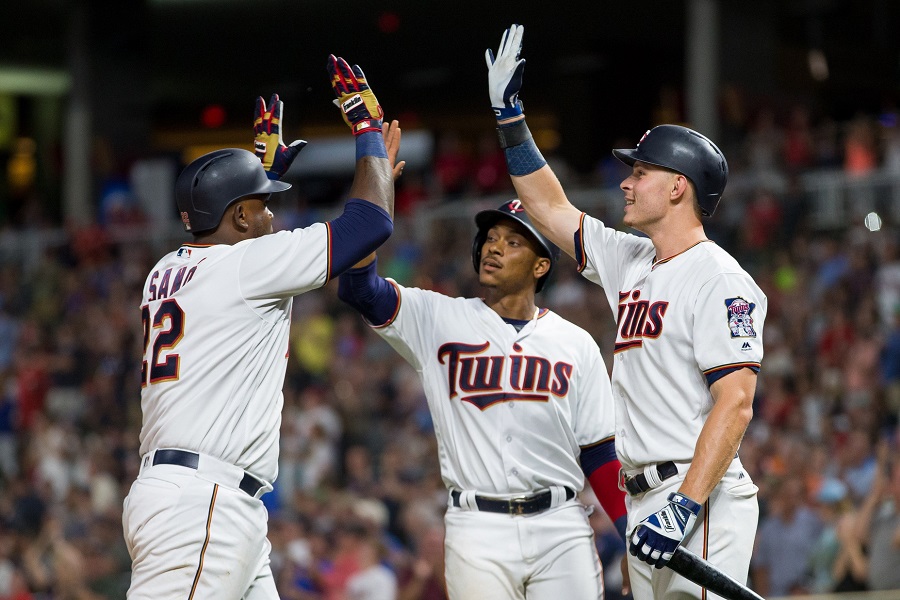 Max Kepler 2019 Stats: .252 BA, .244 BABIP, .336 OBP, .855 OPS Few Twins fans knew what to expect when Kepler was named the Twins lead-off hitter during spring training. He actually was a bit unlucky when looking at his batting average and his BABIP, but it also doesn’t seem likely for him to approach 35+ home runs two seasons in a row. Baseball Reference projects him for 26 home runs and a .795 OPS. This is a slight decline from 2019 and it seems like an reasonable projection for the coming year. Luis Arraez 2019 Stats: .334 BA, .355 BABIP, .399 OBP, .833 OPS Arraez had one of the best rookie seasons in recent memory for the Twins, but few people saw this coming. He has been able to hit at every professional level, but it makes sense for teams to figure out his tendencies and take advantage of them with more repetitions. For next season, there seems little chance that his OPS stays above .800. Arraez has the offensive tools to be an above-average second baseman but the Twins will have to use him correctly in the years ahead. Mitch Garver 2019 Stats: .273 BA, .267 BABIP, .365 OBP, .995 OPS Garver won a Silver Slugger in his first season of playing on a semi-regular basis but Jason Castro won’t be there as a safety blanket next year. Garver might be forced to take on a more regular role. What will that do to his production? He might have been a little lucky with a BABIP that was lower than his actually batting average. It seems more likely for him to be around 20 home runs and a .850 OPS. Jorge Polanco 2019 Stats: .295 BA,.328 BABIP, .356 OBP, .841 OPS Polanco was the team’s lone position player All-Star in 2019 and he was elected as a starter. Baseball Reference projects him to accumulate an .803 OPS next year, while dipping from 22 home runs this season to 17 homers next year. He’s managed a .339 OPS over the course of his big league career so it will be interesting if he can continue at that level with other top prospects trying to take his big-league spot. Miguel Sano 2019 Stats: .247 BA, .319 BBIP, .346 OBP, .923 OPS Sano struggled through parts of the 2019 campaign, but he seemed to settle into a routine as the season progressed. His batting average on balls in play seems destined for some regression and it’s hard to predict whether he will be able to stay healthy for an entire season. He has yet to play more than 116 games in one year and that was back in 2016. A full season of Sano could be dangerous or a full season could more fully expose his flaws. Which player do you think will regress this season? Leave a COMMENT and start the discussion.
 -
Last off-season, there were plenty of moves that helped the club to a record-breaking season, but the two most important deals might have been signing Max Kepler and Jorge Polanco to long-term extensions. Both players had career years, and each is under team control through a minimum of 2024. Are there other members of the core that could be signed to extensions this winter?5. Eddie Rosario 2019 Season (137 Games): .800 OPS, 106 OPS+, 1.6 WAR So far this off-season, there has been talk of trading Rosario to upgrade the pitching staff. Unfortunately, Twins fans might value Rosario more than he is actually worth. As a 28-year old, he might fit the definition of a replacement level player and Minnesota has other young outfielders working their way to Target Field. He is under team control for the next two seasons so an extension beyond those years seems improbable. 4. Taylor Rogers 2019 Season (60 Games): 176 ERA+, 2.85 FIP, 2.5 WAR Rogers was one of the team’s most valuable pitchers last season, especially while other parts of the bullpen were struggling. He will be arbitration eligible this winter and he can’t become a free agent until the 2023 off-season at which point he would be 31-years old. Would Minnesota be willing to buy out his remaining arbitration years so they could add some years of team control? It seems more likely for the Twins to explore an extension after the 2020 campaign to see if Rogers can continue his bullpen dominance. 3. Byron Buxton 2019 Season (87 Games): .827 OPS, 114 OPS+, 3.1 WAR There has only been one big-league season where Buxton has logged more than 92 games played. In fact, the last two seasons he has been limited to 115 total games and he might have been denied a September call-up. Minnesota could look to avoid a Kris Bryant situation with Buxton by offering him an extension now. Buxton’s value could be hard to put a number on at this point because he showed some offensive improvement when he was on the field last year. He can reach free agency in 2023. 2. Miguel Sano 2019 Season (105 Games): .923 OPS, 138 OPS+, 3.1 WAR Like Rosario, Sano is closer to free agency than the others on this list. He started last season recovering from a freak off-season injury before settling in nicely to a career-high OPS. There are some obvious flaws on the defensive side of the ball, but he could get more time at first base and designated hitter in the years ahead. Nelson Cruz’s mentorship helped Sano and that duo will be able to collaborate again in 2020. It’s scary to think what that could mean if Sano can play more than 105 games. 1. Jose Berrios 2019 Season (32 Games): 124 ERA+, 3.85 FIP, 3.3 WAR Berrios seems the most likely candidate to receive an extension, especially after his 2019 season. Minnesota’s front office already approached Berrios last off-season and he turned down the contract offer. Betting on himself might have been the right choice. “Every player wants to sign a multiyear deal, but we know it’s a business,” Berrios told the Star Tribune last spring. “I have to manage my business, too. … We’re waiting for the best for both sides. If it doesn’t happen this year, maybe next year.” Berrios has built quite the resume and the Twins are going to want to keep him long-term. Will any of these players sign extensions this winter? Leave a COMMENT and start the discussion. Click here to view the article
-
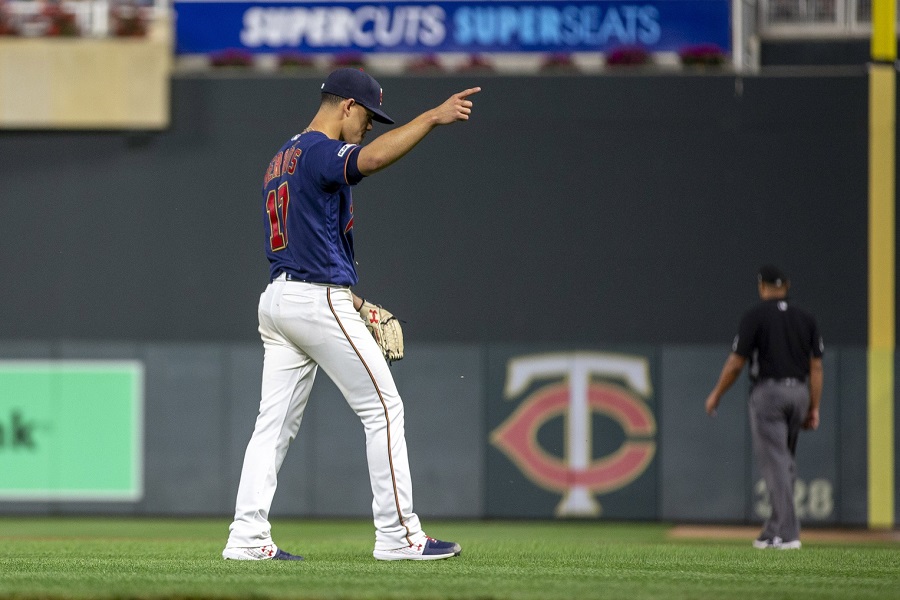 5. Eddie Rosario 2019 Season (137 Games): .800 OPS, 106 OPS+, 1.6 WAR So far this off-season, there has been talk of trading Rosario to upgrade the pitching staff. Unfortunately, Twins fans might value Rosario more than he is actually worth. As a 28-year old, he might fit the definition of a replacement level player and Minnesota has other young outfielders working their way to Target Field. He is under team control for the next two seasons so an extension beyond those years seems improbable. 4. Taylor Rogers 2019 Season (60 Games): 176 ERA+, 2.85 FIP, 2.5 WAR Rogers was one of the team’s most valuable pitchers last season, especially while other parts of the bullpen were struggling. He will be arbitration eligible this winter and he can’t become a free agent until the 2023 off-season at which point he would be 31-years old. Would Minnesota be willing to buy out his remaining arbitration years so they could add some years of team control? It seems more likely for the Twins to explore an extension after the 2020 campaign to see if Rogers can continue his bullpen dominance. 3. Byron Buxton 2019 Season (87 Games): .827 OPS, 114 OPS+, 3.1 WAR There has only been one big-league season where Buxton has logged more than 92 games played. In fact, the last two seasons he has been limited to 115 total games and he might have been denied a September call-up. Minnesota could look to avoid a Kris Bryant situation with Buxton by offering him an extension now. Buxton’s value could be hard to put a number on at this point because he showed some offensive improvement when he was on the field last year. He can reach free agency in 2023. 2. Miguel Sano 2019 Season (105 Games): .923 OPS, 138 OPS+, 3.1 WAR Like Rosario, Sano is closer to free agency than the others on this list. He started last season recovering from a freak off-season injury before settling in nicely to a career-high OPS. There are some obvious flaws on the defensive side of the ball, but he could get more time at first base and designated hitter in the years ahead. Nelson Cruz’s mentorship helped Sano and that duo will be able to collaborate again in 2020. It’s scary to think what that could mean if Sano can play more than 105 games. 1. Jose Berrios 2019 Season (32 Games): 124 ERA+, 3.85 FIP, 3.3 WAR Berrios seems the most likely candidate to receive an extension, especially after his 2019 season. Minnesota’s front office already approached Berrios last off-season and he turned down the contract offer. Betting on himself might have been the right choice. “Every player wants to sign a multiyear deal, but we know it’s a business,” Berrios told the Star Tribune last spring. “I have to manage my business, too. … We’re waiting for the best for both sides. If it doesn’t happen this year, maybe next year.” Berrios has built quite the resume and the Twins are going to want to keep him long-term. Will any of these players sign extensions this winter? Leave a COMMENT and start the discussion.
 -
Major League Baseball’s postseason should be a time where the best moments are created by the players. From game-winning home runs to strong pitching performances, the players and these key moments should be what fans remember. Unfortunately, the calls made by umpires can overshadow baseball’s best moments and this was seen throughout the playoffs. Changes are coming to baseball and "robot umpiring" might not be that far away.Calling balls and strikes is no easy task, especially with more pitchers throwing in the high-90s or adding in the task of tracking the pitch’s movement. Fans sitting at home get a first-hand look at every pitch as it crosses the plate. Most of the time there can be multiple replays and the benefits of watching in slow-motion on a high definition screen. Fans know if a pitch is a ball or strike and they take to social media to berate the man behind the plate. Evidence also points to just how much umpires are missing calls. Following the 2018 season, Boston University did a study and found that an average of 14 ball-strike calls per game. For the entire 2018 season, MLB umpires missed 34,294 calls and those calls resulted in some other findings. Umpires have a two-strike bias and there are strike-zone blind spots. Clearly, baseball needs to find a solution to this problem. During the 2019 Arizona Fall League, MLB experimented with an automated ball-strike system (ABS). The technology was only present at one AFL field and it is similar to one used in the Atlantic League this season. With this system, the home-plate umpire wears an earpiece and is sent the “ball” or “strike” call. It’s obviously more complicated than that and there are some kinks to work out. Players are forced to figure out how the computer calls pitches at the different edges of the zone. There is also less pressure on catchers to frame a pitch because they can’t “steal” strikes from the computer. Minnesota’s top prospect Royce Lewis was in the AFL and got to see the ABS in action. “It kind of changes the whole game,” said Lewis. “It’s still tough, but anyone can catch it back there with electronic. I’d rather have the guys that are working hard and framing and building an element of their game to better themselves.” MLB commissioner Rob Manfred recently told MLB Network that ABS will come to the minors in 2020 "in some ballparks."The league is continuing to find ways to improve the technology. He went on to say, "I only would go to an automated strike zone when we were sure that it was absolutely the best it can be." ABS likely will go through multiple trials in the minors before it will be big-league ready. It will be interesting to see what leagues will use the technology during the 2020 season. Technology is there and it seems inevitable for “robot umpires” to become part of America’s pastime. Click here to view the article
- 54 replies
-
- 3
-
-
- royce lewis
- umpires
- (and 1 more)
-
"Robot Umpires" Coming to Some Affiliated Parks Next Season
Cody Christie posted an article in Twins
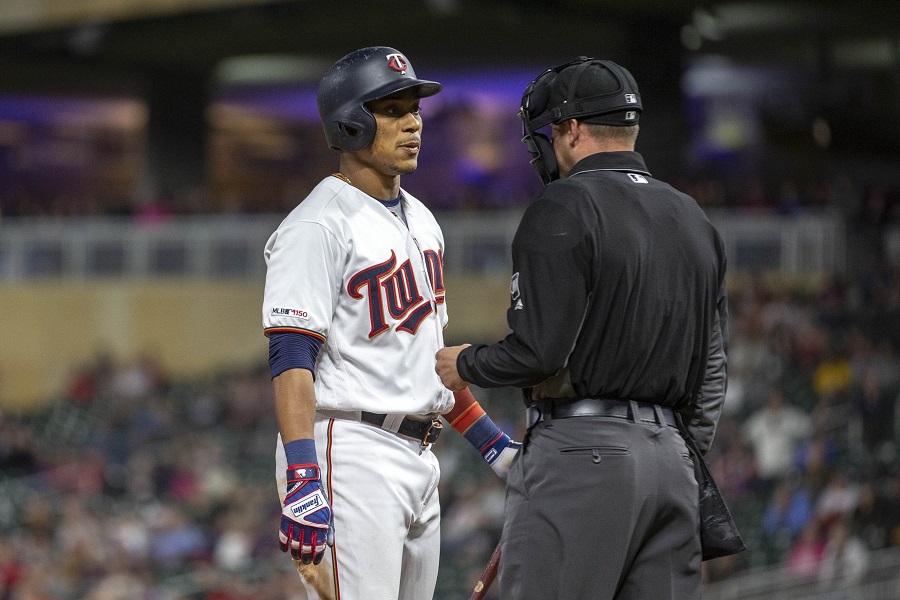 Calling balls and strikes is no easy task, especially with more pitchers throwing in the high-90s or adding in the task of tracking the pitch’s movement. Fans sitting at home get a first-hand look at every pitch as it crosses the plate. Most of the time there can be multiple replays and the benefits of watching in slow-motion on a high definition screen. Fans know if a pitch is a ball or strike and they take to social media to berate the man behind the plate. Evidence also points to just how much umpires are missing calls. Following the 2018 season, Boston University did a study and found that an average of 14 ball-strike calls per game. For the entire 2018 season, MLB umpires missed 34,294 calls and those calls resulted in some other findings. Umpires have a two-strike bias and there are strike-zone blind spots. Clearly, baseball needs to find a solution to this problem. During the 2019 Arizona Fall League, MLB experimented with an automated ball-strike system (ABS). The technology was only present at one AFL field and it is similar to one used in the Atlantic League this season. With this system, the home-plate umpire wears an earpiece and is sent the “ball” or “strike” call. It’s obviously more complicated than that and there are some kinks to work out. Players are forced to figure out how the computer calls pitches at the different edges of the zone. There is also less pressure on catchers to frame a pitch because they can’t “steal” strikes from the computer. Minnesota’s top prospect Royce Lewis was in the AFL and got to see the ABS in action. “It kind of changes the whole game,” said Lewis. “It’s still tough, but anyone can catch it back there with electronic. I’d rather have the guys that are working hard and framing and building an element of their game to better themselves.” MLB commissioner Rob Manfred recently told MLB Network that ABS will come to the minors in 2020 "in some ballparks." The league is continuing to find ways to improve the technology. He went on to say, "I only would go to an automated strike zone when we were sure that it was absolutely the best it can be." ABS likely will go through multiple trials in the minors before it will be big-league ready. It will be interesting to see what leagues will use the technology during the 2020 season. Technology is there and it seems inevitable for “robot umpires” to become part of America’s pastime.
 -
Major League Baseball and Rawlings announced the finalists in both leagues for the 2019 Gold Glove Awards. Three finalists at each position are named and the winner will be chosen through a vote by managers and coaches that has already been conducted. The winners will be announced on November 3 on ESPN. Jose Berrios is the lone Twins finalist, but he might have a tough road to his first Gold Glove.The American League award for pitchers has been dominated by Dallas Keuchel since 2014 with him winning four of the last five years. Marcus Stroman took home the award back in 2017 to break-up the Keuchel three-year run. Both of those pitchers are in the National League now and this means there will be a first-time winner in the AL. Berrios will be facing off against Chicago’s Lucas Giolito and Seattle’s Mike Leake. Both of these players rank better than him according to SABR’s Defensive Index. According to SABR, the SDI will be used to help select the winners for the seventh consecutive year and it accounts for approximately 25 percent of the selection process. In the last SDI update, Leake led all AL pitchers with a 2.2 SDI, while Giolito (1.0 SDI) came in tied for third. Out of qualifying pitchers, Berrios ranked second to last with a -1.5 SDI. Ranking defenders can be a tough endeavor even in the Statcast era and ranking pitchers can be an even more challenging. In the AL, the league fielding percentage for pitchers was .945 and Berrios was well above that mark with a .969 fielding percentage. Giolito wasn’t charged with an error all season and finished with a perfect fielding percentage. Leake ended the year in the NL, but he accumulated a .966 fielding percentage in his AL appearances. Another important defensive skill for pitchers is the ability to hold runners, but some of this stat is on the catcher too. In the AL, the league caught stealing percentage was 27% for the season. Giolito allowed three stolen bases and had three runners caught for a 50% caught stealing %. Leake had a slightly higher caught stealing percentage (56%) as he allowed five steals and four stolen bases. Berrios had the worst mark by far (8 CS%) as he allowed 12 steals and only had one caught steal. Defensive runs saved is another common defensive metric. Again, Berrios ranks at the bottom when compared to the other two finalists. Leake was worth three defensive runs saved during his time in the AL and Giolito was also able to collect three defensive runs saved. Berrios was worth zero defensive runs saved, his lowest total since he had a negative defensive runs saved in 2017. It seems like there are multiple metrics that put Giolito and Leake ahead of Berrios. Historically, that might not always matter when it comes to voting for the Gold Glove Awards. Brian Dozier was a surprise winner for the Twins back in 2017 when he beat out Ian Kinsler and Dustin Pedroia. Could Berrios surprise and win in 2019? It might not be likely, but there’s always a chance. Click here to view the article
-
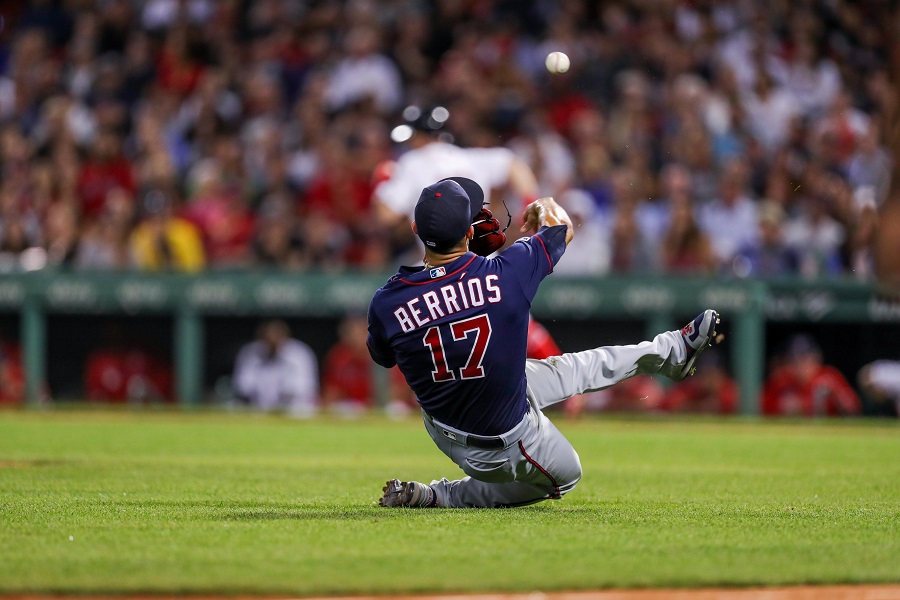 The American League award for pitchers has been dominated by Dallas Keuchel since 2014 with him winning four of the last five years. Marcus Stroman took home the award back in 2017 to break-up the Keuchel three-year run. Both of those pitchers are in the National League now and this means there will be a first-time winner in the AL. Berrios will be facing off against Chicago’s Lucas Giolito and Seattle’s Mike Leake. Both of these players rank better than him according to SABR’s Defensive Index. According to SABR, the SDI will be used to help select the winners for the seventh consecutive year and it accounts for approximately 25 percent of the selection process. In the last SDI update, Leake led all AL pitchers with a 2.2 SDI, while Giolito (1.0 SDI) came in tied for third. Out of qualifying pitchers, Berrios ranked second to last with a -1.5 SDI. Ranking defenders can be a tough endeavor even in the Statcast era and ranking pitchers can be an even more challenging. In the AL, the league fielding percentage for pitchers was .945 and Berrios was well above that mark with a .969 fielding percentage. Giolito wasn’t charged with an error all season and finished with a perfect fielding percentage. Leake ended the year in the NL, but he accumulated a .966 fielding percentage in his AL appearances. Another important defensive skill for pitchers is the ability to hold runners, but some of this stat is on the catcher too. In the AL, the league caught stealing percentage was 27% for the season. Giolito allowed three stolen bases and had three runners caught for a 50% caught stealing %. Leake had a slightly higher caught stealing percentage (56%) as he allowed five steals and four stolen bases. Berrios had the worst mark by far (8 CS%) as he allowed 12 steals and only had one caught steal. Defensive runs saved is another common defensive metric. Again, Berrios ranks at the bottom when compared to the other two finalists. Leake was worth three defensive runs saved during his time in the AL and Giolito was also able to collect three defensive runs saved. Berrios was worth zero defensive runs saved, his lowest total since he had a negative defensive runs saved in 2017. It seems like there are multiple metrics that put Giolito and Leake ahead of Berrios. Historically, that might not always matter when it comes to voting for the Gold Glove Awards. Brian Dozier was a surprise winner for the Twins back in 2017 when he beat out Ian Kinsler and Dustin Pedroia. Could Berrios surprise and win in 2019? It might not be likely, but there’s always a chance.
 -
Kris Bryant was a star prospect on the way to the big leagues back in 2015, but the Cubs kept him in the minor leagues to pick up an extra year of service time. At least this is what Bryant is alleging in a grievance field with the Major League Baseball Players’ Association. The decision in this case could have ramifications across the baseball landscape with Minnesota’s own Bryon Buxton.Bryant’s Case Bryant is alleging manipulation of his service time that will keep him from reaching free agency until after the 2021 season. Bryant’s agent, Scott Boras, and the MLBPA are arguing that he started the 2015 season at Triple-A, so the club could delay his service-time, a move that is entirely within an organization’s rights. That spring, he had hit .425 with nine home runs in 40 at-bats and those numbers were no accident. In an interview with Sahadev Sharma at The Athletic, Bryant talked about how he trained differently for that spring so he could put up strong numbers and make it hard for the team to send him down. “It was so obvious,” Bryant told The Athletic. “‘Oh, he’s gotta work on his defense.’ Stuff like that. But now I can look back on it and just laugh about it because I was told to work on my defense… and I think I got three ground balls in those games that I played. So it’s like, ‘Oh, now he’s ready.’” He made his big-league debut on April 17, 2015, which meant he only missed 12 days that season. Still, he will fall one day short of being eligible for free agency after the 2020 campaign. Buxton’s Case Buxton’s own service time issue doesn’t exactly mirror Bryant’s, but he could have an argument if Bryant wins his case. During the 2018 season, Buxton struggled through multiple injuries and ended the year on the Rochester Red Wings roster. He wasn’t made a September call-up and this choice didn’t sit well with Buxton at the time. “Yes, I ain’t sugarcoating nothing,” Buxton told the Star Tribune last December. “It kind of didn’t go over well.” Migraine headaches, a broken toe and a strained wrist cost him much of the 2018 season, but his health seemed to be improving in August with Rochester. He batted .365/.400/.596 (.996) with nine extra-base hits in 12 games and he had every reason to think his performance warranted a September call-up. But by keeping him down, the Twins picked up another year of team control. Instead of reaching free agency following the 2021 season, Buxton will have to wait until after the 2022 campaign. Minnesota had reasons for keeping him down including a lingering wrist injury, poor strike zone discipline, and not enough playing time at the big-league level. However, Thad Levine admitted service time played a role in why Buxton was kept in the minors. "I think part of our jobs is we're supposed to be responsible to factoring service time into every decision we make," Levine said. "I still feel pretty resolute in saying that the other three factors were more present for us in this decision-making process than that. We wouldn't be doing our jobs if we weren't at least aware of service-time impacts on decisions we make." Realistically, this is an issue that needs to be addressed in the next collective bargaining agreement. There’s not timeline for a decision in MLBPA’s case for Bryant and there’s no guarantee he will win, but it’s certainly something to keep an eye on. Click here to view the article
- 81 replies
-
- 2
-
-
- byron buxton
- kris bryant
- (and 1 more)
-
Kris Bryant Decision Could Have Ramifications for Twins and Byron Buxton
Cody Christie posted an article in Twins
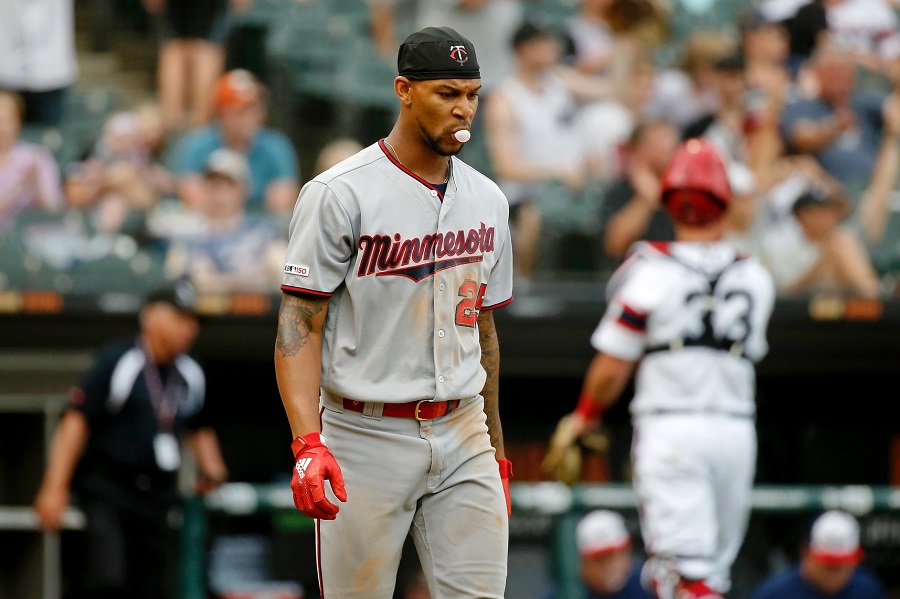 Bryant’s Case Bryant is alleging manipulation of his service time that will keep him from reaching free agency until after the 2021 season. Bryant’s agent, Scott Boras, and the MLBPA are arguing that he started the 2015 season at Triple-A, so the club could delay his service-time, a move that is entirely within an organization’s rights. That spring, he had hit .425 with nine home runs in 40 at-bats and those numbers were no accident. In an interview with Sahadev Sharma at The Athletic, Bryant talked about how he trained differently for that spring so he could put up strong numbers and make it hard for the team to send him down. “It was so obvious,” Bryant told The Athletic. “‘Oh, he’s gotta work on his defense.’ Stuff like that. But now I can look back on it and just laugh about it because I was told to work on my defense… and I think I got three ground balls in those games that I played. So it’s like, ‘Oh, now he’s ready.’” He made his big-league debut on April 17, 2015, which meant he only missed 12 days that season. Still, he will fall one day short of being eligible for free agency after the 2020 campaign. Buxton’s Case Buxton’s own service time issue doesn’t exactly mirror Bryant’s, but he could have an argument if Bryant wins his case. During the 2018 season, Buxton struggled through multiple injuries and ended the year on the Rochester Red Wings roster. He wasn’t made a September call-up and this choice didn’t sit well with Buxton at the time. “Yes, I ain’t sugarcoating nothing,” Buxton told the Star Tribune last December. “It kind of didn’t go over well.” Migraine headaches, a broken toe and a strained wrist cost him much of the 2018 season, but his health seemed to be improving in August with Rochester. He batted .365/.400/.596 (.996) with nine extra-base hits in 12 games and he had every reason to think his performance warranted a September call-up. But by keeping him down, the Twins picked up another year of team control. Instead of reaching free agency following the 2021 season, Buxton will have to wait until after the 2022 campaign. Minnesota had reasons for keeping him down including a lingering wrist injury, poor strike zone discipline, and not enough playing time at the big-league level. However, Thad Levine admitted service time played a role in why Buxton was kept in the minors. "I think part of our jobs is we're supposed to be responsible to factoring service time into every decision we make," Levine said. "I still feel pretty resolute in saying that the other three factors were more present for us in this decision-making process than that. We wouldn't be doing our jobs if we weren't at least aware of service-time impacts on decisions we make." Realistically, this is an issue that needs to be addressed in the next collective bargaining agreement. There’s not timeline for a decision in MLBPA’s case for Bryant and there’s no guarantee he will win, but it’s certainly something to keep an eye on.
 -
Royce Lewis has been lighting up the Arizona Fall League with a 1.066 OPS which ranks second in the league. He helped the East to win the Fall Stars Game after he cranked a two-run home run in the first inning. He would go on to be named MVP of that game and it looks like he is ending the year strong after some inconsistencies during the regular season. Minnesota drafted Lewis for his athleticism and the potential he had shown as an amateur. Now there are some questions about his defensive future. What position will Lewis play when he gets called up to Target Field?Shortstop Lewis was drafted as a shortstop and the Twins have given him every opportunity to stick at one of the most important defensive positions. Through three professional seasons, 94.7% of his defensive innings have been played at short. He has been charged with 48 errors in 1076 chances for a .955 fielding percentage. This might not seem terrible, but Jorge Polanco had a .957 fielding percentage this year and there were plenty of people critical of his defense this year. Even with Minnesota continuing to use Lewis at shortstop, there is no guarantee he stays there long-term. As Matthew Trueblood wrote, there have been some “dubious recent scouting reports” about his shortstop play. Lewis could be entering a critical time for his defensive future and shortstop might not be his position in the years ahead. In fact, he has yet to log a defensive inning at shortstop in the AFL. Third Base Minnesota currently has Miguel Sano at third base, but there have been questions about his ability to stick at that position long-term. In fact, he might be better suited for first base or even designated hitter. If there was an opening at third, Lewis might be given the opportunity to take over the hot corner. In 11 of his 18 AFL games, he has started at third base and he has yet to be charged with an error. His time at third was almost nonexistent before the AFL started. During his professional career, he had played four innings at third base and he had yet to start a game at that position. It’s also not like there is a better shortstop prospect ahead of him on his AFL roster. Tampa’s Vidal Brujan has played the majority of the time at short and his own organization rarely uses him at that position (377 2/3 innings over five seasons). Outfield Minnesota’s current outfield looks strong if Bryon Buxton, Max Kepler, and Eddie Rosario are all healthy and on the field. Unfortunately, that didn’t happen very often in 2019 and one must wonder what the future holds for the team’s outfield trio. It also seems possible for one of these players to be dealt for starting pitching help before the beginning of next season. Lewis has played four games in center field during his career and three of those contests have been in the AFL. That still hasn’t stopped him from making a highlight reel catch. Outfield seems like a good back-up plan for Lewis if he doesn’t pan out at either one of the infield positions mentioned above. He has the athleticism to shift to the outfield, but it would take a lot of work to get him accustomed to chasing down fly-balls. Where do you think Royce Lewis will play defensively in the future? Leave a COMMENT and join the discussion. MORE FROM TWINS DAILY Handbook Preview: Welcome to the OffseasonHot Corner Consideration: Potential Third Base Alternatives to Miguel SanoTwins AFL Report - Week 4: Lewis Named Fall Stars MVP Click here to view the article
- 39 replies
-
- 2
-
-
- royce lewis
- miguel sano
- (and 3 more)
-
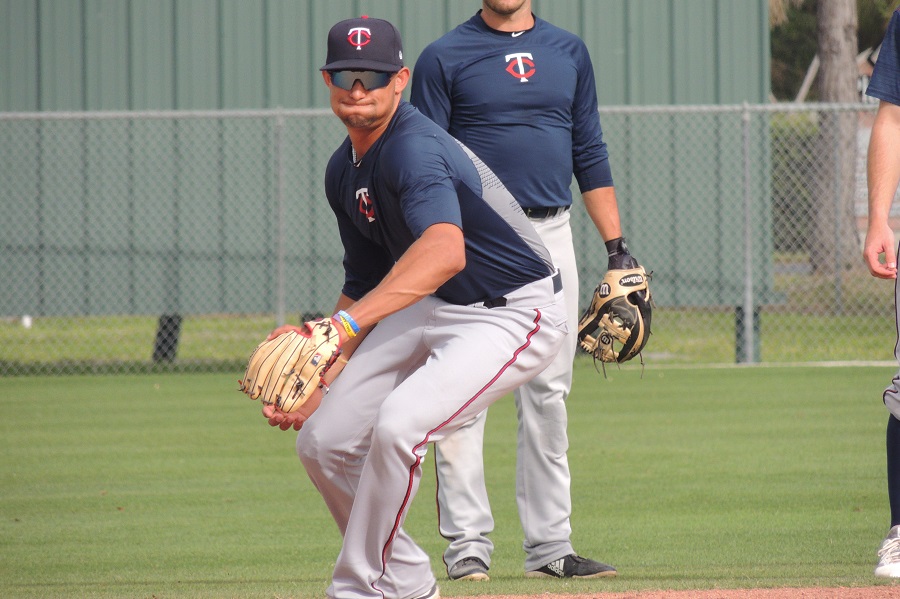 Shortstop Lewis was drafted as a shortstop and the Twins have given him every opportunity to stick at one of the most important defensive positions. Through three professional seasons, 94.7% of his defensive innings have been played at short. He has been charged with 48 errors in 1076 chances for a .955 fielding percentage. This might not seem terrible, but Jorge Polanco had a .957 fielding percentage this year and there were plenty of people critical of his defense this year. Even with Minnesota continuing to use Lewis at shortstop, there is no guarantee he stays there long-term. As Matthew Trueblood wrote, there have been some “dubious recent scouting reports” about his shortstop play. Lewis could be entering a critical time for his defensive future and shortstop might not be his position in the years ahead. In fact, he has yet to log a defensive inning at shortstop in the AFL. Third Base Minnesota currently has Miguel Sano at third base, but there have been questions about his ability to stick at that position long-term. In fact, he might be better suited for first base or even designated hitter. If there was an opening at third, Lewis might be given the opportunity to take over the hot corner. In 11 of his 18 AFL games, he has started at third base and he has yet to be charged with an error. His time at third was almost nonexistent before the AFL started. During his professional career, he had played four innings at third base and he had yet to start a game at that position. It’s also not like there is a better shortstop prospect ahead of him on his AFL roster. Tampa’s Vidal Brujan has played the majority of the time at short and his own organization rarely uses him at that position (377 2/3 innings over five seasons). Outfield Minnesota’s current outfield looks strong if Bryon Buxton, Max Kepler, and Eddie Rosario are all healthy and on the field. Unfortunately, that didn’t happen very often in 2019 and one must wonder what the future holds for the team’s outfield trio. It also seems possible for one of these players to be dealt for starting pitching help before the beginning of next season. Lewis has played four games in center field during his career and three of those contests have been in the AFL. That still hasn’t stopped him from making a highlight reel catch. https://twitter.com/wboor/status/1174872875062312961?s=20 Outfield seems like a good back-up plan for Lewis if he doesn’t pan out at either one of the infield positions mentioned above. He has the athleticism to shift to the outfield, but it would take a lot of work to get him accustomed to chasing down fly-balls. Where do you think Royce Lewis will play defensively in the future? Leave a COMMENT and join the discussion. MORE FROM TWINS DAILY Handbook Preview: Welcome to the Offseason Hot Corner Consideration: Potential Third Base Alternatives to Miguel Sano Twins AFL Report - Week 4: Lewis Named Fall Stars MVP
