



Melissa Berman
-
Posts
500 -
Joined
-
Last visited
-
Days Won
2
Content Type
Profiles
News
Minnesota Twins Videos
2026 Minnesota Twins Top Prospects Ranking
2022 Minnesota Twins Draft Picks
Minnesota Twins Free Agent & Trade Rumors, Notes, & Tidbits
Guides & Resources
2023 Minnesota Twins Draft Picks
The Minnesota Twins Players Project
2024 Minnesota Twins Draft Picks
2025 Minnesota Twins Draft Pick Tracker
2026 Minnesota Twins Draft Tracker: Picks & Bonuses
Forums
Blogs
Events
Store
Downloads
Gallery
Everything posted by Melissa Berman
-

What Does the New Balanced Schedule Format Mean for the Twins?
Melissa Berman posted an article in Twins
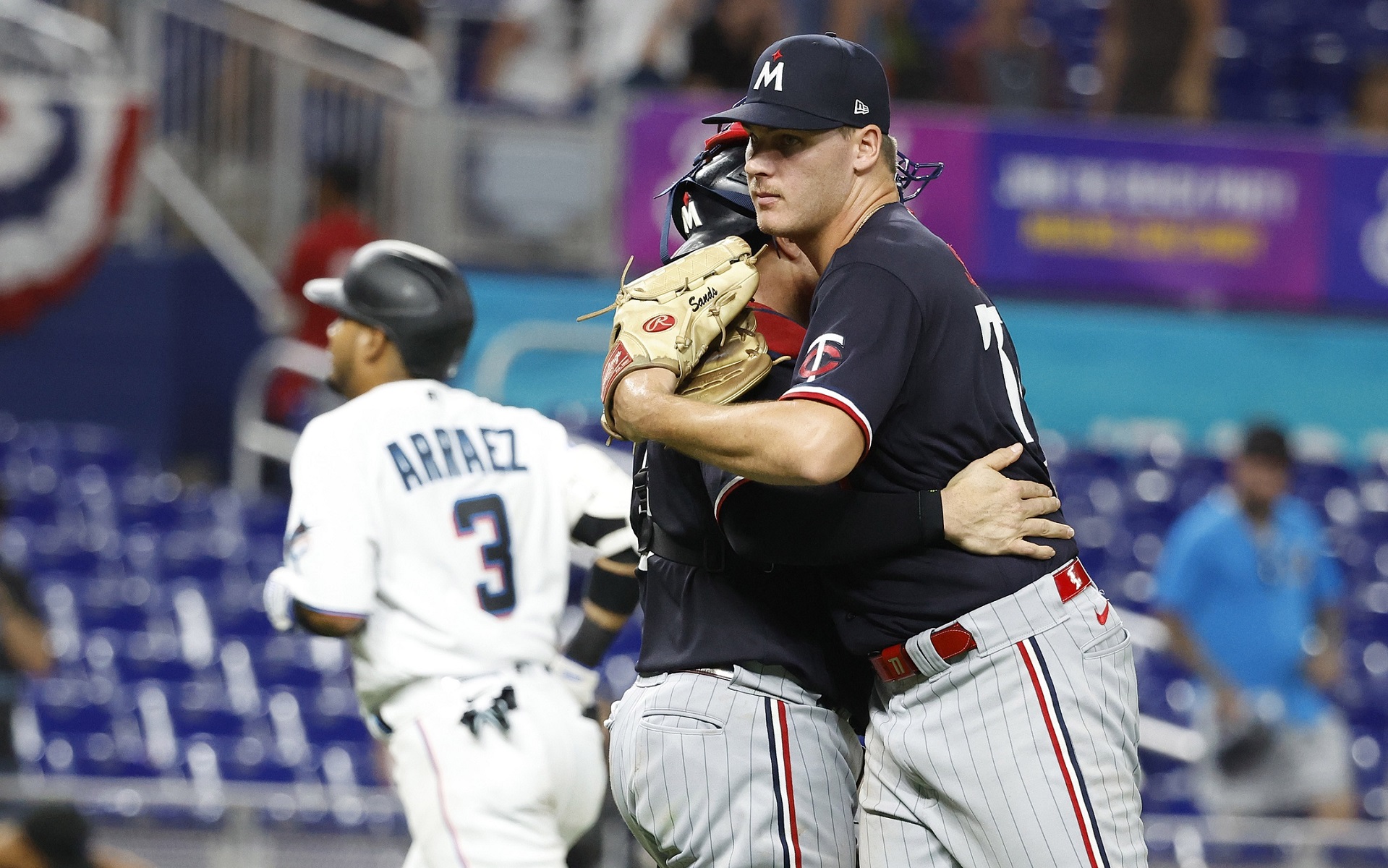 This season for the first time, and from now on, every team in baseball will play every other team in baseball at least once. Every team will play 24 fewer games against their divisional opponents than they did previously, 52 rather than 76. What does the new balanced schedule format mean for the Twins? The Twins schedule isn’t more difficult under the balanced schedule format than it would have been otherwise. This year at least. Under the old format, Interleague Play opponents rotated against the other league’s divisions once per year. In 2023, it would have been the AL Central’s turn to play the mighty NL East, composed of three 2022 playoff teams the Phillies, Mets, and Braves. Mike Petriello of MLB.com did a great analysis of MLB schedules by looking at the strength of schedule under the new format vs. what the strength otherwise would have been in 2023 without implementing it. He concluded that in 2023 there is almost no impact on the strength of schedule for any of the teams in the AL Central. “That’s because these five teams had already been scheduled to face the NL East in 2023, so those games aren’t new, and instead, they’ll pick up games against the equally weak NL Central and the NL West, which features a somewhat depleted (compared to previous years) Dodgers squad and the very poorly projected Rockies,” Petriello wrote. The Pirates, Diamondbacks, and Cubs a few of these other weaker NL Central/ NL West teams the Twins pick up games from. The Dodgers aren't exactly looking depleted this season so far like Petriello thought, but really are they ever? Petriello notes that the new schedule will make the Wild Card race even tougher for teams in the AL Central, given how strong the AL East and AL West divisions are, because these juggernaut teams will be playing each other less. Of course, the Twins will hope to win the division, so they don’t have to worry about the wildcard race. Could the Twins face a tougher-than-it-otherwise-would’ve-been schedule in future years like 2024, when the Twins would have played the relatively-weak NL Central? That’s possible, but the schedule will be harder for all our fellow AL central foes, too. Further, season record projections are not gospel, and team and division trajectories change from year-to-year, so it's impossible to really know what would have happened. Less head-to-head matchups with our division foes and fewer road trip opportunities, but we’ll still dislike the other AL Central teams just as much. Under the new balanced schedule format, MLB teams will play 13 games (four total series) against each divisional opponent (decreased from 19 games across six series). Will it diminish the sense of rivalry between AL Central teams? That seems unlikely; I do not foresee us feeling any less antagonistic vs. the White Sox now just because we’ll see them a little less. I don't know if many Twins fans (or those selling tickets at Target Field) will be too disappointed about seeing less games vs. the Tigers and Royals either, considering these in recent years have been less exciting games. However, during AL Central division races, those head-to-head games vs. division opponents are extremely high-stakes, exciting, and fun because they present a direct opportunity for the Twins to control their own destiny and get business done by beating Cleveland directly, for example (rather than just hoping whoever is playing the Guardians beats them) and either make up a lot of ground or pull away. Now we'll have less of those opportunities, which is a little disappointing. One downside for those who like to travel to opposing division ballparks is that they will have fewer opportunities. For example, I am interested in traveling to Chicago this season to attend a Twins vs. White Sox game, but now we have two series options rather than three: May 2 and September 15. Neither series is ideal weather-wise, and that September series could be a lot of fun or a snoozer, depending on how the division standings look at that late stage in the game. Increases a sense of rivalry between AL and NL? Sometimes in past years, I have felt like I’m in a bit of an AL bubble; I don’t pay as close attention to what is happening in the NL because we hardly see them outside of the Brewers series, Interleague games, and the All Star Game. Similarly, I don’t have any real animosity toward any NL teams for this same reason (besides perhaps the Brewers). Now that we will be going head-to-head with the Padres, Rockies, Reds, and everyone else every year, maybe new rivalries will emerge. Exciting opponents are coming to Target Field. Or at least teams you may not have seen before. Twins fans in 2023 can swing down to Target Field and see some of MLB’s top stars and teams that otherwise would hardly come to Minnesota. Twins fans will get to see Juan Soto, Fernando Tatis Jr., and Manny Machado when they come to town with the Padres on May 9-11, the Cubs May 12-14 for Mother’s Day, the Giants on May 22-24, Diamondbacks on August 4-6, and Pete Alonso and Francisco Lindor with the Mets September 8-10, to name a few. The Twins will vs. star-studded NL teams like the Dodgers, Phillies, and Braves on the road in 2023. Along with the pitch clock, shift ban, bigger bases, and the balanced schedule, 2023 is a year of monumental change for MLB. What do you think of the new Balanced Schedule Format? Leave a COMMENT below.
 -
We would love to have ya 😄 Thankfully, I was able to take work off on Thursday (or Friday... we'll see!)
-
Boras isn't speaking for himself; he's relaying the opinions of his high profile clients. It's interesting & relevant to know what the players think of it
-
He is a mouthpiece for the 100+ high profile MLB clients of his. His thoughts are what the players' thoughts are. It's interesting to hear what players think of the postseason pitch clock. Therefore what Boras says here is relevant.
-
Thanks for the well-thought out post and taking the time to read/ comment!
-
I appreciate you not swearing. I like the pitch clock for the regular season. Thanks for reading and taking the time to comment,
-
Your wish is their command! Hopefully the Twins can participate in that experiment!!
-
No problems with the pitch clock for regular season for me! It'll be nice to move things along.. especially for those 16 home April games we have coming up! Brr! Thanks for reading!
-
Yeah I did like how baseball was the one sport left without a clock on it- it made it unique. I was glad they put a clock on certain things, like time between innings. I think we'll all get used to it in time, but it will definitely take some time for me to equate length of a typical MLB game with that of an NBA game! Thanks for reading!
-
Genuinely grateful for you all taking the time to read! Some less contentious pieces to come! 🤪 thanks for reading + the kind words
-
These are really great thoughts. That's a great point that fans will probably be more engaged in the game and thus contribute to a more exciting in-stadium atmosphere
-
It was definitely nice, gotta keep the regular season games moving when there are 162 of em
-
I'm definitely going to love the pitch clock when I'm sitting out at the cold Home Opener next week, that's for sure!!
-
This is awesome, thanks so much for sharing- I hadn't seen this
-
That's a great point. No more ads for me, thanks! 😂
-
Really great points- appreciate you reading
-
Super great thoughts. I'm a fan of the pitch clock for the regular season. It's going to take some getting used to equating an MLB game as the same length of time as a NHL or NBA game. Kind of nice.
-
These are all excellent thoughts. I think it will be fine to have the clock on the postseason, but it just seems like it shouldn't be as necessary as regular season: when they play 162 of these things, you gotta keep em moving, and it was MLB's goal to make these games more "action-packed." At least no more one-game playoffs
-
Go Twins!! More time after the game to celebrate that Twins postseason victory... hopefully
-
I appreciate the thought!! These will be action-packed postseason games for sure
-
Thanks so much for the kind words!! I'm sure we'll be happy the pitch clock is keeping things along when we're shivering at the Home Opener next week, but postseason is a different thing!
-
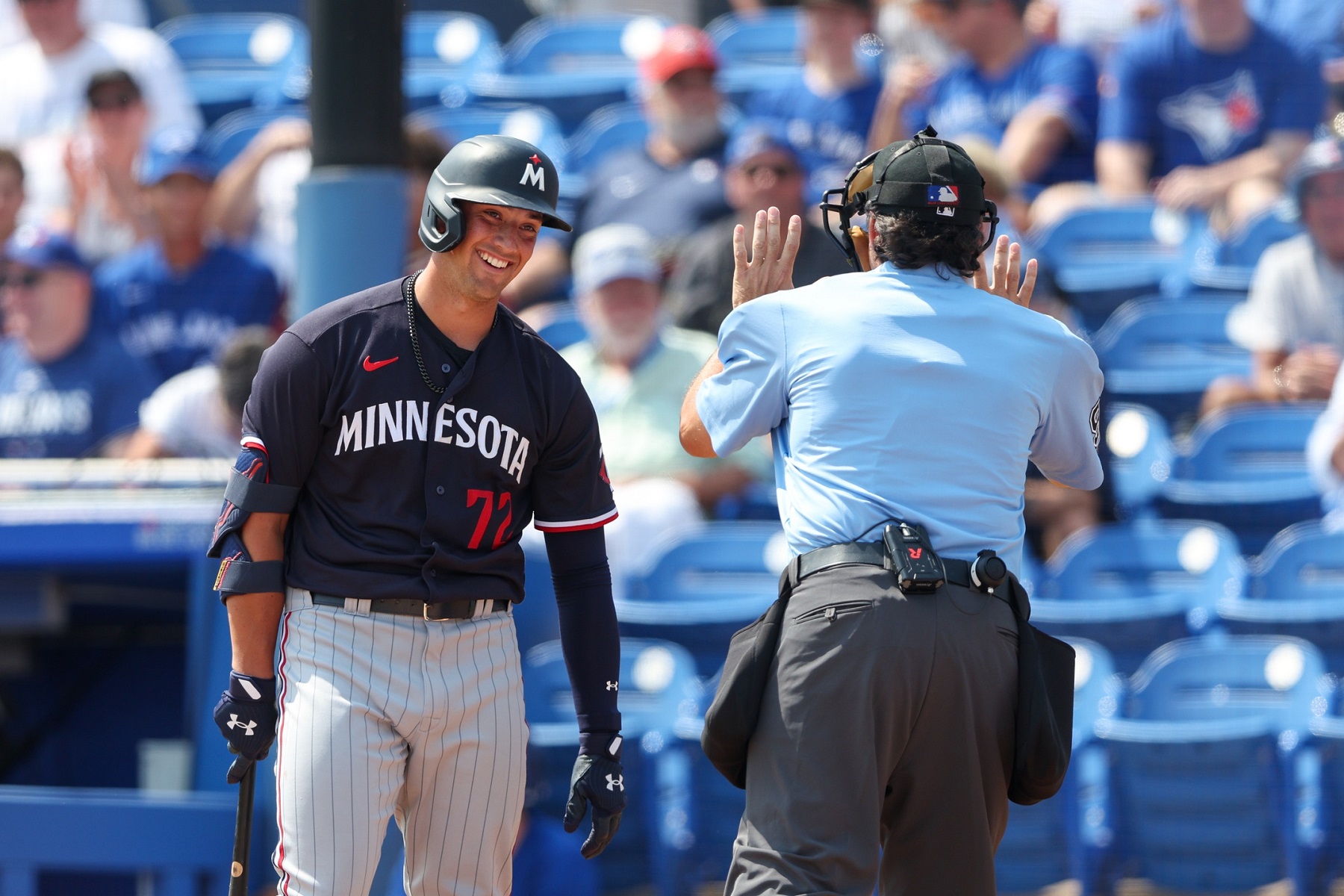 As baseball fans are familiar with by now, 2023 will mark the first year MLB uses a pitch clock in the major leagues- 15 seconds with the bases empty and 20 seconds with runners on base. So far, MLB has shown a great willingness to listen to feedback on the pitch clock and make tweaks and adaptations to improve it. In advance of Opening Day, MLB has already implemented a few minor changes, such as allowing more time for the pitcher to return to the mound after being involved in a defensive play (like covering first base or home plate) and giving the catcher additional time to put on his gear after running the bases or making the final out of the inning on offense. MLB commissioner Rob Manfred told the Associated Press that MLB is listening to feedback from players and is willing to make further changes to the pitch clock if needed. "We have another set of issues that we want to see some regular season games before we make a decision on them," Manfred said. "I've met with six teams' players already. Our feet are not in stone on this. On the one hand, and we are prepared to make adjustments based on input. On the other hand, we want to give it a chance to see exactly how it plays out after a period of adjustment in some regular-season games before we make any really significant alteration." Last year, I wrote a piece evaluating the pros and cons of a pitch clock, but it’s a done deal now, and evaluating whether they should or should not use a pitch clock at all is no longer relevant. The pitch clock has shaved twenty-five minutes off games (regular season games in 2022 lasted an average of 3 hours and five minutes), pitch timer violations have gradually declined this spring, and the pitch clock has been acclaimed by many, including the Twins broadcaster Dick Bremer. (One can imagine why the pitch clock might make a broadcaster’s job easier; they have to fill 25 fewer minutes of on-air time). However, there is still discussion to be had regarding when and how exactly MLB uses the pitch clock. The excitement and drama of the WBC games earlier this month, especially in the aforementioned USA vs. Japan final, illustrate why the pitch clock does not belong in postseason games. Anyone who watched a WBC game, even during the first round of pool play, can attest to their playoff-like feel. Due to the high stakes of each playoff game, like the high stakes of playing a game representing your country, players should be able to take their time during at-bats. There is an entire extra layer of strategy involved, and playoff games are often much louder than regular-season games. Therefore, it would be better to let those games play out naturally. In the WBC championship, it was incredible to let the game breathe and hear the crowd cheer as the camera zoomed in on Shohei Ohtani on the mound. Fans noted that Ohtani would have had a pitch clock violation perhaps every pitch during Mike Trout’s at-bat. The MLB postseason features high-stakes at-bats like this too, and as cliché as it sounds, the playoffs are where history is made. People will be re-watching this clip of Ohtani vs. Trout for decades. Why rush along moments like this? Scott Boras, agent to Carlos Correa and many other MLB players, agrees and said in The Athletic that based on player feedback he’s received, MLB should not use the pitch clock in October. “In the postseason, there clearly should be no pitch clock,” Boras said. “It’s the moment, the big moment. They need to reflect, they need more time, it’s a different scenario than the regular season, and we do not want their performances rushed.” “We understand why they would probably (use a clock) during the season, for the efficiency of the game and what they believe to be a fan-positive move for the shortening of games — understood. But in the postseason, we don’t want these men in a completely different emotional environment, where the settings mean so much more, where all their work and effort, all their goals are achieved. And at this level, we want them to have the appropriate time, both pitchers and position players, to evaluate and move forward in the most prepared and directed way.” Boras is in the business of representing his MLB clients during contract negotiations, and he doesn't want potentially career-altering moments to be rushed because those could feasibly impact a future contract. During regular season games, I agree with Boras that it is beneficial to move the games along. Will it attract new fans to the game? No, but it might help keep some fans a little more engaged by packing the same amount of action into a shorter amount of time. But in the postseason, fans in the stands pay hundreds or even thousands of dollars for playoff tickets; their number one priority probably isn’t to get out of the stadium as fast as possible. Fans who truly love baseball and the playoffs will watch the games regardless if they are 2 hours 40 minutes or 3 hours and 30 minutes. People who don't care about baseball will have probably tuned out already and won't still be watching baseball in October anyway; NHL, NBA, NFL, and college football will have started. And who is to say, after an entire season of using a pitch clock, the players wouldn't be so used to keeping the game moving that they would do so anyway without a pitch clock? I find it unlikely that if MLB took away the clock for the postseason, these games would immediately balloon back up to the average pace of the past, around 3.5 hours, especially considering many players who have been in the minor leagues the last couple of years have previous experience playing with a pitch clock. If MLB decided to distinguish between pitch clock usage in the regular season and the postseason, it would not be uncharted territory rules-wise: MLB already does this with its runner on second “ghost runner" rule, which it does not use in October. The reasoning here is clear: MLB doesn’t want a high-stakes postseason game decided by a sacrifice fly to the outfield, which allows a runner no pitcher allowed to get on base to score. So why would MLB want a postseason game to be decided from rushed decision-making, or worse, on a pitch clock violation, like happened to the Braves in spring training? Braves hitter Cal Conley was not ready to go in time with a full count in the ninth, and the umpire called a strikeout to end the game. "I don't think this (rule) was intended for a game to end like that," Braves manager Brian Snitker said after the game. If MLB does not want to eliminate the use of a pitch clock in the postseason altogether, perhaps they could consider adding a few seconds onto the clock as well. I have also seen suggestions that the pitch clock should not be used late in regular season games, such as after the 7th inning, or there should be no pitch clock in the 9th inning. However, this brings about an issue: it would make it unfair to have pitchers competing under different conditions; it would make it harder to compare oranges to oranges or Griffin Jax to Jorge López. Pace issues are most prevalent at the end of games anyway, so if we are concerned about the length of games, not having a pitch clock during the potentially-longest innings of the game defeats MLB's stated goal of shortening games. Inconsistent pitch clock usage in a game could be confusing for pitchers & batters and fans too; I think it should either be used in the full game or not at all. I am encouraged at MLB's willingness to listen to player feedback on the pitch clock and to adjust the rules as needed. Time will tell if this feedback leads to further tweaks on the pitch clock's usage, or if players become so used to it that it's a nonissue for the playoffs anyway, As I watched the WBC championship at a bar, the tension and nerves in the room came to a head during that dramatic, historic ninth inning. I leaned over to one of my friends and asked, "Aren't you glad there isn't a pitch clock right now?"
 -
On March 21, baseball fans crowded around TVs and packed into bars to watch Team USA battle Team Japan in the World Baseball Classic (WBC) championship. Not only will the game be remembered for the Mike Trout vs. Shohei Ohtani, head-to-head showdown that ended the game, but it is also notable that it will likely be the last professional baseball game fans watch without a pitch clock until the WBC rolls around again in 2026. The game had the highest viewership ever recorded for a WBC game. Amid all the drama and national pride, no one complained about how long the game took: 3 hours and 18 minutes. Image courtesy of Nathan Ray Seebeck-USA TODAY Sports As baseball fans are familiar with by now, 2023 will mark the first year MLB uses a pitch clock in the major leagues- 15 seconds with the bases empty and 20 seconds with runners on base. So far, MLB has shown a great willingness to listen to feedback on the pitch clock and make tweaks and adaptations to improve it. In advance of Opening Day, MLB has already implemented a few minor changes, such as allowing more time for the pitcher to return to the mound after being involved in a defensive play (like covering first base or home plate) and giving the catcher additional time to put on his gear after running the bases or making the final out of the inning on offense. MLB commissioner Rob Manfred told the Associated Press that MLB is listening to feedback from players and is willing to make further changes to the pitch clock if needed. "We have another set of issues that we want to see some regular season games before we make a decision on them," Manfred said. "I've met with six teams' players already. Our feet are not in stone on this. On the one hand, and we are prepared to make adjustments based on input. On the other hand, we want to give it a chance to see exactly how it plays out after a period of adjustment in some regular-season games before we make any really significant alteration." Last year, I wrote a piece evaluating the pros and cons of a pitch clock, but it’s a done deal now, and evaluating whether they should or should not use a pitch clock at all is no longer relevant. The pitch clock has shaved twenty-five minutes off games (regular season games in 2022 lasted an average of 3 hours and five minutes), pitch timer violations have gradually declined this spring, and the pitch clock has been acclaimed by many, including the Twins broadcaster Dick Bremer. (One can imagine why the pitch clock might make a broadcaster’s job easier; they have to fill 25 fewer minutes of on-air time). However, there is still discussion to be had regarding when and how exactly MLB uses the pitch clock. The excitement and drama of the WBC games earlier this month, especially in the aforementioned USA vs. Japan final, illustrate why the pitch clock does not belong in postseason games. Anyone who watched a WBC game, even during the first round of pool play, can attest to their playoff-like feel. Due to the high stakes of each playoff game, like the high stakes of playing a game representing your country, players should be able to take their time during at-bats. There is an entire extra layer of strategy involved, and playoff games are often much louder than regular-season games. Therefore, it would be better to let those games play out naturally. In the WBC championship, it was incredible to let the game breathe and hear the crowd cheer as the camera zoomed in on Shohei Ohtani on the mound. Fans noted that Ohtani would have had a pitch clock violation perhaps every pitch during Mike Trout’s at-bat. The MLB postseason features high-stakes at-bats like this too, and as cliché as it sounds, the playoffs are where history is made. People will be re-watching this clip of Ohtani vs. Trout for decades. Why rush along moments like this? Scott Boras, agent to Carlos Correa and many other MLB players, agrees and said in The Athletic that based on player feedback he’s received, MLB should not use the pitch clock in October. “In the postseason, there clearly should be no pitch clock,” Boras said. “It’s the moment, the big moment. They need to reflect, they need more time, it’s a different scenario than the regular season, and we do not want their performances rushed.” “We understand why they would probably (use a clock) during the season, for the efficiency of the game and what they believe to be a fan-positive move for the shortening of games — understood. But in the postseason, we don’t want these men in a completely different emotional environment, where the settings mean so much more, where all their work and effort, all their goals are achieved. And at this level, we want them to have the appropriate time, both pitchers and position players, to evaluate and move forward in the most prepared and directed way.” Boras is in the business of representing his MLB clients during contract negotiations, and he doesn't want potentially career-altering moments to be rushed because those could feasibly impact a future contract. During regular season games, I agree with Boras that it is beneficial to move the games along. Will it attract new fans to the game? No, but it might help keep some fans a little more engaged by packing the same amount of action into a shorter amount of time. But in the postseason, fans in the stands pay hundreds or even thousands of dollars for playoff tickets; their number one priority probably isn’t to get out of the stadium as fast as possible. Fans who truly love baseball and the playoffs will watch the games regardless if they are 2 hours 40 minutes or 3 hours and 30 minutes. People who don't care about baseball will have probably tuned out already and won't still be watching baseball in October anyway; NHL, NBA, NFL, and college football will have started. And who is to say, after an entire season of using a pitch clock, the players wouldn't be so used to keeping the game moving that they would do so anyway without a pitch clock? I find it unlikely that if MLB took away the clock for the postseason, these games would immediately balloon back up to the average pace of the past, around 3.5 hours, especially considering many players who have been in the minor leagues the last couple of years have previous experience playing with a pitch clock. If MLB decided to distinguish between pitch clock usage in the regular season and the postseason, it would not be uncharted territory rules-wise: MLB already does this with its runner on second “ghost runner" rule, which it does not use in October. The reasoning here is clear: MLB doesn’t want a high-stakes postseason game decided by a sacrifice fly to the outfield, which allows a runner no pitcher allowed to get on base to score. So why would MLB want a postseason game to be decided from rushed decision-making, or worse, on a pitch clock violation, like happened to the Braves in spring training? Braves hitter Cal Conley was not ready to go in time with a full count in the ninth, and the umpire called a strikeout to end the game. "I don't think this (rule) was intended for a game to end like that," Braves manager Brian Snitker said after the game. If MLB does not want to eliminate the use of a pitch clock in the postseason altogether, perhaps they could consider adding a few seconds onto the clock as well. I have also seen suggestions that the pitch clock should not be used late in regular season games, such as after the 7th inning, or there should be no pitch clock in the 9th inning. However, this brings about an issue: it would make it unfair to have pitchers competing under different conditions; it would make it harder to compare oranges to oranges or Griffin Jax to Jorge López. Pace issues are most prevalent at the end of games anyway, so if we are concerned about the length of games, not having a pitch clock during the potentially-longest innings of the game defeats MLB's stated goal of shortening games. Inconsistent pitch clock usage in a game could be confusing for pitchers & batters and fans too; I think it should either be used in the full game or not at all. I am encouraged at MLB's willingness to listen to player feedback on the pitch clock and to adjust the rules as needed. Time will tell if this feedback leads to further tweaks on the pitch clock's usage, or if players become so used to it that it's a nonissue for the playoffs anyway, As I watched the WBC championship at a bar, the tension and nerves in the room came to a head during that dramatic, historic ninth inning. I leaned over to one of my friends and asked, "Aren't you glad there isn't a pitch clock right now?" View full article
-
Twins Valentine's Day Cards!
Melissa Berman replied to Melissa Berman's topic in Twins Daily Front Page News
I've gotta put this legal education to use somehow, and what better way than concocting baseball pickup lines, eh? 😂- 33 replies
-
- 1
-

-
- griffin jax
- carlos correa
- (and 2 more)
-
Twins Valentine's Day Cards!
Melissa Berman replied to Melissa Berman's topic in Twins Daily Front Page News
I was planning on doing some sort of eyes pun again (last year I did "I've got my Arraez on you") or something related to the batting champion. Hadn't made one yet though 😂- 33 replies
-
- 2
-

-
- griffin jax
- carlos correa
- (and 2 more)

