



Seth Stohs
-
Posts
25,870 -
Joined
-
Last visited
-
Days Won
109
Content Type
Profiles
News
Minnesota Twins Videos
2026 Minnesota Twins Top Prospects Ranking
2022 Minnesota Twins Draft Picks
Minnesota Twins Free Agent & Trade Rumors, Notes, & Tidbits
Guides & Resources
2023 Minnesota Twins Draft Picks
The Minnesota Twins Players Project
2024 Minnesota Twins Draft Picks
2025 Minnesota Twins Draft Pick Tracker
2026 Minnesota Twins Draft Tracker: Picks & Bonuses
Forums
Blogs
Events
Store
Downloads
Gallery
Everything posted by Seth Stohs
-
 Eric introduced himself to me when I was down there. We talked a little bit. Very good person. Definitely seems like he really is enjoying doing this. Very helpful.
 -
On Saturday, the Twins topped the Rays 6-4 to improve to 21-16 on the season. The two-run decision was bigger than each of the four Twins affiliate’s scores. One run decided each game. There was a walk-off in Cedar Rapids. Someone in Chattanooga drove in five runs while another was a home run shy of the cycle. One guy had four hits and he’s one of three players who could get your vote for Twins Minor League Hitter of the Day.Be sure to vote and have your voice heard in the comments below. RED WINGS REPORT Rochester 4, Lehigh Valley 5 Box Score On Friday night, the Red Wings fell behind and were able to win with a walk-off single in the bottom of the ninth. On Saturday, the Red Wings were down by a run heading into the final frame, but they were unable to tie or win it and suffered the loss. Pat Dean started. The southpaw went six innings and gave up four runs. He allowed nine hits, walked one and struck out one. Logan Darnell came on and gave up two runs on three hits and recorded just two outs. Mark Hamburger got the next four outs, two of them on strikeouts. AJ Achter pitched a perfect ninth inning. Danny Ortiz went 2-4 and hit his sixth home run of the season. Josmil Pinto went 2-3 with a walk an his fifth double. Wilkin Ramirez went 2-4 with his first two doubles of the season. James Beresford went 2-4 in the game. CHATTANOOGA CHATTER Chattanooga 10, Montgomery 9 Box Score The Lookouts jumped out to a big lead in this game and were able to hold one for the one-run win. Alex Wimmers made the start and went the first five innings. He gave up five runs on five hits and a walk. He struck out nine. Cole Johnson came on and struck out four over two scoreless innings. Tim Shibuya was charged with three runs (two earned) on two hits in the eighth inning. Jake Reed was handed a two-run lead into the ninth. He gave up one run on two hits, but it was good enough to record his first save of the year. The Lookouts got offense from a variety of sources on Saturday. Byron Buxton led the way going 3-5 with a single, his fourth double and his seventh triple. He also stole his tenth base. Travis Harrison went 2-4 with his league-leading 13th and 14th doubles. He drove in five runs on the day. Heiker Meneses went 2-4, adding his third double. Mike Gonzales also doubled. Miguel Sano went 1-2 with three walks in the game. MIRACLE MATTERS Ft. Myers 2, Jupiter 3 Box Score For the second straight time, the Miracle fell in a one-run game. David Hurlbut made the start. The left-hander worked the first six innings. He gave up three runs, though none of them were earned, on four hits. He walked three and struck out four. Brandon Peterson came on and was perfect through two innings. He struck out four. Niko Goodrum had two of the Miracle errors, but he also led the offense. He went 2-4 with his eighth double. He also stole his eighth base. Alex Swim had another multi-hit game, going 2-4. Michael Quesada went 1-3 with a walk and his first double. Zach Granite got on twice, once on a walk and once with a single. KERNELS NUGGETS Cedar Rapids 4, Quad Cities 3 (13 innings) Box Score Coming into this game, the Kernels had a record of 22-13, a terrific start, to be sure. However, they were 5 ½ games behind Quad Cities which was 28-8. The teams played to a one-run game on Friday night and they had to put in some overtime to decide the game on Saturday as well. This time, it was the Kernels who came out on top when T.J. White singled in Max Murphy from second base with the winning run. (Steve Buhr's video of the dramatic bottom of the 13th.) The hit was White’s second of the game. Trey Vavra led the Kernels offensive attack. He went 4-6 with his eighth double to raise his batting average to .350. Tanner English went 2-5 and stole his 11th base. Felix Jorge made the start. The right-hander went the first 6.1 innings. He gave up three runs (one earned) on five hits and a walk. He struck out three. He was relieved by Trevor Hildenberger who tossed 2.2 scoreless innings. He gave up one hit, walked one and struck out four. Cameron Booser was next in line. The lefty gave up one hit and one walk over two scoreless innings. Randy LeBlanc was a winner for the third time this year. He gave up two hits and two walks, but no runs, in his two innings out of the bullpen. TWINS DAILY PLAYERS OF THE DAY Twins Daily Minor League Pitcher of the Day – Trevor Hildenberger, Cedar Rapids Kernels Twins Daily Minor League Hitter of the Day – Vote Below Byron Buxton, Chattanooga Lookouts – 3-5, 2B, 3B, SBTravis Harrison, Chattanooga Lookouts – 2-4, 2-2B, 5 RBITrey Vavra, Cedar Rapids Kernels – 4-6, 2BSUNDAY’S PROBABLE STARTERS Lehigh Valley @ Rochester (12:35 CST) – LHP Taylor Rogers Montgomery @ Chattanooga (4:15 CST) – RHP Tyler Duffey Ft. Myers @ Jupiter (12:00 CST) – RHP Kohl Stewart Quad Cities @ Cedar Rapids (2:05 CST) – RHP Jared Wilson Please feel free to ask any questions and discuss the Saturday games. Click here to view the article
- 10 replies
-
- 1
-

-
- byron buxton
- travis harrison
- (and 3 more)
-
 Be sure to vote and have your voice heard in the comments below. RED WINGS REPORT Rochester 4, Lehigh Valley 5 Box Score On Friday night, the Red Wings fell behind and were able to win with a walk-off single in the bottom of the ninth. On Saturday, the Red Wings were down by a run heading into the final frame, but they were unable to tie or win it and suffered the loss. Pat Dean started. The southpaw went six innings and gave up four runs. He allowed nine hits, walked one and struck out one. Logan Darnell came on and gave up two runs on three hits and recorded just two outs. Mark Hamburger got the next four outs, two of them on strikeouts. AJ Achter pitched a perfect ninth inning. Danny Ortiz went 2-4 and hit his sixth home run of the season. Josmil Pinto went 2-3 with a walk an his fifth double. Wilkin Ramirez went 2-4 with his first two doubles of the season. James Beresford went 2-4 in the game. CHATTANOOGA CHATTER Chattanooga 10, Montgomery 9 Box Score The Lookouts jumped out to a big lead in this game and were able to hold one for the one-run win. Alex Wimmers made the start and went the first five innings. He gave up five runs on five hits and a walk. He struck out nine. Cole Johnson came on and struck out four over two scoreless innings. Tim Shibuya was charged with three runs (two earned) on two hits in the eighth inning. Jake Reed was handed a two-run lead into the ninth. He gave up one run on two hits, but it was good enough to record his first save of the year. The Lookouts got offense from a variety of sources on Saturday. Byron Buxton led the way going 3-5 with a single, his fourth double and his seventh triple. He also stole his tenth base. Travis Harrison went 2-4 with his league-leading 13th and 14th doubles. He drove in five runs on the day. Heiker Meneses went 2-4, adding his third double. Mike Gonzales also doubled. Miguel Sano went 1-2 with three walks in the game. MIRACLE MATTERS Ft. Myers 2, Jupiter 3 Box Score For the second straight time, the Miracle fell in a one-run game. David Hurlbut made the start. The left-hander worked the first six innings. He gave up three runs, though none of them were earned, on four hits. He walked three and struck out four. Brandon Peterson came on and was perfect through two innings. He struck out four. Niko Goodrum had two of the Miracle errors, but he also led the offense. He went 2-4 with his eighth double. He also stole his eighth base. Alex Swim had another multi-hit game, going 2-4. Michael Quesada went 1-3 with a walk and his first double. Zach Granite got on twice, once on a walk and once with a single. KERNELS NUGGETS Cedar Rapids 4, Quad Cities 3 (13 innings) Box Score Coming into this game, the Kernels had a record of 22-13, a terrific start, to be sure. However, they were 5 ½ games behind Quad Cities which was 28-8. The teams played to a one-run game on Friday night and they had to put in some overtime to decide the game on Saturday as well. This time, it was the Kernels who came out on top when T.J. White singled in Max Murphy from second base with the winning run. https://www.youtube.com/watch?v=5r9_CSAGF-M&feature=youtu.be (Steve Buhr's video of the dramatic bottom of the 13th.) The hit was White’s second of the game. Trey Vavra led the Kernels offensive attack. He went 4-6 with his eighth double to raise his batting average to .350. Tanner English went 2-5 and stole his 11th base. Felix Jorge made the start. The right-hander went the first 6.1 innings. He gave up three runs (one earned) on five hits and a walk. He struck out three. He was relieved by Trevor Hildenberger who tossed 2.2 scoreless innings. He gave up one hit, walked one and struck out four. Cameron Booser was next in line. The lefty gave up one hit and one walk over two scoreless innings. Randy LeBlanc was a winner for the third time this year. He gave up two hits and two walks, but no runs, in his two innings out of the bullpen. TWINS DAILY PLAYERS OF THE DAY Twins Daily Minor League Pitcher of the Day – Trevor Hildenberger, Cedar Rapids Kernels Twins Daily Minor League Hitter of the Day – Vote Below Byron Buxton, Chattanooga Lookouts – 3-5, 2B, 3B, SB Travis Harrison, Chattanooga Lookouts – 2-4, 2-2B, 5 RBI Trey Vavra, Cedar Rapids Kernels – 4-6, 2B SUNDAY’S PROBABLE STARTERS Lehigh Valley @ Rochester (12:35 CST) – LHP Taylor Rogers Montgomery @ Chattanooga (4:15 CST) – RHP Tyler Duffey Ft. Myers @ Jupiter (12:00 CST) – RHP Kohl Stewart Quad Cities @ Cedar Rapids (2:05 CST) – RHP Jared Wilson Please feel free to ask any questions and discuss the Saturday games.
 -
Article: Twins Daily Top 10 Twins Prospects Update
Seth Stohs replied to Seth Stohs's topic in Twins Daily Front Page News
So, now that you've seen this list, and consider the 11-20 list, and even guys like Hu, Jones, Granite, Jorge, etc., who are your top 10 or top 20 Twins prospects? -
Minor League baseball is so fun to watch because there are four teams to watch. Anything can happen in one game, but even more an happen in four games. On Friday night, one of the affiliates had a walk-off win. One of the affiliates had an extra-innings win. One of the big prospects belted two home runs.On Friday afternoon, the Rochester Red Wings roster showed a new name. The name Ryan Wheeler showed up. A day earlier, reliever Stephen Pryor had knee surgery and went on the Disabled List. Wheeler is an infielder, though he has also spent time in the outfield too. The 26-year-old made his MLB debut in 2012, playing in 50 games with the Diamondbacks. He then played in 59 more games for the Colorado Rockies between the 2013 and 2014 seasons. He split the 2014 season between the Rockies and Angels organization. He was with the Angels AAA-affiliate in 2015 but was released last weekend. The neat thing about this signing? Wheeler is the older brother of Rochester starting pitcher Jason Wheeler. The younger sibling was on the mound for the Red Wings on Friday night. The other interesting piece of information that came out on Friday was that Chih-Wei Hu will make a spot start for Rochester on Tuesday in their double-header. Eric Rasmussen, Twins minor league pitching coordinator said they believe he will be able to handle it and that he is very competitive. He said that if Hu gives up one run in seven innings, he is upset about the one run.Hopefully he can pitch alright and head back to Ft. Myers after the game ready to continue his dominance. Continue below to see how the Twins affiliates did on Friday night. RED WINGS REPORT Rochester 5, Lehigh Valley 4 Box Score James Beresford has been in the organization since signing in 2005. He has long been an overlooked prospect. He’s in his third season at Rochester, and he’s hitting .317. On Friday night, he finished off a big comeback and helped the Red Wings improve to 19-15. The Red Wings entered the bottom of the ninth inning down by a score of 4-2. With the bases loaded, Eric Farris singled in a run to cut the deficit to one. Then Beresford came to the plate and singled in the tying run and the winning run. Beresford went 2-5 with his fifth double in the game. Farris led the way by going 3-5 with the other three RBI. Danny Ortiz doubled for the fifth time this year. Argenis Diaz went 1-2 with two walks. Reportedly Ryan Wheeler arrived at the stadium in Rochester after the game started. Younger brother Jason went the first 5.2 innings. He gave up four runs on eight hits. His issued no walks and struck out two. Ryan O’Rourke came on and faced four batters and recorded four outs. He struck out three. Lester Oliveros finished the game with two scoreless innings. He gave up one hit, walked none and struck out one. CHATTANOOGA CHATTER Chattanooga 7, Birmingham 5 (10 innings) Box Score The Lookouts needed an extra inning, but they got a couple of big blasts from a big prospect to improve their season record to 22-13. Since May 1, Miguel Sano has been hitting really well. In the first inning of this game, he hit his seventh home run of the season. He came to the plate in the 10th inning with a runner on base and a tie game. He launched his second home run of the night, his eighth of the year, and propelled the Lookouts to the win. He went 3-5 on the day. Jorge Polanco also went 3-5 in the game. Travis Harrison went 2-5 with his 12th double Adam Brett Walker and Miguel Gonzales both had two hits as well. DJ Baxendale made the start. He went five innings and was charged with four runs on eight hits. He walked none and struck out two. Dallas Gallant came on and threw two scoreless innings. Nick Burdi pitched a scoreless eighth inning. He was given the ninth inning as well, trying to protect a one-run lead, but he gave up one run to send the game to extra frames. With the two-run lead in the 10th, DJ Johnson came on and recorded his third save of the season, all within the last two weeks. Since May 1, Miguel Sano is hitting .315/.375/.630 (1.005) with five doubles, four homers and 11 RBI. MIRACLE MATTERS Ft. Myers 1, Jupiter 2 Box Score Brett Lee was again very good in this game, but he ended up getting another loss as the offense could muster just one run. The southpaw started the game and threw seven scoreless innings. He went out to start the eighth frame. He got the first batter out. Then a single, a stolen base and another single, and he had given up a run that tied the game at one. He was replaced by JT Chargois who struck out the first batter he faced. However, the next batter doubled in another run and the Miracle were down 2-1. Chargois struck out the next batter to end the inning. A great outing by Lee, but the Miracle were able to score just one run despite recording eight hits. Engelb Vielma returned to the lineup after missing two games and had three of the hits. He also stole his ninth base. Zach Granite did his job at the top of the order. He went 1-2 and walked twice. Jason Kanzler went 2-4 with his seventh stolen base. Chad Christensen added his fifth double. Lee’s final line: 7 innings, two earned runs on six hits, one walk and four strikeouts. KERNELS NUGGETS Cedar Rapids 3, Quad Cities 10 Box Score It was a tough night for the Kernels on Friday. Michael Cederoth made the start and went just three innings. He gave up six runs (5 earned) on four hits, three walks and a hit batter. He also struck out two. Sam Clay came on and gave up one run over the next three innings. He gave up three hits, walked two and struck out three. CK Irby gave up two runs on four walks in his inning. He struck out one. Mike Theofanopoulos gave up one run on two hits and a walk over his two innings. Trey Vavra continued to hit. He went 2-4. Blake Schmit hit his first triple and drove in two runs. The Kernels also got doubles from Max Murphy (6) and Pat Kelly (4). Murphy now has a seven-game hitting streak and has reached base in 12 straight games. The Kernels are now 21-13, 6.5 games back of Quad Cities who is now 28-7! TWINS DAILY PLAYERS OF THE DAY Twins Daily Minor League Pitcher of the Day – Brett Lee, Ft. Myers Miracle Twins Daily Minor League Hitter of the Day – Miguel Sano, Chattanooga Lookouts SATURDAY’S PROBABLE STARTERS Lehigh Valley @ Rochester (6:05 CST) – LHP Pat Dean Montgomery @ Chattanooga (7:15 CST) – TBD Ft. Myers @ Jupiter (5:35 CST) – LHP David Hurlbut Quad Cities @ Cedar Rapids (5:05 CST) – RHP Felix Jorge LEADERBOARD Here is a quick look at the statistical leaderboard throughout the Twins minor league system. HITTERS Plate Appearances: Niko Goodrum (164), Byron Buxton (152), Zach Granite (150), Alex Swim (146), Miguel Sano (140). Hits: Alex Swim (46), Zach Granite (43), Jorge Polanco (39), Reynaldo Rodriguez/Trey Vavra (37) Runs: Zach Granite (25), Travis Harrison/Adam Brett Walker (23), Reynaldo Rodriguez/Byron Buxton/Miguel Sano (22) RBI: Adam Brett Walker (25), Byron Buxton/Danny Ortiz (23), Nick Gordon (21), Miguel Sano (20) 2B: Travis Harrison (12), Aaron Hicks/Max Kepler (10), Reynaldo Rodriguez (9), Adam Brett Walker (8) 3B: Byron Buxton (6), Aaron Hicks (4), Max Murphy/Levi Michael (3), Six with 2. HR: Adam Brett Walker (9), Miguel Sano (8), Danny Ortiz (5), Four with 4. SB: Zach Granite (12), Tanner English (10), Byron Buxton/Engelb Vielma (9), Three with 7. BA (>100 AB): Zach Granite (.350), Aaron Hicks (.336), Trey Vavra (.333), Alex Swim (.331), James Beresford (.317) OBP (>100 AB): Zach Granite (.449), Aaron Hicks (.415), Travis Harrison (.403), Trey Vavra (.397), Reynaldo Rodriguez (.362) SLG (>100 AB): Aaron Hicks (.561), Miguel Sano (.496), Trey Vavra (.495), Reynaldo Rodriguez (.472), Danny Ortiz (.468) OPS (>100 AB): Aaron Hicks (.975), Trey Vavra (.892), Zach Granite (.888), Adam Brett Walker (.857), Travis Harrison (.852) PITCHERS Innings Pitched: Tyler Duffey (45.2), JO Berrios (45.0), Taylor Rogers (43.0), Pat Dean (42.0), DJ Baxendale/Jason Wheeler (41.1) SP ERA (>26 IP): Chih-Wei Hu (1.03), Stephen Gonsalves (1.41), Pat Dean (1.93), DJ Baxendale (1.96), Jared Wilson (1.98) RP ERA (>12 IP): Trevor HIldenberger (0.50), Cameron Booser (1.10), Madison Boer (1.31), Adrian Salcedo (1.38), Tim Shibuya/Brandon Peterson (1.45) SP WHIP (>26 IP): Stephen Gonsalves (0.81), Chih-Wei Hu (0.83), Felix Jorge (0.97), Mat Batts (1.04), Pat Dean/Tyler Duffey (1.05) RP WHIP (>12 IP): Trevor Hildenberger (0.50), AJ Achter (0.69), Madison Boer (0.73), Zach Tillery (0.77), Tim Shibuya (0.86) SP K/9 (>26 IP): Stephen Gonsalves (12.1), JO Berrios (10.6), Felix Jorge (10.2), John Curtiss (9.8), Chih-Wei Hu (9.3) RP K/9 (>12 IP): Cameron Booser (17.1), Zack Jones (14.2), Todd Van Steensel (13.5), Lester Oliveros (13.2), CK Irby (12.9) SP BB/9 (>26 IP): John Curtiss (1.4), Chih-Wei Hu (1.5), Aaron Slegers (1.6), Tyler Duffey/Felix Jorge/Greg Peavey (1.8) RP BB/9 (>12 IP): Trevor Hildenberger (1.0), Zack Jones (1.5), Tim Shibuya (1.9), Lester Oliveros (2.1), Cole Johnson (2.2) Strikeouts: JO Berrios (53), Stephen Gonsalves (43), Tyler Duffey (42), Taylor Rogers (40), DJ Baxendale/Chih-Wei Hu (36) Please feel free to ask any questions and discuss the Friday games. Click here to view the article
-
Twins Minor League Report (5/15): Monster Miguel Is Back!
Seth Stohs posted an article in Minor Leagues
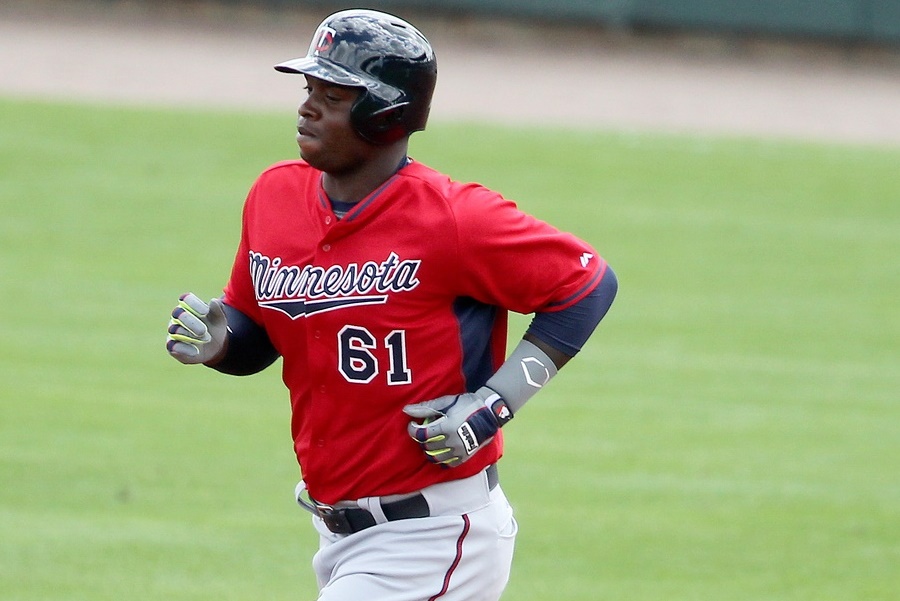 On Friday afternoon, the Rochester Red Wings roster showed a new name. The name Ryan Wheeler showed up. A day earlier, reliever Stephen Pryor had knee surgery and went on the Disabled List. Wheeler is an infielder, though he has also spent time in the outfield too. The 26-year-old made his MLB debut in 2012, playing in 50 games with the Diamondbacks. He then played in 59 more games for the Colorado Rockies between the 2013 and 2014 seasons. He split the 2014 season between the Rockies and Angels organization. He was with the Angels AAA-affiliate in 2015 but was released last weekend. The neat thing about this signing? Wheeler is the older brother of Rochester starting pitcher Jason Wheeler. The younger sibling was on the mound for the Red Wings on Friday night. The other interesting piece of information that came out on Friday was that Chih-Wei Hu will make a spot start for Rochester on Tuesday in their double-header. Eric Rasmussen, Twins minor league pitching coordinator said they believe he will be able to handle it and that he is very competitive. He said that if Hu gives up one run in seven innings, he is upset about the one run.Hopefully he can pitch alright and head back to Ft. Myers after the game ready to continue his dominance. Continue below to see how the Twins affiliates did on Friday night. RED WINGS REPORT Rochester 5, Lehigh Valley 4 Box Score James Beresford has been in the organization since signing in 2005. He has long been an overlooked prospect. He’s in his third season at Rochester, and he’s hitting .317. On Friday night, he finished off a big comeback and helped the Red Wings improve to 19-15. The Red Wings entered the bottom of the ninth inning down by a score of 4-2. With the bases loaded, Eric Farris singled in a run to cut the deficit to one. Then Beresford came to the plate and singled in the tying run and the winning run. Beresford went 2-5 with his fifth double in the game. Farris led the way by going 3-5 with the other three RBI. Danny Ortiz doubled for the fifth time this year. Argenis Diaz went 1-2 with two walks. Reportedly Ryan Wheeler arrived at the stadium in Rochester after the game started. Younger brother Jason went the first 5.2 innings. He gave up four runs on eight hits. His issued no walks and struck out two. Ryan O’Rourke came on and faced four batters and recorded four outs. He struck out three. Lester Oliveros finished the game with two scoreless innings. He gave up one hit, walked none and struck out one. CHATTANOOGA CHATTER Chattanooga 7, Birmingham 5 (10 innings) Box Score The Lookouts needed an extra inning, but they got a couple of big blasts from a big prospect to improve their season record to 22-13. Since May 1, Miguel Sano has been hitting really well. In the first inning of this game, he hit his seventh home run of the season. He came to the plate in the 10th inning with a runner on base and a tie game. He launched his second home run of the night, his eighth of the year, and propelled the Lookouts to the win. He went 3-5 on the day. Jorge Polanco also went 3-5 in the game. Travis Harrison went 2-5 with his 12th double Adam Brett Walker and Miguel Gonzales both had two hits as well. DJ Baxendale made the start. He went five innings and was charged with four runs on eight hits. He walked none and struck out two. Dallas Gallant came on and threw two scoreless innings. Nick Burdi pitched a scoreless eighth inning. He was given the ninth inning as well, trying to protect a one-run lead, but he gave up one run to send the game to extra frames. With the two-run lead in the 10th, DJ Johnson came on and recorded his third save of the season, all within the last two weeks. Since May 1, Miguel Sano is hitting .315/.375/.630 (1.005) with five doubles, four homers and 11 RBI. MIRACLE MATTERS Ft. Myers 1, Jupiter 2 Box Score Brett Lee was again very good in this game, but he ended up getting another loss as the offense could muster just one run. The southpaw started the game and threw seven scoreless innings. He went out to start the eighth frame. He got the first batter out. Then a single, a stolen base and another single, and he had given up a run that tied the game at one. He was replaced by JT Chargois who struck out the first batter he faced. However, the next batter doubled in another run and the Miracle were down 2-1. Chargois struck out the next batter to end the inning. A great outing by Lee, but the Miracle were able to score just one run despite recording eight hits. Engelb Vielma returned to the lineup after missing two games and had three of the hits. He also stole his ninth base. Zach Granite did his job at the top of the order. He went 1-2 and walked twice. Jason Kanzler went 2-4 with his seventh stolen base. Chad Christensen added his fifth double. Lee’s final line: 7 innings, two earned runs on six hits, one walk and four strikeouts. KERNELS NUGGETS Cedar Rapids 3, Quad Cities 10 Box Score It was a tough night for the Kernels on Friday. Michael Cederoth made the start and went just three innings. He gave up six runs (5 earned) on four hits, three walks and a hit batter. He also struck out two. Sam Clay came on and gave up one run over the next three innings. He gave up three hits, walked two and struck out three. CK Irby gave up two runs on four walks in his inning. He struck out one. Mike Theofanopoulos gave up one run on two hits and a walk over his two innings. Trey Vavra continued to hit. He went 2-4. Blake Schmit hit his first triple and drove in two runs. The Kernels also got doubles from Max Murphy (6) and Pat Kelly (4). Murphy now has a seven-game hitting streak and has reached base in 12 straight games. The Kernels are now 21-13, 6.5 games back of Quad Cities who is now 28-7! TWINS DAILY PLAYERS OF THE DAY Twins Daily Minor League Pitcher of the Day – Brett Lee, Ft. Myers Miracle Twins Daily Minor League Hitter of the Day – Miguel Sano, Chattanooga Lookouts SATURDAY’S PROBABLE STARTERS Lehigh Valley @ Rochester (6:05 CST) – LHP Pat Dean Montgomery @ Chattanooga (7:15 CST) – TBD Ft. Myers @ Jupiter (5:35 CST) – LHP David Hurlbut Quad Cities @ Cedar Rapids (5:05 CST) – RHP Felix Jorge LEADERBOARD Here is a quick look at the statistical leaderboard throughout the Twins minor league system. HITTERS Plate Appearances: Niko Goodrum (164), Byron Buxton (152), Zach Granite (150), Alex Swim (146), Miguel Sano (140). Hits: Alex Swim (46), Zach Granite (43), Jorge Polanco (39), Reynaldo Rodriguez/Trey Vavra (37) Runs: Zach Granite (25), Travis Harrison/Adam Brett Walker (23), Reynaldo Rodriguez/Byron Buxton/Miguel Sano (22) RBI: Adam Brett Walker (25), Byron Buxton/Danny Ortiz (23), Nick Gordon (21), Miguel Sano (20) 2B: Travis Harrison (12), Aaron Hicks/Max Kepler (10), Reynaldo Rodriguez (9), Adam Brett Walker (8) 3B: Byron Buxton (6), Aaron Hicks (4), Max Murphy/Levi Michael (3), Six with 2. HR: Adam Brett Walker (9), Miguel Sano (8), Danny Ortiz (5), Four with 4. SB: Zach Granite (12), Tanner English (10), Byron Buxton/Engelb Vielma (9), Three with 7. BA (>100 AB): Zach Granite (.350), Aaron Hicks (.336), Trey Vavra (.333), Alex Swim (.331), James Beresford (.317) OBP (>100 AB): Zach Granite (.449), Aaron Hicks (.415), Travis Harrison (.403), Trey Vavra (.397), Reynaldo Rodriguez (.362) SLG (>100 AB): Aaron Hicks (.561), Miguel Sano (.496), Trey Vavra (.495), Reynaldo Rodriguez (.472), Danny Ortiz (.468) OPS (>100 AB): Aaron Hicks (.975), Trey Vavra (.892), Zach Granite (.888), Adam Brett Walker (.857), Travis Harrison (.852) PITCHERS Innings Pitched: Tyler Duffey (45.2), JO Berrios (45.0), Taylor Rogers (43.0), Pat Dean (42.0), DJ Baxendale/Jason Wheeler (41.1) SP ERA (>26 IP): Chih-Wei Hu (1.03), Stephen Gonsalves (1.41), Pat Dean (1.93), DJ Baxendale (1.96), Jared Wilson (1.98) RP ERA (>12 IP): Trevor HIldenberger (0.50), Cameron Booser (1.10), Madison Boer (1.31), Adrian Salcedo (1.38), Tim Shibuya/Brandon Peterson (1.45) SP WHIP (>26 IP): Stephen Gonsalves (0.81), Chih-Wei Hu (0.83), Felix Jorge (0.97), Mat Batts (1.04), Pat Dean/Tyler Duffey (1.05) RP WHIP (>12 IP): Trevor Hildenberger (0.50), AJ Achter (0.69), Madison Boer (0.73), Zach Tillery (0.77), Tim Shibuya (0.86) SP K/9 (>26 IP): Stephen Gonsalves (12.1), JO Berrios (10.6), Felix Jorge (10.2), John Curtiss (9.8), Chih-Wei Hu (9.3) RP K/9 (>12 IP): Cameron Booser (17.1), Zack Jones (14.2), Todd Van Steensel (13.5), Lester Oliveros (13.2), CK Irby (12.9) SP BB/9 (>26 IP): John Curtiss (1.4), Chih-Wei Hu (1.5), Aaron Slegers (1.6), Tyler Duffey/Felix Jorge/Greg Peavey (1.8) RP BB/9 (>12 IP): Trevor Hildenberger (1.0), Zack Jones (1.5), Tim Shibuya (1.9), Lester Oliveros (2.1), Cole Johnson (2.2) Strikeouts: JO Berrios (53), Stephen Gonsalves (43), Tyler Duffey (42), Taylor Rogers (40), DJ Baxendale/Chih-Wei Hu (36) Please feel free to ask any questions and discuss the Friday games.
 -
I also would guess that the answer would be no. That said, let's see how Friday, Saturday and sunday go. ha!
-
Article: Twins Daily Top 10 Twins Prospects Update
Seth Stohs replied to Seth Stohs's topic in Twins Daily Front Page News
For "Prospects" we use the definition that he is still eligible for rookie of the year. For hitters, that means less than 130 at bats. For pitchers, it means less than 50 innings pitched.- 21 replies
-
- 1
-
-
- byron buxton
- miguel sano
- (and 3 more)
-
Article: Twins Daily Top 10 Twins Prospects Update
Seth Stohs replied to Seth Stohs's topic in Twins Daily Front Page News
He was originally #3. The rankings shown are where we ranked them in February. -
Article: Twins Daily Top 10 Twins Prospects Update
Seth Stohs replied to Seth Stohs's topic in Twins Daily Front Page News
Chih-Wei Hu would have been 21, if we had done a Top 21 instead of a Top 20. He is a borderline Top 10 guy at this point. -
Article: Draft Board v.2.0
Seth Stohs replied to Jeremy Nygaard's topic in Twins Daily Front Page News
Jeremy - or others - Which of these players fits into the "Boras Client" category? I believe that Cameron does, but anyone else? -
Article: Draft Board v.2.0
Seth Stohs replied to Jeremy Nygaard's topic in Twins Daily Front Page News
The Twins (or anyone else) can't sign Javier until after July 1. Shortstops are great to draft because they're great athletes and typically grow and can play several positions. I always like drafting great athletes. -
After reviewing the Twins Daily Prospects 11-20 yesterday, here is an update on Twins Daily’s Top Ten Twins Prospects. As you’ll notice, it’s a mixed bag of early-season success for the top prospects. That's not surprising. First, it’s still a relatively small sample size. Second, most of these prospects are playing at a higher level and making their adjustments to new leagues.As you read, think about your own Top 20 Twins prospect list and think about how it might look now. #10 – RH RP – Nick Burdi – Chattanooga Lookouts It was a rough first five weeks for the hard-throwing reliever. Through his first ten games with the Lookouts, he has thrown 12 innings. He has given up 11 runs (10 earned) on 13 hits, 13 walks and struck out 13. He is 2-3 with a 7.50 ERA and a 2.17 WHIP. Many of us, myself included, thought he could move quickly up the ranks, and he still can, but baseball can often provide cruel reminders of just how difficult the game can be. It’s not easy to get to the big leagues. In his first three May appearances, he has given up just one run on three hits and one walk in four innings. There’s still little doubt that Burdi will be a dominant big league reliever. It just might take the 22-year-old a little bit longer. Status: Slightly Down #9 – RH SP – Trevor May – Minnesota Twins Trevor May did not make the Opening Day roster for the Twins, but he has only pitched for the Twins this season. He was promoted when Ricky Nolasco was placed on the disabled list after his first start. May has remained in the rotation since. He came into the season with 45.2 big league innings, meaning he would still be a rookie in 2015. He has made six starts for the Twins so far and is 2-3 with a 5.40 ERA. In 30 innings, he has given up 39 hits, walked eight and struck out 24. He has shown flashes of his potential mixed in with some struggles. That is what you would expect from any young pitcher. Status: No Longer “Rookie” or “Prospect” status #8 – OF – Eddie Rosario – Rochester Red Wings/Minnesota Twins Eddie Rosario made an impression on the Twins brass, specifically Paul Molitor in spring training. A week ago, when the Twins had to put Oswaldo Arcia on the disabled list, the team promoted Rosario despite the fact that he was hitting just .242/.280/.379 (.659) in 23 games in Rochester. And despite the fact that he hit just .237/.277/.396 (.672) in 79 games in New Britain (AA) last year. In fact, in 17 spring training games this year, he hit just .233/.227/.442 (.669). That isn’t to say that Rosario is not still a very good prospect. I believe he is. However, despite his grand big league entrance – a first-pitch home run in his first at-bat – he can use more time in the minor leagues. He’ll get that, most likely, when Shane Robinson returns from the family emergency list shortly. Since that dramatic home run Rosario has hit .160/.154/.160. Status: Flat #7 – SS – Jorge Polanco – Chattanooga Lookouts Polanco debuted with the Minnesota Twins as a 20-year-old last June. He became the first 20-year-old to debut for the Twins since Joe Mauer in 2004. Circumstances made that possible, but Polanco had a nice showing in his debut. He went back to Ft. Myers and eventually was promoted to Double-A New Britain. He begins this season as the Chattanooga shortstop. In 30 games for the Lookouts, he is hitting .293/.328/.455 (.784) with six doubles, a triple and four home runs. He is also 6-8 in stolen base attempts. He has six errors so far, for a .945 fielding percentage. Polanco is very talented and I believe he can be a starter in the big leagues for many years. Status: Slightly Up #6 – SS – Nick Gordon – Cedar Rapids Kernels The Twins top pick in 2014 out of high school handled his professional debut very well a year ago in Elizabethton. As you would expect from a 19-year-old, it has been a mixed bag in his full-season debut in Cedar Rapids this year. He began the season by hitting .417/.481/.583 (1.065) through the first six games. In 24 games since then, he has hit .216/.257/.237 (.494) with just two doubles. He’s held his own in a league in which he is more than two years younger than the average player and one of the youngest in the league. Defensively, he has been terrific. The shortstop has just three errors in 29 games for a .972 fielding percentage. He has been able to show off his glove and range. I talked to Jake Mauer in early April about Gordon, and this is what he had to say: “He’s extremely talented. I would say, you’re not going to see the explosiveness like you did with Buxton, but you’re seeing a kid that’s wiser or older than his years, similar to Buxton. You can tell Nick’s played a lot of ballgames, and sees different things and is able to comprehend different things. I mean, he worked with Barry Larkin and being exposed to Hall of Fame guys, and the wealth of knowledge that his father has is a big advantage too. That being said, he’s got to be his own player too and go out and develop. The way he handles the press and autograph people and different things like that, his makeup is right there with Buxton too. No doubt about that.” Status: Flat #5 – RH SP – Alex Meyer – Rochester Red Wings The overall numbers aren’t pretty. At Rochester, Alex Meyer has posted a 2-2 record with a 7.01 ERA and a 1.88 WHIP in his first seven starts. He is striking out 8.8 batters per nine innings, but his walk rate is up to 5.5 per nine. He’s given up 44 hits in 34.2 innings. His “stuff” remains terrific. He still runs his fastball in at 97 to 99 mph consistently. His slider remains sharp, but at this point, he’s working on command in and out of the strike zone. It was a tough spring for Meyer on a personal level. His struggles have carried in to the season. But, still just 25, there is plenty of time for him to work things about. Remember, he was only added to the Twins 40-man roster last November, so the Twins can, and should be, very patient with this uber-talent. Status: Down #4 – RH SP – Kohl Stewart – Ft. Myer Miracle Speaking of uber-talents with high upsides, Kohl Stewart began the 2015 season with the Ft. Myers Miracle. In his first start, he struck out five in six innings. In his second start, he struck out just three, but he was able to work eight innings. In his third start he struck out two but went 6.1 innings. That was April 21. He returned to the mound on Monday after missing three weeks with elbow inflammation. On a pitch limit, he went just 2.1 innings. Overall, he is 0-3 with a solid 3.18 ERA and a 1.37 WHIP. In 22.2 innings, he has walked 10 and struck out 10. There are some reports of declining velocity. It will be an interesting summer for the still-just-20-year-old. Status: Down #3 – RH SP – JO Berrios – Chattanooga Lookouts Coming off of a complete game shutout in his most recent outing, Berrios appears to be right where he was during his impressive 2014 season. The 20-year-old from Puerto Rico currently sports 4-1 record with a 2.60 ERA and a 1.16 WHIP in his first seven starts of the season. He had a very strong showing in big league camp and it’s carried into his season. In 45 innings, he has walked 15 and struck out 53. His combination of athleticism, confidence and work ethic, combined with a strong mix of pitches make him very intriguing. Status: Slightly Up (there’s not far to go in that direction!) #2 – 3B – Miguel Sano – Chattanooga Lookouts Since signing with the Twins late in 2009, Miguel Sano has been ranked among the Twins top prospects and the top prospects in the game. Unfortunately, he missed the entire 2014 season due to Tommy John surgery. We all expected him to struggle early, shaking off the rust. He certainly did that. In 18 games in April, he hit .159/.303/.381 (.684) with two doubles and four home runs. He struck out in 29% of his plate appearances. He was taking walks and hitting with some power, but it wasn’t the same. Since the calendar changed to May, he has produced as we would expect Miguel Sano to produce with the bat. In 14 games, he has hit .286/.356/.510 (.866) with five doubles and two home runs. The month is just half over, but he has been much better. His strikeout rate in that time dropped to just 22% Defensively, it’s another story. In 30 games at third base, he has committed nine errors already and has a .875 fielding percentage. Before surgery, he was making about 93-94% of the chances he got. He has been making some great plays both directions, making diving plays and showing off his canon of an arm. His errors, to this point, have primarily been on more basic plays, which could also be about timing, chances and rust. Status: Flat #1 – OF – Byron Buxton – Chattanooga Lookouts Although he didn’t miss all of 2014, Byron Buxton was never able to get into a groove. He fought multiple wrist injuries, a possible concussion and then a broken bone in his hand during the Arizona Fall League. He has been healthy this season, but again, as we expected, it was slow going for Buxton too. Overall, he is hitting .244/.306/.450 (.757) with three doubles, six triples and four home runs. He has 23 RBI after recently ending a ten-game stretch where he had at least one RBI per game. It would be fair to call Buxton’s early season ‘Streaky.’ In his first 12 games, he hit .180/.241/.300 (.541) with one double, one triple and one home run. He struck out in 22% of his plate appearances. At that point, manager Doug Mientkiewicz gave Buxton two consecutive games off to clear his mind. Buxton responded well. In his next ten games, he hit .415/.479/.805 (1.284) with two doubles, four triples and two home runs. He struck out just 10% of the time. Now in his most recent ten games, he has hit .150/.200/.275 (.475) with a triple and a homer. He struck out in 20% of those plate appearances. Defensively, Buxton is elite and has returned to form very quickly. He has great range, takes good routes most of the time and displays a very strong, accurate arm. Status: Flat Feel free to discuss these and other Twins prospects and their status below. Click here to view the article
-
 As you read, think about your own Top 20 Twins prospect list and think about how it might look now. #10 – RH RP – Nick Burdi – Chattanooga Lookouts It was a rough first five weeks for the hard-throwing reliever. Through his first ten games with the Lookouts, he has thrown 12 innings. He has given up 11 runs (10 earned) on 13 hits, 13 walks and struck out 13. He is 2-3 with a 7.50 ERA and a 2.17 WHIP. Many of us, myself included, thought he could move quickly up the ranks, and he still can, but baseball can often provide cruel reminders of just how difficult the game can be. It’s not easy to get to the big leagues. In his first three May appearances, he has given up just one run on three hits and one walk in four innings. There’s still little doubt that Burdi will be a dominant big league reliever. It just might take the 22-year-old a little bit longer. Status: Slightly Down #9 – RH SP – Trevor May – Minnesota Twins Trevor May did not make the Opening Day roster for the Twins, but he has only pitched for the Twins this season. He was promoted when Ricky Nolasco was placed on the disabled list after his first start. May has remained in the rotation since. He came into the season with 45.2 big league innings, meaning he would still be a rookie in 2015. He has made six starts for the Twins so far and is 2-3 with a 5.40 ERA. In 30 innings, he has given up 39 hits, walked eight and struck out 24. He has shown flashes of his potential mixed in with some struggles. That is what you would expect from any young pitcher. Status: No Longer “Rookie” or “Prospect” status #8 – OF – Eddie Rosario – Rochester Red Wings/Minnesota Twins Eddie Rosario made an impression on the Twins brass, specifically Paul Molitor in spring training. A week ago, when the Twins had to put Oswaldo Arcia on the disabled list, the team promoted Rosario despite the fact that he was hitting just .242/.280/.379 (.659) in 23 games in Rochester. And despite the fact that he hit just .237/.277/.396 (.672) in 79 games in New Britain (AA) last year. In fact, in 17 spring training games this year, he hit just .233/.227/.442 (.669). That isn’t to say that Rosario is not still a very good prospect. I believe he is. However, despite his grand big league entrance – a first-pitch home run in his first at-bat – he can use more time in the minor leagues. He’ll get that, most likely, when Shane Robinson returns from the family emergency list shortly. Since that dramatic home run Rosario has hit .160/.154/.160. Status: Flat #7 – SS – Jorge Polanco – Chattanooga Lookouts Polanco debuted with the Minnesota Twins as a 20-year-old last June. He became the first 20-year-old to debut for the Twins since Joe Mauer in 2004. Circumstances made that possible, but Polanco had a nice showing in his debut. He went back to Ft. Myers and eventually was promoted to Double-A New Britain. He begins this season as the Chattanooga shortstop. In 30 games for the Lookouts, he is hitting .293/.328/.455 (.784) with six doubles, a triple and four home runs. He is also 6-8 in stolen base attempts. He has six errors so far, for a .945 fielding percentage. Polanco is very talented and I believe he can be a starter in the big leagues for many years. Status: Slightly Up #6 – SS – Nick Gordon – Cedar Rapids Kernels The Twins top pick in 2014 out of high school handled his professional debut very well a year ago in Elizabethton. As you would expect from a 19-year-old, it has been a mixed bag in his full-season debut in Cedar Rapids this year. He began the season by hitting .417/.481/.583 (1.065) through the first six games. In 24 games since then, he has hit .216/.257/.237 (.494) with just two doubles. He’s held his own in a league in which he is more than two years younger than the average player and one of the youngest in the league. Defensively, he has been terrific. The shortstop has just three errors in 29 games for a .972 fielding percentage. He has been able to show off his glove and range. I talked to Jake Mauer in early April about Gordon, and this is what he had to say: “He’s extremely talented. I would say, you’re not going to see the explosiveness like you did with Buxton, but you’re seeing a kid that’s wiser or older than his years, similar to Buxton. You can tell Nick’s played a lot of ballgames, and sees different things and is able to comprehend different things. I mean, he worked with Barry Larkin and being exposed to Hall of Fame guys, and the wealth of knowledge that his father has is a big advantage too. That being said, he’s got to be his own player too and go out and develop. The way he handles the press and autograph people and different things like that, his makeup is right there with Buxton too. No doubt about that.” Status: Flat #5 – RH SP – Alex Meyer – Rochester Red Wings The overall numbers aren’t pretty. At Rochester, Alex Meyer has posted a 2-2 record with a 7.01 ERA and a 1.88 WHIP in his first seven starts. He is striking out 8.8 batters per nine innings, but his walk rate is up to 5.5 per nine. He’s given up 44 hits in 34.2 innings. His “stuff” remains terrific. He still runs his fastball in at 97 to 99 mph consistently. His slider remains sharp, but at this point, he’s working on command in and out of the strike zone. It was a tough spring for Meyer on a personal level. His struggles have carried in to the season. But, still just 25, there is plenty of time for him to work things about. Remember, he was only added to the Twins 40-man roster last November, so the Twins can, and should be, very patient with this uber-talent. Status: Down #4 – RH SP – Kohl Stewart – Ft. Myer Miracle Speaking of uber-talents with high upsides, Kohl Stewart began the 2015 season with the Ft. Myers Miracle. In his first start, he struck out five in six innings. In his second start, he struck out just three, but he was able to work eight innings. In his third start he struck out two but went 6.1 innings. That was April 21. He returned to the mound on Monday after missing three weeks with elbow inflammation. On a pitch limit, he went just 2.1 innings. Overall, he is 0-3 with a solid 3.18 ERA and a 1.37 WHIP. In 22.2 innings, he has walked 10 and struck out 10. There are some reports of declining velocity. It will be an interesting summer for the still-just-20-year-old. Status: Down #3 – RH SP – JO Berrios – Chattanooga Lookouts Coming off of a complete game shutout in his most recent outing, Berrios appears to be right where he was during his impressive 2014 season. The 20-year-old from Puerto Rico currently sports 4-1 record with a 2.60 ERA and a 1.16 WHIP in his first seven starts of the season. He had a very strong showing in big league camp and it’s carried into his season. In 45 innings, he has walked 15 and struck out 53. His combination of athleticism, confidence and work ethic, combined with a strong mix of pitches make him very intriguing. Status: Slightly Up (there’s not far to go in that direction!) #2 – 3B – Miguel Sano – Chattanooga Lookouts Since signing with the Twins late in 2009, Miguel Sano has been ranked among the Twins top prospects and the top prospects in the game. Unfortunately, he missed the entire 2014 season due to Tommy John surgery. We all expected him to struggle early, shaking off the rust. He certainly did that. In 18 games in April, he hit .159/.303/.381 (.684) with two doubles and four home runs. He struck out in 29% of his plate appearances. He was taking walks and hitting with some power, but it wasn’t the same. Since the calendar changed to May, he has produced as we would expect Miguel Sano to produce with the bat. In 14 games, he has hit .286/.356/.510 (.866) with five doubles and two home runs. The month is just half over, but he has been much better. His strikeout rate in that time dropped to just 22% Defensively, it’s another story. In 30 games at third base, he has committed nine errors already and has a .875 fielding percentage. Before surgery, he was making about 93-94% of the chances he got. He has been making some great plays both directions, making diving plays and showing off his canon of an arm. His errors, to this point, have primarily been on more basic plays, which could also be about timing, chances and rust. Status: Flat #1 – OF – Byron Buxton – Chattanooga Lookouts Although he didn’t miss all of 2014, Byron Buxton was never able to get into a groove. He fought multiple wrist injuries, a possible concussion and then a broken bone in his hand during the Arizona Fall League. He has been healthy this season, but again, as we expected, it was slow going for Buxton too. Overall, he is hitting .244/.306/.450 (.757) with three doubles, six triples and four home runs. He has 23 RBI after recently ending a ten-game stretch where he had at least one RBI per game. It would be fair to call Buxton’s early season ‘Streaky.’ In his first 12 games, he hit .180/.241/.300 (.541) with one double, one triple and one home run. He struck out in 22% of his plate appearances. At that point, manager Doug Mientkiewicz gave Buxton two consecutive games off to clear his mind. Buxton responded well. In his next ten games, he hit .415/.479/.805 (1.284) with two doubles, four triples and two home runs. He struck out just 10% of the time. Now in his most recent ten games, he has hit .150/.200/.275 (.475) with a triple and a homer. He struck out in 20% of those plate appearances. Defensively, Buxton is elite and has returned to form very quickly. He has great range, takes good routes most of the time and displays a very strong, accurate arm. Status: Flat Feel free to discuss these and other Twins prospects and their status below.
 -
Teammates marvel at his batter's eye. They say he just doesn't swing at pitches that aren't strikes. When I saw him, I see a guy with a very sweet swing (Kepler-esque). I actually saw him crush a double to the gap in right-center in a spring training game.
- 18 replies
-
- 1
-
-
- max kepler
- zach granite
- (and 3 more)
-
I would agree with this.
-
On Thursday in the Minnesota Twins minor league system, there were some really strong offensive performances. The pitching wasn’t on par with Wednesday when three starting pitchers threw at least six innings of shutout baseball. However, one starter looks like he could be turning his season around in a positive way.RED WINGS REPORT Rochester 5, Lehigh Valley 6 (11 innings) Box Score Alex Meyer was back on the mound. Though the results weren’t great, it was certainly a step in the right direction, an improvement. The right-hander gave up five runs (just three earned) on seven hits. He walked two and struck out four. His fourth strikeout was the first out in the seventh inning. He walked the next batter and was removed from the game. Logan Darnell came in and gave up a single. Mark Hamburger replaced him and gave up two hits, one allowing a run, the other resulted in a runner thrown out at the plate. Tim Stauffer continued his rehab. He threw two quick, scoreless innings and struck out one. Caleb Thielbar pitched a scoreless tenth inning, but the takes the loss after giving up one in the 11th. Reynaldo Rodriguez went 2-5 with his third home run. Jose Martinez was also 2-5 with his first home run. Eric Farris went 2-5. Josmil Pinto hit his fourth double. CHATTANOOGA CHATTER Chattanooga 5, Birmingham 1 Box Score Greg Peavey’s season couldn’t have started much worse. Through his first five starts (22.1 innings) he had 10.48 ERA and opponents had a 1.048 OPS off of him. In his last start, he gave up just one run over five innings. On Thursday night, he continued that positive trend. He gave up just one run on four hits over seven innings. He walked none and struck out three. Zack Jones finished things up with two scoreless innings in relief. He struck out two. Max Kepler continued to rake. He went 2-4 with his seventh and eighth doubles. Travis Harrison went 2-3 with a walk and his league-leading 11th double. Mike Gonzales went 2-3 with a walk. Adam Brett Walker hit his first triple of the season. One To Watch: In his last 12 games, Kepler is hitting .422/.447/.622 (1.069) with seven doubles and a triple. In his current six-game hitting streak – during which he has four multi-hit games – he is hitting .522/.522/.826 (1.348) with seven doubles. MIRACLE MATTERS Ft. Myers 3, Dunedin 6 Box Score Ryan Eades has been very good this season, but he had a clunker on Thursday night. He gave up six runs in the game’s first two innings. He did settle down and gave up only those six over five innings. He gave up ten hits, walked three and struck out two. Alex Muren came on and struck out three in two scoreless innings. Todd Van Steensel then struck out two more over the final two innings. The Miracle bats came to play. They had 11 hits and walked four times. However, they were only able to muster three runs in the game. Jason Kanzler went 2-5 and hit his third home run of the season. Zach Granite went 2-4 with a walk and his first FSL double. Alex Swim’s 16-game hitting streak came to an end on Wednesday, but he started a new one. He went 2-5 in this one. Mitch Garver went 2-3 with a walk. Logan Wade was 2-4 with his sixth double. One To Watch: Earlier this week, the Minnesota Twins named Zach Granite their minor league hitter of the month for April. In 19 games with Cedar Rapids in April, he hit .358/.463/.463 (.925) with five doubles and a triple. He also walked 12 times while striking out just six times. When the calendar changed to May, he was promoted to Ft. Myers. He had just one hit in his first 14 at bats (three games) with the Miracle, but since then, he has been terrific. In ten games since, he is hitting .425/.500/.525 (1.025) with a double and his first professional home run. KERNELS NUGGETS Cedar Rapids, Peoria (Game Suspended in fourth inning) Box Score There was rain at Perfect Game Field at Memorial Stadium in Cedar Rapids most of the day. The tarp was removed from the field about thirty minutes before game time. They were able to get through three innings, but in the top of the fourth, the rains came and the game was suspended. It will continue where it left off next Monday in Peoria before their regularly-scheduled game. Stephen Gonsalves started and gave up two first-inning runs. Through four innings, he gave up just those two runs on four hits. He walked none and struck out four. Trey Vavra gave the Kernels a lead in the second inning when he launched his fourth home run of the season, a three-run shot. Tanner English had a triple and a walk in the game. TWINS DAILY PLAYERS OF THE DAY Twins Daily Minor League Pitcher of the Day – Greg Peavey, Chattanooga Lookouts Twins Daily Minor League Hitter of the Day – Reynaldo Rodriguez, Rochester Red Wings; Jose Martinez, Rochester Red Wings; Jason Kanzler, Ft. Myers Miracle FRIDAY’S PROBABLE STARTERS Lehigh Valley @ Rochester (6:05 CST) – LHP Jason Wheeler Chattanooga @ Birmingham (7:05 CST) – RHP DJ Baxendale Ft. Myers @ Jupiter (5:35 CST) – LHP Brett Lee Quad Cities @ Cedar Rapids (6:35 CST) – RHP Michael Cederoth LEADERBOARD Be sure to check back on Saturday morning to see who is leading the Twins organization in many of the statistical categories. Please feel free to ask any questions and discuss the Thursday games. Click here to view the article
- 18 replies
-
- 1
-
-
- max kepler
- zach granite
- (and 3 more)
-
Twins Minor League Report (5/14): Kepler, Granite Remain On Fire
Seth Stohs posted an article in Minor Leagues
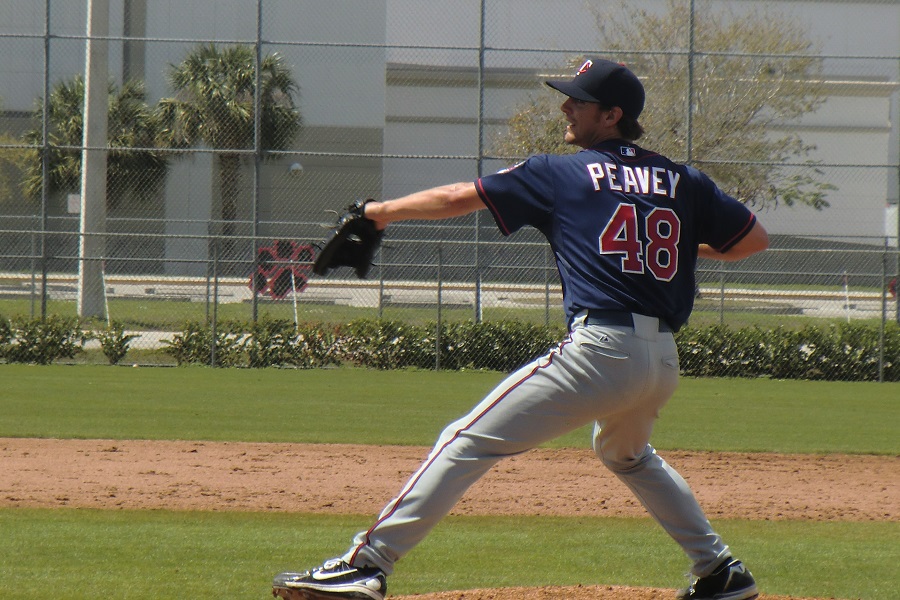 RED WINGS REPORT Rochester 5, Lehigh Valley 6 (11 innings) Box Score Alex Meyer was back on the mound. Though the results weren’t great, it was certainly a step in the right direction, an improvement. The right-hander gave up five runs (just three earned) on seven hits. He walked two and struck out four. His fourth strikeout was the first out in the seventh inning. He walked the next batter and was removed from the game. Logan Darnell came in and gave up a single. Mark Hamburger replaced him and gave up two hits, one allowing a run, the other resulted in a runner thrown out at the plate. Tim Stauffer continued his rehab. He threw two quick, scoreless innings and struck out one. Caleb Thielbar pitched a scoreless tenth inning, but the takes the loss after giving up one in the 11th. Reynaldo Rodriguez went 2-5 with his third home run. Jose Martinez was also 2-5 with his first home run. Eric Farris went 2-5. Josmil Pinto hit his fourth double. CHATTANOOGA CHATTER Chattanooga 5, Birmingham 1 Box Score Greg Peavey’s season couldn’t have started much worse. Through his first five starts (22.1 innings) he had 10.48 ERA and opponents had a 1.048 OPS off of him. In his last start, he gave up just one run over five innings. On Thursday night, he continued that positive trend. He gave up just one run on four hits over seven innings. He walked none and struck out three. Zack Jones finished things up with two scoreless innings in relief. He struck out two. Max Kepler continued to rake. He went 2-4 with his seventh and eighth doubles. Travis Harrison went 2-3 with a walk and his league-leading 11th double. Mike Gonzales went 2-3 with a walk. Adam Brett Walker hit his first triple of the season. One To Watch: In his last 12 games, Kepler is hitting .422/.447/.622 (1.069) with seven doubles and a triple. In his current six-game hitting streak – during which he has four multi-hit games – he is hitting .522/.522/.826 (1.348) with seven doubles. MIRACLE MATTERS Ft. Myers 3, Dunedin 6 Box Score Ryan Eades has been very good this season, but he had a clunker on Thursday night. He gave up six runs in the game’s first two innings. He did settle down and gave up only those six over five innings. He gave up ten hits, walked three and struck out two. Alex Muren came on and struck out three in two scoreless innings. Todd Van Steensel then struck out two more over the final two innings. The Miracle bats came to play. They had 11 hits and walked four times. However, they were only able to muster three runs in the game. Jason Kanzler went 2-5 and hit his third home run of the season. Zach Granite went 2-4 with a walk and his first FSL double. Alex Swim’s 16-game hitting streak came to an end on Wednesday, but he started a new one. He went 2-5 in this one. Mitch Garver went 2-3 with a walk. Logan Wade was 2-4 with his sixth double. One To Watch: Earlier this week, the Minnesota Twins named Zach Granite their minor league hitter of the month for April. In 19 games with Cedar Rapids in April, he hit .358/.463/.463 (.925) with five doubles and a triple. He also walked 12 times while striking out just six times. When the calendar changed to May, he was promoted to Ft. Myers. He had just one hit in his first 14 at bats (three games) with the Miracle, but since then, he has been terrific. In ten games since, he is hitting .425/.500/.525 (1.025) with a double and his first professional home run. KERNELS NUGGETS Cedar Rapids, Peoria (Game Suspended in fourth inning) Box Score There was rain at Perfect Game Field at Memorial Stadium in Cedar Rapids most of the day. The tarp was removed from the field about thirty minutes before game time. They were able to get through three innings, but in the top of the fourth, the rains came and the game was suspended. It will continue where it left off next Monday in Peoria before their regularly-scheduled game. Stephen Gonsalves started and gave up two first-inning runs. Through four innings, he gave up just those two runs on four hits. He walked none and struck out four. Trey Vavra gave the Kernels a lead in the second inning when he launched his fourth home run of the season, a three-run shot. Tanner English had a triple and a walk in the game. TWINS DAILY PLAYERS OF THE DAY Twins Daily Minor League Pitcher of the Day – Greg Peavey, Chattanooga Lookouts Twins Daily Minor League Hitter of the Day – Reynaldo Rodriguez, Rochester Red Wings; Jose Martinez, Rochester Red Wings; Jason Kanzler, Ft. Myers Miracle FRIDAY’S PROBABLE STARTERS Lehigh Valley @ Rochester (6:05 CST) – LHP Jason Wheeler Chattanooga @ Birmingham (7:05 CST) – RHP DJ Baxendale Ft. Myers @ Jupiter (5:35 CST) – LHP Brett Lee Quad Cities @ Cedar Rapids (6:35 CST) – RHP Michael Cederoth LEADERBOARD Be sure to check back on Saturday morning to see who is leading the Twins organization in many of the statistical categories. Please feel free to ask any questions and discuss the Thursday games.
 -
Woo hoo!! I am the smartest man alive!!
-
I think Zack Jones is a Top 20 guy at this point, and I think that Chih-Wei Hu is a top ten guy at this point. This list was made in February and had input from several Twins Daily writers. The "Up, Slightly Up, Flat, Slightly Down, Down" categories are worthy of discussion. I guess I consider it like this: Flat - relative to where he ranked preseason, he'd be in about the same place, maybe give or take one spot. Slightly - Up or Down, this would mean that he would move 1-3 spots in a new ranking. Up or Down - assumes that he would move up more than 2-3 spots. That's all up for debate and we didn't do a new ranking yet to determine where they woudl actually wind up. That's always much more difficult to assume AND I would poitn out that altering someone too much based on 5 weeks of a season (or in my individual case seeing them in spring training or in Cedar Rapids, etc.) may not make a lot of sense.
- 34 replies
-
- 1
-
-
- lewis thorpe
- stephen gonsalves
- (and 3 more)
-
I don't know. I don't think anything I wrote about him is inaccurate and I don't think he would even disagree with that assessment. I wasn't surprised to see him struggle out of the gate. I don't think that affects his status. He still has tremendous stuff and remains a very good bullpen prospect.
-
Do I get ten points for guessing it's a Notorious B.I.G. reference?
- 30 replies
-
- 1
-
-
- tommy milone
- jose berrios
- (and 3 more)
-
Article: Instant Reaction: Twins Beat Tigers 6-2
Seth Stohs replied to John Bonnes's topic in Twins Daily Front Page News
I really liked Comerica. I think Target Field is better, but they do a great job of showing off their history. I like their little theme park within the ballpark. I also like all the tigers around the outside of the stadium. They're intimidating, as in you can't take your eyes off of them, and huge. -
We are now about five weeks into the Twins season, so I thought it would be interesting to review the Preseason Twins Daily Top 20 Prospects list and provide updates on how each player is doing. As you would expect, some of the players have had strong starts while others would probably like a mulligan for their season’s start. Today, we’ll look at prospects 11-20. Tomorrow, we’ll be back and look at the top ten prospects.If you would like to look back at the prospect list from February, click here for a good summary and links to each article.As you read, think about your own top 20 Twins prospect list and think about how it might look now. #20 – OF – Amaurys Minier – Extended Spring Training The 19-year-old from the Dominican begins this season by remaining back in extended spring training. He played for the Gulf Coast League, and unless something crazy happens, he should spend the short-season with the Elizabethton Twins. Status: Flat #19 – OF – Travis Harrison – Chattanooga Lookouts Harrison made the jump to AA and has been solid. Through his first 30 games, he is hitting .280/.389/.430 (.819) with and league-leading ten doubles and two home runs. After playing left field last year, he has played right field so far this year. He already has three errors this season. He hit .269/.361/.365 (.726) with 33 doubles and three home runs in Ft. Myers a year ago. He will be 22-years-old through the 2015 season. Status: Slightly Up #18 – RH RP – Jake Reed – Chattanooga Lookouts Reed was the Twins fifth-round draft pick in 2014. Between Elizabethton (4 games) And Cedar Rapids (16 games), he went 3-0 with a 0.29 ERA. In 31 innings, he walked three and struck out 39. He then gave up just one run in 12.2 innings during the Arizona Fall League. He skipped High-A Ft. Myers, and began the 2015 season with the Lookouts. It has been a rocky start for him. He is 1-2 with a 5.14 ERA and a 1.50 WHIP in 14 innings over 11 games. He has been better of late. He has not allowed a run in five of his last six games. The 22-year-old does have four walks and 16 strikeouts in 14 innings. Status: Slightly Down #17 – C – Stuart Turner – Chattanooga Lookouts Turner was the Twins third-round pick in 2013. He skipped Low-A Cedar Rapids in 2014 and spent the whole season in Ft. Myers. He made the jump to AA Chattanooga. Like last year, he is off to a slow start with the bat. Through his first 23 games, he is hitting .213/.304/.288 (.592) with three doubles and a walk-off home run. His defense is what he is best known for. He has thrown out 39% of would-be base stealers. He will be 23-years-old through the season. Status: Flat #16 – RH SP – Tyler Duffey – Chattanooga Lookouts Duffey had a strong 2014 season in which he pitched in Ft. Myers, New Britain and ended with three starts in Rochester. After getting an invitation to big league spring training, he was sent back to AA, this time to Chattanooga. In his first seven starts of the season the 24-year-old is 2-2 with a 2.76 ERA and a 1.05 WHIP. In 45.2 innings, he has walked nine and struck out 42. Along with J.O. Berrios and D.J. Baxendale, the Lookouts have a strong pitching staff. Status: Flat #15 – LH SP – Taylor Rogers – Rochester Red Wings Like Duffey, Taylor Rogers was invited to spring training with the Twins this year. The left-hander had a strong season in 2014 with New Britain. He went 11-6 with a 3.29 ERA and a 1.29 WHIP in 145 innings. He was pushed up to Rochester where he has been successful. In his most recent start, he gave up five runs in five innings, but he gave up all five of them in that fifth inning. Overall, he is 2-2 with a 3.56 ERA and a 1.40 WHIP, though both of those numbers were significantly better before that fifth inning. In 43 innings, he has walked 18 and struck out 40. Status: Flat #14 – OF – Adam Brett Walker – Chattanooga Lookouts The 23-year-old from Milwaukee continues to be a big power bat in the middle of a dominant Lookouts lineup. In 30 games, he has hit .252/.300/.559 (.859) with seven doubles and a league-leading nine home runs. He continues to strike out a lot without walking much (120 plate appearances, eight walks, 41 strikeouts), but the power is very legit. He flip-flopped positions with Travis Harrison, so he is in left field this year. Status: Slightly Up #13 – LH SP – Stephen Gonsalves – Cedar Rapids Kernels A year ago, the lefty made six starts for Elizabethton before being promoted and making eight starts in Cedar Rapids. That’s where he began his 2015 season. He was just named the Twins minor league pitcher of the month by the Twins after being named the Twins Daily starting pitcher of the month. In his first five starts, he is 3-1 with a 1.41 ERA and a 0.81 WHIP. In 32 innings, he has issued seven walks and struck out 43. It is very possible, and probably likely, that he will be promoted to Ft. Myers well before his 21st birthday in July. Status: Up #12 – OF/1B – Max Kepler – Chattanooga Lookouts A year ago, Kepler played in 102 games with Ft. Myers and hit .264/.333/.393 (.726) with 20 doubles, six triples and five home runs. He missed time due to health. He then posted a .806 OPS in the Arizona Fall League. He had a good showing this spring, though it was again shortened by injury. That’s why he began the season by playing six games in Ft. Myers before moving up to the Chattanooga Lookouts. After a slow start, he has been red hot of late. In his past ten games, he has hit .432/.462/.595 (1.056) with four doubles and a triple. Overall, he is hitting .328. Status: Slightly Up #11 – LH SP – Lewis Thorpe – Out for the Season Thorpe was one of the youngest players in the Midwest League after his June promotion to the Cedar Rapids Kernels. He pitched through the whole season, but in his last start, he hurt his elbow. He rehabbed throughout the season. He pitched some in spring training, but he had a set back and in late March, he had Tommy John surgery. Status: Slightly Down There is part 1 of our Top 20 Update, a look at how the Twins Daily Prospects 11-20 have started their 2015 seasons. Check back tomorrow for updates on the Twins Daily Top 10 Minnesota Twins Prospects. Click here to view the article
-
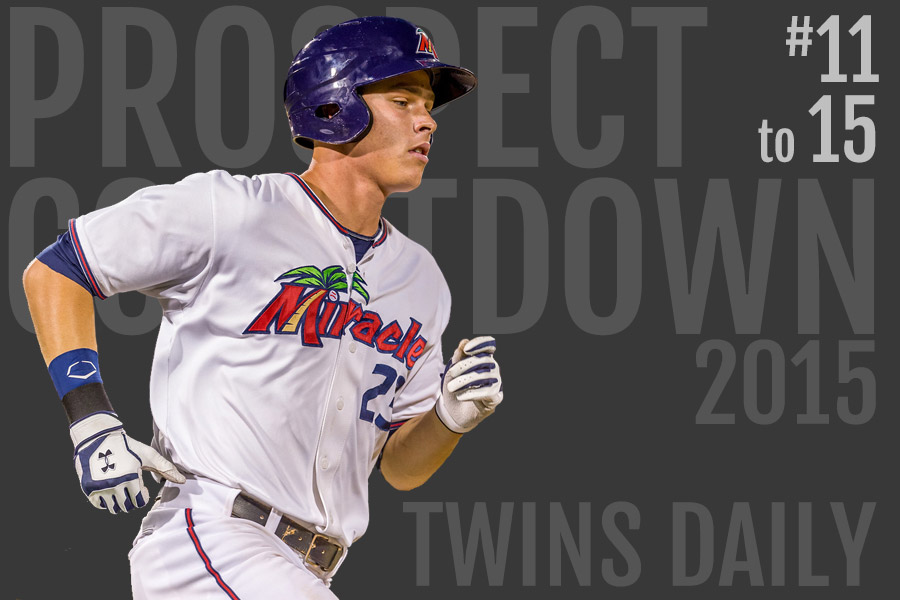 As you read, think about your own top 20 Twins prospect list and think about how it might look now. #20 – OF – Amaurys Minier – Extended Spring Training The 19-year-old from the Dominican begins this season by remaining back in extended spring training. He played for the Gulf Coast League, and unless something crazy happens, he should spend the short-season with the Elizabethton Twins. Status: Flat #19 – OF – Travis Harrison – Chattanooga Lookouts Harrison made the jump to AA and has been solid. Through his first 30 games, he is hitting .280/.389/.430 (.819) with and league-leading ten doubles and two home runs. After playing left field last year, he has played right field so far this year. He already has three errors this season. He hit .269/.361/.365 (.726) with 33 doubles and three home runs in Ft. Myers a year ago. He will be 22-years-old through the 2015 season. Status: Slightly Up #18 – RH RP – Jake Reed – Chattanooga Lookouts Reed was the Twins fifth-round draft pick in 2014. Between Elizabethton (4 games) And Cedar Rapids (16 games), he went 3-0 with a 0.29 ERA. In 31 innings, he walked three and struck out 39. He then gave up just one run in 12.2 innings during the Arizona Fall League. He skipped High-A Ft. Myers, and began the 2015 season with the Lookouts. It has been a rocky start for him. He is 1-2 with a 5.14 ERA and a 1.50 WHIP in 14 innings over 11 games. He has been better of late. He has not allowed a run in five of his last six games. The 22-year-old does have four walks and 16 strikeouts in 14 innings. Status: Slightly Down #17 – C – Stuart Turner – Chattanooga Lookouts Turner was the Twins third-round pick in 2013. He skipped Low-A Cedar Rapids in 2014 and spent the whole season in Ft. Myers. He made the jump to AA Chattanooga. Like last year, he is off to a slow start with the bat. Through his first 23 games, he is hitting .213/.304/.288 (.592) with three doubles and a walk-off home run. His defense is what he is best known for. He has thrown out 39% of would-be base stealers. He will be 23-years-old through the season. Status: Flat #16 – RH SP – Tyler Duffey – Chattanooga Lookouts Duffey had a strong 2014 season in which he pitched in Ft. Myers, New Britain and ended with three starts in Rochester. After getting an invitation to big league spring training, he was sent back to AA, this time to Chattanooga. In his first seven starts of the season the 24-year-old is 2-2 with a 2.76 ERA and a 1.05 WHIP. In 45.2 innings, he has walked nine and struck out 42. Along with J.O. Berrios and D.J. Baxendale, the Lookouts have a strong pitching staff. Status: Flat #15 – LH SP – Taylor Rogers – Rochester Red Wings Like Duffey, Taylor Rogers was invited to spring training with the Twins this year. The left-hander had a strong season in 2014 with New Britain. He went 11-6 with a 3.29 ERA and a 1.29 WHIP in 145 innings. He was pushed up to Rochester where he has been successful. In his most recent start, he gave up five runs in five innings, but he gave up all five of them in that fifth inning. Overall, he is 2-2 with a 3.56 ERA and a 1.40 WHIP, though both of those numbers were significantly better before that fifth inning. In 43 innings, he has walked 18 and struck out 40. Status: Flat #14 – OF – Adam Brett Walker – Chattanooga Lookouts The 23-year-old from Milwaukee continues to be a big power bat in the middle of a dominant Lookouts lineup. In 30 games, he has hit .252/.300/.559 (.859) with seven doubles and a league-leading nine home runs. He continues to strike out a lot without walking much (120 plate appearances, eight walks, 41 strikeouts), but the power is very legit. He flip-flopped positions with Travis Harrison, so he is in left field this year. Status: Slightly Up #13 – LH SP – Stephen Gonsalves – Cedar Rapids Kernels A year ago, the lefty made six starts for Elizabethton before being promoted and making eight starts in Cedar Rapids. That’s where he began his 2015 season. He was just named the Twins minor league pitcher of the month by the Twins after being named the Twins Daily starting pitcher of the month. In his first five starts, he is 3-1 with a 1.41 ERA and a 0.81 WHIP. In 32 innings, he has issued seven walks and struck out 43. It is very possible, and probably likely, that he will be promoted to Ft. Myers well before his 21st birthday in July. Status: Up #12 – OF/1B – Max Kepler – Chattanooga Lookouts A year ago, Kepler played in 102 games with Ft. Myers and hit .264/.333/.393 (.726) with 20 doubles, six triples and five home runs. He missed time due to health. He then posted a .806 OPS in the Arizona Fall League. He had a good showing this spring, though it was again shortened by injury. That’s why he began the season by playing six games in Ft. Myers before moving up to the Chattanooga Lookouts. After a slow start, he has been red hot of late. In his past ten games, he has hit .432/.462/.595 (1.056) with four doubles and a triple. Overall, he is hitting .328. Status: Slightly Up #11 – LH SP – Lewis Thorpe – Out for the Season Thorpe was one of the youngest players in the Midwest League after his June promotion to the Cedar Rapids Kernels. He pitched through the whole season, but in his last start, he hurt his elbow. He rehabbed throughout the season. He pitched some in spring training, but he had a set back and in late March, he had Tommy John surgery. Status: Slightly Down There is part 1 of our Top 20 Update, a look at how the Twins Daily Prospects 11-20 have started their 2015 seasons. Check back tomorrow for updates on the Twins Daily Top 10 Minnesota Twins Prospects.
