



Seth Stohs
-
Posts
25,909 -
Joined
-
Last visited
-
Days Won
109
Content Type
Profiles
News
Minnesota Twins Videos
2026 Minnesota Twins Top Prospects Ranking
2022 Minnesota Twins Draft Picks
Minnesota Twins Free Agent & Trade Rumors, Notes, & Tidbits
Guides & Resources
2023 Minnesota Twins Draft Picks
The Minnesota Twins Players Project
2024 Minnesota Twins Draft Picks
2025 Minnesota Twins Draft Pick Tracker
2026 Minnesota Twins Draft Tracker: Picks & Bonuses
Forums
Blogs
Events
Store
Downloads
Gallery
Everything posted by Seth Stohs
-
While there were no real big stories revolving around the Twins on Tuesday, there were several little stories of interest. A couple of Twins players hit big home runs in Winter League play. The Twins made some announcements about Joe Mauer. The Twins made another minor league hire. Hopefully you will enjoy this format from time to time, a place to discuss these types of stories. Feel free to discuss any of them and ask questions.1st Inning - Miguel Sano homers Click here to view the article
- 23 replies
-
- 3
-

-
- miguel sano
- willians astudillo
- (and 3 more)
-
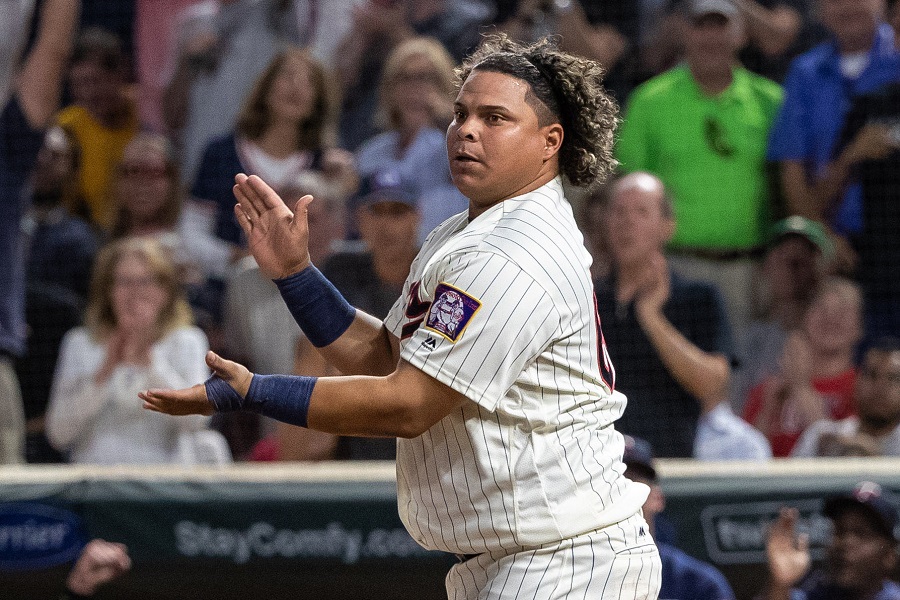 1st Inning - Miguel Sano homers https://twitter.com/hgomez27/status/1082821369958711297 On Tuesday night, Miguel Sano played his first game in the Dominican Winter League of the year, and his first game in the DWL in over three years. He DHd and batted third. He went 1-for-3 with two walks and the three-run homer. The homer came off of right-hander Tristan Archer who spent most of 2018 in the Brewers’ AAA bullpen. He seemed to enjoy his trek around the bases as well as watching it while walking down the first base line. https://twitter.com/morsecode/status/1082823715119906816 You can’t help but love seeing the passion of the players in the Dominican leagues. 2nd Inning - Willians Astudillo homers https://twitter.com/mlb_agent/status/1082829718343143425 It’s fair to say that Astudillo admired his work on that one. The Venezuelan Winter League MVP candidate homered to give his team a 2-1 lead in the bottom of the eighth. That proved to be the final score. The homer came off of former Twins prospect Deolis Guerra. Astudillo went 2-for-4 in the game. You have to love Deadspin referring to Astudillo as the “Beefy Baseball Hero.” https://twitter.com/Deadspin/status/1082859633826504706 3rd Inning - New Minor League Hitting Coordinator On Twitter, Peter Fatse announced that he has been hired by the Twins as their new Minor League Hitter Coordinator. https://twitter.com/fatse_baseball/status/1082800739498541059 Fatse was drafted by the Brewers in the 2009 draft out of the University of Connecticut. He spent two years in their system, peaking at High-A. He played two seasons in independent leagues. He founded Advanced Performance Academy in western Massachusetts. If you’re looking for a minor league hitting coordinator, having this on your website is a good thing, “Developing Hitters that have the ability to compete at their peak potential is what I aim to do.” Fatse takes over the job vacated by Rick Eckstein earlier this offseason when he was named the hitting coach of the Pittsburgh Pirates. 4th Inning - Twins to Sign Telis? https://twitter.com/CarlosValmore/status/1082739711863635969 According to Carlos Rodriguez, the Twins may be close to signing catcher Tomas Telis. I would assume (comfortably) that it would be a minor league contract with an invitation to Twins spring training. Admittedly, he is a player I had not heard of in the past which is strange because he has spent at least part of each of the past five seasons in the big leagues. Telis was originally signed by the Texas Rangers - make your Thad Levine connection here - and played in that system from 2008 through the July 2015 trade deadline when he was traded to the Marlins. He was with Miami through the 2018 season. He has about one-and-a-half years of service time over the five years. In 122 major-league games, he has hit .230/.267/298 (.565). My assumption is that his role will be that of fourth catcher. Jason Castro and Mitch Garver will be the Twins Opening Day catchers, assuming health. Willians Astudillo should be the top catcher in Rochester, and then Telis could be the next guy. Astudillo’s ability to play several positions will help him, and it will get Telis more time behind the plate. Telis also played quite a bit of first base for the Marlins the last couple of years. 5th Inning - Caesars Palace Puts Twins at 84 Wins https://twitter.com/The_Junkyard/status/1082776429782155264 According to the above tweet, Caesars Palace placed the over-under of Twins wins at 84. In my opinion, that is a pretty good number. If guys like Miguel Sano and Byron Buxton are healthy, and Max Kepler takes the next step, 84 could be low. If not, or other things go wrong, it could be under. But with the current roster, that feels like a good number. What do you think? The 84 wins would place the Twins in second place according to Caesars. Their over-under for Cleveland is 91 ½. They have the White Sox in third place at 74 ½ wins. Kansas City’s over-under is listed at 69, and the Tigers are at 67. https://twitter.com/SethTweets/status/1082784681416892416 6th Inning - Twins to Retire Mauer’s Number 7 The Twins announced last month that they would be retiring Joe Mauer’s number 7 at a ceremony sometime in 2019. On Tuesday morning, the Twins announced that the ceremony would be on June 15th. 7th Inning - Mauer Four-Pack Bobblehead Series The Twins also announced that they will be having four Joe Mauer bobblehead games during the 2019 season. By purchasing the “Mauer Bobblehead Four-Pack” package, fans can also get a fifth Mauer bobblehead. Below are the dates of the four bobblehead games and what the bobblehead will depict. (per team press release) May 24 vs. Chicago White Sox – The first in the bobblehead series features Mauer’s signature swing, as depicted in the Cretin Derham Hall High School “Raiders” jersey in which he hit .567. July 19 vs. Oakland – The second takes us back to April 5, 2004, when a 21-year-old Mauer was the Twins’ starting catcher in his major league debut, going 2-for-3 in a 7-4, Opening Day victory over Cleveland at the Metrodome. Aug. 24 vs. Detroit – The third honors the legacy of Mauer’s sensational 2009 season, in which he captured the American League MVP, Gold Glove and Silver Slugger Awards for the AL Central champion Twins. Sept. 7 vs. Cleveland – The last in the series commemorates the final game of Mauer’s career, Sept. 30, 2018 – a day that will forever be remembered in Twins lore. Together, the base of the four gate giveaway bobbleheads form a number “7”. For more information or to order tickets, click here. 8th Inning - Nelson Cruz on MLB Network On Tuesday, new Twins DH Nelson Cruz appeared on MLB Network’s Hot Stove show with Matt Vasgersian and Harold Reynolds. Cruz called in live from the Dominican Republic and talked about his preparation, his workouts, his routine and much, much more. As interesting, he was just finished hitting, and you can see several 13-14 year old Domincan prospects working out. Maybe some guys that will sign in a couple of Julys. 9th Inning - Twins Birthdays A new Twitter page, Twins Birthdays, started on New Years Day. Through the first week of the year, it has wished a Happy Birthday to Twins players from the past, the present and the future. For those on Twitter, it appears to be a good follow for Twins fans. https://twitter.com/BirthdaysTwins/status/1082648116938108929 https://twitter.com/BirthdaysTwins/status/1082656925454647296 https://twitter.com/BirthdaysTwins/status/1082666739740094470
 -

Twins Minor League Coaches/Coordinators
Seth Stohs replied to Seth Stohs's topic in Twins Minor League Talk
Twins have hired a minor league hitting coordinator to replace Rick Eckstein (who took over as the Pirates MLB hitting coach). https://twitter.com/fatse_baseball/status/1082800739498541059 -
I won't continue to post these every day, to encourage those on Twitter to follow that site... but I do think it's really interesting, a fun history...
-
January 7th:
-
January 6th: And some sad news from Sunday: https://twitter.com/BirthdaysTwins/status/1081985449139322881
-
January 5th:
-
Just one on January 4th:
-
January 3rd: https://twitter.com/BirthdaysTwins/status/1080850773825802243
-
January 2nd: https://twitter.com/BirthdaysTwins/status/1080427736181735424
-
On New Years Day, a new twitter handle started that I think is worth following for Twins fans, at least if you're into the history of the team. What I have liked is that it includes current Twins,, but also Twins minor leaguers and, I assume, anyone who has played for the Twins since their arrival in 1961. I say that because they mentioned a couple of players that I hadn't heard of. Follow here: https://twitter.com/BirthdaysTwins Here are the January 1st birthdays, which I think show the range:
-
Twins Minor League Coaches/Coordinators
Seth Stohs replied to Seth Stohs's topic in Twins Minor League Talk
I 100% think that is a very fair question. I obviously don't know what the philosophy is, but they are definitely getting away from anything related to traditional. The thing that makes it interesting is that these guys are coming from all over the country, different levels. A guy from Northern Colorado, a guy from Wisconsin-LaCrosse, two guys from the College of Central Florida... I mean, I can't claim to understand it. I am intrigued by it. -
Twins Minor League Coaches/Coordinators
Seth Stohs replied to Seth Stohs's topic in Twins Minor League Talk
Lots more minor league signings over the last month: -
This week, we have reviewed the Top 30 most-viewed Twins Daily articles in 2018. There have been a lot of articles on prospects and the draft, on the Twins trades and offseason speculation. Check out Part 1 (21-30) and Part 2 (11-20)if you haven’t already, and then today enjoy the Top 10 stories of the year.As you would expect in a season that was disappointing and July gave us four trades, those would be some pretty important and discussed articles on the site, so let’s jump into it. 10. Report Ryan Pressly traded to Houston - July 27 Ryan Pressly was arguably the Twins player who received the most interest from other teams. He had a terrific career with the Twins when you recall that he came to the Twins as a Rule 5 draft pick. The last year or so he put up some very good numbers. As important in today’s game, front offices were able to look at his peripheral numbers and other things, like spin rate, to determine that he could be even better. Houston acquired Pressly for two high-ceiling prospects. 9. Minnesota Twins 2018 trade deadline report card - August 1 A day after the trade, Tom Froemming took a look at the 12 players that the Twins acquired in the various late-July trades, specifically the ten minor league prospects. He also gave grades to each trade and provided reasons why. For me, it’s fun to look back to see what our thoughts were on the players acquired before we got to see them play in the minor leagues for a month (or some in the big leagues for a second month). 8. Offseason Blueprint Hey Big Spenders - November 4 Following the release of the Twins Daily Offseason Handbook, we decided to write up a few blueprints with varying schedules. Tom wrote about a trade-based offseason. I wrote about a build-from-within focused offseason. Nick was tasked with writing about what an offseason of Big Spending might look like. Probably no surprise to anyone which one our readers enjoyed the most. 7. Top 20 Minnesota Twins assets Part 4 (1-5) - January 2 Nick’s annual rankings of the Twins most valuable assets has been a big hit. He just posted his 2019 choices for Top 5 Twins assets. Last year’s version was a success as well, ranking this high. Three of the five in the Top 5 are the same. It’s fun to look back at this series to be reminded of how much can change in one year, one season. 6. Deadline Deal Twins Trade Brian Dozier to Dodgers - July 31 We all knew it was happening. He knew it was happening. Right at the trade deadline, the Twins finally worked out a deal with the Dodgers, sending Brian Dozier in exchange for Logan Forsythe, Luke Raley and Devin Smeltzer. Dozier provided the Twins with a ton of power production over his six seasons with the Twins. He was an All-Star and clearly a leader. 5. Twins Acquire Jake Odorizzi for Jermaine Palacios - February 17 A day after signing Anibal Sanchez, the Twins made a trade with the Rays. They acquired RHP Jake Odorizzi in exchange for talented shortstop Jermaine Palacios. Palacios was coming off of a strong rebound season, split between Cedar Rapids and Ft. Myers. Odorizzi had been a quality, mid-rotation starting pitcher in the AL East for several seasons. While Twins fans acknowledged that Palacios does have a chance to be a big league shortstop, most were happy with receiving two years of a solid, mid-rotation starting pitcher in return. 4. Report Twins to Trade Eduardo Escobar to Arizona - July 27 The first trade chip to be dealt was Eduardo Escobar. Escobar rarely was handed a full-time job over his time with the Twins. But every season, it didn’t take long for a spot to open up and with the playing time, he proved worthy of being in the lineup every day. He was the team’s best hitter (or right there with Eddie Rosario) during most of the first half. The Twins acquired three prospects in return, hard-throwing Jhoan Duran and outfielders Gabriel Maciel and Ernie de la Trinidad. 3. The Rise and Fall of Miguel Sano - June 26 Miguel Sano played in the 2017 All-Star Game a night after finishing runner-up to Aaron Judge in the home run derby. Since then, it’s been one issue or another and few were good. He had a major injury late in the 2017 season and had a titanium rod put in his leg. He wasn’t able to work out a lot in the offseason. He has had a couple of off-the-field issues as well. Early in the 2018 season, the issue was a very poor approach at the plate. Things got bad enough that the Twins felt their best option was to send Sano all the way down to Ft. Myers for a reboot. Nick Nelson did a great job of providing a great insight into the situation. 2. :Nelson Cruz agrees to deal with Twins - December 27 Most experts predicted that the Twins would land Nelson Cruz this offseason. Around the Winter Meetings, there were rumors that it was between the Twins and the Rays. Before Christmas, it became known that the Astros were also interested in the 38-year-old DH. But just last week, the reports came out that the Twins and Nelson Cruz had agreed to terms on a one-year deal with a club option for 2020. The move became official this year. Minnesota Twins 2018 MLB Draft signing tracker - June 8-July 15Maybe a little anticlimactic, but as we have discussed in the previous installments, Twins Daily fans love the draft. Following the draft’s completion, we started an article showing which players had signed and kept updating it as players signed or there were other updates on the drafted players. The deadline for signing was July 15th. So now you have seen the Top 30 most-viewed articles on Twins Daily in 2018. What do you think? What were your highlights and favorite Twins stories of 2018? Click here to view the article
- 4 replies
-
- 1
-
-
- nelson cruz
- eduardo escobar
- (and 3 more)
-
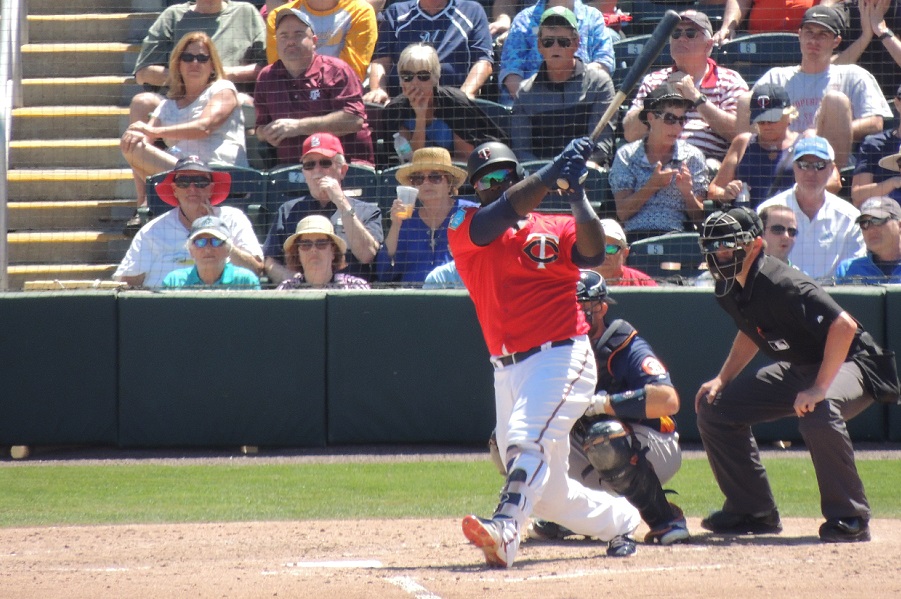 As you would expect in a season that was disappointing and July gave us four trades, those would be some pretty important and discussed articles on the site, so let’s jump into it. 10. Report Ryan Pressly traded to Houston - July 27 Ryan Pressly was arguably the Twins player who received the most interest from other teams. He had a terrific career with the Twins when you recall that he came to the Twins as a Rule 5 draft pick. The last year or so he put up some very good numbers. As important in today’s game, front offices were able to look at his peripheral numbers and other things, like spin rate, to determine that he could be even better. Houston acquired Pressly for two high-ceiling prospects. 9. Minnesota Twins 2018 trade deadline report card - August 1 A day after the trade, Tom Froemming took a look at the 12 players that the Twins acquired in the various late-July trades, specifically the ten minor league prospects. He also gave grades to each trade and provided reasons why. For me, it’s fun to look back to see what our thoughts were on the players acquired before we got to see them play in the minor leagues for a month (or some in the big leagues for a second month). 8. Offseason Blueprint Hey Big Spenders - November 4 Following the release of the Twins Daily Offseason Handbook, we decided to write up a few blueprints with varying schedules. Tom wrote about a trade-based offseason. I wrote about a build-from-within focused offseason. Nick was tasked with writing about what an offseason of Big Spending might look like. Probably no surprise to anyone which one our readers enjoyed the most. 7. Top 20 Minnesota Twins assets Part 4 (1-5) - January 2 Nick’s annual rankings of the Twins most valuable assets has been a big hit. He just posted his 2019 choices for Top 5 Twins assets. Last year’s version was a success as well, ranking this high. Three of the five in the Top 5 are the same. It’s fun to look back at this series to be reminded of how much can change in one year, one season. 6. Deadline Deal Twins Trade Brian Dozier to Dodgers - July 31 We all knew it was happening. He knew it was happening. Right at the trade deadline, the Twins finally worked out a deal with the Dodgers, sending Brian Dozier in exchange for Logan Forsythe, Luke Raley and Devin Smeltzer. Dozier provided the Twins with a ton of power production over his six seasons with the Twins. He was an All-Star and clearly a leader. 5. Twins Acquire Jake Odorizzi for Jermaine Palacios - February 17 A day after signing Anibal Sanchez, the Twins made a trade with the Rays. They acquired RHP Jake Odorizzi in exchange for talented shortstop Jermaine Palacios. Palacios was coming off of a strong rebound season, split between Cedar Rapids and Ft. Myers. Odorizzi had been a quality, mid-rotation starting pitcher in the AL East for several seasons. While Twins fans acknowledged that Palacios does have a chance to be a big league shortstop, most were happy with receiving two years of a solid, mid-rotation starting pitcher in return. 4. Report Twins to Trade Eduardo Escobar to Arizona - July 27 The first trade chip to be dealt was Eduardo Escobar. Escobar rarely was handed a full-time job over his time with the Twins. But every season, it didn’t take long for a spot to open up and with the playing time, he proved worthy of being in the lineup every day. He was the team’s best hitter (or right there with Eddie Rosario) during most of the first half. The Twins acquired three prospects in return, hard-throwing Jhoan Duran and outfielders Gabriel Maciel and Ernie de la Trinidad. 3. The Rise and Fall of Miguel Sano - June 26 Miguel Sano played in the 2017 All-Star Game a night after finishing runner-up to Aaron Judge in the home run derby. Since then, it’s been one issue or another and few were good. He had a major injury late in the 2017 season and had a titanium rod put in his leg. He wasn’t able to work out a lot in the offseason. He has had a couple of off-the-field issues as well. Early in the 2018 season, the issue was a very poor approach at the plate. Things got bad enough that the Twins felt their best option was to send Sano all the way down to Ft. Myers for a reboot. Nick Nelson did a great job of providing a great insight into the situation. 2. :Nelson Cruz agrees to deal with Twins - December 27 Most experts predicted that the Twins would land Nelson Cruz this offseason. Around the Winter Meetings, there were rumors that it was between the Twins and the Rays. Before Christmas, it became known that the Astros were also interested in the 38-year-old DH. But just last week, the reports came out that the Twins and Nelson Cruz had agreed to terms on a one-year deal with a club option for 2020. The move became official this year. Minnesota Twins 2018 MLB Draft signing tracker - June 8-July 15 Maybe a little anticlimactic, but as we have discussed in the previous installments, Twins Daily fans love the draft. Following the draft’s completion, we started an article showing which players had signed and kept updating it as players signed or there were other updates on the drafted players. The deadline for signing was July 15th. So now you have seen the Top 30 most-viewed articles on Twins Daily in 2018. What do you think? What were your highlights and favorite Twins stories of 2018?
 -
1.) It was a disappointing season, but 2.) I think that people view negative articles, especially during a disappointing season, and are more willing to comment their frustration. More seem to want to check things out during the bad times. 3.) But in the bad times, people want to find some hope, and there are the prospects, the drafts, and the players acquired in return in those trades.
-
Slegers DFA'd to Make Room for Cruz
Seth Stohs replied to Tom Froemming's topic in Minnesota Twins Talk
I think this is the primary reason that Slegers made the most sense. Couple in the fact that he can remain in the system if he does clear, and it's probably the right thing. -
Yesterday, we reviewed the 21st through 30th most-viewed articles on Twins Daily in 2018. You’ll want to read that, but today, find out which stories or articles ranked 11th through 20th in terms of most viewed on Twins Daily way back in 2018. It’s fun to see which stories were deemed most intriguing. Sometimes it is breaking news, and sometimes it is speculation. Sometimes it is just a topic or a player that we were intrigued by.Today’s installment begins with an article on a player that the Twins, and probably 90% of the teams in baseball, would love to have on their team. Feel free to discuss these articles. Click into them and read the articles as well as some of the comments in them. 20. Real Deal What would it take to get JT Realmuto - July 9 As the July trade deadline was approaching, Nick Nelson wrote an article attempting to project what it might take for the Twins to acquire JT Realmuto. While the Twins were not traditional buyers, Nick pointed out that Realmuto was a guy who was available for a couple of seasons and potentially for a long-term deal. Of course, he noted that the Marlins would likely request Alex Kirilloff and Brusdar Graterol in a deal that would likely include a couple more players as well. Is such a deal still possible this offseason since Realmuto is still a member of the Marlins as their asking price remains exceedingly high? 19. 2018 Top Prospects #7 Brent Rooker - February 12 Twins fans have been intrigued by the power potential of Brent Rooker since the Twins drafted him in the compensation round following the first round in 2017. He debuted and powered his way up to the High-A Ft. Myers Miracle where he continued to mash home runs. Heading into the season, he was the Twins Daily choice for the #7 Twins prospect and there was some talk that he could debut in 2018. That didn’t happen, though he certainly continued to hit with power in the Southern League at Chattanooga. 18. 4 Creative Tweaks the Twins can make to get better - November 27 What role could we see Trevor May or Fernando Romero pitch in during the 2019 season. How much should Willians Astudillo play? When we returned from Thanksgiving, Nick posted this interesting article with some ideas for the Twins brass to consider as they dove into the offseason. 17. The Yu Darvish Contingency Plan - February 10 Well, the Twins were fortunate that Yu Darvish decided to sign with the Cubs. When that news broke, Cody Christie tried to provided readers with options that were still available He wrote about some free agents that were still available, as well as some possible trade targets. As we know, the Twins did get one of those free agents. 16. Breaking News - Twins Trade Rodney to A’s - August 9 The Twins were busy at the end of July, making several trades. That continued into August when their hard-throwing, sometimes erratic closer was dealt to the Oakland A’s in exchange for Dakota Chalmers. Rodney helped the A’s into the playoffs, and the team picked up his 2019 option. Chalmers was the A’s third-round pick in 2015 out of high school in Georgia. He throws hard, though he doesn’t always throw strikes. He had Tommy John surgery early in the 2018 season. 15. 2018 Twins midseason top prospect list (1-5) - July 12 At Twins Daily, we publish our choices for the Twins top prospects before the season. Then in late June or early July, we update the rankings. Fans often viewed our top five choices at midseason. The list may look a little bit different again when we do our 2019 Twins Top Prospect Rankings. 14. Where can the Twins find some OBP for their lineup - December 2 Joe Mauer retired and Robbie Grossman was not tendered arbitration for the 2019 season. The two were clearly the Twins most patient, disciplined hitters and guys that could be counted on to put the ball in play most of the time. Nick wondered where the Twins might be able to find some hitters that could make up for the loss in on-base percentage. Have they accomplished this goal yet? 13. 2018 MLB Draft Day 2 thread - June 6 Like I wrote yesterday, Twins Daily covers the Twins draft like no one else, and our readers really enjoy the discussion. In the article, we review the selections from the first night of the draft before updating the site with each of the Twins picks from the third through the tenth rounds. The Twins didn’t have a third-round pick this year, having given it up to sign Lance Lynn. 12. Twins Daily 2018 Top Prospects 1 Royce Lewis - February 20 The choice for the Twins top prospect before the 2018 season was pretty easy. Royce Lewis was the first overall pick in the 2017 draft and impressed in his professional debut not only in the Gulf Coast League but also in Cedar Rapids. Lewis continued to play well throughout the 2018 season and moved into the Top 10 prospects in baseball. However, when we put out the Twins Daily Top Prospect rankings (maybe later this month), will Lewis be able to hold off Alex Kirilloff and Brusdar Graterol to remain at #1? Well, you’ll just want to come back to see. 11. How soon could Royce Lewis call Target Field home - August 7 Write about Royce Lewis and people will read it. I often get asked either when Lewis will get called up to the Twins, or why the Twins are moving him up so slowly. So, I decided to do a little research. I looked at other top first-round pick shortstops to see what their timeline looked like relative to where Lewis was. To say that Lewis is ahead of the pace of both Carlos Correa and Francisco Lindor should be exciting to Twins fans. So there you have it, the 11th-20th ranked Twins Daily articles according to page in 2018. Offseason speculation, an August trade, and top prospects (especially Royce Lewis) certainly lead the way in today’s installment. Be sure to check back in the next couple of days to find out what the Top 10 most-viewed articles on Twins Daily were in 2018. Click here to view the article
- 2 replies
-
- 1
-
-
- royce lewis
- jt realmuto
- (and 3 more)
-
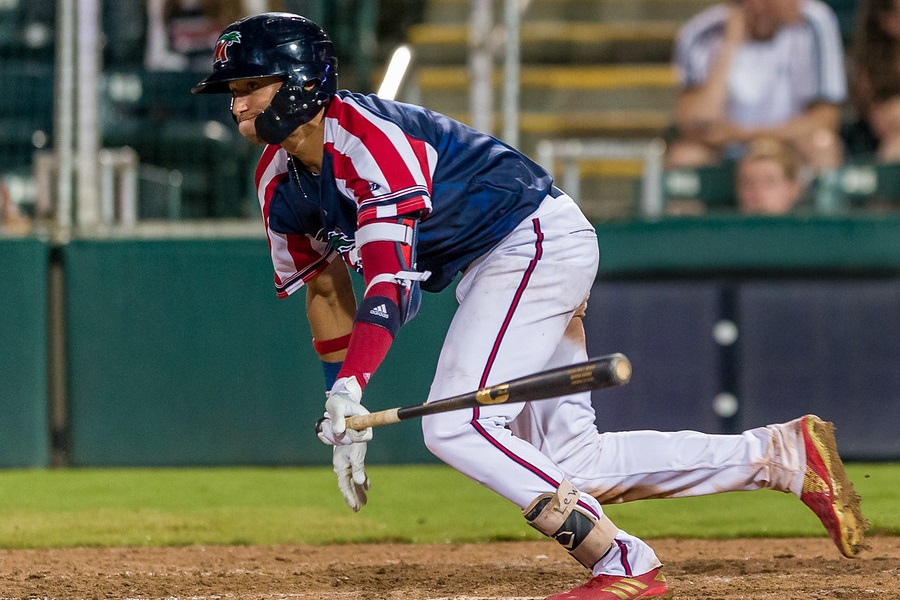 Today’s installment begins with an article on a player that the Twins, and probably 90% of the teams in baseball, would love to have on their team. Feel free to discuss these articles. Click into them and read the articles as well as some of the comments in them. 20. Real Deal What would it take to get JT Realmuto - July 9 As the July trade deadline was approaching, Nick Nelson wrote an article attempting to project what it might take for the Twins to acquire JT Realmuto. While the Twins were not traditional buyers, Nick pointed out that Realmuto was a guy who was available for a couple of seasons and potentially for a long-term deal. Of course, he noted that the Marlins would likely request Alex Kirilloff and Brusdar Graterol in a deal that would likely include a couple more players as well. Is such a deal still possible this offseason since Realmuto is still a member of the Marlins as their asking price remains exceedingly high? 19. 2018 Top Prospects #7 Brent Rooker - February 12 Twins fans have been intrigued by the power potential of Brent Rooker since the Twins drafted him in the compensation round following the first round in 2017. He debuted and powered his way up to the High-A Ft. Myers Miracle where he continued to mash home runs. Heading into the season, he was the Twins Daily choice for the #7 Twins prospect and there was some talk that he could debut in 2018. That didn’t happen, though he certainly continued to hit with power in the Southern League at Chattanooga. 18. 4 Creative Tweaks the Twins can make to get better - November 27 What role could we see Trevor May or Fernando Romero pitch in during the 2019 season. How much should Willians Astudillo play? When we returned from Thanksgiving, Nick posted this interesting article with some ideas for the Twins brass to consider as they dove into the offseason. 17. The Yu Darvish Contingency Plan - February 10 Well, the Twins were fortunate that Yu Darvish decided to sign with the Cubs. When that news broke, Cody Christie tried to provided readers with options that were still available He wrote about some free agents that were still available, as well as some possible trade targets. As we know, the Twins did get one of those free agents. 16. Breaking News - Twins Trade Rodney to A’s - August 9 The Twins were busy at the end of July, making several trades. That continued into August when their hard-throwing, sometimes erratic closer was dealt to the Oakland A’s in exchange for Dakota Chalmers. Rodney helped the A’s into the playoffs, and the team picked up his 2019 option. Chalmers was the A’s third-round pick in 2015 out of high school in Georgia. He throws hard, though he doesn’t always throw strikes. He had Tommy John surgery early in the 2018 season. 15. 2018 Twins midseason top prospect list (1-5) - July 12 At Twins Daily, we publish our choices for the Twins top prospects before the season. Then in late June or early July, we update the rankings. Fans often viewed our top five choices at midseason. The list may look a little bit different again when we do our 2019 Twins Top Prospect Rankings. 14. Where can the Twins find some OBP for their lineup - December 2 Joe Mauer retired and Robbie Grossman was not tendered arbitration for the 2019 season. The two were clearly the Twins most patient, disciplined hitters and guys that could be counted on to put the ball in play most of the time. Nick wondered where the Twins might be able to find some hitters that could make up for the loss in on-base percentage. Have they accomplished this goal yet? 13. 2018 MLB Draft Day 2 thread - June 6 Like I wrote yesterday, Twins Daily covers the Twins draft like no one else, and our readers really enjoy the discussion. In the article, we review the selections from the first night of the draft before updating the site with each of the Twins picks from the third through the tenth rounds. The Twins didn’t have a third-round pick this year, having given it up to sign Lance Lynn. 12. Twins Daily 2018 Top Prospects 1 Royce Lewis - February 20 The choice for the Twins top prospect before the 2018 season was pretty easy. Royce Lewis was the first overall pick in the 2017 draft and impressed in his professional debut not only in the Gulf Coast League but also in Cedar Rapids. Lewis continued to play well throughout the 2018 season and moved into the Top 10 prospects in baseball. However, when we put out the Twins Daily Top Prospect rankings (maybe later this month), will Lewis be able to hold off Alex Kirilloff and Brusdar Graterol to remain at #1? Well, you’ll just want to come back to see. 11. How soon could Royce Lewis call Target Field home - August 7 Write about Royce Lewis and people will read it. I often get asked either when Lewis will get called up to the Twins, or why the Twins are moving him up so slowly. So, I decided to do a little research. I looked at other top first-round pick shortstops to see what their timeline looked like relative to where Lewis was. To say that Lewis is ahead of the pace of both Carlos Correa and Francisco Lindor should be exciting to Twins fans. So there you have it, the 11th-20th ranked Twins Daily articles according to page in 2018. Offseason speculation, an August trade, and top prospects (especially Royce Lewis) certainly lead the way in today’s installment. Be sure to check back in the next couple of days to find out what the Top 10 most-viewed articles on Twins Daily were in 2018.
 -
Not an article... but that was impressive.
-
Article: Prospect Spotlight Series: Lewis Thorpe
Seth Stohs replied to Tom Froemming's topic in Twins Daily Front Page News
He wasn't protected in November of 2016 though. I believe he was eligible and since he had just had Tommy John surgery, he went unselected. -
Happy New Year!! As we transition from 2018 to 2019, let’s take a quick look back. Over the next couple of days, we will go through the 30 Most-Viewed Twins Daily articles of 2018. I personally find this very interesting. It is interesting to see which articles captured our attention at the time and think about why. Some are obvious, and some might surprise you.In Part 1 today, find out which articles ranked 21 - 30 in terms of most viewed articles of 2018. 30. Twins to Hire Rocco Baldelli as Manager - October 24 Late on the night of October 24th, reports started trickling out that the Twins had made their decision. Derek Shelton had been informed that he would not be the next Twins manager, and Rocco Baldelli would be named manager. The next morning, the Twins made it official. It is interesting to me that a managerial hire would fall this far down the list, but generally speaking, articles on players or strategies, etc., get more discussion. 29. Twins Select Trevor Larnach in First Round - June 4 Drafting 20th overall is a little different than having the first overall pick. It’s much more difficult to know who the Twins might have available to them, much less who they will take. When their pick came, they selected outfielder Trevor Larnach out of the Oregon State. Following the draft, he played hero in his team’s march toward the College World Series championship. After signing, he played briefly in Elizabethton before joining the Cedar Rapids Kernels to end the season. 28. 2018 MLB Draft Day 3 Thread - June 6 At Twins Daily, we take a lot of pride in the draft coverage that we have provided in recent years. It started with Jeremy Nygaard’s hard work and great sources. In 2018, Andrew Thares took over the draft coverage and did a great job. The draft is clearly a major event for Twins Daily readers as even our Day 3 of the draft article made the Top 30. Maybe it is because we update the article after each of the Twins 30 Day 3 selections (Rounds 11-40). You never know when you’ll find a late-round sleeper. 27. The Wall of Ground Ball Prevention - February 15 While most articles in this Top 30 are Twins-related, this Parker Hageman feature doesn’t mention the Twins. What it is a a very interesting article on how teams (professional and college) are working to help hitters increase launch angle. 26. Why I believe the Twins are going to sign Yu Darvish - January 8 A year ago at this time the Twins had made some bullpen moves (Zack Duke, Fernando Rodney). But most Twins fans coveted Yu Darvish, the ace-right-hander who finished the 2017 season with the Dodgers after five-and-a-half with the Texas Rangers. That was a big part of why Twins fans were hopeful that Darvish might sign with the Twins, the Rangers connection between Darvish and Thad Levine. Nick Nelson wrote an article pointing out several reasons that he felt the Twins were the favorites to sign Yu Darvish. Of course, one year into his six year, $126 million with the Cubs, Twins fans are thankful that the Twins did not acquire him. 25. Ryan LaMarre just might make the Twins opening day roster - March 24 Ryan LaMarre was one of the best stories of spring training. He was coming off of an injury and the Twins signed him to a minor league contract. He had made several adjustments to his swing, and he hit well all spring. His speed and defense made him the choice for the team’s fourth/fifth outfielder on Opening Day. In spring training, I had the chance to chat with him for a while about why the Twins were the right choice for him last offseason. 24. Twins Daily 2018 Top Prospects: #2 Fernando Romero - February 19 Each year, Twins Daily provides our choice for the Twins top 20 prospects before spring training. Romero has been a top prospect for several years, even through his two missed years of development time due to Tommy John surgery. That didn’t change coming into the 2018 season. Just a few months later, Romero made his major league debut with a strong showing. 23. Twins Sign Anibal Sanchez No Really - February 16 Just as spring training was about to start, the Twins announced the signing of Anibal Sanchez. It was a non-guaranteed deal that could have been worth $2.5 million. Admittedly, most - if not all - Twins fans hated (or at least didn’t understand) the signing and specifically why it needed to be a MLB deal. Maybe that’s why this was a Top 25 article in 2018. Over his final three seasons of a six-year deal with the Tigers, Sanchez went 20-30 with a 5.67 ERA and a 1.43 WHIP. As we now know, Sanchez didn’t stick around long. The Twins soon signed Lance Lynn to a one-year contract. We were all excited, and Sanchez was released. Atlanta claimed him and he went 7-6 with a 2.83 ERA this year. He turned that into a two-year, $19 million deal (with a third-year option) with the Nationals. 22. 5 Things the Twins absolutely must accomplish this offseason - September 20 As the disappointing 2018 Twins season came to an end, Nick Nelson wrote up a set of five Must-Do’s for the Twins front office in this offseason. To this point, none of the five have happened, but to be fair, a couple of those things have not yet needed to be done. For me, if #3 is completed this offseason, I will call the offseason a success. 21. Is Paul Molitor the right man to lead the Twins? - June 18 While Paul Molitor was the easy choice or AL Manager of the Year in 2017, 2018 started out badly, and by mid-June, Nick Nelson penned this article wondering aloud if Molitor was the right choice for the Twins. There is no doubting Molitor’s intelligence and baseball IQ, along with his willingness to use new analytics and new thinking. Well, as we now know, soon after the completion of the season, the Twins announced that Paul Molitor had been fired. It was very interesting to me to see that the article announcing the Molitor dismissal barely made the Top 50 articles of the year at Twins Daily. Not sure I can really explain that. In the coming days, we’ll continue to count down the Top 30 most viewed Twins Daily articles of 2018. They are fun to look back at, to read what we wrote, and to read the comments of what people thought at that time. Hopefully you will enjoy this look back as we now look forward to 2019. Click here to view the article
- 5 replies
-
- 2
-
-
- trevor larnach
- paul molitor
- (and 3 more)
-
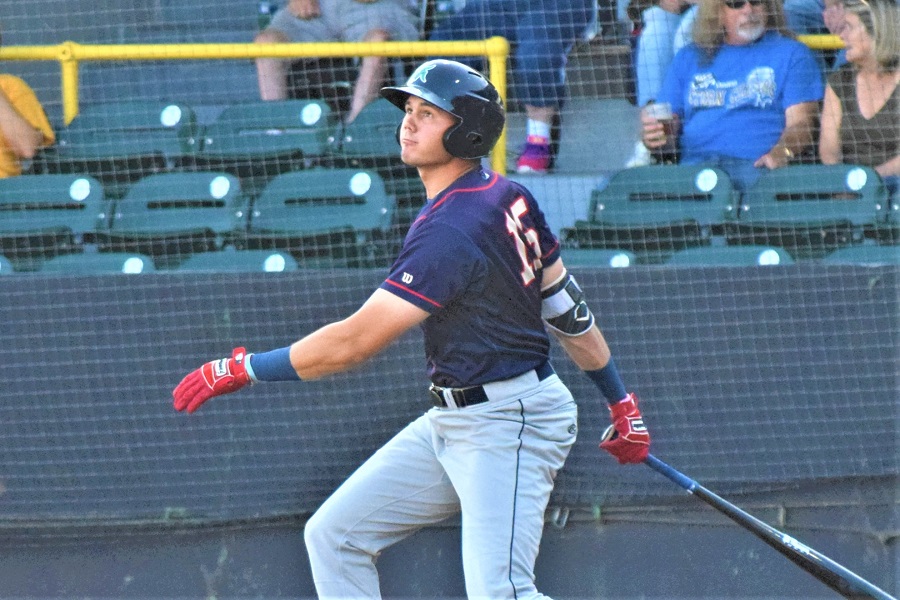 In Part 1 today, find out which articles ranked 21 - 30 in terms of most viewed articles of 2018. 30. Twins to Hire Rocco Baldelli as Manager - October 24 Late on the night of October 24th, reports started trickling out that the Twins had made their decision. Derek Shelton had been informed that he would not be the next Twins manager, and Rocco Baldelli would be named manager. The next morning, the Twins made it official. It is interesting to me that a managerial hire would fall this far down the list, but generally speaking, articles on players or strategies, etc., get more discussion. 29. Twins Select Trevor Larnach in First Round - June 4 Drafting 20th overall is a little different than having the first overall pick. It’s much more difficult to know who the Twins might have available to them, much less who they will take. When their pick came, they selected outfielder Trevor Larnach out of the Oregon State. Following the draft, he played hero in his team’s march toward the College World Series championship. After signing, he played briefly in Elizabethton before joining the Cedar Rapids Kernels to end the season. https://twitter.com/TwinsHighlights/status/1003827872627294209 28. 2018 MLB Draft Day 3 Thread - June 6 At Twins Daily, we take a lot of pride in the draft coverage that we have provided in recent years. It started with Jeremy Nygaard’s hard work and great sources. In 2018, Andrew Thares took over the draft coverage and did a great job. The draft is clearly a major event for Twins Daily readers as even our Day 3 of the draft article made the Top 30. Maybe it is because we update the article after each of the Twins 30 Day 3 selections (Rounds 11-40). You never know when you’ll find a late-round sleeper. 27. The Wall of Ground Ball Prevention - February 15 While most articles in this Top 30 are Twins-related, this Parker Hageman feature doesn’t mention the Twins. What it is a a very interesting article on how teams (professional and college) are working to help hitters increase launch angle. 26. Why I believe the Twins are going to sign Yu Darvish - January 8 A year ago at this time the Twins had made some bullpen moves (Zack Duke, Fernando Rodney). But most Twins fans coveted Yu Darvish, the ace-right-hander who finished the 2017 season with the Dodgers after five-and-a-half with the Texas Rangers. That was a big part of why Twins fans were hopeful that Darvish might sign with the Twins, the Rangers connection between Darvish and Thad Levine. Nick Nelson wrote an article pointing out several reasons that he felt the Twins were the favorites to sign Yu Darvish. Of course, one year into his six year, $126 million with the Cubs, Twins fans are thankful that the Twins did not acquire him. 25. Ryan LaMarre just might make the Twins opening day roster - March 24 Ryan LaMarre was one of the best stories of spring training. He was coming off of an injury and the Twins signed him to a minor league contract. He had made several adjustments to his swing, and he hit well all spring. His speed and defense made him the choice for the team’s fourth/fifth outfielder on Opening Day. In spring training, I had the chance to chat with him for a while about why the Twins were the right choice for him last offseason. 24. Twins Daily 2018 Top Prospects: #2 Fernando Romero - February 19 Each year, Twins Daily provides our choice for the Twins top 20 prospects before spring training. Romero has been a top prospect for several years, even through his two missed years of development time due to Tommy John surgery. That didn’t change coming into the 2018 season. Just a few months later, Romero made his major league debut with a strong showing. 23. Twins Sign Anibal Sanchez No Really - February 16 Just as spring training was about to start, the Twins announced the signing of Anibal Sanchez. It was a non-guaranteed deal that could have been worth $2.5 million. Admittedly, most - if not all - Twins fans hated (or at least didn’t understand) the signing and specifically why it needed to be a MLB deal. Maybe that’s why this was a Top 25 article in 2018. Over his final three seasons of a six-year deal with the Tigers, Sanchez went 20-30 with a 5.67 ERA and a 1.43 WHIP. As we now know, Sanchez didn’t stick around long. The Twins soon signed Lance Lynn to a one-year contract. We were all excited, and Sanchez was released. Atlanta claimed him and he went 7-6 with a 2.83 ERA this year. He turned that into a two-year, $19 million deal (with a third-year option) with the Nationals. 22. 5 Things the Twins absolutely must accomplish this offseason - September 20 As the disappointing 2018 Twins season came to an end, Nick Nelson wrote up a set of five Must-Do’s for the Twins front office in this offseason. To this point, none of the five have happened, but to be fair, a couple of those things have not yet needed to be done. For me, if #3 is completed this offseason, I will call the offseason a success. 21. Is Paul Molitor the right man to lead the Twins? - June 18 While Paul Molitor was the easy choice or AL Manager of the Year in 2017, 2018 started out badly, and by mid-June, Nick Nelson penned this article wondering aloud if Molitor was the right choice for the Twins. There is no doubting Molitor’s intelligence and baseball IQ, along with his willingness to use new analytics and new thinking. Well, as we now know, soon after the completion of the season, the Twins announced that Paul Molitor had been fired. It was very interesting to me to see that the article announcing the Molitor dismissal barely made the Top 50 articles of the year at Twins Daily. Not sure I can really explain that. In the coming days, we’ll continue to count down the Top 30 most viewed Twins Daily articles of 2018. They are fun to look back at, to read what we wrote, and to read the comments of what people thought at that time. Hopefully you will enjoy this look back as we now look forward to 2019.
 -
As we all look forward to celebrating the transition from 2018 to 2019 today, it’s fun to look back at the Twins 2018 season and think about all of the rookies that came up. There were 15 rookies who played for the Twins in 2018. Today we are going to focus on the eight players who made their Major League debuts.14 players made their major league debut for the Twins in 2017. So it shouldn’t be so bad to just write about eight of them this year. Some made strong first impressions. Some struggled. Most are somewhere in the middle. Tyler Kinley - April 7, 2018 The Twins selected right-handed relief pitcher Tyler Kinley in the December 2017 Rule 5 draft from the Miami Marlins organization. The right-hander reached into the upper-90s, and he had a sharp slider. Rarely did he have control. Hence, he was left unprotected. He made the Twins Opening Day roster. It took a while, but in the Twins seventh game, they found themselves down big, so Kinley got the ball for the ninth inning. He came in and did as reported. He threw hard. He gave up one run on one hit. He walked one and struck out two batters. But he pitched just once in the Twins first 11 games. He pitched three times over the Twins next six games. He had one good outing, but over his final two outings, he gave up eight runs on seven hits and three walks in just 1 1/3 innings. The Twins designated him for assignment, and after clearing waivers, he was returned to the Marlins. He was called up to the Marlins in September. He pitched in nine games. He gave up five runs in one of those outings. In the other eight games (10.1 innings), he gave up just one run. Fernando Romero - May 2, 2018 Romero has long been a Twins prospect, but after missing two seasons with Tommy John surgery, the Twins have kept an eye on his innings. But, he has moved quickly up the system. He had impressed in his spring training outings the past two seasons, and fans got very excited when they learned that he was coming up to start for the Twins. On a sunny day in early May, Romero got Twins fans even more excited. Not only was he throwing hard, but he showed a good changeup and a good slider. Against the Blue Jays, Romero threw 5 2/3 innings and did not allow a run. He gave up four hits, walked three and struck out five. His second start was in St. Louis and he was even better. He threw six shutout innings and gave up just three hits and three walks. He struck out nine batters. In his third start, he went head-to-head with Angels star rookie Shohei Ohtani. He gave up a run, but just one hit, over five innings. In his first five starts, Romero went 2-1 with a 1.88 ERA. His sixth start did not go well. He gave up eight earned runs in just 1 2/3 innings. Then over his next five starts, he went 1-1 with a 5.33 ERA. He was sent to Rochester and continued to make starts. He was not called up in September due to an innings limit. 2019 will be Romero’s final option season. Will he get another opportunity to start? Could he be moved in to late-inning relief duties? Jake Cave - May 19, 2018 The Twins acquired outfielder Jake Cave in a mid-March trade with the Yankees in exchange for hard-throwing prospect Luis Gil. He got a few games in big league spring training before heading to minor league camp. With Zack Granite out most of the year with a shoulder injury, Cave got an opportunity and really stepped up. His big league debut came at Target Field against the Brewers. He batted seventh and played center field. He went 1-for-3 with two runs and two RBI. The one hit? A two-run homer. He played in three games before heading back to the Red Wings. He was called up again in early June, and then called up for good late in June. With the Byron Buxton injury, Cave was able to play most every day. He responded by hitting .265/.313/.473 (.786) with 16 doubles and 13 home runs in 91 games. Some of those homers went a long way! The Twins named him the Bill Boni Award recipient as Twins Outstanding Rookie. In addition, the Twins had five episodes of The Man Cave Show. He was named the Twins Daily Minor League Relief Pitcher of the Year. For much more on Andrew Vasquez, there is a feature story in the 2019 Minnesota Twins Prospect Handbook. The other rookies to play for the Minnesota Twins in 2018 were Matt Magill, Gabriel Moya, Chase De Jong, Aaron Slegers, John Curtiss, Mitch Garver and Ryan LaMarre. They had all made their MLB debuts in previous seasons. Discuss the Twins 2018 rookies, their debuts, and which will take a step forward in 2019 and beyond. Secondly, which rookies do you think will debut for the Twins in 2019? Click here to view the article
- 16 replies
-
- 4
-
-
- stephen gonsalves
- kohl stewart
- (and 3 more)
-
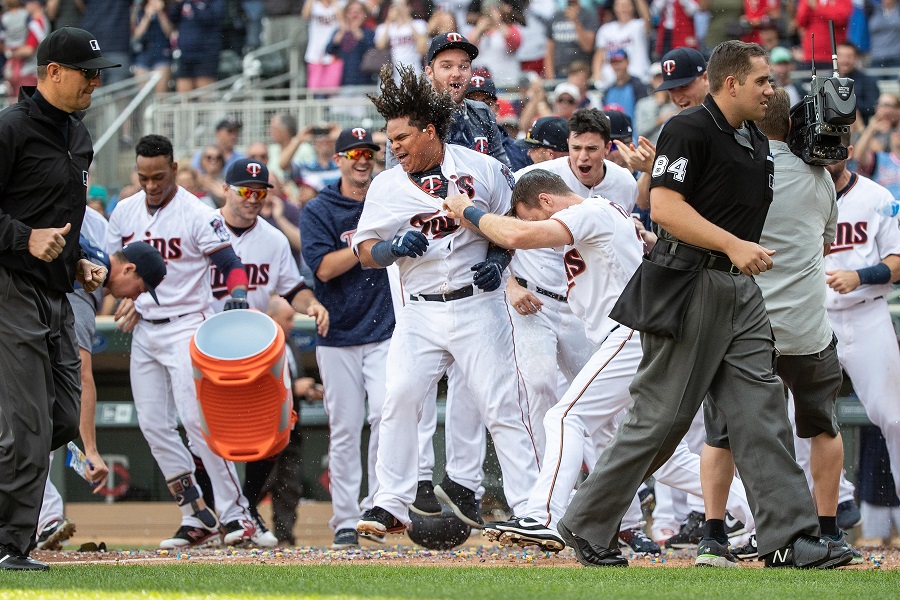 14 players made their major league debut for the Twins in 2017. So it shouldn’t be so bad to just write about eight of them this year. Some made strong first impressions. Some struggled. Most are somewhere in the middle. Tyler Kinley - April 7, 2018 The Twins selected right-handed relief pitcher Tyler Kinley in the December 2017 Rule 5 draft from the Miami Marlins organization. The right-hander reached into the upper-90s, and he had a sharp slider. Rarely did he have control. Hence, he was left unprotected. He made the Twins Opening Day roster. It took a while, but in the Twins seventh game, they found themselves down big, so Kinley got the ball for the ninth inning. He came in and did as reported. He threw hard. He gave up one run on one hit. He walked one and struck out two batters. But he pitched just once in the Twins first 11 games. He pitched three times over the Twins next six games. He had one good outing, but over his final two outings, he gave up eight runs on seven hits and three walks in just 1 1/3 innings. The Twins designated him for assignment, and after clearing waivers, he was returned to the Marlins. He was called up to the Marlins in September. He pitched in nine games. He gave up five runs in one of those outings. In the other eight games (10.1 innings), he gave up just one run. Fernando Romero - May 2, 2018 Romero has long been a Twins prospect, but after missing two seasons with Tommy John surgery, the Twins have kept an eye on his innings. But, he has moved quickly up the system. He had impressed in his spring training outings the past two seasons, and fans got very excited when they learned that he was coming up to start for the Twins. On a sunny day in early May, Romero got Twins fans even more excited. Not only was he throwing hard, but he showed a good changeup and a good slider. Against the Blue Jays, Romero threw 5 2/3 innings and did not allow a run. He gave up four hits, walked three and struck out five. His second start was in St. Louis and he was even better. He threw six shutout innings and gave up just three hits and three walks. He struck out nine batters. In his third start, he went head-to-head with Angels star rookie Shohei Ohtani. He gave up a run, but just one hit, over five innings. https://www.youtube.com/watch?v=e2bbJtgLDdA In his first five starts, Romero went 2-1 with a 1.88 ERA. His sixth start did not go well. He gave up eight earned runs in just 1 2/3 innings. Then over his next five starts, he went 1-1 with a 5.33 ERA. He was sent to Rochester and continued to make starts. He was not called up in September due to an innings limit. 2019 will be Romero’s final option season. Will he get another opportunity to start? Could he be moved in to late-inning relief duties? Jake Cave - May 19, 2018 The Twins acquired outfielder Jake Cave in a mid-March trade with the Yankees in exchange for hard-throwing prospect Luis Gil. He got a few games in big league spring training before heading to minor league camp. With Zack Granite out most of the year with a shoulder injury, Cave got an opportunity and really stepped up. His big league debut came at Target Field against the Brewers. He batted seventh and played center field. He went 1-for-3 with two runs and two RBI. The one hit? A two-run homer. https://www.youtube.com/watch?v=fvG1wp4Zpuc He played in three games before heading back to the Red Wings. He was called up again in early June, and then called up for good late in June. With the Byron Buxton injury, Cave was able to play most every day. He responded by hitting .265/.313/.473 (.786) with 16 doubles and 13 home runs in 91 games. Some of those homers went a long way! The Twins named him the Bill Boni Award recipient as Twins Outstanding Rookie. In addition, the Twins had five episodes of The Man Cave Show. https://www.youtube.com/watch?v=bi7L6MLs834 https://twitter.com/SethTweets/status/1046496609582895104 Zack Littell - June 5, 2018 The Twins had a doubleheader and it was Littell who was called up as the team’s 26th man. Littell began his big league career by striking out Yoan Moncada. He gave up two runs in the first inning after that though. He threw two zeroes on the board. However, Littell began the fourth inning by walking the first two batters. He was replaced and both runners scored. So, in three innings, he was charged with four runs on six hits and four walks. Littell averaged just 2.5 walks per nine innings in his minor league career (to this point). https://www.youtube.com/watch?v=WmQBbLhdgG0 Littell came back to the Twins when they needed an arm in early July, and then he ended the season with a September call up. He was the youngest player to play for the Twins in 2018. Only Lewis Thorpe pitched at a younger age at Rochester in 2018. Thorpe is about six weeks younger. The Twins acquired Littell (with Dietrich Enns) in late July of 2017 from the Yankees in exchange for Jaime Garcia. Willians Astudillo, - June 30, 2018 When the Twins signed Astudillo about a year ago at this time, it was an intriguing signing. As we’ve learned, Astudillo pretty much refuses to walk or strike out. He was named to the 2018 International League All-Star game, but he couldn’t play because the 26-year-old was in the big leagues. Astudillo probably had the best short MLB debut since Josmil Pinto’s incredible 2013 September. Remember that awful series in Chicago at the end of June? Well, so does Astudillo. He entered that June 30th game in the late innings, replacing Eddie Rosario in left field. Astudillo went 1-for-2 and had an RBI in that game. He played in a very limited role in seven games over the next two weeks, none at catcher. He played left field, center field, third base, second base, DHd and even pitched. None at his “normal’ position, catcher. He was sent back down but returned to the big leagues with about a week remaining in August. That’s when the Legend of La Tortuga took off. Of his 29 games played, he had multi-hit games in ten games. Eight of those games came in his final 16 games. He showed he could catch a little. He proved to people that “chubby people can run too.” He showed a flare for the dramatic (including a ), and the best thing he showed was some fantastic hair!He showed enough that MLB put out a Great Moments video for Willians Astudillo’s 2018 season. https://www.youtube.com/watch?v=euIc7RwzFwQ More Tortuga Hidden Ball Trick in Rochester: https://www.youtube.com/watch?v=3S5DfuTk6Tw No-Look Pick-off in Spring training: https://www.youtube.com/watch?v=3JG-ZnnqSWw Kohl Stewart - August 12, 2018 Stewart was the Twins first-round pick in June of 2014 out of high school in Houston. He was not protected on the Twins 40-man roster a year ago and went unclaimed. In mid-August, the front office determined that they wanted to get a look at Stewart in the big leagues. His debut came in Detroit. Just to make sure it wasn’t easy, they had him debut after the Tigers honored Jack Morris in a pre-game celebration. Stewart responded well. Through four innings, he gave up zero runs. However, he went out for the fifth inning and it didn’t go well. After getting the first out, Stewart gave up four straight singles before a walk ended his day. In total, he was charged with three runs on eight hits. He walked one, hit one and struck out three. https://www.youtube.com/watch?v=vRytcqCeCvI His breakout game, per se, came in his first outing. He entered the game as a “primary” pitcher and threw five shutout innings in front of friends and family in Houston against the Astros. In his final two starts, he threw 12 innings and did not give up an earned run. https://www.youtube.com/watch?v=Y3a4q7eB2Yo Stephen Gonsalves - August 20, 2018 Eight days after Stewart debuted, fellow 2014 draft pick, Stephen Gonsalves (fourth round) was at Target Field for his MLB debut. Like Stewart, Gonsalves’s debut was delayed. As he was about to start warming up, the rains came and there was a delay. Gonsalves pitched a scoreless first inning. The second inning didn’t go as well and didn’t get out of the inning. In total, he gave up four runs on six hits and two walks in 1 1/3 innings. He struck out three. https://www.youtube.com/watch?v=pS9_r4QTxrk He really struggled in his first four starts, but he pitched much better over his final three appearances, all as a “primary” starter. He gave up just one run over 12 1/3 innings. He went 2-0 with a 1.46 ERA. Opponents hit just .098/.260/.098 (.358) off of him. There were too many walks, and he knows it, but it was something to build upon. His best game was his penultimate start of the season when he threw six scoreless, one-hit innings https://www.youtube.com/watch?v=4Dfoog5BpDs Andrew Vasquez - September 1, 2018 Vasquez began the season in Ft. Myers and pitched in the mid-June Florida State League All-Star game. He moved up to Chattanooga for a month, and then Rochester for a week, and then was called up on September 1st. He made the trip from Rochester to Arlington and arrived as the game was starting. He came in to start the seventh inning. It’s fair to say that his nerves showed. The first batter reached on his error. He gave up a ground ball single. After a fly out, Vasquez picked off Rougned Odor, but he dropped the ball on the rundown for his second error of the inning. He got a ground out back to himself. He got through it. He pitched in nine total games for the Twins but the highlight was his final game. Not only was he a part of Joe Mauer’s final game, but he struck out the side in his inning https://twitter.com/SethTweets/status/1046498419198627842 He was named the Twins Daily Minor League Relief Pitcher of the Year. For much more on Andrew Vasquez, there is a feature story in the 2019 Minnesota Twins Prospect Handbook. The other rookies to play for the Minnesota Twins in 2018 were Matt Magill, Gabriel Moya, Chase De Jong, Aaron Slegers, John Curtiss, Mitch Garver and Ryan LaMarre. They had all made their MLB debuts in previous seasons. Discuss the Twins 2018 rookies, their debuts, and which will take a step forward in 2019 and beyond. Secondly, which rookies do you think will debut for the Twins in 2019?
