



Seth Stohs
-
Posts
25,909 -
Joined
-
Last visited
-
Days Won
109
Content Type
Profiles
News
Minnesota Twins Videos
2026 Minnesota Twins Top Prospects Ranking
2022 Minnesota Twins Draft Picks
Minnesota Twins Free Agent & Trade Rumors, Notes, & Tidbits
Guides & Resources
2023 Minnesota Twins Draft Picks
The Minnesota Twins Players Project
2024 Minnesota Twins Draft Picks
2025 Minnesota Twins Draft Pick Tracker
2026 Minnesota Twins Draft Tracker: Picks & Bonuses
Forums
Blogs
Events
Store
Downloads
Gallery
Everything posted by Seth Stohs
-
The Winter Meetings in Las Vegas have been fairly quiet against in 2018. Certainly there are meetings, but there haven't been a lot of signings or trades. Thursday is the final day of the Winter Meetings. The highlight of the final day of the Winter Meetings is the Rule 5 draft (11:00 central time). The Twins have stated publicly that it is unlikely that they will make a Rule 5 selection, but could they lose players? What will happen in the minor league portion of the Rule 5 draft. Check back to this article throughout the morning for more updates. This article will be update throughout the Rule 5 draft. Image courtesy of Seth Stohs, Twins Daily (photo of Tyler Jay) The Winter Meetings in Las Vegas have been fairly quiet against in 2018. Certainly there are meetings, but there haven't been a lot of signings or trades. Thursday is the final day of the Winter Meetings. The highlight of the final day of the Winter Meetings is the Rule 5 draft (11:00 central time). The Twins have stated publicly that it is unlikely that they will make a Rule 5 selection, but could they lose players? What will happen in the minor league portion of the Rule 5 draft. Check back to this article throughout the morning for more updates. This article will be update throughout the Rule 5 draft. Morning Updates (The Rule 5 draft just started. Players selected by the Twins or from the Twins will be mentioned here): Only 14 total players were selected in the MLB portion of the Rule 5 draft. The Twins did not lose any players. In the AAA portion, the Twins selected RHP Dusten Knight from the Giants. The team lost no one in the AAA portion. -------------------------------------------------- Stop by this article throughout the morning on Thursday for any updates regarding the Rule 5 draft. Again, reports from the Twins beat writers on hand in Las Vegas noted that Derek Falvey said the Twins are not likely to make a selection in the Rule 5 draft. The roster is currently at 40, so potentially they could remove a player before the draft to make a pick. The other side of that is that the Twins could lose players in the Major League Rule 5 draft. Who are players that have a chance to be selected? Here's a quick list: Tyler Jay - LH RP Jay is one of several former first-round picks, ,and a few top 10 picks, who went unprotected and are eligible. The Twins top pick in 2015 out of Illinois has had several injuries and struggled in his roles (starter and then reliever). The potential is still there for him to be a quality late-inning reliever if he can be healthy.Jake Reed - RH RP Jake Reed was incredible over the final three months of the 2018 season, so it was very surprising (disappointing) that he didn't receive a September call up. He was left unprotected from the Rule 5 draft for the third straight year. His stuff is still really good, and he put up the strong numbers to back it. He's done everything he can in AAA. If I was a team with a spot, I'd strongly consider him. But I said the same thing the last two years.Johan Quezada - RH RP Definitely the sleeper of the group since he has less than ten innings in his professional career above the rookie leagues, and that was late last season in Cedar Rapids. He missed all of 2017 with a shoulder injury. However, he was hitting 98 late last year. Would he be able to stick on a big league roster all year? Seems unlikely, but there are teams that might be willing to take a shot on the flame thrower.Hector Lujan - RH RP Lujan has been really good the last couple of seasons. He led the organization (minor leagues) in saves in 2017 in Cedar Rapids. He finished very strong for Ft. Myers in 2018 and then pitched in the Arizona Fall League. Lujan played in college at UC-Santa Barbara and then at Westmont College with Andrew Vasquez. He throws hard, 94-96 mph, and he's been great in the community.Lewin Diaz - 1B Diaz was coming off of a strong season in Cedar Rapids in 2017, hitting doubles and home runs. He went undrafted in the Rule 5 draft. 2018 was not a good year for the Dominican slugger. He didn't hit well, and then he broke his wrist and missed the rest of the season. It's probably less likely that he gets drafted, but not out of the realm of possibility. He was a big, big man when he was signed, but he has worked really hard. He is now down to 220 pounds and when he gets out of the Florida State League, his power could really start to show.Other Twins Players Potentially Selected: RH SP Andro Cutura, OF/1B Zander Wiel, RH RP Ryan Eades, C Brian Navarreto, OF Jaylin Davis, RH RP Cody Stashak, 3B Brian Schales, IF Randy Cesar, RHP Preston Guilmet and RHP Zack Weiss. JJ Cooper of Baseball America posted a list of many of the players who are available in the MLB Rule 5 draft on Thursday. Check out his list and see if there are any players that the Twins should be interested in. As you know, it costs $100,000 to make a Rule 5 selection. Then that player must remain on the draft team's active roster all year or be offered back to the original team for $50,000. Trades can be worked out as well Minor League Rule 5 Draft While we can spend hours going over a list of which players are eligible for the MLB Rule 5 draft, there is no way to prepare for the minor league portion. Those rosters aren't made public. Unlike the MLB portion, players selected in the minor league Rule 5 draft go to the other team. They can be placed anywhere in the system and do not have to be offered back. The Twins selected Yancarlos Baez last year in the minor league portion. He didn't pitch after having Tommy John surgery, but he should return to the mound in 2019. Feel free to discuss the Rule 5 draft here as it happens or rumors before and after. The article will be updated after the MLB portion of the Rule 5 and after the Minor League portion of the Rule 5. View full article
- 58 replies
-
- 1
-

-
- tyler jay
- hector lujan
- (and 3 more)
-
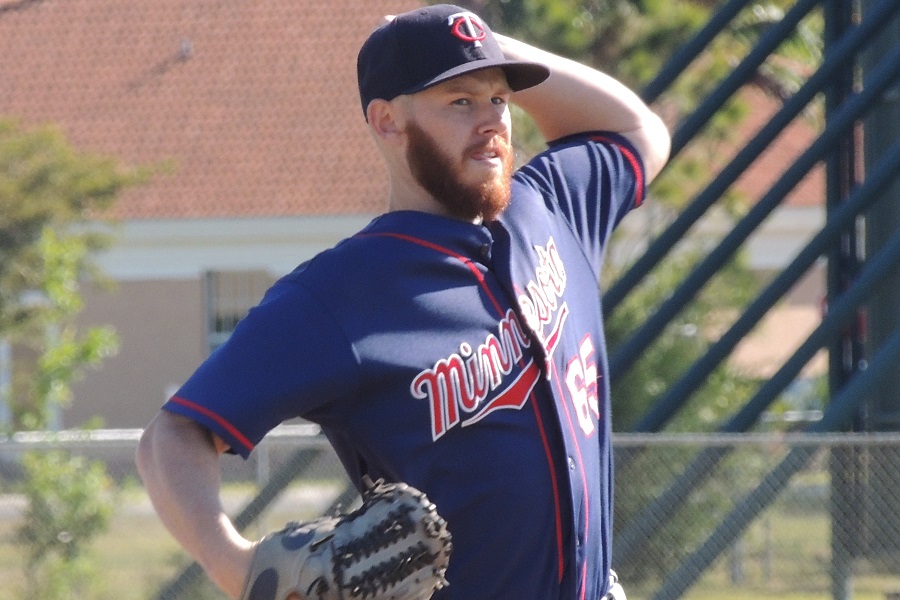 Morning Updates (The Rule 5 draft just started. Players selected by the Twins or from the Twins will be mentioned here): Only 14 total players were selected in the MLB portion of the Rule 5 draft. The Twins did not lose any players. In the AAA portion, the Twins selected RHP Dusten Knight from the Giants. The team lost no one in the AAA portion. -------------------------------------------------- Stop by this article throughout the morning on Thursday for any updates regarding the Rule 5 draft. Again, reports from the Twins beat writers on hand in Las Vegas noted that Derek Falvey said the Twins are not likely to make a selection in the Rule 5 draft. The roster is currently at 40, so potentially they could remove a player before the draft to make a pick. The other side of that is that the Twins could lose players in the Major League Rule 5 draft. Who are players that have a chance to be selected? Here's a quick list: Tyler Jay - LH RP Jay is one of several former first-round picks, ,and a few top 10 picks, who went unprotected and are eligible. The Twins top pick in 2015 out of Illinois has had several injuries and struggled in his roles (starter and then reliever). The potential is still there for him to be a quality late-inning reliever if he can be healthy. Jake Reed - RH RP Jake Reed was incredible over the final three months of the 2018 season, so it was very surprising (disappointing) that he didn't receive a September call up. He was left unprotected from the Rule 5 draft for the third straight year. His stuff is still really good, and he put up the strong numbers to back it. He's done everything he can in AAA. If I was a team with a spot, I'd strongly consider him. But I said the same thing the last two years. Johan Quezada - RH RP Definitely the sleeper of the group since he has less than ten innings in his professional career above the rookie leagues, and that was late last season in Cedar Rapids. He missed all of 2017 with a shoulder injury. However, he was hitting 98 late last year. Would he be able to stick on a big league roster all year? Seems unlikely, but there are teams that might be willing to take a shot on the flame thrower. Hector Lujan - RH RP Lujan has been really good the last couple of seasons. He led the organization (minor leagues) in saves in 2017 in Cedar Rapids. He finished very strong for Ft. Myers in 2018 and then pitched in the Arizona Fall League. Lujan played in college at UC-Santa Barbara and then at Westmont College with Andrew Vasquez. He throws hard, 94-96 mph, and he's been great in the community. Lewin Diaz - 1B Diaz was coming off of a strong season in Cedar Rapids in 2017, hitting doubles and home runs. He went undrafted in the Rule 5 draft. 2018 was not a good year for the Dominican slugger. He didn't hit well, and then he broke his wrist and missed the rest of the season. It's probably less likely that he gets drafted, but not out of the realm of possibility. He was a big, big man when he was signed, but he has worked really hard. He is now down to 220 pounds and when he gets out of the Florida State League, his power could really start to show. Other Twins Players Potentially Selected: RH SP Andro Cutura, OF/1B Zander Wiel, RH RP Ryan Eades, C Brian Navarreto, OF Jaylin Davis, RH RP Cody Stashak, 3B Brian Schales, IF Randy Cesar, RHP Preston Guilmet and RHP Zack Weiss. JJ Cooper of Baseball America posted a list of many of the players who are available in the MLB Rule 5 draft on Thursday. Check out his list and see if there are any players that the Twins should be interested in. As you know, it costs $100,000 to make a Rule 5 selection. Then that player must remain on the draft team's active roster all year or be offered back to the original team for $50,000. Trades can be worked out as well Minor League Rule 5 Draft While we can spend hours going over a list of which players are eligible for the MLB Rule 5 draft, there is no way to prepare for the minor league portion. Those rosters aren't made public. Unlike the MLB portion, players selected in the minor league Rule 5 draft go to the other team. They can be placed anywhere in the system and do not have to be offered back. The Twins selected Yancarlos Baez last year in the minor league portion. He didn't pitch after having Tommy John surgery, but he should return to the mound in 2019. Feel free to discuss the Rule 5 draft here as it happens or rumors before and after. The article will be updated after the MLB portion of the Rule 5 and after the Minor League portion of the Rule 5.
 -
 UPDATE- The 2019 Minnesota Twins Prospect Handbook is now available! Paperback versions of the 161 page book will cost $17.99 this year. Electronic version will be available for $12.99. It is a PDF that will be available to download immediately. For more information on the handbook,, please read below. ------------------------------------------------------------------------- I think even the Twins’ harshest critics would have to admit that the Twins minor league system is stronger and deeper than it was just two years ago, or even just last year. Very soon, the 2019 Minnesota Twins Prospect Handbook will be available. Check back to Twins Daily later this week to find out how you can purchase the book. Below, find out more about what you will be able to find in the 2019 edition. Image courtesy of Bill Parmeter (graphic by Finn Pearson) UPDATE- The 2019 Minnesota Twins Prospect Handbook is now available! Paperback versions of the 161 page book will cost $17.99 this year. Electronic version will be available for $12.99. It is a PDF that will be available to download immediately. For more information on the handbook,, please read below. ------------------------------------------------------------------------- I think even the Twins’ harshest critics would have to admit that the Twins minor league system is stronger and deeper than it was just two years ago, or even just last year. Very soon, the 2019 Minnesota Twins Prospect Handbook will be available. Check back to Twins Daily later this week to find out how you can purchase the book. Below, find out more about what you will be able to find in the 2019 edition. Ten years ago, I got the idea of taking my knowledge of the Twins minor league system and turning it into a coffee table book for Twins fans. Think about how often during a Twins game Dick Bremer will mention a minor league player and someone wonders aloud who that player is and when we might see him in the big leagues. Reach down to your coffee table, grab the Prospect Handbook and sound like a genius when you tell him all about that player, his background, his stats and a scouting report on him. That was the original purpose of the book, but now it’s even more than that. First, my “knowledge of the Twins minor league system” wasn’t real high in 2008 relative to now. Second, it’s constantly evolving and I still know only a percentage of all there is to know. We have seen the evolution of the game on and off the field. The Twins have made many changes in their minor leagues. They’ve switched affiliates. They’ve added technology. They’ve added more coaches and coordinators. The goal is to make the players the best they can be and use whatever they can to get them to the big leagues and contribute. Third, and really probably #1 on this point, is the saying that has been included in every single Twins Prospect Handbook since that first edition and will again be in the 11th annual Twins Prospect Handbook as well. Minor league baseball players are doing all the same work that the big leaguers do. They are just doing it with far less fanfare, smaller per diems, less luxurious travel and hotel arrangements, and noticeably lighter wallets due to pay checks with far fewer zeroes. These players deserve to be recognized too.It’s about the players. They deserve the recognition. They work hard, and they earn what they get. Sometimes that means a big league career, and sometimes it means peaking in A-ball. So, here is a quick look at what you will find if you order a copy of the 2019 Minnesota Twins Prospect Handbook (which will again be available in paperback and PDF). THE COVER Finn Pearson, who has done a lot of really good graphic work for Twins Daily since earlier this year, did a very nice job on the cover It would be hard for me to explain if we had gone with anyone other than Alex Kirilloff and Royce Lewis on the 2019 handbook cover. You will also notice that the beautiful stadium in Pensacola is in the background. The home of the new Twins Double-A affiliate sits right along the Gulf of Mexico. THE AUTHORS Seth Stohs - As mentioned above, this is my 11th Twins Prospect Handbook. Hard to believe. I wrote three articles for the handbook this year. I wrote the three Twins Daily Minor League Award winner articles. I had 30+ minute phone interviews with our three winners, Alex Kirilloff, Tyler Wells and Andrew Vasquez and penned an in-depth article on each. There are a lot of similarities in the stories and their are a couple of very solid relationships among these players. And as you saw the other day, they have a lot of respect for each other. Cody Christie - Cody was first a Co-Author on the Prospect Handbook in 2013. He wrote an interesting article looking into the first few seasons of Joe Mauer’s professional career and compared it to whatt Royce Lewis has done. Has there been a passing of the torch? Tom Froemming - This is Tom’s second Prospect Handbook. He wrote an article about how the Twins have brought in so much young talent over the last couple of years since Derek Falvey took the reigns. They have really used every potential means. CONTRIBUTING WRITERS Dan Hayes - Hayes joined The Athletic as the Twins beat writer almost a year ago, and he has been a terrific writer and a great follow on Twitter this offseason. We are thrilled that he wrote an article for this year’s Prospect Handbook. He wrote about a lot of the changes that happened over the last year or so in the Twins minor league system on and off the field. Chris Blessing - Chris writes about prospects for BaseballHQ.com and several other sites including USA Today Sports Weekly and the Minor League Baseball Analyst. In his scouting, he has seen many Chattanooga Lookouts games in recent years, and he noticed some things about Twins prospects in 2018 that are encouraging. Ted Schwerzler - Ted has contributed an article the last few years in which he projects which prospects will make their debuts with the Twins in 2019 and when. For the first time we have enlisted the help of the Twins minor league affiliates and have an article from each of the affiliates (with the exception of the GCL Twins). Rochester Red Wings media relations director Nate Rowan wrote a great article on the rich history of the Red Wings and baseball in Rochester. Includes some remarkable stories including one from a game the Red Wings played in Cuba in 1959 that got more than a little scary. Daniel Venn did a Q&A for Twins Daily recently. He is the media relations director for the Pensacola Blue Wahoos. Daniel shared with us the relatively short, but interesting history of the Blue Wahoos. Marshall Kelner is the media relations director for the Ft. Myers Miracle. He wrote an article on the team’s history and the 2018 Miracle Florida State League championship team. A long-time contributor at Twins Daily and of the Prospect Handbook, Steve Buhr met with the Cedar Rapids Kernels front office for a very interesting article on how much winning matters to a minor league affiliate. Mike Gallagher was the play-by-play man of the Elizabethton Twins. He wrote about the E-Twins long history with the Twins organization and recent legislation that hopefully will keep that relationship intact moving forward. Mariana Guzman writes at Twins Latinos. She wrote a good article about the 2018 season in the Dominican Summer League including who some of the better prospects might be on that team. Who could be the guys moving up to the Gulf Coast League in 2019? We admittedly have not covered the Twins Dominican Summer League in the book or on Twins Daily as much as we should, so this is a great addition to the book. THE PROFILES We like to call the prospect profiles the meat and potatoes of the Prospect Handbook. There are over 160 profiles of Twins minor leaguers in the book. I might give you an exact number, but we will update the book after Thursday’s Rule 5 draft to add any players that the Twins select. So, that number is subject to change between now and the book’s release. For those that have purchased Prospect Handbooks in the past, you have an idea of what the profiles look like and the information in each. For those of you who have not purchased previous Prospect Handbooks, well, you can buy previous Prospect Handbooks here. Ha! However, we wanted to include a profile here just to give you an idea of what you are getting. Here is a quick snip of a player profile. The header information includes height, weight, how they were acquired and their 2018 statistics. The 2018 Recaps were written by Tom Froemming and they, well, recap the player’s 2018 season. I (Seth) wrote up the Background section and the Scouting Report. The Background covers their amateur days and previous seasons. The Scouting Report provides, well, a scouting report on the player. We also include a Forecast for ‘19 in which we try to give a good idea of where each player could spend the 2019 season. We have pictures of a lot of the players in the bios. I wish we had all, but we definitely want to thank all the photographers that were willing to let us use their photos. So there you have it. The 2019 Minnesota Twins Prospect Handbook is coming very soon. Keep checking back to Twins Daily and we will let you know when it is available. It’s something that Tom, Cody and I are really proud of. It just keeps getting bigger and better, and we hope that you will enjoy it too! View full article
 -
Non-Twins Off-season news, tidbits and transactions
Seth Stohs replied to ashbury's topic in Other Baseball
Lance Lynn... Three years, $30 million... So, why didn't he get this contract last year when he was coming off of being good? -
In coming days, you will see much more information about the 2019 Minnesota Twins Prospect Handbook. Tom Froemming, Cody Christie and I have been putting far too many hours in over the last couple of months to put together a quality product that can recognize the efforts of so many talented young Twins prospects. Below, you will see some excerpts from the soon-to-be-released Twins Prospect Handbook. Each year, we write feature articles on the three Twins Daily minor league full-season award winners. I had the chance to have phone interviews with the three winners recently. One question that I asked each of them was their thoughts on each other. Image courtesy of Seth Stohs, Twins Daily (photos of Andrew Vasquez, Alex Kirlloff, Tyler Wells) In coming days, you will see much more information about the 2019 Minnesota Twins Prospect Handbook. Tom Froemming, Cody Christie and I have been putting far too many hours in over the last couple of months to put together a quality product that can recognize the efforts of so many talented young Twins prospects. Below, you will see some excerpts from the soon-to-be-released Twins Prospect Handbook. Each year, we write feature articles on the three Twins Daily minor league full-season award winners. I had the chance to have phone interviews with the three winners recently. One question that I asked each of them was their thoughts on each other. As you recall, following the minor league season, Twins Daily announced the minor league awards: Hitter of the Year: Alex Kirilloff Starting Pitcher of the Year: Tyler Wells Relief Pitcher of the Year: Andrew Vasquez In a minor league system, the players get to know each other and develop relationships and many friendships. Even in this small group of three, there are some interesting connections. So, I thought it would be fun to see what each had to say about the others’ seasons. Tyler Wells on Andrew Vasquez In the offseason, Vasquez works out with fellow Twins Daily 2018 award winner Tyler Wells at Performance Fitness for Athletes. Wells was really happy for Vasquez. “He’s improved every year. I was extremely happy for him. I was really proud. He’s one of my best friends. It’s good to see someone get rewarded for all the hard work and adversity. Seeing him in The Show made me want to work my butt off even more.”Tyler Wells on Alex Kirilloff The Twins Daily Starting Pitcher of the Year, Tyler Wells, is also close with Kirilloff. The two were drafted in 2016, played together in Elizabethton and have remained close. Of Kirilloff, Wells said, “Alex and I are really really close. We have gone through quite a bit as far as just being friends. Seeing what he did was unbelievable. Truly was unbelievable. Being around him, he always makes you want to be a better baseball player, in general. It makes you want to work harder. He’s always finding a way to get better, always thinking about it. From rooming with him in E-Town, that’s something I inherited from him that summer. Now it’s like, don’t get too high, don’t get too low. Stay consistent. What can you do to refine this little thing? We all know, Alex is one of the greatest hitters the game has ever seen. He never stops trying to get better and that rubs off on his teammates.”Andrew Vasquez on Alex Kirilloff Vasquez said of Kirilloff, "I played with him for a brief time in Elizabethton when he first got drafted. I just remembered that he was a very good hitter. It was very noticeable. You could tell he had an approach and knew what he was doing. A high school guy, he was really impressive. He was always putting good swings on the ball."Andrew Vasquez on Tyler Wells Vasquez spoke of Wells. “He had a great year. He took what he needed to improve on and focus on and it really showed this year. He lost a little weight. I was kind of worried because sometimes when guys lose weight, they can lose velo, but he kept his velo and his stamina increased. I distinctly remember in 2017 that he would have trouble going late into games, pitch count would get high and he’d get tired. This year, he made these changes and was able to sustain it. He threw really well.”Alex Kirilloff on Tyler Wells Fellow 2018 Twins Daily award winner Alex Kirilloff is a close friend of Wells since they were drafted in 2016 and played together in Elizabethton. “I think he had a great season. He did a great job last offseason. He started a new diet. He really stuck with his workout regimen and his offseason goal and plan. He lost all that weight. I’m impressed with that. He pitched well in spring training and backed it up on the field all year. I think that he has a lot of potential and hope he will have another big year.” Kirilloff continued, “Off the field, fun guy to be around, a lot of energy. Just a good guy to get behind every five days and know he’s going to battle out there on the mound. That’s always nice to have. I hope he puts together another good season next year and we’ll see what happens.”Alex Kirilloff on Andrew Vasquez Hitter of the Year, Alex Kirilloff saw Vasquez’s 2018 progression from the Florida State League to the big leagues. “It definitely is motivational for everyone, really. You don’t see that too often, but when we do see it, you keep yourself in check and realize that you are not too far away from it. Sometimes you feel like you are a million years away, but when you see a guy like Andrew do it all in one year, you push yourself to work harder and work toward that goal as well. So it was definitely pretty cool to see. I was extremely happy for him.”Later this week, we will announce more about the 2019 Minnesota Twins Prospect Handbook. Be sure to stop back and order your copies when it becomes available. For now, you can order discounted copies of the previous Twins Prospect Handbooks here. View full article
-
Award Winners on Award Winners (Prospect Handbook Excerpts)
Seth Stohs posted an article in Minor Leagues
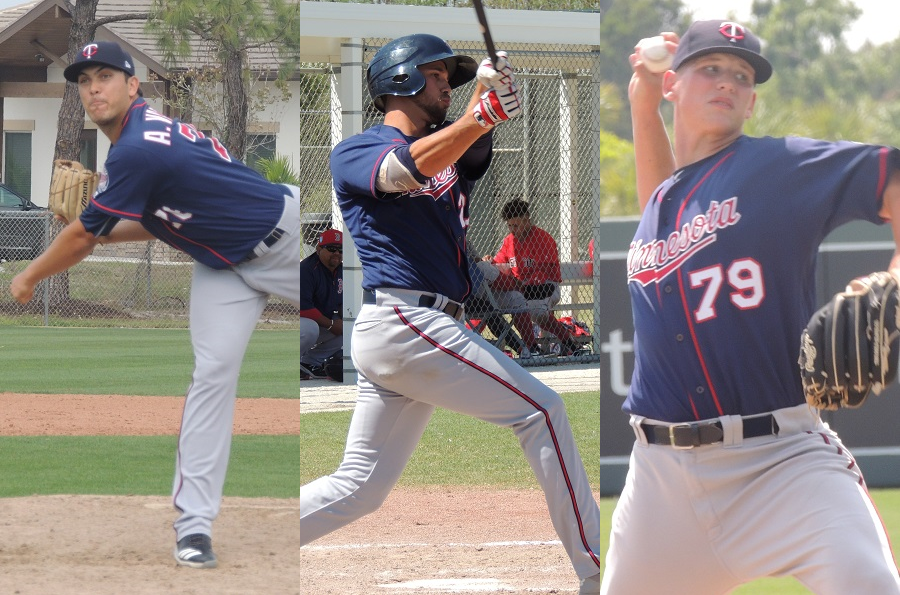 As you recall, following the minor league season, Twins Daily announced the minor league awards: Hitter of the Year: Alex Kirilloff Starting Pitcher of the Year: Tyler Wells Relief Pitcher of the Year: Andrew Vasquez In a minor league system, the players get to know each other and develop relationships and many friendships. Even in this small group of three, there are some interesting connections. So, I thought it would be fun to see what each had to say about the others’ seasons. Tyler Wells on Andrew Vasquez In the offseason, Vasquez works out with fellow Twins Daily 2018 award winner Tyler Wells at Performance Fitness for Athletes. Wells was really happy for Vasquez. “He’s improved every year. I was extremely happy for him. I was really proud. He’s one of my best friends. It’s good to see someone get rewarded for all the hard work and adversity. Seeing him in The Show made me want to work my butt off even more.” Tyler Wells on Alex Kirilloff The Twins Daily Starting Pitcher of the Year, Tyler Wells, is also close with Kirilloff. The two were drafted in 2016, played together in Elizabethton and have remained close. Of Kirilloff, Wells said, “Alex and I are really really close. We have gone through quite a bit as far as just being friends. Seeing what he did was unbelievable. Truly was unbelievable. Being around him, he always makes you want to be a better baseball player, in general. It makes you want to work harder. He’s always finding a way to get better, always thinking about it. From rooming with him in E-Town, that’s something I inherited from him that summer. Now it’s like, don’t get too high, don’t get too low. Stay consistent. What can you do to refine this little thing? We all know, Alex is one of the greatest hitters the game has ever seen. He never stops trying to get better and that rubs off on his teammates.” Andrew Vasquez on Alex Kirilloff Vasquez said of Kirilloff, "I played with him for a brief time in Elizabethton when he first got drafted. I just remembered that he was a very good hitter. It was very noticeable. You could tell he had an approach and knew what he was doing. A high school guy, he was really impressive. He was always putting good swings on the ball." Andrew Vasquez on Tyler Wells Vasquez spoke of Wells. “He had a great year. He took what he needed to improve on and focus on and it really showed this year. He lost a little weight. I was kind of worried because sometimes when guys lose weight, they can lose velo, but he kept his velo and his stamina increased. I distinctly remember in 2017 that he would have trouble going late into games, pitch count would get high and he’d get tired. This year, he made these changes and was able to sustain it. He threw really well.” Alex Kirilloff on Tyler Wells Fellow 2018 Twins Daily award winner Alex Kirilloff is a close friend of Wells since they were drafted in 2016 and played together in Elizabethton. “I think he had a great season. He did a great job last offseason. He started a new diet. He really stuck with his workout regimen and his offseason goal and plan. He lost all that weight. I’m impressed with that. He pitched well in spring training and backed it up on the field all year. I think that he has a lot of potential and hope he will have another big year.” Kirilloff continued, “Off the field, fun guy to be around, a lot of energy. Just a good guy to get behind every five days and know he’s going to battle out there on the mound. That’s always nice to have. I hope he puts together another good season next year and we’ll see what happens.” Alex Kirilloff on Andrew Vasquez Hitter of the Year, Alex Kirilloff saw Vasquez’s 2018 progression from the Florida State League to the big leagues. “It definitely is motivational for everyone, really. You don’t see that too often, but when we do see it, you keep yourself in check and realize that you are not too far away from it. Sometimes you feel like you are a million years away, but when you see a guy like Andrew do it all in one year, you push yourself to work harder and work toward that goal as well. So it was definitely pretty cool to see. I was extremely happy for him.” Later this week, we will announce more about the 2019 Minnesota Twins Prospect Handbook. Be sure to stop back and order your copies when it becomes available. For now, you can order discounted copies of the previous Twins Prospect Handbooks here.
 -
I mean, they have added two good players so far and the Winter Meetings just started... no realist to be non-optimistic at this point.
-
Daniel told me that he is coming to Twins Fest, and he hopes to be able to come to the Winter Meltdown.
-
This is unfortunate, though John Sickels will land on his feet and that's' really the key... I hope so at least. He's always been good to me!
-
This is a good point. Also, if the core players do take their step forward in 2019, there's no reason that this team can't compete. Buxton. Sano. Kepler. Rosario. Berrios. Polanco. These guys are all very talented. I think only Rosario didn't make a Top 100 list as a prospect. Health. Something clicking... Luck. There's no reason to think that they can''t, or at least maybe 4-5 of them instead of just two like last year. Schoop is young and there's no reason to think he cant return to close to 2017 form. The top four of the starting rotation is solid. There are a lot of options for the 5th starter job and a couple of them do have some upside. They have depth. (I think they will grab a starter though) And then there's the bullpen. Like I've written, I think there are four givens, and they can add a couple of veterans. Reed could return to 'normal.' So yeah... thats obviously an optimistic view. It doesn't make for an exciting offseason (though again, as many as three pitchers signed yet could make it a little more interesting), but it's also not completely out of the realm of possiblity. And as many others have said, if Buxton and Sano don't become something, then 2019 was lost no matter who they signed.
-
MLB announced tonight that a 16-person committee decided that DH Harold Baines and RP Lee Smith are now Hall of Famers. Here is the announcement: Aaron Gleeman makes a good point here. https://twitter.com/AaronGleeman/status/1071940218016546816 Now I'm 100% convinced that Joe Mauer, Johan Santana, TOny Oliva... Joe Nathan... they should all be HOFers.
-
Former big leaguer Luis Valbuena (33) and Jose Castillo (37) died on Thursday in a car accident in Venezuela. Unfortunately, there seems to be 1-3 such instances every offseason in the Dominican and Venezuela. It was two years ago that former Twins prospect Yorman Landa passed away. The same offseason Royals starter Yordano Ventura died as well.
-
Twins Sign Infielder Ronald Torreyes
Seth Stohs replied to Seth Stohs's topic in Twins Daily Front Page News
I was pretty mesh about the Torreyes signing initially ,but when Dan Hayes tweeted that it was a split deal and he has an option remaining, I like it. He has an option left, so he could go down. He could compete with Adrianza for a utility infield job in 2019, and if he wins, Adrianza's contract isn't guaranteed. Also, one more year of Adrianza as a utility guy might make him a $2 million guy, in which case they can non-tender him and Torreyes does the same job in 2020 or $1.2 million instead. Also, Torreyes has hit a bit in the big leagues too, so there's certainly some talent there. -
Twins Sign Infielder Ronald Torreyes
Seth Stohs replied to Seth Stohs's topic in Twins Daily Front Page News
It doesn't show anything... These are individual moves and doesn't stop the Twins from doing more moves. I'm not saying they will do a ton more, but they will certainly do more. -
The Minnesota Twins announced the signing of infielder Ronald Torreyes to a Major League contract. Jon Heyman has reported that the deal is believed to be for about $800,000. The former Yankees and Dodgers utility man puts the Twins at 39 on their 40-man roster. Image courtesy of Brad Penner, ,USA Today The Minnesota Twins announced the signing of infielder Ronald Torreyes to a Major League contract. Jon Heyman has reported that the deal is believed to be for about $800,000. The former Yankees and Dodgers utility man puts the Twins at 39 on their 40-man roster. Torreyes is a 26-year-old from Venezuela who spent most of the last three seasons with the New York Yankees. The utility infielder is diminutive in stature, but he has a good glove around the infield. Torreyes spent eight games with the Dodgers in 2015. In late November, the Yankees DFAd Ronald Torreyes, and two days later, they traded him to the Cubs for cash or a PTBNL. They DFAd him two days later. With Ken Rosenthal reporting that the Twins are working on a one-year $7 million deal with Jonathan Schoop, Torreyes will likely compete with Ehire Adrianza for utility infield time around the field. In 229 career games, Torreyes has hit .281 with 30 doubles, six triples and four home runs. Quick Update from Dan Hayes. The fact that it is a split-contract and he has a minor league option remaining makes it make a lot more sense. And here's a great nickname... https://twitter.com/Yankees/status/1067879858439684096 View full article
-
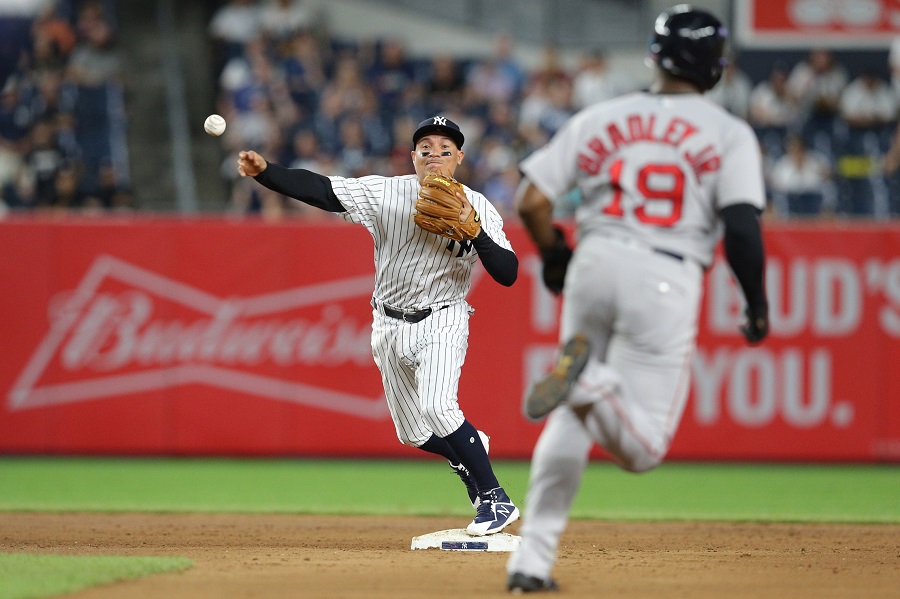 Torreyes is a 26-year-old from Venezuela who spent most of the last three seasons with the New York Yankees. The utility infielder is diminutive in stature, but he has a good glove around the infield. Torreyes spent eight games with the Dodgers in 2015. In late November, the Yankees DFAd Ronald Torreyes, and two days later, they traded him to the Cubs for cash or a PTBNL. They DFAd him two days later. With Ken Rosenthal reporting that the Twins are working on a one-year $7 million deal with Jonathan Schoop, Torreyes will likely compete with Ehire Adrianza for utility infield time around the field. In 229 career games, Torreyes has hit .281 with 30 doubles, six triples and four home runs. Quick Update from Dan Hayes. The fact that it is a split-contract and he has a minor league option remaining makes it make a lot more sense. And here's a great nickname... https://twitter.com/Yankees/status/1067879858439684096
 -
Non-Twins Off-season news, tidbits and transactions
Seth Stohs replied to ashbury's topic in Other Baseball
The Diamondbacks return for Goldschmidt: https://twitter.com/Dbacks/status/1070439223713423360 -
Non-Twins Off-season news, tidbits and transactions
Seth Stohs replied to ashbury's topic in Other Baseball
Chris Owings to the Royals. https://twitter.com/Royals/status/1070418837949038593 -
Good to see Do-Hyoung Park and Betsy Helfand both come back to the Twin Cities. Both of them interned under Rhett for MLB.com in recent years.
- 40 replies
-
- 2
-
-
- mlb trade rumors
- mlb free agent rumors
- (and 1 more)
-
Non-Twins Off-season news, tidbits and transactions
Seth Stohs replied to ashbury's topic in Other Baseball
Corbin to the Nationals for 6 years.... -
Starting this weekend, baseball will hold its annual Winter Meetings in Las Vegas. The event will get started on Sunday night and wrap up next Thursday with the Rule 5 drafts. It's been a busy offseason already for the Twins as they have fired a manager, hired a manager and filled his coaching staff. They moved their Double-A affiliate from Chattanooga to Pensacola. Joe Mauer retired. Three players were added to the 40-man roster. The team claimed CJ Cron and then signed him and Ehire Adrianza too. They tended contracts to the rest of their arbitration-eligibles, with the exception of Robbie Grossman. There have been some minor league signings and a whole bunch of rumors. Image courtesy of Mark J. Rebilas, USA Today Starting this weekend, baseball will hold its annual Winter Meetings in Las Vegas. The event will get started on Sunday night and wrap up next Thursday with the Rule 5 drafts. It's been a busy offseason already for the Twins as they have fired a manager, hired a manager and filled his coaching staff. They moved their Double-A affiliate from Chattanooga to Pensacola. Joe Mauer retired. Three players were added to the 40-man roster. The team claimed CJ Cron and then signed him and Ehire Adrianza too. They tended contracts to the rest of their arbitration-eligibles, with the exception of Robbie Grossman. There have been some minor league signings and a whole bunch of rumors. As they head to the Winter Meetings, here is a quick look at where they are today. This will give you a better idea of what their needs are and what types of conversations may be had this coming week Let's take a look around the diamond and see what the Twins roster might look like if the season were to start today. Hopefully it gives Twins fans a glimpse at the work that Derek Falvey and Thad Levine have ahead of them to fill out Rocco Baldelli's first Opening Day roster: Catcher - Jason Castro, Mitch Garver Jason Castro is expected to return to the field in 2019 after missing most of 2018 following knee surgery. Mitch Garver showed improvement at the plate and behind the dish. Willians Astudillo can provide some depth as well. Infield/DH - CJ Cron, Tyler Austin, Jorge Polanco, Miguel Sano, Ehire Adrianza Cron and Austin would split the first base and DH duties. Miguel Sano and Jorge Polanco will again man the left side of the infield with Sano getting some DH time too. As of today, Ehire Adrianza would probably be the starting second baseman with Nick Gordon continuing to work in Rochester. Oh, and Willians Astudillo can provide some depth as well. Outfield - Eddie Rosario, Byron Buxton, Max Kepler, Jake Cave Rosario had another strong season in 2018, cementing himself in the lineup. Buxton struggled early and then broke his toe and was never really given a chance to recover properly. But when healthy and with his legs (and feet and toes) under him, he's the best outfielder in the game. Can his offense be what it was in the second half of 2017? Max Kepler hasn't taken a step forward, but he's provided strong defense and 20 homer power. Jake Cave had a nice second half with the Twins, showing that he can be a big league contributor. Zack Granite and Michael Reed provide the team with other options in the outfield, along with recent 40-man add LaMonte Wade. And again, maybe Willians Astudillo can provide some depth. Starting Pitchers - Jose Berrios, Kyle Gibson, Jake Odorizzi, Michael Pineda These four are written into the Twins starting rotation in at least some variety of ink, even if that is that erasable ink that just kind of makes a mess on the paper. Berrios became an All-Star and took a step forward in 2018. Kyle Gibson put together easily his best season and is now just one year away from free agency. Odorizzi is also one year from free agency. He finished pretty strong, and it will be interesting to see how he performs under Baldelli. Pineda will return after Tommy John surgery (and a late-season knee injury), hoping to get back to his old form, which was all-star caliber. The question becomes... Fifth Starter Options - Fernando Romero, Kohl Stewart, Stephen Gonsalves, Chase De Jong, Adalberto Mejia, Zack Littell, Aaron Slegers, Lewis Thorpe The Twins certainly have options for the fifth starter position, and some are more ready than others, and some certainly have a higher ceiling than others. How comfortable would you be with going into the season with one of these eight options as the team's fifth starter? The Bullpen: Trevor May, Addison Reed, Taylor Rogers, Trevor Hildenberger I've written before that I think these four are the givens to be in the Twins 2019 Opening Day bullpen (pending trades, injuries, etc.). The Rest of the Bullpen: Gabriel Moya, Andrew Vasquez, Matt Magill, John Curtiss, Tyler Duffey Along with this group, the fifth starter options could also factor into the bullpen equation as well. It will be interesting to see what the Twins do, and how the opener fits into that as well. Moya and Vasquez are the lefties. Magill and Duffey and a guy like Mejia could provide length out of the bullpen. And hey, maybe even Willians Astudillo could provide depth. So, what do the Twins need to do over the remainder of the offseason? (Note - I didn't say just by the end of the Winter Meetings because as we see every year, the Winter Meetings have some moves, but they are mostly filled with rumors of teams talking and teams talking to agents, etc. Additional note - The Twins will likely have conversations with almost all of the rest of the teams, and with most of the agents. Also, there are actual meetings during the Winter Meetings that front office staffs need to attend.) 1.) Bullpen - I would be surprised if the Twins don't target one or two quality bullpen arms. 2.) Middle Infield - The Twins could target either a second baseman or a shortstop and move Jorge Polanco accordingly. But they will need one. With Nick Gordon likely ready sometime late in 2019 and Royce Lewis likely ready sometime in 2020, will they want a more short-term option? 3.) Starting Pitcher - Of course this can be higher, but I am of the opinion that if you're not going to sign a real difference-maker, just give the young guys a shot. With Gibson and Odorizzi and Pineda all potential free agents following the 2019 season, it is reasonable to go after starters. Patrick Corbin is the pipe dream. Dallas Keuchel and JA Happ would be solid signs. The trade market could be interesting. Personally, I don't like the idea of trading a bunch for Zack Greinke unless the Diamondbacks take back a huge chunk of his remaining salary. 35+ year old pitchers are scary in the long-term. Cleveland has made some starters available, and they would be intriguing. There are likely other pitchers available who are interesting as well (Marcus Stroman could be one). 4.) First base/DH - Even with the signing of CJ Cron and Tyler Austin being on the roster, the Twins could look to add a left-handed hitting first base type. This is less likely if they really like Austin's potential because of the likely need for a 13-man pitching staff at times. That's where the Twins roster is right this moment, as well as some areas of need. What do you consider the Twins areas of strength, and how would you prioritize their areas of need this offseason? View full article
- 112 replies
-
- 2
-
-
- thad levine
- rocco baldelli
- (and 2 more)
-
 As they head to the Winter Meetings, here is a quick look at where they are today. This will give you a better idea of what their needs are and what types of conversations may be had this coming week Let's take a look around the diamond and see what the Twins roster might look like if the season were to start today. Hopefully it gives Twins fans a glimpse at the work that Derek Falvey and Thad Levine have ahead of them to fill out Rocco Baldelli's first Opening Day roster: Catcher - Jason Castro, Mitch Garver Jason Castro is expected to return to the field in 2019 after missing most of 2018 following knee surgery. Mitch Garver showed improvement at the plate and behind the dish. Willians Astudillo can provide some depth as well. Infield/DH - CJ Cron, Tyler Austin, Jorge Polanco, Miguel Sano, Ehire Adrianza Cron and Austin would split the first base and DH duties. Miguel Sano and Jorge Polanco will again man the left side of the infield with Sano getting some DH time too. As of today, Ehire Adrianza would probably be the starting second baseman with Nick Gordon continuing to work in Rochester. Oh, and Willians Astudillo can provide some depth as well. Outfield - Eddie Rosario, Byron Buxton, Max Kepler, Jake Cave Rosario had another strong season in 2018, cementing himself in the lineup. Buxton struggled early and then broke his toe and was never really given a chance to recover properly. But when healthy and with his legs (and feet and toes) under him, he's the best outfielder in the game. Can his offense be what it was in the second half of 2017? Max Kepler hasn't taken a step forward, but he's provided strong defense and 20 homer power. Jake Cave had a nice second half with the Twins, showing that he can be a big league contributor. Zack Granite and Michael Reed provide the team with other options in the outfield, along with recent 40-man add LaMonte Wade. And again, maybe Willians Astudillo can provide some depth. Starting Pitchers - Jose Berrios, Kyle Gibson, Jake Odorizzi, Michael Pineda These four are written into the Twins starting rotation in at least some variety of ink, even if that is that erasable ink that just kind of makes a mess on the paper. Berrios became an All-Star and took a step forward in 2018. Kyle Gibson put together easily his best season and is now just one year away from free agency. Odorizzi is also one year from free agency. He finished pretty strong, and it will be interesting to see how he performs under Baldelli. Pineda will return after Tommy John surgery (and a late-season knee injury), hoping to get back to his old form, which was all-star caliber. The question becomes... Fifth Starter Options - Fernando Romero, Kohl Stewart, Stephen Gonsalves, Chase De Jong, Adalberto Mejia, Zack Littell, Aaron Slegers, Lewis Thorpe The Twins certainly have options for the fifth starter position, and some are more ready than others, and some certainly have a higher ceiling than others. How comfortable would you be with going into the season with one of these eight options as the team's fifth starter? The Bullpen: Trevor May, Addison Reed, Taylor Rogers, Trevor Hildenberger I've written before that I think these four are the givens to be in the Twins 2019 Opening Day bullpen (pending trades, injuries, etc.). The Rest of the Bullpen: Gabriel Moya, Andrew Vasquez, Matt Magill, John Curtiss, Tyler Duffey Along with this group, the fifth starter options could also factor into the bullpen equation as well. It will be interesting to see what the Twins do, and how the opener fits into that as well. Moya and Vasquez are the lefties. Magill and Duffey and a guy like Mejia could provide length out of the bullpen. And hey, maybe even Willians Astudillo could provide depth. So, what do the Twins need to do over the remainder of the offseason? (Note - I didn't say just by the end of the Winter Meetings because as we see every year, the Winter Meetings have some moves, but they are mostly filled with rumors of teams talking and teams talking to agents, etc. Additional note - The Twins will likely have conversations with almost all of the rest of the teams, and with most of the agents. Also, there are actual meetings during the Winter Meetings that front office staffs need to attend.) 1.) Bullpen - I would be surprised if the Twins don't target one or two quality bullpen arms. 2.) Middle Infield - The Twins could target either a second baseman or a shortstop and move Jorge Polanco accordingly. But they will need one. With Nick Gordon likely ready sometime late in 2019 and Royce Lewis likely ready sometime in 2020, will they want a more short-term option? 3.) Starting Pitcher - Of course this can be higher, but I am of the opinion that if you're not going to sign a real difference-maker, just give the young guys a shot. With Gibson and Odorizzi and Pineda all potential free agents following the 2019 season, it is reasonable to go after starters. Patrick Corbin is the pipe dream. Dallas Keuchel and JA Happ would be solid signs. The trade market could be interesting. Personally, I don't like the idea of trading a bunch for Zack Greinke unless the Diamondbacks take back a huge chunk of his remaining salary. 35+ year old pitchers are scary in the long-term. Cleveland has made some starters available, and they would be intriguing. There are likely other pitchers available who are interesting as well (Marcus Stroman could be one). 4.) First base/DH - Even with the signing of CJ Cron and Tyler Austin being on the roster, the Twins could look to add a left-handed hitting first base type. This is less likely if they really like Austin's potential because of the likely need for a 13-man pitching staff at times. That's where the Twins roster is right this moment, as well as some areas of need. What do you consider the Twins areas of strength, and how would you prioritize their areas of need this offseason?
 -
Arbitration Decisions Looming
Seth Stohs replied to Seth Stohs's topic in Twins Daily Front Page News
Robbie Grossman was non-tendered. Along with Adrianza, the Twins also reached a deal with CJ Cron at $4.8 million. The other eight players were all tendered 2019 contracts. -
I don't think I'd have any interest in Cano at this point in his career. I do like Diaz, but obviously he's not available without Cano.
-
Arbitration Decisions Looming
Seth Stohs replied to Seth Stohs's topic in Twins Daily Front Page News
Article updated with the following tweet noting that Ehire Adrianza agreed to a one year, $1.3 million deal. https://twitter.com/morsecode/status/1068247731968376833
