



Patrick Wozniak
-
Posts
383 -
Joined
-
Last visited
-
Days Won
1
Content Type
Profiles
News
Minnesota Twins Videos
2026 Minnesota Twins Top Prospects Ranking
2022 Minnesota Twins Draft Picks
Minnesota Twins Free Agent & Trade Rumors, Notes, & Tidbits
Guides & Resources
2023 Minnesota Twins Draft Picks
The Minnesota Twins Players Project
2024 Minnesota Twins Draft Picks
2025 Minnesota Twins Draft Pick Tracker
2026 Minnesota Twins Draft Tracker: Picks & Bonuses
Forums
Blogs
Events
Store
Downloads
Gallery
Everything posted by Patrick Wozniak
-
MLB.com has been ranking teams according to various aspects and Minnesota fared well as the second overall offense (Cody Christie covers it here). But when it comes to the rotation, Minnesota has been given the Rodney Dangerfield treatment.Not only was the rotation left out of the top-10, it didn’t even make the honorable mention group! This seems like a slight considering the rotation was borderline top-10 in 2019 and has added Rich Hill, Kenta Maeda, and even Homer Bailey to fill out what was already a pretty good rotation. The numbers don’t lie (they can’t even talk!). Minnesota’s starters ranked seventh in fWAR. When we look at park and league adjusted pitching statistics, the 2019 Twins rotation also ranked seventh in ERA(-), and FIP(-) and ninth in xFIP(-). That makes a pretty strong case for cracking the top-10, but the 2020 rotation is not the 2019 rotation – it’s better! Gone are Kyle Gibson and Martín Pérez, who were unambiguously Minnesota’s two worst starters last season. Gibson never really seemed himself while battling ulcerative colitis and ended the year in the bullpen. He finished with a 4.84 ERA and signed a three-year deal with the Texas Rangers (who somehow come in at number seven with Gibson listed as their fourth starter) in the offseason. Of course, we only have to go back to 2018 to see a good year from Gibson (3.62 ERA), but he had a 5.07 ERA in both 2016 and 2017 and has only had an ERA of below 4.00 twice in his career (ZiPS doesn’t believe in Gibson either, pegging him for a 5.19 ERA this year). Pérez’s 2019 started off on an amazing run, going 7-1 with a 2.95 ERA through May 23rd and it looked like Wes Johnson had really worked some magic. But the wheels were quick to fly off and Pérez ended the season with an unsightly 5.12 ERA and was left off the postseason roster. He signed a one-year deal with the Boston Red Sox and is projected for a 5.09 ERA by ZiPS. With Gibby and Pérez out of the picture, the Twins retained the good part of their rotation (José Berríos, Jake Odorizzi, and Michael Pineda, who is suspended for the first half plus of the 60 game season) and essentially replaced the castoffs with Rich Hill and Kenta Maeda. Hill’s last season with an ERA above 4.00 was 2013 and he had a 2.45 ERA for the Dodgers in 2019. Hill could easily be Minnesota’s best pitcher this year, but Kenta Maeda is no slouch either. He has a 3.87 ERA for his career and an even better 3.71 FIP. The swapping of Gibson and Pérez for Hill and Maeda is a huge upgrade and should significantly bolster the Twins rotation. Plus Minnesota has either the “new and improved” version of Homer Bailey or Randy Dobnak, who was great in his brief rookie campaign, to keep Pineda’s chair warm. Throw in Lewis Thorpe, Devin Smeltzer (and his new and improved slider), and potentially Jhoulys Chacín, and the Twins also boast incredible depth. Maybe the rotation hasn’t quite earned top-five status, but considering they were already a top-10 rotation last year and have only gotten better should place them firmly in the top-10. The fact that six additional honorable mention teams were added to the list and the Twins were still left off is absurd. Although the almost unwatchable “pitch-to-contact” rotations of the Gardy and Rick Anderson era are long gone (but amazingly still alive in Detroit), and the Twins are at the forefront of modern pitching innovation, it seems they have yet to get the respect they deserve. Look for that to change over the next 60 games. What do you think about MLB.com’s top-10 rotation list? Should the Twins be in? Where do they fit? Finally, how do you feel about Rodney Dangerfield? MORE FROM TWINS DAILY — Latest Twins coverage from our writers — Recent Twins discussion in our forums — Follow Twins Daily via Twitter, Facebook or email Click here to view the article
-
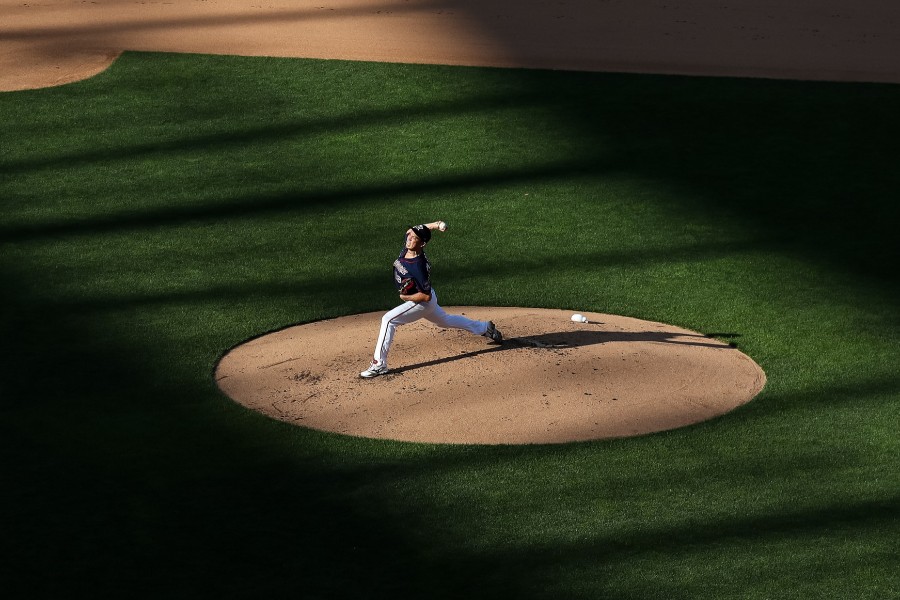 Not only was the rotation left out of the top-10, it didn’t even make the honorable mention group! This seems like a slight considering the rotation was borderline top-10 in 2019 and has added Rich Hill, Kenta Maeda, and even Homer Bailey to fill out what was already a pretty good rotation. The numbers don’t lie (they can’t even talk!). Minnesota’s starters ranked seventh in fWAR. When we look at park and league adjusted pitching statistics, the 2019 Twins rotation also ranked seventh in ERA(-), and FIP(-) and ninth in xFIP(-). That makes a pretty strong case for cracking the top-10, but the 2020 rotation is not the 2019 rotation – it’s better! Gone are Kyle Gibson and Martín Pérez, who were unambiguously Minnesota’s two worst starters last season. Gibson never really seemed himself while battling ulcerative colitis and ended the year in the bullpen. He finished with a 4.84 ERA and signed a three-year deal with the Texas Rangers (who somehow come in at number seven with Gibson listed as their fourth starter) in the offseason. Of course, we only have to go back to 2018 to see a good year from Gibson (3.62 ERA), but he had a 5.07 ERA in both 2016 and 2017 and has only had an ERA of below 4.00 twice in his career (ZiPS doesn’t believe in Gibson either, pegging him for a 5.19 ERA this year). Pérez’s 2019 started off on an amazing run, going 7-1 with a 2.95 ERA through May 23rd and it looked like Wes Johnson had really worked some magic. But the wheels were quick to fly off and Pérez ended the season with an unsightly 5.12 ERA and was left off the postseason roster. He signed a one-year deal with the Boston Red Sox and is projected for a 5.09 ERA by ZiPS. With Gibby and Pérez out of the picture, the Twins retained the good part of their rotation (José Berríos, Jake Odorizzi, and Michael Pineda, who is suspended for the first half plus of the 60 game season) and essentially replaced the castoffs with Rich Hill and Kenta Maeda. Hill’s last season with an ERA above 4.00 was 2013 and he had a 2.45 ERA for the Dodgers in 2019. Hill could easily be Minnesota’s best pitcher this year, but Kenta Maeda is no slouch either. He has a 3.87 ERA for his career and an even better 3.71 FIP. The swapping of Gibson and Pérez for Hill and Maeda is a huge upgrade and should significantly bolster the Twins rotation. Plus Minnesota has either the “new and improved” version of Homer Bailey or Randy Dobnak, who was great in his brief rookie campaign, to keep Pineda’s chair warm. Throw in Lewis Thorpe, Devin Smeltzer (and his new and improved slider), and potentially Jhoulys Chacín, and the Twins also boast incredible depth. Maybe the rotation hasn’t quite earned top-five status, but considering they were already a top-10 rotation last year and have only gotten better should place them firmly in the top-10. The fact that six additional honorable mention teams were added to the list and the Twins were still left off is absurd. Although the almost unwatchable “pitch-to-contact” rotations of the Gardy and Rick Anderson era are long gone (but amazingly still alive in Detroit), and the Twins are at the forefront of modern pitching innovation, it seems they have yet to get the respect they deserve. Look for that to change over the next 60 games. What do you think about MLB.com’s top-10 rotation list? Should the Twins be in? Where do they fit? Finally, how do you feel about Rodney Dangerfield? MORE FROM TWINS DAILY — Latest Twins coverage from our writers — Recent Twins discussion in our forums — Follow Twins Daily via Twitter, Facebook or email
 -
There’s been a lot of talk about the potential dominance of Jose Berrios or a healthy Rich Hill in a 60-game season, and newcomer Kenta Maeda also looks like a good bet, but could it be Jake Odorizzi who ends up being the most dominant starter in Minnesota’s rotation?While it’s certainly ill-advised to bet against Berrios or Hill who are well set up to succeed, Odorizzi has the kind of skill set that could excel in a shortened season. Jayson Stark and Eno Sarris of the Athletic recently collaborated on a piece that looked at impossible things that could happen in a 60-game season. One thing they looked at was whether a pitcher such as Matthew Boyd, who has above-average strikeout and walk rates but is susceptible to the longball, could win the Cy Young award due to the fluctuation in home run rates from year-to-year with pitchers. Interestingly, both Odorizzi and Maeda rank amongst the top-five in baseball when taking these three factors into account. Of course, being included in a top-five grouping that includes giving up a bunch of dingers isn’t in and of itself such a good thing, but if either Odorizzi or Maeda finds a way to lower their home run rates (or really just gets a bit lucky in such a short sample-size), they have the potential to be really good in 2020. It’s not hard to find evidence of Odorizzi’s ability to dominate in short stretches. In fact, if we take a look at his statistics for Minnesota’s first 60-games of 2019 we can see just how good Odorizzi can be. Odorizzi made 12 starts and recorded a 1.96 ERA, allowing only four home runs and five doubles, along with a 2.58 Win Probability Added (and this includes the rain-filled two-thirds of an inning disaster against Philadelphia on April 5th). If we take a look at Odorizzi’s results for the next 60-games we can see what happens when he does give up the longball. Over his next twelve starts Odorizzi gave up 11 homers (along with 17 doubles) and his ERA ballooned to 5.11 (with a WPA of -0.419). This includes the month of July, which was Odorizzi’s only month of the year with an ERA above four (7.43), but this coincides with a blister injury that landed him on the 10-day IL. If we chalk July’s struggles up to the blister injury, then Odorizzi didn’t have a bad month in 2019. Odorizzi credited his success in 2019 to offseason work he did at the Florida Baseball Ranch, where alterations to his mechanics and workout routine led to gaining a couple of ticks in fastball velocity and increased carry. His offseason work blended nicely with pitching coach Wes Johnson’s philosophy and there’s no reason to believe Odorizzi’s success won’t spill over into 2020 as well. The biggest obstacle to Odorizzi reaching dominance may be his inability to pitch late into games. He has been plagued by high pitch counts throughout his career and it showed up in the Twins first scrimmage. Byron Buxton fouled off pitch after pitch in Odorizzi’s fourth and final inning, going 13 pitches deep before the plate appearance was prematurely ended due to Odorizzi reaching his pitch count. It would certainly be nice to see Odorizzi finish off batters more efficiently and go deeper into games, and to be truly dominant he must do so, but the Twins are well situated for short starts. If Homer Bailey takes the fifth and final spot in the rotation, Minnesota has Randy Dobnak and Lewis Thorpe available for longer relief stints. If Odorizzi is maxed out after five or six really good innings the Twins also have a borderline elite bullpen that runs deep and should avoid being overly taxed due to the overall quality and quantity of the starting rotation. Whether he’s Cy Young-worthy or not, Jake Odorizzi and the Minnesota Twins are well positioned for greatness in 2020. Let there be baseball! MORE FROM TWINS DAILY — Latest Twins coverage from our writers — Recent Twins discussion in our forums — Follow Twins Daily via Twitter, Facebook or email Click here to view the article
-
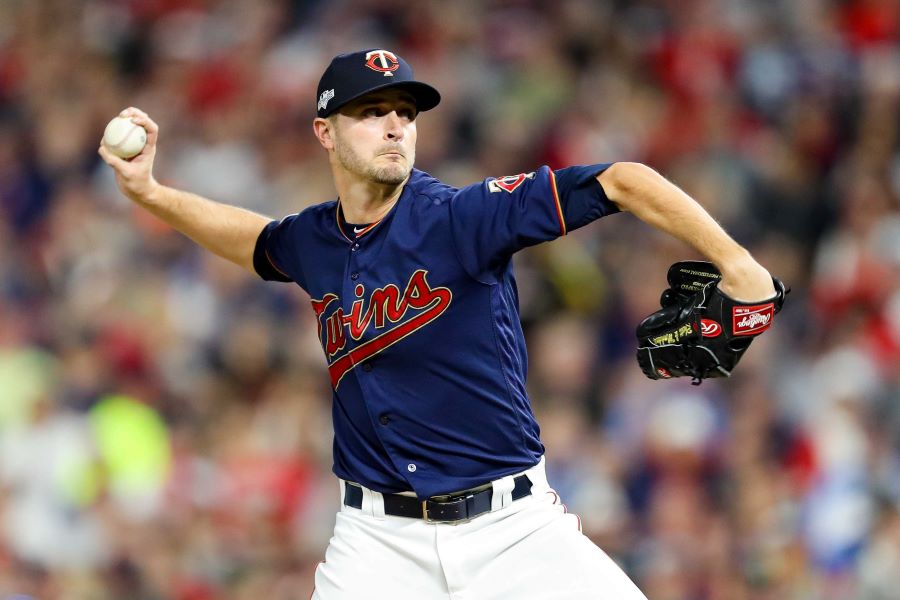 While it’s certainly ill-advised to bet against Berrios or Hill who are well set up to succeed, Odorizzi has the kind of skill set that could excel in a shortened season. Jayson Stark and Eno Sarris of the Athletic recently collaborated on a piece that looked at impossible things that could happen in a 60-game season. One thing they looked at was whether a pitcher such as Matthew Boyd, who has above-average strikeout and walk rates but is susceptible to the longball, could win the Cy Young award due to the fluctuation in home run rates from year-to-year with pitchers. Interestingly, both Odorizzi and Maeda rank amongst the top-five in baseball when taking these three factors into account. Of course, being included in a top-five grouping that includes giving up a bunch of dingers isn’t in and of itself such a good thing, but if either Odorizzi or Maeda finds a way to lower their home run rates (or really just gets a bit lucky in such a short sample-size), they have the potential to be really good in 2020. It’s not hard to find evidence of Odorizzi’s ability to dominate in short stretches. In fact, if we take a look at his statistics for Minnesota’s first 60-games of 2019 we can see just how good Odorizzi can be. Odorizzi made 12 starts and recorded a 1.96 ERA, allowing only four home runs and five doubles, along with a 2.58 Win Probability Added (and this includes the rain-filled two-thirds of an inning disaster against Philadelphia on April 5th). If we take a look at Odorizzi’s results for the next 60-games we can see what happens when he does give up the longball. Over his next twelve starts Odorizzi gave up 11 homers (along with 17 doubles) and his ERA ballooned to 5.11 (with a WPA of -0.419). This includes the month of July, which was Odorizzi’s only month of the year with an ERA above four (7.43), but this coincides with a blister injury that landed him on the 10-day IL. If we chalk July’s struggles up to the blister injury, then Odorizzi didn’t have a bad month in 2019. Odorizzi credited his success in 2019 to offseason work he did at the Florida Baseball Ranch, where alterations to his mechanics and workout routine led to gaining a couple of ticks in fastball velocity and increased carry. His offseason work blended nicely with pitching coach Wes Johnson’s philosophy and there’s no reason to believe Odorizzi’s success won’t spill over into 2020 as well. The biggest obstacle to Odorizzi reaching dominance may be his inability to pitch late into games. He has been plagued by high pitch counts throughout his career and it showed up in the Twins first scrimmage. Byron Buxton fouled off pitch after pitch in Odorizzi’s fourth and final inning, going 13 pitches deep before the plate appearance was prematurely ended due to Odorizzi reaching his pitch count. It would certainly be nice to see Odorizzi finish off batters more efficiently and go deeper into games, and to be truly dominant he must do so, but the Twins are well situated for short starts. If Homer Bailey takes the fifth and final spot in the rotation, Minnesota has Randy Dobnak and Lewis Thorpe available for longer relief stints. If Odorizzi is maxed out after five or six really good innings the Twins also have a borderline elite bullpen that runs deep and should avoid being overly taxed due to the overall quality and quantity of the starting rotation. Whether he’s Cy Young-worthy or not, Jake Odorizzi and the Minnesota Twins are well positioned for greatness in 2020. Let there be baseball! MORE FROM TWINS DAILY — Latest Twins coverage from our writers — Recent Twins discussion in our forums — Follow Twins Daily via Twitter, Facebook or email
 -
There’s plenty to be excited for in Twins Territory. The fact that we’re getting a season at all (I knocked) is reason enough to be elated and the wait should make baseball all the sweeter. Luckily we’ve also got a really good team.Coming off of a 101-win season the Twins look as if they’ve made themselves even better this offseason. The record-setting offense is still intact and looks to be even better with the addition of Josh Donaldson. Donaldson’s potent bat is reason enough to be excited, but his defense at third and the ability to shift Miguel Sano to first should shore up the infield defense as well. There’s also the return of Byron Buxton. Nick Nelson wrote about the impact Buxton could have in a 60-game season (which is what this article originally was, but you’re stuck with this instead) and it’s possible Buxton could even be MVP-worthy if he is able to stay healthy. A quick glance at Buxton’s statcast data from 2019 shows that he’s in the 100th percentile for Sprint Speed and the 97th percentile for Outs Above Average. He also had career highs in Barrel Percentage (8.3), Exit Velocity (89.3 mph), and Launch Angle (19.5 degrees). Combine all that with a decreased strikeout rate (23.1 %) and improvements in hitting right-handed pitching (.798 OPS) and a healthy Buxton looks like he could be unstoppable. As excited as I am for Buxton, the thing that excites me most about the 2020 Minnesota Twins has to be the rotation. While it doesn’t boast quite the frontend that Johan Santana and Francisco Liriano fleetingly provided back in 2006, the rotation is by far the best of recent memory. If you need a reminder of how bad some of Minnesota’s rotations have been for the past few decades, checkout the Twins in the 2000s series and you’ll be reminded of the utter awfulness of way too many Twins rotations. Fortunately, that is no longer the case for the Twins. The organization has worked hard to not only build good rotational depth, but also to bring together a group of starters that have the potential to be dominant for stretches. One could certainly quibble that Minnesota lacks a true ace (though I’m pretty sure that’s never happened at Twins Daily), but aces are hard to get, and Minnesota has the next best thing in several starters who are at least capable of pitching like an ace. Really, the Twins rotation seems made for a short season. Rich Hill is 40 and has an extended injury history but is good to go and could be the Twins best starter in a shortened season. Jose Berrios also seems poised to succeed in a short burst and sounds like he is rearing and ready to go. Kenta Maeda is another pitcher who seems really well-suited for a 60-game season and should be fun to watch. Plus, there’s Jake Odorizzi, who looked like the staff ace at times last season, and Homer Bailey who brings promise due to the success of his second-half adjustments last season (and of course Michael Pineda who will be back in the second half). Throw in young depth like Randy Dobnak and Lewis Thorpe, who would be fun to see in the rotation, and the outside chance of seeing a true flame thrower in prospect Jhoan Duran, and there’s a lot to be excited about. For me there’s nothing better than seeing a starting pitcher who’s mowing through opposing hitters (with the caveat that it’s a Twins pitcher) and that’s something I hope to see quite often in the 60-game season. Bombas are great, but there’s something refreshing and mesmerizing about watching a great pitching performance (quite possibly due to the scarcity). With the group Minnesota has put together it’s easy to envision starters feeding off each other’s success and really getting on a roll. Add on a healthy Buxton, Josh Donaldson, and the return of the Bomba Squad and we might as well roll all the way to the World Series! What are you most excited about for the 2020 season? Please leave your comments below! MORE FROM TWINS DAILY — Latest Twins coverage from our writers — Recent Twins discussion in our forums — Follow Twins Daily via Twitter, Facebook or email Click here to view the article
-
What Are You Most Looking Forward to for the 2020 Minnesota Twins?
Patrick Wozniak posted an article in Twins
 Coming off of a 101-win season the Twins look as if they’ve made themselves even better this offseason. The record-setting offense is still intact and looks to be even better with the addition of Josh Donaldson. Donaldson’s potent bat is reason enough to be excited, but his defense at third and the ability to shift Miguel Sano to first should shore up the infield defense as well. There’s also the return of Byron Buxton. Nick Nelson wrote about the impact Buxton could have in a 60-game season (which is what this article originally was, but you’re stuck with this instead) and it’s possible Buxton could even be MVP-worthy if he is able to stay healthy. A quick glance at Buxton’s statcast data from 2019 shows that he’s in the 100th percentile for Sprint Speed and the 97th percentile for Outs Above Average. He also had career highs in Barrel Percentage (8.3), Exit Velocity (89.3 mph), and Launch Angle (19.5 degrees). Combine all that with a decreased strikeout rate (23.1 %) and improvements in hitting right-handed pitching (.798 OPS) and a healthy Buxton looks like he could be unstoppable. As excited as I am for Buxton, the thing that excites me most about the 2020 Minnesota Twins has to be the rotation. While it doesn’t boast quite the frontend that Johan Santana and Francisco Liriano fleetingly provided back in 2006, the rotation is by far the best of recent memory. If you need a reminder of how bad some of Minnesota’s rotations have been for the past few decades, checkout the Twins in the 2000s series and you’ll be reminded of the utter awfulness of way too many Twins rotations. Fortunately, that is no longer the case for the Twins. The organization has worked hard to not only build good rotational depth, but also to bring together a group of starters that have the potential to be dominant for stretches. One could certainly quibble that Minnesota lacks a true ace (though I’m pretty sure that’s never happened at Twins Daily), but aces are hard to get, and Minnesota has the next best thing in several starters who are at least capable of pitching like an ace. Really, the Twins rotation seems made for a short season. Rich Hill is 40 and has an extended injury history but is good to go and could be the Twins best starter in a shortened season. Jose Berrios also seems poised to succeed in a short burst and sounds like he is rearing and ready to go. Kenta Maeda is another pitcher who seems really well-suited for a 60-game season and should be fun to watch. Plus, there’s Jake Odorizzi, who looked like the staff ace at times last season, and Homer Bailey who brings promise due to the success of his second-half adjustments last season (and of course Michael Pineda who will be back in the second half). Throw in young depth like Randy Dobnak and Lewis Thorpe, who would be fun to see in the rotation, and the outside chance of seeing a true flame thrower in prospect Jhoan Duran, and there’s a lot to be excited about. For me there’s nothing better than seeing a starting pitcher who’s mowing through opposing hitters (with the caveat that it’s a Twins pitcher) and that’s something I hope to see quite often in the 60-game season. Bombas are great, but there’s something refreshing and mesmerizing about watching a great pitching performance (quite possibly due to the scarcity). With the group Minnesota has put together it’s easy to envision starters feeding off each other’s success and really getting on a roll. Add on a healthy Buxton, Josh Donaldson, and the return of the Bomba Squad and we might as well roll all the way to the World Series! What are you most excited about for the 2020 season? Please leave your comments below! MORE FROM TWINS DAILY — Latest Twins coverage from our writers — Recent Twins discussion in our forums — Follow Twins Daily via Twitter, Facebook or email
 -
Ben Clemens of FanGraphs took a look at how a more compressed schedule will affect MLB teams’ starting rotations and how depth could become even more important in 2020. While the effect isn’t huge, it is significant enough to provide another edge for the Minnesota Twins.With 60 games in 66 days that means only 9% off days compared to 13% in a 162-game season. This can change the outlook of starter usage in several ways. The most obvious is reduced starts for staff aces. With less off days that means less opportunities to skip the fifth starter and give the team’s best pitcher an extra start. It’s not a huge downtick in starts for a teams number one, but any reduction would seem to work in Minnesota’s favor. The Twins have a rotation full of good, but not great starters, and there isn’t a whole lot of variation in terms of performance in the top four (Jose Berrios, Jake Odorizzi, Kenta Maeda, Rich Hill). However, a team like the Chicago White Sox would lose more by the inability to squeeze extra starts out of Lucas Giolito, who was far and away their best pitcher in 2019. This would also mean seeing a team’s fifth starter a bit more frequently, which should also be advantageous for the Twins. Whether Homer Bailey, who showed great improvement after adjusting his pitch mix with Oakland last season, or someone like Randy Dobnak, Minnesota’s fifth starter is likely to be of better quality than most MLB teams (especially once Michael Pineda returns from his suspension). When rainouts are added into the equation, it makes it more likely that sixth starters will need to be utilized. Again, the Twins are in really good shape here. According to Clemens, it’s the team’s third and fourth starters who would lose the most starts due to rainouts (though somewhat minimal), and the teams sixth starters that would gain the most. Assuming Bailey takes the fifth spot, that means either Dobnak or Lewis Thorpe (or even Devin Smeltzer or Jhoulys Chacín). Not bad at all. And again, Pineda will be back for the end of the season and the would-be postseason. Of course, the Twins starting pitching depth is most advantageous in regards to injuries. With less time to ramp up, starting pitchers could theoretically be at greater injury risk. Additionally, starters might be limited in their pitch counts to begin the season, so the Twins also have a great opportunity to piggy-back starters should they choose to do so. Possibly more significant than injury risk, is the risk presented by COVID-19. Although the pitching staff has yet to be hit (with the exception of Edwar Colina, who is on the 60-man squad but has yet to be added to the 40-man roster), both Miguel Sanó and Willians Astudillo are currently in quarantine and on the injured list due to positive tests. It’s not hard to imagine COVID-19 striking the rotation or elsewhere, and in such a case, the added rotational depth would obviously be invaluable. The offense looks great, the bullpen is stacked, and the rotation is the best it’s been in years. Minnesota has worked hard to build it’s depth, and in a season filled with uncertainties and unknowns, having the extra rotational depth is just one more advantage for the Twins. MORE FROM TWINS DAILY — Latest Twins coverage from our writers — Recent Twins discussion in our forums — Follow Twins Daily via Twitter, Facebook or email Click here to view the article
-
 With 60 games in 66 days that means only 9% off days compared to 13% in a 162-game season. This can change the outlook of starter usage in several ways. The most obvious is reduced starts for staff aces. With less off days that means less opportunities to skip the fifth starter and give the team’s best pitcher an extra start. It’s not a huge downtick in starts for a teams number one, but any reduction would seem to work in Minnesota’s favor. The Twins have a rotation full of good, but not great starters, and there isn’t a whole lot of variation in terms of performance in the top four (Jose Berrios, Jake Odorizzi, Kenta Maeda, Rich Hill). However, a team like the Chicago White Sox would lose more by the inability to squeeze extra starts out of Lucas Giolito, who was far and away their best pitcher in 2019. This would also mean seeing a team’s fifth starter a bit more frequently, which should also be advantageous for the Twins. Whether Homer Bailey, who showed great improvement after adjusting his pitch mix with Oakland last season, or someone like Randy Dobnak, Minnesota’s fifth starter is likely to be of better quality than most MLB teams (especially once Michael Pineda returns from his suspension). When rainouts are added into the equation, it makes it more likely that sixth starters will need to be utilized. Again, the Twins are in really good shape here. According to Clemens, it’s the team’s third and fourth starters who would lose the most starts due to rainouts (though somewhat minimal), and the teams sixth starters that would gain the most. Assuming Bailey takes the fifth spot, that means either Dobnak or Lewis Thorpe (or even Devin Smeltzer or Jhoulys Chacín). Not bad at all. And again, Pineda will be back for the end of the season and the would-be postseason. Of course, the Twins starting pitching depth is most advantageous in regards to injuries. With less time to ramp up, starting pitchers could theoretically be at greater injury risk. Additionally, starters might be limited in their pitch counts to begin the season, so the Twins also have a great opportunity to piggy-back starters should they choose to do so. Possibly more significant than injury risk, is the risk presented by COVID-19. Although the pitching staff has yet to be hit (with the exception of Edwar Colina, who is on the 60-man squad but has yet to be added to the 40-man roster), both Miguel Sanó and Willians Astudillo are currently in quarantine and on the injured list due to positive tests. It’s not hard to imagine COVID-19 striking the rotation or elsewhere, and in such a case, the added rotational depth would obviously be invaluable. The offense looks great, the bullpen is stacked, and the rotation is the best it’s been in years. Minnesota has worked hard to build it’s depth, and in a season filled with uncertainties and unknowns, having the extra rotational depth is just one more advantage for the Twins. MORE FROM TWINS DAILY — Latest Twins coverage from our writers — Recent Twins discussion in our forums — Follow Twins Daily via Twitter, Facebook or email
 -
Breaking Records in a 60-Game Season
Patrick Wozniak replied to Patrick Wozniak's topic in Twins Daily Front Page News
I had a feeling I would run afoul of someone's musical tastes . Just not my cup of tea - too many covers, too much pep. But to each there own!! -
Once, when I was just a wee-little lad, I scattered several of my mother’s LPs across the floor and proceeded to dance on them. Maybe it represented some Freudian resentment, but most likely I just wanted to break stuff. Several were destroyed and I’m sure my mother wasn’t happy. However, even at that young age, I was prudent enough to leave my father’s Dylan and Beatles albums untouched. Records are meant to be broken (especially Peter, Paul, and Mary), but some are more sacred than others.The shortened-nature of the 2020 season gives increased opportunity for some of baseball’s cherished records to fall. Counting stats that accumulate throughout the season are obviously safe, but stats such as Batting Average or Earned Run Average are very susceptible to the small sample size of just 60-games. The legitimacy of such records would rightfully be questioned and asterisks might be incorporated, but there’s no denying record chases are fun to watch and will add to the intrigue of what should already be a fascinating season. The all-time record for single-season Batting Average was set back in 1894 by Hugh Duffy at .440. Even in such a short season that’s a pretty high bar to clear, but .400 is certainly in play. The last hitter to do so was Ted Williams in 1941. Since Williams’ time a few hitters have flirted with .400, including Rod Carew in 1977 (.388), George Brett in 1980 (.390) and most recently Tony Gwynn in the strike-shortened 1994 season (.394). Although Batting Averages have fallen throughout baseball as hitters have focused more on power than contact, the Minnesota Twins do have a rather obvious candidate to challenge .400 in Luis Arraez. In his rookie season, Arraez drew comparisons to Gwynn for his ability to seemingly hit the ball wherever he wished and he definitely fits the mold of a more high-contact/low-strikeout profile of traditional high-average hitters. Arraez managed to hit .334 in his rookie season with the Twins and hit .393 in the season’s first-half (though he played just 24 games and saw only 95 plate appearances). Throughout his pro career he has always hit for high average and might be the best bet in all of baseball to hit .400 in a shortened season. On the other side of the ball, Bob Gibson’s single season ERA record of 1.12, set in 1968, could also be threatened. Dan Szymborski of FanGraphs used his ZiPS projection system to project the odds of Gibson’s record falling. In the article Szymborski points to the fact that just last season, Jack Flaherty pitched to a 0.91 ERA for the entirety of the second-half and calculates the odds of the record being broken at one-in-four. As far as Twins starters go, José Berríos has the best odds of beating the record with a one-in-395 chance. Behind Berríos, Jake Odorizzi and Kenta Maeda are given one-in-627 and one-in-663 odds respectively. While those projections might not have you running off to the casino to place your bets, all three are capable of great stretches and traditionally pitch well early in the season. Berríos seems built for the shortened season as he’ll presumably avoid his annual second-half breakdown, and look no further than Odorizzi’s 0.94 ERA in March of last season for evidence of his potential dominance in short stretches. A ready-to-go Rich Hill’s name could also be added to the list. Asterisks or not, a 60-game season is a whole different beast and a hot-stretch can bring remarkable results statistically. Legit or not, it’ll be fun to see some records get broken. Just stay away from the Dylan! What do you think? Do you see any records falling in 2020? What Twins players do you see having a chance? Do 2020 records have any legitimacy? Most importantly, what do you think about Bob Dylan? MORE FROM TWINS DAILY — Latest Twins coverage from our writers — Recent Twins discussion in our forums — Follow Twins Daily via Twitter, Facebook or email Click here to view the article
-
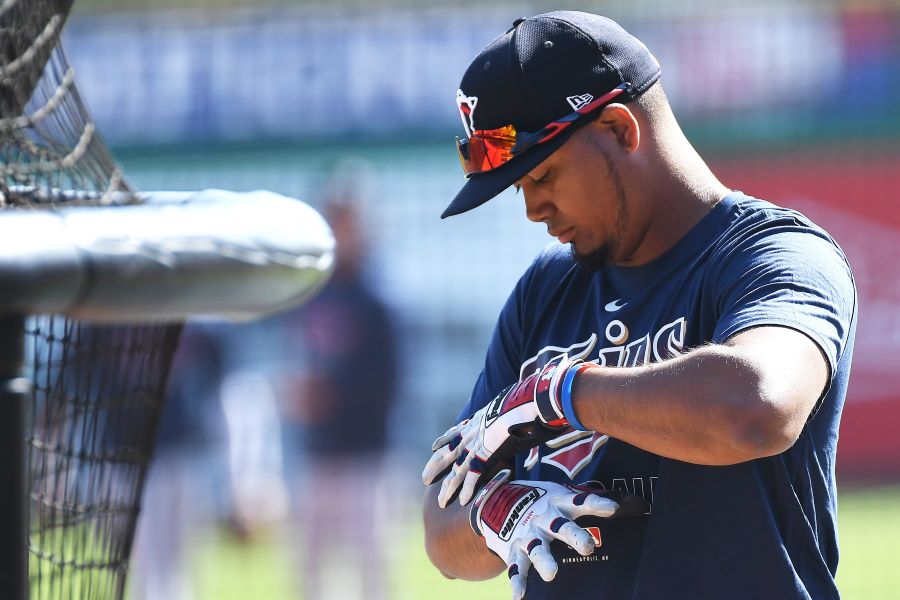 The shortened-nature of the 2020 season gives increased opportunity for some of baseball’s cherished records to fall. Counting stats that accumulate throughout the season are obviously safe, but stats such as Batting Average or Earned Run Average are very susceptible to the small sample size of just 60-games. The legitimacy of such records would rightfully be questioned and asterisks might be incorporated, but there’s no denying record chases are fun to watch and will add to the intrigue of what should already be a fascinating season. The all-time record for single-season Batting Average was set back in 1894 by Hugh Duffy at .440. Even in such a short season that’s a pretty high bar to clear, but .400 is certainly in play. The last hitter to do so was Ted Williams in 1941. Since Williams’ time a few hitters have flirted with .400, including Rod Carew in 1977 (.388), George Brett in 1980 (.390) and most recently Tony Gwynn in the strike-shortened 1994 season (.394). Although Batting Averages have fallen throughout baseball as hitters have focused more on power than contact, the Minnesota Twins do have a rather obvious candidate to challenge .400 in Luis Arraez. In his rookie season, Arraez drew comparisons to Gwynn for his ability to seemingly hit the ball wherever he wished and he definitely fits the mold of a more high-contact/low-strikeout profile of traditional high-average hitters. Arraez managed to hit .334 in his rookie season with the Twins and hit .393 in the season’s first-half (though he played just 24 games and saw only 95 plate appearances). Throughout his pro career he has always hit for high average and might be the best bet in all of baseball to hit .400 in a shortened season. On the other side of the ball, Bob Gibson’s single season ERA record of 1.12, set in 1968, could also be threatened. Dan Szymborski of FanGraphs used his ZiPS projection system to project the odds of Gibson’s record falling. In the article Szymborski points to the fact that just last season, Jack Flaherty pitched to a 0.91 ERA for the entirety of the second-half and calculates the odds of the record being broken at one-in-four. As far as Twins starters go, José Berríos has the best odds of beating the record with a one-in-395 chance. Behind Berríos, Jake Odorizzi and Kenta Maeda are given one-in-627 and one-in-663 odds respectively. While those projections might not have you running off to the casino to place your bets, all three are capable of great stretches and traditionally pitch well early in the season. Berríos seems built for the shortened season as he’ll presumably avoid his annual second-half breakdown, and look no further than Odorizzi’s 0.94 ERA in March of last season for evidence of his potential dominance in short stretches. A ready-to-go Rich Hill’s name could also be added to the list. Asterisks or not, a 60-game season is a whole different beast and a hot-stretch can bring remarkable results statistically. Legit or not, it’ll be fun to see some records get broken. Just stay away from the Dylan! What do you think? Do you see any records falling in 2020? What Twins players do you see having a chance? Do 2020 records have any legitimacy? Most importantly, what do you think about Bob Dylan? MORE FROM TWINS DAILY — Latest Twins coverage from our writers — Recent Twins discussion in our forums — Follow Twins Daily via Twitter, Facebook or email
 -
With such a short amount of games being played in 2020 a lot can happen. Fortunately, the Twins are well stocked to succeed, but each AL Central team presents their own challenge to Minnesota’s chances. Today we’ll take a look at how each team could pose a threat to the Twins.We’ll go about this alphabetically, so Chicago’s up first. Chicago White Sox Threat: The Offense Explodes While there is plenty of hype surrounding the Chicago White Sox chances in 2020 due to their significant offseason spending, they still seem to be a tier below the Twins. After signing former Cy Young winner Dallas Keuchel Chicago’s rotation still isn’t all that scary, but they do have an “ace” in Lucas Giolito (if his 2019 success is to be believed) and plenty of young arms that could take off, including Michael Kopech, Dylan Cease, and Reynaldo López. But with Chicago it’s not so much the arms that pose a threat, it’s the bats. The White Sox made a huge upgrade a catcher by adding the best backstop on the market in Yasmani Grandal and were also able to add veteran slugger Edwin Encarnación to serve as their DH. Soon to be 23-year-old phenom Luis Robert has the potential to explode in a shortened season as MLB pitching won’t have much time to figure out the rookie’s tendencies and make adjustments. Add in young and rising stars Yoán Moncada and Eloy Jiménez and Chicago’s offense has the potential to be truly explosive. Cleveland Indians Threat: Dominant Starting Pitching (duh) Cleveland was Minnesota’s biggest obstacle in 2019 and they look to be in 2020 as well. They managed to not trade away all-world shortstop Francisco Lindor who is still joined by third baseman José Ramírez, himself one of baseball’s better hitters. But Cleveland is sort of the anti-Chicago as it’s the pitching staff that could bring Cleveland to the next level. The rotation is headlined by two ace-caliber starters in Mike Clevinger and Shane Bieber, along with a presumably healthy Carlos Carrasco. Throw in Aaron Civale and Zach Plesac and Cleveland boasts one of the better rotations in baseball. Plus, if someone gets hurt, Cleveland has the unique superpower of being able to pluck quality MLB starters out of thin air. If the old adage that says starting pitching wins the postseason is to be believed then Cleveland might have an advantage as the entire season is essentially playoff baseball. Alright, there you have it. What’s that you say? Detroit and Kansas City? Ah, forgive me. Time to get creative! Detroit Tigers Threat: Revenge! If enough chips fall in place, I suppose Detroit could have a somewhat formidable rotation. The Tigers do have everyone’s favorite perennial breakout candidate in Matthew Boyd and Spencer Turnbull is kind of interesting. If the Tigers really want to go for it they have three really good starting pitching prospects who are nearly MLB-ready in Casey Mize, Matt Manning, and Tarik Skubal. Detroit is also full of former Twins, so they might have the whole revenge-factor going for them. The coaching staff includes Ron Gardenhire, Rick Anderson, and Joe Vavra and the Tigers added CJ Cron and Jonathan Schoop this offseason to give the offense a little boost. Plus they have former Minnesota farm-hand Niko Goodrum who always seems to do well against his former team (sure enough, .851 career OPS vs. Minnesota). Kansas City Royals Threat: New-Manager Magic On the surface, Kansas City doesn’t appear to have a whole lot going for them. Sure Jorge Soler hit 48 bombs last year and Whit Merrifield is pretty good, but there’s just not a lot to get excited about for the Royals. But maybe, just maybe, they can find some magic under the tutelage of new manager Mike Matheny. With long time skipper Ned Yost retiring, Matheny is a new face (to Kansas City at least) and sometimes teams find unexpected success under first-year managers. Look no further than Rocco Baldelli. Or Paul Molitor. Or Ron Gardenhire. Or Tom Kelly…okay, you get the point. The Twins are a great bet to win the AL Central and I do believe they will do so, but there is plenty that can go wrong in just 60 games. Cleveland and Chicago pose the biggest threats but I suppose it wouldn’t be wise (or polite) to sleep on Kansas City or Detroit. Of course there’s also the threat of a Covid outbreak bringing the season to a premature end, but that’s not as fun to think about. MORE FROM TWINS DAILY — Latest Twins coverage from our writers — Recent Twins discussion in our forums — Follow Twins Daily via Twitter, Facebook or email Click here to view the article
-
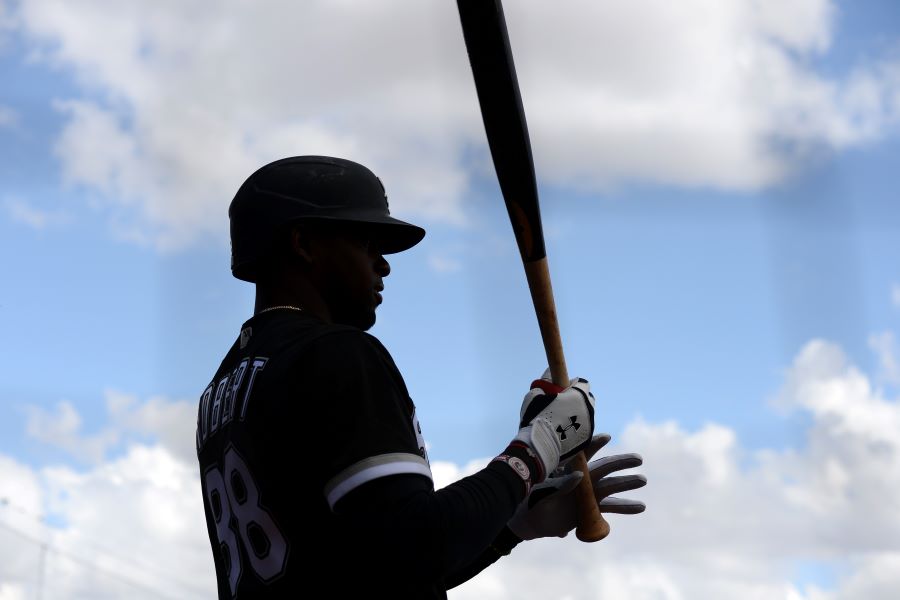 We’ll go about this alphabetically, so Chicago’s up first. Chicago White Sox Threat: The Offense Explodes While there is plenty of hype surrounding the Chicago White Sox chances in 2020 due to their significant offseason spending, they still seem to be a tier below the Twins. After signing former Cy Young winner Dallas Keuchel Chicago’s rotation still isn’t all that scary, but they do have an “ace” in Lucas Giolito (if his 2019 success is to be believed) and plenty of young arms that could take off, including Michael Kopech, Dylan Cease, and Reynaldo López. But with Chicago it’s not so much the arms that pose a threat, it’s the bats. The White Sox made a huge upgrade a catcher by adding the best backstop on the market in Yasmani Grandal and were also able to add veteran slugger Edwin Encarnación to serve as their DH. Soon to be 23-year-old phenom Luis Robert has the potential to explode in a shortened season as MLB pitching won’t have much time to figure out the rookie’s tendencies and make adjustments. Add in young and rising stars Yoán Moncada and Eloy Jiménez and Chicago’s offense has the potential to be truly explosive. Cleveland Indians Threat: Dominant Starting Pitching (duh) Cleveland was Minnesota’s biggest obstacle in 2019 and they look to be in 2020 as well. They managed to not trade away all-world shortstop Francisco Lindor who is still joined by third baseman José Ramírez, himself one of baseball’s better hitters. But Cleveland is sort of the anti-Chicago as it’s the pitching staff that could bring Cleveland to the next level. The rotation is headlined by two ace-caliber starters in Mike Clevinger and Shane Bieber, along with a presumably healthy Carlos Carrasco. Throw in Aaron Civale and Zach Plesac and Cleveland boasts one of the better rotations in baseball. Plus, if someone gets hurt, Cleveland has the unique superpower of being able to pluck quality MLB starters out of thin air. If the old adage that says starting pitching wins the postseason is to be believed then Cleveland might have an advantage as the entire season is essentially playoff baseball. Alright, there you have it. What’s that you say? Detroit and Kansas City? Ah, forgive me. Time to get creative! Detroit Tigers Threat: Revenge! If enough chips fall in place, I suppose Detroit could have a somewhat formidable rotation. The Tigers do have everyone’s favorite perennial breakout candidate in Matthew Boyd and Spencer Turnbull is kind of interesting. If the Tigers really want to go for it they have three really good starting pitching prospects who are nearly MLB-ready in Casey Mize, Matt Manning, and Tarik Skubal. Detroit is also full of former Twins, so they might have the whole revenge-factor going for them. The coaching staff includes Ron Gardenhire, Rick Anderson, and Joe Vavra and the Tigers added CJ Cron and Jonathan Schoop this offseason to give the offense a little boost. Plus they have former Minnesota farm-hand Niko Goodrum who always seems to do well against his former team (sure enough, .851 career OPS vs. Minnesota). Kansas City Royals Threat: New-Manager Magic On the surface, Kansas City doesn’t appear to have a whole lot going for them. Sure Jorge Soler hit 48 bombs last year and Whit Merrifield is pretty good, but there’s just not a lot to get excited about for the Royals. But maybe, just maybe, they can find some magic under the tutelage of new manager Mike Matheny. With long time skipper Ned Yost retiring, Matheny is a new face (to Kansas City at least) and sometimes teams find unexpected success under first-year managers. Look no further than Rocco Baldelli. Or Paul Molitor. Or Ron Gardenhire. Or Tom Kelly…okay, you get the point. The Twins are a great bet to win the AL Central and I do believe they will do so, but there is plenty that can go wrong in just 60 games. Cleveland and Chicago pose the biggest threats but I suppose it wouldn’t be wise (or polite) to sleep on Kansas City or Detroit. Of course there’s also the threat of a Covid outbreak bringing the season to a premature end, but that’s not as fun to think about. MORE FROM TWINS DAILY — Latest Twins coverage from our writers — Recent Twins discussion in our forums — Follow Twins Daily via Twitter, Facebook or email
 -
Baseball’s almost back! Let’s speculate!Now that we know the season will be 60 games (barring a Covid-related disaster), it’s possible to begin speculating potential outcomes by using the career split stats of Twins players. We can roughly use a player’s March/April stats to predict first month production, then use May for the second month, and finally June for the postseason. It’s not exactly apples to apples as the weather will be different and players have never played through a pandemic before, but it could help to identify players who traditionally get off to hot starts or have trouble shaking off the rust. Rusty apples or not, a few themes do emerge after sifting through the splits. Theme 1: April Flowers Bring May Showers So much for the rust. Several members of the Bomba Squad actually do their best work out of the gate. Interestingly, Eddie Rosario, who hit 11 home runs in March/April last season, isn’t one of them with just a .709 career OPS for the first month. However, Max Kepler (.882), Nelson Cruz (.905), Miguel Sano (.869), newcomer Josh Donaldson (.875), and Mitch Garver (1.036) all have their highest OPS of any month occur in Mar./Apr. Although not his best month, Jorge Polanco has also historically gotten off to a good start with an OPS of .835. Add that all together and it seems the Twins are destined for a great start offensively. Our twisted proverb has May bringing showers for a reason. Of the aforementioned group, both Polanco and Sano have continued to hit well into May, but the rest of our group takes a significant hit. Kepler’s May OPS drops to .748, Cruz’s to .858, Donaldson’s to .832, and Garver’s to .768. Not terrible by any stretch, but definitely a cool down from their red-hot starts. Marwin Gonzalez (.675) and Byron Buxton (.567) traditionally start very cold and haven’t faired well in May either (Gonzalez – .717/Buxton – .669). Look for a second-half cool down. Theme 2: All is Well in the Rotation For the most part the rotation has pretty neutral early season splits, but there are a few pitchers who fare better in the early goings. Jose Berrios’ late-season struggles are well documented so one would expect good early-season results from Berrios and that’s generally the case. Berrios has a 3.69 ERA for the first month and then a pretty good 4.03 ERA for May. Newcomer Kenta Maeda is a similar case as his Mar./Apr. ERA is at 3.92 while he’s been a bit better in the second month with an ERA of 3.67. Jake Odorizzi has also been good early with a 3.34 and excellent 0.94 ERA for the first two months. Theme 3: Postseason Mixed Bag The third month of the season corresponds with this year’s postseason and it presents a mixed bag for the Twins. If May represented a slight downturn for the offense, June (the third month) looks like an utter disaster. Kepler (.712), Cruz (.837), Polanco (.680), Garver (.680), Sano (.728), and Donaldson (.818) all take a turn for the worse. Don’t look for Buxton’s .621 to save the team either. There is a little hope as Gonzalez (.763), Rosario (.875), and Ehire Adrianza (.798) all traditionally heat up in June. Carry the team Eddie! The picture is much brighter when we turn our focus to pitching. Both Kenta Maeda (2.83 ERA) and Jose Berrios (2.83) are at their best and could theoretically anchor the postseason rotation. Jake Odorizzi has also been solid in the season’s third month with a 3.95 ERA. And if you’re looking for late inning shutdown reliever, look no further than Taylor Rogers, who has a 1.90 career ERA for June. So if our splits-based narrative is to be believed (it probably shouldn’t be), look for Minnesota to get off to a quick start and cool down a bit in the shortened season’s second-half. The hot start combined with a relatively weak AL Central should still get the Twins into the postseason where the rotation and Eddie Rosario will lead Minnesota to their first World Series title since 1991. Book it! MORE FROM TWINS DAILY — Latest Twins coverage from our writers — Recent Twins discussion in our forums — Follow Twins Daily via Twitter, Facebook or email Click here to view the article
-
Using Splits to Spin a Narrative for the 2020 Minnesota Twins
Patrick Wozniak posted an article in Twins
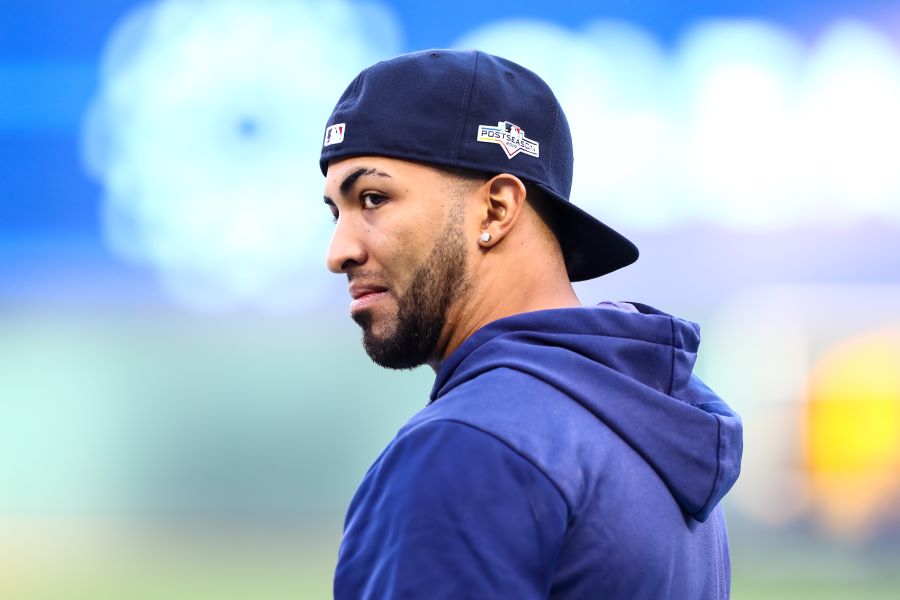 Now that we know the season will be 60 games (barring a Covid-related disaster), it’s possible to begin speculating potential outcomes by using the career split stats of Twins players. We can roughly use a player’s March/April stats to predict first month production, then use May for the second month, and finally June for the postseason. It’s not exactly apples to apples as the weather will be different and players have never played through a pandemic before, but it could help to identify players who traditionally get off to hot starts or have trouble shaking off the rust. Rusty apples or not, a few themes do emerge after sifting through the splits. Theme 1: April Flowers Bring May Showers So much for the rust. Several members of the Bomba Squad actually do their best work out of the gate. Interestingly, Eddie Rosario, who hit 11 home runs in March/April last season, isn’t one of them with just a .709 career OPS for the first month. However, Max Kepler (.882), Nelson Cruz (.905), Miguel Sano (.869), newcomer Josh Donaldson (.875), and Mitch Garver (1.036) all have their highest OPS of any month occur in Mar./Apr. Although not his best month, Jorge Polanco has also historically gotten off to a good start with an OPS of .835. Add that all together and it seems the Twins are destined for a great start offensively. Our twisted proverb has May bringing showers for a reason. Of the aforementioned group, both Polanco and Sano have continued to hit well into May, but the rest of our group takes a significant hit. Kepler’s May OPS drops to .748, Cruz’s to .858, Donaldson’s to .832, and Garver’s to .768. Not terrible by any stretch, but definitely a cool down from their red-hot starts. Marwin Gonzalez (.675) and Byron Buxton (.567) traditionally start very cold and haven’t faired well in May either (Gonzalez – .717/Buxton – .669). Look for a second-half cool down. Theme 2: All is Well in the Rotation For the most part the rotation has pretty neutral early season splits, but there are a few pitchers who fare better in the early goings. Jose Berrios’ late-season struggles are well documented so one would expect good early-season results from Berrios and that’s generally the case. Berrios has a 3.69 ERA for the first month and then a pretty good 4.03 ERA for May. Newcomer Kenta Maeda is a similar case as his Mar./Apr. ERA is at 3.92 while he’s been a bit better in the second month with an ERA of 3.67. Jake Odorizzi has also been good early with a 3.34 and excellent 0.94 ERA for the first two months. Theme 3: Postseason Mixed Bag The third month of the season corresponds with this year’s postseason and it presents a mixed bag for the Twins. If May represented a slight downturn for the offense, June (the third month) looks like an utter disaster. Kepler (.712), Cruz (.837), Polanco (.680), Garver (.680), Sano (.728), and Donaldson (.818) all take a turn for the worse. Don’t look for Buxton’s .621 to save the team either. There is a little hope as Gonzalez (.763), Rosario (.875), and Ehire Adrianza (.798) all traditionally heat up in June. Carry the team Eddie! The picture is much brighter when we turn our focus to pitching. Both Kenta Maeda (2.83 ERA) and Jose Berrios (2.83) are at their best and could theoretically anchor the postseason rotation. Jake Odorizzi has also been solid in the season’s third month with a 3.95 ERA. And if you’re looking for late inning shutdown reliever, look no further than Taylor Rogers, who has a 1.90 career ERA for June. So if our splits-based narrative is to be believed (it probably shouldn’t be), look for Minnesota to get off to a quick start and cool down a bit in the shortened season’s second-half. The hot start combined with a relatively weak AL Central should still get the Twins into the postseason where the rotation and Eddie Rosario will lead Minnesota to their first World Series title since 1991. Book it! MORE FROM TWINS DAILY — Latest Twins coverage from our writers — Recent Twins discussion in our forums — Follow Twins Daily via Twitter, Facebook or email
 -
As sports begin to ramp back up, so will MLB betting. Coming into 2020 the Minnesota Twins looked like a good bet to win the AL Central and beyond, but with a shortened season comes increased uncertainty. Fear not Twins territory; our team is built to succeed.On the surface, the variability of a 60-game season doesn’t seem to bode well for a team like the Twins whose talent would have more time to shine through over the length of a 162-game season. However, there are several reasons why the Twins are still a good bet. I’ll give you five. 1) This is the Bomba Squad! The same line-up that gave us an MLB-record 307 dingers will be coming back in-tact. Sure they’re unlikely to hit 300-plus homers in 60 games (I’ll take the under if anyone’s interested), but there’s reason to believe that 2020’s lineup might be even more potent than last year’s record-setting squad. Having Luis Arraez from the get-go will certainly help, but the addition of Josh Donaldson could really bring the rings! 2) The Rotation Should Be Solid While one could justifiably squabble that Minnesota doesn’t have a “true ace,” the rotation that they’ve built should bode well in a shortened season. An elite starter is obviously great to have, but an ace can still only pitch once every five days. The Twins already had a pretty solid core in Jose Berrios, Jake Odorizzi, and Michael Pineda, and they’ve added Kenta Maeda and Rich Hill, both of whom are capable of ace-like stretches. Throw in Homer Bailey, Randy Dobnak, and Lewis Thorpe and the Twins are neck-deep in quality arms. In such a short season avoiding extended losing streaks will be crucial and the overall quality of the rotation should help to keep the Twins afloat. 3) The ‘Pen Could Be Great The bullpen might not have the same name recognition of the Yankees, but they have the potential to be one of the best in all of baseball. With Taylor Rogers, Tyler Duffey, and Trevor May, Rocco Baldelli has three late-inning weapons at his disposal. Throw in a few quality veterans in Sergio Romo and Tyler Clippard, along with a pair of exciting young arms in Zack Littell and Cody Stashak, and Minnesota has the makings of an elite bullpen. 4) The Twins Can Cash-in on Depth In a 60-game season, an injury to a star player could be devastating for most teams. Minnesota can mitigate the loss of any one player both by having good players across the board and also by having incredible depth. If a position player goes down, the Twins have quality backup options in Marwin Gonzalez, Jake Cave and Ehire Adrianza. They also have a great farm system loaded with near MLB-ready bats that will be at their disposal in the form of a taxi squad. The rotation is also well stocked in arms and a prospect such as Johan Duran could come in handy in the form of a starter or reliever should he be needed. The quantity of quality starters also gives Minnesota plenty of opportunity to get creative with the rotation size or methods such as piggy-backing to help erase the third-time through the order penalty that has historically hampered Odorizzi and Maeda. 5) The Central’s Not That Good Minnesota will have an added advantage of playing the majority of their games against AL Central teams and the remainder against the NL Central. That means plenty of games against the likes of Detroit and Kansas City, and the NL Central, while filled with teams that should be decent (other than Pittsburgh), doesn’t contain any teams that hold a candle to the Twins in terms of overall talent. Not having to face teams such as the New York Yankees or the Houston Astros should greatly increase the Twins chances of reaching the postseason. All in all, the Twins look to be a good bet regardless of the season’s length. Now all we need is a season! MORE FROM TWINS DAILY — Latest Twins coverage from our writers — Recent Twins discussion in our forums — Follow Twins Daily via Twitter, Facebook or email Click here to view the article
-
5 Reasons the Twins are a Good Bet to Succeed in a Shortened Season
Patrick Wozniak posted an article in Twins
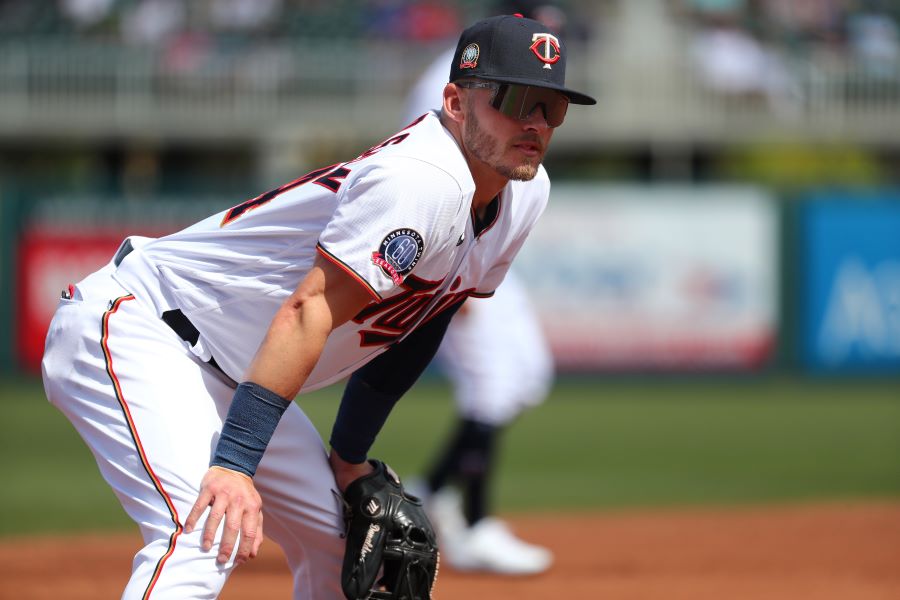 On the surface, the variability of a 60-game season doesn’t seem to bode well for a team like the Twins whose talent would have more time to shine through over the length of a 162-game season. However, there are several reasons why the Twins are still a good bet. I’ll give you five. 1) This is the Bomba Squad! The same line-up that gave us an MLB-record 307 dingers will be coming back in-tact. Sure they’re unlikely to hit 300-plus homers in 60 games (I’ll take the under if anyone’s interested), but there’s reason to believe that 2020’s lineup might be even more potent than last year’s record-setting squad. Having Luis Arraez from the get-go will certainly help, but the addition of Josh Donaldson could really bring the rings! 2) The Rotation Should Be Solid While one could justifiably squabble that Minnesota doesn’t have a “true ace,” the rotation that they’ve built should bode well in a shortened season. An elite starter is obviously great to have, but an ace can still only pitch once every five days. The Twins already had a pretty solid core in Jose Berrios, Jake Odorizzi, and Michael Pineda, and they’ve added Kenta Maeda and Rich Hill, both of whom are capable of ace-like stretches. Throw in Homer Bailey, Randy Dobnak, and Lewis Thorpe and the Twins are neck-deep in quality arms. In such a short season avoiding extended losing streaks will be crucial and the overall quality of the rotation should help to keep the Twins afloat. 3) The ‘Pen Could Be Great The bullpen might not have the same name recognition of the Yankees, but they have the potential to be one of the best in all of baseball. With Taylor Rogers, Tyler Duffey, and Trevor May, Rocco Baldelli has three late-inning weapons at his disposal. Throw in a few quality veterans in Sergio Romo and Tyler Clippard, along with a pair of exciting young arms in Zack Littell and Cody Stashak, and Minnesota has the makings of an elite bullpen. 4) The Twins Can Cash-in on Depth In a 60-game season, an injury to a star player could be devastating for most teams. Minnesota can mitigate the loss of any one player both by having good players across the board and also by having incredible depth. If a position player goes down, the Twins have quality backup options in Marwin Gonzalez, Jake Cave and Ehire Adrianza. They also have a great farm system loaded with near MLB-ready bats that will be at their disposal in the form of a taxi squad. The rotation is also well stocked in arms and a prospect such as Johan Duran could come in handy in the form of a starter or reliever should he be needed. The quantity of quality starters also gives Minnesota plenty of opportunity to get creative with the rotation size or methods such as piggy-backing to help erase the third-time through the order penalty that has historically hampered Odorizzi and Maeda. 5) The Central’s Not That Good Minnesota will have an added advantage of playing the majority of their games against AL Central teams and the remainder against the NL Central. That means plenty of games against the likes of Detroit and Kansas City, and the NL Central, while filled with teams that should be decent (other than Pittsburgh), doesn’t contain any teams that hold a candle to the Twins in terms of overall talent. Not having to face teams such as the New York Yankees or the Houston Astros should greatly increase the Twins chances of reaching the postseason. All in all, the Twins look to be a good bet regardless of the season’s length. Now all we need is a season! MORE FROM TWINS DAILY — Latest Twins coverage from our writers — Recent Twins discussion in our forums — Follow Twins Daily via Twitter, Facebook or email
 -
Agree 100% - it doesn't make any sense to me why suspensions aren't shortened to correspond with the length of the season. Then again logic and the MLB don't exactly go hand in hand .
-
Before all the Covid madness it looked as if Rich Hill would be a late-season boost to the rotation. However with the potential season pushed back and significantly shortened, Hill should be ready to go and in a reversal of roles, it’s Michael Pineda who looks to be the late addition.Originally Hill was eyeing a June or July return from his modified Tommy John surgery, so he should be all but ready to go once/if the season begins. Pineda still has 39 games of his 60 game suspension left to serve after testing positive for a banned diuretic last season (he served 21 games in 2019). That would have left him set to return in early May, but with the season likely reduced to somewhere in the vicinity of 60 games, Pineda will miss the majority of the season. The MLB has yet to show any willingness to reduce suspensions to reflect the shortened season and it doesn’t seem like something the Player’s Association will push for either. So instead of missing slightly less than a quarter of a would-be 162 game season, Pineda would be suspended for all but 21 games of a 60 game season. That would make a best case scenario of just five starts for Pineda. Pineda will have gone more than a full year without pitching in an MLB game and there will be no minor league rehab assignment to help him get stretched out and adjusted. Presumably, he will ramp up against the players from Minnesota’s taxi squad, which is better than nothing, but less than ideal. With just 60 or so games the race for the AL Central title is likely to remain tight. Plus, in such a short time it seems less likely that the rotation would suffer many injuries. With a rotation of Jose Berrios, Kenta Maeda, Jake Odorizzi, Rich Hill and Homer Bailey, plus Randy Dobnak fighting for a spot, there’s not a lot of wiggle room. Assuming the Twins have five starters that are pitching relatively well, would they want to risk Pineda potentially being rusty in key games down the stretch? It’s also entirely possible that injuries or ineffectiveness will make the return of Pineda something the team desperately awaits, and if he pitches like he did in the second half of 2019, Pineda’s return would likely be a huge boost to the rotation. A 60-game season obviously brings increased variability but Minnesota still looks like the strongest team in a rather weak central grouping. An expanded postseason gives the Minnesota a good chance of getting in, so it’s possible that the Twins may be positioned well enough that they can comfortably ease Pineda into the rotation without worrying too much about his initial results. Fortunately Minnesota has a great team with good depth so they are well positioned to succeed regardless of the length of Pineda’s absence. The shortened season gives Minnesota plenty of options to get creative with the pitching staff including piggy-backing, a six-man rotation, or even a four-man rotation if they want to utilize their best arms. Pineda gives the Twins an extra late-season tool to throw in the box. He might not be the player the Twins envisioned as there late-season addition, but if all goes well Michael Pineda might provide the twilight impact the Twins hoped they were getting in Hill. And like a good body-switch film, maybe Rich Hill can be the steady presence that Minnesota hoped to get in Pineda. I’d watch that movie. MORE FROM TWINS DAILY — Latest Twins coverage from our writers — Recent Twins discussion in our forums — Follow Twins Daily via Twitter, Facebook or email Click here to view the article
-
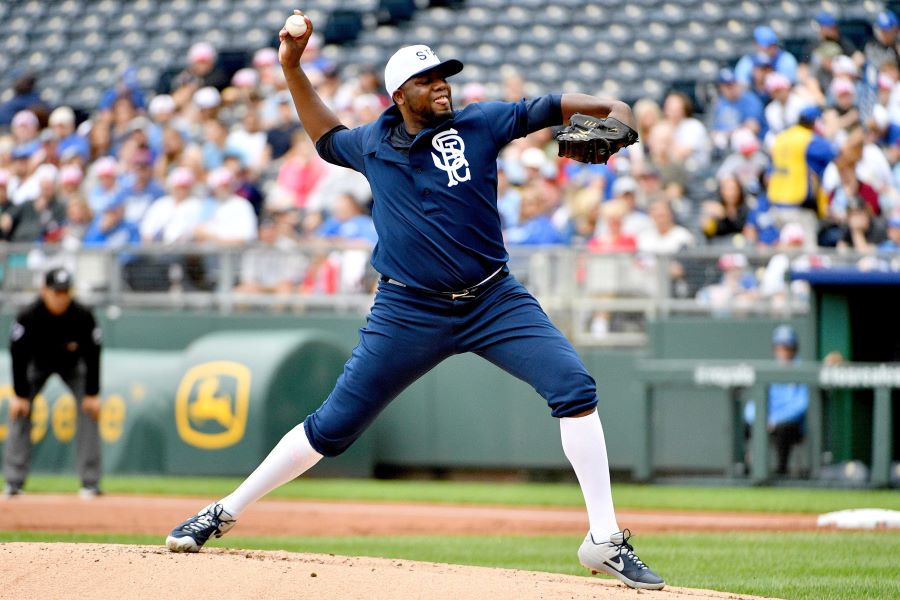 Originally Hill was eyeing a June or July return from his modified Tommy John surgery, so he should be all but ready to go once/if the season begins. Pineda still has 39 games of his 60 game suspension left to serve after testing positive for a banned diuretic last season (he served 21 games in 2019). That would have left him set to return in early May, but with the season likely reduced to somewhere in the vicinity of 60 games, Pineda will miss the majority of the season. The MLB has yet to show any willingness to reduce suspensions to reflect the shortened season and it doesn’t seem like something the Player’s Association will push for either. So instead of missing slightly less than a quarter of a would-be 162 game season, Pineda would be suspended for all but 21 games of a 60 game season. That would make a best case scenario of just five starts for Pineda. Pineda will have gone more than a full year without pitching in an MLB game and there will be no minor league rehab assignment to help him get stretched out and adjusted. Presumably, he will ramp up against the players from Minnesota’s taxi squad, which is better than nothing, but less than ideal. With just 60 or so games the race for the AL Central title is likely to remain tight. Plus, in such a short time it seems less likely that the rotation would suffer many injuries. With a rotation of Jose Berrios, Kenta Maeda, Jake Odorizzi, Rich Hill and Homer Bailey, plus Randy Dobnak fighting for a spot, there’s not a lot of wiggle room. Assuming the Twins have five starters that are pitching relatively well, would they want to risk Pineda potentially being rusty in key games down the stretch? It’s also entirely possible that injuries or ineffectiveness will make the return of Pineda something the team desperately awaits, and if he pitches like he did in the second half of 2019, Pineda’s return would likely be a huge boost to the rotation. A 60-game season obviously brings increased variability but Minnesota still looks like the strongest team in a rather weak central grouping. An expanded postseason gives the Minnesota a good chance of getting in, so it’s possible that the Twins may be positioned well enough that they can comfortably ease Pineda into the rotation without worrying too much about his initial results. Fortunately Minnesota has a great team with good depth so they are well positioned to succeed regardless of the length of Pineda’s absence. The shortened season gives Minnesota plenty of options to get creative with the pitching staff including piggy-backing, a six-man rotation, or even a four-man rotation if they want to utilize their best arms. Pineda gives the Twins an extra late-season tool to throw in the box. He might not be the player the Twins envisioned as there late-season addition, but if all goes well Michael Pineda might provide the twilight impact the Twins hoped they were getting in Hill. And like a good body-switch film, maybe Rich Hill can be the steady presence that Minnesota hoped to get in Pineda. I’d watch that movie. MORE FROM TWINS DAILY — Latest Twins coverage from our writers — Recent Twins discussion in our forums — Follow Twins Daily via Twitter, Facebook or email
 -
There were plenty of college arms available in the 2020 draft and plenty of Twins fans were clamoring for the Twins to go all in on college pitchers. Minnesota’s brain trust presumably believes that college bats have a better chance of succeeding than college arms. But is it so?Derrek Falvey was well renown for developing pitching in his time in Cleveland, but since taking over for Minnesota he has shown a strong preference for college bat-first players when picking later in the first round. The Twins have selected Brent Rooker, Trevor Larnach, Matt Wallner, and most recently Aaron Sabato and Alerick Soularie all before pick number 60 (and catcher Ryan Jeffers could be thrown into the mix as well). With only four picks in this year’s five-round affair, Minnesota went with three bats and one high school arm but have begun the process of picking up additional college arms in the form of undrafted free agents. With the Twins making great strides in player development and the use of technology this approach makes some sense. After all, there’s more than one way to skin a cat – the important thing is that the cat gets skinned (have you ever tried chewing cat skin?) Minnesota can target less heralded pitchers in the later rounds (or free agency in this year’s case) and make good use of their developmental skills while continuing to obtain arms they covet in trades (Jhoan Duran, Chris Vallimont, etc.), and can also use the surplus of hitting prospects to obtain mlb-ready pitching. And that’s fine, but for it to work out two things need to happen. First, the hitters need to develop (so far, so good) and second, teams willing to trade pitching to the Twins need to covet Minnesota’s bats. There’s plenty of ways to work out a trade including trading away MLB talent if Minnesota is confident in the younger replacements, but are college hitters really that much more likely to succeed than college pitchers? In an admittedly quick and limited attempt to answer that question I have searched Baseball Reference’s draft index and combed through the first five rounds of the 2010-14 drafts to compare college pitchers and bat-first college position players. I chose those five years because they’re fairly recent while giving the players adequate time to reach the majors, and five rounds because it was the length of this year’s draft. To get as bat-first as possible I tried to stick to corner outfielders (cutting out center field only players) and first baseman. The sample size of pitchers is much larger than hitters, as significantly more pitchers are drafted each year (at least than corner OF/1B bats). In sticking with our theme of fives, we’ll look at the percentage of players from each category that have reached five bWAR so far in their careers. This isn’t perfect, as 2014 players have obviously had less time to reach five WAR than 2010 players, but it does give us a cutoff point and some evidence of success at the MLB level. Here’s the results: Download attachment: Can a Rotation Be Build Chart pic.png While the sample size is much too small to responsibly jump to any sweeping conclusions (other than that the draft truly is a crapshoot), we can see that college pitchers have been somewhat less successful than bat-first hitters so maybe Falvey and Co. are on to something. It’s also worth pointing out that most of the big-name pitchers (Chris Sale, Gerrit Cole, Trevor Bauer, Sonny Gray, and Aaron Nola) came earlier in the first round than where the Twins have been taking their college bats (but OF Aaron Judge was the 32nd pick of the 2013 draft!) with much less pitcher success coming later in the first round. I’ll go ahead and drink the Kool-aide in part because I find myself in agreement with pretty much everything Derrek Falvey and Thad Levine do, and in part because I haven’t tasted Kool-aide for at least a few decades. What do you think? Do you agree with the strategy of targeting bat-first hitters in the late first/second round and finding pitching elsewhere? If not, who would you have targeted in this year’s draft? And when’s the last time you had some Kool-aide? Please leave your comments below! MORE FROM TWINS DAILY — Latest Twins coverage from our writers — Recent Twins discussion in our forums — Follow Twins Daily via Twitter, Facebook or email Click here to view the article
-
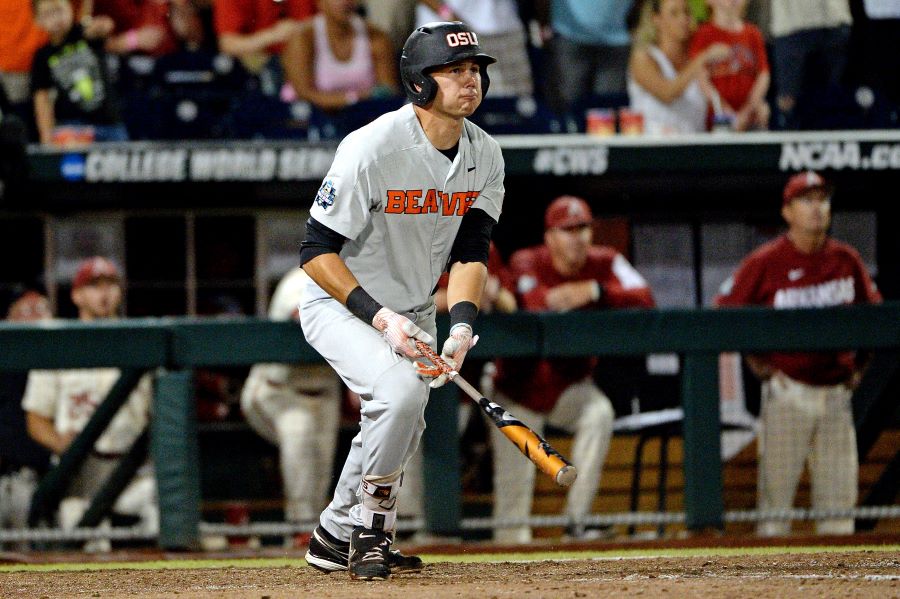 Derrek Falvey was well renown for developing pitching in his time in Cleveland, but since taking over for Minnesota he has shown a strong preference for college bat-first players when picking later in the first round. The Twins have selected Brent Rooker, Trevor Larnach, Matt Wallner, and most recently Aaron Sabato and Alerick Soularie all before pick number 60 (and catcher Ryan Jeffers could be thrown into the mix as well). With only four picks in this year’s five-round affair, Minnesota went with three bats and one high school arm but have begun the process of picking up additional college arms in the form of undrafted free agents. With the Twins making great strides in player development and the use of technology this approach makes some sense. After all, there’s more than one way to skin a cat – the important thing is that the cat gets skinned (have you ever tried chewing cat skin?) Minnesota can target less heralded pitchers in the later rounds (or free agency in this year’s case) and make good use of their developmental skills while continuing to obtain arms they covet in trades (Jhoan Duran, Chris Vallimont, etc.), and can also use the surplus of hitting prospects to obtain mlb-ready pitching. And that’s fine, but for it to work out two things need to happen. First, the hitters need to develop (so far, so good) and second, teams willing to trade pitching to the Twins need to covet Minnesota’s bats. There’s plenty of ways to work out a trade including trading away MLB talent if Minnesota is confident in the younger replacements, but are college hitters really that much more likely to succeed than college pitchers? In an admittedly quick and limited attempt to answer that question I have searched Baseball Reference’s draft index and combed through the first five rounds of the 2010-14 drafts to compare college pitchers and bat-first college position players. I chose those five years because they’re fairly recent while giving the players adequate time to reach the majors, and five rounds because it was the length of this year’s draft. To get as bat-first as possible I tried to stick to corner outfielders (cutting out center field only players) and first baseman. The sample size of pitchers is much larger than hitters, as significantly more pitchers are drafted each year (at least than corner OF/1B bats). In sticking with our theme of fives, we’ll look at the percentage of players from each category that have reached five bWAR so far in their careers. This isn’t perfect, as 2014 players have obviously had less time to reach five WAR than 2010 players, but it does give us a cutoff point and some evidence of success at the MLB level. Here’s the results: While the sample size is much too small to responsibly jump to any sweeping conclusions (other than that the draft truly is a crapshoot), we can see that college pitchers have been somewhat less successful than bat-first hitters so maybe Falvey and Co. are on to something. It’s also worth pointing out that most of the big-name pitchers (Chris Sale, Gerrit Cole, Trevor Bauer, Sonny Gray, and Aaron Nola) came earlier in the first round than where the Twins have been taking their college bats (but OF Aaron Judge was the 32nd pick of the 2013 draft!) with much less pitcher success coming later in the first round. I’ll go ahead and drink the Kool-aide in part because I find myself in agreement with pretty much everything Derrek Falvey and Thad Levine do, and in part because I haven’t tasted Kool-aide for at least a few decades. What do you think? Do you agree with the strategy of targeting bat-first hitters in the late first/second round and finding pitching elsewhere? If not, who would you have targeted in this year’s draft? And when’s the last time you had some Kool-aide? Please leave your comments below! MORE FROM TWINS DAILY — Latest Twins coverage from our writers — Recent Twins discussion in our forums — Follow Twins Daily via Twitter, Facebook or email
 -
When did McGwire win the Masters?
-
I'll concede that I might have messed up with leaving Renabanena off the list and of course "Woz" should be #1, but I tried to remain humble - this is a Minnesota-based site after all!
-
There’re a lot of great writers here at Twins Daily and ranking them would be arduous. Nick Nelson? Seth Stohs? Mathew Trueblood? Let’s not even try. Let’s rank their names instead.That’s right. Not all writers are created equal (unfortunately for yours truly) and neither are their names. Here’s my attempt at ranking our writers according to the aesthetic virtue of their names. 5) Cooper Carlson Alliteration gives names a poetic nature and Twins Daily is full of them with Cody Christy, Nick Nelson, and Seth Stohs. All good names (and writers) but we’ll go with Cooper Carlson. This just sounds like a classic reporter name and if Cooper should ever become an investigative TV reporter, “The Scoop with Coop” would work quite well. 4) Randballs Stu It seems most likely that the Stu’s originated in Romania as it is common for Romanian last names to end in a “u.” I know a Romanian fellow and he’s quite nice. Additionally, I’m a big fan of three lettered surnames that end in a vowel. Randballs had a lot going for him with just the Stu but then his parents really hit it out of the park with the Randballs. Randball would have been a pretty cool name in and of itself but adding an “s” to the end is the icing on the cake. Kennys Vargas and Willians Astudillo approve! 3) Thiéres Rabelo Some names sound great and some names look great. I’m not even 100% sure how to pronounce Thiéres but it looks cool (I assume it’s Portuguese since he hails from Brazil). And Rabelo sounds tough…kind of like “rebel.” And Thiéres Rabelo probably is tough because according to his bio in Twins Daily Writers: Get to Know 'Em! he likes to play rugby. 2) Nash Walker Speaking of tough names, Nash Walker is a good one. Nash sounds kind of country because it is reminiscent of Nashville and Walker reminds me of some combination of Chuck Norris (Walker Texas Ranger), Luke Skywalker, and Hershel Walker, who’s nearly 60 and still does 80,000 pushups a day (approximately). If I should ever be so lucky to meet Nash Walker and he’s not outfitted in a 10-gallon cowboy hat with a lightsaber in his holster I’ll be sincerely disappointed. 1) Matthew Trueblood There’s a lot of great names at Twins Daily and also a lot of Matthews (at least four at the time of writing but there’s probably six or seven by the time you’re reading this). Honestly, the name Matthew isn’t all that cool (I prefer Patrick), but throw a Trueblood after it and it’s downright epic. Tragically, Mr. Trueblood’s extraordinary baseball writing talent has him writing about baseball instead of penning mystery and crime novels where his name would be best utilized. Bonus Name: John Bonnes MORE FROM TWINS DAILY — Latest Twins coverage from our writers — Recent Twins discussion in our forums — Follow Twins Daily via Twitter, Facebook or email Click here to view the article

