



Al from SoDak
-
Posts
274 -
Joined
-
Last visited
Content Type
Profiles
News
Minnesota Twins Videos
2026 Minnesota Twins Top Prospects Ranking
2022 Minnesota Twins Draft Picks
Minnesota Twins Free Agent & Trade Rumors, Notes, & Tidbits
Guides & Resources
2023 Minnesota Twins Draft Picks
The Minnesota Twins Players Project
2024 Minnesota Twins Draft Picks
2025 Minnesota Twins Draft Pick Tracker
2026 Minnesota Twins Draft Tracker: Picks & Bonuses
Forums
Blogs
Events
Store
Downloads
Gallery
Everything posted by Al from SoDak
-
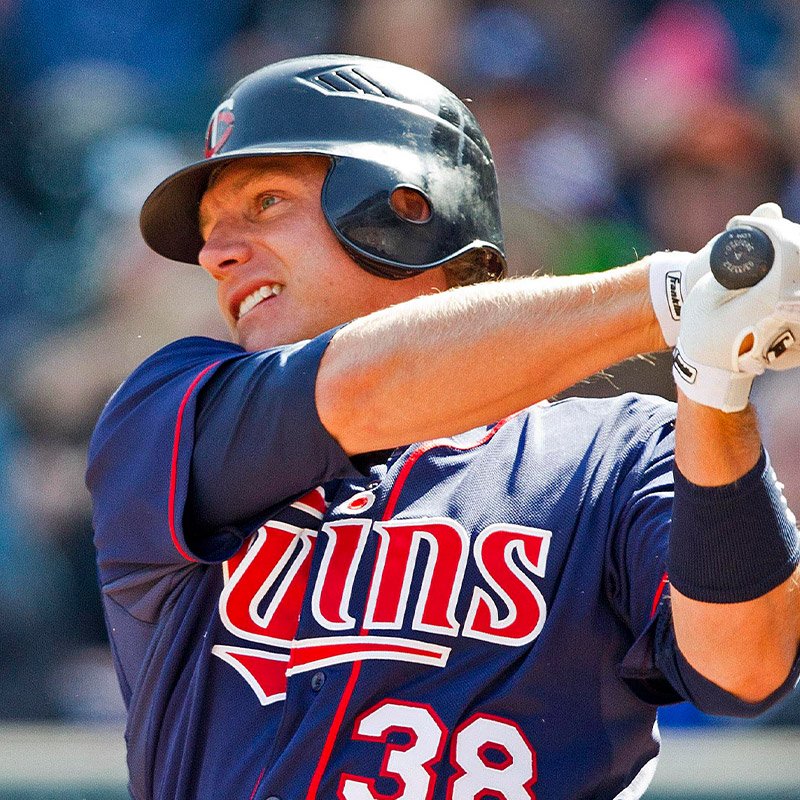 Luke Trevor Hughes was born August 2, 1984, in Perth, Australia. The Twins had a period when they signed many Australian players compared to other teams, but the program was hardly a raging success. Hughes was one of nine Australians to make the major leagues with the Twins. The biggest names of the Twins Australian signings were probably Grant Balfour and Liam Hendricks. Hughes played first base, second base, and third base for the Twins in 2010-12. The vast amount of his time occurred in 2011 when he saw 317 of his career 348 plate appearances. For the Twins, the right-handed batter hit .224/.285/.342 with eight home runs and 33 runs batted in. The Twins released him in 2012. He was picked up and played four games with Oakland but that was the extent of his Major League career. After retirement from US Major League Baseball, Hughes returned to Australia to play in the Australian Baseball League.
 -
Luke Trevor Hughes was born August 2, 1984, in Perth, Australia. The Twins had a period when they signed many Australian players compared to other teams, but the program was hardly a raging success. Hughes was one of nine Australians to make the major leagues with the Twins. The biggest names of the Twins Australian signings were probably Grant Balfour and Liam Hendricks. Hughes played first base, second base, and third base for the Twins in 2010-12. The vast amount of his time occurred in 2011 when he saw 317 of his career 348 plate appearances. For the Twins, the right-handed batter hit .224/.285/.342 with eight home runs and 33 runs batted in. The Twins released him in 2012. He was picked up and played four games with Oakland but that was the extent of his Major League career. After retirement from US Major League Baseball, Hughes returned to Australia to play in the Australian Baseball League. View full player
-
- 1
-

-
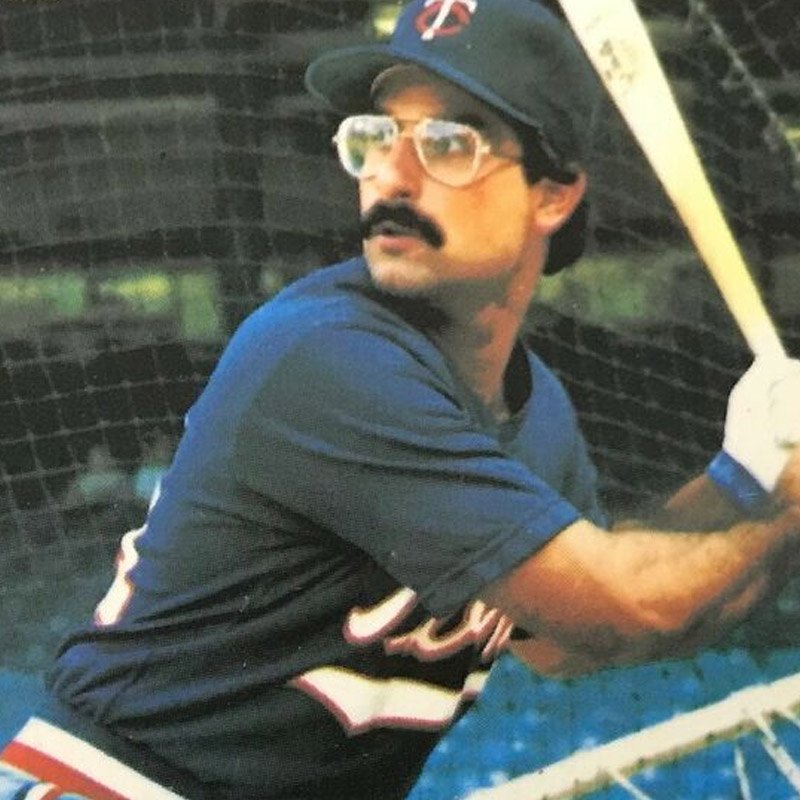 Andre Anter David was born May 18, 1958, in Hollywood, California. He graduated high school from nearby Chatsworth High School then attended Cal State Fullerton and played baseball. The Twins drafted David in the eighth round of the 1979 MLB June Amateur Draft. The left-handed hitting outfielder played parts of two seasons of Major League Baseball – both for the Twins – in 1984 and 1986. In 63 total plate appearances David hit .245/.349/.340. His OPS+ was 89. He had five RBI and a single home run. That home run came in his very first plate appearance. It was against Hall of Famer Jack Morris of the Tigers. Minus three years away from the game, David has been a minor league coach and manager since he retired from playing in 1989, mostly with the Mets and Royals organizations. He returned to the Major Leagues in 2013 as an assistant hitting coach. That gig lasted only part of one season.
 -
Andre Anter David was born May 18, 1958, in Hollywood, California. He graduated high school from nearby Chatsworth High School then attended Cal State Fullerton and played baseball. The Twins drafted David in the eighth round of the 1979 MLB June Amateur Draft. The left-handed hitting outfielder played parts of two seasons of Major League Baseball – both for the Twins – in 1984 and 1986. In 63 total plate appearances David hit .245/.349/.340. His OPS+ was 89. He had five RBI and a single home run. That home run came in his very first plate appearance. It was against Hall of Famer Jack Morris of the Tigers. Minus three years away from the game, David has been a minor league coach and manager since he retired from playing in 1989, mostly with the Mets and Royals organizations. He returned to the Major Leagues in 2013 as an assistant hitting coach. That gig lasted only part of one season. View full player
-
David Lawrence McKay was born March 14, 1950, in Vancouver, British Columbia, Canada. Dave played college baseball at Creighton University. The Twins signed McKay as an amateur free agent. The six-foot-one, 195-pound, McKay played eight seasons in MLB. He played second base, third base, and shortstop. The Toronto Blue Jays selected McKay from the Twins in the 1976 expansion draft. McKay received his most extensive action in 1978 when he tallied 537 plate appearances for the Blue Jays and amassed an OPS+ of 73. He was released by the Blue Jays after 1979. He signed with Oakland and played three more major league seasons. The switch-hitting McKay hit .229/.281/.281 during his two seasons with the Twins (1975 and 1976). He had two home runs and 24 runs batted in. His OPS+ with the Twins was 61. Dave McKay started a long coaching career in 1983 as a player/coach at the class-A and triple-A levels of the Oakland organization. In 1984, McKay was promoted to the Oakland A’s major league coaching staff. He would serve on coaching staffs for Tony LaRussa, most often as first base coach, for both Oakland and the St. Louis Cardinals. Since LaRussa retired from the Cardinals in 2011, McKay has continued coaching for other managers and currently serves as first base coach for the Diamondbacks. View full player
-
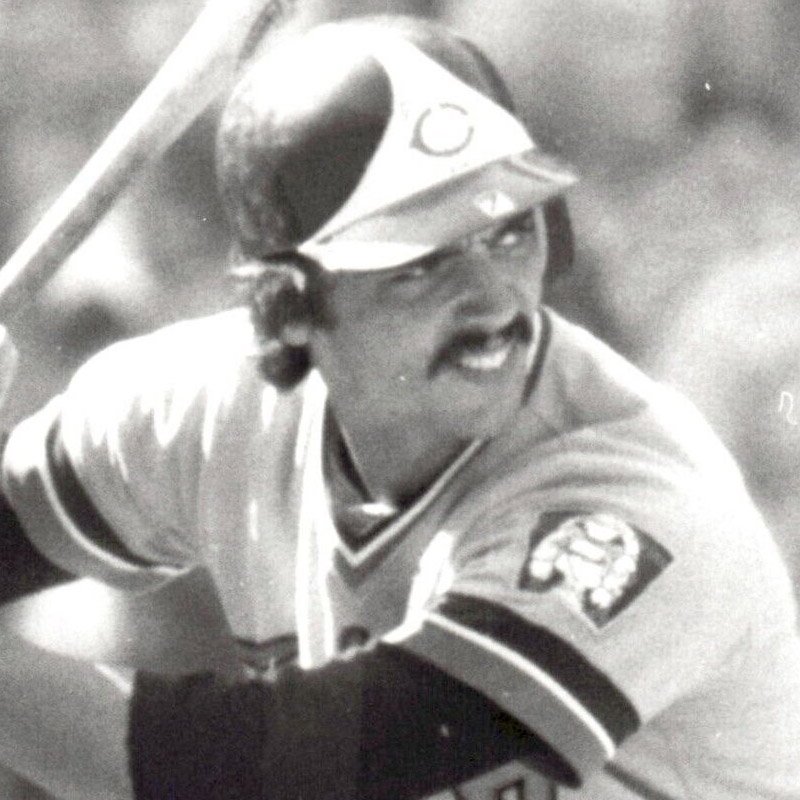 David Lawrence McKay was born March 14, 1950, in Vancouver, British Columbia, Canada. Dave played college baseball at Creighton University. The Twins signed McKay as an amateur free agent. The six-foot-one, 195-pound, McKay played eight seasons in MLB. He played second base, third base, and shortstop. The Toronto Blue Jays selected McKay from the Twins in the 1976 expansion draft. McKay received his most extensive action in 1978 when he tallied 537 plate appearances for the Blue Jays and amassed an OPS+ of 73. He was released by the Blue Jays after 1979. He signed with Oakland and played three more major league seasons. The switch-hitting McKay hit .229/.281/.281 during his two seasons with the Twins (1975 and 1976). He had two home runs and 24 runs batted in. His OPS+ with the Twins was 61. Dave McKay started a long coaching career in 1983 as a player/coach at the class-A and triple-A levels of the Oakland organization. In 1984, McKay was promoted to the Oakland A’s major league coaching staff. He would serve on coaching staffs for Tony LaRussa, most often as first base coach, for both Oakland and the St. Louis Cardinals. Since LaRussa retired from the Cardinals in 2011, McKay has continued coaching for other managers and currently serves as first base coach for the Diamondbacks.
 -
Warren Richard Renick was born March 16, 1944, in London, Ohio. Rick, as he was known, attended Ohio State University. The Twins signed Renick as an undrafted free agent. Renick threw and batted right-handed. He was six-foot-one and 188 pounds. Renick played five seasons of Major League Baseball exclusively with the Twins. He played all positions except catcher, second base, and center field with most of his action coming at third base, left field and shortstop. He was never a starter. His was most utilized on the division winning team of 1970 when he received 204 plates appearances. His career batting line was .221/.302/.373 for an OPS+ of 89. He finished with 20 home runs and 71 runs batted in. Renick started a long coaching career in 1974 as a player/coach with the triple-A Tacoma Twins. From that point through 1986, Renick was a coach or manager for many different minor league teams. From 1987 to 1990 Renick was third base coach for the Twins, including their 1987 World Series season. From 1991 to 2002 he returned to the minor leagues coaching and managing different teams in different organizations. View full player
-
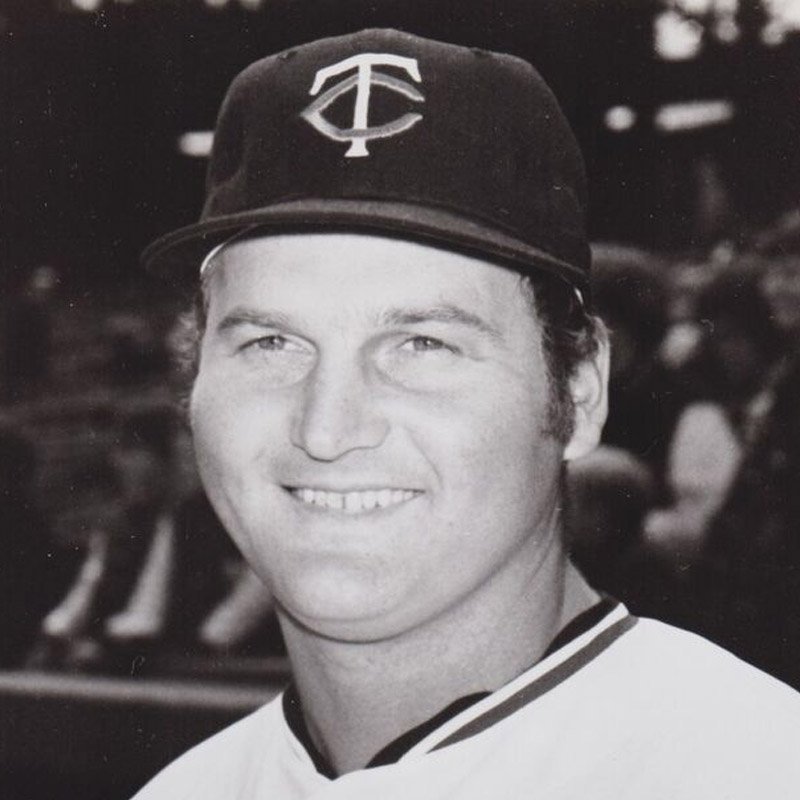 Warren Richard Renick was born March 16, 1944, in London, Ohio. Rick, as he was known, attended Ohio State University. The Twins signed Renick as an undrafted free agent. Renick threw and batted right-handed. He was six-foot-one and 188 pounds. Renick played five seasons of Major League Baseball exclusively with the Twins. He played all positions except catcher, second base, and center field with most of his action coming at third base, left field and shortstop. He was never a starter. His was most utilized on the division winning team of 1970 when he received 204 plates appearances. His career batting line was .221/.302/.373 for an OPS+ of 89. He finished with 20 home runs and 71 runs batted in. Renick started a long coaching career in 1974 as a player/coach with the triple-A Tacoma Twins. From that point through 1986, Renick was a coach or manager for many different minor league teams. From 1987 to 1990 Renick was third base coach for the Twins, including their 1987 World Series season. From 1991 to 2002 he returned to the minor leagues coaching and managing different teams in different organizations.
 -
 Scott Leius was never a full-time player. The most games he ever played was 129. The most plate appearances he ever notched was 449. Both those marks came in his rookie season of 1991. He picked the perfect time to be his best, as his contributions helped the Twins win the 1991 World Series Championship. Scott Thomas Leius was born September 24, 1965, in Yonkers, New York. He graduated high school from nearby Mamaroneck, New York, before attending and playing baseball at Concordia College in Bronxville, New York. The Minnesota Twins drafted the right-handed hitting infielder in the 13th round of the 1986 Major League Baseball June Amateur Draft. He played five minor league seasons, a single season at each level, and was almost exclusively a shortstop. The 6-foot-3, 180-pound Scott Leius received his call to the big leagues after September roster expansion in the Twins last place season of 1990. During that first taste of major league baseball, he received 28 plate appearances and hit .240 with one home run and four RBI. His first hit came in his first at-bat, but he was picked off second base two batters later. His first home run came in career game number five. It was against Jim Abbott and was the only run in a 3-1 loss to the Angels. When Leius was invited to spring training in 1991, Greg Gagne was entrenched as the starting shortstop, and the Twins signed free agent Mike Pagliarulo over the winter to play third base. I’m not sure anyone expected there to be room for Leius to make the team out of spring training. Well, Pagliarulo was coming off a couple of subpar seasons and struggled to hit during the spring, and Leius made an impression with his hitting and fielding. He surprised everyone and made the team as an extra infielder out of spring training and ended up platooning all season with Pags at the hot corner. In 1991, Leius’ batting numbers were .286/.378/.416, with five home runs and an OPS+ of 116. 161 of his 235 plate appearances were against left-handed pitchers, and 42 of his 52 starts were against left-handers. The third base platoon worked well, as did just about everything for the Twins during that magical 1991 season. After a slow April and May, the Twins played brilliantly for the rest of the way, starting with a 15-game winning streak that began on June 1. They held first place for 113 days, led by as many as ten games, and ultimately won the division by eight. In the post-season, Leius played in three of the five American League Championship Series games against Toronto, totaling five plate appearances. He had no hits and one walk. The team around him played excellent baseball and cruised to a 4-1 series win. Leius would make a bigger mark in the World Series. Left-hander Charlie Leibrandt started Game One of the World Series for Atlanta, so Leius got the start at third base for the Twins. In the fifth inning, Leius singled. Then scored on a three-run homer, which put the Twins up 4-0 on their way to a 5-2 victory. But Game Two was Leius’ time to shine. It was another left-hander starter for the Braves, Tom Glavine this time. The Twins jumped to a quick 2-0 lead in the first inning on a Chili Davis home run but could not add to the lead. The Braves chipped away and tied the game at two apiece in the fifth inning. The score remained tied until the bottom of the eighth inning when Leius had the biggest hit of his life. Leading off the inning, Leius launched the first pitch into the left-field stands, which proved to be the winning run in Game Two. The Twins had a two games to none lead. The Series moved to Atlanta for Games Three through Five, where the Braves won three straight. Leius went one for six in Atlanta. He had an RBI walk in the Braves' 14-5 Game Five blowout. Leius had two hits in Game Six – the Kirby Puckett game – but no runs or RBI. In Game Seven, Leius saw Pagliarulo start at third base against righty John Smoltz. Leius was put into the game at shortstop in the tenth inning after Gagne and Al Newman had been replaced by pinch hitters during the two most recent plate appearances for the shortstop position. Leius appeared in all seven games for the Series, getting 14 at-bats. He had five hits, a walk, two RBI, and that pivotal home run in Game Two. His Win Probability Added during the series was fourth among Twins batters behind only Puckett, Gene Larkin, and Chuck Knoblauch. Leius and the Twins achieved the dream in 1991. How would the rest of his career play out? 1992 saw Leius and Pagliarulo again split time at third base. All of Leius’ offensive numbers dipped from his rookie season. After the 1992 season, the underappreciated Greg Gagne left the Twins and signed a free-agent contract with Kansas City. The Twins’ answer to replacing Gagne was to award the 1993 Opening-Day shortstop assignment to Leius. Unfortunately, the 1991 World Series hero tore his rotator cuff and was done after only ten games. While he was out, Pat Meares was called up and played well enough to solidify himself as the starting shortstop going into 1994. In 1994 and 1995, Leius was back at third base, posting similar, underwhelming, offensive numbers as in 1992. He had become a fairly replaceable player. After the 1995 season, he became a free agent and was signed by Cleveland. I don’t recall the Twins putting up much of a fight to retain him. He had one bad season with Cleveland in 1996, missed 1997, and played 1998 and 1999 with the Royals. In those last three seasons, he played fewer than 40 games and had fewer than 90 plate appearances. Injuries to his hamstring and shoulders contributed to the lack of playing time. Throughout his career, Leius’ role never changed. He was a slick-fielding third baseman (he finished second to Wade Boggs in 1994 Gold Glove voting) who hit left-handed pitching well enough to remain in the majors. Unfortunately, that promising first season was his best, and he never improved on it. His final career statistics were .244/.316/.353 for an OPS of .669. He hit 28 home runs and had 172 RBI in nine seasons. His career OPS+ settled at a below-average mark of 78, which includes the last three abysmal seasons with Cleveland and Kansas City. For his Twins career, his OPS+ was 85. Scott Leius seems to be a bit of a private person. I could not find much information on his upbringing or what he has done since his playing career ended, other than that he had a one-season stint as a hitting coach for the triple-A Omaha Golden Spikes in 2000. He appears at TwinsFest each year and seems to genuinely appreciate catching up with former teammates, coaches, and managers. What are your memories of Scott Leius? Please share your thoughts in the comments below. If you like looking back at the Twins past, check out my previous articles at Twins Daily History. Sources include Baseball Reference and Wikipedia. View full article
 -
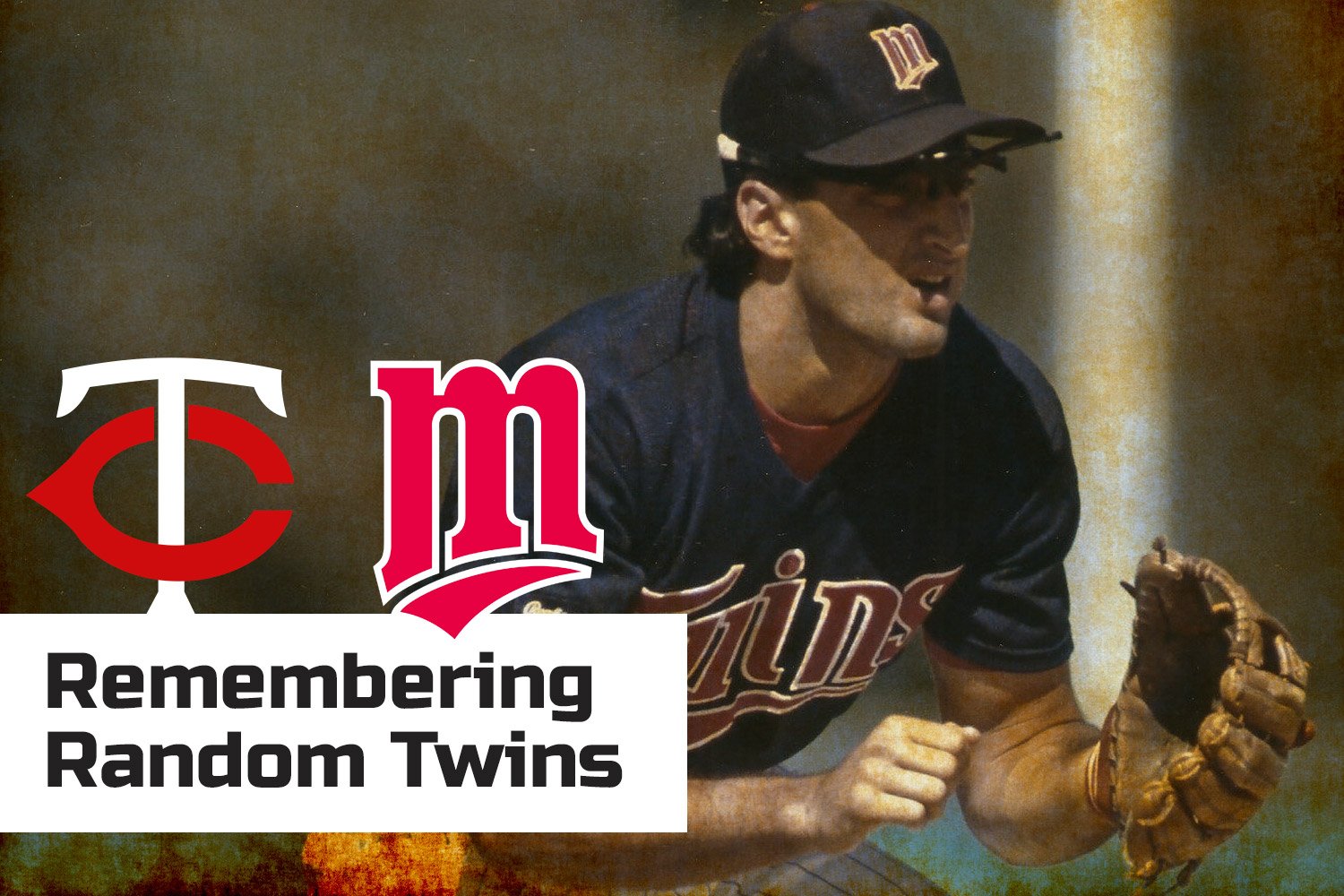 Scott Thomas Leius was born September 24, 1965, in Yonkers, New York. He graduated high school from nearby Mamaroneck, New York, before attending and playing baseball at Concordia College in Bronxville, New York. The Minnesota Twins drafted the right-handed hitting infielder in the 13th round of the 1986 Major League Baseball June Amateur Draft. He played five minor league seasons, a single season at each level, and was almost exclusively a shortstop. The 6-foot-3, 180-pound Scott Leius received his call to the big leagues after September roster expansion in the Twins last place season of 1990. During that first taste of major league baseball, he received 28 plate appearances and hit .240 with one home run and four RBI. His first hit came in his first at-bat, but he was picked off second base two batters later. His first home run came in career game number five. It was against Jim Abbott and was the only run in a 3-1 loss to the Angels. When Leius was invited to spring training in 1991, Greg Gagne was entrenched as the starting shortstop, and the Twins signed free agent Mike Pagliarulo over the winter to play third base. I’m not sure anyone expected there to be room for Leius to make the team out of spring training. Well, Pagliarulo was coming off a couple of subpar seasons and struggled to hit during the spring, and Leius made an impression with his hitting and fielding. He surprised everyone and made the team as an extra infielder out of spring training and ended up platooning all season with Pags at the hot corner. In 1991, Leius’ batting numbers were .286/.378/.416, with five home runs and an OPS+ of 116. 161 of his 235 plate appearances were against left-handed pitchers, and 42 of his 52 starts were against left-handers. The third base platoon worked well, as did just about everything for the Twins during that magical 1991 season. After a slow April and May, the Twins played brilliantly for the rest of the way, starting with a 15-game winning streak that began on June 1. They held first place for 113 days, led by as many as ten games, and ultimately won the division by eight. In the post-season, Leius played in three of the five American League Championship Series games against Toronto, totaling five plate appearances. He had no hits and one walk. The team around him played excellent baseball and cruised to a 4-1 series win. Leius would make a bigger mark in the World Series. Left-hander Charlie Leibrandt started Game One of the World Series for Atlanta, so Leius got the start at third base for the Twins. In the fifth inning, Leius singled. Then scored on a three-run homer, which put the Twins up 4-0 on their way to a 5-2 victory. But Game Two was Leius’ time to shine. It was another left-hander starter for the Braves, Tom Glavine this time. The Twins jumped to a quick 2-0 lead in the first inning on a Chili Davis home run but could not add to the lead. The Braves chipped away and tied the game at two apiece in the fifth inning. The score remained tied until the bottom of the eighth inning when Leius had the biggest hit of his life. Leading off the inning, Leius launched the first pitch into the left-field stands, which proved to be the winning run in Game Two. The Twins had a two games to none lead. The Series moved to Atlanta for Games Three through Five, where the Braves won three straight. Leius went one for six in Atlanta. He had an RBI walk in the Braves' 14-5 Game Five blowout. Leius had two hits in Game Six – the Kirby Puckett game – but no runs or RBI. In Game Seven, Leius saw Pagliarulo start at third base against righty John Smoltz. Leius was put into the game at shortstop in the tenth inning after Gagne and Al Newman had been replaced by pinch hitters during the two most recent plate appearances for the shortstop position. Leius appeared in all seven games for the Series, getting 14 at-bats. He had five hits, a walk, two RBI, and that pivotal home run in Game Two. His Win Probability Added during the series was fourth among Twins batters behind only Puckett, Gene Larkin, and Chuck Knoblauch. Leius and the Twins achieved the dream in 1991. How would the rest of his career play out? 1992 saw Leius and Pagliarulo again split time at third base. All of Leius’ offensive numbers dipped from his rookie season. After the 1992 season, the underappreciated Greg Gagne left the Twins and signed a free-agent contract with Kansas City. The Twins’ answer to replacing Gagne was to award the 1993 Opening-Day shortstop assignment to Leius. Unfortunately, the 1991 World Series hero tore his rotator cuff and was done after only ten games. While he was out, Pat Meares was called up and played well enough to solidify himself as the starting shortstop going into 1994. In 1994 and 1995, Leius was back at third base, posting similar, underwhelming, offensive numbers as in 1992. He had become a fairly replaceable player. After the 1995 season, he became a free agent and was signed by Cleveland. I don’t recall the Twins putting up much of a fight to retain him. He had one bad season with Cleveland in 1996, missed 1997, and played 1998 and 1999 with the Royals. In those last three seasons, he played fewer than 40 games and had fewer than 90 plate appearances. Injuries to his hamstring and shoulders contributed to the lack of playing time. Throughout his career, Leius’ role never changed. He was a slick-fielding third baseman (he finished second to Wade Boggs in 1994 Gold Glove voting) who hit left-handed pitching well enough to remain in the majors. Unfortunately, that promising first season was his best, and he never improved on it. His final career statistics were .244/.316/.353 for an OPS of .669. He hit 28 home runs and had 172 RBI in nine seasons. His career OPS+ settled at a below-average mark of 78, which includes the last three abysmal seasons with Cleveland and Kansas City. For his Twins career, his OPS+ was 85. Scott Leius seems to be a bit of a private person. I could not find much information on his upbringing or what he has done since his playing career ended, other than that he had a one-season stint as a hitting coach for the triple-A Omaha Golden Spikes in 2000. He appears at TwinsFest each year and seems to genuinely appreciate catching up with former teammates, coaches, and managers. What are your memories of Scott Leius? Please share your thoughts in the comments below. If you like looking back at the Twins past, check out my previous articles at Twins Daily History. Sources include Baseball Reference and Wikipedia.
 -
Rich Reese was a modest-hitting, slick-fielding first baseman in the late 1960s and early 1970s. With Harmon Killebrew playing third base in 1969 more frequently than first base, Reese became the primary first basemen down the stretch and turned a scorching July and August into American League MVP votes for the first Western Division champions. Richard Benjamin Reese was born September 29, 1941, in Leipsic, northwestern Ohio. He attended high school in nearby Deshler, Ohio. Reese was a star on the baseball team and credits the coach with getting him started: “He was quite an influence at a critical time in my boyhood, and I’ll never forget him.” The Detroit Tigers signed the lanky six-foot-three, 185-pound Rich Reese as an amateur free agent before the 1962 season, but Minnesota quickly acquired him in the November 1962 Major League Draft. Reese spent most of four seasons in the Twins minor leagues. He was often tutored there by roving instructor Billy Martin, who believed in and pushed and mentored Reese. This would come full circle in Reese’s peak season of 1969. Reese debuted for the Twins on September 4, 1964, in a lopsided 14-3 win against the Red Sox. He was used as a pinch runner in the eighth inning, then completed the game defensively at first base. The left-handed batting Reese had his first plate appearance the next day but struck out. His first hit would have to wait… until 1965. He finally got that first hit, a seventh-inning pinch-hit double in an 8-6 comeback victory against the Tigers. But soon, he was back in the minors. Reese saw limited major league action from 1964-67. When he was with the Twins, he got very few at-bats and was primarily used as a pinch hitter or defensive replacement. However, in 1967, Reese did hit his first Major League home run, and it came against Hall of Famer Catfish Hunter in an 8-0 win over the Kansas City Athletics. We’ll see more of Catfish Hunter later. Finally, in 1968, Reese saw his first extensive action. From then until 1971, he played in more games at first base than any other Twin, even more than Killebrew, who split his time between first and third base. Reese was an excellent fielder, drawing comparisons to Vic Power, who was seen as a preeminent fielding first baseman in the early 60s. Those seasons, 1968 to 1971, are also when Reese saw his most plate appearances. However, he was never a great batter. During those four seasons, he hit .268/.321/.401 with a modest and dang near perfectly average OPS+ of 101. But 1969, when Reese’s minor league instructor Billy Martin was named manager, would be Reese’s best season by far. He hit .322/.362/.513 for a good OPS+ of 139. His July and August were particularly hot. From July 1 to August 31, Reese batted .354/.402/.594 with 11 home runs and 37 RBI. This led to the MVP votes mentioned above (two votes finishing in a tie for 29th). The Twins won the American League West Division in 1969 and 1970 and played the Orioles in the American League Championship Series both times. The Orioles swept the series both times. Reese had three hits, two walks, and two RBIs in those series. Rich Reese is a footnote to a bizarre event in the Twins' history. On August 25, 1970, he was at bat in the bottom of the fourth inning when a bomb threat interrupted the game. The game was delayed for about forty-three minutes, and fans were evacuated to the parking lot and center field. When the all-clear was given and the game resumed, Reese completed his at-bat with a walk. The Twins lost 1-0 to the Red Sox. Reese’s numbers fell in 1971 and 1972 (his age 30 season), and his playing time declined. After the 1972 season, the Tigers acquired Reese, who was also used sparingly. After playing 110 games with a paltry .137 batting average, he was released by the Tigers on August 17, 1973. The Twins immediately reacquired Reese, and he saw 30 plate appearances down the stretch. He had one home run and three runs batted in during that period. Rich Reese played his final MLB game on his 32nd birthday, September 29. He went 0-4 with two walks in a 4-3 loss to the Angels. Rich Reese’s final career statistics are .253/.312/.384 for an OPS of .695 and an OPS+ of 95. He had 52 home runs and 245 runs batted in. Now for the trivia answers and MLB record. First, the trivia. Reese had two very noteworthy strikeouts. He was the final out in Catfish Hunter's perfect game on May 8, 1968. Additionally, he was Nolan Ryan's 383rd strikeout victim of 1973, the still-standing single-season record. But we will end with the positive. Reese is the co-holder of the major league record for pinch-hit grand slam home runs in a career with three, one-off Dave McNally to end McNally’s 15-game winning streak. After baseball, Reese worked in the alcohol industry, eventually becoming CEO of Jim Beam Brands before retiring in 2003. What do you remember of Rich Reese? Please share any memories in the comments below. If you like looking back at the Twins past, check out my previous articles at Twins Daily History. Sources include Baseball Reference, Wikipedia, and the Society for American Baseball Research. View full article
-
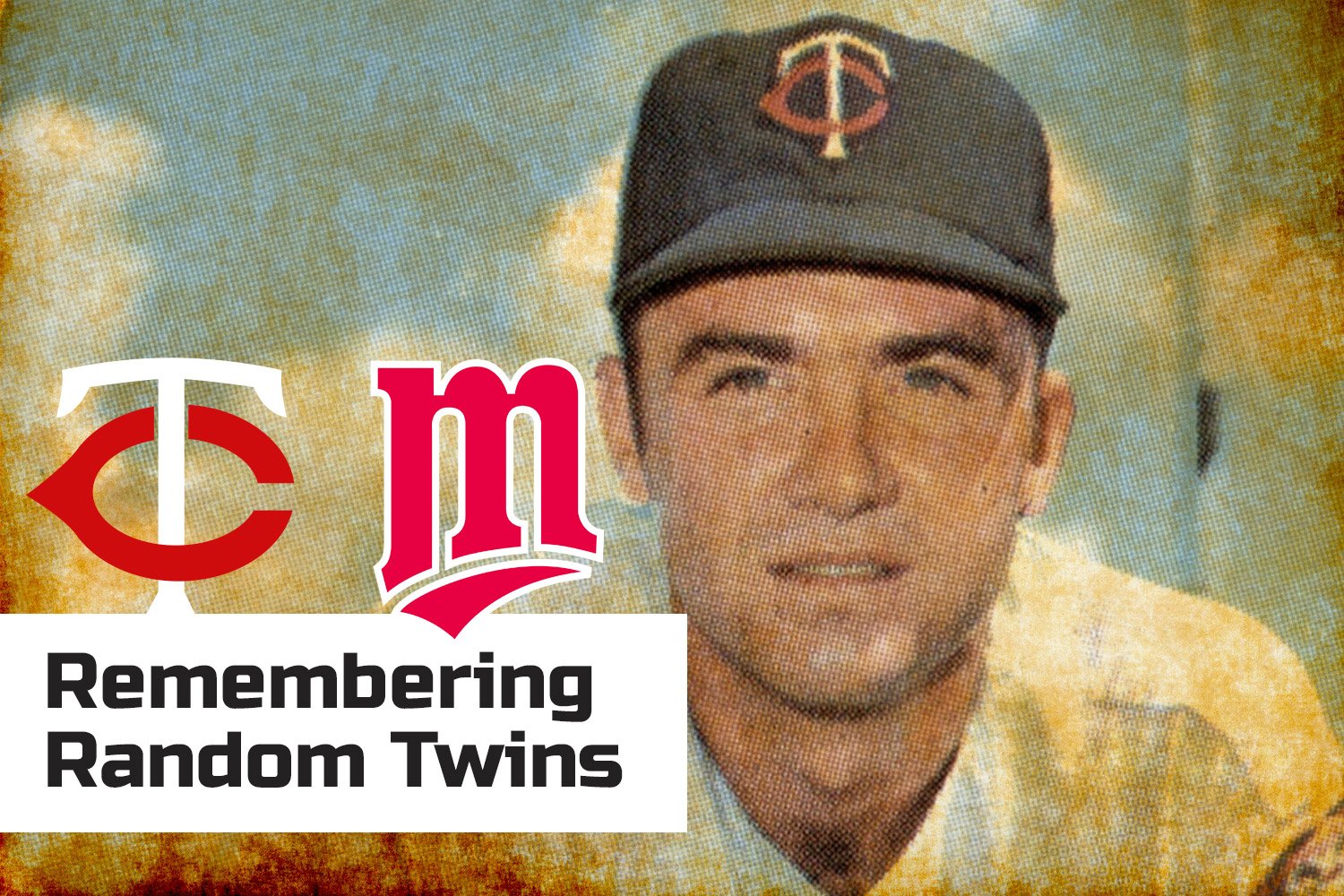 Richard Benjamin Reese was born September 29, 1941, in Leipsic, northwestern Ohio. He attended high school in nearby Deshler, Ohio. Reese was a star on the baseball team and credits the coach with getting him started: “He was quite an influence at a critical time in my boyhood, and I’ll never forget him.” The Detroit Tigers signed the lanky six-foot-three, 185-pound Rich Reese as an amateur free agent before the 1962 season, but Minnesota quickly acquired him in the November 1962 Major League Draft. Reese spent most of four seasons in the Twins minor leagues. He was often tutored there by roving instructor Billy Martin, who believed in and pushed and mentored Reese. This would come full circle in Reese’s peak season of 1969. Reese debuted for the Twins on September 4, 1964, in a lopsided 14-3 win against the Red Sox. He was used as a pinch runner in the eighth inning, then completed the game defensively at first base. The left-handed batting Reese had his first plate appearance the next day but struck out. His first hit would have to wait… until 1965. He finally got that first hit, a seventh-inning pinch-hit double in an 8-6 comeback victory against the Tigers. But soon, he was back in the minors. Reese saw limited major league action from 1964-67. When he was with the Twins, he got very few at-bats and was primarily used as a pinch hitter or defensive replacement. However, in 1967, Reese did hit his first Major League home run, and it came against Hall of Famer Catfish Hunter in an 8-0 win over the Kansas City Athletics. We’ll see more of Catfish Hunter later. Finally, in 1968, Reese saw his first extensive action. From then until 1971, he played in more games at first base than any other Twin, even more than Killebrew, who split his time between first and third base. Reese was an excellent fielder, drawing comparisons to Vic Power, who was seen as a preeminent fielding first baseman in the early 60s. Those seasons, 1968 to 1971, are also when Reese saw his most plate appearances. However, he was never a great batter. During those four seasons, he hit .268/.321/.401 with a modest and dang near perfectly average OPS+ of 101. But 1969, when Reese’s minor league instructor Billy Martin was named manager, would be Reese’s best season by far. He hit .322/.362/.513 for a good OPS+ of 139. His July and August were particularly hot. From July 1 to August 31, Reese batted .354/.402/.594 with 11 home runs and 37 RBI. This led to the MVP votes mentioned above (two votes finishing in a tie for 29th). The Twins won the American League West Division in 1969 and 1970 and played the Orioles in the American League Championship Series both times. The Orioles swept the series both times. Reese had three hits, two walks, and two RBIs in those series. Rich Reese is a footnote to a bizarre event in the Twins' history. On August 25, 1970, he was at bat in the bottom of the fourth inning when a bomb threat interrupted the game. The game was delayed for about forty-three minutes, and fans were evacuated to the parking lot and center field. When the all-clear was given and the game resumed, Reese completed his at-bat with a walk. The Twins lost 1-0 to the Red Sox. Reese’s numbers fell in 1971 and 1972 (his age 30 season), and his playing time declined. After the 1972 season, the Tigers acquired Reese, who was also used sparingly. After playing 110 games with a paltry .137 batting average, he was released by the Tigers on August 17, 1973. The Twins immediately reacquired Reese, and he saw 30 plate appearances down the stretch. He had one home run and three runs batted in during that period. Rich Reese played his final MLB game on his 32nd birthday, September 29. He went 0-4 with two walks in a 4-3 loss to the Angels. Rich Reese’s final career statistics are .253/.312/.384 for an OPS of .695 and an OPS+ of 95. He had 52 home runs and 245 runs batted in. Now for the trivia answers and MLB record. First, the trivia. Reese had two very noteworthy strikeouts. He was the final out in Catfish Hunter's perfect game on May 8, 1968. Additionally, he was Nolan Ryan's 383rd strikeout victim of 1973, the still-standing single-season record. But we will end with the positive. Reese is the co-holder of the major league record for pinch-hit grand slam home runs in a career with three, one-off Dave McNally to end McNally’s 15-game winning streak. After baseball, Reese worked in the alcohol industry, eventually becoming CEO of Jim Beam Brands before retiring in 2003. What do you remember of Rich Reese? Please share any memories in the comments below. If you like looking back at the Twins past, check out my previous articles at Twins Daily History. Sources include Baseball Reference, Wikipedia, and the Society for American Baseball Research.
 -
Erik Hans Bennett was born on September 13, 1968, in Yreka, California, which is in the extreme northern part of the state 20 miles from Oregon. He attended Yreka High School then Cal State Sacramento. The California Angels selected Bennett in the fourth round of the 1989 Major League Baseball Amateur Draft. Bennett pitched seven seasons in the Angels minor league system across all levels. He was a starter through 1993 but transitioned to a full-time reliever in 1994. It was as a reliever that he made it to the big leagues. After the 1995 season, the Twins signed Bennett. He made the team out of spring training as a multiple inning bullpen arm. In late April, he had the week of his career. He had his two career victories, and his single career save within a six-day period. Bennett’s final career numbers were two wins and zero losses over 27.1 innings and 25 games. His ERA was 7.84 (ERA+ was 65). He struck out 13 and walked 15. His WAR finished at -0.6. He played six more minor league seasons. View full player
-
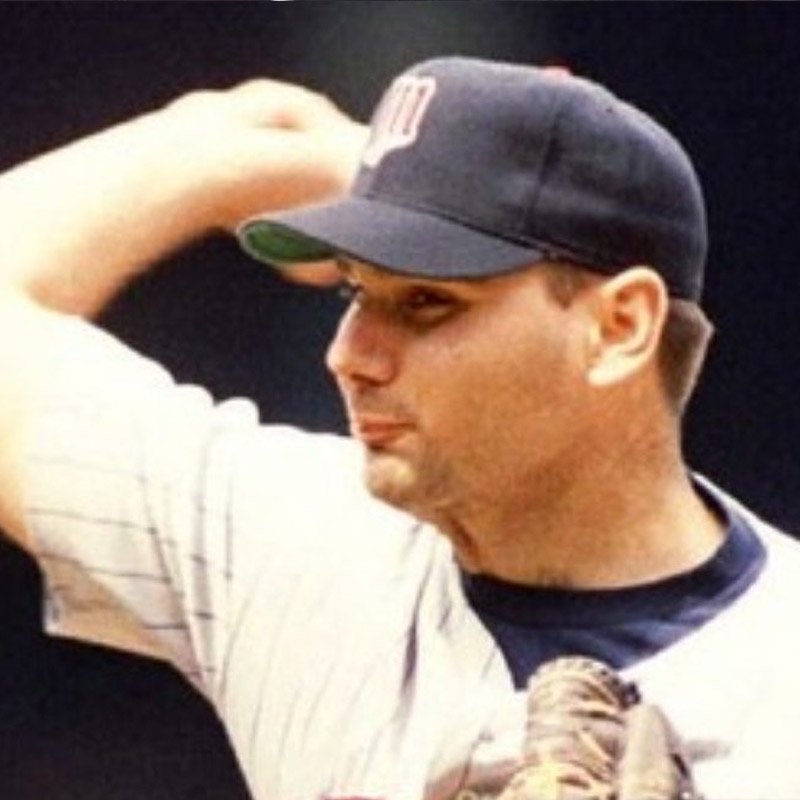 Erik Hans Bennett was born on September 13, 1968, in Yreka, California, which is in the extreme northern part of the state 20 miles from Oregon. He attended Yreka High School then Cal State Sacramento. The California Angels selected Bennett in the fourth round of the 1989 Major League Baseball Amateur Draft. Bennett pitched seven seasons in the Angels minor league system across all levels. He was a starter through 1993 but transitioned to a full-time reliever in 1994. It was as a reliever that he made it to the big leagues. After the 1995 season, the Twins signed Bennett. He made the team out of spring training as a multiple inning bullpen arm. In late April, he had the week of his career. He had his two career victories, and his single career save within a six-day period. Bennett’s final career numbers were two wins and zero losses over 27.1 innings and 25 games. His ERA was 7.84 (ERA+ was 65). He struck out 13 and walked 15. His WAR finished at -0.6. He played six more minor league seasons.
 -
Gerald Robert Zimmerman was born in Omaha, Nebraska on September 21, 1934. His family would move during his childhood to Oregon where Jerry went to high school. After high school, Zimmerman signed with the Boston Red Sox before the 1952 season. Zimmerman played eight long years in Boston’s minor league system at all levels. From there he bounced around, first to the Baltimore organization, then to Cincinnati where he performed well enough in minor league Seattle to earn a shot with the big club in 1961. He debuted in the Major Leagues on April 14, 1961. That Reds team was particularly good, ending with a 93-61 record, winning the National League, and making the World Series. The Reds moved on and traded him to the Twins before the 1962 season for outfielder Dan Dobbek. Zimmerman came to the Twins in 1962 and immediately settled into a back-up role for Earl Battey. 1967 was the one season when the excellent defensive catcher Zimmerman garnered most of the playing time. But after the 1967 season and Battey’s retirement, the Twins did not turn to Zimmerman. They quickly traded for John Roseboro again relegating Zimmerman to back up duties for 1968. For his MLB career, Zimmerman batted .204/.269/.239. He had three home runs and 72 RBI in 994 at bats. Baseball Reference calculates his career WAR as -2.7. View full player
-
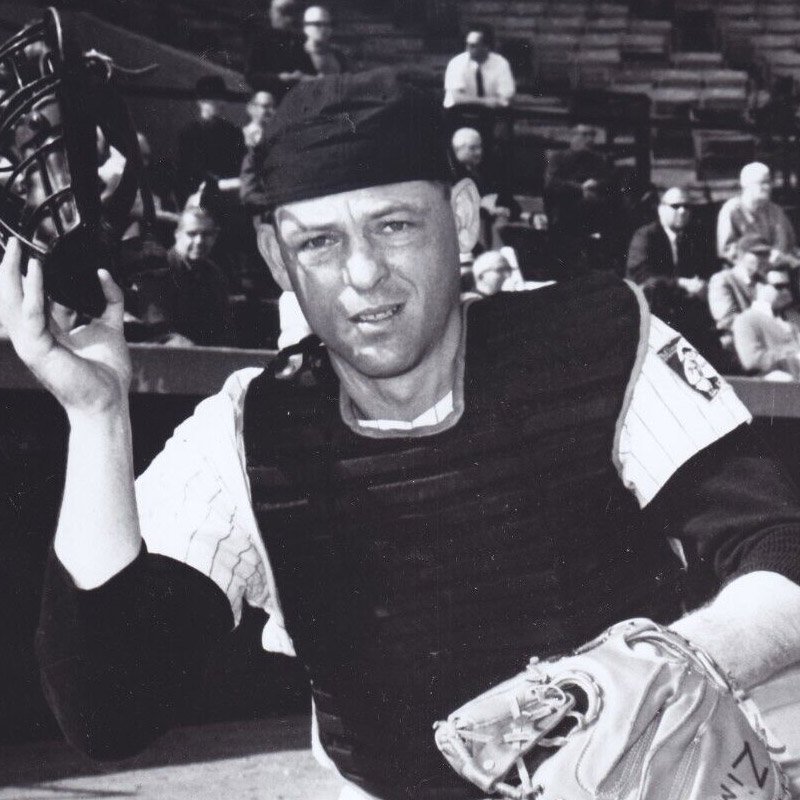 Gerald Robert Zimmerman was born in Omaha, Nebraska on September 21, 1934. His family would move during his childhood to Oregon where Jerry went to high school. After high school, Zimmerman signed with the Boston Red Sox before the 1952 season. Zimmerman played eight long years in Boston’s minor league system at all levels. From there he bounced around, first to the Baltimore organization, then to Cincinnati where he performed well enough in minor league Seattle to earn a shot with the big club in 1961. He debuted in the Major Leagues on April 14, 1961. That Reds team was particularly good, ending with a 93-61 record, winning the National League, and making the World Series. The Reds moved on and traded him to the Twins before the 1962 season for outfielder Dan Dobbek. Zimmerman came to the Twins in 1962 and immediately settled into a back-up role for Earl Battey. 1967 was the one season when the excellent defensive catcher Zimmerman garnered most of the playing time. But after the 1967 season and Battey’s retirement, the Twins did not turn to Zimmerman. They quickly traded for John Roseboro again relegating Zimmerman to back up duties for 1968. For his MLB career, Zimmerman batted .204/.269/.239. He had three home runs and 72 RBI in 994 at bats. Baseball Reference calculates his career WAR as -2.7.
 -
Jeffrey Allen Reboulet was born April 30, 1964, in Dayton, Ohio. Jeff came from a baseball family. His older brother, Jim, played minor league baseball in the Cardinals organization. Jeff first played college baseball at Triton College in River Grove, Illinois. He is one of 88 players from Triton to play professional baseball. Of course, one of the others is the late, great Kirby Puckett. From there, Jeff went on to Louisiana State University. After his senior season, the Twins drafted Reboulet in the tenth round of the 1986 draft. Reboulet debuted as a 28-year-old on May 12, 1992. His first hit came in his fourth game. Jeff’s numbers that rookie season were .190/.311/.277. He played second, third, shortstop, and all three outfield spots. This versatility would be his calling card which allowed him to stick at the Major League level. The next four years would see similar usage and action. He never played more than 109 games with the Twins and never had more than 283 plate appearances. His best season with the bat was probably 1995 when his OPS+ was 101. He hit .292/.373/.398 with a career-high four home runs. Baseball Reference calculates his WAR that season at 2.6 which was also a career high. Like so many other Twins of that era, Reboulet moved on after 1996. His final numbers in five seasons with the Twins ended at .248/.335/.324. He had nine home runs and exactly 100 RBI. Jeff moved on to three years with the Orioles, one with the Royals, two seasons with the Dodgers, then one final season with the Pirates. He was consistent. His seasons with those four teams look awfully similar to his time in Minnesota. His offense was nothing special, but his defensive ability and flexibility allowed him to play until his age 39 season. Reboulet’s career statistics were .240/.332/.318 with 20 home runs and 202 RBI. His OPS+ was less than ideal at 72, but he did amass 10.0 war. View full player
-
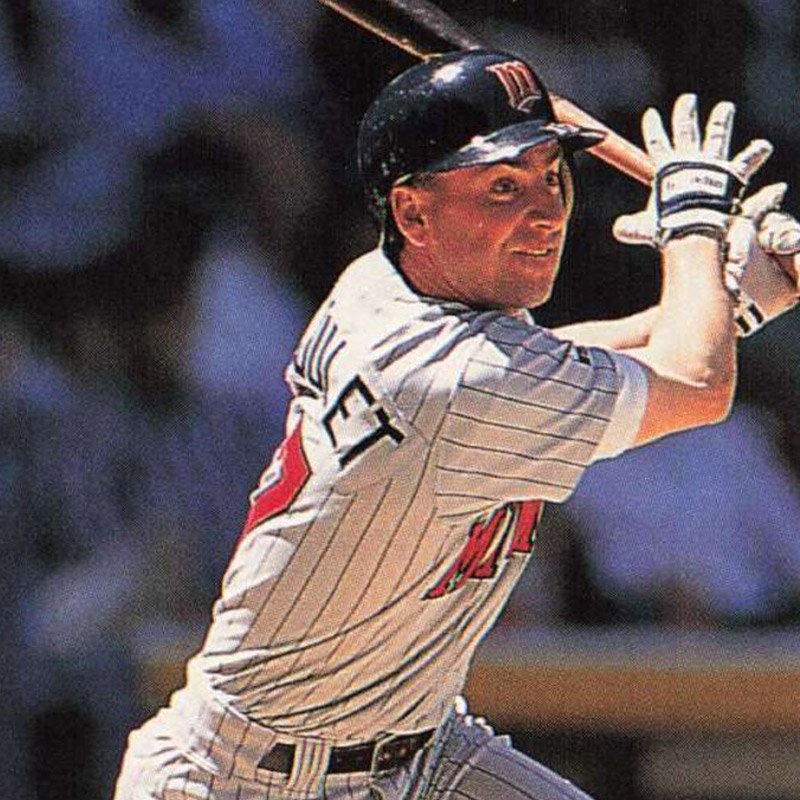 Jeffrey Allen Reboulet was born April 30, 1964, in Dayton, Ohio. Jeff came from a baseball family. His older brother, Jim, played minor league baseball in the Cardinals organization. Jeff first played college baseball at Triton College in River Grove, Illinois. He is one of 88 players from Triton to play professional baseball. Of course, one of the others is the late, great Kirby Puckett. From there, Jeff went on to Louisiana State University. After his senior season, the Twins drafted Reboulet in the tenth round of the 1986 draft. Reboulet debuted as a 28-year-old on May 12, 1992. His first hit came in his fourth game. Jeff’s numbers that rookie season were .190/.311/.277. He played second, third, shortstop, and all three outfield spots. This versatility would be his calling card which allowed him to stick at the Major League level. The next four years would see similar usage and action. He never played more than 109 games with the Twins and never had more than 283 plate appearances. His best season with the bat was probably 1995 when his OPS+ was 101. He hit .292/.373/.398 with a career-high four home runs. Baseball Reference calculates his WAR that season at 2.6 which was also a career high. Like so many other Twins of that era, Reboulet moved on after 1996. His final numbers in five seasons with the Twins ended at .248/.335/.324. He had nine home runs and exactly 100 RBI. Jeff moved on to three years with the Orioles, one with the Royals, two seasons with the Dodgers, then one final season with the Pirates. He was consistent. His seasons with those four teams look awfully similar to his time in Minnesota. His offense was nothing special, but his defensive ability and flexibility allowed him to play until his age 39 season. Reboulet’s career statistics were .240/.332/.318 with 20 home runs and 202 RBI. His OPS+ was less than ideal at 72, but he did amass 10.0 war.
 -
Luis Tiant with his contorted corkscrew windup, side-arm pitching, and bushy mustache was fan favorite wherever he played. Luis Clemente Tiant Vega was born November 23, 1940, in Cuba. He came from a baseball family as his father, also named Luis, was a long-time left-handed pitcher in Cuba, the American Negro Leagues, the Dominican Republic, and Mexico, as well as barnstorming teams from 1926 through 1948. In 1959, the younger Tiant left Cuba to play professional baseball in Mexico City. Prior to the 1962 season, the Cleveland Indians purchased his rights, and he moved to America. El Tiante, as he was called, pitched parts of three seasons in the Cleveland minor league system before getting called up to Cleveland in July of 1964. He finished that season with a strong 10-4 record and continued with solid campaigns through 1967. Tiant’s 1968 season was simply superb. A 21-9 record. He led the American League pitchers with an 8.5 bWAR, 1.60 ERA, nine shutouts, and many advanced statistics. He put together a stretch of 42 consecutive scoreless innings in April and May and started the All-Star game in July. However, he did not get a single vote for the Cy Young award in 1968 as Denny McLain was a unanimous winner because of his incredible 31 wins. 1969 would not be as successful. Tiant led the league with 20 losses, 37 home runs allowed, and 129 walks issued. His ERA increased by more than two runs to 3.71. It appears those numbers made Tiant expendable. The Indians packaged him with fellow pitcher, Stan Williams, and traded the pair to Minnesota for Dean Chance, Bob Miller, Graig Nettles, and Ted Uhlaender. In his lone season with the Twins, the six-foot, 180-pound Tiant won his first six decisions. It looked like he was recapturing his 1968 success until he broke his scapula. For the season, he threw 92 2/3 innings with a 3.40 ERA and 50 strikeouts. Tiant’s 1971 spring training was not good. He was hurt and ineffective resulting in the Twins releasing him. Calvin Griffith believed that Tiant was finished at age 30. Tiant eventually ended up with the Red Sox. He settled in for the best years of his career. He was 1-7 in that first season of 1971. He won 15 games his second year in Beantown and led the AL in ERA (1.91) again. He won 20 games or more in three of his eight years in Boston. He topped 200 innings five times, including 311 1/3 innings in 1974. Tiant led the league with seven shutouts in 1974. Additionally, he appeared in two more All-Star games. Tiant won 21 games in 1976 and pitched two more seasons in Boston. After 1978, he was a free agent for the first time in his career and he signed with the Yankees where he would have one good season and one not so good. He finished his career with partial seasons with the Pirates (1981) and the Angels (1982). For his career, Tiant was 229-172. His career ERA was 3.30. His ERA+ was 114. In 3,486 2/3 innings he struck out 2,416 and walked 1,104. His career WHIP was 1.199. His career bWAR was 66.1. View full player
-
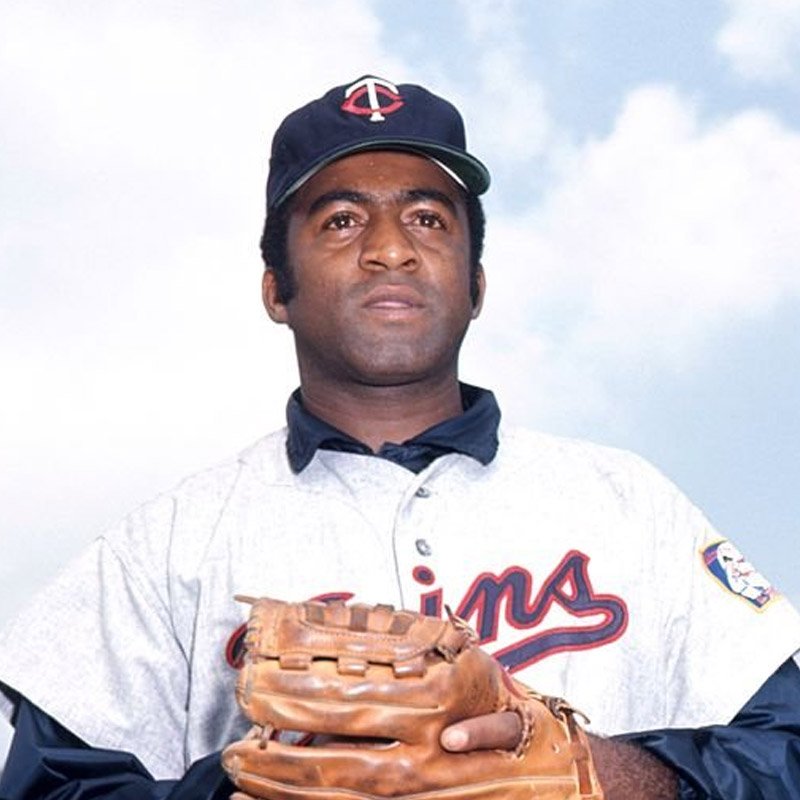 Luis Tiant with his contorted corkscrew windup, side-arm pitching, and bushy mustache was fan favorite wherever he played. Luis Clemente Tiant Vega was born November 23, 1940, in Cuba. He came from a baseball family as his father, also named Luis, was a long-time left-handed pitcher in Cuba, the American Negro Leagues, the Dominican Republic, and Mexico, as well as barnstorming teams from 1926 through 1948. In 1959, the younger Tiant left Cuba to play professional baseball in Mexico City. Prior to the 1962 season, the Cleveland Indians purchased his rights, and he moved to America. El Tiante, as he was called, pitched parts of three seasons in the Cleveland minor league system before getting called up to Cleveland in July of 1964. He finished that season with a strong 10-4 record and continued with solid campaigns through 1967. Tiant’s 1968 season was simply superb. A 21-9 record. He led the American League pitchers with an 8.5 bWAR, 1.60 ERA, nine shutouts, and many advanced statistics. He put together a stretch of 42 consecutive scoreless innings in April and May and started the All-Star game in July. However, he did not get a single vote for the Cy Young award in 1968 as Denny McLain was a unanimous winner because of his incredible 31 wins. 1969 would not be as successful. Tiant led the league with 20 losses, 37 home runs allowed, and 129 walks issued. His ERA increased by more than two runs to 3.71. It appears those numbers made Tiant expendable. The Indians packaged him with fellow pitcher, Stan Williams, and traded the pair to Minnesota for Dean Chance, Bob Miller, Graig Nettles, and Ted Uhlaender. In his lone season with the Twins, the six-foot, 180-pound Tiant won his first six decisions. It looked like he was recapturing his 1968 success until he broke his scapula. For the season, he threw 92 2/3 innings with a 3.40 ERA and 50 strikeouts. Tiant’s 1971 spring training was not good. He was hurt and ineffective resulting in the Twins releasing him. Calvin Griffith believed that Tiant was finished at age 30. Tiant eventually ended up with the Red Sox. He settled in for the best years of his career. He was 1-7 in that first season of 1971. He won 15 games his second year in Beantown and led the AL in ERA (1.91) again. He won 20 games or more in three of his eight years in Boston. He topped 200 innings five times, including 311 1/3 innings in 1974. Tiant led the league with seven shutouts in 1974. Additionally, he appeared in two more All-Star games. Tiant won 21 games in 1976 and pitched two more seasons in Boston. After 1978, he was a free agent for the first time in his career and he signed with the Yankees where he would have one good season and one not so good. He finished his career with partial seasons with the Pirates (1981) and the Angels (1982). For his career, Tiant was 229-172. His career ERA was 3.30. His ERA+ was 114. In 3,486 2/3 innings he struck out 2,416 and walked 1,104. His career WHIP was 1.199. His career bWAR was 66.1.
 -
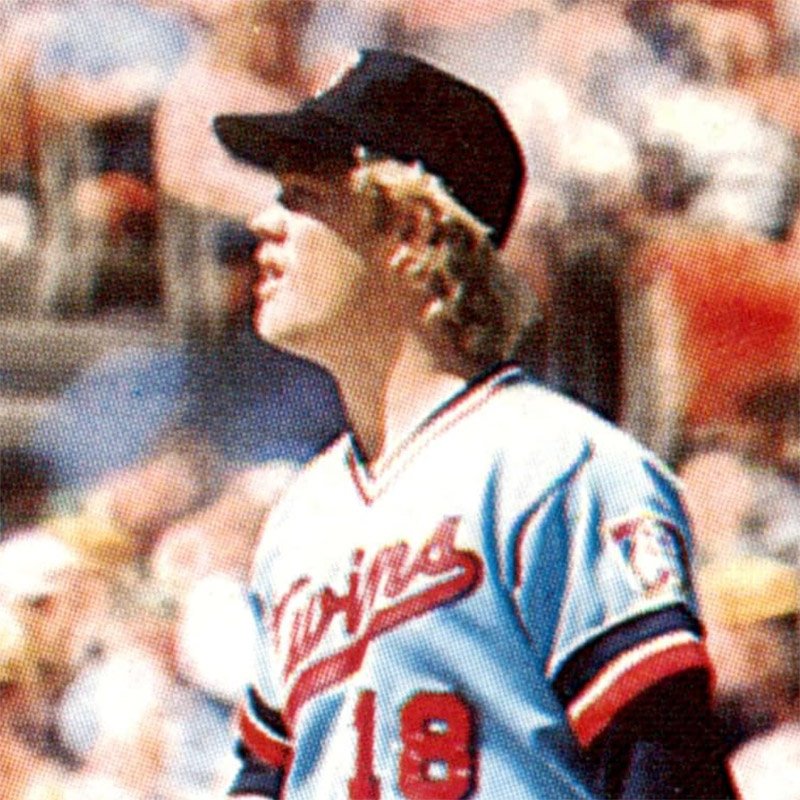 Terry Lane Felton was born October 29, 1957, in Texarkana, Arkansas. He graduated from Baker High School just north of Baton Rouge, LA. He was drafted by the Twins out of high school in the second round of the 1976 MLB June Amateur Draft. Immediately after being drafted, Felton was assigned to Elizabethton in the Rookie League. He progressed through double A and triple A from 1977-79. He had a decent ERA each season, but had more walks and fewer strikeouts than you would like to see in a top prospect. He debuted on September 18,1979, when he was only 21 years old. He followed that with short stints with the Twins in 1980 and 1981 but pitched mostly at triple A. He was given a longer look with the Twins on the dreaded 1982 team which finished with 102 losses. From 1979-1981, Felton pitched only 21 major league innings where he got smacked around to the tune of an 8.57 ERA. He was charged with three losses. In 1982, he was given a more extensive look. Whether it was all on Felton’s performance or the lack of help from the offense (2.29 runs scored in his six starts), 1982 was a rough year for Terry and the Twins. He pitched all season in the Major Leagues. He finished with a record of 0-13. In 1983 he returned to triple A. He then played the 1984 season in the Dodgers organization. He would never pitch again in Major League Baseball. He was out of organized baseball entirely by 1985 at the age of 27. Felton’s career record was zero wins and 16 losses. He finished with an ERA of 5.53, and ERA+ of 78, and 108 strikeouts in 138 1/3 innings. He had no wins but, hey, he racked up three saves!
 -
Terry Lane Felton was born October 29, 1957, in Texarkana, Arkansas. He graduated from Baker High School just north of Baton Rouge, LA. He was drafted by the Twins out of high school in the second round of the 1976 MLB June Amateur Draft. Immediately after being drafted, Felton was assigned to Elizabethton in the Rookie League. He progressed through double A and triple A from 1977-79. He had a decent ERA each season, but had more walks and fewer strikeouts than you would like to see in a top prospect. He debuted on September 18,1979, when he was only 21 years old. He followed that with short stints with the Twins in 1980 and 1981 but pitched mostly at triple A. He was given a longer look with the Twins on the dreaded 1982 team which finished with 102 losses. From 1979-1981, Felton pitched only 21 major league innings where he got smacked around to the tune of an 8.57 ERA. He was charged with three losses. In 1982, he was given a more extensive look. Whether it was all on Felton’s performance or the lack of help from the offense (2.29 runs scored in his six starts), 1982 was a rough year for Terry and the Twins. He pitched all season in the Major Leagues. He finished with a record of 0-13. In 1983 he returned to triple A. He then played the 1984 season in the Dodgers organization. He would never pitch again in Major League Baseball. He was out of organized baseball entirely by 1985 at the age of 27. Felton’s career record was zero wins and 16 losses. He finished with an ERA of 5.53, and ERA+ of 78, and 108 strikeouts in 138 1/3 innings. He had no wins but, hey, he racked up three saves! View full player
-
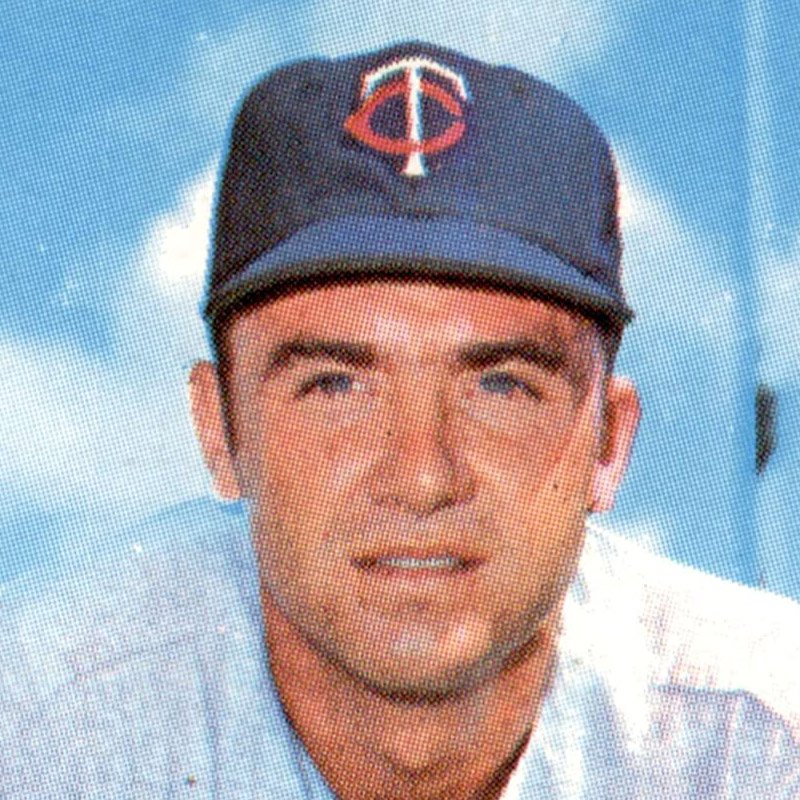 Richard Benjamin Reese was born September 29, 1941, in Leipsic, in northwestern Ohio. He attended high school in nearby Deshler, Ohio. The Detroit Tigers signed the lanky six-foot-three, 185-pound Reese as an amateur free agent prior to the 1962 season but he was quickly acquired by Minnesota in the November 1962 Major League Draft. Reese spent most of four seasons in the Twins minor leagues. Reese debuted for the Twins on September 4, 1964, in a lopsided 14-3 win against the Red Sox. He was used as a pinch runner in the eighth inning then completed the game defensively at first base. The left-handed batting Reese had his first plate appearance the next day but struck out. Reese saw limited major league action from 1964-67. When he was with the Twins, he got very few at-bats and was used mostly as a pinch hitter or defensive replacement. Finally in 1968 Reese saw his first extensive action. From then until 1971, he actually played in more games at first base than any other Twin, yes, even more than Killebrew who was splitting his time between first and third base. Reese was a very good fielder drawing comparisons to Vic Power who was seen as a preeminent fielding first baseman in the early 60s. Those seasons, 1968 to 1971, are also when Reese saw his most plate appearances. During those four seasons he hit .268/.321/.401 with a modest and dang near perfectly average OPS+ of 101. But 1969, when Reese’s minor league instructor Billy Martin was named manager, would be Reese’s best season by far. He hit .322/.362/.513 for a very good OPS+ of 139. His July and August were particularly hot. From July 1 to August 31, Reese batted .354/.402/.594 with 11 home runs and 37 RBI. The Twins won the American League West Division in 1969 and 1970 playing the Orioles in the American League Championship Series both times. Both times the Orioles swept the series. Reese had three hits, two walks and two RBI in those series. Reese’s numbers fell in 1971 and 1972 (his age 30 season) and his playing time started to decline. After the 1972 season, The Tigers acquired Reese where he was also used sparingly. After playing 110 games with a paltry .137 batting average, he was released by the Tigers on August 17, 1973. The Twins immediately reacquired Reese and he saw 30 plate appearances down the stretch. He had one home run, and three runs batted in during that period. Rich Reese played his final MLB game on his 32nd birthday, September 29. He went 0-4 with two walks in a 4-3 loss to the Angels. Rich Reese’s final career statistics are .253/.312/.384 for an OPS of .695 and an OPS+ of 95. He had 52 home runs and 245 runs batted in. After baseball, Reese went to work in the alcohol industry, working his way up to CEO of Jim Beam Brands before retiring in 2003.
 -
Richard Benjamin Reese was born September 29, 1941, in Leipsic, in northwestern Ohio. He attended high school in nearby Deshler, Ohio. The Detroit Tigers signed the lanky six-foot-three, 185-pound Reese as an amateur free agent prior to the 1962 season but he was quickly acquired by Minnesota in the November 1962 Major League Draft. Reese spent most of four seasons in the Twins minor leagues. Reese debuted for the Twins on September 4, 1964, in a lopsided 14-3 win against the Red Sox. He was used as a pinch runner in the eighth inning then completed the game defensively at first base. The left-handed batting Reese had his first plate appearance the next day but struck out. Reese saw limited major league action from 1964-67. When he was with the Twins, he got very few at-bats and was used mostly as a pinch hitter or defensive replacement. Finally in 1968 Reese saw his first extensive action. From then until 1971, he actually played in more games at first base than any other Twin, yes, even more than Killebrew who was splitting his time between first and third base. Reese was a very good fielder drawing comparisons to Vic Power who was seen as a preeminent fielding first baseman in the early 60s. Those seasons, 1968 to 1971, are also when Reese saw his most plate appearances. During those four seasons he hit .268/.321/.401 with a modest and dang near perfectly average OPS+ of 101. But 1969, when Reese’s minor league instructor Billy Martin was named manager, would be Reese’s best season by far. He hit .322/.362/.513 for a very good OPS+ of 139. His July and August were particularly hot. From July 1 to August 31, Reese batted .354/.402/.594 with 11 home runs and 37 RBI. The Twins won the American League West Division in 1969 and 1970 playing the Orioles in the American League Championship Series both times. Both times the Orioles swept the series. Reese had three hits, two walks and two RBI in those series. Reese’s numbers fell in 1971 and 1972 (his age 30 season) and his playing time started to decline. After the 1972 season, The Tigers acquired Reese where he was also used sparingly. After playing 110 games with a paltry .137 batting average, he was released by the Tigers on August 17, 1973. The Twins immediately reacquired Reese and he saw 30 plate appearances down the stretch. He had one home run, and three runs batted in during that period. Rich Reese played his final MLB game on his 32nd birthday, September 29. He went 0-4 with two walks in a 4-3 loss to the Angels. Rich Reese’s final career statistics are .253/.312/.384 for an OPS of .695 and an OPS+ of 95. He had 52 home runs and 245 runs batted in. After baseball, Reese went to work in the alcohol industry, working his way up to CEO of Jim Beam Brands before retiring in 2003. View full player
-
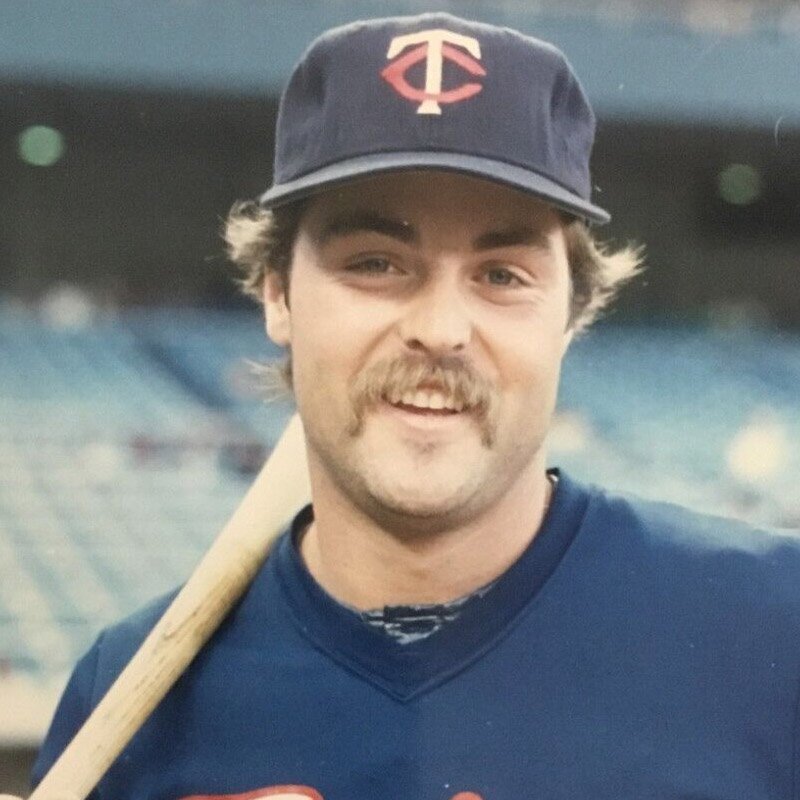 Thomas Andrew Brunansky was born August 20, 1960, in West Covina, California. The Angels organization drafted Brunansky out of high school in the first round of the 1978 Amateur Draft. Brunansky worked his way up through the Angels minor league system and in his fourth season made the big-league squad on Opening Day 1981 as a 20-year-old. Shortly thereafter, he hit his first two home runs, finishing that game with four RBI. Unfortunately, he soon tore ligaments in his thumb and played no more Major League games in 1981. By the start of the 1982 season, the Angels were loaded with proven outfielders. Fred Lynn and Brian Downing played for the Angels in 1981. Over that winter they signed Hall of Famer Reggie Jackson as a free agent which made Brunansky expendable. On May 12, 1982, Brunansky was traded to Minnesota along with pitcher Mike Walters for veteran relief pitcher and former All-Star Doug Corbett and starting second baseman Rob Wilfong. I would say the Twins won that trade. In short order, Brunansky proved to be a valuable addition. Bruno played each and every game of the 1982 season after being acquired by the Twins. He finished with 20 home runs and hit .272/.377/.471. In fact, he would go on to hit at least 20 home runs in each of his six seasons with the Twins. His batting numbers during his Twins tenure were .250/.330/.452 with 163 home runs and 469 RBI. He was a very good middle of the order hitter and a decent right fielder. Brunansky also proved to be super durable playing at least 150 games in each season in Twins uniform. 1985 was one of Brunansky’s best seasons and his first half, specifically, was excellent. Before the All-Star break, he batted .265/.358/.508 for an OPS of .867. He had 19 home runs and 56 RBI before the break. He was selected to the American League’s All-Star team and had the honor to play at home in the Metrodome. As part of the festivities, Brunansky participated in the first home run contest. I actually attended that 1985 event. My recollection is that inside the park they promoted the home run contest as an AL vs NL battle. So, while Dave Parker hit the most home runs, the AL won the event behind Brunansky hitting his dingers as the last participant, like the bottom of the ninth, except I think they played two "innings" with each player batting twice and getting ten swings per round or “inning.” In the actual All-Star Game the next day, Brunansky went in to play right field in the seventh inning. He got up to bat once in the bottom of the eighth inning against future Twins closer Jeff Reardon of the Montreal Expos. Brunansky grounded out to shortstop. Tom Brunansky contributed greatly to the upset over the Detroit Tigers in the American League Championship Series by hitting .412 with two home runs and nine RBI in the five-game series. Brunansky finished second to teammate Garry Gaetti for ALCS MVP. In Game One he had two doubles and three RBI in an 8-5 Twins win. In Game Two Brunansky doubled in a run and scored a run in the bottom of the second to help the Twins get even after an early two-run deficit. He walked and scored in the fourth. The Twins won again 6-3. He had a two-run home run in the Game Three loss. Bruno had a couple walks in the Twins Game Four 5-3 victory. In the Game Five clincher in Detroit, the Twins jumped out to a 4-run lead in the second inning during which Brunansky had a two-run double. He also had a home run in the three-run ninth inning when the Twins put the game away. Brunansky’s performance in the World Series victory over the St. Louis Cardinals was less remarkable as he hit only .200 with two RBI. He contributed to the big Game Six win which tied the series. He had a single and scored in the bottom of the fifth which tied the score after an early deficit and drove in a run with a groundout in the eighth inning. The Twins would win 11-5 to tie the series, then of course won Game Seven for the first championship in Minnesota Twins history. While the 1987 championship was fantastic, the Twins came down from that high with a poor start in 1988. After starting 4-10, Andy MacPhail did the unthinkable – he traded one of the core team members, one of that group of six from 1982. Tom Brunansky was traded to St. Louis for Tom Herr which can only be described as a disaster. The Twins not only got rid of an immensely popular, heart-and-soul player, but Herr apparently never wanted to be here. In a 2021 post on STLRedbirds.com, Tom Herr explained the trade and his reaction to it. “The shock of the trade bothered me more than anything…It really hit me out of the blue. I can remember getting on the plane to fly to Minneapolis and crying like a baby. It was hard to go through. Looking back on it, I didn’t handle it very well. I kept looking back instead of forward. I was looking at it more that the Cardinals didn’t want me than that the Twins wanted me. If I had put a more positive spin on it, I would have reacted better.” Brunansky played well for St. Louis, basically continuing his consistent 20 home run, 80 RBI production. However, by 1990, the Cardinals felt they needed an elite relief pitcher so Brunansky was traded for future Hall of Famer, Lee Smith, in a one-for-one deal that sent him to Boston where he played most of three seasons and continued putting up similar numbers. He later played 1993 and part of 1994 for Milwaukee, but that time in Milwaukee was not up to his usual standards. The Brewers traded him back to the Red Sox in June of 1994 where he finished the season which would be his last. That last half season with the Red Sox was much better than his time in Milwaukee. I’m sure he was proud to finish out his career with a respectable OPS+ of 98 with Boston (with the Brewers he had posted a low OPS+ 58 in 1993, then a paltry 34 OPS+ in the first part of 1994). Brunansky’s career numbers were .245/.327/.434. His batting average was a little low for his era, but he did walk a good amount. His career OPS+ was 106 so a little better than average. He had 919 career RBI. He hit 271 home runs, including being in the top ten of his league three times, all with the Twins (28 in 1983, 32 in 1984, 32 in 1987). His 271 career home runs are 208th all-time.
