Cory Sparks
-
Posts
35 -
Joined
-
Last visited
Content Type
Profiles
News
Minnesota Twins Videos
2026 Minnesota Twins Top Prospects Ranking
2022 Minnesota Twins Draft Picks
Minnesota Twins Free Agent & Trade Rumors, Notes, & Tidbits
Guides & Resources
2023 Minnesota Twins Draft Picks
The Minnesota Twins Players Project
2024 Minnesota Twins Draft Picks
2025 Minnesota Twins Draft Pick Tracker
2026 Minnesota Twins Draft Tracker: Picks & Bonuses
Forums
Blogs
Events
Store
Downloads
Gallery
Everything posted by Cory Sparks
-
Image courtesy of Jesse Johnson, IMAGN IMAGES via Reuters Connect What is Royce Lewis ’ role on the Minnesota Twins this year? It’s a valid question, and conversations about whether he’ll live up to his full potential are just as valid. The thing with Lewis is, he’s showing flashes of greatness this year, and what he's accomplished in the last couple of weeks is a perfect example of that. Let’s dive into Lewis’ background, his advanced analytics, and most importantly, what his true ceiling is. A 1st Overall Pick Lewis was the first overall pick in the 2017 MLB Draft. The Twins selected him right out of high school, aiming to land a well-rounded prep product who could blossom into being the cornerstone of their organization. While that title has gravitated more towards Byron Buxton in past years, Lewis’ journey to the present day has been an intriguing one. He immediately showed an ability to harness a power-speed combo, stealing as many as 28 bases in 2018 (across Low-A Cedar Rapids and High-A Fort Myers) and having an OPS that peaked above .800 on multiple occasions. Injuries Galore The unfortunate headline for Lewis’ major league career, so far, has been his lack of availability. Injuries have plagued the now 27-year-old since the moment he made his big league debut in 2022, where he appeared in 12 contests. From that point forward, Lewis appeared in 58 big-league games in 2023, 82 games in 2024, a career-best 106 contests in 2025, and now he’s on 82 games and counting for the 2026 campaign. The former first overall pick has dealt with a pair of torn ACLs, hamstring strains, a strained oblique, and a variety of other knee issues along the way. Even with those issues, an 82-game sample size where Lewis slugged 16 home runs in 2024 shows he has potential to be a real game changer for Minnesota. Underlying Metrics Show Promise Even in 2026, after being sidelined for a variety of reasons, the corner infielder is on a heater. Lewis has reached base safely in 18 straight contests. During this on-base streak, he's slashing .308/.378/.554 for a .932 OPS. Lewis is also 11-for-24 in the month of August. Much of this success starts with one of the most important attributes in hitting: bat speed. Lewis’ bat speed glides in at an average of 75.1 miles per hour, good enough to nestle him in the 85th percentile. Hard-hit metrics like exit velocity, hard-hit rate, slugging percentage and more all become more attainable with great bat speed. Just look at someone like Junior Caminero, who lives in the top one percent of hitters with bat speed and continues to slug homers at a remarkable rate. Another metric that can benefit from an above-average bat speed is barrel percentage, and Lewis is barreling up the baseball 12.8 percent of the time (84th percentile). The Twins infielder has also spiked his exit velocity to an above-average mark of 90.2 miles per hour (67th percentile) and also boasts an above-average hard-hit rate of 43.4 percent (63rd percentile). One of his greatest improvements this year has been the plate discipline, as the 27-year-old is drawing a free pass 9.3 percent of the time (a career-best). What’s There To Work On? Lewis still has a lot of work to do, especially in the plate discipline department. His 24.3 percent strikeout rate is something I’m sure the Twins would love to cut down on, and if he can do so, his power numbers could rival that of Buxton. Lewis doesn’t have the bat speed quite up the alley of the aforementioned Caminero, but his analytics imply he could be a successful power hitter in this league if he stays on the field and learns to adjust to offspeed pitches, an offering he’s hitting just .111 against this year. Overall, this 18-game stretch is one of the most promising mile-markers of Lewis' career. The former first overall pick hasn't had the start he's been looking for, but with a better track record for health and improved plate discipline, the raw power metrics still support an argument that he can be a real difference-maker in this league. View full article
-
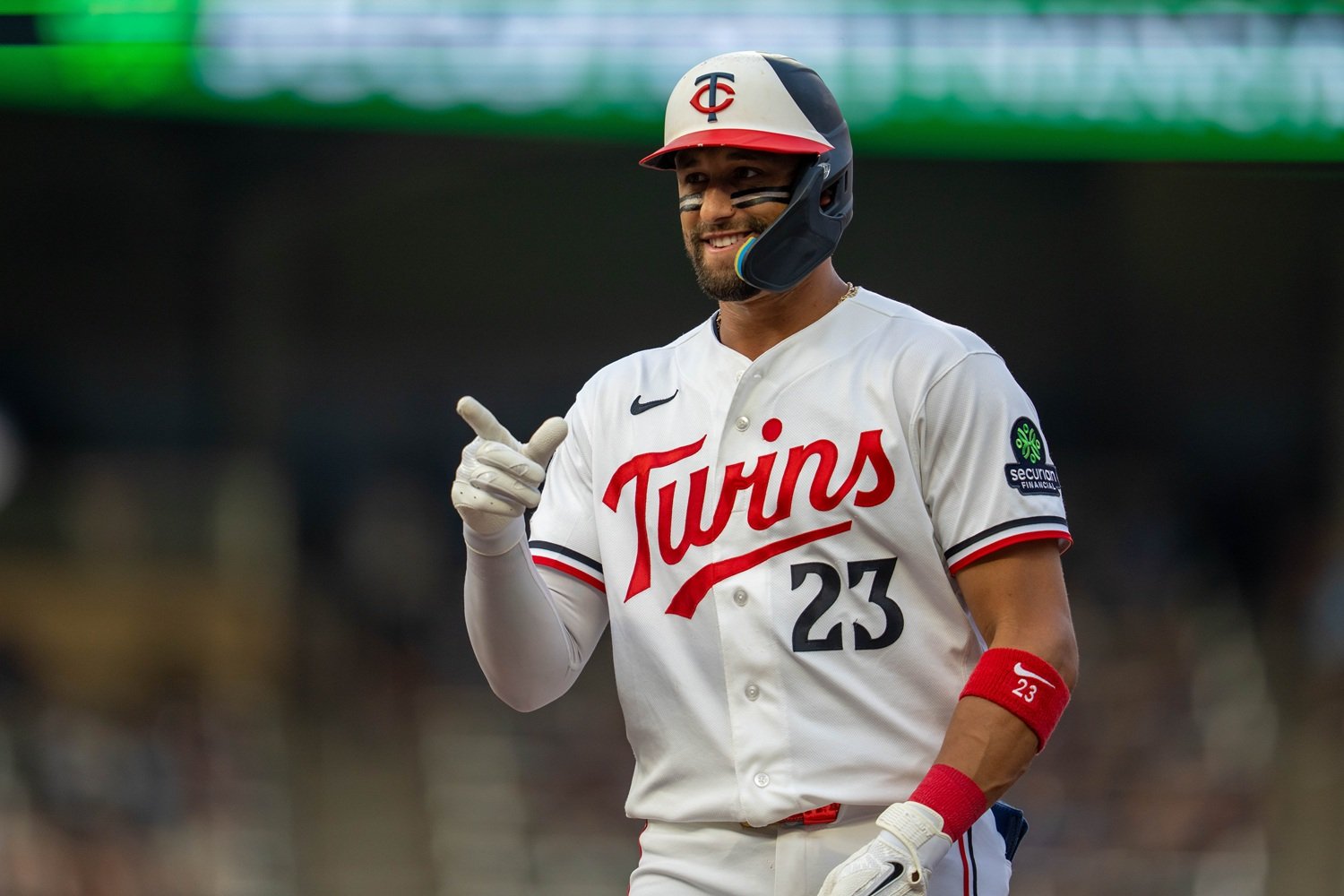 What is Royce Lewis ’ role on the Minnesota Twins this year? It’s a valid question, and conversations about whether he’ll live up to his full potential are just as valid. The thing with Lewis is, he’s showing flashes of greatness this year, and what he's accomplished in the last couple of weeks is a perfect example of that. Let’s dive into Lewis’ background, his advanced analytics, and most importantly, what his true ceiling is. A 1st Overall Pick Lewis was the first overall pick in the 2017 MLB Draft. The Twins selected him right out of high school, aiming to land a well-rounded prep product who could blossom into being the cornerstone of their organization. While that title has gravitated more towards Byron Buxton in past years, Lewis’ journey to the present day has been an intriguing one. He immediately showed an ability to harness a power-speed combo, stealing as many as 28 bases in 2018 (across Low-A Cedar Rapids and High-A Fort Myers) and having an OPS that peaked above .800 on multiple occasions. Injuries Galore The unfortunate headline for Lewis’ major league career, so far, has been his lack of availability. Injuries have plagued the now 27-year-old since the moment he made his big league debut in 2022, where he appeared in 12 contests. From that point forward, Lewis appeared in 58 big-league games in 2023, 82 games in 2024, a career-best 106 contests in 2025, and now he’s on 82 games and counting for the 2026 campaign. The former first overall pick has dealt with a pair of torn ACLs, hamstring strains, a strained oblique, and a variety of other knee issues along the way. Even with those issues, an 82-game sample size where Lewis slugged 16 home runs in 2024 shows he has potential to be a real game changer for Minnesota. Underlying Metrics Show Promise Even in 2026, after being sidelined for a variety of reasons, the corner infielder is on a heater. Lewis has reached base safely in 18 straight contests. During this on-base streak, he's slashing .308/.378/.554 for a .932 OPS. Lewis is also 11-for-24 in the month of August. Much of this success starts with one of the most important attributes in hitting: bat speed. Lewis’ bat speed glides in at an average of 75.1 miles per hour, good enough to nestle him in the 85th percentile. Hard-hit metrics like exit velocity, hard-hit rate, slugging percentage and more all become more attainable with great bat speed. Just look at someone like Junior Caminero, who lives in the top one percent of hitters with bat speed and continues to slug homers at a remarkable rate. Another metric that can benefit from an above-average bat speed is barrel percentage, and Lewis is barreling up the baseball 12.8 percent of the time (84th percentile). The Twins infielder has also spiked his exit velocity to an above-average mark of 90.2 miles per hour (67th percentile) and also boasts an above-average hard-hit rate of 43.4 percent (63rd percentile). One of his greatest improvements this year has been the plate discipline, as the 27-year-old is drawing a free pass 9.3 percent of the time (a career-best). What’s There To Work On? Lewis still has a lot of work to do, especially in the plate discipline department. His 24.3 percent strikeout rate is something I’m sure the Twins would love to cut down on, and if he can do so, his power numbers could rival that of Buxton. Lewis doesn’t have the bat speed quite up the alley of the aforementioned Caminero, but his analytics imply he could be a successful power hitter in this league if he stays on the field and learns to adjust to offspeed pitches, an offering he’s hitting just .111 against this year. Overall, this 18-game stretch is one of the most promising mile-markers of Lewis' career. The former first overall pick hasn't had the start he's been looking for, but with a better track record for health and improved plate discipline, the raw power metrics still support an argument that he can be a real difference-maker in this league.
 -
What is Royce Lewis capable of? The 2017 first-overall pick and Twins power hitter has underlying metrics that suggest he could do some real damage. In this video, we'll dive into what Lewis' strengths are and his true ceiling as an MLB player. View full video
-
What is Royce Lewis capable of? The 2017 first-overall pick and Twins power hitter has underlying metrics that suggest he could do some real damage. In this video, we'll dive into what Lewis' strengths are and his true ceiling as an MLB player.
-
Image courtesy of © Bruce Newman/Special to the Clarion Ledger / USA TODAY NETWORK via Imagn Images There are three main ways to thrive in player acquisition as a major-league ball club: nail free agency; make brilliant trades; or draft sharply and develop well. The Minnesota Twins got the big names like Vahn Lackey early on, but they also swiped some steals in the 2026 MLB Draft. Let’s dive in. Tommy LaPour (Round 4, Pick 107) A dearth of pitching depth has been a hot topic for the Twins lately, so it should come as no shock that they used three straight picks (starting in Competitive Balance Round B) to address that need. Tommy LaPour could go down as a serious bargain buy. The TCU right-handed pitcher could’ve gone earlier in the draft, per MLB.com, but elbow issues stifled his 2026 campaign and knocked his draft stock down a bit. LaPour looked remarkable in the 2025 season, registering an 8-3 record with a 3.09 earned run average and 88 punchouts over 90 1/3 innings pitched. LaPour’s fastball leads his arsenal, coming in with a 60 grade on MLB Pipeline’s 20-to-80 scouting grade scale. The 21-year-old can push his fastball through the zone in the 95-98 MPH range (and he has reached 101 before), with plenty of sinking action. His secondary offering is a mid-80s slider, operating with two-plane depth and coming in at a 55 grade. LaPour is still learning to harness the breaking ball, as he can’t always control the pitch or land it for strikes on command. Thomas Burns (Round 8, Pick 227) One could argue the Twins got Thomas Burns right around his true value, as Minnesota picked MLB Pipeline’s 221st-ranked draft prospect in the 227th spot. Another pitcher, Burns works with a large frame and can do serious damage with his fastball. The 6-foot-3, 240-pound Hortonville, Wis. product has a 70-grade fastball that sits between 95-98 miles per hour. Burns was a rotational piece for the Arizona State Sun Devils before tendinitis pushed him to the injured list and eventually led him to relief obligations with the Texas Longhorns. Burns only managed an unsightly 5.64 ERA this year, but he struck out an impressive 42% of his opposing hitters. Burns also flashes a 50-grade cutter, but he struggles to land the bullet-spin breaker for strikes. His stuff can be overpowering, but the 35-grade control means that he's often working from behind or catching too much of the zone. If the Twins can toy with a pretty complex delivery and shave down what was a 16% walk rate over three years in college, this could be a dynamite reliever. Aidan Teel (Round 11, Pick 317) Aidan Teel is the final member of this list, and his last name is no coincidence. The brother of former first-round pick Kyle Teel, Aidan proved to be a key piece in Mississippi State’s success throughout the 2026 season. The red-shirt Junior was set up to have a decorated season, and was the 28th-ranked outfielder in the country, per D1Baseball; 82nd-ranked junior, per Perfect Game; and even a Preseason All-American Fourth Team honoree. Teel was a cornerstone for this year’s group. He put up a .294 batting average with five home runs, 22 runs batted in and a .449 slugging percentage. He hit north of the .300 mark over a pair of seasons before this, showcasing an ability to hit at a high level while walking (52) nearly as much as he struck out (70) over his collegiate career. He's not as talented as his brother, but between his family ties and his production, there's cause to hope that he'll be much better than your standard-issue 11th-rounder. View full article
-
3 Minnesota Twins Draft Picks Who Could Turn Out to Be Steals
Cory Sparks posted an article in MLB Draft
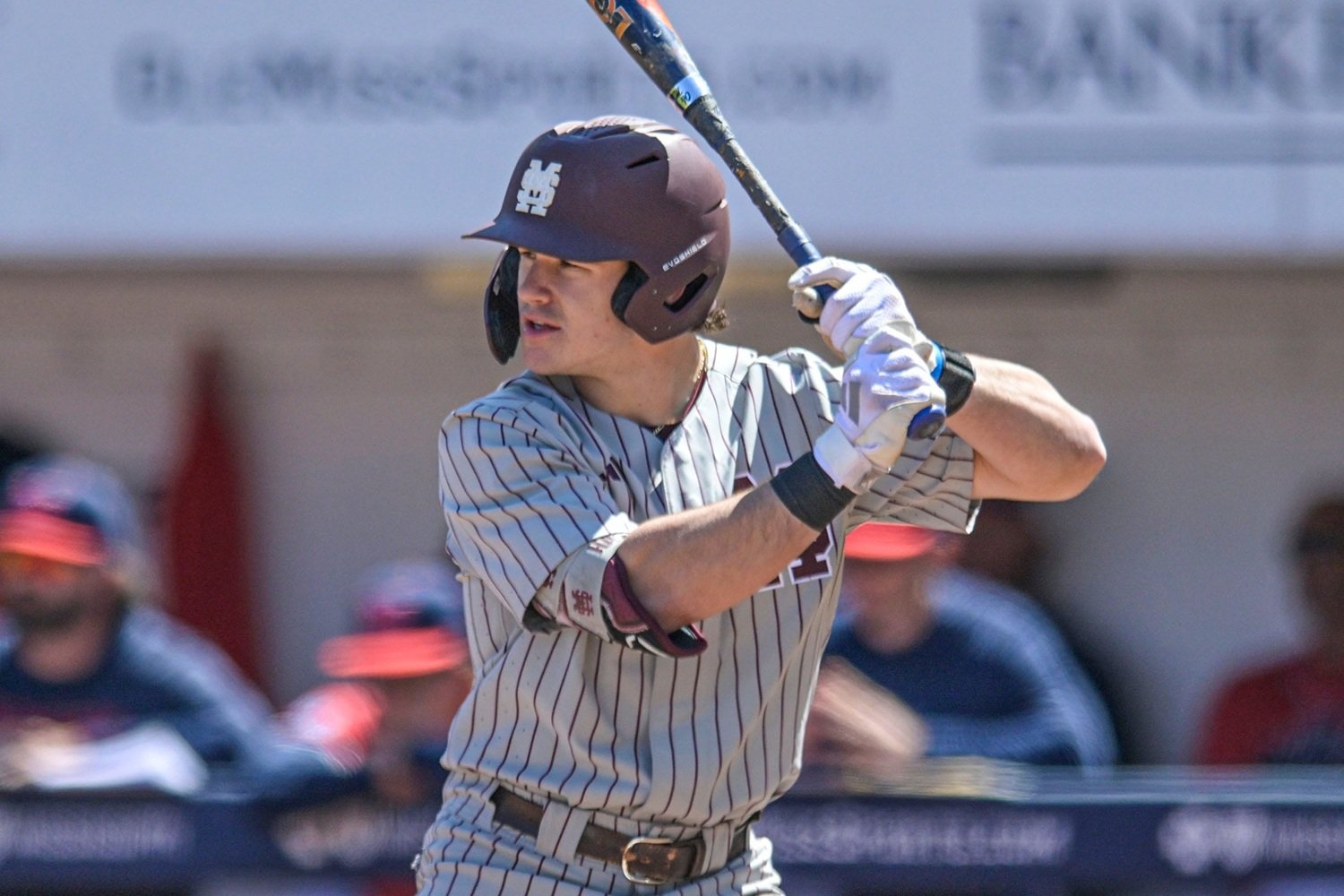 There are three main ways to thrive in player acquisition as a major-league ball club: nail free agency; make brilliant trades; or draft sharply and develop well. The Minnesota Twins got the big names like Vahn Lackey early on, but they also swiped some steals in the 2026 MLB Draft. Let’s dive in. Tommy LaPour (Round 4, Pick 107) A dearth of pitching depth has been a hot topic for the Twins lately, so it should come as no shock that they used three straight picks (starting in Competitive Balance Round B) to address that need. Tommy LaPour could go down as a serious bargain buy. The TCU right-handed pitcher could’ve gone earlier in the draft, per MLB.com, but elbow issues stifled his 2026 campaign and knocked his draft stock down a bit. LaPour looked remarkable in the 2025 season, registering an 8-3 record with a 3.09 earned run average and 88 punchouts over 90 1/3 innings pitched. LaPour’s fastball leads his arsenal, coming in with a 60 grade on MLB Pipeline’s 20-to-80 scouting grade scale. The 21-year-old can push his fastball through the zone in the 95-98 MPH range (and he has reached 101 before), with plenty of sinking action. His secondary offering is a mid-80s slider, operating with two-plane depth and coming in at a 55 grade. LaPour is still learning to harness the breaking ball, as he can’t always control the pitch or land it for strikes on command. Thomas Burns (Round 8, Pick 227) One could argue the Twins got Thomas Burns right around his true value, as Minnesota picked MLB Pipeline’s 221st-ranked draft prospect in the 227th spot. Another pitcher, Burns works with a large frame and can do serious damage with his fastball. The 6-foot-3, 240-pound Hortonville, Wis. product has a 70-grade fastball that sits between 95-98 miles per hour. Burns was a rotational piece for the Arizona State Sun Devils before tendinitis pushed him to the injured list and eventually led him to relief obligations with the Texas Longhorns. Burns only managed an unsightly 5.64 ERA this year, but he struck out an impressive 42% of his opposing hitters. Burns also flashes a 50-grade cutter, but he struggles to land the bullet-spin breaker for strikes. His stuff can be overpowering, but the 35-grade control means that he's often working from behind or catching too much of the zone. If the Twins can toy with a pretty complex delivery and shave down what was a 16% walk rate over three years in college, this could be a dynamite reliever. Aidan Teel (Round 11, Pick 317) Aidan Teel is the final member of this list, and his last name is no coincidence. The brother of former first-round pick Kyle Teel, Aidan proved to be a key piece in Mississippi State’s success throughout the 2026 season. The red-shirt Junior was set up to have a decorated season, and was the 28th-ranked outfielder in the country, per D1Baseball; 82nd-ranked junior, per Perfect Game; and even a Preseason All-American Fourth Team honoree. Teel was a cornerstone for this year’s group. He put up a .294 batting average with five home runs, 22 runs batted in and a .449 slugging percentage. He hit north of the .300 mark over a pair of seasons before this, showcasing an ability to hit at a high level while walking (52) nearly as much as he struck out (70) over his collegiate career. He's not as talented as his brother, but between his family ties and his production, there's cause to hope that he'll be much better than your standard-issue 11th-rounder.
- 15 comments
-
- 8
-

-
- aiden teel
- thomas burns
- (and 1 more)
-
Image courtesy of William Parmeter Riley Quick doesn’t just have a spectacular baseball name; he could hold a pivotal role in the future of the Minnesota Twins. The Twins’ rising prospect is turning heads as he coasts up the team’s minor league system. Let’s break down who the recently promoted pitcher is, what his strengths and weaknesses are and just how ‘quick’ he can impact the big league ball club. Growing Up With A Dominant Stature Quick could pass as an NFL player, as he stands at 6-foot-6, 255 pounds while using every bit of that size to generate plenty of force on the rubber. This is somebody who played offensive line in high school, but he’s converted that physicality to becoming an intimidating, effective pitcher in Minnesota’s farm system. The Twins selected him the 36th overall pick in last year’s draft, and he’s already toeing the rubber with the High-A Cedar Rapids Kernels. So far through 13 starts (10 with the Kernels), he holds an 0-2 record with a 3.57 earned run average. Quick has fanned 69 hitters while walking just 22 across 45.1 innings of work, all as a starter. An Electric 1-2 Punch The 22-year-old towering righty primarily operates with a three-pitch mix: the fastball, slider and changeup. MLB Pipeline has his fastball and slider each at a 60-grade, and it’s for good reason. His firm four-seamer has a sinking action, and it sits easily in the 96-97 mile per hour range with the potential to reach 99. While Quick is fresh off of Tommy John surgery in 2024, he’s showing the ability to hold that velocity through games, a key component differentiating a potential starter from a bullpen arm. While the heater is a prominent part of his game, a little variety is never a bad thing. The hard-throwing orthodox pitcher utilized his fastball nearly 50% of the time during his final season with the Alabama Crimson Tide. His fastball holds just as much weight, also earning a 60-grade on MLB Pipeline’s 20-to-80 scouting scale. It’s a two-plane pitch, breaking both vertically and horizontally as an effective break-off option from a cutter that also sits in the low 90s. Working Up A Sample Size The stature and dominant nature are there, but the Twins need to be careful with Quick. Averaging about three and a half innings per start, the Kernels’ starter is on track to clock 80-90 innings in his first year as a professional. This comes after he logged 87 total innings in college ball. It’s a relatively normal approach considering the circumstances; Phillies’ first rounder Gage Wood has seen the same type of innings management after he had never thrown more than 40.1 innings at the college level. The Alabama alum’s main priority will be maintaining his command as he gets more acclimated to pitching deeper into games. The tools are clearly there, and there should be plenty of opportunity for someone sporting an impressive .191 batting average allowed when he does reach the major league level. When Will He Arrive? When will Quick get to the big leagues? His stuff could probably play as a reliever as soon as next year, as most ball clubs could find a place for someone who can live in the mid-to-upper 90s with a sharp secondary offering. The road to becoming a starter will be heavily dictated by the innings and control, as he has relinquished 22 walks over 45.1 frames (roughly a walk every other inning). A mid-2028 call-up seems realistic, as it would still be a minor league journey that takes less than three years for a former SEC arm. View full article
-
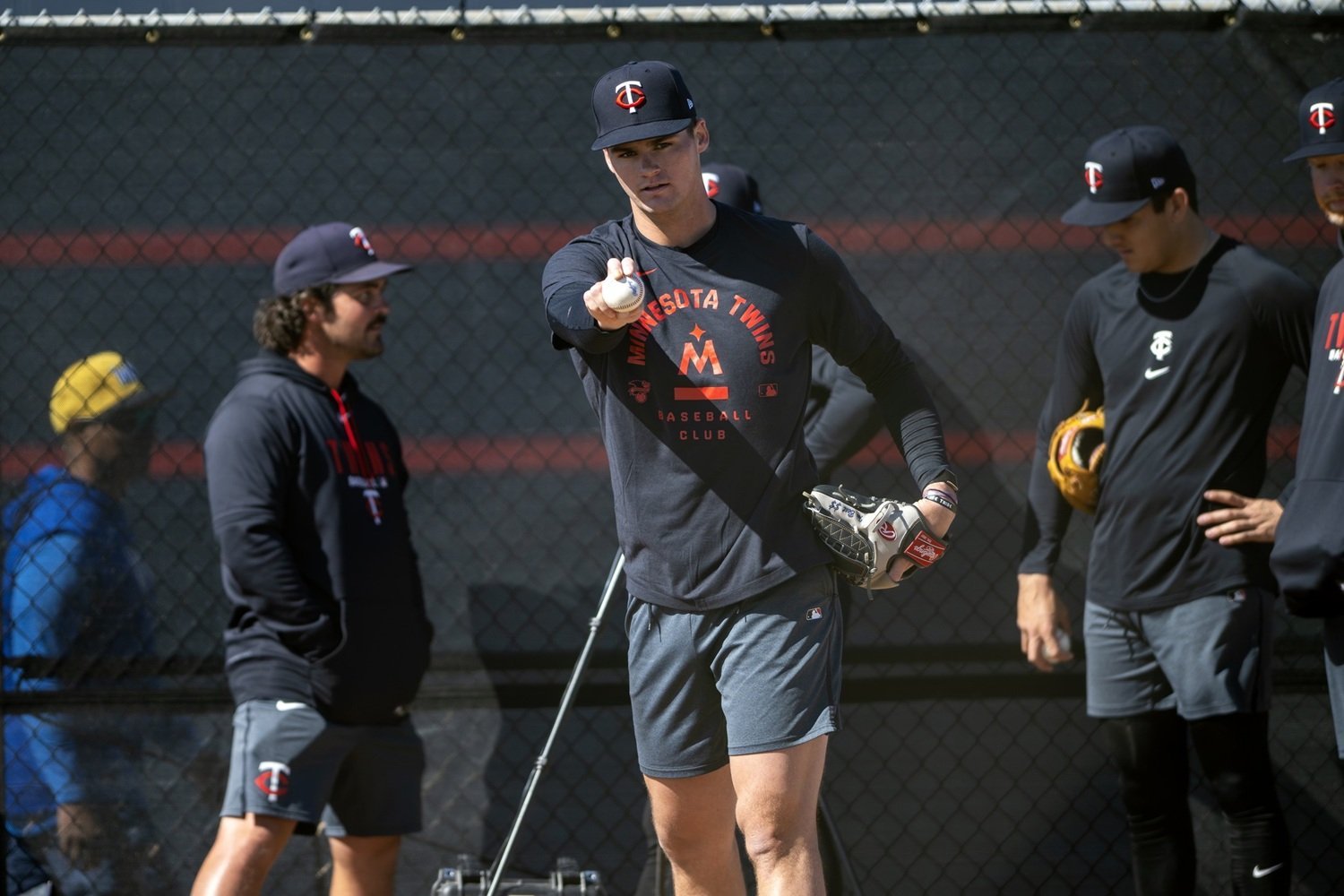 Riley Quick doesn’t just have a spectacular baseball name; he could hold a pivotal role in the future of the Minnesota Twins. The Twins’ rising prospect is turning heads as he coasts up the team’s minor league system. Let’s break down who the recently promoted pitcher is, what his strengths and weaknesses are and just how ‘quick’ he can impact the big league ball club. Growing Up With A Dominant Stature Quick could pass as an NFL player, as he stands at 6-foot-6, 255 pounds while using every bit of that size to generate plenty of force on the rubber. This is somebody who played offensive line in high school, but he’s converted that physicality to becoming an intimidating, effective pitcher in Minnesota’s farm system. The Twins selected him the 36th overall pick in last year’s draft, and he’s already toeing the rubber with the High-A Cedar Rapids Kernels. So far through 13 starts (10 with the Kernels), he holds an 0-2 record with a 3.57 earned run average. Quick has fanned 69 hitters while walking just 22 across 45.1 innings of work, all as a starter. An Electric 1-2 Punch The 22-year-old towering righty primarily operates with a three-pitch mix: the fastball, slider and changeup. MLB Pipeline has his fastball and slider each at a 60-grade, and it’s for good reason. His firm four-seamer has a sinking action, and it sits easily in the 96-97 mile per hour range with the potential to reach 99. While Quick is fresh off of Tommy John surgery in 2024, he’s showing the ability to hold that velocity through games, a key component differentiating a potential starter from a bullpen arm. While the heater is a prominent part of his game, a little variety is never a bad thing. The hard-throwing orthodox pitcher utilized his fastball nearly 50% of the time during his final season with the Alabama Crimson Tide. His fastball holds just as much weight, also earning a 60-grade on MLB Pipeline’s 20-to-80 scouting scale. It’s a two-plane pitch, breaking both vertically and horizontally as an effective break-off option from a cutter that also sits in the low 90s. Working Up A Sample Size The stature and dominant nature are there, but the Twins need to be careful with Quick. Averaging about three and a half innings per start, the Kernels’ starter is on track to clock 80-90 innings in his first year as a professional. This comes after he logged 87 total innings in college ball. It’s a relatively normal approach considering the circumstances; Phillies’ first rounder Gage Wood has seen the same type of innings management after he had never thrown more than 40.1 innings at the college level. The Alabama alum’s main priority will be maintaining his command as he gets more acclimated to pitching deeper into games. The tools are clearly there, and there should be plenty of opportunity for someone sporting an impressive .191 batting average allowed when he does reach the major league level. When Will He Arrive? When will Quick get to the big leagues? His stuff could probably play as a reliever as soon as next year, as most ball clubs could find a place for someone who can live in the mid-to-upper 90s with a sharp secondary offering. The road to becoming a starter will be heavily dictated by the innings and control, as he has relinquished 22 walks over 45.1 frames (roughly a walk every other inning). A mid-2028 call-up seems realistic, as it would still be a minor league journey that takes less than three years for a former SEC arm.
 -
Riley Quick is an up-and-coming prospect for the Minnesota Twins. The 2025 MLB Draft pick touts a 6-foot-6 frame and is well over 200 pounds (he's a former offensive lineman). In this video, we'll break down the other components of Quick's game that make him intimidating on top of his large frame. We'll also break down when to expect him to debut in Minneapolis. View full video
-
Riley Quick is an up-and-coming prospect for the Minnesota Twins. The 2025 MLB Draft pick touts a 6-foot-6 frame and is well over 200 pounds (he's a former offensive lineman). In this video, we'll break down the other components of Quick's game that make him intimidating on top of his large frame. We'll also break down when to expect him to debut in Minneapolis.
-
The Science Behind Byron Buxton's Career Season
Cory Sparks posted a video in Minnesota Twins Videos
Byron Buxton is on pace for nearly 50 home runs this season. The main problem has been his availability, as he has played in 100+ games in just three of his first 11 seasons. In this video, we'll break down his intangibles and how he can stay on this rapid pace to finish out the 2026 campaign strong. -
Byron Buxton is on pace for nearly 50 home runs this season. The main problem has been his availability, as he has played in 100+ games in just three of his first 11 seasons. In this video, we'll break down his intangibles and how he can stay on this rapid pace to finish out the 2026 campaign strong. View full video
-
While Opening Day roster construction is underway, today we'll focus on three under-the-radar Twins prospects who sit outside of the team's top 15 (per MLB.com). John Klein has a chance to turn a hometown story into the ultimate rise to stardom, C.J. Culpepper's potential remains as high as his health will allow, and Enrique Jimenez has some sneaky pop to watch for in 2026. View full video
-
While Opening Day roster construction is underway, today we'll focus on three under-the-radar Twins prospects who sit outside of the team's top 15 (per MLB.com). John Klein has a chance to turn a hometown story into the ultimate rise to stardom, C.J. Culpepper's potential remains as high as his health will allow, and Enrique Jimenez has some sneaky pop to watch for in 2026.
-
The Minnesota Twins have announced their 40-man Spring Breakout Roster pool. Before it is trimmed down to the official roster later in March, here is your crash course on all things Kaelen Culpepper (former first-rounder), top backstop Eduardo Tait, Connor Prielipp, and Riley Quick. View full video
-
The Minnesota Twins have announced their 40-man Spring Breakout Roster pool. Before it is trimmed down to the official roster later in March, here is your crash course on all things Kaelen Culpepper (former first-rounder), top backstop Eduardo Tait, Connor Prielipp, and Riley Quick.
-
While Chandler Simpson, Elly De La Cruz, and Enrique Bradfield Jr. jockey for the fastest man in baseball title, Kyle DeBarge may have the 'fastest man in Minnesota' moniker on lock before long. The Twins' 21st-ranked prospect swiped 66 bags in 2025 and is tracking towards a 2027 big league debut. Here is a full scouting report on everything DeBarge brings to the table. View full video
-
While Chandler Simpson, Elly De La Cruz, and Enrique Bradfield Jr. jockey for the fastest man in baseball title, Kyle DeBarge may have the 'fastest man in Minnesota' moniker on lock before long. The Twins' 21st-ranked prospect swiped 66 bags in 2025 and is tracking towards a 2027 big league debut. Here is a full scouting report on everything DeBarge brings to the table.
-
With Pablo Lopez suffering a torn UCL, Joe Ryan's arbitration years looming and a team earned run average in the bottom 10 last year, the Minnesota Twins need pitching prospects like Dasan Hill to blossom. Here is a full scouting report on the southpaw who was the Twins' no. 7 prospect (per MLB.com) at the end of 2025. View full video
-
With Pablo Lopez suffering a torn UCL, Joe Ryan's arbitration years looming and a team earned run average in the bottom 10 last year, the Minnesota Twins need pitching prospects like Dasan Hill to blossom. Here is a full scouting report on the southpaw who was the Twins' no. 7 prospect (per MLB.com) at the end of 2025.
-
While Byron Buxton and Josh Bell will be drawing plenty of opposing teams' attention in 2026, there's a real case that Luke Keaschall ends up being the team's most productive hitter. In this video, we review his 2025 season, dive into his above-average analytics, cover what aspects he needs to work on, and ultimately simulate his 2026 season. View full video
-
While Byron Buxton and Josh Bell will be drawing plenty of opposing teams' attention in 2026, there's a real case that Luke Keaschall ends up being the team's most productive hitter. In this video, we review his 2025 season, dive into his above-average analytics, cover what aspects he needs to work on, and ultimately simulate his 2026 season.
-
The Twins traded for Anthony Banda, who made his most recent stop in Los Angeles with the Dodgers. What is Banda's story? In this video, we uncover his strengths, weaknesses, career trajectory to this point, and what role he could play for a Minnesota Twins bullpen that had the fifth-highest earned run average in baseball last season. View full video
-
The Twins traded for Anthony Banda, who made his most recent stop in Los Angeles with the Dodgers. What is Banda's story? In this video, we uncover his strengths, weaknesses, career trajectory to this point, and what role he could play for a Minnesota Twins bullpen that had the fifth-highest earned run average in baseball last season.
-
Yes, the Twins were a 70-win ball club last year, but these five players truly could be gamechangers in 2026. In this video, we dive into how Zebby Matthews, Josh Bell, Luke Keaschall, James Outman, and Taylor Rogers can add to Minnesota's on-field performance this upcoming season. View full video