



Seth Stohs
-
Posts
25,909 -
Joined
-
Last visited
-
Days Won
109
Content Type
Profiles
News
Minnesota Twins Videos
2026 Minnesota Twins Top Prospects Ranking
2022 Minnesota Twins Draft Picks
Minnesota Twins Free Agent & Trade Rumors, Notes, & Tidbits
Guides & Resources
2023 Minnesota Twins Draft Picks
The Minnesota Twins Players Project
2024 Minnesota Twins Draft Picks
2025 Minnesota Twins Draft Pick Tracker
2026 Minnesota Twins Draft Tracker: Picks & Bonuses
Forums
Blogs
Events
Store
Downloads
Gallery
Everything posted by Seth Stohs
-
Three years, $43 million with an option for a 4th year. I'm good for sure with the Twins not doing that.
-
 Over the course of the past three days, the Twins have selected 41 players in their 2019 draft. Likely around 25 of them will sign in the next month. Just a couple more weeks before the short-seasons begin. By the way, Trevor Larnach just continues to rake. He had a big game on Wednesday afternoon. The Red Wings played a really complete game. A top prospect had a strong game for the Kernels, but it wasn’t enough.Find out everything that happened happened in the Twins system on Wednesday, starting with the transactions of the day. TRANSACTIONS NoneALL STARS The Midwest League announced their All-Stars on Wednesday morning. Three Kernels made the team. Chris Williams was named the starting DH. 1B Gabe Snyder and RHP Josh Winder were named as reserves. THE DRAFT 1st round pick: Keoni Cavaco Compensation A pick: Matt Wallner 2nd round pick: Matt Canterino Rounds 3-10 Rounds 11-40 RED WINGS REPORT Rochester 6, Syracuse 2 Box Score The Red Wings played a morning game on Wednesday. Lewis Thorpe got the start. He had eight strikeouts, but he went just 4 1/3 innings. He gave up just one run on five hits and a walk. Ryan Eades came on and struck out three over the next 2 1/3 innings. He didn’t allow a run. He gave up two hits and a walk. Trevor Hildenberger gave up a solo homer in his inning. Preston Guilmet got the final four outs to record his sixth save of the year. The Red Wings got on the board in the fourth inning when Jake Cave knocked his third home run since joining the Red Wings, a two-run homer. A sixth-inning double by Brent Rooker scored two more runs. They added some ninth-inning insurance with an RBI double by Luis Arraez and a single from Jake Cave. Arraez went 3-for-5 and the double was his first with the Red Wings. Cave went 2-for-4 and drove in the three runs. Brent Rooker was 2-for-4 and was hit by a pitch. His double was his seventh of the season. Zander Wiel went 1-for-2, walked twice and was hit once.. BLUE WAHOO BITES Pensacola, Jacksonville Box Score Because of some wet field conditions, the game was postponed. There will be a doubleheader on Thursday. Jordan Gore and Jaylin Davis took advantage of the conditions. MIRACLE MATTERS Ft. Myers 4, Florida 6 Box Score Tyler Watson started and gave up three earned runs on five hits and two walks over the first five innings. He struck out three. However, he started the game with five scoreless innings. The sixth inning got to Watson and the Miracle. Hector Lujan came on in relief and allowed an inherited runner to score. In his two innings he gave up three runs on six hits. Alex Phillips threw two scoreless innings to close out the game, though he did allow an inherited runner to score. Trevor Larnach hasn’t slowed down much in June. On this day he went 3-for-3 with two walks and two more doubles. He now has 19 doubles on the season. He also stole his third base. Aaron Whitefield stole his 17th base of the season. Jose Miranda hit his second homer of the season for the Miracle. KERNELS NUGGETS Cedar Rapids 1, Clinton 2 Box Score Gilberto Celestino hit his sixth double and his fourth home run of the season, but the solo home run was not enough as the Kernels fell 2-1. The Kernels had just two other hits, both singles. Austin Schulfer started for the Kernels. He gave up two runs on six hits over five innings. He struck out six without issuing a walk. Brian Rapp and Moises Gomez combined for three scoreless innings. TWINS DAILY PLAYERS OF THE DAY Twins Daily Minor League Pitcher of the Day - Tyler Watson, Ft. Myers Miracle Twins Daily Minor League Hitter of the Day – Trevor Larnach, Ft. Myers Miracle PROSPECT SUMMARY Here’s a look at how the Twins Daily Top 20 Twins Prospects performed: #1 - Royce Lewis (Ft. Myers) - 0-5, R #2 - Alex Kirilloff (Pensacola) - Injured List #3 - Brusdar Graterol (Pensacola) - Injured List (shoulder) #4 - Trevor Larnach (Ft. Myers) - 3-3, 2 BB, 2-2B(19), R, 2 RBI #5 - Wander Javier (CR) - 0-4, 2 K #6 - Brent Rooker (Rochester) - 2-4, 2B(7), 2 RBI, 2 K #7 - Jhoan Duran (Ft. Myers) - Did Not Pitch. #8 - Lewis Thorpe (Rochester) - 4.1 IP, 5 H, 1 ER, 1 BB, 8 K (80 pitches, 53 strikes) #9 - Blayne Enlow (Ft. Myers) - Did Not Pitch. #10 - Akil Baddoo (Ft. Myers) - Injured List (Tommy John surgery) #11 - Nick Gordon (Rochester) - 1-5, K #12 - Stephen Gonsalves (Rochester) - Injured List (elbow) #13 - Ryan Jeffers (Ft. Myers) - Did Not Play. #14 - Ben Rortvedt (Pensacola) - Rained Out. #15 - Yunior Severino (Cedar Rapids) - Injured List (thumb) #16 - Gilberto Celestino (Cedar Rapids) - 2-4, 2B(6), HR(4), R, RBI, K #17 - Zack Littell (Rochester) - Did Not Pitch. #18 - LaMonte Wade (Rochester) - 1-5 #19 - Jorge Alcala (Pensacola) - Did Not Pitch #20 - Jose Miranda (Ft. Myers) - 1-5, HR(2), R, 2 RBI THURSDAY’S PROBABLE STARTERS Rochester @ Syracuse (5:35 CST) - RHP Sean Poppen (2-0, 2.45 ERA) Jacksonville @ Pensacola (DH at 4:05 CST) - RHP Andro Cutura (0-2, 5.64 ERA), LHP Bryan Sammons (0-0, 3.00 ERA) Florida @ Ft. Myers (6:00 CST) - RHP Jordan Balazovic (3-0, 2.13 ERA) Cedar Rapids @ Clinton (6:30 CST) - LHP Kody Funderburk (0-0, 0.00 ERA) Please feel free to ask any questions and discuss the Wednesday games or any other minor league topics you would like. Click here to view the article
 -
Twins Minor League Report (6/5): Trevor Larnach is Good at Hitting
Seth Stohs posted an article in Minor Leagues
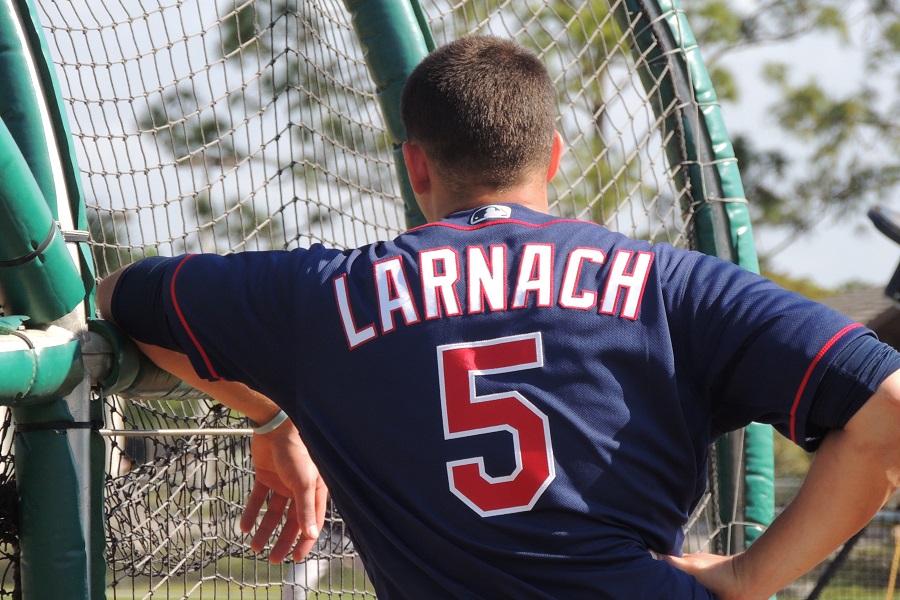 Find out everything that happened happened in the Twins system on Wednesday, starting with the transactions of the day. TRANSACTIONS None ALL STARS The Midwest League announced their All-Stars on Wednesday morning. Three Kernels made the team. Chris Williams was named the starting DH. 1B Gabe Snyder and RHP Josh Winder were named as reserves. THE DRAFT 1st round pick: Keoni Cavaco Compensation A pick: Matt Wallner 2nd round pick: Matt Canterino Rounds 3-10 Rounds 11-40 RED WINGS REPORT Rochester 6, Syracuse 2 Box Score The Red Wings played a morning game on Wednesday. Lewis Thorpe got the start. He had eight strikeouts, but he went just 4 1/3 innings. He gave up just one run on five hits and a walk. Ryan Eades came on and struck out three over the next 2 1/3 innings. He didn’t allow a run. He gave up two hits and a walk. Trevor Hildenberger gave up a solo homer in his inning. Preston Guilmet got the final four outs to record his sixth save of the year. The Red Wings got on the board in the fourth inning when Jake Cave knocked his third home run since joining the Red Wings, a two-run homer. A sixth-inning double by Brent Rooker scored two more runs. They added some ninth-inning insurance with an RBI double by Luis Arraez and a single from Jake Cave. Arraez went 3-for-5 and the double was his first with the Red Wings. Cave went 2-for-4 and drove in the three runs. Brent Rooker was 2-for-4 and was hit by a pitch. His double was his seventh of the season. Zander Wiel went 1-for-2, walked twice and was hit once.. BLUE WAHOO BITES Pensacola, Jacksonville Box Score Because of some wet field conditions, the game was postponed. There will be a doubleheader on Thursday. Jordan Gore and Jaylin Davis took advantage of the conditions. https://twitter.com/billvilonaPNJ/status/1136407066522918912 MIRACLE MATTERS Ft. Myers 4, Florida 6 Box Score Tyler Watson started and gave up three earned runs on five hits and two walks over the first five innings. He struck out three. However, he started the game with five scoreless innings. The sixth inning got to Watson and the Miracle. Hector Lujan came on in relief and allowed an inherited runner to score. In his two innings he gave up three runs on six hits. Alex Phillips threw two scoreless innings to close out the game, though he did allow an inherited runner to score. Trevor Larnach hasn’t slowed down much in June. On this day he went 3-for-3 with two walks and two more doubles. He now has 19 doubles on the season. He also stole his third base. Aaron Whitefield stole his 17th base of the season. Jose Miranda hit his second homer of the season for the Miracle. KERNELS NUGGETS Cedar Rapids 1, Clinton 2 Box Score Gilberto Celestino hit his sixth double and his fourth home run of the season, but the solo home run was not enough as the Kernels fell 2-1. The Kernels had just two other hits, both singles. Austin Schulfer started for the Kernels. He gave up two runs on six hits over five innings. He struck out six without issuing a walk. Brian Rapp and Moises Gomez combined for three scoreless innings. TWINS DAILY PLAYERS OF THE DAY Twins Daily Minor League Pitcher of the Day - Tyler Watson, Ft. Myers Miracle Twins Daily Minor League Hitter of the Day – Trevor Larnach, Ft. Myers Miracle PROSPECT SUMMARY Here’s a look at how the Twins Daily Top 20 Twins Prospects performed: #1 - Royce Lewis (Ft. Myers) - 0-5, R #2 - Alex Kirilloff (Pensacola) - Injured List #3 - Brusdar Graterol (Pensacola) - Injured List (shoulder) #4 - Trevor Larnach (Ft. Myers) - 3-3, 2 BB, 2-2B(19), R, 2 RBI #5 - Wander Javier (CR) - 0-4, 2 K #6 - Brent Rooker (Rochester) - 2-4, 2B(7), 2 RBI, 2 K #7 - Jhoan Duran (Ft. Myers) - Did Not Pitch. #8 - Lewis Thorpe (Rochester) - 4.1 IP, 5 H, 1 ER, 1 BB, 8 K (80 pitches, 53 strikes) #9 - Blayne Enlow (Ft. Myers) - Did Not Pitch. #10 - Akil Baddoo (Ft. Myers) - Injured List (Tommy John surgery) #11 - Nick Gordon (Rochester) - 1-5, K #12 - Stephen Gonsalves (Rochester) - Injured List (elbow) #13 - Ryan Jeffers (Ft. Myers) - Did Not Play. #14 - Ben Rortvedt (Pensacola) - Rained Out. #15 - Yunior Severino (Cedar Rapids) - Injured List (thumb) #16 - Gilberto Celestino (Cedar Rapids) - 2-4, 2B(6), HR(4), R, RBI, K #17 - Zack Littell (Rochester) - Did Not Pitch. #18 - LaMonte Wade (Rochester) - 1-5 #19 - Jorge Alcala (Pensacola) - Did Not Pitch #20 - Jose Miranda (Ft. Myers) - 1-5, HR(2), R, 2 RBI THURSDAY’S PROBABLE STARTERS Rochester @ Syracuse (5:35 CST) - RHP Sean Poppen (2-0, 2.45 ERA) Jacksonville @ Pensacola (DH at 4:05 CST) - RHP Andro Cutura (0-2, 5.64 ERA), LHP Bryan Sammons (0-0, 3.00 ERA) Florida @ Ft. Myers (6:00 CST) - RHP Jordan Balazovic (3-0, 2.13 ERA) Cedar Rapids @ Clinton (6:30 CST) - LHP Kody Funderburk (0-0, 0.00 ERA) Please feel free to ask any questions and discuss the Wednesday games or any other minor league topics you would like.
 -
Article: MLB Draft Day 3 Thread
Seth Stohs replied to Andrew Thares's topic in Twins Daily Front Page News
I guarantee the Twins would take care of their arms much more than Oregon State will too. And yes, a few guys that have the big commands and wind up at college get drafted three years later at a better or equivalent spot... most don't.- 111 replies
-
- 1
-

-
- mlb draft
- minnesota twins
- (and 1 more)
-
Article: MLB Draft Day 3 Thread
Seth Stohs replied to Andrew Thares's topic in Twins Daily Front Page News
They wouldln't draft them just because they are local. Also, they're committed to Oregon State, one of the best college baseball programs in the country... they're clearly legit. But because of that, my guess is $500K wouldn't be enough. -
No details yet, but Ken Rosenthal is saying that Craig Kimbrel has a deal with the Cubs: https://twitter.com/Ken_Rosenthal/status/1136431087104798720 How are you doing? Will you be OK... Support Group needed?
-
Article: Miguel Sano: A Fading Superstar
Seth Stohs replied to Cody Christie's topic in Twins Daily Front Page News
Power and strikeouts... I think that's what was expected. Maybe many hoped he would become Miguel Cabrera when he was 16, but lots of players are the next big thing when they're signed at 16, or 18 or 21... So I don't think it's an indictment to say that Sano may only be a really good, multi-time All Star instead of a future Hall of Famer. Tells me that the Twins got it right. If not for the off-field issues, I think that the on-field has generally been good, even great at times, and at 26, with ONLY 1600 MLB at bats, there is still a lot of reason for excitement. Like Buxton, injureis have been the biggest thing to slow his career... and that just is what it is.- 114 replies
-
- 15
-
-
- miguel sano
- eddie rosario
- (and 2 more)
-
Article: MLB Draft Day 3 Thread
Seth Stohs replied to Andrew Thares's topic in Twins Daily Front Page News
I love that the Twins took both Stillwater High School stars, LHP Drew Gilbert and RHP Will Frisch (Rounds 35 and 36). Both have very strong commitments to Oregon State, which is why they were still there in those rounds. Maybe the Twins can save enough in those top 10 rounds and have enough to offer both $400-500K. That may not be enough, but that discussion can now happen until mid-July.- 111 replies
-
- 2
-
-
- mlb draft
- minnesota twins
- (and 1 more)
-
Article: MLB Draft Day 3 Thread
Seth Stohs replied to Andrew Thares's topic in Twins Daily Front Page News
Me too... and they all have something projectable. Could be velocity. Could be spin. Could be athleticism. But something that "could" be developed. And then you get them in the system and see what happens.- 111 replies
-
- 4
-
-
- mlb draft
- minnesota twins
- (and 1 more)
-
https://uspbl.com/former-uspbl-pitcher-randy-dobnak-in-aaa/?fbclid=IwAR3PlBnBmnCI94wCMGR-Zq3Rrk94TUAwFdDyCjQkWH2QWIO0nMt6DvaCiVE Randy Dobnak went undrafted out of a Division II school. He pitched briefly in the USPBL (United Shores Professional Baseball League) before the Twins signed him. "Sometimes all you need is a chance." He has now made a few starts in AAA less than two years later. Great reminder to chase dreams and that scouts are finding guys all over.
- 1 reply
-
- 1
-
-
Article: 2019 MLB Draft Day 2 Thread
Seth Stohs replied to Andrew Thares's topic in Twins Daily Front Page News
As I've pointed out... I'm a big fan of drafting guys who played high school ball in Georgia... Will Holland could be a steal!- 171 replies
-
- 2
-
-
- keoni cavaco
- matt centerino
- (and 2 more)
-
Wes Johnson working with a Rice U pitcher is like next-level scary.
-
Biggest concern for any college pitcher, and more so for Rice pitchers, is innings and work load in college. My guess is that Canterino doesn't pitch the rest of this season. If he does, maybe get him 10-15 innings in E-Town and call it a season.
-
The Twins front office added a bunch of power to the lineup via free agency this offseason. Now in the draft, the organization is adding more power. They have added power in trades. I mean, you consider Wallner, Rooker, Larnach, Jeffers, Raley... all acquired via the draft (and Raley via trade) in the recent past.
-
I think he can be on the Larnach/Jeffers schedule. I think that makes a lot of sense. Let him adjust to pro life and meet the other 2019 college draft picks and some other prospects in E-Town for a month. Then push him up to Cedar Rapids to meet some more coaches and players. That'd be a very successful pro debut and put him in a position to start 2019 in Ft. Myers.
-
Haven't heard any specifics yet.
-
While the Twins were off and the MLB Draft was the highlight of the night, three of the four minor league affiliates played. In fact, two of the three played extra innings. The Blue Wahoos won in a walkoff. Find out what happened throughout the minor leagues on and off the field.Find out everything that happened happened in the Twins system on Thursday, starting with the transactions of the day. TRANSACTIONS Nelson Cruz’s rehab stint with the Miracle is officially complete as he was activated by the Twins on Monday morning. Cruz takes Luis Arraez’s roster spot. He was optioned following Sunday’s game.Rochester OF John Andreoli was traded by the Twins to the Seattle Mariners organization for cash considerations.Pensacola announced that OF/1B Alex Kirilloff has been placed on the Injured List.AWARDSOn Sunday the Twins announce their minor league award.2018 first-round draft pick Trevor Larnach was named the Player of the Week for the second time this year. He went 11-for-21 (.524) with two doubles and two homers.RHP Jhoan Duran was the Pitcher of the Week. He gave up one earned run on two hits in six innings. He also struck out 14 batters. He came to the Twins from the Diamondbacks in the Eduardo Escobar trade last July.On Monday, Larnach was named the Florida State League Player of the Week as well.THE DRAFTThe Twins make three picks on Day 1 of the Draft: With the 13th overall pick, the Twins selected 3B Keoni Cavaco, from East Lake High School in San Diego.With the 39th overall pick, the Twins selected Forest Lake High School grad, outfielder Matt Wallner out of the University of Southern Mississippi.With their 2nd round pick (54th overall), the Twins drafted RHP Matt Canterinoout of Rice University.RED WINGS REPORTRochester 4, Syracuse 5 (10 innings) Box Score The Red Wings fell behind early 3-0 after Gabriel Moya gave up three runs on five hits as team’s opener. They clawed back quickly. In the second inning, Wilin Rosario hit a sacrifice fly. In the fourth inning, Jordany Valdespin tripled in two runs to tie the game. Then things were quiet through the ninth inning. Randy Dobnak kept the Red Wings in the game and gave them a chance. He worked six shutout innings despite giving up five hits and four walks. He struck out six batters. DJ Baxendale came on and worked scoreless innings in the eighth and ninth innings. In the tenth, Wilin Rosario hit a sacrifice fly to put the Red Wings ahead by a score of 4-3. However, the leadoff batter in the bottom of the 10th tripled in a run. The Red Wings had DJ Baxendale intentionally walk the next two batters, and the following hitter singled to drive in the game-winning (or losing, as it was, for the Red Wings) run. BLUE WAHOO BITES Pensacola 8, Jacksonville 7 Box Score Another extra innings game, and lets lead with the game-winner. In the bottom of the 10th, with a runners on first and second, Jaylin Davis doubled in the game-winning run. Davis led the offense. He went 3-for-5. The double was his seventh of the year, and he also stole his sixth base. Caleb Hamilton had a great game. He went 2-for-3 with four RBI. He had a sacrifice fly, an RBI single and a two-run single. He also stole his fourth base. Travis Blankenhorn was 2-for-5 with his sixth double. Charlie Barnes made his second Blue Wahoos start. The lefty went the first five innings and gave up four runs on six hits. He walked one and struck out five. Adam Bray threw three scoreless innings. He got one out in the fourth but two of his runs scored that inning. He gave up two runs on four hits and struck out three. Tyler Jay got the final two outs of the ninth inning but not before he gave up the Bray runners and one of his own to tie the game. Williams Ramirez got the final two outs to record the Win. MIRACLE MATTERS Ft. Myers 5, Florida 2 Box Score Edwar Colina missed the first month of the season, but he has picked up where he left off of late. On Monday night, he improved to 3-1 with a 3.45 ERA. The powerful right-hander gave up two runs on seven hits over six innings. He struck out four without issuing a walk. Adam Phillips came in and struck out four batters over two innings. He gave up just one hit. Hector Lujan picked up his fourth save. He struck out two in a perfect ninth inning. The Miracle jumped out to a lead early. They scored three runs in the first inning. Ryan Jeffers singled in a run. Jose Miranda followed with an BI double. Mark Contreras contributed a sacrifice fly. Royce Lewis added a sacrifice fly in the second inning. Michael Helman led the Miracle offense. He went 2-for-3 with a walk and his sixth double of the season. It came in the eighth inning and drove in an insurance run. He also stole a base. KERNELS NUGGETS Cedar Rapids Box Score No Game Scheduled. TWINS DAILY PLAYERS OF THE DAY Twins Daily Minor League Pitcher of the Day - Randy Dobnak, Rochester Red Wings Twins Daily Minor League Hitter of the Day – Jaylin Davis, Pensacola Blue Wahoos PROSPECT SUMMARY Here’s a look at how the Twins Daily Top 20 Twins Prospects performed: #1 - Royce Lewis (Ft. Myers) - 1-3, RBI, K, SF #2 - Alex Kirilloff (Pensacola) - Injured List #3 - Brusdar Graterol (Pensacola) - Injured List (shoulder) #4 - Trevor Larnach (Ft. Myers) - 1-4, R #5 - Wander Javier (CR) - No Game Scheduled #6 - Brent Rooker (Rochester) - 2-4, BB, R, 2 K #7 - Jhoan Duran (Ft. Myers) - Did Not Pitch. #8 - Lewis Thorpe (Rochester) - Rained Out. #9 - Blayne Enlow (Ft. Myers) - Did Not Pitch. #10 - Akil Baddoo (Ft. Myers) - Injured List (Tommy John surgery) #11 - Nick Gordon (Rochester) - 1-6, K #12 - Stephen Gonsalves (Rochester) - Injured List (elbow) #13 - Ryan Jeffers (Ft. Myers) - 1-3, BB, R, RBI, K #14 - Ben Rortvedt (Pensacola) - 1-4, BB, R, 2 K #15 - Yunior Severino (Cedar Rapids) - Injured List (thumb) #16 - Gilberto Celestino (Cedar Rapids) - No Game Scheduled. #17 - Zack Littell (Rochester) - Did Not Pitch. #18 - LaMonte Wade (Rochester) - 0-4, BB, R #19 - Jorge Alcala (Pensacola) - Did Not Pitch #20 - Jose Miranda (Ft. Myers) - 1-4, 2B(11), RBI, K TUESDAY’S PROBABLE STARTERS Rochester @ Syracuse (12:05 CST) - TBD Jacksonville @ Pensacola (6:35 CST) - RHP Jorge Alcala (4-2, 4.75 ERA) Florida @ Ft. Myers (5:30 CST) - RHP Blayne Enlow (1-0, 1.50 ERA) Cedar Rapids @ Clinton (6:30 CST) - RHP Kai-Wei Teng (1st MWL start) Please feel free to ask any questions and discuss the Monday games or any other minor league topics you would like. Click here to view the article
- 19 replies
-
- 1
-
-
- jaylin davis
- randy dobnak
- (and 3 more)
-
Twins Minor League Report (6/3): Davis Provides Wahoos With Walkoff
Seth Stohs posted an article in Minor Leagues
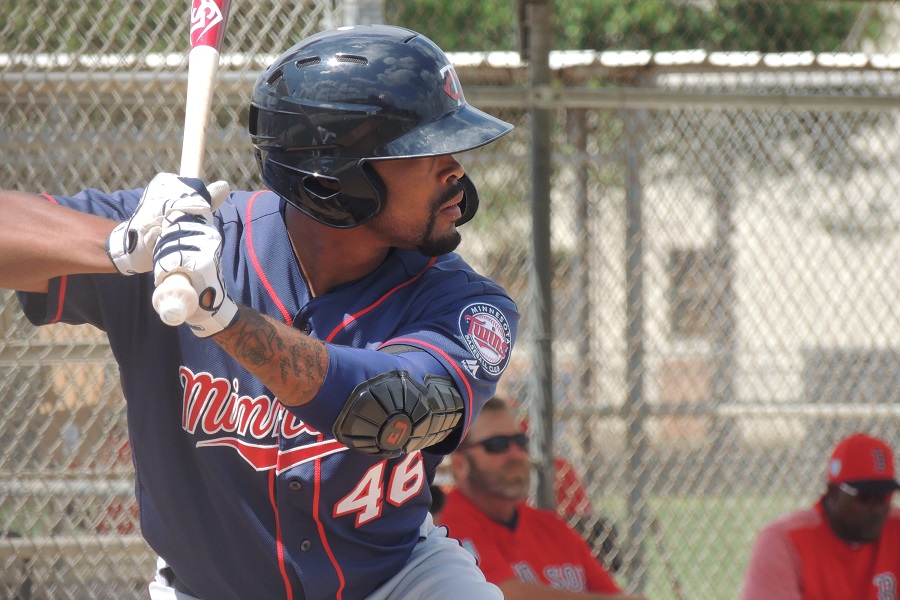 Find out everything that happened happened in the Twins system on Thursday, starting with the transactions of the day. TRANSACTIONS Nelson Cruz’s rehab stint with the Miracle is officially complete as he was activated by the Twins on Monday morning. Cruz takes Luis Arraez’s roster spot. He was optioned following Sunday’s game. Rochester OF John Andreoli was traded by the Twins to the Seattle Mariners organization for cash considerations. Pensacola announced that OF/1B Alex Kirilloff has been placed on the Injured List. AWARDS On Sunday the Twins announce their minor league award. 2018 first-round draft pick Trevor Larnach was named the Player of the Week for the second time this year. He went 11-for-21 (.524) with two doubles and two homers. RHP Jhoan Duran was the Pitcher of the Week. He gave up one earned run on two hits in six innings. He also struck out 14 batters. He came to the Twins from the Diamondbacks in the Eduardo Escobar trade last July. On Monday, Larnach was named the Florida State League Player of the Week as well. THE DRAFT The Twins make three picks on Day 1 of the Draft: With the 13th overall pick, the Twins selected 3B Keoni Cavaco, from East Lake High School in San Diego. With the 39th overall pick, the Twins selected Forest Lake High School grad, outfielder Matt Wallner out of the University of Southern Mississippi. With their 2nd round pick (54th overall), the Twins drafted RHP Matt Canterino out of Rice University. RED WINGS REPORT Rochester 4, Syracuse 5 (10 innings) Box Score The Red Wings fell behind early 3-0 after Gabriel Moya gave up three runs on five hits as team’s opener. They clawed back quickly. In the second inning, Wilin Rosario hit a sacrifice fly. In the fourth inning, Jordany Valdespin tripled in two runs to tie the game. Then things were quiet through the ninth inning. Randy Dobnak kept the Red Wings in the game and gave them a chance. He worked six shutout innings despite giving up five hits and four walks. He struck out six batters. DJ Baxendale came on and worked scoreless innings in the eighth and ninth innings. In the tenth, Wilin Rosario hit a sacrifice fly to put the Red Wings ahead by a score of 4-3. However, the leadoff batter in the bottom of the 10th tripled in a run. The Red Wings had DJ Baxendale intentionally walk the next two batters, and the following hitter singled to drive in the game-winning (or losing, as it was, for the Red Wings) run. BLUE WAHOO BITES Pensacola 8, Jacksonville 7 Box Score Another extra innings game, and lets lead with the game-winner. In the bottom of the 10th, with a runners on first and second, Jaylin Davis doubled in the game-winning run. Davis led the offense. He went 3-for-5. The double was his seventh of the year, and he also stole his sixth base. Caleb Hamilton had a great game. He went 2-for-3 with four RBI. He had a sacrifice fly, an RBI single and a two-run single. He also stole his fourth base. Travis Blankenhorn was 2-for-5 with his sixth double. Charlie Barnes made his second Blue Wahoos start. The lefty went the first five innings and gave up four runs on six hits. He walked one and struck out five. Adam Bray threw three scoreless innings. He got one out in the fourth but two of his runs scored that inning. He gave up two runs on four hits and struck out three. Tyler Jay got the final two outs of the ninth inning but not before he gave up the Bray runners and one of his own to tie the game. Williams Ramirez got the final two outs to record the Win. MIRACLE MATTERS Ft. Myers 5, Florida 2 Box Score Edwar Colina missed the first month of the season, but he has picked up where he left off of late. On Monday night, he improved to 3-1 with a 3.45 ERA. The powerful right-hander gave up two runs on seven hits over six innings. He struck out four without issuing a walk. Adam Phillips came in and struck out four batters over two innings. He gave up just one hit. Hector Lujan picked up his fourth save. He struck out two in a perfect ninth inning. The Miracle jumped out to a lead early. They scored three runs in the first inning. Ryan Jeffers singled in a run. Jose Miranda followed with an BI double. Mark Contreras contributed a sacrifice fly. Royce Lewis added a sacrifice fly in the second inning. Michael Helman led the Miracle offense. He went 2-for-3 with a walk and his sixth double of the season. It came in the eighth inning and drove in an insurance run. He also stole a base. KERNELS NUGGETS Cedar Rapids Box Score No Game Scheduled. TWINS DAILY PLAYERS OF THE DAY Twins Daily Minor League Pitcher of the Day - Randy Dobnak, Rochester Red Wings Twins Daily Minor League Hitter of the Day – Jaylin Davis, Pensacola Blue Wahoos PROSPECT SUMMARY Here’s a look at how the Twins Daily Top 20 Twins Prospects performed: #1 - Royce Lewis (Ft. Myers) - 1-3, RBI, K, SF #2 - Alex Kirilloff (Pensacola) - Injured List #3 - Brusdar Graterol (Pensacola) - Injured List (shoulder) #4 - Trevor Larnach (Ft. Myers) - 1-4, R #5 - Wander Javier (CR) - No Game Scheduled #6 - Brent Rooker (Rochester) - 2-4, BB, R, 2 K #7 - Jhoan Duran (Ft. Myers) - Did Not Pitch. #8 - Lewis Thorpe (Rochester) - Rained Out. #9 - Blayne Enlow (Ft. Myers) - Did Not Pitch. #10 - Akil Baddoo (Ft. Myers) - Injured List (Tommy John surgery) #11 - Nick Gordon (Rochester) - 1-6, K #12 - Stephen Gonsalves (Rochester) - Injured List (elbow) #13 - Ryan Jeffers (Ft. Myers) - 1-3, BB, R, RBI, K #14 - Ben Rortvedt (Pensacola) - 1-4, BB, R, 2 K #15 - Yunior Severino (Cedar Rapids) - Injured List (thumb) #16 - Gilberto Celestino (Cedar Rapids) - No Game Scheduled. #17 - Zack Littell (Rochester) - Did Not Pitch. #18 - LaMonte Wade (Rochester) - 0-4, BB, R #19 - Jorge Alcala (Pensacola) - Did Not Pitch #20 - Jose Miranda (Ft. Myers) - 1-4, 2B(11), RBI, K TUESDAY’S PROBABLE STARTERS Rochester @ Syracuse (12:05 CST) - TBD Jacksonville @ Pensacola (6:35 CST) - RHP Jorge Alcala (4-2, 4.75 ERA) Florida @ Ft. Myers (5:30 CST) - RHP Blayne Enlow (1-0, 1.50 ERA) Cedar Rapids @ Clinton (6:30 CST) - RHP Kai-Wei Teng (1st MWL start) Please feel free to ask any questions and discuss the Monday games or any other minor league topics you would like.
 -
And his dad played for the 1987 Twins so there is lots of fun marketing that could be done with that pick.
-
Article: 2019 MLB Draft Day 1 Thread
Seth Stohs replied to Andrew Thares's topic in Twins Daily Front Page News
Here is a mock draft showing two Minnesota kids getting drafted in the first round.- 192 replies
-
- 1
-
-
- keoni cavaco
- matt wallner
- (and 2 more)
-
Yesterday, we announced our choice for May’s Twins Minor League Hitter of the Month. Today, we will look at a group of starting pitchers who had strong starts to their season. The rankings were really difficult, so be sure to add your rankings as well. Previous 2019 Starting Pitchers of the Month: April - Devin Smeltzer - Pensacola Blue WahoosBefore we share our choices for the Twins Minor League Top Five Starters for May, there were some other strong starting performers that just missed the cut. You can certainly agree or disagree with the rankings. Let’s discuss the top starting pitchers in the organization in May. HONORABLE MENTION Brusdar Graterol - Pensacola Blue Wahoos - 4 GS, 20.1 IP, 1.33 ERA, 1.08 WHIP. 15 H, 7 BB, 18 K Josh Winder - Cedar Rapids Kernels - 4 GS, 27.0 IP, 3.67 ERA, 1.00 WHIP, 19 H, 8 BB, 19 K Bryan Sammons - Ft. Myers Miracle/Pensacola Blue Wahoos - 4 GS, 20.0 IP, 1.35 ERA, 1.25 WHIP, 19 H, 6 BB, 29 K Randy Dobnak - Pensacola Blue Wahoos/Rochester Red Wings - 6 GS, 26.0 IP, 3.81 ERA, 1.19 WHIP, 23 H, 8 BB, 27 K THE TOP FIVE STARTING PITCHERS #5 - RHP Austin Schulfer - Cedar Rapids Kernels - 7 G, 4 GS, 22.0 IP, 3.27 ERA, 1.05 WHIP, 13 H, 10 BB, 32 K Schulfer was the Twins 19th round pick one year ago out of the University of Wisconsin-Milwaukee where he was a four-year starter. He had an impressive professional debut. For Elizabethton, he went 3-0 with a 1.58 ERA. He began the 2019 season in the Kernels bullpen, but it was in long relief. Likely that was to help with his innings count over the season. In May, opponents hit just .165/.258/.266 (.524) off of him. He now appears to be in the Kernels rotation and pitching well. #4 - RHP Kohl Stewart - Rochester Red Wings - 4 GS, 1.93 ERA, 1.23 WHIP, 18.2 IP, 15 H, 8 BB, 18 K For the second time this season, Kohl Stewart was called up by the Twins to make a spot start. On May 7th, Stewart made a start against Toledo. He went just two innings because the team knew he would be starting game 2 of the May 11th double header against the parent club of the Mudhens, the Detroit Tigers. Stewart gave up three runs in six innings to pick up the win. Those numbers aren’t included in his monthly total above. Stewart may have walked a few too many, but the former 1st-round pick continued to throw well and show that he is ready to pitch in the big leagues when summoned. #3 - LHP Devin Smeltzer - Rochester Red Wings - 4 GS, 1.82 ERA, 1.09 WHIP, 24.2 IP, 20 H, 7 BB, 15 K Smeltzer was the Twins Daily Minor League Starting Pitcher of the Month in April when he produced an impressive month in Pensacola. He was quickly promoted to the Red Wings in May and ended the month with six shutout innings against the Milwaukee Brewers in his big-league debut. Those numbers aren’t included in the above, but I’d say that big league time can be a tie-breaker. And, these numbers do tell us that Smeltzer was very deserving of The Call. Even at the highest level of the minor leagues, Smeltzer displayed calm. He doesn’t throw hard, but he knows how to pitch and is able to hit spots. His first start in June will also be with the Twins. Get to know him here. #2 - RHP Blayne Enlow - Cedar Rapids Kernels/Ft. Myers Miracle - 5 GS, 2.12 ERA, 1.01 WHIP, 29.2 IP, 22 H, 8 BB, 30 K There were a couple of rough starts for Enlow in April, but in May, Blayne Enlow was a terrific. After spending 2018 in Cedar Rapids, Enlow began 2019 as a Kernel again. He was pitching well in May. Well enough, in fact, that he was promoted to Ft. Myers and finished the month with a strong Miracle debut. He started with six shutout innings before giving up a leadoff home run in the 7th inning and coming out. For the month, opponents hit just .191/.244/.348 (.592) against him. The Twins 3rd-round pick in 2017 out of high school in Louisiana had a good fastball and can spin the ball well too. And the Twins Minor League Starting Pitcher of the Month is: Ft. Myers Miracle - RHP Jordan Balazovic - 5 GS, 2.13 ERA, 0.67 WHIP, 24.0 IP, 12 H, 5 BB, 35 K Balazovic was the Twins 5th-round draft pick in 2016 out of secondary school in Mississauga, Ontario. He had some ups and downs in 2017, but he took off last year after being pushed up to Cedar Rapids. He made 11 starts for the Kernels and showed promise. Sure, he hoped to start 2019 in Ft. Myers, but he did spend the first month of the season back with the Kernels. He pitched well last month. In four starts, he went 2-1 with a 2.18 ERA and opponents hit just .195 off of him. His first start in May came for the Ft. Myers Miracle, and it was rather memorable. In a game in Palm Beach, Balazovic tossed seven perfect innings. No runs. No hits. No errors. 21 up, 21 down. And ten of those outs came on strikeouts. In his second Miracle start, he struck out 12 batters in five innings. His fourth start was again seven shutout innings.His final start of the month went just over an inning because of a rain delay. Balazovic has really good stuff. He throws hard. He throws strikes. He has swing and iss stuff. Opponents hit just .140/.211/.163 (.373) off of him in May. He is certainly rising up the charts. Congratulations to our Twins Daily Minor League Starting Pitcher of the Month of May, Ft. Myers Miracle right-hander Jordan Balazovic. Feel free to discuss and ask questions. Click here to view the article
-
Twins Minor League Starting Pitcher Of The Month - May 2019
Seth Stohs posted an article in Minor Leagues
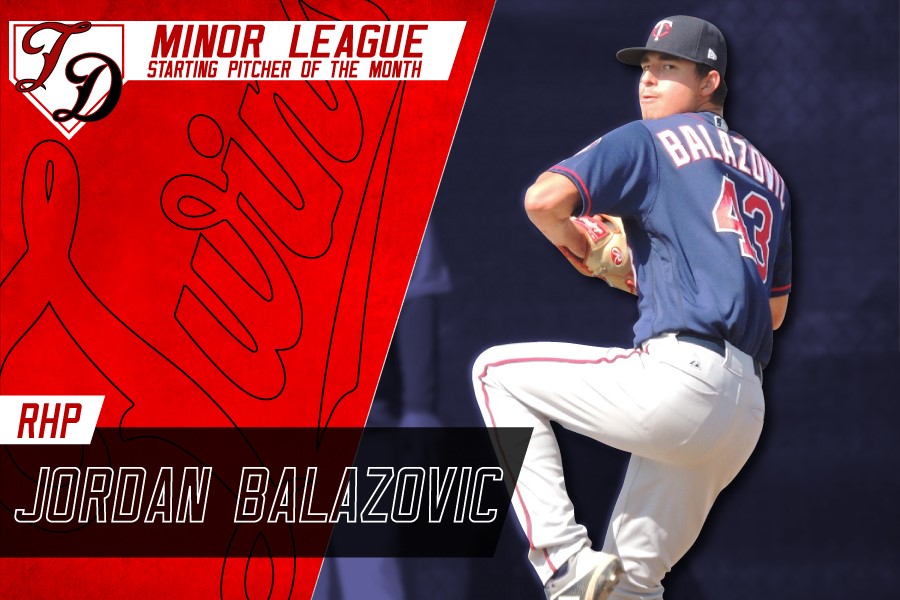 Before we share our choices for the Twins Minor League Top Five Starters for May, there were some other strong starting performers that just missed the cut. You can certainly agree or disagree with the rankings. Let’s discuss the top starting pitchers in the organization in May. HONORABLE MENTION Brusdar Graterol - Pensacola Blue Wahoos - 4 GS, 20.1 IP, 1.33 ERA, 1.08 WHIP. 15 H, 7 BB, 18 K Josh Winder - Cedar Rapids Kernels - 4 GS, 27.0 IP, 3.67 ERA, 1.00 WHIP, 19 H, 8 BB, 19 K Bryan Sammons - Ft. Myers Miracle/Pensacola Blue Wahoos - 4 GS, 20.0 IP, 1.35 ERA, 1.25 WHIP, 19 H, 6 BB, 29 K Randy Dobnak - Pensacola Blue Wahoos/Rochester Red Wings - 6 GS, 26.0 IP, 3.81 ERA, 1.19 WHIP, 23 H, 8 BB, 27 K THE TOP FIVE STARTING PITCHERS #5 - RHP Austin Schulfer - Cedar Rapids Kernels - 7 G, 4 GS, 22.0 IP, 3.27 ERA, 1.05 WHIP, 13 H, 10 BB, 32 K Schulfer was the Twins 19th round pick one year ago out of the University of Wisconsin-Milwaukee where he was a four-year starter. He had an impressive professional debut. For Elizabethton, he went 3-0 with a 1.58 ERA. He began the 2019 season in the Kernels bullpen, but it was in long relief. Likely that was to help with his innings count over the season. In May, opponents hit just .165/.258/.266 (.524) off of him. He now appears to be in the Kernels rotation and pitching well. #4 - RHP Kohl Stewart - Rochester Red Wings - 4 GS, 1.93 ERA, 1.23 WHIP, 18.2 IP, 15 H, 8 BB, 18 K For the second time this season, Kohl Stewart was called up by the Twins to make a spot start. On May 7th, Stewart made a start against Toledo. He went just two innings because the team knew he would be starting game 2 of the May 11th double header against the parent club of the Mudhens, the Detroit Tigers. Stewart gave up three runs in six innings to pick up the win. Those numbers aren’t included in his monthly total above. Stewart may have walked a few too many, but the former 1st-round pick continued to throw well and show that he is ready to pitch in the big leagues when summoned. #3 - LHP Devin Smeltzer - Rochester Red Wings - 4 GS, 1.82 ERA, 1.09 WHIP, 24.2 IP, 20 H, 7 BB, 15 K Smeltzer was the Twins Daily Minor League Starting Pitcher of the Month in April when he produced an impressive month in Pensacola. He was quickly promoted to the Red Wings in May and ended the month with six shutout innings against the Milwaukee Brewers in his big-league debut. Those numbers aren’t included in the above, but I’d say that big league time can be a tie-breaker. And, these numbers do tell us that Smeltzer was very deserving of The Call. Even at the highest level of the minor leagues, Smeltzer displayed calm. He doesn’t throw hard, but he knows how to pitch and is able to hit spots. His first start in June will also be with the Twins. Get to know him here. #2 - RHP Blayne Enlow - Cedar Rapids Kernels/Ft. Myers Miracle - 5 GS, 2.12 ERA, 1.01 WHIP, 29.2 IP, 22 H, 8 BB, 30 K There were a couple of rough starts for Enlow in April, but in May, Blayne Enlow was a terrific. After spending 2018 in Cedar Rapids, Enlow began 2019 as a Kernel again. He was pitching well in May. Well enough, in fact, that he was promoted to Ft. Myers and finished the month with a strong Miracle debut. He started with six shutout innings before giving up a leadoff home run in the 7th inning and coming out. For the month, opponents hit just .191/.244/.348 (.592) against him. The Twins 3rd-round pick in 2017 out of high school in Louisiana had a good fastball and can spin the ball well too. And the Twins Minor League Starting Pitcher of the Month is: Ft. Myers Miracle - RHP Jordan Balazovic - 5 GS, 2.13 ERA, 0.67 WHIP, 24.0 IP, 12 H, 5 BB, 35 K Balazovic was the Twins 5th-round draft pick in 2016 out of secondary school in Mississauga, Ontario. He had some ups and downs in 2017, but he took off last year after being pushed up to Cedar Rapids. He made 11 starts for the Kernels and showed promise. Sure, he hoped to start 2019 in Ft. Myers, but he did spend the first month of the season back with the Kernels. He pitched well last month. In four starts, he went 2-1 with a 2.18 ERA and opponents hit just .195 off of him. His first start in May came for the Ft. Myers Miracle, and it was rather memorable. In a game in Palm Beach, Balazovic tossed seven perfect innings. No runs. No hits. No errors. 21 up, 21 down. And ten of those outs came on strikeouts. In his second Miracle start, he struck out 12 batters in five innings. His fourth start was again seven shutout innings.His final start of the month went just over an inning because of a rain delay. Balazovic has really good stuff. He throws hard. He throws strikes. He has swing and iss stuff. Opponents hit just .140/.211/.163 (.373) off of him in May. He is certainly rising up the charts. Congratulations to our Twins Daily Minor League Starting Pitcher of the Month of May, Ft. Myers Miracle right-hander Jordan Balazovic. Feel free to discuss and ask questions.
 -
Of that group, I would say that Alcala, Graterol, Duran and Javier are the givens. The others will be about roster spot availability. I think Blankenhorn and Jax would be next in line... But if Diaz keeps this up, then yes, he will need to be added too. Plenty of roster spots to add more though.
-
I remember telling myself to write "if anyone says that Larnach should be #1 this month, I won't put up too much of an argument " He's been very good.
- 19 replies
-
- 2
-
-
- lewin diaz
- trevor larnach
- (and 3 more)
-
I don't think Diaz was every 185, maybe when he signed as a 16 year old. I think he was closer to about 270+ at his peak. He lost a bunch of weight before the 2018 season and ended last year at about 220. I think he was down even a little bit more this spring. As you can see from the photo shown today, I doubt he's much more than 200-210.
- 19 replies
-
- 4
-
-
- lewin diaz
- trevor larnach
- (and 3 more)
