


.png.7846f23ff7308bd0a60773982c8c4137.png)
William Malone
-
Posts
786 -
Joined
-
Last visited
Content Type
Profiles
News
Minnesota Twins Videos
2026 Minnesota Twins Top Prospects Ranking
2022 Minnesota Twins Draft Picks
Minnesota Twins Free Agent & Trade Rumors, Notes, & Tidbits
Guides & Resources
2023 Minnesota Twins Draft Picks
The Minnesota Twins Players Project
2024 Minnesota Twins Draft Picks
2025 Minnesota Twins Draft Pick Tracker
2026 Minnesota Twins Draft Tracker: Picks & Bonuses
Forums
Blogs
Events
Store
Downloads
Gallery
Everything posted by William Malone
-
Douglas Howell Bernier was born on June 24, 1980 in Santa Maria, California. The Colorado Rockies signed him as an undrafted free agent in 2002. He played two big league games for them in 2008, going 0-for-4 with a strikeout. Colorado removed him from the 40-man roster that off-season. Bernier spent the next four seasons in Triple-A, playing in the New York Yankees and Pittsburgh Pirates farm systems. The Minnesota Twins signed him to a minor league deal in 2013. He hit .295 in 92 games with the Rochester Red Wings (AAA), earning a second half call-up. His first Major League hit was an RBI double against Joe Blanton of the Los Angeles Angels on July 22nd. He began to get more playing time after veteran infielder Jamey Carroll was traded to the Kansas City Royals in a post-deadline waiver deal that August. Bernier finished the year batting .226 with five RBI over 33 games for the Twins. Minnesota removed Bernier from the 40-man roster after the season. He signed a minor league deal to remain in the organization after clearing waivers. Bernier hit .280 for Rochester that summer, and was added to the Twins roster as a September call-up. He was 2-for-7 with a walk and a hit by pitch in limited playing time that month. Both hits were singles. Bernier spent most of 2015 with the Red Wings, but was briefly called up to the big league roster in May. He went 1-for-5 at the plate in limited action. The lone was a two run double, which turned out to be the final at-bat of his Major League career. He retired after spending 2016 and 2017 in the Texas Rangers minor league system. Beriner was hired by the Rockies as a scout in 2018. He was added to their Major League coaching staff as the data and game planing coordinator in 2020. Bernier became the Rockies minor league defensive coordinator in 2022. View full player
-
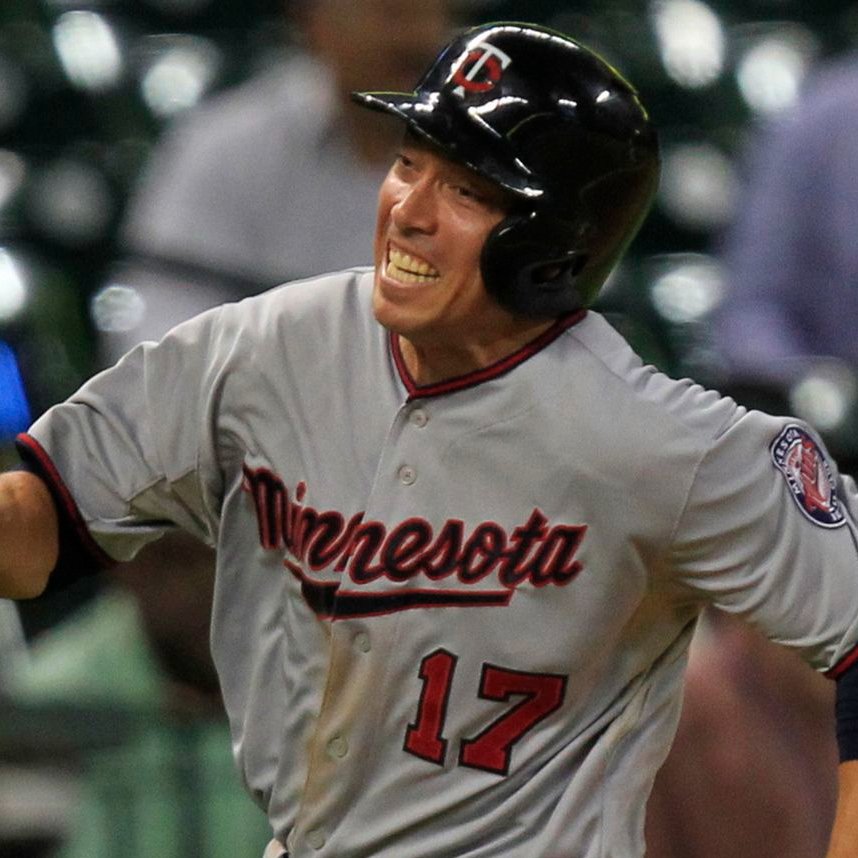 Douglas Howell Bernier was born on June 24, 1980 in Santa Maria, California. The Colorado Rockies signed him as an undrafted free agent in 2002. He played two big league games for them in 2008, going 0-for-4 with a strikeout. Colorado removed him from the 40-man roster that off-season. Bernier spent the next four seasons in Triple-A, playing in the New York Yankees and Pittsburgh Pirates farm systems. The Minnesota Twins signed him to a minor league deal in 2013. He hit .295 in 92 games with the Rochester Red Wings (AAA), earning a second half call-up. His first Major League hit was an RBI double against Joe Blanton of the Los Angeles Angels on July 22nd. He began to get more playing time after veteran infielder Jamey Carroll was traded to the Kansas City Royals in a post-deadline waiver deal that August. Bernier finished the year batting .226 with five RBI over 33 games for the Twins. Minnesota removed Bernier from the 40-man roster after the season. He signed a minor league deal to remain in the organization after clearing waivers. Bernier hit .280 for Rochester that summer, and was added to the Twins roster as a September call-up. He was 2-for-7 with a walk and a hit by pitch in limited playing time that month. Both hits were singles. Bernier spent most of 2015 with the Red Wings, but was briefly called up to the big league roster in May. He went 1-for-5 at the plate in limited action. The lone was a two run double, which turned out to be the final at-bat of his Major League career. He retired after spending 2016 and 2017 in the Texas Rangers minor league system. Beriner was hired by the Rockies as a scout in 2018. He was added to their Major League coaching staff as the data and game planing coordinator in 2020. Bernier became the Rockies minor league defensive coordinator in 2022.
 -
Ronald Washington was born on April 29, 1952 in New Orleans, Louisiana. The Kansas City Royals signed him as an undrafted free agent in 1970. He had stints in several minor league systems, making his Major League debut for the Los Angeles Dodgers in 1977. Washington only played ten games for them, and didn't return to the Majors again until 1981 with the Minnesota Twins. He appeared in 28 games for the Twins in 1981, batting .226 with five RBI. Washington made his first career Opening Day roster in 1982, and began to get regular playing time at shortstop. He hit .271 with 39 RBI over a career high 119 games, which included 106 starts. His tenure in Minnesota continued through 1986. Washington was primarily a reserve middle infielder. During his six years with the Twins, he hit .265 with 17 home runs and 118 RBI. Washington finished his career by playing for the Baltimore Orioles (1987), Cleveland Indians (1988) and Houston Astros (1989). He coached in the New York Mets farm system from 1991 through 1995. The Oakland Athletics hired him as an assistant coach for their big league staff in 1996. Washington worked as an infield coach, also serving as first or third base coach depending on the year. He stayed in Oakland until the Texas Rangers hired him as manager in 2007. His tenure in Texas was successful, going 644-611 (84.4 wins per 162 games) over parts of eight seasons. They reached the World Series in 2010 and 2011, but lost both times. He resigned in 2014, citing personal reasons. Several media outlets reported sexual assault allegations against Washington in the coming weeks. Oakland hired him back as an assistant in 2015. Washington was the Atlanta Braves third base coach and infield instructor from 2017 through 2023. As of 2025, Washington is the manager of the Los Angeles Angels. View full player
-
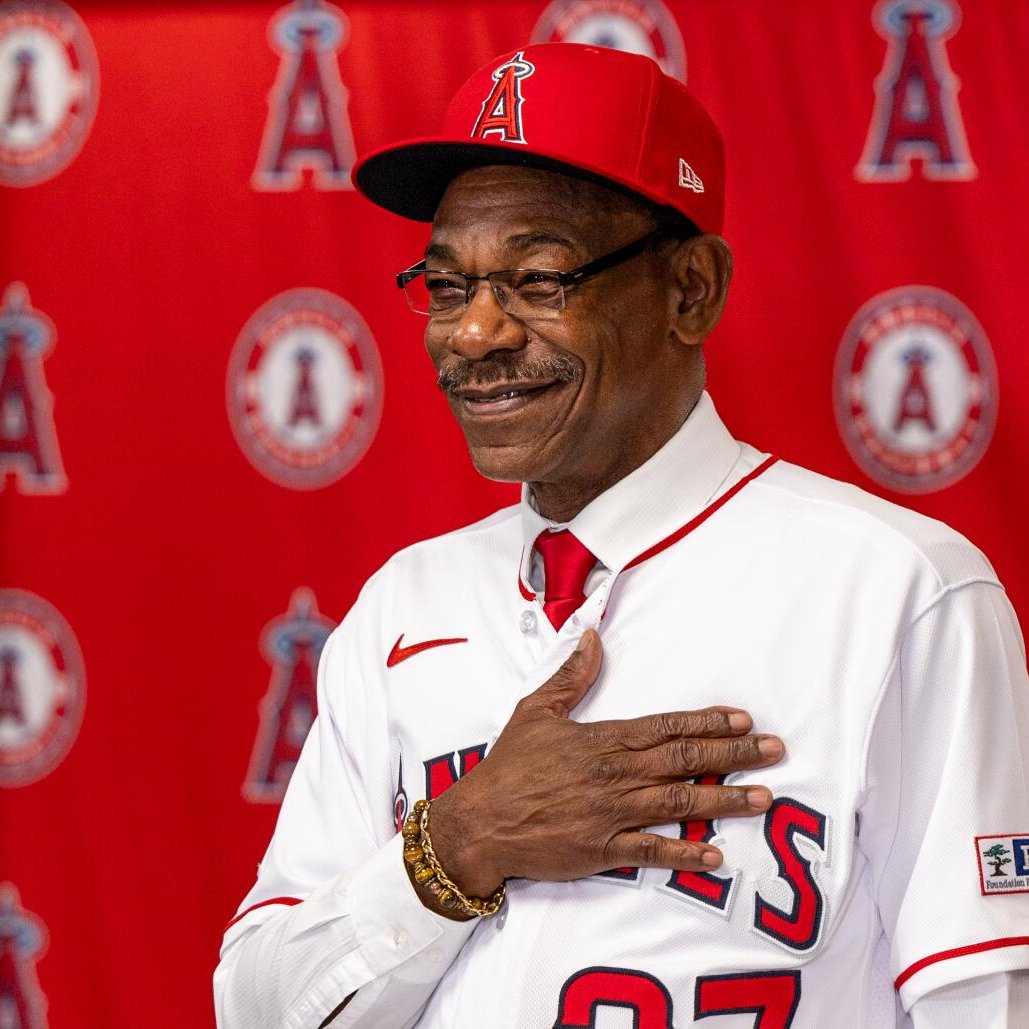 Ronald Washington was born on April 29, 1952 in New Orleans, Louisiana. The Kansas City Royals signed him as an undrafted free agent in 1970. He had stints in several minor league systems, making his Major League debut for the Los Angeles Dodgers in 1977. Washington only played ten games for them, and didn't return to the Majors again until 1981 with the Minnesota Twins. He appeared in 28 games for the Twins in 1981, batting .226 with five RBI. Washington made his first career Opening Day roster in 1982, and began to get regular playing time at shortstop. He hit .271 with 39 RBI over a career high 119 games, which included 106 starts. His tenure in Minnesota continued through 1986. Washington was primarily a reserve middle infielder. During his six years with the Twins, he hit .265 with 17 home runs and 118 RBI. Washington finished his career by playing for the Baltimore Orioles (1987), Cleveland Indians (1988) and Houston Astros (1989). He coached in the New York Mets farm system from 1991 through 1995. The Oakland Athletics hired him as an assistant coach for their big league staff in 1996. Washington worked as an infield coach, also serving as first or third base coach depending on the year. He stayed in Oakland until the Texas Rangers hired him as manager in 2007. His tenure in Texas was successful, going 644-611 (84.4 wins per 162 games) over parts of eight seasons. They reached the World Series in 2010 and 2011, but lost both times. He resigned in 2014, citing personal reasons. Several media outlets reported sexual assault allegations against Washington in the coming weeks. Oakland hired him back as an assistant in 2015. Washington was the Atlanta Braves third base coach and infield instructor from 2017 through 2023. As of 2025, Washington is the manager of the Los Angeles Angels.
 -
Andrelton Alexander Simmons was born on September 4, 1989 in Curaçao. The Atlanta Braves selected him in round two of the 2010 MLB Draft out of Western Oklahoma State College. He made his Major League debut for them in 2012, batting .289 in 59 games as rookie. Simmons spent four seasons in Atlanta, winning two Gold Glove awards and the 2013 Platinum Glove. He was traded to the Los Angeles Angels after the 2015 campaign. Simmons spent five years with the Angels, winning two more Gold Gloves and posting two top 15 MVP finishes. He signed a one year deal with the Minnesota Twins on January 21, 2021. Simmons hit .267 with a .733 OPS in April, outperforming his career OPS of .678. But his offense eventually regressed, and Simmons finished 2021 with a .223/.283/.274 slash line. His 2.1 defensive WAR was fourth among all American League players, regardless of position. Simmons was a Gold Glove finalist, but lost to Carlos Correa of the Houston Astros. The Chicago Cubs signed him in 2022. This was his final taste of Major League action. As of 2025, Simmons is playing professionally in Mexico. He has represented the Netherlands in the World Baseball Classic three times. View full player
-
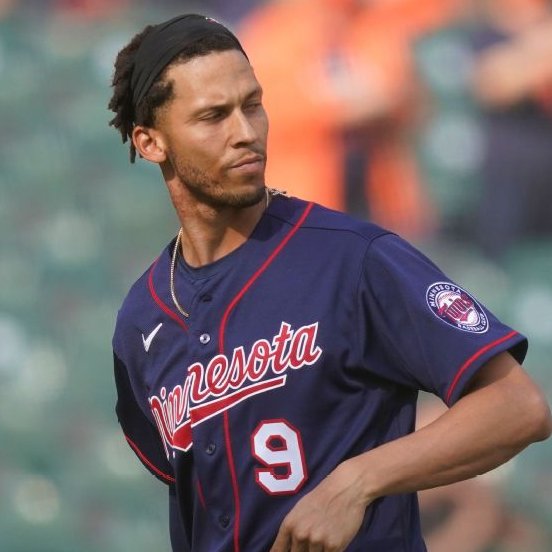 Andrelton Alexander Simmons was born on September 4, 1989 in Curaçao. The Atlanta Braves selected him in round two of the 2010 MLB Draft out of Western Oklahoma State College. He made his Major League debut for them in 2012, batting .289 in 59 games as rookie. Simmons spent four seasons in Atlanta, winning two Gold Glove awards and the 2013 Platinum Glove. He was traded to the Los Angeles Angels after the 2015 campaign. Simmons spent five years with the Angels, winning two more Gold Gloves and posting two top 15 MVP finishes. He signed a one year deal with the Minnesota Twins on January 21, 2021. Simmons hit .267 with a .733 OPS in April, outperforming his career OPS of .678. But his offense eventually regressed, and Simmons finished 2021 with a .223/.283/.274 slash line. His 2.1 defensive WAR was fourth among all American League players, regardless of position. Simmons was a Gold Glove finalist, but lost to Carlos Correa of the Houston Astros. The Chicago Cubs signed him in 2022. This was his final taste of Major League action. As of 2025, Simmons is playing professionally in Mexico. He has represented the Netherlands in the World Baseball Classic three times.
 -
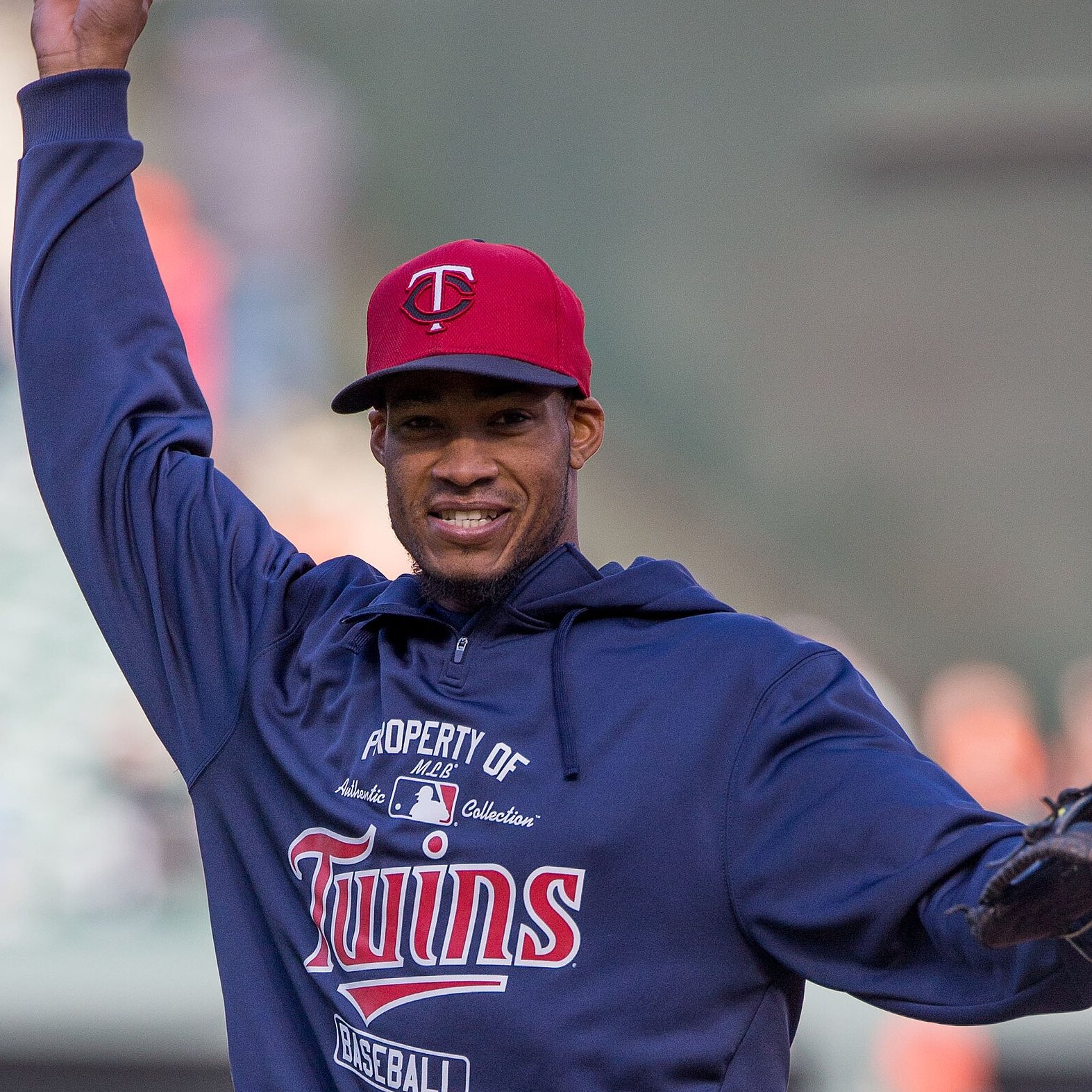 Pedro Alexander Florimón Jr. was born on December 10, 1986 in the Dominican Republic. The Baltimore Orioles signed him as an international free agent in 2004. He made his Major League debut as a September call-up in 2011. Florimón appeared in four games, and was removed from the 40-man roster that off-season. The Minnesota Twins claimed him off waivers. Florimón spent most of 2012 in the minor leagues, batting .259 over 113 games between Double-A and Triple-A. Minnesota called him up on August 17th, and he served as their starting shortstop for the remainder of the season. He replaced rookie Brian Dozier, who was struggling both offensively and defensively. Florimón started 42 of the Twins final 45 games, batting .219 with one home run and ten RBI. He was worth seven defensive runs saved in the field. Minnesota opened 2013 with Florimón as their Opening Day shortstop. He hit .221 with nine home runs and 44 RBI, playing in a career high 134 games. Florimón won the Jim Kaat Award, which is given out annually to the Twins most outstanding defensive player. He was the Opening Day shortstop again in 2014, but hit .092 through 33 games. Utility men Eduardo Escobar and Eduardo Núñez eventually began to assume more playing time at shortstop. Florimón was eventually sent to Triple-A, and was removed from the 40-man roster that winter. He finished his Major League career by playing for the Pittsburgh Pirates (2015-16) and Philadelphia Phillies (2017-18). Florimón continued to play professionally through 2022, last playing in Mexico. As of 2025, he is a coach in the Pirates minor league system.
 -
Pedro Alexander Florimón Jr. was born on December 10, 1986 in the Dominican Republic. The Baltimore Orioles signed him as an international free agent in 2004. He made his Major League debut as a September call-up in 2011. Florimón appeared in four games, and was removed from the 40-man roster that off-season. The Minnesota Twins claimed him off waivers. Florimón spent most of 2012 in the minor leagues, batting .259 over 113 games between Double-A and Triple-A. Minnesota called him up on August 17th, and he served as their starting shortstop for the remainder of the season. He replaced rookie Brian Dozier, who was struggling both offensively and defensively. Florimón started 42 of the Twins final 45 games, batting .219 with one home run and ten RBI. He was worth seven defensive runs saved in the field. Minnesota opened 2013 with Florimón as their Opening Day shortstop. He hit .221 with nine home runs and 44 RBI, playing in a career high 134 games. Florimón won the Jim Kaat Award, which is given out annually to the Twins most outstanding defensive player. He was the Opening Day shortstop again in 2014, but hit .092 through 33 games. Utility men Eduardo Escobar and Eduardo Núñez eventually began to assume more playing time at shortstop. Florimón was eventually sent to Triple-A, and was removed from the 40-man roster that winter. He finished his Major League career by playing for the Pittsburgh Pirates (2015-16) and Philadelphia Phillies (2017-18). Florimón continued to play professionally through 2022, last playing in Mexico. As of 2025, he is a coach in the Pirates minor league system. View full player
-
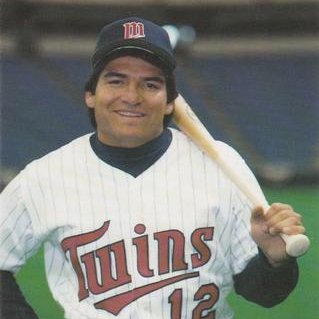 Mark Bruce Salas was born on March 8, 1961 in Montebello, California. The St. Louis Cardinals selected him in round 18 of the 1979 MLB Draft. He made his Major League debut for them in 1984, going 2-for-20 (.100) in 14 games of action. The Minnesota Twins claimed him in the Rule 5 Draft that off-season. Salas began 1985 as the backup to veteran Tim Laudner. He hit .367 with a .933 OPS in April, but only started six of the team's 20 games. Twins manager Billy Gardner began to give Salas more playing time, even stating him 19 consecutive games at one point in May. Salas continued to produce, and finished the year batting .300 with nine home runs and 41 RBI over 120 games. He finished eighth place in AL Rookie of the Year voting. Minnesota opened 1986 with Salas as their primary catcher, but he wasn't able to duplicate his rookie year success. Salas hit .233 with eight home runs, and eventually lost a lot of his playing time back to Laudner. The duo began 1987 splitting starts fairly equally. Salas began to produce offensively again, and was batting .378 until getting traded to the New York Yankees for Joe Niekro on June 6th. Niekro failed to produce, posting a 6.26 ERA over 18 starts for Minnesota. Despite this, the Twins still wound up winning the World Series that fall. Salas also struggled with his new team, batting .200 in 50 games for the Yankees. He also played for the Chicago White Sox (1988), Cleveland Indians (1989) and Detroit Tigers (1990-91). Salas became good friends with White Sox teammate Ozzie Guillen during his lone season in Chicago. Their friendship led to Guillen employing Salas as a bullpen catcher for most of his managerial tenure with the White Sox in the 2000's.
 -
Mark Bruce Salas was born on March 8, 1961 in Montebello, California. The St. Louis Cardinals selected him in round 18 of the 1979 MLB Draft. He made his Major League debut for them in 1984, going 2-for-20 (.100) in 14 games of action. The Minnesota Twins claimed him in the Rule 5 Draft that off-season. Salas began 1985 as the backup to veteran Tim Laudner. He hit .367 with a .933 OPS in April, but only started six of the team's 20 games. Twins manager Billy Gardner began to give Salas more playing time, even stating him 19 consecutive games at one point in May. Salas continued to produce, and finished the year batting .300 with nine home runs and 41 RBI over 120 games. He finished eighth place in AL Rookie of the Year voting. Minnesota opened 1986 with Salas as their primary catcher, but he wasn't able to duplicate his rookie year success. Salas hit .233 with eight home runs, and eventually lost a lot of his playing time back to Laudner. The duo began 1987 splitting starts fairly equally. Salas began to produce offensively again, and was batting .378 until getting traded to the New York Yankees for Joe Niekro on June 6th. Niekro failed to produce, posting a 6.26 ERA over 18 starts for Minnesota. Despite this, the Twins still wound up winning the World Series that fall. Salas also struggled with his new team, batting .200 in 50 games for the Yankees. He also played for the Chicago White Sox (1988), Cleveland Indians (1989) and Detroit Tigers (1990-91). Salas became good friends with White Sox teammate Ozzie Guillen during his lone season in Chicago. Their friendship led to Guillen employing Salas as a bullpen catcher for most of his managerial tenure with the White Sox in the 2000's. View full player
-
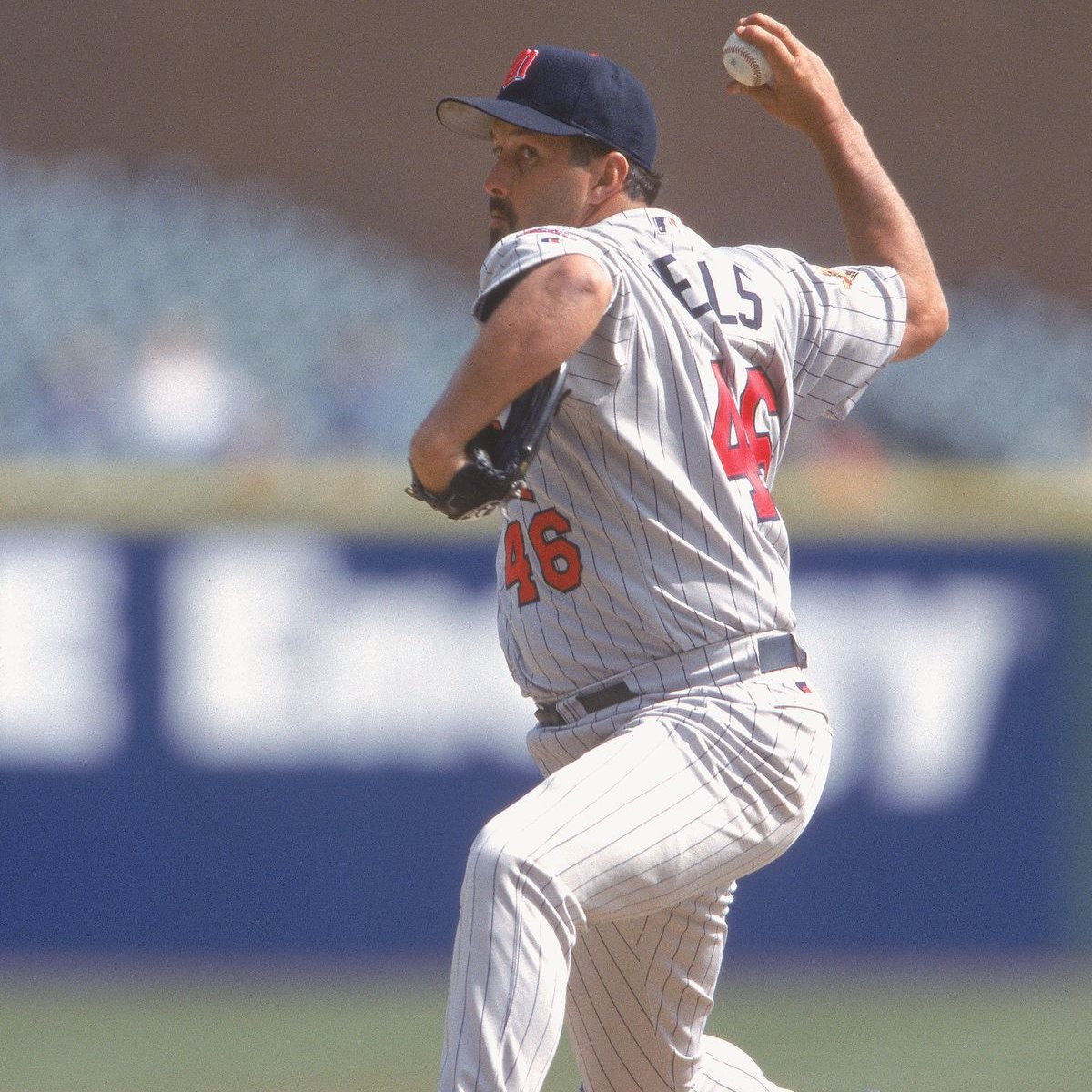 Robert Lee Wells was born on November 1, 1966 in Yakima, Washington. The Philadelphia Phillies signed him as an undrafted free agent in 1988 out of Spokane Falls Community College. He reached the Majors in 1994, but was waived after making just six relief appearances. The Seattle Mariners claimed him. Wells became a regular member of the Mariners pitching staff, bouncing around between the starting rotation and long relief. He won a career high 12 games in 1996, and helped Seattle reach the postseason twice. Wells signed with the Minnesota Twins as a free agent ahead of the 1999 campaign. He led the American League with 76 relief appearances that summer, going 8-3 with a 3.81 ERA and one save. This strong season was accomplished in spite of a slow start. Wells allowed nine earned runs across 13.1 innings during the month of April (6.08 ERA). He was even better in 2000. Wells posted a 3.65 ERA over 86.1 innings out of the Minnesota bullpen, striking out 7.9 hitters per nine innings. This was a leap from just 4.5 K/9 in 1999. He saved a career high ten games for the Twins, and had a career best 1.100 WHIP. Wells regressed during the 2001 and 2002 seasons, pitching to a 5.47 ERA while making 113 relief appearances. He made two relief appearances for the Twins during the 2002 playoffs. They both came in lower leverage situations. Wells retired after the 2002 season.
 -
Robert Lee Wells was born on November 1, 1966 in Yakima, Washington. The Philadelphia Phillies signed him as an undrafted free agent in 1988 out of Spokane Falls Community College. He reached the Majors in 1994, but was waived after making just six relief appearances. The Seattle Mariners claimed him. Wells became a regular member of the Mariners pitching staff, bouncing around between the starting rotation and long relief. He won a career high 12 games in 1996, and helped Seattle reach the postseason twice. Wells signed with the Minnesota Twins as a free agent ahead of the 1999 campaign. He led the American League with 76 relief appearances that summer, going 8-3 with a 3.81 ERA and one save. This strong season was accomplished in spite of a slow start. Wells allowed nine earned runs across 13.1 innings during the month of April (6.08 ERA). He was even better in 2000. Wells posted a 3.65 ERA over 86.1 innings out of the Minnesota bullpen, striking out 7.9 hitters per nine innings. This was a leap from just 4.5 K/9 in 1999. He saved a career high ten games for the Twins, and had a career best 1.100 WHIP. Wells regressed during the 2001 and 2002 seasons, pitching to a 5.47 ERA while making 113 relief appearances. He made two relief appearances for the Twins during the 2002 playoffs. They both came in lower leverage situations. Wells retired after the 2002 season. View full player
-
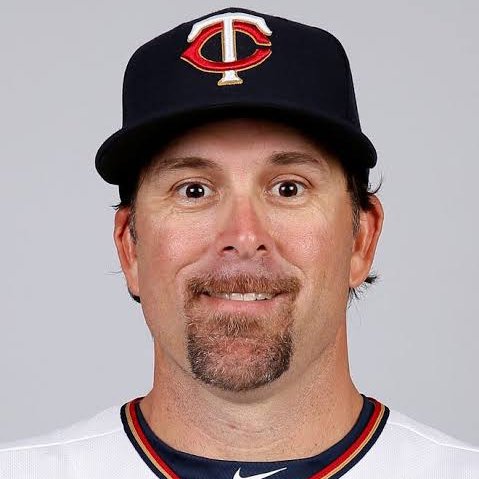 Douglas Andrew Mientkiewicz was born on June 19, 1974 in Toldeo, Ohio. The Minnesota Twins selected him in round five of the 1995 MLB Draft out of Florida State University. He blossomed into one of their best prospects. Mientkiewicz won the Sherry Robertson Award in 1998, which is given annually to the Twins most outstanding position player in their farm system. He made his Major League debut as a September call-up late in the year. Twins manager Tom Kelly penciled in Mientkiewicz as the Opening Day first baseman in 1999. He got off to a fast start, hitting five doubles and triple in his first five games. Mientkiewicz would finish April batting .280 with an .812 OPS, but things slowed down after that. He hit just .214 from May 1st though the end of 1999, ending the year with a .655 OPS across 118 games. His .997 fielding percentage led all American League first baseman. Mientkiewicz spent almost all of 2000 in Triple-A, playing only three games at the big league level. Former third baseman Ron Coomer slid across the diamond to play first base full time. Spending the whole year in Triple-A allowed Mientkiewicz to play for Team USA in the Olympics, where he helped lead the American to a gold medal. He launched a walk-off home run in the semi-final game against South Korea. Coomer left the Twins via free agency that off-season, paving the way for Mientkiewicz to get Major League playing time again. He slashed .306/.387/.464 in a career high 151 games. His 39 doubles were eighth in the American League, and his efforts on defense helped him win a Gold Glove at first base. Mientkiewicz was one of four Twins to receive MVP votes, as they finished with a winning record for the first time since 1992. Minnesota built on their 2001 success, and earned their first playoff berth in over a decade by winning 94 games in 2002. Mientkiewicz continued to play well, slashing .261/.365/.392 in 143 games. He was 10-for-38 (.263) with two home runs and six RBI over ten postseason games. His .393 on-base percentage in 2003 was ninth best in the American League. The Twins were once again AL Central champions, but lost to the New York Yankees in the ALDS. Mientkiewicz was 2-for-15 (.133) with one walk in the series. Both hits were singles. Justin Morneau had established himself as one of baseball's best prospects, and the Twins called him up in late-May to serve as their designated hitter. A slumping Mientkiewicz began to lose playing time at first base to allow a surging Morneau to get a few more at-bats, and Minnesota eventually traded Mientkiewicz to the Boston Red Sox in August. Boston went onto win the World Series that fall, with Mientkiewicz serving as a key defensive replacement off the bench. He appeared in 11 of their 14 playoff games, but never started and got only ten total plate appearances. Controversy arose when Mientkiewicz caught the final out of that World Series, but decided to keep the ball for himself. The Red Sox filed a lawsuit for ownership of the ball. A settlement was eventually reached in 2006. Mientkiewicz spent the final five years of his career with five different teams; the New York Mets (2005), Kansas City Royals (2006), New York Yankees (2007), Pittsburgh Pirates (2008) and Los Angeles Dodgers (2009). He slashed .270/.353/.405 during those seasons, and started at first base for the Yankees during the 2007 postseason. They lost in the ALDS. After a brief stint in broadcasting, Mientkiewicz was hired by the Dodgers as a rookie ball hitting coach in 2012. The Twins hired him as a minor league manager the following year. He went 387-308 over five seasons between High-A and Double-A. Mientkiewicz won the Florida State League (High-A) championship in 2014, and the Southern League (Double-A) championship in 2015. The organization fired him after the 2017 season. Mientkiewicz managed at the Triple-A level in the Detroit Tigers system for two seasons, but was fired after posting a 66-74 record in 2019.
 -
Douglas Andrew Mientkiewicz was born on June 19, 1974 in Toldeo, Ohio. The Minnesota Twins selected him in round five of the 1995 MLB Draft out of Florida State University. He blossomed into one of their best prospects. Mientkiewicz won the Sherry Robertson Award in 1998, which is given annually to the Twins most outstanding position player in their farm system. He made his Major League debut as a September call-up late in the year. Twins manager Tom Kelly penciled in Mientkiewicz as the Opening Day first baseman in 1999. He got off to a fast start, hitting five doubles and triple in his first five games. Mientkiewicz would finish April batting .280 with an .812 OPS, but things slowed down after that. He hit just .214 from May 1st though the end of 1999, ending the year with a .655 OPS across 118 games. His .997 fielding percentage led all American League first baseman. Mientkiewicz spent almost all of 2000 in Triple-A, playing only three games at the big league level. Former third baseman Ron Coomer slid across the diamond to play first base full time. Spending the whole year in Triple-A allowed Mientkiewicz to play for Team USA in the Olympics, where he helped lead the American to a gold medal. He launched a walk-off home run in the semi-final game against South Korea. Coomer left the Twins via free agency that off-season, paving the way for Mientkiewicz to get Major League playing time again. He slashed .306/.387/.464 in a career high 151 games. His 39 doubles were eighth in the American League, and his efforts on defense helped him win a Gold Glove at first base. Mientkiewicz was one of four Twins to receive MVP votes, as they finished with a winning record for the first time since 1992. Minnesota built on their 2001 success, and earned their first playoff berth in over a decade by winning 94 games in 2002. Mientkiewicz continued to play well, slashing .261/.365/.392 in 143 games. He was 10-for-38 (.263) with two home runs and six RBI over ten postseason games. His .393 on-base percentage in 2003 was ninth best in the American League. The Twins were once again AL Central champions, but lost to the New York Yankees in the ALDS. Mientkiewicz was 2-for-15 (.133) with one walk in the series. Both hits were singles. Justin Morneau had established himself as one of baseball's best prospects, and the Twins called him up in late-May to serve as their designated hitter. A slumping Mientkiewicz began to lose playing time at first base to allow a surging Morneau to get a few more at-bats, and Minnesota eventually traded Mientkiewicz to the Boston Red Sox in August. Boston went onto win the World Series that fall, with Mientkiewicz serving as a key defensive replacement off the bench. He appeared in 11 of their 14 playoff games, but never started and got only ten total plate appearances. Controversy arose when Mientkiewicz caught the final out of that World Series, but decided to keep the ball for himself. The Red Sox filed a lawsuit for ownership of the ball. A settlement was eventually reached in 2006. Mientkiewicz spent the final five years of his career with five different teams; the New York Mets (2005), Kansas City Royals (2006), New York Yankees (2007), Pittsburgh Pirates (2008) and Los Angeles Dodgers (2009). He slashed .270/.353/.405 during those seasons, and started at first base for the Yankees during the 2007 postseason. They lost in the ALDS. After a brief stint in broadcasting, Mientkiewicz was hired by the Dodgers as a rookie ball hitting coach in 2012. The Twins hired him as a minor league manager the following year. He went 387-308 over five seasons between High-A and Double-A. Mientkiewicz won the Florida State League (High-A) championship in 2014, and the Southern League (Double-A) championship in 2015. The organization fired him after the 2017 season. Mientkiewicz managed at the Triple-A level in the Detroit Tigers system for two seasons, but was fired after posting a 66-74 record in 2019. View full player
-
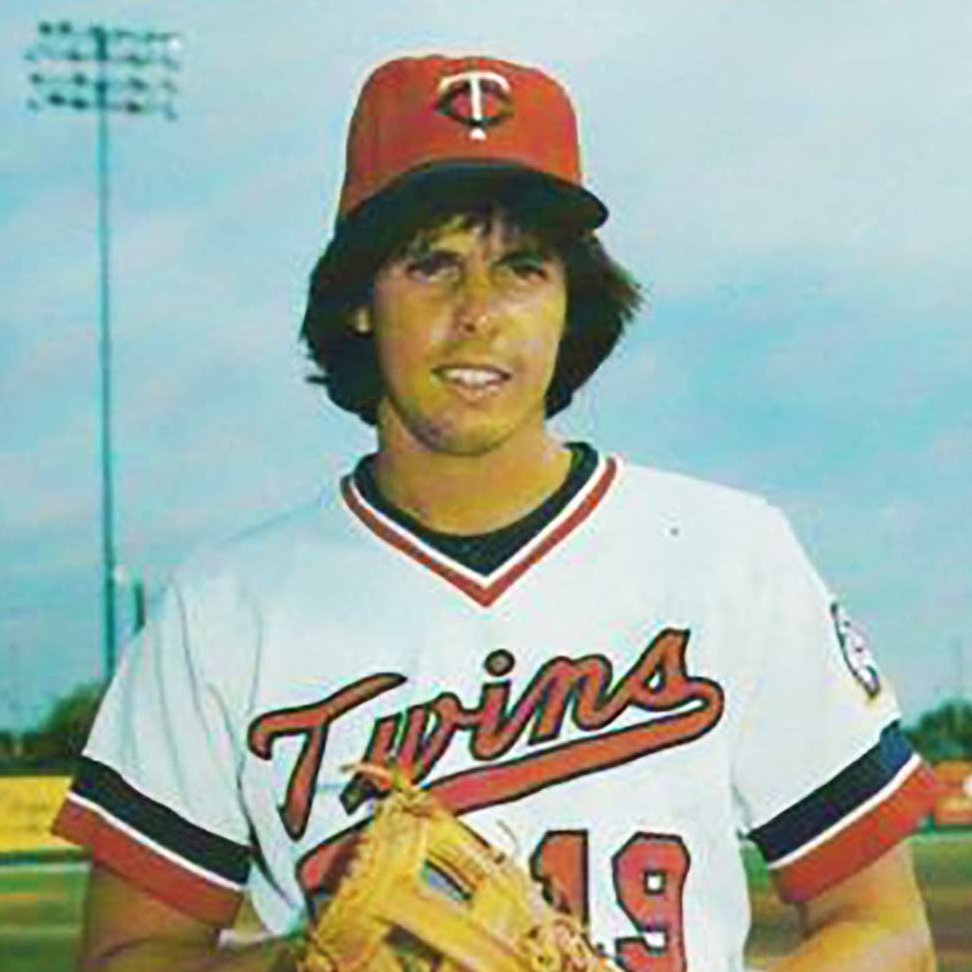 Roger Farrell Erickson was born on August 30, 1956 in Springfield, Illinois. The Minnesota Twins selected him in round three of the 1977 MLB Draft. He ascended quickly through their minor league system, and made the Opening Day roster in 1978. Erickson was the winning pitcher in his Major League debut, allowing three runs over 6.1 innings against the Seattle Mariners. His second start was even better, tossing a complete game while allowing just one run in a win over the California Angels. This was the first of 14 complete games Erickson would throw in 1978. His 265.2 innings pitched are also the most by a Twins rookie. Erickson finished the year 14-13 with a 3.96 ERA. The 14 wins are the second most by rookie in club history, trailing the 16 wins recorded by Jim Hughes in 1975. He opened 1979 with nine innings of one run ball against the Oakland Athletics, but didn't get credit for a complete game with the Twins needing 12 innings to secure a victory. Things unraveled after that, and Erickson was placed on the disabled list with elbow pain after his ERA ballooned to 7.25 through 13 starts. He returned in August, and went 3-4 with a 4.18 ERA across 11 appearances over the final two months. Erickson was 3-10 with a 5.63 ERA over the season as a whole, making 21 starts and three relief appearances. Things got back on track in 1980. Erickson posted a 3.25 ERA, which was eighth best in the American League. A lack of run support from his teammates put his record at just 7-13. He was 3-8 with a 3.84 ERA during the strike shortened 1981 season. Minnesota opened the Metrodome in 1982, losing on Opening Day against the Mariners. Erickson took the ball for game two, and earned the Twins first win in their new home. He was traded to the New York Yankees, along with Butch Wynegar, on May 12th. This was part of an early season fire sale, with the Twins having already traded away Roy Smalley and Doug Corbett within the first few weeks of the season. The Yankees were also making lots of changes, and went through three different pitching coaches in 1982. Erickson injured his shoulder that August, which he blamed on the stress of each pitching coach trying to alter his mechanics. The Yankees suspended him early in the 1983 season after he publicly criticized the club. Frequently injured, Erickson didn't pitch in the Majors after 1983. He continued to play professionally until 1989, playing in various farm systems and international leagues. Erickson has managed a sporting goods store and worked at a winery in retirement. As of 2021, he lives in Helen, Georgia. Erickson has blamed in short career on the 1982 trade to New York, believing he "might've stayed in Minnesota for another 20 years."
 -
Roger Farrell Erickson was born on August 30, 1956 in Springfield, Illinois. The Minnesota Twins selected him in round three of the 1977 MLB Draft. He ascended quickly through their minor league system, and made the Opening Day roster in 1978. Erickson was the winning pitcher in his Major League debut, allowing three runs over 6.1 innings against the Seattle Mariners. His second start was even better, tossing a complete game while allowing just one run in a win over the California Angels. This was the first of 14 complete games Erickson would throw in 1978. His 265.2 innings pitched are also the most by a Twins rookie. Erickson finished the year 14-13 with a 3.96 ERA. The 14 wins are the second most by rookie in club history, trailing the 16 wins recorded by Jim Hughes in 1975. He opened 1979 with nine innings of one run ball against the Oakland Athletics, but didn't get credit for a complete game with the Twins needing 12 innings to secure a victory. Things unraveled after that, and Erickson was placed on the disabled list with elbow pain after his ERA ballooned to 7.25 through 13 starts. He returned in August, and went 3-4 with a 4.18 ERA across 11 appearances over the final two months. Erickson was 3-10 with a 5.63 ERA over the season as a whole, making 21 starts and three relief appearances. Things got back on track in 1980. Erickson posted a 3.25 ERA, which was eighth best in the American League. A lack of run support from his teammates put his record at just 7-13. He was 3-8 with a 3.84 ERA during the strike shortened 1981 season. Minnesota opened the Metrodome in 1982, losing on Opening Day against the Mariners. Erickson took the ball for game two, and earned the Twins first win in their new home. He was traded to the New York Yankees, along with Butch Wynegar, on May 12th. This was part of an early season fire sale, with the Twins having already traded away Roy Smalley and Doug Corbett within the first few weeks of the season. The Yankees were also making lots of changes, and went through three different pitching coaches in 1982. Erickson injured his shoulder that August, which he blamed on the stress of each pitching coach trying to alter his mechanics. The Yankees suspended him early in the 1983 season after he publicly criticized the club. Frequently injured, Erickson didn't pitch in the Majors after 1983. He continued to play professionally until 1989, playing in various farm systems and international leagues. Erickson has managed a sporting goods store and worked at a winery in retirement. As of 2021, he lives in Helen, Georgia. Erickson has blamed in short career on the 1982 trade to New York, believing he "might've stayed in Minnesota for another 20 years." View full player
-
Alexander David Kirilloff was born on November 9, 1997 in Pittsburgh, Pennsylvania. The Minnesota Twins selected him in round one of the 2016 MLB Draft. He missed the entire 2017 season after undergoing Tommy John surgery. A fully healthy Kirilloff hit .348 with 101 RBI during the 2018 minor league season, splitting the year between the Class-A and High-A levels. His 44 doubles that season led all minor league players. MLB Pipeline ranked him as the ninth best prospect in baseball entering 2019. Kirilloff slashed .283/.343/.414 in 94 games at the Double-A level in 2019. The 2020 minor league season was canceled due to the COVID-19 pandemic, and he spent the entire regular season at the Twins alternate training site in St. Paul. Minnesota made the bold decision to include him on their postseason roster that fall. He started game two of the Wild Card Round, going 1-for-4. Kirilloff was one of three players to make his Major League debut during the 2020 postseason, joining Shane McClanahan of the Tampa Bay Rays and Ryan Weathers of the San Diego Padres. Before 2020, only two other players in the modern-era (since 1901) had made their big league debut during the playoffs. As of 2024, nobody has done it since. He opened 2021 in an 0-for-15 slump, but eventually got his first career regular season hit on April 26th. This began a seven game hitting streak, which included four home runs and 11 RBI. Minnesota placed him on the injured list with a right wrist strain before the hitting streak could end. Kirilloff retired in late May. He hit fairly well during his first few weeks off the injured list, but eventually cooled off. Kirilloff opted to have season ending wrist surgery in late July, finishing his rookie year slashing .251/.299/.423 with eight home runs and 34 RBI across 59 games. The wrist never seemed to fully heal after surgery. Kirilloff was 1-for-17 to begin 2022, and was placed back on the injured list due to reoccurring wrist pain. He made a brief return in early-May, but was eventually optioned to Triple-A with his struggles continuing. Kirilloff hit .359 with 32 RBI over 35 games for the St. Paul Saints, and returned to the bigs, and his offense temporally turned around. This was short-lived, and the promising outfielder began to struggle again. He underwent a second season ending wrist surgery in August. Minnesota signed veteran Joey Gallo in the off-season, giving them a left handed bat who could play corner outfield and first base. Kirilloff began the season on the injured list, but was optioned to Triple-A when cleared for game action. The Twins eventually called him up in early-May, and he finally began to hit up to his prospect pedigree. Kirilloff had a .906 OPS though his first 30 games, and eventually played his way into the everyday lineup. A late season shoulder injury saw him struggle a bit down the stretch. He was 0-for-9 in the playoffs while trying to play through the pain, but was eventually removed from the postseason roster. Kirilloff slashed .270/.348/.455 in a career high 88 games. He hit 11 home runs, and drove in 41. Injuries kept piling up in 2024. Kirilloff slashed .201/.270/.384 in 57 games, while dealing with back issues. He announced his retirement on October 31, 2024 at the age of 26. As of 2025, Kirilloff is working in real estate. View full player
-
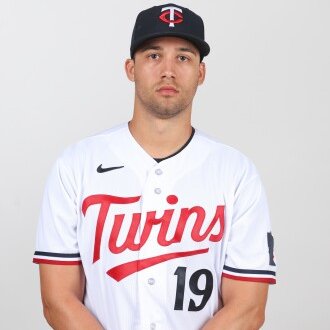 Alexander David Kirilloff was born on November 9, 1997 in Pittsburgh, Pennsylvania. The Minnesota Twins selected him in round one of the 2016 MLB Draft. He missed the entire 2017 season after undergoing Tommy John surgery. A fully healthy Kirilloff hit .348 with 101 RBI during the 2018 minor league season, splitting the year between the Class-A and High-A levels. His 44 doubles that season led all minor league players. MLB Pipeline ranked him as the ninth best prospect in baseball entering 2019. Kirilloff slashed .283/.343/.414 in 94 games at the Double-A level in 2019. The 2020 minor league season was canceled due to the COVID-19 pandemic, and he spent the entire regular season at the Twins alternate training site in St. Paul. Minnesota made the bold decision to include him on their postseason roster that fall. He started game two of the Wild Card Round, going 1-for-4. Kirilloff was one of three players to make his Major League debut during the 2020 postseason, joining Shane McClanahan of the Tampa Bay Rays and Ryan Weathers of the San Diego Padres. Before 2020, only two other players in the modern-era (since 1901) had made their big league debut during the playoffs. As of 2024, nobody has done it since. He opened 2021 in an 0-for-15 slump, but eventually got his first career regular season hit on April 26th. This began a seven game hitting streak, which included four home runs and 11 RBI. Minnesota placed him on the injured list with a right wrist strain before the hitting streak could end. Kirilloff retired in late May. He hit fairly well during his first few weeks off the injured list, but eventually cooled off. Kirilloff opted to have season ending wrist surgery in late July, finishing his rookie year slashing .251/.299/.423 with eight home runs and 34 RBI across 59 games. The wrist never seemed to fully heal after surgery. Kirilloff was 1-for-17 to begin 2022, and was placed back on the injured list due to reoccurring wrist pain. He made a brief return in early-May, but was eventually optioned to Triple-A with his struggles continuing. Kirilloff hit .359 with 32 RBI over 35 games for the St. Paul Saints, and returned to the bigs, and his offense temporally turned around. This was short-lived, and the promising outfielder began to struggle again. He underwent a second season ending wrist surgery in August. Minnesota signed veteran Joey Gallo in the off-season, giving them a left handed bat who could play corner outfield and first base. Kirilloff began the season on the injured list, but was optioned to Triple-A when cleared for game action. The Twins eventually called him up in early-May, and he finally began to hit up to his prospect pedigree. Kirilloff had a .906 OPS though his first 30 games, and eventually played his way into the everyday lineup. A late season shoulder injury saw him struggle a bit down the stretch. He was 0-for-9 in the playoffs while trying to play through the pain, but was eventually removed from the postseason roster. Kirilloff slashed .270/.348/.455 in a career high 88 games. He hit 11 home runs, and drove in 41. Injuries kept piling up in 2024. Kirilloff slashed .201/.270/.384 in 57 games, while dealing with back issues. He announced his retirement on October 31, 2024 at the age of 26. As of 2025, Kirilloff is working in real estate.
 -
.thumb.png.131fdf97b843dfc7f73f4f987002a0f8.png)
Remembering Random Twins: Exclusive Interview with Bob Tewksbury
William Malone posted an article in History
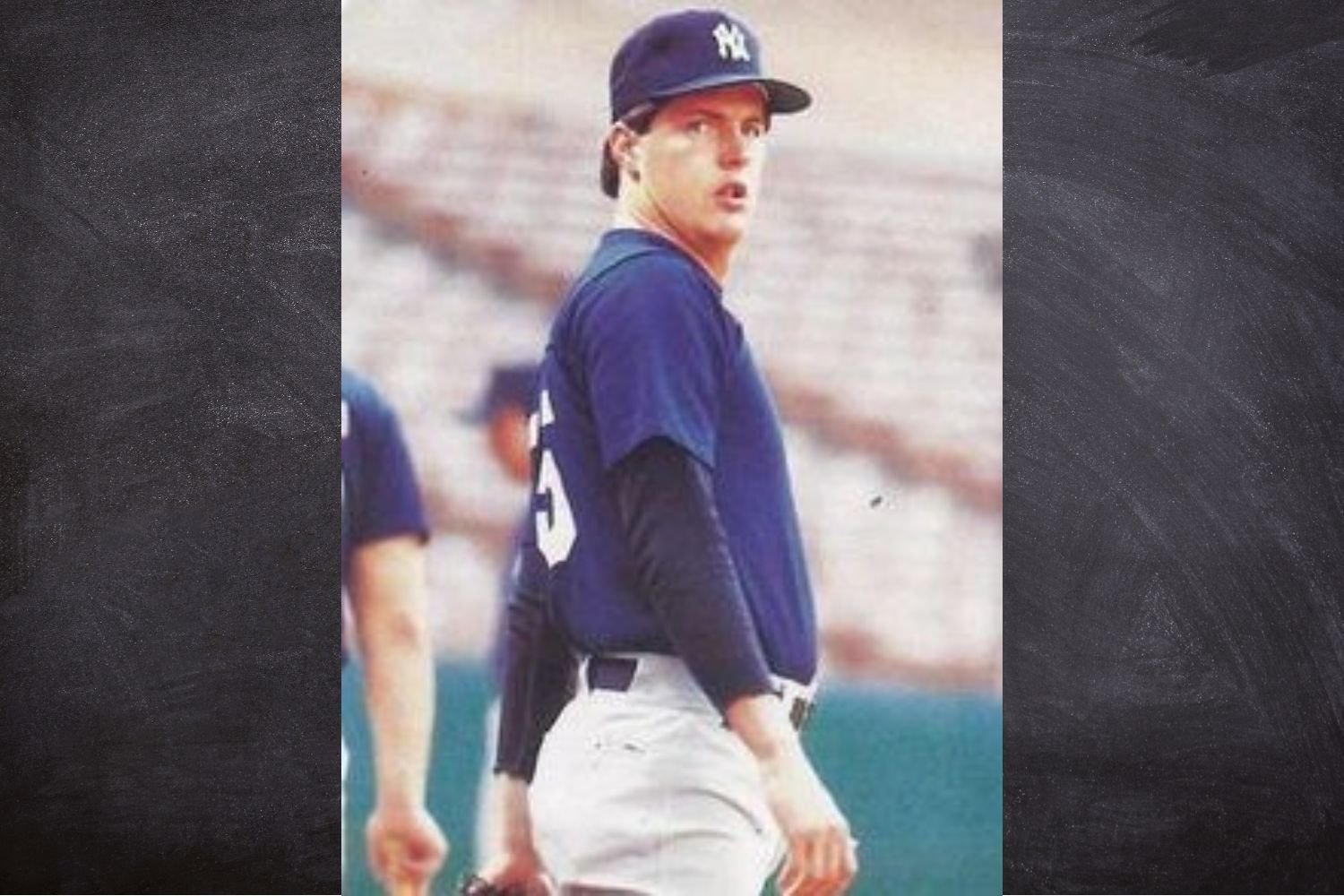 Bob Tewksbury was a crafty control pitcher who had his best years in the early 1990s with the St. Louis Cardinals, finishing third in NL Cy Young voting in 1992. He closed out his career with the Twins, reliably holding down a rotation spot for bad teams in 1997 and '98 before retiring. Though hardly a star during his time in Minnesota, Tewksbury provided veteran leadership, strike-throwing prowess, and one unforgettable eephus duel at the Metrodome — earning him a place in Twins lore. He was recently kind enough to share some perspective and memories for Twins Daily's readers. Tewksbury had a career year with the Cardinals in 1992. He went 16-5 with a 2.16 ERA, finishing third in NL Cy Young voting. Despite his success, Tewksbury allowed four runs in the All-Star Game that summer. Well, I got the first three guys out on nine pitches. I thought I was out of the game, because the people who generally pitch two innings are the starting pitchers. Bobby Cox came up to me. I had only thrown nine pitches. He asks if I want to go back out there. So I'm like "ehh okay." I had two outs and a guy on second, but I didn't get out of the inning. In large part, mentally I wasn't ready to go back out there. I thought I was gonna be one and done. It was kinda my own fault. But it was a great experience. Something I'll always treasure, and to say that I was an All-Star. There's a lot of people that play in the big leagues who never made an All-Star Game. So I'm really proud of that. The National League veteran wound up in Minnesota in 1997, partly due to the 1994 strike. It was kind of of byproduct of the '94 strike. That was my free agent year. And so, I probably would've signed a three year contract with one team. But because of the strike, I ended up signing one year with Texas. And then one year with San Diego. And then two years with Minnesota. I definitely preferred the National League to the American League, just because I had spent so much time there. But I had a great experience in Minnesota. I played with some great people, and it's a great organization. The Twins had a very young pitching staff in the late-90's, and Tewksbury tried his best to help them grow. Brad [Radke] was good. His fastball, curveball, changeup mix was as good as anyone in the league. He was just a really good competitor and a good pitcher. LaTroy [Hawkins] was a guy I spent a lot of time with. I think if you contacted LaTroy, he might share that I had a positive influence on him. I heard him say that publicly, which was really nice. There were some good young arms. Everyday Eddie [Guardado] too. His most memorable moment in a Twins uniform came on June 28, 1998 in an interleague game against the St. Louis Cardinals. Facing Mark McGwire in the middle of his historic 70 home run season, Tewksbury got him out twice with eephus pitch that was clocked in the low-40's. We had prearranged in the scouting meeting that if I got the first two hitters out in that game against the Cardinals, I was gonna throw the eephus to McGwire. That was the game plan. All the pitchers who normally hung out in the clubhouse until the second inning or so came running down the stairs of the Metrodome because they wanted to see. It was great fun, and then I did it again the next time up. I think he popped to [Scott] Stahoviak one time, and then he hit a little weak ground ball. [McGwire] sent me a note after that. He really enjoyed it. He had a lot of fun trying to hit that. And I really felt like an entertainer throwing it. You know, the crowd loved it. It was fun. It was something that not many people do. It was a great time. Tewksbury made his living as a control artist, leading the league in walks per nine innings twice (1992 and 1993). The league has changed since he retired, focusing more on power arms. It's a byproduct of training and technological development, along with analytics. Improved body functioning, and all those things that come with human movement. Specific training, and all the video stuff that they have. What we used to do just on feel and feedback is now kind of quantitative. They can tell you what's going on, and how to manipulate the ball. There's also increased injuries...look at Noah Syndergaard. I don't even know if he's still pitching. Tremendous power guy. [Jacob] deGrom has had two Tommy John's. I think with anything, there's pros and cons. If you can develop these power pitches, you develop swing and miss pitchers. It's gonna help your pitching staff. The problem is trying to keep those guys healthy, because of the stress and what it does to the body. He played for some of the game's best managers, which included five World Series winning skippers; Lou Piniella, Whitey Herzog, Joe Torre, Bruce Bochy, and Tom Kelly. I came up with the Yankees and Lou [Piniella]. Lou didn't like pitchers when he was a hitter, and he didn't like them as a manager. Unless you threw hard. I made the team because I pitched 20 consecutive scoreless innings in spring training. So they kinda had to take me. Well, they didn't have to. But they chose to. He was hard on young pitchers. When I went to the Cardinals, Whitey [Herzog] was there for a short time. And then Joe [Torre] came in. Joe was probably the best guy I played for. He believed in me as a pitcher. He helped me believe in myself, and just had a great demeanor with players. He had a great career himself, and knew the game. Joe was a really impactful person in my life as a player. And then I had the late Johnny Oates in Texas, who was just a baseball lifer. Taught you how to play the game the right way. And that was great. I was only there for a year. [Bruce] Bochy was just beginning his managing career. I don't think he knew he would turn into a Hall of Fame manager this many years later. Just a nice guy, strong and calming presence who knows the game and is good with people. And then, you know, TK [Tom Kelly] obviously had great success. He was definitely a veteran player's manager. He could be hard on the younger players. Ask [David] Ortiz and Todd Walker, [Corey] Koskie and all those guys. But he was really positive. Knows the game. The Twins fundamentals were probably the best in baseball for a long time, because he made that a priority. After retiring, Tewksbury has had a second career as a mental performance coach. I just always had an interest in that. I had read all of Harvey Dorfman's books, and was always studying physiology and the impact of that on the game. So I went to graduate school and got a job with the Red Sox, and I'm still doing it. I have private clients now. A couple of big league guys. I don't work for any team, but I'm still working in baseball. I just got off the phone with a couple of college guys [before this interview]. It's keeping me busy. It's a lot of fun. I enjoy helping people. I never had this resource as a player. It was never talked about. When I started doing this, the people who hadn't been exposed to it who had been in the game for awhile really weren't into it. But it's definitely grown. It's needed, and I think it's gonna continue to grow. It's been a good career for me. Tewksbury had a brief acting career, playing himself in "The Scout." It starred Brendan Fraser, Albert Brooks, and several big league players as themselves. [The experience] was boring. Unfortunately, it was due to the strike in '94. The footage that they had at Yankee Stadium, I think it was the Tigers, they had dark hats. And I guess they needed a National League team with dark hats. The Cardinals were one. I was the starting pitcher, and Ozzie [Smith] was Ozzie. So they asked us to come fly into New York, film the scene, and fly home. I flew into New York, and got to the stadium at noon time. That scene in the movie was filmed at like 1:30 in the morning. So it was a lot of sitting around doing nothing. And then I flew home the next morning. It was interesting to see how they filmed things, but it was quite boring to sit at Yankee Stadium for 12 hours basically doing nothing.
 -
Image courtesy of Rob Broder, Public domain, via Wikimedia Commons Bob Tewksbury was a crafty control pitcher who had his best years in the early 1990s with the St. Louis Cardinals, finishing third in NL Cy Young voting in 1992. He closed out his career with the Twins, reliably holding down a rotation spot for bad teams in 1997 and '98 before retiring. Though hardly a star during his time in Minnesota, Tewksbury provided veteran leadership, strike-throwing prowess, and one unforgettable eephus duel at the Metrodome — earning him a place in Twins lore. He was recently kind enough to share some perspective and memories for Twins Daily's readers. Tewksbury had a career year with the Cardinals in 1992. He went 16-5 with a 2.16 ERA, finishing third in NL Cy Young voting. Despite his success, Tewksbury allowed four runs in the All-Star Game that summer. Well, I got the first three guys out on nine pitches. I thought I was out of the game, because the people who generally pitch two innings are the starting pitchers. Bobby Cox came up to me. I had only thrown nine pitches. He asks if I want to go back out there. So I'm like "ehh okay." I had two outs and a guy on second, but I didn't get out of the inning. In large part, mentally I wasn't ready to go back out there. I thought I was gonna be one and done. It was kinda my own fault. But it was a great experience. Something I'll always treasure, and to say that I was an All-Star. There's a lot of people that play in the big leagues who never made an All-Star Game. So I'm really proud of that. The National League veteran wound up in Minnesota in 1997, partly due to the 1994 strike. It was kind of of byproduct of the '94 strike. That was my free agent year. And so, I probably would've signed a three year contract with one team. But because of the strike, I ended up signing one year with Texas. And then one year with San Diego. And then two years with Minnesota. I definitely preferred the National League to the American League, just because I had spent so much time there. But I had a great experience in Minnesota. I played with some great people, and it's a great organization. The Twins had a very young pitching staff in the late-90's, and Tewksbury tried his best to help them grow. Brad [Radke] was good. His fastball, curveball, changeup mix was as good as anyone in the league. He was just a really good competitor and a good pitcher. LaTroy [Hawkins] was a guy I spent a lot of time with. I think if you contacted LaTroy, he might share that I had a positive influence on him. I heard him say that publicly, which was really nice. There were some good young arms. Everyday Eddie [Guardado] too. His most memorable moment in a Twins uniform came on June 28, 1998 in an interleague game against the St. Louis Cardinals. Facing Mark McGwire in the middle of his historic 70 home run season, Tewksbury got him out twice with eephus pitch that was clocked in the low-40's. We had prearranged in the scouting meeting that if I got the first two hitters out in that game against the Cardinals, I was gonna throw the eephus to McGwire. That was the game plan. All the pitchers who normally hung out in the clubhouse until the second inning or so came running down the stairs of the Metrodome because they wanted to see. It was great fun, and then I did it again the next time up. I think he popped to [Scott] Stahoviak one time, and then he hit a little weak ground ball. [McGwire] sent me a note after that. He really enjoyed it. He had a lot of fun trying to hit that. And I really felt like an entertainer throwing it. You know, the crowd loved it. It was fun. It was something that not many people do. It was a great time. Tewksbury made his living as a control artist, leading the league in walks per nine innings twice (1992 and 1993). The league has changed since he retired, focusing more on power arms. It's a byproduct of training and technological development, along with analytics. Improved body functioning, and all those things that come with human movement. Specific training, and all the video stuff that they have. What we used to do just on feel and feedback is now kind of quantitative. They can tell you what's going on, and how to manipulate the ball. There's also increased injuries...look at Noah Syndergaard. I don't even know if he's still pitching. Tremendous power guy. [Jacob] deGrom has had two Tommy John's. I think with anything, there's pros and cons. If you can develop these power pitches, you develop swing and miss pitchers. It's gonna help your pitching staff. The problem is trying to keep those guys healthy, because of the stress and what it does to the body. He played for some of the game's best managers, which included five World Series winning skippers; Lou Piniella, Whitey Herzog, Joe Torre, Bruce Bochy, and Tom Kelly. I came up with the Yankees and Lou [Piniella]. Lou didn't like pitchers when he was a hitter, and he didn't like them as a manager. Unless you threw hard. I made the team because I pitched 20 consecutive scoreless innings in spring training. So they kinda had to take me. Well, they didn't have to. But they chose to. He was hard on young pitchers. When I went to the Cardinals, Whitey [Herzog] was there for a short time. And then Joe [Torre] came in. Joe was probably the best guy I played for. He believed in me as a pitcher. He helped me believe in myself, and just had a great demeanor with players. He had a great career himself, and knew the game. Joe was a really impactful person in my life as a player. And then I had the late Johnny Oates in Texas, who was just a baseball lifer. Taught you how to play the game the right way. And that was great. I was only there for a year. [Bruce] Bochy was just beginning his managing career. I don't think he knew he would turn into a Hall of Fame manager this many years later. Just a nice guy, strong and calming presence who knows the game and is good with people. And then, you know, TK [Tom Kelly] obviously had great success. He was definitely a veteran player's manager. He could be hard on the younger players. Ask [David] Ortiz and Todd Walker, [Corey] Koskie and all those guys. But he was really positive. Knows the game. The Twins fundamentals were probably the best in baseball for a long time, because he made that a priority. After retiring, Tewksbury has had a second career as a mental performance coach. I just always had an interest in that. I had read all of Harvey Dorfman's books, and was always studying physiology and the impact of that on the game. So I went to graduate school and got a job with the Red Sox, and I'm still doing it. I have private clients now. A couple of big league guys. I don't work for any team, but I'm still working in baseball. I just got off the phone with a couple of college guys [before this interview]. It's keeping me busy. It's a lot of fun. I enjoy helping people. I never had this resource as a player. It was never talked about. When I started doing this, the people who hadn't been exposed to it who had been in the game for awhile really weren't into it. But it's definitely grown. It's needed, and I think it's gonna continue to grow. It's been a good career for me. Tewksbury had a brief acting career, playing himself in "The Scout." It starred Brendan Fraser, Albert Brooks, and several big league players as themselves. [The experience] was boring. Unfortunately, it was due to the strike in '94. The footage that they had at Yankee Stadium, I think it was the Tigers, they had dark hats. And I guess they needed a National League team with dark hats. The Cardinals were one. I was the starting pitcher, and Ozzie [Smith] was Ozzie. So they asked us to come fly into New York, film the scene, and fly home. I flew into New York, and got to the stadium at noon time. That scene in the movie was filmed at like 1:30 in the morning. So it was a lot of sitting around doing nothing. And then I flew home the next morning. It was interesting to see how they filmed things, but it was quite boring to sit at Yankee Stadium for 12 hours basically doing nothing. View full article
-
Steven Norman Carlton was born on December 22, 1944 in Miami, Florida. The St. Louis Cardinals signed him as an amateur free agent in 1963. He made his Major League debut for them in 1965, and pitched seven seasons for the Cardinals. Carlton made three All-Star teams while in St. Louis, and helped them win a World Series title in 1967. They traded him to the Philadelphia Phillies for veteran pitcher Rick Wise during spring training in 1972. The trade was ordered by Cardinals owner Gussie Busch, following back-to-back off-seasons marred by salary disputes. Carlton for Wise is now seen as one of the most lopsided trades in baseball history. Wise was an effective pitcher for several more seasons, but much of his success came in the mid-70's as a member of the Boston Red Sox. Meanwhile, Carlton wound up winning the NL Cy Young four times during his 15 years in Philadelphia. He led the league in wins four times, and strikeouts five times. The Phillies were World Series champions in 1980. Carlton went 3-0 with a 2.30 ERA in four starts that postseason. There was a stretch in the early 1980's where Carlton, Nolan Ryan and Gaylord Perry were frequently trading off the top spot on the all-time strikeout list. After the trio had all passed longtime record holder Walter Johnson on the all-time list, there were 14 lead changes over a three year stretch. Ryan would eventually pull away from the other two, and is still the all-time strikeout king. As of 2025, Carlton ranks fourth and Perry ranks eighth. Philadelphia released a struggling 41-year old Carlton midway through the 1986 campaign. His struggles continued during a brief stint with the San Francisco Giants, and Carlton wound up finishing 1986 with the Chicago White Sox. He began 1987 with the Cleveland Indians. The Minnesota Twins traded for Carlton at the 1987 trade deadline. He dazzled in his first start at the Metrodome, allowing just two runs in 8.2 innings against the Oakland Athletics on August 8th. It was a big win, because Minnesota had entered play with just a two game lead over Oakland for first place in the AL West. That game against the Athletics would wind up being his only win in a Twins uniform. Carlton made seven starts and two relief appearances for Minnesota after the deadline, going 1-5 with a 6.70 ERA. He was left off the Twins playoff roster, but received his third World Series ring after Minnesota beat St. Louis in the fall classic. The Twins brought him back in 1988, but it was short lived. Carlton allowed 18 earned runs over just 9.2 innings, and he was released before the end of April. His retirement was announced just before spring training in 1989. Carlton very rarely spoke to the media during his career. He didn't answer a single question from the press from 1974 until his introductory press conference with the Giants in 1986. Carlton has remained very private in retirement. Nobody sees or hears from him that much, outside of the occasional reunion ceremony for the 1967 Cardinals or 1980 Phillies. As of 2025, he has never attended any sort of reunion event for the 1987 Twins. View full player
-
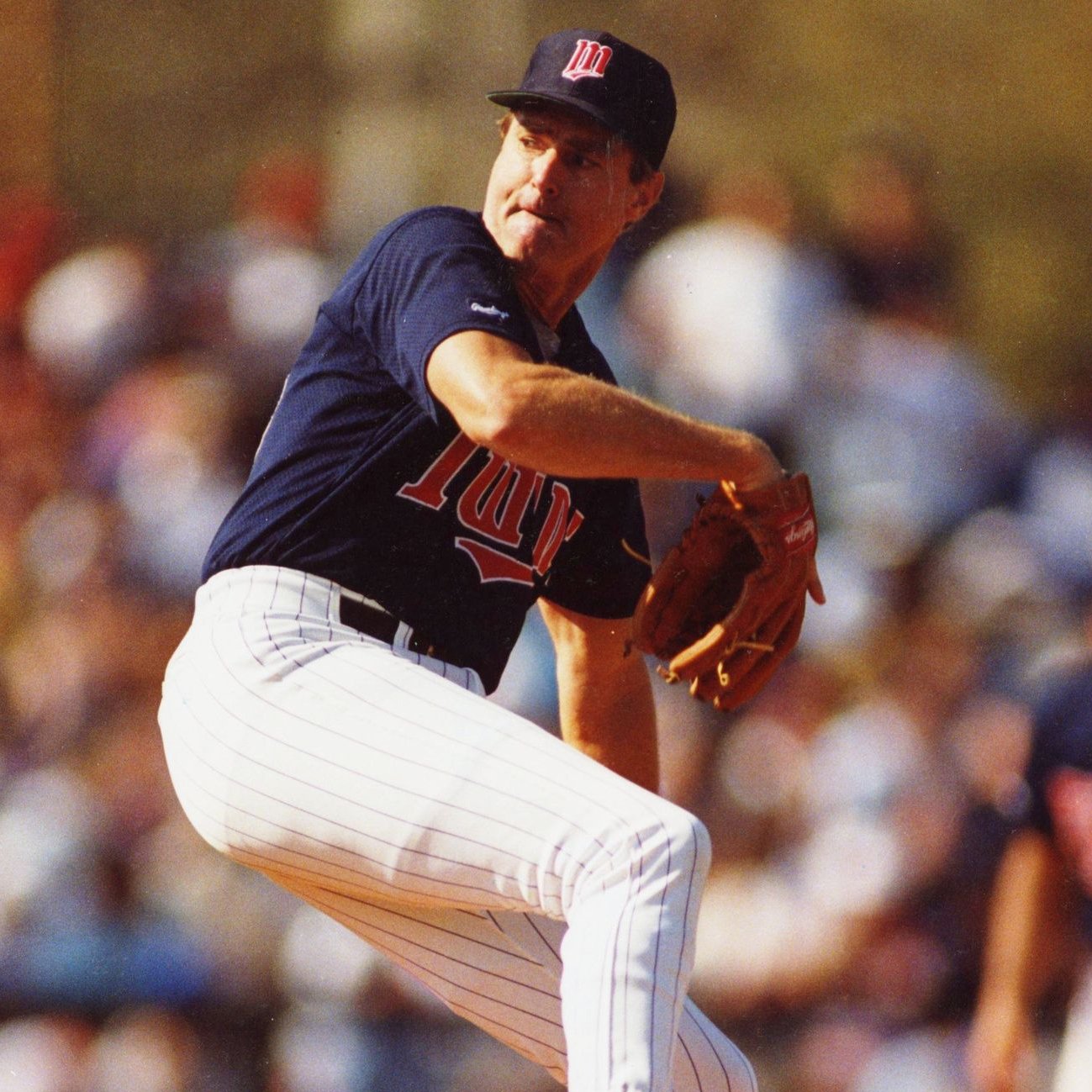 Steven Norman Carlton was born on December 22, 1944 in Miami, Florida. The St. Louis Cardinals signed him as an amateur free agent in 1963. He made his Major League debut for them in 1965, and pitched seven seasons for the Cardinals. Carlton made three All-Star teams while in St. Louis, and helped them win a World Series title in 1967. They traded him to the Philadelphia Phillies for veteran pitcher Rick Wise during spring training in 1972. The trade was ordered by Cardinals owner Gussie Busch, following back-to-back off-seasons marred by salary disputes. Carlton for Wise is now seen as one of the most lopsided trades in baseball history. Wise was an effective pitcher for several more seasons, but much of his success came in the mid-70's as a member of the Boston Red Sox. Meanwhile, Carlton wound up winning the NL Cy Young four times during his 15 years in Philadelphia. He led the league in wins four times, and strikeouts five times. The Phillies were World Series champions in 1980. Carlton went 3-0 with a 2.30 ERA in four starts that postseason. There was a stretch in the early 1980's where Carlton, Nolan Ryan and Gaylord Perry were frequently trading off the top spot on the all-time strikeout list. After the trio had all passed longtime record holder Walter Johnson on the all-time list, there were 14 lead changes over a three year stretch. Ryan would eventually pull away from the other two, and is still the all-time strikeout king. As of 2025, Carlton ranks fourth and Perry ranks eighth. Philadelphia released a struggling 41-year old Carlton midway through the 1986 campaign. His struggles continued during a brief stint with the San Francisco Giants, and Carlton wound up finishing 1986 with the Chicago White Sox. He began 1987 with the Cleveland Indians. The Minnesota Twins traded for Carlton at the 1987 trade deadline. He dazzled in his first start at the Metrodome, allowing just two runs in 8.2 innings against the Oakland Athletics on August 8th. It was a big win, because Minnesota had entered play with just a two game lead over Oakland for first place in the AL West. That game against the Athletics would wind up being his only win in a Twins uniform. Carlton made seven starts and two relief appearances for Minnesota after the deadline, going 1-5 with a 6.70 ERA. He was left off the Twins playoff roster, but received his third World Series ring after Minnesota beat St. Louis in the fall classic. The Twins brought him back in 1988, but it was short lived. Carlton allowed 18 earned runs over just 9.2 innings, and he was released before the end of April. His retirement was announced just before spring training in 1989. Carlton very rarely spoke to the media during his career. He didn't answer a single question from the press from 1974 until his introductory press conference with the Giants in 1986. Carlton has remained very private in retirement. Nobody sees or hears from him that much, outside of the occasional reunion ceremony for the 1967 Cardinals or 1980 Phillies. As of 2025, he has never attended any sort of reunion event for the 1987 Twins.
 -
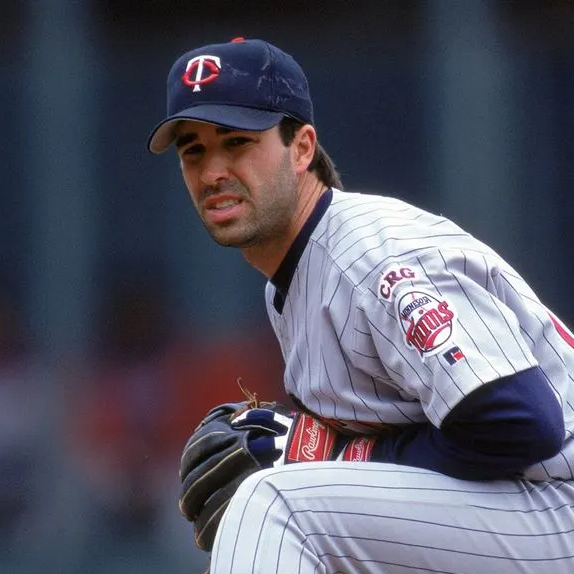 Todd Arthur Walker was born on May 25, 1973 in Bakersfield, California. He was named most outstanding player at the 1993 College World Series, helping LSU claim a national title. Walker remained at LSU for one more season, and the Minnesota Twins drafted him eighth overall in the 1994 MLB Draft. He made his Major League debut as a September call-up in 1996. Walker played 57 games for the Twins in 1997, serving as a backup second and third baseman. Minnesota traded All-Star second baseman Chuck Knoblauch after the 1997 season. Walker didn't initially win the job in camp, with veteran Brent Gates getting the Opening Day start. Utility man Denny Hocking was also in the mix to fill a lot of the lost Knoblauch at-bats. Walker eventually hit his way into more playing time. He had a seven game hitting streak in mid-April, which included four mutli-hit games. Walker also began May with three consecutive three hit games. His breakout campaigned finished with a .316/.372/.472 slash line over 143 games. He was seventh in the American League with 41 doubles, and had the fifth best fielding percentage among second baseman. Walker hit .279/.343/.397 in 1999, hitting 37 doubles and stealing 18 bases. He struggled out of the gate in 2000, and was traded to the Colorado Rockies after posting a .610 OPS with five errors through 23 games. Coors Field helped Walker get his offense back on track. He .304/.363/.514 over parts of two seasons with the Rockies. Walker also played for the Cincinnati Reds (2001-02), Boston Red Sox (2003), Chicago Cubs (2004-06), San Diego Padres (2006) and Oakland Athletics (2007). He hit .349 with five home runs in 12 games for Boston during the 2003 postseason. The Red Sox infamously lost in game seven of the ALCS that fall. His only other playoff action came with the Padres in 2007. Walker went 0-for-9 in the NLDS that year. He has worked for ESPN and the SEC Network as a college baseball color commentator since retiring.
 -
Todd Arthur Walker was born on May 25, 1973 in Bakersfield, California. He was named most outstanding player at the 1993 College World Series, helping LSU claim a national title. Walker remained at LSU for one more season, and the Minnesota Twins drafted him eighth overall in the 1994 MLB Draft. He made his Major League debut as a September call-up in 1996. Walker played 57 games for the Twins in 1997, serving as a backup second and third baseman. Minnesota traded All-Star second baseman Chuck Knoblauch after the 1997 season. Walker didn't initially win the job in camp, with veteran Brent Gates getting the Opening Day start. Utility man Denny Hocking was also in the mix to fill a lot of the lost Knoblauch at-bats. Walker eventually hit his way into more playing time. He had a seven game hitting streak in mid-April, which included four mutli-hit games. Walker also began May with three consecutive three hit games. His breakout campaigned finished with a .316/.372/.472 slash line over 143 games. He was seventh in the American League with 41 doubles, and had the fifth best fielding percentage among second baseman. Walker hit .279/.343/.397 in 1999, hitting 37 doubles and stealing 18 bases. He struggled out of the gate in 2000, and was traded to the Colorado Rockies after posting a .610 OPS with five errors through 23 games. Coors Field helped Walker get his offense back on track. He .304/.363/.514 over parts of two seasons with the Rockies. Walker also played for the Cincinnati Reds (2001-02), Boston Red Sox (2003), Chicago Cubs (2004-06), San Diego Padres (2006) and Oakland Athletics (2007). He hit .349 with five home runs in 12 games for Boston during the 2003 postseason. The Red Sox infamously lost in game seven of the ALCS that fall. His only other playoff action came with the Padres in 2007. Walker went 0-for-9 in the NLDS that year. He has worked for ESPN and the SEC Network as a college baseball color commentator since retiring. View full player
-
Grant Robert Balfour was born on December 30, 1977 in Australia. The Minnesota Twins signed him as an international free agent in 1997. He made his Major League debut for them in 2001, making two relief appearances for them that July. Balfour allowed four runs over 2.2 innings, and was sent back to the minor leagues. He didn't reach the Majors again until 2003, going 1-0 with a 4.15 ERA across 17 appearances that summer. Balfour was 4-1 with a 4.35 ERA over 36 appearances in 2004. Minnesota included him on their 2004 playoff roster. He got New York Yankees slugger Gary Sheffield to ground into an inning ending double play during game two of the ALDS, helping the Twins get out of a seventh inning jam created by Brad Radke. They wound up losing that game in 12 innings. Balfour also pitched two shutout innings in game four of that series, retiring all six batters he faced. The Twins also lost that game in extra innings. Balfour missed the entire 2005 after undergoing surgery for a torn rotator cuff. Minnesota released him, and he signed a minor league deal with the Cincinnati Reds. Setbacks in his rehab limited him to just nine minor league innings in 2006, and Balfour was released by the Reds as well. The Milwaukee Brewers signed him to a minor league deal in 2007. He returned to the big leagues that July, but was designated for assignment after allowing six runs in three relief appearances. The Tampa Bay Rays acquired Balfour from Milwaukee, and his career was finally able to get rolling. Balfour was 6-2 with a 1.54 ERA and four saves in 2008, helping Tampa Bay clinch their first ever postseason berth. He continued to pitch for the Rays through 2010, before spending three years with the Oakland Athletics. Balfour made the All-Star team in 2013. He finished his career by returning to Tampa Bay, pitching for the Rays in 2014 and 2015. View full player
.thumb.png.131fdf97b843dfc7f73f4f987002a0f8.png)
