


.png.7846f23ff7308bd0a60773982c8c4137.png)
William Malone
-
Posts
786 -
Joined
-
Last visited
Content Type
Profiles
News
Minnesota Twins Videos
2026 Minnesota Twins Top Prospects Ranking
2022 Minnesota Twins Draft Picks
Minnesota Twins Free Agent & Trade Rumors, Notes, & Tidbits
Guides & Resources
2023 Minnesota Twins Draft Picks
The Minnesota Twins Players Project
2024 Minnesota Twins Draft Picks
2025 Minnesota Twins Draft Pick Tracker
2026 Minnesota Twins Draft Tracker: Picks & Bonuses
Forums
Blogs
Events
Store
Downloads
Gallery
Everything posted by William Malone
-
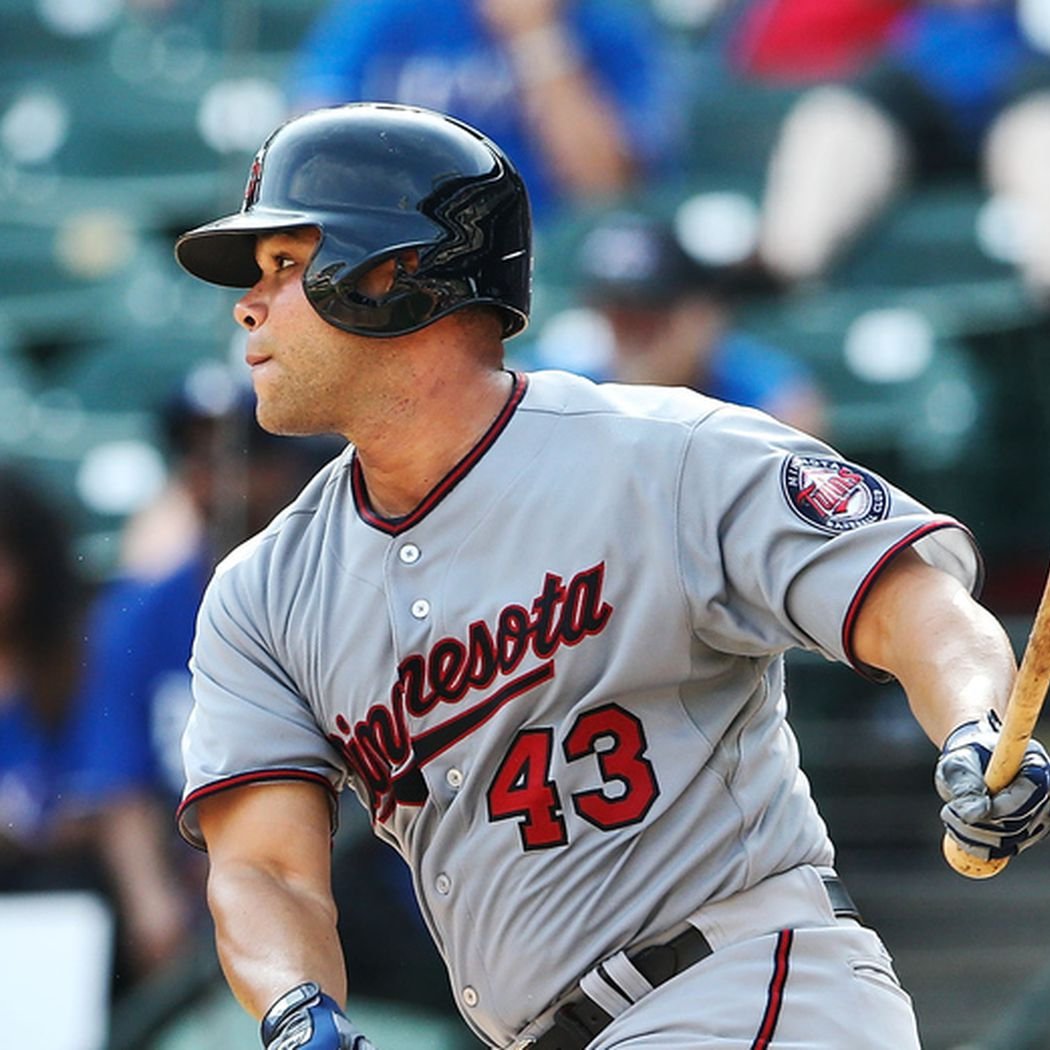 Josmil Oswaldo Pinto was born on March 31, 1989 in Venezuela. The Minnesota Twins signed him as an international free agent in 2006. He was an All-Star at multiple minor league levels, consistently putting up great offensive numbers. However, poor defensive behind home plate often kept Pinto low on "top prospect" lists. Baseball America never ranked him among the Twins top prospects. He hit .308 with an .892 OPS at the Double-A level in 2013, and made his Major League debut that fall as a September call-up. Pinto wasted no time making an impact at the big league level, going 2-for-4 with an RBI double in his September 1st debut. He was 4-for-5 with two runs scored in his second game. His first Major League home run came on September 6th against Casey Janssen of the Toronto Blue Jays. Pinto also had three doubles in a win over the Los Angeles Angels of Anaheim on September 9th. He would finish September batting .342 with four home runs and 12 RBI, appearing in 21 games. Joe Mauer made the full time switch to first base during the off-season, and the Twins signed veteran catcher Kurt Suzuki to play alongside Pinto. Twins manager Ron Gardenhire penciled in Suzuki as the starter for each of the first two regular season games, but Pinto went deep when he finally got his name on the lineup card in game three. He finished April with a .908 OPS in 20 games, which included a few starts at designated hitter. His bat eventually cooled off a bit, and the poor defense eventually began to show up. Base stealers were a perfect 20-for-20 against Pinto in 2014, and he was worth -8 defensive runs saved in just 25 games behind the plate. After slashing .200/.227/.329 between May 1st and June 6th, the Twins optioned him to Triple-A. Pinto hit very well once down in Triple-A, but he wasn't recalled again until the rosters expanded in September. His offensive and defensive struggles resumed in September. Pinto spent all of 2015 in the minor leagues. The Twins designated him for assignment that off-season. He was claimed on waivers by the Milwaukee Brewers, and appeared in six Major League games for them in 2016. All six appearances were as a pinch hitter, and Pinto never saw the field for them. The San Francisco Giants signed him to a minor league deal in 2017. Pinto spent the entire year on the disabled list, and was released after the season.
 -
Yohan Jose Alana Pino was born on December 26, 1983 in Venezuela. The Minnesota Twins signed him as an international free agent in 2004. He reached Triple-A in 2009, and had a 2.82 ERA in eight starts for the Rochester Red Wings. Pino was traded to the Cleveland Indians for Carl Pavano during that season. Injuries and ineffectiveness began to hamper him over the next several years. He spent time in the Toronto Blue Jays and Cincinnati Reds farm systems, never reaching the Majors. Minnesota signed him back on a minor league deal in 2014. Pino made his long awaited big league debut for the Twins on June 19, 2014. He allowed two runs over seven innings, striking out seven in a win against the Chicago White Sox. Despite his stellar performance, the win was credited to reliever Casey Fien. The offense didn't come around until late in the game, with Joe Mauer hitting a go-ahead RBI double in the eight inning. Pino finally got his first win on July 10th against the Seattle Mariners, tossing five innings of one run ball. He wound up making 11 starts for the Twins in 2014, going 1-5 with a 5.07 ERA. Minnesota removed him off of the 40-man roster during the off-season. The Kansas City Royals signed Pino to a minor league contract that off-season. He made six starts and one relief appearance for the Royals in 2015, going 0-2 with a 3.26 ERA across 19.1 innings. Kansas City won the World Series that fall, but Pino was not included on their postseason roster. After spending 2016 in Korea, the Twins signed Pino for a third stint in the organization. He had a 4.50 minor league ERA in 2017, splitting the year between Double-A and Triple-A. The rest of his career was spent in the Venezuelan winter league, pitching through the 2021-22 winter. View full player
-
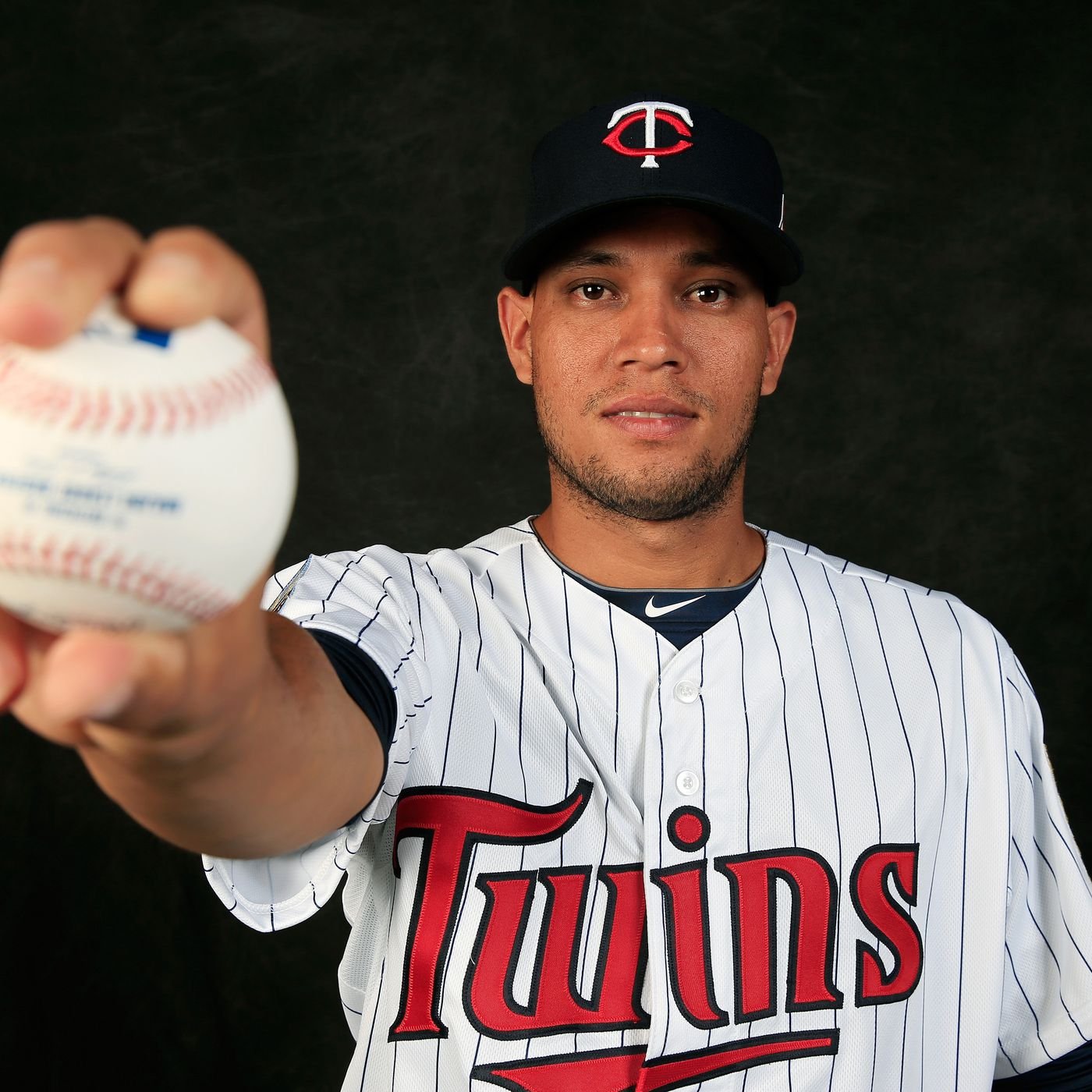 Yohan Jose Alana Pino was born on December 26, 1983 in Venezuela. The Minnesota Twins signed him as an international free agent in 2004. He reached Triple-A in 2009, and had a 2.82 ERA in eight starts for the Rochester Red Wings. Pino was traded to the Cleveland Indians for Carl Pavano during that season. Injuries and ineffectiveness began to hamper him over the next several years. He spent time in the Toronto Blue Jays and Cincinnati Reds farm systems, never reaching the Majors. Minnesota signed him back on a minor league deal in 2014. Pino made his long awaited big league debut for the Twins on June 19, 2014. He allowed two runs over seven innings, striking out seven in a win against the Chicago White Sox. Despite his stellar performance, the win was credited to reliever Casey Fien. The offense didn't come around until late in the game, with Joe Mauer hitting a go-ahead RBI double in the eight inning. Pino finally got his first win on July 10th against the Seattle Mariners, tossing five innings of one run ball. He wound up making 11 starts for the Twins in 2014, going 1-5 with a 5.07 ERA. Minnesota removed him off of the 40-man roster during the off-season. The Kansas City Royals signed Pino to a minor league contract that off-season. He made six starts and one relief appearance for the Royals in 2015, going 0-2 with a 3.26 ERA across 19.1 innings. Kansas City won the World Series that fall, but Pino was not included on their postseason roster. After spending 2016 in Korea, the Twins signed Pino for a third stint in the organization. He had a 4.50 minor league ERA in 2017, splitting the year between Double-A and Triple-A. The rest of his career was spent in the Venezuelan winter league, pitching through the 2021-22 winter.
 -
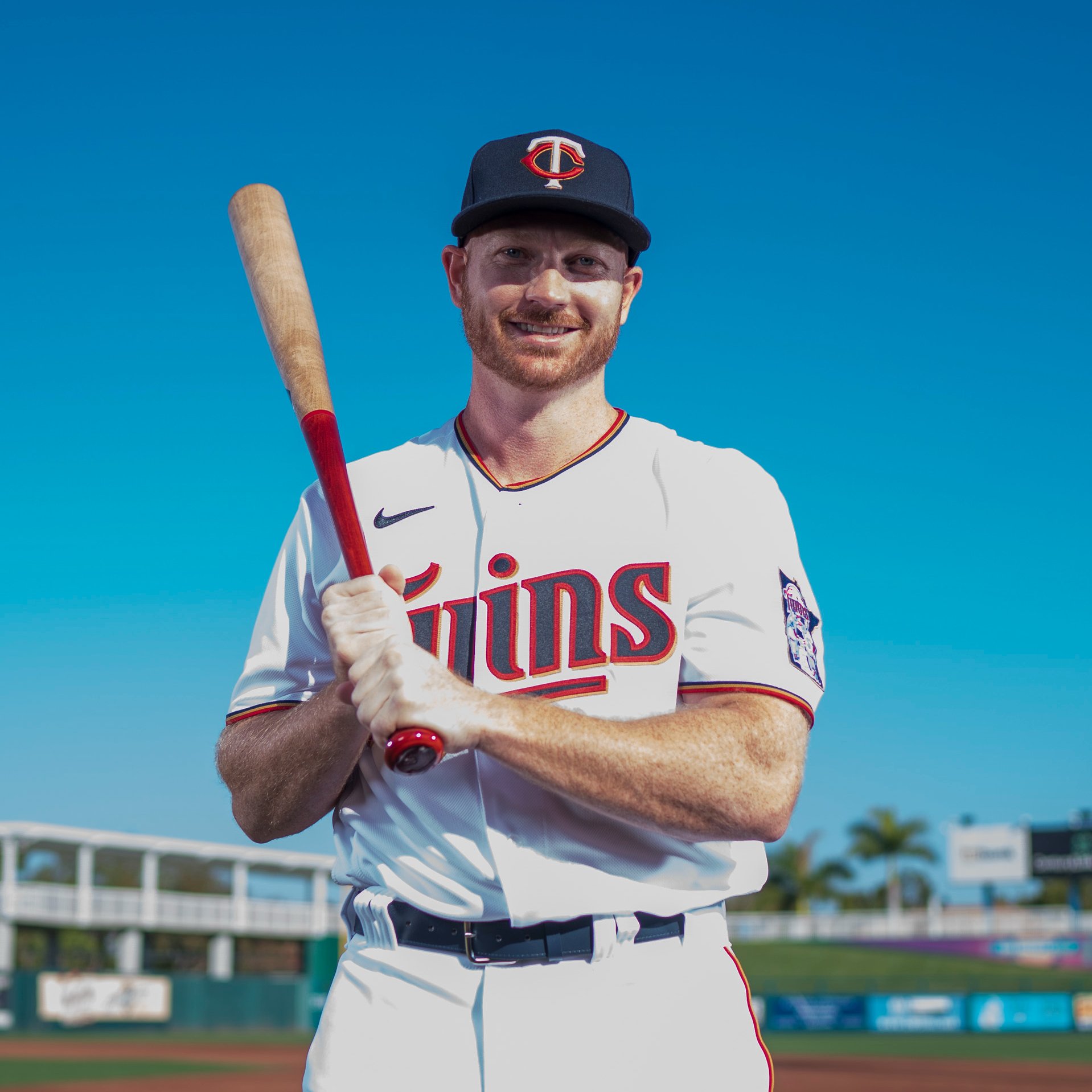 Kyle Bruce Garlick was born on January 26, 1992 in La Habra, California. The Los Angeles Dodgers selected him in round 28 in the 2015 MLB Draft out of Division II Cal Poly Pomona. He reached the Majors in 2019, hitting .250 with three home runs in 30 games for the Dodgers. Garlick was designated for assignment in a corresponding move to create 40-man roster space after Los Angeles acquired Mookie Betts and David Price in a trade on February 10, 2020. He played 12 games for the Philadelphia Phillies during the COVID shortened 2020 season. Garlick was acquired by the Minnesota Twins through waivers on February 11, 2021. He made their Opening Day roster as a backup outfielder after hitting five home runs in 41 spring training at-bats. Garlick had a .576 slugging percentage against left handed pitchers in 2021, eventually settling into a platoon role for the Twins. Unfortunately, a sports hernia ended his season in mid-June. This limited Garlick to just 36 games in his first season with the Twins. He began the 2022 season in Triple-A, but was quickly re-called in mid-April. His first start of the year came on April 18th against veteran lefty Rich Hill of the Boston Red Sox. Twins manager Rocco Baldelli trusted him in the clean-up spot, and Garlick delivered with a two run homer in the first inning. He continued to be very productive against left handed pitching, and was a valuable platoon asset for Minnesota when healthy Hamstring, rib cage and wrist injuries forced him on the injured list three separate times. Garlick was limited to just 66 games in 2022. The Twins were 20-17 when he started, and 34-32 when he played. Minnesota designated Garlick for assignment in the off-season, but he remained in their system after clearing waivers. He found his way back to the big leagues early in the year, and wasted no time hitting a clutch home run against New York Yankees southpaw Nestor Cortes on April 13th. Trailing 3-1 in the seventh inning at the time of his homer, it helped spark a comeback that eventually turned into a Twins victory. But this turned into one of his only positive moments of the year. Garlick struggled at the plate, including a .486 OPS against lefties. He was designated for assignment in June. As of 2025, Garlick has not played in the Majors since 2023 with the Twins. He hit 28 home runs and drove in 105 RBI at the Triple-A level in 2024, playing in the Arizona Diamondbacks system. He began 2025 playing for a team in Mexico.
 -
Kyle Bruce Garlick was born on January 26, 1992 in La Habra, California. The Los Angeles Dodgers selected him in round 28 in the 2015 MLB Draft out of Division II Cal Poly Pomona. He reached the Majors in 2019, hitting .250 with three home runs in 30 games for the Dodgers. Garlick was designated for assignment in a corresponding move to create 40-man roster space after Los Angeles acquired Mookie Betts and David Price in a trade on February 10, 2020. He played 12 games for the Philadelphia Phillies during the COVID shortened 2020 season. Garlick was acquired by the Minnesota Twins through waivers on February 11, 2021. He made their Opening Day roster as a backup outfielder after hitting five home runs in 41 spring training at-bats. Garlick had a .576 slugging percentage against left handed pitchers in 2021, eventually settling into a platoon role for the Twins. Unfortunately, a sports hernia ended his season in mid-June. This limited Garlick to just 36 games in his first season with the Twins. He began the 2022 season in Triple-A, but was quickly re-called in mid-April. His first start of the year came on April 18th against veteran lefty Rich Hill of the Boston Red Sox. Twins manager Rocco Baldelli trusted him in the clean-up spot, and Garlick delivered with a two run homer in the first inning. He continued to be very productive against left handed pitching, and was a valuable platoon asset for Minnesota when healthy Hamstring, rib cage and wrist injuries forced him on the injured list three separate times. Garlick was limited to just 66 games in 2022. The Twins were 20-17 when he started, and 34-32 when he played. Minnesota designated Garlick for assignment in the off-season, but he remained in their system after clearing waivers. He found his way back to the big leagues early in the year, and wasted no time hitting a clutch home run against New York Yankees southpaw Nestor Cortes on April 13th. Trailing 3-1 in the seventh inning at the time of his homer, it helped spark a comeback that eventually turned into a Twins victory. But this turned into one of his only positive moments of the year. Garlick struggled at the plate, including a .486 OPS against lefties. He was designated for assignment in June. As of 2025, Garlick has not played in the Majors since 2023 with the Twins. He hit 28 home runs and drove in 105 RBI at the Triple-A level in 2024, playing in the Arizona Diamondbacks system. He began 2025 playing for a team in Mexico. View full player
-
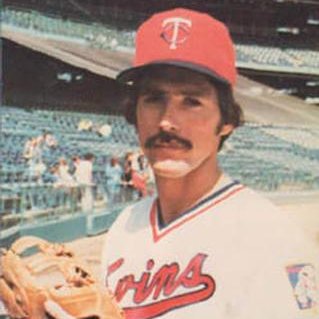 David Charles Johnson was born on October 4, 1948 in Abilene, Texas. The Baltimore Orioles drafted him in round five of the 1967 MLB Draft. He made his Major League debut for them in 1974. Johnson made 17 appearances out of the Orioles bullpen over parts of two seasons. He spent 1976 in a few different minor league system. The Minnesota Twins acquired him ahead of the 1977 campaign. Johnson pitched a career high 30 games for the Twins in 1977, including six starts. He was 2-5 with a 4.58 ERA. His first win came by tossing four shutout innings during an extra inning win over the Kansas City Royals. Johnson pitched six games for Minnesota in 1978, going 0-2 with a 7.50 ERA. That was his final season in professional baseball.
 -
David Charles Johnson was born on October 4, 1948 in Abilene, Texas. The Baltimore Orioles drafted him in round five of the 1967 MLB Draft. He made his Major League debut for them in 1974. Johnson made 17 appearances out of the Orioles bullpen over parts of two seasons. He spent 1976 in a few different minor league system. The Minnesota Twins acquired him ahead of the 1977 campaign. Johnson pitched a career high 30 games for the Twins in 1977, including six starts. He was 2-5 with a 4.58 ERA. His first win came by tossing four shutout innings during an extra inning win over the Kansas City Royals. Johnson pitched six games for Minnesota in 1978, going 0-2 with a 7.50 ERA. That was his final season in professional baseball. View full player
-
Justin Ernest George Morneau was born on May 15, 1981 in Canada. The Minnesota Twins selected him in round three of the 1999 MLB Draft as a catcher. He transitioned to first base while in the minor leagues. Baseball America ranked him as the league's 14th best prospect entering the 2003 season. Morneau made his Major League debut that June, going 2-for-4 in a loss against the Colorado Rockies. He slashed .226/.287/.377 with four home runs in 40 games as a rookie, primarily playing designated hitter. Morneau began 2004 in Triple-A, but was called up in late May. He was still getting a lot of at-bats as the designated hitter, but began to play more first base after former Gold Glove winner Doug Mientkiewicz was traded at the deadline. Morneau slashed .271/.340/.536 with 19 home runs in 74 games. He was 4-for-17 (.235) with two doubles and two RBI during the ALDS, which included an RBI single against legendary closer Mariano Rivera. Twins manager Ron Gardenhire wrote Morneau into the Opening Day lineup for the first time in 2005. He got off to a hot start, and had an OPS above 1.000 as late as May 21st. Morneau eventually cooled off, and finished the year with a .239/.304/.437 slash line. He hit 22 home runs, and drove in 79. Minnesota missed the playoffs for the first time since 2001. The slow finish in 2005 seemed to trickle over into 2006. Morneau had a .689 OPS in April, and he even began losing a few starts at first base to utility man Michael Cuddyer. But things turned around fast for the Canadian slugger. He homered on May 1st against the Seattle Mariners, and things got rolling from there. Morneau also had a two home run, six RBI showing against the Texas Rangers on May 9th. His OPS was up to .939 by the All-Star break, but Morneau was not chosen to represent the American League at the mid-summer classic that year. He continued to dominate in the second half, and finished the year with 130 RBI. This is the second highest single season total in Twins history, trialing the 140 driven in by Harmon Killebrew in 1969. Morneau was awarded American League MVP, beating out New York Yankees shortstop Derek Jeter in a close vote. He hit two home runs during the ALDS that fall, but Minnesota was swept by the Oakland Athletics. Morneau hit .271/.343/.492 in 2007, launching 31 home runs and driving in 111. He made his first career All-Star team, and won AL Player of the Month in May. The MVP conversation in 2008 once again featured Morneau. He hit a club record 47 doubles, passing Marty Cordova and his 46 doubles from the 1996 campaign. His 129 RBI were the third most in club history, trailing 1969 Killebrew and himself from 2006. Morneau was also intentionally walked a league high 16 times. Boston Red Sox second baseman Dustin Pedroia won MVP, with Morneau coming in second. He had his fourth consecutive 100 RBI season in 2009, but was shutdown in mid-September due to a back injury. Morneau wasn't able to play after September 12th, and had been 3-for his last-40 before Minnesota sat him down. This was the first in a long series of injuries that began to hamper his career. He was slashing .345/.437/.618 through 81 games in 2010, with many viewing him as the MVP front runner. However, a concussion suffered on July 7th ended his season. Wrist, neck and foot injuries limited him to just 69 games in 2011. Morneau was healthier in 2012, but was no longer his MVP-self. He slashed .262/.333/.440, hitting 19 home runs and driving in 77. The Twins got similar production out of Morneau in 2013, and traded him to the Pittsburgh Pirates in a post-deadline waiver deal that August. This allowed him to play in the postseason for the first time since 2006. He was 7-for-24 (.292) in six playoff games for the Pirates. The Colorado Rockies signed Morneau to a two year, $14 million deal as a free agent. He won the NL batting title in 2014, batting .319 with 82 RBI. Morneau hit .310 for the Rockies in 2015, but more concussion issues limited him to just 49 games. He ended his Major League career by playing 58 games with the Chicago White Sox in 2016. Morneau retired after playing for Team Canada in the 2017 World Baseball Classic. Minnesota hired him to a front office role in 2017. He also began calling their games as a television analyst on a part time basis. His role in the broadcast booth has expanded over the years to include more games. Morneau still works in the front office as well, serving as a special assistant for baseball operations. View full player
-
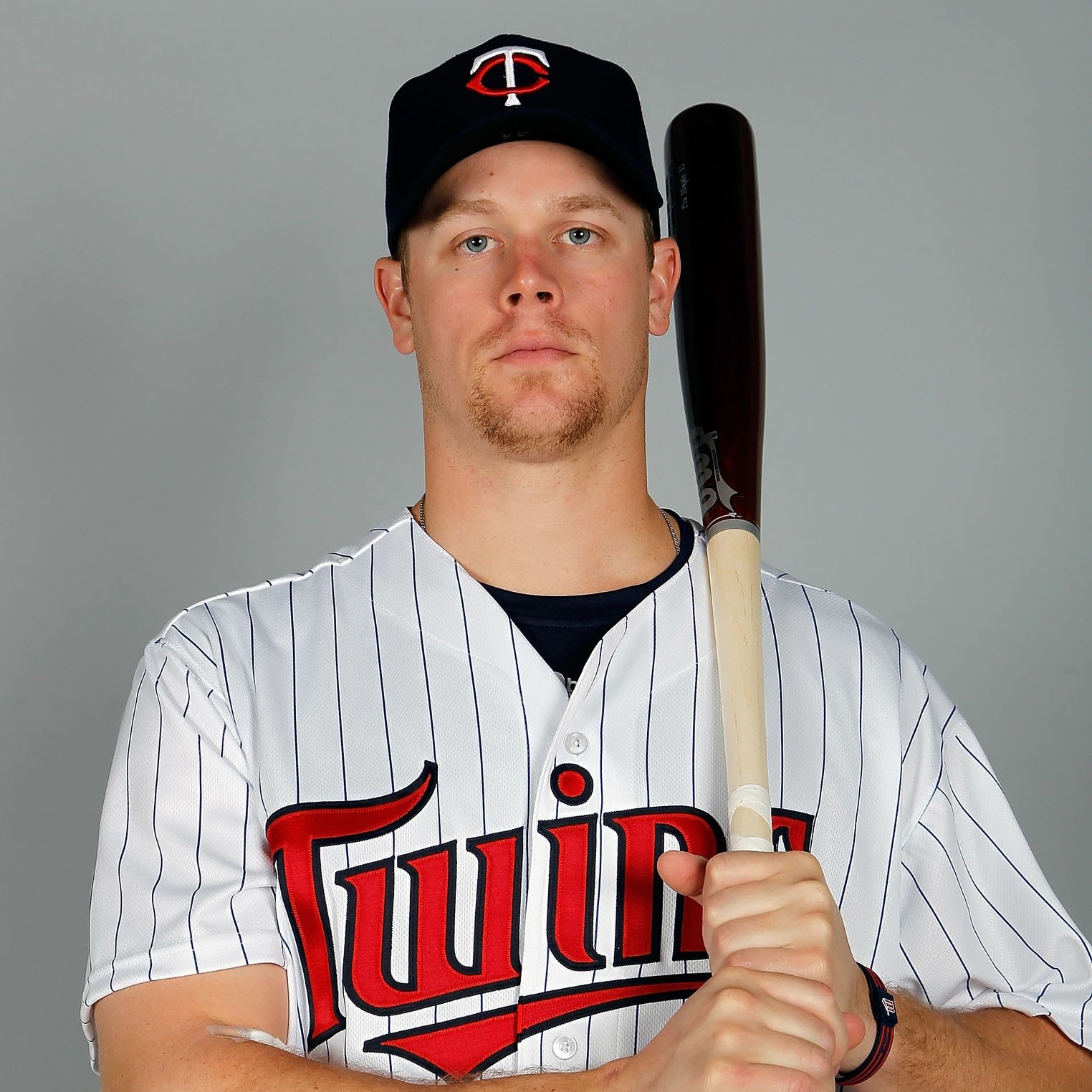 Justin Ernest George Morneau was born on May 15, 1981 in Canada. The Minnesota Twins selected him in round three of the 1999 MLB Draft as a catcher. He transitioned to first base while in the minor leagues. Baseball America ranked him as the league's 14th best prospect entering the 2003 season. Morneau made his Major League debut that June, going 2-for-4 in a loss against the Colorado Rockies. He slashed .226/.287/.377 with four home runs in 40 games as a rookie, primarily playing designated hitter. Morneau began 2004 in Triple-A, but was called up in late May. He was still getting a lot of at-bats as the designated hitter, but began to play more first base after former Gold Glove winner Doug Mientkiewicz was traded at the deadline. Morneau slashed .271/.340/.536 with 19 home runs in 74 games. He was 4-for-17 (.235) with two doubles and two RBI during the ALDS, which included an RBI single against legendary closer Mariano Rivera. Twins manager Ron Gardenhire wrote Morneau into the Opening Day lineup for the first time in 2005. He got off to a hot start, and had an OPS above 1.000 as late as May 21st. Morneau eventually cooled off, and finished the year with a .239/.304/.437 slash line. He hit 22 home runs, and drove in 79. Minnesota missed the playoffs for the first time since 2001. The slow finish in 2005 seemed to trickle over into 2006. Morneau had a .689 OPS in April, and he even began losing a few starts at first base to utility man Michael Cuddyer. But things turned around fast for the Canadian slugger. He homered on May 1st against the Seattle Mariners, and things got rolling from there. Morneau also had a two home run, six RBI showing against the Texas Rangers on May 9th. His OPS was up to .939 by the All-Star break, but Morneau was not chosen to represent the American League at the mid-summer classic that year. He continued to dominate in the second half, and finished the year with 130 RBI. This is the second highest single season total in Twins history, trialing the 140 driven in by Harmon Killebrew in 1969. Morneau was awarded American League MVP, beating out New York Yankees shortstop Derek Jeter in a close vote. He hit two home runs during the ALDS that fall, but Minnesota was swept by the Oakland Athletics. Morneau hit .271/.343/.492 in 2007, launching 31 home runs and driving in 111. He made his first career All-Star team, and won AL Player of the Month in May. The MVP conversation in 2008 once again featured Morneau. He hit a club record 47 doubles, passing Marty Cordova and his 46 doubles from the 1996 campaign. His 129 RBI were the third most in club history, trailing 1969 Killebrew and himself from 2006. Morneau was also intentionally walked a league high 16 times. Boston Red Sox second baseman Dustin Pedroia won MVP, with Morneau coming in second. He had his fourth consecutive 100 RBI season in 2009, but was shutdown in mid-September due to a back injury. Morneau wasn't able to play after September 12th, and had been 3-for his last-40 before Minnesota sat him down. This was the first in a long series of injuries that began to hamper his career. He was slashing .345/.437/.618 through 81 games in 2010, with many viewing him as the MVP front runner. However, a concussion suffered on July 7th ended his season. Wrist, neck and foot injuries limited him to just 69 games in 2011. Morneau was healthier in 2012, but was no longer his MVP-self. He slashed .262/.333/.440, hitting 19 home runs and driving in 77. The Twins got similar production out of Morneau in 2013, and traded him to the Pittsburgh Pirates in a post-deadline waiver deal that August. This allowed him to play in the postseason for the first time since 2006. He was 7-for-24 (.292) in six playoff games for the Pirates. The Colorado Rockies signed Morneau to a two year, $14 million deal as a free agent. He won the NL batting title in 2014, batting .319 with 82 RBI. Morneau hit .310 for the Rockies in 2015, but more concussion issues limited him to just 49 games. He ended his Major League career by playing 58 games with the Chicago White Sox in 2016. Morneau retired after playing for Team Canada in the 2017 World Baseball Classic. Minnesota hired him to a front office role in 2017. He also began calling their games as a television analyst on a part time basis. His role in the broadcast booth has expanded over the years to include more games. Morneau still works in the front office as well, serving as a special assistant for baseball operations.
 -
Taylor Davis Motter was born on September 18, 1989 in West Palm Beach, Florida. The Tampa Bay Rays selected him in round 17 of the 2011 MLB Draft. He debuted for them in 2016, hitting .188 in 33 games as a rookie. Motter was part of a six player trade in the off-season, winding up with the Seattle Mariners. He played 99 games over parts of two seasons for Seattle. They designated him for assignment on May 28, 2018. The Minnesota Twins claimed him off of waivers. Motter went 1-for-19 with two walks and a stolen base during his nine game tenure with the Twins. This also included an RBI ground out on June 21st against the Boston Red Sox. He played second base, third base, shortstop and right field for Minnesota. They designated him for assignment in late-July. He has since had short stints with the Colorado Rockies (2021), Boston Red Sox (2021), Cincinnati Reds (2022) and St. Louis Cardinals (2023). Motter has also played in the Atlantic League, Korea and Mexico. View full player
-
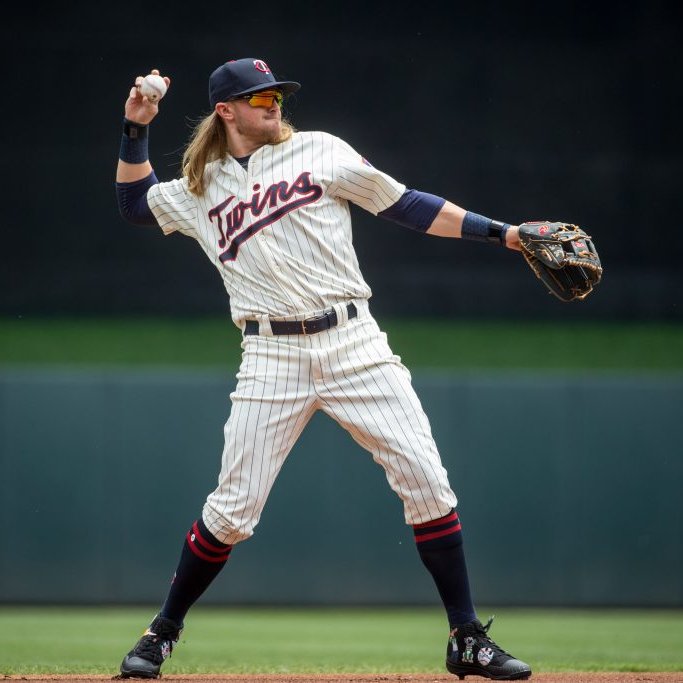 Taylor Davis Motter was born on September 18, 1989 in West Palm Beach, Florida. The Tampa Bay Rays selected him in round 17 of the 2011 MLB Draft. He debuted for them in 2016, hitting .188 in 33 games as a rookie. Motter was part of a six player trade in the off-season, winding up with the Seattle Mariners. He played 99 games over parts of two seasons for Seattle. They designated him for assignment on May 28, 2018. The Minnesota Twins claimed him off of waivers. Motter went 1-for-19 with two walks and a stolen base during his nine game tenure with the Twins. This also included an RBI ground out on June 21st against the Boston Red Sox. He played second base, third base, shortstop and right field for Minnesota. They designated him for assignment in late-July. He has since had short stints with the Colorado Rockies (2021), Boston Red Sox (2021), Cincinnati Reds (2022) and St. Louis Cardinals (2023). Motter has also played in the Atlantic League, Korea and Mexico.
 -
Tyler Lee Clippard was born on February 14, 1985 in Lexington, Kentucky. The New York Yankees drafted him in round nine of the 2003 MLB Draft. He debuted for them in 2007, making six starts and posting a 6.33 ERA that season. They traded him to the Washington Nationals in the off-season. Clippard was eventually moved to the bullpen, and appeared in over 800 games during a 16-year Major League career. He pitched for the Yankees (2007 and 2016-17), Nationals (2008-14 and 2022), Oakland Athletics (2015), New York Mets (2015), Arizona Diamondbacks (2016 and 2021), Chicago White Sox (2017), Houston Astros (2017), Toronto Blue Jays (2018), Cleveland Indians (2019) and Minnesota Twins (2020). Clippard was an All-Star in 2011 and 2014. He reached the World Series as a member of the Mets in 2015. Clippard received a World Series ring with the Astros in 2017, but was left off their playoff roster after posting a 6.43 ERA in 16 post-deadline appearances. The Minnesota Twins signed him to a one year contract for the 2020 campaign. That season was ultimately shortened to 60 games as a result of the COVID-19 pandemic. Clippard went 2-1 with eight holds in 26 appearances, recording a 2.77 ERA with a stellar 0.885 WHIP. His season also included two starts as the Twins "opener." One of his only blemishes of the year was giving away a seventh inning lead during the regular season finale. This wound up costing Minnesota the second seed in the American League postseason, which had been expanded to eight teams that fall. He made the team's playoff roster, but did not appear in any of their two games in the 2020 Wild Card Round against the Houston Astros. Internationally, Clippard competed for Team USA in the 2017 World Baseball Classic. He pitched 4.1 innings during the tournament, allowing only one run. The Americans wound up winning a gold medal. View full player
-
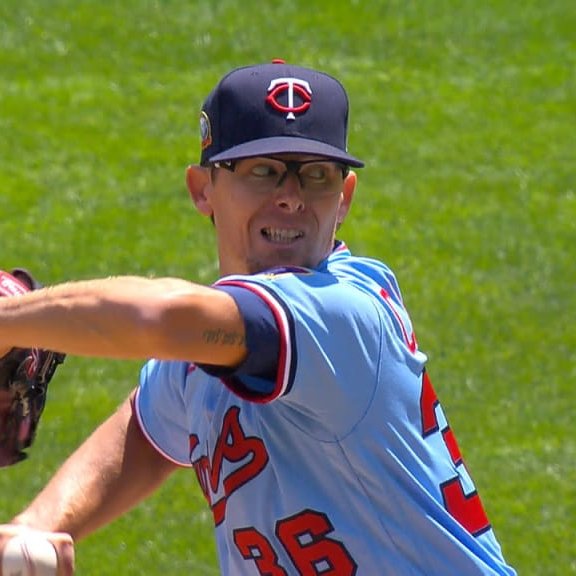 Tyler Lee Clippard was born on February 14, 1985 in Lexington, Kentucky. The New York Yankees drafted him in round nine of the 2003 MLB Draft. He debuted for them in 2007, making six starts and posting a 6.33 ERA that season. They traded him to the Washington Nationals in the off-season. Clippard was eventually moved to the bullpen, and appeared in over 800 games during a 16-year Major League career. He pitched for the Yankees (2007 and 2016-17), Nationals (2008-14 and 2022), Oakland Athletics (2015), New York Mets (2015), Arizona Diamondbacks (2016 and 2021), Chicago White Sox (2017), Houston Astros (2017), Toronto Blue Jays (2018), Cleveland Indians (2019) and Minnesota Twins (2020). Clippard was an All-Star in 2011 and 2014. He reached the World Series as a member of the Mets in 2015. Clippard received a World Series ring with the Astros in 2017, but was left off their playoff roster after posting a 6.43 ERA in 16 post-deadline appearances. The Minnesota Twins signed him to a one year contract for the 2020 campaign. That season was ultimately shortened to 60 games as a result of the COVID-19 pandemic. Clippard went 2-1 with eight holds in 26 appearances, recording a 2.77 ERA with a stellar 0.885 WHIP. His season also included two starts as the Twins "opener." One of his only blemishes of the year was giving away a seventh inning lead during the regular season finale. This wound up costing Minnesota the second seed in the American League postseason, which had been expanded to eight teams that fall. He made the team's playoff roster, but did not appear in any of their two games in the 2020 Wild Card Round against the Houston Astros. Internationally, Clippard competed for Team USA in the 2017 World Baseball Classic. He pitched 4.1 innings during the tournament, allowing only one run. The Americans wound up winning a gold medal.
 -
Philip Anthony Roof was born on March 5, 1941 in Paducah, Kentucky. The Milwaukee Braves signed him as an amateur free agent in 1959. He reached the Major Leagues in 1961, and had a lengthy career as a journeyman backup catcher. Roof played for the Braves (1961 and 1964), Los Angeles Angels (1965), Cleveland Indians (1965), Kansas City/Oakland Athletics (1966-69), Milwaukee Brewers (1970-71), Minnesota Twins (1971-76), Chicago White Sox (1976) and Toronto Blue Jays (1977). He slashed .228/.282/.338 during his six seasons in Minnesota, never playing more than 61 games in any one season. These offensive numbers are actually slightly better than his whole career averages, as Roof was known more for his defensive abilities behind the plate. Roof managed 15 years in the Twins minor league postseason, working at various levels. He reached the minor league postseason six times, and his league's finals four times. Teams managed by Roof were 0-4 in the championship series. He retired from full time work in 2005, but remained a spring training instructor for the Twins until 2020. View full player
-
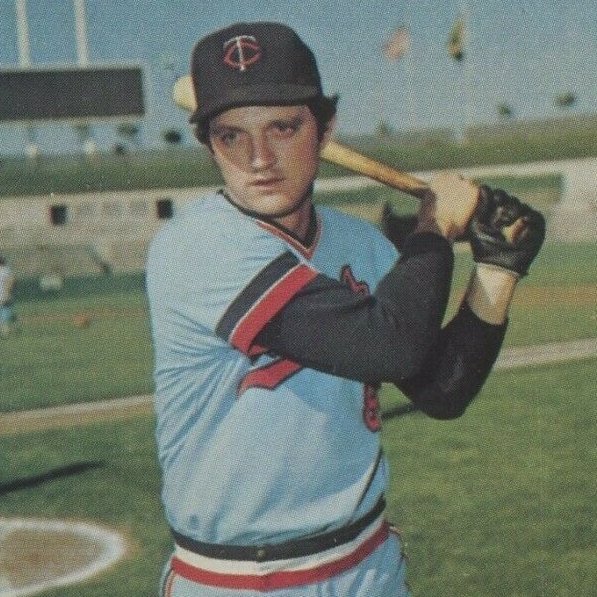 Philip Anthony Roof was born on March 5, 1941 in Paducah, Kentucky. The Milwaukee Braves signed him as an amateur free agent in 1959. He reached the Major Leagues in 1961, and had a lengthy career as a journeyman backup catcher. Roof played for the Braves (1961 and 1964), Los Angeles Angels (1965), Cleveland Indians (1965), Kansas City/Oakland Athletics (1966-69), Milwaukee Brewers (1970-71), Minnesota Twins (1971-76), Chicago White Sox (1976) and Toronto Blue Jays (1977). He slashed .228/.282/.338 during his six seasons in Minnesota, never playing more than 61 games in any one season. These offensive numbers are actually slightly better than his whole career averages, as Roof was known more for his defensive abilities behind the plate. Roof managed 15 years in the Twins minor league postseason, working at various levels. He reached the minor league postseason six times, and his league's finals four times. Teams managed by Roof were 0-4 in the championship series. He retired from full time work in 2005, but remained a spring training instructor for the Twins until 2020.
 -
José Manual Mijares was born on October 29, 1984 in Venezuela. The Minnesota Twins signed him as an international free agent in 2002. He made his Major League debut as a September call-up in 2008, allowing just one run and three base runners over 10.1 innings. This included a perfect 1.1 innings of relief work in the 2008 AL Central Tiebreaker Game against the Chicago White Sox, which the Twins lost 1-0. Baseball America ranked Mijares as the team's fourth best prospect entering 2009. He was optioned to Triple-A after allowing 11 earned runs in 10.0 spring training innings, but the Twins called him back up on April 20th to replace an injured Jesse Crain. Mijares then became a huge part of the Minnesota bullpen, appearing in 71 games that season. He was 2-2 with a 2.34 ERA. Left handed batters hit just .155 with a .480 OPS against him. Mijares was the losing pitcher in game two of the 2009 ALDS, allowing a walk-off home run to New York Yankees first baseman Mark Teixeira in the 11th inning. He struggled out of the gate in 2010, allowing two home runs in his first appearance of the season. The Twins eventually placed him on the disabled list in mid-April with an elbow strain. This was a big blow for a bullpen that was already missing superstar closer Joe Nathan, who had undergone Tommy John surgery during spring training. Mijares returned about a month later. He finished 2010 going 1-1 with a 3.32 ERA over 47 appearances, which included a second stint on the disabled list in August. Mijares pitched in all three games of the ALDS that fall, allowing no runs and just one base runner. Despite this, the Twins were swept. Most players on the Twins roster suffered some sort of personal regression in 2011, and Mijares was no exception. He was 0-2 with a 4.49 ERA in 58 games. Minnesota non-tendered him after the season, making Mijares a free agent. He signed with the Kansas City Royals, and had a bounce back season. They traded him to the San Francisco Giants at the deadline. Mijares had a 10.23 postseason ERA across six appearances for San Francisco, but this didn't stop them from winning the World Series. The Giants brought Mijares back in 2013. He had a 4.22 ERA in 60 relief appearances. This was his final season pitching professionally in the United States. Mijares continued to pitch in the Venezuelan winter league through the 2019-20 winter. View full player
-
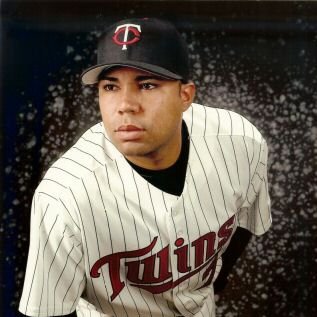 José Manual Mijares was born on October 29, 1984 in Venezuela. The Minnesota Twins signed him as an international free agent in 2002. He made his Major League debut as a September call-up in 2008, allowing just one run and three base runners over 10.1 innings. This included a perfect 1.1 innings of relief work in the 2008 AL Central Tiebreaker Game against the Chicago White Sox, which the Twins lost 1-0. Baseball America ranked Mijares as the team's fourth best prospect entering 2009. He was optioned to Triple-A after allowing 11 earned runs in 10.0 spring training innings, but the Twins called him back up on April 20th to replace an injured Jesse Crain. Mijares then became a huge part of the Minnesota bullpen, appearing in 71 games that season. He was 2-2 with a 2.34 ERA. Left handed batters hit just .155 with a .480 OPS against him. Mijares was the losing pitcher in game two of the 2009 ALDS, allowing a walk-off home run to New York Yankees first baseman Mark Teixeira in the 11th inning. He struggled out of the gate in 2010, allowing two home runs in his first appearance of the season. The Twins eventually placed him on the disabled list in mid-April with an elbow strain. This was a big blow for a bullpen that was already missing superstar closer Joe Nathan, who had undergone Tommy John surgery during spring training. Mijares returned about a month later. He finished 2010 going 1-1 with a 3.32 ERA over 47 appearances, which included a second stint on the disabled list in August. Mijares pitched in all three games of the ALDS that fall, allowing no runs and just one base runner. Despite this, the Twins were swept. Most players on the Twins roster suffered some sort of personal regression in 2011, and Mijares was no exception. He was 0-2 with a 4.49 ERA in 58 games. Minnesota non-tendered him after the season, making Mijares a free agent. He signed with the Kansas City Royals, and had a bounce back season. They traded him to the San Francisco Giants at the deadline. Mijares had a 10.23 postseason ERA across six appearances for San Francisco, but this didn't stop them from winning the World Series. The Giants brought Mijares back in 2013. He had a 4.22 ERA in 60 relief appearances. This was his final season pitching professionally in the United States. Mijares continued to pitch in the Venezuelan winter league through the 2019-20 winter.
 -
Scott Michael Diamond was born on July 30, 1986 in Canada. The Atlanta Braves signed him as an undrafted free agent in 2008. He reached Triple-A in 2010. The Minnesota Twins selected him in the Rule-5 Draft that off-season. He didn't initially make the Twins roster out of camp, but they traded pitching prospect Billy Bullock to Atlanta in order to forgo Rule-5 stipulations and keep Diamond in their farm system. Diamond began 2011 in Triple-A. He was called up to make his Major League debut on July 18th, allowing four runs over 6.1 innings during a 6-3 loss against the Toronto Blue Jays. Minnesota optioned him back to the minors after the game, but Diamond was called back up in late August to finish out the season in the big league rotation. He finished out the year with a 5.08 ERA in seven starts. His first Major League win came on August 31st against the Chicago White Sox. He started 2012 back in Triple-A, but was quickly called up after a hot start. Diamond tossed seven shutout innings in a win over the Los Angeles Angels of Anaheim on May 8th. He did the same in his next start on May 13th against the Toronto Blue Jays. The Canadian lefty continued to pitch well, finishing July with a 2.88 ERA through 15 starts. This included a three hit shutout against the Cleveland Indians on July 27th. Regression came around in the final two months, and Diamond finished out the year with a 3.54 ERA across 27 starts. He led the American League by allowing just 1.6 walks per nine innings. The Minnesota chapter of the BBWAA elected him the Twins most outstanding pitcher and most outstanding rookie. He's one of three pitchers to win both awards in the same season, joining Doug Corbett in 1980 and Jhoan Duran in 2022. Diamond had arthroscopic surgery on his pitching elbow during the off-season, and began 2013 on the disabled list. He was activated in mid-April, but couldn't recreate his rookie year success. Diamond wound up going 6-13 with a 5.43 ERA in 24 starts that year. The Twins removed him from the 40-man roster during the off-season, but he remained in the farm system after clearing waivers. Minnesota released Diamond in July after he posted a 6.53 ERA in 15 starts at the Triple-A level. He spent the next few years bouncing around in several minor league systems, eventually resurfacing at the big league level with Toronto in 2016. Diamond made only one appearance for the Blue Jays, allowing three runs during a one inning relief outing. He retired after spending 2017 pitching professionally in Korea. View full player
-
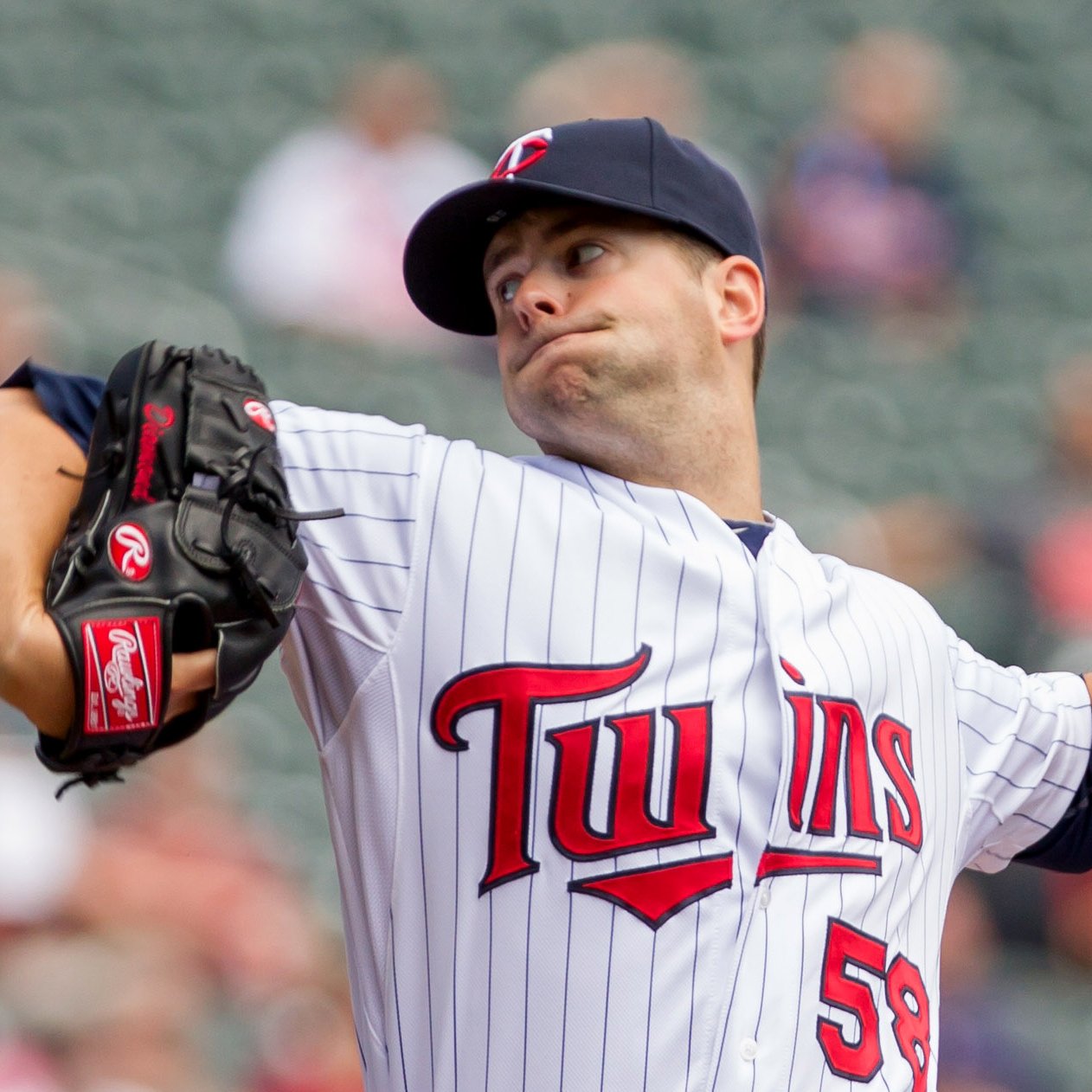 Scott Michael Diamond was born on July 30, 1986 in Canada. The Atlanta Braves signed him as an undrafted free agent in 2008. He reached Triple-A in 2010. The Minnesota Twins selected him in the Rule-5 Draft that off-season. He didn't initially make the Twins roster out of camp, but they traded pitching prospect Billy Bullock to Atlanta in order to forgo Rule-5 stipulations and keep Diamond in their farm system. Diamond began 2011 in Triple-A. He was called up to make his Major League debut on July 18th, allowing four runs over 6.1 innings during a 6-3 loss against the Toronto Blue Jays. Minnesota optioned him back to the minors after the game, but Diamond was called back up in late August to finish out the season in the big league rotation. He finished out the year with a 5.08 ERA in seven starts. His first Major League win came on August 31st against the Chicago White Sox. He started 2012 back in Triple-A, but was quickly called up after a hot start. Diamond tossed seven shutout innings in a win over the Los Angeles Angels of Anaheim on May 8th. He did the same in his next start on May 13th against the Toronto Blue Jays. The Canadian lefty continued to pitch well, finishing July with a 2.88 ERA through 15 starts. This included a three hit shutout against the Cleveland Indians on July 27th. Regression came around in the final two months, and Diamond finished out the year with a 3.54 ERA across 27 starts. He led the American League by allowing just 1.6 walks per nine innings. The Minnesota chapter of the BBWAA elected him the Twins most outstanding pitcher and most outstanding rookie. He's one of three pitchers to win both awards in the same season, joining Doug Corbett in 1980 and Jhoan Duran in 2022. Diamond had arthroscopic surgery on his pitching elbow during the off-season, and began 2013 on the disabled list. He was activated in mid-April, but couldn't recreate his rookie year success. Diamond wound up going 6-13 with a 5.43 ERA in 24 starts that year. The Twins removed him from the 40-man roster during the off-season, but he remained in the farm system after clearing waivers. Minnesota released Diamond in July after he posted a 6.53 ERA in 15 starts at the Triple-A level. He spent the next few years bouncing around in several minor league systems, eventually resurfacing at the big league level with Toronto in 2016. Diamond made only one appearance for the Blue Jays, allowing three runs during a one inning relief outing. He retired after spending 2017 pitching professionally in Korea.
 -
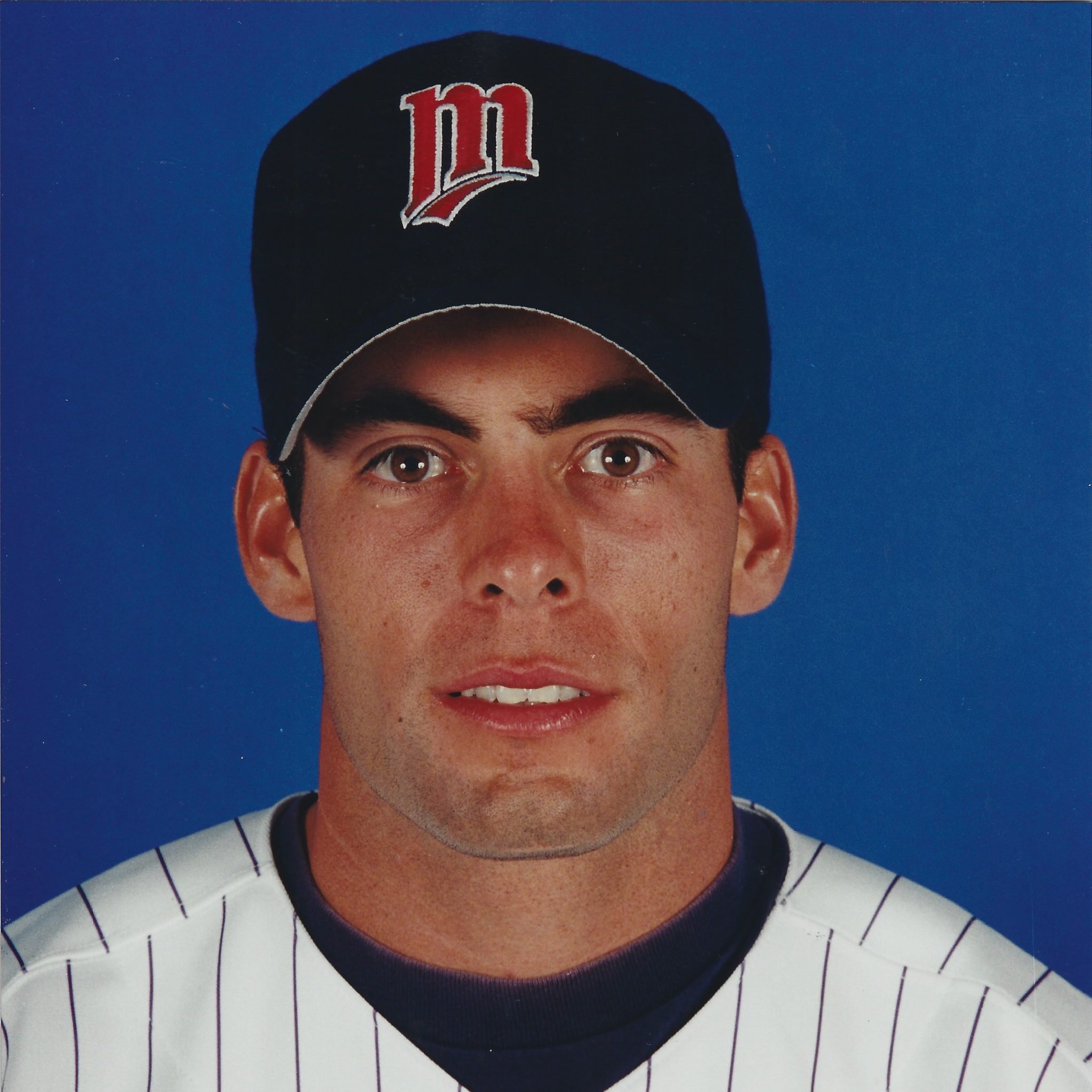 Martin Kevin Cordova was born on July 10, 1969 in Las Vegas, Nevada. The Minnesota Twins drafted him in round ten of the 1989 MLB Draft out of Orange Coast College. He struggled early on in his minor league career. Cordova hit .216 at the Class-A level in 1990, and .212 at the High-A level in 1991. Minnesota kept him at High-A in 1992, and Cordova finally broke out. He hit .341 with 131 RBI over 134 games, winning California League Player of the Year. Cordova spent 1993 in Double-A, and 1994 in Triple-A. Minnesota opened 1995 with Cordova as their Opening Day left fielder. He hit .277 with 24 home runs, 84 RBI and 20 stolen bases. It was just the third 20/20 season in Twins history, following Larry Hisle in 1977 and Kirby Puckett in 1985. Only Torii Hunter and Brian Dozier have accomplished this since. He also became the first Twins player not named Harmon Killebrew to homer in five consecutive games. Dozier and Nelson Cruz have since accomplished this. His sophomore season was arguably better. Cordova hit .309 with a then-Twins record 46 doubles. Justin Morneau passed him with 47 doubles in 2008. He drove in 111 runs, and his .991 fielding percentage led all American League left fielders. His 23 game hit streak that June is tied for the sixth longest in club history. Cordova regressed over the next few seasons, making multiple trips to the disabled list due to various back ailments. He hit just .262 with 39 home runs and 190 RBI between 1997 and 1999, missing 140 games across those three years. Cordova also spent long stretches serving as the Twins designated hitter, especially in 1999. Minnesota non-tendered him after the 1999 season. He signed a minor league deal with the Boston Red Sox, but was cut near the end of spring training. Cordova signed with the Toronto Blue Jays, playing just 62 games for them while continuing to battle through back pain. His career got back on track in 2001 with the Cleveland Indians. Cordova hit .301 with 20 home runs and 69 RBI that year, helping Cleveland beat out his former team in a tight AL Central race. He went 3-for-12 with an RBI in the ALDS. The Indians dragged the historic 116 win Seattle Mariners to five games, but were defeated. This bounce back season helped Cordova earn a three year contract with the Baltimore Orioles in free agency. He continued to produce in 2002, but injuries limited him to just nine games in 2003. A few more setbacks forced him to miss all of 2004. He signed a minor league deal with the Tampa Bay Rays in 2005, but opted to retire just a day into spring training. Cordova attended Bishop Gorman High School in Las Vegas with current UFC CEO Dana White. The two are still very close friends today, and Cordova can be spotted ringside at many UFC events.
 -
Martin Kevin Cordova was born on July 10, 1969 in Las Vegas, Nevada. The Minnesota Twins drafted him in round ten of the 1989 MLB Draft out of Orange Coast College. He struggled early on in his minor league career. Cordova hit .216 at the Class-A level in 1990, and .212 at the High-A level in 1991. Minnesota kept him at High-A in 1992, and Cordova finally broke out. He hit .341 with 131 RBI over 134 games, winning California League Player of the Year. Cordova spent 1993 in Double-A, and 1994 in Triple-A. Minnesota opened 1995 with Cordova as their Opening Day left fielder. He hit .277 with 24 home runs, 84 RBI and 20 stolen bases. It was just the third 20/20 season in Twins history, following Larry Hisle in 1977 and Kirby Puckett in 1985. Only Torii Hunter and Brian Dozier have accomplished this since. He also became the first Twins player not named Harmon Killebrew to homer in five consecutive games. Dozier and Nelson Cruz have since accomplished this. His sophomore season was arguably better. Cordova hit .309 with a then-Twins record 46 doubles. Justin Morneau passed him with 47 doubles in 2008. He drove in 111 runs, and his .991 fielding percentage led all American League left fielders. His 23 game hit streak that June is tied for the sixth longest in club history. Cordova regressed over the next few seasons, making multiple trips to the disabled list due to various back ailments. He hit just .262 with 39 home runs and 190 RBI between 1997 and 1999, missing 140 games across those three years. Cordova also spent long stretches serving as the Twins designated hitter, especially in 1999. Minnesota non-tendered him after the 1999 season. He signed a minor league deal with the Boston Red Sox, but was cut near the end of spring training. Cordova signed with the Toronto Blue Jays, playing just 62 games for them while continuing to battle through back pain. His career got back on track in 2001 with the Cleveland Indians. Cordova hit .301 with 20 home runs and 69 RBI that year, helping Cleveland beat out his former team in a tight AL Central race. He went 3-for-12 with an RBI in the ALDS. The Indians dragged the historic 116 win Seattle Mariners to five games, but were defeated. This bounce back season helped Cordova earn a three year contract with the Baltimore Orioles in free agency. He continued to produce in 2002, but injuries limited him to just nine games in 2003. A few more setbacks forced him to miss all of 2004. He signed a minor league deal with the Tampa Bay Rays in 2005, but opted to retire just a day into spring training. Cordova attended Bishop Gorman High School in Las Vegas with current UFC CEO Dana White. The two are still very close friends today, and Cordova can be spotted ringside at many UFC events. View full player
-
 Geoffery Clayton Zahn was born on December 14, 1945 in Baltimore, Maryland. The Los Angeles Dodgers selected him in round five of the 1968 MLB Draft out of the University of Michigan. He made his Major League debut for them in 1973, and played parts of three seasons for the Dodgers. Zahn was traded to the Chicago Cubs at the 1975 deadline, pitching for them in 1976 as well. The Minnesota Twins signed him as a free agent ahead of the 1977 campaign. He opened 1977 with a 5-0 record through six starts, posting a 2.95 ERA. This included two complete games. Zahn slowed down as the season progressed, finishing the year 12-14 with a 4.68 ERA. He had seven complete games, including his first career shutout on July 10th against the Seattle Mariners. Zahn continued to be a mainstay in the Twins rotation for the next three seasons. He went 41-39 with a 3.66 ERA between 1978 and 1980, hurling 29 complete games and five shutouts. This included a one hitter on June 6, 1980 against the Toronto Blue Jays. He walked three and struck out six. The lone hit was a seventh inning single by Blue Jays first baseman John Mayberry. The California Angels signed Zahn as a free agent following the 1980 season. He pitched five years for the Angels, going 52-42 with a 3.64 ERA. Zahn retired after his time with the Angels, and launched a lengthy coaching career. He was most notably the head coach at the University of Michigan, his alma mater, from 1996 through 2001. Zahn led them to an NCAA tournament appearance in 1999. The Wolverines reached the regional finals, but lost to top seed Cal State-Fullerton.
 -
Geoffery Clayton Zahn was born on December 14, 1945 in Baltimore, Maryland. The Los Angeles Dodgers selected him in round five of the 1968 MLB Draft out of the University of Michigan. He made his Major League debut for them in 1973, and played parts of three seasons for the Dodgers. Zahn was traded to the Chicago Cubs at the 1975 deadline, pitching for them in 1976 as well. The Minnesota Twins signed him as a free agent ahead of the 1977 campaign. He opened 1977 with a 5-0 record through six starts, posting a 2.95 ERA. This included two complete games. Zahn slowed down as the season progressed, finishing the year 12-14 with a 4.68 ERA. He had seven complete games, including his first career shutout on July 10th against the Seattle Mariners. Zahn continued to be a mainstay in the Twins rotation for the next three seasons. He went 41-39 with a 3.66 ERA between 1978 and 1980, hurling 29 complete games and five shutouts. This included a one hitter on June 6, 1980 against the Toronto Blue Jays. He walked three and struck out six. The lone hit was a seventh inning single by Blue Jays first baseman John Mayberry. The California Angels signed Zahn as a free agent following the 1980 season. He pitched five years for the Angels, going 52-42 with a 3.64 ERA. Zahn retired after his time with the Angels, and launched a lengthy coaching career. He was most notably the head coach at the University of Michigan, his alma mater, from 1996 through 2001. Zahn led them to an NCAA tournament appearance in 1999. The Wolverines reached the regional finals, but lost to top seed Cal State-Fullerton. View full player
-
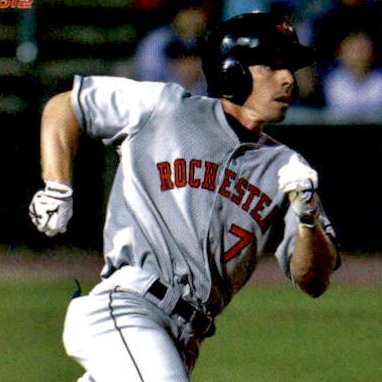 Matthew Reese Carson was born on July 1, 1981 in Newport Beach, California. The New York Yankees selected him in round five of the 2002 MLB Draft out of Brigham Young University. He played in their minor league system until 2008, reaching Triple-A. Carson signed a minor league deal with the Oakland Athletics ahead of the 2009 season. Oakland added him to the Major League roster as a September call-up late in the year. He was 6-for-21 (.286) with a home run and five RBI over ten games. Carson played 36 big league games for the Athletics in 2010, and spent all of 2011 in Triple-A. The Minnesota Twins signed Carson to a minor league deal for the 2012 campaign. He began the year in Triple-A with the Rochester Red Wings, going 4-for-5 with a double and a triple on Opening Day. Carson wound up hitting .282 with 14 home runs in 115 games for the Red Wings. This helped earn him a late season big league promotion in late August. Carson had eight hits in his first five games with the Twins, which included a double and an RBI. However, his hot start didn't last. He went just 7-for-45 (.156) with no extra base hits after those initial five games. Minnesota removed him from the 40-man roster during the off-season. Carson signed a minor league deal with the Cleveland Indians in free agency. He spent two years in the Indians system, appearing in 20 big league games during the 2013 season. Carson returned to the Athletics system in 2015, but spent the whole year in Triple-A.
 -
Matthew Reese Carson was born on July 1, 1981 in Newport Beach, California. The New York Yankees selected him in round five of the 2002 MLB Draft out of Brigham Young University. He played in their minor league system until 2008, reaching Triple-A. Carson signed a minor league deal with the Oakland Athletics ahead of the 2009 season. Oakland added him to the Major League roster as a September call-up late in the year. He was 6-for-21 (.286) with a home run and five RBI over ten games. Carson played 36 big league games for the Athletics in 2010, and spent all of 2011 in Triple-A. The Minnesota Twins signed Carson to a minor league deal for the 2012 campaign. He began the year in Triple-A with the Rochester Red Wings, going 4-for-5 with a double and a triple on Opening Day. Carson wound up hitting .282 with 14 home runs in 115 games for the Red Wings. This helped earn him a late season big league promotion in late August. Carson had eight hits in his first five games with the Twins, which included a double and an RBI. However, his hot start didn't last. He went just 7-for-45 (.156) with no extra base hits after those initial five games. Minnesota removed him from the 40-man roster during the off-season. Carson signed a minor league deal with the Cleveland Indians in free agency. He spent two years in the Indians system, appearing in 20 big league games during the 2013 season. Carson returned to the Athletics system in 2015, but spent the whole year in Triple-A. View full player
.thumb.png.131fdf97b843dfc7f73f4f987002a0f8.png)
