


.png.7846f23ff7308bd0a60773982c8c4137.png)
William Malone
-
Posts
786 -
Joined
-
Last visited
Content Type
Profiles
News
Minnesota Twins Videos
2026 Minnesota Twins Top Prospects Ranking
2022 Minnesota Twins Draft Picks
Minnesota Twins Free Agent & Trade Rumors, Notes, & Tidbits
Guides & Resources
2023 Minnesota Twins Draft Picks
The Minnesota Twins Players Project
2024 Minnesota Twins Draft Picks
2025 Minnesota Twins Draft Pick Tracker
2026 Minnesota Twins Draft Tracker: Picks & Bonuses
Forums
Blogs
Events
Store
Downloads
Gallery
Everything posted by William Malone
-
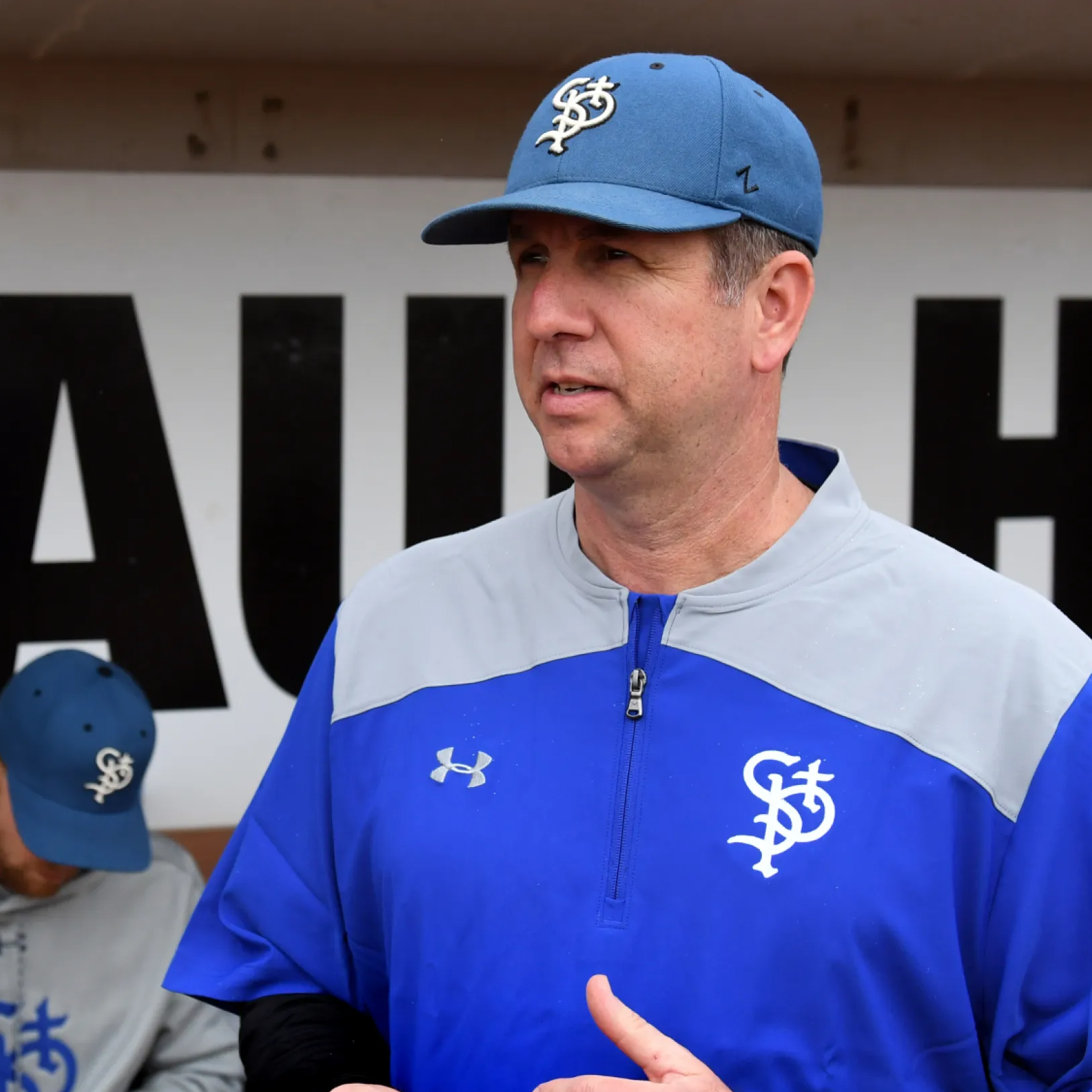 George Alex Tsamis was born on June 14, 1967 in Campbell, California. The Minnesota Twins selected him in round 15 of the 1989 MLB Draft out of Stetson University. He spent time as both a starter and a reliever in the minors. The Twins called Tsamis up to the big leagues on April 25, 1993 to work out of the big league bullpen. He pitched one season at the Major League level, going 1-2 with a 6.19 ERA across 41 appearances and 68.1 innings. His lone win came on May 26th in a 12-11 shootout win over the Oakland Athletics. He also picked up a save against the Athletics on August 14th. Minnesota released him during spring training in 1994. Tsamis pitched in the Seattle Mariners system during the 1994 season, but spent most of the year injured. The Los Angeles Dodgers signed Tsamis as a replacement player during spring training in 1995, which barred him from future MLBPA membership. He continued to pitch in independent leagues until 1998, but never resurfaced at the big league level. Tsamis has been a long time independent league manager since retiring. He won Northern League championships with the New Jersey Jackals in 2001 and 2003, before embarking on a long stint managing the St. Paul Saints. Tsamis managed the Saints from 2003 until 2020, when they left independent ball to become a Twins minor league affiliate. During his tenure, the Saints won league championships in 2004 and 2019. The organization retired his #22 in 2021. As of 2025, he is managing the Kane County Cougars of the American Association. He led them to an American Association championship in 2024.
 -
George Alex Tsamis was born on June 14, 1967 in Campbell, California. The Minnesota Twins selected him in round 15 of the 1989 MLB Draft out of Stetson University. He spent time as both a starter and a reliever in the minors. The Twins called Tsamis up to the big leagues on April 25, 1993 to work out of the big league bullpen. He pitched one season at the Major League level, going 1-2 with a 6.19 ERA across 41 appearances and 68.1 innings. His lone win came on May 26th in a 12-11 shootout win over the Oakland Athletics. He also picked up a save against the Athletics on August 14th. Minnesota released him during spring training in 1994. Tsamis pitched in the Seattle Mariners system during the 1994 season, but spent most of the year injured. The Los Angeles Dodgers signed Tsamis as a replacement player during spring training in 1995, which barred him from future MLBPA membership. He continued to pitch in independent leagues until 1998, but never resurfaced at the big league level. Tsamis has been a long time independent league manager since retiring. He won Northern League championships with the New Jersey Jackals in 2001 and 2003, before embarking on a long stint managing the St. Paul Saints. Tsamis managed the Saints from 2003 until 2020, when they left independent ball to become a Twins minor league affiliate. During his tenure, the Saints won league championships in 2004 and 2019. The organization retired his #22 in 2021. As of 2025, he is managing the Kane County Cougars of the American Association. He led them to an American Association championship in 2024. View full player
-
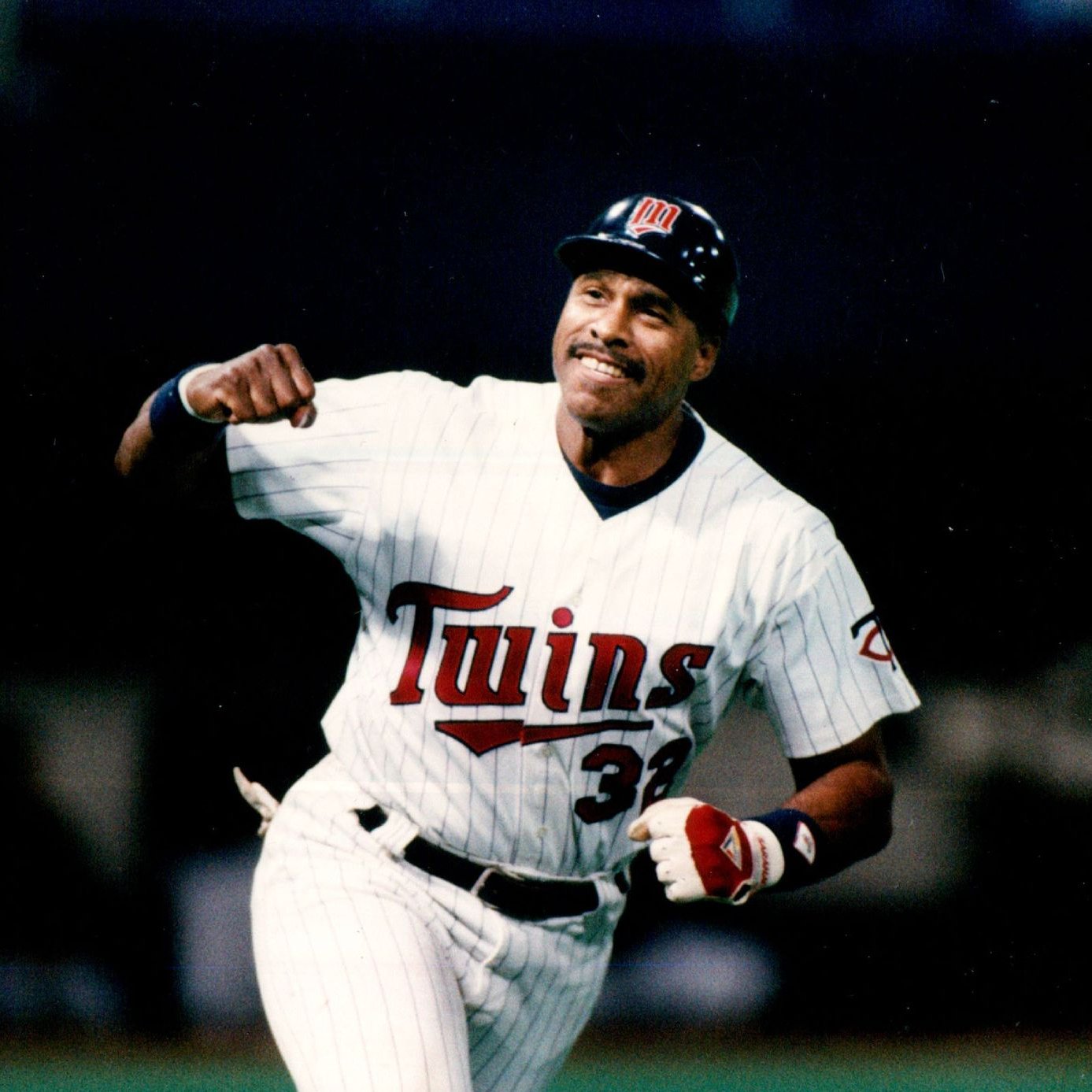 David Mark Winfield was born on October 3, 1951 in St. Paul, Minnesota. The San Diego Padres drafted him fourth overall out of the University of Minnesota in 1973. He was promoted directly to the Majors, and never played a day of minor league baseball during his 22-year professional career. Winfield spent his first eight seasons in San Diego, making four All-Star teams and winning the Gold Glove twice as a right fielder. The New York Yankees signed him to a then-record ten year, $23 million free agent deal in December 1980. The $2.3 million average annual value more than doubled the previous record. He made eight more All-Star teams with the Yankees, adding several Silver Sluggers and Gold Gloves to his résumé. New York won a Major League best 854 games during the 1980's, but they only reached the playoffs one time while Winfield was there. Outspoken owner George Steinbrenner publicly referred to him as "Mr. May" at one point, calling out his star for several disappointing stretches in September that caused his team to fall just shy of a postseason spot. The Yankees tried to trade Winfield several times during the duration of the contract, but he would keep invoking his no trade clause. It was often speculated that Winfield was refusing these trades simply to anger Steinbrenner. He was finally traded to the California Angels in 1990, his contract year, after the Angles offered him a $3.3 million extension that would keep him there in 1991. Winfield signed with the Toronto Blue Jays in 1992, driving in 108 runs and winning the Silver Slugger at designated hitter. He shook off the "Mr. May" nickname by delivering a game winning double in game six of the 1992 World Series. The pitcher was Charlie Leibrandt, who had allowed a walk-off home run against Kirby Puckett in game six of the previous World Series. The Minnesota Twins signed Winfield as a free agent after the World Series. He hit .271 with 27 doubles, 21 home runs and 76 RBI during the 1993 campaign. Winfield mostly played designated hitter, while also adding 29 starts in right field and four at first base. Minnesota fell out of the playoff race, but Winfield kept fans interested with his chase for 3,000 hits. He reached the milestone on September 16th with an RBI single against Hall of Fame closer Dennis Eckersley. Father Time started to get the best of Winfield in 1994, with his OPS+ dropping below 100 for the first time in his historic career. He was traded to the Cleveland Indians for a player to be named later or cash during the 1994 MLB strike, but the season never resumed. The deal was eventually settled when executives from both teams went out to dinner during the off-season, and the Cleveland executives picked up the tab. This makes Winfield the only known player in Major League history to be traded for a dinner. He was 43 years and 311 days old when playing his final game for the Twins on August 10, 1994. This makes him the oldest position player in club history. Minnesota has used four older pitchers; Jesse Orosco, Bartolo Colon, Joe Niekro and Steve Carlton. Orosco is the oldest player in club history, pitching in a game at 46 years and 159 days old in 2003. Winfield finally got to play for Cleveland in 1995, but his regression continued. He hit .191 over 46 games, spending chunks of time on the disabled list with various injuries. The Indians reached the World Series that fall, but Winfield was not included on the postseason roster. He has kept busy in retirement, working as an analyst for both ESPN and Fox at different times. Winfield has also been a strong advocate for the inclusion on Negro League statistics in the Major League record books. In 2008, he helped organize a draft of living Nergo League players. Each Major League club selected a former Negro League player to symbolically join their organization. The Twins selected William Bell, who pitched for the Kansas City Monarchs and Birmingham Black Barons in the late-40's and early-50's. Bell worked for the U.S. Postal Service in Des Moines, Iowa for over 30 years. He also coached several youth travel baseball teams. Bell passed away in 2021 at the age of 90.
 -
David Mark Winfield was born on October 3, 1951 in St. Paul, Minnesota. The San Diego Padres drafted him fourth overall out of the University of Minnesota in 1973. He was promoted directly to the Majors, and never played a day of minor league baseball during his 22-year professional career. Winfield spent his first eight seasons in San Diego, making four All-Star teams and winning the Gold Glove twice as a right fielder. The New York Yankees signed him to a then-record ten year, $23 million free agent deal in December 1980. The $2.3 million average annual value more than doubled the previous record. He made eight more All-Star teams with the Yankees, adding several Silver Sluggers and Gold Gloves to his résumé. New York won a Major League best 854 games during the 1980's, but they only reached the playoffs one time while Winfield was there. Outspoken owner George Steinbrenner publicly referred to him as "Mr. May" at one point, calling out his star for several disappointing stretches in September that caused his team to fall just shy of a postseason spot. The Yankees tried to trade Winfield several times during the duration of the contract, but he would keep invoking his no trade clause. It was often speculated that Winfield was refusing these trades simply to anger Steinbrenner. He was finally traded to the California Angels in 1990, his contract year, after the Angles offered him a $3.3 million extension that would keep him there in 1991. Winfield signed with the Toronto Blue Jays in 1992, driving in 108 runs and winning the Silver Slugger at designated hitter. He shook off the "Mr. May" nickname by delivering a game winning double in game six of the 1992 World Series. The pitcher was Charlie Leibrandt, who had allowed a walk-off home run against Kirby Puckett in game six of the previous World Series. The Minnesota Twins signed Winfield as a free agent after the World Series. He hit .271 with 27 doubles, 21 home runs and 76 RBI during the 1993 campaign. Winfield mostly played designated hitter, while also adding 29 starts in right field and four at first base. Minnesota fell out of the playoff race, but Winfield kept fans interested with his chase for 3,000 hits. He reached the milestone on September 16th with an RBI single against Hall of Fame closer Dennis Eckersley. Father Time started to get the best of Winfield in 1994, with his OPS+ dropping below 100 for the first time in his historic career. He was traded to the Cleveland Indians for a player to be named later or cash during the 1994 MLB strike, but the season never resumed. The deal was eventually settled when executives from both teams went out to dinner during the off-season, and the Cleveland executives picked up the tab. This makes Winfield the only known player in Major League history to be traded for a dinner. He was 43 years and 311 days old when playing his final game for the Twins on August 10, 1994. This makes him the oldest position player in club history. Minnesota has used four older pitchers; Jesse Orosco, Bartolo Colon, Joe Niekro and Steve Carlton. Orosco is the oldest player in club history, pitching in a game at 46 years and 159 days old in 2003. Winfield finally got to play for Cleveland in 1995, but his regression continued. He hit .191 over 46 games, spending chunks of time on the disabled list with various injuries. The Indians reached the World Series that fall, but Winfield was not included on the postseason roster. He has kept busy in retirement, working as an analyst for both ESPN and Fox at different times. Winfield has also been a strong advocate for the inclusion on Negro League statistics in the Major League record books. In 2008, he helped organize a draft of living Nergo League players. Each Major League club selected a former Negro League player to symbolically join their organization. The Twins selected William Bell, who pitched for the Kansas City Monarchs and Birmingham Black Barons in the late-40's and early-50's. Bell worked for the U.S. Postal Service in Des Moines, Iowa for over 30 years. He also coached several youth travel baseball teams. Bell passed away in 2021 at the age of 90. View full player
-
Terry Lee Steinbach was born on March 2, 1962 in New Ulm, Minnesota. The Oakland Athletics selected him in round nine of the 1983 MLB Draft out of the University of Minnesota. He made his Major League debut for them in 1986, and spent 11 seasons with the Athletics. Steinbach was an All-Star three times, winning All-Star Game MVP in 1988. Oakland won three straight AL pennants in 1988, 1989 and 1990. They won the World Series in 1989. Steinbach had his best offensive season in 1996, hitting a career high 34 home runs for the Athletics. He signed a two year deal with the Minnesota Twins in free agency, turning down several larger offers to return to his home state. Steinbach had always maintained an off-season home in Minnesota, and thought this move would be best with his kids finally getting old enough to start school. He hit .248 with 12 home runs and 54 RBI during his first season with the Twins, starting 112 games behind home plate. His offense was especially good in front of the home fans, posting a .778 OPS at home compared to a .611 clip on the road. Steinbach hit .242 with 14 home runs and 54 RBI during the 1998 campaign. Minnesota re-signed him in 1999. Steinbach battled a few injuries at age 37, but was still able to hit .284 over 101 games. He caught the Eric Milton no-hitter on September 11, 1999. The no-hitter was also his final career game with multiple extra base hits, as Steinbach delivered a double and a triple at the plate. The Twins won 7-0. He announced his retirement after the season. The St. Louis Cardinals, who were managed by his former Oakland skipper Tony La Russa, tried to coax him out of retirement early in the year. USA Baseball also offered him a roster spot for the upcoming Olympics. Steinbach was seriously considering both offers, but wound up tearing his hamstring in a water skiing accident before making any decisions. He was the varsity baseball coach at Wayzata High School in Plymouth, Minnesota from 2008 to 2012. When the high school season ended, Steinbach would then work as a roving minor league catching instructor for the Twins. They hired him as the Major League bench coach for Ron Gardehire in 2013. The Twins interviewed him for the managerial position when Gardenhire was fired after the 2014 season, but the job went to Paul Molitor. Steinbach was not retained on the coaching staff. View full player
-
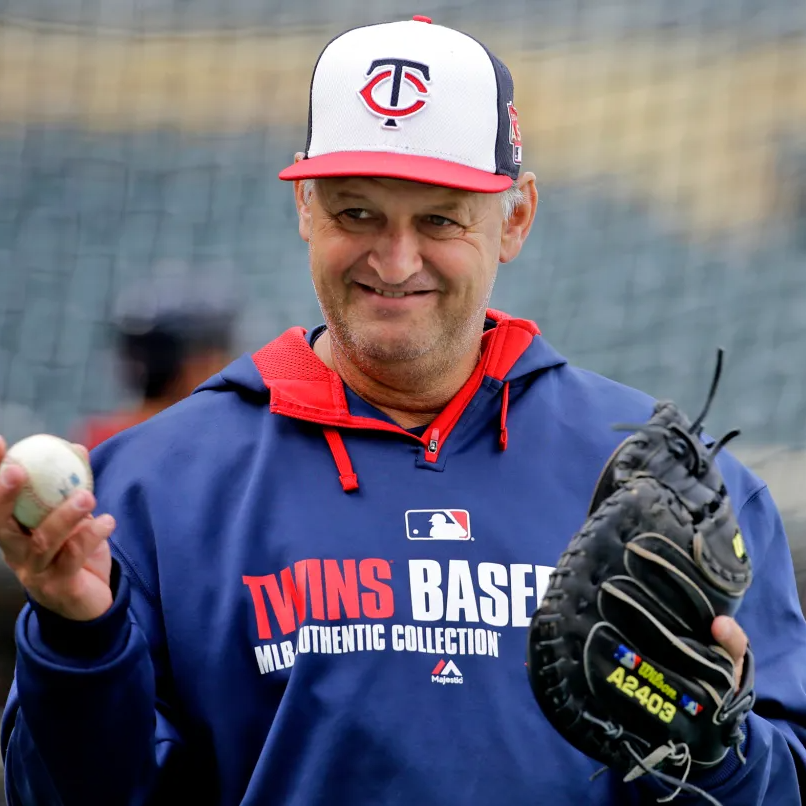 Terry Lee Steinbach was born on March 2, 1962 in New Ulm, Minnesota. The Oakland Athletics selected him in round nine of the 1983 MLB Draft out of the University of Minnesota. He made his Major League debut for them in 1986, and spent 11 seasons with the Athletics. Steinbach was an All-Star three times, winning All-Star Game MVP in 1988. Oakland won three straight AL pennants in 1988, 1989 and 1990. They won the World Series in 1989. Steinbach had his best offensive season in 1996, hitting a career high 34 home runs for the Athletics. He signed a two year deal with the Minnesota Twins in free agency, turning down several larger offers to return to his home state. Steinbach had always maintained an off-season home in Minnesota, and thought this move would be best with his kids finally getting old enough to start school. He hit .248 with 12 home runs and 54 RBI during his first season with the Twins, starting 112 games behind home plate. His offense was especially good in front of the home fans, posting a .778 OPS at home compared to a .611 clip on the road. Steinbach hit .242 with 14 home runs and 54 RBI during the 1998 campaign. Minnesota re-signed him in 1999. Steinbach battled a few injuries at age 37, but was still able to hit .284 over 101 games. He caught the Eric Milton no-hitter on September 11, 1999. The no-hitter was also his final career game with multiple extra base hits, as Steinbach delivered a double and a triple at the plate. The Twins won 7-0. He announced his retirement after the season. The St. Louis Cardinals, who were managed by his former Oakland skipper Tony La Russa, tried to coax him out of retirement early in the year. USA Baseball also offered him a roster spot for the upcoming Olympics. Steinbach was seriously considering both offers, but wound up tearing his hamstring in a water skiing accident before making any decisions. He was the varsity baseball coach at Wayzata High School in Plymouth, Minnesota from 2008 to 2012. When the high school season ended, Steinbach would then work as a roving minor league catching instructor for the Twins. They hired him as the Major League bench coach for Ron Gardehire in 2013. The Twins interviewed him for the managerial position when Gardenhire was fired after the 2014 season, but the job went to Paul Molitor. Steinbach was not retained on the coaching staff.
 -
Terence John Mulholland was born on March 9, 1963 in Uniontown, Pennsylvania. The San Francisco Giants selected him in round one of the 1984 MLB Draft. He debuted for them in 1986. His big league career spanned more than two decades, pitching for 11 different teams. Mulholland pitched for the Giants (1986-89, 1995 and 1997), Philadelphia Phillies (1989-93 and 1996), New York Yankees (1994), Seattle Mariners (1996), Chicago Cubs (1997-99), Atlatna Braves (1999-00), Pittsburgh Pirates (2001), Los Angeles Dodgers (2001-02), Cleveland Indians (2002-03), Minnesota Twins (2004-05) and Arizona Diamondbacks (2006). He was most successful with the Phillies, tossing a no-hitter for them in 1990. Mulholland was also an All-Star in 1993, helping Philadelphia reach the World Series that same season. The Twins signed Mulholland just days after the 2004 regular season began. He had been in camp with the Mariners, but requested his release after not making the Opening Day roster. Mulholland worked out of the Minnesota bullpen for the first few months, but was moved to the starting rotation in July. He became the third pitcher in Major League history to defeat all 30 teams with a win over the Detroit Tigers on July 19th. As of 2025, there are 25 pitchers who have beaten all 30 teams. Mulholland made one playoff appearance for the Twins in 2004, allowing one run over 3.0 innings of relief work in game three of the ALDS. Minnesota re-signed him for the 2005 season. He worked full time out of the bullpen, going 0-2 with a 4.27 ERA across 49 appearances. View full player
-
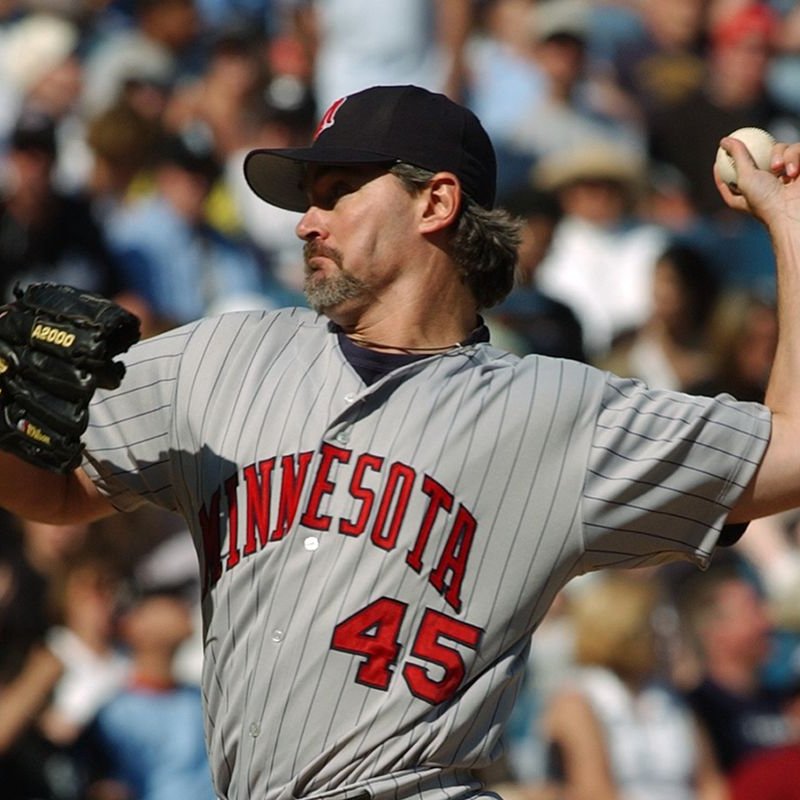 Terence John Mulholland was born on March 9, 1963 in Uniontown, Pennsylvania. The San Francisco Giants selected him in round one of the 1984 MLB Draft. He debuted for them in 1986. His big league career spanned more than two decades, pitching for 11 different teams. Mulholland pitched for the Giants (1986-89, 1995 and 1997), Philadelphia Phillies (1989-93 and 1996), New York Yankees (1994), Seattle Mariners (1996), Chicago Cubs (1997-99), Atlatna Braves (1999-00), Pittsburgh Pirates (2001), Los Angeles Dodgers (2001-02), Cleveland Indians (2002-03), Minnesota Twins (2004-05) and Arizona Diamondbacks (2006). He was most successful with the Phillies, tossing a no-hitter for them in 1990. Mulholland was also an All-Star in 1993, helping Philadelphia reach the World Series that same season. The Twins signed Mulholland just days after the 2004 regular season began. He had been in camp with the Mariners, but requested his release after not making the Opening Day roster. Mulholland worked out of the Minnesota bullpen for the first few months, but was moved to the starting rotation in July. He became the third pitcher in Major League history to defeat all 30 teams with a win over the Detroit Tigers on July 19th. As of 2025, there are 25 pitchers who have beaten all 30 teams. Mulholland made one playoff appearance for the Twins in 2004, allowing one run over 3.0 innings of relief work in game three of the ALDS. Minnesota re-signed him for the 2005 season. He worked full time out of the bullpen, going 0-2 with a 4.27 ERA across 49 appearances.
 -
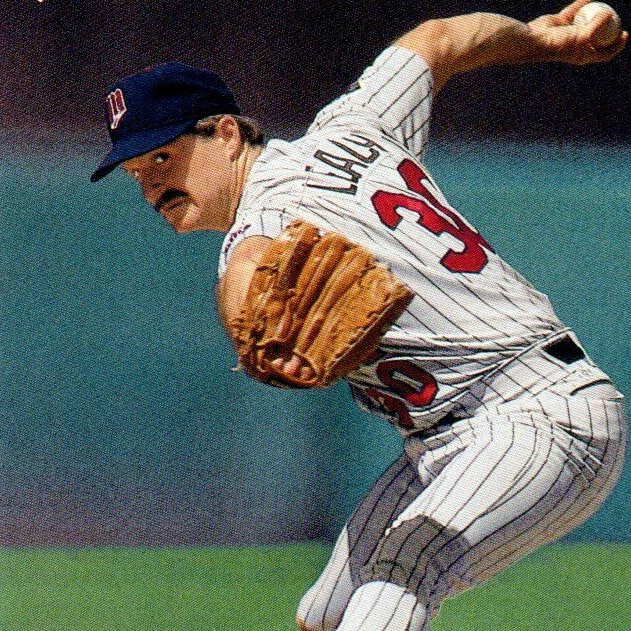 Terry Hester Leach was born on March 13, 1954 in Selma, Alabama. His very long path to the Majors ended with a debut at age 27 for the New York Mets in 1981. Leach was originally drafted by the Boston Red Sox. He also spent time in the Atlanta Braves farm system, and pitched in an independent league. Leach was 24-9 with seven saves and 3.11 ERA for the Mets, pitching for them between 1981 and 1989. A shoulder injury kept him off the 1986 playoff roster. The Kansas City Royals acquired Leach at the deadline in 1989. He signed with the Minnesota Twins as a free agent during the off-season. Leach got off to a very fast start for his new team during the 1990 season. He logged 12.1 innings in April, allowing just seven base runners and no runs. Leach finished the year with 81.2 innings across 55 relief appearances, posting a 3.20 ERA with two saves. Twins manager Tom Kelly often used him as a long relief when the team was already trailing. Because of this, they went just 15-40 in the games Leach pitched. He had a 3.61 ERA over 50 appearances in 1991. Leach made the Twins playoff roster, but did not appear in the ALCS. His name was called twice during the World Series. He got a huge out in game three, striking out Atlanta Braves second baseman Mark Lemke to get out of a bases loaded jam in the fifth inning. Minnesota wound up losing that game 5-4 in 12 innings. Leach also pitched two innings of mop up relief in game five, allowing one run in a blowout loss for the Twins. His career finished by pitching for the Chicago White Sox in 1992 and 1993. Leach had a career year in 1992, owning a 1.95 ERA in 73.2 innings of relief work. Injuries limited him to just 14 appearances in 1993.
 -
Terry Hester Leach was born on March 13, 1954 in Selma, Alabama. His very long path to the Majors ended with a debut at age 27 for the New York Mets in 1981. Leach was originally drafted by the Boston Red Sox. He also spent time in the Atlanta Braves farm system, and pitched in an independent league. Leach was 24-9 with seven saves and 3.11 ERA for the Mets, pitching for them between 1981 and 1989. A shoulder injury kept him off the 1986 playoff roster. The Kansas City Royals acquired Leach at the deadline in 1989. He signed with the Minnesota Twins as a free agent during the off-season. Leach got off to a very fast start for his new team during the 1990 season. He logged 12.1 innings in April, allowing just seven base runners and no runs. Leach finished the year with 81.2 innings across 55 relief appearances, posting a 3.20 ERA with two saves. Twins manager Tom Kelly often used him as a long relief when the team was already trailing. Because of this, they went just 15-40 in the games Leach pitched. He had a 3.61 ERA over 50 appearances in 1991. Leach made the Twins playoff roster, but did not appear in the ALCS. His name was called twice during the World Series. He got a huge out in game three, striking out Atlanta Braves second baseman Mark Lemke to get out of a bases loaded jam in the fifth inning. Minnesota wound up losing that game 5-4 in 12 innings. Leach also pitched two innings of mop up relief in game five, allowing one run in a blowout loss for the Twins. His career finished by pitching for the Chicago White Sox in 1992 and 1993. Leach had a career year in 1992, owning a 1.95 ERA in 73.2 innings of relief work. Injuries limited him to just 14 appearances in 1993. View full player
-
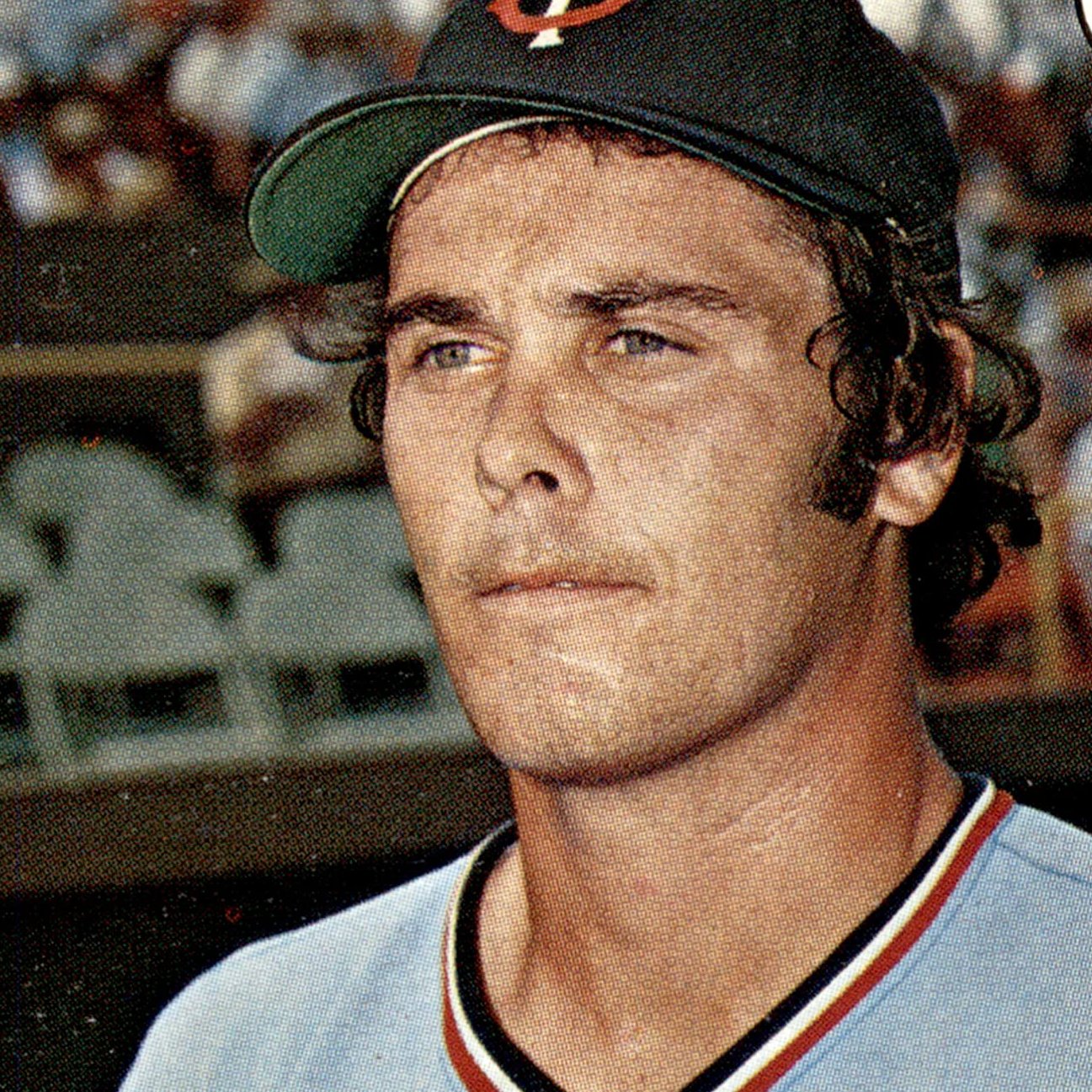 Terry Charles Bulling was born on December 15, 1952 in Lynwood, California. The Minnesota Twins selected him in round 14 of the 1974 MLB Draft. He was accidentally shot by a teammate while in the minor leagues, forcing him to spend three days in intensive care. Bulling made his Major League debut for the Twins in 1977. He went 5-for-32 (.156) with five walks and two sacrifice bunts over 15 games for the Twins. Bulling drove in five runs, and caught one of eight potential base stealers from behind the plate. He spent all of 1978 in the Twins minor league system. The Seattle Mariners purchased his contract during spring training in 1979. Bulling played 123 games over parts of three seasons for the Mariners, batting .230 with three home runs and 23 RBI.
 -
Terry Charles Bulling was born on December 15, 1952 in Lynwood, California. The Minnesota Twins selected him in round 14 of the 1974 MLB Draft. He was accidentally shot by a teammate while in the minor leagues, forcing him to spend three days in intensive care. Bulling made his Major League debut for the Twins in 1977. He went 5-for-32 (.156) with five walks and two sacrifice bunts over 15 games for the Twins. Bulling drove in five runs, and caught one of eight potential base stealers from behind the plate. He spent all of 1978 in the Twins minor league system. The Seattle Mariners purchased his contract during spring training in 1979. Bulling played 123 games over parts of three seasons for the Mariners, batting .230 with three home runs and 23 RBI. View full player
-
Charles Hamilton James was born on November 9, 1981 in Atlanta, Georgia. The Atlanta Braves selected him in round 20 of the 2002 MLB Draft. He made his Major League debut for them in 2005. James pitched parts of four seasons for the Braves, going 24-19 with a 4.48 ERA over 55 starts and nine relief appearances. Atlanta non-tendered him after the 2008 season. He spent the 2009 season rehabbing a shoulder injury, and signed a minor league deal with the Washington Nationals in 2010. James struggled throughout the year, spending most of it in the Double-A bullpen. The Minnesota Twins signed him to a minor league deal in 2011. His contract was purchased in late May, and James made ten appearances out of the Twins bullpen. He was solid across the first nine appearances, allowing just three runs over 9.1 innings. James allowed four runs while facing just seven hitters in his tenth appearance. They optioned him to the minors after the game, and eventually designated him for assignment on September 6th. James spent 2012 in the New York Mets minor league system, and retired after the season. As of 2019, he is working for a window installation company in the greater Atlanta area. A fan favorite during his four years with the Braves, he is often recognized by clients. View full player
-
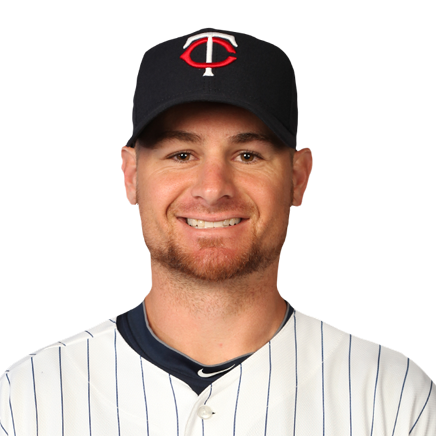 Charles Hamilton James was born on November 9, 1981 in Atlanta, Georgia. The Atlanta Braves selected him in round 20 of the 2002 MLB Draft. He made his Major League debut for them in 2005. James pitched parts of four seasons for the Braves, going 24-19 with a 4.48 ERA over 55 starts and nine relief appearances. Atlanta non-tendered him after the 2008 season. He spent the 2009 season rehabbing a shoulder injury, and signed a minor league deal with the Washington Nationals in 2010. James struggled throughout the year, spending most of it in the Double-A bullpen. The Minnesota Twins signed him to a minor league deal in 2011. His contract was purchased in late May, and James made ten appearances out of the Twins bullpen. He was solid across the first nine appearances, allowing just three runs over 9.1 innings. James allowed four runs while facing just seven hitters in his tenth appearance. They optioned him to the minors after the game, and eventually designated him for assignment on September 6th. James spent 2012 in the New York Mets minor league system, and retired after the season. As of 2019, he is working for a window installation company in the greater Atlanta area. A fan favorite during his four years with the Braves, he is often recognized by clients.
 -
James J. Baldwin Jr was born on July 15, 1971 in Southern Pines, North Carolina. The Chicago White Sox drafted him in round four of the 1990 MLB Draft. He made his Major League debut for them, and pitched parts of seven seasons for the White Sox. Baldwin went 69-53 with a 5.04 ERA over 165 starts and 19 relief appearances for Chicago. He was the 1996 AL Rookie of the Year runner-up, and an All-Star in 2000. The Los Angeles Dodgers acquired him at the 2001 trade deadline. Baldwin pitched for the Seattle Mariners in 2002. He began 2003 on a minor league deal with the Kansas City Royals. Baldwin became a free agent on June 1st after exercising an opt out in his contract. The Minnesota Twins signed him to a minor league deal. They called him up to help out with long relief in mid-July. Baldwin covered 12.2 innings over his first eight appearances with the club, allowing only two runs. This included his first career Major League save on August 1st against the Toronto Blue Jays. Minnesota released him after back-to-back sub-par outings on August 12th and 14th, needing a fresh arm for their bullpen. Baldwin made two starts for the New York Mets in 2004, and had cups of coffee with the Baltimore Orioles and Texas Rangers in 2005. He coached at his alma mater, Pinecrest High School, from 2007 to 2012. Baldwin was also a pitching coach in the Cincinnati Reds farm system from 2016 to 2020, working at various levels during those years. View full player
-
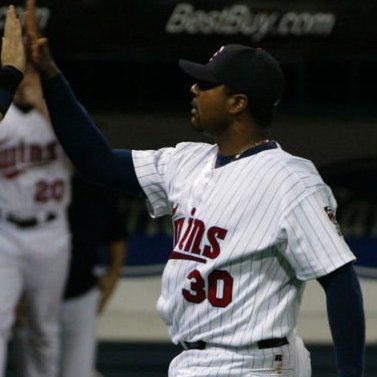 James J. Baldwin Jr was born on July 15, 1971 in Southern Pines, North Carolina. The Chicago White Sox drafted him in round four of the 1990 MLB Draft. He made his Major League debut for them, and pitched parts of seven seasons for the White Sox. Baldwin went 69-53 with a 5.04 ERA over 165 starts and 19 relief appearances for Chicago. He was the 1996 AL Rookie of the Year runner-up, and an All-Star in 2000. The Los Angeles Dodgers acquired him at the 2001 trade deadline. Baldwin pitched for the Seattle Mariners in 2002. He began 2003 on a minor league deal with the Kansas City Royals. Baldwin became a free agent on June 1st after exercising an opt out in his contract. The Minnesota Twins signed him to a minor league deal. They called him up to help out with long relief in mid-July. Baldwin covered 12.2 innings over his first eight appearances with the club, allowing only two runs. This included his first career Major League save on August 1st against the Toronto Blue Jays. Minnesota released him after back-to-back sub-par outings on August 12th and 14th, needing a fresh arm for their bullpen. Baldwin made two starts for the New York Mets in 2004, and had cups of coffee with the Baltimore Orioles and Texas Rangers in 2005. He coached at his alma mater, Pinecrest High School, from 2007 to 2012. Baldwin was also a pitching coach in the Cincinnati Reds farm system from 2016 to 2020, working at various levels during those years.
 -
Jeffrey Alan Boshers was born on May 9, 1988 in Huntsville, Alabama. The Los Angeles Angels of Anaheim selected him in round four of the 2008 MLB Draft. He made his Major League debut for them in 2013. Boshers made 25 relief appearances for the Angels that summer, posting a 4.70 ERA. He didn't have any wins, losses or saves. Boshers spent all of 2014 in the minors, and was released after the season. He dominated the independent Atlantic League in 2015, posting a 1.00 ERA and a 0.981 WHIP in 52 relief appearances for the Somerset Patriots. The Minnesota Twins signed Boshers to a minor league deal the following winter. He had a 1.04 ERA over 26.0 innings out of the Rochester Red Wings (AAA) bullpen, which earned him a big league call-up in late May. Boshers began his Twins tenure by tossing 7.2 shutout innings. This included his first Major League win on June 7, 2016 against the Miami Marlins. He allowed his first run of the season on June 18th against the New York Yankees, but followed it up three days later by tossing two huge shutout innings in a 14-10 shootout win over the Philadelphia Phillies. Boshers struggled in July and early August, which eventually led to a minor league demotion. Minnesota called him back up when the rosters expanded in September. He allowed just one earned run in 11.1 innings after being re-called, finishing the year with a 4.25 ERA across 37 appearances. The Twins optioned Boshers to Triple-A when camp broke in 2017. He was shuffled up and down throughout the year, going 1-0 with a 4.89 ERA in 38 games at the big league level. Minnesota designated him for assignment in the off-season. Boshers spent 2018 split between the Houston Astros and Pittsburgh Pirates minor league system. He resurfaced at the Major League level in 2019 with the Toronto Blue Jays, owning a 4.05 ERA in 28 appearances. View full player
-
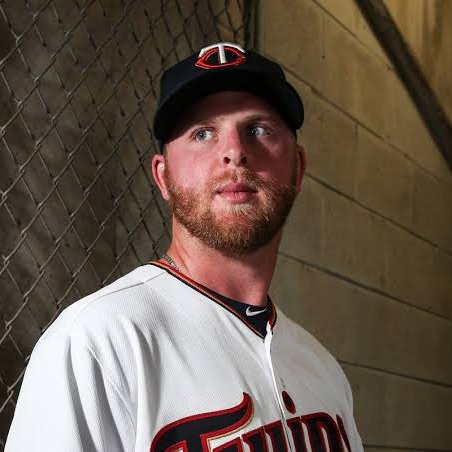 Jeffrey Alan Boshers was born on May 9, 1988 in Huntsville, Alabama. The Los Angeles Angels of Anaheim selected him in round four of the 2008 MLB Draft. He made his Major League debut for them in 2013. Boshers made 25 relief appearances for the Angels that summer, posting a 4.70 ERA. He didn't have any wins, losses or saves. Boshers spent all of 2014 in the minors, and was released after the season. He dominated the independent Atlantic League in 2015, posting a 1.00 ERA and a 0.981 WHIP in 52 relief appearances for the Somerset Patriots. The Minnesota Twins signed Boshers to a minor league deal the following winter. He had a 1.04 ERA over 26.0 innings out of the Rochester Red Wings (AAA) bullpen, which earned him a big league call-up in late May. Boshers began his Twins tenure by tossing 7.2 shutout innings. This included his first Major League win on June 7, 2016 against the Miami Marlins. He allowed his first run of the season on June 18th against the New York Yankees, but followed it up three days later by tossing two huge shutout innings in a 14-10 shootout win over the Philadelphia Phillies. Boshers struggled in July and early August, which eventually led to a minor league demotion. Minnesota called him back up when the rosters expanded in September. He allowed just one earned run in 11.1 innings after being re-called, finishing the year with a 4.25 ERA across 37 appearances. The Twins optioned Boshers to Triple-A when camp broke in 2017. He was shuffled up and down throughout the year, going 1-0 with a 4.89 ERA in 38 games at the big league level. Minnesota designated him for assignment in the off-season. Boshers spent 2018 split between the Houston Astros and Pittsburgh Pirates minor league system. He resurfaced at the Major League level in 2019 with the Toronto Blue Jays, owning a 4.05 ERA in 28 appearances.
 -
James Richard Beresford was born on January 19, 1989 in Australia. The Minnesota Twins signed him as an international free agent in 2007. He reached Triple-A in 2013, and was an International League All-Star in 2015. Beresford was promoted to the Twins as a September call-up in 2016 at the age of 27. He played ten games for the Twins that month, going 5-for-22 (.227) with one walk and one sacrifice bunt in 24 plate appearances. Beresford did not score or drive in any runs. He started games at both corner infield spots, and played one inning at second base. Minnesota removed him from the 40-man roster during the off-season. His professional career ended a year later after playing professionally in his home country of Australia. View full player
-
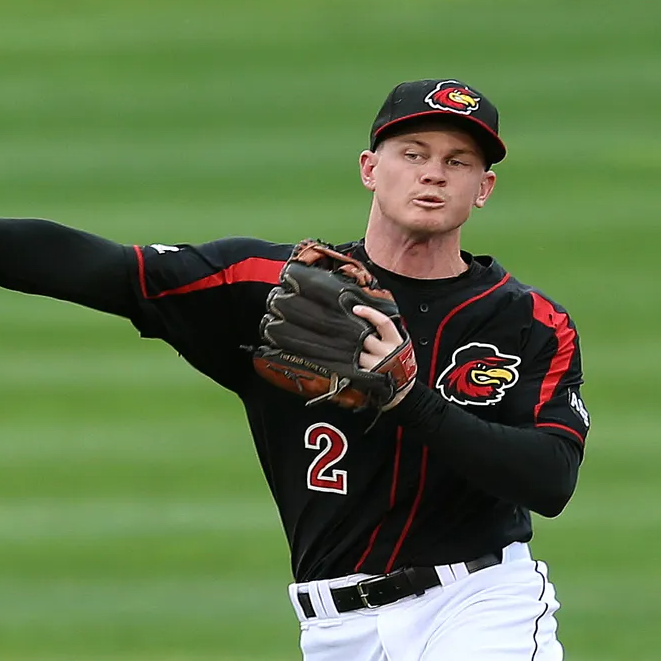 James Richard Beresford was born on January 19, 1989 in Australia. The Minnesota Twins signed him as an international free agent in 2007. He reached Triple-A in 2013, and was an International League All-Star in 2015. Beresford was promoted to the Twins as a September call-up in 2016 at the age of 27. He played ten games for the Twins that month, going 5-for-22 (.227) with one walk and one sacrifice bunt in 24 plate appearances. Beresford did not score or drive in any runs. He started games at both corner infield spots, and played one inning at second base. Minnesota removed him from the 40-man roster during the off-season. His professional career ended a year later after playing professionally in his home country of Australia.
 -
Eduardo Michelle Núñez Méndez was born on June 15, 1987 in the Dominican Republic. The New York Yankees signed him as an international free agent in 2004. He made his Major League debut for them in 2010. Núñez played four seasons for the Yankees as a utility player, batting .267 with ten home runs and 76 RBI over 270 games. He was designated for assignment at the end of spring training in 2014. The Minnesota Twins acquired him via trade, sending pitching prospect Miguel Sulbaran to the Yankees. Núñez slashed .250/.271/.382 in 72 games during his first season with Minnesota. He hit four home runs with 24 RBI, and stole nine bases. Núñez logged double digit starts at shortstop, third base and left field. He played in exactly 72 games again during the 2015 campaign, but it came with improved offensive production. Núñez slashed .282/.327/.431. This gave him an OPS+ above 100 for the first time in his career. His time at shortstop increased after Opening Day starter Danny Santana struggled, allowing Núñez to split time there with fellow utility man Eduardo Escobar. Escobar won the shortstop job in camp the following spring, and Núñez struggled to find playing time early on in 2016. He started just one of the Twins first ten games, but soon found regular at-bats after third baseman Trevor Plouffe was placed on the disabled list in mid-April. Núñez quickly became a bright spot in what was becoming one of the worst seasons in franchise history. He hit .339 between April 15th and May 3rd with Plouffe sidelined, taking over as the everyday shortstop after Plouffe returned to the lineup. Núñez was the Twins lone representative at the 2016 All-Star Game. He entered the break batting .321 with 12 home runs and 40 RBI across 78 games. His 22 stolen bases were also third in the American League in the first half of play. Núñez was a ninth inning defensive replacement at second base during the mid-summer classic, helping turn a game ending double play to lock down a 4-2 win for the American League. He continued to serve as the Twins regular shortstop until the trade deadline, when interim general manager sent him to the San Francisco Giants for pitching prospect Adalberto Mejía. Núñez became their starting third baseman, but wasn't able to repeat his first half success down the stretch. San Francisco wound up starting Conor Gillaspie over Núñez in the postseason. Núñez was 0-for-3 as a pinch hitter that October. The Giants traded Núñez to the Boston Red Sox at the deadline in 2017. He stayed in Boston through 2019, slashing .268/.293/.401 over parts of three seasons for the Red Sox. They won the World Series in 2018. Núñez hit a pinch hit three run homer against Los Angeles Dodgers reliever Alex Wood in game one of that World Series, helping Boston win the game 8-4. He played for the New York Mets in 2020, and finished his career by spending 2021 in the Chinese league. View full player
-
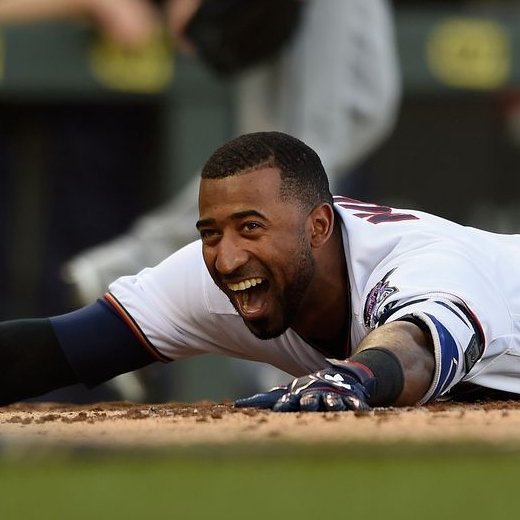 Eduardo Michelle Núñez Méndez was born on June 15, 1987 in the Dominican Republic. The New York Yankees signed him as an international free agent in 2004. He made his Major League debut for them in 2010. Núñez played four seasons for the Yankees as a utility player, batting .267 with ten home runs and 76 RBI over 270 games. He was designated for assignment at the end of spring training in 2014. The Minnesota Twins acquired him via trade, sending pitching prospect Miguel Sulbaran to the Yankees. Núñez slashed .250/.271/.382 in 72 games during his first season with Minnesota. He hit four home runs with 24 RBI, and stole nine bases. Núñez logged double digit starts at shortstop, third base and left field. He played in exactly 72 games again during the 2015 campaign, but it came with improved offensive production. Núñez slashed .282/.327/.431. This gave him an OPS+ above 100 for the first time in his career. His time at shortstop increased after Opening Day starter Danny Santana struggled, allowing Núñez to split time there with fellow utility man Eduardo Escobar. Escobar won the shortstop job in camp the following spring, and Núñez struggled to find playing time early on in 2016. He started just one of the Twins first ten games, but soon found regular at-bats after third baseman Trevor Plouffe was placed on the disabled list in mid-April. Núñez quickly became a bright spot in what was becoming one of the worst seasons in franchise history. He hit .339 between April 15th and May 3rd with Plouffe sidelined, taking over as the everyday shortstop after Plouffe returned to the lineup. Núñez was the Twins lone representative at the 2016 All-Star Game. He entered the break batting .321 with 12 home runs and 40 RBI across 78 games. His 22 stolen bases were also third in the American League in the first half of play. Núñez was a ninth inning defensive replacement at second base during the mid-summer classic, helping turn a game ending double play to lock down a 4-2 win for the American League. He continued to serve as the Twins regular shortstop until the trade deadline, when interim general manager sent him to the San Francisco Giants for pitching prospect Adalberto Mejía. Núñez became their starting third baseman, but wasn't able to repeat his first half success down the stretch. San Francisco wound up starting Conor Gillaspie over Núñez in the postseason. Núñez was 0-for-3 as a pinch hitter that October. The Giants traded Núñez to the Boston Red Sox at the deadline in 2017. He stayed in Boston through 2019, slashing .268/.293/.401 over parts of three seasons for the Red Sox. They won the World Series in 2018. Núñez hit a pinch hit three run homer against Los Angeles Dodgers reliever Alex Wood in game one of that World Series, helping Boston win the game 8-4. He played for the New York Mets in 2020, and finished his career by spending 2021 in the Chinese league.
 -
Tsuyoshi Nishioka was born on July 27, 1984 in Japan. He began his professional career in 2003 with the Chiba Lotte Marines, playing under veteran American manager Bobby Valentine. Nishioka became one of the best shortstops in Japan, and helped lead Chiba Lotte to Japan Series titles in 2005 and 2010. He helped Japan win the inaugural World Baseball Classic in 2006, hitting two home runs during the tournament. Nishioka also hit .455 during the 2008 Olympics, but a heavily favored Team Japan wound up finishing off the medal stand in fourth place. The Minnesota Twins signed Nishioka to a three year, $9 million contract on December 17, 2010. Minnesota also paid his former club a $5 million posting fee for the exclusive negotiation rights. Twins manager Ron Gardenhire announced that Nishioka would move from shortstop to second base, paving the way for Alexi Casilla to be the everyday shortstop. Nishioka opened his Major League career with a five game on-base streak. This stretch included two RBI and a stolen base. His first double and multi-hit game came on April 4th against the New York Yankees. He suffered a broken left fibula on April 6th when Yankees outfielder Nick Swisher slid hard into second base trying to break up a double play. This injury kept Nishioka out until mid-June. The rookie infielder returned on June 16th, and he was back at his natural position of shortstop. Nishioka struggled offensively and defensively upon returning, and finished the year slashing .226/.278/.249 across 68 games. He only drove in 19 runs, and never homered. Nishioka was also worth -11 defensive runs saved in 60 games at shortstop. Minnesota optioned Nishioka to Triple-A at the end of spring training in 2012. He slashed .258/.315/.324 over 101 games for the Rochester Red Wings. Nishioka was briefly called up for a three game big league stint in August, where he was 0-for-12 at the plate. He asked for his release in September, offering to give up the $3 million he was owed in 2013. This allowed him to sign with the Hanshin Tigers and return to Japan. Nishioka played for Hanshin through 2018, but was never the star level player he had once been during his earlier days in Nippon Professional Baseball. View full player
-
 Tsuyoshi Nishioka was born on July 27, 1984 in Japan. He began his professional career in 2003 with the Chiba Lotte Marines, playing under veteran American manager Bobby Valentine. Nishioka became one of the best shortstops in Japan, and helped lead Chiba Lotte to Japan Series titles in 2005 and 2010. He helped Japan win the inaugural World Baseball Classic in 2006, hitting two home runs during the tournament. Nishioka also hit .455 during the 2008 Olympics, but a heavily favored Team Japan wound up finishing off the medal stand in fourth place. The Minnesota Twins signed Nishioka to a three year, $9 million contract on December 17, 2010. Minnesota also paid his former club a $5 million posting fee for the exclusive negotiation rights. Twins manager Ron Gardenhire announced that Nishioka would move from shortstop to second base, paving the way for Alexi Casilla to be the everyday shortstop. Nishioka opened his Major League career with a five game on-base streak. This stretch included two RBI and a stolen base. His first double and multi-hit game came on April 4th against the New York Yankees. He suffered a broken left fibula on April 6th when Yankees outfielder Nick Swisher slid hard into second base trying to break up a double play. This injury kept Nishioka out until mid-June. The rookie infielder returned on June 16th, and he was back at his natural position of shortstop. Nishioka struggled offensively and defensively upon returning, and finished the year slashing .226/.278/.249 across 68 games. He only drove in 19 runs, and never homered. Nishioka was also worth -11 defensive runs saved in 60 games at shortstop. Minnesota optioned Nishioka to Triple-A at the end of spring training in 2012. He slashed .258/.315/.324 over 101 games for the Rochester Red Wings. Nishioka was briefly called up for a three game big league stint in August, where he was 0-for-12 at the plate. He asked for his release in September, offering to give up the $3 million he was owed in 2013. This allowed him to sign with the Hanshin Tigers and return to Japan. Nishioka played for Hanshin through 2018, but was never the star level player he had once been during his earlier days in Nippon Professional Baseball.
 -
Josmil Oswaldo Pinto was born on March 31, 1989 in Venezuela. The Minnesota Twins signed him as an international free agent in 2006. He was an All-Star at multiple minor league levels, consistently putting up great offensive numbers. However, poor defensive behind home plate often kept Pinto low on "top prospect" lists. Baseball America never ranked him among the Twins top prospects. He hit .308 with an .892 OPS at the Double-A level in 2013, and made his Major League debut that fall as a September call-up. Pinto wasted no time making an impact at the big league level, going 2-for-4 with an RBI double in his September 1st debut. He was 4-for-5 with two runs scored in his second game. His first Major League home run came on September 6th against Casey Janssen of the Toronto Blue Jays. Pinto also had three doubles in a win over the Los Angeles Angels of Anaheim on September 9th. He would finish September batting .342 with four home runs and 12 RBI, appearing in 21 games. Joe Mauer made the full time switch to first base during the off-season, and the Twins signed veteran catcher Kurt Suzuki to play alongside Pinto. Twins manager Ron Gardenhire penciled in Suzuki as the starter for each of the first two regular season games, but Pinto went deep when he finally got his name on the lineup card in game three. He finished April with a .908 OPS in 20 games, which included a few starts at designated hitter. His bat eventually cooled off a bit, and the poor defense eventually began to show up. Base stealers were a perfect 20-for-20 against Pinto in 2014, and he was worth -8 defensive runs saved in just 25 games behind the plate. After slashing .200/.227/.329 between May 1st and June 6th, the Twins optioned him to Triple-A. Pinto hit very well once down in Triple-A, but he wasn't recalled again until the rosters expanded in September. His offensive and defensive struggles resumed in September. Pinto spent all of 2015 in the minor leagues. The Twins designated him for assignment that off-season. He was claimed on waivers by the Milwaukee Brewers, and appeared in six Major League games for them in 2016. All six appearances were as a pinch hitter, and Pinto never saw the field for them. The San Francisco Giants signed him to a minor league deal in 2017. Pinto spent the entire year on the disabled list, and was released after the season. View full player
.thumb.png.131fdf97b843dfc7f73f4f987002a0f8.png)
