


.png.7846f23ff7308bd0a60773982c8c4137.png)
William Malone
-
Posts
786 -
Joined
-
Last visited
Content Type
Profiles
News
Minnesota Twins Videos
2026 Minnesota Twins Top Prospects Ranking
2022 Minnesota Twins Draft Picks
Minnesota Twins Free Agent & Trade Rumors, Notes, & Tidbits
Guides & Resources
2023 Minnesota Twins Draft Picks
The Minnesota Twins Players Project
2024 Minnesota Twins Draft Picks
2025 Minnesota Twins Draft Pick Tracker
2026 Minnesota Twins Draft Tracker: Picks & Bonuses
Forums
Blogs
Events
Store
Downloads
Gallery
Everything posted by William Malone
-
Johnathan Ryan Graham was born on January 14, 1990 in Livermore, California. The Atlanta Braves selected him in round four of the 2011 MLB Draft out of Santa Clara University. He reached Double-A in 2014, and was taken by the Minnesota Twins during the Rule-5 Draft the following off-season. Graham made his Major League debut on Opening Day in 2015, working two scoreless innings out of the Twins bullpen during a 4-0 loss against the Detroit Tigers. He primarily was used in long relief during his rookie season, recording six or more outs in 19 of 39 appearances in 2015. His most notable outing arguably came on May 20th against the Pittsburgh Pirates. Graham allowed just one base runner while tossing shutout ninth, tenth and 11th innings. The Twins eventually won, pulling ahead on a Joe Mauer solo home run in the top of the 13th. Brian Duensing pitched the 12th, and got credit for the win. Glen Perkins pitched the bottom of the 13th, earning the save. Graham finished 2015 with a 1-1 record and a 4.95 ERA across 63.2 innings. He was optioned to Triple-A at the end of spring training in 2016. Minnesota called him up in early May. Graham made one appearance on May 4th, allowing two runs over 1.2 innings. The Twins designated him for assignment on May 6th. He was traded to the New York Yankees for cash considerations before getting exposed to waivers. New York kept Graham in their organization through the end of 2017, but he never reached the Majors with them. Graham retired after the 2017 campaign. View full player
-
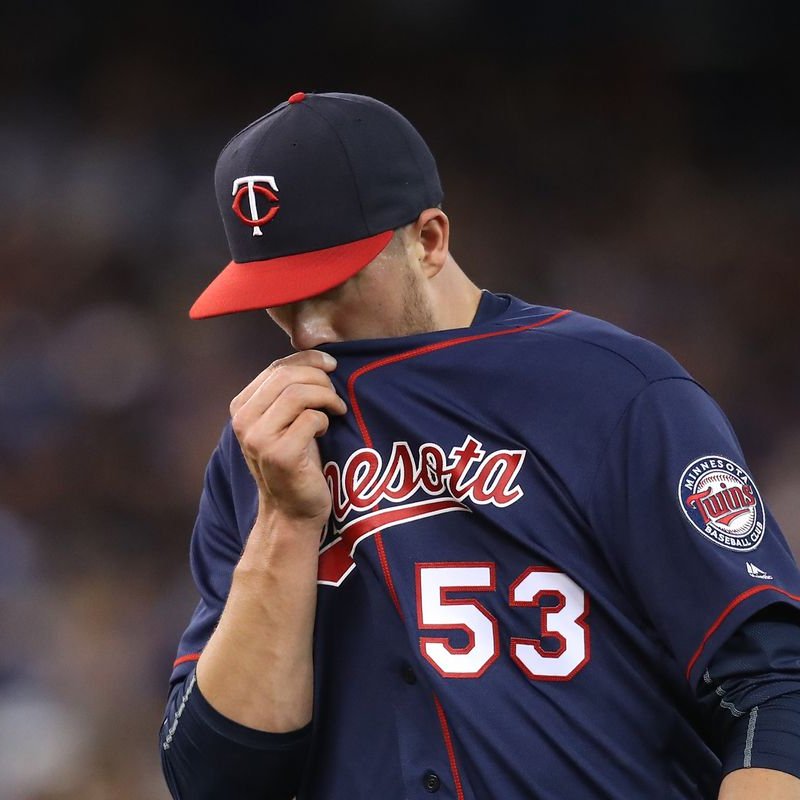 Patrick James Light was born on March 9, 1991 in Colts Neck Township, New Jersey. The Boston Red Sox selected him in round one of the 2012 MLB Draft out of Monmouth University. He had previously been a 28th round pick of the Minnesota Twins out of high school in 2009, but did not sign. Light was able to reach triple digits with his fastball velocity, but often struggled with a high walk rate through his minor league career. He finally reached the Majors in 2016, allowing eight runs over two relief appearances for the Red Sox. They traded him to Minnesota for veteran reliever Fernando Abad at the deadline later that season. He pitched 14.0 innings out of the Twins bullpen down the stretch, allowing 14 earned runs and walking 15 opposing hitters. Light made it though most of the off-season on the roster, but was designated for assignment in February to clear 40-man space for veteran infielder Ehire Adrianza. The Pittsburgh Pirates traded cash considerations to acquire Light before he was exposed to waivers. Light split 2017 with stints in the Pirates and Seattle Mariners organizations. He continued to pitch in the Seattle minor league system in 2018, then retired. Light co-hosted a popular Red Sox podcast with Jared Carrabis for a few years after retiring, but then left the podcast to focus on business interests. He founded The Light Group in 2019.
 -
Patrick James Light was born on March 9, 1991 in Colts Neck Township, New Jersey. The Boston Red Sox selected him in round one of the 2012 MLB Draft out of Monmouth University. He had previously been a 28th round pick of the Minnesota Twins out of high school in 2009, but did not sign. Light was able to reach triple digits with his fastball velocity, but often struggled with a high walk rate through his minor league career. He finally reached the Majors in 2016, allowing eight runs over two relief appearances for the Red Sox. They traded him to Minnesota for veteran reliever Fernando Abad at the deadline later that season. He pitched 14.0 innings out of the Twins bullpen down the stretch, allowing 14 earned runs and walking 15 opposing hitters. Light made it though most of the off-season on the roster, but was designated for assignment in February to clear 40-man space for veteran infielder Ehire Adrianza. The Pittsburgh Pirates traded cash considerations to acquire Light before he was exposed to waivers. Light split 2017 with stints in the Pirates and Seattle Mariners organizations. He continued to pitch in the Seattle minor league system in 2018, then retired. Light co-hosted a popular Red Sox podcast with Jared Carrabis for a few years after retiring, but then left the podcast to focus on business interests. He founded The Light Group in 2019. View full player
-
Caleb Broderick Hamilton was born on February 5, 1995 in Woodinville, Washington. The Minnesota Twins selected him in round 23 of the 2016 MLB Draft out of Oregon State University. He made his Major League debut on July 17, 2022. Hamilton began his big league career with an 0-for-12 skid at the plate, drawing two walks during that stretch. He scored the walk-off run in extra innings against the San Francisco Giants on August 27th while pinch running for José Miranda. His first career hit was a home run against José Quijada of the Los Angeles Angels on September 25th. Minnesota designated him for assignment after the season, and he was claimed on waivers by the Boston Red Sox. Hamilton was 1-for-18 (.056) with four walks during his time with the Twins. He appeared in four games for the Red Sox in 2023, going 0-for-5 with a walk. Hamilton spent all of 2024 in the Angels minor league system. As of 2025, he is an assistant coach for the Hudson Valley Renegades. Hudson Valley is the High-A Affiliate of the New York Yankees. View full player
-
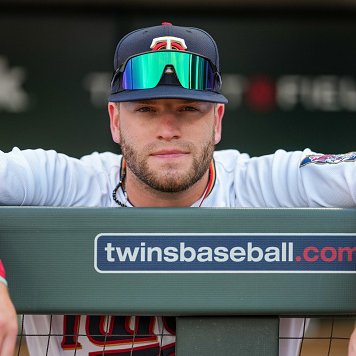 Caleb Broderick Hamilton was born on February 5, 1995 in Woodinville, Washington. The Minnesota Twins selected him in round 23 of the 2016 MLB Draft out of Oregon State University. He made his Major League debut on July 17, 2022. Hamilton began his big league career with an 0-for-12 skid at the plate, drawing two walks during that stretch. He scored the walk-off run in extra innings against the San Francisco Giants on August 27th while pinch running for José Miranda. His first career hit was a home run against José Quijada of the Los Angeles Angels on September 25th. Minnesota designated him for assignment after the season, and he was claimed on waivers by the Boston Red Sox. Hamilton was 1-for-18 (.056) with four walks during his time with the Twins. He appeared in four games for the Red Sox in 2023, going 0-for-5 with a walk. Hamilton spent all of 2024 in the Angels minor league system. As of 2025, he is an assistant coach for the Hudson Valley Renegades. Hudson Valley is the High-A Affiliate of the New York Yankees.
 -
Eduardo José Escobar was born on January 5, 1989 in Venezuela. The Chicago White Sox signed him as an international free agent in 2006. He made his Major League debut for them as a September call-up in 2011. Escobar was traded to the Minnesota Twins in a deadline deal for veteran starting pitcher Francisco Liriano in 2012. He played just 14 games for the Twins after the deadline in 2012, batting .227 with six RBI and no extra base hits. Escobar made the Opening Day roster in 2013, and had a strong opening month. This included a walk-off double against the Detroit Tigers on April 3rd, and his first career home run on April 9th. He finished April with a .935 OPS, but eventually cooled off. Escobar wound up splitting the year between Triple-A and the Majors, slashing .236/.282/.345 in 66 games at the big league level. He spent most of his time at either third base or shortstop, but also played some second base and left field. Escobar won the Charles O. Johnson Award in 2014, which is given out annually to the most improved Twins player. He slashed .275/.315/.406 across 133 games, hitting six home runs and driving in 37. Escobar started 86 games at shortstop, but was worth -7 defensive runs saved. His defense was better during a stint at third base while Trevor Plouffe was on the disabled list, but the Twins moved him back to shortstop once Plouffe was healthy again. Danny Santana beat out Escobar for the Opening Day shortstop job during spring training in 2015. He began the season platooning in left field with Oswaldo Arcia, making the occasional infield start when someone else had a day off. Santana began to struggle and eventually lost his regular starting job, but Eduardo Núñez was having a breakout season and wound up taking a lot of the extra shortstop starts. Escobar slashed .262/.309/.445 with 12 home runs and 58 RBI over 127 games. This included 114 starts and six different positions. His offensive production declined in 2016, slashing .236/.280/.338 over 105 games. Escobar also missed time with a groin strain. He spent much of the first half as the Twins starting shortstop, but the emergence of Jorge Polanco moved him to a utility bench role in the second half. Escobar spent most of 2017 as a utility bench player for Minnesota, but became a huge part of their push for a wild card spot late in the year after All-Star third baseman Miguel Sanó injured his shin. Filling in as the everyday third baseman, Escobar caught fire and drove in 25 runs during the month of September. This helped the Twins clinch their first playoff berth since 2010. He hit fifth in the 2017 AL Wild Card Game, going 2-for-4. Despite this, Minnesota lost 8-4 against the New York Yankees. That strong finish in 2017 carried over to 2018. Escobar hit 37 doubles and 15 home runs in just 97 games with the Twins, getting traded to the Arizona Diamondbacks at the deadline. The 37 doubles is just ten off the Twins single season record, set by Justin Morneau in 2008. Including his time with the Diamondbacks, he finished 2018 with 48 doubles. This would've been a club record had he stayed in Minnesota and performed as he did in Arizona. Escobar had a lot of personal success in Arizona, including a 118 RBI campaign in 2019 and his only career All-Star nod in 2021. Despite this, the Diamondbacks were never able to reach October with Escobar on the roster. He was traded to the Milwaukee Brewers at the 2021 deadline. Escobar was 3-for-10 for Milwaukee during the NLDS that fall, but the Brewers were upset by an underdog Atlanta Braves team. An 88 win Atlanta team who had fewer wins than two non-playoff teams was +350 just to win the NLDS, and they wound up winning the whole thing. The New York Mets signed Esocbar to a two year, $20 million deal ahead of the 2022 season. He had a disappointing first year in Queens, hitting .240/295/.430 over 136 games. Escobar was even worse in 2023, eventually getting traded to the Los Angeles Angeles for essentially nothing in a salary dump deal that June. He slashed .219/.259/.303 during his 59 game stint with the Angels. After not playing for anyone in 2024, Escobar signed to play professionally in his native Venezuela in 2025. View full player
-
- 1
-

-
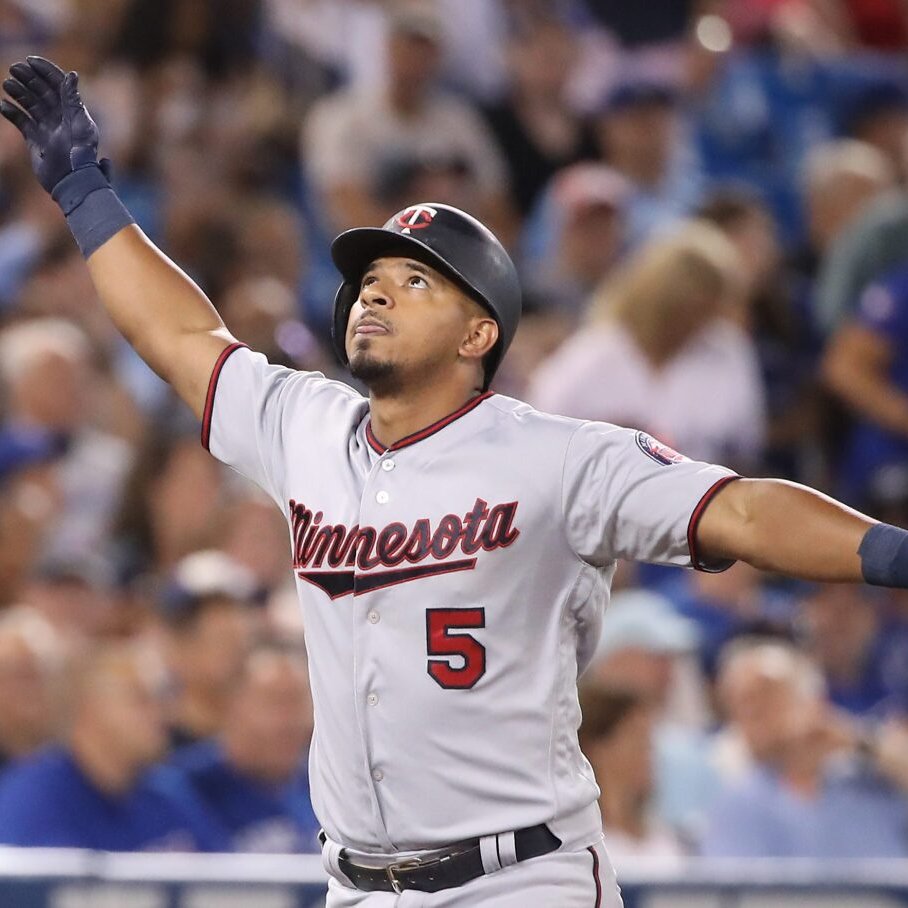 Eduardo José Escobar was born on January 5, 1989 in Venezuela. The Chicago White Sox signed him as an international free agent in 2006. He made his Major League debut for them as a September call-up in 2011. Escobar was traded to the Minnesota Twins in a deadline deal for veteran starting pitcher Francisco Liriano in 2012. He played just 14 games for the Twins after the deadline in 2012, batting .227 with six RBI and no extra base hits. Escobar made the Opening Day roster in 2013, and had a strong opening month. This included a walk-off double against the Detroit Tigers on April 3rd, and his first career home run on April 9th. He finished April with a .935 OPS, but eventually cooled off. Escobar wound up splitting the year between Triple-A and the Majors, slashing .236/.282/.345 in 66 games at the big league level. He spent most of his time at either third base or shortstop, but also played some second base and left field. Escobar won the Charles O. Johnson Award in 2014, which is given out annually to the most improved Twins player. He slashed .275/.315/.406 across 133 games, hitting six home runs and driving in 37. Escobar started 86 games at shortstop, but was worth -7 defensive runs saved. His defense was better during a stint at third base while Trevor Plouffe was on the disabled list, but the Twins moved him back to shortstop once Plouffe was healthy again. Danny Santana beat out Escobar for the Opening Day shortstop job during spring training in 2015. He began the season platooning in left field with Oswaldo Arcia, making the occasional infield start when someone else had a day off. Santana began to struggle and eventually lost his regular starting job, but Eduardo Núñez was having a breakout season and wound up taking a lot of the extra shortstop starts. Escobar slashed .262/.309/.445 with 12 home runs and 58 RBI over 127 games. This included 114 starts and six different positions. His offensive production declined in 2016, slashing .236/.280/.338 over 105 games. Escobar also missed time with a groin strain. He spent much of the first half as the Twins starting shortstop, but the emergence of Jorge Polanco moved him to a utility bench role in the second half. Escobar spent most of 2017 as a utility bench player for Minnesota, but became a huge part of their push for a wild card spot late in the year after All-Star third baseman Miguel Sanó injured his shin. Filling in as the everyday third baseman, Escobar caught fire and drove in 25 runs during the month of September. This helped the Twins clinch their first playoff berth since 2010. He hit fifth in the 2017 AL Wild Card Game, going 2-for-4. Despite this, Minnesota lost 8-4 against the New York Yankees. That strong finish in 2017 carried over to 2018. Escobar hit 37 doubles and 15 home runs in just 97 games with the Twins, getting traded to the Arizona Diamondbacks at the deadline. The 37 doubles is just ten off the Twins single season record, set by Justin Morneau in 2008. Including his time with the Diamondbacks, he finished 2018 with 48 doubles. This would've been a club record had he stayed in Minnesota and performed as he did in Arizona. Escobar had a lot of personal success in Arizona, including a 118 RBI campaign in 2019 and his only career All-Star nod in 2021. Despite this, the Diamondbacks were never able to reach October with Escobar on the roster. He was traded to the Milwaukee Brewers at the 2021 deadline. Escobar was 3-for-10 for Milwaukee during the NLDS that fall, but the Brewers were upset by an underdog Atlanta Braves team. An 88 win Atlanta team who had fewer wins than two non-playoff teams was +350 just to win the NLDS, and they wound up winning the whole thing. The New York Mets signed Esocbar to a two year, $20 million deal ahead of the 2022 season. He had a disappointing first year in Queens, hitting .240/295/.430 over 136 games. Escobar was even worse in 2023, eventually getting traded to the Los Angeles Angeles for essentially nothing in a salary dump deal that June. He slashed .219/.259/.303 during his 59 game stint with the Angels. After not playing for anyone in 2024, Escobar signed to play professionally in his native Venezuela in 2025.
 -
Pedro Michel Hernández was born on April 12, 1989 in Venezuela. The San Diego Paders signed him as an international free agent in 2009. He was traded to the Chicago White Sox in 2012, and made his Major League debut later that season. Hernández pitched just one game for the White Sox, allowing eight runs over 4.0 innings on July 18, 2012. Chicago traded him to the Minnesota Twins just ten days later, acquiring veteran pitcher Francisco Liriano in the process. Infield prospect Eduardo Escobar also went to Minnesota in the deal. Hernández finished 2012 in Triple-A, but broke camp with the Twins in 2013 as their fifth starter. He allowed three runs over five innings in his Twins debut on April 7th. This helped Minnesota defeat the Baltimore Orioles. Hernández allowed just one run over his next three appearances, picking up his first Major League win against the Texas Rangers on April 27th. His hot start slowly faded, and the Twins eventually demoted Hernández to Triple-A in early June with a 5.54 ERA through seven starts and two relief appearances. Despite the poor ERA, he carried a win-loss record of 3-1. Hernández returned to the Twins as a September call-up, making five more starts. The first three were fairly solid, but he allowed 12 runs over a combined 3.2 innings during his final two starts of the year. The Twins outrighted him off of the 40-man roster during the off-season. He signed a minor league deal with the Colorado Rockies in 2014. Hernández appeared in one big league game for them, allowing three runs over 5.2 innings. He pitched for the then-independent St. Paul Saints in 2015, and continued to play professionally in various international leagues through the 2018 season. View full player
-
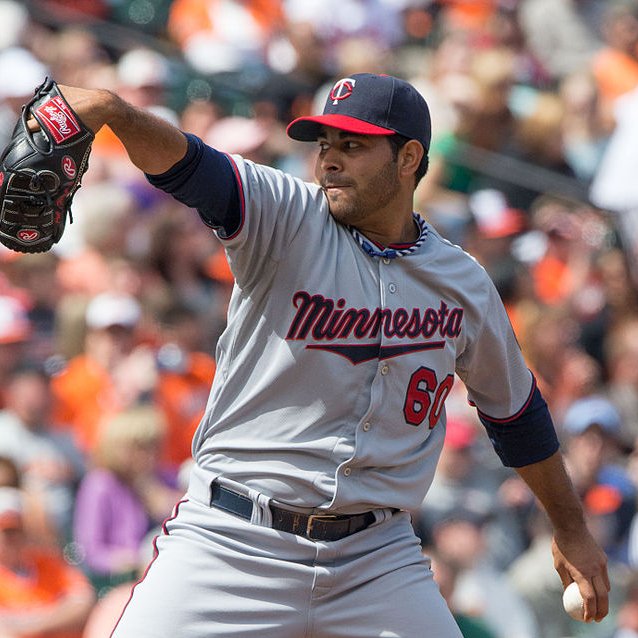 Pedro Michel Hernández was born on April 12, 1989 in Venezuela. The San Diego Paders signed him as an international free agent in 2009. He was traded to the Chicago White Sox in 2012, and made his Major League debut later that season. Hernández pitched just one game for the White Sox, allowing eight runs over 4.0 innings on July 18, 2012. Chicago traded him to the Minnesota Twins just ten days later, acquiring veteran pitcher Francisco Liriano in the process. Infield prospect Eduardo Escobar also went to Minnesota in the deal. Hernández finished 2012 in Triple-A, but broke camp with the Twins in 2013 as their fifth starter. He allowed three runs over five innings in his Twins debut on April 7th. This helped Minnesota defeat the Baltimore Orioles. Hernández allowed just one run over his next three appearances, picking up his first Major League win against the Texas Rangers on April 27th. His hot start slowly faded, and the Twins eventually demoted Hernández to Triple-A in early June with a 5.54 ERA through seven starts and two relief appearances. Despite the poor ERA, he carried a win-loss record of 3-1. Hernández returned to the Twins as a September call-up, making five more starts. The first three were fairly solid, but he allowed 12 runs over a combined 3.2 innings during his final two starts of the year. The Twins outrighted him off of the 40-man roster during the off-season. He signed a minor league deal with the Colorado Rockies in 2014. Hernández appeared in one big league game for them, allowing three runs over 5.2 innings. He pitched for the then-independent St. Paul Saints in 2015, and continued to play professionally in various international leagues through the 2018 season.
 -
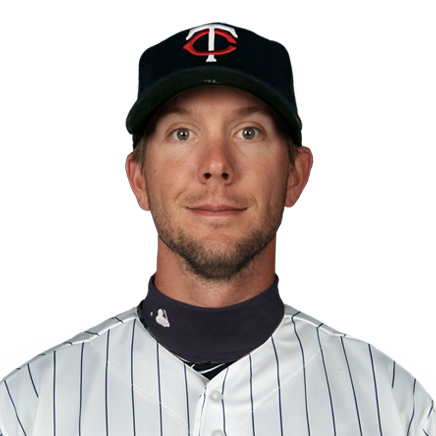 Michael Clete Thomas was born on November 14, 1983 in Jacksonville, Florida. The Minnesota Twins selected him in round five of the 2002 MLB Draft out of high school, but he did not sign. Thomas was later selected byt the Detroit Tigers in round six of the 2005 MLB Draft out of Auburn University. He made his Major League debut for Detroit in 2008. Thomas often jumped up and down between Triple-A and the Majors over the next several seasons. The Tigers designated him for assignment in 2012. Minnesota claimed Thomas off of waivers on April 14, 2012. He homered in his first game with the Twins, and began his tenure there with a three game RBI streak. After cooling off, he was designated for assignment in early May. Thomas cleared waivers, and finished the year with the Rochester Red Wings (AAA). He began 2013 with Rochester, but was called back up to the big leagues on June 3rd. Thomas became the regular center fielder about a week later when rookie Aaron Hicks went on the disabled list. He played in 92 games for the Twins that season, batting .214 with four home runs and 13 RBI. Minnesota outrighted him off of the 40-man roster during the off-season. Thomas spent 2014 on a minor league deal with the Philadelphia Phillies. He retired after the season.
 -
Michael Clete Thomas was born on November 14, 1983 in Jacksonville, Florida. The Minnesota Twins selected him in round five of the 2002 MLB Draft out of high school, but he did not sign. Thomas was later selected byt the Detroit Tigers in round six of the 2005 MLB Draft out of Auburn University. He made his Major League debut for Detroit in 2008. Thomas often jumped up and down between Triple-A and the Majors over the next several seasons. The Tigers designated him for assignment in 2012. Minnesota claimed Thomas off of waivers on April 14, 2012. He homered in his first game with the Twins, and began his tenure there with a three game RBI streak. After cooling off, he was designated for assignment in early May. Thomas cleared waivers, and finished the year with the Rochester Red Wings (AAA). He began 2013 with Rochester, but was called back up to the big leagues on June 3rd. Thomas became the regular center fielder about a week later when rookie Aaron Hicks went on the disabled list. He played in 92 games for the Twins that season, batting .214 with four home runs and 13 RBI. Minnesota outrighted him off of the 40-man roster during the off-season. Thomas spent 2014 on a minor league deal with the Philadelphia Phillies. He retired after the season. View full player
-
.thumb.png.131fdf97b843dfc7f73f4f987002a0f8.png)
Remembering Random Twins: Matt Capps and his Rollercoaster Twins Tenure
William Malone posted an article in History
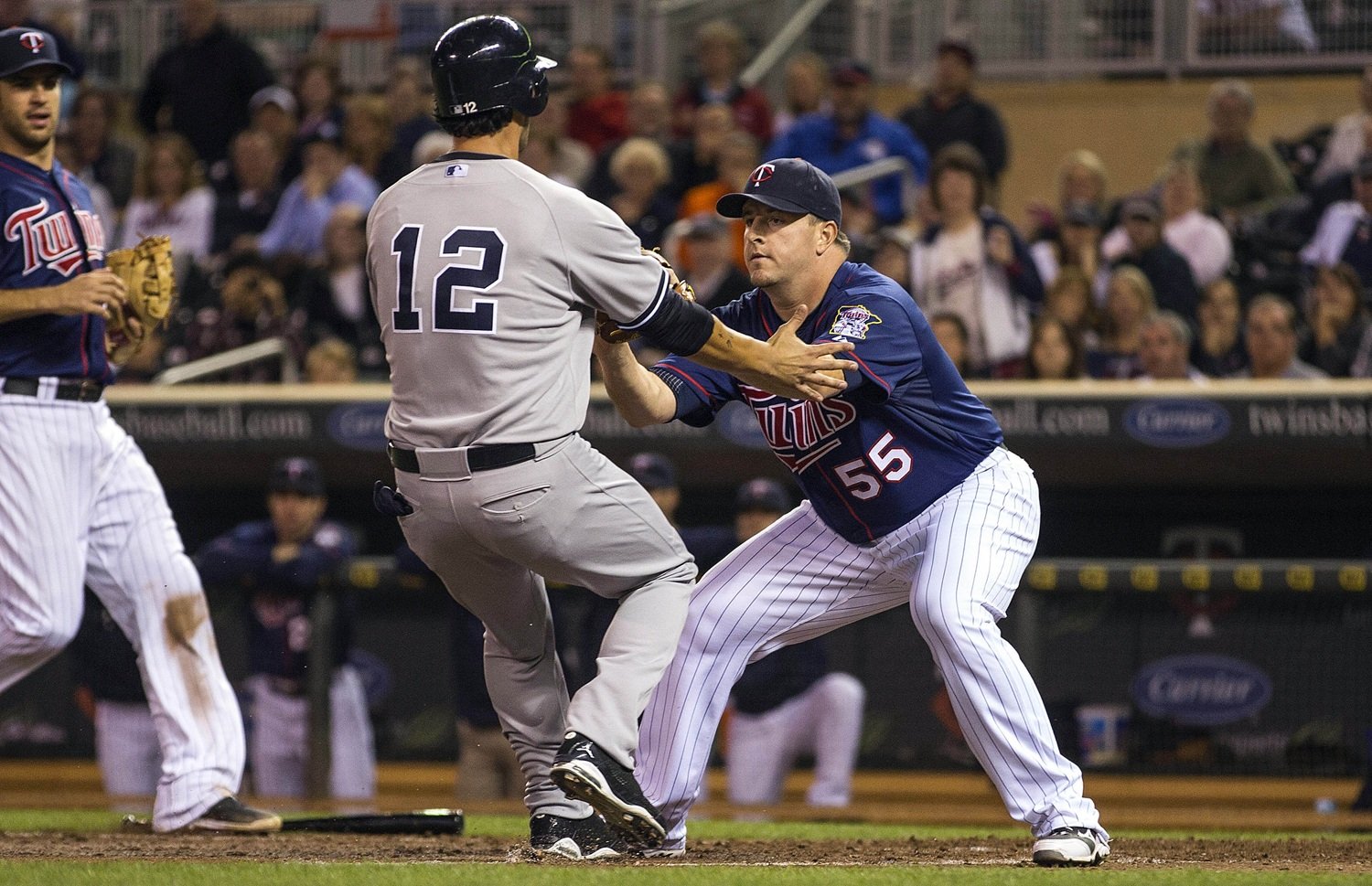 The Minnesota Twins were a popular pick as they opened up Target Field in 2010. And why not? They had won the AL Central in 2009 and looked so much better on paper after a strong off-season. They added shortstop J.J. Hardy and second baseman Orlando Hudson to help shore up their middle infield. Legendary slugger Jim Thome was signed to help give the lineup a little more thunder. On top of that, the rotation was set to benefit from getting a full season out of 2009 in-season acquisition Carl Pavano. However, there was one gaping hole. The Twins did not have a closer after learning superstar Joe Nathan would require Tommy John surgery during spring training. It's impossible to state exactly how big a loss this was. Nathan had a 1.87 ERA for the Twins between 2004 and 2009. He was 246-for-271 (90.77%) in save opportunities during that span. Just to showcase how elite that save percentage is, Mariano Rivera only converted 89.07% (652-for-732) of save chances in his legendary career. Minnesota went out and filled this hole at the 2010 trade deadline by acquiring All-Star closer Matt Capps from the Washington Nationals for catching prospect Wilson Ramos and pitching prospect Joe Testa. While Nathan's shoes were impossible to fill, it was a necessary addition. Winning the AL Central was no guarantee. The Twins weren't even in first place at the deadline, sitting one game behind the Chicago White Sox. Capps was awesome after the trade, outpitching his All-Star numbers with the Nationals. His 2.00 ERA and 1.19 WHIP with the Twins were both better than what he had posted in Washington. He had 16 saves during his two months in Minnesota, including two against the White Sox. He finished the season with eight consecutive scoreless innings, allowing runs in just two of 13 appearances in September. The Twins won their division, and life seemed pretty good in the early days of Target Field. Capps wasn't even a rental. He was set to return in 2011, along with Nathan. 2010 became 2011, and things went downhill for Capps. His ERA ballooned to 4.25, and he was 15-for-24 (.625) in save chances. The only reason he was getting those ninth-inning reps was because Joe Nathan was even worse in his return from Tommy John surgery. In fact, a lot of the Twins' roster had an equal or worse year than Capps in 2011. Joe Mauer went on the disabled list with the infamous bilateral leg weakness injury, and Justin Morneau had a .618 OPS while trying to bounce back from a 2010 concussion. Delmon Young and Danny Valencia both saw triple-digit point drops in their year-to-year OPS as well. Carl Pavano and Francisco Liriano had a combined 4.60 ERA in 57 starts, one year after they had a collective 3.69 ERA. Even though the entire Twins roster was falling off a cliff, the fans sometimes made Capps out to be the poster child of their trek from first to worst in the AL Central. It's just easy to blame the new(ish) guy. Nobody wants to pile on franchise saves leader Joe Nathan just because he's having one bad year. Nobody wants to pile on former MVP's like Mauer or Morneau either. But Capps is fair game, and he was right in the crosshairs of fans, standing next to Tsuyoshi Nishioka. To make matters worse, Minnesota followed up its disastrous 2011 campaign by having an off-season that was just as bad. They said goodbye to fan favorites Michael Cuddyer and Jason Kubel, two of their only bright spots from a 99-loss roster the summer before. Nathan left in free agency as well. But don't worry! They did re-sign Matt Capps to a one-year, $4.5 million deal. There was also a $6 million team option for the 2013 season. Fans were obviously upset, but general manager Terry Ryan was confident in his former All-Star closer. While speaking to season ticket holders in the off-season, he proclaimed "We believe Matt Capps will bounce back." Nobody really believed him, but Capps was their closer and there was nothing the fans could do about it. All they could do was watch. And what they watched was Capps returning to All-Star form early on in the 2012 season. He was 14-for-15 in save chances through 25 appearances that year, boasting a 2.96 ERA and a stellar 0.99 WHIP. Was it helping the Twins? Not really. A closer can only do so much. Minnesota played to a 25-35 record in the time it took Capps to accumulate those 25 relief appearances. But regardless, the bold prediction from a veteran general manager seemed to be coming true. Believe it or not, the Twins bullpen was pretty good top to bottom that year. Glen Perkins, Jared Burton and Casey Fien would combine for a 2.31 ERA and a 0.981 WHIP across 168 outings in 2012. Alex Burnett had a solid 3.52 ERA in his 67 appearances, and some of the random Quad-A guys were producing when called upon; Kyle Waldrop had a 2.53 ERA in 17 games, and Luis Perdomo had a 3.18 ERA in 15 games. Unfortunately, Capps was not destined to play a role for this surprisingly good bullpen during the second half of 2012. He went on the disabled list for shoulder inflammation in late June. Capps was activated after the All-Star break but landed right back on the disabled list after two ineffective appearances in July. He returned again very late in the year, tossing a shutout inning against the New York Yankees on September 24th. That would be his final Major League appearance. Capps was never able to get past the shoulder issues that ended his bounce-back 2012 campaign. Minnesota declined his contract option, and he signed with the Cleveland Indians. The shoulder began to hurt again in spring training, and his season was limited to just six minor league games on a rehab stint before getting shut down for good. Cleveland signed Capps back on a minor league deal for 2014, but he was limited to just four games that year. He sat out the entire 2015 season, signing a minor league deal with the Arizona Diamondbacks in 2016. Capps was finally healthy enough to stay on the field, but any effectiveness he had was gone. He tossed 50 1/3 innings out of their Triple-A bullpen, owning a 5.15 ERA with a 1.48 WHIP. This ended his professional playing career, but Capps is still very close to the game. He began working as a broadcaster for the Pirates in 2018, first serving as a studio analyst before moving to the booth in 2021. Capps is currently one of several color commentators who rotates between the Pirates television and radio booths.
 -
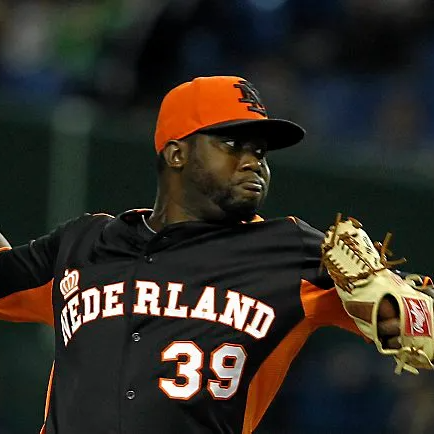 Shairon Benjamin Martis was born on March 30, 1987 in Curaçao. The San Francisco Giants signed him as an international free agent in 2004. He was traded to the Washington Nationals at the trade deadline in 2006, helping San Francisco acquire veteran reliever Mike Stanton. Martis made his Major League debut for the Nationals in 2008. He made 19 starts and one relief appearance for them over two seasons, going 6-6 with a 5.33 ERA. Martis pitched in three different minor league systems between 2010 and 2012. He was the Rochester Red Wings (Triple-A) closer in 2013, and earned a Major League call-up with the Minnesota Twins that September. Martis was 0-1 with a 5.59 ERA out of the Minnesota bullpen that month, covering 9.2 innings. His cup of coffee with the Twins was his final Major League stop, but Martis has had a long run in both independent and international baseball. As of 2025, he is still pitching professionally in the Netherlands at the age of 38. Martis most notably had a four year stint with the Lincoln Saltdogs of the American Association.
 -
Shairon Benjamin Martis was born on March 30, 1987 in Curaçao. The San Francisco Giants signed him as an international free agent in 2004. He was traded to the Washington Nationals at the trade deadline in 2006, helping San Francisco acquire veteran reliever Mike Stanton. Martis made his Major League debut for the Nationals in 2008. He made 19 starts and one relief appearance for them over two seasons, going 6-6 with a 5.33 ERA. Martis pitched in three different minor league systems between 2010 and 2012. He was the Rochester Red Wings (Triple-A) closer in 2013, and earned a Major League call-up with the Minnesota Twins that September. Martis was 0-1 with a 5.59 ERA out of the Minnesota bullpen that month, covering 9.2 innings. His cup of coffee with the Twins was his final Major League stop, but Martis has had a long run in both independent and international baseball. As of 2025, he is still pitching professionally in the Netherlands at the age of 38. Martis most notably had a four year stint with the Lincoln Saltdogs of the American Association. View full player
-
Tyler Patrick Robertson was born on December 23, 1987 in Simi Valley, California. The Minnesota Twins selected him in round three of the 2006 MLB Draft. He was a Florida State League (High-A) All-Star in 2008, but a shoulder injury in July ended his season early. Robertson was eventually converted to the bullpen. He went 10-3 with a 3.61 ERA and 16 saves for the New Britain Rock Cats (Double-A) in 2011. Robertson began 2012 in Triple-A. Minnesota called him up in late June. He made his Major League debut on June 26th against the Chicago White Sox, striking out all three hitters he faced on 15 pitches. Robertson remained in the Twins bullpen for the rest of that season, going 2-2 with a 5.40 ERA and five holds across 40 relief appearances. He finished the year with a streak of five straight scoreless appearances. The Twins included Robertson on their Opening Day roster in 2013. He registered a hold in his season debut on April 4th, but was optioned to Triple-A a day later. Minnesota designated him for assignment in June. The Washington National claimed him off of waivers. Robertson finished the year in the Nationals farm system, spending 2014 there as well. He never reached the Majors after leaving the Twins. View full player
-
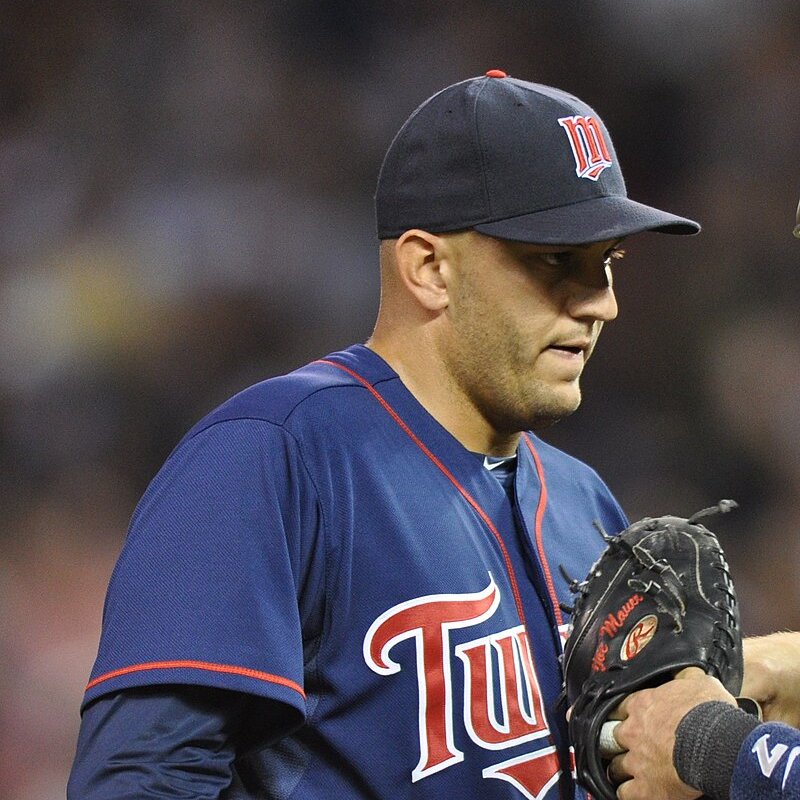 Tyler Patrick Robertson was born on December 23, 1987 in Simi Valley, California. The Minnesota Twins selected him in round three of the 2006 MLB Draft. He was a Florida State League (High-A) All-Star in 2008, but a shoulder injury in July ended his season early. Robertson was eventually converted to the bullpen. He went 10-3 with a 3.61 ERA and 16 saves for the New Britain Rock Cats (Double-A) in 2011. Robertson began 2012 in Triple-A. Minnesota called him up in late June. He made his Major League debut on June 26th against the Chicago White Sox, striking out all three hitters he faced on 15 pitches. Robertson remained in the Twins bullpen for the rest of that season, going 2-2 with a 5.40 ERA and five holds across 40 relief appearances. He finished the year with a streak of five straight scoreless appearances. The Twins included Robertson on their Opening Day roster in 2013. He registered a hold in his season debut on April 4th, but was optioned to Triple-A a day later. Minnesota designated him for assignment in June. The Washington National claimed him off of waivers. Robertson finished the year in the Nationals farm system, spending 2014 there as well. He never reached the Majors after leaving the Twins.
 -
It was a really fun interview! Loved getting to talk with him.
- 4 replies
-
- 1
-

-
- tony todd
- mickey scales
- (and 5 more)
-
Image courtesy of © Jayne Kamin-Oncea-Imagn Images Tony Todd had a baseball background, not an acting background, when he was cast in Little Big League. He stumbled by the casting call by chance. I was born and raised in Santa Monica. Highly touted career in baseball and football at the high schools. Recruited by like every school in the nation as a running back; USC, UCLA, Notre Dame, everyone. And then my senior year, just a big tragedy happened. Broke my ankle the second game of the season. It all came to a halt. I had smaller schools who were interested. Fast forward, I end up going to a smaller university. Getting hurt again. So, I came home and was working for the City of Santa Monica. And it's so ironic that one day I was driving past a park named Marine Park in Santa Monica. There are about 200 guys on the baseball field. My buddy pulls over. I get out of the car and go over to find out what's going on. They said they were casting a movie. I was like "Oh man, what kind of movie?" "Oh, it's a baseball movie." So, I go home and put on my college baseball uniform. Filmmakers were initially hesitant to let Todd tryout at the casting call. They asked me what I was doing there. I said, "you said you're casting a movie" and I asked if I could get a shot. They said, "we can't do it." So, as I was walking away, I believe it was the writer, or the director asked me if I could play. And I said, "by the looks of things, I'm probably better than everyone you guys got out there." They told me they had been hearing that all day. They had an L-screen set up. They were giving everyone ten pitches, but they gave me five. I hit the first four over the fence, and on the last one they told me to sprint to first base. And back in the day, I could really go. I could really run. So, I didn't stop at first. I ran all the way home, and did a little pop-up slide. They were like "Oh my goodness! Can you come into casting tomorrow?" Todd didn't leave the best first impression when running lines with the casting director. The casting director gives me some sides. She reads her part; I read my part. And I've never done this before. I'm reading stuff between the lines. No eye contact with her, nothing. Bottom line, I had no idea what I was doing. She says I might as well take it home and go over it. I take it home and reach out to a friend for help to go over the sides with me. My friend tells me "Tony, if you can't play this role, you should never try to act again in your life. This role is meant for you. You're the rookie on the team. Your name is Mickey Scales. It's just perfect for you." So, we go over it about five or six times. Just gave me a few directions and I went back [to casting] the next day. He was much better when returning a day later, landing the part of Mickey Scales. It was 100% better. She calls in the producer Steve Nicolaides. Read for him, and he loved it. And the next day, I go in front of the suits. That's what they call them, everyone at Castle Rock and all the big-time people. They loved it. I had about six pages, and they told me I could stop reading when I got to page three. I thought I did something wrong, but they asked if I had ever been to Minnesota. I said "no, but I know Kirby Puckett plays there." And that's how I got the part of Mickey Scales in Little Big League. Little Big League is notable for featuring several Major League superstars, including Ken Griffey Jr and Randy Johnson. Griffey came to Minnesota, and we would hang out. I'm still friends with Tim Raines. To see Randy [Johnson] throw 100 miles per hour in person was incredible. Sandy Alomar, and all the other guys. We got to hang out with them very often. The cast and crew of Little Big League got to film in several different American League cities. Every field you see in the movie, we went there. Which was unbelievable. We were going on the weekends, staying five or six days. We'd film, and then come back to Minnesota. It's like you're on a trip with your buddies in college, and you're going to play another team. And we were doing this in the big leagues, so it felt like we were big leaguers. That was really, really cool. Mickey Scales hits a clutch home run in the final game of the movie. Todd wants everyone to know that it was all him, not Hollywood. C'mon, man. Don't do me like that. You gotta understand, I did go to college on a football and baseball scholarship. That's the reason why I got the job. [The home run] happened on the second take. Not the first take, but it happened on the second take and went over the fence. You gotta understand, everything we did in that movie we actually did it. The scene where [former MLB shortstop and Little Big League actor] Kevin Elster and I turn two, they ask us to actually do it. And Kevin Elster asks me how I would like to do it. That's the reason why they hired us. They hired us as athletes first. Athletes before actors. If you could not play baseball, you would not be in that movie. And I'm glad that they did that, because I feel that this movie, by far against any other baseball movie, had the best athletes in it. Elster was the only active Major League player in Little Big League who did not play himself. He is most notable for playing in 88 consecutive games at shortstop without committing an error in 1989. This was a Major League record at the time, and is still the National League record. [Kevin Elster] was still active, but he was injured. Originally, Mickey Scales was the shortstop. But once Kevin Elster comes along, he's obviously going to play the shortstop. That moved me to second base. Despite being an inexperienced actor, Todd was still given the freedom to go off script at times. In [the math problem] scene, I walk up to the board like "hey what's up, Mac?" He asks me if I can paint a house in blah, blah, blah hours. How long for us to do it together? Originally in the script, I think I said "c'mon coach, I'm the rookie. I shouldn't know this." But then I asked them if I could do a take where I just walk up there like I have no clue and just start chewing the gum. And after I did it and they start clapping, I kinda knew that scene would probably be in the movie. Mickey Scales was depicted as a struggling rookie in the film, but Todd believes he went onto have a very nice career in the Little Big League universe. He was just learning the ropes. He really couldn't hit at first. I come through at the end one game and hit a home run. But, and this is just me talking, I think he would've been in the league for a good ten to 12 years. You know, as long as the speed is still there, everything would've worked out. His glove too. I'm the first actor to win a Gold Glove. That's something I'm very proud of. Todd has personal connections with several real-life Twins players. It all started with a good friend of mine, Torii Hunter. I told Torii Hunter right when he was breaking in [with the Twins] that he was going to make over $100 million playing baseball. He's like "yeah, right." Every time we talk about that now, he laughs about it. You can even ask him that. He will back that story up. Joe Ryan. We would work out together at UCLA in the off-season. So that's how I met him. We went to a few Clipper games together. He's a big car guy. Loves Porsches. So, if you ever run into him, you can ask him about his love for Porsches. I've known [2025 Twins draft pick] Quentin Young. I watched the kid play this year, his senior year at Oaks Christian High School. Just a really talented young man. Unbelievable. I thought he was going to go higher in the draft. His makeup is great. Just a great person. When I first interviewed him, he was in the ninth grade. I thought he was a senior; he was so big. And just had this raw talent. I think he's going to help [the Twins] tremendously. Chicago Cubs outfielder Pete Crow Armstrong is the son of actress Ashley Crow, who played Jenny Heywood in Little Big League. I've been watching [Pete Crow Armstrong] play since he was in Little League, and I still have video of him playing in high school. He's always played that way. Everything he's doing he was doing the same way in Little League, high school and now. His talent is just unbelievable. I'm so happy for him, because he's such a great guy. He deserves all the attention he's receiving right now. And it comes from his parents. His mom and dad are just great people. I text Ashley [Crow] all the time, and they're so humble about it. If that was my kid, my ringtone would be the call of him hitting a home run or something. It's kinda cool because as he stays relevant, it helps our movie. MLB Network, they run our movie often. One, it's a good baseball movie. But then, they find out that it's Pete's mom in the movie. I'm pretty sure that helps. Todd thought the Twins should've capitalized with a 30th anniversary celebration of Little Big League last year. You would think that the Twins would at least have a 30-year anniversary. They could've done something. At least show the movie at the stadium. You know, maybe after a day game. Invite the fans out to watch the movie. I could've gotten a bunch of the guys to come out. Greet the fans. Everyone was shocked about that. There was not a mention about it. Giving back to the community has been very important to Todd. Just the other day, we had a 75 anniversary of our Santa Monica Little League. We raised some money for the kids to go to Cooperstown. I invited John Minch, who played Hodgy [catcher Mark Hodges] in the movie. He came out from Arizona. It was a great event. We had other baseball players there. Kenny Lofton, Cleveland Indians Hall of Famer. We had Tim Leary, Dodgers '88 World Series. He was there; he's from Santa Monica. We had a good time and raised a bunch of money for the kids. That's what it's all about. I just love giving back to kids, because that's what my coaches did for me. His interest in local youth baseball has allowed Todd to get an early look at many future Major League players. When I'm not working, I'm usually at a game. Angel game, Dodger game, high school game. Really any game here in the area. I love to watch good talent. There's a lot of great baseball talent here in California. I usually see these kids when they're in junior high school. We had Lucas Giolito. He was a first-round pick. Dominic Smith from the Mets, he was a first-round pick. Max Fried. You see all these local guys before they become who they are. It's a great thing. Pete Crow-Armstrong. J.P. Crawford. The list goes on and on. Hall of Fame shortstop Ozzie Smith once called Todd "the greatest player ever in celebrity softball." Playing in those little celebrity softball games. I got a shoutout from Ozzie Smith. The greatest celebrity softball player ever! To have him say that about me. When I play in those games, I just go hard. Can you imagine playing on a field with guys you looked up to? You're gonna try to impress them, right? I'm gonna show 'em what I got. View full article
-
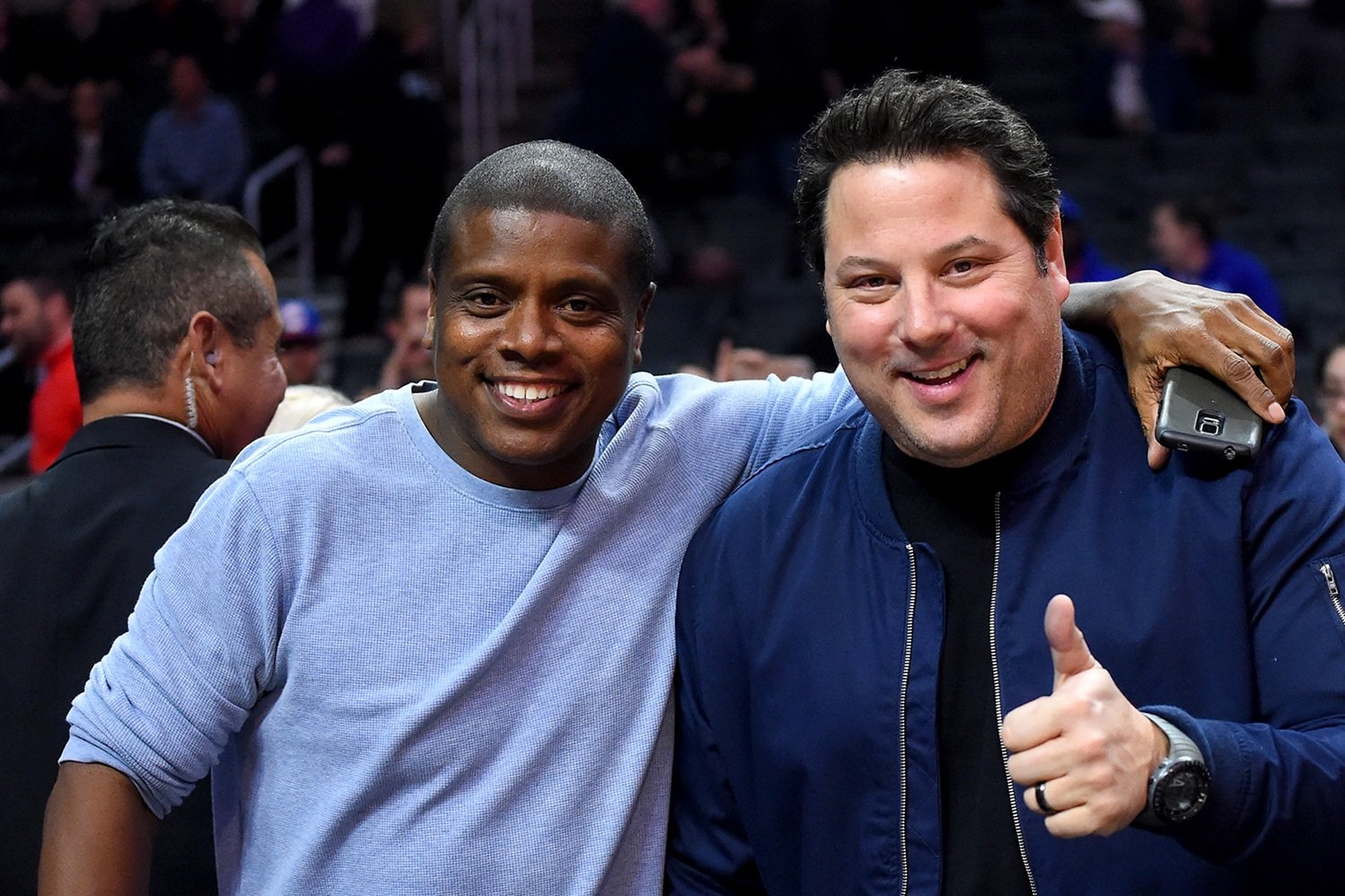 Tony Todd had a baseball background, not an acting background, when he was cast in Little Big League. He stumbled by the casting call by chance. I was born and raised in Santa Monica. Highly touted career in baseball and football at the high schools. Recruited by like every school in the nation as a running back; USC, UCLA, Notre Dame, everyone. And then my senior year, just a big tragedy happened. Broke my ankle the second game of the season. It all came to a halt. I had smaller schools who were interested. Fast forward, I end up going to a smaller university. Getting hurt again. So, I came home and was working for the City of Santa Monica. And it's so ironic that one day I was driving past a park named Marine Park in Santa Monica. There are about 200 guys on the baseball field. My buddy pulls over. I get out of the car and go over to find out what's going on. They said they were casting a movie. I was like "Oh man, what kind of movie?" "Oh, it's a baseball movie." So, I go home and put on my college baseball uniform. Filmmakers were initially hesitant to let Todd tryout at the casting call. They asked me what I was doing there. I said, "you said you're casting a movie" and I asked if I could get a shot. They said, "we can't do it." So, as I was walking away, I believe it was the writer, or the director asked me if I could play. And I said, "by the looks of things, I'm probably better than everyone you guys got out there." They told me they had been hearing that all day. They had an L-screen set up. They were giving everyone ten pitches, but they gave me five. I hit the first four over the fence, and on the last one they told me to sprint to first base. And back in the day, I could really go. I could really run. So, I didn't stop at first. I ran all the way home, and did a little pop-up slide. They were like "Oh my goodness! Can you come into casting tomorrow?" Todd didn't leave the best first impression when running lines with the casting director. The casting director gives me some sides. She reads her part; I read my part. And I've never done this before. I'm reading stuff between the lines. No eye contact with her, nothing. Bottom line, I had no idea what I was doing. She says I might as well take it home and go over it. I take it home and reach out to a friend for help to go over the sides with me. My friend tells me "Tony, if you can't play this role, you should never try to act again in your life. This role is meant for you. You're the rookie on the team. Your name is Mickey Scales. It's just perfect for you." So, we go over it about five or six times. Just gave me a few directions and I went back [to casting] the next day. He was much better when returning a day later, landing the part of Mickey Scales. It was 100% better. She calls in the producer Steve Nicolaides. Read for him, and he loved it. And the next day, I go in front of the suits. That's what they call them, everyone at Castle Rock and all the big-time people. They loved it. I had about six pages, and they told me I could stop reading when I got to page three. I thought I did something wrong, but they asked if I had ever been to Minnesota. I said "no, but I know Kirby Puckett plays there." And that's how I got the part of Mickey Scales in Little Big League. Little Big League is notable for featuring several Major League superstars, including Ken Griffey Jr and Randy Johnson. Griffey came to Minnesota, and we would hang out. I'm still friends with Tim Raines. To see Randy [Johnson] throw 100 miles per hour in person was incredible. Sandy Alomar, and all the other guys. We got to hang out with them very often. The cast and crew of Little Big League got to film in several different American League cities. Every field you see in the movie, we went there. Which was unbelievable. We were going on the weekends, staying five or six days. We'd film, and then come back to Minnesota. It's like you're on a trip with your buddies in college, and you're going to play another team. And we were doing this in the big leagues, so it felt like we were big leaguers. That was really, really cool. Mickey Scales hits a clutch home run in the final game of the movie. Todd wants everyone to know that it was all him, not Hollywood. C'mon, man. Don't do me like that. You gotta understand, I did go to college on a football and baseball scholarship. That's the reason why I got the job. [The home run] happened on the second take. Not the first take, but it happened on the second take and went over the fence. You gotta understand, everything we did in that movie we actually did it. The scene where [former MLB shortstop and Little Big League actor] Kevin Elster and I turn two, they ask us to actually do it. And Kevin Elster asks me how I would like to do it. That's the reason why they hired us. They hired us as athletes first. Athletes before actors. If you could not play baseball, you would not be in that movie. And I'm glad that they did that, because I feel that this movie, by far against any other baseball movie, had the best athletes in it. Elster was the only active Major League player in Little Big League who did not play himself. He is most notable for playing in 88 consecutive games at shortstop without committing an error in 1989. This was a Major League record at the time, and is still the National League record. [Kevin Elster] was still active, but he was injured. Originally, Mickey Scales was the shortstop. But once Kevin Elster comes along, he's obviously going to play the shortstop. That moved me to second base. Despite being an inexperienced actor, Todd was still given the freedom to go off script at times. In [the math problem] scene, I walk up to the board like "hey what's up, Mac?" He asks me if I can paint a house in blah, blah, blah hours. How long for us to do it together? Originally in the script, I think I said "c'mon coach, I'm the rookie. I shouldn't know this." But then I asked them if I could do a take where I just walk up there like I have no clue and just start chewing the gum. And after I did it and they start clapping, I kinda knew that scene would probably be in the movie. Mickey Scales was depicted as a struggling rookie in the film, but Todd believes he went onto have a very nice career in the Little Big League universe. He was just learning the ropes. He really couldn't hit at first. I come through at the end one game and hit a home run. But, and this is just me talking, I think he would've been in the league for a good ten to 12 years. You know, as long as the speed is still there, everything would've worked out. His glove too. I'm the first actor to win a Gold Glove. That's something I'm very proud of. Todd has personal connections with several real-life Twins players. It all started with a good friend of mine, Torii Hunter. I told Torii Hunter right when he was breaking in [with the Twins] that he was going to make over $100 million playing baseball. He's like "yeah, right." Every time we talk about that now, he laughs about it. You can even ask him that. He will back that story up. Joe Ryan. We would work out together at UCLA in the off-season. So that's how I met him. We went to a few Clipper games together. He's a big car guy. Loves Porsches. So, if you ever run into him, you can ask him about his love for Porsches. I've known [2025 Twins draft pick] Quentin Young. I watched the kid play this year, his senior year at Oaks Christian High School. Just a really talented young man. Unbelievable. I thought he was going to go higher in the draft. His makeup is great. Just a great person. When I first interviewed him, he was in the ninth grade. I thought he was a senior; he was so big. And just had this raw talent. I think he's going to help [the Twins] tremendously. Chicago Cubs outfielder Pete Crow Armstrong is the son of actress Ashley Crow, who played Jenny Heywood in Little Big League. I've been watching [Pete Crow Armstrong] play since he was in Little League, and I still have video of him playing in high school. He's always played that way. Everything he's doing he was doing the same way in Little League, high school and now. His talent is just unbelievable. I'm so happy for him, because he's such a great guy. He deserves all the attention he's receiving right now. And it comes from his parents. His mom and dad are just great people. I text Ashley [Crow] all the time, and they're so humble about it. If that was my kid, my ringtone would be the call of him hitting a home run or something. It's kinda cool because as he stays relevant, it helps our movie. MLB Network, they run our movie often. One, it's a good baseball movie. But then, they find out that it's Pete's mom in the movie. I'm pretty sure that helps. Todd thought the Twins should've capitalized with a 30th anniversary celebration of Little Big League last year. You would think that the Twins would at least have a 30-year anniversary. They could've done something. At least show the movie at the stadium. You know, maybe after a day game. Invite the fans out to watch the movie. I could've gotten a bunch of the guys to come out. Greet the fans. Everyone was shocked about that. There was not a mention about it. Giving back to the community has been very important to Todd. Just the other day, we had a 75 anniversary of our Santa Monica Little League. We raised some money for the kids to go to Cooperstown. I invited John Minch, who played Hodgy [catcher Mark Hodges] in the movie. He came out from Arizona. It was a great event. We had other baseball players there. Kenny Lofton, Cleveland Indians Hall of Famer. We had Tim Leary, Dodgers '88 World Series. He was there; he's from Santa Monica. We had a good time and raised a bunch of money for the kids. That's what it's all about. I just love giving back to kids, because that's what my coaches did for me. His interest in local youth baseball has allowed Todd to get an early look at many future Major League players. When I'm not working, I'm usually at a game. Angel game, Dodger game, high school game. Really any game here in the area. I love to watch good talent. There's a lot of great baseball talent here in California. I usually see these kids when they're in junior high school. We had Lucas Giolito. He was a first-round pick. Dominic Smith from the Mets, he was a first-round pick. Max Fried. You see all these local guys before they become who they are. It's a great thing. Pete Crow-Armstrong. J.P. Crawford. The list goes on and on. Hall of Fame shortstop Ozzie Smith once called Todd "the greatest player ever in celebrity softball." Playing in those little celebrity softball games. I got a shoutout from Ozzie Smith. The greatest celebrity softball player ever! To have him say that about me. When I play in those games, I just go hard. Can you imagine playing on a field with guys you looked up to? You're gonna try to impress them, right? I'm gonna show 'em what I got.
- 4 comments
-
- 3
-
-
-
- tony todd
- mickey scales
- (and 5 more)
-
Matt Capps was so bad in 2011, that many fans forget how good he was in 2010...and even 2012. Image courtesy of © Jesse Johnson-Imagn Images Matt Capps was so bad in 2011, that many fans forget how good he was in 2010...and even 2012. The Minnesota Twins were a popular pick as they opened up Target Field in 2010. And why not? They had won the AL Central in 2009 and looked so much better on paper after a strong off-season. They added shortstop J.J. Hardy and second baseman Orlando Hudson to help shore up their middle infield. Legendary slugger Jim Thome was signed to help give the lineup a little more thunder. On top of that, the rotation was set to benefit from getting a full season out of 2009 in-season acquisition Carl Pavano. However, there was one gaping hole. The Twins did not have a closer after learning superstar Joe Nathan would require Tommy John surgery during spring training. It's impossible to state exactly how big a loss this was. Nathan had a 1.87 ERA for the Twins between 2004 and 2009. He was 246-for-271 (90.77%) in save opportunities during that span. Just to showcase how elite that save percentage is, Mariano Rivera only converted 89.07% (652-for-732) of save chances in his legendary career. Minnesota went out and filled this hole at the 2010 trade deadline by acquiring All-Star closer Matt Capps from the Washington Nationals for catching prospect Wilson Ramos and pitching prospect Joe Testa. While Nathan's shoes were impossible to fill, it was a necessary addition. Winning the AL Central was no guarantee. The Twins weren't even in first place at the deadline, sitting one game behind the Chicago White Sox. Capps was awesome after the trade, outpitching his All-Star numbers with the Nationals. His 2.00 ERA and 1.19 WHIP with the Twins were both better than what he had posted in Washington. He had 16 saves during his two months in Minnesota, including two against the White Sox. He finished the season with eight consecutive scoreless innings, allowing runs in just two of 13 appearances in September. The Twins won their division, and life seemed pretty good in the early days of Target Field. Capps wasn't even a rental. He was set to return in 2011, along with Nathan. 2010 became 2011, and things went downhill for Capps. His ERA ballooned to 4.25, and he was 15-for-24 (.625) in save chances. The only reason he was getting those ninth-inning reps was because Joe Nathan was even worse in his return from Tommy John surgery. In fact, a lot of the Twins' roster had an equal or worse year than Capps in 2011. Joe Mauer went on the disabled list with the infamous bilateral leg weakness injury, and Justin Morneau had a .618 OPS while trying to bounce back from a 2010 concussion. Delmon Young and Danny Valencia both saw triple-digit point drops in their year-to-year OPS as well. Carl Pavano and Francisco Liriano had a combined 4.60 ERA in 57 starts, one year after they had a collective 3.69 ERA. Even though the entire Twins roster was falling off a cliff, the fans sometimes made Capps out to be the poster child of their trek from first to worst in the AL Central. It's just easy to blame the new(ish) guy. Nobody wants to pile on franchise saves leader Joe Nathan just because he's having one bad year. Nobody wants to pile on former MVP's like Mauer or Morneau either. But Capps is fair game, and he was right in the crosshairs of fans, standing next to Tsuyoshi Nishioka. To make matters worse, Minnesota followed up its disastrous 2011 campaign by having an off-season that was just as bad. They said goodbye to fan favorites Michael Cuddyer and Jason Kubel, two of their only bright spots from a 99-loss roster the summer before. Nathan left in free agency as well. But don't worry! They did re-sign Matt Capps to a one-year, $4.5 million deal. There was also a $6 million team option for the 2013 season. Fans were obviously upset, but general manager Terry Ryan was confident in his former All-Star closer. While speaking to season ticket holders in the off-season, he proclaimed "We believe Matt Capps will bounce back." Nobody really believed him, but Capps was their closer and there was nothing the fans could do about it. All they could do was watch. And what they watched was Capps returning to All-Star form early on in the 2012 season. He was 14-for-15 in save chances through 25 appearances that year, boasting a 2.96 ERA and a stellar 0.99 WHIP. Was it helping the Twins? Not really. A closer can only do so much. Minnesota played to a 25-35 record in the time it took Capps to accumulate those 25 relief appearances. But regardless, the bold prediction from a veteran general manager seemed to be coming true. Believe it or not, the Twins bullpen was pretty good top to bottom that year. Glen Perkins, Jared Burton and Casey Fien would combine for a 2.31 ERA and a 0.981 WHIP across 168 outings in 2012. Alex Burnett had a solid 3.52 ERA in his 67 appearances, and some of the random Quad-A guys were producing when called upon; Kyle Waldrop had a 2.53 ERA in 17 games, and Luis Perdomo had a 3.18 ERA in 15 games. Unfortunately, Capps was not destined to play a role for this surprisingly good bullpen during the second half of 2012. He went on the disabled list for shoulder inflammation in late June. Capps was activated after the All-Star break but landed right back on the disabled list after two ineffective appearances in July. He returned again very late in the year, tossing a shutout inning against the New York Yankees on September 24th. That would be his final Major League appearance. Capps was never able to get past the shoulder issues that ended his bounce-back 2012 campaign. Minnesota declined his contract option, and he signed with the Cleveland Indians. The shoulder began to hurt again in spring training, and his season was limited to just six minor league games on a rehab stint before getting shut down for good. Cleveland signed Capps back on a minor league deal for 2014, but he was limited to just four games that year. He sat out the entire 2015 season, signing a minor league deal with the Arizona Diamondbacks in 2016. Capps was finally healthy enough to stay on the field, but any effectiveness he had was gone. He tossed 50 1/3 innings out of their Triple-A bullpen, owning a 5.15 ERA with a 1.48 WHIP. This ended his professional playing career, but Capps is still very close to the game. He began working as a broadcaster for the Pirates in 2018, first serving as a studio analyst before moving to the booth in 2021. Capps is currently one of several color commentators who rotates between the Pirates television and radio booths. View full article
-
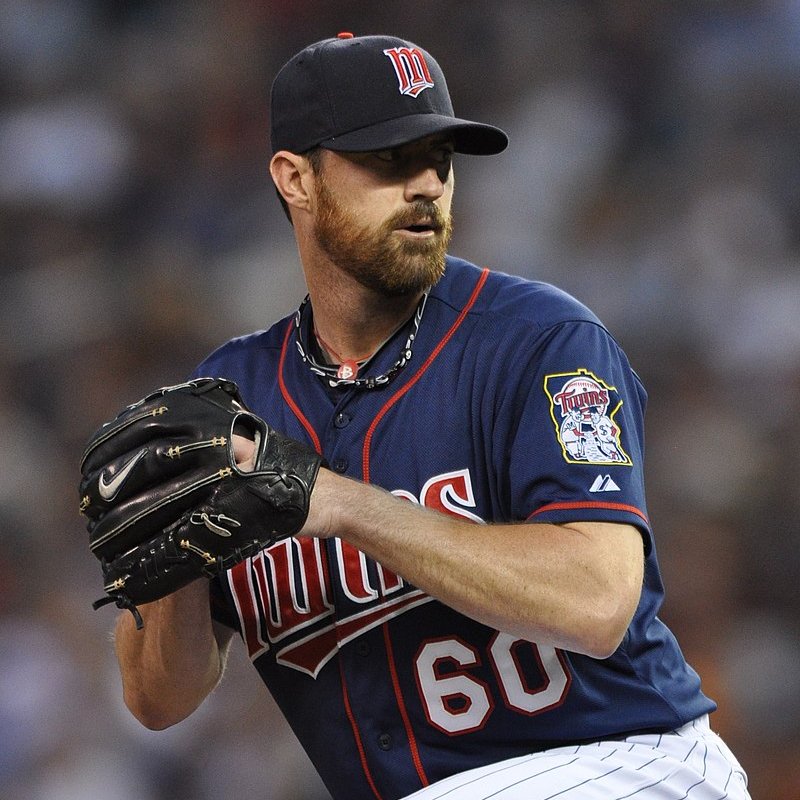 Jeffrey Michael Gray was born on November 19, 1981 in Texas City, Texas. The Oakland Athletics selected him in round 32 of the 2004 MLB Draft. He made his Major League debut in 2009, making 29 relief appearances over parts of two seasons for Oakland. Gray pitched for the Chicago Cubs in 2011. He split 2012 with the Chicago White Sox and Seattle Mariners. Seattle designated Gray for assignment after the 2012 campaign ended. The Minnesota Twins claimed him off of waivers. Gray made their Opening Day roster in 2013. His season got off to a strong start, going 2-0 with a 1.86 ERA in ten April appearances. His month of May was fairly strong too, but his statistics were inflated due to a five run disaster against the Milwaukee Brewers on May 20th. Without that outing, Gray had a 2.08 ERA over 21 appearances. With it, his ERA ballooned to 4.15 through 22 outings. He entered the All-Star break sporting a 3.93 ERA and an impressive 5-0 record out of the bullpen. The second half wasn't as kind to Gray, who finished the year with a 5.71 ERA across a career high 49 relief appearances. Gray spent 2013 in the White Sox minor league system, and then he retired.
 -
Jeffrey Michael Gray was born on November 19, 1981 in Texas City, Texas. The Oakland Athletics selected him in round 32 of the 2004 MLB Draft. He made his Major League debut in 2009, making 29 relief appearances over parts of two seasons for Oakland. Gray pitched for the Chicago Cubs in 2011. He split 2012 with the Chicago White Sox and Seattle Mariners. Seattle designated Gray for assignment after the 2012 campaign ended. The Minnesota Twins claimed him off of waivers. Gray made their Opening Day roster in 2013. His season got off to a strong start, going 2-0 with a 1.86 ERA in ten April appearances. His month of May was fairly strong too, but his statistics were inflated due to a five run disaster against the Milwaukee Brewers on May 20th. Without that outing, Gray had a 2.08 ERA over 21 appearances. With it, his ERA ballooned to 4.15 through 22 outings. He entered the All-Star break sporting a 3.93 ERA and an impressive 5-0 record out of the bullpen. The second half wasn't as kind to Gray, who finished the year with a 5.71 ERA across a career high 49 relief appearances. Gray spent 2013 in the White Sox minor league system, and then he retired. View full player
-
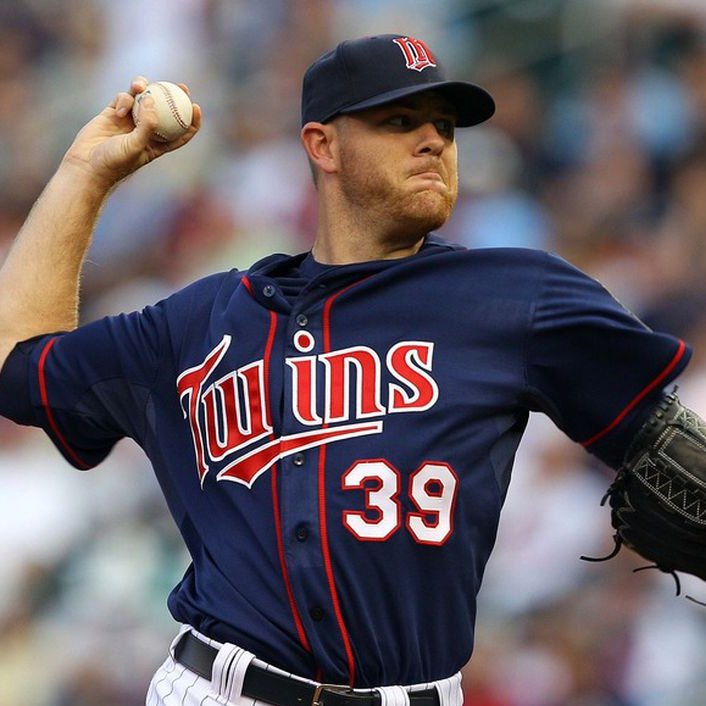 Phillip DeWayne Walters Jr. was born on March 12, 1985 in Dothan, Alabama. The St. Louis Cardinals selected him in round 11 of the 2006 MLB Draft out of the University of South Alabama. He made his Major League debut for them in 2009, making four starts and 15 relief appearances over parts of three seasons with the Cardinals. Walters was part of a seven player trade between the Cardinals and Toronto Blue Jays at the 2011 deadline. Toronto removed Walters from their 40-man roster in the off-season. He elected free agency after clearing waivers, and signed a minor league deal with the Minnesota Twins. Walters was the Opening Day starter for the Rochester Red Wings (AAA) in 2012. Minnesota called him up about a month and a half into the season. He allowed two runs over six innings in his Twins debut on May 12th, but suffered the loss due to lack of run support against his old Blue Jays squad. Walters picked up a win in his next start on May 17th, allowing three runs across 6.1 innings against the eventual American League champion Detroit Tigers. He struck out eight in a complete game win against the Chicago White Sox on May 22nd, allowing only five hits and two runs. This was followed up with another impressive showing against Detroit on May 27th. The calendar flipped to June, and Walters began to unravel a bit. This included a start against the Philadelphia Phillies on June 13th where he allowed four runs and was removed before getting a single batter out. Minnesota eventually optioned him back to Triple-A. Walters finished the year 2-5 with a 5.69 ERA in 12 big league starts. Minnesota brought him back in 2013. Walters made eight starts, going 2-5 with a 5.95 ERA. He once again had a start where he failed to get out of the first innings, which came on June 22nd against the Cleveland Indians. The Twins were his final Major League stop, but Walters continued to pitch professionally until 2015. This included several minor league deals, and various stints in independent leagues.
 -
Phillip DeWayne Walters Jr. was born on March 12, 1985 in Dothan, Alabama. The St. Louis Cardinals selected him in round 11 of the 2006 MLB Draft out of the University of South Alabama. He made his Major League debut for them in 2009, making four starts and 15 relief appearances over parts of three seasons with the Cardinals. Walters was part of a seven player trade between the Cardinals and Toronto Blue Jays at the 2011 deadline. Toronto removed Walters from their 40-man roster in the off-season. He elected free agency after clearing waivers, and signed a minor league deal with the Minnesota Twins. Walters was the Opening Day starter for the Rochester Red Wings (AAA) in 2012. Minnesota called him up about a month and a half into the season. He allowed two runs over six innings in his Twins debut on May 12th, but suffered the loss due to lack of run support against his old Blue Jays squad. Walters picked up a win in his next start on May 17th, allowing three runs across 6.1 innings against the eventual American League champion Detroit Tigers. He struck out eight in a complete game win against the Chicago White Sox on May 22nd, allowing only five hits and two runs. This was followed up with another impressive showing against Detroit on May 27th. The calendar flipped to June, and Walters began to unravel a bit. This included a start against the Philadelphia Phillies on June 13th where he allowed four runs and was removed before getting a single batter out. Minnesota eventually optioned him back to Triple-A. Walters finished the year 2-5 with a 5.69 ERA in 12 big league starts. Minnesota brought him back in 2013. Walters made eight starts, going 2-5 with a 5.95 ERA. He once again had a start where he failed to get out of the first innings, which came on June 22nd against the Cleveland Indians. The Twins were his final Major League stop, but Walters continued to pitch professionally until 2015. This included several minor league deals, and various stints in independent leagues. View full player
-
 Esmerling de Jesús Vásquez was born on November 7, 1983 in the Dominican Republic. The Arizona Diamondbacks signed him as an undrafted free agent in 2003. He made his Major League debut for them in 2009. Vásquez made 141 relief appearances over three seasons for Arizona, going 5-10 with a 4.66 ERA. He had no saves and 16 holds. The Diamondbacks designated him for assignment late in the 2011 season. He was claimed off waivers by the Minnesota Twins on September 27, 2011. There were just two games left in the regular season. Vásquez was technically on the Twins active roster, but went unused over the final two days of a 99 loss campaign. Minnesota optioned him to Triple-A when camp broke in 2012. He had a very strong season for the Rochester Red Wings, going 9-6 with a 2.78 ERA over eight starts and 23 relief appearances. The Twins promoted him when rosters expanded in September. Vásquez made six starts down the stretch, going 0-2 with a 5.68 ERA. His best start came on September 25th against the New York Yankees. He hurled six innings of two run ball, striking out five. While Vásquez didn't get credit for the win, Minnesota was able to win the game 6-5 thanks to a four run seventh inning rally. These games were still important to New York, who finished play that day with just a 1.5 game lead over the Baltimore Orioles in the AL East. The Twins designated Vásquez for assignment after the season, but re-signed him to a minor league deal during the winter. He was injured in spring training, and missed the whole year. Vásquez continued to pitch professionally until 2020. He had a successful career in Japan after leaving the Twins organization, returning to the United States on a minor league deal with the Texas Rangers in 2019 at the age of 35. Texas re-signed him to another minor league deal in 2020, but the minor league season was canceled due to the COVID-19 pandemic.
.thumb.png.131fdf97b843dfc7f73f4f987002a0f8.png)
