



Hunter McCall
-
Posts
477 -
Joined
-
Last visited
-
Days Won
2
Content Type
Profiles
News
Minnesota Twins Videos
2026 Minnesota Twins Top Prospects Ranking
2022 Minnesota Twins Draft Picks
Minnesota Twins Free Agent & Trade Rumors, Notes, & Tidbits
Guides & Resources
2023 Minnesota Twins Draft Picks
The Minnesota Twins Players Project
2024 Minnesota Twins Draft Picks
2025 Minnesota Twins Draft Pick Tracker
2026 Minnesota Twins Draft Tracker: Picks & Bonuses
Forums
Blogs
Events
Store
Downloads
Gallery
Everything posted by Hunter McCall
-
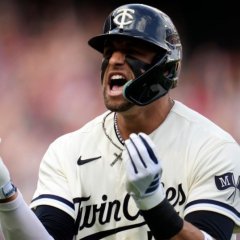 You're not wrong, there are far worse options. If you can get Merrifield at a third the price and add elsewhere it's not terrible. I would still prefer Soler myself because I think he makes the Twins' lineup really deep. I also think the bullpen is as good as it's been heading into a season. Outside of potentially maybe another stud starter, there aren't too many glaring holes on the roster. This is why I think they should spend the remaining money on a big bat and go after a starter at the deadline. Just how I would do it, but there are certainly benefits to your suggestion!
 -
I mentioned all those things in the article above.
-
I would argue that Whit Merrifield is not a solid hitter. He's actually pretty bad... Secondly, I think people put too much stock into the "locker room presence" thing. Plus, who's to say Jorge Soler isn't a good locker room mentor? He does have a World Series ring. Merrifield runs and fields well, but it's hard to get fired up about this at the plate. https://baseballsavant.mlb.com/savant-player/whit-merrifield-593160?stats=statcast-r-hitting-mlb
-
I doubt he'll sign a one year deal, but if he does I'd do it. Yes he was healthy. The advanced metrics were better than the numbers were. He was also much better after going to Atlanta that year in the second half of the season.
-
Duvall is not much better in the field if at all, and Soler is a much better hitter.
-
Adam Duvall emerges as one of the top free agents this offseason. Despite being 35 years old, his impressive track record includes being a former All-Star (2016) and Gold Glove winner (2021). Last season, he showcased his productivity in 92 games for the Red Sox, tallying 21 home runs, 58 RBIs, and an .834 OPS..... I personally would be pretty disappointed if the Twins went with Duvall over Soler just to save a couple bucks. These should speak for themselves: Adam Duvall: https://baseballsavant.mlb.com/savant-player/adam-duvall-594807?stats=statcast-r-hitting-mlb Jorge Soler: https://baseballsavant.mlb.com/savant-player/jorge-soler-624585?stats=statcast-r-hitting-mlb
-
Soler's just so much more valuable than every player on that list and won't require a super long-term commitment. If the Twins sign him to a two or three year deal, they will have both Emmanuel Rodriguez and Walker Jenkins knocking on the doors of Target Field by the time his contract expires. He solves many problems and gives them much more production and flexibility than anyone else on the list you mentioned. This is why I think he's the perfect fit.
-
No, but with Polanco, they had an extra bat they could use at DH every day. Whoever wasn't playing the field would rotate in at DH and still supply a good bat to the lineup. Without Polanco, the options are no longer there. The only bench guy left that isn't a utility or catcher is Jose Miranda. As I mentioned, you can't trust him until he proves you can. I agree Polanco was never going to be the everyday DH but without him, they have 8 trustworthy every day hitters. Adding Soler would give them 9.
-
We have a hole. There's no DH. You can't go into the season relying on Jose Miranda to be your every day DH and having to play Willi Castro there handcuffs the lineup. There's the hole. Yes they need a right handed bat. Soler is not Joey Gallo 2.0. I actually compared the two's numbers right above if you care to read about it. Soler strikes out at only a 24% rate compared to Gallo's almost 43%. Adding a guy like Nelson Cruz as you suggest does very little to help the issue with outfield flexibility. If they sign a guy, lets just say JD Martinez, who can only DH, and Buxton decides he can't play the field, you're in some trouble. At least if you sign Soler, he can play in the outfield. In my opinion you won't find a better fit for the Twins than Jorge Soler.
-
Martinez is a great hitter, he just doesn't provide an option for flexibility like Soler does. When healthy, Soler has always been really good, especially since he cut down on his strikeout rate. No he doesn't have a great glove but there's far worse defenders. I don't know that it's fair to expect a drop off from Soler when there's really nothing to indicate an upcoming regression. Actually, wouldn't you be more worried about regression coming from the guy who will be 37 by the end of the season? I think there's a far better track record of hitters maintaining power at Soler's age than Martinez'.
-
Oh yes, I agree. I didn't talk too much about it but Soler is certainly not a great fielder. His bat is what you are paying for. He's still good enough to play there part time while being the team's primary DH. One can't say the same about JD Martinez, which is why I prefer Soler. That and Soler strikes out less frequently while providing similar on-base and power abilities.
-
Soler was with the Marlins, but yes, in my opinion, this would put the offseason at a B+. Only knock is come playoff time they could really use a second horse in the stable to pair with Pablo Lopez. That could be acquired at the deadline though. As it stands, the rotation is plenty good enough to win in the regular season.
-
Agree with this. The flexibility it gives the team is clear. Soler is the best available option in my opinion and I think the Twins can make it work if they really want to, which they should.
-
Duvall just doesn't have the same optimistic outlook in his batting profile. His StatCast page is very underwhelming. They can make it work with a part time center fielder. Maybe Austin Martin even gets added to the mix out there. One thing they do need is an impact bat and Soler will be that and I'm not convinced Duvall will be.
-
Agreed. He has to be able to play the field. JD Martinez is great but his inability to play the field would severely handcuff the Twins especially with the uncertainty of Buxton playing the field.
-
Should the Twins Pursue Slugger Jorge Soler to Beef Up Lineup?
Hunter McCall posted an article in Twins
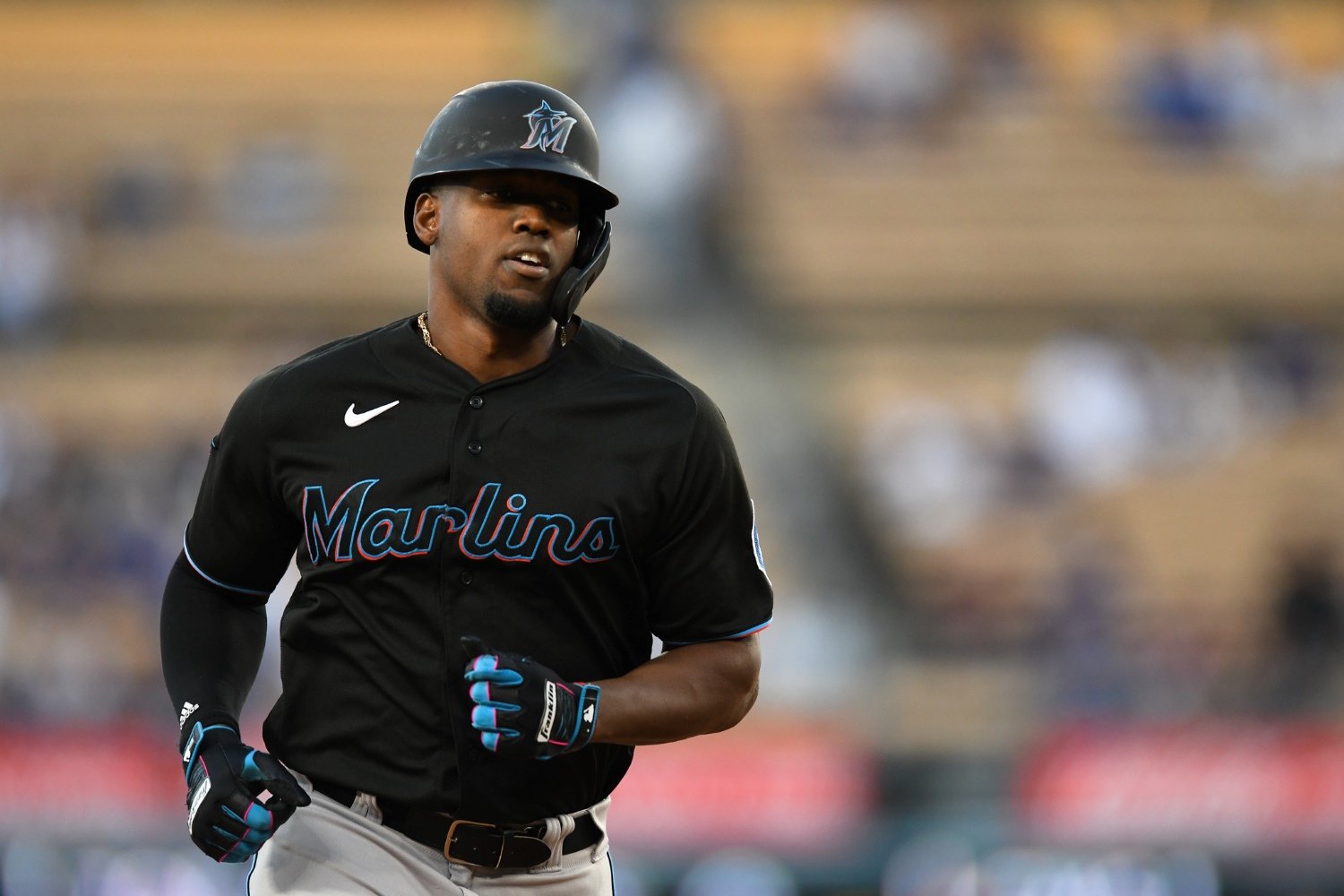 The Twins finally made an offseason splash on Monday night, when they sent Jorge Polanco to the Seattle Mariners for a four-player package. In doing so, the team gained enough financial flexibility to focus on what is left of the free agent market. Jorge Soler is one intriguing name remaining on the market who could fit in well with the Twins. According to Do-Hyoung Park at MLB.com, Derek Falvey indicated following the trade that the team will now turn its attention to the position player side of the roster. In the article, Park also mentions that Falvey admitted adding outfield depth flexibility is high on the list of priorities. Soler checks most of the boxes the Twins desire. Coming off a monster 2023 season, Soler declined his option with the Marlins and tested the free-agent market. Soler’s projected contract, per The Athletic, was three years and $45 million, which comes out to $15 million annually. Following the Polanco trade, this contract isn’t too far out of the Twins' spending range, and there are rumors that a “mystery team” has entered the Soler market. Does Soler fit with the Twins, and could they create enough financial flexibility to pursue a deal? Losing Polanco leaves a minor hole in the Twins lineup. If Byron Buxton plans on playing center field (as he says he does), the Twins need a guy to slot in as the primary DH. Signing Soler would help solve many minor problems with their outfield depth. On a day where the Twins are facing a right-handed pitcher with Buxton playing center field, Soler would DH. When Buxton needs a day off or moves to DH, Soler could play a corner spot, and Max Kepler or Willi Castro could play center field. As Lou Hennessy wrote earlier this month, Soler mashes left-handed pitching, so on days when the team faces a lefty, he could take over corner duties for Matt Wallner. This type of flexibility and platoon possibilities fit the Twins' preferred roster construction. As mentioned before, Soler had a great 2023 season. Among the best parts about Soler’s game is his ability to provide elite power and on-base percentage to a lineup, without a sky-high strikeout rate. While his 24.3% strikeout rate was still in the bottom third of the league, his 11.4% walk rate and 36 home runs were more than enough to make up for the whiffs. For comparison’s sake, Joey Gallo had a 42.8% strikeout rate with a 14.5% walk rate in 2023. Adding a guy who can supply the power and on-base skills the Twins covet without adding a high strikeout percentage would be a significant upgrade to a team that set the major-league record for strikeouts in 2023. On top of his excellent on-base skills, Soler also fits the Twins' preferred batting profile. In 2023, Twins hitters were 4th in the league in average launch angle, at 14 degrees. With an average launch angle of 17.7 degrees in 2023, Soler fits this philosophical mold. The Twins tend to look for guys who can pull the ball in the air, and Soler also checks this box. While Soler appears to be a great fit, the Twins still have to find a way to make it work. According to our best info, the Twins have about $11 million available in the budget that they’re willing to spend, as they are expected to lower the payroll from previous years. As mentioned, Soler could cost around $15 million per season, though it might be too late in the offseason for him to get any more than that or to find that third or fourth year he's been seeking. The Twins will either have to shed more payroll or get creative with the potential contract to get a deal done. The first option is to move more money to make room for Soler. The most obvious way to do this is to find a suitable trade partner for Kyle Farmer. While Farmer does provide a fine platoon option in the infield, it may not be enough to justify paying him $6.5 million. Farmer’s market (pun intended) may be thin, but the primary purpose of moving him would be to dump his contract. If they were to find a team who need an infielder and has a bit more certainty about their TV deal for this season, they should be able to trade him. Doing this would clear up more than enough space to sign Soler. In Farmer’s absence, the Twins could turn to the switch-hitting Castro or Yunior Severino as potential platoon options at second base, or speed the promotion of Brooks Lee. Another way to make a deal work is to backload a potential contract. If they are cutting the payroll due to potential losses in TV money, they could still sign Soler to a three-year, $45-million contract, but instead of paying $15 million every year, they could structure the deal to pay less now, more later. For example, the Twins could give Soler $11 million in 2024, $15 million in 2025, and $19 million in 2026. If the team plans to increase the budget again once the TV mess is settled, this could be a possible solution. Again, since it's now February, maybe the third year isn't even needed. Perhaps $17 million in 2025 (with an opt-out) would be enough. It’s hard not to consider Jorge Soler a really nice fit for the Twins. Though his defense is subpar, he would provide enough defensive flexibility while adding a big bat to a deep lineup. Even if the TV situation doesn’t get resolved and the Twins decide to cut down on spending, there are ways they can get something done. A move like this would earn the Twins another offseason gold star and deliver a noticeable improvement from the 2023 roster. Should the Twins pursue Jorge Soler? What are your thoughts? Let me know in the comments! Go, Twins!
 -
With a little newfound wiggle room in the payroll, could the Twins push to sign Jorge Soler to add outfield flexibility? Image courtesy of © Jonathan Hui-USA TODAY Sports The Twins finally made an offseason splash on Monday night, when they sent Jorge Polanco to the Seattle Mariners for a four-player package. In doing so, the team gained enough financial flexibility to focus on what is left of the free agent market. Jorge Soler is one intriguing name remaining on the market who could fit in well with the Twins. According to Do-Hyoung Park at MLB.com, Derek Falvey indicated following the trade that the team will now turn its attention to the position player side of the roster. In the article, Park also mentions that Falvey admitted adding outfield depth flexibility is high on the list of priorities. Soler checks most of the boxes the Twins desire. Coming off a monster 2023 season, Soler declined his option with the Marlins and tested the free-agent market. Soler’s projected contract, per The Athletic, was three years and $45 million, which comes out to $15 million annually. Following the Polanco trade, this contract isn’t too far out of the Twins' spending range, and there are rumors that a “mystery team” has entered the Soler market. Does Soler fit with the Twins, and could they create enough financial flexibility to pursue a deal? Losing Polanco leaves a minor hole in the Twins lineup. If Byron Buxton plans on playing center field (as he says he does), the Twins need a guy to slot in as the primary DH. Signing Soler would help solve many minor problems with their outfield depth. On a day where the Twins are facing a right-handed pitcher with Buxton playing center field, Soler would DH. When Buxton needs a day off or moves to DH, Soler could play a corner spot, and Max Kepler or Willi Castro could play center field. As Lou Hennessy wrote earlier this month, Soler mashes left-handed pitching, so on days when the team faces a lefty, he could take over corner duties for Matt Wallner. This type of flexibility and platoon possibilities fit the Twins' preferred roster construction. As mentioned before, Soler had a great 2023 season. Among the best parts about Soler’s game is his ability to provide elite power and on-base percentage to a lineup, without a sky-high strikeout rate. While his 24.3% strikeout rate was still in the bottom third of the league, his 11.4% walk rate and 36 home runs were more than enough to make up for the whiffs. For comparison’s sake, Joey Gallo had a 42.8% strikeout rate with a 14.5% walk rate in 2023. Adding a guy who can supply the power and on-base skills the Twins covet without adding a high strikeout percentage would be a significant upgrade to a team that set the major-league record for strikeouts in 2023. On top of his excellent on-base skills, Soler also fits the Twins' preferred batting profile. In 2023, Twins hitters were 4th in the league in average launch angle, at 14 degrees. With an average launch angle of 17.7 degrees in 2023, Soler fits this philosophical mold. The Twins tend to look for guys who can pull the ball in the air, and Soler also checks this box. While Soler appears to be a great fit, the Twins still have to find a way to make it work. According to our best info, the Twins have about $11 million available in the budget that they’re willing to spend, as they are expected to lower the payroll from previous years. As mentioned, Soler could cost around $15 million per season, though it might be too late in the offseason for him to get any more than that or to find that third or fourth year he's been seeking. The Twins will either have to shed more payroll or get creative with the potential contract to get a deal done. The first option is to move more money to make room for Soler. The most obvious way to do this is to find a suitable trade partner for Kyle Farmer. While Farmer does provide a fine platoon option in the infield, it may not be enough to justify paying him $6.5 million. Farmer’s market (pun intended) may be thin, but the primary purpose of moving him would be to dump his contract. If they were to find a team who need an infielder and has a bit more certainty about their TV deal for this season, they should be able to trade him. Doing this would clear up more than enough space to sign Soler. In Farmer’s absence, the Twins could turn to the switch-hitting Castro or Yunior Severino as potential platoon options at second base, or speed the promotion of Brooks Lee. Another way to make a deal work is to backload a potential contract. If they are cutting the payroll due to potential losses in TV money, they could still sign Soler to a three-year, $45-million contract, but instead of paying $15 million every year, they could structure the deal to pay less now, more later. For example, the Twins could give Soler $11 million in 2024, $15 million in 2025, and $19 million in 2026. If the team plans to increase the budget again once the TV mess is settled, this could be a possible solution. Again, since it's now February, maybe the third year isn't even needed. Perhaps $17 million in 2025 (with an opt-out) would be enough. It’s hard not to consider Jorge Soler a really nice fit for the Twins. Though his defense is subpar, he would provide enough defensive flexibility while adding a big bat to a deep lineup. Even if the TV situation doesn’t get resolved and the Twins decide to cut down on spending, there are ways they can get something done. A move like this would earn the Twins another offseason gold star and deliver a noticeable improvement from the 2023 roster. Should the Twins pursue Jorge Soler? What are your thoughts? Let me know in the comments! Go, Twins! View full article
-
I don't think turning Julien into a role player is the proper solution. It also doesn't really make sense to have Kirilloff and Julien split time at 1B as they're both left handed. I think an easier solution is trading Lee, playing Julien at second with Farmer and Severino to platoon against lefties, play Kirilloff at first with Miranda to platoon against lefties, and try to maximize the return on Lee. Even with Polanco gone I think the Twins have more than enough infield depth to offset losing him and I think the return could make the Twins a lot better. Just my opinion.
-
This weekend, the division rival Detroit Tigers locked up one of their top prospects for the foreseeable future. Could the Twins strike a similar deal with one of their own? There are questions about whether Lee can play shortstop, which Carlos Correa occupies anyway, so it wouldn’t matter if he were adequately equipped for the position; there isn't a path to playing time at shortstop on the MLB roster. The way Royce Lewis and Edouard Julien performed last season, one would assume second and third base are also spoken for, and just like that, the path to playing time narrows. On the other hand, we knew that logjam would have to start breaking up at some point, and on Monday night, it did. With Jorge Polanco traded, the extra infielder penciled into the roster for Opening Day (Kyle Farmer) is of lower quality, has less gravitas within the organization, and doesn't do some of the things Lee could do for the team as soon as this spring. The Twins could move Lee or Julien to first base to get both guys on the field. Still, with the defensive improvements Julien made throughout the year, the Twins may be reluctant to move him off his position, and it's hard to bank on extending a player and then trying to teach him a brand-new position. Even if they did consider such a move, a healthy Alex Kirilloff and José Miranda will also be battling for at-bats at first base. Mix in the potential arrival of prospects like Yunior Severino and Austin Martin, and you can see why the Twins might be hesitant to make a long-term commitment to Lee, especially when the team has needs and Lee is a great trade token. The path to a facsimile of the Keith deal opens up if the Twins decide that Lee is, in fact, the second baseman of the future. Moving Polanco is the first and simplest step along that path, but it's a step, nonetheless. To advance further, they'd need to move either Julien or Kirilloff, as well. By committing to Lee, the team guarantees him a spot on the major-league roster and an everyday role. Why would they start his controllable clock and pay extra money to him if they wanted to keep him in the minors? By extending Lee, the team would need to cut down the logjam in other ways. There's an incentive for Lee to work for an extension as well, as it guarantees that he won't be traded and will have a role with the team for the future. It shows the team's real and abiding faith in him, and puts a price tag on it. If the Twins think Lee is the best available option, Lee will almost certainly be willing to work with the team to get an extension done. He would be rewarded with a fast track and financial security for the following number of seasons. The catch, of course, is that Lee was the 8th overall pick in 2022, whereas Keith was taken out of high school in 2020, in the fourth round of a truncated draft. Lee got more than 10 times as much than Keith did to sign at the front door of professional baseball, so the Twins wouldn't enjoy as much leverage as the Tigers did in dealing with their young infielder. With the pros and cons of a potential extension laid out, the question remains: should the Twins pursue an extension? The answer is unsatisfying: Maybe. If the Twins have a plan that guarantees Lee an everyday role, and the team doesn't believe they can package him for a starter they deem worthy of losing him for, then they should absolutely extend Lee. He’s likely to be a solid everyday player, and if the team can lock that up for the long haul for a relatively cheap price (as the Tigers did with Keith), then they should. However, if they have questions about where the puzzle pieces will fall in, they must seriously consider finding a trade partner. What are your thoughts on offering Brooks Lee an extension similar to Colt Keith's? Should the team pursue a trade instead? Let me know in the comments! Go, Twins! View full article
-
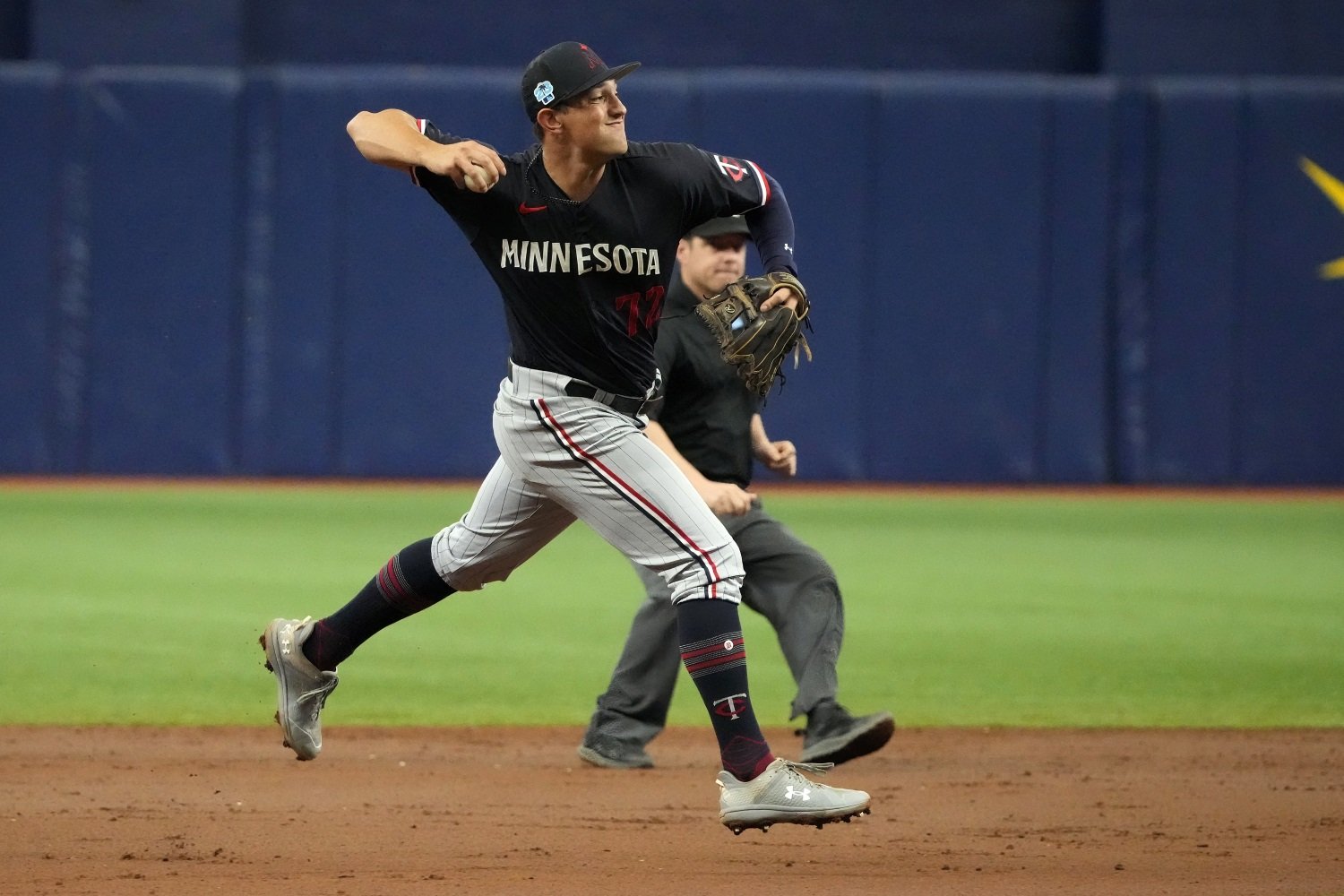 Tigers infield prospect Colt Keith capped off a good week on Sunday by signing an extension with the team that keeps him under team control through the 2032 season. The extension is officially a six-year deal worth $28.6 million, with club options for $10 million, $13 million, and $15 million in the following seasons. Earlier in the week, Keith appeared as the No. 22 overall prospect on MLB Pipeline’s newest prospect ranking list. Also featured on MLB Pipeline’s list was Twins infield prospect Brooks Lee. Lee clocked in on the list at No. 18, just ahead of Keith. Lee is a similar case study, in more ways than one. Both prospects are 22 years old and likely to play second or third base in the major leagues. Both players’ bats are their best tool, and both are relatively similarly ranked on many prospect lists, as they are on MLB Pipeline’s. With similarities in the player profiles, could the Twins pursue a similar extension? Extending a prospect is an excellent way to get a discount on a good player by paying more for him right now. In the case of Keith, the Tigers will be paying him a higher salary over the next few years than they would have had they let him play on his rookie contract. Still, assuming he performs the way the team hopes, they will be paying him less in the later years than they would have if they had waited to extend him later in his career. It’s a relatively low-risk move that guarantees you control that player, in this case, for the next nine seasons. The main difference between Keith and Lee is Keith is likely to be Detroit’s Opening Day second baseman in 2024. He fills a direct need for the team and has a spot for the foreseeable future. Lee has a more complicated path to playing time. Just this weekend, GM Thad Levine said he was likely to open the season in Triple A, with the St. Paul Saints. There are questions about whether Lee can play shortstop, which Carlos Correa occupies anyway, so it wouldn’t matter if he were adequately equipped for the position; there isn't a path to playing time at shortstop on the MLB roster. The way Royce Lewis and Edouard Julien performed last season, one would assume second and third base are also spoken for, and just like that, the path to playing time narrows. On the other hand, we knew that logjam would have to start breaking up at some point, and on Monday night, it did. With Jorge Polanco traded, the extra infielder penciled into the roster for Opening Day (Kyle Farmer) is of lower quality, has less gravitas within the organization, and doesn't do some of the things Lee could do for the team as soon as this spring. The Twins could move Lee or Julien to first base to get both guys on the field. Still, with the defensive improvements Julien made throughout the year, the Twins may be reluctant to move him off his position, and it's hard to bank on extending a player and then trying to teach him a brand-new position. Even if they did consider such a move, a healthy Alex Kirilloff and José Miranda will also be battling for at-bats at first base. Mix in the potential arrival of prospects like Yunior Severino and Austin Martin, and you can see why the Twins might be hesitant to make a long-term commitment to Lee, especially when the team has needs and Lee is a great trade token. The path to a facsimile of the Keith deal opens up if the Twins decide that Lee is, in fact, the second baseman of the future. Moving Polanco is the first and simplest step along that path, but it's a step, nonetheless. To advance further, they'd need to move either Julien or Kirilloff, as well. By committing to Lee, the team guarantees him a spot on the major-league roster and an everyday role. Why would they start his controllable clock and pay extra money to him if they wanted to keep him in the minors? By extending Lee, the team would need to cut down the logjam in other ways. There's an incentive for Lee to work for an extension as well, as it guarantees that he won't be traded and will have a role with the team for the future. It shows the team's real and abiding faith in him, and puts a price tag on it. If the Twins think Lee is the best available option, Lee will almost certainly be willing to work with the team to get an extension done. He would be rewarded with a fast track and financial security for the following number of seasons. The catch, of course, is that Lee was the 8th overall pick in 2022, whereas Keith was taken out of high school in 2020, in the fourth round of a truncated draft. Lee got more than 10 times as much than Keith did to sign at the front door of professional baseball, so the Twins wouldn't enjoy as much leverage as the Tigers did in dealing with their young infielder. With the pros and cons of a potential extension laid out, the question remains: should the Twins pursue an extension? The answer is unsatisfying: Maybe. If the Twins have a plan that guarantees Lee an everyday role, and the team doesn't believe they can package him for a starter they deem worthy of losing him for, then they should absolutely extend Lee. He’s likely to be a solid everyday player, and if the team can lock that up for the long haul for a relatively cheap price (as the Tigers did with Keith), then they should. However, if they have questions about where the puzzle pieces will fall in, they must seriously consider finding a trade partner. What are your thoughts on offering Brooks Lee an extension similar to Colt Keith's? Should the team pursue a trade instead? Let me know in the comments! Go, Twins!
 -
Brent Rooker is an interesting case that I didn't really look at when I wrote this article. Interestingly enough, Rooker actually worse against breaking and offspeed pitches in 2023 than he had every been before. The difference is he cremated fastballs. In 2023, Rooker had a 62.8%(!!!) Whiff rate against curveballs. He was also over 50% against sliders and changeups. He hit the heck out of 4 seamers and cutters, which is where a majority of his production came from. It will be interesting to see if pitchers adjust to him in 2024 and start throwing him a lot less fastballs.
-
The unfortunate problem is his value has diminished to the point where it almost doesn't pay to dump him.
-
I agree that I doubt he will figure it out. The overwhelming history forecasts this as well. I hope he does, but I don't see it.
-
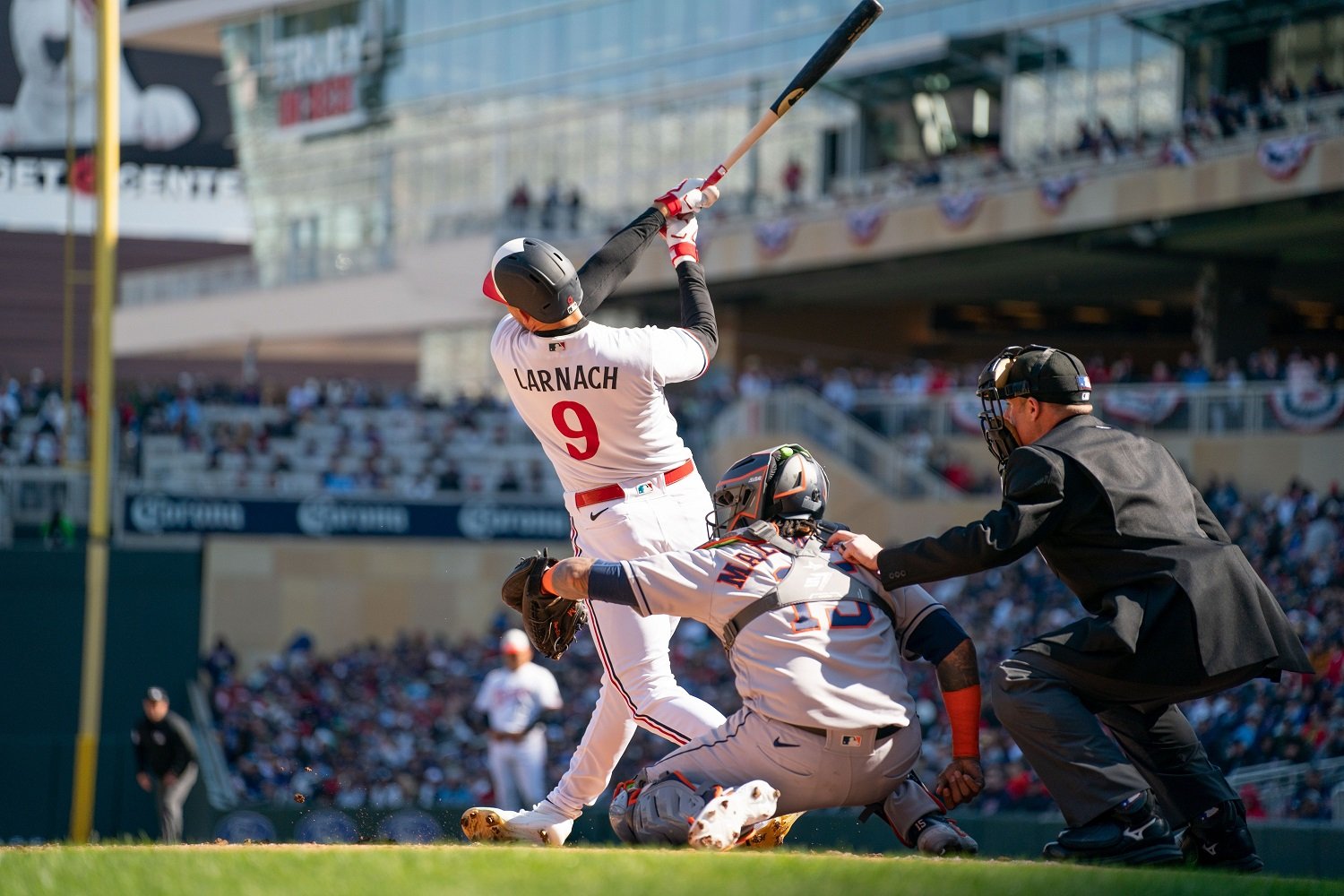 When Trevor Larnach was drafted 20th overall by the Twins that year, the hope was that the Oregon State Beavers product would move quickly through the organization and provide the team with a solid power/contact combination from the left side of the plate. While Larnach has shown flashes at times, his three major-league seasons have primarily resulted in disappointment. Is there hope that Larnach can still help the Twins? In 2023, Larnach saw five different pitches at least 94 times: four-seam fastballs (282 pitches), sliders (151 pitches), changeup (121 pitches), curveball (112 pitches), and sinker (94 pitches). Against four-seamers, Larnach had an xwOBA (expected weighted on-base average) of .344, with a .519 xSLG (expected slugging percentage) and a 24.8% Whiff. He was also good against sinkers with a .392 xwOBA with a .370 xSLG with a 21.4% Whiff. Larnach’s biggest downfall has been his inability to hit breaking balls and changeups. His high overall whiff percentage of 36.5% can primarily be attributed to his struggles against non-fastballs; he has a 50% Whiff against both curveballs and sliders and a similarly high 42.6% against changeups. While his 2023 expected numbers (.390 xwOBA and .538 xSLG) were slightly higher against changeups due to a couple of long home runs and a small sample size, his overall body of work suggests he has a difficult time hitting this pitch. Even worse, however, Larnach had a .177 xwOBA and .244 xSLG against sliders and an abysmal .157 xwOBA and .161 xSLG against curveballs. That was a lot of numbers fired relatively fast, but to sum it up, Larnach whiffs too much against non-fastballs, and when he does make contact, it doesn't produce good results. His low chase and high walk rates suggest that he does a good job laying off these pitches when they are out of the zone, but he struggles to do damage on breaking balls that he should be able to hit. Even without making technical adjustments, there are a couple of ways to neutralize Larnach’s current flaw of whiffing on breaking balls by changing his approach. One example is Teoscar Hernández’s 2022 season. At that time, Hernández had similarly poor numbers against breaking balls. Like Larnach, he had a high whiff rate, with very low expected production compared to his performance against other pitches. The difference is that Hernández made up for it by decimating fastballs and changeups. He took an approach that had him sell out for fastballs, at the price of whiffing against breaking balls. With that, he produced an .807 OPS with 25 home runs. The problem with Hernández’s change of approach is that pitchers adjusted in 2023, wherein he saw a slider on 25 percent of all pitches, which was higher than his fastball percentage. With this pitching adjustment, his play steadily declined throughout the season. While it seemed to work for a while, this may not be the best long-term solution for Larnach to replicate. Another possible adjustment Larnach could make is to find a way to focus on producing hard contact, no matter where the pitch is. Guys like Aaron Judge can get away with having a 45% whiff rate on breaking pitches, because no matter what the pitch is, he squares it up when he touches it. This is an extreme example, as Judge might be the best hitter on the planet, but if Larnach can increase his hard-hit percentage against breaking pitches, the whiff rate becomes less of an issue. While changes may eventually fix Larnach and make him a good everyday outfielder for the Twins, history is not on his side. Guys like Kris Bryant, Javier Báez, Miguel Sanó, Joey Gallo, and Keston Hiura, to name a few recent cases, have all seen similar issues catch up with them and hinder their career projection. This doesn’t bode well for Larnach if he fails to adjust and fix his problems. He has enough power to help offset a higher whiff rate, but at this point he's not doing enough against non-fastballs to deter pitchers from throwing them. There’s still time for Larnach to figure it out, but he must drastically improve his approach against breaking pitches. Will Larnach provide value for the Twins in 2024 and beyond, or are his days numbered? Let me know your thoughts on Larnach and his future with the team in the comments! Go, Twins!
 -
With reliable corner-outfield production a question mark for the Twins heading into the 2024 season, is there any hope for a rebound from their 2018 first-round pick? Image courtesy of Matt Blewitt, USA Today When Trevor Larnach was drafted 20th overall by the Twins that year, the hope was that the Oregon State Beavers product would move quickly through the organization and provide the team with a solid power/contact combination from the left side of the plate. While Larnach has shown flashes at times, his three major-league seasons have primarily resulted in disappointment. Is there hope that Larnach can still help the Twins? In 2023, Larnach saw five different pitches at least 94 times: four-seam fastballs (282 pitches), sliders (151 pitches), changeup (121 pitches), curveball (112 pitches), and sinker (94 pitches). Against four-seamers, Larnach had an xwOBA (expected weighted on-base average) of .344, with a .519 xSLG (expected slugging percentage) and a 24.8% Whiff. He was also good against sinkers with a .392 xwOBA with a .370 xSLG with a 21.4% Whiff. Larnach’s biggest downfall has been his inability to hit breaking balls and changeups. His high overall whiff percentage of 36.5% can primarily be attributed to his struggles against non-fastballs; he has a 50% Whiff against both curveballs and sliders and a similarly high 42.6% against changeups. While his 2023 expected numbers (.390 xwOBA and .538 xSLG) were slightly higher against changeups due to a couple of long home runs and a small sample size, his overall body of work suggests he has a difficult time hitting this pitch. Even worse, however, Larnach had a .177 xwOBA and .244 xSLG against sliders and an abysmal .157 xwOBA and .161 xSLG against curveballs. That was a lot of numbers fired relatively fast, but to sum it up, Larnach whiffs too much against non-fastballs, and when he does make contact, it doesn't produce good results. His low chase and high walk rates suggest that he does a good job laying off these pitches when they are out of the zone, but he struggles to do damage on breaking balls that he should be able to hit. Even without making technical adjustments, there are a couple of ways to neutralize Larnach’s current flaw of whiffing on breaking balls by changing his approach. One example is Teoscar Hernández’s 2022 season. At that time, Hernández had similarly poor numbers against breaking balls. Like Larnach, he had a high whiff rate, with very low expected production compared to his performance against other pitches. The difference is that Hernández made up for it by decimating fastballs and changeups. He took an approach that had him sell out for fastballs, at the price of whiffing against breaking balls. With that, he produced an .807 OPS with 25 home runs. The problem with Hernández’s change of approach is that pitchers adjusted in 2023, wherein he saw a slider on 25 percent of all pitches, which was higher than his fastball percentage. With this pitching adjustment, his play steadily declined throughout the season. While it seemed to work for a while, this may not be the best long-term solution for Larnach to replicate. Another possible adjustment Larnach could make is to find a way to focus on producing hard contact, no matter where the pitch is. Guys like Aaron Judge can get away with having a 45% whiff rate on breaking pitches, because no matter what the pitch is, he squares it up when he touches it. This is an extreme example, as Judge might be the best hitter on the planet, but if Larnach can increase his hard-hit percentage against breaking pitches, the whiff rate becomes less of an issue. While changes may eventually fix Larnach and make him a good everyday outfielder for the Twins, history is not on his side. Guys like Kris Bryant, Javier Báez, Miguel Sanó, Joey Gallo, and Keston Hiura, to name a few recent cases, have all seen similar issues catch up with them and hinder their career projection. This doesn’t bode well for Larnach if he fails to adjust and fix his problems. He has enough power to help offset a higher whiff rate, but at this point he's not doing enough against non-fastballs to deter pitchers from throwing them. There’s still time for Larnach to figure it out, but he must drastically improve his approach against breaking pitches. Will Larnach provide value for the Twins in 2024 and beyond, or are his days numbered? Let me know your thoughts on Larnach and his future with the team in the comments! Go, Twins! View full article



