



Cooper Carlson
-
Posts
373 -
Joined
-
Last visited
Content Type
Profiles
News
Minnesota Twins Videos
2026 Minnesota Twins Top Prospects Ranking
2022 Minnesota Twins Draft Picks
Minnesota Twins Free Agent & Trade Rumors, Notes, & Tidbits
Guides & Resources
2023 Minnesota Twins Draft Picks
The Minnesota Twins Players Project
2024 Minnesota Twins Draft Picks
2025 Minnesota Twins Draft Pick Tracker
2026 Minnesota Twins Draft Tracker: Picks & Bonuses
Forums
Blogs
Events
Store
Downloads
Gallery
Everything posted by Cooper Carlson
-
 With Taylor Rogers entering the ninth inning, it appeared to be a lock that the Twins would extend their winning streak to seven games. Rogers had allowed just one base runner in his previous four outings this season, but Pittsburgh got to him this afternoon.Box Score Maeda: 6.0 IP, 3 H, 3 ER, 1 BB, 4 K Home Runs: Sanó (3), Buxton (1), Rosario (3) Bottom 3 WPA: Rogers -.797, Cruz -.093, Gonzalez -.081 Win Probability Chart (via FanGraphs): Download attachment: Winchart.png It’s Sano-ing in August! Today’s game started out with a bang (literally) for the Twins offense. After a Jorge Polanco single and Eddie Rosario walk, Miguel Sano stepped up with two on and two outs. On a 1-0 count, Sano crushed a pitch into the left field bleachers. The homer had an exit velocity of 114.0 MPH which is tied for the 7th hardest hit ball in 2020. The Twins continued their offensive dominance in the first two innings this season. In 9 of the first 13 games, the Twins have scored in the first two innings. Maeda makes just one mistake. Kenta Maeda was really good once again today except for one mistake. In the second inning Maeda threw a slider to Gregory Polanco and you could sat he was ready for it. Polanco hit it into the river behind the right field bleachers for a total of 446 feet. Even as a Twins fan, that was fun to watch. Despite the home run, Maeda settled down and got the next 12 hitters out. He ended up with a quality start that looked much better than the box score shows. He has been very impressive early this season and I think the Twins fans will be happy about the trade over the next four years. Buxton and Rosario pick up the offense. A couple players that the Twins could really use on offense are Byron Buxton and Eddie Rosario. Perhaps they started a hot streak today as both went deep to give the Twins a 5-3 lead. Buxton went 431 feet to center field and Rosario hit a wall scraper to right, but both count the same! The bullpen can’t finish it off. The Twins bullpen might be the most impressive part of the season so far. They have performed well in nearly every game, especially the ones expected to perform well like Duffey and Rogers. Today the bullpen was asked to go three innings without giving up two runs and they couldn’t quite pull it off. Tyler Clippard was the first pitcher to come in and he shut down the Pirates with two strikeouts. He was a quiet acquisition but his value has already shown. Sergio Romo came in for the 8th inning and gave up his first run of the season but escaped the inning with the lead. Finally, Taylor Rogers entered in the 9th and you knew it was over. Okay so I wrote that last sentence before the inning began but I'm going to leave it because it's funny. The Pirates were able to sneak three hits past the Twins infield and pull off the walk-off win. That one stings. The six game winning streak was snapped but hey, you can’t win them all. On to Kansas City! Bullpen Usage Spreadsheet Download attachment: Bullpen.png Postgame Pint Immediately following the bottom-of-the-ninth loss, John Bonnes, Matthew Trueblood and Lucas Seehafer unpacked how it all unraveled and took questions from the live virtual audience. Watch below, or download the audio-only podcast version on iTunes. For our next event, go to PostgamePint.com. Click here to view the article
 -
PIT 6, MIN 5: Taylor Rogers Blows Save, Win Streak Snapped
Cooper Carlson posted an article in Twins
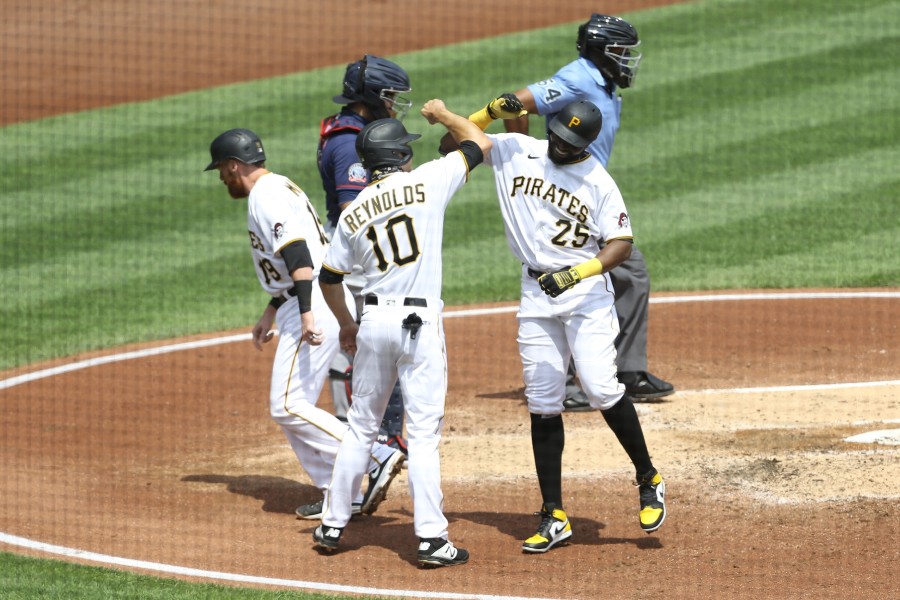 Box Score Maeda: 6.0 IP, 3 H, 3 ER, 1 BB, 4 K Home Runs: Sanó (3), Buxton (1), Rosario (3) Bottom 3 WPA: Rogers -.797, Cruz -.093, Gonzalez -.081 Win Probability Chart (via FanGraphs): It’s Sano-ing in August! Today’s game started out with a bang (literally) for the Twins offense. After a Jorge Polanco single and Eddie Rosario walk, Miguel Sano stepped up with two on and two outs. On a 1-0 count, Sano crushed a pitch into the left field bleachers. The homer had an exit velocity of 114.0 MPH which is tied for the 7th hardest hit ball in 2020. The Twins continued their offensive dominance in the first two innings this season. In 9 of the first 13 games, the Twins have scored in the first two innings. https://twitter.com/CoopCarlson/status/1291432725589696518?s=20 Maeda makes just one mistake. Kenta Maeda was really good once again today except for one mistake. In the second inning Maeda threw a slider to Gregory Polanco and you could sat he was ready for it. Polanco hit it into the river behind the right field bleachers for a total of 446 feet. Even as a Twins fan, that was fun to watch. Despite the home run, Maeda settled down and got the next 12 hitters out. He ended up with a quality start that looked much better than the box score shows. He has been very impressive early this season and I think the Twins fans will be happy about the trade over the next four years. Buxton and Rosario pick up the offense. A couple players that the Twins could really use on offense are Byron Buxton and Eddie Rosario. Perhaps they started a hot streak today as both went deep to give the Twins a 5-3 lead. Buxton went 431 feet to center field and Rosario hit a wall scraper to right, but both count the same! https://twitter.com/tlschwerz/status/1291445950125416450?s=20 https://twitter.com/Twins/status/1291453883831717888?s=20 The bullpen can’t finish it off. The Twins bullpen might be the most impressive part of the season so far. They have performed well in nearly every game, especially the ones expected to perform well like Duffey and Rogers. Today the bullpen was asked to go three innings without giving up two runs and they couldn’t quite pull it off. Tyler Clippard was the first pitcher to come in and he shut down the Pirates with two strikeouts. He was a quiet acquisition but his value has already shown. Sergio Romo came in for the 8th inning and gave up his first run of the season but escaped the inning with the lead. Finally, Taylor Rogers entered in the 9th and you knew it was over. Okay so I wrote that last sentence before the inning began but I'm going to leave it because it's funny. The Pirates were able to sneak three hits past the Twins infield and pull off the walk-off win. That one stings. The six game winning streak was snapped but hey, you can’t win them all. On to Kansas City! Bullpen Usage Spreadsheet Postgame Pint Immediately following the bottom-of-the-ninth loss, John Bonnes, Matthew Trueblood and Lucas Seehafer unpacked how it all unraveled and took questions from the live virtual audience. Watch below, or download the audio-only podcast version on iTunes. For our next event, go to PostgamePint.com. https://www.youtube.com/watch?v=esGZxSDFvxE&feature=youtu.be
 -
Twins second baseman Luis Arraez has struggled as much as anyone over the past week. Do the numbers suggest he will pick it up soon? What if he can’t? How long is the leash? Come find out!This short season has not started in a promising way for Luis Arraez. Through 40 plate appearances, Luis is hitting .212/.289/.212 (.501) with a wRC+ of just 49. This is largely due to him having just one hit in his last 22 plate appearances before the Twins traveled to Pittsburgh. He seems to be hitting a “sophomore slump,” but hopefully he can break out of it. Let's take a look at what has changed for him. He is hitting the ball just a few ticks softer than last season but he was able to hit nearly .340 last year, so why hasn't that carried over? Here are some of the statistics from this season to last. Exit velocity: 2019 (87.1), 2020 (87.7)Hard hit%: 2019 (22.8), 2020 (21.4)xBA: 2019 (.295), 2020 (.271)Launch angle: 2019 (11.5), 2020 (14.5)The key statistic here is the launch angle. When hitters had a launch angle from 11.0 to 11.9 with an exit velocity from 87.0 to 87.9 they had a .690 batting average in 2019. Then when you switch the launch angle to 14 the batting average jumps to .844 so Arraez should still be doing fine. Unfortunately, nothing is dropping in the outfield. Here is a visual representation of how he has hit the ball harder in 2019 just to see worse results. He is somehow hitting it too hard. Last season he was able to find the perfect gap between infielders and outfielders. Download attachment: 2019 luis.png Download attachment: Annotation 2020-08-05 073914.png How long will the Twins continue to put Arraez out there if he isn’t performing? Arraez could definitely be given a series off and Adrianza could fill in, but I don’t think we will be seeing that quite yet. I expect the Twins to continue to ride with Luis until he breaks out. In a short 60 game season I hope he is able to pick it up before it is too late. Luckily the Twins have performed just fine without him producing as they are off to a 9-2 start. What are your thoughts on Luis Arraez? Did you expect him to struggle a bit this season after having an elite rookie season? I expected him to drop off a little bit but nothing like this. Before you hit me with “It’s only been ten games,” just remember that is nearly 20% of the season. There isn't really such thing as a small sample size in this strange season. Click here to view the article
-
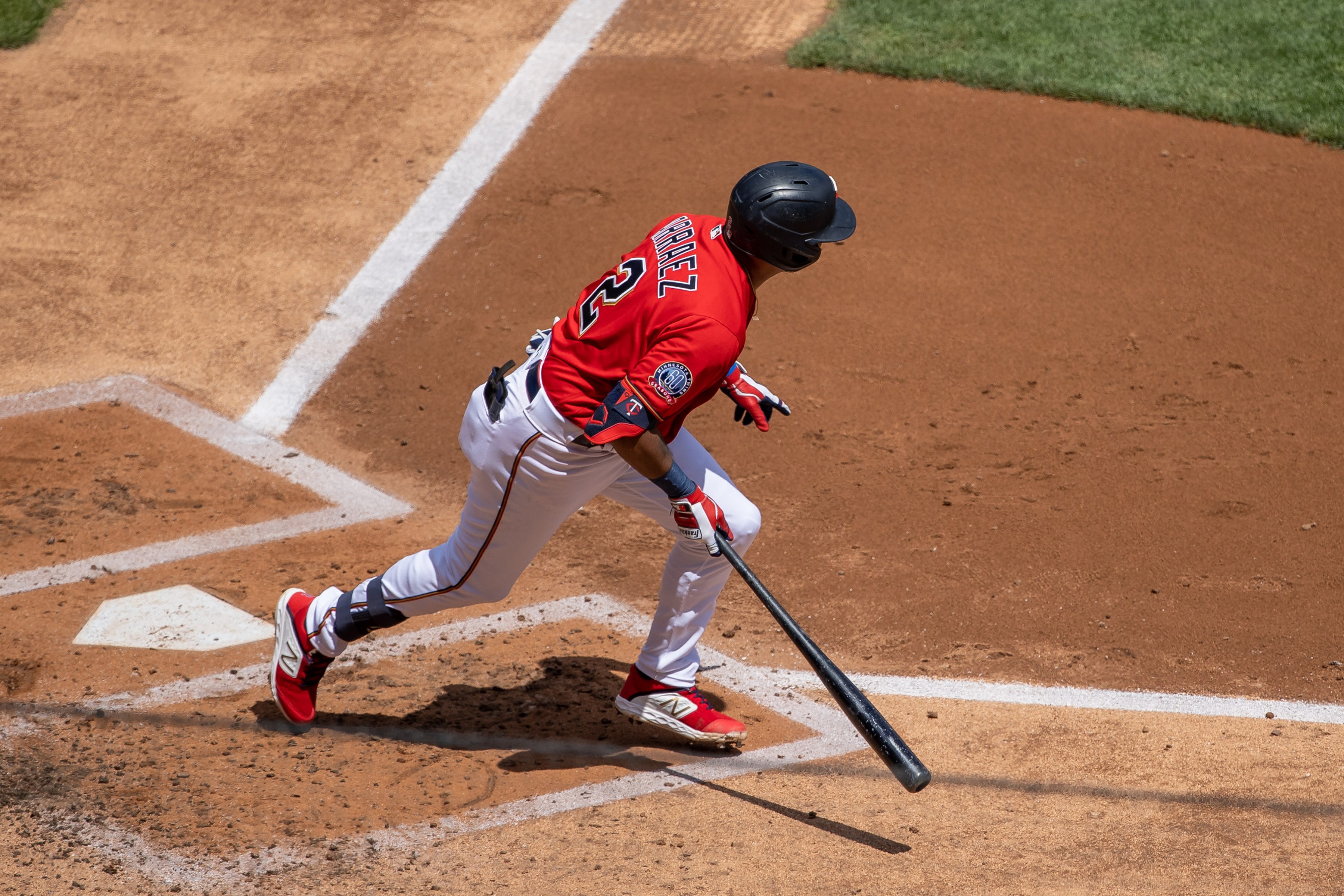 This short season has not started in a promising way for Luis Arraez. Through 40 plate appearances, Luis is hitting .212/.289/.212 (.501) with a wRC+ of just 49. This is largely due to him having just one hit in his last 22 plate appearances before the Twins traveled to Pittsburgh. He seems to be hitting a “sophomore slump,” but hopefully he can break out of it. Let's take a look at what has changed for him. He is hitting the ball just a few ticks softer than last season but he was able to hit nearly .340 last year, so why hasn't that carried over? Here are some of the statistics from this season to last. Exit velocity: 2019 (87.1), 2020 (87.7) Hard hit%: 2019 (22.8), 2020 (21.4) xBA: 2019 (.295), 2020 (.271) Launch angle: 2019 (11.5), 2020 (14.5) The key statistic here is the launch angle. When hitters had a launch angle from 11.0 to 11.9 with an exit velocity from 87.0 to 87.9 they had a .690 batting average in 2019. Then when you switch the launch angle to 14 the batting average jumps to .844 so Arraez should still be doing fine. Unfortunately, nothing is dropping in the outfield. Here is a visual representation of how he has hit the ball harder in 2019 just to see worse results. He is somehow hitting it too hard. Last season he was able to find the perfect gap between infielders and outfielders. How long will the Twins continue to put Arraez out there if he isn’t performing? Arraez could definitely be given a series off and Adrianza could fill in, but I don’t think we will be seeing that quite yet. I expect the Twins to continue to ride with Luis until he breaks out. In a short 60 game season I hope he is able to pick it up before it is too late. Luckily the Twins have performed just fine without him producing as they are off to a 9-2 start. What are your thoughts on Luis Arraez? Did you expect him to struggle a bit this season after having an elite rookie season? I expected him to drop off a little bit but nothing like this. Before you hit me with “It’s only been ten games,” just remember that is nearly 20% of the season. There isn't really such thing as a small sample size in this strange season.
 -
First Impressions From Each AL Central Team
Cooper Carlson replied to Cooper Carlson's topic in Twins Daily Front Page News
You are correct, Encarnacion kills the Twins. Lifetime .280/.378/.560 (.938) with 28 homers in 97 games. Won't make up for their starting pitching, though. -
First Impressions From Each AL Central Team
Cooper Carlson replied to Cooper Carlson's topic in Twins Daily Front Page News
These were first impressions. So far the Sox have been awful so that's what I wrote. Anything can happen, but it seems unlikely. -
We are approaching the first full week of Major League Baseball in 2020. Let’s catch up with our AL Central friends! What are the first impressions they have given off? Were they good? Bad (Chicago)? Or somewhere in between?Minnesota Twins: They are who we thought they were. Entering today the Twins are 3-1 with an offense that picked up right from 2019 and a pitching staff that seems improved. The “Bomba Squad” has already racked up the homers with Nelson Cruz leading the way. Luis Arraez is going to hit .400 and Jake Cabe has filled his role perfectly. The bullpen has been great and the starting pitching additions of Kenta Maeda, Homer Bailey, and Tyler Clippard are already paying off. First impressions are very good. Cleveland Indians: They will be the Twins biggest rival this season. There were questions about whether Cleveland was going to fall off and give way to the White Sox this season, but it doesn’t look like it. Shane Bieber, Mike Clevinger, and Carlos Carrasco lead an elite rotation and the lineup has done just enough to start the season 4-1. They weren’t the favorites to win the division, but they’re right up there with the Twins and in a 60 game season anything can happen. Chicago White Sox: They are not a good team. The Sox were everyone’s favorite “surprise pick” to go out and perform well this season. Maybe even steal the division from Minnesota and Cleveland. That’s simply not going to happen with their rotation depth. Behind Giolito and Keuchel they have Reynaldo Lopez, Dylan Cease, and Carlos Rodon. All three of them got rocked in their first start and no one was surprised. The bullpen and lineup will perform, but will it matter? Detroit Tigers: Playoff bound? Ok that was a joke. The Tigers are surprisingly 3-2 after taking the opening series against Cincinnati, but their -10 run differential isn’t pretty. Former Twin C.J. Cron is off to a stellar start, but he’s possibly their best offensive weapon and wouldn’t even crack the Twins starting nine. The Detroit pitching staff is not at all built to win, but Matt Boyd and Spencer Turnbull will be worth keeping an eye on. Kansas City Royals: This lineup is still fun The Royals won’t be a good team, but that doesn’t mean they can’t be dangerous on offense. The core four of Whit Merrifield, Adalberto Mondesi, Jorge Soler and Salvador Perez are all fun to watch and they will soon be getting Hunter Dozier back. The pitching staff has held up nicely in a few of the first five games, but how many Kansas City pitchers can you actually name off the top of your head? AL Central Overview: Things are going about it as expected unless you’re a White Sox fan. They look hopeless while Minnesota and Cleveland look great. Detroit and Kansas City are always just kind of hanging around. Click here to view the article
-
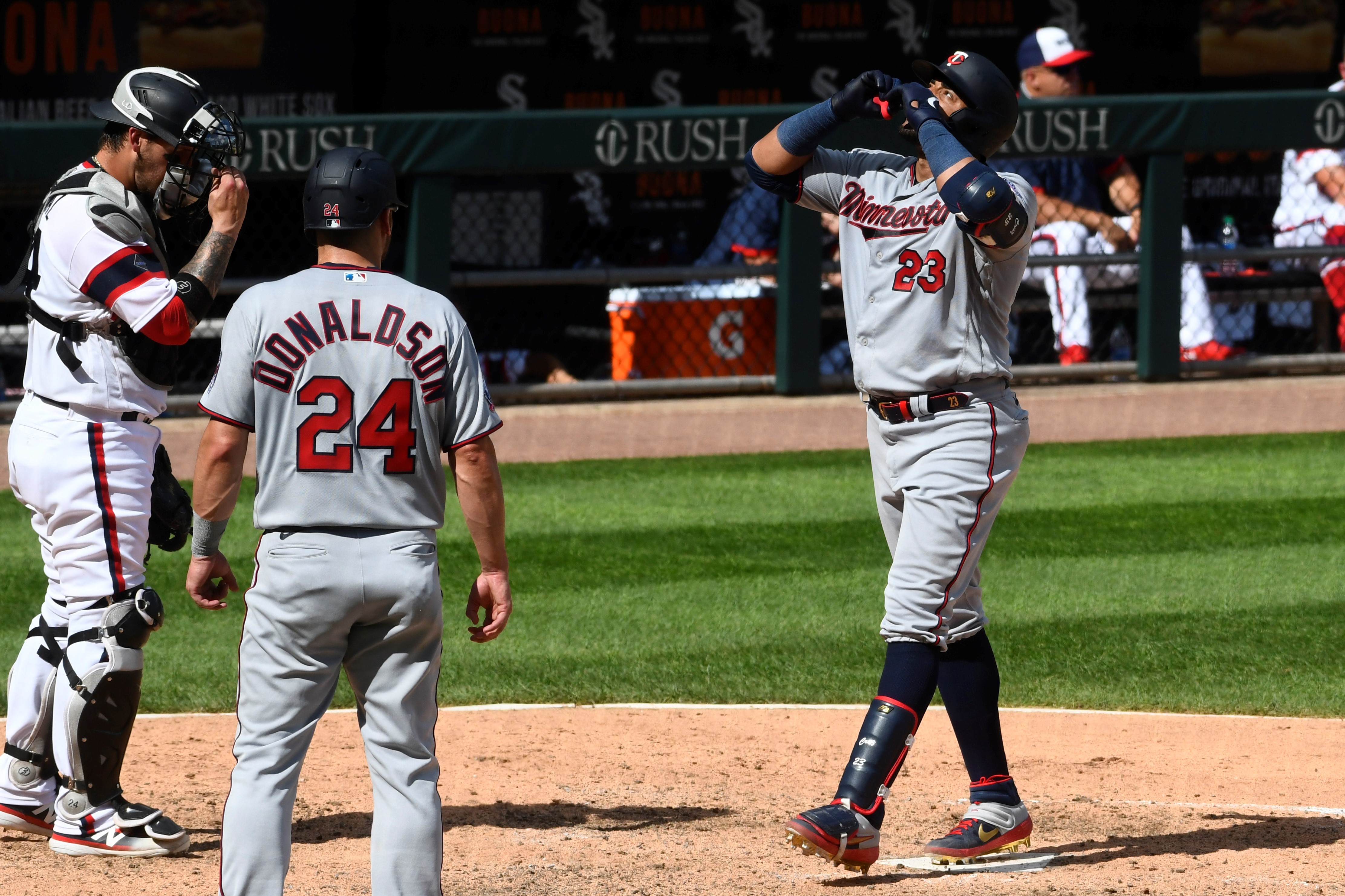 Minnesota Twins: They are who we thought they were. Entering today the Twins are 3-1 with an offense that picked up right from 2019 and a pitching staff that seems improved. The “Bomba Squad” has already racked up the homers with Nelson Cruz leading the way. Luis Arraez is going to hit .400 and Jake Cabe has filled his role perfectly. The bullpen has been great and the starting pitching additions of Kenta Maeda, Homer Bailey, and Tyler Clippard are already paying off. First impressions are very good. Cleveland Indians: They will be the Twins biggest rival this season. There were questions about whether Cleveland was going to fall off and give way to the White Sox this season, but it doesn’t look like it. Shane Bieber, Mike Clevinger, and Carlos Carrasco lead an elite rotation and the lineup has done just enough to start the season 4-1. They weren’t the favorites to win the division, but they’re right up there with the Twins and in a 60 game season anything can happen. Chicago White Sox: They are not a good team. The Sox were everyone’s favorite “surprise pick” to go out and perform well this season. Maybe even steal the division from Minnesota and Cleveland. That’s simply not going to happen with their rotation depth. Behind Giolito and Keuchel they have Reynaldo Lopez, Dylan Cease, and Carlos Rodon. All three of them got rocked in their first start and no one was surprised. The bullpen and lineup will perform, but will it matter? Detroit Tigers: Playoff bound? Ok that was a joke. The Tigers are surprisingly 3-2 after taking the opening series against Cincinnati, but their -10 run differential isn’t pretty. Former Twin C.J. Cron is off to a stellar start, but he’s possibly their best offensive weapon and wouldn’t even crack the Twins starting nine. The Detroit pitching staff is not at all built to win, but Matt Boyd and Spencer Turnbull will be worth keeping an eye on. Kansas City Royals: This lineup is still fun The Royals won’t be a good team, but that doesn’t mean they can’t be dangerous on offense. The core four of Whit Merrifield, Adalberto Mondesi, Jorge Soler and Salvador Perez are all fun to watch and they will soon be getting Hunter Dozier back. The pitching staff has held up nicely in a few of the first five games, but how many Kansas City pitchers can you actually name off the top of your head? AL Central Overview: Things are going about it as expected unless you’re a White Sox fan. They look hopeless while Minnesota and Cleveland look great. Detroit and Kansas City are always just kind of hanging around.
 -
Baseball is back! Let’s get a little refresher on everything that happened leading up to spring training. I’ll also look at how each move is affected by a 60 game season. The Twins did a lot, will it pay off for this short season?Twins bring back Jake Odorizzi and Michael Pineda: When Odorizzi accepted the one year qualifying offer, I thought it was a smart decision. He could have another good year and then go make a ton of money. Instead he will play on a one year contract and then enter free agency where it will be difficult for anyone to get paid. It’s a good deal for the Twins because Odorizzi is a solid starter and the Twins have a great rotation with him in it. Michael Pineda was getting screwed every time someone mentioned a shorter season. He has 39 games left on his suspension from last season so he will be around for less than half of the season. Unless someone gets hurt, I don’t see him playing a large role from the rotation but rather as a long reliever who can make a spot start. Replacing Jason Castro with Alex Avila: This was one of the smaller, but still very important, moves of the offseason. Jason Castro departed after three years but the starting job is now with Mitch Garver. The Twins needed a solid backup catcher to replace Castro and Avila will do just that. With the Twins playing roughly 60 games in 66 days I would bet Avila will start around 33% of those games. Twins sign Tyler Clippard and Matt Wisler: I was very interested in seeing both of these relievers play a role for the 2020 Twins. Clippard was a lock to make the team after having one of his best seasons in 2019. His strikeout numbers were down, but so were his walks and hard contact. Plus the Twins are an organization that can squeeze out just a little bit more talent. Wisler is interesting because he was the definition of a player fighting for the last spot. He seems like a guy that could really fit with the Twins with his one elite pitch (slider) and a few others that are just okay. I’ll bet we see him on the team and he will play a Ryne Harper type of role from 2019. Twins sign Homer Bailey When the Twins signed Bailey and Rich Hill, Bailey was a sure lock to be in the rotation with Rich Hill out and guys like Dobnak could be sent to the minors. Not anymore. I doubt we see Bailey in the rotation at least to start the season and instead he will play long reliever. The Twins are set to have an elite rotation of Berrios, Odorizzi, Maeda, Hill, and Dobnak. That rotation with Bailey in the bullpen, Thorpe/Smeltzer available, and Pineda returning at the end of the season is scary. Back in late December when the Twins signed Rich Hill, there were concerns about his health and we all knew we wouldn’t even see him until mid July. Suddenly the season starts in mid July. Now it looks very likely that Rich Hill and his 11.05 K/9 will start the season in the Twins rotation. You love to see it. Twins sign Josh Donaldson: I know what you're thinking. “”Who is Josh Donaldson?” It’s been a long time since the Twins made this huge splash, so I’ll remind you. Josh Donaldson is the 34-year old third baseman who has had 5+ fWAR in six of the last seven seasons. Also the former MVP, Silver Slugger (2x) and All Star (3x). He’s really good, and we will finally get to see him in a Twins uniform. In a 60 game sprint season he seems like the perfect guy to get hot and just go crazy for a while. Trading Brusdar Graterol and Luke Raley for Kenta Maeda: I really didn’t like this move a lot at first. Looking back at it four months later, I like it a lot more. The Twins gave up Graterol who will be a reliever for his career for a solid starter who is cheap and will help them win now. Starting pitching will be huge in a 60 game season and having Maeda in the rotation will prove to be extremely helpful. Don’t get me wrong, Graterol will still be good, but a starting pitcher is more valuable right now. Review: Replaced Cron with Donaldson. Upgrade.Replaced Schoop with Arraez. Upgrade.Replaced Gibson with Hill/Maeda. Upgrade.Replaced Castro with Avila. Not a downgrade.Baseball is back. MORE FROM TWINS DAILY — Latest Twins coverage from our writers — Recent Twins discussion in our forums — Follow Twins Daily via Twitter, Facebook or email Click here to view the article
-
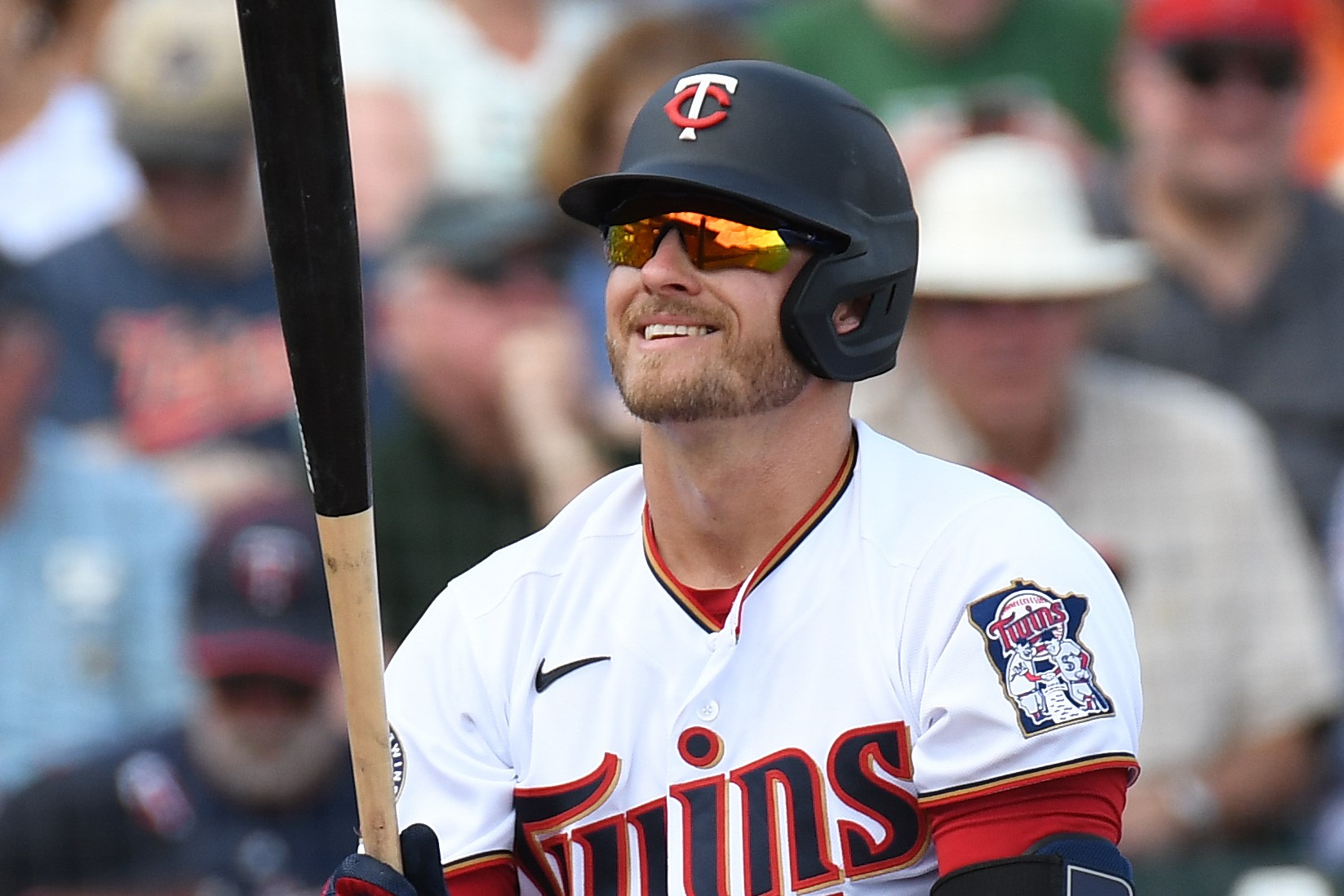 Twins bring back Jake Odorizzi and Michael Pineda: When Odorizzi accepted the one year qualifying offer, I thought it was a smart decision. He could have another good year and then go make a ton of money. Instead he will play on a one year contract and then enter free agency where it will be difficult for anyone to get paid. It’s a good deal for the Twins because Odorizzi is a solid starter and the Twins have a great rotation with him in it. Michael Pineda was getting screwed every time someone mentioned a shorter season. He has 39 games left on his suspension from last season so he will be around for less than half of the season. Unless someone gets hurt, I don’t see him playing a large role from the rotation but rather as a long reliever who can make a spot start. Replacing Jason Castro with Alex Avila: This was one of the smaller, but still very important, moves of the offseason. Jason Castro departed after three years but the starting job is now with Mitch Garver. The Twins needed a solid backup catcher to replace Castro and Avila will do just that. With the Twins playing roughly 60 games in 66 days I would bet Avila will start around 33% of those games. Twins sign Tyler Clippard and Matt Wisler: I was very interested in seeing both of these relievers play a role for the 2020 Twins. Clippard was a lock to make the team after having one of his best seasons in 2019. His strikeout numbers were down, but so were his walks and hard contact. Plus the Twins are an organization that can squeeze out just a little bit more talent. Wisler is interesting because he was the definition of a player fighting for the last spot. He seems like a guy that could really fit with the Twins with his one elite pitch (slider) and a few others that are just okay. I’ll bet we see him on the team and he will play a Ryne Harper type of role from 2019. Twins sign Homer Bailey When the Twins signed Bailey and Rich Hill, Bailey was a sure lock to be in the rotation with Rich Hill out and guys like Dobnak could be sent to the minors. Not anymore. I doubt we see Bailey in the rotation at least to start the season and instead he will play long reliever. The Twins are set to have an elite rotation of Berrios, Odorizzi, Maeda, Hill, and Dobnak. That rotation with Bailey in the bullpen, Thorpe/Smeltzer available, and Pineda returning at the end of the season is scary. Back in late December when the Twins signed Rich Hill, there were concerns about his health and we all knew we wouldn’t even see him until mid July. Suddenly the season starts in mid July. Now it looks very likely that Rich Hill and his 11.05 K/9 will start the season in the Twins rotation. You love to see it. Twins sign Josh Donaldson: I know what you're thinking. “”Who is Josh Donaldson?” It’s been a long time since the Twins made this huge splash, so I’ll remind you. Josh Donaldson is the 34-year old third baseman who has had 5+ fWAR in six of the last seven seasons. Also the former MVP, Silver Slugger (2x) and All Star (3x). He’s really good, and we will finally get to see him in a Twins uniform. In a 60 game sprint season he seems like the perfect guy to get hot and just go crazy for a while. Trading Brusdar Graterol and Luke Raley for Kenta Maeda: I really didn’t like this move a lot at first. Looking back at it four months later, I like it a lot more. The Twins gave up Graterol who will be a reliever for his career for a solid starter who is cheap and will help them win now. Starting pitching will be huge in a 60 game season and having Maeda in the rotation will prove to be extremely helpful. Don’t get me wrong, Graterol will still be good, but a starting pitcher is more valuable right now. Review: Replaced Cron with Donaldson. Upgrade. Replaced Schoop with Arraez. Upgrade. Replaced Gibson with Hill/Maeda. Upgrade. Replaced Castro with Avila. Not a downgrade. Baseball is back. MORE FROM TWINS DAILY — Latest Twins coverage from our writers — Recent Twins discussion in our forums — Follow Twins Daily via Twitter, Facebook or email
 -
Oh yes, the wonderful 2011 season. The season where everything fell apart after many years of fun playoff baseball. The season that began nearly a decade of misery for the Twins. Let’s look back on this strange ride.We're running a 20-part series in which we look back at each Minnesota Twins season of the 2000s. A rotation of different writers will highlight key moments, unearth forgotten details, and share nostalgic tales from the past two decades leading up to the present. This installment covers the 2011 season. Team Record: 63-99 Finish: 5th Place in AL Central All-Star: Michael Cuddyer (OF) Awards: N/A Playoffs: N/A Season Overview The 2011 Twins were not supposed to lose nearly 100 games. They entered the season with their splashy new infield acquisition, Tsuyoshi Nishioka, garnering big excitement as a high-profile international signing. He was to strengthen a lineup that included Joe Mauer, Justin Morneau, Michael Cuddyer, Danny Valencia (finished third in 2010 ROY voting), and Delmon Young coming off a breakout year. Carl Pavano and Jim Thome, veteran cornerstones in 2010, were back. This Twins team was supposed to finish first or second in the division, not fifth. So what happened? Injuries happened. By the end of the season, the Twins had seen 16 different key players land on the disabled list for extended time. This list included stars like Mauer and Morneau along with the hopeful Japanese star Nishioka, who had his season derailed early by a broken leg suffered on a takeout slide. The Twins scored their fewest runs in a season since moving to Minnesota. They tied for fewest wins in franchise history, and gave up the most runs since 2000. From any angle, this season was a disaster. Injuries hit the lineup hardest. Just three players (Cuddyer, Valencia, and rookie center fielder Ben Revere) played 100 games, and both Revere and Valencia had a wRC+ under 85. Mauer and Morneau played only 151 games combined, as Mauer dealt with leg issues following offseason knee surgery, and Morneau dealth with a litany of ailments, including the continuing after-effects from his 2010 concussion. Nishioka missed two months with his leg injury, and looked completely unequipped for Major League Baseball upon returning, finishing with a .527 OPS. Thome battled back problems and Young's performance fell off a cliff; both were traded to division rivals in August. The 2011 Twins also had just two position players over 2.0 fWAR. Mauer was one (2.1), and he only played 82 games. The other was Cuddyer (2.5), the lone bright spot on the offense. Cuddyer reached the All-Star Game as a reserve in a season where he hit .284/.346/.459 (.805) with a team-high 120 wRC+. Overall the Twins offense ranked bottom-three in home runs, wRC+, fWAR, and OPS. Literally the opposite of the 2019 squad that would later round out the decade. Moving on to the pitching, this too didn’t exactly go as planned. The Twins “ace,” Francisco Liriano, lost control with a 5.09 ERA, 1.50 WHIP, and career-high 5.0 BB/9. This came just one year after finishing in the top 15 for Cy Young. Carl Pavano, re-signed to a two-year contract shortly ahead of spring training, also experienced his worst season in Minnesota, finishing with a 4.30 ERA and just 4.1 K/9. Brian Duensing, so excellent in his first two seasons, was awful. Mashed by right-handers, the southpaw finished with a 5.23 ERA and 1.52 WHIP. The only bright spot in the rotation was Scott Baker, but even he got hurt and could only start 21 games. Collectively, the rotation finished in the bottom five for ERA, K/9, WHIP, and fWAR. Not great. Well, maybe the bullpen was okay? Also no. In fact, it was worse than the rotation. In his return from Tommy John surgery, Joe Nathan struggled out of the gates and was replaced at closer by Matt Capps, who also was not very good. The previously reliable José Mijares fell off. Glen Perkins ended up being the only reliable reliever on the team, and was just getting started in his reign of bullpen dominance – a rare bright spot to carry forward from this unit. The Twins relief corps was the worst in baseball, finishing last in ERA and second-to-last in fWAR. To recap everything I just said, this Twins team was easily one of the three worst in baseball, rating poorly in all phases of the game. Despite entering their second season at Target Field with high expectations and big fan support, they were never competitive, losing 10 of their first 14 games and finishing May 15 1/2 games out of first place in the Central. To give you an idea of the "throwing stuff against the wall and nothing sticking" dynamic of this season, here's a list of hitters to receive 100-plus plate appearances: Drew Butera (.449 OPS), Luke Hughes (.627), Matt Tolbert (.518), Rene Tosoni (.618), Jason Repko (.555), Reneé Rivera (.418). Among the 24 pitchers to appear: Phil Dumatrait, Chuck James, Dusty Hughes, Kyle Waldrop, Eric Hacker, Jim Hoey. Oh, and Cuddyer. Despite all that, it may not even be the worst Twins season of the last decade! Stay tuned for Total System Failure in five years. Team MVP: Michael Cuddyer (RF/1B) Other Contenders: Scott Baker (SP), Carl Pavano (SP), Glen Perkins (RP), Joe Mauer © While far from spectacular, Cuddyer was the Twins MVP for the 2011 season. Baker was close with his 3.14 ERA, and Baseball-Reference's WAR calculation gives him an edge, but he only started 21 games. Cuddyer was the Twins' lone All-Star and hit .284/.346/.459 (.805) with a team-high 2.5 fWAR. He led the club in home runs (20), RBIs (70), and runs scored (70), and he even went 11-for-12 on steals. Perkins had a nice breakout season, but Pavano and Mauer are just here because I needed five. While a case can be made for Baker, overall I think Cuddyer had the best season front-to-back for the Twins in 2011. This would unfortunately be his final season playing in Minnesota, as he'd sign with Colorado during the ensuing offseason, but Cuddyer left on a high note. 3 Most Pivotal Games April 1st: Lost @ Toronto Blue Jays, 13-3 I chose Opening Day as one of the three most pivotal games because it summed up the entire season in one game, and showed us all what we were in for. The game started with the Twins going down quietly in the first, followed by a four-run first inning for Toronto against Pavano. The Jays would continue to pile on hits until eventually Pavano was lifted after four innings and eight runs allowed. The onslaught continued in an eventual 10-run loss that was never competitive. If you were to sum up the season in one game, this might do it. May 16th: Lost @ Seattle Mariners, 5-2 This isn’t a game anyone remembers and that’s because it completed a nine-game losing streak that effectively ended Minnesota's season in May. Before this streak the Twins were 12-18 and building momentum to recover from a slow start, but then the bottom dropped out and everything just went wrong. During this losing streak the Twins were outscored 61-23. There was even a game that went eleven innings but the Twins somehow lost 9-3. At the beginning of the streak the Twins were eight games out of first and at the end they were 14 out. In this loss against the Mariners, Young went 0-for-4 with three strikeouts, dropping his average to .192, and Seattle's Michael Pineda held the Twins to three hits over seven scoreless innings. September 3rd: Lost @ Los Angeles Angels, 10-6 Despite managing to score six runs in five innings against prime Jered Weaver, the Twins were beaten handily with Duensing, Dumatrait and Lester Oliveros combining to allow 10 runs in 5 1/3 innings. This opened a stretch where Minnesota went 1-16. The Twins were eliminated from playoff contention right as this horrible streak got going, which just added to the misery. The weird thing is that nine of the 16 losses were by just one run, but I guess the good teams win close games, and by now this was anything but a good team. An unsightly 6-20 September served as the final blow in this depressing season. Unforgettable Highlights Francisco Liriano Throws No-No Against White Sox One of the few great moments of the 2011 season came on May 3rd when Liriano no-hit the hated Sox in Chicago. It was a chilly evening and it wasn’t exactly clean, as Liriano walked six and only struck out two, but he got the job done. This was the fifth no-hitter in Twins history and their only one in the 2000s. It took Liriano 123 pitches to get it done, ending on a lineout off the bat of Adam Dunn to Tolbert. Bert Blyleven Gets Circled by Hall of Fame Former Twins pitcher and current broadcaster Bert Blyleven was elected into the Hall of Fame on January 5th and inducted on July 24th. He reached the 75% mark on his 14th year on the ballot. Blyleven had a career 3.31 ERA and finished in the top 5 for Cy Young voting three different times. He was a two-time World Series winner and two-time All-Star at the major-league level. Jim Thome Hits 599th and 600th Home Runs on Same Day The Twins were a part of MLB history on this night, as Thome became just the eighth player to ever reach the 600-HR mark. He did this against the Detroit Tigers and both teams stopped play to honor the legend as he touched home plate. He'd be traded to Cleveland 10 days later. Joe Nathan Overtakes Franchise Saves Record Before the season began, Rick Aguilera held the Twins career saves record at 254, but Nathan – who eventually rounded back into form as an effective closer – ended the 2011 season with 260, recording his final save at Cleveland on September 25th. He later retired with 377 saves, eighth-most in MLB history. Nathan finished his Twins career with four All-Star nods, a 2.87 ERA, 1.11 WHIP, and 9.4 K/9. He was elected to the Twins Hall of Fame in August of 2019. One Detail You Probably Forgot Late in the year, we saw two Twins top prospects debut on the same day. That’s right, Joe Benson and Liam Hendriks, both regarded as top-10 talents, arrived on September 6th in what was obviously an exciting look at what we could expect in the future! In case you forgot, Hendriks would play with the Twins until 2013 and never got his ERA below 5.59. (He would however reemerge as an elite closer in Oakland down the line.) Benson played 21 mediocre games with the Twins and we never saw him again. Fun Fact On June 22nd, the Twins tied a major-league record for hits to open a game with eight straight against a young Madison Bumgarner. Minnesota stringed four straight singles and then four straight doubles, which soon led to Bumgarner being pulled from the game in the first inning. ~~~ Previous Installments: The 2000 SeasonThe 2001 SeasonThe 2002 SeasonThe 2003 SeasonThe 2004 SeasonThe 2005 SeasonThe 2006 SeasonThe 2007 SeasonThe 2008 SeasonThe 2009 SeasonThe 2010 Season Click here to view the article
-
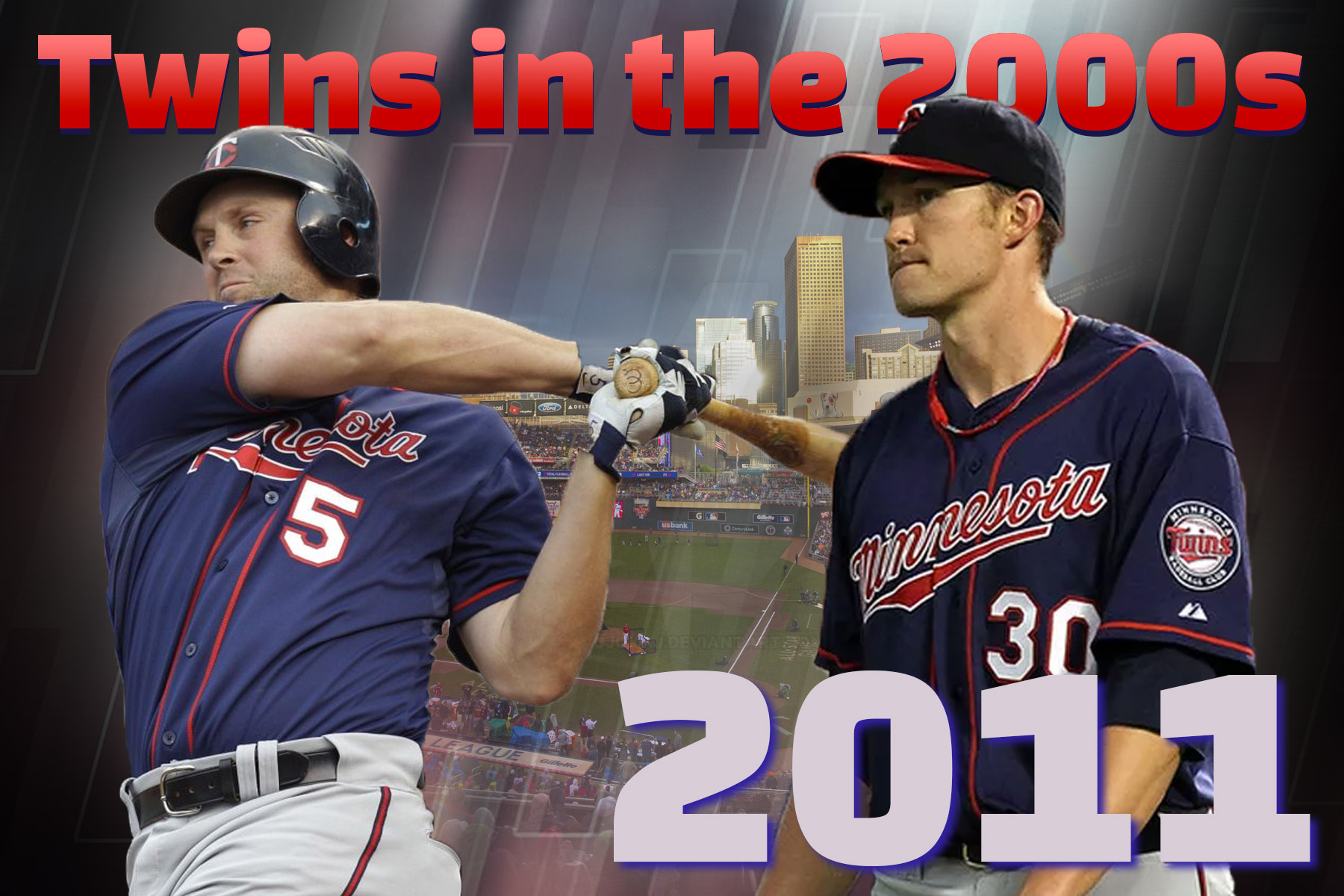 We're running a 20-part series in which we look back at each Minnesota Twins season of the 2000s. A rotation of different writers will highlight key moments, unearth forgotten details, and share nostalgic tales from the past two decades leading up to the present. This installment covers the 2011 season. Team Record: 63-99 Finish: 5th Place in AL Central All-Star: Michael Cuddyer (OF) Awards: N/A Playoffs: N/A Season Overview The 2011 Twins were not supposed to lose nearly 100 games. They entered the season with their splashy new infield acquisition, Tsuyoshi Nishioka, garnering big excitement as a high-profile international signing. He was to strengthen a lineup that included Joe Mauer, Justin Morneau, Michael Cuddyer, Danny Valencia (finished third in 2010 ROY voting), and Delmon Young coming off a breakout year. Carl Pavano and Jim Thome, veteran cornerstones in 2010, were back. This Twins team was supposed to finish first or second in the division, not fifth. So what happened? Injuries happened. By the end of the season, the Twins had seen 16 different key players land on the disabled list for extended time. This list included stars like Mauer and Morneau along with the hopeful Japanese star Nishioka, who had his season derailed early by a broken leg suffered on a takeout slide. The Twins scored their fewest runs in a season since moving to Minnesota. They tied for fewest wins in franchise history, and gave up the most runs since 2000. From any angle, this season was a disaster. Injuries hit the lineup hardest. Just three players (Cuddyer, Valencia, and rookie center fielder Ben Revere) played 100 games, and both Revere and Valencia had a wRC+ under 85. Mauer and Morneau played only 151 games combined, as Mauer dealt with leg issues following offseason knee surgery, and Morneau dealth with a litany of ailments, including the continuing after-effects from his 2010 concussion. Nishioka missed two months with his leg injury, and looked completely unequipped for Major League Baseball upon returning, finishing with a .527 OPS. Thome battled back problems and Young's performance fell off a cliff; both were traded to division rivals in August. The 2011 Twins also had just two position players over 2.0 fWAR. Mauer was one (2.1), and he only played 82 games. The other was Cuddyer (2.5), the lone bright spot on the offense. Cuddyer reached the All-Star Game as a reserve in a season where he hit .284/.346/.459 (.805) with a team-high 120 wRC+. Overall the Twins offense ranked bottom-three in home runs, wRC+, fWAR, and OPS. Literally the opposite of the 2019 squad that would later round out the decade. Moving on to the pitching, this too didn’t exactly go as planned. The Twins “ace,” Francisco Liriano, lost control with a 5.09 ERA, 1.50 WHIP, and career-high 5.0 BB/9. This came just one year after finishing in the top 15 for Cy Young. Carl Pavano, re-signed to a two-year contract shortly ahead of spring training, also experienced his worst season in Minnesota, finishing with a 4.30 ERA and just 4.1 K/9. Brian Duensing, so excellent in his first two seasons, was awful. Mashed by right-handers, the southpaw finished with a 5.23 ERA and 1.52 WHIP. The only bright spot in the rotation was Scott Baker, but even he got hurt and could only start 21 games. Collectively, the rotation finished in the bottom five for ERA, K/9, WHIP, and fWAR. Not great. Well, maybe the bullpen was okay? Also no. In fact, it was worse than the rotation. In his return from Tommy John surgery, Joe Nathan struggled out of the gates and was replaced at closer by Matt Capps, who also was not very good. The previously reliable José Mijares fell off. Glen Perkins ended up being the only reliable reliever on the team, and was just getting started in his reign of bullpen dominance – a rare bright spot to carry forward from this unit. The Twins relief corps was the worst in baseball, finishing last in ERA and second-to-last in fWAR. To recap everything I just said, this Twins team was easily one of the three worst in baseball, rating poorly in all phases of the game. Despite entering their second season at Target Field with high expectations and big fan support, they were never competitive, losing 10 of their first 14 games and finishing May 15 1/2 games out of first place in the Central. To give you an idea of the "throwing stuff against the wall and nothing sticking" dynamic of this season, here's a list of hitters to receive 100-plus plate appearances: Drew Butera (.449 OPS), Luke Hughes (.627), Matt Tolbert (.518), Rene Tosoni (.618), Jason Repko (.555), Reneé Rivera (.418). Among the 24 pitchers to appear: Phil Dumatrait, Chuck James, Dusty Hughes, Kyle Waldrop, Eric Hacker, Jim Hoey. Oh, and Cuddyer. Despite all that, it may not even be the worst Twins season of the last decade! Stay tuned for Total System Failure in five years. Team MVP: Michael Cuddyer (RF/1B) Other Contenders: Scott Baker (SP), Carl Pavano (SP), Glen Perkins (RP), Joe Mauer © While far from spectacular, Cuddyer was the Twins MVP for the 2011 season. Baker was close with his 3.14 ERA, and Baseball-Reference's WAR calculation gives him an edge, but he only started 21 games. Cuddyer was the Twins' lone All-Star and hit .284/.346/.459 (.805) with a team-high 2.5 fWAR. He led the club in home runs (20), RBIs (70), and runs scored (70), and he even went 11-for-12 on steals. Perkins had a nice breakout season, but Pavano and Mauer are just here because I needed five. While a case can be made for Baker, overall I think Cuddyer had the best season front-to-back for the Twins in 2011. This would unfortunately be his final season playing in Minnesota, as he'd sign with Colorado during the ensuing offseason, but Cuddyer left on a high note. 3 Most Pivotal Games April 1st: Lost @ Toronto Blue Jays, 13-3 I chose Opening Day as one of the three most pivotal games because it summed up the entire season in one game, and showed us all what we were in for. The game started with the Twins going down quietly in the first, followed by a four-run first inning for Toronto against Pavano. The Jays would continue to pile on hits until eventually Pavano was lifted after four innings and eight runs allowed. The onslaught continued in an eventual 10-run loss that was never competitive. If you were to sum up the season in one game, this might do it. May 16th: Lost @ Seattle Mariners, 5-2 This isn’t a game anyone remembers and that’s because it completed a nine-game losing streak that effectively ended Minnesota's season in May. Before this streak the Twins were 12-18 and building momentum to recover from a slow start, but then the bottom dropped out and everything just went wrong. During this losing streak the Twins were outscored 61-23. There was even a game that went eleven innings but the Twins somehow lost 9-3. At the beginning of the streak the Twins were eight games out of first and at the end they were 14 out. In this loss against the Mariners, Young went 0-for-4 with three strikeouts, dropping his average to .192, and Seattle's Michael Pineda held the Twins to three hits over seven scoreless innings. September 3rd: Lost @ Los Angeles Angels, 10-6 Despite managing to score six runs in five innings against prime Jered Weaver, the Twins were beaten handily with Duensing, Dumatrait and Lester Oliveros combining to allow 10 runs in 5 1/3 innings. This opened a stretch where Minnesota went 1-16. The Twins were eliminated from playoff contention right as this horrible streak got going, which just added to the misery. The weird thing is that nine of the 16 losses were by just one run, but I guess the good teams win close games, and by now this was anything but a good team. An unsightly 6-20 September served as the final blow in this depressing season. Unforgettable Highlights Francisco Liriano Throws No-No Against White Sox One of the few great moments of the 2011 season came on May 3rd when Liriano no-hit the hated Sox in Chicago. It was a chilly evening and it wasn’t exactly clean, as Liriano walked six and only struck out two, but he got the job done. This was the fifth no-hitter in Twins history and their only one in the 2000s. It took Liriano 123 pitches to get it done, ending on a lineout off the bat of Adam Dunn to Tolbert. Bert Blyleven Gets Circled by Hall of Fame Former Twins pitcher and current broadcaster Bert Blyleven was elected into the Hall of Fame on January 5th and inducted on July 24th. He reached the 75% mark on his 14th year on the ballot. Blyleven had a career 3.31 ERA and finished in the top 5 for Cy Young voting three different times. He was a two-time World Series winner and two-time All-Star at the major-league level. Jim Thome Hits 599th and 600th Home Runs on Same Day The Twins were a part of MLB history on this night, as Thome became just the eighth player to ever reach the 600-HR mark. He did this against the Detroit Tigers and both teams stopped play to honor the legend as he touched home plate. He'd be traded to Cleveland 10 days later. Joe Nathan Overtakes Franchise Saves Record Before the season began, Rick Aguilera held the Twins career saves record at 254, but Nathan – who eventually rounded back into form as an effective closer – ended the 2011 season with 260, recording his final save at Cleveland on September 25th. He later retired with 377 saves, eighth-most in MLB history. Nathan finished his Twins career with four All-Star nods, a 2.87 ERA, 1.11 WHIP, and 9.4 K/9. He was elected to the Twins Hall of Fame in August of 2019. One Detail You Probably Forgot Late in the year, we saw two Twins top prospects debut on the same day. That’s right, Joe Benson and Liam Hendriks, both regarded as top-10 talents, arrived on September 6th in what was obviously an exciting look at what we could expect in the future! In case you forgot, Hendriks would play with the Twins until 2013 and never got his ERA below 5.59. (He would however reemerge as an elite closer in Oakland down the line.) Benson played 21 mediocre games with the Twins and we never saw him again. Fun Fact On June 22nd, the Twins tied a major-league record for hits to open a game with eight straight against a young Madison Bumgarner. Minnesota stringed four straight singles and then four straight doubles, which soon led to Bumgarner being pulled from the game in the first inning. ~~~ Previous Installments: The 2000 Season The 2001 Season The 2002 Season The 2003 Season The 2004 Season The 2005 Season The 2006 Season The 2007 Season The 2008 Season The 2009 Season The 2010 Season
 -
The Kenta Maeda trade was one that a lot of Twins fans didn’t really like, but could he actually be the best starter in the rotation? Today I look at the last three seasons for Berrios, Odorizzi, and Maeda to see who has been the best.2017-2019 statistics: Jose Berrios: 537 IP, 3.80 ERA, 3.87 FIP, 9.0 K/9, 2.7 BB/9, 1.20 WHIP, .298 wOBAJake Odorizzi: 466 IP, 4.05 ERA, 4.29 FIP, 9.0 K/9, 3.5 BB/9, 1.27 WHIP, .308 wOBAKenta Maeda: 371 IP, 4.12 ERA, 3.84 FIP, 9.8 K/9, 2.9 BB/9, 1.18 WHIP, .294 wOBAJose Berrios: I don’t think it’s hard to argue that Berrios is the most talented of the group, but he still hasn't taken the final step to becoming a true ace. 2020 was hopefully going to be his breakout year where he jumped into the next tier, but as we all know this season is going to be different. If I was ranking on talent alone then Berrios would likely win, but he has not shown he can be a truly elite starting pitcher. Berrios has been an All Star in back to back seasons and in both seasons he has had stretches where he looked unstoppable. The problem for him is there is always a long stretch where everything seems to fall apart. For his career, every month leading up to August has an ERA at 4.03 or lower but his career August ERA is 5.96 so there is where the problem lies. Jake Odorizzi: Doing a three year split really hurts Odorizzi because he pretty much became a new pitcher in 2019. In the two years prior, he was an average starter that could slide into the fourth or fifth spot of an okay rotation and it looked like that was where he would stay. After an offseason of revamping himself, Odorizzi became an All Star and had a career best stat in almost every category. You could argue he was the best of the three in 2019. Last season, Odorizzi had the best ERA, FIP, and K/9 among the three as he seemed to become a new pitcher. He improved his fastball command and utilized the top of the strike zone and also swapped out his slider for an improved cutter. Kenta Maeda: It’s always surprising to me how good Kenta Maeda is because he isn’t talked about like Berrios or Odorizzi. Of the stats I listed above, Maeda was the leader in the majority of them. One reason Maeda isn’t talked about as much is likely because of his innings. I sorted by only games he started so his innings as a reliever do not count here. Perhaps coming to Minnesota where his role as a starter will be solidified and he isn’t frustrated could help him become even better. It is now known that he was frustrated with the Dodgers because they would never allow him to hit his innings limit to get paid more money. The Twins acquired him with the full intent to keep him as a starting pitcher all season. This gives the Twins a great top three of Berrios, Odorizzi, and Maeda with all three having upside. Figuring out who is the best of the three is difficult and I think a full 2020 season would have been excellent to find out. Berrios would be in his hopeful breakout year, Odorizzi would be trying to repeat his All Star season, and Maeda would be in a new organization with a situation he is finally comfortable with. How would you rank these three pitchers? Is Berrios the consensus number one among them? I feel like 2020 would have definitely been the season to show who is the best of the best so it is too bad the season was messed up. MORE FROM TWINS DAILY — Latest Twins coverage from our writers — Recent Twins discussion in our forums — Follow Twins Daily via Twitter, Facebook or email Click here to view the article
-
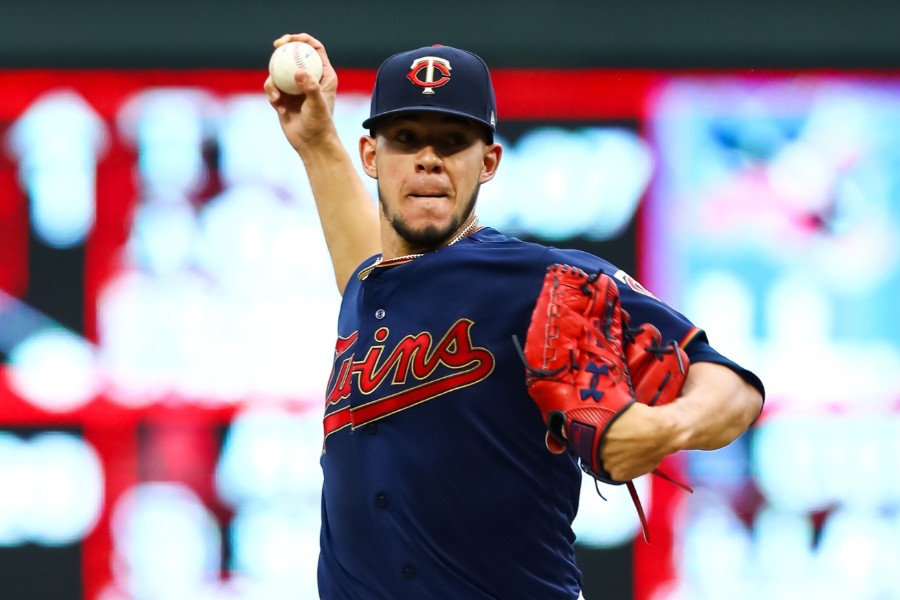 2017-2019 statistics: Jose Berrios: 537 IP, 3.80 ERA, 3.87 FIP, 9.0 K/9, 2.7 BB/9, 1.20 WHIP, .298 wOBA Jake Odorizzi: 466 IP, 4.05 ERA, 4.29 FIP, 9.0 K/9, 3.5 BB/9, 1.27 WHIP, .308 wOBA Kenta Maeda: 371 IP, 4.12 ERA, 3.84 FIP, 9.8 K/9, 2.9 BB/9, 1.18 WHIP, .294 wOBA Jose Berrios: I don’t think it’s hard to argue that Berrios is the most talented of the group, but he still hasn't taken the final step to becoming a true ace. 2020 was hopefully going to be his breakout year where he jumped into the next tier, but as we all know this season is going to be different. If I was ranking on talent alone then Berrios would likely win, but he has not shown he can be a truly elite starting pitcher. Berrios has been an All Star in back to back seasons and in both seasons he has had stretches where he looked unstoppable. The problem for him is there is always a long stretch where everything seems to fall apart. For his career, every month leading up to August has an ERA at 4.03 or lower but his career August ERA is 5.96 so there is where the problem lies. Jake Odorizzi: Doing a three year split really hurts Odorizzi because he pretty much became a new pitcher in 2019. In the two years prior, he was an average starter that could slide into the fourth or fifth spot of an okay rotation and it looked like that was where he would stay. After an offseason of revamping himself, Odorizzi became an All Star and had a career best stat in almost every category. You could argue he was the best of the three in 2019. Last season, Odorizzi had the best ERA, FIP, and K/9 among the three as he seemed to become a new pitcher. He improved his fastball command and utilized the top of the strike zone and also swapped out his slider for an improved cutter. Kenta Maeda: It’s always surprising to me how good Kenta Maeda is because he isn’t talked about like Berrios or Odorizzi. Of the stats I listed above, Maeda was the leader in the majority of them. One reason Maeda isn’t talked about as much is likely because of his innings. I sorted by only games he started so his innings as a reliever do not count here. Perhaps coming to Minnesota where his role as a starter will be solidified and he isn’t frustrated could help him become even better. It is now known that he was frustrated with the Dodgers because they would never allow him to hit his innings limit to get paid more money. The Twins acquired him with the full intent to keep him as a starting pitcher all season. This gives the Twins a great top three of Berrios, Odorizzi, and Maeda with all three having upside. Figuring out who is the best of the three is difficult and I think a full 2020 season would have been excellent to find out. Berrios would be in his hopeful breakout year, Odorizzi would be trying to repeat his All Star season, and Maeda would be in a new organization with a situation he is finally comfortable with. How would you rank these three pitchers? Is Berrios the consensus number one among them? I feel like 2020 would have definitely been the season to show who is the best of the best so it is too bad the season was messed up. MORE FROM TWINS DAILY — Latest Twins coverage from our writers — Recent Twins discussion in our forums — Follow Twins Daily via Twitter, Facebook or email
 -
Today I finish ranking the AL/NL Central teams. Last week I ranked teams 6-10 so go check that out and then come see how I did teasm 1-5 in this post!5. Cincinnati Reds 2019 batting WAR: 11.12019 pitching WAR: 18.6Total WAR: 29.7Key addition(s): Mike Moustakas, Nicholas Castellanos, Wade Miley, Shogo AkiyamaKey departure(s): Kevin Gausman, Alex WoodI’m extremely high on the Reds and I almost wanted to rank them higher, but they did finish last season 75-87. I was also very high on them last season so maybe I’m still wrong. Either way, the Reds have a top-ten pitching staff and a nicely upgraded offense. If a lot goes their way, I could see them as the best in the NL Central. The Reds rotation will consist of Luis Castillo, Trevor Bauer, Sonny Gray, Anthony DeSclafani, and Wade Miley. That is very solid. The bullpen is led by Raisel Iglesias, Michael Lorenzen, Amir Garrett, and Pedro Strop. This staff is definitely top ten and has upside to be even better. The problems last year came in the lineup that ranked 25th in baseball. In order to fix that lineup, the Reds added Castellanos (121 OPS+), Moustakas (114 OPS+), and Japanese import Shogo Akiyama. Akiyama is a 32-year-old center fielder who hit .303/.392/.471 (.864) with 20 homers in Japan last season. Adding this talent with Votto, Suarez, Aquino, and hopeful breakout player Senzel could turn this offense around. 4. St. Louis Cardinals 2019 batting WAR: 22.32019 pitching WAR: 15.6Total WAR: 37.9Key addition(s): Kwang-hyun KimKey departure(s): Marcell OzunaThe Cardinals are the defending NL Central champions, but I’m putting them behind the Cubs in my rankings. They will still be very good and a threat for 90+ wins in a full season, but can they repeat last season's division-winning success? The rotation is led by RHP Jack Flaherty and hopefully he can repeat his stellar 2019, but behind him the Cards will need Dakota Hudson, Miles Mikolas, and 38- year-old Adam Wainwright to step up. Former starter Carlos Martinez was good in the bullpen last season, but perhaps he will make a return to the rotation in 2020. Looking at the lineup, there aren’t many players who would scare me after Paul Goldschmidt and Matt Carpenter. Tommy Edman had a great rookie year in 2019 so if he can continue that then he will provide a huge boost. Everyone else (Wong, Molia, Bader, DeJong, etc) had an OPS+ below or around 100. They could be really good, but they could also win 83-85 games. 3. Chicago Cubs 2019 batting WAR: 24.92019 pitching WAR: 17.0Total WAR: 41.9Key addition(s): Jeremy Jeffress, Jason KipnisKey departure(s): Nicholas Castellanos, Cole HamelsDeciding between the Cubs and the Indians was probably the hardest thing I’ve had to do in the past 24 hours or so. I debated it for about 20 minutes before finally deciding on the Cubs for number three. The decision was based on change of manager, only 85 wins last year, and losing two key players. Despite losing Cole Hamels, the rotation is still in good shape with Darvish, Hendricks, Quintana, and Lester leading the way. It’s certainly not a young rotation, but it’ll get the job done. The bullpen is where some issues may arise. If Kimbrel can not get back to his former Hall of Fame self, then this group could be in need of an addition quickly. The lineup is filled with players that helped win the 2016 World Series and they are still in their prime. This list includes Javier Baez (#2 in 2018 MVP voting), Kris Bryant (2016 MVP), and Anthony Rizzo who had one of his best seasons in 2019. To complement the big three, the Cubs still have Wilson Contreras, Kyle Schwarber, and Ian Happ. Definitely a solid lineup all around that is a bit underrated. 2. Cleveland Indians 2019 batting WAR: 19.72019 pitching WAR: 21.9Total WAR: 41.6Key addition(s): Cesar Hernandez, Domingo SantanaKey departure(s):Corey Kluber, Tyler ClippardThe Indians might never go away. Ownership seemingly really wants to lose 90+ games, but instead they somehow find a way to win 90+ every season. I expect they’ll keep that winning pace up in this upcoming season and continue to be the main rivals for Minnesota. Despite all the rumors about trading Lindor, he remains in Cleveland as the best shortstop in baseball. Even with Corey Kluber and Trevor Bauer gone, the rotation in Cleveland will still be very good. Shane Bieber and Mike Clevinger will be Cy Young candidates if all goes right and Civale/Carrasco is a solid back half of any rotation. The only thing that might get in the way for the pitching is injuries (and Miguel Sano). With Francisco Lindor and Jose Ramirez both still in town, this lineup will always produce. On top of that, they have All-Star Carlos Santana, young Oscar Mercado, and power hitting Franmil Reyes in the middle. It’s not an elite lineup, but it’s one that can definitely lead a team to the playoffs. 1. Minnesota Twins 2019 batting WAR: 31.02019 pitching WAR: 24.0Total WAR: 55.0Key addition(s): Josh Donaldson, Kenta Maeda, Rich Hill, Tyler ClippardKey departure(s): Jason Castro, C.J. Cron, Jonathan SchoopEven if I absolutely hated the Twins, there is no way to rank them anywhere except first on this list. They were first in batting and pitching WAR among these teams last season and then they added Donaldson and Maeda. It’s honestly unfair. It really is too bad that one of the best years in franchise history will be severely impacted. The pitching staff has received a lot of criticism for being the weak link, but it has become one of the top ten in baseball for sure. A rotation of Berrios, Odorizzi, Maeda, and Hill is one most teams would love to have. Last season the bullpen looked awful for a while, but suddenly it’s great with Rogers, Duffey, and May leading the group. This staff has gone from being a concern to being excellent in just one calendar year. Moving on to the lineup, what more can be said? One of the greatest groups of all time in 2019 somehow became better by adding Donaldson, replacing Cron with Sano, and replacing Schoop with Arraez. Any potential regression will likely be halted by these full-time replacements and this lineup should see the same success that was seen in 2019 (unless the ball changes completely). That brings us to the end of my rankings and I better wrap this up quick because I used way too many words (sorry Tom). Let me know your thoughts below! Final rankings: TwinsIndiansCubsCardinalsRedsWhite SoxBrewersRoyalsPiratesTigersMORE FROM TWINS DAILY— Latest Twins coverage from our writers — Recent Twins discussion in our forums — Follow Twins Daily via Twitter, Facebook or email Click here to view the article
-
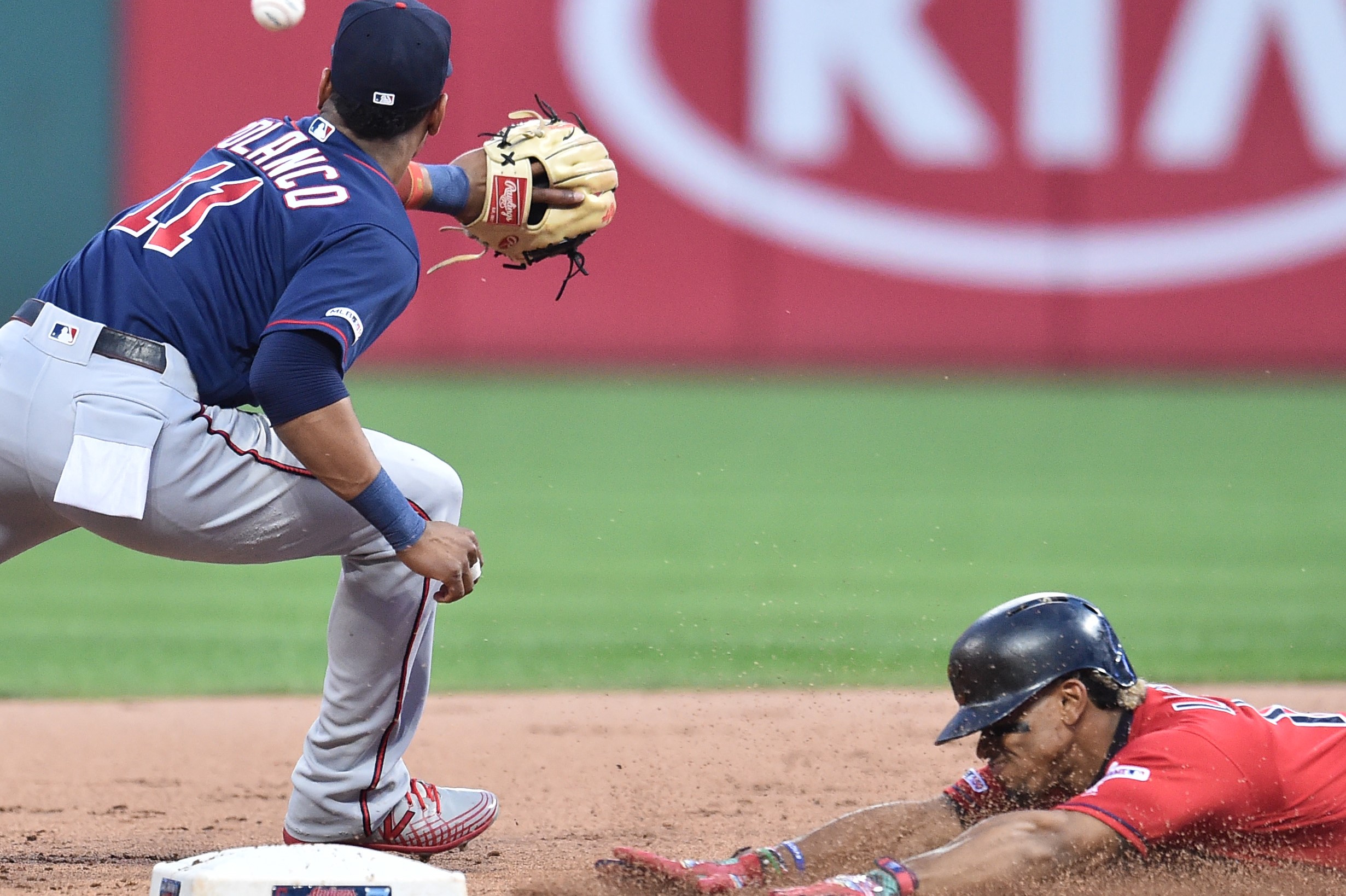 5. Cincinnati Reds 2019 batting WAR: 11.1 2019 pitching WAR: 18.6 Total WAR: 29.7 Key addition(s): Mike Moustakas, Nicholas Castellanos, Wade Miley, Shogo Akiyama Key departure(s): Kevin Gausman, Alex Wood I’m extremely high on the Reds and I almost wanted to rank them higher, but they did finish last season 75-87. I was also very high on them last season so maybe I’m still wrong. Either way, the Reds have a top-ten pitching staff and a nicely upgraded offense. If a lot goes their way, I could see them as the best in the NL Central. The Reds rotation will consist of Luis Castillo, Trevor Bauer, Sonny Gray, Anthony DeSclafani, and Wade Miley. That is very solid. The bullpen is led by Raisel Iglesias, Michael Lorenzen, Amir Garrett, and Pedro Strop. This staff is definitely top ten and has upside to be even better. The problems last year came in the lineup that ranked 25th in baseball. In order to fix that lineup, the Reds added Castellanos (121 OPS+), Moustakas (114 OPS+), and Japanese import Shogo Akiyama. Akiyama is a 32-year-old center fielder who hit .303/.392/.471 (.864) with 20 homers in Japan last season. Adding this talent with Votto, Suarez, Aquino, and hopeful breakout player Senzel could turn this offense around. 4. St. Louis Cardinals 2019 batting WAR: 22.3 2019 pitching WAR: 15.6 Total WAR: 37.9 Key addition(s): Kwang-hyun Kim Key departure(s): Marcell Ozuna The Cardinals are the defending NL Central champions, but I’m putting them behind the Cubs in my rankings. They will still be very good and a threat for 90+ wins in a full season, but can they repeat last season's division-winning success? The rotation is led by RHP Jack Flaherty and hopefully he can repeat his stellar 2019, but behind him the Cards will need Dakota Hudson, Miles Mikolas, and 38- year-old Adam Wainwright to step up. Former starter Carlos Martinez was good in the bullpen last season, but perhaps he will make a return to the rotation in 2020. Looking at the lineup, there aren’t many players who would scare me after Paul Goldschmidt and Matt Carpenter. Tommy Edman had a great rookie year in 2019 so if he can continue that then he will provide a huge boost. Everyone else (Wong, Molia, Bader, DeJong, etc) had an OPS+ below or around 100. They could be really good, but they could also win 83-85 games. 3. Chicago Cubs 2019 batting WAR: 24.9 2019 pitching WAR: 17.0 Total WAR: 41.9 Key addition(s): Jeremy Jeffress, Jason Kipnis Key departure(s): Nicholas Castellanos, Cole Hamels Deciding between the Cubs and the Indians was probably the hardest thing I’ve had to do in the past 24 hours or so. I debated it for about 20 minutes before finally deciding on the Cubs for number three. The decision was based on change of manager, only 85 wins last year, and losing two key players. Despite losing Cole Hamels, the rotation is still in good shape with Darvish, Hendricks, Quintana, and Lester leading the way. It’s certainly not a young rotation, but it’ll get the job done. The bullpen is where some issues may arise. If Kimbrel can not get back to his former Hall of Fame self, then this group could be in need of an addition quickly. The lineup is filled with players that helped win the 2016 World Series and they are still in their prime. This list includes Javier Baez (#2 in 2018 MVP voting), Kris Bryant (2016 MVP), and Anthony Rizzo who had one of his best seasons in 2019. To complement the big three, the Cubs still have Wilson Contreras, Kyle Schwarber, and Ian Happ. Definitely a solid lineup all around that is a bit underrated. 2. Cleveland Indians 2019 batting WAR: 19.7 2019 pitching WAR: 21.9 Total WAR: 41.6 Key addition(s): Cesar Hernandez, Domingo Santana Key departure(s):Corey Kluber, Tyler Clippard The Indians might never go away. Ownership seemingly really wants to lose 90+ games, but instead they somehow find a way to win 90+ every season. I expect they’ll keep that winning pace up in this upcoming season and continue to be the main rivals for Minnesota. Despite all the rumors about trading Lindor, he remains in Cleveland as the best shortstop in baseball. Even with Corey Kluber and Trevor Bauer gone, the rotation in Cleveland will still be very good. Shane Bieber and Mike Clevinger will be Cy Young candidates if all goes right and Civale/Carrasco is a solid back half of any rotation. The only thing that might get in the way for the pitching is injuries (and Miguel Sano). With Francisco Lindor and Jose Ramirez both still in town, this lineup will always produce. On top of that, they have All-Star Carlos Santana, young Oscar Mercado, and power hitting Franmil Reyes in the middle. It’s not an elite lineup, but it’s one that can definitely lead a team to the playoffs. 1. Minnesota Twins 2019 batting WAR: 31.0 2019 pitching WAR: 24.0 Total WAR: 55.0 Key addition(s): Josh Donaldson, Kenta Maeda, Rich Hill, Tyler Clippard Key departure(s): Jason Castro, C.J. Cron, Jonathan Schoop Even if I absolutely hated the Twins, there is no way to rank them anywhere except first on this list. They were first in batting and pitching WAR among these teams last season and then they added Donaldson and Maeda. It’s honestly unfair. It really is too bad that one of the best years in franchise history will be severely impacted. The pitching staff has received a lot of criticism for being the weak link, but it has become one of the top ten in baseball for sure. A rotation of Berrios, Odorizzi, Maeda, and Hill is one most teams would love to have. Last season the bullpen looked awful for a while, but suddenly it’s great with Rogers, Duffey, and May leading the group. This staff has gone from being a concern to being excellent in just one calendar year. Moving on to the lineup, what more can be said? One of the greatest groups of all time in 2019 somehow became better by adding Donaldson, replacing Cron with Sano, and replacing Schoop with Arraez. Any potential regression will likely be halted by these full-time replacements and this lineup should see the same success that was seen in 2019 (unless the ball changes completely). That brings us to the end of my rankings and I better wrap this up quick because I used way too many words (sorry Tom). Let me know your thoughts below! Final rankings: Twins Indians Cubs Cardinals Reds White Sox Brewers Royals Pirates Tigers MORE FROM TWINS DAILY — Latest Twins coverage from our writers — Recent Twins discussion in our forums — Follow Twins Daily via Twitter, Facebook or email
 -
Love this idea, especially for Odorizzi and Bailey. Dobnak/Thorpe would be 4/5 in a lot of teams rotations so the Twins are in a great spot.
-
Ranking the AL/NL Central Teams: 10-6
Cooper Carlson replied to Cooper Carlson's topic in Twins Daily Front Page News
Just seeing this now. I think Eloy actually recorded another error as I typed this reply! -
If there is going to be a baseball season in 2020, there is a possibility that divisions will combine. If that is the case, how would the AL/NL central teams rank against each other? I tried figuring that out.10. Detroit Tigers 2019 batting WAR: -2.62019 pitching WAR: 11.2Total WAR: 8.6Key Addition(s): C.J. Cron, Jonathan Schoop Key departure(s): N/AThe Tigers were one of the worst teams in MLB history last season, losing 114 games and having the only negative batting WAR in baseball. There isn’t much of anything that went well except for a couple of their young pitchers, Matthew Boyd and Spencer Turnbull, performing fairly well. The starting pitching will be led by Boyd and Turnbull and potentially top prospect Casey Mize, but this team will not be good. Two of their best hitters are Jonathan Schoop and C.J. Cron. Neither of them would crack the current Twins lineup. I expect they will either finish 9th or 10th at best. They are still at least two years away from even a wild card race. 9. Pittsburgh Pirates 2019 batting WAR: 10.92019 pitching WAR: 8.8Total WAR: 19.7Key addition(s): N/AKey departure(s): Starling MarteBeing a Pirates fan can’t be fun these days. For the second straight offseason, the team traded their best player and showed zero signs of attempting to compete in 2020. This team will continue to get worse before anything gets better. It’s a shame former Twins bench coach Derek Shelton will be stuck there. The offense does have a few solid players like Bryan Reynolds, Josh Bell, and Kevin Newman but after that there is a major drop off. The rotation is led by Joe Musgrove and Chris Archer, two players the Twins could be looking to acquire at any point. Musgrove is easily their number one, but that’s not really a good thing. This team would finish no higher than 8th in the division, and I fully expect it will be a last place battle between Detroit and Pittsburgh. Last for the division, and in baseball. It’s a long road ahead for the Pirates. 8. Kansas City Royals 2019 batting WAR: 9.32019 pitching WAR: 7.7Total WAR: 17.0Key addition(s): N/AKey departure(s): N/AThis list isn’t really getting any better, is it? The Royals are another awful team that could easily be placed in the 9th or 10th spot, but they have a few more key pieces. They also hired Mike Matheny as their new manager so perhaps that will help in some way. The lineup has a very nice and young core four of Whit Merrifield, Jorge Soler, Hunter Dozier, and Adalberto Mondesi. If they are able to build their lineup around those players then there is potential there. The pitching isn’t as good, but you could have a worse top three than Brad Keller, Jakob Junis, and Danny Duffy with Ian Kennedy in the bullpen. Not good, but not horrible. After losing 103 games in 2019, I don’t expect the Royals to be a real threat anytime soon. The difference between them and the Tigers/Pirates is that the Royals have a potential to surprise. If the core of their lineup produces and the pitching is around the top 20 then maybe they can do something. 7. Milwaukee Brewers 2019 batting WAR: 24.22019 pitching WAR: 12.9Total WAR: 37.1Key addition(s): Avisail Garcia, Justin SmoakKey departure(s): Yasmani Grandal, Mike Moustakas, Drew Pomeranz, Zach DaviesThe Brewers are tough, but I just don’t think they will compete with the top of the division. Last year they barely snuck into a wild card and now they will be without Grandal, Moustakas, and 4 starters (Gonzalez, Anderson, Davies, and Lyles). Christian Yelich will have to carry the load for this offense even more than he did last season. Behind him, the best hitters are Hiura, Garcia, and Smoak. The rotation will consist of Woodruff, Lindblom, Houser, and five innings of Josh Hader every night. I might get some heat for ranking a 2019 playoff team this low, but the teams ahead of the Brewers are all going to be solid. They had a nice run, but time to build it back up with Yelich under contract for seven years. 6. Chicago White Sox 2019 batting WAR: 11.02019 pitching WAR: 12.3Total WAR: 23.3Key addition(s): Yasmani Grandal, Dallas Keuchel, Encarnacion, Gio GonzalezKey departure(s): Yolmer SanchezThe White Sox are interesting. They went out and signed a bunch of guys and suddenly some people are putting them as the favorites for the AL central. I don’t think so. The additions will help, but they are being over hyped and the Sox are still a year away. The offense will certainly be good with Moncada, Abreu, Grandal, Anderson, Jiminez, and top prospect Luis Robert but a lot has to go right. Both Moncada and Anderson had an insanely high BABIP last season so there should be regression and Robert will have to be an immediate impact. The rotation is where everything could fall apart. Behind Giolito, the Sox are relying on post-prime Keuchel and Gonzalez along with Reynaldo Lopez who is supposed to have a breakout year every season but never does. The White Sox will likely hang around .500 all season with potential to grab a wild card spot. They won't compete for the division title this season, but they could once again be the Twins main rival in 2021. Recap: 10: Detroit Tigers 9: Pittsburgh Pirates 8: Kansas City Royals 7: Milwaukee Brewers 6: Chicago White Sox 5-1: Next Wednesday What did you think of my list so far? Leave a comment and discuss below! MORE FROM TWINS DAILY — Latest Twins coverage from our writers — Recent Twins discussion in our forums — Follow Twins Daily via Twitter, Facebook or email Click here to view the article
-
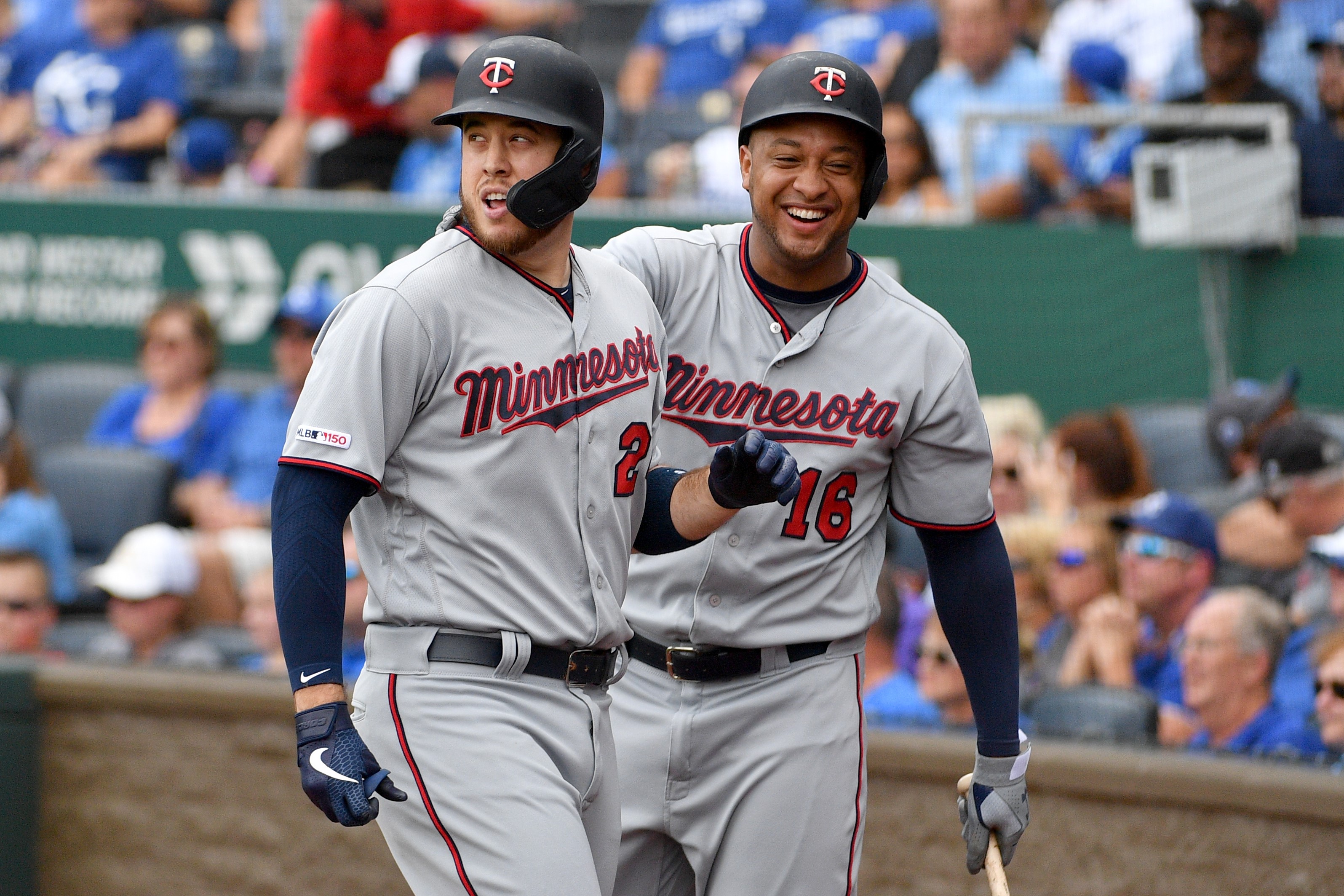 10. Detroit Tigers 2019 batting WAR: -2.6 2019 pitching WAR: 11.2 Total WAR: 8.6 Key Addition(s): C.J. Cron, Jonathan Schoop Key departure(s): N/A The Tigers were one of the worst teams in MLB history last season, losing 114 games and having the only negative batting WAR in baseball. There isn’t much of anything that went well except for a couple of their young pitchers, Matthew Boyd and Spencer Turnbull, performing fairly well. The starting pitching will be led by Boyd and Turnbull and potentially top prospect Casey Mize, but this team will not be good. Two of their best hitters are Jonathan Schoop and C.J. Cron. Neither of them would crack the current Twins lineup. I expect they will either finish 9th or 10th at best. They are still at least two years away from even a wild card race. 9. Pittsburgh Pirates 2019 batting WAR: 10.9 2019 pitching WAR: 8.8 Total WAR: 19.7 Key addition(s): N/A Key departure(s): Starling Marte Being a Pirates fan can’t be fun these days. For the second straight offseason, the team traded their best player and showed zero signs of attempting to compete in 2020. This team will continue to get worse before anything gets better. It’s a shame former Twins bench coach Derek Shelton will be stuck there. The offense does have a few solid players like Bryan Reynolds, Josh Bell, and Kevin Newman but after that there is a major drop off. The rotation is led by Joe Musgrove and Chris Archer, two players the Twins could be looking to acquire at any point. Musgrove is easily their number one, but that’s not really a good thing. This team would finish no higher than 8th in the division, and I fully expect it will be a last place battle between Detroit and Pittsburgh. Last for the division, and in baseball. It’s a long road ahead for the Pirates. 8. Kansas City Royals 2019 batting WAR: 9.3 2019 pitching WAR: 7.7 Total WAR: 17.0 Key addition(s): N/A Key departure(s): N/A This list isn’t really getting any better, is it? The Royals are another awful team that could easily be placed in the 9th or 10th spot, but they have a few more key pieces. They also hired Mike Matheny as their new manager so perhaps that will help in some way. The lineup has a very nice and young core four of Whit Merrifield, Jorge Soler, Hunter Dozier, and Adalberto Mondesi. If they are able to build their lineup around those players then there is potential there. The pitching isn’t as good, but you could have a worse top three than Brad Keller, Jakob Junis, and Danny Duffy with Ian Kennedy in the bullpen. Not good, but not horrible. After losing 103 games in 2019, I don’t expect the Royals to be a real threat anytime soon. The difference between them and the Tigers/Pirates is that the Royals have a potential to surprise. If the core of their lineup produces and the pitching is around the top 20 then maybe they can do something. 7. Milwaukee Brewers 2019 batting WAR: 24.2 2019 pitching WAR: 12.9 Total WAR: 37.1 Key addition(s): Avisail Garcia, Justin Smoak Key departure(s): Yasmani Grandal, Mike Moustakas, Drew Pomeranz, Zach Davies The Brewers are tough, but I just don’t think they will compete with the top of the division. Last year they barely snuck into a wild card and now they will be without Grandal, Moustakas, and 4 starters (Gonzalez, Anderson, Davies, and Lyles). Christian Yelich will have to carry the load for this offense even more than he did last season. Behind him, the best hitters are Hiura, Garcia, and Smoak. The rotation will consist of Woodruff, Lindblom, Houser, and five innings of Josh Hader every night. I might get some heat for ranking a 2019 playoff team this low, but the teams ahead of the Brewers are all going to be solid. They had a nice run, but time to build it back up with Yelich under contract for seven years. 6. Chicago White Sox 2019 batting WAR: 11.0 2019 pitching WAR: 12.3 Total WAR: 23.3 Key addition(s): Yasmani Grandal, Dallas Keuchel, Encarnacion, Gio Gonzalez Key departure(s): Yolmer Sanchez The White Sox are interesting. They went out and signed a bunch of guys and suddenly some people are putting them as the favorites for the AL central. I don’t think so. The additions will help, but they are being over hyped and the Sox are still a year away. The offense will certainly be good with Moncada, Abreu, Grandal, Anderson, Jiminez, and top prospect Luis Robert but a lot has to go right. Both Moncada and Anderson had an insanely high BABIP last season so there should be regression and Robert will have to be an immediate impact. The rotation is where everything could fall apart. Behind Giolito, the Sox are relying on post-prime Keuchel and Gonzalez along with Reynaldo Lopez who is supposed to have a breakout year every season but never does. The White Sox will likely hang around .500 all season with potential to grab a wild card spot. They won't compete for the division title this season, but they could once again be the Twins main rival in 2021. Recap: 10: Detroit Tigers 9: Pittsburgh Pirates 8: Kansas City Royals 7: Milwaukee Brewers 6: Chicago White Sox 5-1: Next Wednesday What did you think of my list so far? Leave a comment and discuss below! MORE FROM TWINS DAILY — Latest Twins coverage from our writers — Recent Twins discussion in our forums — Follow Twins Daily via Twitter, Facebook or email
 -
A couple weeks ago I looked at 5 hitters the Twins could never get out. Today I’ll be looking at 5 pitchers who always shut down the Twins. This is a fun view at the recent past that will make you remember some disappointing times.The only rules for a player to be eligible are the player has to have pitched from 2000-2019 and have at least 50.0 innings pitched against the Twins. Let’s get into it. 5. Jeremy Affeldt: Royals, Rockies, Giants (2002-2015) Statistics: 50.1 IP, 1.07 ERA, 1.15 WHIP, .191 AVG I decided to put Affeldt last on this list because he barely cracks the 50 inning benchmark. Ranking these five players was extremely difficult as they are all close to each other. Affeldt dominated the Twins for roughly 13 long years, five of which came in Kansas City. There was no other team close to the Twins on his ERA leaderboard against certain teams. For some reason the Twins just couldn’t hit him. I also hate spelling his last name. 4. Scott Elarton: Indians, Royals (2000-2008) Statistics: 58.0 IP, 2.17 ERA, .192 AVG, 2.8 K/9 I’m including Elarton on this list for two reasons. One, most people have probably forgotten about him and two, he had a very low K/9 and still dominated. I imagine watching the Twins face Elarton was very annoying for Twins fans because he never struck them out, he just got them out in literally any other way. He was never an elite reliever, he was just really good against the Twins. He also finished his career in Minnesota but never played in a MLB game. 3. Chris Archer: Rays, Pirates (2012-2019) Statistics: 2.40 ERA, .554 OPS, 2.23 FIP, 28.0 K% For some reason Archer just loves facing the Twins. He is luckily now in Pittsburg with Derek Shelton so the Twins won’t see him much. He has his best ERA, FIP, and OPS against the Twins in his career. He has kept his dominant performances up even during his slower part of his career. Maybe the Twins should trade for him just so they don’t ever have to face him. 2. Barry Zito: Athletics, Giants (2000-2013) Statistics: 59.1 IP, 1.97 ERA, .155 AVG, 0.83 WHIP The Twins were certainly fortunate when Zito went to the Giants because there was just no answer for him. Zito had his best years when he was with Oakland, winning a CY Young and making the All Star Team three times. The Twins were able to get to him a bit more when he went to San Francisco, but when he was in Oakland there wasn’t a team he was better against than the Twins. 1. Felix Hernandez: Mariners (2005-2019) Statistics: 127.1 IP, 2.26 ERA, .197 AVG, .508 OPS, 23.5 K% I had to finish this list with King Felix himself because not only was he dominant against the Twins, but he did it for 127 innings. This performance certainly wasn’t a fluke. He has been one of the best pitchers in the game for a long time and has built a strong case for the Hall of Fame. The Twins did nothing to slow that down. Hopefully Hernandez can get back to his old self in Atlanta. What did you think of this list? It was difficult to rank the pitchers, but I think I did alright. Was there anyone missing from this list you thought should be on it? Leave a comment and discuss below! MORE FROM TWINS DAILY — Latest Twins coverage from our writers — Recent Twins discussion in our forums — Follow Twins Daily via Twitter, Facebook or email Click here to view the article
-
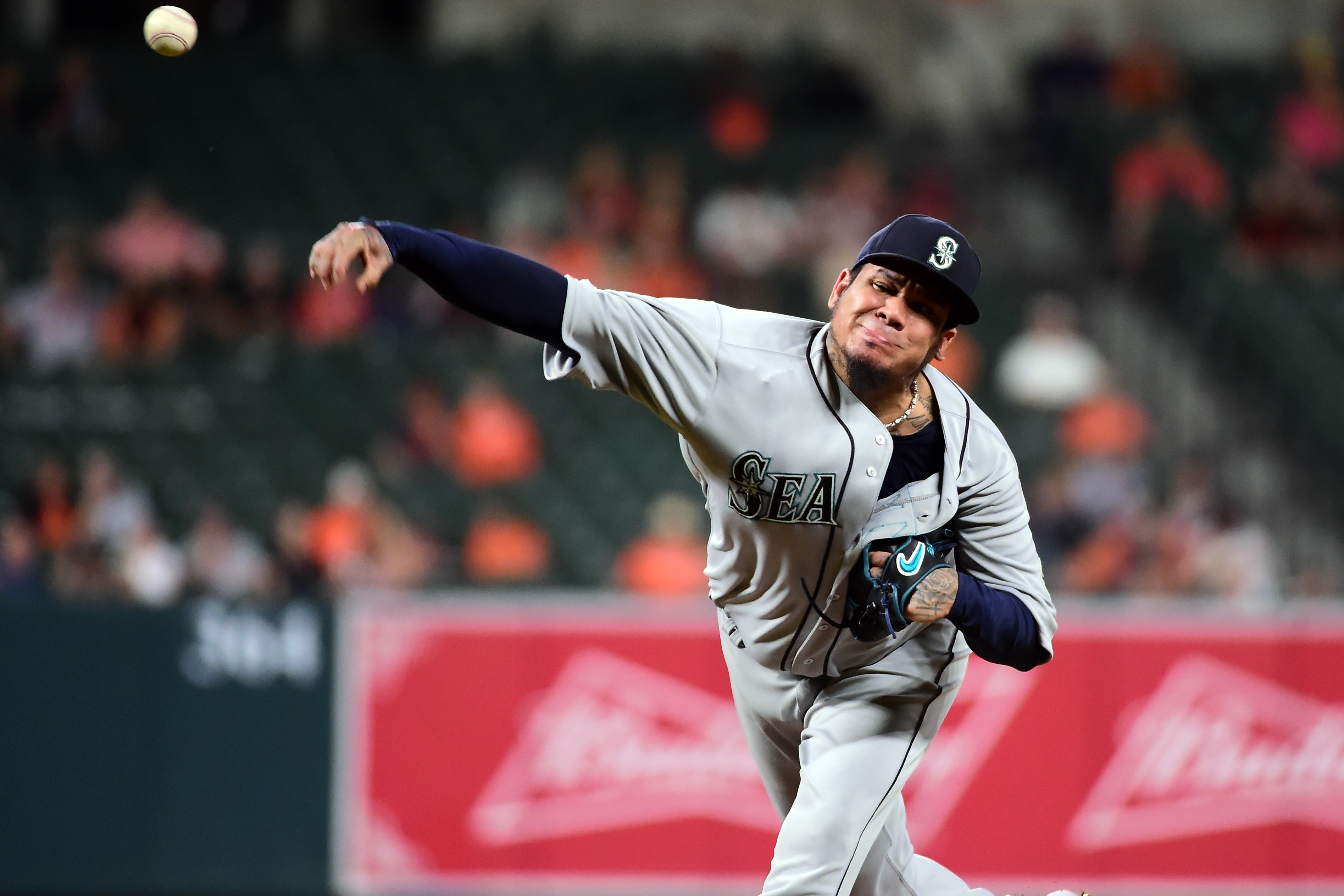 The only rules for a player to be eligible are the player has to have pitched from 2000-2019 and have at least 50.0 innings pitched against the Twins. Let’s get into it. 5. Jeremy Affeldt: Royals, Rockies, Giants (2002-2015) Statistics: 50.1 IP, 1.07 ERA, 1.15 WHIP, .191 AVG I decided to put Affeldt last on this list because he barely cracks the 50 inning benchmark. Ranking these five players was extremely difficult as they are all close to each other. Affeldt dominated the Twins for roughly 13 long years, five of which came in Kansas City. There was no other team close to the Twins on his ERA leaderboard against certain teams. For some reason the Twins just couldn’t hit him. I also hate spelling his last name. 4. Scott Elarton: Indians, Royals (2000-2008) Statistics: 58.0 IP, 2.17 ERA, .192 AVG, 2.8 K/9 I’m including Elarton on this list for two reasons. One, most people have probably forgotten about him and two, he had a very low K/9 and still dominated. I imagine watching the Twins face Elarton was very annoying for Twins fans because he never struck them out, he just got them out in literally any other way. He was never an elite reliever, he was just really good against the Twins. He also finished his career in Minnesota but never played in a MLB game. 3. Chris Archer: Rays, Pirates (2012-2019) Statistics: 2.40 ERA, .554 OPS, 2.23 FIP, 28.0 K% For some reason Archer just loves facing the Twins. He is luckily now in Pittsburg with Derek Shelton so the Twins won’t see him much. He has his best ERA, FIP, and OPS against the Twins in his career. He has kept his dominant performances up even during his slower part of his career. Maybe the Twins should trade for him just so they don’t ever have to face him. 2. Barry Zito: Athletics, Giants (2000-2013) Statistics: 59.1 IP, 1.97 ERA, .155 AVG, 0.83 WHIP The Twins were certainly fortunate when Zito went to the Giants because there was just no answer for him. Zito had his best years when he was with Oakland, winning a CY Young and making the All Star Team three times. The Twins were able to get to him a bit more when he went to San Francisco, but when he was in Oakland there wasn’t a team he was better against than the Twins. 1. Felix Hernandez: Mariners (2005-2019) Statistics: 127.1 IP, 2.26 ERA, .197 AVG, .508 OPS, 23.5 K% I had to finish this list with King Felix himself because not only was he dominant against the Twins, but he did it for 127 innings. This performance certainly wasn’t a fluke. He has been one of the best pitchers in the game for a long time and has built a strong case for the Hall of Fame. The Twins did nothing to slow that down. Hopefully Hernandez can get back to his old self in Atlanta. What did you think of this list? It was difficult to rank the pitchers, but I think I did alright. Was there anyone missing from this list you thought should be on it? Leave a comment and discuss below! MORE FROM TWINS DAILY — Latest Twins coverage from our writers — Recent Twins discussion in our forums — Follow Twins Daily via Twitter, Facebook or email
 -
A five-tool player in baseball is a hitter who has mastered all five of the main abilities. These abilities are contact, power, speed, fielding, and arm strength. MLB.com is doing something similar so I decided to take a Minnesota spin on it. I will take one player for each category.Hitting for contact: Luis Arraez Key statistics: 7.9 K%, .334 AVG Luis Arraez is the obvious choice here, although maybe you could make an argument for someone like Astudillo but Arraez brings a lot more to the table. The contact/hit tool is important for any player and if you combine an elite hit tool like Arraez with an elite power tool, then you probably have a top five hitter in baseball. Arraez had a 7.9 K% last season and that placed him in the top 1% of the league for that category. If he qualified for the batting title then he would have finished just one tick behind Tim Anderson and his .335 average. He also finished with the best swinging strike% in baseball at just 2.8%. You could argue he is the best contact hitter in baseball, but he likely needs another season or two to prove it. Hitting for power: Miguel Sano Key statistics: 94.4 avg exit velo, 57.2 hard hit%, 21.2 barrels/BBE% This one was really tough to decide between Nelson Cruz and Miguel Sano, but eventually I settled on Sano. I did this because of his age, and if you combined Sano’s power with Arraez’ contact then I think he’d be better than Cruz. It wasn’t easy, and the Twins easily have two of the top five pure power hitters in baseball. The 94.4 average exit velocity for Sano was 2nd only behind Aaron Judge in 2019. Sano had the best hard hit% at 57.2% and then the final stat, barrels/BBE%, which means the percentage that he gets a barrel when he makes contact was also the best in the league. The final stat helped me decide Sano over Cruz because when Sano makes contact, the ball is going far. Speed: Byron Buxton Key statistics: 30.3 ft/sec, 3.74 sec/90 feet This tool is probably the easiest one to decide on. The second fastest player was Jorge Polanco at 28.2 ft/second, 137 players away from Buxton on the leaderboard. Buxton’s speed has been his most utilized tool since he reached the majors as he has even been brought back from injury early just to be used as a pinch runner. His sprint speed was third in baseball and his 90 foot split was second. He is one of the three fastest runners in baseball without a doubt. He also is a career 60-for-68 (88.2%) in stolen bases and once had a streak of 33 straight stolen bases without being caught. Fielding tool: Byron Buxton Key Statistics: 12 outs above average, 36.4 5 star catch% Hello again, Byron. Another obvious choice here was picking Buxton for the fielding tool. It isn’t a surprise that the fastest player in the league also is one of the best fielders, and that speed plays a huge role in his fielding. His fielding has always been elite, and the statistics back that up. His 12 outs above average rank sixth in baseball despite Buxton missing a lot of the season. Back in 2017 when he played the majority of the season he finished with an MLB high 23 OAA. That is where I hope he can get back to. His 36.4 five star (0-25%) catch% was first in baseball last season. Throwing arm: Eddie Rosario Key statistics: 8 outfield assists, 3.2 arm OAA Rosario certainly gets his fair share of criticism for his fielding, and deservedly so, but his arm is good. We have seen him throwing out runners at home plate and second base ever since he entered the league, and that is certainly being recognized here. Both his outfield assists and his outfield arm outs above average were top fifteen in baseball last season. His most memorable outfield assist came in a win against the Red Sox where he threw out J.D. Martinez at home plate for the final out. Finals result: Contact: Luis Arraez (.334 AVG) Power: Miguel Sano (57.2 hard hit%) Speed: Byron Buxton (30.3 ft/sec) Fielding: Byron Buxton: (12 OAA) Arm: Eddie Rosario (8 assists) What do you think of the final player? Did I forget about someone? Let me know in the comments! MORE FROM TWINS DAILY — Latest Twins coverage from our writers — Recent Twins discussion in our forums — Follow Twins Daily via Twitter, Facebook or email Click here to view the article
-
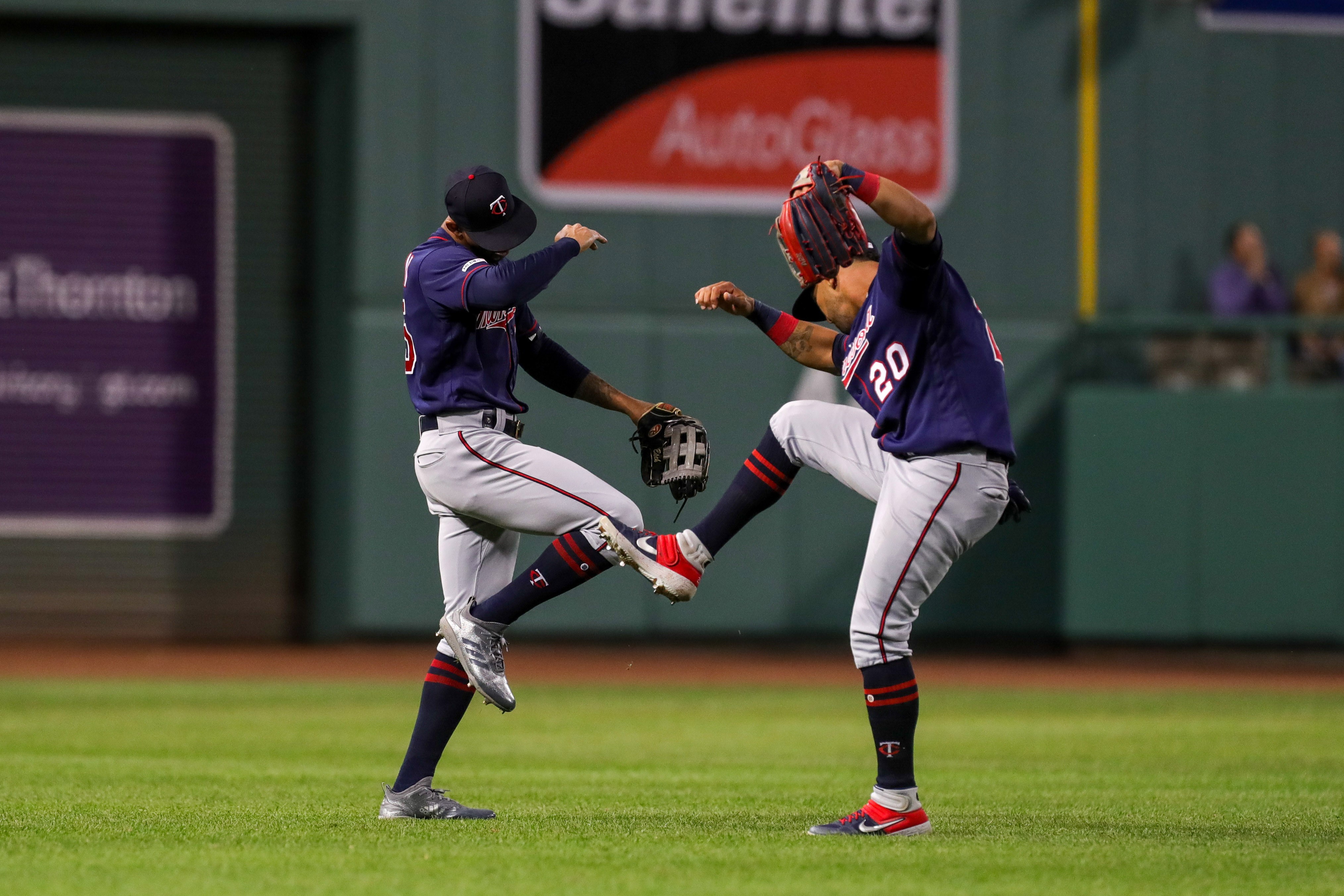 Hitting for contact: Luis Arraez Key statistics: 7.9 K%, .334 AVG Luis Arraez is the obvious choice here, although maybe you could make an argument for someone like Astudillo but Arraez brings a lot more to the table. The contact/hit tool is important for any player and if you combine an elite hit tool like Arraez with an elite power tool, then you probably have a top five hitter in baseball. Arraez had a 7.9 K% last season and that placed him in the top 1% of the league for that category. If he qualified for the batting title then he would have finished just one tick behind Tim Anderson and his .335 average. He also finished with the best swinging strike% in baseball at just 2.8%. You could argue he is the best contact hitter in baseball, but he likely needs another season or two to prove it. https://twitter.com/MatthewTaylorMN/status/1233084829647982593?s=20 Hitting for power: Miguel Sano Key statistics: 94.4 avg exit velo, 57.2 hard hit%, 21.2 barrels/BBE% This one was really tough to decide between Nelson Cruz and Miguel Sano, but eventually I settled on Sano. I did this because of his age, and if you combined Sano’s power with Arraez’ contact then I think he’d be better than Cruz. It wasn’t easy, and the Twins easily have two of the top five pure power hitters in baseball. The 94.4 average exit velocity for Sano was 2nd only behind Aaron Judge in 2019. Sano had the best hard hit% at 57.2% and then the final stat, barrels/BBE%, which means the percentage that he gets a barrel when he makes contact was also the best in the league. The final stat helped me decide Sano over Cruz because when Sano makes contact, the ball is going far. https://twitter.com/SKORNorth/status/1173049324688723973?s=20 Speed: Byron Buxton Key statistics: 30.3 ft/sec, 3.74 sec/90 feet This tool is probably the easiest one to decide on. The second fastest player was Jorge Polanco at 28.2 ft/second, 137 players away from Buxton on the leaderboard. Buxton’s speed has been his most utilized tool since he reached the majors as he has even been brought back from injury early just to be used as a pinch runner. His sprint speed was third in baseball and his 90 foot split was second. He is one of the three fastest runners in baseball without a doubt. He also is a career 60-for-68 (88.2%) in stolen bases and once had a streak of 33 straight stolen bases without being caught. https://twitter.com/BaseballBros/status/884126648303538177?s=20 Fielding tool: Byron Buxton Key Statistics: 12 outs above average, 36.4 5 star catch% Hello again, Byron. Another obvious choice here was picking Buxton for the fielding tool. It isn’t a surprise that the fastest player in the league also is one of the best fielders, and that speed plays a huge role in his fielding. His fielding has always been elite, and the statistics back that up. His 12 outs above average rank sixth in baseball despite Buxton missing a lot of the season. Back in 2017 when he played the majority of the season he finished with an MLB high 23 OAA. That is where I hope he can get back to. His 36.4 five star (0-25%) catch% was first in baseball last season. https://twitter.com/MLB/status/1117507751628898305?s=20 Throwing arm: Eddie Rosario Key statistics: 8 outfield assists, 3.2 arm OAA Rosario certainly gets his fair share of criticism for his fielding, and deservedly so, but his arm is good. We have seen him throwing out runners at home plate and second base ever since he entered the league, and that is certainly being recognized here. Both his outfield assists and his outfield arm outs above average were top fifteen in baseball last season. His most memorable outfield assist came in a win against the Red Sox where he threw out J.D. Martinez at home plate for the final out. https://twitter.com/si_mlb/status/1169796975279190016?s=20 Finals result: Contact: Luis Arraez (.334 AVG) Power: Miguel Sano (57.2 hard hit%) Speed: Byron Buxton (30.3 ft/sec) Fielding: Byron Buxton: (12 OAA) Arm: Eddie Rosario (8 assists) What do you think of the final player? Did I forget about someone? Let me know in the comments! MORE FROM TWINS DAILY — Latest Twins coverage from our writers — Recent Twins discussion in our forums — Follow Twins Daily via Twitter, Facebook or email
 -
The Twins haven’t exactly been known for their elite pitching over the years, and there are some hitters who took advantage more than others. Today we will be looking at five hitters that have absolutely killed the Twins since the year 2000.For a player to make this list they have to have at least 150 plate appearances against the Twins since the year 2000. Let’s get into it with someone who the Twins released a while ago. Pretty good move on their part I would say. 5. David Ortiz, Boston Red Sox (2003-2016) Stats: 75 G, 321 PA, 21 HR, 58 RBI, .332, .408, .636 (1.044), 173 wRC+David Ortiz really went out and had a revenge career after the Twins released him. You can argue that he could’ve done this against anyone, but Ortiz had his best AVG, OBP, and SLG against the Twins compared to any other American League team. If he played 162 games against the Twins he would’ve been on pace for only 45 home runs and 125 RBIs. That’s pretty good. 4. Jim Thome, Indians, Phillies, White Sox, Dodgers, and Orioles (1991-2012) Stats: 89 G, 367 PA, 31 HR, 85 RBI, .297, .417, .657 (.1074), 174 wRC+I’m already starting to see a trend that will continue as we keep going. Both Thome and Ortiz have connections with the Twins, so that’s a bit odd. My theory is the Twins brought Thome in to play simply because they were tired of him destroying them every time they faced each other. If you can’t beat him, sign him. He would be on pace to hit 56 homers and 155 RBIs every season if he only played the Twins. 3. Mark Teixeira, Rangers, Yankees (2003-2016) Stats: 77 G, 333 PA, 21 HR, 61 RBI, .362, .420, .641 (1.062), 177 wRC+We had to have someone from the Yankees teams that destroyed the Twins every time out, right? Mark Teixera gets that honor for the Yankees and he certainly earned it. He ranked last out of everyone on this list on hard hit%, he just happened to get lucky a lot when playing the Twins because of course. If you could rank your least favorite Yankees from the 200’s would Teixera be in the top three? 2. Jose Bautista, Orioles, Pirates, Blue Jays (2004-2018) Stats: 62 G, 263 PA, 24 HR, 45 RBI, .310, .393, .699, (1.092), 193 wRC+Bautista is the one on this list that stands out the most for not being someone a lot of people would guess. Thome and Ortiz have Twins connections and are remembered by Twins fans for being nightmares every time and Teixera played for the Yankees. Bautista just played out in Toronto and killed the Twins more than any other team for some reason. He had his best SLG% and OPS against the Twins. That whole Blue Jays team gave the Twins a hard time during the past decade. 1. Josh Donaldson, Athletics, Blue Jays, Indians, Braves (2010-2019) Stats: 43 G, 191 PA, 19 HR, 46 RBI, .395, .487, .852 (1.339)This one is definitely my favorite because it supports my Jim Thome theory. If there is a player available that just destroys your team then just go sign him. If you can’t beat him, sign him. I mean his SLG% would literally be a good OPS in any MLB lineup. He is the third player on this list that will have played for the Twins when his career ends. Despite never being in the Twins division except for half a season with Cleveland, he still has more home runs against the Twins than any other team. Of course his AVG, OBP, and SLG are also clearly the best against the Twins. What did you think of this list? Did it bring back bad memories? I hope I didn’t hurt you too much, but this was a fun experiment to see which players just loved playing against the Twins. Comment your thoughts below! MORE FROM TWINS DAILY — Latest Twins coverage from our writers — Recent Twins discussion in our forums — Follow Twins Daily via Twitter, Facebook or email Click here to view the article


