



Tom Froemming
-
Posts
5,260 -
Joined
-
Last visited
-
Days Won
22
Content Type
Profiles
News
Minnesota Twins Videos
2026 Minnesota Twins Top Prospects Ranking
2022 Minnesota Twins Draft Picks
Minnesota Twins Free Agent & Trade Rumors, Notes, & Tidbits
Guides & Resources
2023 Minnesota Twins Draft Picks
The Minnesota Twins Players Project
2024 Minnesota Twins Draft Picks
2025 Minnesota Twins Draft Pick Tracker
2026 Minnesota Twins Draft Tracker: Picks & Bonuses
Forums
Blogs
Events
Store
Downloads
Gallery
Everything posted by Tom Froemming
-
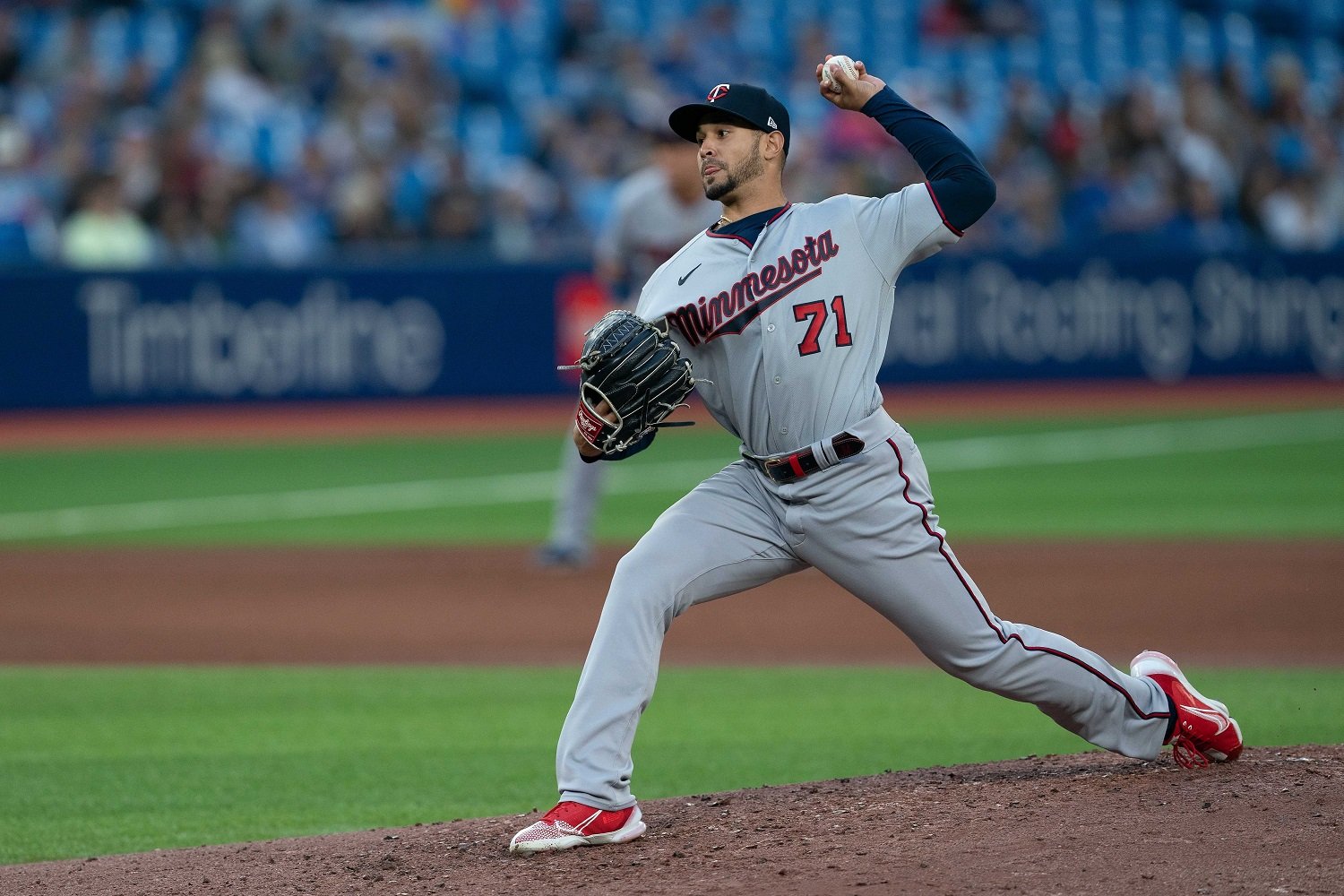 I have an embarrassing confession to make: I forgot to buy gifts and was forced to resort to my only Christmas Eve shopping option: 24-hour pharmacies. The kids are getting athletic tape that I’ll try to pass off as being all the new-age arts & craft rage. The misses gets a candle. You can never go wrong with a nice candle, right? Oh, and everyone’s also getting a knee brace. I did it, gift checklist complete! I’ve never found Derek Falvey more relatable than in this moment. With the Twins handcuffed by their own payroll limitations yet again this winter, all the front office has provided is a Rule 5 pick and a bunch of minor league signings. Stocking stuffers at the absolute best. Twins fans know better than to expect anything too fancy, but surely Falvey and Co. had something, anything for us wrapped up and under the tree. Well … in reality, Falvey had to run to Walgreens and find a way to make something work for us. “Uh, another minor league signing? No, they already have dozens of those. I know, sign somebody! Shoot, that’s right, Joe has my wallet. Uh, um, I’ve got it! A minor trade!” So Falvey called up the Boston Red Sox, scoured through a list of their available players and blindly landed on the guy he thought had the best baseball name: Mickey Gasper. Nothing against Gasper, a 29-year-old who made his Major League debut in August. If he was the Lifesavers Candy Gift Book that accompanied some bigger, more exciting gifts, that would be perfectly fine. Instead, he’s basically the centerpiece of the Twins offseason thus far. Gasper's cup of coffee with the Red Sox was basically empty, but he’s been interesting in the high minors. The switch-hitting Gasper has a .422 on-base percentage in 70 career Triple-A games that’s backed up by a .401 OBP in 176 career Double-A contests. There’s also some intriguing defensive versatility here, as he has experience not only behind the plate but also at both first base and second base. Gasper received an honorable mention in the Red Sox Minor League Hitter of the Year voting at our sister site, Talk Sox. He was also selected as one of the Minor League All-Stars in Boston's system by SoxProspects.com. While you're not going to see him on any prospect lists, Gasper has been a strong performer in the minor leagues, boasting a .275/.392/.449 line (.841 OPS) over 407 career games down on the farm. With Gasper joining the Twins 40-man roster, it leaves just one empty spot. It’s always possible to create more space, of course, but Gasper feels like exactly the type of guy you designate for assignment in a situation where you need to clear space. The player going to Boston, Jovani Morán, was no longer occupying a spot on the 40 man. He also arguably ranked third on the Twins left-handed reliever depth chart, behind Kody Funderburk and Brent Headrick. Given this is such a role of need for the Twins, we're essentially left to assume the Twins expect Morán to look more like his 2023 self (5.31 ERA, 1.78 K:BB ratio) than his 2022 form (2.21 ERA, 3.00 K:BB ratio). Morán, still only 27, missed all of last season while recovering from Tommy John surgery. Morán always had command issues and that's typically the last thing to come fully back post-TJ. It’s an interesting swap if you’re the type of person who enjoys digging deep into rosters and analyzing how the final few spots of a big league team may shake out, but this is most definitely not what we asked for. Did you not get our Christmas wish list, Derek? P.S. Special shoutout to Matthew Lenz, who mentioned Gasper in an article here at Twins Daily a couple weeks ago. If you want to know what underwhelming piece the Twins may add next, we’ve got you covered.
- 121 comments
-
- 19
-

-

-

-

-
Please Come to Minnesota, Roki Sasaki
Tom Froemming replied to Tom Froemming's topic in Twins Daily Front Page News
I think instead of Falvey and Adler they need to put Froemming and Gast at the forefront of this effort. We got this! -
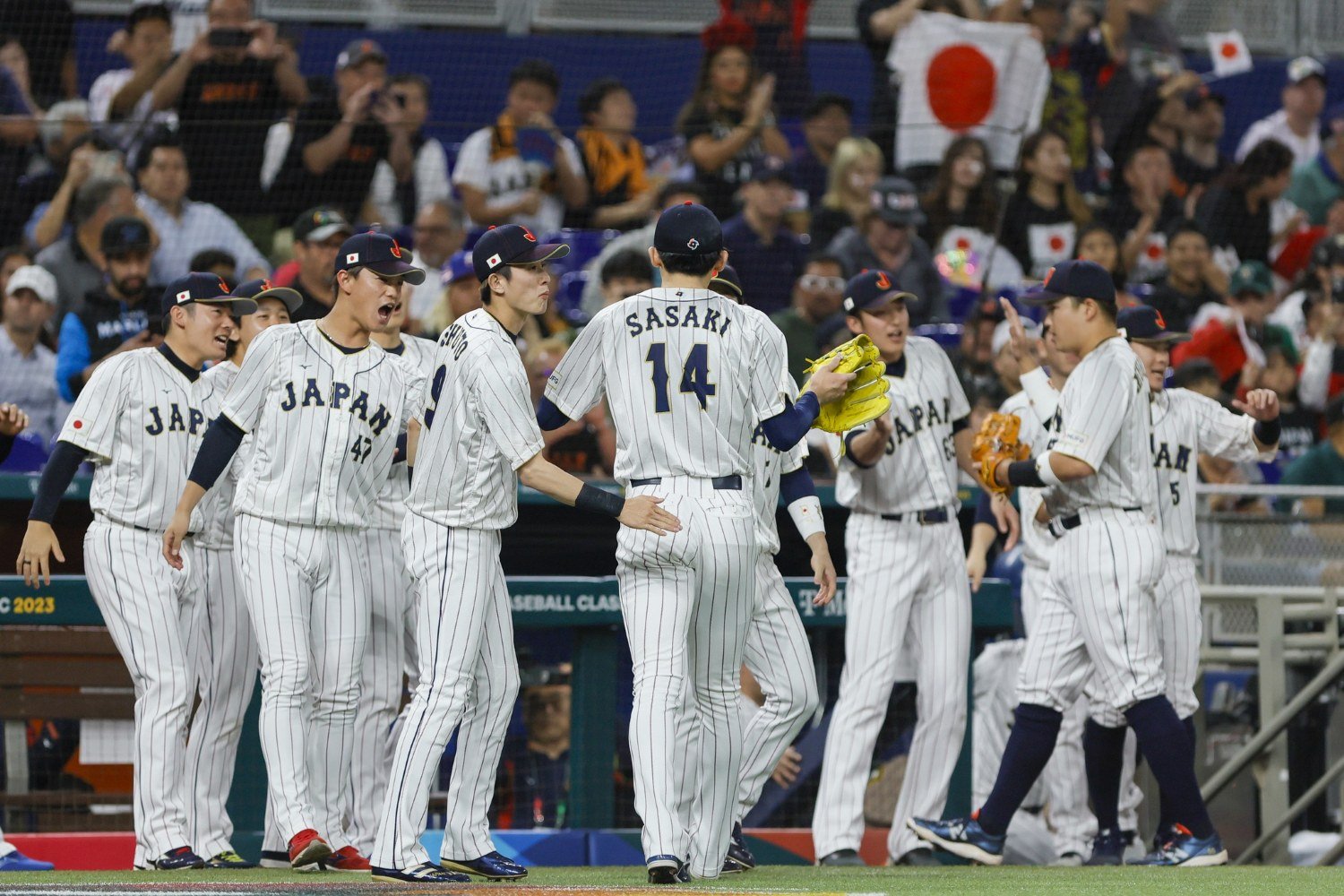 Prior to the “soft landing” comment from agent Joel Wolfe, it was presumed by many that Roki Sasaki would sign with the Los Angeles Dodgers, or at least another team on the West Coast. Wolfe hinted to reporters that things are more complicated than that, referencing the challenges Sasaki has faced with the media to this point in his career. Well, this is technically media, and I’d like to personally ensure that Sasaki knows he’ll be treated like a king here at Twins Daily if he decides to sign with Minnesota. I’ll see to it myself. Roki, we won’t expect perfection out of you. Unlike some other markets, years of disappointment and heartache have lowered our expectations. You can’t hurt us any worse than what we’ve already endured. If you come in and do what we know you're capable of, you’ll be a hero here in Minnesota. If you do that in New York or LA, you’re just another guy in the long line of current stars and franchise icons. What’s the fun in that? You’re still only 23; you’ll have plenty of time to make a late-career run in the limelight if you choose to do so. Minnesota is where you want to come to find comfort and grow into the next chapter of your life. Before any of you readers reply with some variation of “yeah, but cheap Pohlads,” remember: this money is essentially already earmarked for spending. The Twins will use (basically) their entire international bonus pool whether they can land Sasaki or not. And while most teams have around the same amount, the Twins are one of eight teams to have this year’s top pool allotment of around $7.5 million. So are the Twins actually in on Sasaki? Derek Falvey was uncharacteristically direct about this with reporters: “We have interest.” MLB teams are going to flood Sasaki and his agent with presentations trying to woo the fireballer. They will have executives, coaches and even players make their pitch. There are already videos, PowerPoint presentations and PDFs being sent. Will that be enough? Reading through the lines, it seems like Sasaki isn’t necessarily motivated by the same things as your average ballplayer. At least some of his friction with the media in Japan is related to his determination to pitch in the United States, at this early an age. Sasaki has also faced some extraordinary, tragic challenges in his life. He's from Rikuzentakata, a small town on the East Coast of Japan, which was hit hard by the earthquake and resulting tsunami in 2011. Sasaki lost his father and two grandparents, and was one of thousands of residents of that hamlet who never went back home. So nobody’s really sure what’s going to motivate Sasaki. Why not us? The below video is my presentation to Sasaki on why he should consider signing with the Minnesota Twins. I encourage you to make your own pitch. Maybe if enough of us make the case for Minnesota, we can be the difference. Under normal circumstances, the Twins would have little chance to sign such a talent. Fortunately, these are not normal circumstances. Since he is so young, Saski is subject to international bonus pool money restrictions, much like when Shohei Ohtani came to the states. Sasaki was formally posted Monday, Dec. 10, which opened a 45-day window for him to negotiate a deal. Feel free to make your own presentation to Roki Sasaki down in the comments.
 -
The agent for Japanese pitching phenom Roki Sasak suggested a soft landing could be beneficial and that it’s possible he might prefer a smaller market. Well, why not the Minnesota Twins? Image courtesy of © Sam Navarro-Imagn Images Prior to the “soft landing” comment from agent Joel Wolfe, it was presumed by many that Roki Sasaki would sign with the Los Angeles Dodgers, or at least another team on the West Coast. Wolfe hinted to reporters that things are more complicated than that, referencing the challenges Sasaki has faced with the media to this point in his career. Well, this is technically media, and I’d like to personally ensure that Sasaki knows he’ll be treated like a king here at Twins Daily if he decides to sign with Minnesota. I’ll see to it myself. Roki, we won’t expect perfection out of you. Unlike some other markets, years of disappointment and heartache have lowered our expectations. You can’t hurt us any worse than what we’ve already endured. If you come in and do what we know you're capable of, you’ll be a hero here in Minnesota. If you do that in New York or LA, you’re just another guy in the long line of current stars and franchise icons. What’s the fun in that? You’re still only 23; you’ll have plenty of time to make a late-career run in the limelight if you choose to do so. Minnesota is where you want to come to find comfort and grow into the next chapter of your life. Before any of you readers reply with some variation of “yeah, but cheap Pohlads,” remember: this money is essentially already earmarked for spending. The Twins will use (basically) their entire international bonus pool whether they can land Sasaki or not. And while most teams have around the same amount, the Twins are one of eight teams to have this year’s top pool allotment of around $7.5 million. So are the Twins actually in on Sasaki? Derek Falvey was uncharacteristically direct about this with reporters: “We have interest.” MLB teams are going to flood Sasaki and his agent with presentations trying to woo the fireballer. They will have executives, coaches and even players make their pitch. There are already videos, PowerPoint presentations and PDFs being sent. Will that be enough? Reading through the lines, it seems like Sasaki isn’t necessarily motivated by the same things as your average ballplayer. At least some of his friction with the media in Japan is related to his determination to pitch in the United States, at this early an age. Sasaki has also faced some extraordinary, tragic challenges in his life. He's from Rikuzentakata, a small town on the East Coast of Japan, which was hit hard by the earthquake and resulting tsunami in 2011. Sasaki lost his father and two grandparents, and was one of thousands of residents of that hamlet who never went back home. So nobody’s really sure what’s going to motivate Sasaki. Why not us? The below video is my presentation to Sasaki on why he should consider signing with the Minnesota Twins. I encourage you to make your own pitch. Maybe if enough of us make the case for Minnesota, we can be the difference. Under normal circumstances, the Twins would have little chance to sign such a talent. Fortunately, these are not normal circumstances. Since he is so young, Saski is subject to international bonus pool money restrictions, much like when Shohei Ohtani came to the states. Sasaki was formally posted Monday, Dec. 10, which opened a 45-day window for him to negotiate a deal. Feel free to make your own presentation to Roki Sasaki down in the comments. View full article
-
Per The Athletic, brothers Justin and Mat Ishbia have shown interest in buying the Minnesota Twins. These billionaire brothers from Michigan currently own the Phoenix Suns. Here's some info on just how filthy rich the Ishbioa brothers are and my feelings about the news as a Twins fan.
-
Per The Athletic, brothers Justin and Mat Ishbia have shown interest in buying the Minnesota Twins. These billionaire brothers from Michigan currently own the Phoenix Suns. Here's some info on just how filthy rich the Ishbioa brothers are and my feelings about the news as a Twins fan. View full video
-
The Minnesota Twins made a selection in the MLB phase of the Rule 5 Draft for the first time since 2017. Right-handed pitcher Eiberson Castellano joins the org after a breakout 2024 season that ended with him being honored as the Phillies minor league pitcher of the year. Here are highlights of Castellano, a look at some of his numbers and a discussion on where he fits on the Twins roster.
-
The Minnesota Twins made a selection in the MLB phase of the Rule 5 Draft for the first time since 2017. Right-handed pitcher Eiberson Castellano joins the org after a breakout 2024 season that ended with him being honored as the Phillies minor league pitcher of the year. Here are highlights of Castellano, a look at some of his numbers and a discussion on where he fits on the Twins roster. View full video
-
I’m sure those guys weren’t eligible. It’s kinda weird. In addition to the 40-man roster, there’s also a Triple-A “roster” where you’re able to protect guys from that minor league phase. The weird thing is those rosters aren’t made public. So if you go and look at the Saints roster on their site, it’s not going to reflect who was on that protection list. Had Olivar or Rosario not been on that roster, they definitely would’ve been picked.
- 40 replies
-
- 13
-
-
- eiberson castellano
- trent baker
- (and 2 more)
-
For the first time since 2017, the Minnesota Twins opted to make a pick in the MLB phase of the Rule 5 Draft. They selected right-handed pitcher Eiberson Castellano, a Philadelphia Phillies prospect. Image courtesy of Reading Fightin Phils Eiberson Castellano spent most of last season with Philadelphia's High-A affiliate, Jersey Shore. He pitched to a 4.12 ERA, 1.32 WHIP and 12.2 strikeouts per nine innings over 63 1/3 frames there (14 games, 12 starts). That earned the 6-foot-3 righthander a promotion to Double-A Reading, where he pitched even better. Castellano had a 3.79 ERA, 0.99 WHIP and 11.2 K/9 in eight Double-A starts (40 1/3 innings). Altogether, he logged 103 2/3 frames in 2024. Baseball America’s J.J. Cooper, a Rule 5 Draft enthusiast, called Castellano “one of the most talked-about names pre-draft. One of the better combos of stuff and readiness.” Thomas Nestico of TJ Stats ranked Castellano among his 10 intriguing pitchers that may be selected, complimenting him on a solid three-pitch mix and all-around average profile. Castellano’s fastball sits in the mid-90s, topping out at 97 mph. He compliments that with a mid-80s changeup and low-80s slider. A product of Venezuela, Castellano had primarily been in the bullpen and did not have an encouraging 2023. He posted a 5.04 ERA in 50 innings over 22 appearances for Philadelphia's Florida State League affiliate. As you would expect, that poor performance put Castellano completely off the prospect map. To see him not only reach Double-A but excel once promoted would have been very difficult to predict at this time a year ago. Castellano ranked 10th in K-BB% among the 373 pitchers to log at least 40 innings in Double-A last season. He had a 25.3 K% and 5.6 BB%. That impressive turnaround earned Castellano the award for Phillies top minor league pitcher in 2024. It’s no secret that the Twins are handcuffed by their own payroll limitations this offseason. Luckily, there are some avenues to add talent that don’t require major financial commitments. The Rule 5 Draft is an opportunity to get creative and add talent without impacting payroll. Here’s a quick overview of how things work: The intent: The Rule 5 Draft is in place to prevent teams from being able to hoard prospects. Any player signed at 18 or younger becomes eligible after their fifth season and those signed at 19 or older become eligible after their fourth season. The appeal: It’s as close to a free player as you’re gonna get in Major League Baseball. It costs $100,000 to draft a player. That money goes to the player's former club. The issue: Rule 5 picks during the MLB phase have to remain on your active 26-man roster or else they’re returned to their original org. A draftee can be placed on the IL, but only if they are legitimately hurt. The last time the Twins made a pick: Tyler Kinley in 2017, who was eventually returned to the Marlins. The Twins not only added an intriguing arm, they also retained all of their in-house players who were eligible for the Rule 5 Draft. That group included Kala’i Rosario, Ricardo Olivar and Jovani Moran, among others. Whether they'll be able to get Castellano up to speed and ready for big-league pressure by the end of spring training is an open question, but he seems to have been one of the higher-upside selections available, and they're showing a renewed willingness at least to fish in those waters. Minor League Phase In the minor league phase of the Rule 5 Draft, the cost to acquire a player drops to $24,000 and there is no roster restriction requiring these players to be rostered at a certain level. Anyone not on a 40-man or Triple-A roster is eligible. The Twins selected four players in the minor league phase last year (Rafael Marcano, Rafael Escalante, Angel Del Rosario and Sheldon Reed). Here are the Twins selections in this phase: Round 1: Trent Baker, RHP, Cardinals Round 2: Miguel Briceno, OF, Brewers Round 3: Jefferson Valladares, C, Dodgers Drafted in the ninth round of the 2021 Draft, Baker pitched to a 4.89 ERA in 81 innings with the Cardinals’ Double-A team last season while averaging 9.0 K/9 and 4.8 BB/9. Baker logged seven more innings in the Arizona Fall League. He turns 26 later this month. Back in 2019, Baker pitched with the Mankato Moondogs of the Northwoods League, a college summer league based in the Midwest. Briceno is a 21-year-old utility man from Venezuela. He hit .277/.321/.365 (.685) in 94 games with the Brewers Low-A affiliate. In addition to appearing at six positions in the field, Briceno also pitched six times. Third base was his primary position. Reminds me of the “anything for the team” mentality of former Twin Eduardo Escobar. Valladares, 22, has been a productive hitter in the minors but lacks much of a track record. Over the past four seasons, he’s hit .303/.431/.453 (.866 OPS), but it’s come over just 406 combined plate appearances. The Venezuela product has seen most of his time in the field at first base, but does also have some catching experience. And here are the players the Twins lost in this phase: Taylor Floyd, RHP, taken in Round 2 by the Mariners Floyd, who recently turned 27, was acquired by the Twins as the player to be named later in a 2023 trade that sent Trevor Megill to Milwaukee. Floyd had a 4.04 ERA, 1.25 WHIP and 8.2 K/9 in 64 2/3 innings for Wichita last season. View full article
-
Minnesota Twins Select RHP Eiberson Castellano in 2024 Rule 5 Draft
Tom Froemming posted an article in Twins
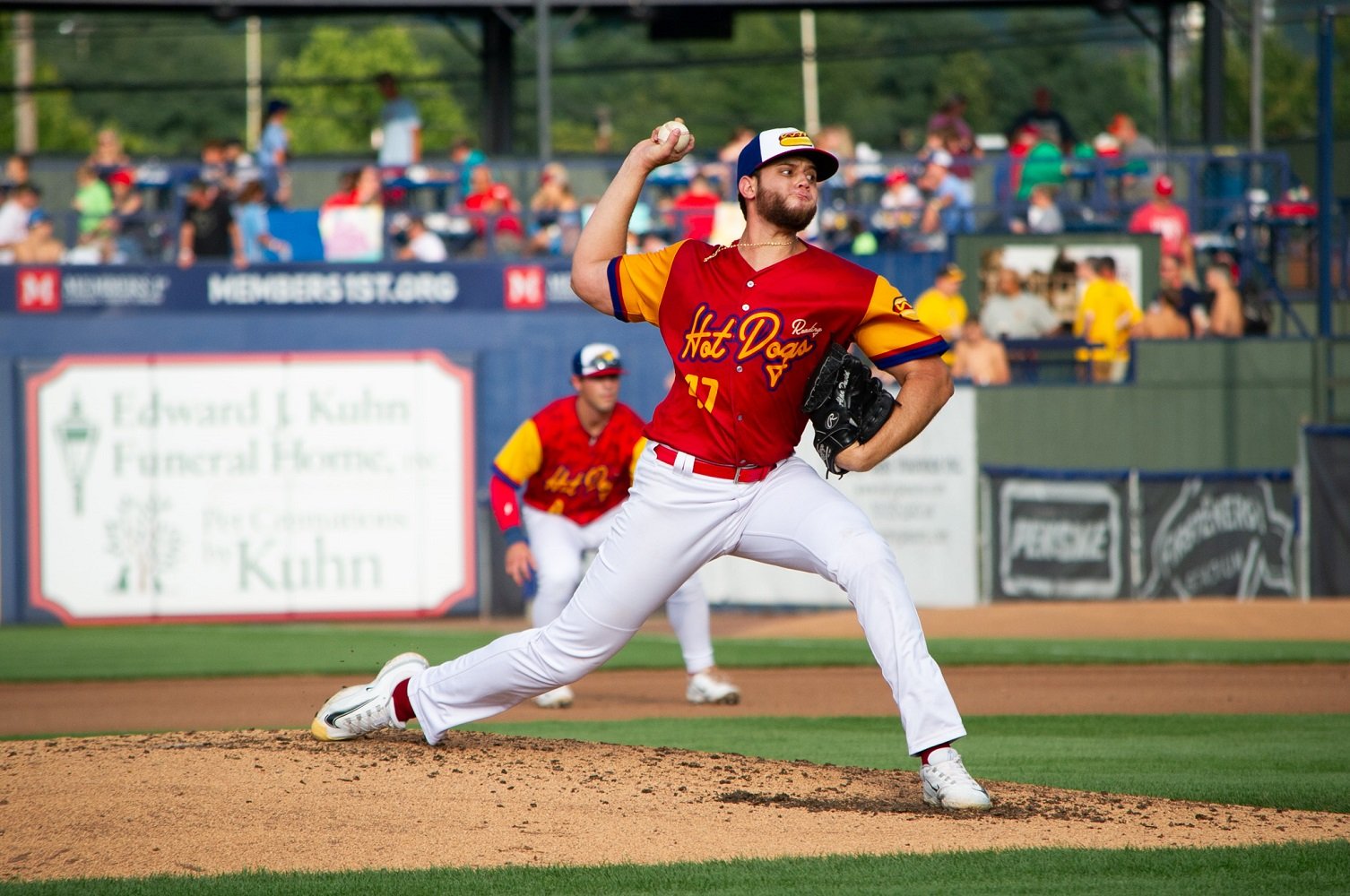 Eiberson Castellano spent most of last season with Philadelphia's High-A affiliate, Jersey Shore. He pitched to a 4.12 ERA, 1.32 WHIP and 12.2 strikeouts per nine innings over 63 1/3 frames there (14 games, 12 starts). That earned the 6-foot-3 righthander a promotion to Double-A Reading, where he pitched even better. Castellano had a 3.79 ERA, 0.99 WHIP and 11.2 K/9 in eight Double-A starts (40 1/3 innings). Altogether, he logged 103 2/3 frames in 2024. Baseball America’s J.J. Cooper, a Rule 5 Draft enthusiast, called Castellano “one of the most talked-about names pre-draft. One of the better combos of stuff and readiness.” Thomas Nestico of TJ Stats ranked Castellano among his 10 intriguing pitchers that may be selected, complimenting him on a solid three-pitch mix and all-around average profile. Castellano’s fastball sits in the mid-90s, topping out at 97 mph. He compliments that with a mid-80s changeup and low-80s slider. A product of Venezuela, Castellano had primarily been in the bullpen and did not have an encouraging 2023. He posted a 5.04 ERA in 50 innings over 22 appearances for Philadelphia's Florida State League affiliate. As you would expect, that poor performance put Castellano completely off the prospect map. To see him not only reach Double-A but excel once promoted would have been very difficult to predict at this time a year ago. Castellano ranked 10th in K-BB% among the 373 pitchers to log at least 40 innings in Double-A last season. He had a 25.3 K% and 5.6 BB%. That impressive turnaround earned Castellano the award for Phillies top minor league pitcher in 2024. It’s no secret that the Twins are handcuffed by their own payroll limitations this offseason. Luckily, there are some avenues to add talent that don’t require major financial commitments. The Rule 5 Draft is an opportunity to get creative and add talent without impacting payroll. Here’s a quick overview of how things work: The intent: The Rule 5 Draft is in place to prevent teams from being able to hoard prospects. Any player signed at 18 or younger becomes eligible after their fifth season and those signed at 19 or older become eligible after their fourth season. The appeal: It’s as close to a free player as you’re gonna get in Major League Baseball. It costs $100,000 to draft a player. That money goes to the player's former club. The issue: Rule 5 picks during the MLB phase have to remain on your active 26-man roster or else they’re returned to their original org. A draftee can be placed on the IL, but only if they are legitimately hurt. The last time the Twins made a pick: Tyler Kinley in 2017, who was eventually returned to the Marlins. The Twins not only added an intriguing arm, they also retained all of their in-house players who were eligible for the Rule 5 Draft. That group included Kala’i Rosario, Ricardo Olivar and Jovani Moran, among others. Whether they'll be able to get Castellano up to speed and ready for big-league pressure by the end of spring training is an open question, but he seems to have been one of the higher-upside selections available, and they're showing a renewed willingness at least to fish in those waters. Minor League Phase In the minor league phase of the Rule 5 Draft, the cost to acquire a player drops to $24,000 and there is no roster restriction requiring these players to be rostered at a certain level. Anyone not on a 40-man or Triple-A roster is eligible. The Twins selected four players in the minor league phase last year (Rafael Marcano, Rafael Escalante, Angel Del Rosario and Sheldon Reed). Here are the Twins selections in this phase: Round 1: Trent Baker, RHP, Cardinals Round 2: Miguel Briceno, OF, Brewers Round 3: Jefferson Valladares, C, Dodgers Drafted in the ninth round of the 2021 Draft, Baker pitched to a 4.89 ERA in 81 innings with the Cardinals’ Double-A team last season while averaging 9.0 K/9 and 4.8 BB/9. Baker logged seven more innings in the Arizona Fall League. He turns 26 later this month. Back in 2019, Baker pitched with the Mankato Moondogs of the Northwoods League, a college summer league based in the Midwest. Briceno is a 21-year-old utility man from Venezuela. He hit .277/.321/.365 (.685) in 94 games with the Brewers Low-A affiliate. In addition to appearing at six positions in the field, Briceno also pitched six times. Third base was his primary position. Reminds me of the “anything for the team” mentality of former Twin Eduardo Escobar. Valladares, 22, has been a productive hitter in the minors but lacks much of a track record. Over the past four seasons, he’s hit .303/.431/.453 (.866 OPS), but it’s come over just 406 combined plate appearances. The Venezuela product has seen most of his time in the field at first base, but does also have some catching experience. And here are the players the Twins lost in this phase: Taylor Floyd, RHP, taken in Round 2 by the Mariners Floyd, who recently turned 27, was acquired by the Twins as the player to be named later in a 2023 trade that sent Trevor Megill to Milwaukee. Floyd had a 4.04 ERA, 1.25 WHIP and 8.2 K/9 in 64 2/3 innings for Wichita last season.
- 40 comments
-
- 13
-
-
- eiberson castellano
- trent baker
- (and 2 more)
-
Let's dive into a handful of topics regarding the Minnesota Twins. This episode touches on the projected bullpen, last year's issues pitching with runners on base, a fun Cole Sands stat, the length of Twins starts and looks back on a Jose Miranda hot streak.
-
Video: Twins 5: Stats That Stick With Me
Tom Froemming posted a topic in Twins Daily Front Page News
Let's dive into a handful of topics regarding the Minnesota Twins. This episode touches on the projected bullpen, last year's issues pitching with runners on base, a fun Cole Sands stat, the length of Twins starts and looks back on a Jose Miranda hot streak. View full video -
I have two questions: 1) Who is "you?" and 2) Can I have some of whatever it is you had this evening? :)
-
Thanks for reading, I appreciate it. It does seem like teams with good chemistry tend to pull through in a lot of high-pressure situations. But does the chemistry create a team that perseveres, or does a team that perseveres naturally build good chemistry? Either way, they do seem to go hand-in-hand. Last season, Twins hitters were 17th in clutch. A bit below average, but they'd been much worse in recent prior seasons. From 2021-24, Twins hitters rank dead last in clutch. As I suggested in the article, it's not a great way to look at run prevention as a whole, but I disagree that it's a ridiculously poor way to measure pitching, specifically. I think it does a good job in terms of zeroing in on the pitcher himself, but it's pretty blind to any additional context beyond that.
-
Stats Show Twins' Pitching Was the Opposite of Clutch. Why?
Tom Froemming posted an article in Twins
 While it can be painful to look back upon the disappointing 2024 Twins season, there’s no shortage of interesting trends and developments to reflect upon. Something that’s really sticking with me is how much the team underperformed compared to what things like WAR would have expected. The collective value of the players on this team did not reflect their overall record. There’s no doubt the team’s lack of consistency was a big factor in its struggles, but there are two stats I came across that stick with me. Part of why I can’t seem to shake them is because of how problematic they are. The part is I’m not sure how you’d attempt to go about addressing them. Clutch Situations There’s actually a metric for clutch that measures performance in high-leverage situations. Its calculation is based around Win Probability Added and the Leverage Index. Here’s a link to the FanGraphs Glossary entry on how clutch is measured if you’re interested in more info. Part of why the Twins win-loss record isn’t reflective of how the team fared in WAR is because they performed poorly in the clutch. This is a familiar story. The Twins have been among the worst clutch teams in baseball the past few years. Something important to keep in mind is the clutch metric is not predictive. It only contextualizes the past. Still, it’s worth noting that this has become a recurring issue for the Twins. Here is where the Twins ranked in clutch the past three seasons: Pitching Staff 2024: 24th 2023: 24th 2022: 24th 3-year period total: 27th Again, the stat is not predictive, so it would be foolish to do something like go out and target players who’ve excelled in this clutch metric. While this has certainly been a problem, going about fixing it isn't a straight-forward task. Pitching With Men On If you prefer looking at something more traditional and tangible, the Twins pitching stats with runners on base tell a similar story. This team crumbled under pressure. Since pitching with the bases empty is easier than pitching with men on, instead of simply comparing the two situations to each other, let’s look at how the Twins stacked up to the rest of the league. Here is the triple slash line opposing hitters posted in each situation and where the Twins ranked: Bases Empty .215 AVG (2nd) .278 OBP (2nd) .360 SLG (4th) Men On .281 AVG (29th) .338 OBP (24th) .457 SLG (28th) So the Twins were elite when the bases were clean and atrocious once any runners reached. Why? From a purely pitching perspective, it’s not like the Twins were horrible with runners on. They ranked fifth in K-BB%, eighth in xFIP and 15th in FIP. What killed the Twins is they gave up a .334 batting average on balls in play when there were runners aboard. That was the worst mark in all of baseball. With the bases empty, the Twins yielded a .265 BABIP, which was the second-lowest. In case you were wondering, league averages in those situations are a .297 BABIP with runners on (37 points lower than the Twins) and a .283 BABIP with the bases empty (18 points higher than the Twins). How is it even possible the Twins had such a dramatic split? If they were simply that bad at defense, you’d expect the BABIP with the bases empty would have also been poor. Was defensive positioning with men on base the culprit? Is pitch-calling strategy not complimenting those defensive alignments? Just plain bad luck? I don’t have the answers, so I’m curious what thoughts you may have. As you could probably guess, the Twins struggled to leave runners on base and had one of the worst strand rates in the league. Their 70.1 LOB% ranked 26th. The poster boy for the team’s struggles was Jhoan Duran. He posted a 61.5% LOB%, which was the ninth-worst mark among the 351 pitchers to log at least 50 innings last season. League average LOB% was 72.1. What about the lineup? Things were much more consistent there, as the Twins ranked 11th in OPS with the bases empty (.238/.305/.402, a .707 OPS) and 12th in OPS with men on base (.258/.328/.423, a .751 OPS). Circling back to WAR So how were the Twins a top-five pitching staff in fWAR? A key thing to remember is the FanGraphs version of WAR is based on FIP: Fielding Independent Pitching. So fWAR is primarily about quantifying the specific value of pitching performance. You would think that would typically align with general run prevention, but the 2024 Twins are an excellent example of how that’s not always the case. It’s not just that the Twins struggled to convert balls in play into outs, it’s that their struggles to do so came at the most inopportune times. When it comes to diagnosing the Twins 2024 failures, nothing is going to overshadow the team’s September collapse, but struggles in clutch situations and failure to strand runners on base were major contributors to this team failing to reach its potential.
 -
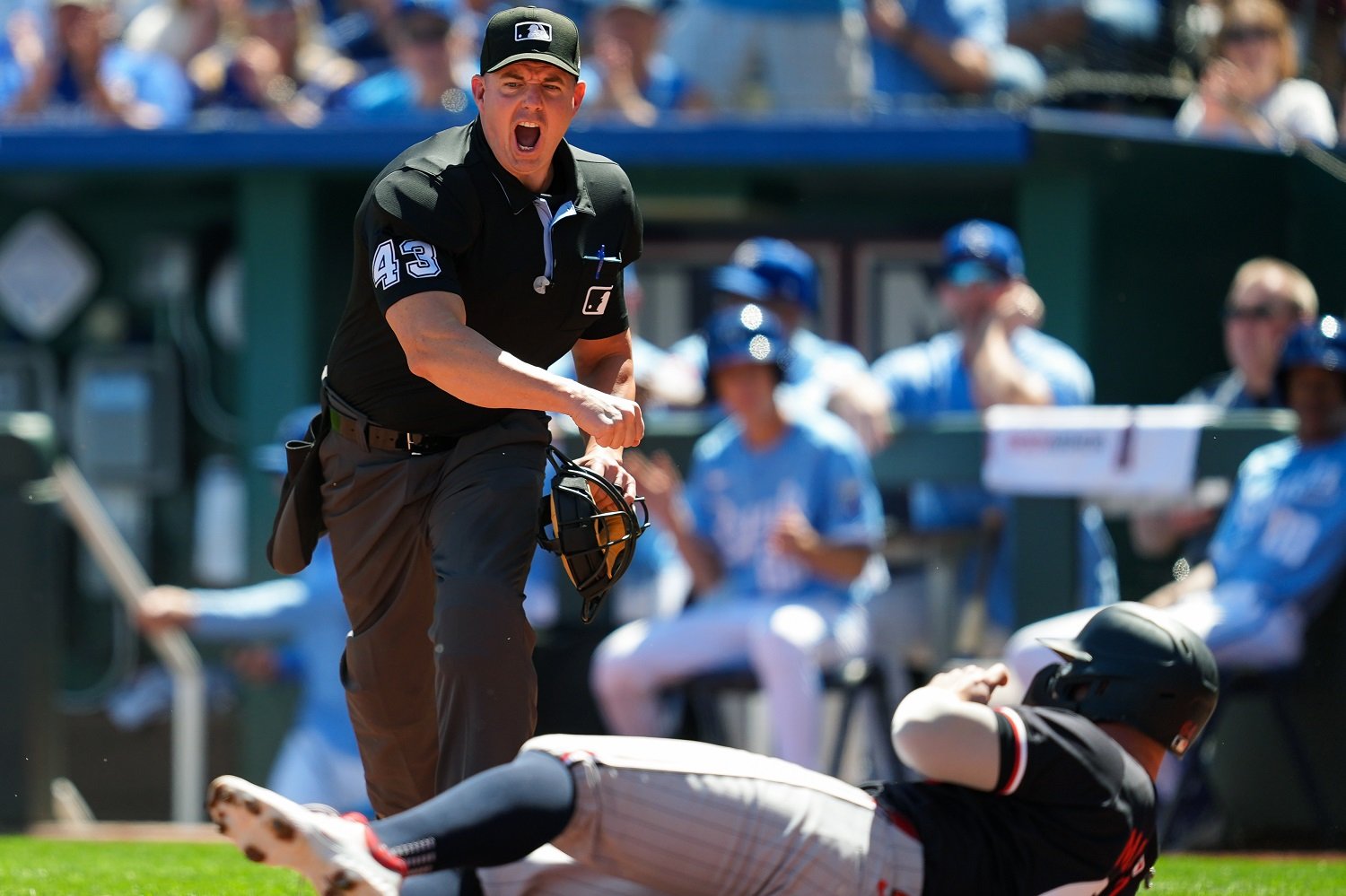
The Twins pitching staff ranked fifth in FanGraphs’ version of Wins Above Replacement last season. How is that possible when the team was 19th in runs allowed per game and 21st in ERA? Image courtesy of © Jay Biggerstaff-Imagn Images While it can be painful to look back upon the disappointing 2024 Twins season, there’s no shortage of interesting trends and developments to reflect upon. Something that’s really sticking with me is how much the team underperformed compared to what things like WAR would have expected. The collective value of the players on this team did not reflect their overall record. There’s no doubt the team’s lack of consistency was a big factor in its struggles, but there are two stats I came across that stick with me. Part of why I can’t seem to shake them is because of how problematic they are. The part is I’m not sure how you’d attempt to go about addressing them. Clutch Situations There’s actually a metric for clutch that measures performance in high-leverage situations. Its calculation is based around Win Probability Added and the Leverage Index. Here’s a link to the FanGraphs Glossary entry on how clutch is measured if you’re interested in more info. Part of why the Twins win-loss record isn’t reflective of how the team fared in WAR is because they performed poorly in the clutch. This is a familiar story. The Twins have been among the worst clutch teams in baseball the past few years. Something important to keep in mind is the clutch metric is not predictive. It only contextualizes the past. Still, it’s worth noting that this has become a recurring issue for the Twins. Here is where the Twins ranked in clutch the past three seasons: Pitching Staff 2024: 24th 2023: 24th 2022: 24th 3-year period total: 27th Again, the stat is not predictive, so it would be foolish to do something like go out and target players who’ve excelled in this clutch metric. While this has certainly been a problem, going about fixing it isn't a straight-forward task. Pitching With Men On If you prefer looking at something more traditional and tangible, the Twins pitching stats with runners on base tell a similar story. This team crumbled under pressure. Since pitching with the bases empty is easier than pitching with men on, instead of simply comparing the two situations to each other, let’s look at how the Twins stacked up to the rest of the league. Here is the triple slash line opposing hitters posted in each situation and where the Twins ranked: Bases Empty .215 AVG (2nd) .278 OBP (2nd) .360 SLG (4th) Men On .281 AVG (29th) .338 OBP (24th) .457 SLG (28th) So the Twins were elite when the bases were clean and atrocious once any runners reached. Why? From a purely pitching perspective, it’s not like the Twins were horrible with runners on. They ranked fifth in K-BB%, eighth in xFIP and 15th in FIP. What killed the Twins is they gave up a .334 batting average on balls in play when there were runners aboard. That was the worst mark in all of baseball. With the bases empty, the Twins yielded a .265 BABIP, which was the second-lowest. In case you were wondering, league averages in those situations are a .297 BABIP with runners on (37 points lower than the Twins) and a .283 BABIP with the bases empty (18 points higher than the Twins). How is it even possible the Twins had such a dramatic split? If they were simply that bad at defense, you’d expect the BABIP with the bases empty would have also been poor. Was defensive positioning with men on base the culprit? Is pitch-calling strategy not complimenting those defensive alignments? Just plain bad luck? I don’t have the answers, so I’m curious what thoughts you may have. As you could probably guess, the Twins struggled to leave runners on base and had one of the worst strand rates in the league. Their 70.1 LOB% ranked 26th. The poster boy for the team’s struggles was Jhoan Duran. He posted a 61.5% LOB%, which was the ninth-worst mark among the 351 pitchers to log at least 50 innings last season. League average LOB% was 72.1. What about the lineup? Things were much more consistent there, as the Twins ranked 11th in OPS with the bases empty (.238/.305/.402, a .707 OPS) and 12th in OPS with men on base (.258/.328/.423, a .751 OPS). Circling back to WAR So how were the Twins a top-five pitching staff in fWAR? A key thing to remember is the FanGraphs version of WAR is based on FIP: Fielding Independent Pitching. So fWAR is primarily about quantifying the specific value of pitching performance. You would think that would typically align with general run prevention, but the 2024 Twins are an excellent example of how that’s not always the case. It’s not just that the Twins struggled to convert balls in play into outs, it’s that their struggles to do so came at the most inopportune times. When it comes to diagnosing the Twins 2024 failures, nothing is going to overshadow the team’s September collapse, but struggles in clutch situations and failure to strand runners on base were major contributors to this team failing to reach its potential. View full article
-
Exactly your conclusion, it's about depth. You'd still rather have Ronny around than not, so why risk losing him for absolutely nothing? As one of the low guys in the pecking order, he'll be almost exclusively used in low-leverage outings anyway. If he starts slow and doesn't get his footing, certainly go ahead and make a change at that point. It'd be another shot, but with a relatively short leash. I'm not trying to say you have to like it, but this is Major League Baseball in 2024. It's not Rocco. The Twins had a slightly above average innings per start and pitches per start last season despite something like 50 starts coming from rookies. I'm not sure this "we" is necessarily directed at me, but I mentioned about 20 in-house relief options in the article.
- 36 replies
-
- 2
-
-
- michael tonkin
- justin topa
- (and 4 more)
-
Twins Bullpen Depth Survives Non-Tender Deadline; Relief Questions Persist
Tom Froemming posted an article in Twins
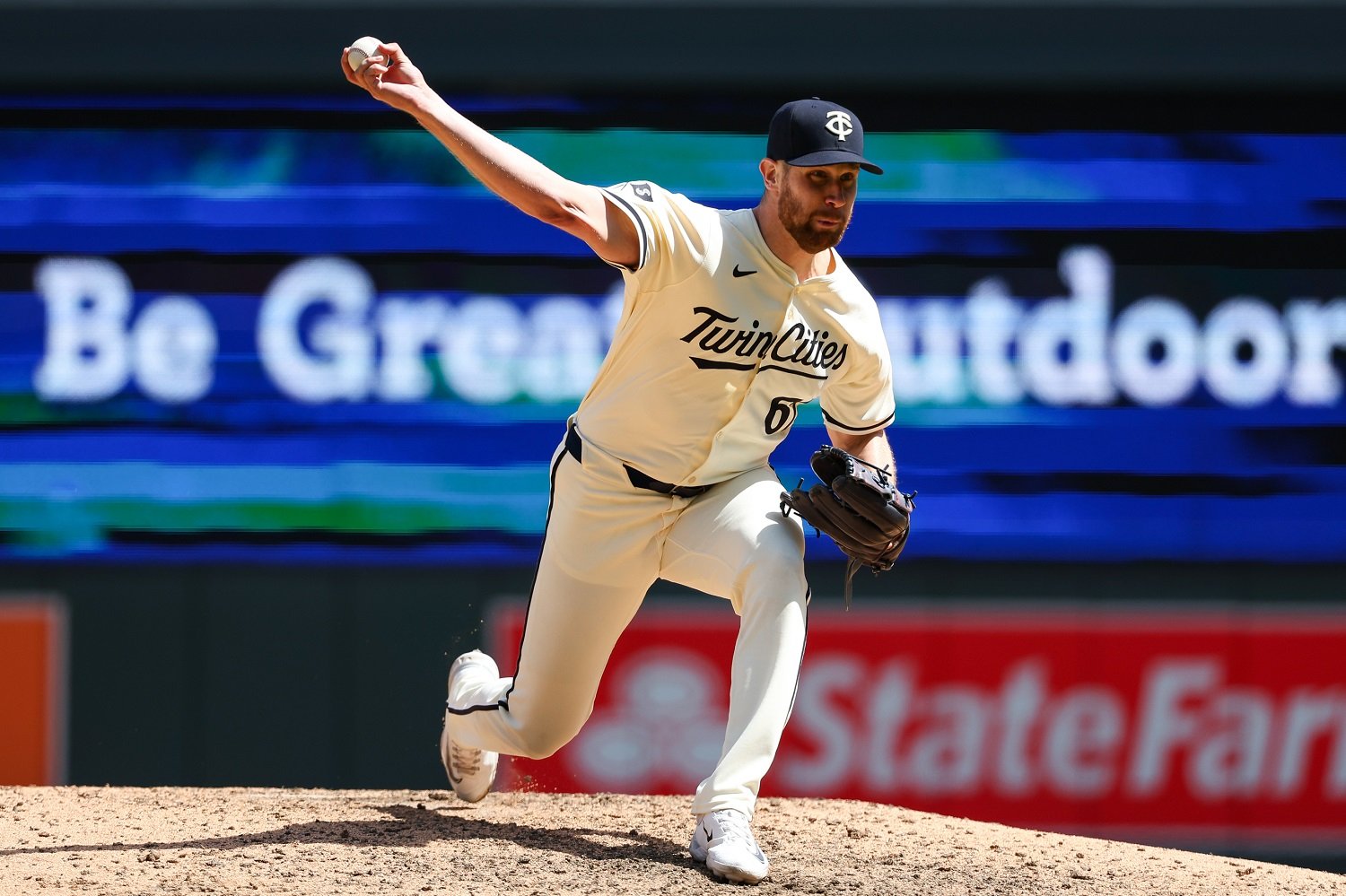 Projected Opening Day Bullpen There are three pitchers currently in the big league bullpen picture who are out of options: Brock Stewart, Michael Tonkin and Ronny Henriquez. Scott Blewett is also out of options, but since he’s not currently on the 40-man roster, we’ll consider him on the outside looking in. Taking options into account, here’s how I would currently project the Opening Day bullpen (listed in alphabetical order by handedness): RHP: Jorge Alcala, Jhoan Duran, Ronny Henriquez, Griffin Jax, Cole Sands, Brock Stewart, Michael Tonkin LHP: Kody Funderburk Even though I would personally rank Justin Topa slightly above Tonkin and Henriquez, the fact that Topa still has options is working against him. I would prioritize keeping all three of them in the org over putting Topa in the active bullpen and risk losing either Tonkin or Henriquez. Feel free to share your thoughts on that, but keep in mind it’s likely this decision will be made in the trainer’s room. There’s not much of a chance this entire bullpen unit is all healthy at any given time, so this hypothetical battle for the final couple spots in the pen will likely work its way out naturally. Either way, this is a good situation to be in. There are more MLB arms in this org than there are spots in the big league bullpen. In addition to being the odd man out in my hypothetical pen, Topa is also the only other reliever currently on the 40-man roster. Still, there’s no shortage of other arms that could either provide length or even convert into a relief role. Matt Canterino, Louie Varland and Travis Adams fall into that category. With the left side of the pen looking like a soft spot, converting Brent Headrick to relief full time could also make some sense. The aforementioned Blewett and Daniel Duarte, who were both recently signed to minor league deals, are among the depth options not currently on the 40-man roster. Lefty Jovani Moran is also still in the org and could return to the big leagues once healthy. Even without making a single addition yet, this looks like a sturdy bullpen foundation. If things break right, this should be a very solid bullpen with a narrow path of being one of the best in baseball. Duran and Jax is an elite combo. There has been some chatter of Jax possibly converting back to a starter, but it’s been pretty weak language used around that speculation. I don’t think it’s worth overreacting to some people with the Twins saying they’d be open to that possibility. Duran hasn’t been as invincible since his remarkable 2022 rookie year, but Jax surging since then keeps this duo flexing. Beyond those two in the back end, there’s plenty to like about the supporting cast of Stewart, Sands and Alcala. There’s plenty to like about the right side of this bullpen. That box is checked. The left side is a big question mark at the moment. Bullpen Needs This appears to be the current left-handed pecking order: 1) Kody Funderburk, 2) Brent Headrick, 3) Jovani Moran. Those are the only three southpaws with MLB experience in the org, and each one of them feels like a better supporting southpaw than the go-to guy. Some of the left-handed options in the high minors include Jaylen Nowlin and Christian MacLeod, but they’re not on the 40-man roster and have little relief experience. Connor Prielipp is an exciting possibility, but that feels more like a pipe dream. The biggest need for this Twins bullpen is a reliable, proven left-handed reliever. In fact, that might be the biggest glaring need on the entire roster. Ideally, we would see Funderbruk start the year in St. Paul and an external addition taking his spot in the Opening Day bullpen. Beyond that, is there really anything else to add to the bullpen wishlist? You can never have too much pitching, but I like the look of the rest of both the big league bullpen and the depth options at the moment. This is a familiar-looking unit, but that’s not necessarily a bad thing. The Twins ranked fifth in reliever fWAR last year, though the ERA estimators viewed this unit in a much kinder light than its actual ERA. Despite ranking in the top seven in FIP, xFIP and SIERA, the Twins bullpen ranked 19th in ERA. Potential Targets Unfortunately, there’s not a lot of supply when it comes to established left-handed relief pitching. Earlier this offseason, Nick Nelson relayed seven free agent lefties that stood out as capable of filling a prominent role with the Twins. Another arm added to the mix this week is Colin Poche, who was non-tendered by the Rays. He’s pitched to a 3.27 ERA and 1.13 WHIP over 174 games with Tampa Bay the past three seasons. Poche, 30, was projected for a $3.4 million salary through arbitration. The Twins front office could also turn to the trade market again to try to land a lefty. Either way, they need to nail this. If the guy they bring in performs similarly to how Steven Okert pitched this past season, dreams of this bullpen reaching its ceiling go up in smoke.
- 36 comments
-
- 7
-
-
- michael tonkin
- justin topa
- (and 4 more)
-
Despite some speculation that Michael Tonkin or Justin Topa might be non-tendered, the Minnesota Twins are set to retain all of their arbitration-eligible players. With that decision solidified, let’s take a look at the current state of the Twins bullpen. Image courtesy of Matt Krohn-Imagn Images Projected Opening Day Bullpen There are three pitchers currently in the big league bullpen picture who are out of options: Brock Stewart, Michael Tonkin and Ronny Henriquez. Scott Blewett is also out of options, but since he’s not currently on the 40-man roster, we’ll consider him on the outside looking in. Taking options into account, here’s how I would currently project the Opening Day bullpen (listed in alphabetical order by handedness): RHP: Jorge Alcala, Jhoan Duran, Ronny Henriquez, Griffin Jax, Cole Sands, Brock Stewart, Michael Tonkin LHP: Kody Funderburk Even though I would personally rank Justin Topa slightly above Tonkin and Henriquez, the fact that Topa still has options is working against him. I would prioritize keeping all three of them in the org over putting Topa in the active bullpen and risk losing either Tonkin or Henriquez. Feel free to share your thoughts on that, but keep in mind it’s likely this decision will be made in the trainer’s room. There’s not much of a chance this entire bullpen unit is all healthy at any given time, so this hypothetical battle for the final couple spots in the pen will likely work its way out naturally. Either way, this is a good situation to be in. There are more MLB arms in this org than there are spots in the big league bullpen. In addition to being the odd man out in my hypothetical pen, Topa is also the only other reliever currently on the 40-man roster. Still, there’s no shortage of other arms that could either provide length or even convert into a relief role. Matt Canterino, Louie Varland and Travis Adams fall into that category. With the left side of the pen looking like a soft spot, converting Brent Headrick to relief full time could also make some sense. The aforementioned Blewett and Daniel Duarte, who were both recently signed to minor league deals, are among the depth options not currently on the 40-man roster. Lefty Jovani Moran is also still in the org and could return to the big leagues once healthy. Even without making a single addition yet, this looks like a sturdy bullpen foundation. If things break right, this should be a very solid bullpen with a narrow path of being one of the best in baseball. Duran and Jax is an elite combo. There has been some chatter of Jax possibly converting back to a starter, but it’s been pretty weak language used around that speculation. I don’t think it’s worth overreacting to some people with the Twins saying they’d be open to that possibility. Duran hasn’t been as invincible since his remarkable 2022 rookie year, but Jax surging since then keeps this duo flexing. Beyond those two in the back end, there’s plenty to like about the supporting cast of Stewart, Sands and Alcala. There’s plenty to like about the right side of this bullpen. That box is checked. The left side is a big question mark at the moment. Bullpen Needs This appears to be the current left-handed pecking order: 1) Kody Funderburk, 2) Brent Headrick, 3) Jovani Moran. Those are the only three southpaws with MLB experience in the org, and each one of them feels like a better supporting southpaw than the go-to guy. Some of the left-handed options in the high minors include Jaylen Nowlin and Christian MacLeod, but they’re not on the 40-man roster and have little relief experience. Connor Prielipp is an exciting possibility, but that feels more like a pipe dream. The biggest need for this Twins bullpen is a reliable, proven left-handed reliever. In fact, that might be the biggest glaring need on the entire roster. Ideally, we would see Funderbruk start the year in St. Paul and an external addition taking his spot in the Opening Day bullpen. Beyond that, is there really anything else to add to the bullpen wishlist? You can never have too much pitching, but I like the look of the rest of both the big league bullpen and the depth options at the moment. This is a familiar-looking unit, but that’s not necessarily a bad thing. The Twins ranked fifth in reliever fWAR last year, though the ERA estimators viewed this unit in a much kinder light than its actual ERA. Despite ranking in the top seven in FIP, xFIP and SIERA, the Twins bullpen ranked 19th in ERA. Potential Targets Unfortunately, there’s not a lot of supply when it comes to established left-handed relief pitching. Earlier this offseason, Nick Nelson relayed seven free agent lefties that stood out as capable of filling a prominent role with the Twins. Another arm added to the mix this week is Colin Poche, who was non-tendered by the Rays. He’s pitched to a 3.27 ERA and 1.13 WHIP over 174 games with Tampa Bay the past three seasons. Poche, 30, was projected for a $3.4 million salary through arbitration. The Twins front office could also turn to the trade market again to try to land a lefty. Either way, they need to nail this. If the guy they bring in performs similarly to how Steven Okert pitched this past season, dreams of this bullpen reaching its ceiling go up in smoke. View full article
-
We have some Minnesota Twins news! Today was the deadline to protect players from the 2024 Rule 5 Draft. Marco Raya was added to the 40-man roster, as expected. Joining him was fellow right-handed starting pitcher Travis Adams, who was a bit of a surprise addition. The Twins elected to not add hitting prospects Ricardo Olivar or Kala'i Rosario. I shared my thoughts on that decision.
-
We have some Minnesota Twins news! Today was the deadline to protect players from the 2024 Rule 5 Draft. Marco Raya was added to the 40-man roster, as expected. Joining him was fellow right-handed starting pitcher Travis Adams, who was a bit of a surprise addition. The Twins elected to not add hitting prospects Ricardo Olivar or Kala'i Rosario. I shared my thoughts on that decision. View full video
-
Awesome writeup! This guy is a bulldog, competes his tail off. I love watching him pitch. Tons of strikes, good tempo, pitches with emotion.
-
With a limited spending budget, the Minnesota Twins are expected to be more active on the trade market this offseason. There's been plenty of talk about the possibility of trading away some of their current MLB talent, but what about minor leaguers? In this video, I call out five Twins prospects who I think would be very marketable in trade talks. These are talented guys I believe in, but they could potentially fetch some pretty impressive packages if the Twins were open to trading them.
-
With a limited spending budget, the Minnesota Twins are expected to be more active on the trade market this offseason. There's been plenty of talk about the possibility of trading away some of their current MLB talent, but what about minor leaguers? In this video, I call out five Twins prospects who I think would be very marketable in trade talks. These are talented guys I believe in, but they could potentially fetch some pretty impressive packages if the Twins were open to trading them. View full video

