



Taylor Leonard
-
Posts
4 -
Joined
-
Last visited
Content Type
Profiles
News
Minnesota Twins Videos
2026 Minnesota Twins Top Prospects Ranking
2022 Minnesota Twins Draft Picks
Minnesota Twins Free Agent & Trade Rumors, Notes, & Tidbits
Guides & Resources
2023 Minnesota Twins Draft Picks
The Minnesota Twins Players Project
2024 Minnesota Twins Draft Picks
2025 Minnesota Twins Draft Pick Tracker
2026 Minnesota Twins Draft Tracker: Picks & Bonuses
Forums
Blogs
Events
Store
Downloads
Gallery
Everything posted by Taylor Leonard
-
In the Competitive B round, the Minnesota Twins select right-handed pitcher Brett Renfrow for the 74th pick. Renfrow is a Junior at Virginia Tech and was ranked consistently in the top 100 college prospects. In 2026, Renfrow registered a 27.7% strikeout rate, flashing a massive uptick in his ability to miss bats as he racked up 88 punchouts over just 73.2 frames. Here is more info on Renfrow from our draft expert, Jamie Cameron. Renfrow has slowly ticked up his strikeout rate while reducing his walk rate, exactly what you want to see. In terms of stuff, the fastball is good. It sits at 94 mph and has been up to 97 mph, playing well at the top of the zone. There's a slider/cutter hybrid he throws in the upper 80s, a curveball with plenty of depth that sits in the low 80s, and a changeup with good horizontal action. Renfrow is a pitcher you can see making significant strides in a pro organization. There are plenty of starter traits here. In 73.2 innings in 2026, Renfrow managed a 4.67 FIP, while striking out 27.7% of hitters and walking just 7.9%. Compared to the flashier, high-velocity pitchers in the 2026 draft, Brett Renfrow stands out as a lower-risk college starter. By selecting a strike-throwing right-hander with an ACC pedigree, the front office adds pitching depth to complement their offensive picks. If the Twins' development process can successfully unlock a bit more swing-and-miss capability from his secondary stuff, Renfrow could be a successful major leaguer. View full article
-
Minnesota Twins Select Brett Renfrow In 2026 MLB Draft
Taylor Leonard posted an article in MLB Draft
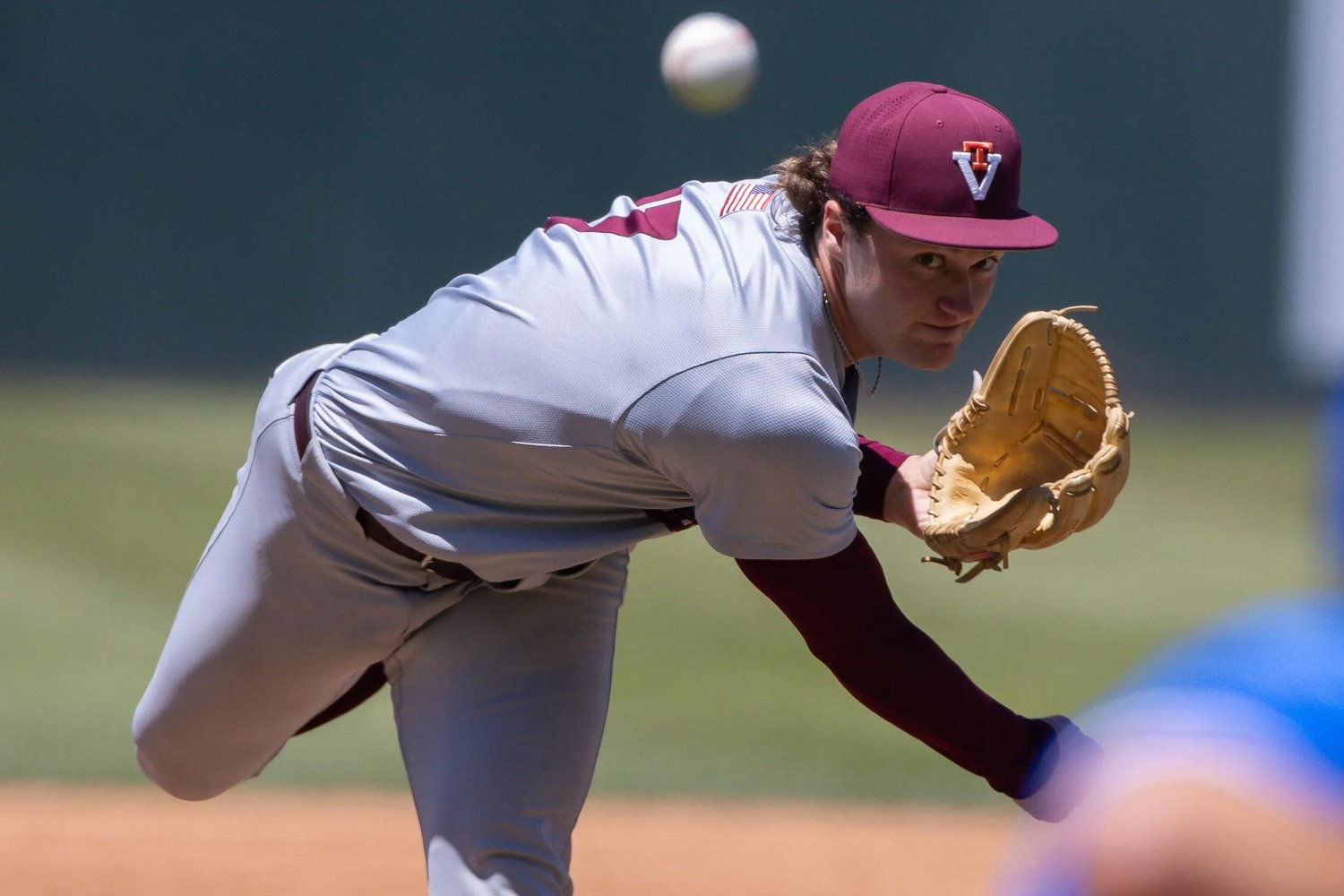 In the Competitive B round, the Minnesota Twins select right-handed pitcher Brett Renfrow for the 74th pick. Renfrow is a Junior at Virginia Tech and was ranked consistently in the top 100 college prospects. In 2026, Renfrow registered a 27.7% strikeout rate, flashing a massive uptick in his ability to miss bats as he racked up 88 punchouts over just 73.2 frames. Here is more info on Renfrow from our draft expert, Jamie Cameron. Renfrow has slowly ticked up his strikeout rate while reducing his walk rate, exactly what you want to see. In terms of stuff, the fastball is good. It sits at 94 mph and has been up to 97 mph, playing well at the top of the zone. There's a slider/cutter hybrid he throws in the upper 80s, a curveball with plenty of depth that sits in the low 80s, and a changeup with good horizontal action. Renfrow is a pitcher you can see making significant strides in a pro organization. There are plenty of starter traits here. In 73.2 innings in 2026, Renfrow managed a 4.67 FIP, while striking out 27.7% of hitters and walking just 7.9%. Compared to the flashier, high-velocity pitchers in the 2026 draft, Brett Renfrow stands out as a lower-risk college starter. By selecting a strike-throwing right-hander with an ACC pedigree, the front office adds pitching depth to complement their offensive picks. If the Twins' development process can successfully unlock a bit more swing-and-miss capability from his secondary stuff, Renfrow could be a successful major leaguer.
 -
Image courtesy of © Steven Branscombe-Imagn Images The Minnesota Twins selected Carson Tinney 43rd overall in the 2026 MLB Draft. Tinney played for Notre Dame and the University of Texas at Austin. He was ranked 61st in our mock draft, slashing .326/.483/.688 offensively for the Longhorns. Here is a summary of Tinney written by our draft expert, Jamie Cameron. Notre Dame transfer Carson Tinney is a different profile of player, with more whiff in his offensive profile and more defensive uncertainty. Despite this, it's an incredibly impressive production after transferring to Texas and facing SEC competition his junior season. Tinney has significant swing-and-miss issues with his hit tool, but it's legitimate 70-grade raw power. He's posted exit velocities north of 115 mph in 2026, in addition to 22 home runs in 61 games. While he strikes out a lot (23.1%), his hit tool concerns are somewhat mitigated by a walk rate of 19.2%.. Defensively, it's huge arm strength. Like many other large-framed catchers, Tinney struggles with some of the nimbleness and adaptability of movement behind the plate. Outside of controlling the running game, the whole defensive package needs work. Even so, it's 30 home run potential that could find a home at first base if the catching doesn't stick. The Minnesota Twins secured a major organizational upgrade by selecting Georgia Tech catcher Vahn Lackey with the No. 3 overall pick and Texas catcher Carson Tinney at No. 43 overall. This strategic emphasis on premium backstops injects high-impact depth, defensive versatility, and immense power into the franchise's pipeline. Drafting premium catching talent is always a high-risk, high-reward strategy, but the Twins have focused - intentionally or not - on acquiring catcher depth since the 2025 trade deadline. If even one of these prospects hits their ceiling, the Twins have secured a foundational piece for their next championship window. View full article
-
Twins Select Carson Tinney With The 43rd Pick In 2026 MLB Draft
Taylor Leonard posted an article in MLB Draft
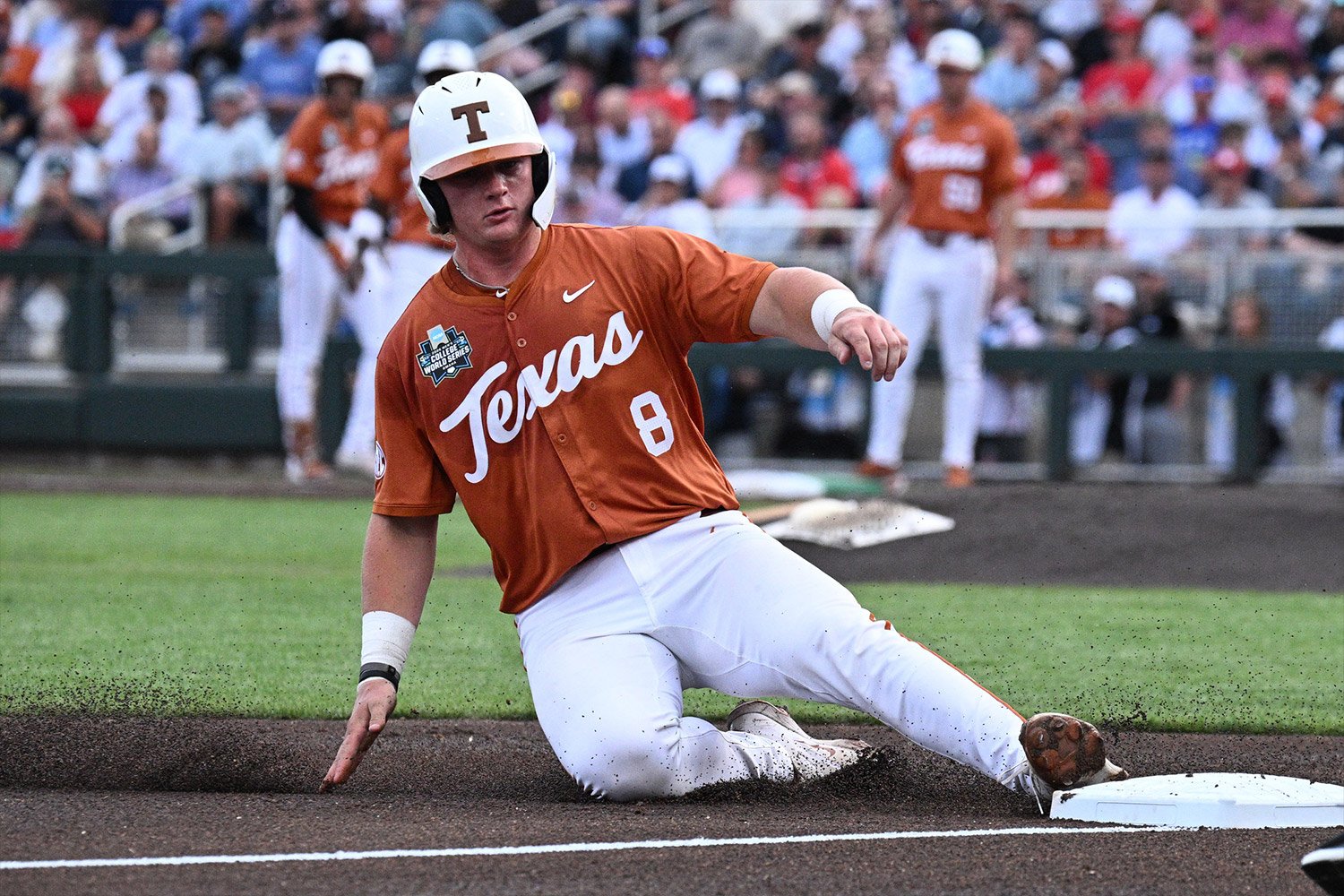 The Minnesota Twins selected Carson Tinney 43rd overall in the 2026 MLB Draft. Tinney played for Notre Dame and the University of Texas at Austin. He was ranked 61st in our mock draft, slashing .326/.483/.688 offensively for the Longhorns. Here is a summary of Tinney written by our draft expert, Jamie Cameron. Notre Dame transfer Carson Tinney is a different profile of player, with more whiff in his offensive profile and more defensive uncertainty. Despite this, it's an incredibly impressive production after transferring to Texas and facing SEC competition his junior season. Tinney has significant swing-and-miss issues with his hit tool, but it's legitimate 70-grade raw power. He's posted exit velocities north of 115 mph in 2026, in addition to 22 home runs in 61 games. While he strikes out a lot (23.1%), his hit tool concerns are somewhat mitigated by a walk rate of 19.2%.. Defensively, it's huge arm strength. Like many other large-framed catchers, Tinney struggles with some of the nimbleness and adaptability of movement behind the plate. Outside of controlling the running game, the whole defensive package needs work. Even so, it's 30 home run potential that could find a home at first base if the catching doesn't stick. The Minnesota Twins secured a major organizational upgrade by selecting Georgia Tech catcher Vahn Lackey with the No. 3 overall pick and Texas catcher Carson Tinney at No. 43 overall. This strategic emphasis on premium backstops injects high-impact depth, defensive versatility, and immense power into the franchise's pipeline. Drafting premium catching talent is always a high-risk, high-reward strategy, but the Twins have focused - intentionally or not - on acquiring catcher depth since the 2025 trade deadline. If even one of these prospects hits their ceiling, the Twins have secured a foundational piece for their next championship window.

