



David Youngs
-
Posts
307 -
Joined
-
Last visited
Content Type
Profiles
News
Minnesota Twins Videos
2026 Minnesota Twins Top Prospects Ranking
2022 Minnesota Twins Draft Picks
Minnesota Twins Free Agent & Trade Rumors, Notes, & Tidbits
Guides & Resources
2023 Minnesota Twins Draft Picks
The Minnesota Twins Players Project
2024 Minnesota Twins Draft Picks
2025 Minnesota Twins Draft Pick Tracker
2026 Minnesota Twins Draft Tracker: Picks & Bonuses
Forums
Blogs
Events
Store
Downloads
Gallery
Everything posted by David Youngs
-
Time has passed for Twins fans to mourn the team’s early exit from the postseason that capped off their share of the league’s most unique season in the history of baseball. Speculation doesn’t change anything but maybe, just maybe, would the Twins have had better success if 2020 consisted of a traditional 162 game season? Let’s look into the crystal ball.It’s impossible not to do it. We’ve all got that voice in the back of our head whispering those soulless, heart-wrenching words. “Would the Minnesota Twins have gone further in the postseason if the 2020 MLB season was a ‘regular year?’” We’ll never know how many licks it would take for the Twins to get to the center of that Tootsie-Pop called a playoff win. My mom (and first grade Sunday School teacher) embedded the serenity prayer into my mind from a young age; “accept the things I cannot change.” There’s no changing the fact that 2020 presented Twins fans with an all too familiar feeling, and there’s no changing that. However, there are a few reasons that suggest that the legacy of the 2020 Twins could look different given a regular season and playoff format. Wins, Wins, Wins The 2020 Twins finished the regular season with a 36-24 record, mounting a stellar .600 winner percentage. While that doesn’t mathematically translate to the .623 winning percentage the Twins racked up in their 101 win 2019 season, it’s pretty darn close. It is safe to say that a healthy 2020 team would complete a full season with close to or over 100 wins. Through 60 games in 2019 the Twins were an outstanding 40-20. Their strong start correlated with a majority of playoff teams in 2019. 8 of 10 playoff teams posted a winning record after 60 games. The only exceptions? The AL West Wild Card entry Oakland Athletics (30-30, .500) and eventual World Champion Washington Nationals (27-33, .450). Six teams that posted a winning record after 60 games did not make the playoffs. All in all, the progress of a team after 60 games is not a sure-fire indicator of how the team will end up after 162 games and in the postseason. However, it can certainly be said that there would be a good chance the Twins would have a favorable playoff matchup in a full 2020 season. Yes, the Astros probably would have gotten rolling and eventually posted a solid record, despite being the first MLB team (alongside the Brewers) with a losing record to make the playoffs. Hypothetically in a full best of 5 divisional series, the 2020 Twins would have an excellent shot to at least win a game against the Astros (or frankly most teams). Doesn’t get Much Better (On Paper) The Twins have two strengths off the playing field that don’t get enough credit. The front office and skipper Rocco Baldelli. The Twins front office had a ‘steak dinner of a team’ following the 2019 season. However, some seasoning was needed to make the masterpiece Bobby Flay-worthy. A healthy dash of starting pitching that would complement a rotation that had as many lows as highs.A sprinkle of bullpen experience to complement a staff that had in-house rising stars and seasoned veterans from across the league.A strong dose of hitting that would complement the league’s strongest offense.Derek Falvey and Thad Levine completed the recipe and on paper the 2020 Twins looked unstoppable. The addition of Kenta Maeda and Rich Hill turned the Twins rotation into a top five MLB staff. Add in bullpen fixtures like Tyler Clippard, Jose Alcala, and Caleb Thielbar and the Twins had one of the strongest and most complete pitching staffs across baseball. And to top things off, the addition of Josh Donaldson brought raindrops to an offense that was already filled with thunder. It was no surprise that preseason power rankings placed the Twins among baseball’s elite teams. On paper the Twins looked like a deep playoff team. Combine that with Rocco Baldelli’s early career success and things looked great (the guy has won two division titles in his first two seasons at the helm, not even the great Tom Kelly could do that). That’s Baseball for Ya Unfortunately for the 2020 Twins, baseball is not played on paper. Regardless of how long a season is, players are going to get hurt and hitters are going to find slumps. The Twins saw Donaldson struggle with calf problems all year and Byron Buxton faced concussion symptoms at the worst possible time. On the pitching side of things Jake Odorizzi couldn’t catch a break in the short season, dealing with three separate trips to the IL. Injuries like these would certainly occur in a full season but there would be much more time for players to rest and work their way back in and managers to make prolonged decisions. And while the 2019 Bomba Squad may be gone it’s tough to think that the Twins offense wouldn’t find a groove in a full season. The Twins were inconsistent at the plate all year and it is probable that that would have been able to find a plateau and work out kinks in a 162 game season. Not a ‘Fluke’ Year I’m not here to say that the Twins postseason blunders were solely because of a short season. Yet it is hard to imagine that a team with this caliber of players would not have made some noise in October given more time to work out kinks and injuries, restore confidence at the plate, and find their true identity as a ballclub. I guess we’ll find out next year. MORE FROM TWINS DAILY — Latest Twins coverage from our writers — Recent Twins discussion in our forums — Follow Twins Daily via Twitter, Facebook or email (link to image license) Click here to view the article
-
 It’s impossible not to do it. We’ve all got that voice in the back of our head whispering those soulless, heart-wrenching words. “Would the Minnesota Twins have gone further in the postseason if the 2020 MLB season was a ‘regular year?’” We’ll never know how many licks it would take for the Twins to get to the center of that Tootsie-Pop called a playoff win. My mom (and first grade Sunday School teacher) embedded the serenity prayer into my mind from a young age; “accept the things I cannot change.” There’s no changing the fact that 2020 presented Twins fans with an all too familiar feeling, and there’s no changing that. However, there are a few reasons that suggest that the legacy of the 2020 Twins could look different given a regular season and playoff format. Wins, Wins, Wins The 2020 Twins finished the regular season with a 36-24 record, mounting a stellar .600 winner percentage. While that doesn’t mathematically translate to the .623 winning percentage the Twins racked up in their 101 win 2019 season, it’s pretty darn close. It is safe to say that a healthy 2020 team would complete a full season with close to or over 100 wins. Through 60 games in 2019 the Twins were an outstanding 40-20. Their strong start correlated with a majority of playoff teams in 2019. 8 of 10 playoff teams posted a winning record after 60 games. The only exceptions? The AL West Wild Card entry Oakland Athletics (30-30, .500) and eventual World Champion Washington Nationals (27-33, .450). Six teams that posted a winning record after 60 games did not make the playoffs. All in all, the progress of a team after 60 games is not a sure-fire indicator of how the team will end up after 162 games and in the postseason. However, it can certainly be said that there would be a good chance the Twins would have a favorable playoff matchup in a full 2020 season. Yes, the Astros probably would have gotten rolling and eventually posted a solid record, despite being the first MLB team (alongside the Brewers) with a losing record to make the playoffs. Hypothetically in a full best of 5 divisional series, the 2020 Twins would have an excellent shot to at least win a game against the Astros (or frankly most teams). Doesn’t get Much Better (On Paper) The Twins have two strengths off the playing field that don’t get enough credit. The front office and skipper Rocco Baldelli. The Twins front office had a ‘steak dinner of a team’ following the 2019 season. However, some seasoning was needed to make the masterpiece Bobby Flay-worthy. A healthy dash of starting pitching that would complement a rotation that had as many lows as highs. A sprinkle of bullpen experience to complement a staff that had in-house rising stars and seasoned veterans from across the league. A strong dose of hitting that would complement the league’s strongest offense. Derek Falvey and Thad Levine completed the recipe and on paper the 2020 Twins looked unstoppable. The addition of Kenta Maeda and Rich Hill turned the Twins rotation into a top five MLB staff. Add in bullpen fixtures like Tyler Clippard, Jose Alcala, and Caleb Thielbar and the Twins had one of the strongest and most complete pitching staffs across baseball. And to top things off, the addition of Josh Donaldson brought raindrops to an offense that was already filled with thunder. It was no surprise that preseason power rankings placed the Twins among baseball’s elite teams. On paper the Twins looked like a deep playoff team. Combine that with Rocco Baldelli’s early career success and things looked great (the guy has won two division titles in his first two seasons at the helm, not even the great Tom Kelly could do that). That’s Baseball for Ya Unfortunately for the 2020 Twins, baseball is not played on paper. Regardless of how long a season is, players are going to get hurt and hitters are going to find slumps. The Twins saw Donaldson struggle with calf problems all year and Byron Buxton faced concussion symptoms at the worst possible time. On the pitching side of things Jake Odorizzi couldn’t catch a break in the short season, dealing with three separate trips to the IL. Injuries like these would certainly occur in a full season but there would be much more time for players to rest and work their way back in and managers to make prolonged decisions. And while the 2019 Bomba Squad may be gone it’s tough to think that the Twins offense wouldn’t find a groove in a full season. The Twins were inconsistent at the plate all year and it is probable that that would have been able to find a plateau and work out kinks in a 162 game season. Not a ‘Fluke’ Year I’m not here to say that the Twins postseason blunders were solely because of a short season. Yet it is hard to imagine that a team with this caliber of players would not have made some noise in October given more time to work out kinks and injuries, restore confidence at the plate, and find their true identity as a ballclub. I guess we’ll find out next year. MORE FROM TWINS DAILY — Latest Twins coverage from our writers — Recent Twins discussion in our forums — Follow Twins Daily via Twitter, Facebook or email (link to image license)
 -
While the Twins aren’t known in the baseball world as perennial contenders there are few teams in Major League Baseball that have the playoff experience that some of the Twins’ veteran players have. That could prove to be more valuable than ever this postseason.It was a sight that no baseball fan wants to see. Highly-touted prospect Edwar Colina had just exited his major league debut in a tight game against the Cincinnati Reds; and it wasn’t pretty. Recording just one out, Colina surrendered three runs on four hits and walked two, putting the nail in the coffin for a Reds win. As the camera panned to a discouraged Colina in the Twins dugout a heartwarming sight prevailed. 40-year old veteran Rich Hill sat beside Colina and talked through the outing, probably offered advice, and without a doubt gave support that only a player who has seen it all like Rich Hill could offer. Veteran leadership has been no stranger to the Twins this season. Whether it be Nelson Cruz strengthening the culture of the clubhouse through his contagious personality or Josh Donaldson boosting team morale with the investment of team robes (soon to come on Sotastick.com), the 2020 Twins have benefited on and off the field from having seasoned players on their team. If there’s one thing that goes hand in hand with having veterans on the roster, it’s playoff experience. One could argue that’s one of the biggest reasons why the Twins have acquired names like Hill, Romo, Cruz, Maeda and Donaldson. Each one of these individuals carries a backpack full of experiences, successes and defeats that will be crucial for the Twins success in a postseason that has never been seen before. Rich Hill As previously mentioned, the veteran left handed pitcher hailing from Boston has seen it all in his 16 year MLB career. Hill has played on nine different squads in his career, but is known by most for his rock solid performances in the Dodgers rotation and bullpen, specifically in 2018. Hill has faced adversity on the field many times but the toughest challenge in his MLB tenure came in 2014 when he and his wife Caitlin lost their 2 month old son Brooks. Hill scripted a beautiful piece in the Players Tribune last year about his sonand started the ‘Field of Genes’ campaign with Caitlin to raise money for research on rare diseases. Hill’s mental strength and experience will be valuable for the Twins as they enter fall baseball. As we saw with Colina, Hill has the opportunity to play a mentor role for young Twins pitchers who haven’t previously seen the high pressure postseason situations that he has. Nelson Cruz It would be flat out wrong to not include Nelson Cruz on a list of veteran Twins who have the ability to be game changers. Cruz has played 44 career playoff baseball games. That is a big number. Cruz’s postseason numbers include a .287 AVG with 15 HR and 35 RBI. There’s no doubt that Cruz is the Twins’ guy to come up with a game-changing late inning hit in the postseason. And while his postseason numbers are impressive, Cruz’s presence in the dugout is equally as valuable. Similar to Hill, Nelly has been around the game long enough to handle the mental side of baseball very well. We’ve seen him be a clubhouse leader for the Twins since he came to the organization last year and that continued leadership will be needed this fall. Sergio Romo A certified winner, Romo doesn’t just have one World Series ring, he has three. Romo was a bullpen warrior on the 2010, 2012, and 2014 World Champion San Francisco Giants. He’s appeared in 29 total postseason games, posting a 3.55 ERA in 25.1 innings. He wasn’t perfect by any means in last year’s ALDS matchup against the Yankees but his experience will be especially valuable with this year’s postseason format. And if his postseason experience isn’t enough, Romo’s energy and intensity is a game changer for any team. Sergio is one of those guys who you love to have on your team but hate playing against. On a team that is arguably one of the nicest and most stoic in the league (we’ll forget about Donaldson’s incident last week), Romo provides a nice spark plug for the Twins. Deep Breath in, Deep Breath Out Baseball is a unique game. On one side it is arguably the most analytical game in professional sports, with stats and shifts dictating how managers craft their lineup and how teams play the game. On the other hand, baseball is pure and simple; put more runs across the plate in nine innings than the other team and your team comes out victorious. Yet when the postseason rolls around a third dimension of the game becomes more apparent than ever; the mental side of the baseball. Postseason baseball causes players to get tight, refrain from playing loose, and make mistakes that they often would not make in an everyday game. That’s where having a roster with seasoned playoff veterans truly shines. Not only have guys like Cruz and Hill been in big time pressure situations, they have the knowledge and strategy to help younger, less experienced players cope with the pressure and nerves of postseason baseball. Good baseball teams get hot at the right time. Given the presence of seasoned veterans sprinkled amongst a group of younger key players the 2020 Twins may have the perfect storm to make a deep run in the playoffs. MORE FROM TWINS DAILY — Latest Twins coverage from our writers — Recent Twins discussion in our forums — Follow Twins Daily via Twitter, Facebook or email Click here to view the article
-
Ain't Their First Rodeo: The Perfect Storm of Seasoned Playoff Veterans
David Youngs posted an article in Twins
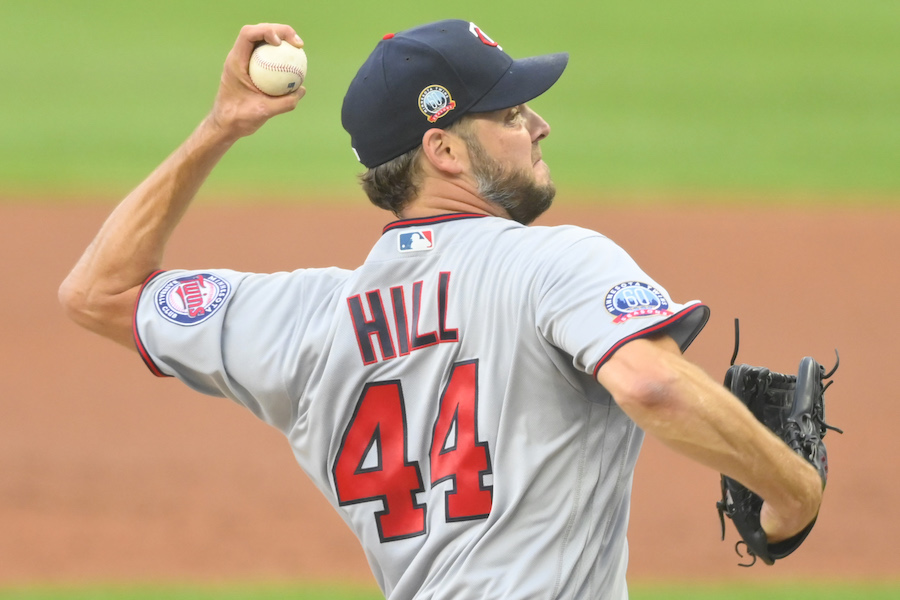 It was a sight that no baseball fan wants to see. Highly-touted prospect Edwar Colina had just exited his major league debut in a tight game against the Cincinnati Reds; and it wasn’t pretty. Recording just one out, Colina surrendered three runs on four hits and walked two, putting the nail in the coffin for a Reds win. As the camera panned to a discouraged Colina in the Twins dugout a heartwarming sight prevailed. 40-year old veteran Rich Hill sat beside Colina and talked through the outing, probably offered advice, and without a doubt gave support that only a player who has seen it all like Rich Hill could offer. https://twitter.com/TFTwins/status/1309710985444446208 Veteran leadership has been no stranger to the Twins this season. Whether it be Nelson Cruz strengthening the culture of the clubhouse through his contagious personality or Josh Donaldson boosting team morale with the investment of team robes (soon to come on Sotastick.com), the 2020 Twins have benefited on and off the field from having seasoned players on their team. If there’s one thing that goes hand in hand with having veterans on the roster, it’s playoff experience. One could argue that’s one of the biggest reasons why the Twins have acquired names like Hill, Romo, Cruz, Maeda and Donaldson. Each one of these individuals carries a backpack full of experiences, successes and defeats that will be crucial for the Twins success in a postseason that has never been seen before. Rich Hill As previously mentioned, the veteran left handed pitcher hailing from Boston has seen it all in his 16 year MLB career. Hill has played on nine different squads in his career, but is known by most for his rock solid performances in the Dodgers rotation and bullpen, specifically in 2018. Hill has faced adversity on the field many times but the toughest challenge in his MLB tenure came in 2014 when he and his wife Caitlin lost their 2 month old son Brooks. Hill scripted a beautiful piece in the Players Tribune last year about his son and started the ‘Field of Genes’ campaign with Caitlin to raise money for research on rare diseases. Hill’s mental strength and experience will be valuable for the Twins as they enter fall baseball. As we saw with Colina, Hill has the opportunity to play a mentor role for young Twins pitchers who haven’t previously seen the high pressure postseason situations that he has. Nelson Cruz It would be flat out wrong to not include Nelson Cruz on a list of veteran Twins who have the ability to be game changers. Cruz has played 44 career playoff baseball games. That is a big number. Cruz’s postseason numbers include a .287 AVG with 15 HR and 35 RBI. There’s no doubt that Cruz is the Twins’ guy to come up with a game-changing late inning hit in the postseason. And while his postseason numbers are impressive, Cruz’s presence in the dugout is equally as valuable. Similar to Hill, Nelly has been around the game long enough to handle the mental side of baseball very well. We’ve seen him be a clubhouse leader for the Twins since he came to the organization last year and that continued leadership will be needed this fall. Sergio Romo A certified winner, Romo doesn’t just have one World Series ring, he has three. Romo was a bullpen warrior on the 2010, 2012, and 2014 World Champion San Francisco Giants. He’s appeared in 29 total postseason games, posting a 3.55 ERA in 25.1 innings. He wasn’t perfect by any means in last year’s ALDS matchup against the Yankees but his experience will be especially valuable with this year’s postseason format. And if his postseason experience isn’t enough, Romo’s energy and intensity is a game changer for any team. Sergio is one of those guys who you love to have on your team but hate playing against. On a team that is arguably one of the nicest and most stoic in the league (we’ll forget about Donaldson’s incident last week), Romo provides a nice spark plug for the Twins. Deep Breath in, Deep Breath Out Baseball is a unique game. On one side it is arguably the most analytical game in professional sports, with stats and shifts dictating how managers craft their lineup and how teams play the game. On the other hand, baseball is pure and simple; put more runs across the plate in nine innings than the other team and your team comes out victorious. Yet when the postseason rolls around a third dimension of the game becomes more apparent than ever; the mental side of the baseball. Postseason baseball causes players to get tight, refrain from playing loose, and make mistakes that they often would not make in an everyday game. That’s where having a roster with seasoned playoff veterans truly shines. Not only have guys like Cruz and Hill been in big time pressure situations, they have the knowledge and strategy to help younger, less experienced players cope with the pressure and nerves of postseason baseball. Good baseball teams get hot at the right time. Given the presence of seasoned veterans sprinkled amongst a group of younger key players the 2020 Twins may have the perfect storm to make a deep run in the playoffs. MORE FROM TWINS DAILY — Latest Twins coverage from our writers — Recent Twins discussion in our forums — Follow Twins Daily via Twitter, Facebook or email
 -
Following last night’s thrilling extra-inning walk off win the Twins will cap off the season series against the Tigers by putting their ace, Kenta Maeda on the bump. The game marks the final AL Central matchup for the Twins, as they sit just a half game behind the White Sox in the division standings.Tuesday’s Game Recap MIN 5, DET 4: Kepler Delivers Walk-Off Hit, Twins Half Game Back in Division Today Twins vs Tigers 6:40 pm CDT Betting Line: MIN -286, DET +250, O/U: 8 Twins Starter: Kenta Maeda (5-1) RHP 2.52 ERA Kenta Maeda is one of the best pitchers in the American League. In fact he’s ranked third amongst starting pitchers in the AL on ESPN’s Cy Young Predictor, only behind division foes Shane Bieber and Dallas Keuchel. And regardless of what the friendly folks at ESPN say, Maeda has earned the title of Twins ace. However, Maeda’s one loss of the year came on August 30 at Detroit, when he gave up three runs on six hits in 6.0 innings. A bad outing? Not by any means, but it was the only start all year where Maeda gave up six or more hits. In his September 5 no-decision outing against the Tigers, Maeda gave up run runs on two hits in 6.0 innings. Despite his 0-1 season record against Detroit, Tiger hitters have batted a meager .159 AVG against Maeda this season. Almost all of Maeda’s starts in 2020 have been quality starts, expect another one tonight. Tigers Starter: Casey Mize (0-2) RHP 6.02 ERA Drafted by the Tigers in 2018, the Auburn Tiger alum is still looking for his first Major League win. Mize has faced the Twins twice this year, earning a no-decision in both outings. The first of those was on August 30 when he faced off against Maeda in a game the Tigers won 3-2. Mize only lasted three innings in that game and four in his subsequent outing against Minnesota on September 6. While the Twins haven’t recorded wins in both outings against Mize their bats have come alive against the young righty. The Twins have hit .297 against Mize and have forced him out of the game early in both matchups. Expect the Twins offense to plate more runs against Mize then they have all season. Twins Lineup Tigers Lineup Playoffs?! Three days ago it seemed as if the AL Central was out of reach for the Twins following their series defeat to the White Sox that put them three games back from the 'Southsiders' in the standings. But following last night's victory and two consecutive White Sox losses the Twins sit just .5 games back from Chicago. Cleveland ace Shane Bieber takes the mound tonight as the Indians look to sweep the White Sox. A Twins win and a White Sox loss tonight would put Minnesota atop the AL Central. The Smell of October The Postseason fever is in the air across the Majors with a large number of teams starting their projected Wild Card round game one starter. Off all the great pitching matchups on the day Bieber vs. Giolito will be the marquee showdown as the Indians hope to continue their stretch of success and help out the Twins. Around the AL Central - Indians 5, White Sox 3 - Cardinals 5, Royals 0 1. CWS 34-21 0.0 GB 2. MIN 34-22 0.5 GB 3. CLE 31-24 3.0 GB 4. DET 22-31 11.0 GB 5. KC 22-33 12.0 GB Click here to view the article
-
 Tuesday’s Game Recap MIN 5, DET 4: Kepler Delivers Walk-Off Hit, Twins Half Game Back in Division Today Twins vs Tigers 6:40 pm CDT Betting Line: MIN -286, DET +250, O/U: 8 Twins Starter: Kenta Maeda (5-1) RHP 2.52 ERA Kenta Maeda is one of the best pitchers in the American League. In fact he’s ranked third amongst starting pitchers in the AL on ESPN’s Cy Young Predictor, only behind division foes Shane Bieber and Dallas Keuchel. And regardless of what the friendly folks at ESPN say, Maeda has earned the title of Twins ace. However, Maeda’s one loss of the year came on August 30 at Detroit, when he gave up three runs on six hits in 6.0 innings. A bad outing? Not by any means, but it was the only start all year where Maeda gave up six or more hits. In his September 5 no-decision outing against the Tigers, Maeda gave up run runs on two hits in 6.0 innings. Despite his 0-1 season record against Detroit, Tiger hitters have batted a meager .159 AVG against Maeda this season. Almost all of Maeda’s starts in 2020 have been quality starts, expect another one tonight. Tigers Starter: Casey Mize (0-2) RHP 6.02 ERA Drafted by the Tigers in 2018, the Auburn Tiger alum is still looking for his first Major League win. Mize has faced the Twins twice this year, earning a no-decision in both outings. The first of those was on August 30 when he faced off against Maeda in a game the Tigers won 3-2. Mize only lasted three innings in that game and four in his subsequent outing against Minnesota on September 6. While the Twins haven’t recorded wins in both outings against Mize their bats have come alive against the young righty. The Twins have hit .297 against Mize and have forced him out of the game early in both matchups. Expect the Twins offense to plate more runs against Mize then they have all season. Twins Lineup Tigers Lineup https://twitter.com/tigers/status/1308848647111671808 Playoffs?! Three days ago it seemed as if the AL Central was out of reach for the Twins following their series defeat to the White Sox that put them three games back from the 'Southsiders' in the standings. But following last night's victory and two consecutive White Sox losses the Twins sit just .5 games back from Chicago. Cleveland ace Shane Bieber takes the mound tonight as the Indians look to sweep the White Sox. A Twins win and a White Sox loss tonight would put Minnesota atop the AL Central. The Smell of October The Postseason fever is in the air across the Majors with a large number of teams starting their projected Wild Card round game one starter. https://twitter.com/renabanena/status/1308771278657069062 Off all the great pitching matchups on the day Bieber vs. Giolito will be the marquee showdown as the Indians hope to continue their stretch of success and help out the Twins. Around the AL Central - Indians 5, White Sox 3 - Cardinals 5, Royals 0 1. CWS 34-21 0.0 GB 2. MIN 34-22 0.5 GB 3. CLE 31-24 3.0 GB 4. DET 22-31 11.0 GB 5. KC 22-33 12.0 GB
 -
Going to the ballpark is a ritual for youth in the state of Minnesota. Whether it be Target Field, The Metrodome, or Met Stadium, people of all ages can reminisce of the smell of popcorn, fresh Dome Dogs, and the tradition of Twins baseball that graced their childhood. For Mark 'Tark' Ericksen, it was more than just a memory, it was his life.Over the last six decades there hasn’t been a boy in the state of Minnesota who didn’t spend a portion of his childhood dreaming of donning the stirrups and spikes for his home state Minnesota Twins. From the Met to Target Field and from the cursive ‘M’ to the interlocked ‘TC’ the dream has stayed the same for boys across the Land of 10,000 lakes. But at some point reality kicks in. Life goes on, but the memories of watching the Twins from mom’s basement with your high school buddies’ will forever be embedded in the hearts of boys across the state of Minnesota. The same can be said for 56 year old Bloomington native Mark ‘Tark’ Ericksen, who is a lifelong Twins fan. There’s one difference between his ‘Twins story’ and most others. While most high schoolers in the early 80’s made their money mowing lawns Tark and his buddies made their pocket cash at 8000 Cedar Ave S in Bloomington; Metropolitan Stadium, serving as a ball boy for the Minnesota Twins from 1979 to 1981. The pay wasn’t great and the Twins were mediocre at best. But for Tark and his two friends it was the experience of a lifetime. “For the first four or five months one of our parents would have to pull us out of school and drop us off because none of us had our license,” Ericksen said. “Finally one of us turned 16 and then we carpooled to the stadium.” Ericksen landed the gig through one of his buddies and was hired on the spot. Yet his first day of work was far from his first time at Metropolitan Stadium. “Our dad used to bring us to the Met in the 8th inning of games when fans would clear out and we would watch the last couple innings,” Erickson recalled. “We did that a lot growing up.” And while Tark was no stranger to the seats at Metropolitan Stadium his first day on the job proved that it would take time to get used to being out on the playing field. Tark would start most games sitting outside the visiting dugout, requiring him to run across the field over the large rubber ‘M’ emblem behind home plate. The change in terrain would pay it’s price for Tark on opening day in 1979. “I was wearing my spikes and while I ran across the field I tripped over the rubber ‘M’ and completely face planted. It was quite the way to start the season.” Time of Transition The late 70’s and early 80’s brought the winds of change to Twins baseball. Names like Carew and Killebrew had left the franchise and hometown hero Kent Hrbek and franchise icon Kirby Puckett had yet to join. Still, names like All-Star Roy Smalley and fan favorite Bombo Rivera drew fans to Minnesota’s first era of outdoor baseball. And before Minnesota-made Tom Kelly began his storied career in his home state the Twins saw names like Gene Mauch and Billy Gardner at the helm of the club. Mauch managed the Twins from 1976 to 1980, sharing the dugout with his nephew Roy Smalley. Regardless of wins and losses Ericksen enjoyed all the stories and memories that came along with spending time in a Major League clubhouse. When he wasn’t shagging balls, moving bats, and doing laundry Tark and his buddies cherished the time spent with the players that they watched from the bleachers growing up. “They were just a great group of guys, always fun to be around,” Ericksen said. That camaraderie extended beyond the walls of Metropolitan Stadium. Each year the ball boys were allowed to go on one road trip. For Tark’s first season he chose to tag along to Old Tiger Stadium to watch the Twins take on Detroit. Baseball wouldn’t be the only entertainment that Tark and his buddies would get to take in over the weekend in Mo-Town. Twins pitcher Fernando Arroyo surprised the boys with tickets to an Elton John concert, who was in town that night. “We were sixteen at the time and it was just an amazing experience,” Ericksen said. The next year Tark took his road trip to Kansas City to watch the Twins take on the Royals in the final series of the season. Following the last game, some of the Twins players wanted to head directly home instead of back to Minneapolis. One of those was outfielder Rick Sofield, who played for the Twins from 1979-1981. Sofield and the other players needed someone to take care of their cars back in the Twin Cities until they could return. The solution? Tark and his fellow bat boys who were all newly licensed drivers. “I drove around Sofield's Mazda RX 7 convertible, I took that thing to school for like a week.” Ericksen laughed. Kid in a Candy Shop Ericksen still lives and works in his hometown of Bloomington. His love for the Twins is still flourishing, with the television still being dialed in to Fox Sports North practically every night at his home. Years have come and gone since his ball boy days. Some of the memories are showcased by a shrine sitting in his house. A newspaper clipping with Athletics (and former Twins) manager Billy Martin chewing out a fan anchors the display, as Tark can be seen to the left of Martin watching the dilemma unfold. A photo with his favorite player of all time Rod Carew sits atop the display. Download attachment: Tark Billy Martin (2).jpg Perhaps the most meaningful memento sits in between the two. It’s a picture of the Met Stadium scoreboard on the day following Tark’s high school graduation, the text congratulating him and his fellow ball boys. Download attachment: Tark2.jpg Ericksen will be able to hold those memories with him for the rest of his life as he reflects on his lifelong love of the Minnesota Twins. “Not too many people get that opportunity, it was pretty special.” Click here to view the article
-
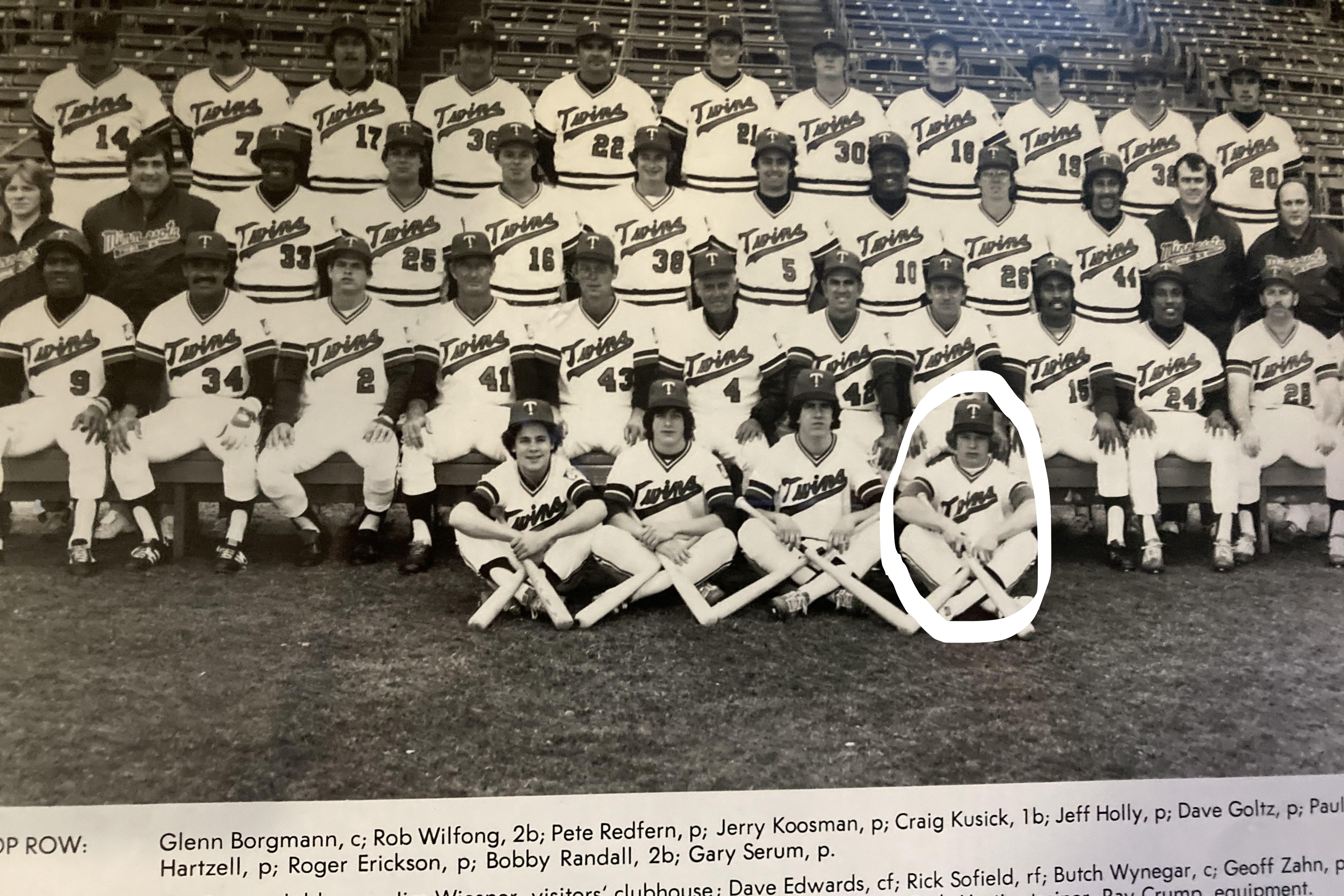 Over the last six decades there hasn’t been a boy in the state of Minnesota who didn’t spend a portion of his childhood dreaming of donning the stirrups and spikes for his home state Minnesota Twins. From the Met to Target Field and from the cursive ‘M’ to the interlocked ‘TC’ the dream has stayed the same for boys across the Land of 10,000 lakes. But at some point reality kicks in. Life goes on, but the memories of watching the Twins from mom’s basement with your high school buddies’ will forever be embedded in the hearts of boys across the state of Minnesota. The same can be said for 56 year old Bloomington native Mark ‘Tark’ Ericksen, who is a lifelong Twins fan. There’s one difference between his ‘Twins story’ and most others. While most high schoolers in the early 80’s made their money mowing lawns Tark and his buddies made their pocket cash at 8000 Cedar Ave S in Bloomington; Metropolitan Stadium, serving as a ball boy for the Minnesota Twins from 1979 to 1981. The pay wasn’t great and the Twins were mediocre at best. But for Tark and his two friends it was the experience of a lifetime. “For the first four or five months one of our parents would have to pull us out of school and drop us off because none of us had our license,” Ericksen said. “Finally one of us turned 16 and then we carpooled to the stadium.” Ericksen landed the gig through one of his buddies and was hired on the spot. Yet his first day of work was far from his first time at Metropolitan Stadium. “Our dad used to bring us to the Met in the 8th inning of games when fans would clear out and we would watch the last couple innings,” Erickson recalled. “We did that a lot growing up.” And while Tark was no stranger to the seats at Metropolitan Stadium his first day on the job proved that it would take time to get used to being out on the playing field. Tark would start most games sitting outside the visiting dugout, requiring him to run across the field over the large rubber ‘M’ emblem behind home plate. The change in terrain would pay it’s price for Tark on opening day in 1979. “I was wearing my spikes and while I ran across the field I tripped over the rubber ‘M’ and completely face planted. It was quite the way to start the season.” Time of Transition The late 70’s and early 80’s brought the winds of change to Twins baseball. Names like Carew and Killebrew had left the franchise and hometown hero Kent Hrbek and franchise icon Kirby Puckett had yet to join. Still, names like All-Star Roy Smalley and fan favorite Bombo Rivera drew fans to Minnesota’s first era of outdoor baseball. And before Minnesota-made Tom Kelly began his storied career in his home state the Twins saw names like Gene Mauch and Billy Gardner at the helm of the club. Mauch managed the Twins from 1976 to 1980, sharing the dugout with his nephew Roy Smalley. Regardless of wins and losses Ericksen enjoyed all the stories and memories that came along with spending time in a Major League clubhouse. When he wasn’t shagging balls, moving bats, and doing laundry Tark and his buddies cherished the time spent with the players that they watched from the bleachers growing up. “They were just a great group of guys, always fun to be around,” Ericksen said. That camaraderie extended beyond the walls of Metropolitan Stadium. Each year the ball boys were allowed to go on one road trip. For Tark’s first season he chose to tag along to Old Tiger Stadium to watch the Twins take on Detroit. Baseball wouldn’t be the only entertainment that Tark and his buddies would get to take in over the weekend in Mo-Town. Twins pitcher Fernando Arroyo surprised the boys with tickets to an Elton John concert, who was in town that night. “We were sixteen at the time and it was just an amazing experience,” Ericksen said. The next year Tark took his road trip to Kansas City to watch the Twins take on the Royals in the final series of the season. Following the last game, some of the Twins players wanted to head directly home instead of back to Minneapolis. One of those was outfielder Rick Sofield, who played for the Twins from 1979-1981. Sofield and the other players needed someone to take care of their cars back in the Twin Cities until they could return. The solution? Tark and his fellow bat boys who were all newly licensed drivers. “I drove around Sofield's Mazda RX 7 convertible, I took that thing to school for like a week.” Ericksen laughed. Kid in a Candy Shop Ericksen still lives and works in his hometown of Bloomington. His love for the Twins is still flourishing, with the television still being dialed in to Fox Sports North practically every night at his home. Years have come and gone since his ball boy days. Some of the memories are showcased by a shrine sitting in his house. A newspaper clipping with Athletics (and former Twins) manager Billy Martin chewing out a fan anchors the display, as Tark can be seen to the left of Martin watching the dilemma unfold. A photo with his favorite player of all time Rod Carew sits atop the display. Perhaps the most meaningful memento sits in between the two. It’s a picture of the Met Stadium scoreboard on the day following Tark’s high school graduation, the text congratulating him and his fellow ball boys. Ericksen will be able to hold those memories with him for the rest of his life as he reflects on his lifelong love of the Minnesota Twins. “Not too many people get that opportunity, it was pretty special.”
 -
There are few things that widen the eyes of a baseball fan more than the essence of the Friendly Confines. And while some of the most notorious games in baseball history have taken place on the corner of W Addison Street, very few of those have involved the Minnesota Twins. As the Twins head to the North Side of town this weekend let’s look at the club’s brief history at one of the game’s last treasures.The Marquee. The Ivy. The Billy Goat, you name it. Whether it’s a season ticket holder or a fair-weathered fan, Wrigley Field has touched the lives’ of all baseball fans in some way, shape, or form. A bucket-list destination for many, the mystical palace came to fruition in 1914 and is one of the last ‘vintage ballparks’ in the game (alongside Fenway Park). Since the Cubs started play at Wrigley in 1916 the Twins have only played 15 games at the Friendly Confines (yes I know, the franchise didn’t come to Minnesota until 1961). In fact, the teams have only played each other 30 times in league history, never in the postseason. Why so few? Major League Baseball didn’t institute Interleague play until 1997. And while the number thirty seems small there are actually a good number of National League teams that the Twins have played less. They’ve faced the Reds 24 times, the Mets 22 times, and the Padres 20. And while there are indeed teams that the Twins have played less than the Cubbies, there is a certain novelty for Twins fans in watching their team play at Wrigley Field. Not Petco Park. Oh the 90’s (and early 2000’s) The first ever matchup between the Twins and Cubs took place at Wrigley Field on a crisp September 1st afternoon in 1997. The Twins walked away on top with a 7-6 win thanks to a four RBI game from shortstop Pat Meares. Despite the win the Twins would end up losing the three game series, dropping the next two games by scores of 9-3 (Sammy Sosa homered and doubled) and 10-6 (Mark Grace homered). Following the 1997 season the Twins and Cubs would play each other yearly in a three game series through 2001, alternating locations each year. In the Twins' 1999 and 2001 trips to Wrigley they went a combined 1-5, including a July 16th, 1999 shootout that the Twins lost 11-10 despite home runs from Torii Hunter, Ron Coomer, and Chad Allen. The 'L' is full (until 2006) Following the 2001 season the Twins wouldn’t see the Cubs on their schedule for four years. That changed in 2006 when the Cubs returned to the Metrodome and were swept by the Twins in a three game series. The 2006 matchup would begin a three year rotation between the teams that would last until 2018. When the Twins returned to Wrigley in June of 2009 they took two of three from the Cubs thanks to strong pitching performances from Kevin Slowey and Anthony Swarzak. The Twins wouldn’t return to the Friendly Confines again until 2018 where they were swept by the Cubs in a three-game series that saw Chicago plate 35 runs. Looking Forward In their 30 game relationship with the Cubs the Twins are 13-17 all time and 4-11 at Wrigley Field. Obviously those aren’t great numbers but it’s a small sample size and a majority of those matchups featured at least one of the two teams having a rocky season (if not both). That is different this year, with both the Twins and Cubs vying for playoff positioning in their respective leagues as the 2020 season winds down. Regardless of the outcome of this weekend’s series it is always a luxury to watch the Twins play at Wrigley Field. There is nothing more pure than watching baseball at a ballpark that has simple concessions, ivy on the outfield fence, and seats with viewing obstructed by beams (unless you're actually sitting in one of those seats). Just remember, when Target Field was built in 2010 the price of gas was $2.79 per gallon. When the Cubs started playing at Wrigley Field in 1916 it was 22 cents. Download attachment: IMG_4210.jpg Oh, and hopefully there's a pizza ad or something else on the Marquee after this weekend's games. MORE FROM TWINS DAILY — Latest Twins coverage from our writers — Recent Twins discussion in our forums — Follow Twins Daily via Twitter, Facebook or email Click here to view the article
-
Untapped Ivy: The Brief History of the Minnesota Twins at Wrigley Field
David Youngs posted an article in Twins
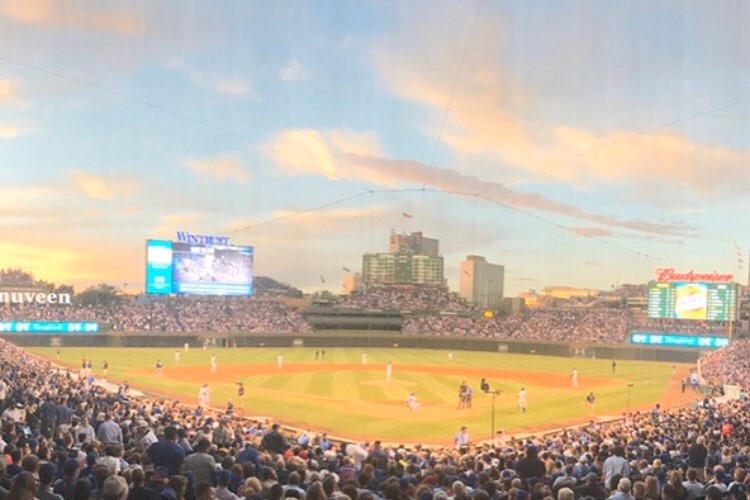 The Marquee. The Ivy. The Billy Goat, you name it. Whether it’s a season ticket holder or a fair-weathered fan, Wrigley Field has touched the lives’ of all baseball fans in some way, shape, or form. A bucket-list destination for many, the mystical palace came to fruition in 1914 and is one of the last ‘vintage ballparks’ in the game (alongside Fenway Park). Since the Cubs started play at Wrigley in 1916 the Twins have only played 15 games at the Friendly Confines (yes I know, the franchise didn’t come to Minnesota until 1961). In fact, the teams have only played each other 30 times in league history, never in the postseason. Why so few? Major League Baseball didn’t institute Interleague play until 1997. And while the number thirty seems small there are actually a good number of National League teams that the Twins have played less. They’ve faced the Reds 24 times, the Mets 22 times, and the Padres 20. And while there are indeed teams that the Twins have played less than the Cubbies, there is a certain novelty for Twins fans in watching their team play at Wrigley Field. Not Petco Park. Oh the 90’s (and early 2000’s) The first ever matchup between the Twins and Cubs took place at Wrigley Field on a crisp September 1st afternoon in 1997. The Twins walked away on top with a 7-6 win thanks to a four RBI game from shortstop Pat Meares. Despite the win the Twins would end up losing the three game series, dropping the next two games by scores of 9-3 (Sammy Sosa homered and doubled) and 10-6 (Mark Grace homered). Following the 1997 season the Twins and Cubs would play each other yearly in a three game series through 2001, alternating locations each year. In the Twins' 1999 and 2001 trips to Wrigley they went a combined 1-5, including a July 16th, 1999 shootout that the Twins lost 11-10 despite home runs from Torii Hunter, Ron Coomer, and Chad Allen. The 'L' is full (until 2006) Following the 2001 season the Twins wouldn’t see the Cubs on their schedule for four years. That changed in 2006 when the Cubs returned to the Metrodome and were swept by the Twins in a three game series. The 2006 matchup would begin a three year rotation between the teams that would last until 2018. When the Twins returned to Wrigley in June of 2009 they took two of three from the Cubs thanks to strong pitching performances from Kevin Slowey and Anthony Swarzak. The Twins wouldn’t return to the Friendly Confines again until 2018 where they were swept by the Cubs in a three-game series that saw Chicago plate 35 runs. Looking Forward In their 30 game relationship with the Cubs the Twins are 13-17 all time and 4-11 at Wrigley Field. Obviously those aren’t great numbers but it’s a small sample size and a majority of those matchups featured at least one of the two teams having a rocky season (if not both). That is different this year, with both the Twins and Cubs vying for playoff positioning in their respective leagues as the 2020 season winds down. Regardless of the outcome of this weekend’s series it is always a luxury to watch the Twins play at Wrigley Field. There is nothing more pure than watching baseball at a ballpark that has simple concessions, ivy on the outfield fence, and seats with viewing obstructed by beams (unless you're actually sitting in one of those seats). Just remember, when Target Field was built in 2010 the price of gas was $2.79 per gallon. When the Cubs started playing at Wrigley Field in 1916 it was 22 cents. Oh, and hopefully there's a pizza ad or something else on the Marquee after this weekend's games. MORE FROM TWINS DAILY — Latest Twins coverage from our writers — Recent Twins discussion in our forums — Follow Twins Daily via Twitter, Facebook or email
 -
After two frustrating games against the White Sox the Twins find themselves three games back from the South-Siders in the AL Central race. The good news? The Twins’ bats have been hot against Chicago ace Lucas Giolito, who takes the bump tonight.Yesteday's Game Recap CHW 6, MIN 2: White Hot-White Sox TODAY Twins (30-20) @ White Sox (32-16), 7:10 pm CDT Twins Starter: Jake Odorizzi, RHP 8.10 ERA Rocco Baldelli announced Tuesday night that Odorizzi will return from the 10-day IL to start Wednesday night’s game against Chicago. Odorizzi was placed on the IL after taking a liner off the chest on August 21 against the Royals. It’s been a year of injuries for ‘Odo,’ as he missed the entire month of July with a back injury and has only made three starts all season. All of Odorizzi's starts have come against the Royals, who split the season series with the Twins at five a piece. Odorizzi has a clean slate against the Sox this year and hopefully tonight;s game will provide an opportunity for him to find some sort of rhythm for the first time this year. Last year Odorizzi posted a 2-2 record against the Sox in four starts. White Sox Starter: Lucas Giolito RHP 3.43 ERA Giolito has played an integral role to the success story of baseball across the Windy City this summer. Not only did Giolito record his first no-hitter on August 25, he did it in dominant fashion, striking out 13 and only walking one batter against the Pirates. That performance combined with Alec Mills’ no-no on August 13 for the Cubs marked the first time both Chicago teams have recorded a no-hitter in the same season. While Giolito has posted a 4-2 record on the season his two starts against Minnesota have been rocky. In the season opener the Twins shelled Giolito as he exited the game after just 3.2 innings, giving up 7 runs on 6 hits and 2 homers. And even though the Twins lost their August 31 matchup to the Sox they were able to post 4 runs on 4 hits in Giolito’s five innings on the mound. Twins Starting Lineup: White Sox Starting Lineup: What to Watch for: Max Kepler has a career .364 average against Giolito in 22 at-bats. Nelson Cruz has a .353 average in 17 at-bats, including three home runs. Expect these two sluggers to carry the heavyweight for the Twins offense against the White Sox ace.Byron Buxton is faster than Jimmy John’s delivery service. He proved that last night, banking his third career inside the park home run on a line drive he clubbed to left center field. Buxton has batted .304 in his last seven games and will need to find ways to get on base for the Twins to find success.Jake Odorizzi hasn’t made it past 4 innings yet this year. And after a game where the Twins’ bullpen was heavily utilized they will need him to put up a quality start.Other News:In addition to Odorizzi, the Twins have activated Alex Avila from the Injured List. As a result, the team has optioned Travis Blankenhorn and Randy Dobnak to the team's alternative site in St. Paul. Around the AL Central Chicago White Sox 32-16 Minnesota Twins 30-20 (3 GB) Cleveland Indians 26-22 (6 GB) Detroit Tigers 21-26 (10.5 GB) Kansas City Royals 20-29 (12.5 GB) Click here to view the article
-
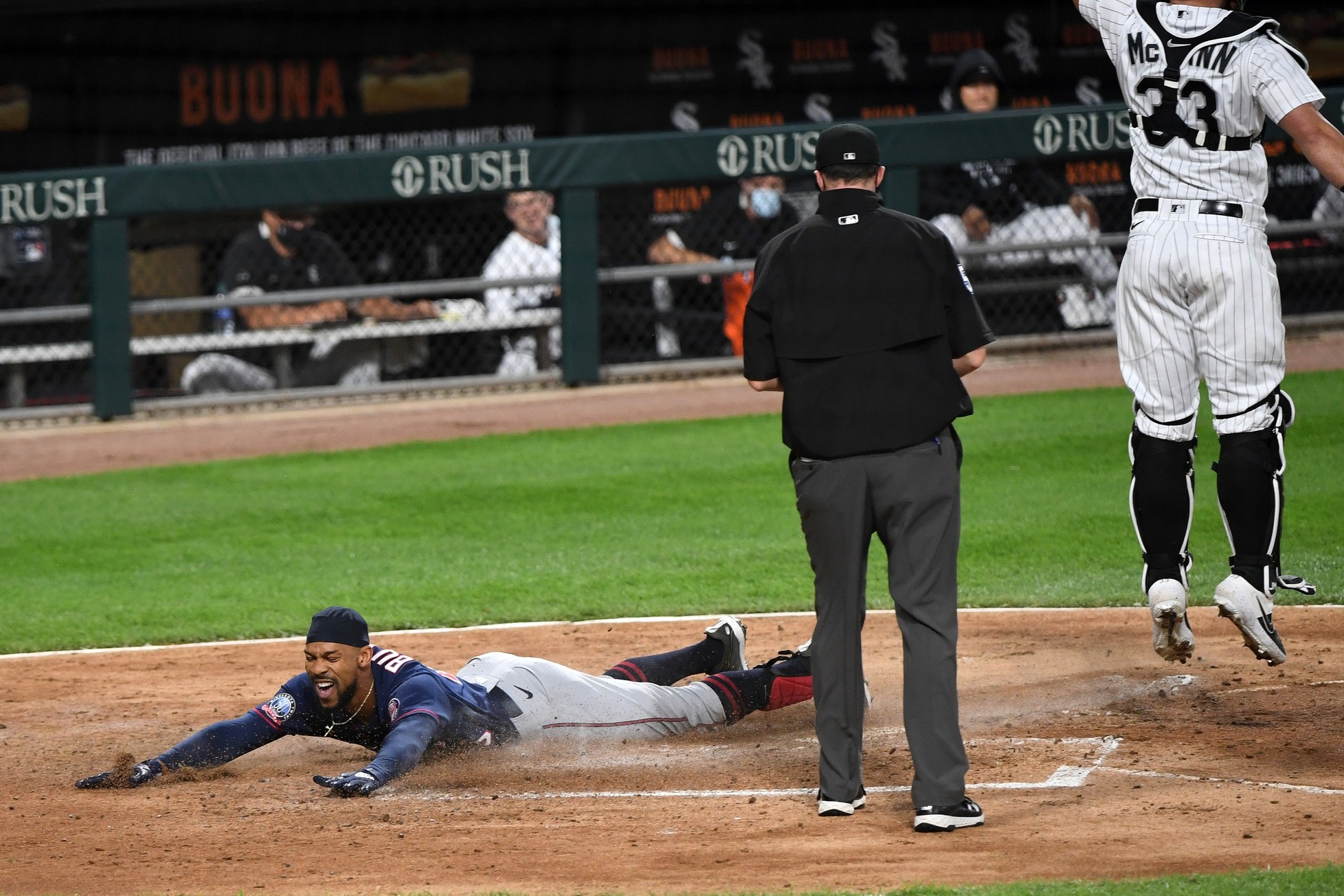 Yesteday's Game Recap CHW 6, MIN 2: White Hot-White Sox TODAY Twins (30-20) @ White Sox (32-16), 7:10 pm CDT Twins Starter: Jake Odorizzi, RHP 8.10 ERA Rocco Baldelli announced Tuesday night that Odorizzi will return from the 10-day IL to start Wednesday night’s game against Chicago. Odorizzi was placed on the IL after taking a liner off the chest on August 21 against the Royals. It’s been a year of injuries for ‘Odo,’ as he missed the entire month of July with a back injury and has only made three starts all season. All of Odorizzi's starts have come against the Royals, who split the season series with the Twins at five a piece. Odorizzi has a clean slate against the Sox this year and hopefully tonight;s game will provide an opportunity for him to find some sort of rhythm for the first time this year. Last year Odorizzi posted a 2-2 record against the Sox in four starts. White Sox Starter: Lucas Giolito RHP 3.43 ERA Giolito has played an integral role to the success story of baseball across the Windy City this summer. Not only did Giolito record his first no-hitter on August 25, he did it in dominant fashion, striking out 13 and only walking one batter against the Pirates. That performance combined with Alec Mills’ no-no on August 13 for the Cubs marked the first time both Chicago teams have recorded a no-hitter in the same season. While Giolito has posted a 4-2 record on the season his two starts against Minnesota have been rocky. In the season opener the Twins shelled Giolito as he exited the game after just 3.2 innings, giving up 7 runs on 6 hits and 2 homers. And even though the Twins lost their August 31 matchup to the Sox they were able to post 4 runs on 4 hits in Giolito’s five innings on the mound. Twins Starting Lineup: https://twitter.com/dailyrotonews/status/1306349381558448129 White Sox Starting Lineup: https://twitter.com/dailyrotonews/status/1306307860637405185 What to Watch for: Max Kepler has a career .364 average against Giolito in 22 at-bats. Nelson Cruz has a .353 average in 17 at-bats, including three home runs. Expect these two sluggers to carry the heavyweight for the Twins offense against the White Sox ace. Byron Buxton is faster than Jimmy John’s delivery service. He proved that last night, banking his third career inside the park home run on a line drive he clubbed to left center field. Buxton has batted .304 in his last seven games and will need to find ways to get on base for the Twins to find success. Jake Odorizzi hasn’t made it past 4 innings yet this year. And after a game where the Twins’ bullpen was heavily utilized they will need him to put up a quality start. Other News: In addition to Odorizzi, the Twins have activated Alex Avila from the Injured List. As a result, the team has optioned Travis Blankenhorn and Randy Dobnak to the team's alternative site in St. Paul. Around the AL Central Chicago White Sox 32-16 Minnesota Twins 30-20 (3 GB) Cleveland Indians 26-22 (6 GB) Detroit Tigers 21-26 (10.5 GB) Kansas City Royals 20-29 (12.5 GB)
 -
Correct! It was the Norhtfield, Minnesota native's.
-
The Bomba Squad flexed its muscles in the first game of Tuesday’s doubleheader in St. Louis, scoring seven runs in seven innings on the way to a 7-3 victory. Randy Dobnak struggled in the night cap, giving up five earned runs in less than three innings as the Twins lost 6-4.Game 1: Twins 7, Cardinals 3 Box Score Berríos: 5.0 IP, 4 H, 3 ER, 2 BB, 8 K Home Runs: Donaldson (3), Cruz (14), Sanó (10) Top 3 WPA: Donaldson .274, Arráez .116, Berríos .110 Win Probability Chart (via FanGraphs): Download attachment: Winchart1.png Game 2: Cardinals 6, Twins 4 Box Score Dobnak: 2.2 IP, 2 H, 5 ER, 2 BB, 2 K Home Runs: Rooker (1), Cruz (15) Bottom 3 WPA: Dobnak -.436, Rosario -.109, Adrianza -.077 Win Probability Chart (via FanGraphs): Download attachment: Winchart2.png In Memory of 20 The Twins and Cardinals played a one day double header series with a large ‘20’ etched into the dirt behind second base at Busch Stadium. The symbol was in honor of legendary Cardinal outfielder Lou Brock, who passed away at the age of 81 on Sunday. The ‘20’ was fittingly carved out behind second base, the destination that Brock stole so many times. He swiped 938 bags in his career, second only to Ricky Henderson. Brock had moments of his career with ties to the state of Minnesota. Before beginning his MLB career, Brock played for the former Chicago Cubs affiliate St. Cloud Rox (now Northwoods League) in 1961, where he won the 1961 Northern League Batting Title. Following his retirement in 1979 Brock served as a spring training baserunning coach for a handful of teams, including the 1987 Twins. Game 1: 100% Chance of Rain in the Gateway to the West There was nothing but rain and ‘Sano’ in the St. Louis forecast as the Twins stormed to a 7-3 win over the Cardinals in game one of Tuesday’s twin bill. Josh ‘Bringer of Rain’ Donaldson, Nelson Cruz, and Miguel Sano all homered in a game that featured a return of the ‘Bomba Squad’ and a confident outing from Jose Berrios. Donaldson got the party started with a three run shot in the 3rd inning. Following singles by Luis Arraez and Willians Astudillo Donaldson punched a 1-2 Carlos Martinez Slider to left field for his first 'pull' homer of the year, giving the Twins a 3-0 lead. Astudillo and Arraez continued their successful day at the plate in the 4th, as ‘La Tortuga’ doubled to center field and scored on the next play thanks to an Arraez single. Astudillo has hit .439 in 7 at-bats in his short 2020 campaign. It looked like the floodgates were set to be open in the 5th as Nelson Cruz smacked a leadoff dinger to put the Twins up 5-0. Cruz now has 14 long balls on the year (5 of which have come in double headers), only trailing Mike Trout and Fernando Tatis Jr. who lead the league with 15. The Cardinals mounted a surge in the 6th, as Kolten Wong walked and Tommy Edman launched a Berrios curveball to right that left the nest, pulling St. Louis within three. Following a single to center Paul Goldschmidt brought the score to 5-3 thanks to an abysmal blocking attempt by Astudillo, a single by Brad Miller, and a wild pitch by Matt Wisler. Just when things looked like they might crash and burn Miguel Sano came to the rescue with a two run shot to left field to put the Twins up 7-3 for good. There’s our Ace! Jose Berrios pitched a rock solid 5 innings, giving up three runs on four hits. One of those runs came while Wisler was on the mound thanks to a 'blockable' pitch that ricocheted off of Astudillo’s gear and a wild pitch that scored Paul Goldschmidt. Jose Berrios is now 4-3 on the year. Did he look like an ace today? Maybe, but that’s for you to decide. He pitched dominantly, was confident in his breaking ball, and put his team in a position to win, that’s for sure. Add on the solid bullpen performance from Wisler and Sergio Romo and there aren’t too many things to complain about from this game (minus Astudillo behind the dish). Game 2: Third Inning Thumper Despite jumping out to an early 2-0 lead the Twins were unable to recover from a fractured third inning in the nightcap of Tuesday’s doubleheader, dropping a 6-4 contest. Walks will Haunt Randy Dobnak suffered his rockiest start of the year falling victim to a pitcher's worst enemy: the walk. After a solid first two innings Dobnak couldn't make it through the third, exiting the game after walking four batters and giving up five earned runs in the third inning. Two of those walks were hit batters (Matt Wieters and Tommy Edman), something that Dobnak hadn’t done all season. In one of the worst innings the Twins have seen all season, Dobnak’s only outs consisted of a Paul Goldschmidt strikeout and a force out at home thanks to a Tyler O’Neil ground ball. Earlier in the inning the Twins had a chance for a putout at home thanks to a Brad Miller ground ball up the first base line. Unfortunately for the Twins, catcher Ryan Jeffers’ foot was not on the plate, and base runner Harrison Hader was ruled safe. Following Tyler O’Neil’s fielders choice Baldelli made the decision to take Dobnak out for reliever Caleb Thielbar to face Matt Carpenter with the bases loaded. Thielbar walked Carpenter on a full count to bring in the last of Dobnak’s five earned runs. And while the inning wasn’t pretty Thielbar ended it on a positive note, getting Matt Wieters to pop out in an epic 19 pitch battle. Rooked on a Feeling The sky is blue, the grass is green, Brent Rooker is very strong….and Dick Bremer can see into the future. Bremer used his crystal ball in the 2nd inning to predict Rooker’s first MLB home run, which he piped to the left field bullpen off a 2-2 Daniel Ponce de Leon fastball to put the Twins up 2-0. Rooker’s first homer comes just a day after fellow newcomer Ryan Jeffers hit his first MLB bomb against the White Sox. Bullpen Blues Dobnak wasn’t the only sour spot for the Twins pitching staff. The relief staff went through five pitchers following Dobnak’s early exit. Sean Poppen, who came in for just a third of an inning after Jorge Alcala left with a leg injury was the only Twins pitcher to not record a walk. The entire staff issued eight walks in the game, including Dobnak’s two hit batters. Cruz Control It’s a shame that the Twins' pitching staff wasn’t able to limit the damage not only early in the game, but late as well. Nelson Cruz launched his 15th homer of the year in the 7th inning to tie Mike Trout and Fernando Tatis Jr for the league lead. Bullpen Usage Spreadsheet Download attachment: Bullpen.png Postgame Pint Seth, Matthew Taylor and David Youngs discussed the split with Twins Daily's virtual live audience. You can join them next time at PostgamePint.com. Download The Postgame Pint Podcast You can also listen to the Postgame Pint and never miss another one. Just head over to our iTunes page and subscribe. Every morning you'll have a new episode waiting for you. Or listen wherever you download your favorite podcasts. Click here to view the article
-
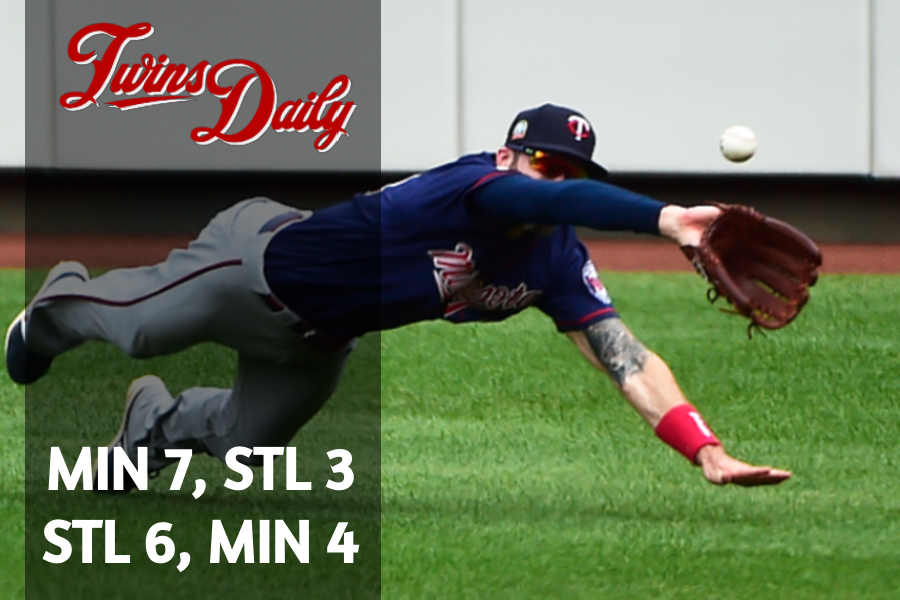 Game 1: Twins 7, Cardinals 3 Box Score Berríos: 5.0 IP, 4 H, 3 ER, 2 BB, 8 K Home Runs: Donaldson (3), Cruz (14), Sanó (10) Top 3 WPA: Donaldson .274, Arráez .116, Berríos .110 Win Probability Chart (via FanGraphs): Game 2: Cardinals 6, Twins 4 Box Score Dobnak: 2.2 IP, 2 H, 5 ER, 2 BB, 2 K Home Runs: Rooker (1), Cruz (15) Bottom 3 WPA: Dobnak -.436, Rosario -.109, Adrianza -.077 Win Probability Chart (via FanGraphs): In Memory of 20 The Twins and Cardinals played a one day double header series with a large ‘20’ etched into the dirt behind second base at Busch Stadium. The symbol was in honor of legendary Cardinal outfielder Lou Brock, who passed away at the age of 81 on Sunday. The ‘20’ was fittingly carved out behind second base, the destination that Brock stole so many times. He swiped 938 bags in his career, second only to Ricky Henderson. Brock had moments of his career with ties to the state of Minnesota. Before beginning his MLB career, Brock played for the former Chicago Cubs affiliate St. Cloud Rox (now Northwoods League) in 1961, where he won the 1961 Northern League Batting Title. Following his retirement in 1979 Brock served as a spring training baserunning coach for a handful of teams, including the 1987 Twins. Game 1: 100% Chance of Rain in the Gateway to the West There was nothing but rain and ‘Sano’ in the St. Louis forecast as the Twins stormed to a 7-3 win over the Cardinals in game one of Tuesday’s twin bill. Josh ‘Bringer of Rain’ Donaldson, Nelson Cruz, and Miguel Sano all homered in a game that featured a return of the ‘Bomba Squad’ and a confident outing from Jose Berrios. Donaldson got the party started with a three run shot in the 3rd inning. Following singles by Luis Arraez and Willians Astudillo Donaldson punched a 1-2 Carlos Martinez Slider to left field for his first 'pull' homer of the year, giving the Twins a 3-0 lead. Astudillo and Arraez continued their successful day at the plate in the 4th, as ‘La Tortuga’ doubled to center field and scored on the next play thanks to an Arraez single. Astudillo has hit .439 in 7 at-bats in his short 2020 campaign. It looked like the floodgates were set to be open in the 5th as Nelson Cruz smacked a leadoff dinger to put the Twins up 5-0. Cruz now has 14 long balls on the year (5 of which have come in double headers), only trailing Mike Trout and Fernando Tatis Jr. who lead the league with 15. The Cardinals mounted a surge in the 6th, as Kolten Wong walked and Tommy Edman launched a Berrios curveball to right that left the nest, pulling St. Louis within three. Following a single to center Paul Goldschmidt brought the score to 5-3 thanks to an abysmal blocking attempt by Astudillo, a single by Brad Miller, and a wild pitch by Matt Wisler. Just when things looked like they might crash and burn Miguel Sano came to the rescue with a two run shot to left field to put the Twins up 7-3 for good. There’s our Ace! Jose Berrios pitched a rock solid 5 innings, giving up three runs on four hits. One of those runs came while Wisler was on the mound thanks to a 'blockable' pitch that ricocheted off of Astudillo’s gear and a wild pitch that scored Paul Goldschmidt. Jose Berrios is now 4-3 on the year. Did he look like an ace today? Maybe, but that’s for you to decide. He pitched dominantly, was confident in his breaking ball, and put his team in a position to win, that’s for sure. Add on the solid bullpen performance from Wisler and Sergio Romo and there aren’t too many things to complain about from this game (minus Astudillo behind the dish). Game 2: Third Inning Thumper Despite jumping out to an early 2-0 lead the Twins were unable to recover from a fractured third inning in the nightcap of Tuesday’s doubleheader, dropping a 6-4 contest. Walks will Haunt Randy Dobnak suffered his rockiest start of the year falling victim to a pitcher's worst enemy: the walk. After a solid first two innings Dobnak couldn't make it through the third, exiting the game after walking four batters and giving up five earned runs in the third inning. Two of those walks were hit batters (Matt Wieters and Tommy Edman), something that Dobnak hadn’t done all season. In one of the worst innings the Twins have seen all season, Dobnak’s only outs consisted of a Paul Goldschmidt strikeout and a force out at home thanks to a Tyler O’Neil ground ball. Earlier in the inning the Twins had a chance for a putout at home thanks to a Brad Miller ground ball up the first base line. Unfortunately for the Twins, catcher Ryan Jeffers’ foot was not on the plate, and base runner Harrison Hader was ruled safe. Following Tyler O’Neil’s fielders choice Baldelli made the decision to take Dobnak out for reliever Caleb Thielbar to face Matt Carpenter with the bases loaded. Thielbar walked Carpenter on a full count to bring in the last of Dobnak’s five earned runs. And while the inning wasn’t pretty Thielbar ended it on a positive note, getting Matt Wieters to pop out in an epic 19 pitch battle. https://twitter.com/dohyoungpark/status/1303483342311038979 Rooked on a Feeling The sky is blue, the grass is green, Brent Rooker is very strong….and Dick Bremer can see into the future. Bremer used his crystal ball in the 2nd inning to predict Rooker’s first MLB home run, which he piped to the left field bullpen off a 2-2 Daniel Ponce de Leon fastball to put the Twins up 2-0. https://twitter.com/fsnorth/status/1303468329689067520 Rooker’s first homer comes just a day after fellow newcomer Ryan Jeffers hit his first MLB bomb against the White Sox. Bullpen Blues Dobnak wasn’t the only sour spot for the Twins pitching staff. The relief staff went through five pitchers following Dobnak’s early exit. Sean Poppen, who came in for just a third of an inning after Jorge Alcala left with a leg injury was the only Twins pitcher to not record a walk. The entire staff issued eight walks in the game, including Dobnak’s two hit batters. Cruz Control It’s a shame that the Twins' pitching staff wasn’t able to limit the damage not only early in the game, but late as well. Nelson Cruz launched his 15th homer of the year in the 7th inning to tie Mike Trout and Fernando Tatis Jr for the league lead. Bullpen Usage Spreadsheet Postgame Pint Seth, Matthew Taylor and David Youngs discussed the split with Twins Daily's virtual live audience. You can join them next time at PostgamePint.com. https://www.youtube.com/watch?v=GAWu7KefyZs Download The Postgame Pint Podcast You can also listen to the Postgame Pint and never miss another one. Just head over to our iTunes page and subscribe. Every morning you'll have a new episode waiting for you. Or listen wherever you download your favorite podcasts.
 -
I recall this story as well! A great piece of advice-perspective is always important.
-
Some knew Bert for his time on the bump, others grew up watching him in the box. Regardless of how you knew Bert Blyleven there’s no doubt he touched the lives’ of Twins fans across the state of Minnesota.The sun will rise and set, seasons will change, and the Minnesota Twins will continue to run out to the kelly green grass at Target Field as they live out America’s Pastime for summers to come. But for the first time in 25 years they’ll do it without a cornerstone of the franchise in the press box; Bert Blyleven. The 69-year-old Hall of Fame pitcher announced on Wednesday via Twitter that Wednesday evening’s game against the White Sox would be his final time doing color commentary in the Twins booth, capping a quarter of a century run. Bert Blyleven wasn’t the soulful and charming Vin Scully, or the bold and confident Bob Costas. And that’s okay, he was Bert Blyleven. That’s all he needed to be. I never had the chance to watch Blyleven take the mound. I was born in 1997, the year of the Florida Marlins; seven years after Bert had played his final Major League Baseball game. Instead of Puckett, Hrbek, and Gaetti I was raised on Radke, Santana, and Hunter. Names like Guzman and Jacque Jones changed to Punto and Lew Ford and shifted to Buxton and Sano through the years. But through all the transition there was one constant; the voice of Bert in my Fargo, North Dakota living room. My dream as a kid wasn’t to go to Disney World or the Super Bowl, it was to be circled by Bert at a Minnesota Twins game (the incredible lack of artistic ability of my signs was probably the reason this never happened). And if Jeopardy ever runs dry on ideas there’s no doubt that an entire category could be created of “Bert-isms.” Downward Plane, Shecago, and “Oh, we’re live!” (If you know, you know) are just a few fan favorites. Putting all things aside, Bert found a way to complement Dick Bremer’s personality that made Twins games fun to watch. He was never flashy, kept things simple, and told it like it was. His presence stimulated nostalgia for older fans, reminiscing on his filthy curve ball and the glory days of the franchise. For younger fans his presence created an opportunity to learn about the history of the franchise, pick up a few pitching pointers and probably hear a few ‘back in my day’ stories from mom and pops. It’s been a few days since Bert’s final game. The Twins fittingly picked up an 8-1 victory over the Chicago (Shecago) White Sox on that night as Blyleven was able to give a heartfelt sendoff. Blyleven will continue to serve his role as a Special Assistant to the team and certainly won’t be leaving the Twins public sphere. But this milestone in Twins history has created a space for reflection. Bert played two stints for the Twins that totaled almost a decade. He was in the booth for 25 years. Whether it be as a player or a broadcaster, Bert Blyleven touched the life of every Twins fan in some way, shape, or form. For a kid who grew up in Southern California watching Sandy Koufax and listening to Vin Scully, there isn’t a much better story out there. And in a time where feel-good stories are tough to come by, Blyleven can ride off into the sunset knowing that he made an impact in the Twins organization and in the lives’ of Twins fans across the world. As Glen Perkins said before signing off on Wednesday night, thank you for being a part of my childhood Bert. Thank you for all the wonderful memories, funny stories, and for instilling in me that the pitcher is the best athlete on the field. What’s your favorite Bert story? Drop a comment below! Click here to view the article
-
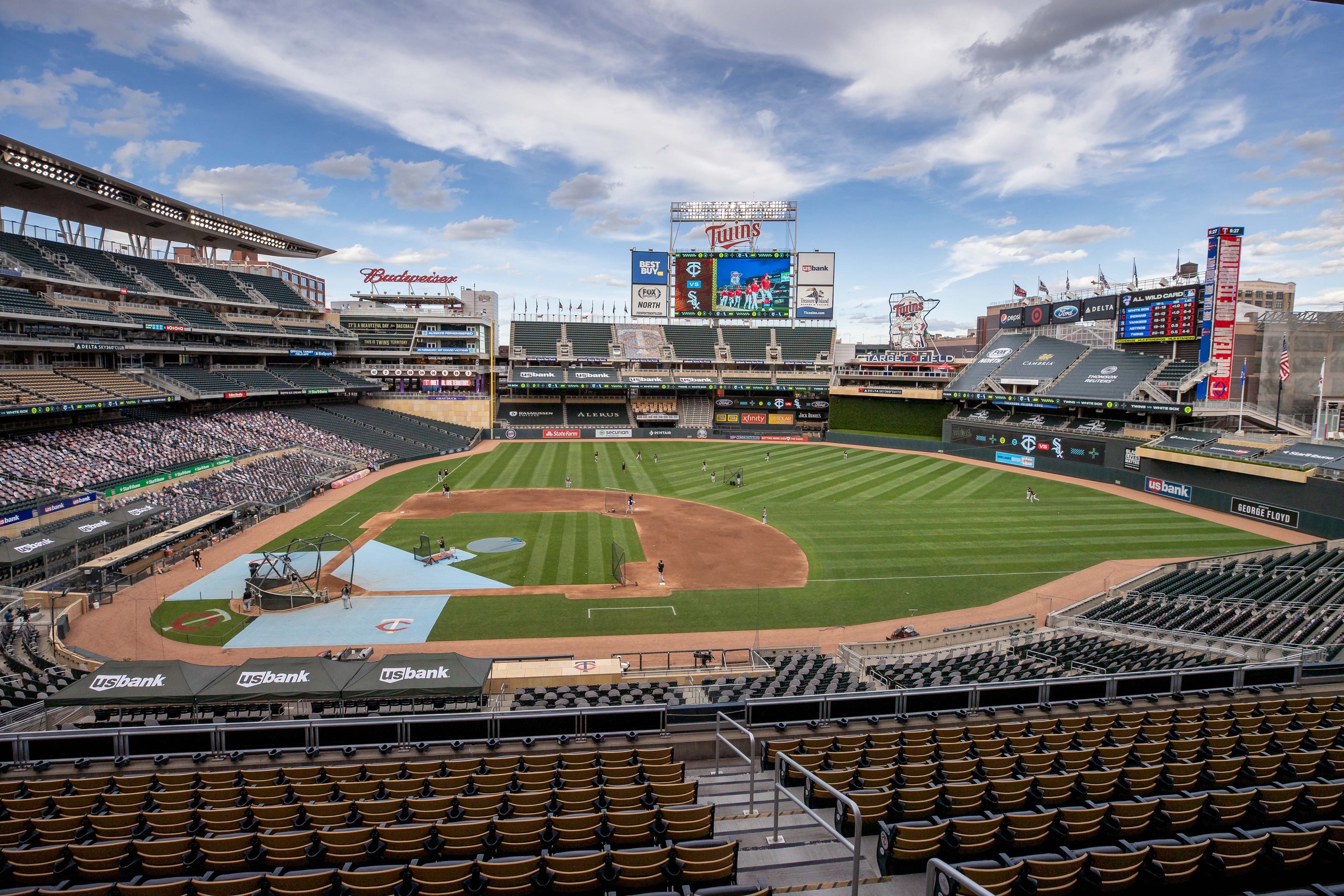 The sun will rise and set, seasons will change, and the Minnesota Twins will continue to run out to the kelly green grass at Target Field as they live out America’s Pastime for summers to come. But for the first time in 25 years they’ll do it without a cornerstone of the franchise in the press box; Bert Blyleven. The 69-year-old Hall of Fame pitcher announced on Wednesday via Twitter that Wednesday evening’s game against the White Sox would be his final time doing color commentary in the Twins booth, capping a quarter of a century run. Bert Blyleven wasn’t the soulful and charming Vin Scully, or the bold and confident Bob Costas. And that’s okay, he was Bert Blyleven. That’s all he needed to be. I never had the chance to watch Blyleven take the mound. I was born in 1997, the year of the Florida Marlins; seven years after Bert had played his final Major League Baseball game. Instead of Puckett, Hrbek, and Gaetti I was raised on Radke, Santana, and Hunter. Names like Guzman and Jacque Jones changed to Punto and Lew Ford and shifted to Buxton and Sano through the years. But through all the transition there was one constant; the voice of Bert in my Fargo, North Dakota living room. My dream as a kid wasn’t to go to Disney World or the Super Bowl, it was to be circled by Bert at a Minnesota Twins game (the incredible lack of artistic ability of my signs was probably the reason this never happened). And if Jeopardy ever runs dry on ideas there’s no doubt that an entire category could be created of “Bert-isms.” Downward Plane, Shecago, and “Oh, we’re live!” (If you know, you know) are just a few fan favorites. Putting all things aside, Bert found a way to complement Dick Bremer’s personality that made Twins games fun to watch. He was never flashy, kept things simple, and told it like it was. His presence stimulated nostalgia for older fans, reminiscing on his filthy curve ball and the glory days of the franchise. For younger fans his presence created an opportunity to learn about the history of the franchise, pick up a few pitching pointers and probably hear a few ‘back in my day’ stories from mom and pops. It’s been a few days since Bert’s final game. The Twins fittingly picked up an 8-1 victory over the Chicago (Shecago) White Sox on that night as Blyleven was able to give a heartfelt sendoff. Blyleven will continue to serve his role as a Special Assistant to the team and certainly won’t be leaving the Twins public sphere. But this milestone in Twins history has created a space for reflection. Bert played two stints for the Twins that totaled almost a decade. He was in the booth for 25 years. Whether it be as a player or a broadcaster, Bert Blyleven touched the life of every Twins fan in some way, shape, or form. For a kid who grew up in Southern California watching Sandy Koufax and listening to Vin Scully, there isn’t a much better story out there. And in a time where feel-good stories are tough to come by, Blyleven can ride off into the sunset knowing that he made an impact in the Twins organization and in the lives’ of Twins fans across the world. As Glen Perkins said before signing off on Wednesday night, thank you for being a part of my childhood Bert. Thank you for all the wonderful memories, funny stories, and for instilling in me that the pitcher is the best athlete on the field. What’s your favorite Bert story? Drop a comment below!
 -
There’s no point in sugarcoating the rough weekend that the Twins had against Gardy’s underwhelming Tigers. But like any situation in life, it’s important to take a look at the positives and build on them. And there’s no doubt the sole positive from Jackie Robinson weekend for the Twins was Kenta Maeda on the bump.Five months ago the Detroit Tigers were holding their annual open tryout in Lakeland, Florida (not because they are horrible, they’re the last club in the league to still do it). Yesterday the Tigers swept an offense drained, injury stained Minnesota Twins baseball club that has lost a season high five games in a row. But if there’s been a ray of sunshine on a Twins mid season cloudy day (or week) it's been the consistency of Kenta Maeda. Maeda pitched six quality innings in the Twins 3-2 loss on Sunday. Despite picking up his first loss on the year Maeda was rock solid, giving up six hits, zero walks and striking out eight. Through his first seven starts of 2020 Maeda is 4-1 with a 2.53 ERA. In those starts he’s only given up a total of twelve runs, with the three on Sunday tying his season high. And while Maeda’s record in the Win/Loss column is impressive his shining 2020 moment came from a no-decision start on August 18 where he pitched a brilliant 8 innings of no-hit baseball against the Brewers. This isn’t a call for Maeda’s name to appear in the Cy Young race (although before yesterday’s game he was ranked fourth in ESPN’s Cy Young Predictor). Even if his numbers for the rest of the year are stellar Maeda probably won’t get a sniff from the Baseball Writers. His meat and potatoes style of pitching doesn’t fit the high velocity, deep into games, and strikeout crazy mold that has historically fit pitchers for the Cy Young (although he does have 48 strikeouts, tied for 12th in the MLB). However, at the end of the day it’s not awards, radar guns, and sexy stats that matter; it’s wins and consistency. Maeda brings that to the table for the Twins- and has his whole career. Since his MLB debut with the Dodgers in 2016 Maeda has flirted between being a middle of the rotation starter and a bullpen staple. In 2016 he finished 3rd in NL Rookie of the Year voting (behind Corey Seager and Trea Turner) with a 16-11 record and 3.48 ERA. 2017 saw Maeda emerge as the bullpen stud that put his name on the map for fans across the country. In 10.2 innings he gave up just one run and posted a 0.84 ERA before losing the *2017 World Series to the Houston Astros* (notice asterisks). 2018 and 2019 weren’t anything for Maeda to write home about, as he posted an 8-10 record in 2018 and 10-8 in 2019. Still he proved to be a solid fixture on a very good Dodger pitching staff (that included now teammate Rich Hill). It’s no secret that the Twins have under performed this season. While there have been many predicted rights that have gone wrong for the 2020, Maeda has proved nothing but steady so far this year. With Maeda slated to get revenge on the Tigers on Saturday and Michael Pineda scheduled to return Tuesday night against Chicago the Twins will hopefully see a surge of confidence on the mound following today’s trade deadline. Remember, it's a marathon, not a sprint. But it would sure be nice if the Twins could lace up the Nikes, gas some Pedialyte and pasta, and pull ahead in the quickly waning race. MORE FROM TWINS DAILY — Latest Twins coverage from our writers — Recent Twins discussion in our forums — Follow Twins Daily via Twitter, Facebook or email Click here to view the article
-
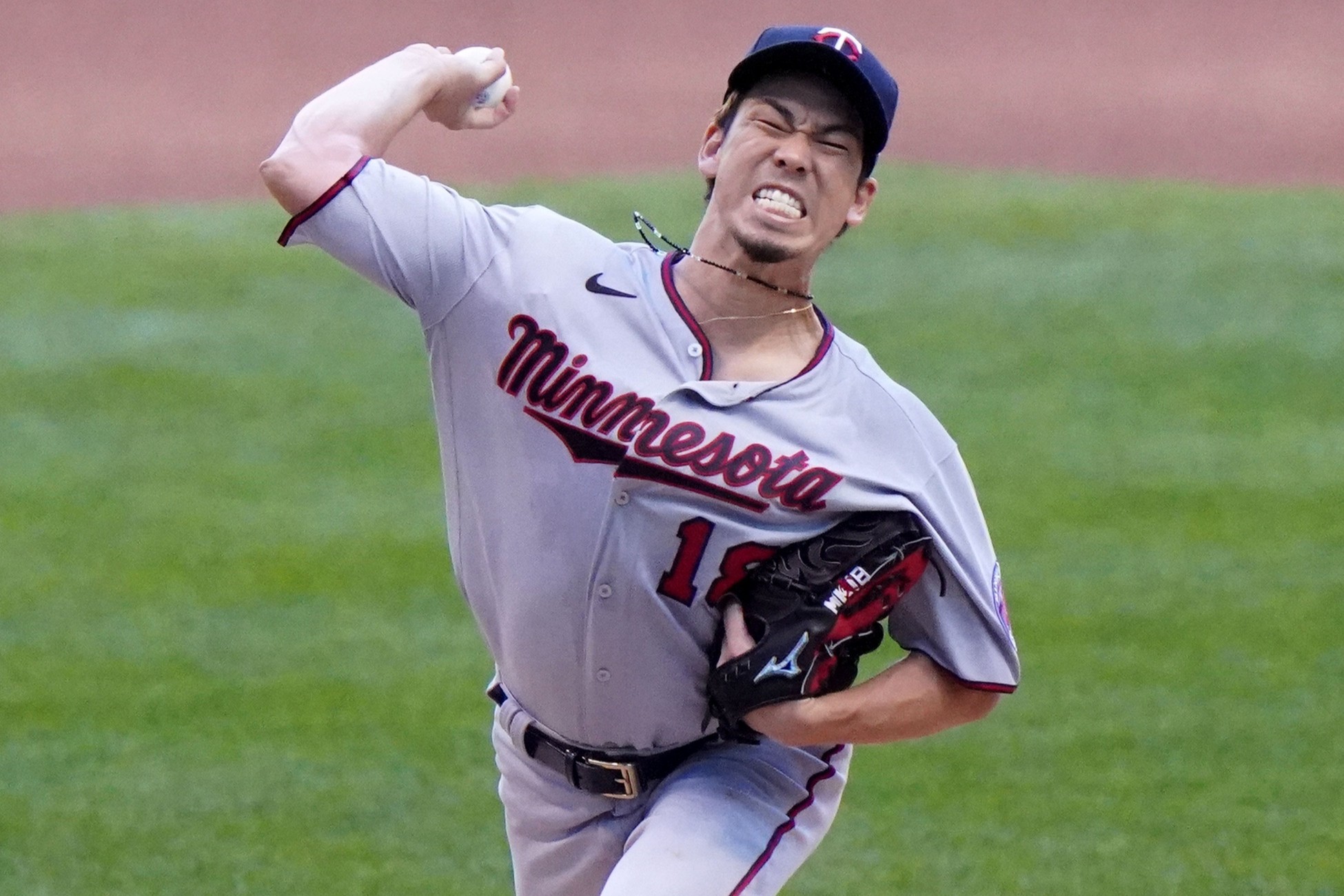 Five months ago the Detroit Tigers were holding their annual open tryout in Lakeland, Florida (not because they are horrible, they’re the last club in the league to still do it). Yesterday the Tigers swept an offense drained, injury stained Minnesota Twins baseball club that has lost a season high five games in a row. But if there’s been a ray of sunshine on a Twins mid season cloudy day (or week) it's been the consistency of Kenta Maeda. Maeda pitched six quality innings in the Twins 3-2 loss on Sunday. Despite picking up his first loss on the year Maeda was rock solid, giving up six hits, zero walks and striking out eight. Through his first seven starts of 2020 Maeda is 4-1 with a 2.53 ERA. In those starts he’s only given up a total of twelve runs, with the three on Sunday tying his season high. And while Maeda’s record in the Win/Loss column is impressive his shining 2020 moment came from a no-decision start on August 18 where he pitched a brilliant 8 innings of no-hit baseball against the Brewers. This isn’t a call for Maeda’s name to appear in the Cy Young race (although before yesterday’s game he was ranked fourth in ESPN’s Cy Young Predictor). Even if his numbers for the rest of the year are stellar Maeda probably won’t get a sniff from the Baseball Writers. His meat and potatoes style of pitching doesn’t fit the high velocity, deep into games, and strikeout crazy mold that has historically fit pitchers for the Cy Young (although he does have 48 strikeouts, tied for 12th in the MLB). However, at the end of the day it’s not awards, radar guns, and sexy stats that matter; it’s wins and consistency. Maeda brings that to the table for the Twins- and has his whole career. Since his MLB debut with the Dodgers in 2016 Maeda has flirted between being a middle of the rotation starter and a bullpen staple. In 2016 he finished 3rd in NL Rookie of the Year voting (behind Corey Seager and Trea Turner) with a 16-11 record and 3.48 ERA. 2017 saw Maeda emerge as the bullpen stud that put his name on the map for fans across the country. In 10.2 innings he gave up just one run and posted a 0.84 ERA before losing the *2017 World Series to the Houston Astros* (notice asterisks). 2018 and 2019 weren’t anything for Maeda to write home about, as he posted an 8-10 record in 2018 and 10-8 in 2019. Still he proved to be a solid fixture on a very good Dodger pitching staff (that included now teammate Rich Hill). It’s no secret that the Twins have under performed this season. While there have been many predicted rights that have gone wrong for the 2020, Maeda has proved nothing but steady so far this year. With Maeda slated to get revenge on the Tigers on Saturday and Michael Pineda scheduled to return Tuesday night against Chicago the Twins will hopefully see a surge of confidence on the mound following today’s trade deadline. Remember, it's a marathon, not a sprint. But it would sure be nice if the Twins could lace up the Nikes, gas some Pedialyte and pasta, and pull ahead in the quickly waning race. MORE FROM TWINS DAILY — Latest Twins coverage from our writers — Recent Twins discussion in our forums — Follow Twins Daily via Twitter, Facebook or email
 -
Let’s close our eyes for a second to forget about the pitiful season that Mitch Garver has had at the plate so far this year. While his numbers on offense aren’t pretty there’s one stat of Garver’s (and most catchers) that hasn’t come to light until recently; Pop Time (POP). Let’s dive into what POP is, why it’s important, and how Mitch Garver, Alex Avila...and Ryan Jeffers stack up to the rest of the MLB.It’s no secret that Mitch Garver has had a ‘character building’ 2020 season so far. Despite coming off a Silver Slugger season where he batted a career-high .274 with 31 HR and 61, Garv Sauce has hit rock bottom at the plate this year with his .154 AVG. To make matters worse, his campaign to turn things around was put on hold this week when he was placed on the 10-Day IL for a right intercostal strain. But if there’s any position that has dual roles in baseball it’s the man behind the plate. The defense of a catcher can make or break a play, inning, or game. In an era where catchers like Molina, Posey, and (2019) Garver have given light to a position not typically known for offense, the defensive lore of the ‘quarterback of the diamond’ is often forgotten. One of the most important of those defensive roles may be Pop Time (POP). To put it simply, POP is measured when there is a steal/pick off attempt and measures the time elapsed from the moment the pitch hits the catcher's mitt to the moment the intended fielder is projected to receive his throw at the center of the base. Check on the Statcast description and definition. Seems like a pretty basic stat, how is this new? In theory it certainly is pretty simple. And it’s not something that is technically new. Coaches and scouts have been timing catchers’ throws down to second (and third) base since sliced bread was invented. However, POP did not become an official recorded stat until March of 2018when the MLB debuted Pop Time numbers thanks to the wide world of Statcast. Since 2018 MLB has kept track of pop time of every catcher across the league. And while the stat wasn’t technically recognized until 2018, the database features pop times dating back to 2015. Okay, what does POP look at and why is it significant? POP combines three dynamics of the catcher’s skill set; How quick his footwork is (to get into throwing position), how quickly he exchanges the ball from his mitt to his throwing hand and how fast he throws the ball (in mph). Of those three components the first two (footwork, and exchange from mitt to hand) are combined into “Exchange” on the stat list. The speed of the throw is measured as arm strength and listed under “Arm.” There’s a lot that goes into gunning down a runner at second base, especially if that runner has Buxton-like speed. Certainly a catcher with a cannon of an arm is going to toss out his fare share of runners. But POP factors in one of the most crucial parts of being a successful catcher; quick transition time. A catcher who has a gun of an arm but is slower than molasses is going to be less attractive and oftentimes less successful than a catcher who has weaker arm strength but can float like a butterfly behind the plate. Still, throwing out a runner is very difficult. The Major League average for catcher pop time in 2019 was 2.01 seconds. J.T Realmuto of the Phillies had the best pop time average last season, sitting at 1.89 seconds. 92 runners attempted to steal on Realmuto in 2019 and he threw out 43 of them; a crazy good number. Still, that's only a 46% success rate. What POP really covers is how well the catcher covers his leg of the relay race. Even if the catcher has a cannon and is very quick the throw could be off target, the middle infielder could make a poor tag, or the base runner could just be too damn fast. So how do Garver, Avila, and Jeffers stack up? To be frank, not too great. With the Diamondbacks last season Alex Avila averaged a 2.01 pop time, ranking him 31st in the league (minimum 10 attempts). Garver averaged a 2.04 pop time last season, ranking him 37th in the MLB. While Jeffers does not have MLB numbers out for POP yet his 2020 scouting report indicates that he has a strong arm and improved quickness, throwing out 26% of runners last season in AA Pensacola. When it comes to arm strength Garver holds a slight advantage over Avila, averaging 82.9 mph compared to Avila’s 81.5 mph. However, Avila holds the title of quicker catcher, averaging a 0.74 second Exchange compared to Garver’s 0.78. Big Picture How much does it matter that the Twins’ catchers don’t fare well when it comes to POP? Well, it depends on how much of a perfectionist you are. Baseball is a game of inches and the extra tenths of a second on someone’s POP can certainly change a big game. But at the end of the day let’s keep in mind that the gap between league POP leader Realmuto and Mitch Garver is .15 of a second; that is a sliver of an amount of time. While POP is certainly an important stat when it comes to recruiting, scouting, and measuring the level of a catcher, there are still so many other factors that go into stealing a base. And even though Avila has the better POP for the Twins, don’t expect it to push him over the edge to become the Twins starter. That decision will come down to the health of Mitch Garver and if he is able to pick up his offense. MORE FROM TWINS DAILY — Latest Twins coverage from our writers — Recent Twins discussion in our forums — Follow Twins Daily via Twitter, Facebookor email Click here to view the article
-
Snap, Crackle, Pop Time: What it is and how the Twins' Catchers Fare
David Youngs posted an article in Twins
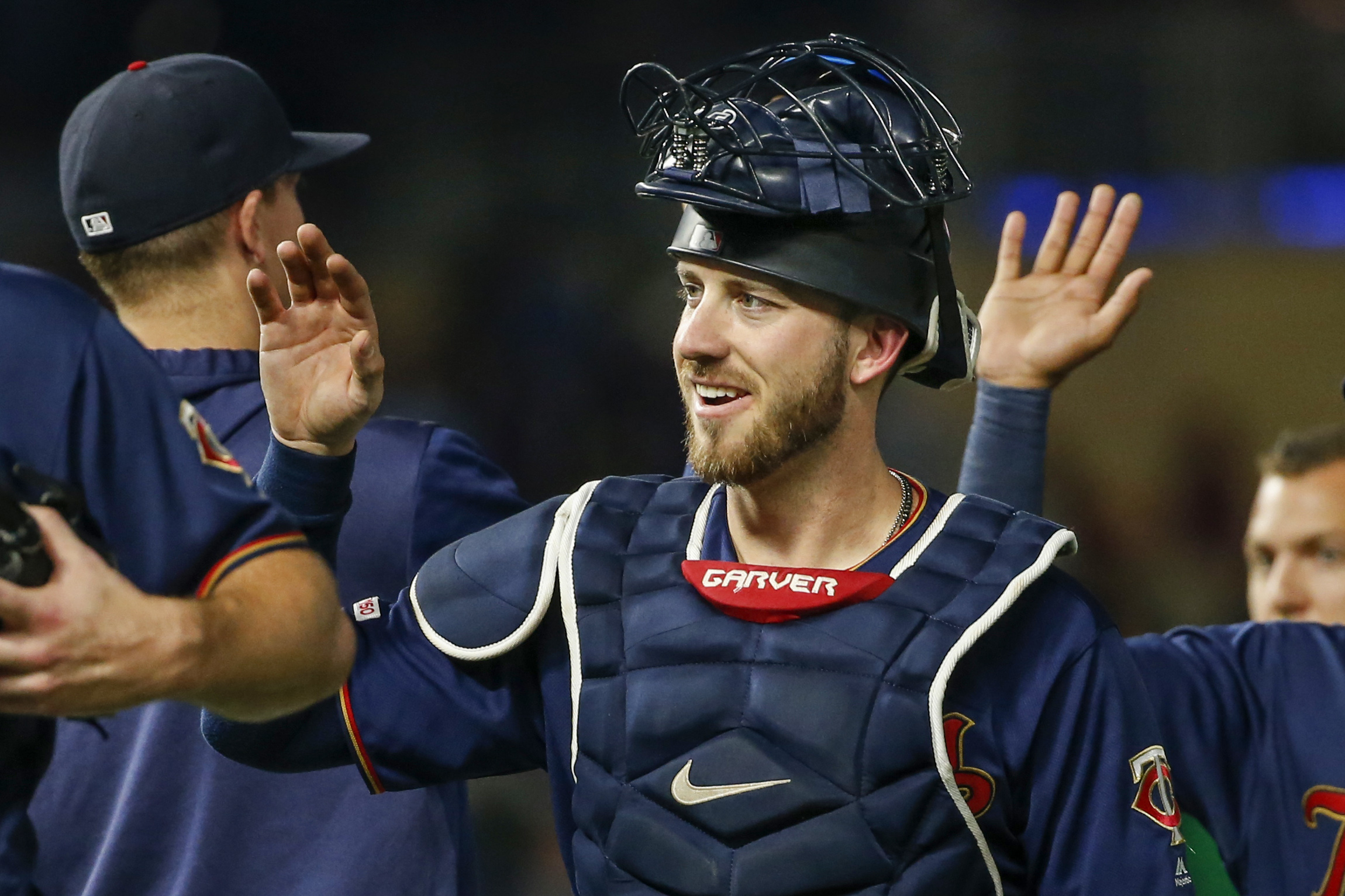 It’s no secret that Mitch Garver has had a ‘character building’ 2020 season so far. Despite coming off a Silver Slugger season where he batted a career-high .274 with 31 HR and 61, Garv Sauce has hit rock bottom at the plate this year with his .154 AVG. To make matters worse, his campaign to turn things around was put on hold this week when he was placed on the 10-Day IL for a right intercostal strain. But if there’s any position that has dual roles in baseball it’s the man behind the plate. The defense of a catcher can make or break a play, inning, or game. In an era where catchers like Molina, Posey, and (2019) Garver have given light to a position not typically known for offense, the defensive lore of the ‘quarterback of the diamond’ is often forgotten. One of the most important of those defensive roles may be Pop Time (POP). To put it simply, POP is measured when there is a steal/pick off attempt and measures the time elapsed from the moment the pitch hits the catcher's mitt to the moment the intended fielder is projected to receive his throw at the center of the base. Check on the Statcast description and definition. Seems like a pretty basic stat, how is this new? In theory it certainly is pretty simple. And it’s not something that is technically new. Coaches and scouts have been timing catchers’ throws down to second (and third) base since sliced bread was invented. However, POP did not become an official recorded stat until March of 2018 when the MLB debuted Pop Time numbers thanks to the wide world of Statcast. Since 2018 MLB has kept track of pop time of every catcher across the league. And while the stat wasn’t technically recognized until 2018, the database features pop times dating back to 2015. Okay, what does POP look at and why is it significant? POP combines three dynamics of the catcher’s skill set; How quick his footwork is (to get into throwing position), how quickly he exchanges the ball from his mitt to his throwing hand and how fast he throws the ball (in mph). Of those three components the first two (footwork, and exchange from mitt to hand) are combined into “Exchange” on the stat list. The speed of the throw is measured as arm strength and listed under “Arm.” There’s a lot that goes into gunning down a runner at second base, especially if that runner has Buxton-like speed. Certainly a catcher with a cannon of an arm is going to toss out his fare share of runners. But POP factors in one of the most crucial parts of being a successful catcher; quick transition time. A catcher who has a gun of an arm but is slower than molasses is going to be less attractive and oftentimes less successful than a catcher who has weaker arm strength but can float like a butterfly behind the plate. Still, throwing out a runner is very difficult. The Major League average for catcher pop time in 2019 was 2.01 seconds. J.T Realmuto of the Phillies had the best pop time average last season, sitting at 1.89 seconds. 92 runners attempted to steal on Realmuto in 2019 and he threw out 43 of them; a crazy good number. Still, that's only a 46% success rate. What POP really covers is how well the catcher covers his leg of the relay race. Even if the catcher has a cannon and is very quick the throw could be off target, the middle infielder could make a poor tag, or the base runner could just be too damn fast. So how do Garver, Avila, and Jeffers stack up? To be frank, not too great. With the Diamondbacks last season Alex Avila averaged a 2.01 pop time, ranking him 31st in the league (minimum 10 attempts). Garver averaged a 2.04 pop time last season, ranking him 37th in the MLB. While Jeffers does not have MLB numbers out for POP yet his 2020 scouting report indicates that he has a strong arm and improved quickness, throwing out 26% of runners last season in AA Pensacola. When it comes to arm strength Garver holds a slight advantage over Avila, averaging 82.9 mph compared to Avila’s 81.5 mph. However, Avila holds the title of quicker catcher, averaging a 0.74 second Exchange compared to Garver’s 0.78. Big Picture How much does it matter that the Twins’ catchers don’t fare well when it comes to POP? Well, it depends on how much of a perfectionist you are. Baseball is a game of inches and the extra tenths of a second on someone’s POP can certainly change a big game. But at the end of the day let’s keep in mind that the gap between league POP leader Realmuto and Mitch Garver is .15 of a second; that is a sliver of an amount of time. While POP is certainly an important stat when it comes to recruiting, scouting, and measuring the level of a catcher, there are still so many other factors that go into stealing a base. And even though Avila has the better POP for the Twins, don’t expect it to push him over the edge to become the Twins starter. That decision will come down to the health of Mitch Garver and if he is able to pick up his offense. MORE FROM TWINS DAILY — Latest Twins coverage from our writers — Recent Twins discussion in our forums — Follow Twins Daily via Twitter, Facebook or email
 -
Lew Ford was right up there for me! One of my favorites growing up and my first autographed card.
-
What a unique story! Looks like he had a very solid season in 1997. First baseball hat my parents bought me was a '97 Marlins World Series Champions hat because I was born during the Series. Would love to do some more research on the guy and potentially a story on him!
-
Great analysis- I absolutely agree the Berrios has the stuff and potential (that we've already seen in the past) to be the clear ace but clearly his numbers have not shown that. I also agree that Dobnak isn't anything like what the standard 21st century ace looks like. I'd like to see him face some better offense before saying anything else (even though the Royals do have the best team AVG in the Central..yikes). Although, they may not see that for a while..Hopefully Berrios can rebound against two of the five worst hitting teams in the League in Milwaukee and Cleveland.

